Choosing between an aluminum sheet vs stainless steel is a decision every engineer and builder must face. Both metals look similar, but they perform very differently. One is famous for being light, while the other is popular for its extreme strength.
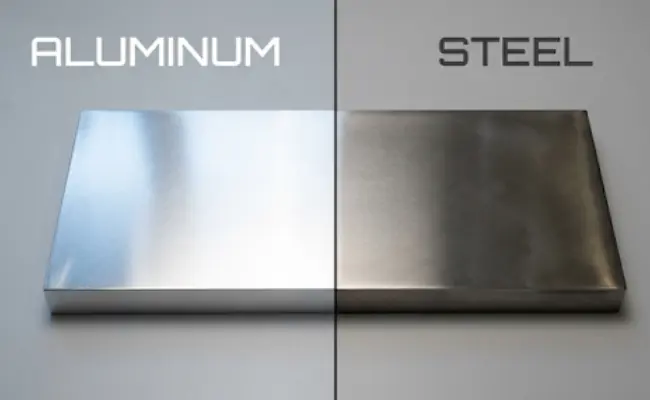
Weight and Density: The Big Difference
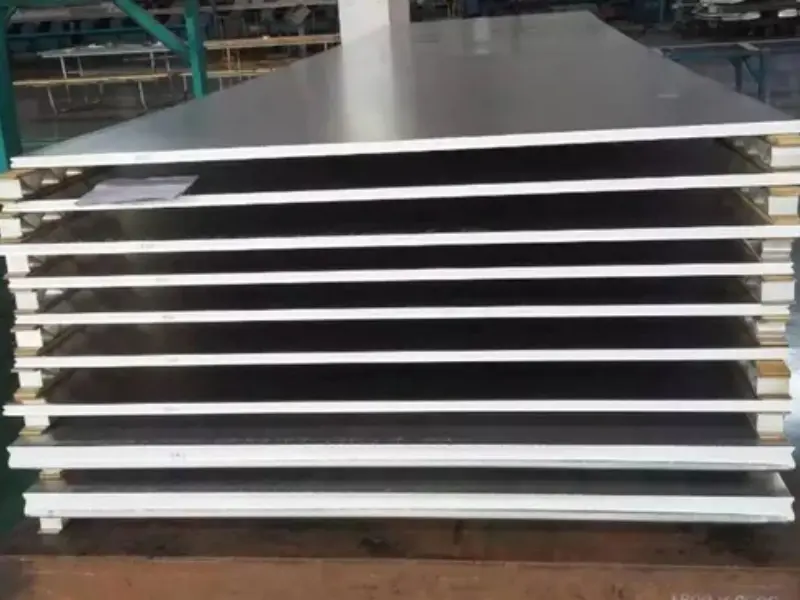
The most obvious difference when comparing aluminum sheet vs stainless steel is the weight. Aluminum is a “light metal,” while stainless steel is a “heavy metal.”
- Aluminum Density: Approximately 2.71 \text{ g/cm}^3.
- Stainless Steel Density: Approximately 7.93 \text{ g/cm}^3.
This means that a stainless steel sheet is nearly three times heavier than an aluminum sheet of the same size. If you are building something that needs to move, like a car or a drone, aluminum is the clear winner.
Table 1: Weight Comparison for a 1 \text{ mm} Thick Sheet (1\text{m} \times 1\text{m})
| Material | Thickness | Weight (Approx.) |
|---|---|---|
| Aluminum (1050) | 1 \text{ mm} | 2.7 \text{ kg} |
| Stainless Steel (304) | 1 \text{ mm} | 7.9 \text{ kg} |
Strength and Durability
While aluminum is lighter, stainless steel is much stronger. In the battle of aluminum sheet vs stainless steel for structural integrity, steel usually wins.
Tensile Strength
Stainless steel can handle much higher loads before it bends or breaks. This makes it the better choice for heavy construction, bridges, and high-pressure tanks.
Hardness
Stainless steel is very hard and resists scratches and dents. Aluminum is softer. While this makes aluminum easier to shape, it also means it can be damaged more easily in high-traffic areas.
Corrosion Resistance: Fighting Rust
Both metals are excellent at resisting corrosion, but they do it in different ways.
- Aluminum: It naturally forms a thin layer of aluminum oxide on its surface. This layer acts like a shield. It works very well in normal weather and humid air.
- Stainless Steel: It contains Chromium (Cr). This creates an “invisible film” that prevents rust. Grade 316 stainless steel is even better because it contains Molybdenum (Mo), which protects it from salt water.
If you are working in a marine environment (near the ocean), high-grade stainless steel is often safer, though specific aluminum alloys like 5052 also perform very well.
Common Grades and Technical Specifications
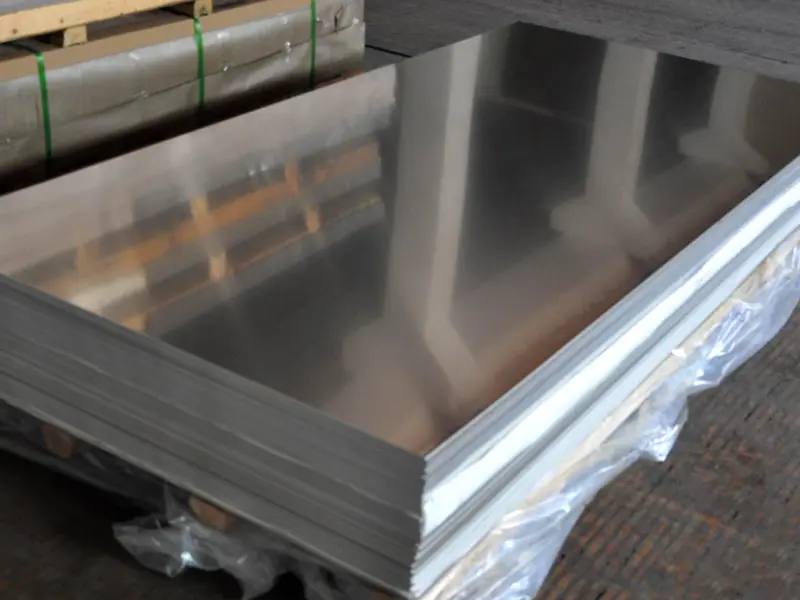
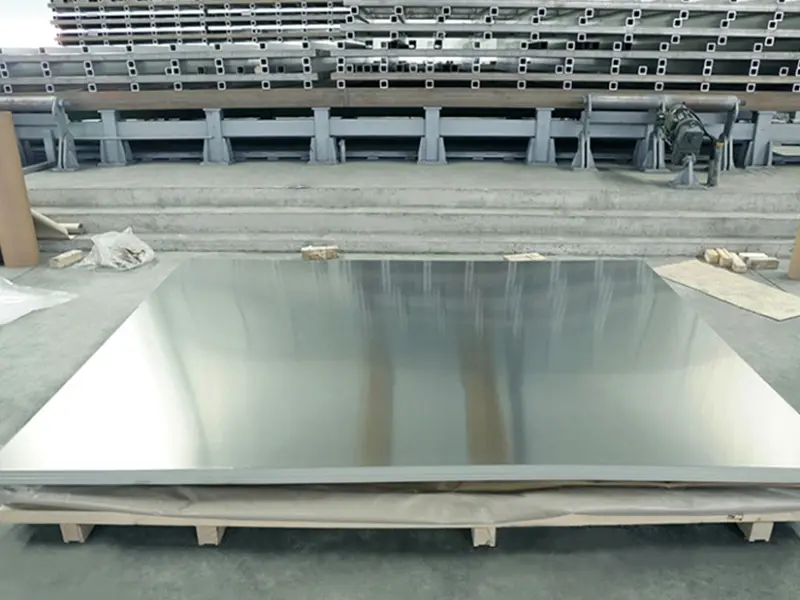
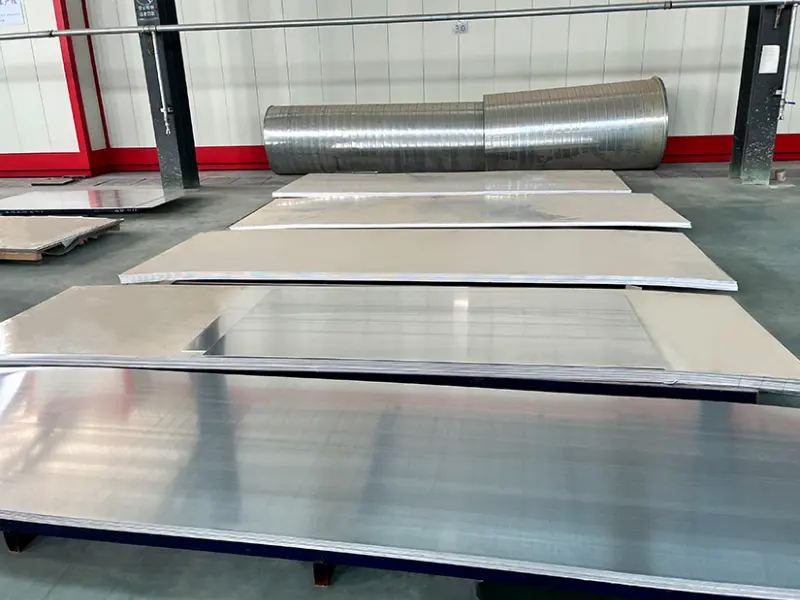
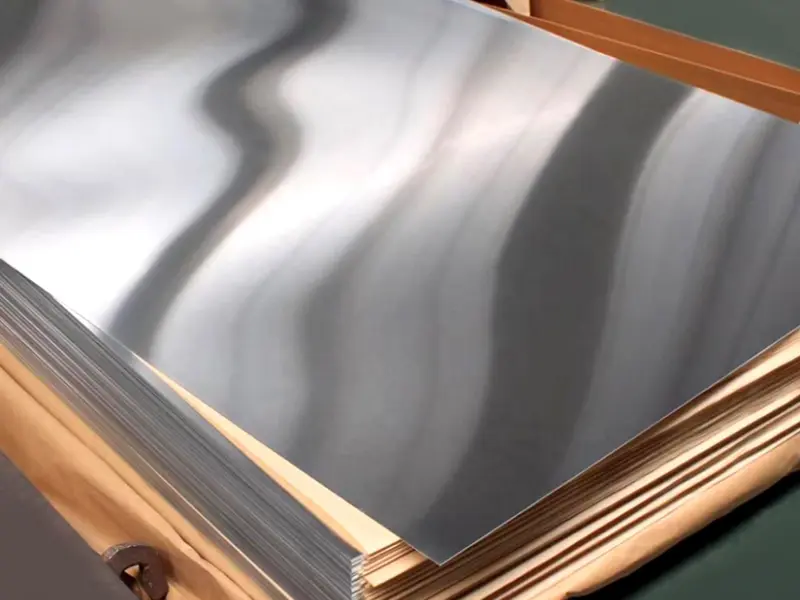
To choose correctly, you need to look at the specific “grades” or “alloys” of each metal.
Aluminum Sheet Alloys
- 1050 / 1100: Pure aluminum. Very soft and excellent for electricity.
- 3003: The most common general-purpose alloy. Very good for kitchenware.
- 5052: Marine grade. Very strong and resists salt water.
- 6061: Structural grade. It can be heat-treated for maximum hardness.
Stainless Steel Grades
- 304: The “standard” stainless. Used for sinks, pots, and food machines.
- 316: Marine grade. Contains 2% Molybdenum to stop salt corrosion.
- 430: A lower-cost grade that is often used for appliance doors.
Table 2: Digitized Material Specs
| Property | Aluminum (5052-H32) | Stainless Steel (304) |
|---|---|---|
| Yield Strength | 195 \text{ MPa} | 215 \text{ MPa} |
| Tensile Strength | 230 \text{ MPa} | 505 \text{ MPa} |
| Melting Point | 600^\circ\text{C} | 1400^\circ\text{C} |
| Magnetism | Non-Magnetic | Usually Non-Magnetic |
Thermal and Electrical Conductivity
How do these metals handle heat and power? This is a key part of the aluminum sheet vs stainless steel debate.
- Heat Conduction: Aluminum is a much better conductor of heat. This is why car radiators and computer heat sinks are made of aluminum. Stainless steel is a “thermal insulator,” meaning heat moves through it slowly.
- Electricity: Aluminum is one of the best conductors of electricity. It is often used for high-voltage power lines because it is light and efficient. Stainless steel is a poor conductor.
Different Product Types and Finishes
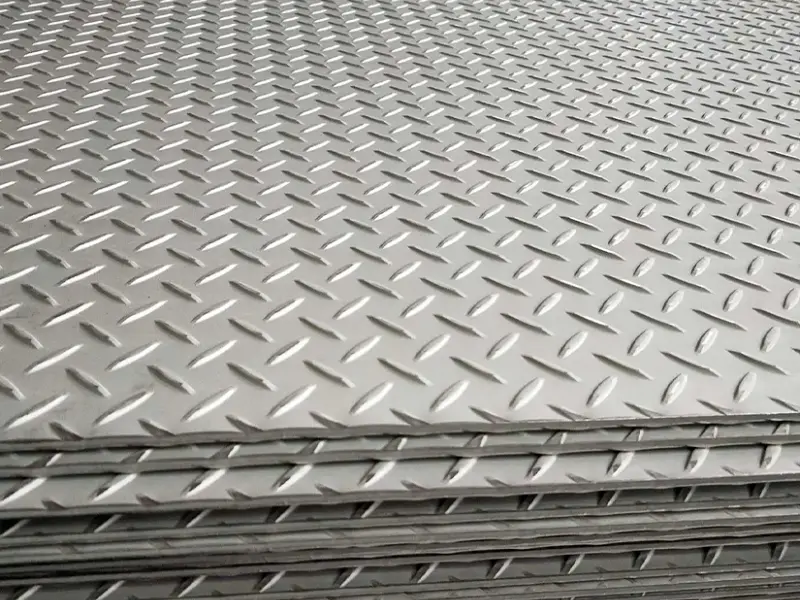
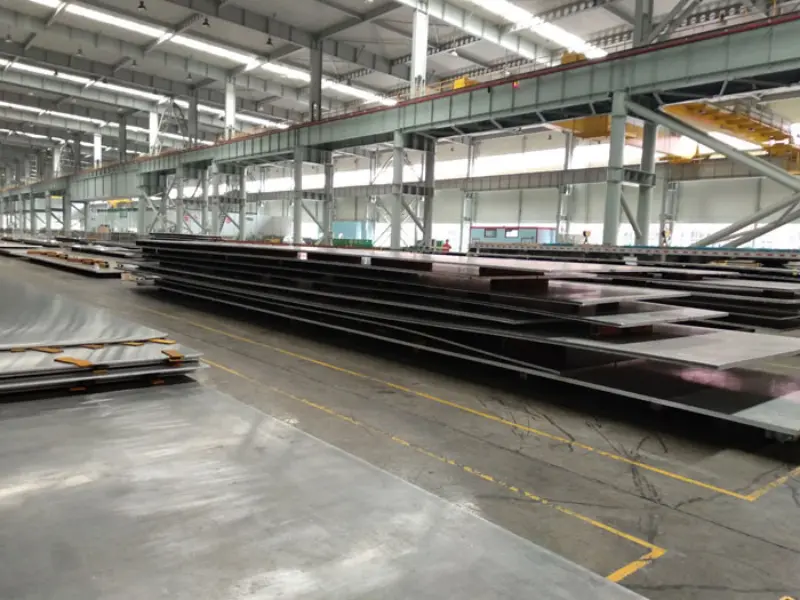
Both materials come in various “looks” to attract different types of customers.
Embossed and Tread Plates
Both metals can be made into “checker plates.” Aluminum tread plates are common on the back of trucks. Stainless steel tread plates are used in chemical factories where the floor must be very strong and clean.
Mirror and Brushed Finishes
- Mirror Aluminum: Lightweight and used for light reflectors.
- Mirror Stainless: Used for high-end hotel decor and elevator doors.
- Brushed (No. 4 Finish): The classic “industrial” look seen on refrigerators and kitchen appliances.
Perforated Sheets
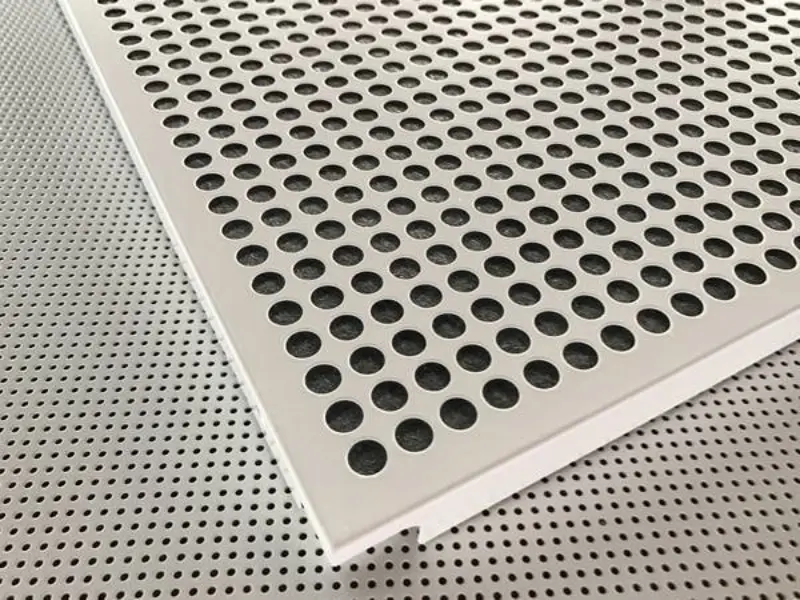
These are sheets with holes punched in them. They have uses for filters or architectural screens. Aluminum perforated sheets are easier to install because they are light, but stainless steel versions last longer in harsh chemical environments.
Cost Comparison: Initial vs. Lifetime
When you look at the aluminum sheet vs stainless steel price, aluminum is usually cheaper per volume.
- Raw Material Cost: Aluminum is generally less expensive than stainless steel, especially since stainless steel contains expensive Nickel (Ni).
- Processing Cost: Aluminum is easier to cut and bend. This saves money on labor and tools.
- Maintenance: Stainless steel is easier to clean and lasts a very long time without needing a replacement.
Table 3: Economic Factors
| Factor | Aluminum Sheet | Stainless Steel |
|---|---|---|
| Price per kg | Lower | Higher |
| Tool Wear | Low | High (Hard on tools) |
| Recycle Value | High | High |
| Labor Cost | Lower (Easy to weld/cut) | Higher (Requires skill) |
Applications: Where to Use What?
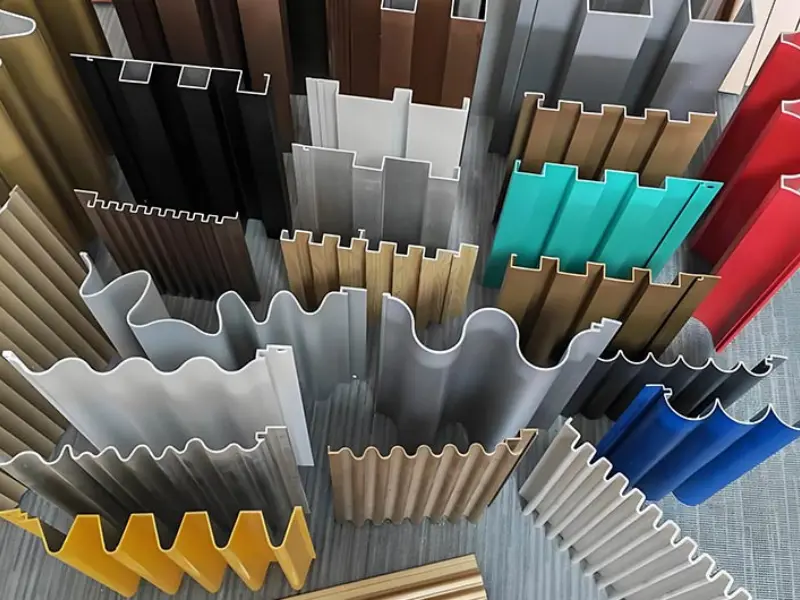
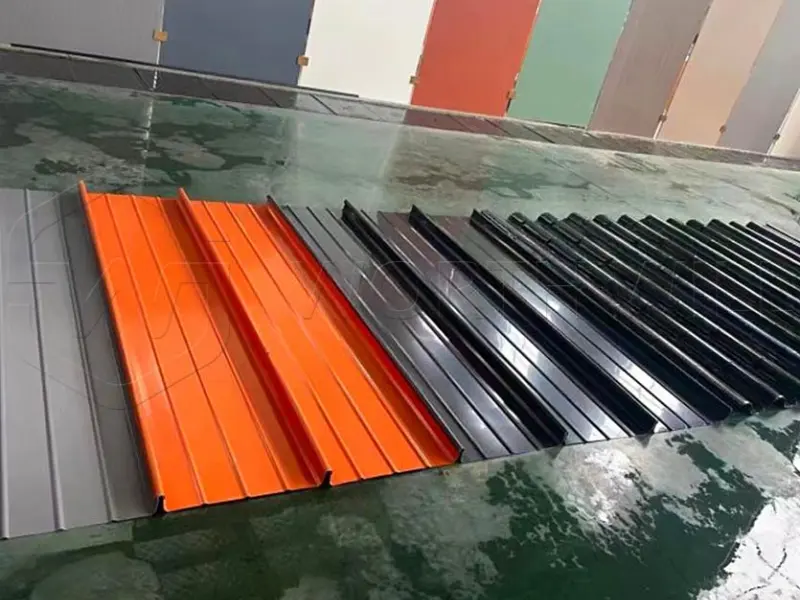
To make your choice easier, look at these common industry applications.
Use Aluminum Sheets if:
- You are building a boat, a truck, or an airplane (Weight matters).
- You need to move heat away from a machine (Heat sinks).
- You are making food containers or soda cans.
- You have a tight budget for a large project.
Use Stainless Steel if:
- You are building a professional kitchen or medical lab (Hygiene).
- You are building something near the ocean (316 Grade).
- You need the metal to handle very high temperatures (Ovens/Exhausts).
- You want a high-end, luxury look that doesn’t scratch.
Aluminum Sheet Checklist for Buyers
If you are still stuck on aluminum sheet vs stainless steel, ask yourself these four questions:
- Does weight matter? If yes, choose Aluminum.
- Does it need to be very strong? If yes, choose Stainless Steel.
- Will it touch fire or high heat? If yes, choose Stainless Steel.
- Is it for a decorative reflector? If yes, choose Aluminum.
| Feature | Winner |
|---|---|
| Lightweight | Aluminum |
| Extreme Strength | Stainless Steel |
| Heat Conductivity | Aluminum |
| Heat Resistance | Stainless Steel |
| Low Price | Aluminum |
Both materials are amazing in their own way. Aluminum offers agility and cost-savings, while stainless steel offers raw power and long-term durability. By matching these properties to your specific needs, you can ensure your project is built to last.
Aluminum Sheet vs Stainless Steel
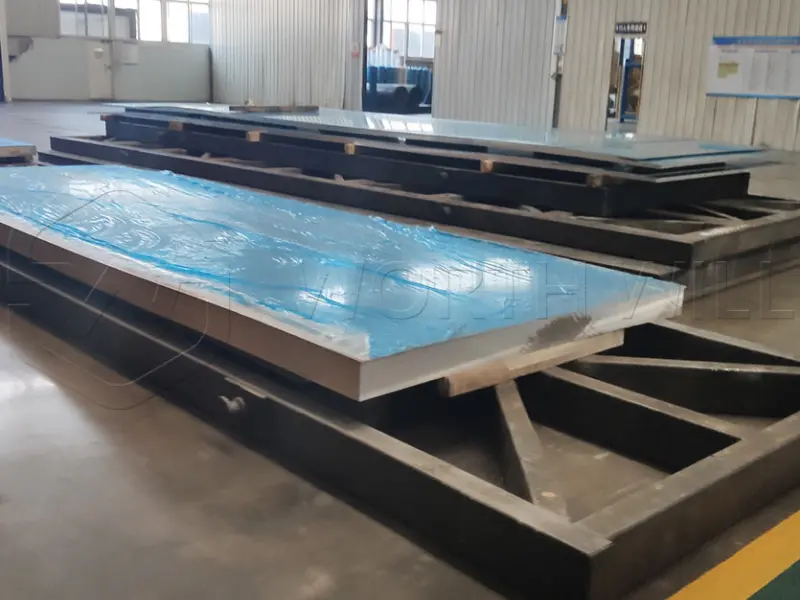
Choosing between aluminum sheet and stainless steel comes down to weight, strength, corrosion needs, and budget. Both metals show up in kitchens, buildings, vehicles, and factories, yet each wins in different situations.
The Basic Difference Between the Two Metals
Aluminum is a light, soft, naturally corrosion-resistant metal. Stainless steel is an iron-based alloy with chromium added, which makes it heavy, hard, and highly resistant to rust.
Both metals resist corrosion, but they do it in different ways. Aluminum forms a thin oxide layer on its surface that protects the metal underneath. Stainless steel relies on its chromium content to form a similar protective film.
Quick Snapshot
- Aluminum weighs about one-third as much as stainless steel
- Stainless steel is harder and stronger by volume
- Aluminum conducts heat and electricity far better
- Stainless steel handles high heat and harsh chemicals better
- Aluminum usually costs less per pound but varies by grade
Head-to-Head Property Comparison
| Property | Aluminum Sheet | Stainless Steel |
|---|---|---|
| Density | 2.7 g/cm³ | 7.9 g/cm³ |
| Tensile strength (typical) | 90 – 310 MPa | 500 – 750 MPa |
| Melting point | About 660°C | About 1400°C |
| Thermal conductivity | High | Low |
| Corrosion resistance | Good to excellent | Excellent |
| Magnetic | No | Depends on grade |
| Recyclability | Excellent | Excellent |
The biggest gap is weight. A stainless steel sheet of the same size and thickness weighs nearly three times as much as aluminum, which changes shipping cost, handling, and structural design.
Common Grades Compared
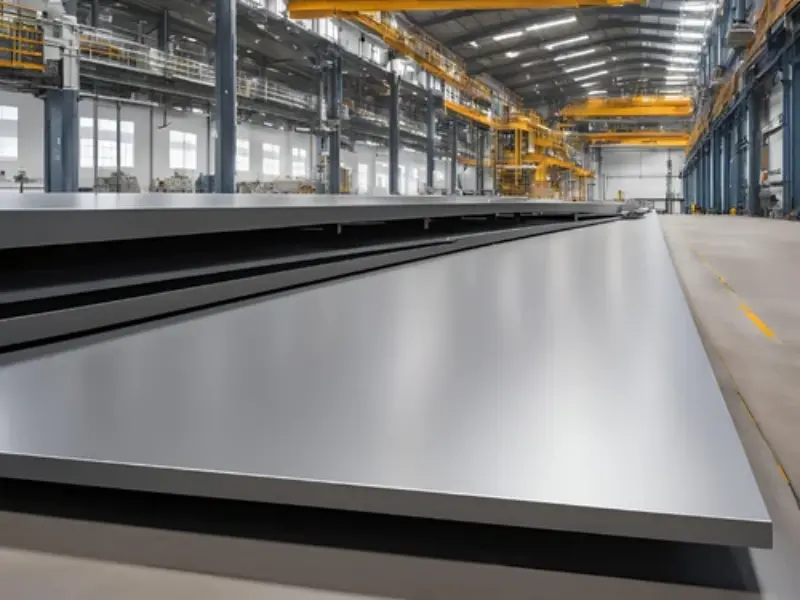
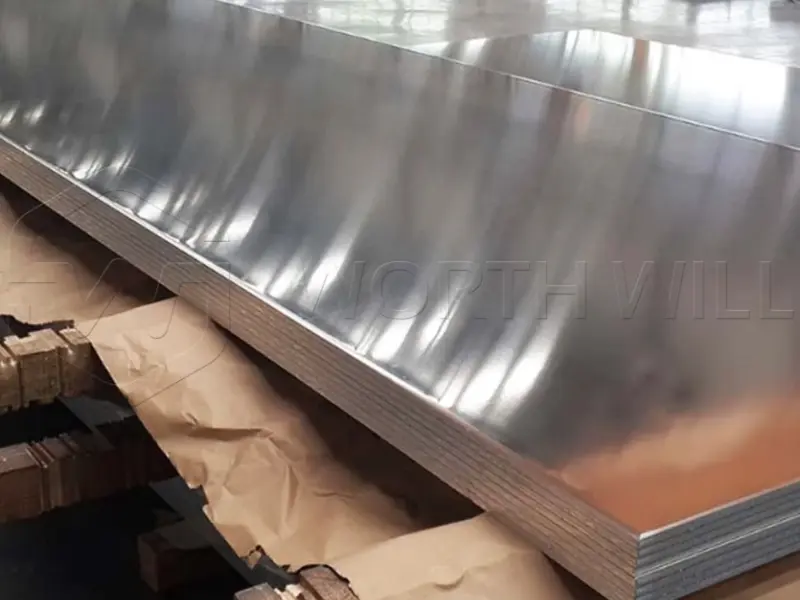
Both metals come in many grades. Here are the ones buyers ask about most.
| Metal | Grade | Common Use |
|---|---|---|
| Aluminum | 1100 | Reflectors, chemical tanks, decorative parts |
| Aluminum | 3003 | General fabrication, cookware, roofing |
| Aluminum | 5052 | Marine parts, fuel tanks, panels |
| Aluminum | 6061 | Structural parts, machined components |
| Stainless | 304 | Kitchen equipment, food processing, architecture |
| Stainless | 316 | Marine, chemical, and medical settings |
| Stainless | 430 | Appliances, decorative trim, indoor use |
304 stainless steel is the general-purpose standard, while 316 adds molybdenum for better resistance to salt and chemicals. On the aluminum side, 3003 and 5052 cover most sheet metal needs.
Weight Comparison by Thickness
Weight is where aluminum sheet clearly stands out. This table shows approximate weight per square foot.
| Thickness (in) | Thickness (mm) | Aluminum (lb/sq ft) | Stainless 304 (lb/sq ft) |
|---|---|---|---|
| .032 | 0.81 | 0.45 | 1.31 |
| .063 | 1.60 | 0.88 | 2.56 |
| .125 | 3.18 | 1.76 | 5.10 |
| .250 | 6.35 | 3.53 | 10.20 |
At quarter-inch thickness, stainless steel plate weighs about ten pounds per square foot. Aluminum weighs only three and a half. That difference adds up quickly on large panels, trailers, and rooftop installations.
Strength Comparison by Grade
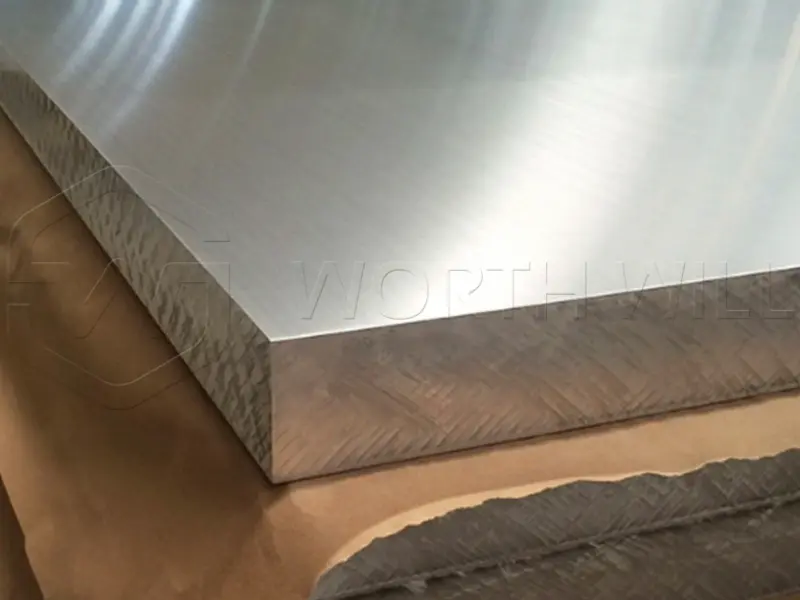
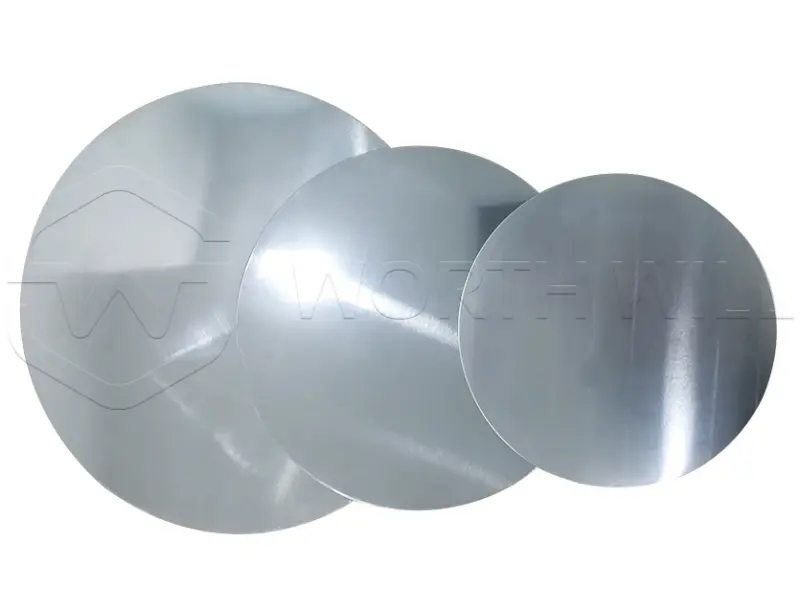
Raw strength depends heavily on the specific grade and temper, not just the metal family.
| Material | Temper / Condition | Tensile Strength (MPa) |
|---|---|---|
| Aluminum 3003 | H14 | 150 – 180 |
| Aluminum 5052 | H32 | 210 – 260 |
| Aluminum 6061 | T6 | 290 – 310 |
| Stainless 304 | Annealed | 515 – 720 |
| Stainless 316 | Annealed | 515 – 690 |
Even strong aluminum grades like 6061-T6 fall well below stainless steel in raw tensile strength. But because aluminum is so light, a thicker aluminum part can often match a thinner stainless part in stiffness, at a lower total weight.
Strength-to-Weight Comparison
- Stainless steel wins on raw strength for the same thickness
- Aluminum wins on strength per pound in most structural uses
- 6061-T6 aluminum has one of the best strength-to-weight ratios among common sheet metals
Corrosion Resistance in Different Environments
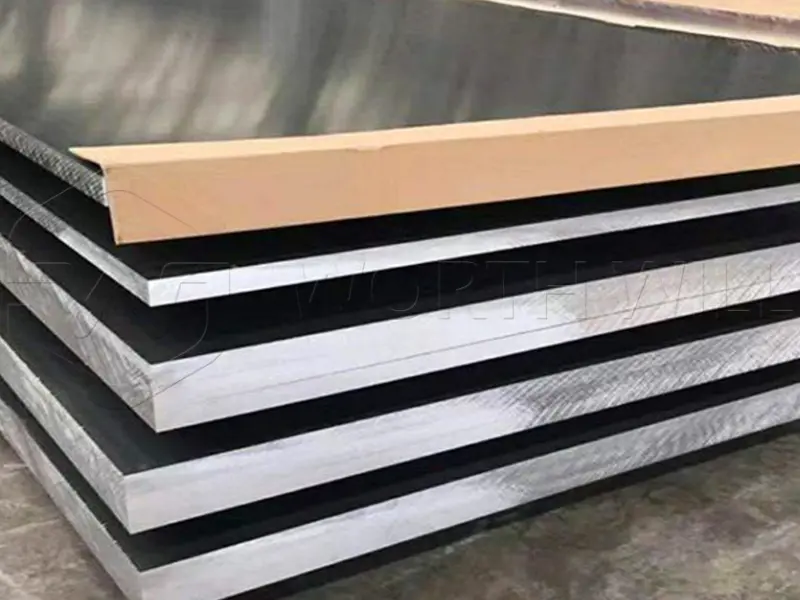
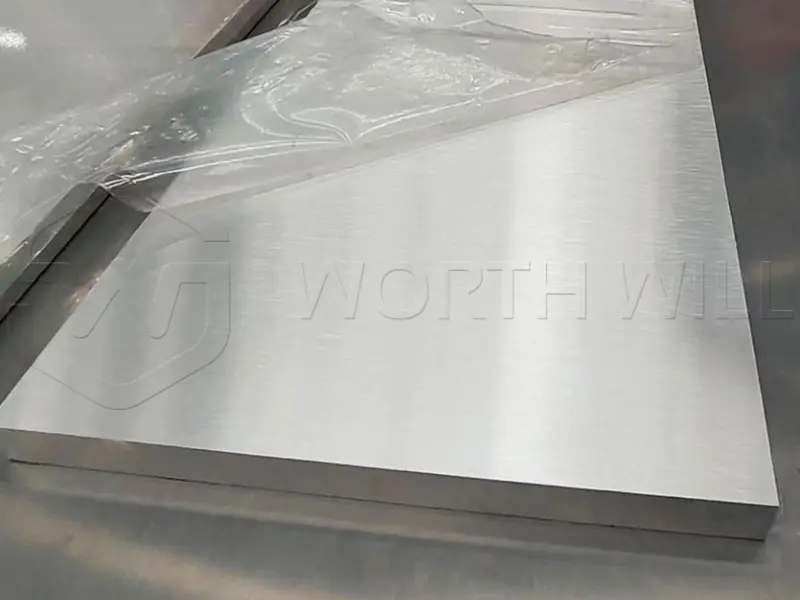
Both metals resist rust, but they behave differently depending on where they are used.
| Environment | Aluminum Sheet | Stainless Steel |
|---|---|---|
| Indoor, dry | Excellent | Excellent |
| Outdoor, normal weather | Excellent | Excellent |
| Coastal, salt spray | Good (5052 performs best) | Very good (316 performs best) |
| Chemical exposure | Depends on chemical | Generally better |
| High humidity | Excellent | Excellent |
In coastal areas, 5052 aluminum and 316 stainless steel are the go-to choices. For strong chemical or acidic settings, stainless steel usually has the edge.
Cost Comparison
Price depends on grade, thickness, finish, and order size, but general patterns hold across most markets.
| Cost Factor | Aluminum Sheet | Stainless Steel |
|---|---|---|
| Raw material cost per pound | Moderate | Higher |
| Cost per square foot at same thickness | Lower | Higher |
| Cutting and forming cost | Lower, softer metal | Higher, harder on tools |
| Welding cost | Moderate, needs skill | Moderate to high |
| Shipping cost | Lower, lighter weight | Higher, heavier weight |
Aluminum tends to win on total project cost for large panels or long shipping distances, since lighter weight cuts freight and handling expense. Stainless steel costs more upfront but can justify the price in harsh or high-heat settings.
Product Types Available in Each Material
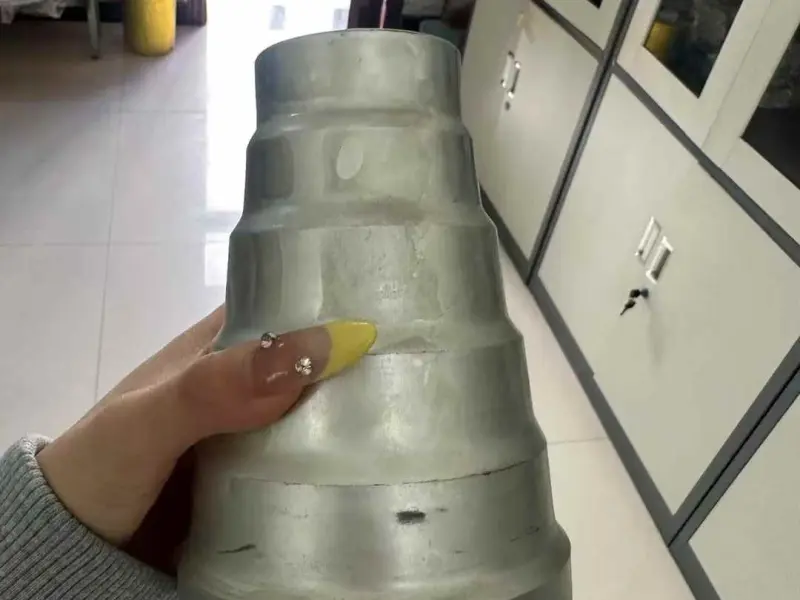
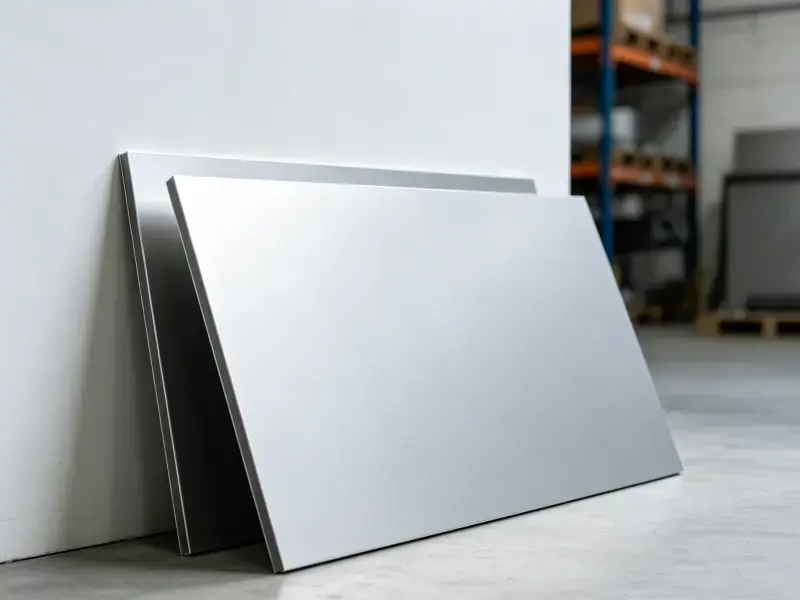
Both metals come in a wide range of forms. Here is how the product ranges compare.
Aluminum Sheet Product Types
- Mill finish sheet: plain, unpolished stock for general fabrication
- Painted or color coated sheet: factory-applied color for trim and roofing
- Diamond plate: raised tread pattern for flooring and steps
- Embossed sheet: textured surface for cladding and insulation jacketing
- Perforated sheet: punched holes for ventilation and screens
- Anodized sheet: hard surface layer for scratch resistance
- Coil and strip: continuous rolls for roll-forming lines
Stainless Steel Sheet Product Types
- 2B finish: smooth, matte industrial standard
- No. 4 brushed: directional grain, common in kitchens
- Mirror polished (No. 8): highly reflective surface
- Embossed and patterned: decorative textures for interiors
- Perforated sheet: punched patterns for filtration
- Coil and strip: rolls for stamping and forming
Aluminum offers more color and coating options, while stainless steel offers a wider range of natural metal finishes without added coatings.
Fabrication Comparison
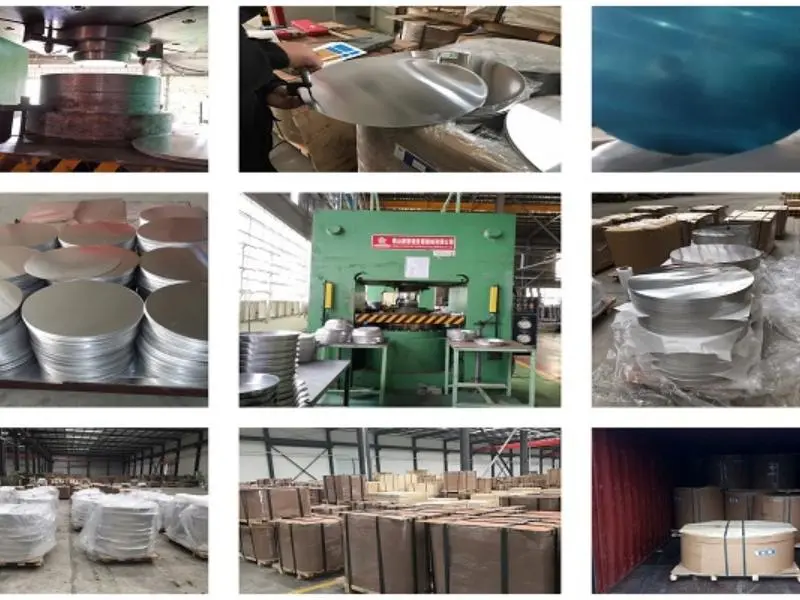
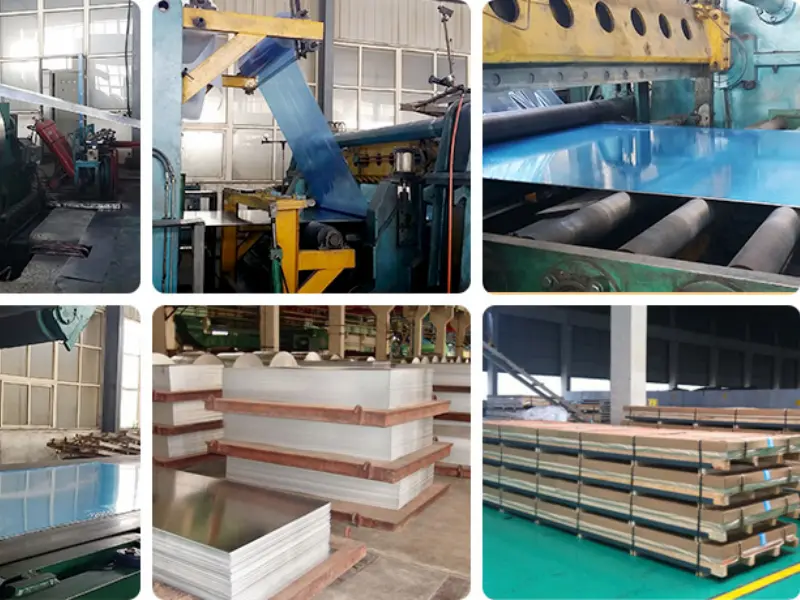
How easy a metal is to cut, bend, and join affects labor cost and lead time.
| Process | Aluminum Sheet | Stainless Steel |
|---|---|---|
| Cutting | Easy, standard shears and saws | Harder, needs stronger tools |
| Bending | Easy, forgiving | Harder, springs back more |
| Welding | Good, needs clean surface and skill | Good, well-known process |
| Machining | Excellent, especially 6061 | Harder, slower cutting speeds |
| Forming and stamping | Excellent, especially soft tempers | Good, but needs more force |
Aluminum is faster and cheaper to fabricate in most shops. Stainless steel takes more force, wears tools faster, and generally needs more skilled handling.
Fabrication Tips
- Aluminum can scratch easily, so protective film helps during handling
- Stainless steel work-hardens as it is bent, so plan bend radius carefully
- Aluminum needs different welding filler than steel, and the two cannot be welded together directly
Heat and Fire Performance
| Factor | Aluminum Sheet | Stainless Steel |
|---|---|---|
| Melting point | Lower, about 660°C | Much higher, about 1400°C |
| Strength at high temperature | Drops noticeably above 200°C | Holds strength much better |
| Heat spreading | Excellent, fast and even | Poor, creates hot spots |
| Best for | Heat transfer, cookware bases, heat sinks | High-heat structural use, furnaces, exhausts |
Aluminum spreads heat quickly, which is why cookware and heat exchangers use it. Stainless steel handles extreme temperatures better, which is why exhaust systems and furnace parts rely on it.
Aluminum Sheet vs Stainless Steel: Who Wins Where
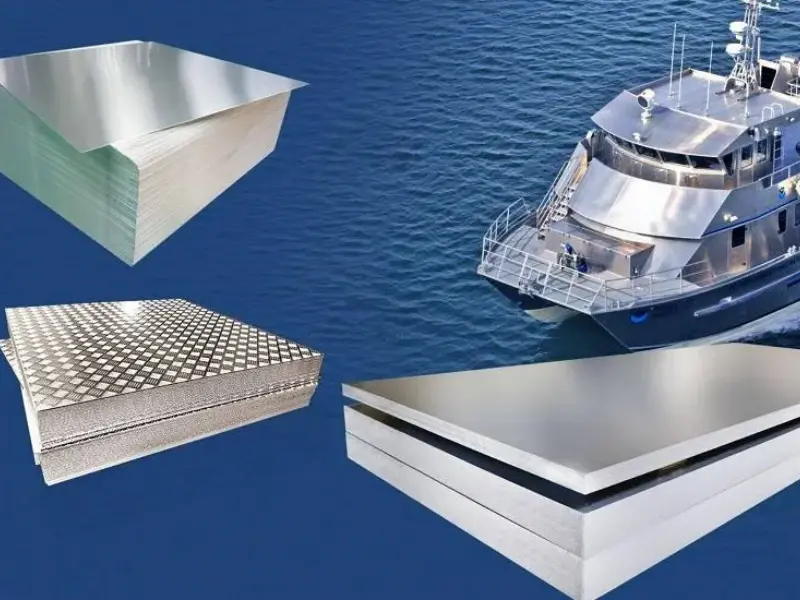
→ Need the lightest possible panel? Aluminum sheet cuts weight by roughly two-thirds. → Working in a chemical plant or food processing line? Stainless steel usually handles cleaning chemicals better. → Building a marine deck or hull panel? 5052 or 5083 aluminum works well, though 316 stainless suits fittings. → Need good heat spreading, like a cookware base? Aluminum wins clearly. → Budget matters and weight matters too? Aluminum sheet is usually the more cost-effective option. → Need maximum hardness and dent resistance? Stainless steel holds up better against impact.
Applications Where Aluminum Sheet Leads
- Roofing, siding, and building cladding
- Truck bodies, trailer panels, and transportation parts
- Cookware and heat exchanger components
- Signage and lighting reflectors
- Electrical enclosures and conductors
- Aerospace and marine lightweight structures
- HVAC ductwork and insulation jacketing
- Consumer products and packaging
Applications Where Stainless Steel Leads

Food processing equipment and commercial kitchens
Medical and surgical instruments
Chemical processing tanks and piping
Exhaust systems and high-heat equipment
Architectural features needing a bright, hard finish
Marine fittings and hardware
Appliances and sinks
Heavy-duty industrial equipment
Long-Term Value and Lifespan
| Factor | Aluminum Sheet | Stainless Steel |
|---|---|---|
| Typical lifespan in normal use | 30 – 50 years | 40 – 60 years |
| Maintenance needed | Low | Low |
| Appearance over time | Can dull, holds color well if coated | Holds shine well |
| End-of-life value | Excellent scrap value | Excellent scrap value |
Both metals last for decades when matched to the right environment. The better question is usually which one fits the job, not which one lasts longer overall.
Packaging and Delivery
Both metals ship well when packed correctly, though weight affects freight cost.
- Interleaved paper or PE film between sheets
- Wood pallet or crate packing for export orders
- Protective film on polished or brushed finishes
- MOQ and lead time depend on grade, thickness, and finish
Frequently Asked Questions
Is aluminum sheet cheaper than stainless steel?
Usually yes, both per pound and per square foot at the same thickness. Lower weight also cuts shipping and handling cost.
Which is stronger, aluminum or stainless steel?
Stainless steel is stronger by raw tensile strength. But aluminum offers better strength per pound, which matters in weight-sensitive designs.
Does aluminum rust like steel?
No. Aluminum does not rust, though it can develop a thin white oxide layer that actually protects the metal underneath.
Which metal is better for outdoor use?
Both work well outdoors. Aluminum is lighter and often cheaper, while stainless steel offers more hardness and better chemical resistance.
Can aluminum and stainless steel be used together?
Yes, but direct contact in wet conditions can cause galvanic corrosion. Insulating washers or coatings are usually used to prevent this.
Which is easier to cut and bend?
Aluminum is easier to cut, bend, and form. Stainless steel needs stronger tools and more force.