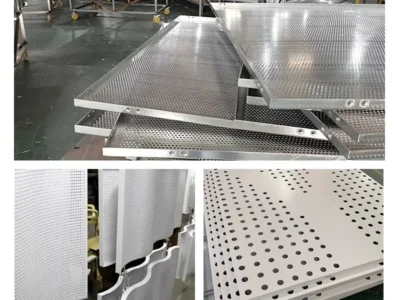
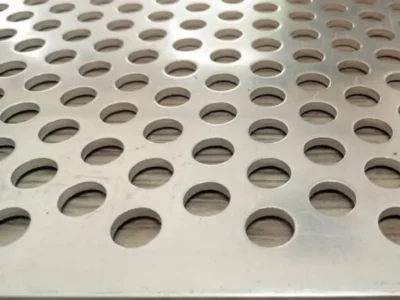
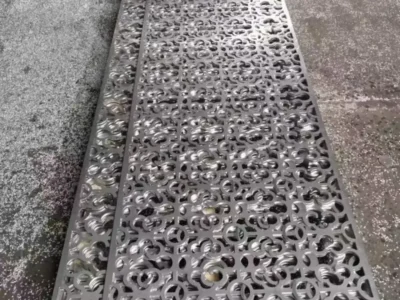
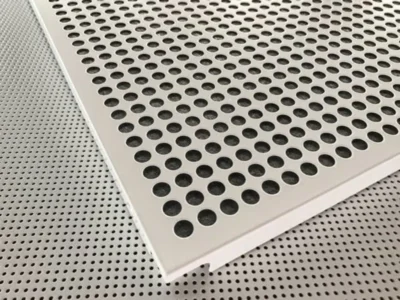
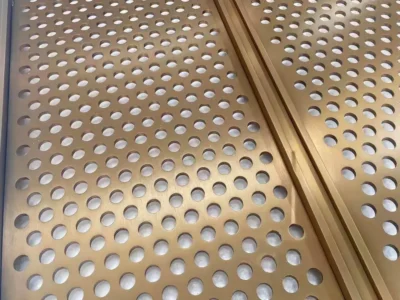
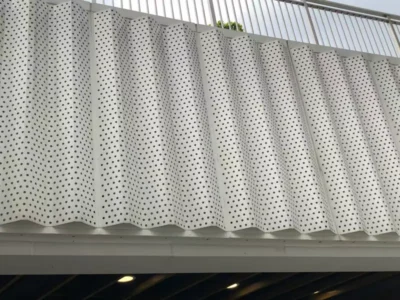
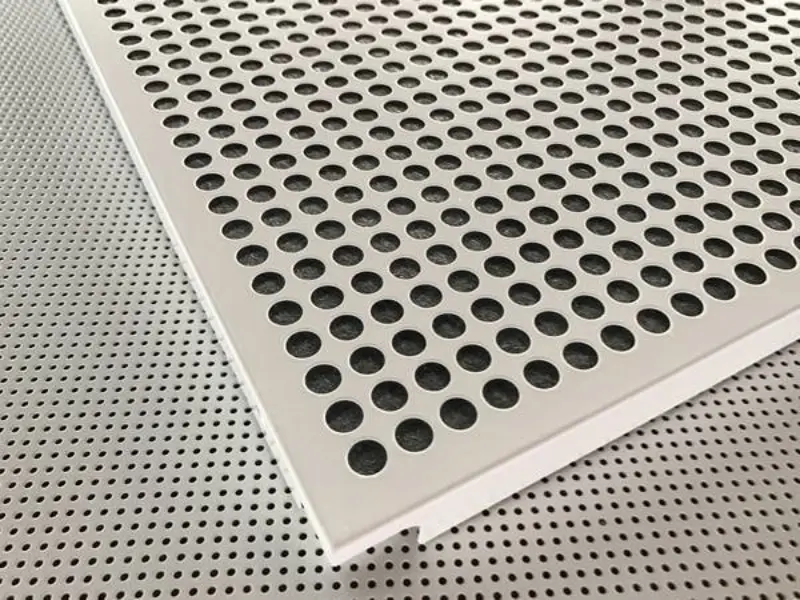
Perforated aluminum is sheet metal with holes punched through in specific patterns. The holes create open areas ranging from 10% to 80% of the surface. This material combines lightweight strength with ventilation, visibility, and aesthetic appeal .
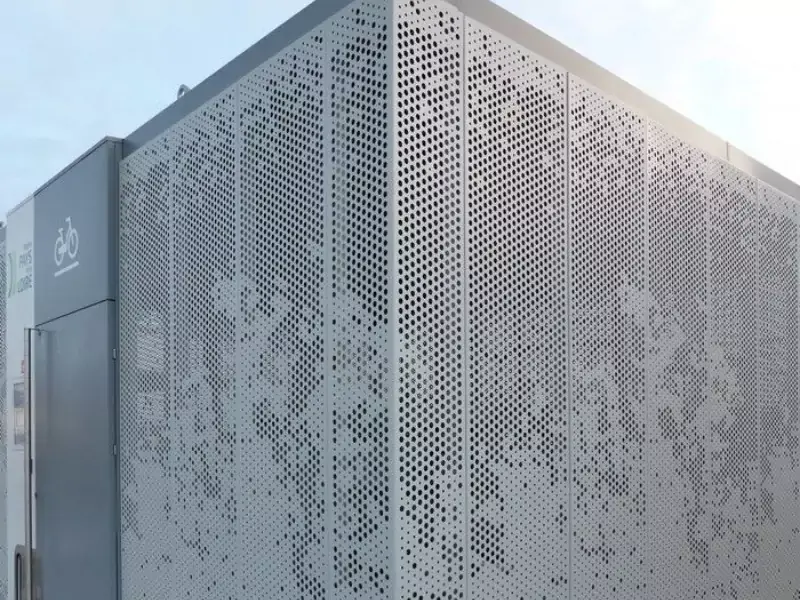
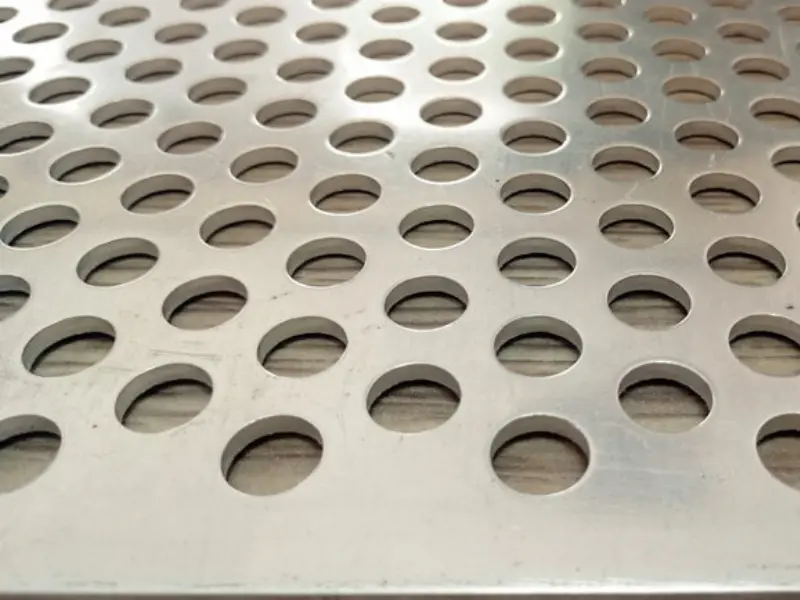
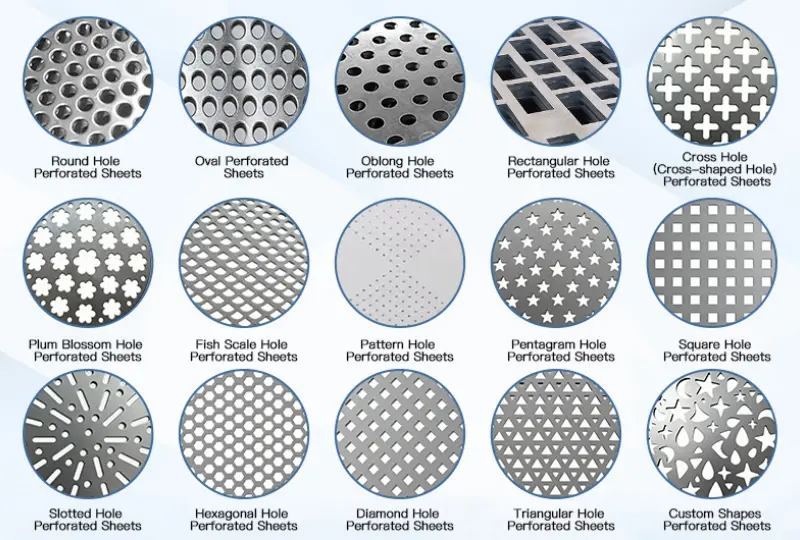
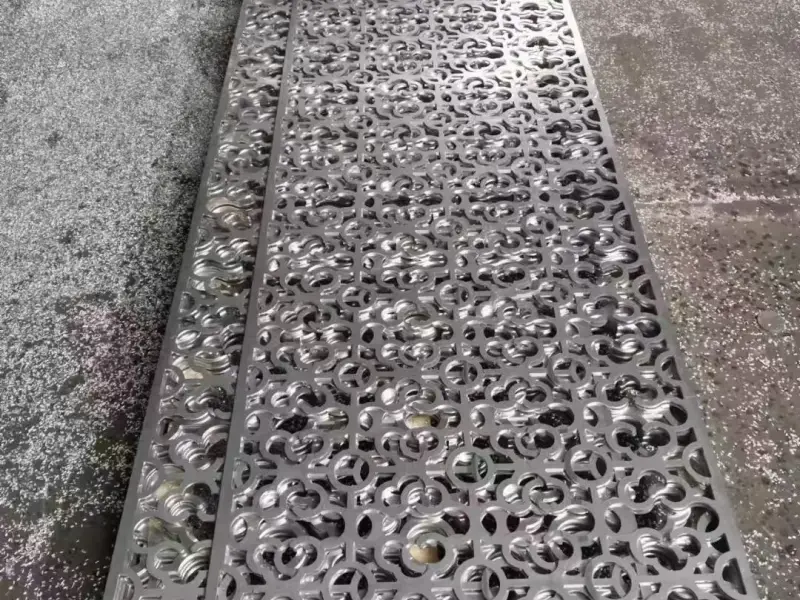
Manufacturers use CNC punching machines or rotary dies to create holes. Patterns can be round, square, slotted, or custom designs. The aluminum base provides natural corrosion resistance and long service life .
Perforated Aluminum Alloy Types and Comparison
1050 Aluminum Alloy
1050 is commercially pure aluminum. It offers excellent corrosion resistance and workability. This alloy is cost-effective for indoor applications.
| Property | Value |
|---|---|
| Aluminum content | ≥99.5% |
| Temper | H14, H24, O |
| Tensile strength | 60–100 MPa |
| Best for | Interior panels, decorative screens, light duty |
1060 Aluminum Alloy
1060 provides high purity with good formability. It accepts surface treatments well. This alloy is popular for general applications.
| Property | Value |
|---|---|
| Aluminum content | ≥99.6% |
| Temper | H14, H24 |
| Tensile strength | 60–110 MPa |
| Best for | Ceiling panels, wall cladding, standard screens |
3003 Aluminum Alloy
3003 contains manganese for added strength. It offers 20% higher strength than pure aluminum. This alloy suits structural and outdoor applications.
| Property | Value |
|---|---|
| Manganese content | 1.0–1.5% |
| Temper | H14, H16, H24 |
| Tensile strength | 140–180 MPa |
| Best for | Facades, sunshades, load-bearing panels |
5052 Aluminum Alloy
5052 uses magnesium for superior corrosion resistance. It performs well in marine and harsh environments.
| Property | Value |
|---|---|
| Magnesium content | 2.2–2.8% |
| Temper | H32, H34 |
| Tensile strength | 170–240 MPa |
| Best for | Marine applications, coastal buildings, heavy duty |
Alloy Comparison Table
| Feature | 1050 | 1060 | 3003 | 5052 |
|---|---|---|---|---|
| Strength | Low | Low | Medium | High |
| Corrosion resistance | Good | Good | Very good | Excellent |
| Formability | Excellent | Excellent | Good | Good |
| Weldability | Excellent | Excellent | Good | Good |
| Cost | Lowest | Low | Medium | Higher |
| Best use | Interior decor | General purpose | Structural | Marine/harsh |
Perforated Aluminum Thickness Options and Comparison
Light Gauge Sheets (0.5–1.0 mm)
| Thickness | Best Applications | Features |
|---|---|---|
| 0.5 mm | Ceiling tiles, light screens | Very lightweight, easy to handle |
| 0.6 mm | Decorative panels, signage | Economical, adequate strength |
| 0.8 mm | Interior partitions, HVAC grilles | Good balance, standard choice |
| 1.0 mm | Wall panels, furniture | Moderate rigidity, popular thickness |
Medium Gauge Sheets (1.2–2.0 mm)
| Thickness | Best Applications | Features |
|---|---|---|
| 1.2 mm | Exterior cladding, sunshades | Enhanced strength, wind resistant |
| 1.5 mm | Balustrades, railings | Good structural integrity |
| 1.6 mm | Heavy-duty screens, platforms | High load capacity |
| 2.0 mm | Industrial flooring, walkways | Maximum rigidity for medium duty |
Heavy Gauge Sheets (2.5–6.0 mm)
| Thickness | Best Applications | Features |
|---|---|---|
| 2.5 mm | Stair treads, heavy platforms | Industrial strength |
| 3.0 mm | Architectural facades, structures | High impact resistance |
| 4.0 mm | Security screens, machine guards | Bullet-resistant options available |
| 5.0–6.0 mm | Special structural applications | Maximum durability |
Thickness Selection Guide
| Application | Recommended Thickness | Reason |
|---|---|---|
| Ceiling panels | 0.5–0.8 mm | Lightweight, easy installation |
| Wall cladding (interior) | 0.8–1.2 mm | Good appearance, moderate strength |
| Wall cladding (exterior) | 1.2–2.0 mm | Weather resistance, structural stability |
| Sunshades and louvers | 1.5–2.5 mm | Wind load resistance |
| Flooring and platforms | 2.0–4.0 mm | Load-bearing capacity |
| Security applications | 3.0–6.0 mm | Maximum strength and protection |
Perforated Aluminum with Hole Patterns and Open Area
Round Hole Patterns
| Pattern | Hole Diameter | Pitch | Open Area | Best For |
|---|---|---|---|---|
| R2-T3 | 2 mm | 3 mm | 40% | Fine screening, filtration |
| R3-T5 | 3 mm | 5 mm | 33% | Standard ventilation, acoustic panels |
| R5-T8 | 5 mm | 8 mm | 35% | General purpose, wall panels |
| R10-T15 | 10 mm | 15 mm | 40% | Sunshades, decorative screens |
| R20-T30 | 20 mm | 30 mm | 40% | Large format facades, bold design |
Square Hole Patterns
| Pattern | Hole Size | Pitch | Open Area | Best For |
|---|---|---|---|---|
| S3-T4 | 3 mm | 4 mm | 56% | High airflow, speaker grilles |
| S5-T8 | 5 mm | 8 mm | 39% | Standard architectural use |
| S10-T15 | 10 mm | 15 mm | 44% | Modern facades, partitions |
| S20-T25 | 20 mm | 25 mm | 64% | Maximum visibility, light transmission |
Slotted Hole Patterns
| Pattern | Slot Size | Pitch | Open Area | Best For |
|---|---|---|---|---|
| SL2-5 | 2×20 mm | 5 mm | 40% | Linear design, sun control |
| SL5-10 | 5×30 mm | 10 mm | 45% | Acoustic panels, diffusers |
| SL10-20 | 10×50 mm | 20 mm | 50% | Bold architectural statements |
Decorative Patterns
| Pattern | Description | Open Area | Best For |
|---|---|---|---|
| Hexagonal | Honeycomb arrangement | 30–60% | Modern facades, artistic screens |
| Diamond | Diagonal alignment | 35–55% | Traditional architecture, gates |
| Micro-perforation | Holes <1 mm | 5–15% | Acoustic panels, subtle texture |
| Custom logo | Company branding | Variable | Corporate identity, signage |
Color Options and Finishes
Mill Finish
Mill finish shows natural aluminum color. It offers basic corrosion protection.
| Feature | Specification |
|---|---|
| Appearance | Silver-gray metallic |
| Cost | Lowest |
| Best for | Industrial applications, hidden areas |
| Maintenance | May oxidize over time |
Anodized Finish
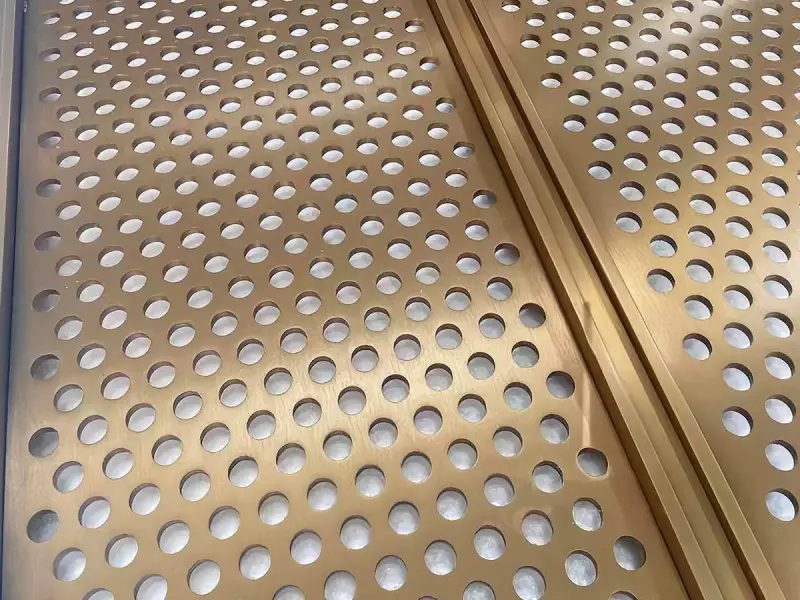
Anodizing creates a hard oxide layer. It provides excellent durability and color options.
| Color | Thickness | Characteristics |
|---|---|---|
| Clear/natural | 5–10 microns | Natural look, corrosion protection |
| Bronze | 10–20 microns | Warm tone, architectural standard |
| Champagne | 10–20 microns | Neutral elegance |
| Black | 15–25 microns | Modern, dramatic appearance |
| Gold | 15–25 microns | Premium decorative look |
Powder Coated Finish
Powder coating provides thick, durable color. It offers unlimited color choices.
| Finish Type | Thickness | Characteristics |
|---|---|---|
| Matte | 60–80 microns | Non-reflective, modern look |
| Gloss | 60–80 microns | Shiny, easy to clean |
| Metallic | 60–80 microns | Sparkle effect, premium appearance |
| Texture | 80–120 microns | Hides imperfections, anti-slip |
PVDF Coated Finish
PVDF coating offers superior weather resistance. It lasts 20+ years outdoors.
| Color Category | Warranty | Best For |
|---|---|---|
| Solid colors | 20 years | High-end facades, long-term projects |
| Metallic | 20 years | Premium architectural statements |
| Wood grain | 15 years | Natural appearance, warm aesthetics |
Color Selection Guide
| Application | Recommended Finish | Color Suggestions |
|---|---|---|
| Interior ceilings | Powder coat matte | White, off-white, light gray |
| Exterior facades | PVDF or anodized | Silver, bronze, custom brand colors |
| Sunshades | Anodized or PVDF | Dark colors for heat absorption |
| Decorative screens | Any finish | Bold colors, custom patterns |
| Industrial flooring | Mill or powder coat | Safety yellow, gray, black |
Main Functions
Ventilation and Airflow
Perforated aluminum allows air passage while maintaining structural integrity. The open area percentage controls airflow volume. This function is essential for:
- Building facades that reduce wind loads
- HVAC system grilles and diffusers
- Equipment enclosures requiring cooling
- Acoustic panels that absorb sound while passing air
Light Control
The hole pattern filters natural light. It creates interesting shadow effects. Designers use this feature for:
- Sunshades that reduce glare
- Decorative screens that play with light
- Privacy screens that allow partial visibility
- Ceiling panels that diffuse artificial lighting
Acoustic Control
Micro-perforated aluminum absorbs sound waves. The holes convert sound energy to heat. Applications include:
- Concert hall wall panels
- Office ceiling systems
- Highway noise barriers
- Industrial machinery enclosures
Visual Screening
Perforated panels provide privacy without complete blockage. The pattern determines visibility levels. Uses include:
- Parking garage screens
- Balcony railings
- Security fences
- Decorative room dividers
Aesthetic Enhancement
The patterns create visual interest on building surfaces. Designers specify perforated aluminum for:
- Modern building facades
- Corporate identity signage
- Artistic installations
- Branded architectural elements
Perforated Aluminum Applications by Industry
Architectural and Construction
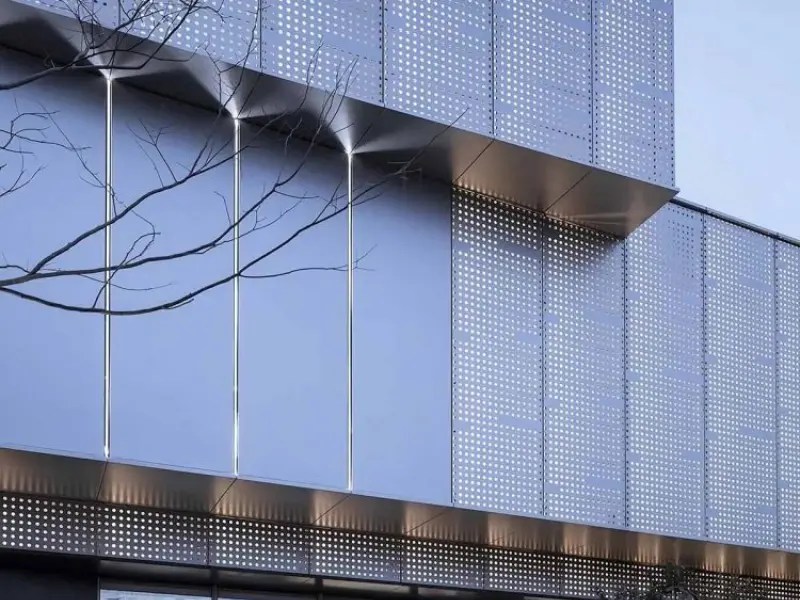
Perforated aluminum transforms building exteriors. It provides both function and beauty.
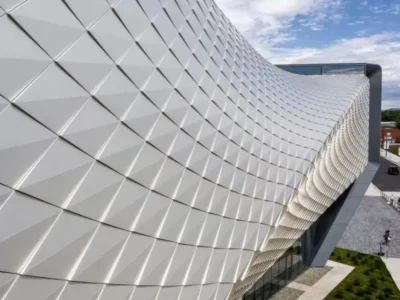
Facade cladding uses perforated panels for sun control. The holes reduce solar heat gain while allowing natural light. Large format panels create bold visual statements on commercial buildings .
Sunshade systems mount perforated screens above windows. These block harsh sunlight while maintaining views. Adjustable systems respond to changing sun angles throughout the day.
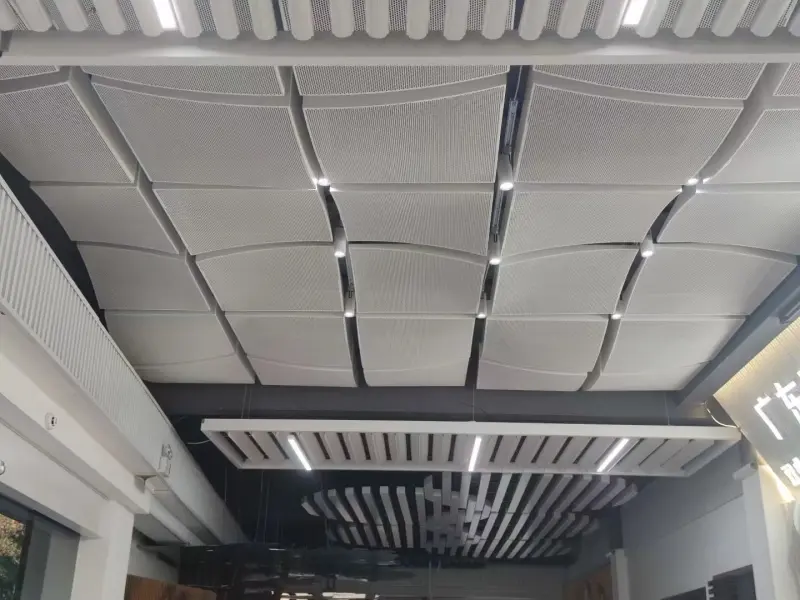
Ceiling systems incorporate perforated tiles for acoustic control. The panels absorb sound in open office spaces. Integrated lighting creates attractive illuminated ceilings.
Balustrades and railings use perforated infill panels. These meet safety codes while adding design interest. Patterns range from standard holes to custom artistic designs.
Transportation
The transportation industry values perforated aluminum for its light weight.
Bus and train interiors use perforated panels for ventilation. Seat backs, luggage racks, and partition walls incorporate the material. The holes allow air circulation while maintaining strength.
Airport terminals feature perforated ceilings and walls. The material manages noise in busy environments. Large panels install quickly during construction.
Vehicle grilles and vents use perforated aluminum. The material protects radiators and engines while allowing airflow. Anodized finishes withstand road salt and weather exposure.
Industrial and Manufacturing
Industrial applications require durability and function.
Machine guards use thick perforated aluminum panels. The material protects workers while allowing process visibility. Heavy gauge sheets withstand impact and abrasion.
Filtration systems employ perforated aluminum as support screens. The rigid backing holds filter media in place. Corrosion resistance suits chemical processing environments.
Drying equipment uses perforated trays and belts. The open area allows hot air circulation. Food processing and pharmaceutical manufacturing require sanitary aluminum surfaces.
Retail and Commercial
Retail spaces use perforated aluminum for branding and display.
Store fixtures incorporate perforated back panels. The holes support adjustable shelving hooks. Integrated lighting highlights merchandise effectively.
Signage systems use perforated aluminum for illuminated letters. Light shines through the holes for halo effects. Custom logos create unique brand identities.
Exhibition displays feature lightweight perforated structures. Quick assembly and disassembly suit trade show use. Reusable panels reduce environmental impact.
Public Infrastructure
Municipal projects specify perforated aluminum for longevity.
Noise barriers line highways and railways. Perforated panels absorb traffic noise. The aluminum construction requires minimal maintenance over decades.
Bridge soffits use perforated aluminum panels. The material protects structural elements while allowing inspection access. Ventilation prevents moisture buildup.
Street furniture incorporates perforated aluminum. Bus shelters, trash enclosures, and bike racks use the material. Vandal-resistant designs maintain appearance in public spaces.
Perforated Aluminum sheet Product Types
1. Standard Perforated Sheet
Standard sheets come in stock patterns and sizes. They offer quick delivery and economical pricing.
Specifications:
- Thickness: 0.5–3.0 mm
- Hole patterns: Round, square, slotted
- Sheet sizes: 4×8 ft, 1×2 m, custom
- Alloys: 1050, 1060, 3003
2. Architectural Perforated Panel
Architectural panels feature custom patterns and finishes. They meet specific design requirements.
Specifications:
- Thickness: 1.0–6.0 mm
- Patterns: Custom designs, logos, images
- Finishes: Anodized, PVDF, powder coat
- Sizes: Up to 2×6 meters
- Features: Integrated framing, mounting systems
3. Acoustic Perforated Panel
Acoustic panels optimize sound absorption. Micro-perforations create specific acoustic properties.
Specifications:
- Thickness: 0.8–2.0 mm
- Hole size: 0.5–2.0 mm
- Open area: 5–15%
- Backing: Acoustic fleece or mineral wool
- NRC rating: 0.7–1.0
4. Security Perforated Screen
Security screens provide protection while maintaining visibility. Heavy gauge construction resists forced entry.
Specifications:
- Thickness: 3.0–6.0 mm
- Hole pattern: Small, closely spaced
- Open area: 30–50%
- Alloys: 5052, 6061
- Features: Tamper-resistant fasteners, framing
5. Filter Support Screen
Filter screens provide rigid backing for filtration media. Precise hole sizes ensure proper support.
Specifications:
- Thickness: 1.0–3.0 mm
- Hole tolerance: ±0.05 mm
- Surface: Smooth, burr-free
- Alloys: 3003, 5052
- Certification: FDA food contact available
6. Expanded Metal Alternative
Perforated aluminum offers an alternative to expanded metal. It provides cleaner edges and precise patterns.
Specifications:
- Thickness: 0.8–2.0 mm
- Strand width: Uniform
- Open area: 40–70%
- Advantages: No stressed edges, flat surface
Quality Standards
| Standard | Description |
|---|---|
| ASTM B209 | Aluminum sheet and plate specification |
| ASTM E84 | Surface burning characteristics |
| ASTM C423 | Sound absorption testing |
| ISO 9001 | Quality management systems |
| AAMA 2605 | High-performance organic coatings |
| EN 1090 | Structural steel and aluminum execution |
FAQ
What is the standard sheet size for perforated aluminum?
Standard stock sizes include 4×8 feet (1220×2440 mm), 1×2 meters, and 1250×2500 mm. Custom sizes up to 2000×6000 mm are available for large projects .
Can perforated aluminum be curved or formed?
Yes, thinner gauges (0.5–1.5 mm) can be rolled or brake-formed. The perforation pattern affects minimum bend radius. Consult with the manufacturer for specific forming recommendations.
What is the maximum open area possible?
Standard punching achieves up to 80% open area. Higher percentages may require special manufacturing. Micro-perforation can achieve 5–15% open area for acoustic applications.
How do I calculate the weight of perforated aluminum?
Multiply solid sheet weight by (100% – open area percentage). For example, a 40% open area sheet weighs 60% of solid sheet weight. Manufacturers provide detailed weight charts.
Can perforated aluminum be welded?
Yes, 3003 and 5052 alloys weld well using TIG or MIG processes. Pure aluminum grades (1050, 1060) require more skill. The perforation pattern affects weld placement and heat distribution.
What maintenance does perforated aluminum require?
Anodized and PVDF finishes need minimal maintenance. Periodic cleaning with mild detergent removes dirt. Avoid abrasive cleaners that damage protective coatings. Inspect mounting hardware annually.
How is custom perforation pattern created?
CNC punching machines create custom patterns from CAD files. Tooling costs apply for unique hole shapes. Laser cutting produces prototypes and small quantities economically.
What is the difference between perforated and expanded metal?
Perforated metal has punched holes with clean edges. Expanded metal is slit and stretched, creating diamond patterns with stressed edges. Perforated offers precise patterns and flat surfaces. Expanded is generally less expensive.
Ordering Guide
When ordering perforated aluminum, specify these parameters:
| Parameter | Your Selection |
|---|---|
| Alloy | 1050, 1060, 3003, 5052, 6061 |
| Temper | H14, H24, H32, O |
| Thickness | 0.5–6.0 mm |
| Hole pattern | Round, square, slotted, custom |
| Hole size | 0.5–50 mm |
| Open area | 10–80% |
| Sheet size | Standard or custom |
| Finish | Mill, anodized, powder coat, PVDF |
| Quantity | Sheets or square meters |
Perforated Aluminum supplier for sale
Perforated aluminum combines functionality with aesthetic appeal. Various alloys match different strength and corrosion requirements. Thickness options suit applications from ceiling tiles to structural platforms. Color and finish choices integrate with any design scheme. Whether you need ventilation, sun control, acoustic treatment, or visual screening, perforated aluminum delivers reliable performance.
Contact suppliers with your project specifications. They can recommend optimal hole patterns, thicknesses, and finishes for your specific application.