
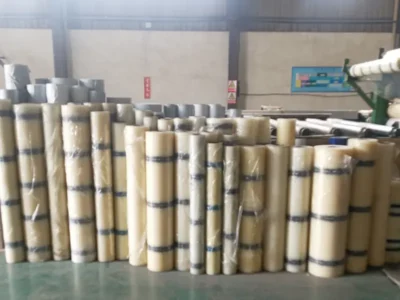
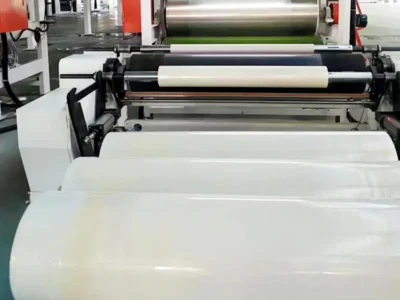
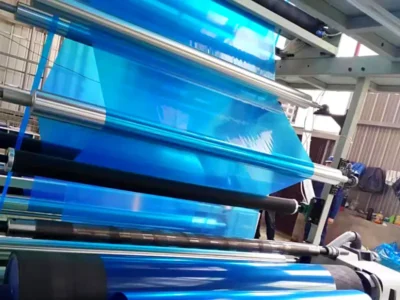
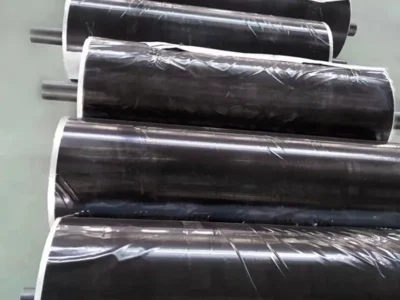
PE protection film is a temporary surface covering made from polyethylene. It protects materials from scratches, dirt, and damage during manufacturing, transportation, and installation. The film applies easily and removes cleanly without leaving residue .
This product is essential for industries handling sensitive surfaces. It maintains product quality from production to final installation.
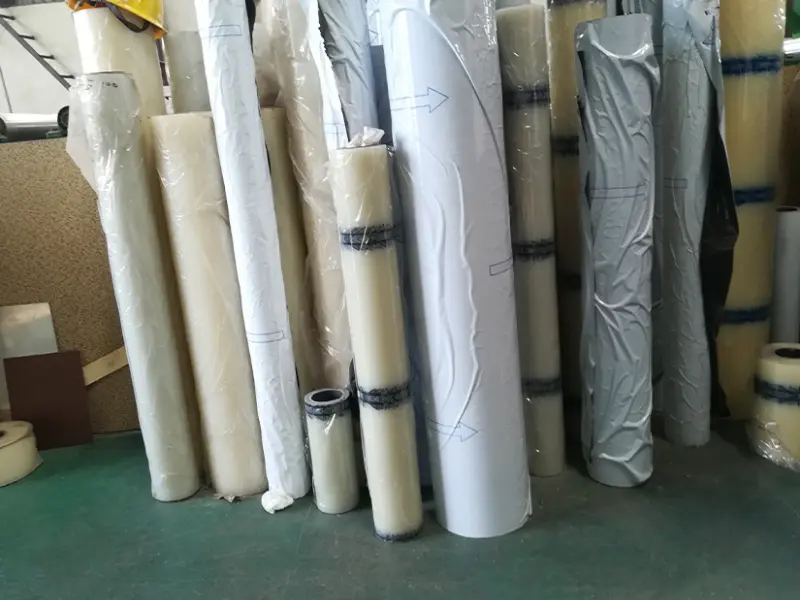
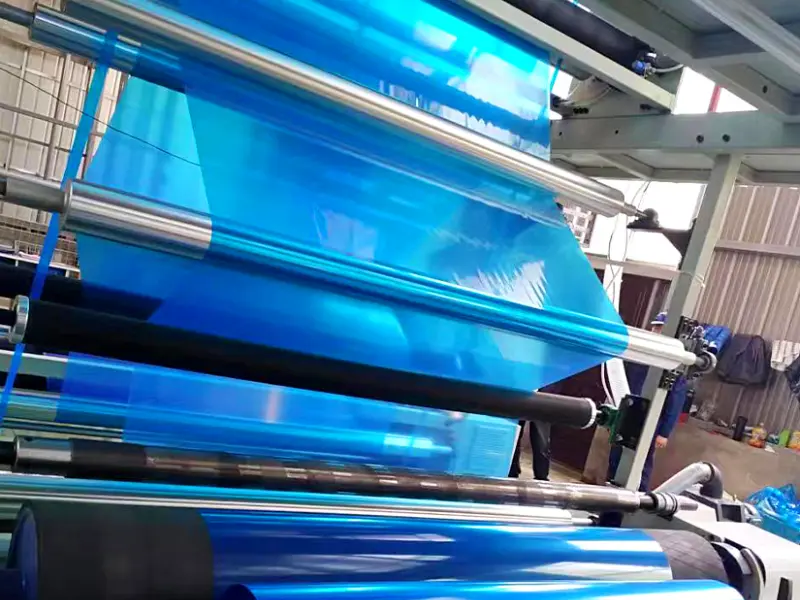
PE Protection Film Thickness Options and Comparison
Ultra-Thin Films (30–50 microns / 0.03–0.05 mm)
| Thickness | Best Applications | Features |
|---|---|---|
| 30 microns | Electronics screens, delicate displays | Lightweight, flexible, economical |
| 40 microns | General surface protection, indoor use | Standard choice, cost-effective |
| 50 microns | Stainless steel panels, aluminum profiles | Balanced protection and cost |
Standard Films (60–100 microns / 0.06–0.10 mm)
| Thickness | Best Applications | Features |
|---|---|---|
| 60 microns | Mirror finishes, painted surfaces | Most popular thickness, reliable protection |
| 70 microns | Automotive parts, construction glass | Enhanced durability, UV resistant |
| 80 microns | Heavy-duty industrial use | Higher tear resistance |
| 100 microns | Export packaging, long-term storage | Maximum protection for transit |
Heavy-Duty Films (120–200 microns / 0.12–0.20 mm)
| Thickness | Best Applications | Features |
|---|---|---|
| 120 microns | Rough surfaces, textured metals | Extra cushioning, abrasion resistant |
| 150 microns | Floor protection, construction sites | Puncture resistant, heavy traffic |
| 200 microns | Special industrial applications | Maximum thickness, extreme durability |
Thickness Selection Guide
| Surface Type | Recommended Thickness | Reason |
|---|---|---|
| Smooth glass, mirrors | 30–50 microns | Easy application, adequate protection |
| Polished stainless steel | 50–70 microns | Prevents scratches during handling |
| Painted metal panels | 60–80 microns | Protects against overspray and scratches |
| Textured surfaces | 80–120 microns | Conforms to surface irregularities |
| Rough construction materials | 100–200 microns | Withstands heavy impact and abrasion |
Color Options and Comparison
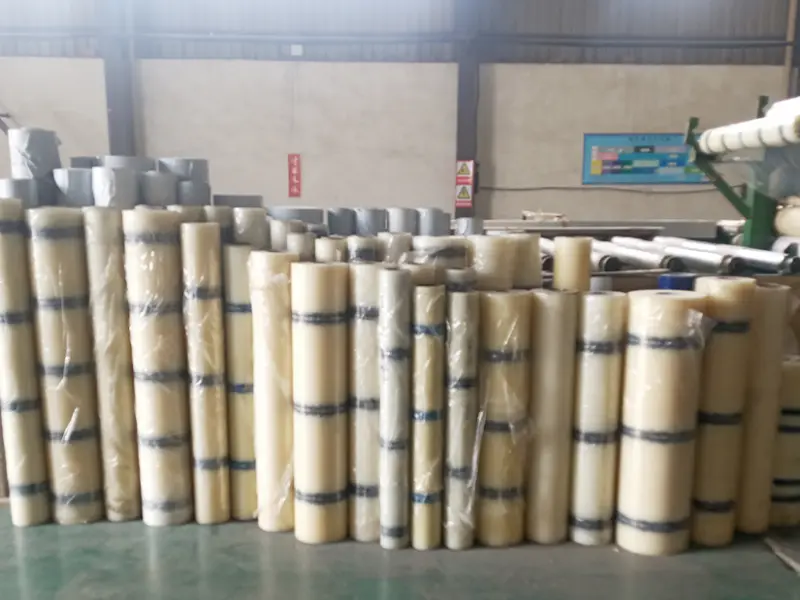
Clear/Transparent Film
Clear film allows visibility of the protected surface. It is ideal for quality inspections without removing the film.
| Feature | Specification |
|---|---|
| Light transmission | >90% |
| Best for | Quality control, visible branding, glass protection |
| Advantage | Surface remains visible during protection |
PE Protection Film Blue Film
Blue film is the industry standard for metal protection. The color makes the film easy to identify on surfaces.
| Feature | Specification |
|---|---|
| UV resistance | Up to 6 months outdoor |
| Best for | Stainless steel, aluminum, window glass |
| Advantage | Easy to spot, prevents missed removal |
PE Protection Film White Film
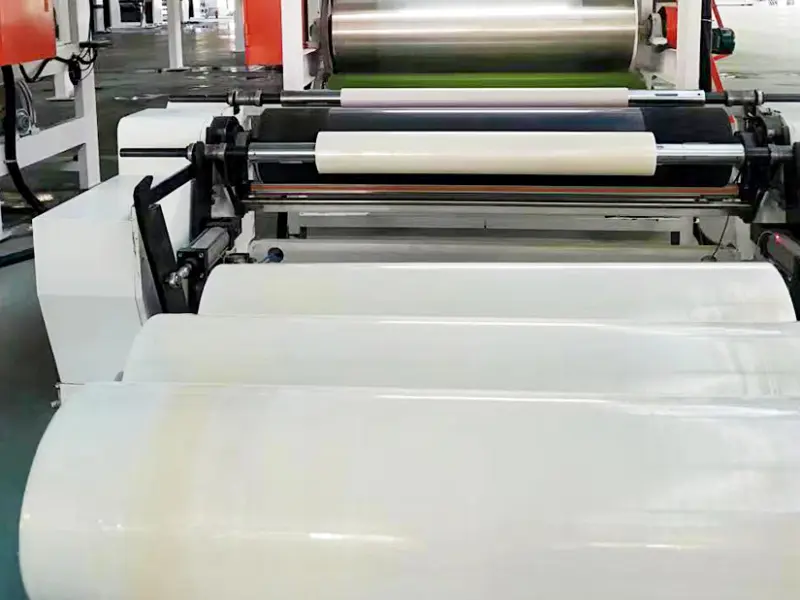
White film provides a clean appearance and reflects sunlight. It reduces heat buildup on protected surfaces.
| Feature | Specification |
|---|---|
| Heat reflection | Good |
| Best for | Automotive paint, exterior panels, outdoor storage |
| Advantage | Clean look, UV protection |
PE Protection Film Black/White Film
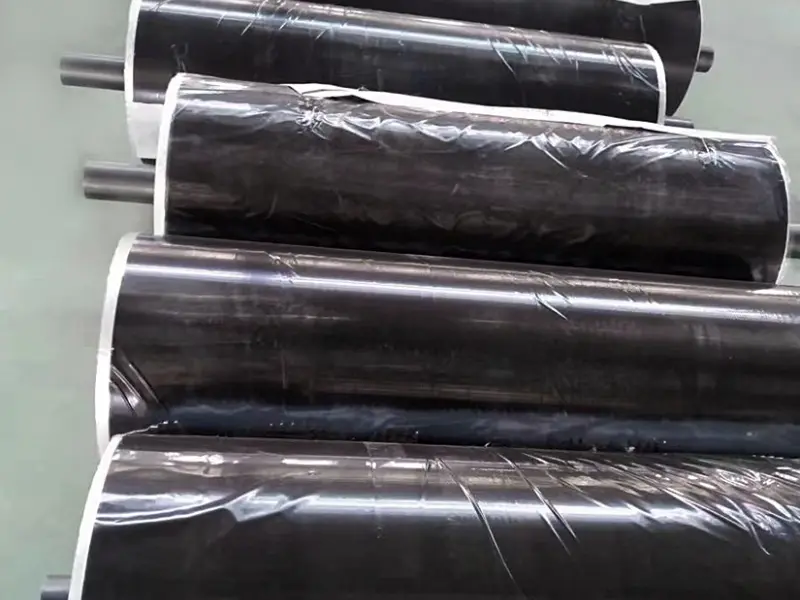
This film has white on one side and black on the other. It provides light-blocking protection.
| Feature | Specification |
|---|---|
| Light blocking | Complete |
| Best for | Sensitive electronics, light-sensitive materials |
| Advantage | Prevents UV damage from both sides |
Green Film
Green film is often used for specific applications or company branding.
| Feature | Specification |
|---|---|
| UV resistance | Up to 6 months |
| Best for | Glass protection, construction sites |
| Advantage | Distinctive color, easy identification |
Orange Film
Orange film indicates high-tack adhesive for difficult surfaces.
| Feature | Specification |
|---|---|
| Adhesion | 300 g/25mm |
| Best for | Plastic, vinyl, veneers, two-pack finishes |
| Advantage | Strong grip on challenging surfaces |
Color Selection by Application
| Application | Recommended Color | Why |
|---|---|---|
| General metal fabrication | Blue | Industry standard, easy identification |
| Automotive paint protection | White | Clean appearance, heat reflection |
| Glass and windows | Blue or clear | Visibility or easy spotting |
| Electronics manufacturing | Clear or black/white | Visibility or light blocking |
| Construction sites | Green or blue | Weather resistance, identification |
| Rough/textured surfaces | Orange | High adhesion, secure grip |
PE Protection Film Main Functions
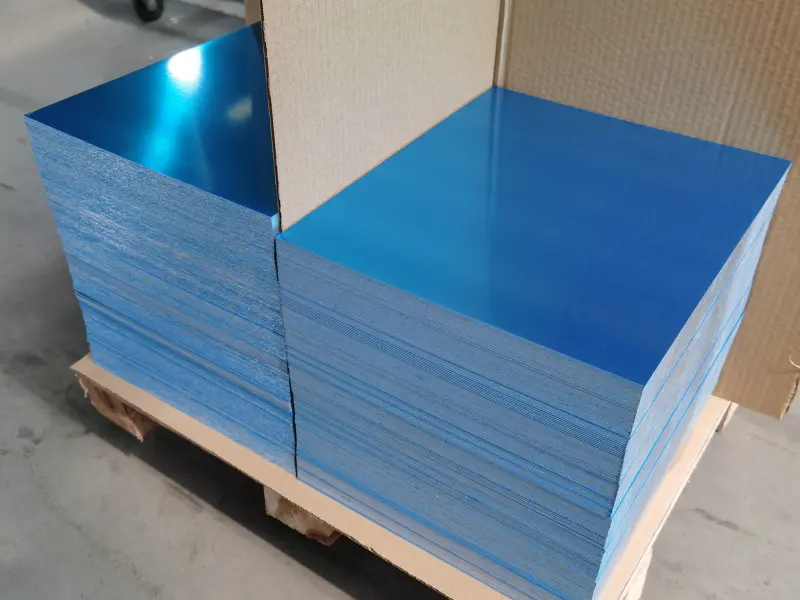
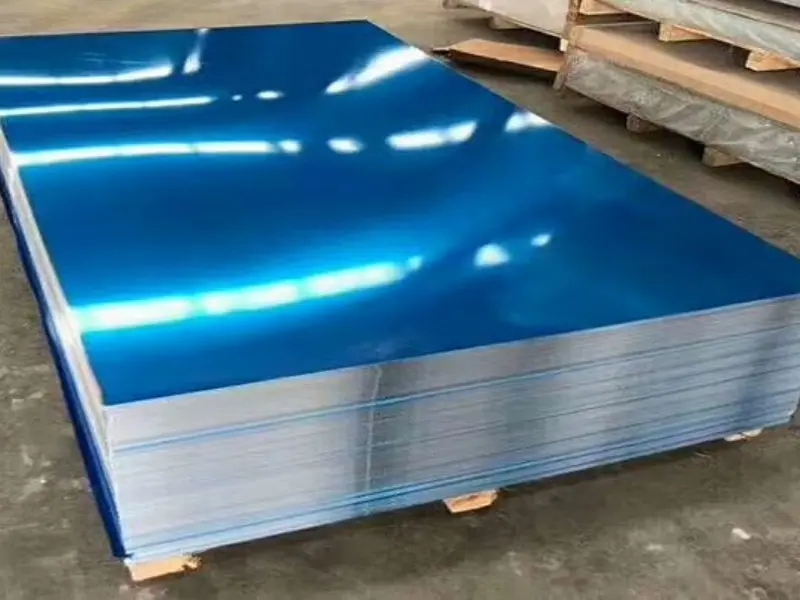
Scratch Protection
The primary function of PE protection film is preventing surface scratches. Manufacturing processes involve cutting, bending, and handling that can damage delicate finishes. The film acts as a sacrificial layer that absorbs impacts and abrasions .
This protection maintains the surface quality of:
- Polished metals
- Painted panels
- Glass surfaces
- Plastic components
Dirt and Dust Prevention
Construction and transportation environments expose materials to contamination. PE film creates a barrier against:
- Dust particles
- Paint overspray
- Mortar and concrete splatter
- Industrial pollutants
Clean removal leaves surfaces ready for final installation without cleaning .
Corrosion Prevention
For metal surfaces, the film prevents moisture contact that causes rust and oxidation. This is critical for:
- Stainless steel during storage
- Aluminum profiles in transit
- Coated metals in humid conditions
UV Protection
Outdoor-rated films contain UV stabilizers. They protect surfaces from sun damage for up to 6 months or longer . This prevents:
- Color fading
- Coating degradation
- Material embrittlement
Chemical Resistance
Specialized films resist exposure to:
- Acids and alkalis
- Solvents and oils
- Cleaning chemicals
This protection is essential during industrial processing and chemical cleaning operations.
PE Protection Film Applications by Industry
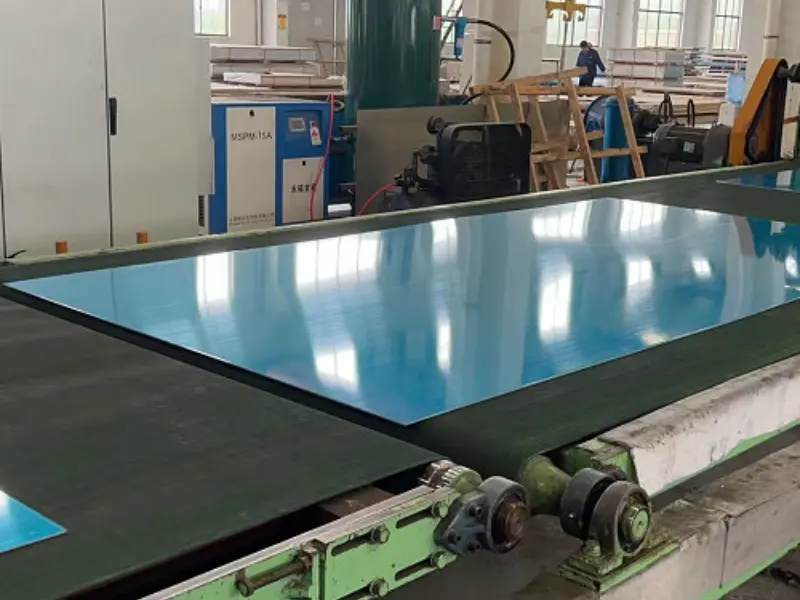
Metal Processing Industry
PE protection film serves the metal fabrication sector extensively. Stainless steel and aluminum require protection throughout production.
Applications include:
- Coil and sheet protection during slitting and cutting
- Profile wrapping for window and door frames
- Panel covering for elevator and facade materials
- Protection during bending, stamping, and forming operations
The film prevents tool marks and handling damage on sensitive metal finishes.
Construction Industry
Construction sites expose materials to harsh conditions. PE film protects building components during installation.
Applications include:
- Window and glass protection from mortar and paint
- Aluminum panel covering for curtain walls
- Floor protection from heavy equipment and foot traffic
- Temporary coverage for finished surfaces
UV-resistant films withstand outdoor exposure for months during construction.
Automotive Industry
Automotive manufacturing requires pristine surface quality. PE film protects vehicles from factory to showroom.
Applications include:
- Paint protection for body panels during assembly
- Interior dashboard and trim covering
- Transit protection for shipping to dealers
- Temporary protection against stone chips and scratches
Special automotive films remove cleanly after up to 180 days without residue .
Electronics Industry
Electronic devices have sensitive screens and housings that need protection.
Applications include:
- Mobile phone and tablet screen protection during assembly
- Computer monitor and TV panel covering
- Appliance surface protection for refrigerators and washers
- Component protection during PCB manufacturing
Anti-static films prevent dust attraction on electronic components.
Glass and Mirror Industry
Glass surfaces are easily scratched and contaminated. PE film provides essential protection.
Applications include:
- Window glass protection during construction
- Mirror covering for bathroom and furniture products
- Automotive glass protection during vehicle assembly
- Architectural glass panel protection for buildings
Clear films allow visual inspection without removal.
Plastic and Composite Industry
Plastic surfaces are prone to scratching and marring. PE film maintains their appearance.
Applications include:
- Acrylic and polycarbonate sheet protection
- PVC profile covering for windows and doors
- Plastic panel protection for signage and displays
- Composite material covering during fabrication
Adhesive Types
Water-Based Acrylic Adhesive
Water-based adhesives are environmentally friendly. They offer easy removal and clean peeling.
| Property | Value |
|---|---|
| Adhesion range | 5–150 g/25mm |
| Best for | Smooth surfaces, indoor applications |
| Removal | Clean, no residue |
| Eco-friendly | Yes |
Solvent-Based Acrylic Adhesive
Solvent-based adhesives provide stronger grip and better aging resistance. They work well for outdoor and long-term applications .
| Property | Value |
|---|---|
| Adhesion range | 100–800 g/25mm |
| Best for | Outdoor use, textured surfaces, long-term protection |
| UV resistance | Excellent |
| Temperature range | -40°C to +120°C |
Rubber-Based Adhesive
Rubber adhesives offer high cohesion with minimal residue. They work on difficult surfaces.
| Property | Value |
|---|---|
| Adhesion range | 200–1000 g/25mm |
| Best for | Rough surfaces, high-texture materials |
| Features | High tack, good conformability |
Silicone Adhesive
Silicone adhesives withstand extreme temperatures. They are ideal for high-heat applications.
| Property | Value |
|---|---|
| Temperature range | -50°C to +200°C |
| Best for | High-temperature processing, oven applications |
| Chemical resistance | Excellent |
Adhesive Selection Guide
| Surface Condition | Recommended Adhesive | Adhesion Level |
|---|---|---|
| Smooth glass, polished metal | Water-based acrylic | Low (10–50 g/25mm) |
| Painted panels, anodized aluminum | Solvent-based acrylic | Medium (50–150 g/25mm) |
| Textured metal, rough plastic | Solvent-based or rubber | Medium-high (150–300 g/25mm) |
| Highly textured, difficult surfaces | Rubber-based | High (300–800 g/25mm) |
Product Types
1. Standard Protection Film
Standard film suits general-purpose applications. It balances cost and performance for most uses.
Specifications:
- Thickness: 40–80 microns
- Adhesive: Water or solvent-based acrylic
- Colors: Clear, blue, white
- Width: 20–1600 mm
2. UV-Resistant Film
UV-resistant film contains stabilizers for outdoor exposure. It protects surfaces for extended periods.
Specifications:
- Thickness: 60–100 microns
- UV life: 3, 6, 9, or 12 months
- Colors: White, blue, clear
- Best for: Outdoor storage, construction sites, transit
3. High-Tack Film
High-tack film grips difficult surfaces securely. It prevents lifting on textured materials.
Specifications:
- Thickness: 70–100 microns
- Adhesion: 300–800 g/25mm
- Colors: Orange, blue
- Best for: Rough metals, textured plastics, composites
4. Low-Tack Film
Low-tack film removes easily from delicate surfaces. It prevents adhesive transfer.
Specifications:
- Thickness: 30–50 microns
- Adhesion: 5–30 g/25mm
- Colors: Clear
- Best for: Electronics screens, painted surfaces, optics
5. Printed Film
Printed film carries company logos, instructions, or branding. It combines protection with communication.
Specifications:
- Thickness: 50–100 microns
- Printing: 1–3 colors
- Colors: Any base color with custom print
- Best for: Brand protection, handling instructions, marketing
6. Perforated Film
Perforated film allows air escape during application. It prevents bubbles on large surfaces.
Specifications:
- Thickness: 60–100 microns
- Perforation: Horizontal or vertical patterns
- Best for: Large panels, automatic application, curved surfaces
Quality Standards
| Standard | Description |
|---|---|
| ASTM D3330 | Peel adhesion test method |
| ASTM D3759 | Tensile strength and elongation |
| ASTM D3652 | Thickness measurement |
| RoHS | Environmental compliance |
| REACH | Chemical safety |
| FDA 21 CFR 177.1520 | Food contact compliance |
FAQ
How long can PE protection film stay on surfaces?
Standard indoor films can remain for 3–6 months. UV-resistant outdoor films last 6–12 months. Automotive transit films can protect for up to 180 days . Always check manufacturer specifications for exact duration.
Will the film leave residue when removed?
Quality PE films remove cleanly without residue if removed within the recommended time. High-temperature exposure or extended duration beyond specifications may cause adhesive transfer. Test on a small area first for critical applications.
Can PE film protect surfaces during laser cutting?
Special laser-cutting films are available. Standard films may melt or burn during laser processing. Always specify laser-cutting requirements when ordering .
What width options are available?
Standard widths range from 20 mm to 2050 mm . Custom slitting services can provide any width within this range. Common stock widths include 1000 mm, 1200 mm, and 1250 mm.
Is PE protection film recyclable?
Yes, PE film is recyclable as plastic waste. However, films with adhesive coatings may require special processing. Check local recycling facilities for specific requirements.
Can the film be printed with company logos?
Yes, custom printing is available for most film types. Options include 1–3 color printing . Minimum order quantities apply for custom printed films.
What is the difference between LDPE and HDPE protection film?
LDPE (low-density) films are softer and more flexible. They conform better to curved surfaces. HDPE (high-density) films are stiffer and more puncture-resistant. LDPE is more common for surface protection applications.
How should PE protection film be stored?
Store rolls at 15–30°C with 40–75% relative humidity . Avoid direct sunlight and extreme temperatures. Use first-in-first-out inventory rotation. Proper storage maintains adhesive performance for up to 12 months.
Ordering Guide
When ordering PE protection film, specify these parameters:
| Parameter | Your Selection |
|---|---|
| Thickness | 30–200 microns |
| Width | 20–2050 mm |
| Length | 25–1500 meters per roll |
| Color | Clear, blue, white, green, orange, black/white |
| Adhesive type | Water-based, solvent-based, rubber, silicone |
| Adhesion level | Low, medium, high, super-high |
| UV resistance | None, 3 months, 6 months, 12 months |
| Special features | Perforated, printed, embossed |
PE protection film for sale
PE protection film is essential for maintaining surface quality across industries. Various thickness options match different protection needs. Color choices aid identification and application. Adhesive types suit specific surface conditions. Whether protecting stainless steel, glass, painted panels, or electronics, PE film delivers reliable temporary protection.
Contact suppliers with your specific requirements. They can recommend the optimal thickness, color, and adhesive type for your application.