Finding a reliable aluminum sheet supplier is the first step toward a successful project. Whether you are in construction, automotive, or electronics, the quality of your metal matters.
A good aluminum sheet supplier should offer a balance of competitive pricing and international quality certifications like ISO 9001.
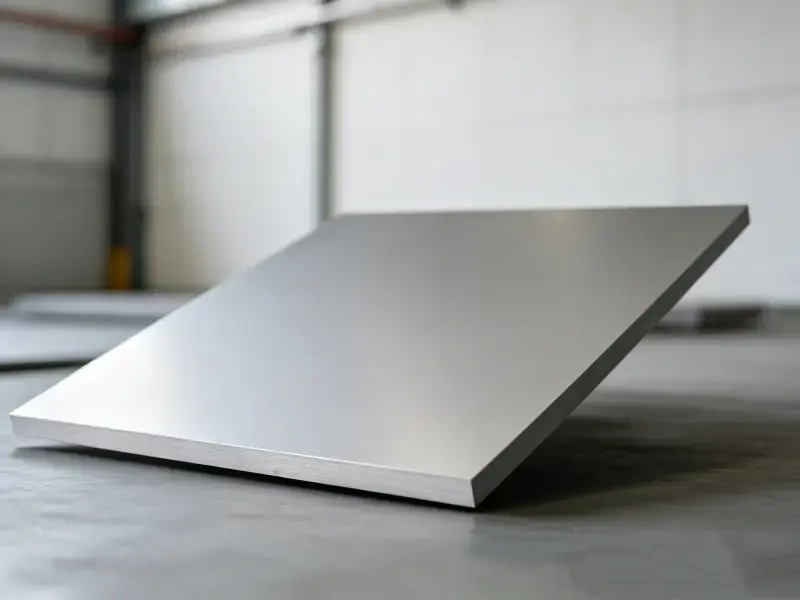
Who is the main supplier of aluminum?
When looking for a source, you will find that the market is global. China is currently the world’s largest producer of aluminum.
Companies like WORTHWILL and various private mills in provinces like Henan produce a massive percentage of the world’s supply. In the USA, Alcoa is a major name, while Rio Tinto is a leader in Canada and Australia.
However, the “main” supplier for you depends on your location and volume. Large mills sell to wholesalers, while smaller factories might sell directly to end-users.
What are the different grades of aluminium sheets?
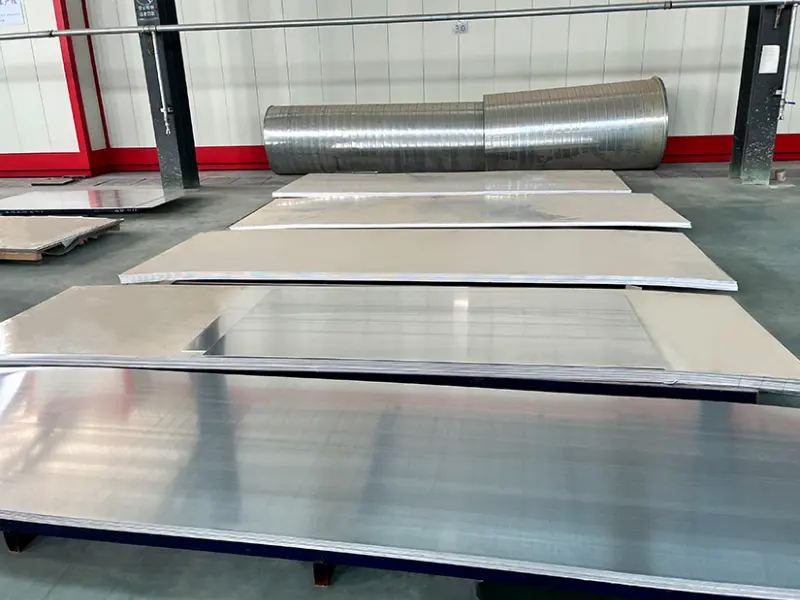
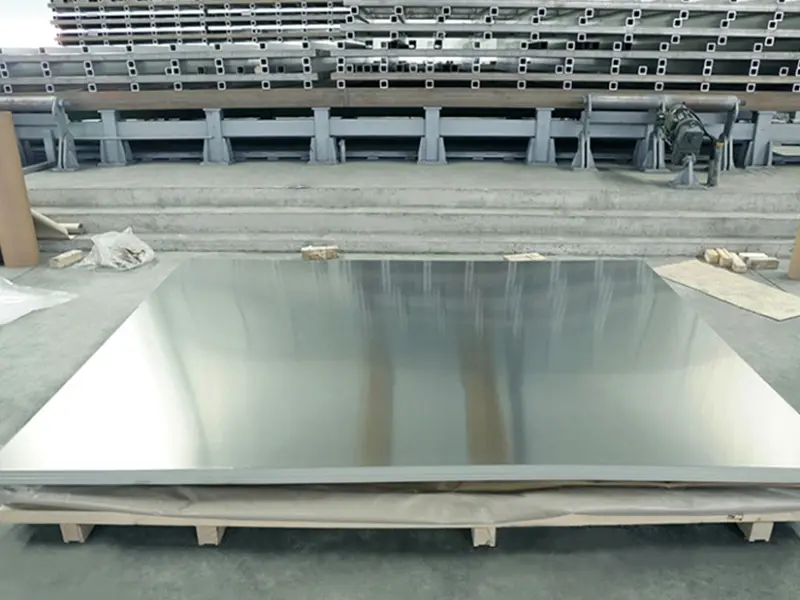
Aluminum is rarely used in its pure form. It is mixed with other metals to create “alloys.” Each alloy has a four-digit number. Understanding these grades helps you communicate better with your aluminum sheet supplier.
Common Alloy Series
- 1000 Series: This is nearly pure aluminum (\ge 99%). It is very soft and has excellent electrical conductivity.
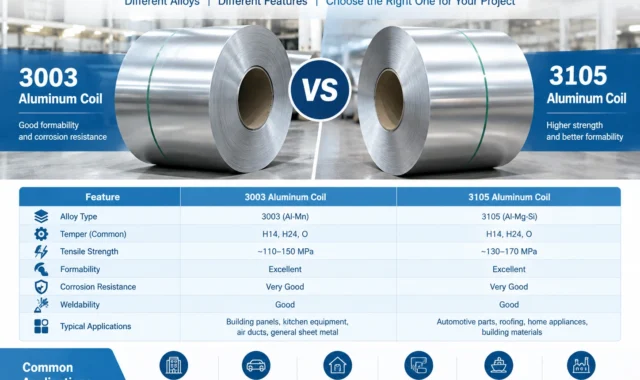
- 3000 Series: Mixed with Manganese (Mn). It is famous for being “rust-proof.” 3003 is the most common grade here.
- 5000 Series: Mixed with Magnesium (Mg). These are “marine grade” alloys. They resist salt-water corrosion very well.
- 6000 Series: Mixed with Magnesium and Silicon (Si). These are heat-treatable and very strong. 6061 is the superstar of this group.
Table 1: Quick Grade Reference
| Alloy Series | Key Element | Main Characteristic | Common Use |
|---|---|---|---|
| 1050/1060 | Aluminum | High Purity | Chemical Equipment |
| 3003 | Manganese | Rust Resistance | Cookware, Fuel Tanks |
| 5052 | Magnesium | Corrosion Resistance | Marine Parts, Truck Bodies |
| 6061 | Mg & Si | High Strength | Bridges, Aircraft Frames |
What is the difference between 4000 series and 6000 series aluminum?
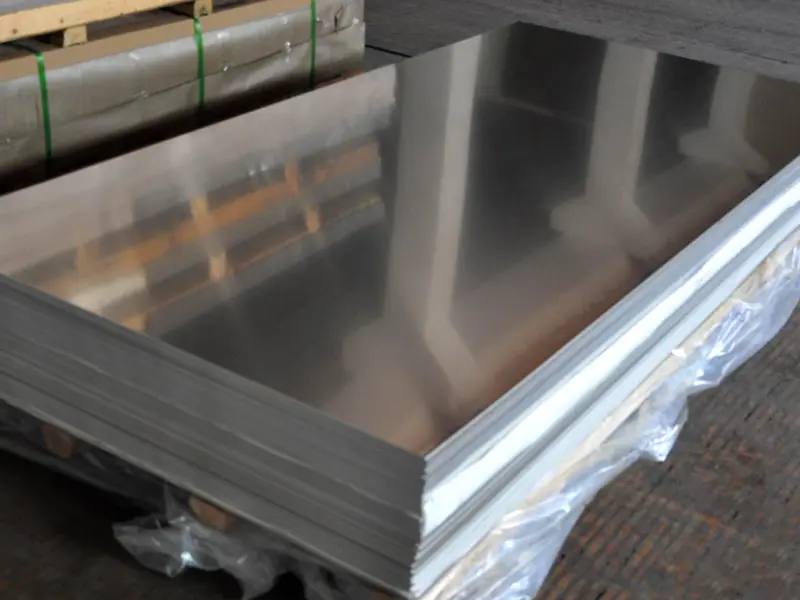
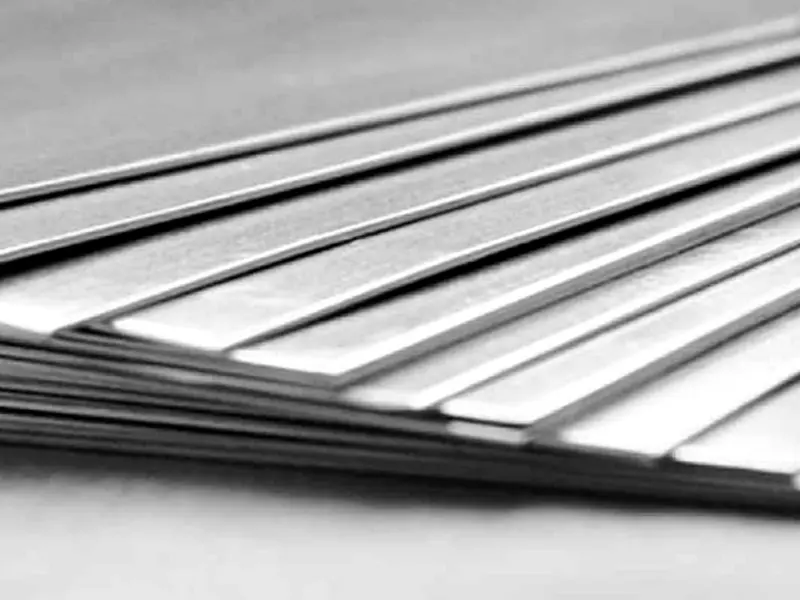
Many buyers ask their aluminum sheet supplier about the 4000 vs. 6000 series. The main difference lies in their chemistry and how they react to heat.
- 4000 Series: This series contains a high amount of Silicon ($$Si$$). Silicon lowers the melting point of the metal without making it brittle. Because of this, 4000 series is mostly used as welding wire or for pistons. It is not usually made into large flat sheets.
- 6000 Series: This series is the “workhorse” of the industry. It combines Silicon and Magnesium. Unlike the 4000 series, 6000 series aluminum can be heat-treated (tempered) to become very hard. It is the go-to choice for structural parts that need to be welded.
Is 6061 or 5052 aluminum stronger?
This is one of the most common questions in the metal industry. The short answer is: 6061 is stronger.
6061 Aluminum
This grade is heat-treatable. In its T6 state (6061\text{-T6}), it has a much higher yield strength than 5052. It is best for structural applications where the metal must hold a heavy load.
5052 Aluminum
While it is not as strong as 6061, 5052 is more flexible. It is easier to bend without cracking. It also has better resistance to salt water.
Table 2: Strength Comparison (Typical Values)
| Property | 5052-H32 | 6061-T6 |
|---|---|---|
| Tensile Strength | 230 \text{ MPa} | 310 \text{ MPa} |
| Yield Strength | 195 \text{ MPa} | 275 \text{ MPa} |
| Workability | Excellent | Fair |
| Corrosion Resistance | Very High | High |
Technical Specifications: Tempers and Sizes
A professional aluminum sheet supplier will offer various “tempers.” The temper tells you how the metal was processed (hardened or softened).
Common Tempers
- O: Fully annealed (soft).
- H14/H24: Strain hardened (half-hard).
- T6: Solution heat-treated and artificially aged (very hard).
Table 3: Standard Product Dimensions
| Parameter | Range |
|---|---|
| Thickness | 0.2 \text{ mm} to 10 \text{ mm} (Standard Sheet) |
| Width | 1000 \text{ mm}, 1220 \text{ mm}, 1500 \text{ mm} |
| Length | 2000 \text{ mm}, 2440 \text{ mm}, 3000 \text{ mm} |
| Surface | Mill Finish, Mirror, Brushed, Embossed |
Diverse Product Types to Attract Customers
When choosing an aluminum sheet supplier, look for one that offers more than just plain gray sheets. High-end projects often need special finishes.
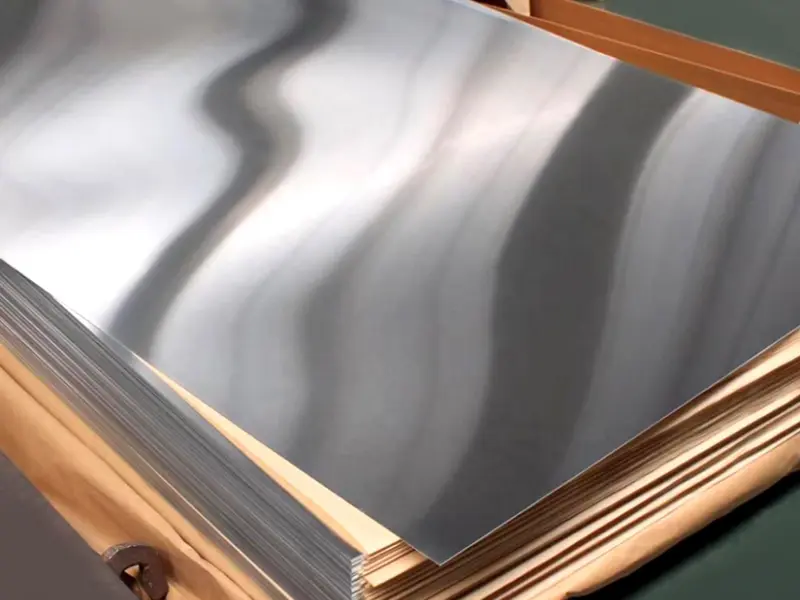
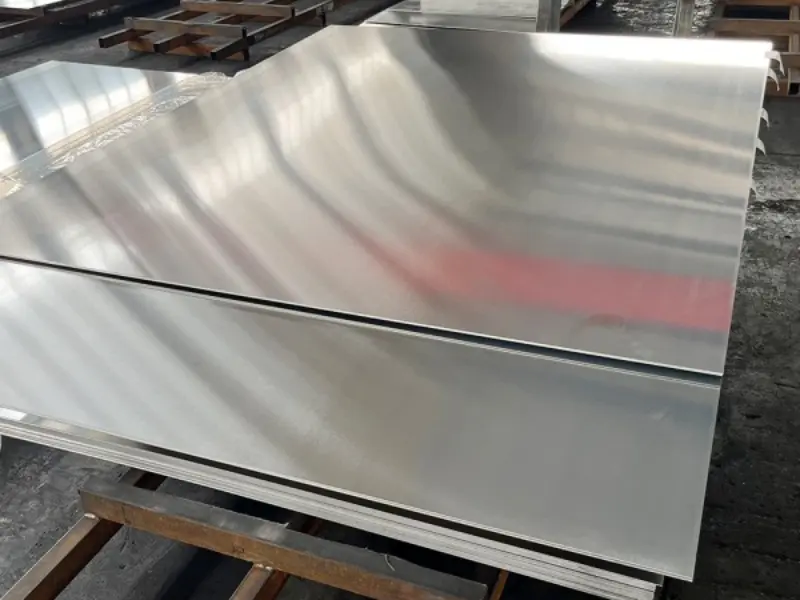
Mirror Finished Aluminum
These sheets are polished until they look like glass mirrors. They have uses in lighting reflectors and decorative wall panels. They are lightweight and won’t shatter like real glass.
Color Coated (Prepainted) Sheets
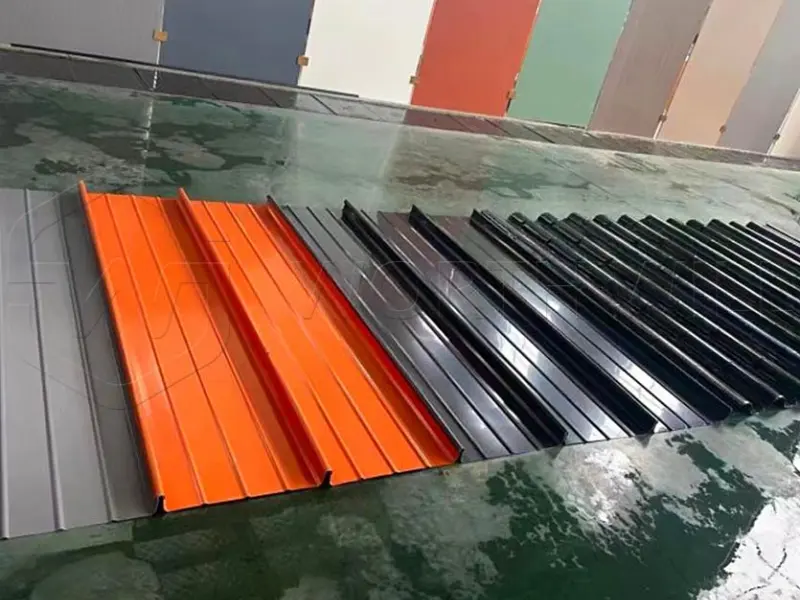
The aluminum is coated with PE or PVDF paint. This is perfect for roofing or building facades. You can get almost any color, and the paint protects the metal for decades.
Tread Plate (Checker Plate)
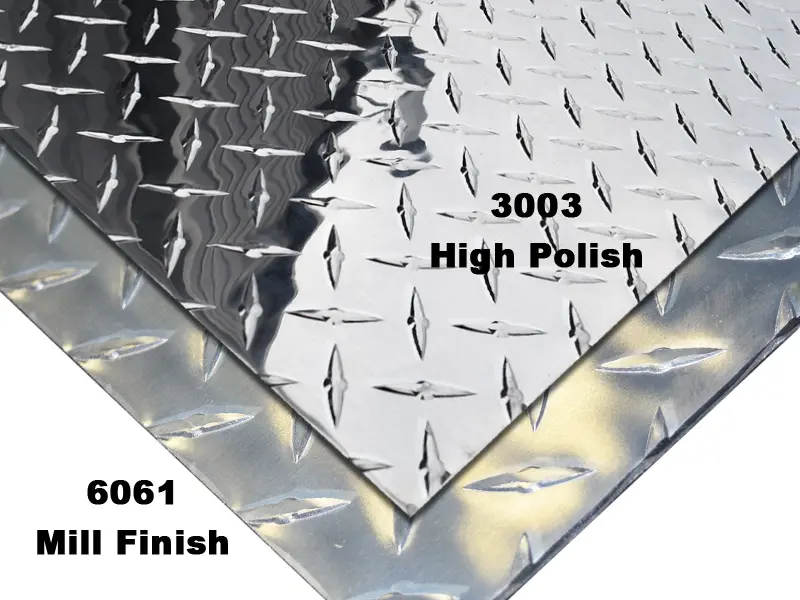
You see these on the floors of ambulances or toolboxes. They have a raised pattern (like 5-bars or diamonds) to prevent slipping. Usually made from 3003 or 5052 alloy.
Anodized Aluminum
Anodizing creates a hard, protective oxide layer on the surface. It makes the sheet scratch-resistant and gives it a premium, matte metallic look.
Essential Tips for Choosing Your Supplier
Choosing an aluminum sheet supplier is about more than just the lowest price. Here are the four “must-check” factors:
Quality Certification
Always ask for a Mill Test Certificate (MTC). This document shows the chemical breakdown of the metal. If the supplier cannot provide this, the quality is not guaranteed.
Packaging Standards
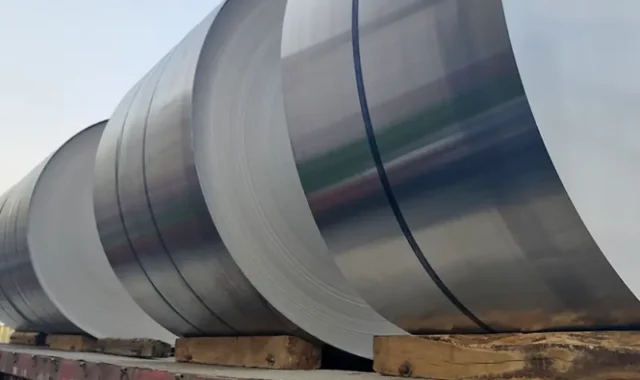
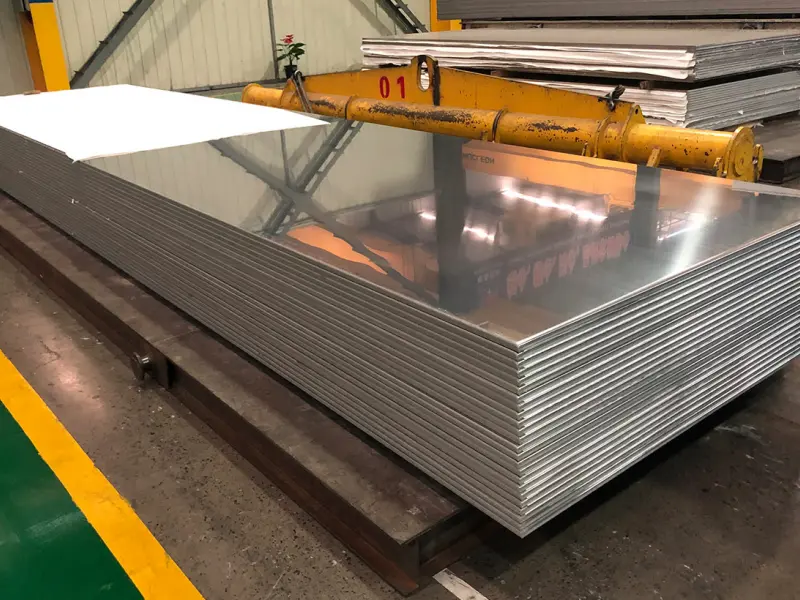
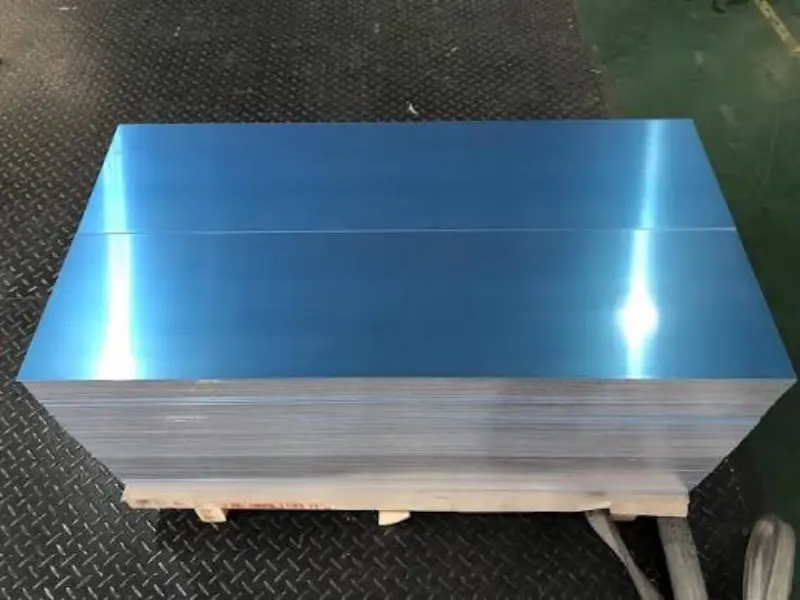
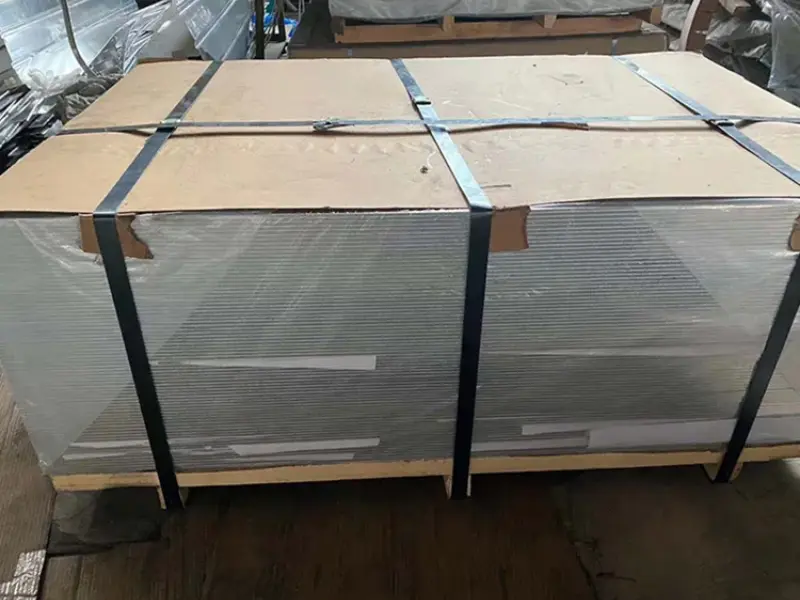
Aluminum is a soft metal. If it is not packed correctly, the sheets will scratch or bend during shipping. Ensure your supplier uses:
- Strong wooden pallets.
- Waterproof paper wrapping.
- Steel straps to hold the bundle tight.
Lead Time and Stock
Does the supplier have the material in stock? If they have to produce it from scratch, it might take $$30$$ days. A good aluminum sheet supplier keeps common sizes (like $$1220 \times 2440 \text{ mm}$$) ready for immediate shipping.
Export Experience
If you are buying from overseas, the supplier must know how to handle customs and sea freight. This saves you from hidden fees and port delays.
Application Fields

Aluminum sheets have wide applications in almost every industry. Here is a quick list of where these grades go:
- Architecture: Window frames, roofing, and wall cladding (3003, 5052).
- Transportation: Car bodies, truck floors, and fuel tanks (5052, 6061).
- Packaging: Bottle caps and food cans (1000, 3000 series).
- Electronics: Heat sinks and laptop shells (1060, 6061).
By understanding these grades and comparisons, you can find an aluminum sheet supplier that offers the right value for your project. Always prioritize the alloy that matches your strength and corrosion needs.
How to Choose Aluminum Sheet Supplier
Choosing the right aluminum sheet supplier affects far more than just price. Quality consistency, alloy range, and reliable delivery all shape how smoothly a project or production line runs. This page walks through the key factors buyers should check before committing to a supplier, along with common comparisons that come up during the sourcing process.
Why Supplier Choice Matters So Much
An aluminum sheet order looks simple on paper: alloy, temper, thickness, and quantity. In practice, two suppliers quoting the exact same specification can deliver very different results once the material arrives.
Inconsistent thickness, uneven surface quality, or delayed shipments can quietly cost more than a slightly higher unit price ever would. That is why experienced buyers look past the quote sheet and dig into how a supplier actually operates.
What Poor Supplier Choice Can Cost
- Production delays from missed delivery windows
- Rejected batches due to inconsistent thickness or surface defects
- Extra freight costs from split or rushed shipments
- Damaged customer relationships from your own delayed deliveries
- Wasted time re-sourcing after a failed first order
Core Factors to Evaluate
A few key factors separate a dependable long-term supplier from a risky one-time gamble.
| Factor | What to Check |
|---|---|
| Production capability | Does the mill roll its own material, or resell from elsewhere? |
| Alloy and temper range | Can they supply multiple grades without outsourcing? |
| Quality documentation | Do they provide mill test certificates on request? |
| Communication | Do they respond clearly and promptly to technical questions? |
| Export experience | Have they shipped to your region before? |
Manufacturer vs. Trading Company
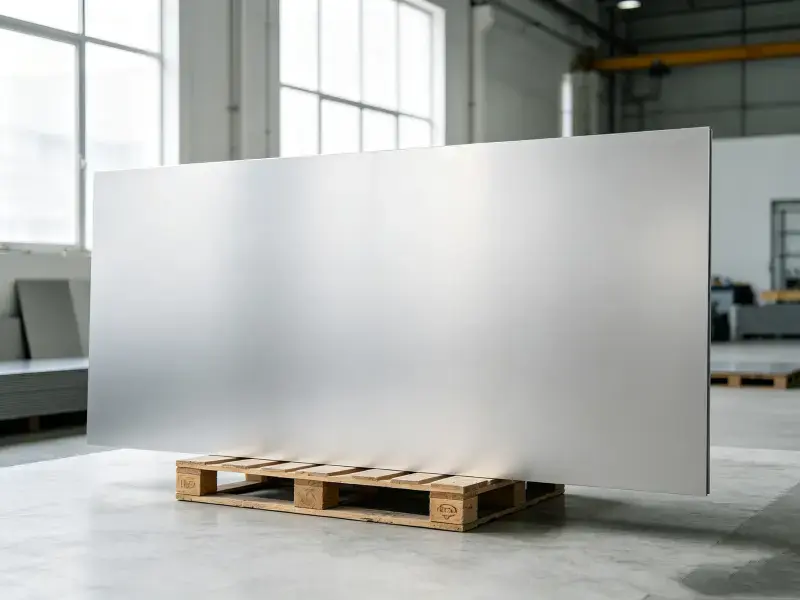
| Factor | Direct Manufacturer | Trading Company |
|---|---|---|
| Price | Often lower, no added margin | Higher due to intermediary markup |
| Technical detail | Direct access to production team | May relay questions to the mill |
| Order flexibility | Can be limited by production minimums | Often more flexible for small orders |
| Risk of miscommunication | Lower | Higher, extra layer between buyer and mill |
Manufacturers usually offer better pricing and more direct technical support, while trading companies can be a practical choice for smaller orders or buyers who value flexibility over rock-bottom pricing.
Alloy and Temper Range as a Quality Signal
A supplier’s ability to offer a wide alloy and temper range often reflects genuine production capability, not just a broad sales catalog.
| Alloy | Common Temper | What Offering It Suggests |
|---|---|---|
| 1050 / 1100 | O / H14 | Handles pure aluminum grades, good for reflective and chemical uses |
| 3003 | H14 / H24 | Core general fabrication capability |
| 5052 | H32 | Marine and structural grade production experience |
| 6061 | T6 | Heat treatment capability, structural expertise |
| 5083 | H116 / H321 | Marine certification and heavy structural experience |
A supplier stocking only one or two alloys may still be reliable for a narrow product range, but buyers with varied project needs benefit from a supplier that genuinely produces across multiple alloy families.
Why Temper Range Matters Too
- A supplier offering only H14 may struggle with deep-draw or O-temper orders
- Limited temper range can signal outsourced annealing rather than in-house capability
- Wider temper availability often means more consistent lead times across product lines
Quality Certification and Documentation
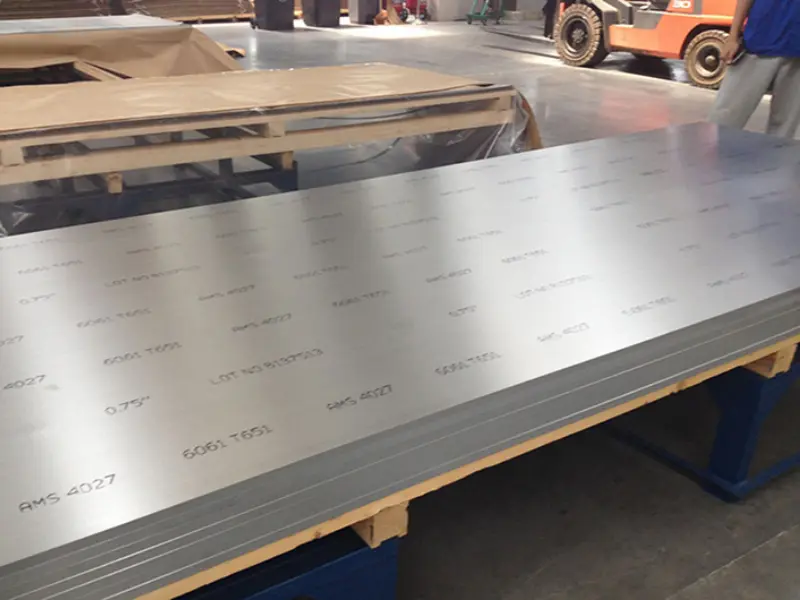
Reliable suppliers back up their claims with paperwork, not just verbal assurances.
| Document Type | What It Confirms |
|---|---|
| Mill Test Certificate (MTC) | Chemical composition and mechanical properties per batch |
| ISO 9001 Certification | Consistent quality management systems |
| Third-Party Inspection Reports | Independent verification before shipment |
| Material Traceability Records | Batch-level tracking from production to delivery |
Suppliers who provide these documents without hesitation typically have more mature quality control systems than those who treat certification requests as an inconvenience.
Evaluating Production Capacity
| Capacity Indicator | Why It Matters |
|---|---|
| Rolling mill width | Determines maximum sheet or coil width available |
| Monthly output volume | Affects ability to handle large or repeat orders |
| Warehouse stock levels | Impacts how quickly standard orders can ship |
| Number of production lines | Suggests flexibility across different product types |
A supplier with limited capacity might perform well on a small trial order, then struggle once your order volume scales up, which is worth testing before committing to a long-term relationship.
Product Types a Full-Range Supplier Should Offer
A well-rounded aluminum sheet supplier typically covers several product categories, not just flat sheet.
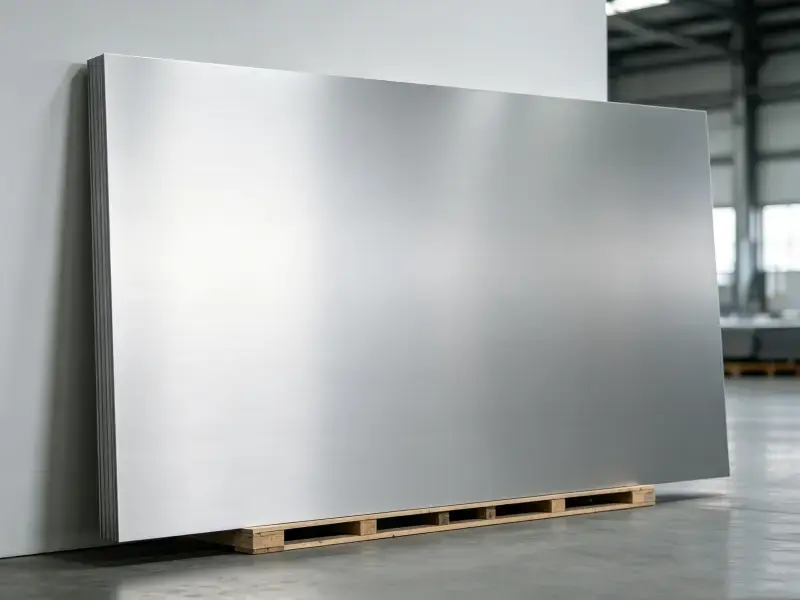
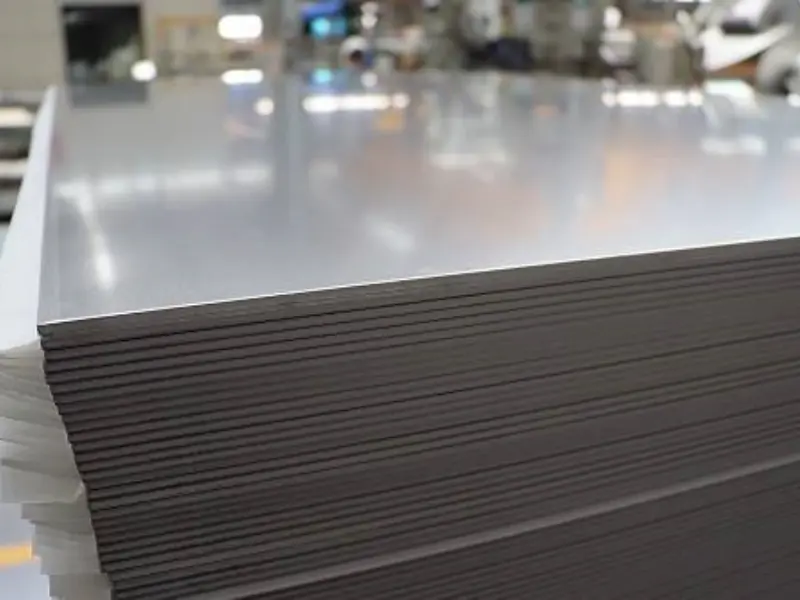
Standard Flat Sheet and Plate
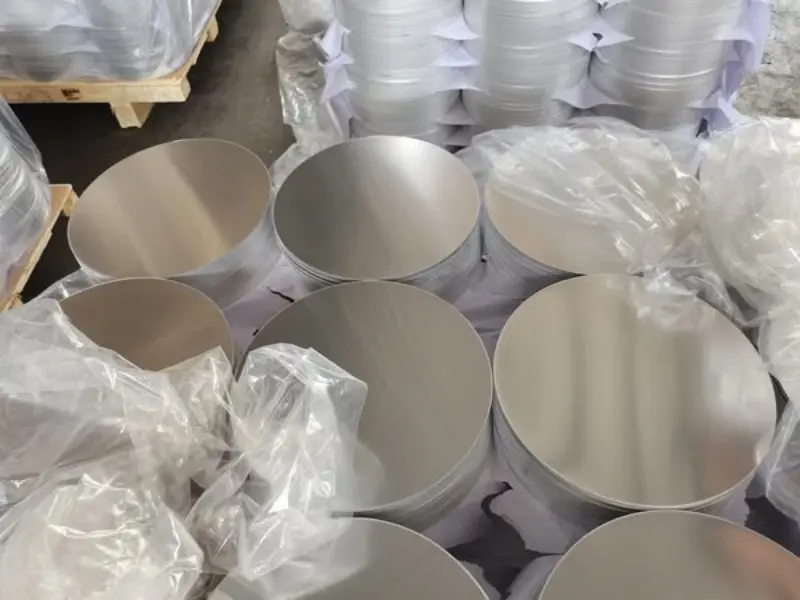
Basic mill finish sheet and plate across common alloys and thicknesses.
A good baseline for comparing pricing between suppliers
The foundation of most supplier catalogs
Should be available in multiple standard sizes
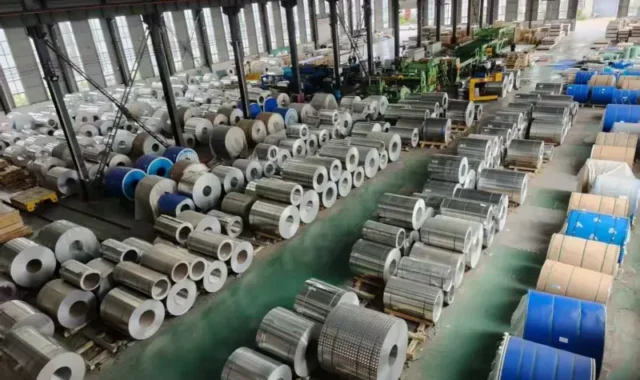
Coil and Slit Coil
Continuous roll form for buyers with their own processing lines.
- Indicates rolling capability beyond just cut sheet
- Slitting capability suggests more flexible order customization
- Useful for evaluating a supplier’s coil-handling infrastructure
Coated and Painted Sheet
Color-coated or painted aluminum for construction and signage use.
- Requires additional coating line investment from the supplier
- A good sign of broader production capability
- Worth checking coating type options, such as PE versus PVDF
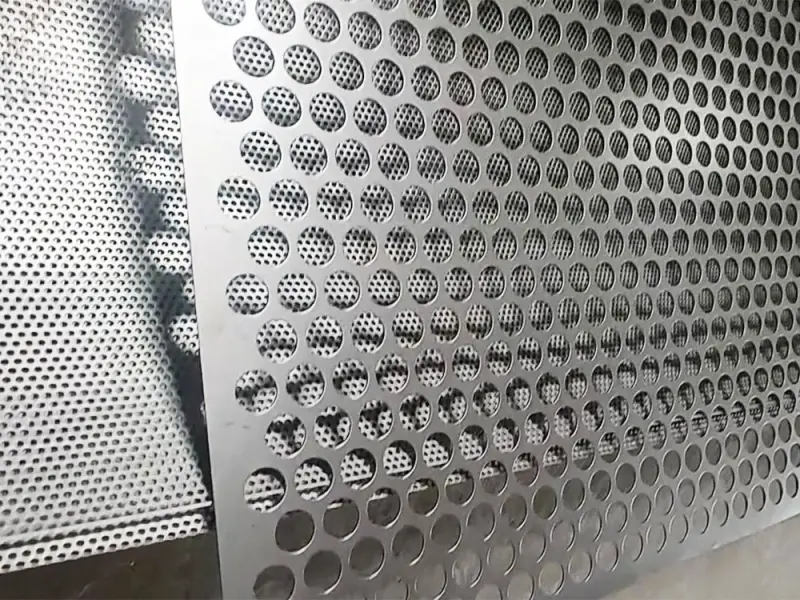
Specialty and Textured Sheet
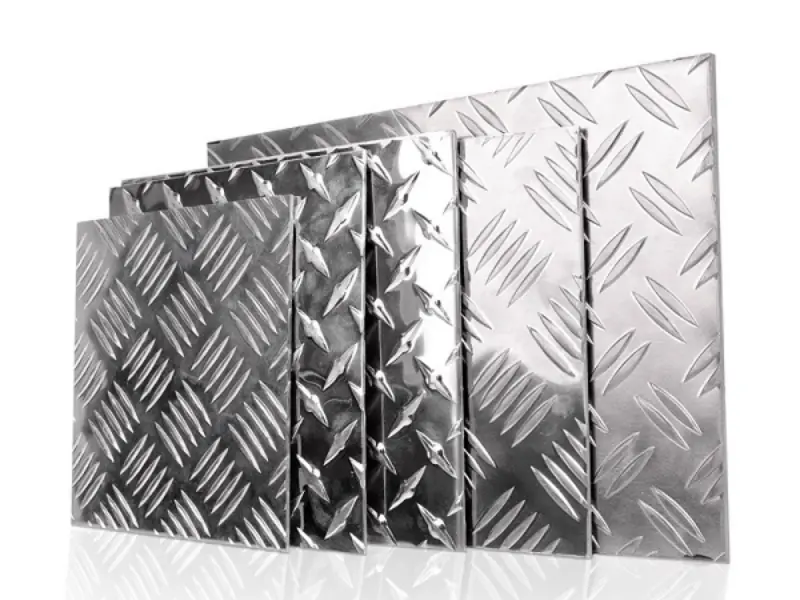
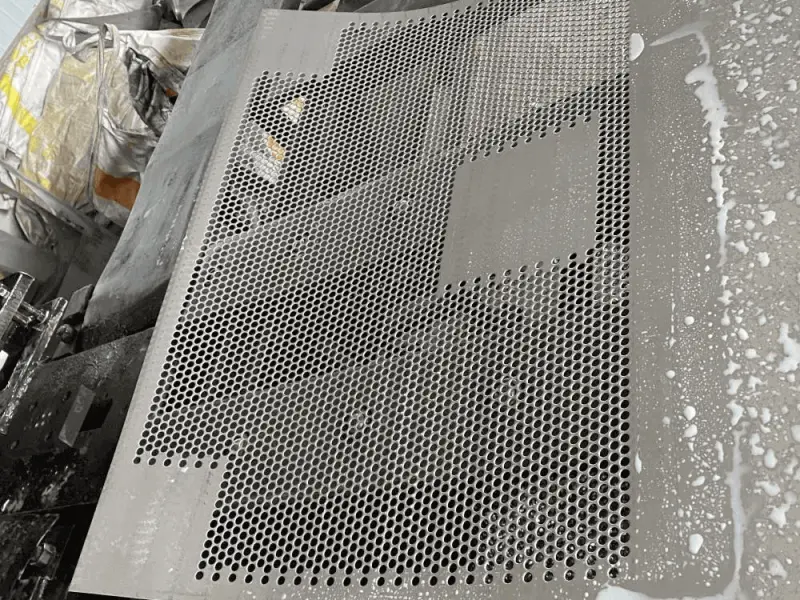
Diamond plate, embossed, or perforated sheet for specific applications.
Fewer suppliers offer a genuinely wide specialty range
Signals additional tooling and processing capability
Useful if your business needs varied finish options
Comparing Sample Quality Before a Large Order
Requesting samples remains one of the most reliable ways to judge a supplier before committing to volume.
→ Check surface consistency: look for scratches, dents, or uneven finish across the sample → Measure actual thickness: confirm it matches the ordered specification within tolerance → Test formability: bend or cut a sample piece to see how it performs versus the stated temper → Compare against your current supplier: run the same fabrication process on both samples side by side
Small Trial Order vs. Jumping Straight to Bulk
| Approach | Risk Level | Best For |
|---|---|---|
| Small trial order first | Lower | New supplier relationships, unfamiliar mills |
| Bulk order immediately | Higher | Established suppliers with a proven track record |
A modest trial order costs a bit more per unit but significantly reduces the risk of a costly quality issue surfacing only after a large shipment has already arrived.
Pricing Structure and Hidden Costs
| Cost Factor | Why It’s Easy to Miss |
|---|---|
| Minimum order quantity (MOQ) | Can force buying more than actually needed |
| Packaging fees | Sometimes charged separately from unit price |
| Freight and insurance | Varies significantly by shipping method and destination |
| Payment terms | Longer terms may come with a price premium |
A quote that looks lowest on paper does not always end up cheapest once these additional factors are added into the final landed cost.
Domestic Supplier vs. Overseas Mill
| Factor | Domestic Supplier | Overseas Mill |
|---|---|---|
| Lead time | Shorter | Longer, includes shipping time |
| Unit price | Often higher | Frequently lower at volume |
| Communication ease | Simpler, same time zone and language | May require more coordination |
| Best for | Urgent or smaller orders | Large volume, planned production schedules |
Overseas mills typically offer better pricing at scale, making them a strong fit for buyers with predictable, planned order cycles rather than urgent, last-minute needs.
Warning Signs During Supplier Evaluation
- Reluctance to provide mill test certificates or documentation
- Vague or inconsistent answers to specific technical questions
- Pricing significantly below market average with no clear explanation
- No willingness to send a sample before a large order
- Poor communication response times during the sourcing phase
Why a Long-Term Supplier Relationship Pays Off
Consistent Quality Over Time
A supplier familiar with your specifications tends to deliver more predictable results across repeat orders than switching sources frequently.
Better Pricing at Volume
Established relationships often unlock better pricing tiers than one-off transactional orders with new suppliers.
Faster Problem Resolution
A supplier who knows your account typically resolves issues more quickly than starting from scratch with someone unfamiliar with your history.
Reduced Sourcing Overhead
Less time spent re-evaluating new suppliers means more time focused on your own core business operations.
Applications Where Supplier Choice Matters Most
- Construction and architectural aluminum sheet sourcing
- Automotive and transportation component fabrication
- Marine and shipbuilding material procurement
- Appliance and cookware manufacturing supply chains
- Signage and display material sourcing
- HVAC and mechanical equipment fabrication
- Packaging and container material supply
- General industrial fabrication and machine shops
Frequently Asked Questions
What should I ask a new aluminum sheet supplier first?
Start by asking about their alloy and temper range, production capacity, and whether they can provide mill test certificates for each batch.
Is it better to buy directly from a mill or through a trading company?
Direct mills typically offer better pricing and technical access, while trading companies can suit smaller orders or buyers who value added flexibility.
How can I verify aluminum sheet quality before a large order?
Request a small trial order or sample batch first, checking thickness, surface finish, and formability against your specification.
What documents should a reliable supplier provide?
Look for mill test certificates, ISO 9001 certification, and material traceability records at a minimum.
Why do some suppliers quote much lower prices than others?
Lower prices can reflect genuine efficiency, but they can also signal reduced quality control, thinner alloy tolerances, or hidden costs added later in the process.
Should I choose a domestic supplier or an overseas mill?
Domestic suppliers usually offer shorter lead times for urgent needs, while overseas mills often provide better pricing for large, planned order volumes.