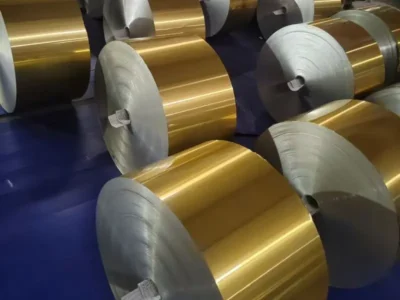
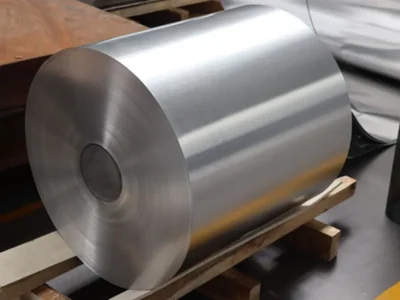
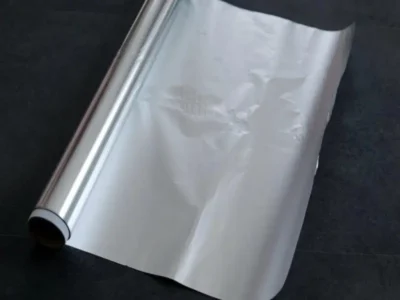
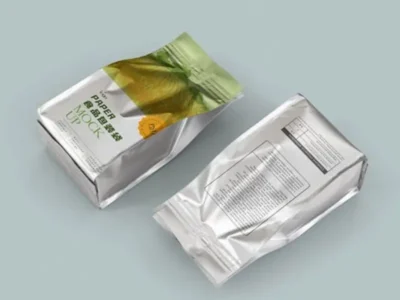
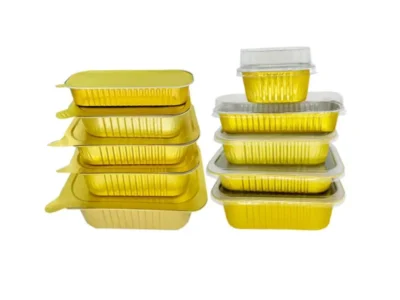
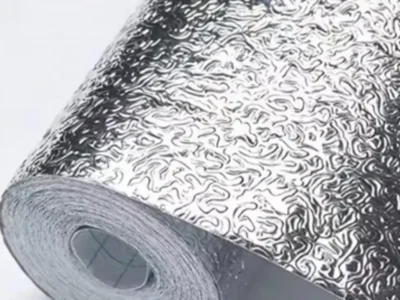
8021 aluminum foil belongs to the 8000 series alloy family. It contains iron and lithium traces that enhance barrier strength and mechanical properties. This alloy delivers superior protection against moisture, oxygen, and light compared to standard foils. Manufacturers select 8021 aluminum foil for pharmaceutical products, battery packaging, and high-end food containers.
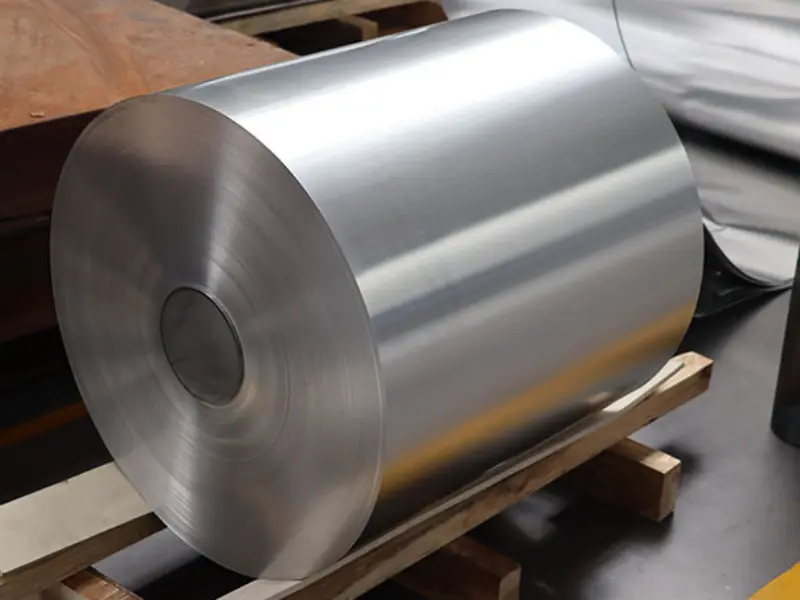
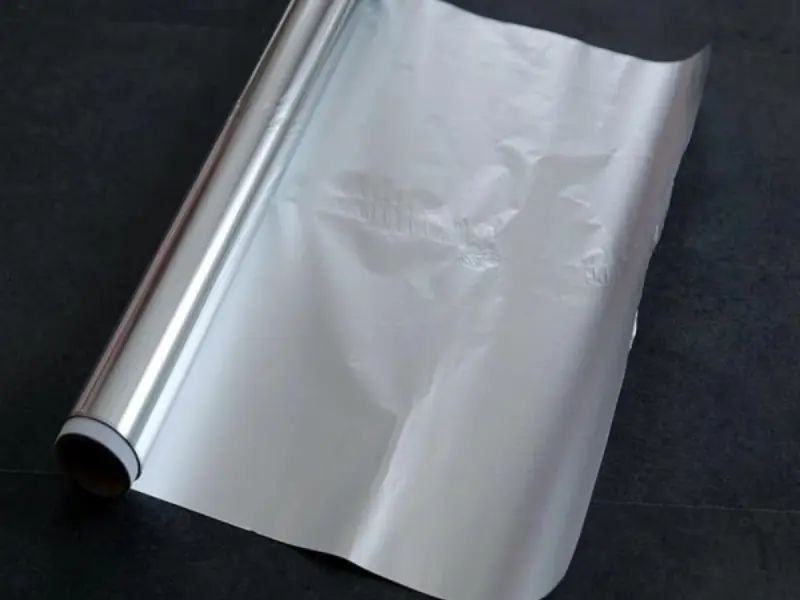
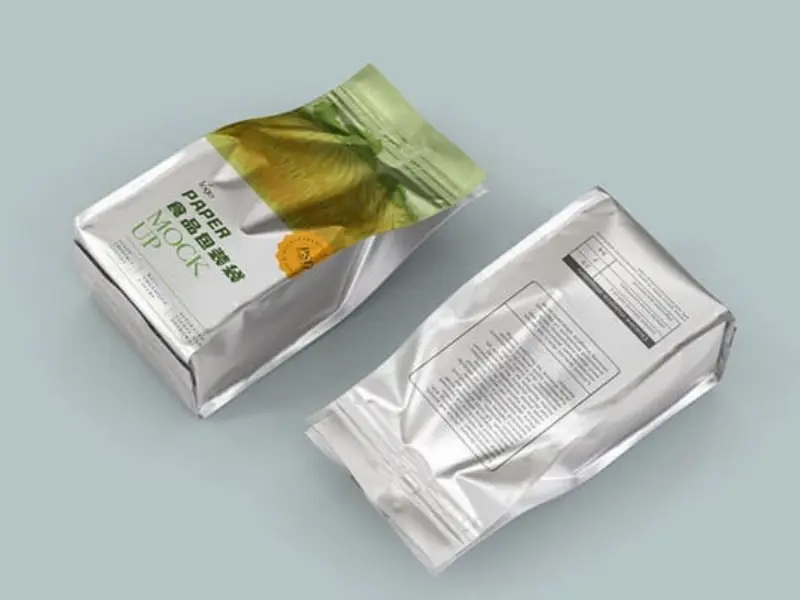
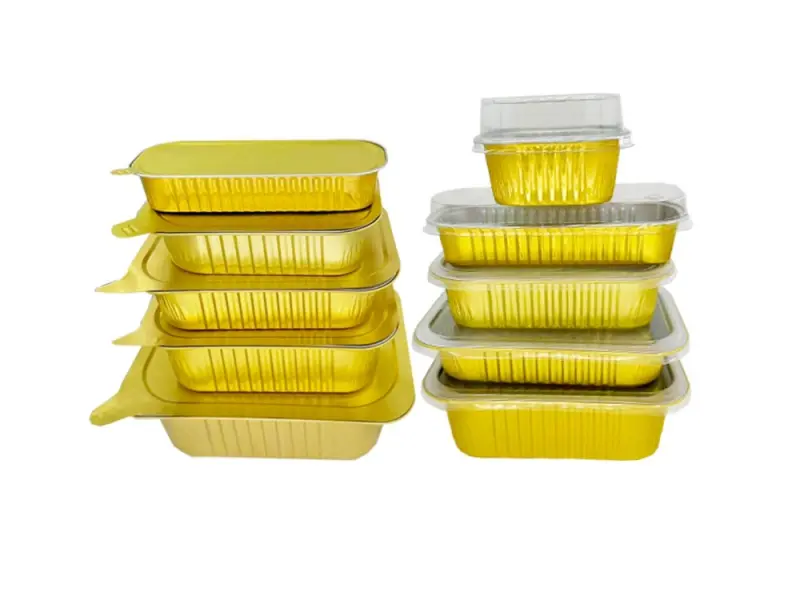
The alloy offers a unique balance of strength and flexibility. It forms complex shapes without cracking. It maintains barrier integrity even under stress. These qualities make 8021 aluminum foil the preferred choice for demanding applications.
Chemical Composition
The table below shows the typical chemical composition of 8021 aluminum foil:
| Element | Content (%) | Function |
|---|---|---|
| Aluminum (Al) | 97.0–99.0 | Base metal |
| Iron (Fe) | ≤0.6 | Increases strength and barrier properties |
| Silicon (Si) | ≤0.25 | Improves formability |
| Copper (Cu) | ≤0.05 | Trace element |
| Manganese (Mn) | ≤0.05 | Trace element |
| Magnesium (Mg) | ≤0.05 | Trace element |
| Zinc (Zn) | ≤0.1 | Trace element |
| Titanium (Ti) | ≤0.1 | Grain control |
| Others | ≤0.05 | Impurities control |
Mechanical Properties by Temper
8021 aluminum foil comes in multiple tempers. Each temper serves different processing needs. The table below shows key mechanical properties:
| Temper | Tensile Strength (MPa) | Elongation (%) | Typical Uses |
|---|---|---|---|
| O (Soft) | 90–140 | 13–18 | Deep drawing, cold forming |
| H14 | 110–140 | 3–8 | Medium strength containers |
| H16 | 130–160 | 2–5 | Rigid packaging components |
| H18 | 150–190 | 1–3 | Pharmaceutical blister packs |
| H22 | 100–130 | 6–12 | Laminate structures |
| H24 | 120–150 | 4–10 | Food container lids |
Standard Specifications
Thickness Options
| Thickness (mm) | Thickness (microns) | Common Applications |
|---|---|---|
| 0.015–0.018 | 15–18 | Battery soft packs, thin laminates |
| 0.02–0.03 | 20–30 | Pharmaceutical PTP foil, food wraps |
| 0.03–0.05 | 30–50 | Cold-form blister packs, heavy-duty packaging |
| 0.05–0.1 | 50–100 | Deep-drawn containers, industrial uses |
| 0.1–0.2 | 100–200 | Structural components, rigid trays |
| 0.2–0.5 | 200–500 | Thick industrial applications |
Width and Roll Specifications
| Parameter | Standard Range | Custom Options |
|---|---|---|
| Width | 100–1650 mm | Up to 1700 mm available |
| Inner Core Diameter | 76 mm, 150 mm | 200 mm, 300 mm, 400 mm |
| Outer Diameter | 300–1200 mm | Jumbo rolls for high-volume users |
| Roll Weight | 50–500 kg | Custom slitting services offered |
Key Product Types
1. Pharmaceutical Grade Foil
This type uses H18 temper for maximum strength. Thickness ranges from 0.02 mm to 0.05 mm. The surface must be pinhole-free and ultra-clean. It seals tightly with PVC, PVDC, and alu-alu structures. This foil protects tablets, capsules, and sensitive medicines from moisture and light.
2. Battery Soft Pack Foil
Battery applications require O temper foil. Thickness typically falls between 0.015 mm and 0.04 mm. The material needs excellent elongation for forming complex battery pouch shapes. It provides a barrier against electrolyte leakage and external contamination.
3. Cold-Form Blister Foil
Cold-form foil uses O or H18 temper. Thickness ranges from 0.045 mm to 0.08 mm. This type forms deep cavities without cracking. It replaces PVC in tropical climates where moisture protection is critical. The foil creates a complete aluminum barrier around each dose.
4. High-Barrier Food Packaging
Food-grade 8021 aluminum foil uses O or H22 temper. Thickness varies from 0.02 mm to 0.1 mm. It blocks oxygen and moisture to extend shelf life. Common uses include retort pouches, vacuum bags, and luxury food containers.
5. Laminate Base Foil
This type serves as the barrier layer in multi-material structures. It uses O temper for flexibility. Thickness ranges from 0.006 mm to 0.02 mm. The foil bonds with plastic films, paper, and adhesives to create composite packaging.
Surface Finish Types
| Finish Type | Description | Best Applications |
|---|---|---|
| Bright | Mirror-like reflective surface | Premium cosmetics, decorative uses |
| Matte/Dull | Non-reflective, diffused light | Printing base, pharmaceutical labels |
| One-Side Bright | Shiny front, matte back | Heat-seal applications |
| Coated | Lacquered or primed surface | Specialized sealing, printing |
| Embossed | Textured patterns | Anti-slip, aesthetic packaging |
Comparison with Other Alloys
| Property | 8011 Aluminum Foil | 8021 Aluminum Foil |
|---|---|---|
| Main Alloying Elements | Iron, Silicon | Iron, Lithium traces |
| Tensile Strength | 80–110 MPa (O temper) | 90–140 MPa (O temper) |
| Elongation | 8–12% | 13–18% |
| Barrier Properties | Excellent | Superior |
| Puncture Resistance | Good | Excellent |
| Deep Drawability | Good | Excellent |
| Cost Level | Moderate | Premium |
| Best For | General packaging | High-barrier pharma, battery packs |
Application Areas
8021 aluminum foil serves critical industries where protection matters most:
- Pharmaceutical Packaging: Blister packs, strip packs, cold-form foils, medicine bottle seals
- Battery Manufacturing: Lithium-ion battery soft packs, pouch cells, electrolyte barriers
- Food Industry: High-barrier pouches, vacuum packaging, retort containers
- Medical Devices: Sterile packaging, surgical kit wraps, diagnostic product barriers
- Cosmetics: Premium cream jar seals, sachets, sample packets
- Tobacco: Moisture barrier layers, inner liners for cigarette packs
- Industrial: Insulation facing, moisture barriers, protective wrapping
Quality Standards and Certifications
| Standard | Description |
|---|---|
| ASTM B479 | Aluminum foil specification for packaging |
| FDA 21 CFR 177.1390 | Food contact compliance |
| EU 10/2011 | European food contact materials |
| USP <661> | Pharmaceutical packaging safety |
| ISO 9001 | Quality management systems |
| SGS/FDA Testing | Third-party verification |
Why Choose 8021 Aluminum Foil?
This alloy delivers advantages that justify its premium positioning:
- Superior Barrier Performance: Blocks moisture, oxygen, and light better than standard alloys
- High Puncture Resistance: Withstands handling and transportation stress
- Excellent Elongation: Stretches up to 18% without tearing during forming
- Clean Surface: Meets strict pharmaceutical cleanliness requirements
- Thermal Stability: Maintains properties during sterilization processes
- Printable Surface: Accepts high-quality printing for branding and information
- Food Safe: Non-toxic and compliant with global health standards
Ordering Guide
When you order 8021 aluminum foil, provide these specifications:
| Parameter | Your Selection |
|---|---|
| Alloy | 8021 |
| Temper | O, H14, H16, H18, H22, H24 |
| Thickness | Specify in mm or microns |
| Width | Standard or custom slitting |
| Surface Finish | Bright, matte, or coated |
| Core Size | 76 mm, 150 mm, or custom |
| Application | Pharmaceutical, battery, or food |
| Quantity | Roll weight or number of rolls |
Storage and Handling Tips
- Keep rolls in dry warehouse conditions
- Maintain temperature between 15°C and 30°C
- Avoid direct sunlight and rain exposure
- Handle with clean gloves to prevent surface contamination
- Use proper lifting equipment for heavy jumbo rolls
- Inspect for pinholes before high-speed processing
- Rotate stock using first-in-first-out method
8021 aluminum foil with Good Performance
8021 aluminum foil stands as the premium choice for barrier-critical applications. Its superior elongation, puncture resistance, and barrier properties serve pharmaceutical, battery, and high-end food markets. The alloy forms complex shapes without failure. It protects sensitive contents from environmental damage.
Contact suppliers with your specific requirements. They can recommend the right temper, thickness, and surface treatment for your production line. Whether you need foil for battery soft packs or pharmaceutical blister packaging, 8021 aluminum foil delivers reliable performance.