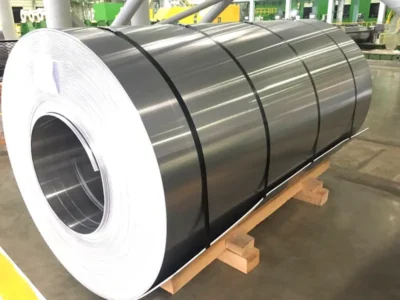
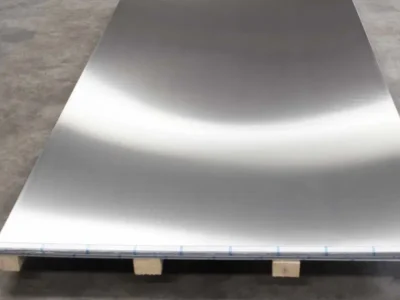
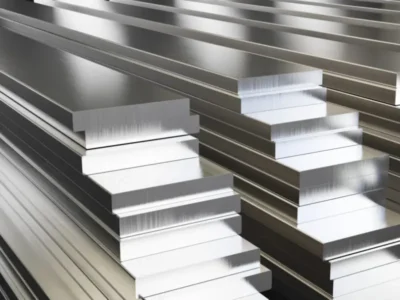
Aluminum sheet is a flat-rolled aluminum product with thickness typically ranging from 0.2 mm to 6 mm. It is one of the most widely used metal materials in modern industry. The material is lightweight, corrosion-resistant, and easy to process.
Manufacturers produce aluminum sheet through rolling processes. Hot rolling creates thicker sheets. Cold rolling produces thinner, smoother sheets with precise dimensions. This versatile material serves construction, transportation, manufacturing, and decoration industries.
Aluminum sheet differs from aluminum plate and foil. Plate is thicker than 6 mm. Foil is thinner than 0.2 mm. Sheet sits in the middle range. This makes it ideal for most structural and decorative applications.
Common Aluminum Sheet Alloys
Different alloys offer different properties. Choosing the right alloy ensures project success.
| Alloy | Main Features | Typical Applications |
|---|---|---|
| 1050 | High purity (99.5%), excellent corrosion resistance | Chemical equipment, reflective panels |
| 1060 | High purity (99.6%), good formability | Signage, decorative panels, lighting |
| 1100 | Commercially pure, excellent workability | General fabrication, food processing |
| 3003 | Manganese alloy, 20% stronger than pure aluminum | Roofing, siding, fuel tanks |
| 5052 | Magnesium alloy, high strength, marine grade | Marine applications, pressure vessels |
| 5083 | High magnesium content, superior corrosion resistance | Shipbuilding, offshore structures |
| 6061 | Heat-treatable, structural strength | Machinery, automotive parts, bridges |
| 7075 | High strength-to-weight ratio, aerospace grade | Aircraft structures, high-stress parts |
1050 and 1060 Aluminum Sheet
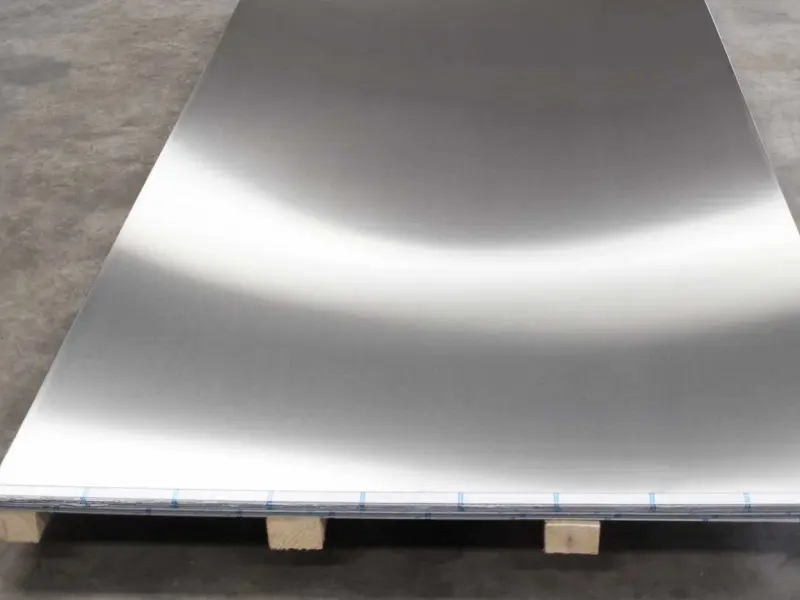
These alloys contain minimum 99.5% aluminum. They offer excellent corrosion resistance and electrical conductivity. The material forms easily but has lower strength. These alloys work well for chemical processing equipment and decorative applications.
3003 Aluminum Sheet
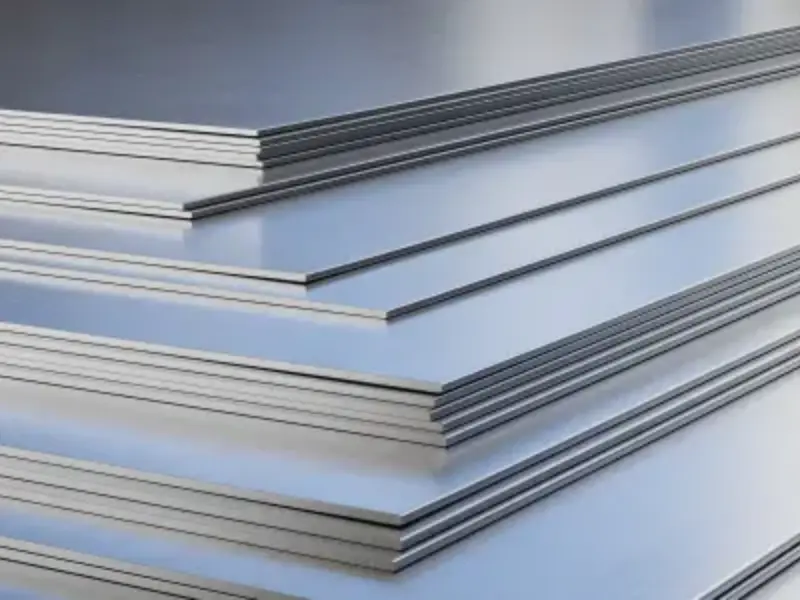
3003 is the most widely used alloy for general purposes. Manganese addition increases strength by 20% compared to pure aluminum. It resists corrosion well and accepts welding easily. Roofing, siding, and fuel tanks commonly use this alloy.
5052 Aluminum Sheet
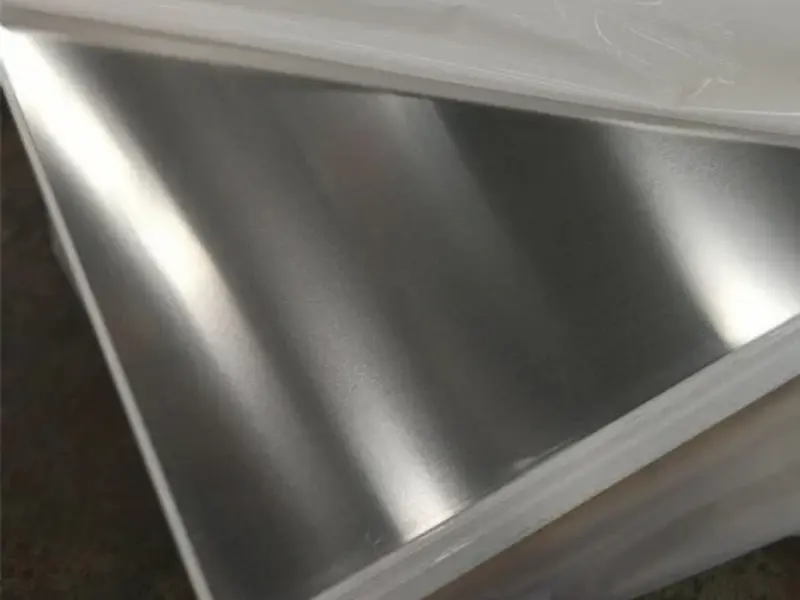
5052 contains magnesium for higher strength. It resists saltwater corrosion effectively. This makes it ideal for marine environments. The alloy also works well for pressure vessels and automotive components.
6061 Aluminum Sheet
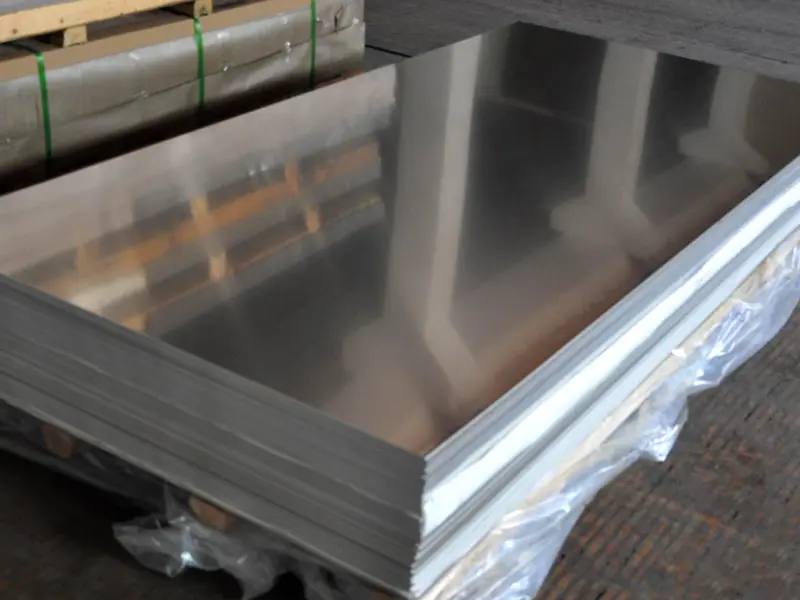
6061 is a heat-treatable structural alloy. It offers excellent strength and machinability. The material welds well and accepts various surface treatments. Machinery frames, automotive parts, and structural components use this alloy extensively.
Aluminum Sheet Sizes and Thickness
Standard sizes simplify procurement and reduce waste. Custom sizes are available for specific projects.
Standard Thickness Options
| Thickness (mm) | Thickness (inch) | Common Uses |
|---|---|---|
| 0.2–0.5 | 0.008–0.020 | Foil applications, light packaging |
| 0.6–1.0 | 0.024–0.040 | Roofing, flashing, trim work |
| 1.2–2.0 | 0.047–0.079 | Wall panels, signage, general fabrication |
| 2.5–3.0 | 0.098–0.118 | Structural panels, machine guards |
| 4.0–6.0 | 0.157–0.236 | Heavy-duty platforms, structural components |
Standard Sheet Dimensions
| Width (mm) | Length (mm) | Common Name |
|---|---|---|
| 1000 | 2000 | 1×2 meter sheet |
| 1200 | 2400 | 4×4 foot sheet |
| 1220 | 2440 | 4×8 aluminum sheet (most popular) |
| 1250 | 2500 | European standard |
| 1500 | 3000 | Large format sheet |
| 2000 | 4000 | Extra large format |
The 4×8 aluminum sheet is the most common size in North America. It matches standard construction dimensions. This size minimizes cutting waste and installation time.
Types of Aluminum Sheets
Plain Aluminum Sheet
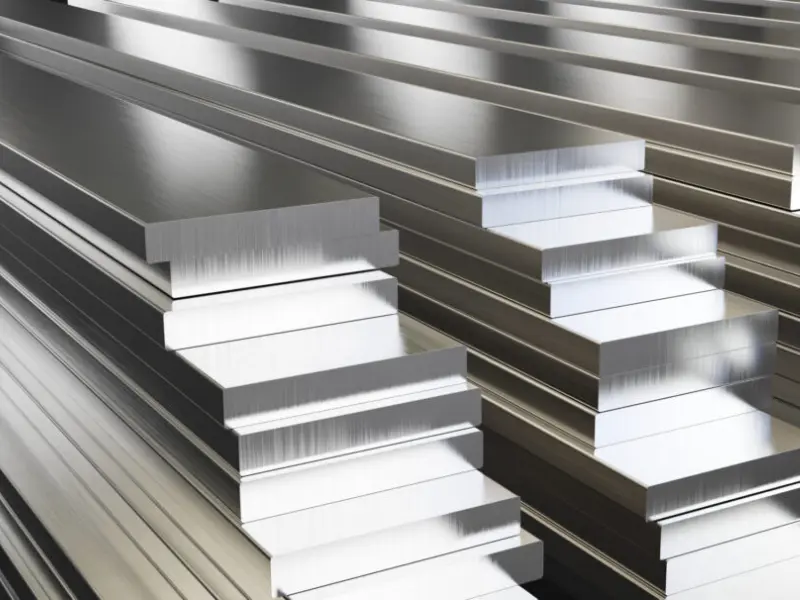
Plain aluminum sheet has a mill finish surface. It is the most economical option. The material suits industrial applications where appearance is secondary. Mill finish sheets accept painting, anodizing, or other surface treatments later.
Anodized Aluminum Sheet
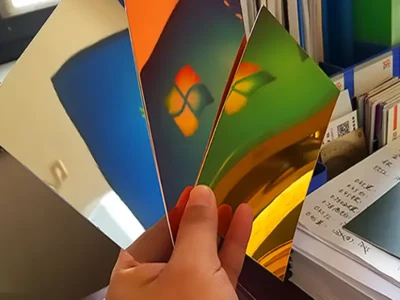
Anodizing creates a hard oxide layer on the surface. This process increases corrosion resistance and wear protection. Anodized sheets come in various colors including clear, bronze, black, and gold. They are popular for architectural and decorative applications.
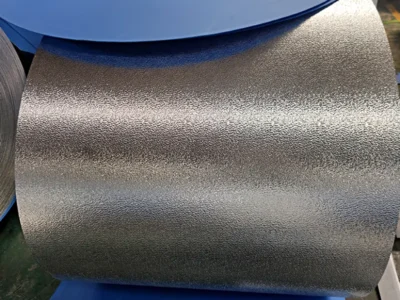
Embossed Aluminum Sheet
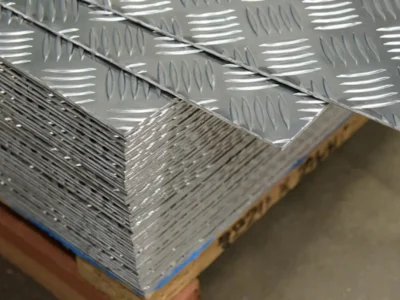
Embossing creates textured patterns on the surface. Common patterns include orange peel, diamond, and five-bar designs. These textures improve rigidity and provide anti-slip properties. Embossed sheets work well for flooring, tool boxes, and decorative wall panels.
Perforated Aluminum Sheet
Perforated sheet has holes punched in specific patterns. Round, square, and slotted holes are common. Open area ranges from 10% to 80%. These sheets provide ventilation, visibility control, and aesthetic appeal. Applications include facades, screens, and acoustic panels.
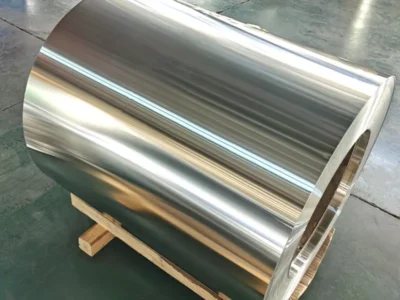
Mirror Aluminum Sheet
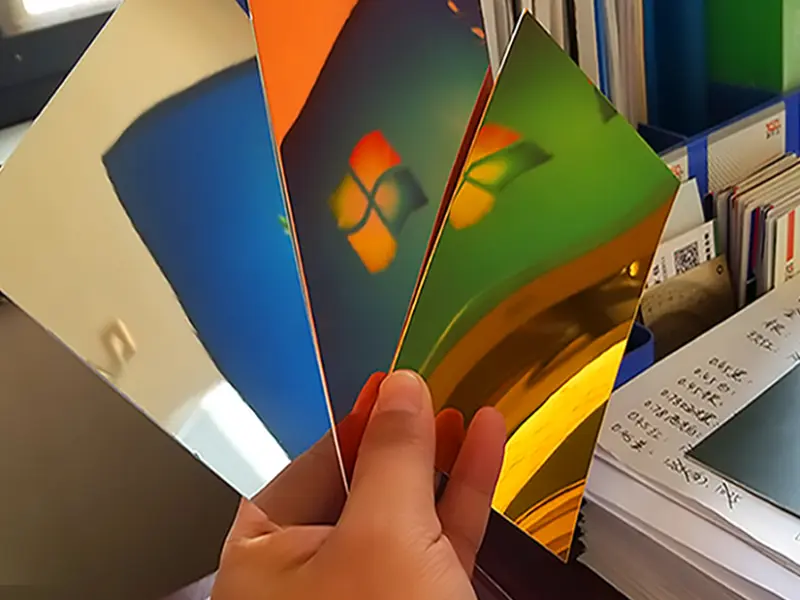
Mirror finish aluminum has a highly reflective surface. It reflects 85–95% of light. This material is used for lighting fixtures, solar reflectors, and decorative applications. The surface requires careful handling to prevent scratches.
Brushed Aluminum Sheet
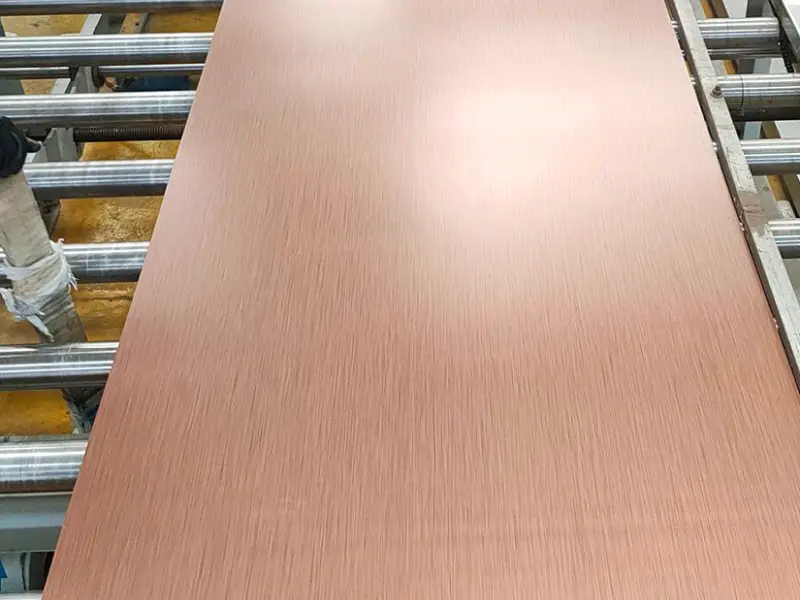
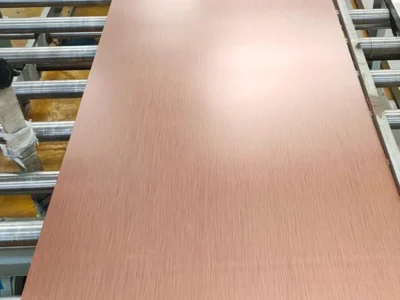
Brushed finish has fine parallel lines on the surface. It creates a satin appearance that hides fingerprints. This finish is popular for appliances, electronics, and architectural trim.
Checker Plate Aluminum Sheet
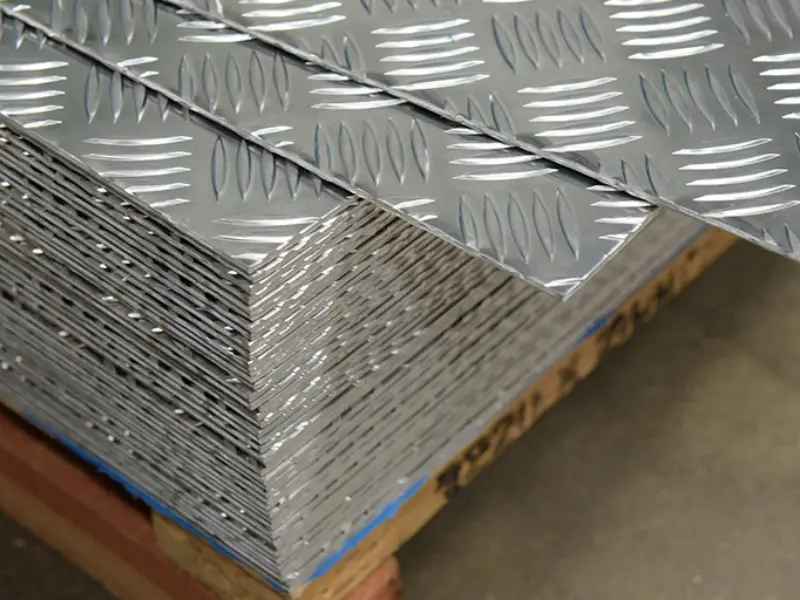
Checker plate has raised diamond or five-bar patterns. It provides excellent slip resistance. The material is used for stairs, platforms, and vehicle loading ramps.
Key Features of Aluminum Sheet
- Lightweight: Aluminum weighs about one-third of steel. This reduces structural loads and transportation costs.
- Corrosion resistant: Natural oxide layer protects the surface. No painting or coating required for many applications.
- Easy to fabricate: The material cuts, drills, bends, and welds easily. Standard tools work well.
- Recyclable: Aluminum is 100% recyclable without quality loss. This supports sustainability goals.
- Good conductor: Heat and electricity transfer efficiently through aluminum.
- Non-toxic: Safe for food contact and medical applications.
- Temperature resistant: Performs well from -200°C to +200°C.
Applications of Aluminum Sheet
Construction Industry
Aluminum sheet serves multiple roles in building construction.
- Roofing and siding: Corrugated and standing seam profiles provide weather protection
- Curtain walls: Large panels create modern building facades
- Ceiling systems: Lay-in and clip-in tiles for commercial interiors
- Flashing and trim: Waterproofing at roof joints and wall intersections
- Insulation facing: Reflective barrier for thermal insulation systems
Transportation Industry
The lightweight nature makes aluminum ideal for vehicles.
- Truck bodies: Delivery vans and trailers use aluminum panels
- Shipbuilding: Hull structures, decks, and superstructures
- Railway: Interior panels, flooring, and exterior cladding
- Aerospace: Aircraft skins and structural components (high-strength alloys)
- Automotive: Body panels, heat shields, and trim components
Industrial Manufacturing
Factories and plants use aluminum sheet for various equipment.
- Machinery guards: Protective enclosures for moving parts
- Electrical panels: Control cabinets and switchgear housings
- Chemical tanks: Storage vessels for acids and alkalis
- Food processing: Hygienic surfaces for preparation areas
- Heat exchangers: Fins and plates for cooling systems
Decoration and Signage
Aluminum sheet creates attractive visual elements.
- Interior wall panels: Decorative finishes for commercial spaces
- Sign boards: Durable substrates for printed and illuminated signs
- Column covers: Architectural features for building interiors
- Furniture: Cabinet doors, table tops, and decorative elements
- Art installations: Sculptural and decorative metalwork
Marine Applications
Special alloys withstand saltwater environments.
- Boat hulls: Lightweight, corrosion-resistant construction
- Decks and railings: Durable walking surfaces
- Offshore platforms: Structural components for oil and gas industry
- Fishing vessels: Processing areas and storage tanks
Surface Finishes Available
| Finish Type | Description | Best For |
|---|---|---|
| Mill finish | Natural aluminum surface | Industrial use, further processing |
| Anodized | Electrochemical oxide layer | Architectural, decorative, corrosion protection |
| Brushed | Satin texture with fine lines | Appliances, electronics, trim |
| Mirror | Highly polished, reflective | Lighting, solar, decorative |
| Powder coated | Electrostatic paint application | Color variety, durability |
| PVDF coated | Fluoropolymer paint | Exterior architecture, 20+ year life |
| Embossed | Textured patterns | Anti-slip, decorative, rigidity |
How to Choose the Right Aluminum Sheet
Step 1: Select the Right Alloy
Consider the operating environment and strength requirements.
- Indoor decorative use: 1050, 1060, or 1100
- General construction: 3003 or 3004
- Marine or corrosive environments: 5052 or 5083
- Structural load-bearing: 6061 or 6082
- High strength requirements: 7075
Step 2: Determine Thickness
Match thickness to structural needs.
- Light duty, decorative: 0.5–1.0 mm
- General construction: 1.2–2.0 mm
- Structural platforms: 2.5–4.0 mm
- Heavy industrial: 5.0–6.0 mm or thicker
Step 3: Choose Surface Treatment
Consider appearance and environmental exposure.
- Hidden industrial: Mill finish
- Interior decoration: Anodized or brushed
- Exterior architecture: PVDF coating or anodized
- Food/medical: Mill finish with proper cleaning
- High traffic areas: Embossed or checker plate
Step 4: Consider Budget
Balance performance with cost.
- Lowest cost: 1050 or 1060 mill finish
- Best value: 3003 with appropriate finish
- Premium performance: 5052 or 6061 with specialized coating
Aluminum Sheet Price Guide
Several factors affect aluminum sheet pricing.
| Factor | Impact on Price |
|---|---|
| Alloy type | Pure aluminum (1xxx) lowest; aerospace alloys (7xxx) highest |
| Thickness | Thicker sheets cost more per sheet but less per kg |
| Surface treatment | Mill finish lowest; PVDF coating adds 30–50% |
| Quantity | Larger orders reduce per-unit cost |
| Market conditions | Aluminum LME pricing affects base material cost |
Typical price ranges (indicative only):
| Alloy | Thickness | Approximate Price Range |
|---|---|---|
| 1050/1060 | 1–3 mm | $2.50–4.00 per kg |
| 3003 | 1–3 mm | $2.80–4.50 per kg |
| 5052 | 2–4 mm | $3.50–5.50 per kg |
| 6061 | 3–6 mm | $3.80–6.00 per kg |
Contact suppliers for current pricing and volume discounts.
Why Choose a China Aluminum Sheet Supplier
Chinese manufacturers offer significant advantages for international buyers.
Competitive Pricing: Integrated supply chains and efficient production reduce costs. This allows competitive pricing without quality compromise.
Large Production Capacity: Chinese mills operate world-scale production facilities. They can handle large volume orders with consistent delivery.
Customization Services: Chinese suppliers offer cutting, slitting, and surface treatment services. This delivers ready-to-use material.
Quality Standards: Leading manufacturers meet international standards including ASTM, EN, and ISO certifications.
Fast Delivery: Established logistics networks ship to global destinations efficiently.
WORTHWILL ALUMINUM specializes in aluminum sheet production and export. We provide quality products with reliable delivery to customers worldwide.
FAQs
What thickness is aluminum sheet?
Aluminum sheet typically ranges from 0.2 mm to 6 mm thickness. Material thinner than 0.2 mm is considered foil. Thicker than 6 mm is classified as plate.
Is aluminum sheet rust-proof?
Yes, aluminum naturally forms a protective oxide layer. This prevents rust and corrosion in most environments. Special alloys like 5052 and 5083 offer enhanced protection for marine and chemical applications.
What is the standard size of aluminum sheet?
The most common standard size is 4×8 feet (1220×2440 mm). Other common sizes include 1×2 meters, 1250×2500 mm, and 1500×3000 mm. Custom sizes are available.
Can aluminum sheet be cut?
Yes, aluminum sheet cuts easily with standard tools. Shears, saws, routers, and laser cutters all work well. Thinner sheets can be cut with hand tools. Thicker material requires power tools.
Which alloy is best for outdoor use?
3003, 5052, and 6061 all perform well outdoors. For coastal or marine environments, choose 5052 or 5083 for superior salt resistance. For general outdoor construction, 3003 with PVDF coating offers excellent value.
Can aluminum sheet be welded?
Yes, most aluminum alloys weld using TIG or MIG processes. 3003 and 6061 weld particularly well. Pure aluminum grades require more skill. Proper cleaning and technique ensure strong welds.
How do you clean aluminum sheet?
Use mild detergent and water for routine cleaning. Avoid abrasive cleaners that scratch the surface. For anodized or coated sheets, follow manufacturer recommendations. Rinse thoroughly and dry to prevent water spots.
Aluminum sheets Alloy for sale
Aluminum sheet offers unmatched versatility for industrial and commercial applications. Various alloys match different strength and corrosion requirements. Multiple surface finishes suit any aesthetic need. The material is lightweight, durable, and fully recyclable.
Whether you need roofing material, machinery components, or decorative panels, aluminum sheet delivers reliable performance. Contact us today for a free quote and expert guidance on selecting the right aluminum sheet for your project.