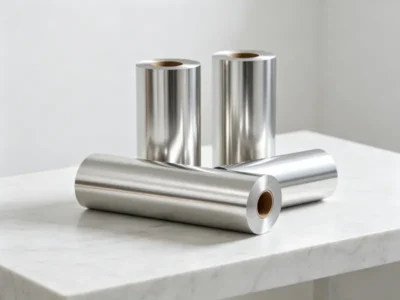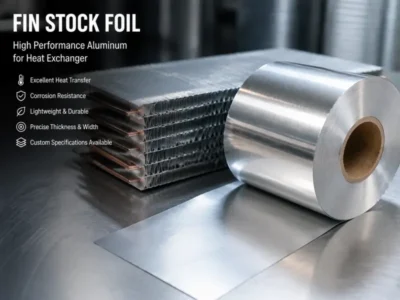
For Household Foil, every kitchen drawer hides a workhorse.
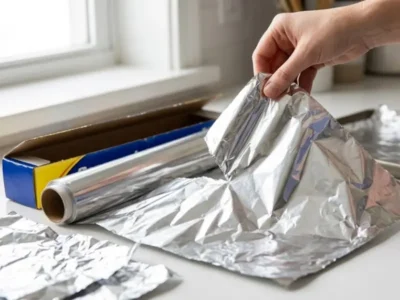
That thin, shiny sheet is household foil, and it does far more than cover last night’s pizza.
Whether you call it aluminum household foil or aluminium household foil, this guide breaks down exactly what you are buying, how thick it is, and which roll fits your routine.
Main Applications
- Food wrapping and preservation
- Baking and cooking
- Freezer and refrigerator storage
- Catering and restaurant use
- Takeaway food packaging
- Kitchen household products
- Food service packaging
- Disposable food containers
- Chocolate and snack wrapping
- Heat insulation applications
Product Advantages
→ Excellent barrier protection against moisture and oxygen
→ Maintains food freshness and flavor
→ Safe contact with food products
→ Easy cutting and shaping
→ Recyclable aluminum material
→ Suitable for manual and automatic packaging processes
What Is Kitchen Foil, Really?
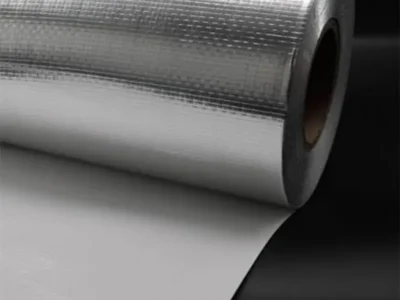
Kitchen foil is soft aluminum metal rolled into a thin, flexible sheet. It blocks light, moisture, and oxygen.
That makes it perfect for wrapping food, lining trays, and even crafting temporary hair highlights.
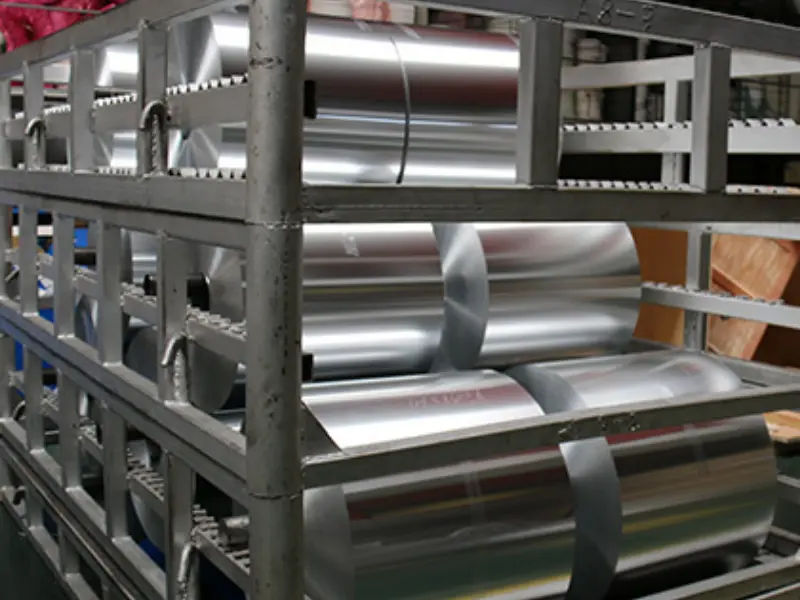
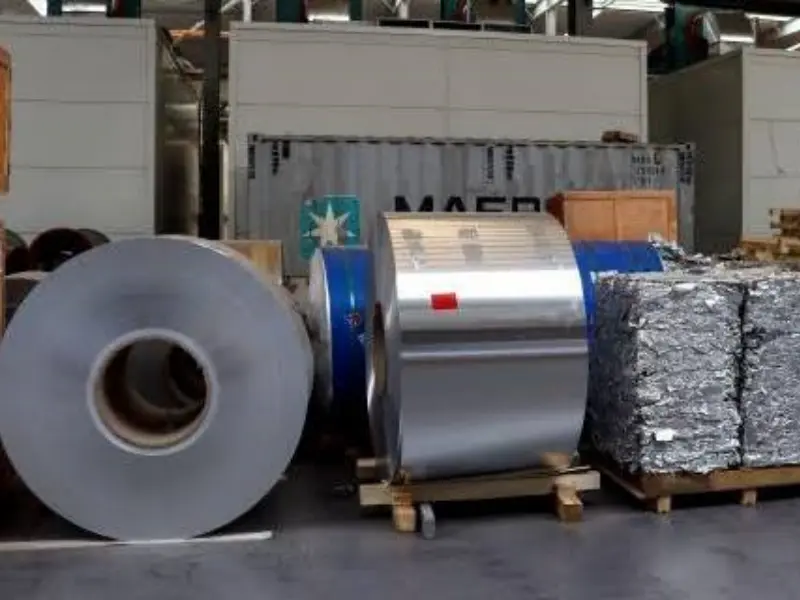
Mills start with large aluminum slabs.
They roll those slabs over and over until the metal is thinner than a human hair. The result is a household aluminum foil roll you can tear with your hands but strong enough to hold heat.
Household Foil vs. House Foils: Do Not Mix Them Up
Before you shop, know the difference.
| Term | Meaning | Typical Use |
|---|---|---|
| Household foil | Thin aluminum for home kitchens | Baking, wrapping, grilling |
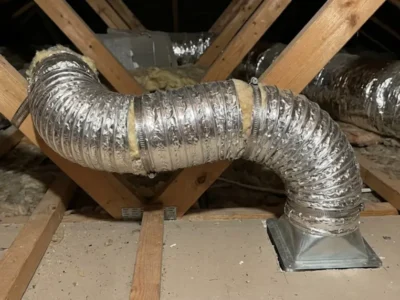
| House foils | Reflective insulation or building wrap | Attics, walls, radiant barriers |
So, what is a foil on a house? It is a building material. It reflects heat to keep attics cooler. It is much thicker and stiffer than household aluminium foil. If you need to wrap a sandwich, buy kitchen foil. If you need to insulate a garage, buy building foil.
Alloy & Temper: What Is Inside Your Roll?
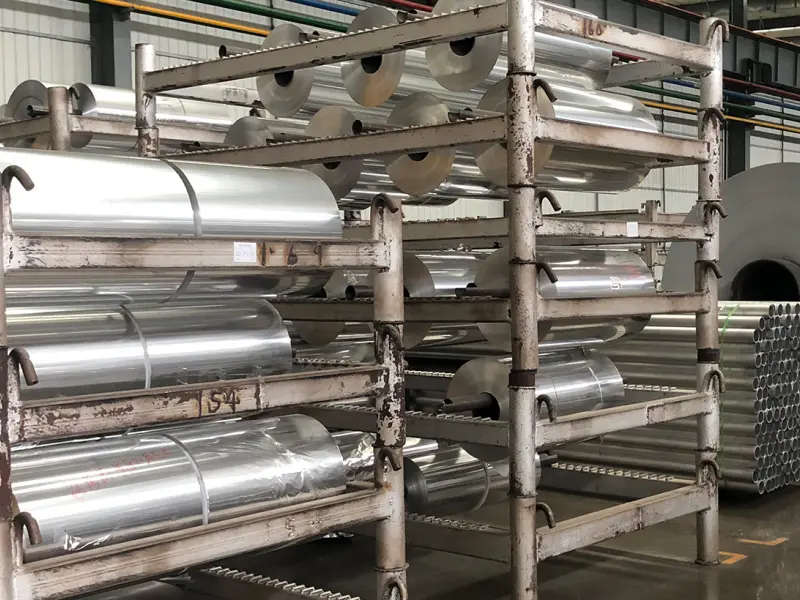
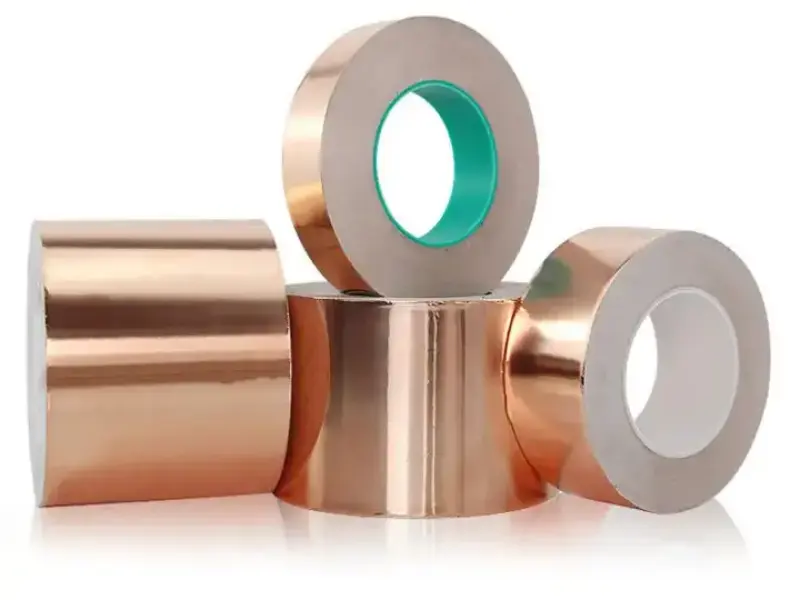
Not all rolls are the same metal recipe. Manufacturers use different aluminum alloys and tempers to control strength and flexibility.
Common Alloys in Household Aluminum Foil
| Alloy | Aluminum Purity | Characteristics | Best For |
|---|---|---|---|
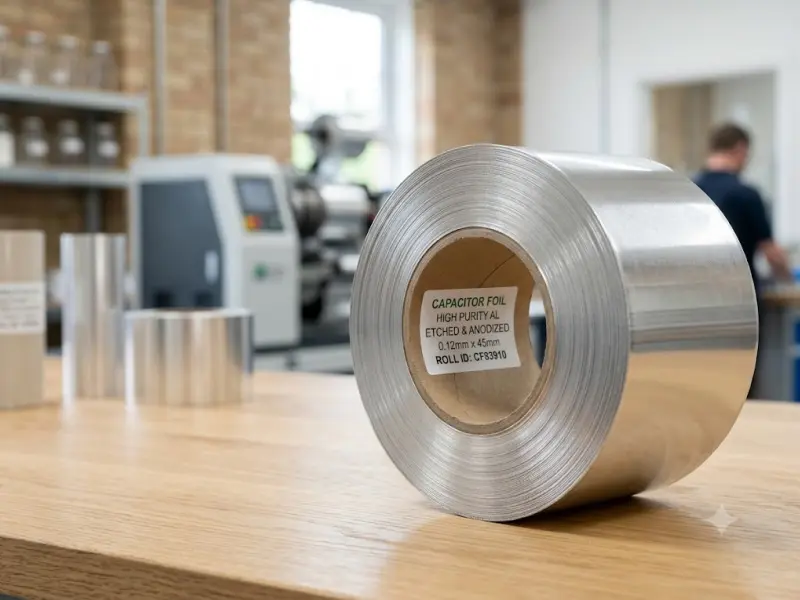
| 1235 | 99.35% | Very soft, high conductivity | General wrapping, chocolate lining |
| 1145 | 99.45% | Similar to 1235, slightly purer | Lamination, flexible pouches |
| 8011 | 98.8% | Added iron and silicon, stronger | Heavy-duty grilling, containers |
| 1100 | 99.0% | Commercially pure, corrosion resistant | Decorative foil, simple covers |
| 3003 | 98.6% | Manganese added, extra strength | Thicker household sheets, BBQ |
Temper Explained
| Temper Code | Name | Feel | Typical Thickness |
|---|---|---|---|
| O | Soft (Annealed) | Very pliable, tears easily | 0.009 – 0.012 mm |
| H18 | Hard | Stiff, springy | 0.018 – 0.025 mm |
| H22 | Quarter Hard | Balanced flexibility | 0.012 – 0.018 mm |
| H24 | Half Hard | Stronger, good for machines | 0.015 – 0.020 mm |
Most household aluminum foil you find in supermarkets is 8011-O or 1235-O. The “O” means soft. It hugs the shape of a bowl or a piece of fish without cracking.
How Thick Is Household Aluminum Foil?
Thickness changes everything. Thin sheets save money. Thick sheets stop tears.
Standard Thickness Chart
| Grade | Thickness (mm) | Thickness (microns) | Thickness (mils) | Typical Use |
|---|---|---|---|---|
| Ultra-light | 0.009 | 9 | 0.35 | Wrapping chocolate, butter |
| Light duty | 0.010 – 0.012 | 10 – 12 | 0.4 – 0.47 | Covering plates, light storage |
| Standard duty | 0.014 – 0.016 | 14 – 16 | 0.55 – 0.63 | Daily cooking, lining pans |
| Heavy duty | 0.018 – 0.025 | 18 – 25 | 0.7 – 1.0 | Grilling, freezing, BBQ |
| Extra heavy | 0.030+ | 30+ | 1.2+ | Commercial kitchens, long storage |
How thick is household aluminum foil usually? In the United States, standard rolls sit around 0.016 mm (16 microns). European household aluminium foil thickness often starts at 0.010 mm for economy packs.
If you are grilling ribs over an open flame, jump to heavy duty. If you are just keeping a salad cool, standard duty works fine.
Roll Sizes: Match the Foil to Your Habits
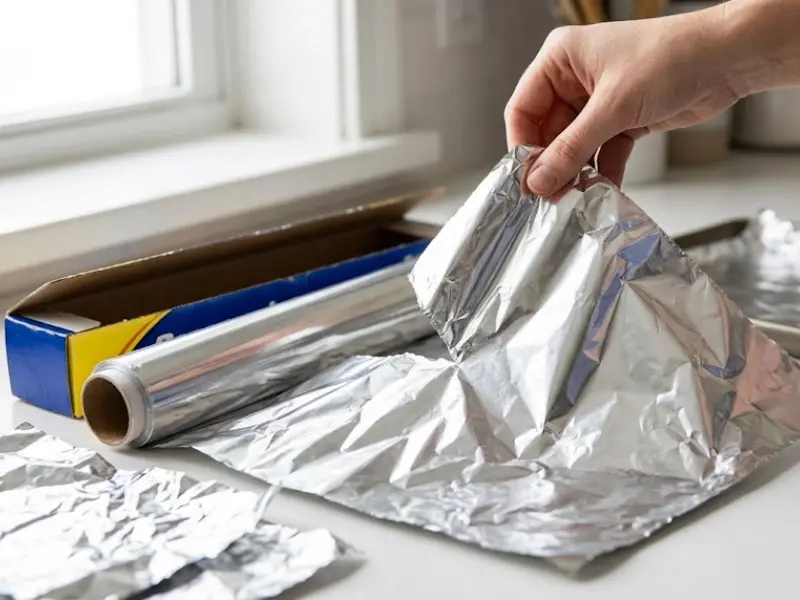
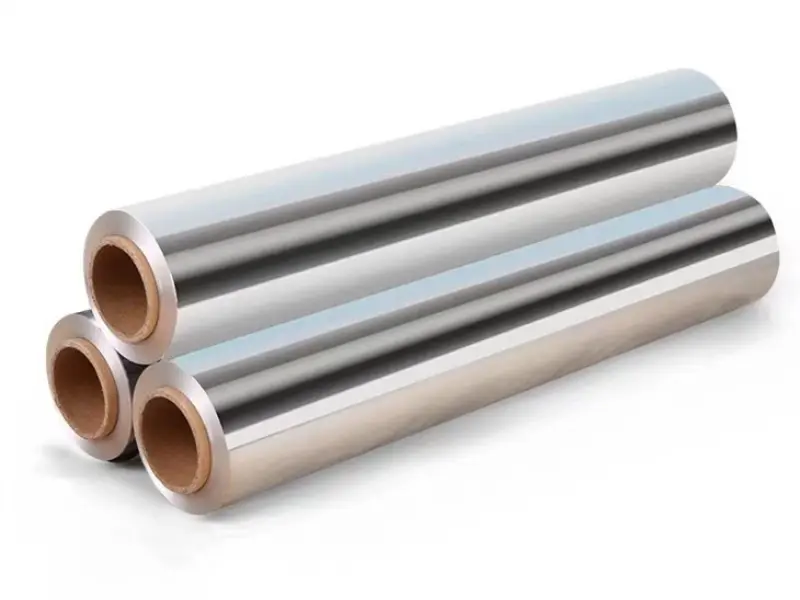
Manufacturers cut rolls in many widths and lengths. Bigger is not always better. A 200-meter roll saves money per meter, but it eats cabinet space.
Common Roll Specifications
| Width | Length | Core Diameter | Best For |
|---|---|---|---|
| 250 mm (9.8 in) | 5 m – 10 m | 25 mm | Small households, camping |
| 300 mm (11.8 in) | 10 m – 20 m | 25 mm – 38 mm | Average family kitchens |
| 350 mm (13.8 in) | 50 m | 38 mm | Restaurants, frequent bakers |
| 450 mm (17.7 in) | 75 m – 200 m | 76 mm | Catering, food service |
| 600 mm (23.6 in) | 100 m+ | 76 mm | Industrial prep, bulk buyers |
Some brands sell pre-cut pop-up sheets instead of a continuous household aluminum foil roll. These are great for quick sandwich wraps but cost more per square meter.
Types of Household Foil You Can Buy
The market offers more than just “shiny and silver.” Here are the main product types.
By Surface Finish
| Type | Description | Why Choose It |
|---|---|---|
| Plain matte | Dull on both sides | General cooking, less glare |
| Bright finish | Shiny on one or both sides | Attractive presentation, better heat reflection |
| Embossed | Textured diamond or dot pattern | Non-slip, better air circulation in freezers |
By Coating or Layer
| Type | Feature | Ideal Use |
|---|---|---|
| Non-stick coated | Silicone or food-safe resin layer | Sticky foods, candy making |
| Laminated paper-backed | Foil glued to parchment or paper | Easy wrapping, grease resistance |
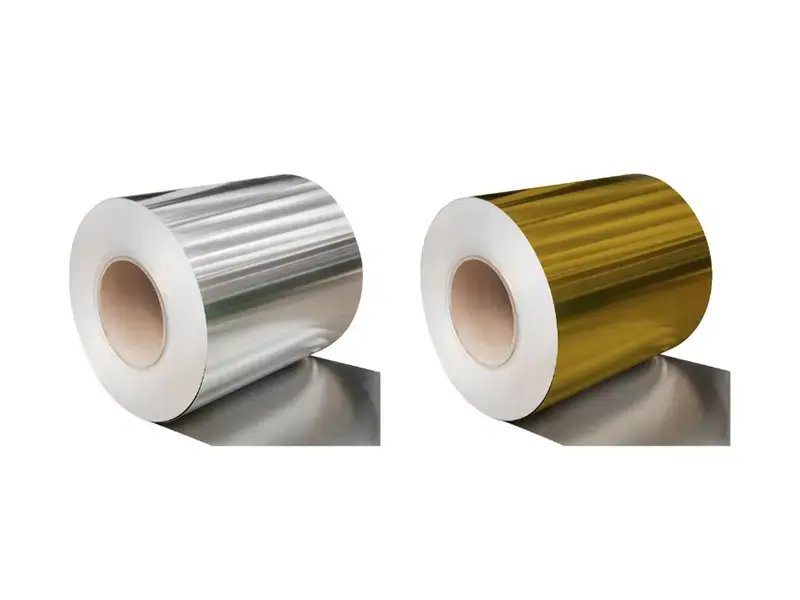
| Color foil | Anodized gold, red, green, etc. | Holidays, gift wrapping, chocolate |
By Packaging Format
- Roll with serrated cutter box – the classic choice
- Refill roll – fits your existing dispenser
- Pre-cut interfolded sheets – grab one sheet at a time
- Jumbo institutional roll – for schools, hotels, hospitals
- Individually wrapped sheets – for lunchboxes and takeout
People underestimate this metal. Below are the core aluminum foil household uses that make it a daily essential.
Aluminum Foil Household Uses: More Than Leftovers
In the Kitchen
- Lining baking trays – catches drips, cuts scrubbing time
- Wrapping meat for roasting – traps moisture, prevents burning
- Covering casseroles – stops the top from drying out
- Making a loose lid – lets steam escape while keeping heat in
- Creating a double boiler – fold foil into a bowl over simmering water
- Sharpening scissors – cut through folded foil several times
On the Grill
- Pouch cooking – seal fish, veggies, and spices in a foil packet
- Flare-up shield – place a sheet under fatty meats
- Grill-top mat – prevents small foods from falling through grates
For Storage & Freezing
- Wrapping blocks of cheese – blocks air better than plastic film
- Separating burger patties – layers stop meat from sticking together
- Covering ice cream – press foil directly onto the surface to stop freezer burn
Household Foil For Cleaning & Hacks
- Scrubbing pots – crumple into a ball and scrub without scratching glass
- Protecting stove burners – lay under coils to catch spills (check safety first)
- Moving furniture – place under legs to slide heavy sofas across floors
For Hair & Beauty
Can you use household foil for highlights? Yes. Colorists and home users have done it for decades. You paint bleach onto strands, wrap each section in small household foil squares, and the metal helps conduct heat from the scalp. That gentle warmth speeds up the lightening process. Just make sure the foil does not touch the skin directly for long periods.
How to Use the Foil: Simple Tips
If you want better results, follow these quick rules.
- Shiny side vs. dull side – the difference is tiny. The shiny side reflects slightly more heat. Place shiny side toward food if you want to keep heat in; face it outward if you want to deflect heat.
- Do not microwave – metal arcs and sparks in a microwave oven. Use microwave-safe covers instead.
- Let acidic foods cool – tomatoes, lemons, and vinegar can eat tiny holes in thin foil if left for hours while hot.
- Crease to seal – fold edges over twice to lock in steam for pouch cooking.
- Tear against the cutter – pull the roll taut, then press down firmly on the serrated strip.
How to Make Foil Paper at Home
True aluminum household foil requires a rolling mill that exerts thousands of tons of pressure. You cannot hammer aluminum into 0.01 mm sheets in a home workshop. However, if you need a homemade substitute for crafts or quick wrapping, try these ideas.
| DIY Method | Material | Result | Best For |
|---|---|---|---|
| Aluminum tape layering | Heavy-duty aluminum tape on paper | Thick, craft-grade sheet | Stencils, embossing |
| Candy wrapper rescue | Clean used chocolate foil | Small decorative pieces | Origami, collage |
| Emergency lid | Fold a coffee bag inside out | Grease-resistant cover | Short-term food cover |
| Heavy foil hammering | Start with 0.1 mm hobby foil | Slightly thinner, textured sheet | Jewelry backing, art projects |
If you need real household aluminium foil for cooking, buying a roll is safer and cheaper than any home experiment.
Is Household Aluminum Foil Pure Aluminum?
Short answer: almost, but not 100%.
Is household aluminum foil pure aluminum? Most rolls use alloys like 1235 or 8011. 1235 is about 99.35% pure aluminum. The remaining fraction includes iron, silicon, copper, and manganese. Those trace metals add strength so the foil does not tear when you pull it from the box.
Food-grade foil is safe. Regulatory bodies like the FDA and EFSA approve it for contact with food. The alloy mix does not change that safety.
What Can I Use Instead of Kitchen Foil?
Sometimes you run out. Sometimes you want a greener choice. Here is how alternatives compare.
| Alternative | Best Use | Pros | Cons |
|---|---|---|---|
| Parchment paper | Baking cookies, roasting veggies | Non-stick, compostable | No moisture seal, not for direct flame |
| Beeswax wrap | Cheese, sandwiches, half an onion | Reusable, biodegradable | Cannot handle heat, limited lifespan |
| Silicone baking mat | Cookies, pastries | Reusable thousands of times | Upfront cost, not for wrapping |
| Glass containers with lids | Leftovers, meal prep | Microwave safe, see-through | Heavy, breaks if dropped |
| Stainless steel lids | Covering pots | Lasts forever | Does not conform to odd shapes |
| Banana leaves | Steaming, grilling fish | Natural aroma, compostable | Seasonal, harder to find |
What can I use instead of kitchen foil? For baking, pick parchment. For storage, pick beeswax or glass. For grilling, there is no perfect substitute; foil still wins because it seals and molds.
Heavy Duty vs. Standard: A Side-by-Side Look
| Feature | Standard Household Foil | Heavy Duty Household Foil |
|---|---|---|
| Thickness | 0.010 – 0.016 mm | 0.018 – 0.025 mm |
| Tear resistance | Moderate | High |
| Heat tolerance | Good | Excellent |
| Best for freezing | Short term | Long term, blocks freezer burn |
| Best for grilling | Light veggies, indirect heat | Direct flame, meat, ribs |
| Cost per meter | Lower | Higher |
| Typical alloy | 1235-O, 8011-O | 8011-O, 3003-H24 |
If you grill more than twice a week, keep one heavy-duty household aluminum foil roll on hand. Use standard rolls for everyday covering and storage.
Choosing the Right Specs for Your Home
Not sure what to add to your cart? Use this decision table.
| Your Need | Suggested Thickness | Suggested Width | Suggested Length |
|---|---|---|---|
| Daily leftovers | 0.012 mm | 300 mm | 20 m |
| Weekend BBQ | 0.020 mm | 350 mm – 450 mm | 50 m |
| Baking and pastries | 0.014 mm | 300 mm | 10 m – 20 m |
| Freezing bulk meat | 0.018 mm | 450 mm | 50 m+ |
| Hair highlighting | 0.010 mm – 0.012 mm | Pre-cut sheets | 5 m roll or sheets |
| Craft projects | 0.015 mm, colored | 250 mm | 10 m |
Global Name Variations
| Region | Common Name | Spelling Note |
|---|---|---|
| USA | Aluminum foil, kitchen foil | Aluminum (one “i”) |
| UK & Commonwealth | Aluminium foil, kitchen foil | Aluminium (double “i”) |
| Australia | Al-foil, kitchen foil | Both spellings accepted |
| Middle East | Foil paper, silver paper | Often sold by weight |
Whether you search for aluminum household foil or aluminium household foil, you are looking at the same product.
Household Foil Storage & Shelf Life
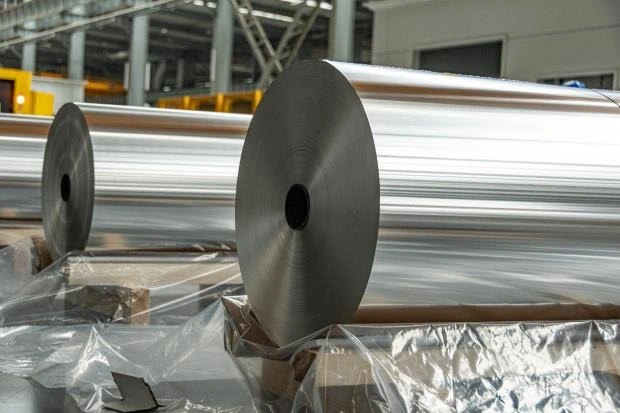
Aluminum does not rust. It does not rot. But it can oxidize slightly at the edges, turning a dull gray. Keep your household aluminum foil roll in a dry cabinet away from steam. If you live near the ocean, the salt air can pit the surface over years. A sealed plastic bag around the box adds extra protection.
Unused foil stays usable for decades. There is no expiration date.

Key Product Types of Household Foil
Different kitchen tasks require different foil types. Here are the most popular product formats available on the market today.
Small Household Foil Rolls
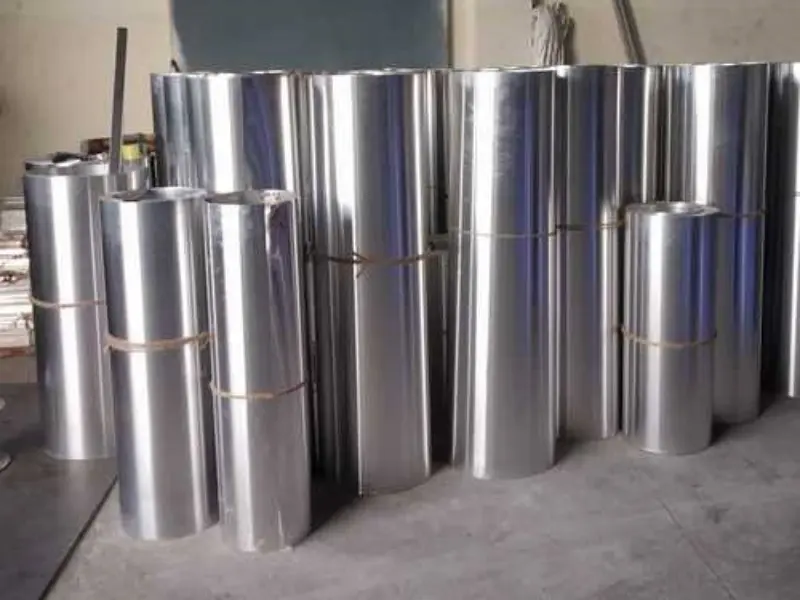
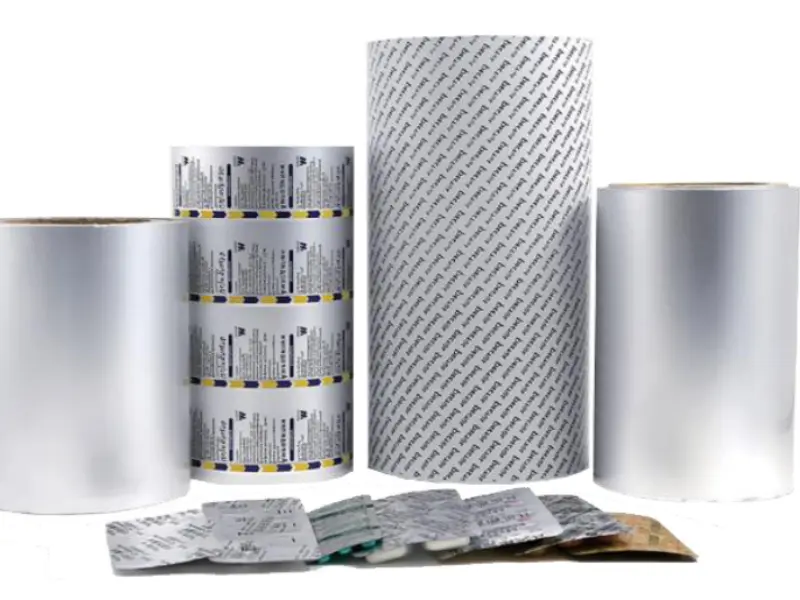
Small Household Foil retail rolls are designed for home use. They come wrapped in color boxes with a serrated cutting edge.
Core size: Inner paper core 28mm or 38mm
Standard width: 300mm or 450mm
Standard length: 5m, 10m, 20m, or 30m
Heavy Duty Household Foil
Heavy duty foil is thicker than standard foil. It offers high puncture resistance and extra strength.
- Ideal for: Wrap large roast meats, line outdoor grill grates, and cover large baking trays
- Typical thickness: 15μm to 20μm
Non-Stick Household Foil
Non-stick foil features a food-grade silicone coating on one side. Sticky foods release easily without adding extra oil or butter.
- Best for: Baking cheese, wings, cookies, and sticky marinades
- Coating side: Marked clearly so users wrap food on the correct side
Pre-Cut Pop-Up Foil Sheets
Pop-up foil sheets come pre-cut in a tissue-dispenser box. Cooks can pull one sheet at a time with one hand.
- Sheet size: 230mm×270mm or 300mm×300mm
- Common application: Fast-food wrapping, sandwich wrapping, and quick kitchen prep
Colored and Embossed Household Foil
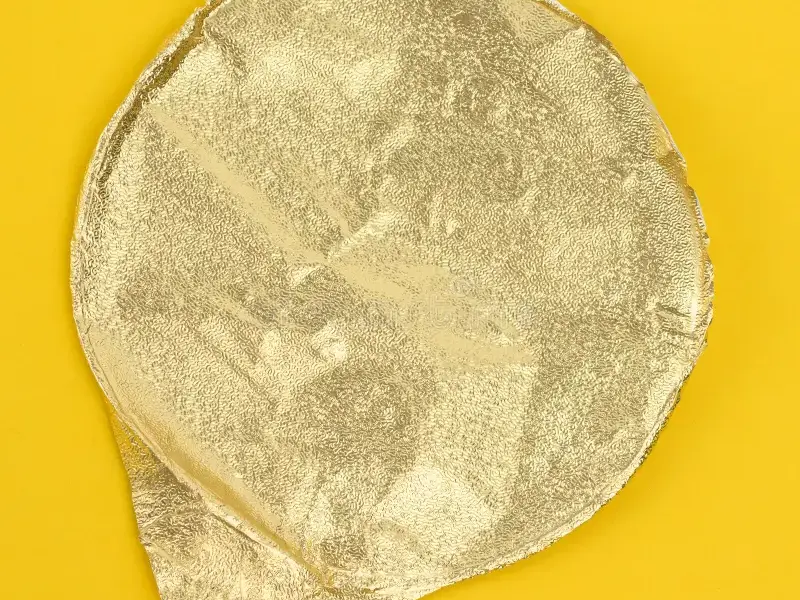
Embossed foil features textured patterns for added strength and visual appeal. Colored foil comes in red, gold, green, or custom shades.
Application: Festive food packaging, chocolate wrapping, and holiday baking
Catering and Restaurant Foil Rolls
Catering rolls are long foil rolls made for commercial kitchens, hotels, and restaurants.
- Roll length: 100m to 300m
- Outer box: Sturdy cutter box or refill pack
Jumbo Foil Rolls for Factory Rewinding
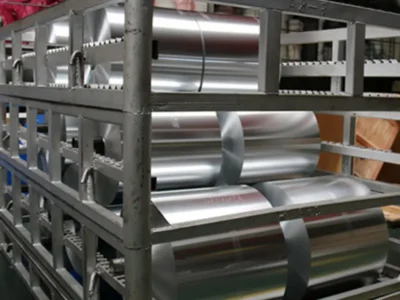
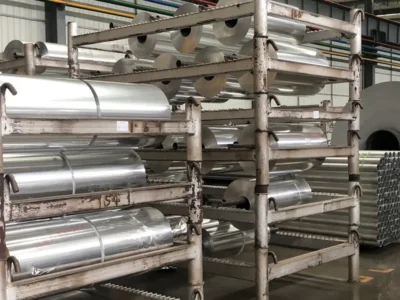
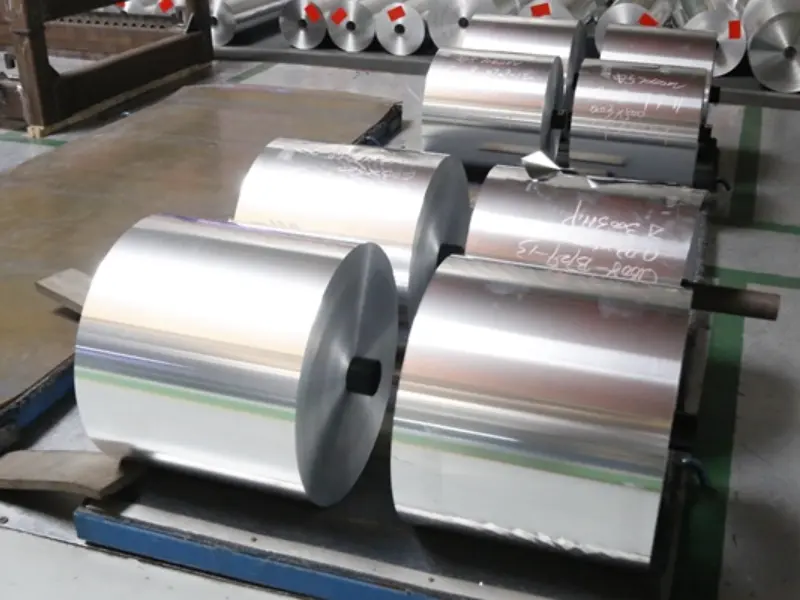
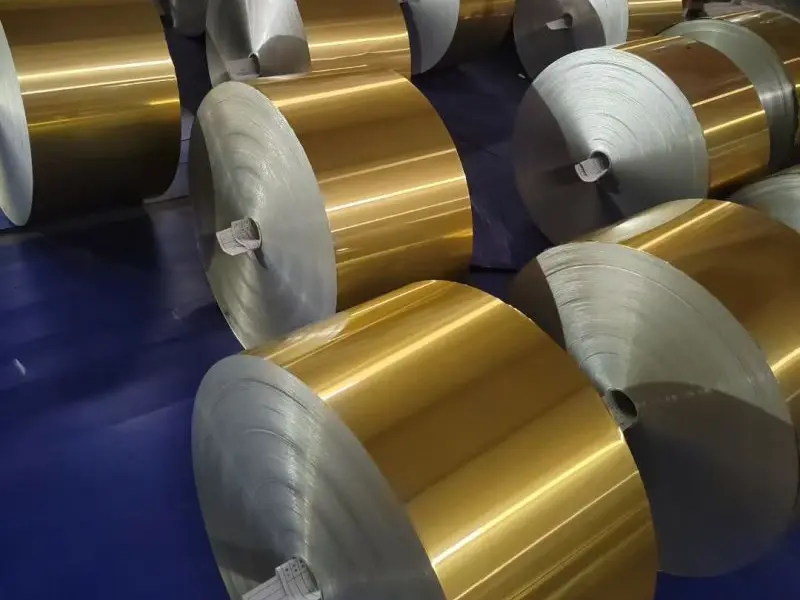
Jumbo rolls are large aluminum rolls sold to converter plants. Rewinding factories cut jumbo rolls into small retail rolls.
- Roll weight: 100kg to 800kg
- Inner core: Steel core or heavy paper core 76mm or 150mm
Common Aluminum Alloys and Tempers
The choice of alloy affects the strength, flexibility, and tensile performance of household foil.
Alloy Characteristics
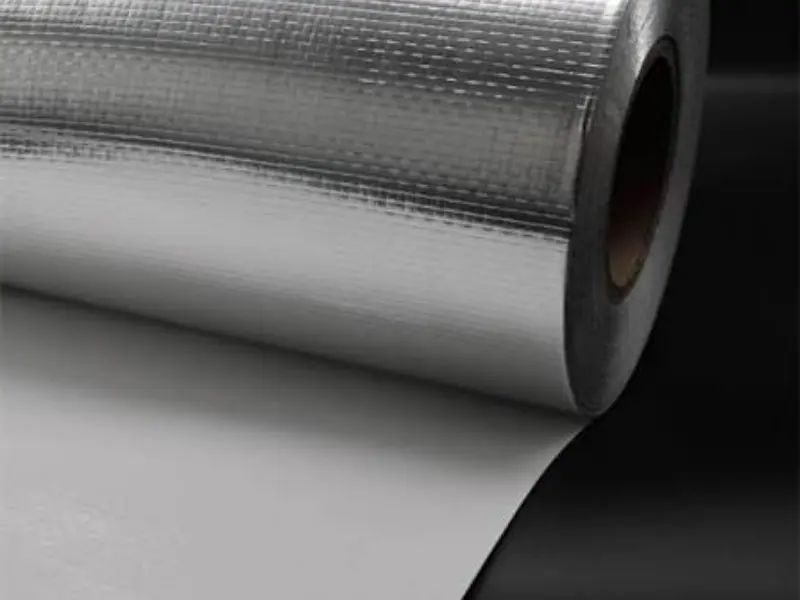
8011 Alloy Characteristics
Primary use: Standard and heavy-duty household foil rolls
Composition: Aluminum-Iron-Silicon alloy
Tensile strength: High tensile strength with good extension properties
Pinhole rate: Very low pinhole rate at thin gauges
1235 Alloy Characteristics
- Composition: High aluminum purity (≥99.35%)
- Surface quality: Smooth, clean surface finish
- Barrier properties: High moisture and gas barrier
- Primary use: Ultra-thin wrapping foil and lamination
3003 Alloy Characteristics
- Composition: Aluminum-Manganese alloy
- Strength: Higher tensile strength than 8011
- Rigidity: Strong stiffness and puncture resistance
- Primary use: Extra heavy duty wraps and container foil
Temper Options
O Temper (Soft Annealed)
- Fully soft temper achieved through thermal annealing
- Flexible, soft, and easy to fold around objects
- Standard choice for household kitchen foil
H18 / H22 Temper (Hard / Half-Hard)
- Work-hardened state
- High stiffness and lower flexibility
- Used for specific rigid packaging applications
Household Foil Product Comparison Tables
These tables compare popular alloys, thickness grades, and roll sizes to help buyers select the correct product.
Alloy Comparison: 8011 vs 1235 vs 3003
| Feature / Metric | Alloy 8011 | Alloy 1235 | Alloy 3003 |
|---|---|---|---|
| Main Element | Al-Fe-Si | Al (≥99.35%) | Al-Mn |
| Tensile Strength | High | Medium | Very High |
| Elongation | Excellent | Very Good | Good |
| Flexibility | Soft & pliable | Very soft | Stiff |
| Best Application | General Household Foil | Thin Wraps / Lamination | Heavy Duty Containers |
Thickness Comparison: Standard Duty vs Heavy Duty Foil
| Parameter | Standard Duty Foil | Heavy Duty Foil |
|---|---|---|
| Thickness Range | 9μm – 12μm | 15μm – 22μm |
| Tear Resistance | Good for daily wrapping | Superior puncture resistance |
| Best Application | Leftovers, baking sheets, bowl covers | Roasting turkey, BBQ grill lines |
| Flexibility | Easily shapes to any dish | Holds rigid shape well |
Size Comparison: Retail Small Rolls vs Factory Jumbo Rolls
| Parameter | Retail Household Roll | Factory Jumbo Roll |
|---|---|---|
| Roll Weight | 0.2kg to 2.5kg | 100kg to 800kg |
| Core Material | Paper core (28mm / 38mm) | Steel or aluminum core (76mm / 150mm) |
| Packaging | Individual cutter box | Wooden crate with foam padding |
| Target Buyer | Supermarkets, distributors | Rewinding factories |
Household foil is versatile and clean. It performs key tasks across home kitchens, restaurants, and outdoor events.
Applications of Household Foil
Kitchen Cooking and Baking
- Line cookie sheets and baking pans to keep pans clean
- Wrap roasted chicken, turkey, and beef to lock in juice
- Cover casserole dishes to prevent burning top layers
- Form small foil trays for baking snacks
Food Storage and Preservation
- Wrap leftover food tightly to block air and moisture
- Protect food in freezers to prevent freezer burn
- Cover salad bowls and leftovers in refrigerators to stop odor transfer
Outdoor Barbecue and Grilling
- Wrap corn, potatoes, and garlic before placing on charcoal grills
- Line outdoor grill grates to keep food from sticking to dirty bars
- Build foil pouch packets for steaming fish and vegetables on open flames
Commercial Food Service
- Fast food wrapping for burgers, burritos, and sandwiches
- Wrap hot takeout food containers to maintain warmth
- Caterers cover large hotel pans to keep food warm during delivery
Household Cleaning and Utility
- Crumple foil into a ball to scrub burnt residue from cookware
- Place foil under iron covers to reflect heat back into clothes
- Wrap plant pots or table legs during home painting projects
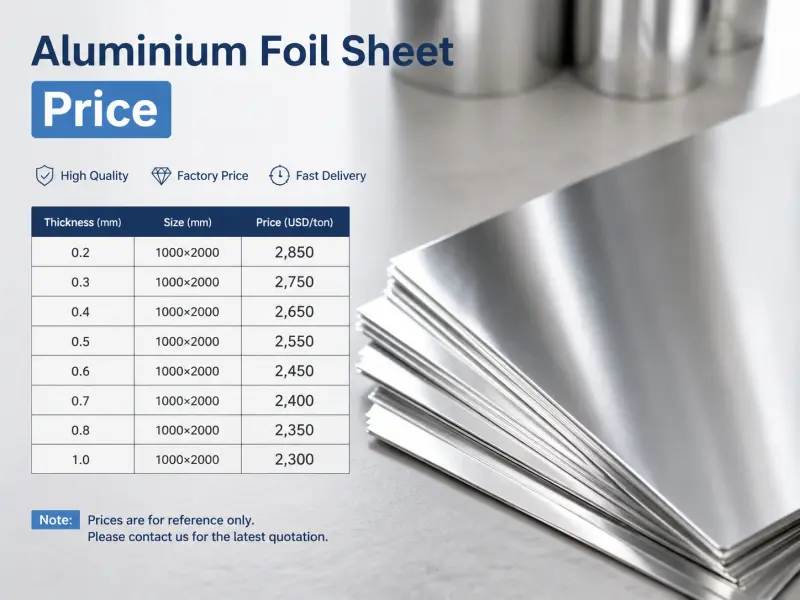
Advantages of Household Foil
Easy Formability: Folds and shapes around food without needing seals or adhesive tape.
100% Recyclable: Pure aluminum can be melted down and reused continuously without losing quality.
Complete Shielding: Keeps out light, UV rays, oxygen, air, grease, and moisture completely.
Safe Direct Contact: Non-toxic, odorless, and food safe. Meets international food packaging standards.
Heat Conductive: Spreads heat evenly during baking, roasting, and heating.
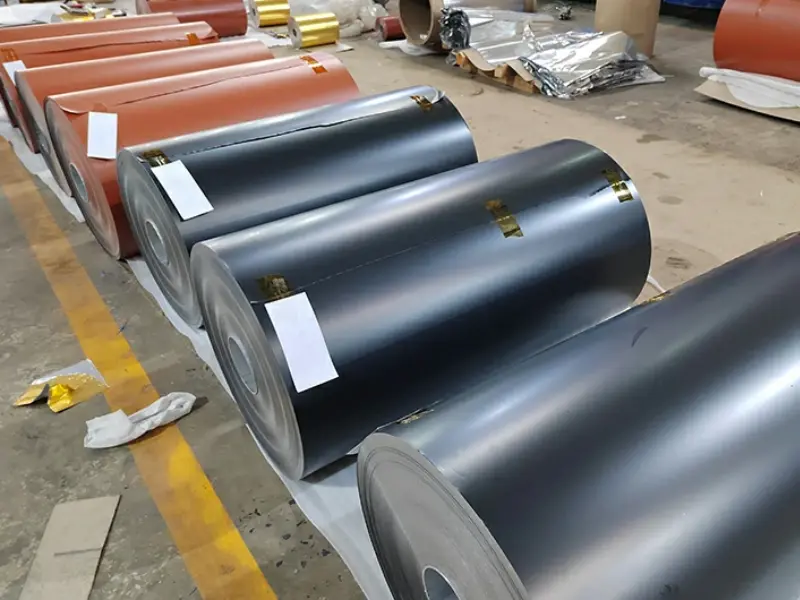
Technical Specifications and Digital Parameters
Below are the main digital specifications for household foil production and wholesale order planning.
General Specification Matrix
| Specification | Standard Parameter Range | Custom Options |
|---|---|---|
| Thickness | 8μm to 25μm (0.008mm – 0.025mm) | Custom gauge available |
| Width | 200mm to 600mm | Up to 1200mm |
| Length | 3m to 300m | Up to 500m |
| Alloy | 8011, 1235, 3003 | 8079, 8006 |
| Temper | O (Soft / Annealed) | H18, H22 |
| Core Inner Diameter | 28mm, 38mm, 76mm | 150mm |
FAQ: Quick Answers to Common Questions
Can you use household foil for highlights?
Yes. Stylists use small squares of household foil to isolate hair strands during bleaching. The metal holds the product in place and transfers gentle warmth. Cut the foil into 10 cm x 15 cm rectangles. Slide a thin slice of hair onto the center, apply bleach, and fold the foil in half. Do not let bleach touch your scalp through the foil.
How thick is household aluminum foil?
Standard supermarket rolls measure roughly 0.016 mm, or 16 microns. Economy brands may drop to 0.010 mm. Heavy-duty versions rise to 0.025 mm. Always check the label for “micron” or “mm” if you need a specific barrier strength.
What is kitchen foil?
Kitchen foil is simply another name for household aluminium foil used in food preparation. It is thin, flexible, heat tolerant, and sold in rolls or sheets for domestic kitchens.
What is a foil on a house?
A house foil is building insulation, also called radiant barrier foil. It is installed in roofs or walls to reflect infrared heat. It is much thicker and stiffer than kitchen foil and should never be used for food contact.
Is household aluminum foil pure aluminum?
It is close. Most food-grade foil uses alloy 1235 or 8011. 1235 contains about 99.35% aluminum. The small remainder is added for strength and flexibility. It is not 100% pure elemental aluminum, but it is pure enough to be food safe.
What can I use instead of kitchen foil?
Parchment paper works for baking. Beeswax wraps work for cold storage. Silicone lids work for bowls. Glass containers work for leftovers. For high-heat grilling, household foil still offers the best seal and moldability.
How do I stop foil from tearing when I pull it?
Look for rolls marked “heavy duty” or with a thickness above 0.018 mm. Also, pull slowly and keep the roll level. A sharp cutter box helps more than thin foil ever will.
Can I recycle household aluminum foil?
Yes, if it is clean. Rinse off food residue. Crumple small pieces into a ball the size of a tennis ball so recycling machines can sort it. Foil with heavy food grease or burnt-on carbon should go in the trash.
Does the shiny side matter?
Not much. The shiny side is slightly more reflective. In practical home cooking, the difference is so small that you will not notice. Use either side.
Can I put household foil in the oven?
Yes. It withstands temperatures well above normal baking ranges (up to about 600°C / 1112°F). Just keep it away from the heating element if it is loose, and never use it in a microwave.