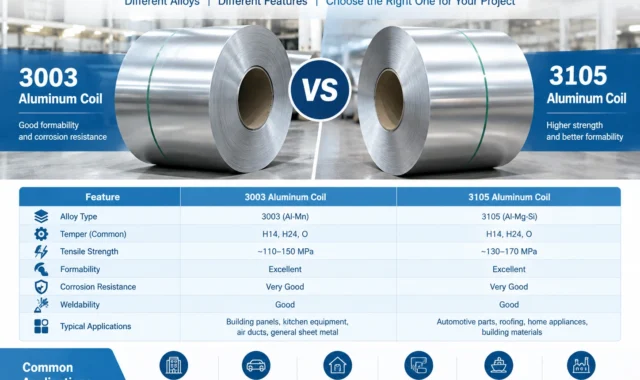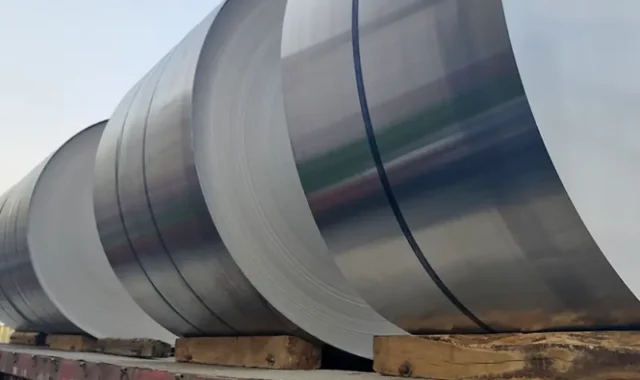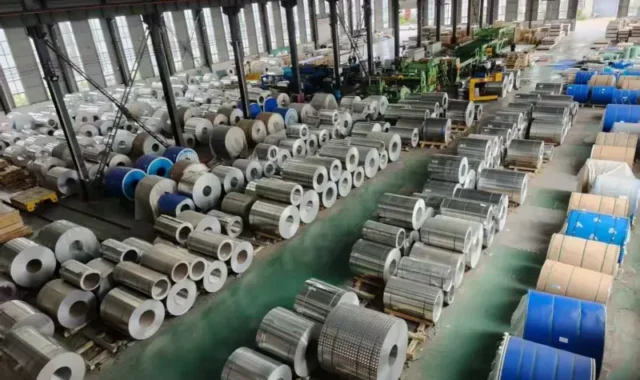
Choosing between cast aluminum vs rolled aluminum depends on how you plan to use the product. One is poured into a shape, while the other is pressed into sheets.
Many buyers compare:
- cast aluminum vs rolled aluminum
- cast aluminum vs regular aluminum
- cast aluminum vs steel
- cast aluminum vs cast iron
Cast aluminum is popular because it is lightweight, corrosion resistant, and easy to produce in complex shapes.
What Is Cast Aluminum?
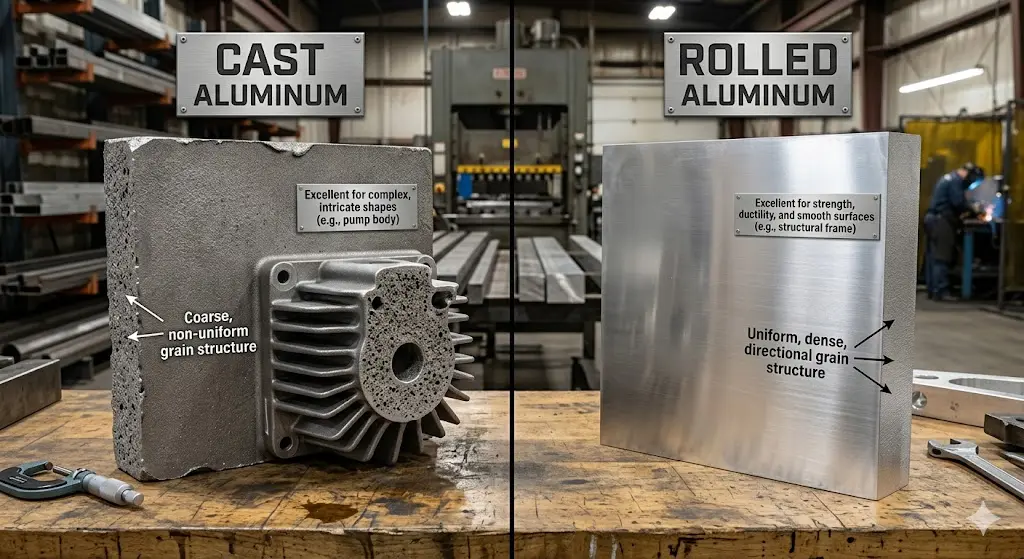
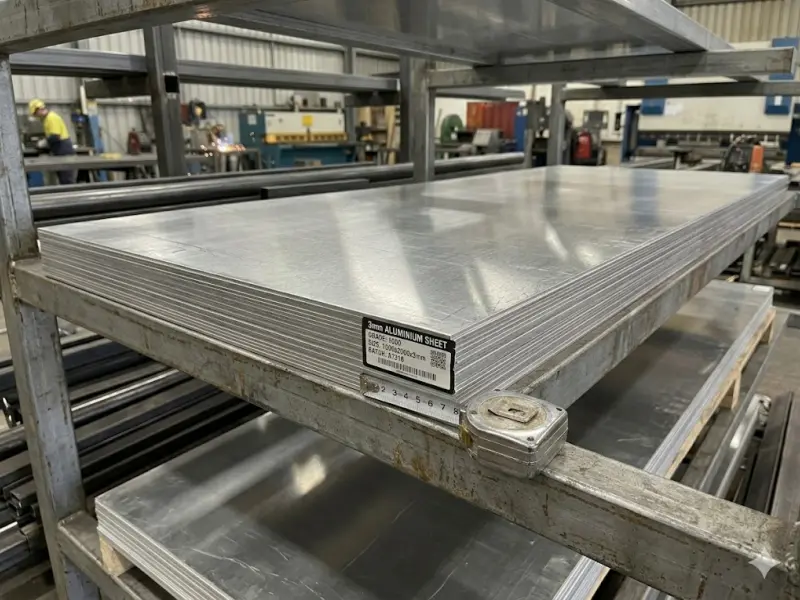
Cast aluminum is aluminum that is melted and poured into a mold. After cooling, the material becomes a finished shape or part. This process is common in cookware, patio furniture, automotive parts, and industrial products.
What Is Rolled Aluminum?
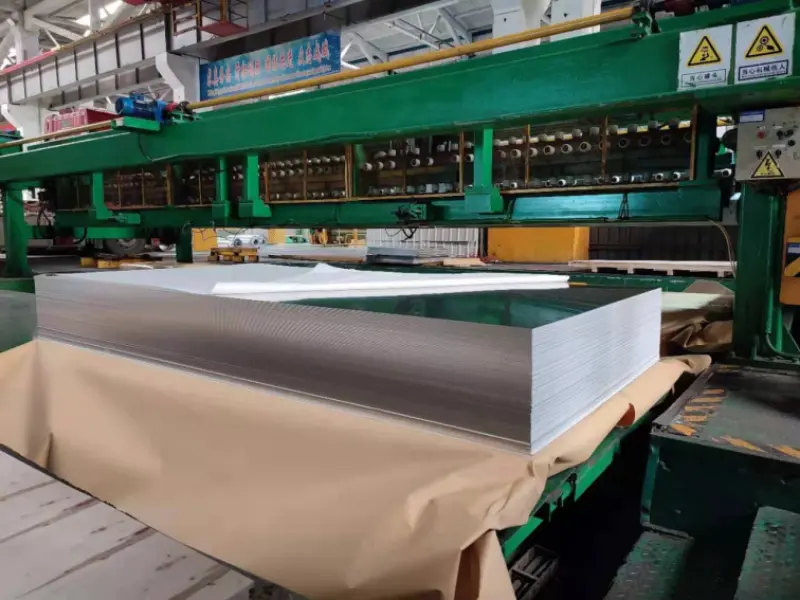
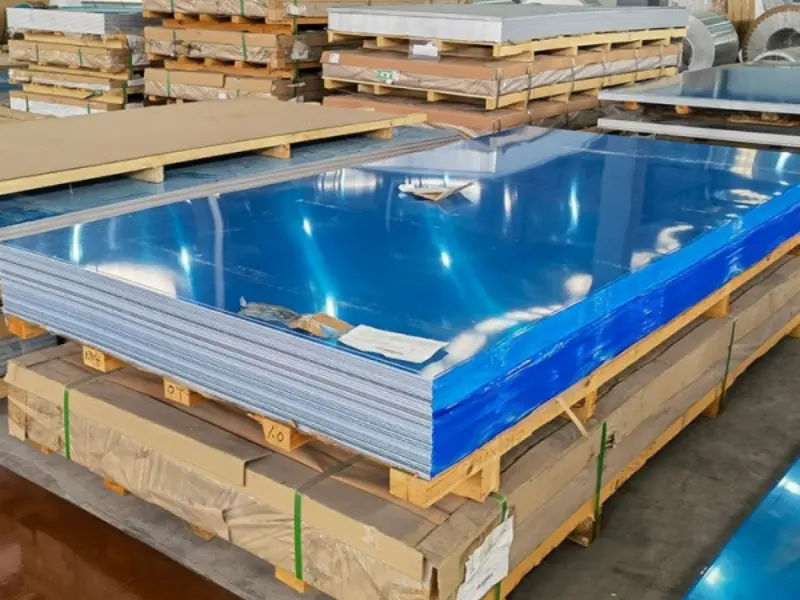
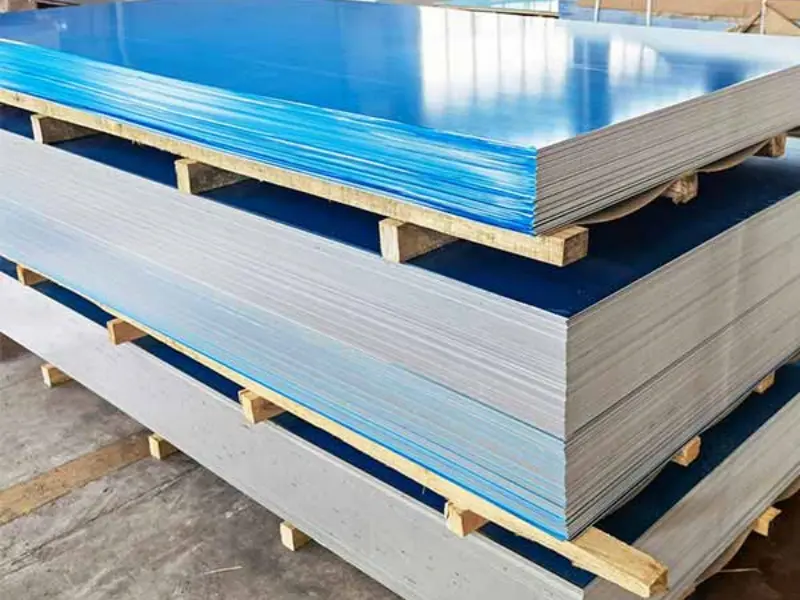
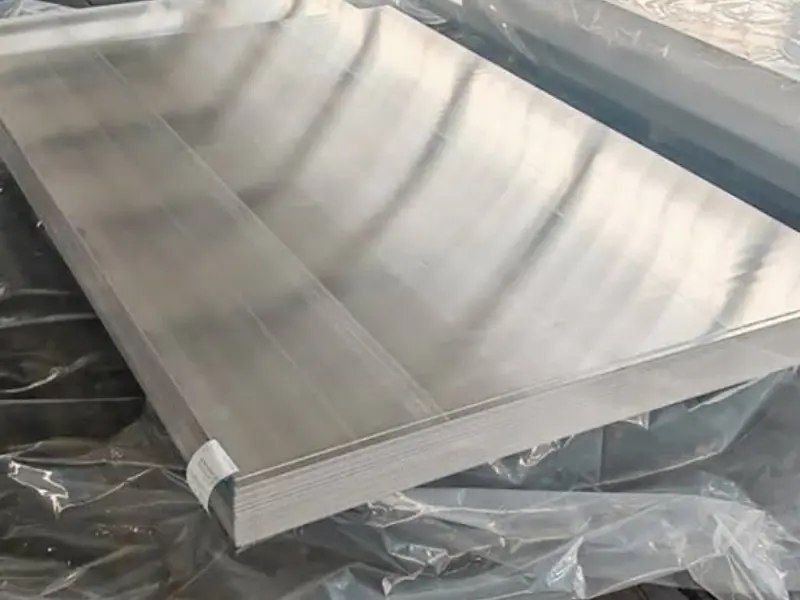
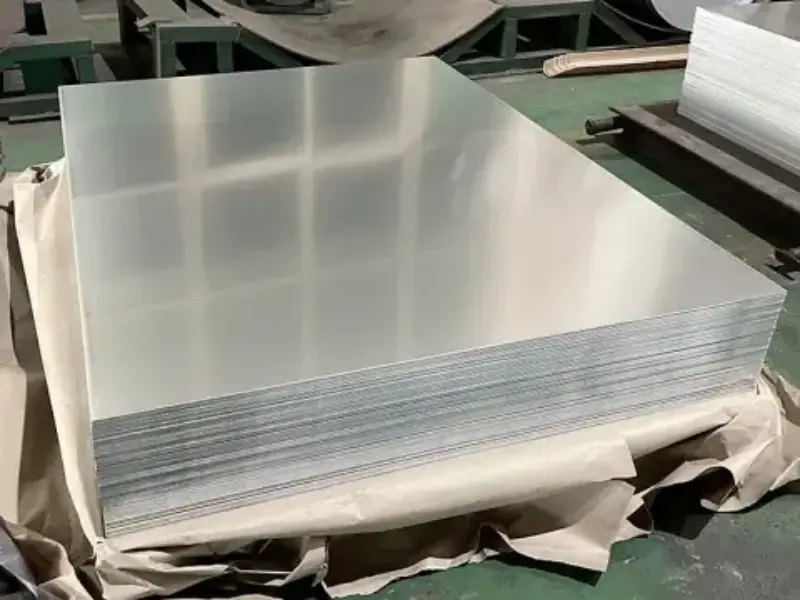
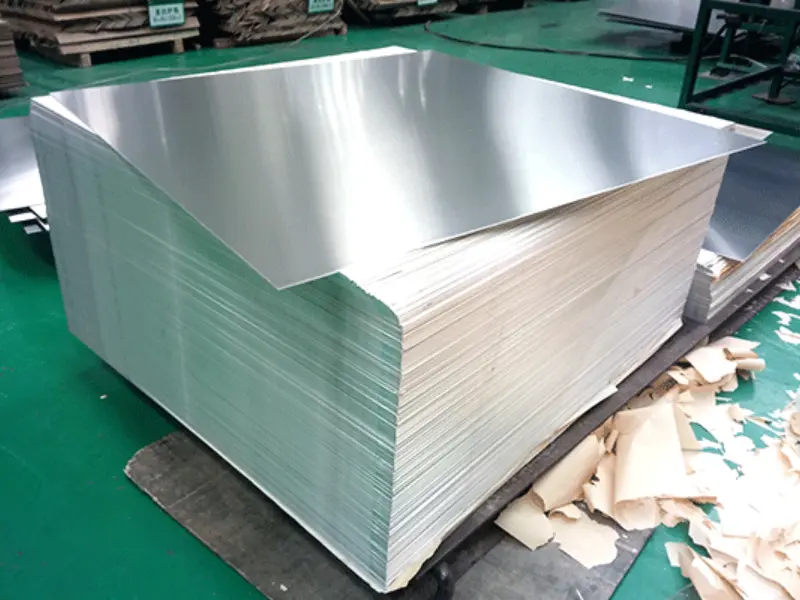
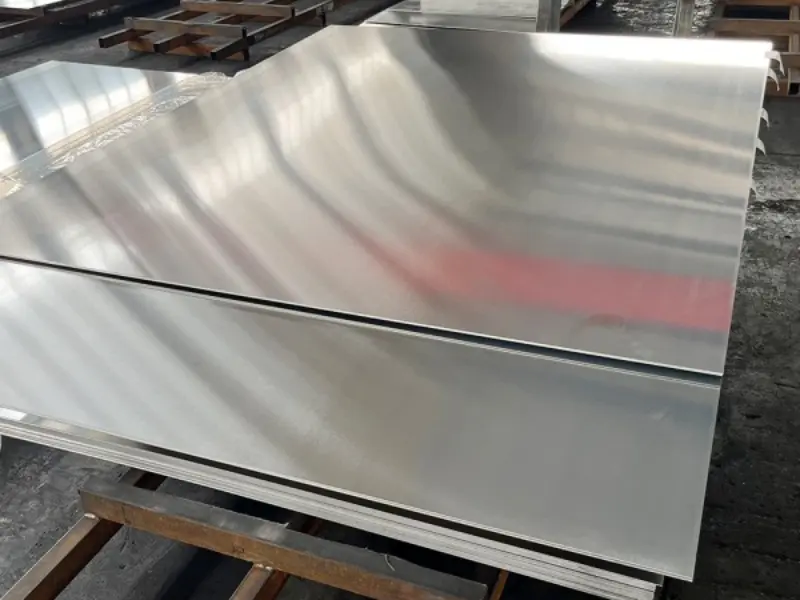
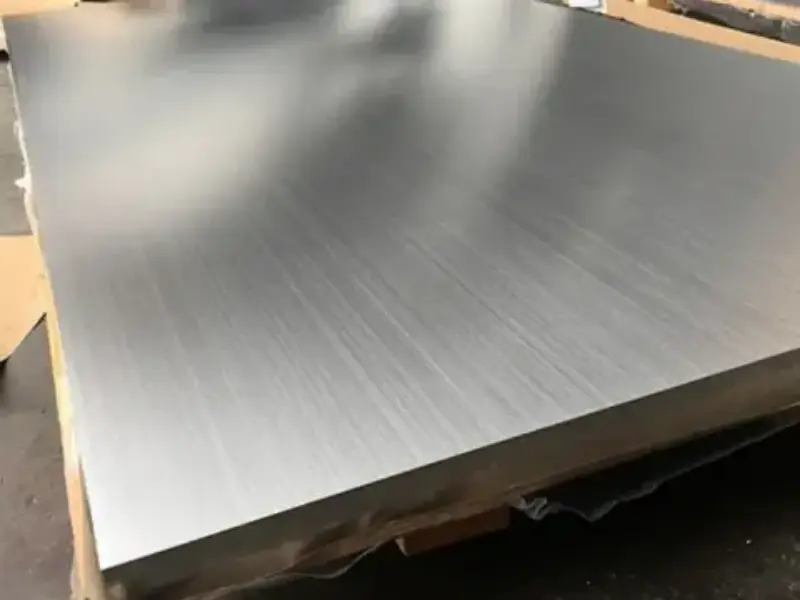
Rolled aluminum is made by pressing aluminum through rollers to create flat sheets, plates, or coils. This process improves strength and surface consistency.
Rolled aluminum products are widely used in:
- Aluminium sheet
- Roofing panels
- Transportation parts
- Electronics
- Building materials
Common Rolled Aluminum Thickness
| Product Type | Common Thickness |
|---|---|
| Aluminium foil | 0.006–0.2 mm |
| Aluminium sheet | 0.3–6 mm |
| Aluminium plate | 6 mm and above |
| Aluminium coil | 0.2–3 mm |
Rolled aluminum usually has better mechanical strength than cast aluminum.
Cast Aluminum vs Rolled Aluminum
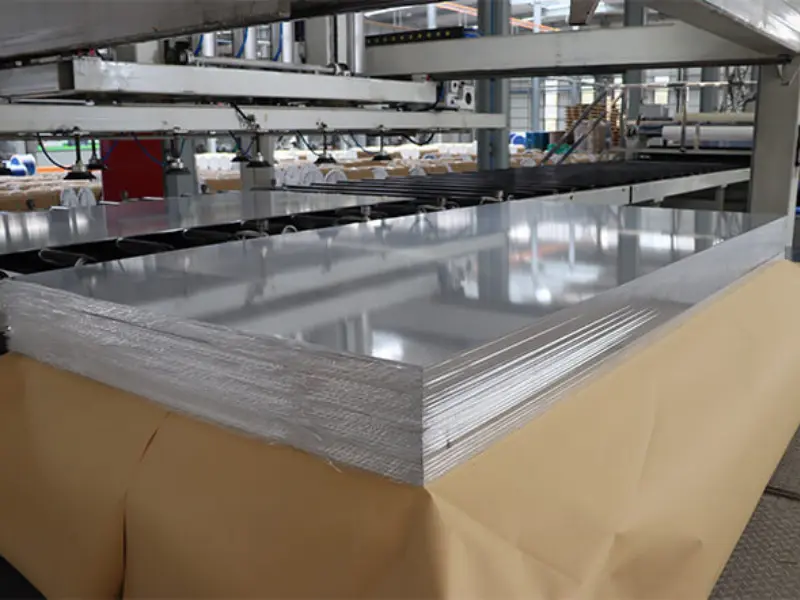
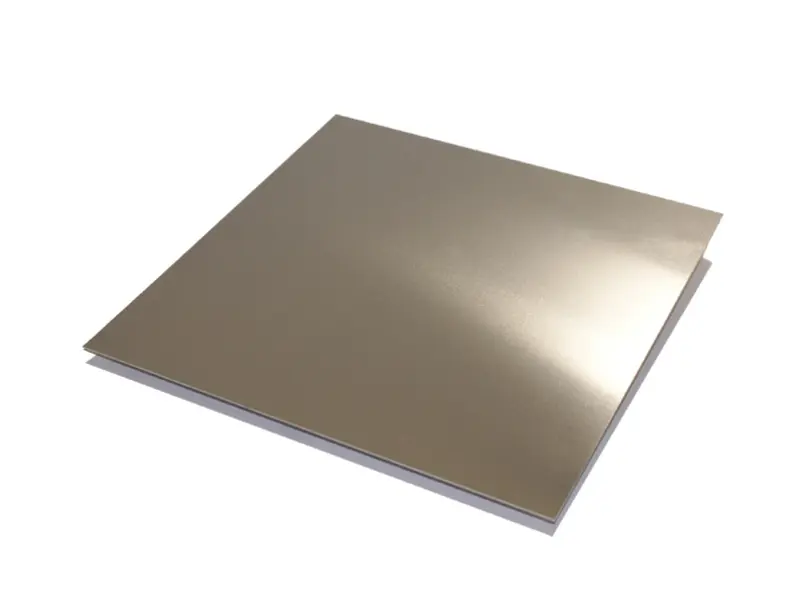
The main difference between cast and rolled aluminum is the manufacturing process.
Quick Comparison Table
| Feature | Cast Aluminum | Rolled Aluminum |
|---|---|---|
| Production Method | Mold casting | Rolling mill |
| Surface Finish | Rougher | Smoother |
| Strength | Medium | Higher |
| Shape Complexity | Excellent | Limited |
| Machining | Good | Very good |
| Cost | Lower for complex parts | Lower for flat products |
| Common Products | Cookware, furniture | Sheets, plates, coils |
The cast vs rolled aluminum comparison depends on the application.
Choose cast aluminum for complex shapes.
Choose rolled aluminum for high-strength flat products.
Is Cast Aluminum Stronger Than Aluminum?
Many users ask: Is cast aluminum stronger than aluminum?
The answer depends on what type of aluminum is being compared.
General Strength Comparison
| Material | Strength Level |
|---|---|
| Pure aluminum | Low |
| Cast aluminum alloy | Medium |
| Rolled aluminum alloy | Medium to high |
| Heat-treated aluminum plate | High |
Cast aluminum is usually stronger than pure aluminum, but rolled and heat-treated aluminium alloys can be stronger.
Cast Aluminum vs Regular Aluminum
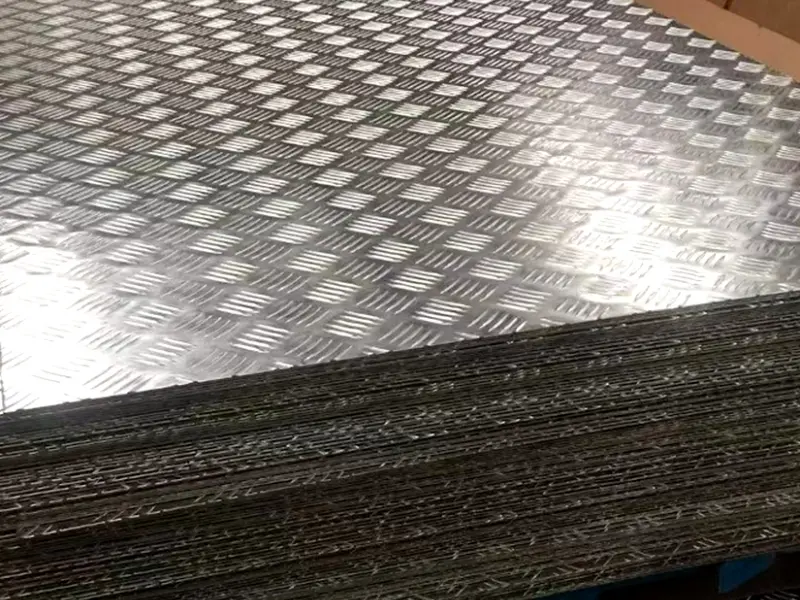
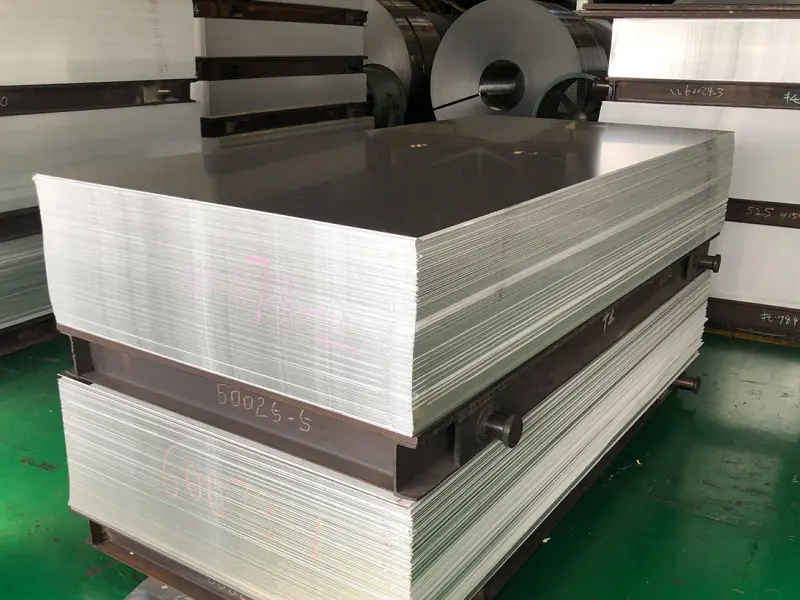
The term “regular aluminum” often means standard rolled aluminum sheet or pure aluminum products.
Main Differences
| Feature | Cast Aluminum | Regular Aluminum |
|---|---|---|
| Manufacturing | Mold casting | Rolling |
| Shape | Complex designs | Flat products |
| Surface | Less smooth | Smooth |
| Strength | Moderate | Moderate to high |
| Precision | Good | Excellent |
Cast aluminum works well for decorative and shaped products.
Regular aluminum is common in sheet fabrication and industrial use.
Cast Aluminum vs Steel
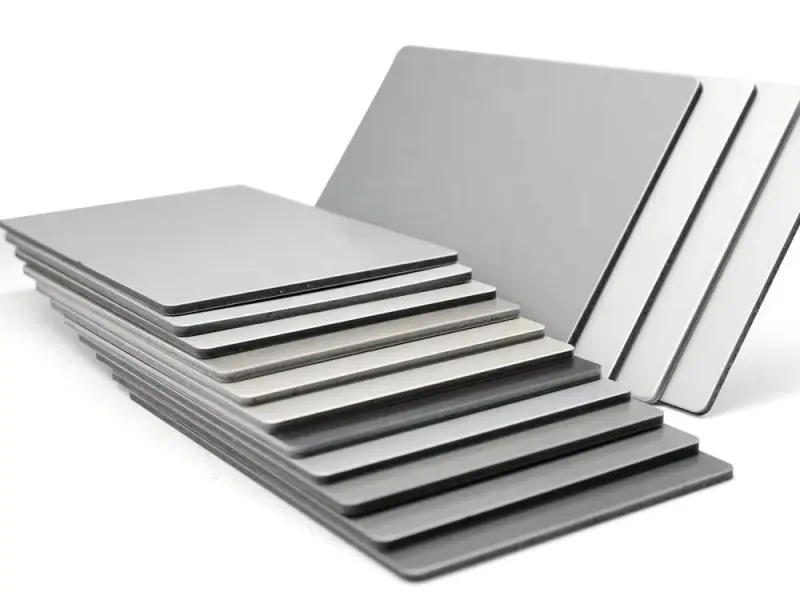
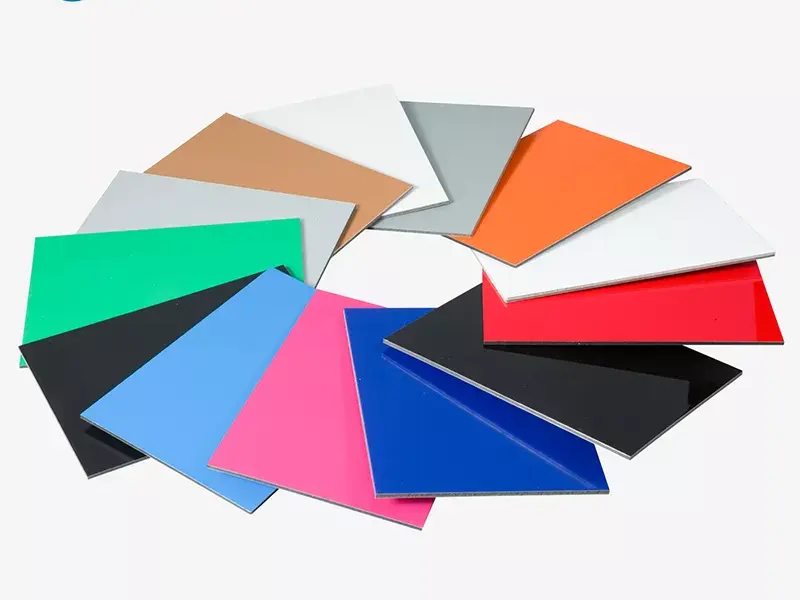
Many buyers compare cast aluminum vs steel for weight and durability.
Material Comparison
| Feature | Cast Aluminum | Steel |
|---|---|---|
| Weight | Lightweight | Heavy |
| Rust Resistance | Excellent | Lower |
| Strength | Medium | High |
| Machining | Easier | Harder |
| Cost | Medium | Medium |
| Outdoor Use | Very good | Needs coating |
Applications
Cast Aluminum
- Patio furniture
- Cookware
- Lighting parts
- Automotive housings
Steel
- Structural buildings
- Heavy machinery
- Industrial equipment
- Bridges
Steel is stronger, but cast aluminum is lighter and easier to resist corrosion.
Cast Aluminum vs Cast Iron
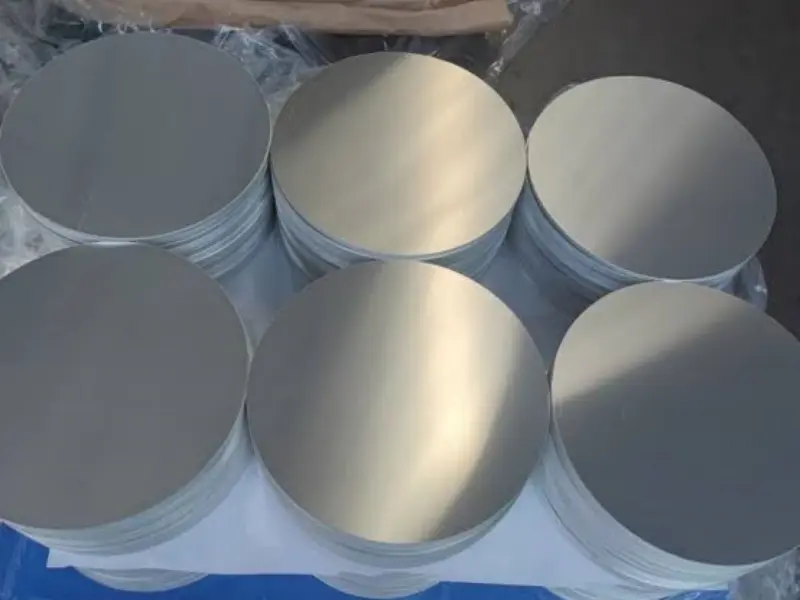
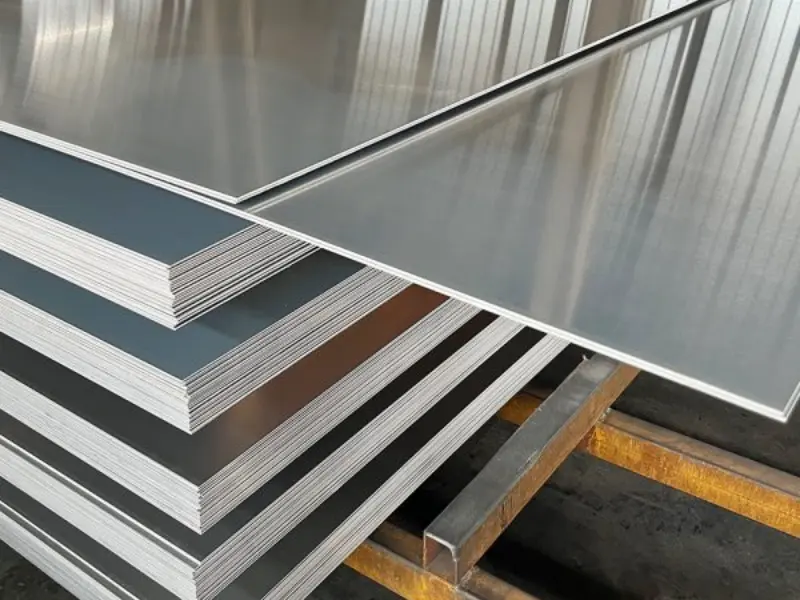
The comparison between cast aluminum vs cast iron is common in cookware and furniture industries.
Comparison Table
| Feature | Cast Aluminum | Cast Iron |
|---|---|---|
| Weight | Light | Heavy |
| Heat Conductivity | Fast | Slow but stable |
| Rust Resistance | Better | Needs maintenance |
| Durability | Good | Excellent |
| Price | Medium | Medium |
| Outdoor Use | Better | May rust |
Which Is Better for Cooking?
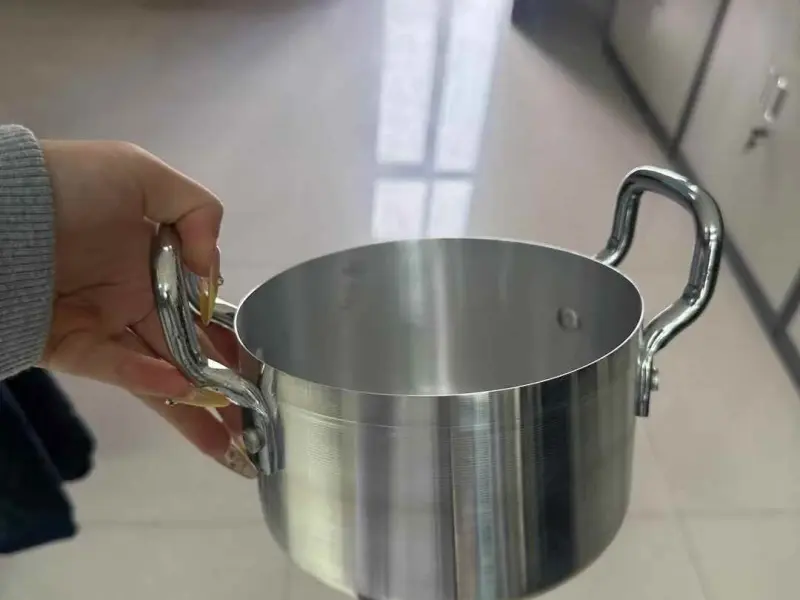
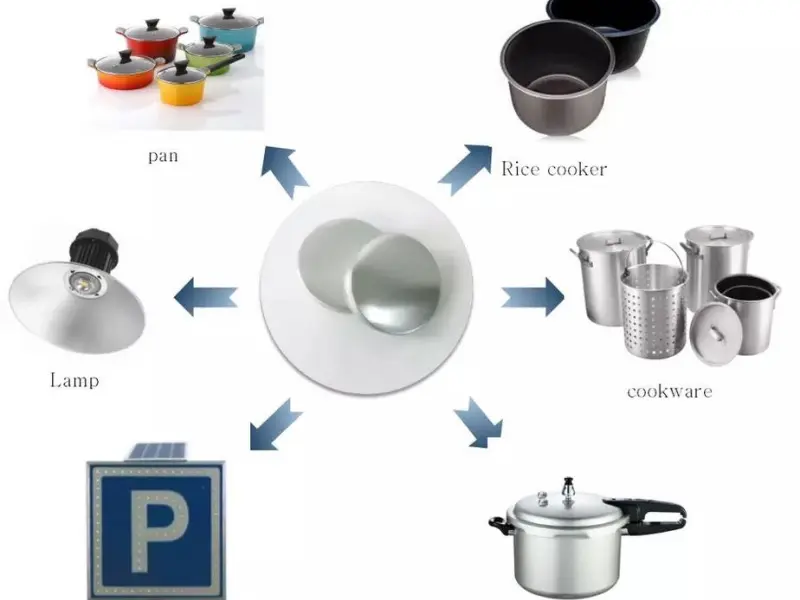
Cast Aluminum Cookware
- Heats quickly
- Lightweight
- Easy to handle
- Good for daily cooking
Cast Iron Cookware
- Keeps heat longer
- Good for high-temperature cooking
- Heavy but durable
Both materials have advantages depending on cooking style.
Cast Aluminum Cookware
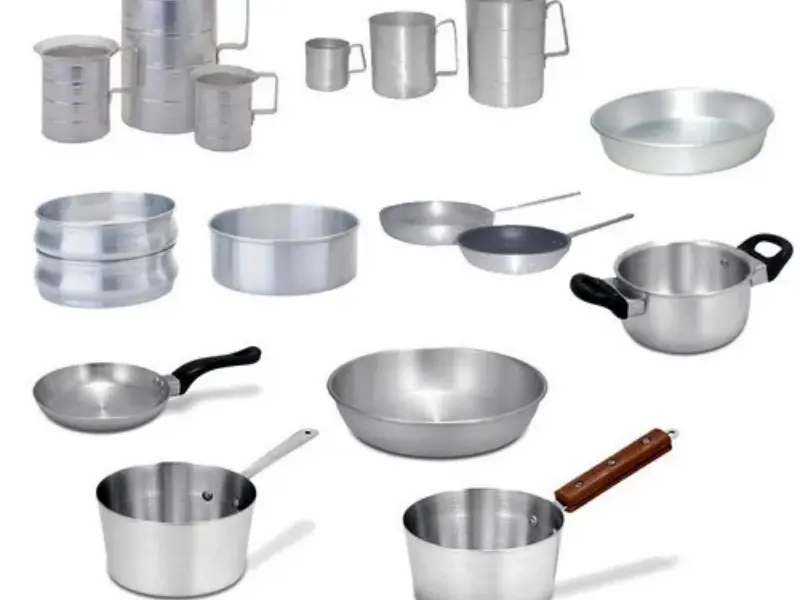
Cast aluminum cookware is widely used in kitchens because it combines low weight and fast heat transfer.
Common Products
- Frying pans
- Cooking pots
- Dutch ovens
- Grill pans
- Roasting trays
Popular Surface Options
| Surface Type | Features |
|---|---|
| Non-stick coating | Easy cleaning |
| Ceramic coating | Modern appearance |
| Hard anodized | Better durability |
| Polished aluminum | Bright finish |
Is Cast Aluminum Cookware Safe?
Many buyers ask: Is cast aluminum cookware safe?
In general, modern cast aluminum cookware is considered safe when it uses food-grade coatings and proper manufacturing standards.
Safety Advantages
- Lightweight handling
- Fast heating
- Low rust risk
- Energy efficient cooking
Important Notes
Choose certified food-grade products
Avoid damaged non-stick coatings
Do not use strong metal tools on coated surfaces
Cast Aluminium Cookware Dangers
Some users search for cast aluminium cookware dangers because they are concerned about coating quality or low-grade materials.
Possible Problems
| Issue | Description |
|---|---|
| Poor coating quality | Coating may peel |
| Cheap recycled metal | Lower purity |
| Overheating | Can damage coating |
| Scratches | May affect surface performance |
Most problems come from low-quality products, not from aluminum itself.
Choosing high-quality cookware from reliable suppliers helps reduce these risks.
Cast Aluminum vs Aluminum Alloy
The comparison between cast aluminum vs aluminum alloy can confuse some buyers.
Actually, many cast aluminum products are made from aluminum alloys.
Common Cast Aluminum Alloys
| Alloy | Main Features |
|---|---|
| A356 | Good casting performance |
| 319 | Good heat resistance |
| 380 | Common die-casting alloy |
| 413 | Pressure-tight casting |
These alloys improve strength and corrosion resistance.
Cast Aluminum vs Cast Alloy
The term cast alloy can include many metals:
- Aluminum alloy
- Zinc alloy
- Magnesium alloy
- Copper alloy
Comparison Example
| Material | Weight | Corrosion Resistance |
|---|---|---|
| Cast aluminum alloy | Light | Excellent |
| Zinc alloy | Heavy | Good |
| Magnesium alloy | Very light | Moderate |
Cast aluminum remains one of the most cost-effective casting materials.
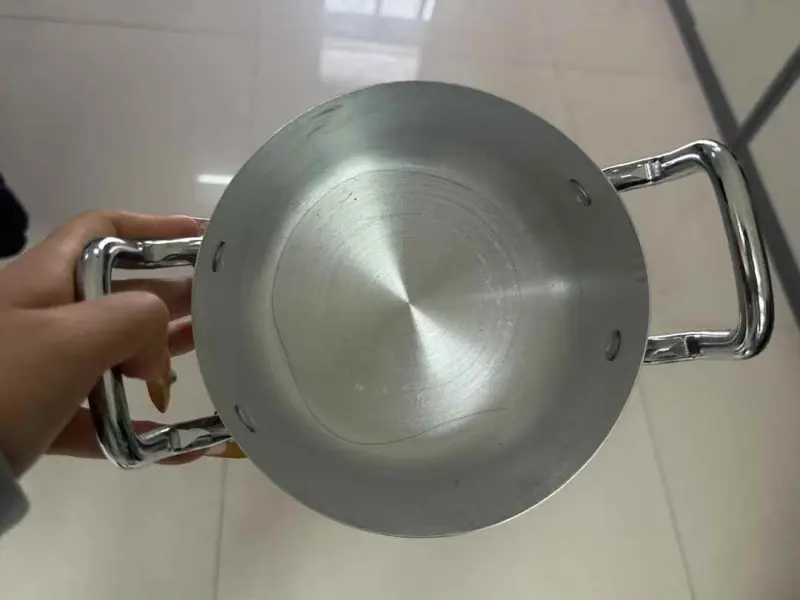
Common Cast Aluminum Product Types
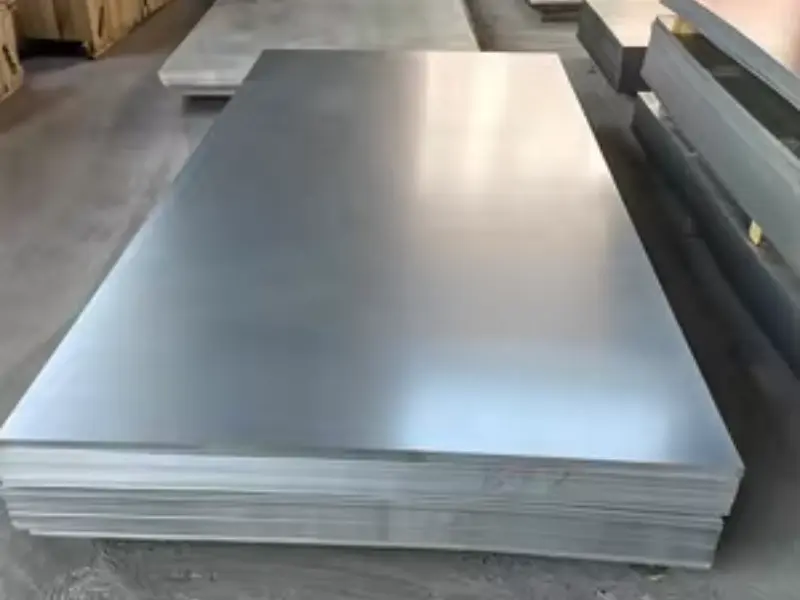
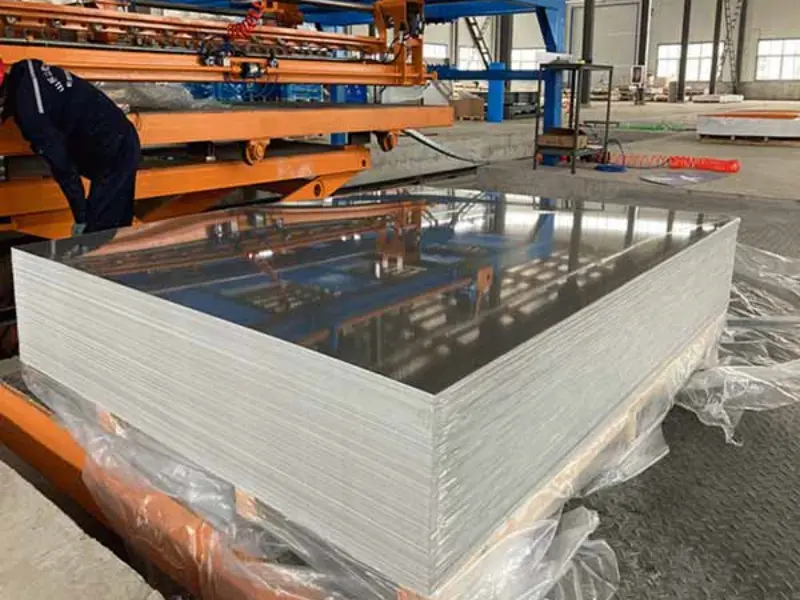
Different industries use different cast aluminum products.
Automotive Parts
- Transmission housings
- Engine covers
- Wheel components
- Pump housings
Patio Furniture
The comparison of cast aluminum vs aluminum patio furniture is common in outdoor markets.
Cast Aluminum Patio Furniture Features
- Decorative design
- Strong frame
- Rust resistance
- Long outdoor life
Tubular Aluminum Furniture Features
- Lighter weight
- Lower cost
- Simple design
Outdoor Furniture Comparison
| Feature | Cast Aluminum Furniture | Tubular Aluminum Furniture |
|---|---|---|
| Weight | Medium | Very light |
| Design | Decorative | Simple |
| Durability | Excellent | Good |
| Price | Higher | Lower |
Cast aluminum furniture is more premium and decorative.
Cast Aluminum Scrap Price
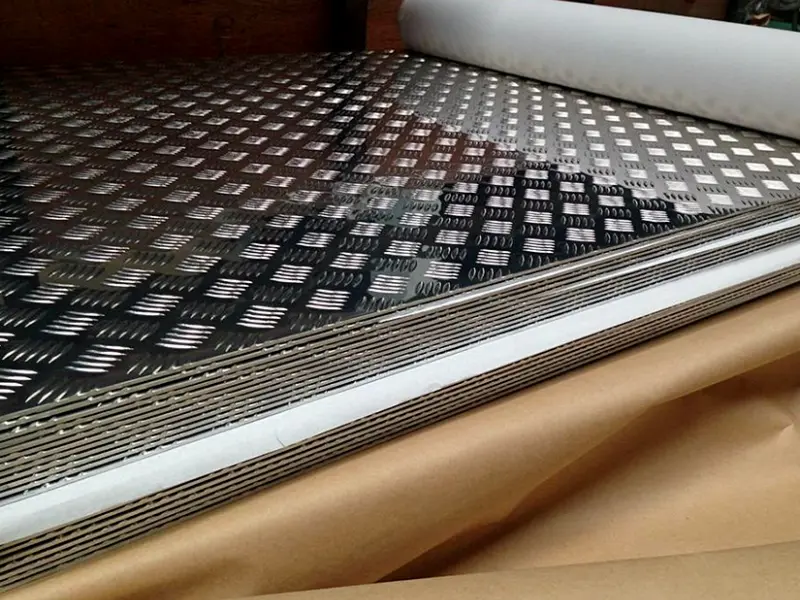
The cast aluminum scrap price changes based on:
Quantity
Global aluminum market
Scrap cleanliness
Alloy content
Region
Common Scrap Types
| Scrap Type | Description |
|---|---|
| Clean cast aluminum | High value |
| Mixed aluminum scrap | Medium value |
| Painted scrap | Lower value |
| Engine scrap | Variable |
Clean and sorted scrap usually has better recycling value.
Common Manufacturing Methods
Sand Casting
Used for:
- Large parts
- Low-volume production
- Industrial equipment
Die Casting
Used for:
- Automotive parts
- Electronics housings
- Mass production
Permanent Mold Casting
Used for:
- Better surface quality
- Stronger castings
- Medium production runs
Surface Finishes for Cast Aluminum
Popular Finish Types
| Finish | Features |
|---|---|
| Powder coating | Outdoor durability |
| Anodizing | Corrosion resistance |
| Polishing | Decorative look |
| Painting | Color options |
Different finishes improve both appearance and service life.
Common Alloy Grades in Cast Aluminum
Popular Alloy Table
| Alloy Grade | Main Use |
|---|---|
| A356 | Automotive parts |
| 380 | Die casting |
| 319 | Engine components |
| 535 | Marine applications |
Different alloy grades provide different strength and casting performance.
Cast Aluminum vs Rolled Aluminum

Durability and Strength: Is Cast Aluminum Stronger Than Aluminum?
A common question is: Is cast aluminum stronger than aluminum that has been rolled? The answer depends on what you mean by “strength.”
- Cast aluminum is very stiff. It does not bend easily. However, it is brittle. If you hit it with a heavy hammer, it might crack or shatter.
- Rolled aluminum is tougher. It is ductile, meaning it can bend without breaking. This makes it better for structures that need to handle tension or movement.
Cast Aluminum vs Steel
When comparing cast aluminum vs steel, steel is much heavier and stronger. However, cast aluminum is preferred when you need a lightweight part that won’t rust. Aluminum is about one-third the weight of steel.
Cast Aluminum vs Cast Alloy
Sometimes people compare cast aluminum vs cast alloy or cast aluminum vs cast iron. Technically, most cast aluminum is a “cast alloy” because it contains other metals like silicon or magnesium to make it flow better into molds.
Applications of Cast Aluminum
Construction Industry
- Decorative panels
- Outdoor lighting
- Fence components
- Architectural parts
Marine Industry
- Boat accessories
- Marine brackets
- Outdoor hardware
- Corrosion-resistant parts
Kitchen Industry
- Cookware
- Baking trays
- Cooking pots
- Grill plates
Industrial Equipment
- Machine housings
- Pump bodies
- Compressor parts
- Electrical enclosures
Advantages of Cast Aluminum
Main Benefits
- Lightweight
- Corrosion resistant
- Easy casting process
- Complex shape production
- Good thermal conductivity
- Recyclable material
Cast aluminum is suitable for both decorative and industrial products.

Home and Kitchen: Cast Aluminum Cookware and Safety
If you are a chef, you have likely seen cast aluminum cookware. It is very popular because it heats up quickly and evenly.
Is Cast Aluminum Cookware Safe?
Many customers ask, is cast aluminum cookware safe? Yes, it is. Most modern pans are “anodized” or have a non-stick coating. This creates a barrier between the food and the metal.
Cast Aluminium Cookware Dangers
The talk about cast aluminium cookware dangers usually refers to untreated aluminum reacting with acidic foods (like tomatoes). To stay safe, always choose high-quality, coated pans.
Cast Aluminum vs Aluminum Cookware
When comparing cast aluminum vs aluminum cookware (the pressed, thin kind), cast pans are much better. They are thicker, do not warp under high heat, and hold temperature much longer than thin rolled sheets.
Outdoor Living: Cast Aluminum vs Aluminum Patio Furniture
Choosing the right material for your garden is important.
- Cast Aluminum Patio Furniture: This is heavy and sturdy. Because it is poured into molds, it often has beautiful, classic patterns. It will not blow away in the wind.
- Rolled/Tubular Aluminum Furniture: This is made from hollow tubes of rolled aluminum. It is very light and easy to move, but it may look more “basic” or modern.
Table: Patio Furniture Comparison
| Feature | Cast Aluminum Furniture | Rolled/Tubular Furniture |
|---|---|---|
| Weight | Heavy and solid | Lightweight and hollow |
| Design | Intricate, floral, or classic | Simple, modern, and straight |
| Price | Higher / Premium | Affordable |
| Stability | Excellent in high winds | May blow over easily |

Technical Specifications: Alloys and States
Different jobs require different “recipes” of aluminum.
Common Cast Alloys
- A380: The most common alloy for die casting. It is used for tools and electronic frames.
- A356: Great for high-strength parts like wheels and pump housings.
Common Rolled Alloys
6061: A structural alloy used for boat frames and truck parts.
3003: Often used for “regular” aluminum products like cooking pots.
Table: Alloy Characteristics
| Alloy Type | Category | Key Benefit |
|---|---|---|
| A380 | Cast | Easy to mold |
| A356 | Cast | Very strong after heat treatment |
| 5052 | Rolled | Excellent for marine environments |
| 6061 | Rolled | Best for structural welding |
Manufacturing Process: Cast vs Rolled Aluminum
The main difference lies in how the metal is formed.
Cast Aluminum
To create cast aluminum, manufacturers melt the metal and pour it into a mold. This allows for complex shapes, like engine parts or ornate furniture. Many people ask about cast aluminum vs regular aluminum. In this context, “regular” usually refers to aluminum that has been worked or pressed.
Rolled Aluminum
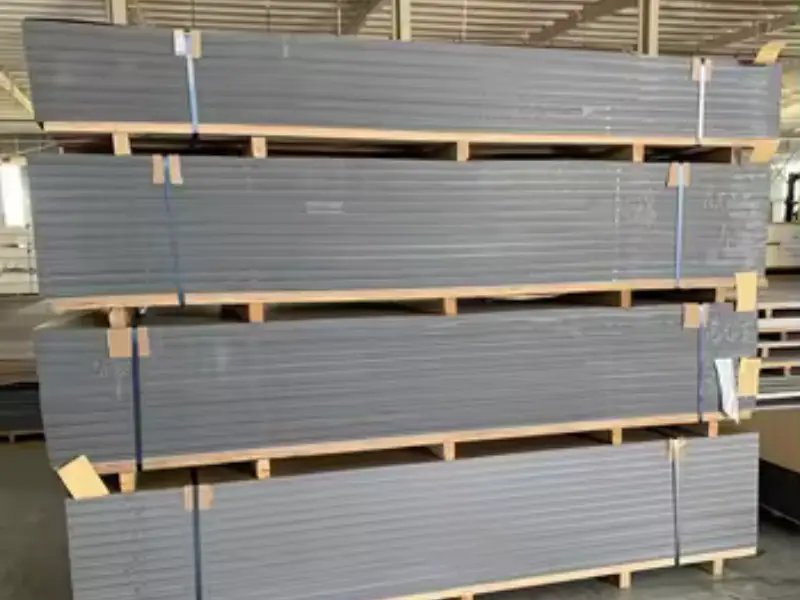
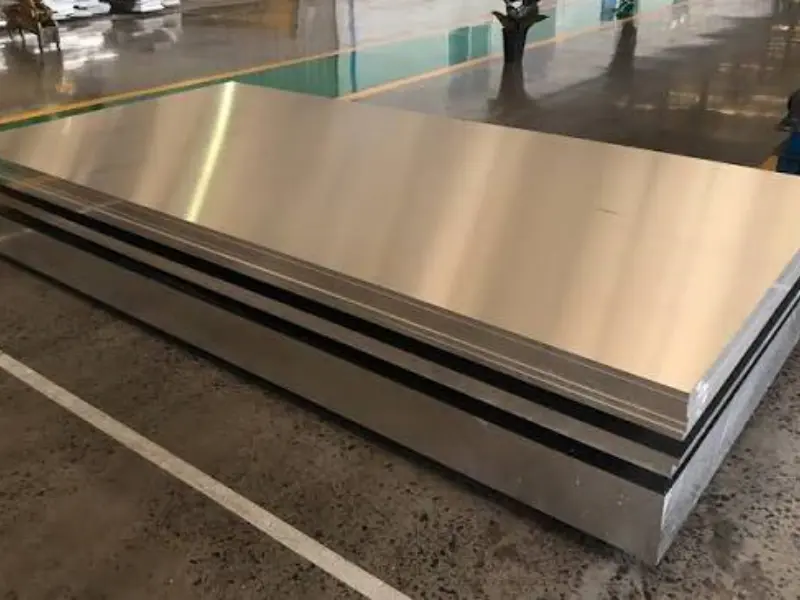
Rolled aluminum (also called wrought aluminum) is created by passing a large block of metal through heavy rollers. This flattens the metal into sheets or plates. It makes the metal denser and more uniform.
Table: Production Comparison
| Feature | Cast Aluminum | Rolled Aluminum |
|---|---|---|
| Method | Molten metal in a mold | Pressed through rollers |
| Shape | Complex, 3D designs | Flat sheets, coils, or plates |
| Porosity | May have small air bubbles | Very solid and dense |
| Surface | Often slightly rough | Smooth and shiny |
Industrial Applications
Where will you find these different types of aluminum?

Cast Aluminum Uses
- Engine Components: Cylinder heads and transmission cases.
- Lighting: Large street lamp housings.
- Tools: The bodies of drills and saws.
- Decorative Items: Garden statues and ornate fence caps.
Rolled Aluminum Uses
Transport: Trailer floors and fuel tanks.
Aerospace: Wings and fuselages of airplanes.
Packaging: Soda cans and foil.
Construction: Roofing sheets and wall cladding.
Comparison: Cast Aluminum vs Cast Iron
Many people choose between cast aluminum vs cast iron for pans or furniture.
- Weight: Aluminum is much lighter than iron.
- Maintenance: Cast iron must be “seasoned” with oil to prevent rust. Cast aluminum does not rust.
- Heat: Cast iron stays hot for a long time, but aluminum heats up much faster.
Market Value: Cast Aluminum Scrap Price
If you are recycling, the cast aluminum scrap price is usually a bit lower than clean rolled aluminum. This is because cast parts often contain other materials (like steel bolts or heavy oil) and more silicon. “Clean” rolled aluminum, like old siding or rims, is easier to melt down and reuse, so it usually pays more.
Summary of Key Differences
To help you choose, here is a final look at cast vs rolled aluminum:
- Choose Cast Aluminum if: You need a specific, complex shape, heavy furniture, or a thick cooking pan.
- Choose Rolled Aluminum if: You need a flat sheet, a lightweight structural frame, or something that needs to bend without breaking.
- Choose Cast Alloy if: You are looking for industrial-grade parts that need to be rigid and lightweight.
Disadvantages of Cast Aluminum

Common Limitations
- Lower strength than forged steel
- Surface porosity possible
- May crack under heavy impact
- Some alloys have limited welding ability
Understanding these limits helps buyers choose the right material.
How to Choose Between Cast and Rolled Aluminum
Choose Cast Aluminum If You Need
- Complex product shapes
- Decorative designs
- Lightweight casting parts
- Outdoor furniture
- Cookware products
Choose Rolled Aluminum If You Need
- Flat sheets or plates
- Higher strength
- Better surface finish
- CNC machining material
- Structural fabrication
Frequently Asked Questions
Is cast aluminum better than rolled aluminum?
It depends on the application. Cast aluminum is better for complex shapes. Rolled aluminum is stronger for flat products.
Is cast aluminum cookware safe?
Yes. High-quality cookware with food-grade coating is generally safe for cooking.
Is cast aluminum stronger than steel?
No. Steel is usually stronger, but cast aluminum is lighter and more corrosion resistant.
Does cast aluminum rust?
Cast aluminum does not rust like steel. It naturally forms a protective oxide layer.
Why is cast aluminum popular for patio furniture?
Because it is lightweight, decorative, and resistant to outdoor corrosion.
cast aluminum vs rolled aluminum
The comparison between cast aluminum vs rolled aluminum depends on product type, strength needs, and application environment.
Cast aluminum is ideal for cookware, patio furniture, automotive parts, and decorative products. Rolled aluminum is widely used for sheets, plates, roofing, and industrial fabrication.
Understanding alloy types, manufacturing methods, surface finishes, and application differences helps buyers choose the right aluminum material for their projects.