For Lidding & Yogurt Foil, A complete reference for food packaging buyers, converter lines, and dairy producers — covering foil grades, laminate structures, sealing methods, print options, and real-world applications.
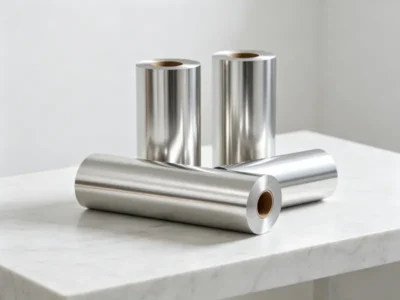
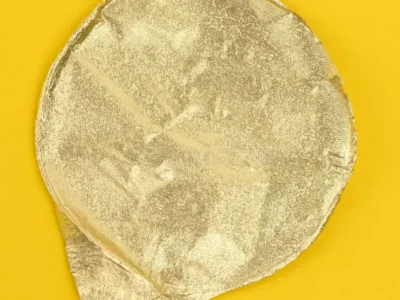
Lidding foil is a thin aluminum-based material used to seal the top of food and beverage containers. It forms a hygienic, tamper-evident closure over cups, trays, tubs, and bottles.
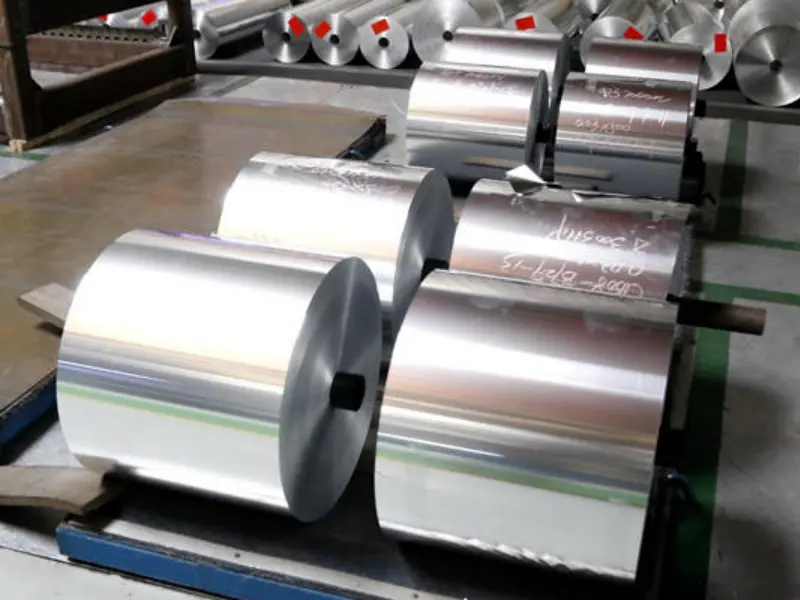
The foil acts as a barrier. It blocks moisture, oxygen, light, and odors. This extends shelf life and keeps the product fresh from filling line to consumer.
Yogurt foil is a specific type of lidding foil. It seals directly onto polystyrene (PS), polypropylene (PP), or polyethylene terephthalate (PET) cups. It must peel cleanly without tearing or leaving residue. At the same time it must hold a strong enough seal to survive transport and retail stacking.
Lidding & Yogurt Foil Core Structure — What Lidding Foil Is Made Of
Most lidding foil is not plain aluminum. It is a laminate — several layers bonded together. Each layer serves a purpose.
| Layer | Material | Function |
|---|---|---|
| Top (outer) | Printed lacquer or plain lacquer | Printable surface, heat resistance, handling protection |
| Base | Aluminum foil (8–30 µm) | Barrier against oxygen, moisture, light |
| Adhesive | Polyurethane or extrusion coat | Bonds aluminum to substrate layers |
| Sealant (inner) | Heat-seal lacquer, PE, or PP film | Seals to the container on filling line |
The exact laminate structure changes depending on the container material, seal strength required, and whether the lid needs to peel cleanly or stay bonded.
Alloy & Temper — The Aluminum Base
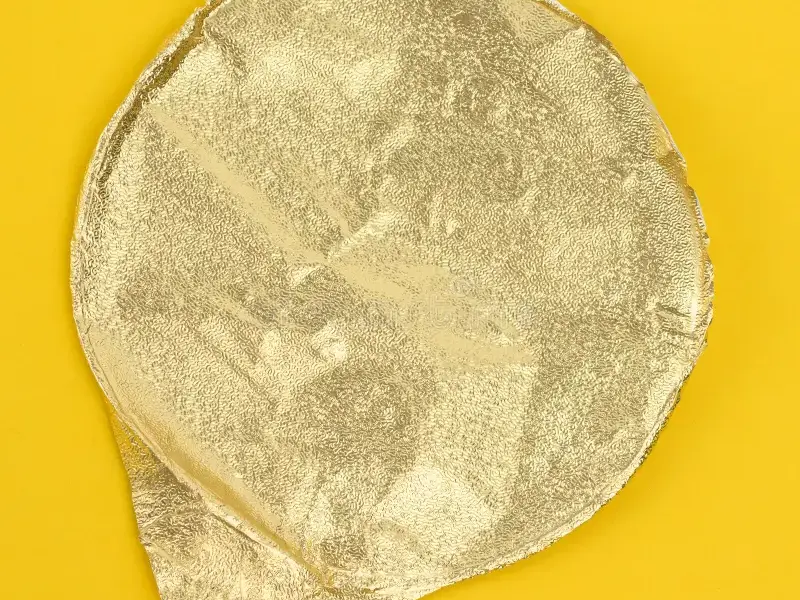
Why Alloy Selection Matters
The aluminum base must be thin, consistent, and free of pinholes. Pinholes break the barrier. Even one pinhole per square meter can allow enough oxygen transfer to shorten yogurt shelf life significantly.
| Alloy | Temper | Thickness Range | Pinhole Rating | Formability | Typical Use |
|---|---|---|---|---|---|
| 1235 | O | 8 – 30 µm | Excellent | Excellent | Pharmaceutical and food lidding, yogurt foil |
| 8011 | O | 10 – 40 µm | Very Good | Excellent | Yogurt lids, dairy packaging, general lidding |
| 8021 | O | 20 – 80 µm | Good | Good | Thicker lidding, blister pack base, technical foil |
| 8079 | O | 9 – 25 µm | Excellent | Excellent | High-barrier food lidding, pharmaceutical foil |
| 3003 | H18 | 30 – 100 µm | Good | Moderate | Semi-rigid lidding, formed tray lids |
8011 Lidding & Yogurt Foil— The Yogurt Foil Standard
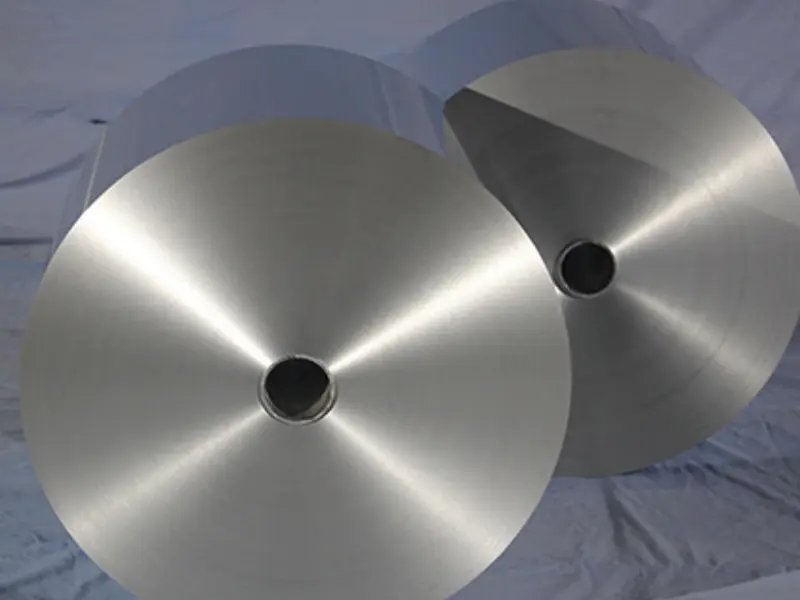
8011-O is the most widely used alloy for yogurt lidding foil. It contains small amounts of iron and silicon that improve surface quality and rolling performance. The O temper gives maximum softness for easy peeling. Thickness is typically 30–40 µm for yogurt cup lids.
1235 Lidding & Yogurt Foil— For Thin High-Barrier Applications
1235 is a high-purity alloy (≥99.35% Al). It rolls down to very thin gauges with fewer pinholes than 8011. Used for pharmaceutical lidding and premium food packaging where barrier performance is critical. Also used as the aluminum layer in multi-layer yogurt foil laminates.
8079 Lidding & Yogurt Foil — Where Pinhole Count Is Critical
8079 has excellent rolling characteristics at thin gauges. It achieves pinhole counts below 5 per m² at 9 µm — very low for such thin foil. Used in high-barrier lidding where product sensitivity to oxygen is high (e.g., cream, butter portions, sensitive dairy).
Thickness Guide — Matching Gauge to Application
| Thickness (µm) | Thickness (mm) | Weight (g/m²) | Flexibility | Barrier Level | Typical Product |
|---|---|---|---|---|---|
| 8 – 12 | 0.008 – 0.012 | 21.6 – 32.4 | Very flexible | Good (with laminate) | Inner barrier layer in laminates |
| 15 – 20 | 0.015 – 0.020 | 40.5 – 54.0 | Flexible | Good | Thin lidding, snack portion cups |
| 25 – 30 | 0.025 – 0.030 | 67.5 – 81.0 | Moderate | Very Good | Standard yogurt foil lid |
| 35 – 40 | 0.035 – 0.040 | 94.5 – 108 | Moderate | Excellent | Thick yogurt lid, dairy tub seals |
| 50 – 60 | 0.050 – 0.060 | 135 – 162 | Semi-rigid | Excellent | Formed lids, portion pack covers |
| 70 – 100 | 0.070 – 0.100 | 189 – 270 | Rigid | Excellent | Semi-rigid tray lids, formed covers |
Standard yogurt foil runs at 30–40 µm. Thinner than 25 µm increases pinhole risk during high-speed filling line handling. Thicker than 50 µm starts to feel semi-rigid and is better suited for formed lids rather than flexible peel seals.
Laminate Structures — What Gets Bonded to the Foil
Plain aluminum foil is rarely used as lidding on its own. Converters laminate it with other materials to achieve the right combination of sealing, peelability, print quality, and barrier.
Standard Yogurt Lid Structure
Lacquer / Al 35–40 µm / Heat-Seal Lacquer
High-Barrier Dairy Lid Structure
Print Lacquer / Al 25 µm / Adhesive / PE Film 15–20 µm
Foil-Paper Laminate Lid
Paper 40–60 gsm / Adhesive / Al 12–20 µm / Heat-Seal Coat
Paper gives a printable top surface with a premium, non-metallic look. The aluminum layer still provides the barrier. Used for premium yogurt brands and organic dairy products where a natural-feel packaging is preferred.
Foil-Film Laminate Lid
PET Film 12 µm / Adhesive / Al 20–25 µm / Heat-Seal Coat
PET film adds puncture resistance and stiffness. Better for automated filling lines where lids go through high-speed pick-and-place equipment. The PET layer also improves print sharpness for photographic-quality graphics.
Multi-Layer High-Barrier Structure
OPP / Adhesive / Al 9–12 µm / Adhesive / PE Sealant
Used for sensitive products requiring maximum oxygen and moisture barrier. The thin aluminum layer is sandwiched between film layers for mechanical protection. Total laminate thickness is typically 60–90 µm.
Laminate Structure Comparison- Lidding & Yogurt Foil
| Structure | Total Thickness | Barrier Level | Peelability | Print Quality | Cost Level |
|---|---|---|---|---|---|
| Lacquer / Al / HS Lacquer | 35–45 µm | Good | Clean peel | Good | $ |
| Al / Adhesive / PE Film | 50–65 µm | Very Good | Good | Good | $$ |
| Paper / Al / HS Coat | 80–110 µm | Good | Good | Excellent (paper surface) | $$ |
| PET / Al / HS Coat | 45–60 µm | Very Good | Good | Excellent | $$$ |
| OPP / Al / PE | 60–90 µm | Excellent | Moderate | Good | $$$ |
Sealing Technology — How the Lid Bonds to the Container
The seal is the most critical performance point. A weak seal causes leaks in transit. A seal that is too strong makes the lid difficult to open.
Heat Seal Lidding & Yogurt Foil
The most common method. A heated sealing jaw presses the lid onto the container rim for a set time and pressure. The heat-seal lacquer or film melts slightly and bonds to the container rim material.
| Seal Parameter | Typical Range |
|---|---|
| Sealing temperature | 160 – 220°C |
| Dwell time | 0.3 – 1.5 seconds |
| Sealing pressure | 2 – 6 bar |
| Seal strength (peel) | 8 – 25 N/15mm |
Peelable vs. Weld Seal Lidding & Yogurt Foil
Peelable seal — designed to open cleanly by hand. Seal strength is calibrated so the bond breaks at the lacquer/container interface rather than tearing the foil. This is the standard for yogurt, cream, and snack cups.
Weld seal (permanent) Lidding & Yogurt Foil — the foil bonds permanently to the container. Used for products that must not be openable without visible damage — pharmaceutical blister packs, sterile medical packaging.
Cold Seal Lidding & Yogurt Foil
A pressure-sensitive adhesive applied to the foil. No heat needed to activate the seal. The lid presses onto the container rim under pressure alone. Used for heat-sensitive products and high-speed packaging lines.
Induction Seal Lidding & Yogurt Foil
A foil liner inside a screw cap. An induction coil heats the aluminum, which melts a wax or polymer layer to bond the foil to the bottle mouth. Used for juice bottles, dairy drinks, and condiment jars.
Product Types — Beyond the Basic Yogurt Lid
Plain Foil Lid (Unlacquered)
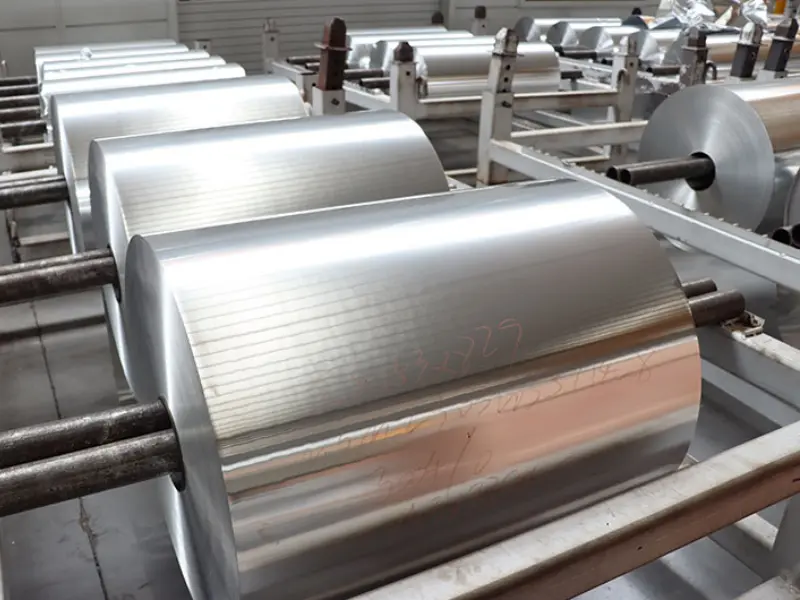
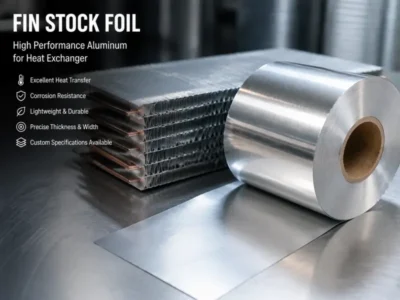
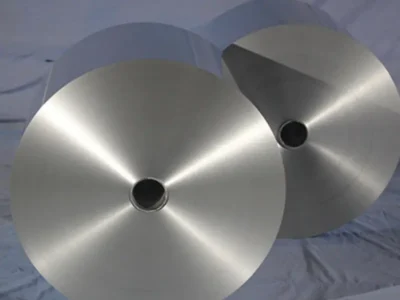
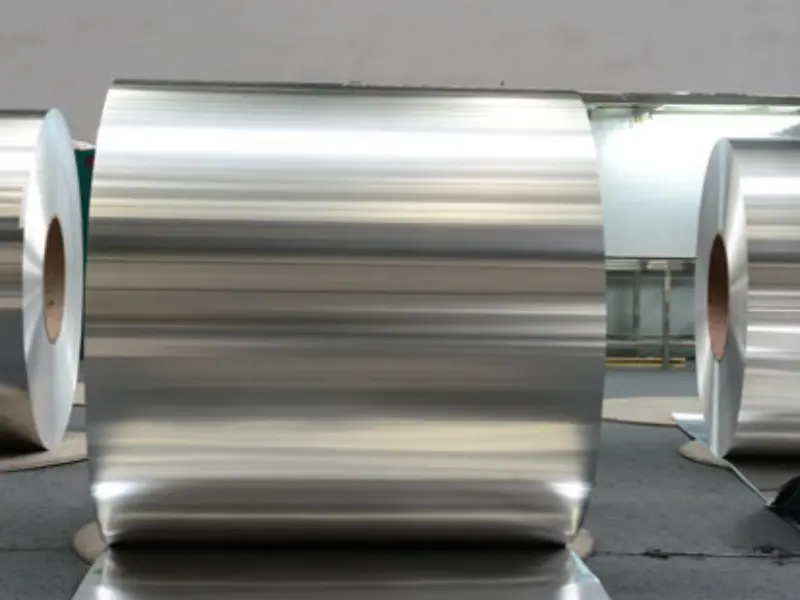
Bare aluminum foil with no coating. Used as a base material for converters who apply their own lacquer and heat-seal systems. Supplied in jumbo rolls.
Pre-Lacquered Lidding Foil
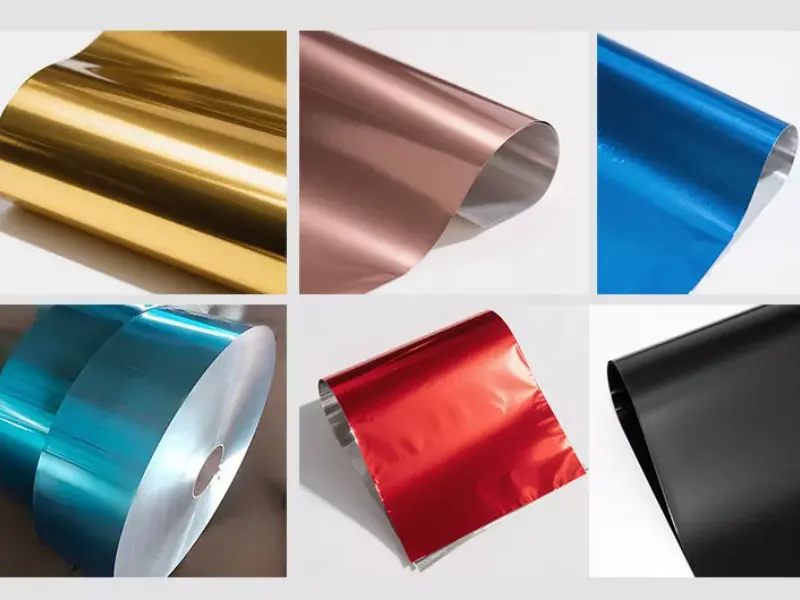
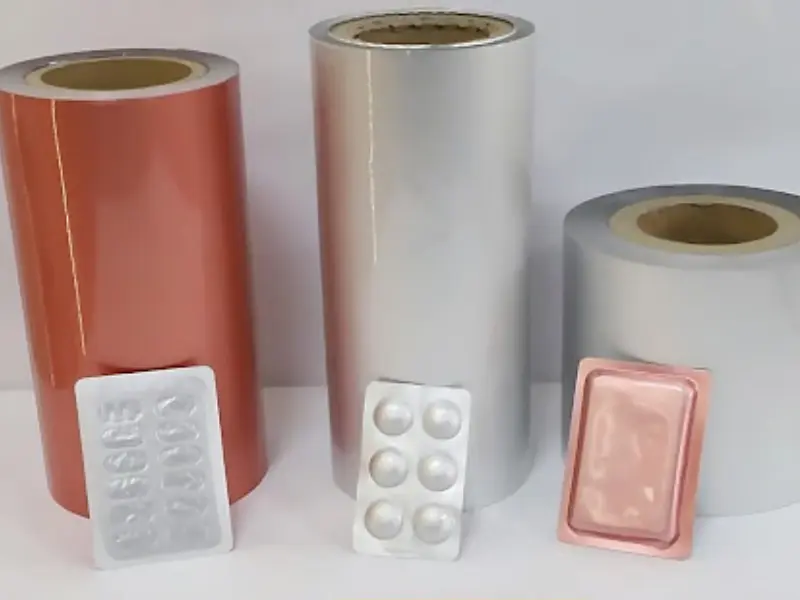
Aluminum foil with top lacquer and heat-seal lacquer already applied. Ready for printing and die-cutting. The most common format supplied to dairy packaging converters.
Printed Lidding Foil
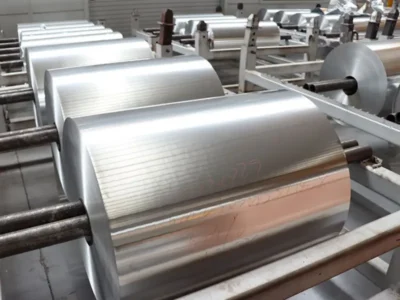
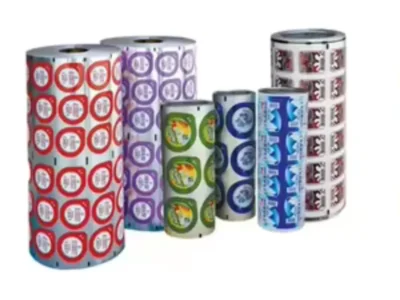
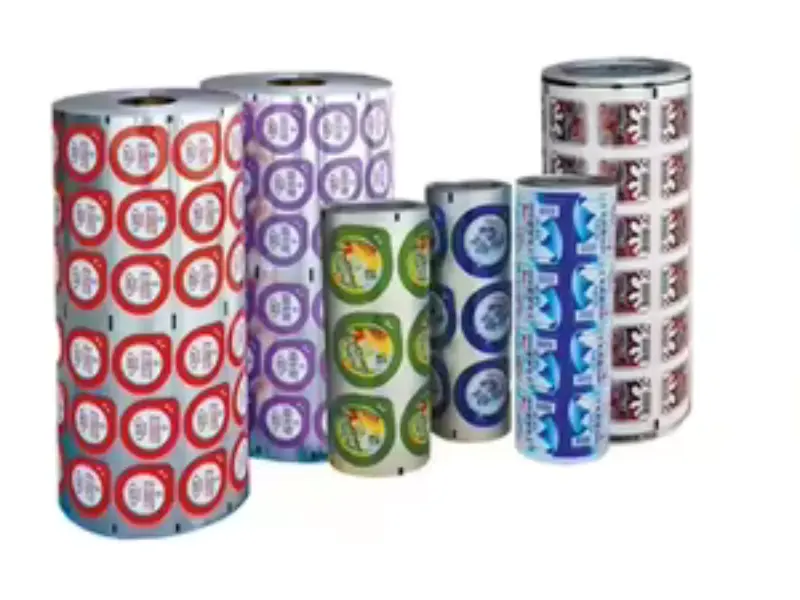
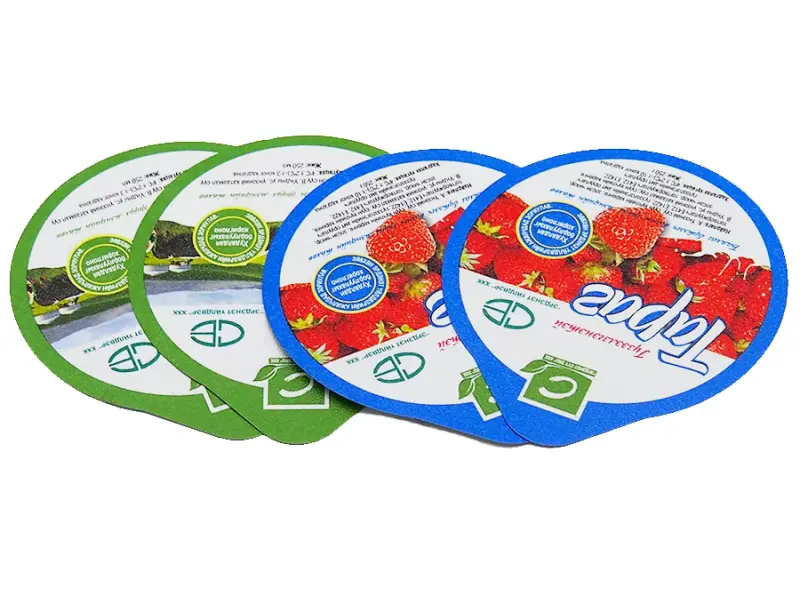
Pre-lacquered foil that has been gravure or flexo printed with brand graphics, nutritional information, and barcodes. Supplied in reels to the dairy or food factory for direct use on the filling line.
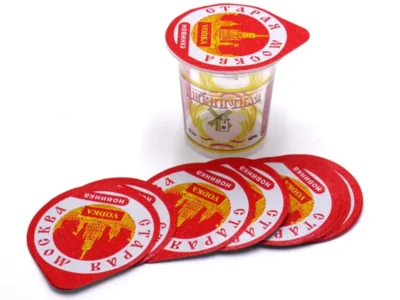
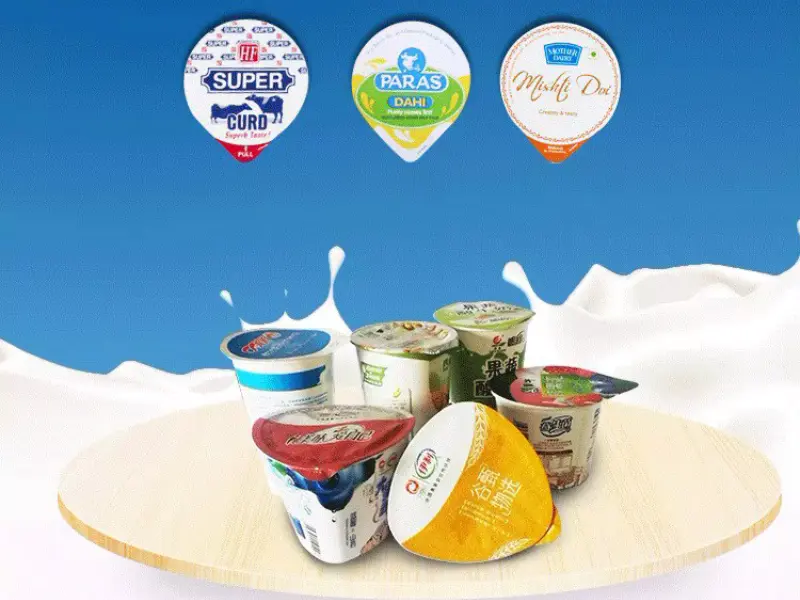
Die-Cut Lids (Pre-Punched)
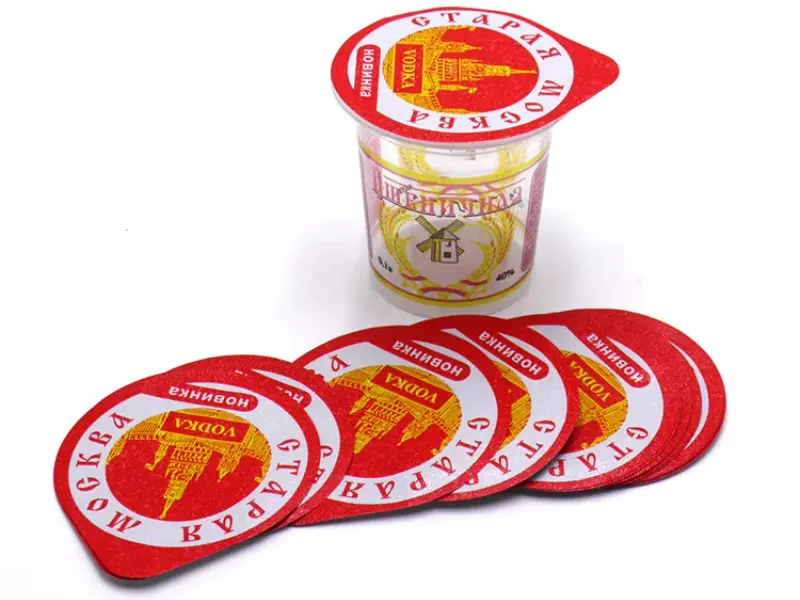
Individual lids cut to the exact cup diameter. Supplied in stacks or magazines for automatic lid-placing equipment. Common formats:
| Cup Type | Lid Diameter (mm) | Tab Style |
|---|---|---|
| Standard yogurt cup | 80 – 95 | Pull tab, one side |
| Large yogurt tub | 100 – 120 | Center pull tab |
| Portion cream cup | 55 – 75 | Pull tab |
| Butter portion | 40 – 65 | No tab / full peel |
| Juice cup | 70 – 90 | Pull tab |
| Ice cream tub | 110 – 145 | Wrap-around tab |
Easy-Peel Lidding Foil
Formulated with a controlled-release heat-seal lacquer. Peels cleanly from PS, PP, and PET without tearing or leaving adhesive residue. Peel force is typically 8–15 N/15mm. This is the standard for yogurt and dairy cup seals.
Re-Sealable Lidding Foil
A pressure-sensitive adhesive strip is applied to part of the lid. After the initial peel, the consumer can press the lid back down for temporary re-sealing. Used for multi-serve dairy pots and deli containers.
Sterile / Aseptic Lidding Foil
Made under controlled conditions with very low bioburden. Used for UHT dairy products, sterile medical devices, and pharmaceutical unit-dose packaging. Pinhole count is specified and tested on every production run.
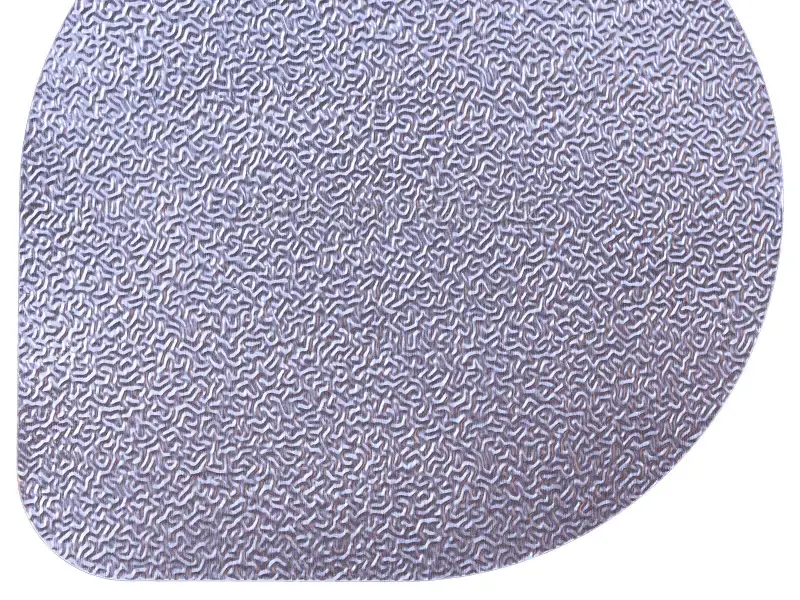
Embossed Lidding Foil
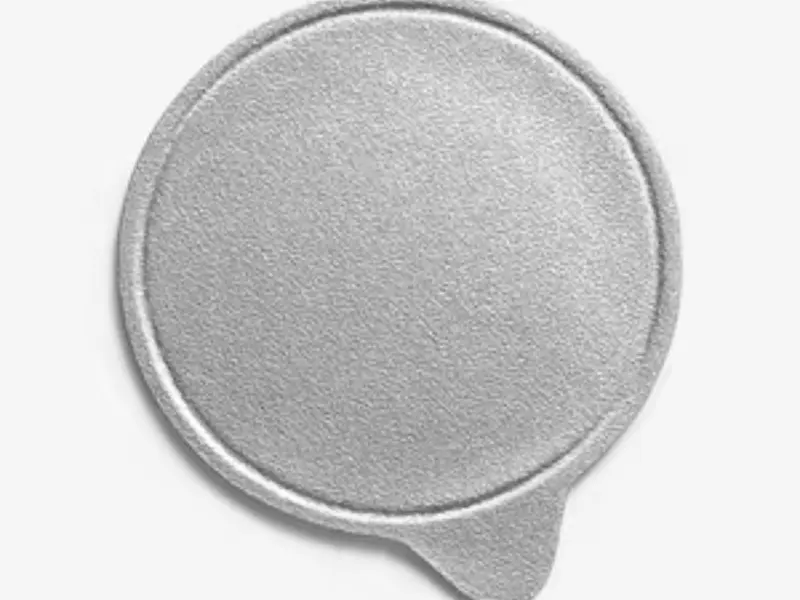
Surface texture embossed onto the foil before laminating. Gives a tactile quality feel and helps differentiate premium product lines on shelf. Common patterns include linen, hammered, and micro-prism.
Applications — Where Lidding & Yogurt Foil Is Used
Dairy & Chilled Foods
- Yogurt cups (set, stirred, drinking yogurt)
- Cream and crème fraîche pots
- Butter and margarine portions
- Cheese spread and processed cheese cups
- Fromage frais and quark tubs
- Flavored milk and dairy drink cups
- Ice cream and frozen dessert tubs
Beverages
- Juice and smoothie portion cups
- Coffee creamer single-serve pots
- Water cup seals for airline and catering
- Hot drink cups (vending machine format)
Food Service & Portion Control
- Sauce and condiment single-serve cups
- Jam and honey portion packs
- Salad dressing single-serve containers
- Airline meal tray seals
- Hospital and care home meal portions
Pharmaceutical & Medical
- Blister pack lidding (tablets and capsules)
- Unit-dose liquid packaging
- Sterile medical device trays
- Diagnostic test kit seals
Industrial & Technical
- Chemical reagent portion cups
- Paint and adhesive single-use containers
- Agricultural chemical portion packs
Lidding & Yogurt Foil Application vs. Recommended Spec
| Application | Alloy | Thickness (µm) | Structure | Seal Type |
|---|---|---|---|---|
| Standard yogurt cup | 8011-O | 35 – 40 | Lacquer / Al / HS lacquer | Easy peel |
| Premium yogurt (printed) | 8011-O | 35 – 40 | PET / Al / HS coat | Easy peel |
| Cream / crème fraîche | 8079-O | 25 – 35 | Al / adhesive / PE | Easy peel |
| Butter portion | 1235-O | 20 – 30 | Lacquer / Al / HS | Easy peel |
| Pharmaceutical blister | 1235-O | 20 – 25 | Lacquer / Al / HS | Weld seal |
| Juice cup | 8011-O | 30 – 40 | Al / PE / HS | Easy peel |
| Aseptic dairy | 8079-O | 12 – 20 | OPP / Al / PE | Heat seal |
| Re-sealable dairy tub | 8011-O | 40 – 50 | Al / PSA / HS | Peel + re-seal |
Print Options for Lidding Foil
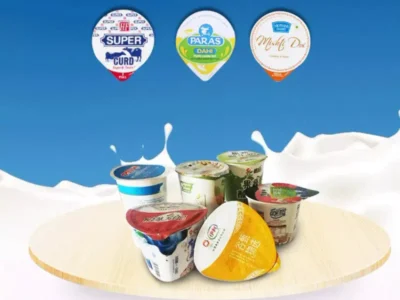
Printing on lidding foil serves two purposes — branding and regulatory compliance. Most dairy lids carry brand graphics, flavor identification, batch codes, best-before dates, and nutritional panels.
Gravure Printing
The standard for high-volume dairy lidding runs. Gravure gives very sharp detail, consistent color reproduction, and fast print speeds. Minimum order quantities are high due to cylinder engraving costs. Best for runs over 500,000 lids.
Flexographic Printing
Lower cylinder cost than gravure. Slightly lower print resolution. Suitable for mid-volume runs and simpler graphics. Common for private-label dairy and regional brands.
Digital Printing
No cylinder cost. Suitable for short runs, seasonal packaging, and product trials. Print quality is improving rapidly but still below gravure for photographic detail. Used for specialty and premium short-run dairy products.
Print Color Options
| Print Method | Max Colors | Resolution | Min. Run | Best For |
|---|---|---|---|---|
| Gravure | 8 – 10 | Very High | 500,000+ lids | Major dairy brands |
| Flexo | 6 – 8 | High | 50,000+ lids | Regional brands, private label |
| Digital | Unlimited | High | 1,000+ lids | Short runs, trials, seasonal |
Lidding & Yogurt Foil Quality Standards & Certifications
Lidding and yogurt foil for food contact must meet specific standards. Buyers should confirm compliance before ordering.
| Standard | Scope | Applies To |
|---|---|---|
| EU Regulation 10/2011 | Food contact plastics and laminates | All EU food packaging |
| FDA 21 CFR | Food contact materials (US) | US market dairy packaging |
| ISO 9001 | Quality management system | Manufacturing process control |
| BRC / IFS | Food safety packaging standard | Retail supply chain |
| REACH | Chemical substance compliance | European market |
| RoHS | Restricted hazardous substances | Electronic / industrial use |
Key Technical Parameters — What to Specify When Ordering
| Parameter | Typical Range | Notes |
|---|---|---|
| Alloy | 8011, 1235, 8079 | Match to application sensitivity |
| Temper | O (soft) | Standard for all lidding foil |
| Thickness (Al layer) | 9 – 50 µm | ±6% thickness tolerance standard |
| Total laminate thickness | 35 – 120 µm | Depends on structure |
| Pinhole count | < 10 per m² (thin) | Test per EN ISO 13607 |
| Peel strength | 8 – 25 N/15mm | Specify container material |
| Sealing temp. range | 160 – 220°C | Match to filling line capability |
| Print registration | ±0.5 mm | For die-cut lid alignment |
| Roll width | 200 – 1600 mm | Depends on filling machine |
| Core diameter | 76 mm (3 inch) | Standard; 152 mm available |
| Roll weight | 50 – 300 kg | Depends on line speed |
Frequently Asked Questions
What is the difference between lidding foil and yogurt foil?
Lidding Foil — The Broad Category Lidding foil covers any aluminum-based material used to seal food containers. This includes dairy, beverage, pharmaceutical, and food service applications. It comes in many structures, thicknesses, and seal types.
Yogurt Foil — A Specific Type Yogurt foil is a subset of lidding foil. It is specifically designed to seal yogurt cups — typically PS or PP — with an easy-peel closure. The standard spec is 8011-O aluminum at 35–40 µm with a peelable heat-seal lacquer. The key performance requirement is a clean peel with no tearing and no lacquer residue left on the cup rim.
What alloy is used for yogurt cup lids?
Primary Choice — 8011-O 8011-O is the standard alloy for yogurt lidding foil. Iron and silicon additions improve rolling performance and surface quality. The O temper gives the softness needed for easy peeling. Typical thickness is 30–40 µm.
Alternative — 8079-O 8079-O is used when a lower pinhole count is needed at thinner gauges. It is common for premium dairy products and high-barrier applications where the product is sensitive to oxygen.
How thick should yogurt foil be?
Standard Thickness 30–40 µm is the industry standard for yogurt cup lids. This gauge gives a good balance of barrier performance, peel behavior, and handling strength on high-speed filling lines.
Thinner Options 25 µm is possible but increases pinhole risk and requires very clean foil rolling. Used when cost reduction is the priority and the product has a short shelf life.
Thicker Options 50 µm and above starts to feel semi-rigid. It is better suited to formed lids or products with a longer shelf life requirement where barrier performance outweighs flexibility.
What containers can lidding foil seal onto?
Common Container Materials
| Container Material | Compatible Seal Type | Notes |
|---|---|---|
| Polystyrene (PS) | Easy-peel HS lacquer | Standard for yogurt cups |
| Polypropylene (PP) | Easy-peel or peel-seal film | Slightly higher seal temp needed |
| PET | Easy-peel HS coat | Used for premium dairy and juice cups |
| HDPE | Induction seal or weld | Common for bottles |
| Aluminum tray | Heat seal or cold seal | Airline meals, portion packs |
| Glass | Induction seal | Dairy drinks, condiments |
Always specify the container material when ordering lidding foil. The heat-seal layer must be formulated specifically for the container resin. A lacquer designed for PS will not seal reliably onto PP.
What causes lidding foil to tear instead of peel?
Seal Too Strong If the seal strength is above 20–25 N/15mm, most consumers cannot peel the lid cleanly. The foil tears. This happens when sealing temperature is too high, dwell time is too long, or the heat-seal formulation is too aggressive for the container.
Foil Too Thin Foil below 25 µm has lower tensile strength. It tears more easily under peel force. Increase thickness or add a film laminate layer to improve tear resistance.
Delamination at Wrong Interface If the laminate delaminates between the aluminum and the top lacquer rather than at the seal interface, the aluminum stays on the cup and the lacquer peels away. This is a lamination defect — the adhesive between layers is too weak.
Can lidding foil be printed with nutritional and traceability information?
Yes — Standard Practice Most dairy lidding foil is gravure or flexo printed in 4–10 colors. Printing includes brand graphics, flavor coding, ingredient lists, nutritional panels, barcode, batch code, and best-before date.
Variable Data Printing Batch codes and best-before dates are usually added by inkjet or laser coding on the filling line, after the foil reel is loaded. The pre-printed reel leaves a designated unprinted area for variable data.
Regulatory Requirements All food packaging text must comply with local labeling regulations. In the EU, Regulation (EU) 1169/2011 sets mandatory information requirements. In the US, FDA 21 CFR Part 101 applies. Your converter or foil supplier should be familiar with the requirements for your target market.
What is the minimum order quantity for custom printed lidding foil?
Gravure Printing Minimum order is typically 500,000 to 1,000,000 lids due to cylinder engraving costs. Cylinder cost is a one-time charge; repeat orders are cheaper per unit.
Flexographic Printing Lower minimum — typically 50,000 to 200,000 lids. Lower cylinder cost makes short runs more economical.
Plain or Stock Lacquered Foil Available in quantities from 50 kg upward. No print setup cost. Suitable for businesses that print in-house or use plain foil for sealing without branding.