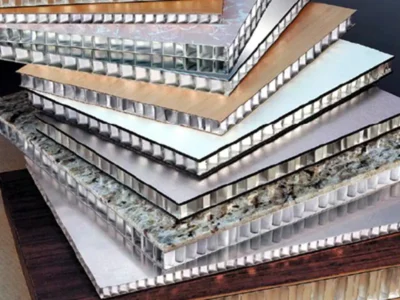
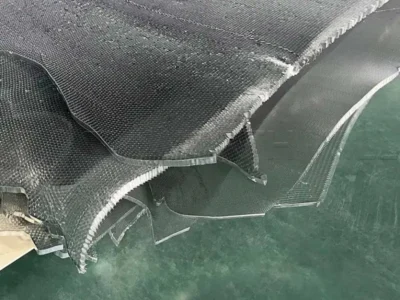
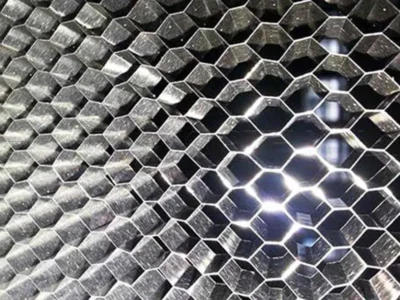
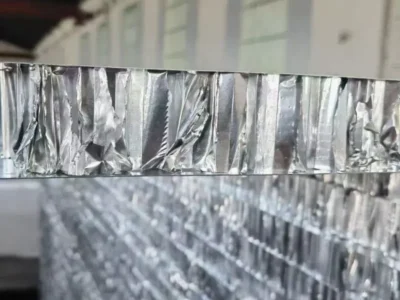
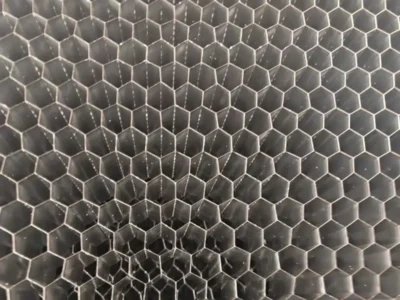
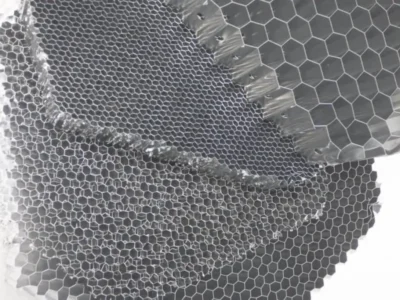
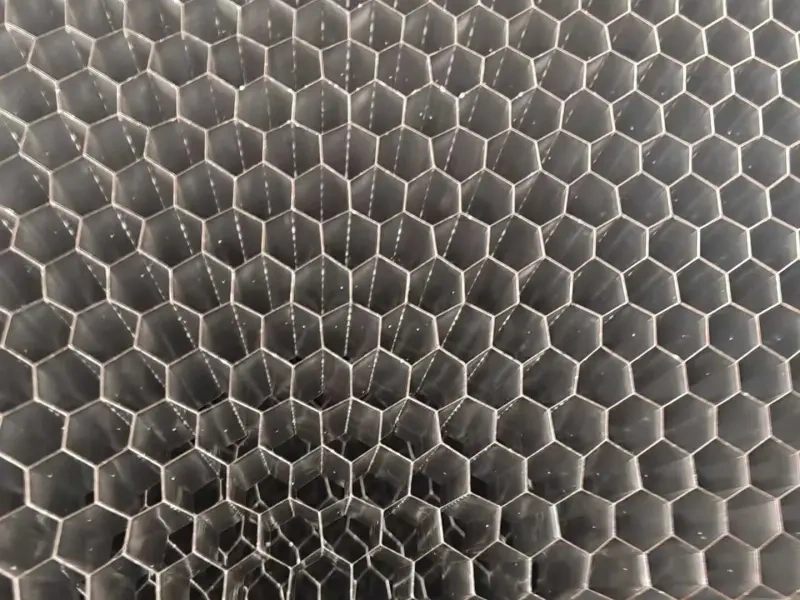
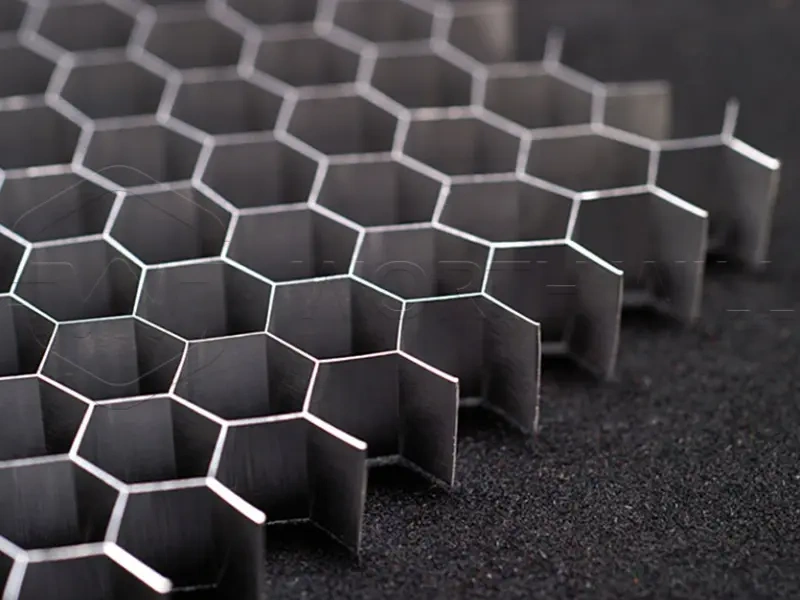
Aluminum honeycomb core is a lightweight composite material. It consists of thin aluminum sheets formed into hexagonal cells.
The structure resembles a natural honeycomb pattern. This design provides exceptional strength while remaining extremely light.
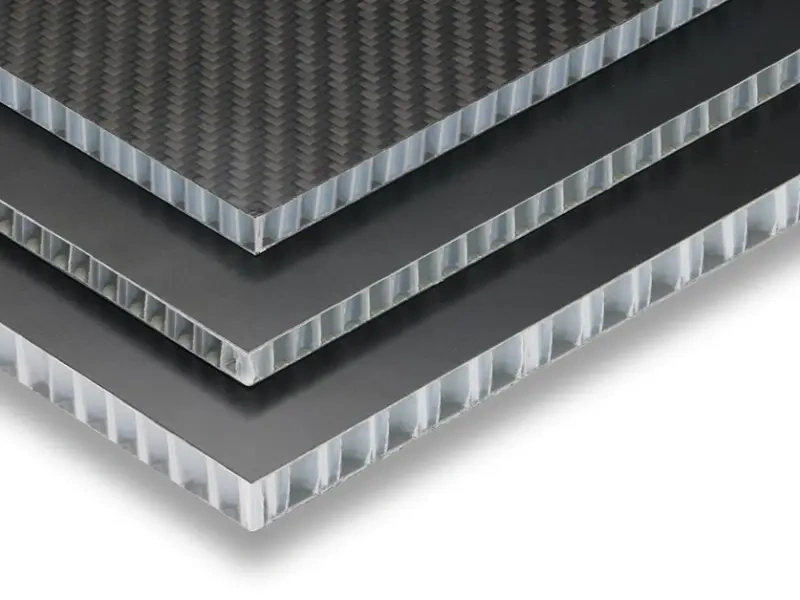
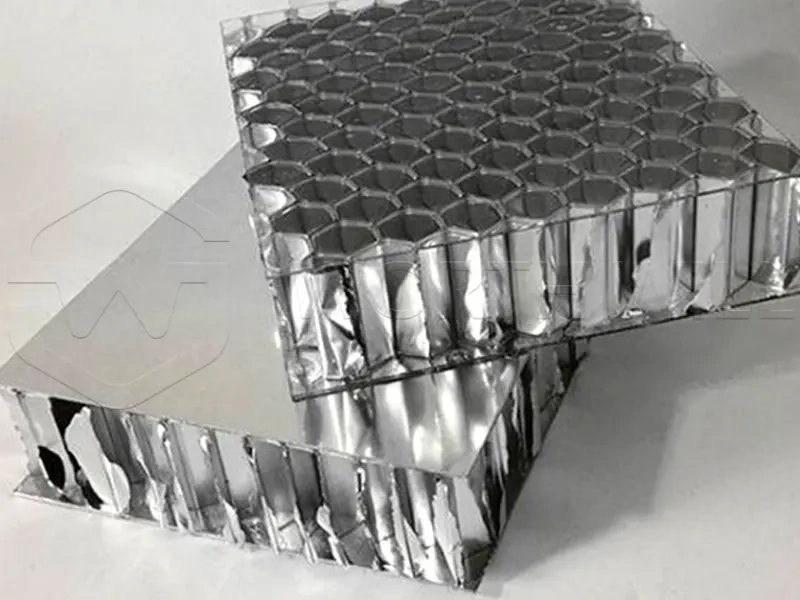
The material serves as the core in sandwich panels. These panels combine honeycomb cores with face sheets.
The sandwich structure creates rigid, durable composites. Manufacturers use honeycomb cores in aerospace, automotive, and construction industries.
The honeycomb structure offers unique advantages. It distributes loads efficiently.
The open cells reduce weight significantly. Air trapped in cells provides insulation properties. These qualities make aluminum honeycomb core an ideal engineering material.
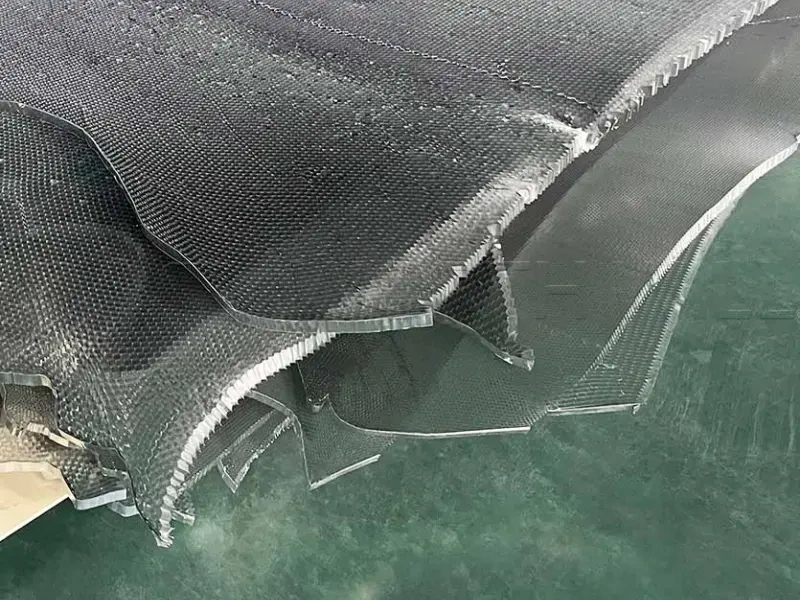
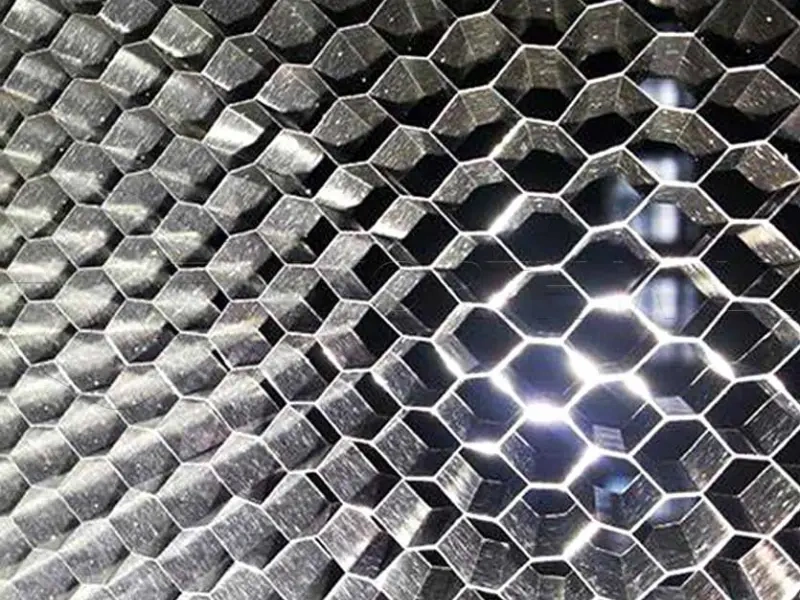
What is Aluminum Honeycomb Core?
Aluminum honeycomb core consists of expanded aluminum strips. The strips bond together to form hexagonal cells. The resulting structure is both strong and light.
How Aluminum Honeycomb Core is Made
The manufacturing process transforms flat aluminum into honeycomb structure.
Production Steps:
- Start with aluminum foil or sheet
- Apply adhesive between layers
- Cut the material into strips
- Stack strips in alternating directions
- Cure the adhesive in ovens
- Expand the stack vertically
- Slice the expanded block into desired thicknesses
- Cut to specific sheet sizes
- Quality inspection and testing
The expansion process creates the characteristic honeycomb pattern. Heat and pressure activate the adhesive. The material stretches vertically, forming open cells. Final slicing produces sheets of uniform thickness.
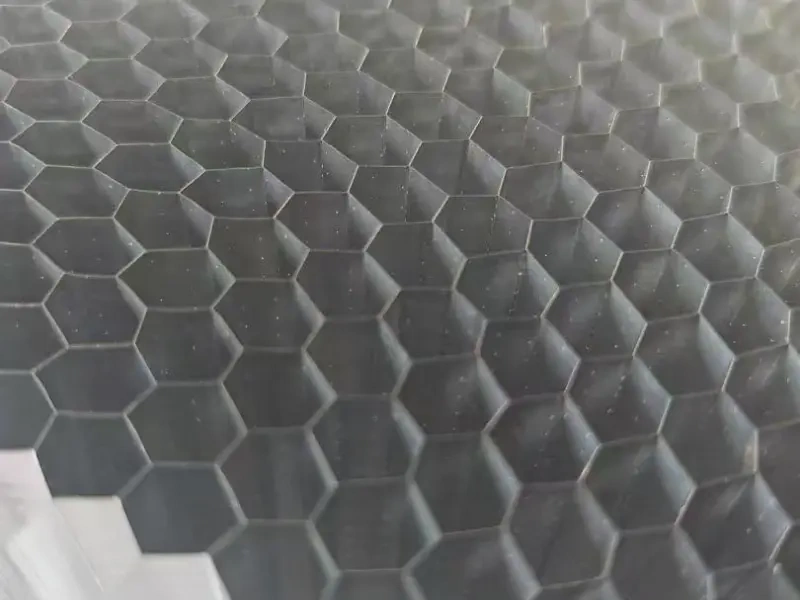
Core Structure Characteristics
The honeycomb pattern determines material properties.
Cell Configuration:
| Cell Size | Hex Size (inches) | Typical Use | Strength | Weight |
|---|---|---|---|---|
| Micro | 1/16 | Precision applications | Very high | Higher |
| Mini | 1/8 | Aircraft interiors | High | Medium |
| Standard | 1/4 | General panels | Good | Low |
| 3/8 inch | 3/8 | Lightweight structures | Moderate | Very low |
| 1/2 inch | 1/2 | Large panels | Lower | Minimal |
Smaller cells provide more strength but increase weight. Larger cells reduce weight but lower rigidity. Selection depends on application requirements.
Aluminum Alloy Types Used in Honeycomb Core
Different aluminum alloys offer varied properties. Selection affects performance and cost.
3003 Aluminum Honeycomb Core
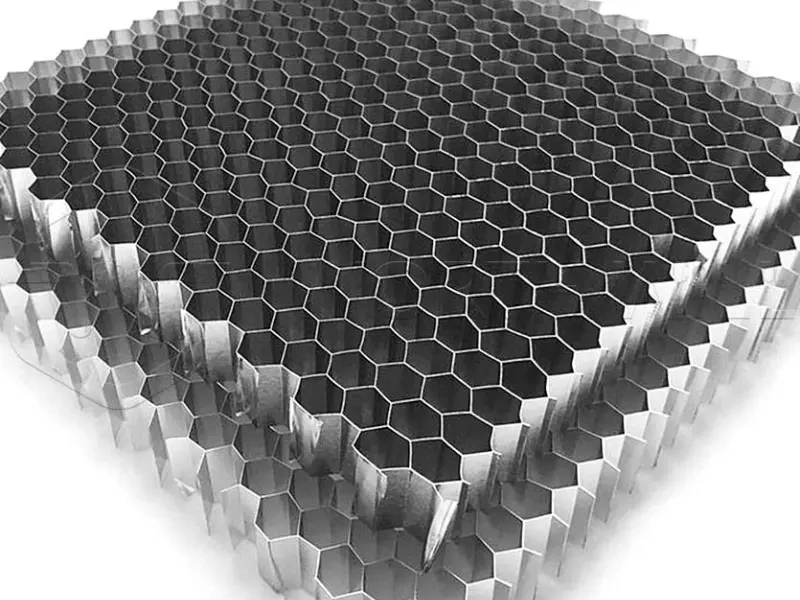
The 3003 alloy is the most economical choice. It offers good formability and corrosion resistance.
3003 Properties:
- Contains 1.2% manganese
- Excellent corrosion resistance
- Easy to fabricate and machine
- Lower cost than premium alloys
- Suitable for general applications
- Good formability for complex shapes
- Standard for most applications
3003 aluminum honeycomb core works well for architectural panels. Its cost-effectiveness makes it popular for large projects.
5052 Aluminum Honeycomb Core
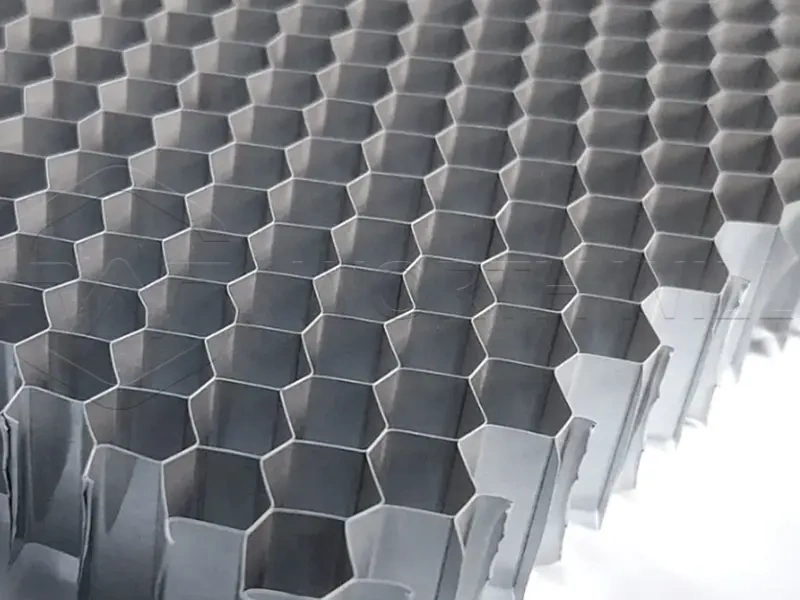
The 5052 alloy provides enhanced strength. It resists corrosion better than 3003.
5052 Characteristics:
- Contains 2.5% magnesium
- Superior corrosion resistance
- Higher strength than 3003
- Better for marine environments
- Improved structural applications
- Moderate cost increase
- Excellent for demanding applications
5052 aluminum honeycomb core suits aerospace and marine uses. Its strength-to-weight ratio exceeds 3003.
5056 Aluminum Honeycomb Core
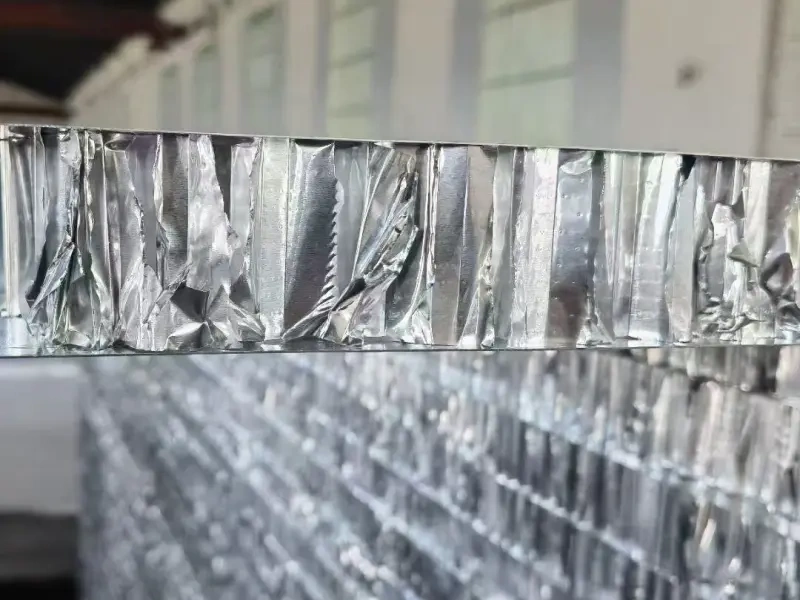
The 5056 alloy provides premium performance. It’s specifically designed for demanding applications.
5056 Features:
Military and aerospace certified
Magnesium-based composition
Excellent marine corrosion resistance
Superior weldability
Better than 5052 in saltwater
High strength properties
Premium pricing
5056 aluminum honeycomb core appears in military aircraft. Its superior properties justify premium cost.
1100 Aluminum Option
Pure aluminum (99% aluminum) offers maximum corrosion resistance.
1100 Properties:
Premium cost for purity
Nearly pure aluminum
Excellent corrosion resistance
Lower strength than alloyed versions
Superior electrical conductivity
Used for specific applications
Limited structural use
1100 aluminum honeycomb core suits specialized applications requiring maximum corrosion resistance.
| Alloy | Strength | Corrosion Resistance | Cost | Best Application |
|---|---|---|---|---|
| 1100 | Low | Superior | High | Chemical exposure |
| 3003 | Moderate | Good | Low | General use |
| 5052 | High | Excellent | Medium | Industrial |
| 5056 | Very High | Superior | High | Marine/Aerospace |
Density and Weight Properties
Density determines weight and strength characteristics. Different densities serve different purposes.
Understanding Honeycomb Core Density
Density of aluminum honeycomb core varies significantly. Density is measured in pounds per cubic foot (pcf) or kilograms per cubic meter.
Density Range:
| Density (pcf) | Density (kg/m³) | Weight per sheet* | Strength | Application |
|---|---|---|---|---|
| 1.5 | 24 | 0.6 lbs | Very light | Maximum weight reduction |
| 2.0 | 32 | 0.8 lbs | Light | Lightweight structures |
| 3.0 | 48 | 1.2 lbs | Moderate | Balanced use |
| 4.0 | 64 | 1.6 lbs | Good | Structural panels |
| 5.0 | 80 | 2.0 lbs | High | Heavy-duty |
| 6.0 | 96 | 2.4 lbs | Very high | Maximum strength |
*Per 4×8 sheet at 1/4 inch thickness
Lower densities reduce weight dramatically. Higher densities provide better strength. Selection balances weight and performance needs.
Weight Calculations
Weight depends on density, thickness, and size.
Weight Formula: Weight (lbs) = Area (sq ft) × Thickness (inches) × Density (pcf) × 0.625
Example weights for 4×8 sheets:
| Cell Size | Thickness | 2 pcf | 3 pcf | 4 pcf | 5 pcf |
|---|---|---|---|---|---|
| 1/4 inch | 1/2 inch | 0.8 | 1.2 | 1.6 | 2.0 |
| 1/4 inch | 3/4 inch | 1.2 | 1.8 | 2.4 | 3.0 |
| 3/8 inch | 1 inch | 1.6 | 2.4 | 3.2 | 4.0 |
Aluminum honeycomb core weighs a fraction of solid aluminum. Weight savings increase design efficiency.
Comparison with Solid Materials
| Material | Density (pcf) | Weight (4×8) | Strength Comparison |
|---|---|---|---|
| Solid aluminum | 170 | 54 lbs | 100% baseline |
| Honeycomb 5 pcf | 5 | 2 lbs | 80% strength |
| Balsa wood core | 10 | 4 lbs | 70% strength |
| Foam core | 2 | 0.8 lbs | 40% strength |
Honeycomb achieves high strength at minimal weight. The efficiency far exceeds solid materials.
Understanding material properties helps with design and application selection.
Aluminum Honeycomb Core Material Properties
Structural Performance
Honeycomb core provides exceptional strength-to-weight ratios.
Mechanical Properties:
| Property | Value Range | Unit | Notes |
|---|---|---|---|
| Compressive strength | 15-100 | psi | Varies with density |
| Shear strength | 20-150 | psi | Cell orientation dependent |
| Tensile strength | 30-200 | psi | Through-thickness |
| Modulus | 5,000-50,000 | psi | Highly variable |
| Density | 1.5-6.0 | pcf | Standard range |
These properties enable lightweight, rigid structures. Applications requiring high strength and low weight benefit most.
Acoustic Properties
Sound absorption occurs naturally in honeycomb structure.
Acoustic Performance:
- Sound absorption coefficient: 0.3-0.7
- Noise reduction: 10-20 decibels
- Effective frequency range: 500-4000 Hz
- Open cells absorb sound energy
- Reduces noise transmission
- Improves acoustic comfort
Buildings using aluminum honeycomb core experience quieter interiors. Sound absorption improves environments.
Thermal Properties
Honeycomb core provides thermal insulation benefits.
Thermal Characteristics:
- R-value per inch: 0.5-1.0
- Thermal conductivity: Low
- Air pockets provide insulation
- Reduces heat transfer
- Improves energy efficiency
- Temperature range: -100°F to +250°F
- Maintains properties across temperature range
The trapped air in cells provides insulation. Thermal performance reduces energy costs in buildings.
Environmental Resistance
The material resists various environmental conditions.
Resistance Properties:
- UV resistant (with proper coating)
- Moisture resistant
- Corrosion resistant
- Chemical resistant (varies by alloy)
- Flame resistant properties
- No off-gassing
- Environmentally stable
3003 and 5052 alloys resist most environmental conditions. Coatings enhance UV protection.
Types and Specifications of Aluminum Honeycomb Core
Aluminum honeycomb core comes in numerous configurations. Each serves specific purposes.
Cell Size Variations
Cell size directly affects properties and applications.
Mini Cell Honeycomb:
- Cell size: 1/8 inch (3mm)
- Micro hex spacing
- Maximum strength per weight
- Fine surface finish
- Aerospace applications
- Premium pricing
- Precision work
Mini cell provides the finest properties. Aircraft use this type for structural components.
Standard Cell Honeycomb:
- Cell size: 1/4 inch (6mm)
- Most common configuration
- Balanced properties
- Good cost-to-benefit ratio
- General construction use
- Wide availability
- Industry standard
Standard cell honeycomb suits most applications. This size offers practical balance.
3/8 Inch Cell Honeycomb:
- Larger cell spacing
- Reduced weight
- Lower strength
- Cost-effective option
- Architectural panels
- Non-structural use
- Lightweight applications
Larger cells reduce weight further. Use where maximum weight reduction matters.
Perforated Aluminum Honeycomb Core
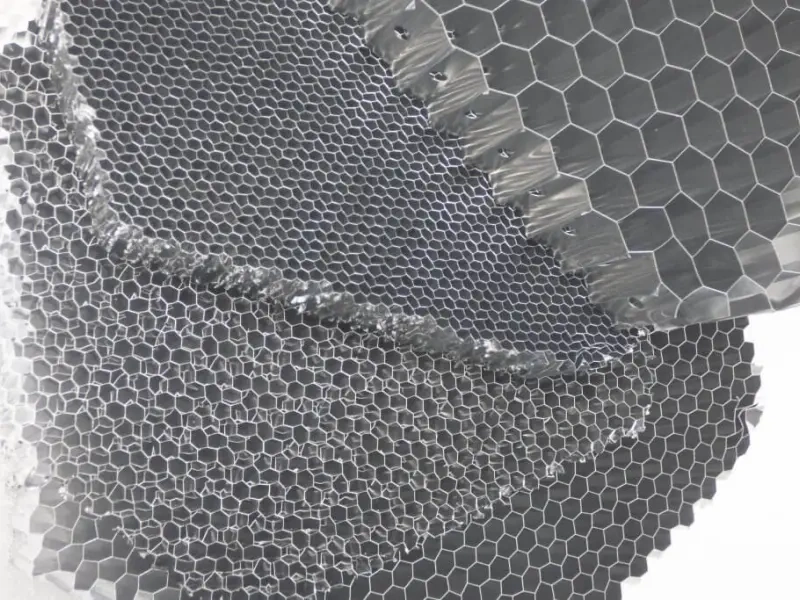
Perforations create open faces while maintaining core structure.
Perforated Core Benefits:
- Allows adhesive penetration
- Improves face sheet bonding
- Creates decorative patterns
- Acoustic benefits
- Reduces weight further
- Premium appearance
- Customizable patterns
Perforated honeycomb suits design-focused applications. The patterns add visual interest.
Perforation Patterns:
- Standard drilled patterns
- Custom designs available
- Round, square, or oval holes
- Various densities
- Artistic applications
- Architectural features
Designers use perforations for distinctive appearances. The open patterns maintain strength while adding beauty.
Thickness and Sheet Dimensions
Standard Thickness Options:
| Thickness (inches) | Thickness (mm) | Common Use | Weight Impact |
|---|---|---|---|
| 1/4 | 6 | Lightweight panels | Minimal weight |
| 3/8 | 9 | General use | Light |
| 1/2 | 13 | Moderate strength | Medium |
| 3/4 | 19 | Higher strength | Heavier |
| 1 | 25 | Structural use | Substantial |
| 1.5 | 38 | Heavy-duty | Significant |
| 2 | 51 | Maximum strength | Heavy |
Thicker cores provide better strength. Thickness selection depends on load requirements.
Standard Sheet Sizes:
| Size | Dimensions | Common Applications |
|---|---|---|
| 4×8 | 48 × 96 inches | Standard panels |
| 4×10 | 48 × 120 inches | Larger panels |
| 5×10 | 60 × 120 inches | Industrial use |
| Custom | Per specification | Special projects |
Standard 4×8 sheets work for most applications. Custom sizes accommodate specific project needs.
Manufacturing Process for Aluminum Honeycomb Core
Understanding production helps appreciate product quality.
Raw Material Selection
Production begins with careful material choice.
Starting Materials:
- Aluminum foil (typically 0.002-0.004 inches)
- Specialized adhesives
- Alloy selection (3003, 5052, 5056)
- Quality specifications
- Traceability requirements
- Certification materials
Raw material quality affects final product performance. Manufacturers source materials carefully.
Adhesive Application
Adhesive bonds aluminum layers together.
Adhesive Types:
- Epoxy adhesive: Aerospace applications
- Phenolic adhesive: High temperature
- Polyurethane: General purpose
- Film adhesive: Better control
- Liquid adhesive: Standard method
Adhesive selection affects product properties. Different formulations suit various applications.
Expansion Process
The expansion creates the honeycomb structure.
Expansion Steps:
- Stack adhesive-coated foil layers
- Cure adhesive partially
- Apply vertical force
- Expand stack vertically
- Adhesive activates fully
- Create uniform cell structure
Expansion ratio determines final density. Greater expansion produces lower density. Controlled expansion ensures consistent properties.
Slicing and Sizing
Final production shapes the material for use.
Finishing Processes:
- Slice blocks into sheets
- Cut to specified dimensions
- Sand edges smooth
- Inspect for defects
- Package for shipment
- Quality verification
Precision slicing ensures uniform thickness. Proper finishing prevents damage during use.
Applications of Aluminum Honeycomb Core
This versatile material serves numerous industries. Its unique properties enable diverse uses.
Aerospace Applications
The aerospace industry pioneered honeycomb core use. Aircraft benefit from lightweight structures.
Aerospace uses include:
- Aircraft fuselage panels
- Wing components
- Tail surfaces
- Interior panels
- Floor structures
- Radome covers
- Cargo doors
- Structural bracing
Aerospace applications demand premium materials. 5056 aluminum honeycomb core meets strict specifications. Weight reduction improves fuel efficiency and performance.
Automotive Industry
Automakers increasingly use honeycomb cores in vehicles.
Automotive applications:
- Door panels
- Roof structures
- Interior trim
- Dashboard components
- Cargo area panels
- Sound dampening
- Lightweight structures
- Performance vehicles
Automotive use reduces vehicle weight. Lighter vehicles improve fuel economy and handling.
Architecture and Construction
Building construction is the largest market for honeycomb cores.
Construction applications:
- Aluminum honeycomb panels 4×8 sheets
- Wall cladding systems
- Roof panels
- Interior walls
- Signage systems
- Decorative panels
- Facade systems
- Partition walls
Architects specify honeycomb panels for modern buildings. The material enables large lightweight panels. Panels span long distances without excessive support.
Door and Gate Manufacturing
Honeycomb cores create lightweight doors with high strength.
Door applications:
- Aluminum honeycomb core door panels
- Commercial doors
- Garage doors
- Cabinet doors
- Aircraft doors
- Industrial doors
- Fire-rated doors
- Acoustic doors
Doors made with honeycomb cores operate smoothly. Motors handle lightweight doors efficiently.
Marine Applications
Boatbuilders use honeycomb cores for hull and deck construction.
Marine uses:
- Boat hulls
- Deck structures
- Interior panels
- Cabin components
- Hatch covers
- Bulkheads
- Marine furniture
- Cabin walls
Marine applications benefit from moisture resistance. 5052 and 5056 alloys resist saltwater corrosion.
Industrial Equipment
Manufacturing facilities use honeycomb cores in equipment.
Industrial applications:
- Machine guards
- Equipment covers
- Protective barriers
- Workstation surfaces
- Industrial signage
- Equipment housings
- Protective screens
Industrial use appreciates durability and lightweight properties. Equipment operates efficiently with minimal weight.
Renewable Energy
Solar and wind industries use honeycomb cores.
Energy applications:
- Solar panel frames
- Wind turbine components
- Equipment housings
- Mounting structures
- Cable trays
- Structural supports
- Installation frameworks
Renewable energy benefits from lightweight materials. Less weight means easier installation.
Specialized Applications
Medical and laboratory:
- Clean room panels
- Laboratory equipment covers
- Medical device housings
- Sterile environment components
- Vibration isolation
Telecommunications:
- Satellite components
- Antenna structures
- Equipment housings
- Transmission towers
- Cable management systems
Furniture and Interiors:
Retail displays
Office furniture
Acoustic panels
Partition systems
Display fixtures
Aluminum Honeycomb Core Panels and Pricing
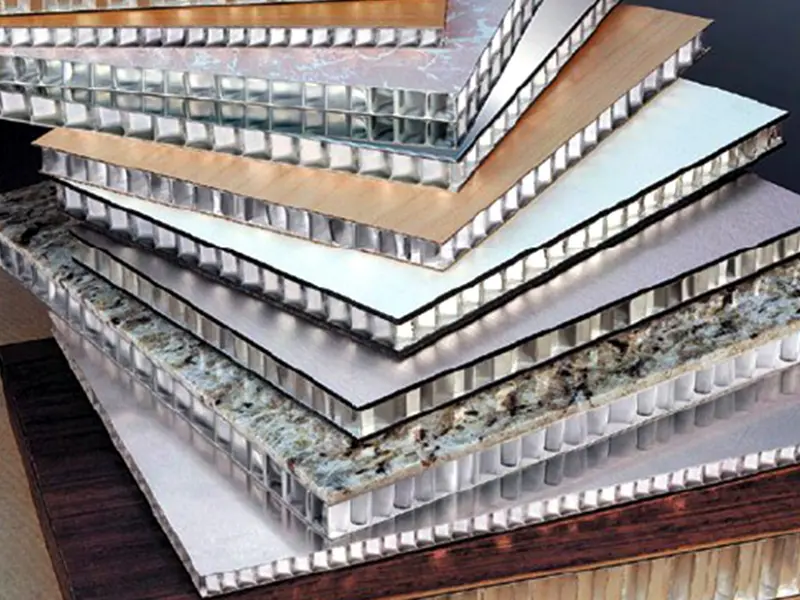
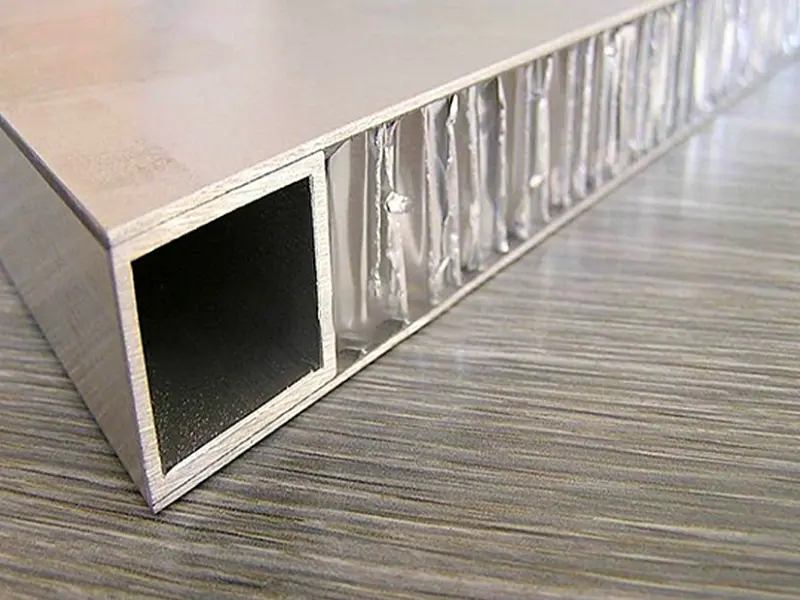
Complete panels combine honeycomb cores with face sheets. Pricing varies considerably.
What are Honeycomb Panels?
Sandwich panels consist of three components:
Sandwich Panel Structure:
- Top face sheet (aluminum, composite, or other material)
- Honeycomb core (aluminum)
- Bottom face sheet (aluminum, composite, or other material)
The combination creates rigid, lightweight structures. Face sheets provide surface protection and strength. Cores provide rigidity and insulation.
Aluminum Honeycomb Panels 4×8 Price
Pricing for standard 4×8 panels varies with specifications.
Price Range Factors:
| Component | Price Impact | Variation |
|---|---|---|
| Core density | Base cost | 2-6 pcf |
| Thickness | Increases linearly | 1/4″ to 2″ |
| Face sheet material | Significant | Aluminum to carbon fiber |
| Face sheet thickness | Moderate | 0.032″ to 0.125″ |
| Alloy type | Moderate | 3003 to 5056 |
| Quantity | Volume discount | 1 vs 100+ |
Typical 4×8 Panel Pricing:
| Configuration | Approximate Price | Notes |
|---|---|---|
| Basic aluminum panel | $300-$500 | Standard 3003, thin faces |
| Standard panel | $500-$800 | 5052 core, moderate faces |
| Premium panel | $800-$1,500 | 5056 core, quality faces |
| Custom panel | $1,500-$3,000+ | Special specifications |
Prices fluctuate with aluminum market. Volume orders receive significant discounts.
Aluminum Honeycomb Core Sheet
Raw honeycomb sheets (core only without face sheets) cost less than complete panels.
Core Sheet Pricing:
| Alloy | Density | Thickness | Price Range |
|---|---|---|---|
| 3003 | 2 pcf | 1/2 inch | $40-$80 |
| 3003 | 3 pcf | 3/4 inch | $60-$120 |
| 5052 | 3 pcf | 1/2 inch | $80-$150 |
| 5052 | 4 pcf | 3/4 inch | $120-$200 |
| 5056 | 3 pcf | 1/2 inch | $120-$200 |
| 5056 | 4 pcf | 3/4 inch | $180-$280 |
Core sheets offer economy for fabricators. Adding custom face sheets creates finished products.
Machining Aluminum Honeycomb Core
Honeycomb cores require special machining considerations.
Aluminum Honeycomb Core Machining
Machining honeycomb requires careful technique. The open structure needs support.
Machining Challenges:
- Cell structure collapses under pressure
- Requires proper tooling
- Needs adequate support
- Different from solid materials
- Requires skilled operators
- Can produce excellent results with proper technique
Machining Operations:
- Cutting and slicing
- Drilling holes
- Routing edges
- Notching and cutouts
- Profiling edges
- Face sheet machining
Proper Machining Techniques
Best Practices:
- Use sharp cutting tools
- Support the core structure
- Apply cutting fluid
- Use appropriate feed rates
- Avoid excessive pressure
- Plan cuts carefully
- Inspect results
Professional fabricators master these techniques. Quality results require experience.
CNC Machining Advantages
Computer-controlled machining produces consistent results.
CNC Benefits:
- Precise tolerances
- Repeatable results
- Complex geometries
- High efficiency
- Reduced waste
- Professional finish
- Quality consistency
CNC machining justifies cost for volume production.
Material Properties and Performance Comparisons
Understanding how aluminum honeycomb core compares helps with material selection.
Honeycomb Core vs Solid Materials
Strength-to-Weight Comparison:
| Material | Strength | Weight | Efficiency | Cost |
|---|---|---|---|---|
| Solid aluminum (1/2″) | 100% | 100% | Low | Baseline |
| Honeycomb 4 pcf (1/2″) | 95% | 4% | Excellent | Moderate |
| Foam core (1/2″) | 70% | 3% | Good | Low |
| Balsa wood (1/2″) | 80% | 5% | Good | Moderate |
| Composite sandwich | 100%+ | 8% | Superior | High |
Honeycomb cores provide superior strength-to-weight. The efficiency enables innovative designs.
Thermal Performance Comparison
| Material | R-value per inch | Conductivity |
|---|---|---|
| Honeycomb | 0.5-1.0 | Low |
| Foam | 3.0-5.0 | Very low |
| Fiberglass | 3.2-3.8 | Low |
| Solid aluminum | Near 0 | Very high |
Honeycomb provides moderate insulation. Foam offers better insulation but lower strength.
Environmental and Sustainability Aspects
Aluminum honeycomb core offers environmental advantages.
Recyclability
Aluminum is infinitely recyclable. Honeycomb cores contain 100% recyclable material.
Recycling Benefits:
- Infinitely recyclable
- 95% energy savings versus virgin production
- Retains properties through recycling cycles
- Reduces landfill waste
- Economic recycling value
- Supports circular economy
- Environmental responsibility
Lightweight Benefits
Reduced weight creates environmental gains.
Sustainability Advantages:
- Lightweight structures reduce shipping impacts
- Lower fuel consumption in vehicles
- Reduced energy for installation
- Long service life reduces replacement needs
- Efficient use of material
- Lower manufacturing emissions
- Reduced lifecycle environmental impact
Material Efficiency
The honeycomb structure wastes minimal material.
Efficiency Points:
- High strength-to-weight ratio
- Minimal material waste
- Optimized structure
- Efficient design enablement
- Supports lightweight construction
- Enables sustainable design
Aluminum honeycomb core cell szies
Aluminum honeycomb core represents an engineering breakthrough. The unique structure combines exceptional strength with minimal weight. Industries from aerospace to construction benefit from this versatile material.
Understanding the various alloy types helps select appropriate materials. 3003 serves general applications economically. 5052 provides industrial-grade performance. 5056 delivers aerospace specifications.
Cell size, thickness, and density options accommodate diverse requirements. Perforated versions add aesthetic and acoustic benefits. Custom specifications enable unique solutions.
The manufacturing process creates remarkable consistency. Precision machining produces final products. Skilled fabricators transform raw cores into finished components.
Applications continue expanding. Architects design innovative buildings with honeycomb panels. Manufacturers develop lighter, stronger products. The material supports sustainability goals.
Pricing varies with specifications and quantities. Standard configurations offer economy. Custom solutions command premium costs. Volume purchases yield significant discounts.
Whether you need aluminum honeycomb core for aerospace, construction, automotive, or specialty applications, this material delivers superior performance. The lightweight, strong structure enables designs impossible with conventional materials.