

Flexible Duct Foil for HVAC, Dryer Vents & Exhaust Systems
What Is Flexible Duct Foil?
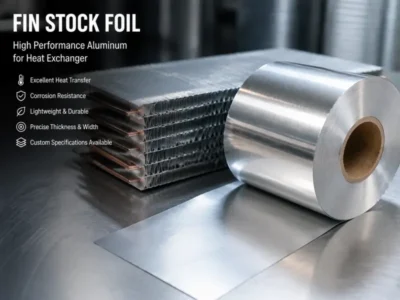
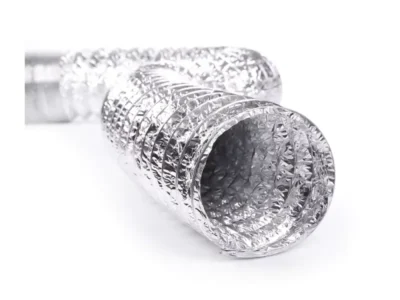
Flexible duct foil is a thin aluminum-based material used to build lightweight air channels.
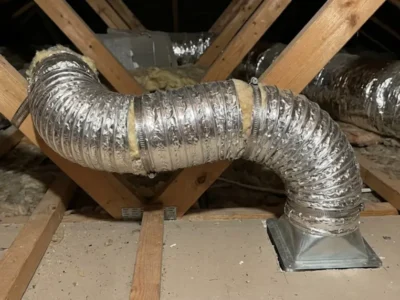
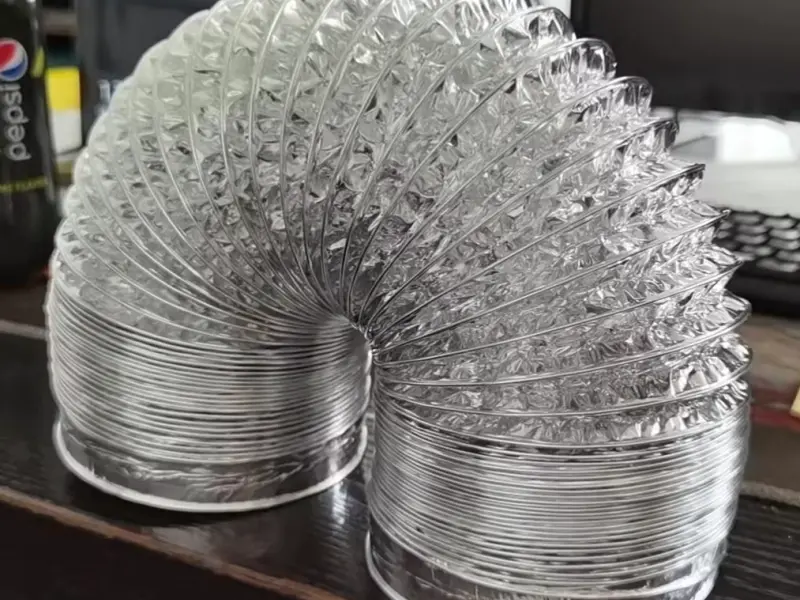
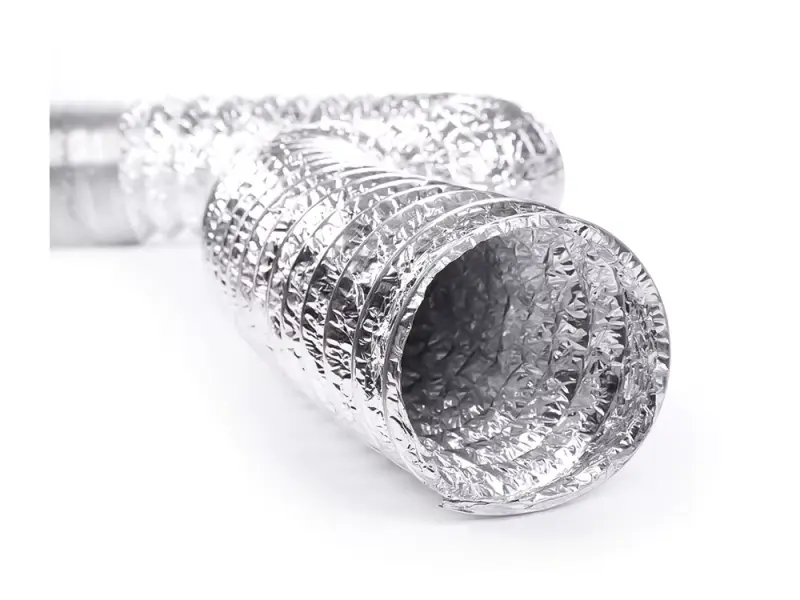
It moves heated, cooled, or vented air from one place to another. The product wraps around a wire coil to hold its shape while still bending around corners.
Most versions use aluminum foil laminate because it resists heat, moisture, and corrosion.
Builders and homeowners often search for flexible aluminum foil duct when they need a quick, low-cost way to route air through tight spaces.
Unlike rigid metal pipe, this material compresses and stretches. That makes it ideal for spots where straight lines are impossible.
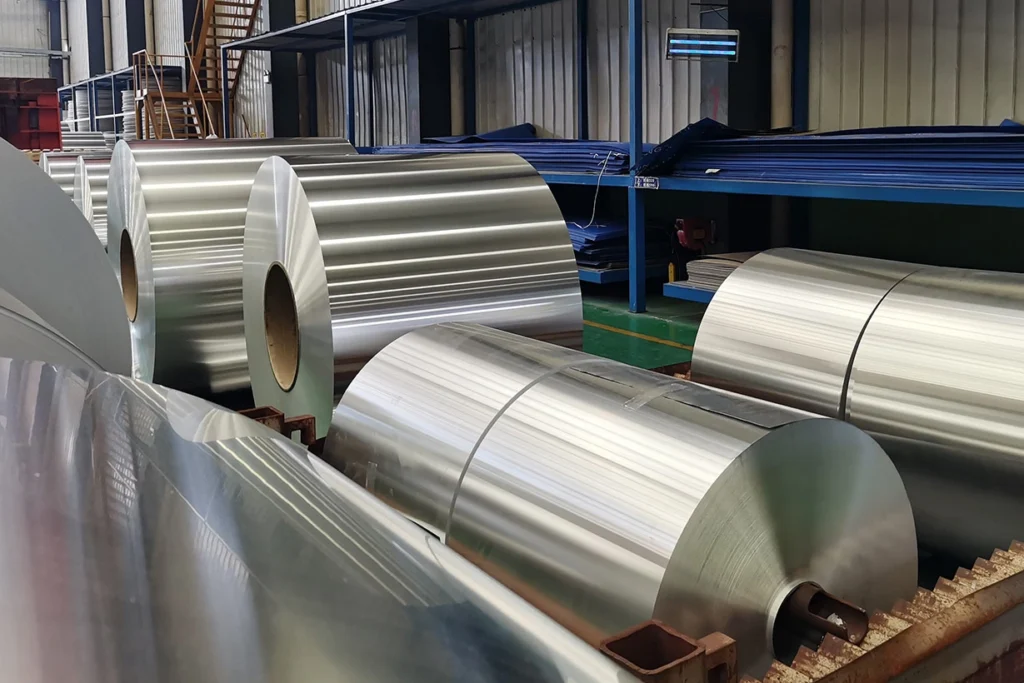
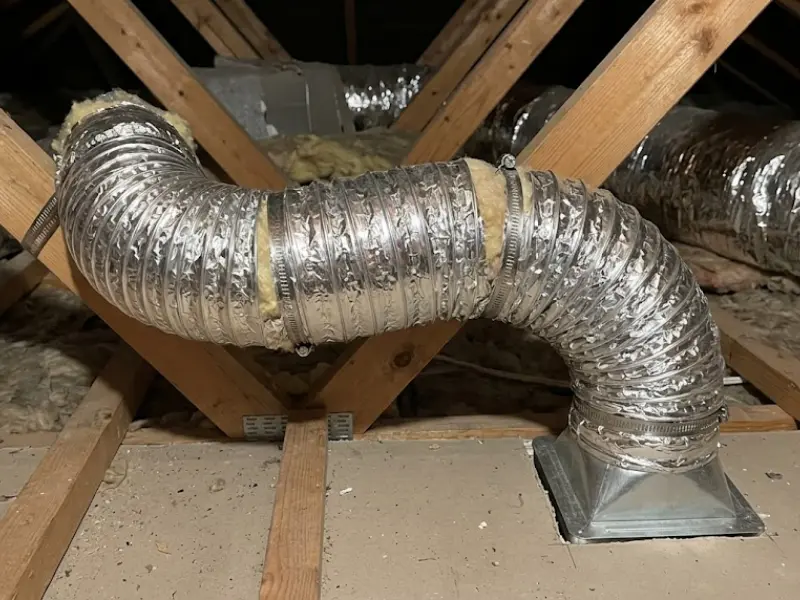
Why Aluminum Foil Works Best for Flexible Ducts
Aluminum brings several traits that other metals cannot match. It weighs very little. It reflects heat. It does not rust.
These traits make aluminium foil flexible duct a popular choice across residential and commercial jobs.
The metal also handles a wide temperature span.
Standard products operate from roughly -70°C up to 250°C.
That range covers most HVAC tasks, bathroom vents, and kitchen exhaust needs. When engineers need more strength, they turn to thicker gauges or reinforced laminates.
Key Properties at a Glance
| Property | Typical Value | Why It Matters |
|---|---|---|
| Base metal | Aluminum | Lightweight, corrosion-proof |
| Common alloys | 8011, 1100, 3003, 8021 | Balance of strength and formability |
| Temper | O (annealed), H14, H18 | O offers max flexibility; H-series adds stiffness |
| Thickness range | 0.02 mm – 0.10 mm | Thicker foil resists punctures |
| Reflectivity | Up to 95% of radiant heat | Keeps air temperature stable |
| Max service temp | 250°F (121°C) typical | Fits most HVAC and exhaust uses |
Alloy Breakdown: Which Metal Fits Your Job?
Not all flexible duct foil uses the same aluminum mix. The alloy changes how the foil behaves during installation and over time.
1xxx Series Flexible Duct Foil: Pure Aluminum
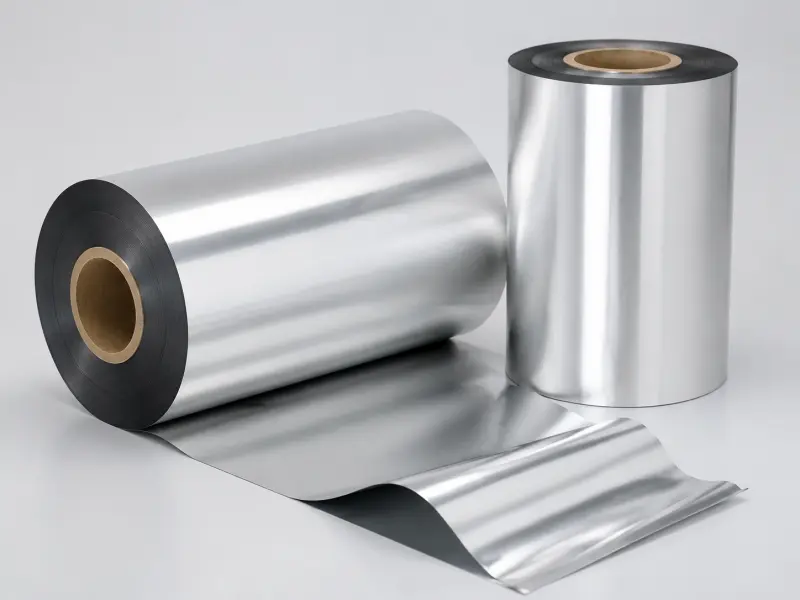
Alloys like 1100, 1050, and 1060 contain 99% or more aluminum. They bend easily and cost less. These grades suit standard flexible ducts and low-pressure HVAC lines. The trade-off is lower mechanical strength. If the duct will sit in a high-traffic area, a 1xxx series foil may dent or tear more easily.
3xxx Series Flexible Duct Foil: Manganese Blend
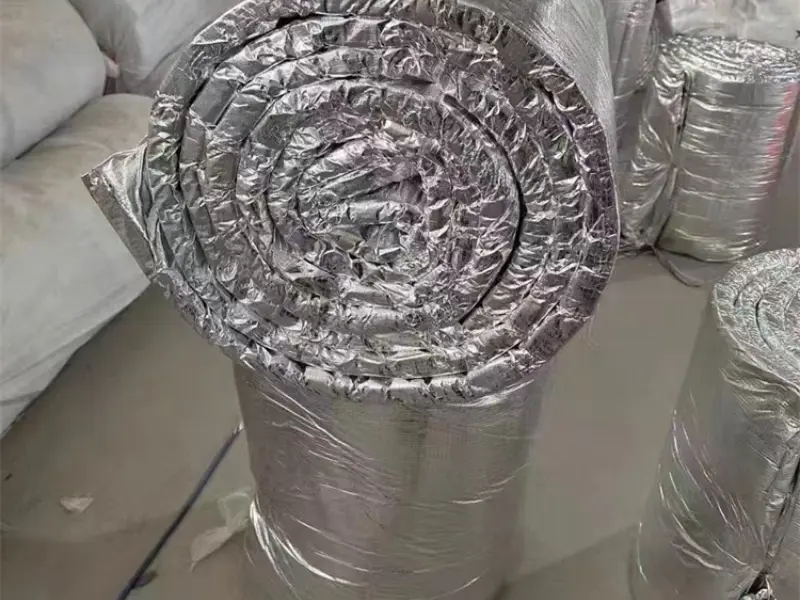
Alloy 3003 adds manganese to the mix. The result is medium strength with good formability. Manufacturers use 3003 for reinforced flexible ducts that face medium air pressure. It still bends well, but it holds up better during rough handling.
8xxx Series Flexible Duct Foil: Foil-Specific Grades
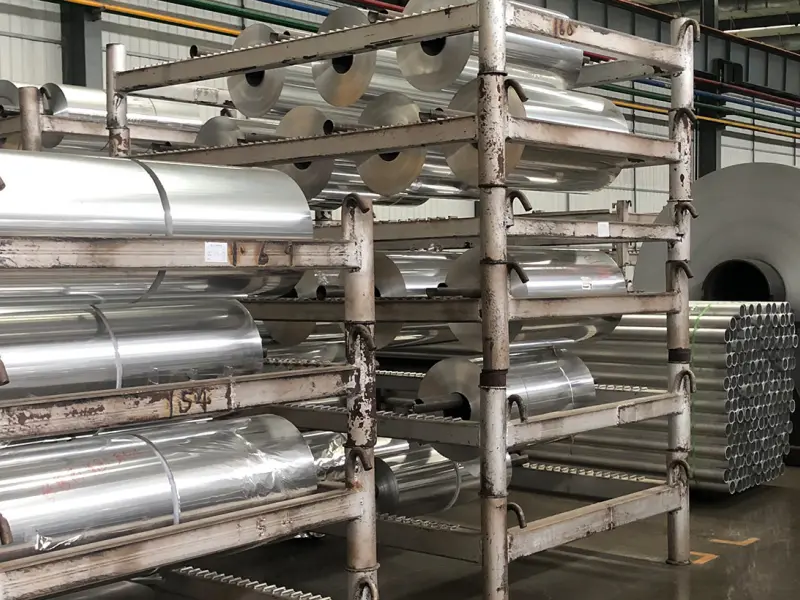
Alloy 8011 is the workhorse of the flexible duct foil world. It contains iron and silicon, which improve tensile strength without adding much weight. Alloy 8021 appears in high-barrier applications. Both 8011 and 8021 accept lamination with PET film or other layers. That makes them ideal for fire-retardant ducts and insulated runs.
| Alloy | Series | Strength Level | Best Use Case |
|---|---|---|---|
| 1100 | 1xxx | Low | General HVAC, light-duty ducts |
| 1050 / 1060 | 1xxx | Low | Low-pressure systems, short runs |
| 3003 | 3xxx | Medium | Reinforced ducts, medium pressure |
| 8011 | 8xxx | Medium-High | Laminated foil, fire-rated ducts |
| 8021 | 8xxx | High | High-barrier, industrial exhaust |
Flexible Duct Foil Temper and Hardness: O vs. H-State
The temper label tells you how the foil was treated after rolling.
- O (annealed): Soft and highly flexible. This state lets the duct stretch and compress without cracking. Most flexible aluminum foil duct products use O-temper foil for the inner layer.
- H14 / H18: Work-hardened. These states add stiffness. H14 is half-hard; H18 is full-hard. You might see H-state foil in the outer jacket of insulated ducts where shape retention matters more than extreme bendability.
Flexible Duct Foil Thickness Comparison: Microns Matter
Thickness directly affects durability, cost, and weight. Here is how common gauges compare.
| Thickness | Gauge | Puncture Resistance | Typical Application |
|---|---|---|---|
| 20 – 40 microns | 0.02 – 0.04 mm | Low | Economy ducts, temporary vents |
| 50 – 70 microns | 0.05 – 0.07 mm | Moderate | Standard residential HVAC |
| 80 microns | 0.08 mm | High | Commercial installs, long runs |
| 100+ microns | 0.10 mm+ | Very High | Industrial, high-temp exhaust |
Thinner foil saves money upfront. However, it tears more easily during installation. For crawl spaces or attics where nails and debris are present, 80-micron flexible duct foil reduces callbacks and repairs.
Product Types and Sizes
The market offers many sizes and builds. Below are the most common configurations you will find at hardware stores and from industrial suppliers.
Standard Non-Insulated Foil Duct
This is the simplest form. It consists of aluminum foil laminate wrapped around a wire helix. There is no fiberglass or polyester wrap. It works for short exhaust runs, portable air conditioners, and range hoods.
Common sizes:
- 3 in x 8 ft
- 4 in x 8 ft
- 4 in x 25 ft flexible foil duct
- 6 in x 25 ft flexible aluminum foil duct
- 8 in x 25 ft
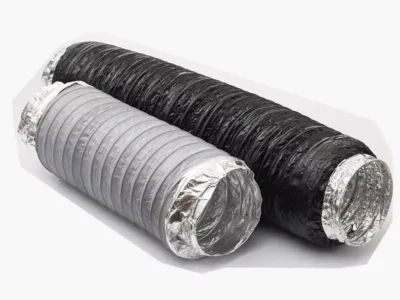
Insulated Flexible Duct
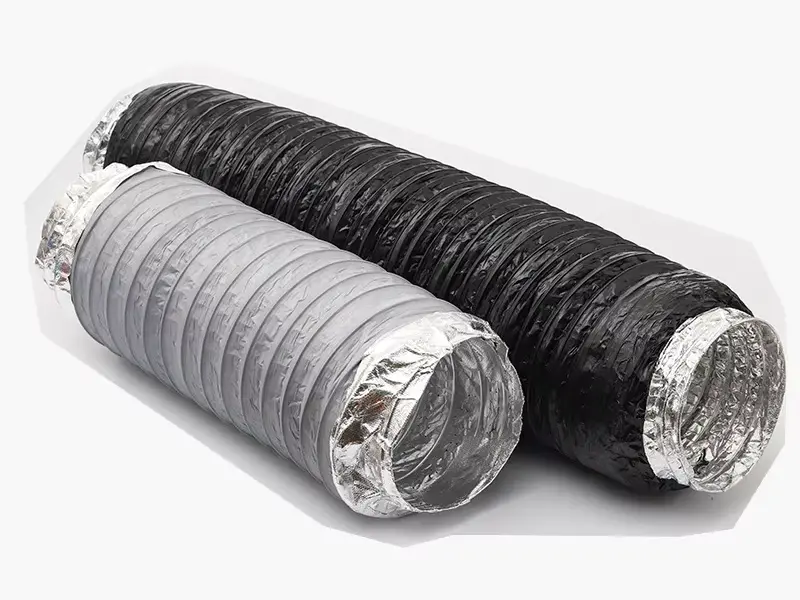
Insulated versions add a middle layer of fiberglass or polyester wool.
An outer jacket of reinforced aluminum or metallized PET protects the insulation.
These ducts carry heated or cooled air through unconditioned spaces like attics.
The insulation keeps the air at its target temperature and blocks condensation.
Typical R-values range from R-4.2 to R-8.0. The exact value depends on insulation thickness and density.
Heavy-Duty Laminated Duct
Some jobs need extra barrier protection. Heavy-duty products use three or more plies. A common build is aluminum foil + PET film + PVC layer.
This stack resists moisture, chemicals, and UV light. It also meets stricter fire codes.
Dryer Transition Ducts
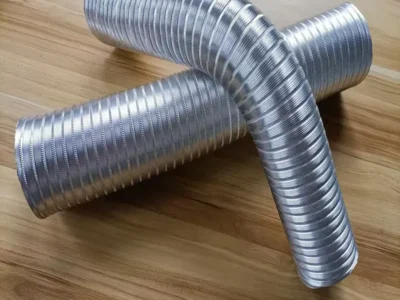
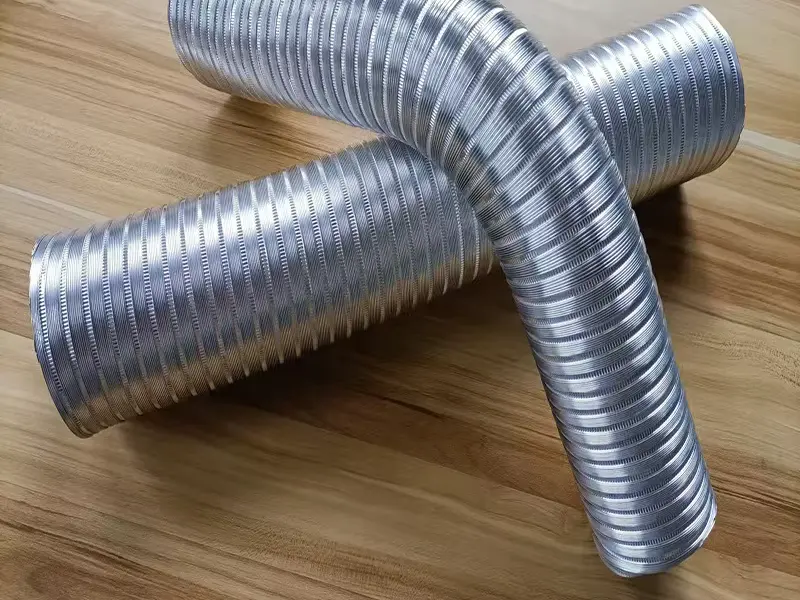
A special category exists for dryers. These are usually semi-rigid aluminum ducts, not true foil flex.
They handle higher heat and resist lint buildup better than standard flexible foil duct for dryer setups. We cover dryer safety in detail later in this guide.

Flexible Duct Foil Popular Retail Specimens
| Product Name | Size | Key Feature | Best For |
|---|---|---|---|
| Everbilt 4 in x 25 ft Flexible Foil Duct | 4 in x 25 ft | 3-ply laminate, UL 181 Class 1 | Bathroom fans, general exhaust |
| Everbilt AF425ULPHD | 4 in x 25 ft | 250°F max temp, corrosion-resistant wire | Air duct connector, not dryers |
| Generic 6 in x 25 ft Flexible Aluminum Foil Duct | 6 in x 25 ft | Heavy-duty foil, wide airflow | HVAC returns, range hoods |
| 80-micron Industrial Foil Duct | Custom | 0.08 mm foil, 8011 alloy | Commercial HVAC, long runs |
Where People Use Flexible Duct Foil
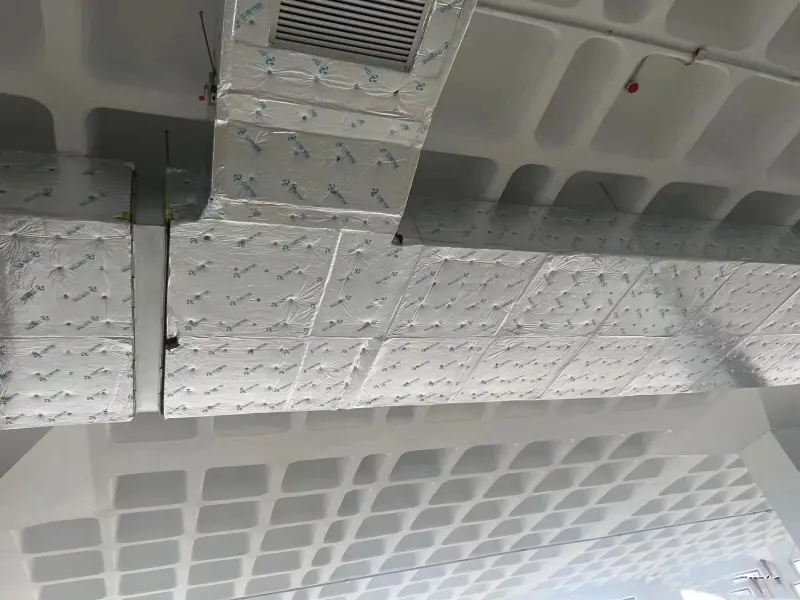
This material shows up in many places. Here are the main areas where it adds value.
- Residential HVAC: Connects central air handlers to room vents. Flexible runs make it easy to bridge gaps between rigid trunk lines and ceiling boots.
- Bathroom Exhaust Fans: A flexible foil duct for bathroom exhaust fan lets moist air escape through roof or wall caps. The foil resists the humid stream.
- Kitchen Range Hoods: Grease-laden air needs a corrosion-proof path. Aluminum foil ducts handle the mix of heat, moisture, and fats.
- Portable Air Conditioners: Short foil hoses vent hot air out of windows. The light weight makes them easy to move.
- Grow Tents and Greenhouses: Controlled environments need directed airflow. Flexible ducts route intake and exhaust air without heavy piping.
- Industrial Ventilation: Machines that generate heat or fumes use high-temp foil ducts to pull contaminants away from workers.
- Dryer Vent Transitions: Some homeowners ask, “Can you use flexible foil duct for dryer connections?” The short answer is: only as a very short transition, and even then, semi-rigid metal is safer. We explain this below.
Flexible Foil Duct for Dryer: What You Need to Know
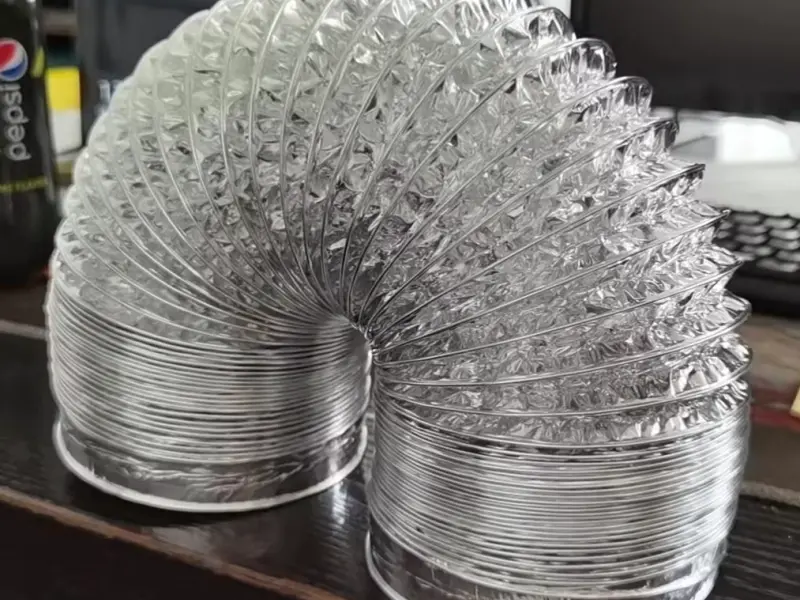
Many buyers search for flexible foil duct for dryer installations. It is important to separate fact from habit. Older homes often have foil flex running from the dryer to the wall. That does not mean it is the best choice today.
The Safety Problem
Standard flexible foil duct is thin. It sags between supports. Those low spots trap lint. Lint is highly flammable. When heat builds up, the risk of fire rises. That is why most building codes now restrict or ban foil flex for dryer venting.
What the Codes Say
Modern codes favor rigid aluminum or galvanized steel for the main dryer run. If a flexible section is needed, semi-rigid aluminum flex is preferred. It resists crushing and has a smoother interior that lets lint pass through.
So, Can You Use Flexible Foil Duct for a Dryer?
You can use it for a very short transition—sometimes only the few inches between the dryer and a rigid pipe. Even then, you must keep the run straight, support it so it does not sag, and clean it often. For the long run through walls or ceilings, switch to rigid metal.
Is Flexible Foil Duct Safe?
When used within its rated temperature and for the right application, yes. The question “is flexible foil duct safe” depends on context. It is safe for bathroom fans and range hoods. It is less safe for full-length dryer vents. Always check the product label. Some boxes clearly state “never use for dryer venting.”
Flexible Foil Duct vs. Semi-Rigid vs. Rigid: A Side-by-Side Look
Choosing the wrong duct type can cost energy, safety, and compliance. Use this table to match the material to the job.
| Feature | Flexible Foil Duct | Semi-Rigid Aluminum | Rigid Metal Duct |
|---|---|---|---|
| Material | Aluminum foil laminate | Corrugated aluminum sheet | Smooth aluminum or steel |
| Flexibility | Very high | Moderate | None |
| Ease of install | Very easy | Easy | Requires cutting, fittings |
| Air resistance | Higher (rough interior) | Medium | Lowest |
| Lint buildup risk | Higher | Lower | Lowest |
| Fire safety | Lower for dryers | Better | Best |
| Cost | Lowest | Medium | Highest |
| Best use | HVAC, short exhaust | Dryer transitions | Main dryer runs, long HVAC |
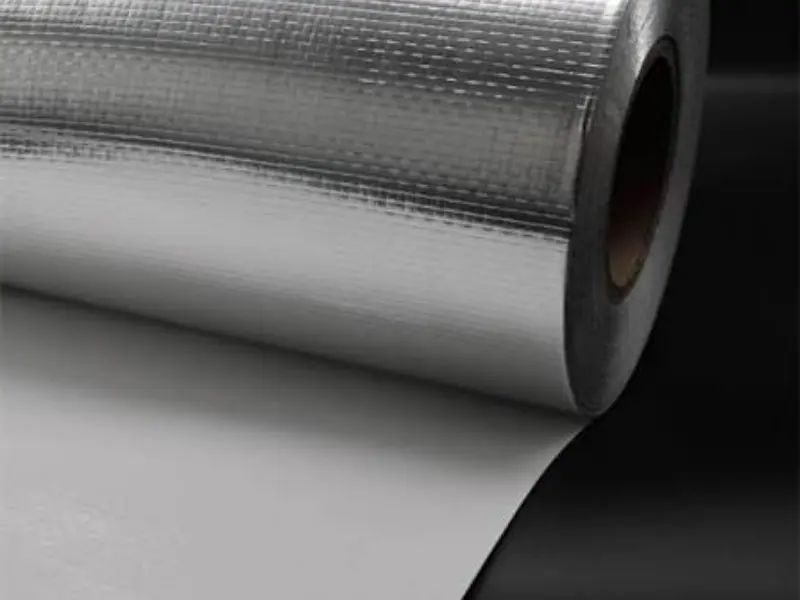
Foil Duct vs. Plastic Duct: Why Metal Wins
Some older homes still have white plastic flex for dryers or vents. Plastic melts, cracks, and burns. Aluminum foil flexible duct outperforms plastic in every category that matters.
- Heat tolerance: Foil handles 250°F; plastic fails near 150°F.
- Fire spread: Foil does not support flame; plastic does.
- Durability: Foil resists punctures from nails; plastic tears easily.
- Lifespan: Foil lasts 10–20 years; plastic degrades in 5–10.
Flexible Duct Foil Installation Tips That Save Time and Money
Even the best flexible duct foil performs poorly if installed wrong. Follow these guidelines.
Keep Runs Short and Straight
Every bend adds air resistance. Long, twisted runs make the HVAC fan work harder. That wastes electricity and shortens motor life. Plan the path before you cut anything.
Support the Duct
Hang the duct with straps every 4 to 5 feet. Without support, flexible duct sags. Sagging creates traps for dust, lint, and condensation.
Seal the Joints
Use UL 181-rated aluminum foil tape on every joint. Do not use cloth duct tape. The adhesive on cloth tape breaks down with heat and humidity. Foil tape stays bonded for years.
Avoid Sharp Bends
A kink blocks airflow and stresses the foil. If you need a 90-degree turn, use a wide sweep or a metal elbow. Never crush the duct to fit it into a tight spot.
Insulate When Needed
If the duct passes through an unconditioned attic, crawl space, or garage, use insulated flexible duct. Uninsulated lines lose heat in winter and gain heat in summer. That drives up utility bills.
Maintenance and Cleaning
Ducts need care to keep air moving freely.
Replace any section that shows corrosion, holes, or delamination.
Inspect foil ducts once a year for tears or sagging.
Clean bathroom exhaust ducts to remove dust and moisture buildup.
Vacuum the interior of accessible ducts with a soft brush attachment.
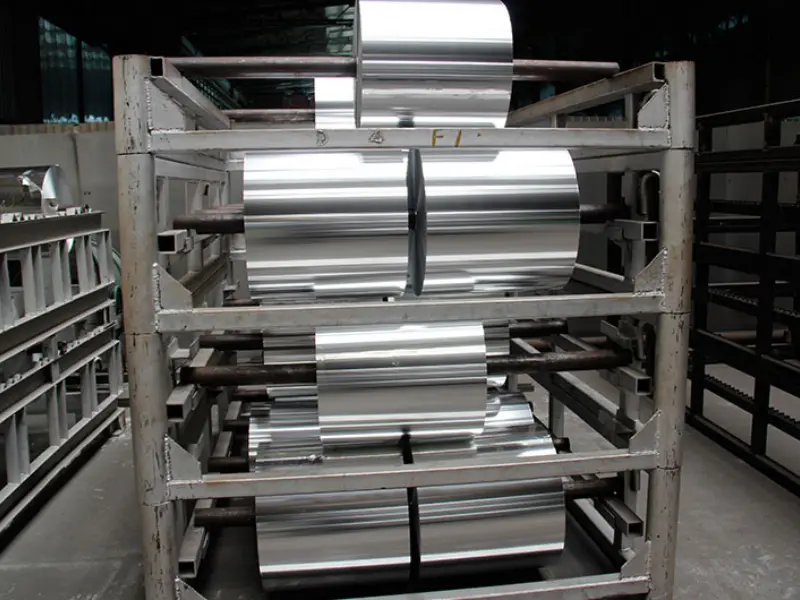
Common Flexible Duct Foil Types
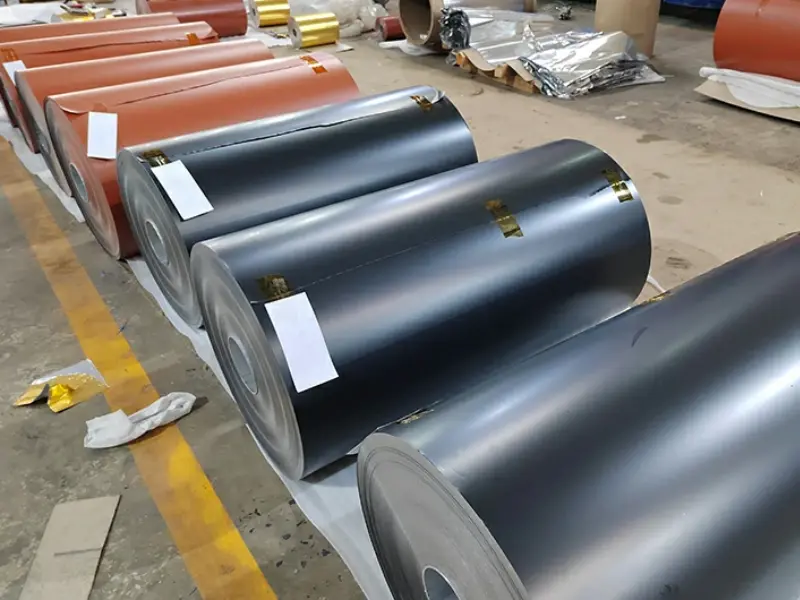
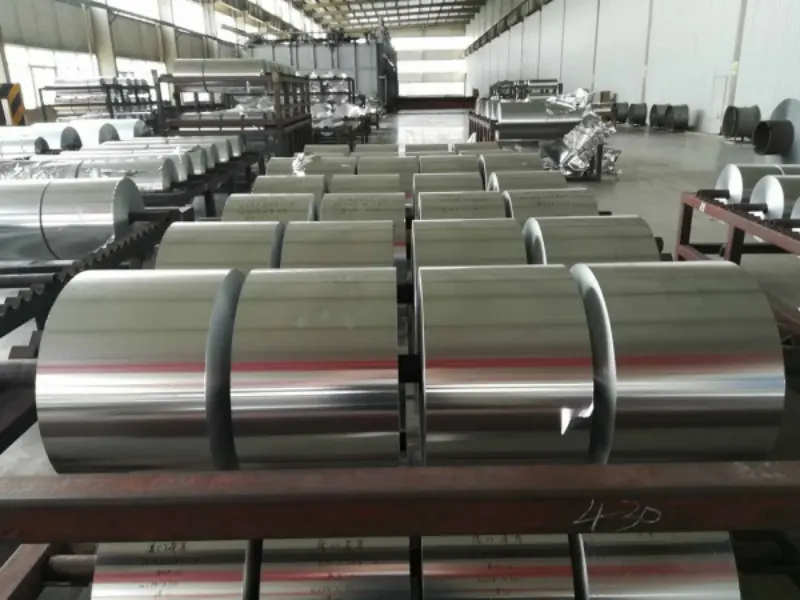
Plain Flexible Duct Foil
→ Basic aluminum foil used as the protective outer layer for insulation duct systems.
Embossed Flexible Duct Foil
→ Embossed surface improves appearance, stiffness and handling performance.
Laminated Duct Foil
→ Combined with PE film, fiberglass or other materials for improved strength and insulation performance.
Fire Resistant Duct Foil
→ Designed for applications requiring better heat resistance and safety performance.
HVAC Insulation Foil
→ Used as a vapor barrier and reflective layer in heating and cooling systems.
Main Applications
- Flexible air duct manufacturing
- HVAC ventilation systems
- Air conditioning insulation
- Heating duct systems
- Thermal insulation materials
- Building insulation projects
- Industrial ventilation equipment
- Commercial air handling systems
- Refrigeration insulation systems
- Energy-saving construction materials
Product Advantages
→ Excellent moisture and vapor barrier
→ Improves thermal insulation efficiency
→ Reflects heat radiation effectively
→ Lightweight and easy to install
→ Protects insulation materials from humidity
→ Suitable for continuous duct production
→ Good durability in indoor and industrial environments
→ Supports customized lamination and coating solutions
Typical Flexible Duct Foil Structure
Aluminum Foil Layer
↓
Adhesive Layer
↓
PE Film / Fiberglass Layer
↓
Insulation Material
↓
Protective Outer Layer
This multi-layer structure provides excellent insulation performance, moisture protection and mechanical strength for flexible duct applications.
FAQ: Common Questions About Flexible Duct Foil
What size flexible duct foil do I need?
Match the duct diameter to the fan or appliance outlet. Bathroom fans usually need 4-inch duct. Range hoods often use 6-inch or 8-inch. HVAC systems vary from 4 inches up to 14 inches or more. Always measure the collar before buying.
How long does flexible aluminum foil duct last?
In normal indoor conditions, 10 to 20 years. High heat, humidity, or physical abuse shortens that span. Inspect it yearly.
Can I use flexible foil duct for a bathroom exhaust fan?
Yes. A flexible foil duct for bathroom exhaust fan is a standard application. Keep the run as short as possible. Vent the air to the outside, not into the attic.
What is the difference between 4 in x 25 ft and 6 in x 25 ft flexible foil duct?
The 4-inch size suits small fans and short runs. The 6-inch size handles more airflow. It is common for range hoods and larger HVAC branches. Both lengths give installers enough material to route around obstacles without extra couplings.
Is Everbilt 4 in x 25 ft flexible foil duct good quality?
Everbilt 4 in x 25 ft flexible foil duct is a widely sold retail product. It uses a 3-ply aluminum foil laminate and carries UL 181 Class 1 rating. It works well for general exhaust and air connector jobs. However, the manufacturer states it should never be used for dryer venting.
What alloy is best for high-temperature exhaust?
Alloy 8011 in O temper is the industry standard. It balances heat resistance with flexibility. For extreme industrial heat, some engineers specify 8021 or stainless-steel hybrids.
Can I bury flexible foil duct in a wall?
Most building codes do not allow foil flex inside concealed wall cavities. Rigid metal duct is required there because it is more durable and easier to inspect. Check local codes before installing.
Why does my foil duct have a wire inside?
The wire helix gives the duct shape. Without it, the foil would collapse under negative pressure. The wire also lets you bend the duct without kinking.
How do I cut flexible duct foil cleanly?
Use heavy-duty scissors or tin snips. Cut straight across the wire helix. Wear gloves; the cut wire can be sharp. Seal the cut end with foil tape if it connects to another fitting.
Does thickness really matter?
Yes. Thicker foil resists punctures from nails, screws, and rodents. It also holds up better during installation. For attics and crawl spaces, 80-micron flexible duct foil is worth the small extra cost.
Choosing the Right Supplier
Not all foil ducts meet the same standards. When you buy, look for these markers.
- UL 181 Class 1 or Class 0 rating
- Clear temperature limits printed on the packaging
- Alloy and thickness specs available on request
- Reinforced wire helix that resists corrosion
- Proper labeling for intended use (HVAC vs. dryer vs. general exhaust)