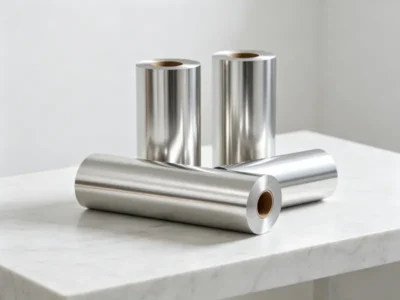
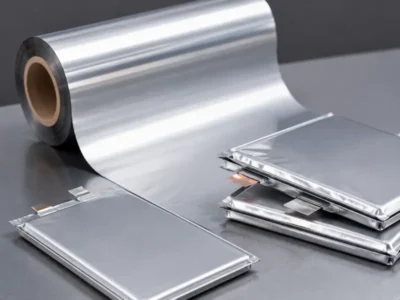
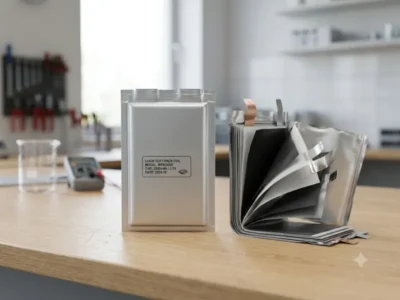
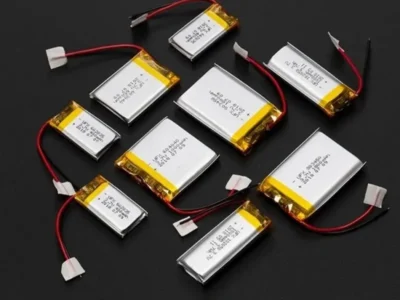
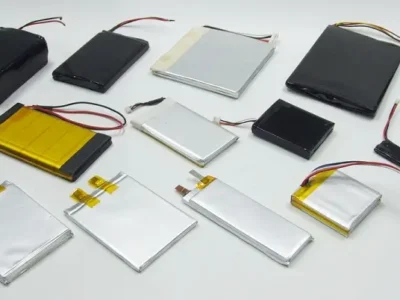
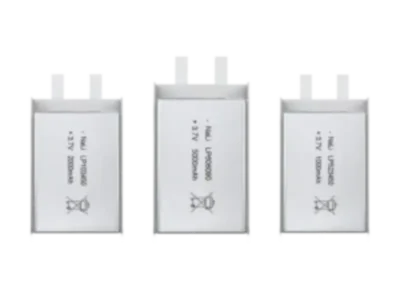
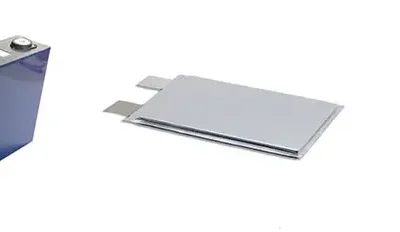
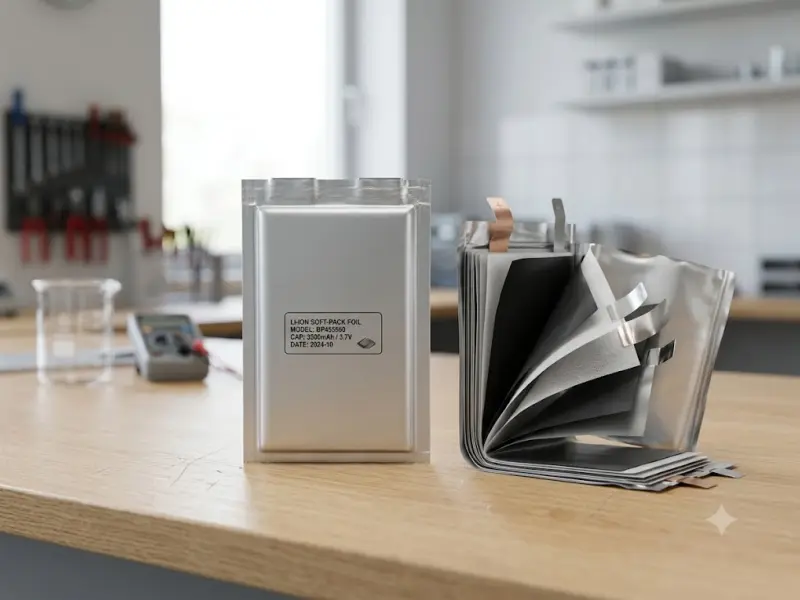
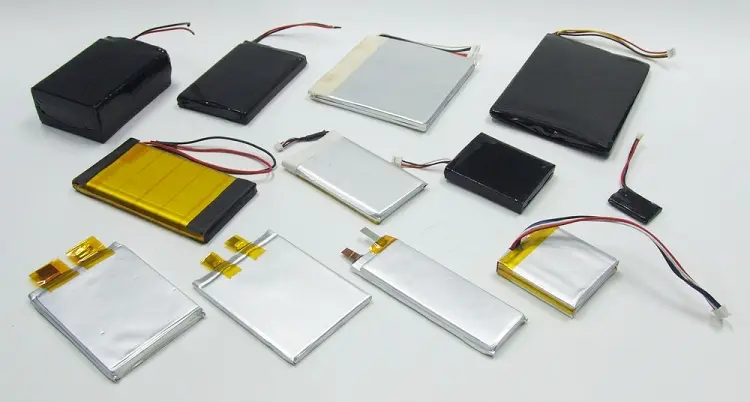
Battery soft pack foil is the outer shell material for lithium-ion pouch cells.
It protects the electrode stack from moisture, oxygen, and physical damage while adding almost no weight to the cell.
As EV adoption accelerates and consumer electronics demand grows, soft pack foil has become one of the most precisely specified and most demanding aluminium products in the supply chain.
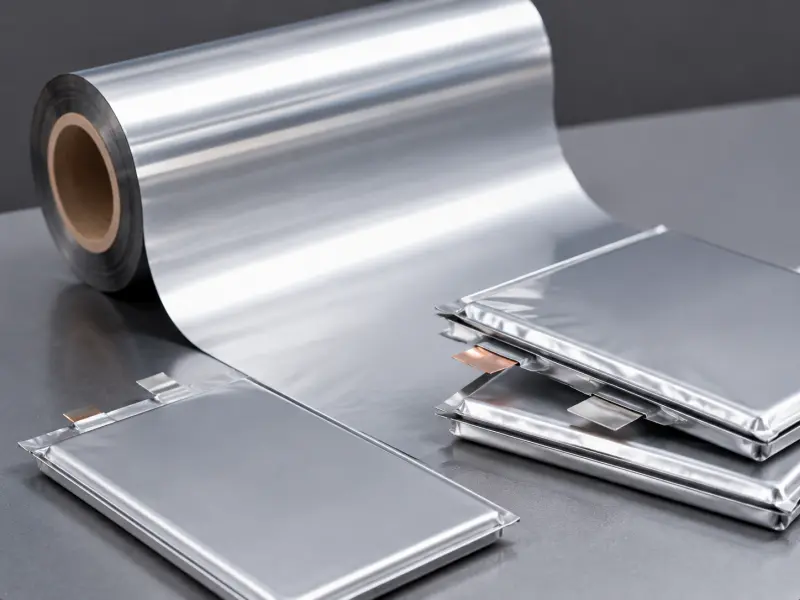
What Battery Soft Pack Foil Is and Why It Matters
A lithium-ion pouch cell is simply an electrode stack — layers of anode, separator, and cathode — sealed inside a flexible laminated pouch. The soft pack foil is the material that forms this pouch.
It must be flexible enough to be deep-drawn into a pocket shape, strong enough to hold the cell contents under pressure from gas generation during cycling, and have perfect moisture barrier performance to prevent electrolyte degradation.
The performance of the foil directly affects battery cycle life, energy density, and safety.
Why Moisture Barrier Is Critical
A single water molecule that enters the cell reacts with the lithium salt electrolyte (typically LiPF₆) to produce hydrofluoric acid (HF). This corrodes the electrode materials and produces gas, causing cell swelling. The aluminium foil layer in the laminate provides the only complete moisture barrier — the plastic layers alone cannot achieve the required WVTR (water vapor transmission rate).
Required WVTR for soft pack foil laminate: < 0.01 g/m²/day
No plastic film alone achieves this. Even PVDC-coated film only reaches ~0.3 g/m²/day. Only aluminium foil provides the complete barrier a lithium battery requires.
The Laminate Structure — What Soft Pack Foil Actually Is
Battery soft pack foil is not a simple aluminium sheet. It is a multi-layer laminate. The aluminium layer is bonded between an outer protective layer and an inner heat-seal layer.
Standard Laminate Structure
| Layer | Material | Thickness | Function |
|---|---|---|---|
| Outer layer | Nylon (PA) or PET | 15–25µm | Abrasion protection, puncture resistance |
| Adhesive | Dry-lamination adhesive | 3–5µm | Bonds outer layer to foil |
| Aluminium foil | 8021-O or 1235-O | 30–40µm | Complete moisture and gas barrier |
| Adhesive | Dry-lamination or thermal adhesive | 3–5µm | Bonds foil to inner layer |
| Inner layer | Polypropylene (CPP) | 30–80µm | Heat-seal, electrolyte resistance |
Total laminate thickness typically runs 80–160µm depending on the cell design and energy density target.
Why Each Layer Is Chosen
Outer nylon (PA12 or PA6): Nylon gives better puncture resistance and forming performance than PET. PA12 is preferred over PA6 because PA12 absorbs less moisture — important when the pouch will contain moisture-sensitive electrolyte.
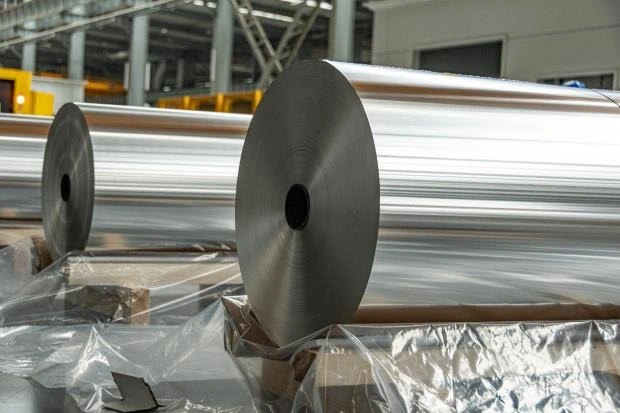
Aluminium foil (8021-O): 8021 alloy gives the best combination of deep-draw formability and barrier at 30–40µm. The fully annealed O temper is essential — the foil must elongate without cracking during the deep-draw pocket forming step.
Inner CPP: Polypropylene resists the electrolyte solvents (ethylene carbonate, dimethyl carbonate) that would dissolve or degrade other plastics. The CPP layer must heat-seal reliably at 160–180°C without contaminating the cell interior.
Aluminium Alloy Specifications for Soft Pack Foil
8021 Alloy Battery Soft Pack Foil— The Industry Standard
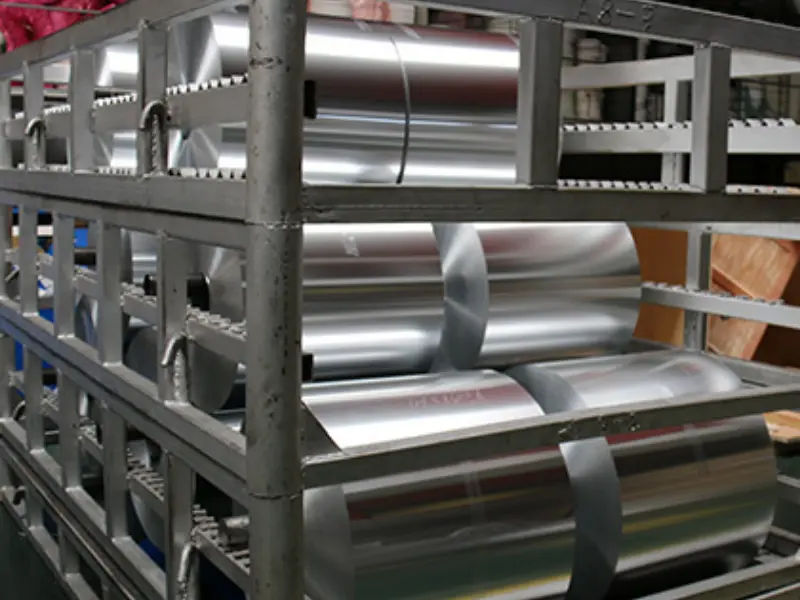
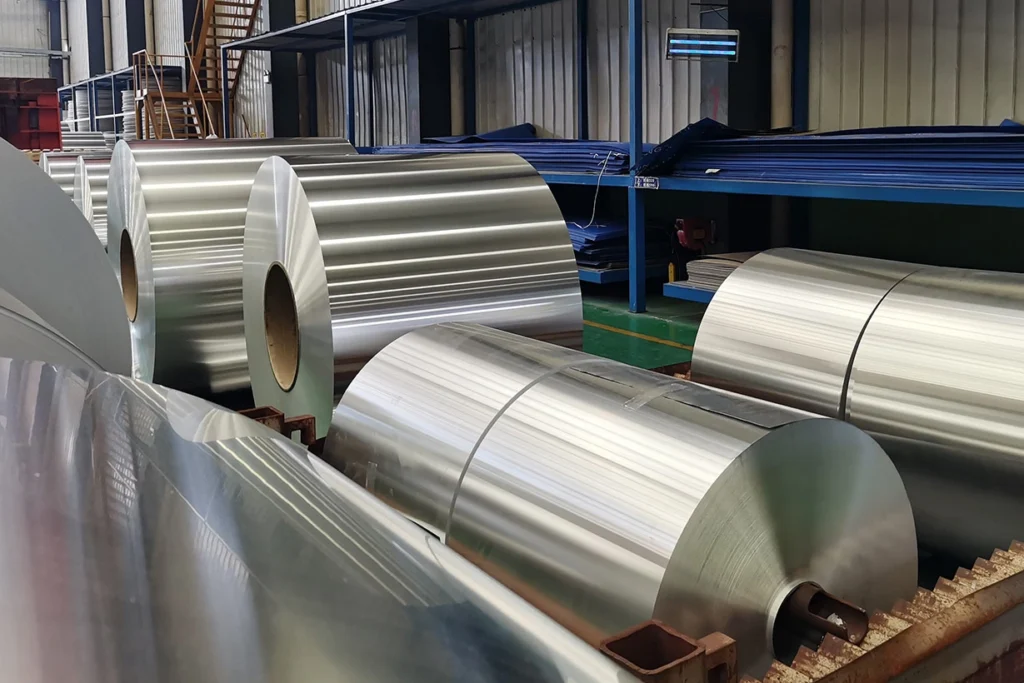
8021 is the dominant alloy for battery soft pack foil. Its specific iron and silicon content gives the foil excellent deep-draw formability at 30–40µm thickness while maintaining complete barrier. It is used by the majority of pouch cell manufacturers globally.
| Property | 8021-O |
|---|---|
| Aluminium content | Min 97.0% |
| Iron (Fe) | 1.20–1.70% |
| Silicon (Si) | 0.15–0.30% |
| Copper (Cu) | Max 0.10% |
| Temper | O (fully annealed) |
| Tensile strength | 65–95 MPa |
| Elongation | ≥ 20% |
| Typical thickness | 30–40µm |
The high iron content in 8021 is key to its formability advantage. Iron forms fine intermetallic particles that distribute strain evenly during deep drawing, preventing localized thinning and cracking.
1235 Alloy Battery Soft Pack Foil— High Purity Alternative
1235 (minimum 99.35% Al) is used in some designs, particularly where the foil needs to be thinner (below 30µm) or where a brighter surface is required. Purity gives slightly different forming behavior than 8021. Some battery manufacturers specify 1235 for their thinnest laminate designs.
| Property | 1235-O |
|---|---|
| Aluminium content | Min 99.35% |
| Temper | O |
| Tensile strength | 55–85 MPa |
| Elongation | ≥ 20% |
| Typical use | 20–35µm laminate foil |
8079 Alloy Battery Soft Pack Foil— Ultra-Thin Applications
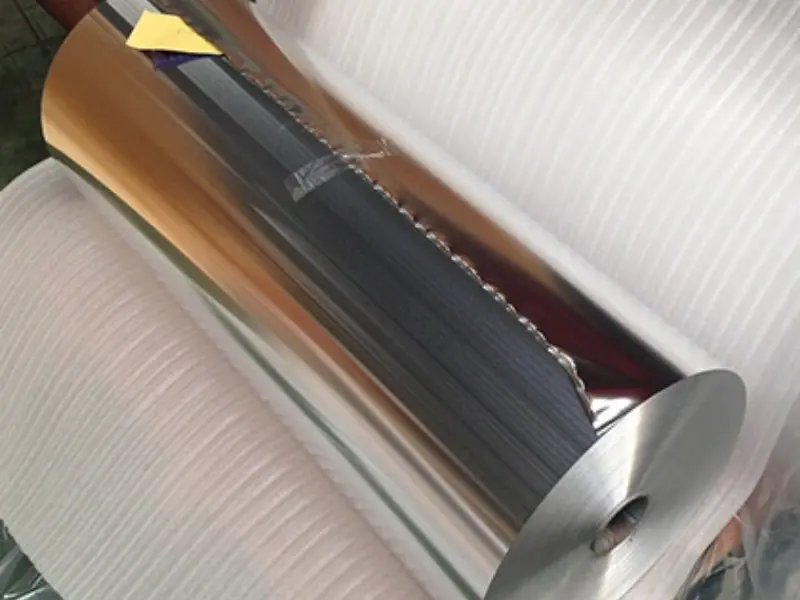
8079 is used in ultra-thin laminate designs where the foil layer runs below 25µm. Its rolling performance at ultra-thin gauges is better than 8021, but deep-draw formability is slightly lower. Used in high energy density cell designs where minimizing inactive material weight is critical.
Alloy Comparison for Battery Applications
| Alloy | Min Al% | Formability | Thickness Range | Barrier | Primary Use |
|---|---|---|---|---|---|
| 8021-O | ~97.0% | Excellent | 30–45µm | Complete | Standard pouch cell |
| 1235-O | 99.35% | Good | 20–35µm | Complete | Thin laminate, high purity |
| 8079-O | ~98.0% | Good | 15–30µm | Complete | Ultra-thin, high energy density |
Thickness and Performance — The Trade-Off Every Designer Faces
How Thickness Affects Cell Performance
The aluminium foil layer adds inactive weight to the cell. Thinner foil means higher gravimetric energy density (Wh/kg) but lower formability and higher risk of micro-cracks or pinholes during pouch forming.
| Foil Thickness | Laminate Total | Barrier | Deep-Draw Risk | Energy Density Impact |
|---|---|---|---|---|
| 20µm | ~80–100µm | Complete | Higher | Best |
| 30µm | ~100–120µm | Complete | Low | Good |
| 35µm | ~110–130µm | Complete | Very Low | Standard |
| 40µm | ~120–140µm | Complete | Minimal | Lower |
Most EV pouch cells use 30–35µm aluminium foil as the balance point between energy density and manufacturing yield. Consumer electronics pouch cells (phones, tablets, laptops) sometimes go thinner — 20–25µm — because cell geometry is more controlled and forming depth is shallower.
Thickness Tolerance — Why It Matters
Inconsistent foil thickness creates problems at the deep-draw step. Thin areas crack under the forming punch. Thick areas create uneven laminate and poor seal quality at the heat-seal step.
Industry standard thickness tolerance for battery soft pack foil: ± 2µm across the full coil width
This is far tighter than standard packaging foil tolerance (± 5–10% of nominal). The tolerance must be maintained consistently across multiple coils in a production run for a battery manufacturer to achieve stable cell yield.
Key Quality Requirements — What Separates Battery Grade from Standard Foil
Surface Cleanliness
Residual rolling oil from the foil production process must be removed before lamination. Oil contamination causes delamination between the foil and the adhesive layer.
Maximum residual oil: < 2 mg/m² (some specifications require < 1 mg/m²)
This is achieved through a controlled annealing process that decomposes and evaporates rolling oil residues. The annealing atmosphere and temperature are critical process variables.
Pinhole Count
At 30–40µm, good quality battery foil should have zero pinholes. A single pinhole in the foil layer eliminates the moisture barrier at that point, leading to electrolyte contamination and premature cell failure.
Battery grade foil pinhole specification: 0 pinholes per m²
Mechanical Properties for Forming
| Property | Minimum Requirement | Why It Matters |
|---|---|---|
| Elongation | ≥ 20% | Prevents cracking during deep draw |
| Tensile strength | 65–95 MPa | Maintains structure after forming |
| Yield strength | ≤ 60 MPa | Allows plastic deformation in forming |
| Earing rate | ≤ 2% | Prevents uneven wall thickness in pocket |
Battery Soft Pack Foil Surface Wettability
The foil surface must be wettable by the lamination adhesive. Contact angle below 45° is typically required. Surface treatments like corona discharge or chromate-free chemical treatment improve wettability.
Soft Pack Foil Laminate Specifications by Application
Consumer Electronics Pouch Cells
Smartphones, tablets, laptops, and wearables use thin, shallow-draw pouch cells. The laminate can be thinner because forming depth is 2–6mm.
| Spec Item | Typical Value |
|---|---|
| Aluminium foil alloy | 8021-O or 8079-O |
| Foil thickness | 20–30µm |
| Outer layer | PA12 or PET 15–20µm |
| Inner layer | CPP 30–50µm |
| Total laminate | 80–110µm |
| Forming depth | 2–6mm |
EV and Automotive Pouch Cells
Large-format automotive cells require deeper drawing (up to 12mm) and thicker laminates that can withstand vibration, thermal cycling, and potential gas pressure from cell aging.
| Spec Item | Typical Value |
|---|---|
| Aluminium foil alloy | 8021-O |
| Foil thickness | 30–40µm |
| Outer layer | PA12 25µm |
| Inner layer | CPP 50–80µm |
| Total laminate | 110–160µm |
| Forming depth | 6–12mm |
Energy Storage System (ESS) Cells
Stationary energy storage batteries are often large format. They may use thicker laminates for longer service life since weight is not as critical as in mobile applications.
| Spec Item | Typical Value |
|---|---|
| Foil thickness | 35–45µm |
| Total laminate | 120–160µm |
| Key requirement | Long cycle life > 6,000 cycles |
| Temperature range | −20°C to +60°C |
Solid-State Battery Consideration
Next-generation solid-state batteries also use pouch format in many designs. The foil spec is similar to liquid electrolyte cells, but the inner layer material changes because there is no liquid electrolyte to resist. This is an emerging specification area.
Applications — Where Soft Pack Foil Cells Are Used
Battery Soft Pack Foil Electric Vehicles
Pouch cells are used by major EV manufacturers. The flat format allows efficient stacking in a battery module, maximizing volumetric energy density in the vehicle floor pack.
- Pure battery EVs (BEV) — main traction battery
- Plug-in hybrid EVs (PHEV) — smaller traction battery
- Commercial EV trucks and buses
- Electric motorcycles and scooters
Consumer Electronics
The flexible format and very thin laminate make pouch cells the dominant form factor for:
- Smartphones (virtually all modern phones)
- Tablets and e-readers
- Laptops and ultrabooks
- Wireless earbuds and charging cases
- Smartwatches and fitness trackers
Medical Devices
- Implantable cardiac devices (pacemakers, defibrillators)
- Hearing aids
- Portable medical monitors
- Insulin pumps and drug delivery devices
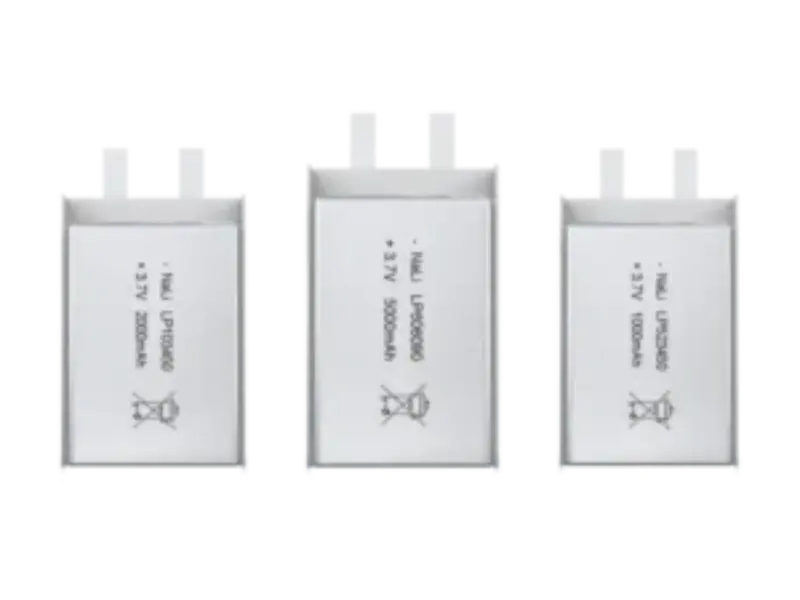
Aerospace and Defense
- Drone and UAV propulsion batteries
- Satellite and spacecraft power systems
- Military portable equipment
- High-altitude surveillance systems
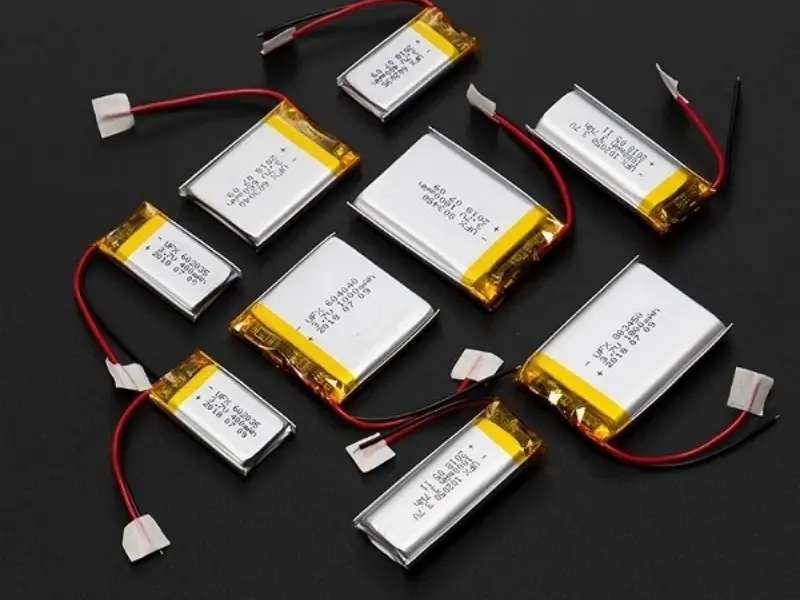
Energy Storage
Telecom base station backup power
Residential energy storage systems (home battery)
Commercial peak shaving storage
Grid-scale battery storage (some pouch cell formats)
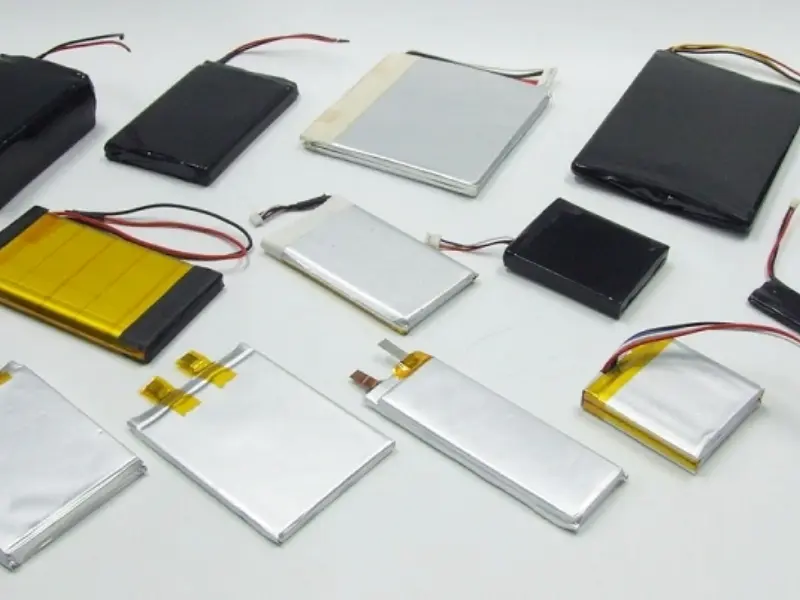
MOQ and Pricing Context
Most Chinese rolling mills set MOQ at 3–10 tons per specification for battery soft pack foil. The precision rolling and annealing process requires minimum run lengths to maintain quality consistency across the full coil. Smaller quantities are available through trading companies at a 15–25% premium.
Price for 8021-O at 35µm runs approximately USD 4,200–5,500 per ton (2024–2025) at mill direct pricing, reflecting the high conversion cost of precision thin-gauge rolling with tight quality controls.
Comparing Soft Pack Foil Laminates to Other Cell Formats
Pouch (Soft Pack) vs Cylindrical Cell
| Feature | Soft Pack Pouch | Cylindrical (18650/21700) |
|---|---|---|
| Energy density (gravimetric) | Higher | Good |
| Form factor | Flexible, flat | Fixed round |
| Packaging efficiency | High (no dead space) | Lower (round gaps) |
| Heat dissipation | Harder (flat) | Easier (cylindrical surface) |
| Manufacturing cost | Higher (laminate cost) | Lower (mature process) |
| Customization | Any shape | Fixed standard sizes |
| Swelling management | Requires design allowance | Contained by metal can |
Pouch vs Prismatic Cell
| Feature | Soft Pack Pouch | Prismatic (hard case) |
|---|---|---|
| Weight | Lighter (no metal can) | Heavier |
| Energy density | Higher | Lower |
| Pressure management | Requires external restraint | Built-in rigid case |
| Manufacturing | More complex sealing | More mature |
| Use in EVs | Growing | Established |
Sourcing Battery Soft Pack Foil — What Buyers Need to Know
Main Supply Regions
China dominates global soft pack foil production. Japanese and Korean suppliers also produce high-quality battery laminate, but at higher cost. For Chinese production:
| Product | Production Time | Sea Transit to Key Markets |
|---|---|---|
| Standard 8021-O foil, 35µm | 20–35 days | 18–40 days (US/EU) |
| Lacquered or treated foil | 25–40 days | 18–40 days |
| Custom alloy or spec | 30–50 days | 18–40 days |
What to Specify in a Purchase Order
| Item | Specification Detail |
|---|---|
| Alloy | 8021-O (or 1235-O / 8079-O) |
| Temper | O (fully annealed) |
| Thickness | Nominal µm ± tolerance (e.g. 35µm ± 2µm) |
| Width | In mm — confirm matches your laminator |
| Coil OD / ID | Match to unwinding equipment |
| Surface oil | Max mg/m² (e.g. < 2 mg/m²) |
| Pinhole count | 0 per m² |
| Elongation | ≥ 20% |
| Wettability | Contact angle < 45° |
| MTR required | Yes — include mechanical properties and chemical composition |
Battery Soft Pack Foil Applications
1. Soft Pack Lithium Battery Packaging
Battery soft pack foil is the core aluminum layer in aluminum-plastic composite film. It helps protect battery cells from moisture, oxygen, and electrolyte leakage.
Applications include:
- Consumer electronics batteries
- Smartphones
- Tablets
- Laptops
- Wearable devices
- Polymer lithium-ion batteries
- Small portable energy storage devices
2. Electric Vehicle (EV) Power Batteries
Soft pack aluminum foil is used for lightweight lithium battery packaging in new energy vehicles.
Applications:
- Electric cars
- Electric buses
- Electric motorcycles
- Hybrid vehicles
Advantages:
- Lightweight structure
- High energy density
- Good safety performance
- Flexible battery design
3. Energy Storage Battery Systems
Battery soft pack foil is also used in large-format pouch cells for energy storage.
Applications:
- Solar energy storage systems
- Residential battery storage
- Industrial energy storage
- Grid energy storage
Battery Soft Pack Foil Technical Parameters
| Item | Specification |
|---|---|
| Product Name | Battery Soft Pack Aluminum Foil |
| Alloy | 8021 / 8079 |
| Temper | O (Annealed), H14, H16, H18, H22, H24 |
| Thickness | 0.025mm – 0.08mm |
| Common Thickness | 0.035mm – 0.045mm |
| Width | 100mm – 1650mm |
| Surface | Smooth, clean, oil-free |
| Processing | Aluminum-plastic composite film lamination |
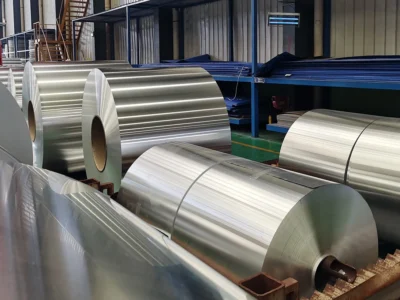
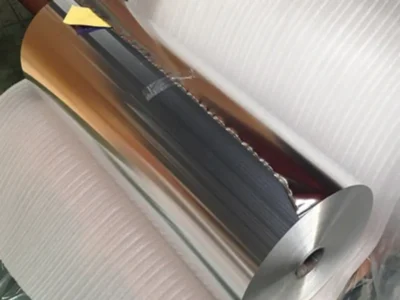
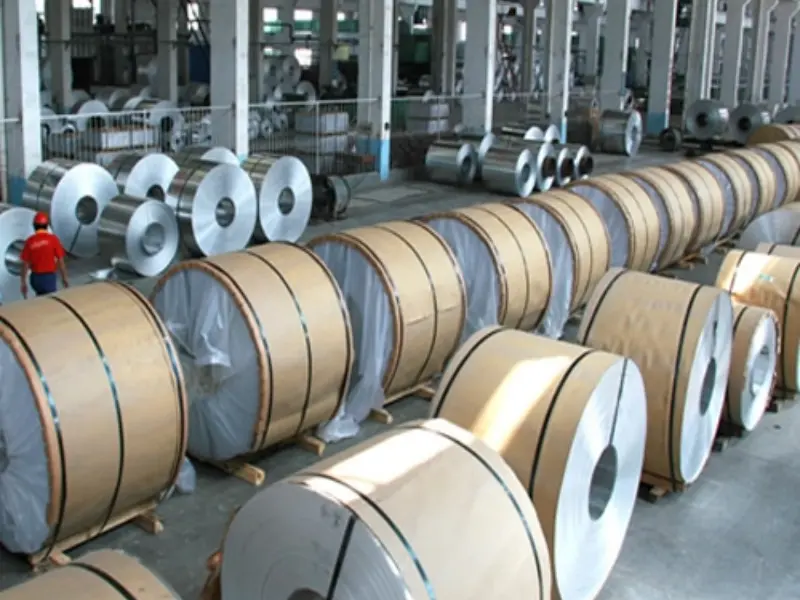
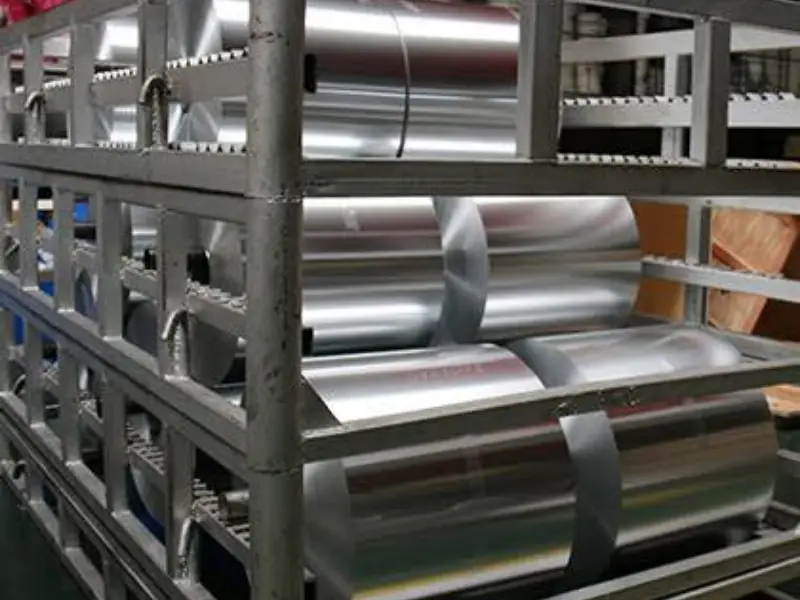
| Form | Aluminum foil coil |
| Standard | ASTM B209 / EN 485 / GB/T 3198 |
Mechanical Properties
| Alloy | Temper | Thickness | Tensile Strength | Elongation |
|---|---|---|---|---|
| 8021 | O | 0.035–0.045mm | 85–105 MPa | 15–26% |
| 8079 | O | 0.025–0.045mm | 80–100 MPa | ≥12% |
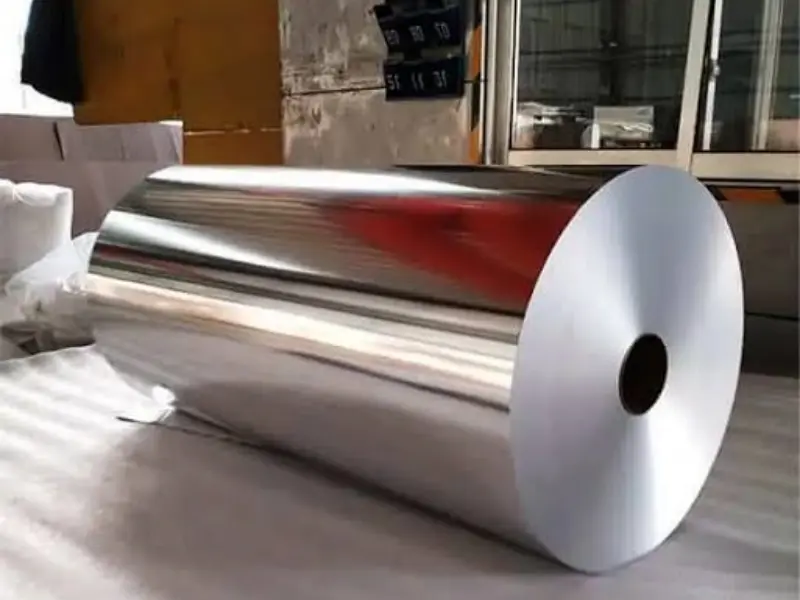
Battery Soft Pack Foil Features
- Excellent Deep Drawing Performance
The aluminum foil can be formed into different pouch shapes without cracking, ensuring stable battery packaging production. - High Moisture Barrier Performance
Provides strong protection against water vapor and oxygen to improve battery life and safety. - Good Corrosion Resistance
Suitable for lithium battery electrolyte environments with excellent chemical stability. - High Surface Quality
The foil surface is smooth and clean, ensuring strong bonding during aluminum plastic film production. - Lightweight and Flexible
Helps reduce battery package weight and improves overall energy density. - Reliable Sealing Performance
Provides excellent heat sealing and packaging performance for pouch cells.
Common Battery Soft Pack Foil Types
| Type | Alloy | Main Applications |
|---|---|---|
| Standard Battery Foil | 8021-O | Lithium battery aluminum plastic film |
| High Performance Battery Foil | 8079-O | Polymer lithium battery packaging |
| EV Battery Soft Pack Foil | 8021 / 8079 | Electric vehicle and energy storage batteries |
Common Battery Soft Pack Foil Types
| Type | Alloy | Main Application |
|---|---|---|
| 8021 Battery Foil | 8021-O | EV battery, energy storage battery |
| 8079 Battery Foil | 8079-O | Polymer lithium battery |
| High Performance Battery Foil | 8021 / 8079 | High-end pouch cell packaging |
Product Features
Excellent Deep Drawing Performance
Battery soft pack foil needs high flexibility during pouch forming. 8021 aluminum foil has excellent elongation and cup performance, helping avoid cracks during deep drawing.
High Moisture Barrier
The aluminum layer provides excellent protection against:
- Water vapor
- Oxygen
- External contamination
This improves battery life and safety.
Good Electrolyte Resistance
The foil has strong corrosion resistance against lithium battery electrolytes, making it suitable for long-term battery operation.
Clean Surface Quality
High-quality battery foil requires:
- No oil stains
- No pinholes
- No scratches
- No surface defects
This ensures good bonding with polymer layers.
Packaging & Supply
| Item | Details |
|---|---|
| Packaging | Export standard wooden pallet + moisture protection |
| Coil ID | 76mm / 152mm / Customized |
| Coil Weight | Customized according to customer requirements |
| Delivery Time | Usually 15–30 days |
| MOQ | Customized according to order quantity |
Why Choose Battery Soft Pack Foil?
- High purity aluminum material
- Excellent forming performance
- Stable mechanical strength
- Strong moisture barrier
- Suitable for high-speed battery production
- Compatible with lithium battery aluminum plastic film production
Battery Soft Pack Foil is an important material for the growing lithium battery industry, especially for EV batteries and modern energy storage solutions.
Frequently Asked Questions
What Is the Difference Between Battery Soft Pack Foil and Standard Packaging Foil
Both use aluminium foil as a barrier layer, but the requirements are completely different. Standard flexible packaging foil can have pinholes (filled by lamination layers), uses standard oil levels, and has ±10% thickness tolerance.
Battery soft pack foil must have zero pinholes, oil below 2 mg/m², elongation above 20%, and thickness tolerance of ±2µm. The price reflects this — battery foil costs 20–40% more per ton than standard lamination foil of similar thickness.
Why Is 8021 Alloy Used Instead of Pure Aluminium
Pure aluminium (1xxx series) does not give the required combination of thin-gauge rolling performance and deep-draw formability at 30–40µm. The iron content in 8021 creates fine intermetallic particles that distribute deformation evenly during the pouch-forming draw. Without these particles, the foil thins unevenly during drawing and cracks at stress concentration points. 8021 is specifically engineered for this application.
What Happens If Moisture Gets Through the Soft Pack Foil
Even a micro-pinhole or lamination defect that allows moisture transmission will degrade the cell. Water reacts with LiPF₆ electrolyte to form hydrofluoric acid (HF), which attacks electrode materials and generates CO₂ gas. The cell swells, capacity fades rapidly, and in worst cases the cell vents or catches fire. This is why zero pinholes and complete barrier performance are non-negotiable for battery laminate foil.
Can Soft Pack Foil Be Customized for Different Cell Sizes
Yes. The foil is produced in wide coils (typically 600–1000mm) and slit to the width required by the cell design. Width tolerance is typically ±0.3mm. Custom widths matching the specific cell format are standard — battery manufacturers specify exact dimensions to match their pouch-forming tooling. The foil is the same regardless of the final cell width; the slitting operation creates the correct strip width.
How Do You Verify Foil Quality Before a Production Run
Request a full mill test report (MTR) showing actual chemical composition, tensile properties, elongation, thickness measurement across multiple points, and surface oil level. Many battery manufacturers also run incoming inspection including: pinhole test (backlight transmission), oil level test (extract and weigh), tensile test, and forming trial (small-scale draw test at the production cell depth). Do not skip the forming trial — a foil that passes paper specification may still crack in your specific tooling geometry.
Final Notes for Battery Manufacturers and Procurement Teams
Battery soft pack foil is one of the most demanding aluminium products in the market. The alloy, temper, thickness tolerance, surface cleanliness, and forming performance all directly affect cell yield and battery life.
For standard EV pouch cells: 8021-O at 35µm ± 2µm, surface oil < 2 mg/m², elongation ≥ 20%, zero pinholes. This is the production-proven specification.
For consumer electronics with thin cells: 8021-O or 8079-O at 20–30µm — verify forming depth and draw ratio with your tooling supplier before finalizing foil spec.
For longest cell life and highest reliability: prioritize surface cleanliness specification alongside barrier. The adhesion between foil and inner CPP layer is what holds the pouch together through thousands of charge cycles.