What Is a 4×10 Aluminum Sheet?
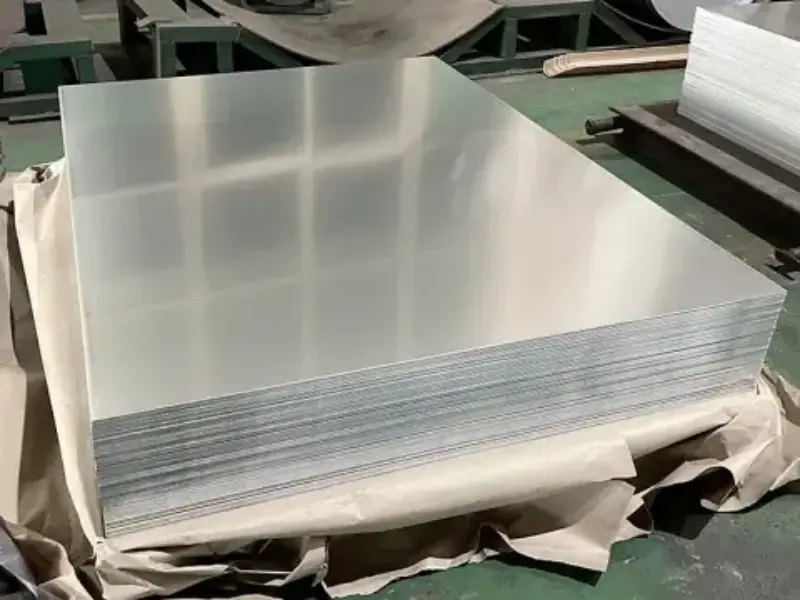
A 4×10 aluminum sheet is a flat aluminum sheet measuring 4 feet wide and 10 feet long. The actual dimensions are usually about 48 × 120 inches, or approximately 1219 × 3048 mm.
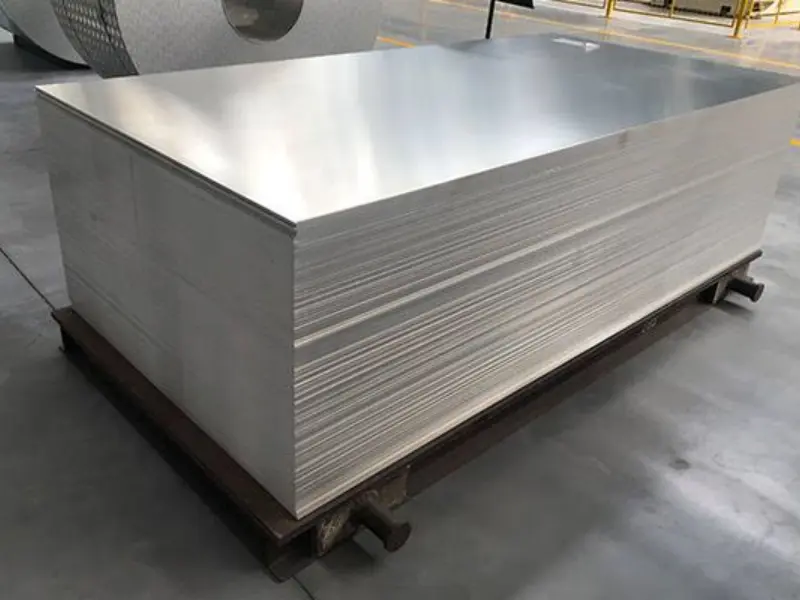
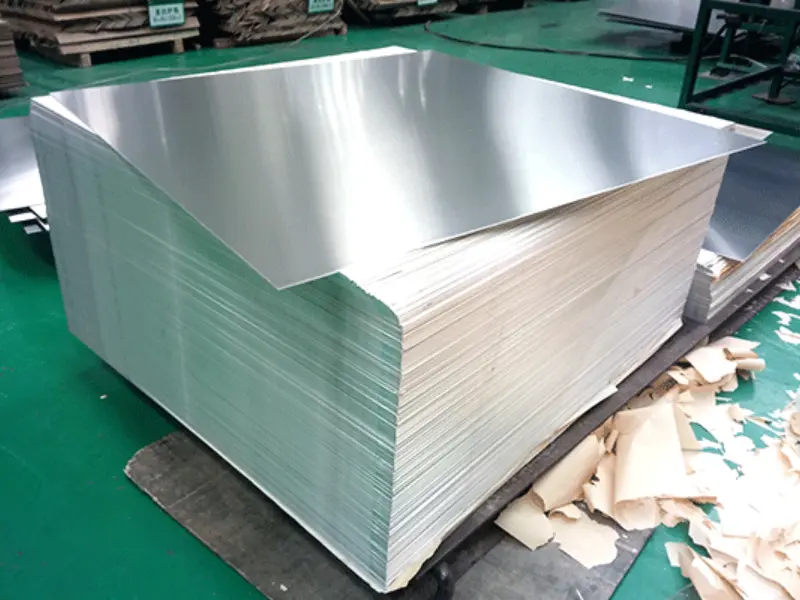
This longer sheet size is useful when a project needs more coverage from each piece. It can reduce the number of joints and help improve material use on long walls, trailers, equipment, roofs, and fabricated parts.
The 4×10 size is available in different aluminum alloys, tempers, thicknesses, and surface finishes. The right choice depends on the job rather than the sheet size alone.
4×10 Aluminum Sheet Size at a Glance
| Item | Specification |
|---|---|
| Nominal width | 4 ft |
| Nominal length | 10 ft |
| Size in inches | 48 × 120 in |
| Approx. metric size | 1219 × 3048 mm |
| Shape | Flat rectangular sheet |
| Surface | Mill or finished |
| Available alloys | 1050, 3003, 5052, 6061 and others |
| Thickness | Thin to heavy gauge |
| Processing | Cutting, drilling, bending, CNC |
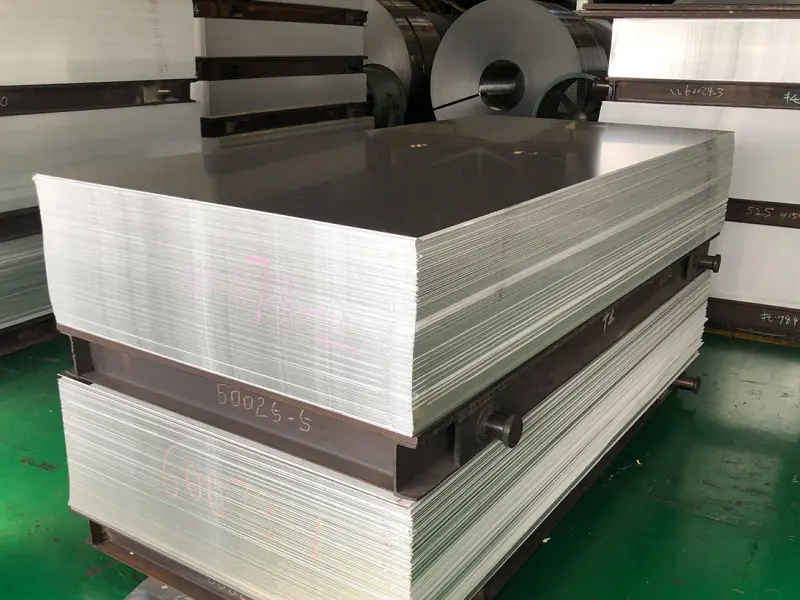
The 4×10 format gives buyers a longer working surface than a standard 4×8 sheet.
Why Choose a 4×10 Sheet Instead of a 4×8?
The extra two feet of length can make a difference in fabrication.
A 4×8 sheet provides 32 square feet of surface area. A 4×10 sheet provides 40 square feet.
| Sheet Size | Area |
|---|---|
| 4 × 8 ft | 32 sq. ft. |
| 4 × 10 ft | 40 sq. ft. |
| 4 × 12 ft | 48 sq. ft. |
| 5 × 10 ft | 50 sq. ft. |
A 4×10 aluminum sheet provides 25% more surface area than a 4×8 sheet.
This can be useful for long parts. A larger sheet may also reduce seams when one piece can cover the required area.
4×10 Aluminum Sheet Thickness Options
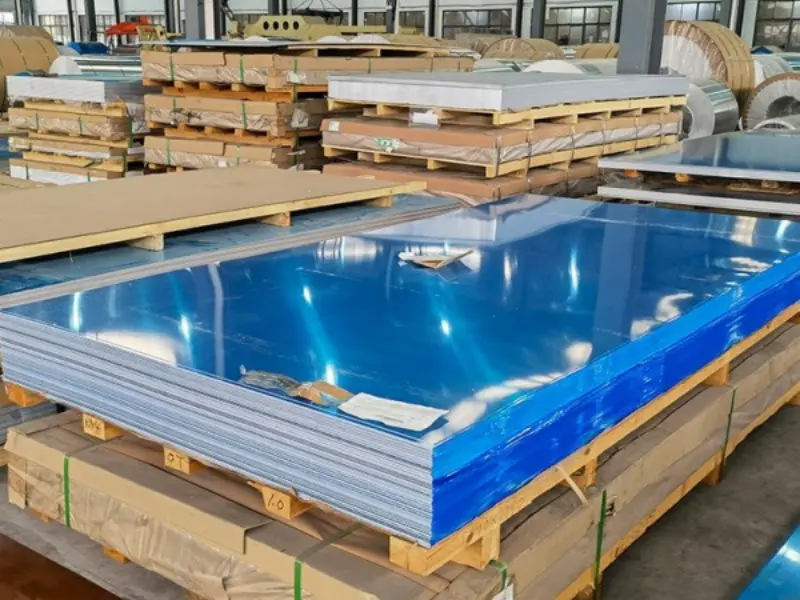
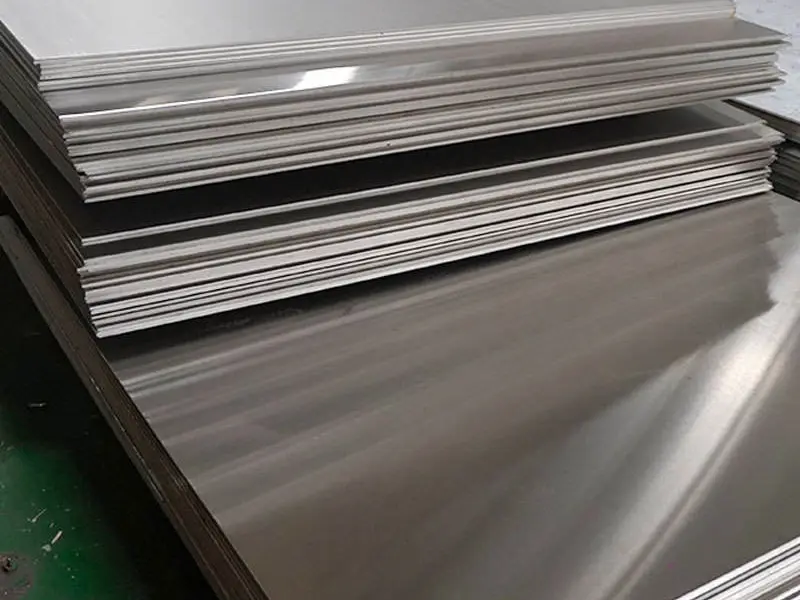
Thickness is one of the first specifications buyers should confirm.
A thin sheet may be suitable for covers and panels. A thicker sheet is better when stiffness, impact resistance, or structural support is more important.
| Thickness | Approx. Gauge Range* | Typical Direction |
|---|---|---|
| 0.032 in | 20 gauge | Light panels and covers |
| 0.040 in | 18 gauge | General fabrication |
| 0.050 in | 18–17 gauge | Trailer and equipment panels |
| 0.063 in | 16 gauge | General industrial work |
| 0.080 in | 14 gauge | Stronger panels |
| 0.100 in | 12 gauge | Equipment and fabrication |
| 0.125 in | 1/8 in | Heavy panels |
| 0.160 in | — | Heavy fabrication |
| 0.190 in | — | Industrial components |
| 0.250 in | 1/4 in | Heavy-duty plate work |
*Gauge values can vary by material and industry standard. For purchasing, the exact thickness in inches or millimeters should be stated.
Common Aluminum Alloys for 4×10 Sheets
The long sheet size does not determine the alloy. Buyers can select different grades based on strength, forming, corrosion resistance, and cost.
1050 Aluminum
1050 is a commercially pure aluminum grade with high electrical and thermal conductivity.
It is soft and easy to form. It can work well for applications where high strength is not required.
3003 Aluminum
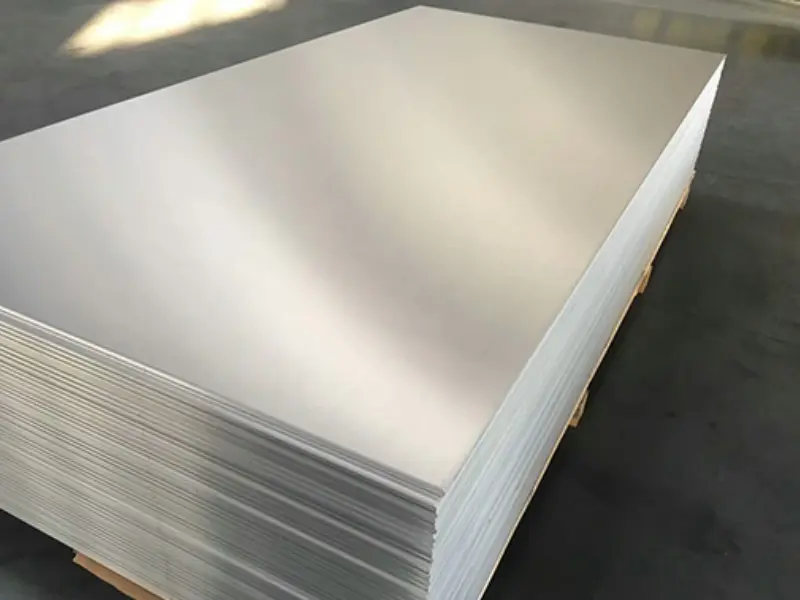
3003 is one of the common choices for general aluminum sheet fabrication.
It offers a useful balance of formability, corrosion resistance, and moderate strength.
Typical uses include:
Storage equipment
Equipment panels
Roofing components
Decorative panels
General fabrication
HVAC-related parts
5052 Aluminum
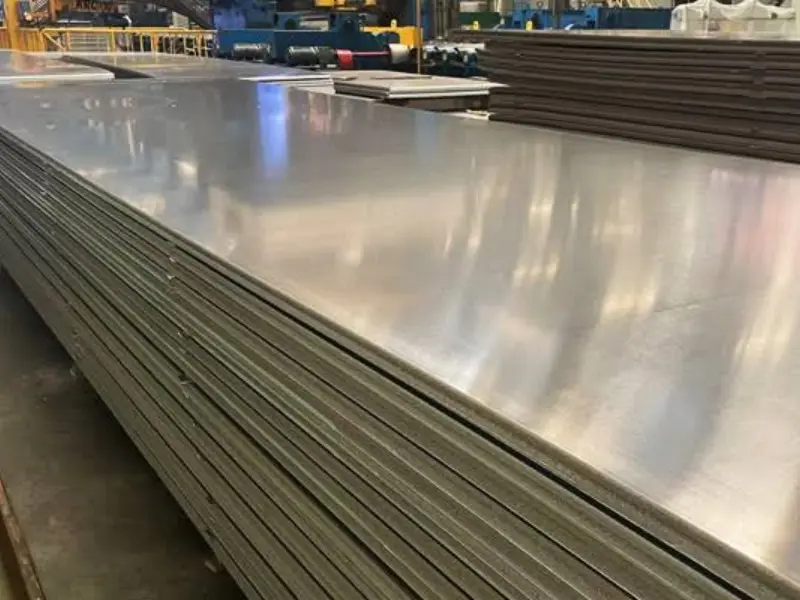
5052 is often selected when a higher-strength aluminum sheet is needed.
It has good corrosion resistance and good forming characteristics. It is widely considered for transportation, marine, equipment, and outdoor fabrication.
6061 Aluminum
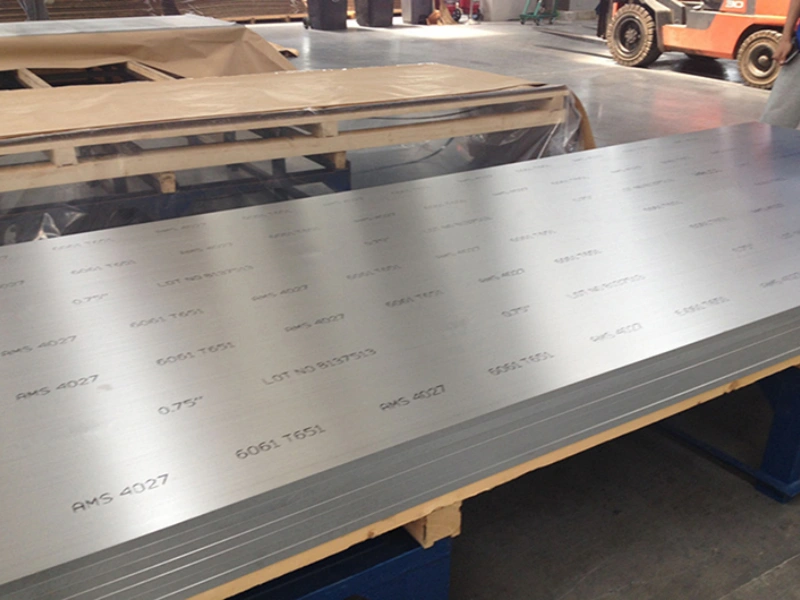
6061 is a stronger heat-treatable alloy.
It is often used for fabricated or structural components where strength is more important than easy forming.
4×10 Aluminum Sheet by Temper
The temper also affects how the sheet behaves during fabrication.
| Temper | General Character |
|---|---|
| O | Soft and highly formable |
| H12 | Soft to moderate strength |
| H14 | Half hard |
| H16 | Higher strength |
| H18 | Hard temper |
| H22 | Strain hardened and partially annealed |
| H24 | Moderate strength and good forming balance |
Not every alloy is supplied in every temper. Always confirm the alloy and temper together.
For bending work, a softer temper may be easier to form. For flat panels that need more rigidity, a harder temper may be preferred.
4×10 Aluminum Sheet for Long Panels
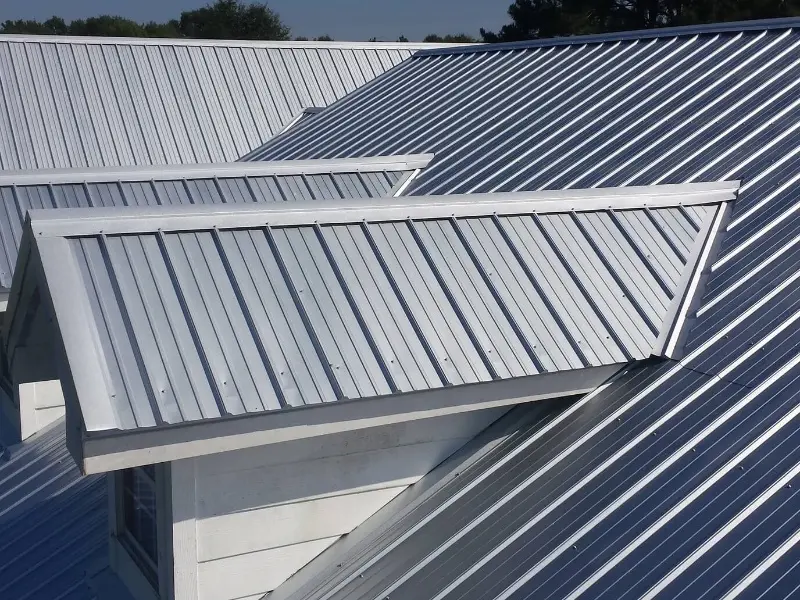
The long format is especially useful for parts that need a continuous length.
For example, a 10-foot sheet can work well for:
→ Trailer side panels
→ Long wall panels
→ Equipment covers
→ Machine panels
→ Architectural sections
→ Interior protection panels
→ Long fabricated components
Using a longer sheet can reduce the number of joints in some designs.
Fewer joints may also make installation faster and create a cleaner final appearance.
4×10 Aluminum Sheet for Trailers
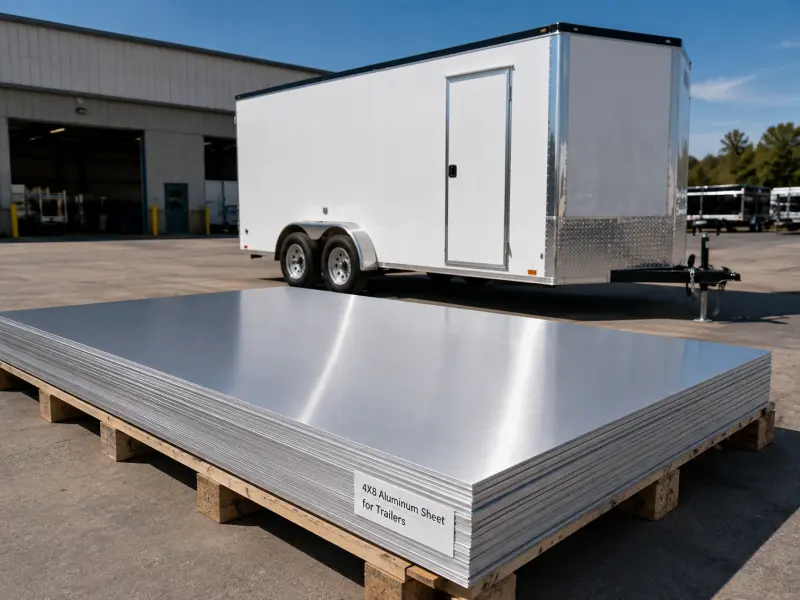
Aluminum sheet is widely used in trailer construction and repair.
The correct alloy and thickness depend on the trailer design.
| Trailer Part | Possible Material Direction |
|---|---|
| Exterior siding | 3003 or 5052 |
| Interior wall | 3003 or similar |
| Floor covering | Tread plate |
| Fender panels | 5052 |
| Roof panel | Formable aluminum sheet |
| Repair panel | Match existing alloy and thickness |
A 4×10 sheet can be useful for long trailer sections because the 120-inch length can cover more area in one piece.
Before ordering, measure the actual trailer panel. Some trailers may require a different width or a custom-cut sheet.
Flat 4×10 Aluminum Sheet
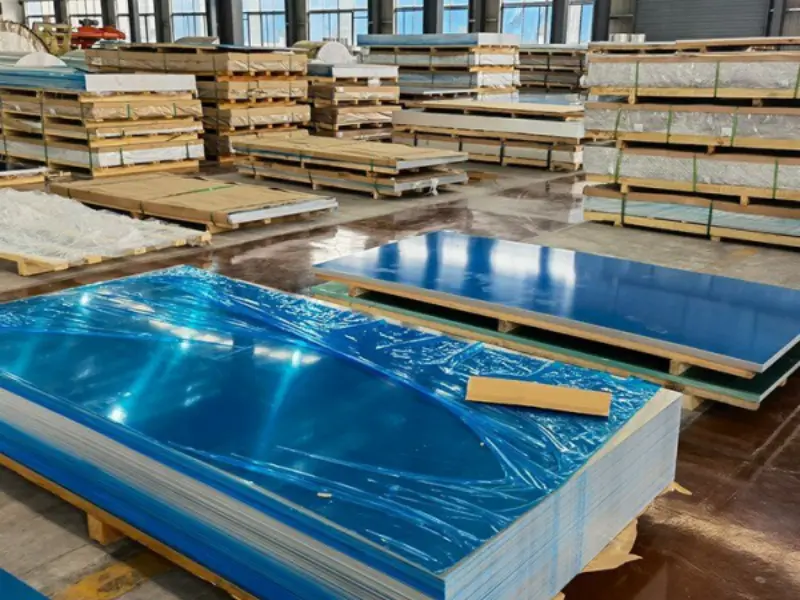
A flat aluminum sheet has a smooth surface without a raised tread pattern.
It is suitable when the final product needs a clean and even appearance.
Common choices include:
- Mill finish sheet
- Brushed aluminum sheet
- Anodized aluminum sheet
- Painted aluminum sheet
- PVDF-coated aluminum sheet
- Powder-coated aluminum sheet
The surface can be selected based on appearance, weather exposure, cleaning needs, and fabrication requirements.
4×10 Aluminum Checker Plate
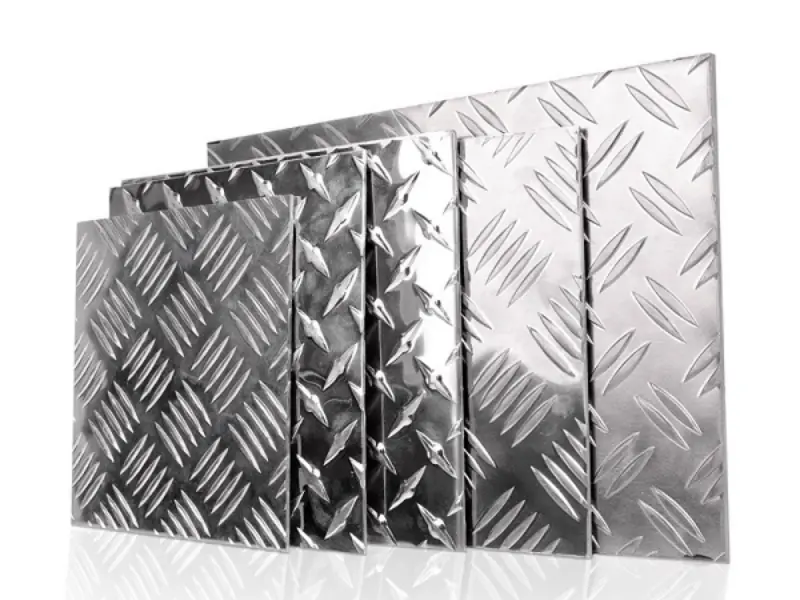
A 4×10 aluminum checker plate has a raised surface pattern.
It can provide a more textured surface than plain sheet.
Common patterns include:
| Pattern | General Use |
|---|---|
| Diamond | Floors, ramps, steps |
| 1-bar | Decorative and light industrial use |
| 2-bar | Platforms and panels |
| 3-bar | Industrial surfaces |
| 5-bar | Flooring and equipment |
The raised pattern adds material, so the total weight can be different from a plain sheet with the same base thickness.
4×10 Aluminum Sheet for Roofing
Aluminum is used in some roofing and cladding systems because it is lightweight and naturally resistant to corrosion.
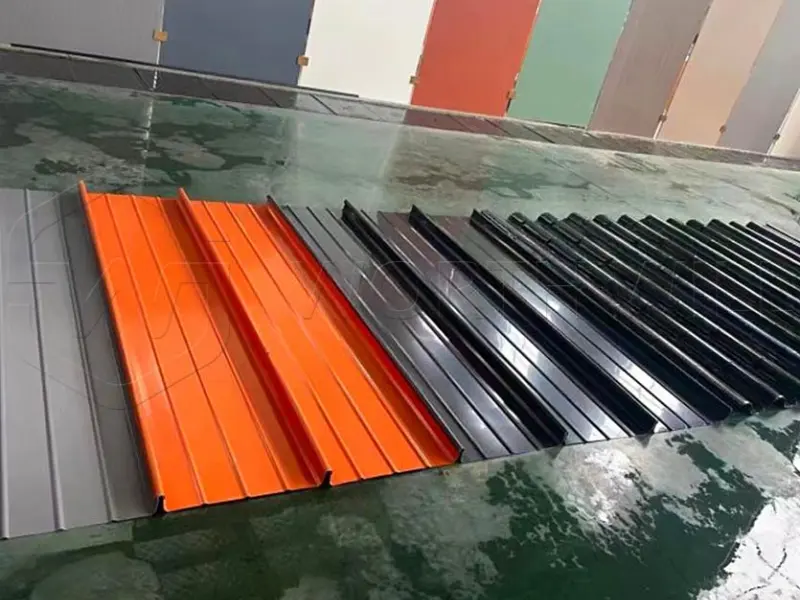
For roofing projects, buyers should consider more than thickness.
Important factors include:
- Alloy
- Temper
- Coating
- Panel profile
- Width
- Length
- Weather exposure
- Installation method
A coated aluminum sheet can provide an additional layer of protection and a wider range of colors.
4×10 Aluminum Sheet for Wall Panels
Long sheets can also be useful for wall applications.
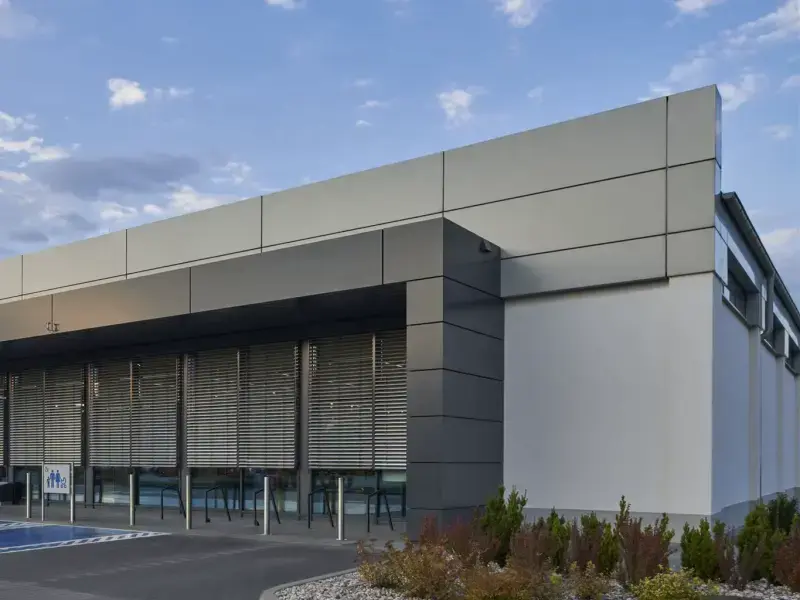
A 4×10 panel can cover a large section without requiring as many horizontal joints as shorter sheets.
Possible uses include:
- Interior wall protection
- Commercial wall panels
- Industrial buildings
- Garage walls
- Workshop panels
- Decorative wall systems
- Equipment room panels
For architectural projects, the surface finish and color may be just as important as the alloy.
4×10 Aluminum Sheet for Signage
Aluminum is a popular material for signs because it is lightweight, easy to process, and suitable for many finishing methods.
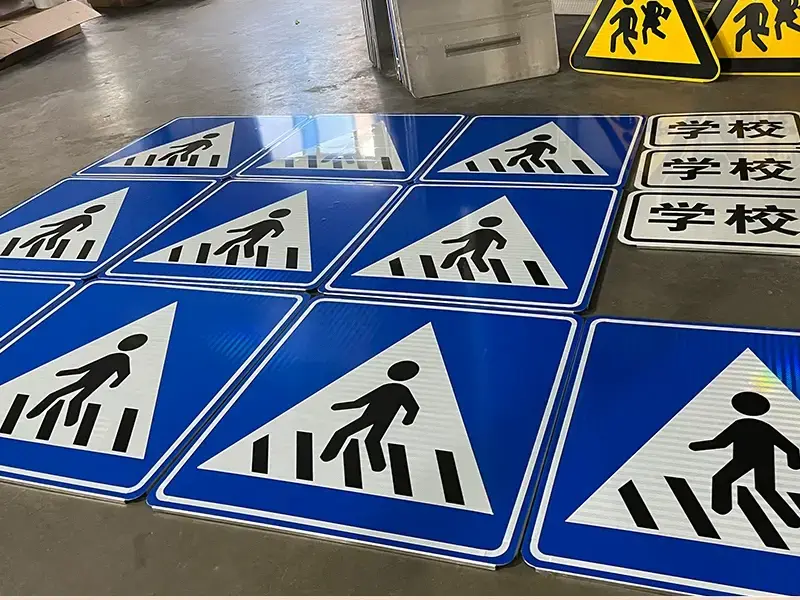
A 4×10 sheet can be cut into multiple smaller sign blanks.
Possible processing includes:
→ CNC routing
→ Shearing
→ Drilling
→ Punching
→ Bending
→ Printing
→ Painting
→ Powder coating
For sign production, 3003 and 5052 are possible choices depending on the required forming and strength.
4×10 Aluminum Sheet for HVAC and Fabrication
Thin aluminum sheet can be fabricated into many equipment and HVAC components.
Typical uses include:
- Duct components
- Covers
- Panels
- Guards
- Equipment housings
- Heat-related components
- Ventilation parts
For parts that require repeated bending, formability should be considered before selecting a hard temper.
Plain Sheet vs Checkered Sheet
The surface design can change how the material is used.
| Feature | Plain Sheet | Checkered Sheet |
|---|---|---|
| Surface | Smooth | Raised |
| Appearance | Simple | Textured |
| Cleaning | Easier | More detailed |
| Grip | Lower | Better surface texture |
| Decorative use | Excellent | Good |
| Flooring | Limited | Common |
| Weight | Lower | Usually higher |
Plain aluminum is often preferred for panels and fabrication. Checkered material is more common when surface texture is useful.
Mill Finish vs Coated 4×10 Aluminum Sheet
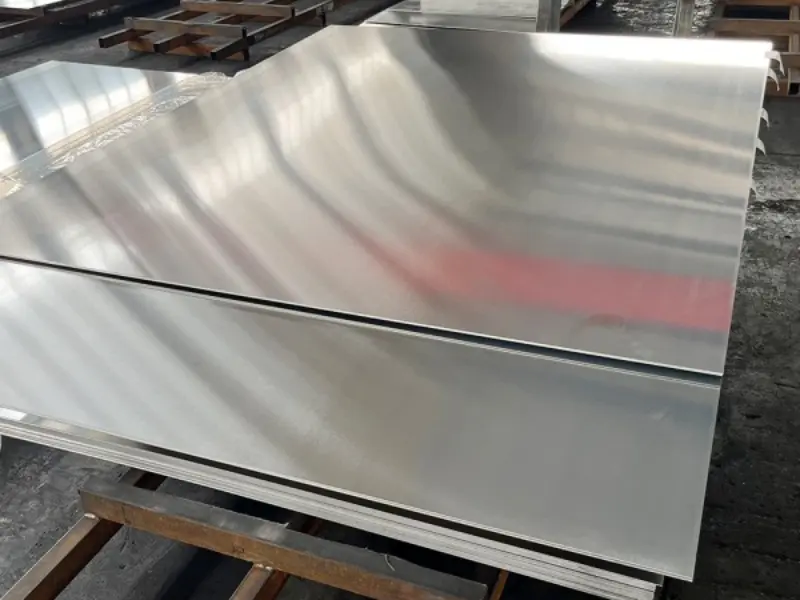
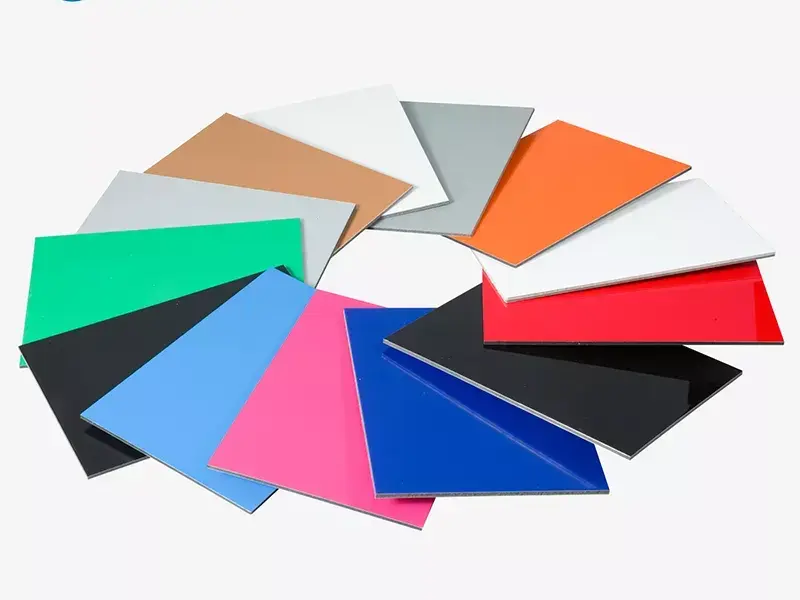
The finish should match the final environment.
| Finish | Main Character |
|---|---|
| Mill finish | Basic aluminum appearance |
| Brushed | Decorative directional texture |
| Anodized | Durable surface finish |
| PE coated | Color and basic protection |
| PVDF coated | Higher-performance architectural coating |
| Powder coated | Wide color choice and durable coating |
For indoor fabrication, a mill or brushed finish may be enough.
For outdoor architectural work, a suitable coating system may provide better long-term performance.
4×10 Aluminum Sheet Weight
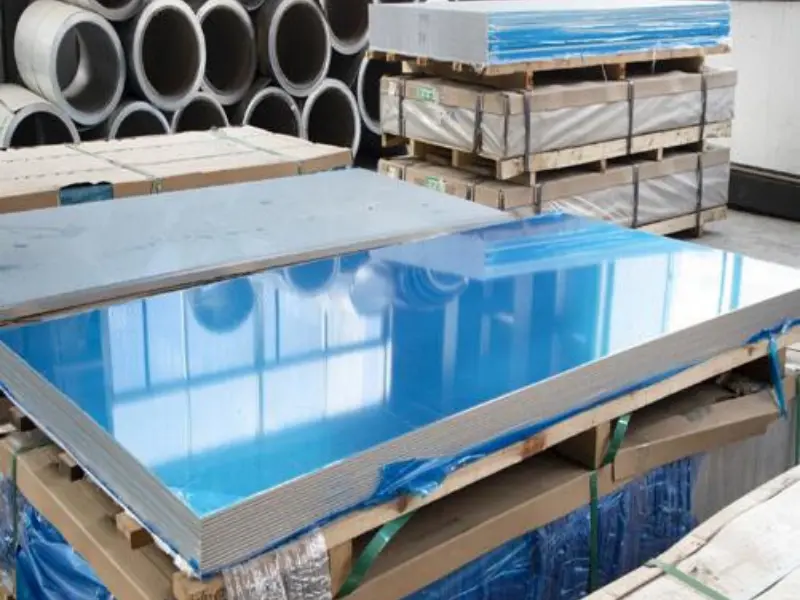
Weight depends mainly on:
Length × Width × Thickness × Material Density
The raised pattern on checker plate can increase the actual weight.
For example, a 4×10 ft sheet has an area of about 3.716 square meters.
Approximate base-sheet weights can be estimated as follows:
| Thickness | Approx. Base Weight per 4×10 Sheet* |
|---|---|
| 0.032 in | 10.2 kg |
| 0.040 in | 12.7 kg |
| 0.050 in | 15.9 kg |
| 0.063 in | 20.0 kg |
| 0.080 in | 25.4 kg |
| 0.100 in | 31.8 kg |
| 0.125 in | 39.7 kg |
| 0.250 in | 79.4 kg |
*Approximate values based on aluminum density. Actual commercial weight can vary with alloy, thickness tolerance, and surface pattern.
For shipping calculations, always use the supplier’s confirmed net and gross weight.
How to Calculate the Number of Sheets Needed
Before ordering, make a cutting plan.
For example:
Project area → Part dimensions → Cutting layout → Sheet quantity → Waste allowance
Suppose a project requires several long panels. A 4×10 sheet may produce a better cutting layout than a 4×8 sheet.
The larger sheet does not always mean lower cost. The best option depends on how efficiently the sheet can be cut.
4×10 vs 4×8 Aluminum Sheet
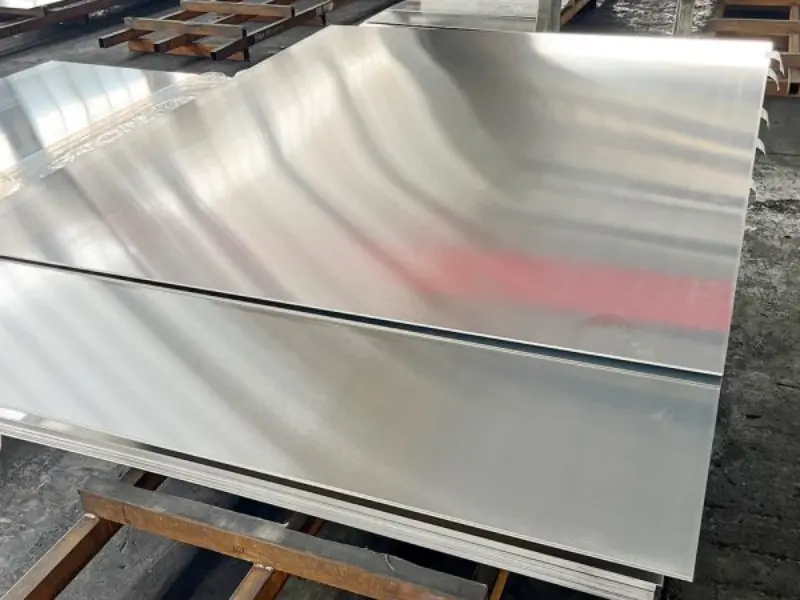
| Point | 4×8 | 4×10 |
|---|---|---|
| Width | 4 ft | 4 ft |
| Length | 8 ft | 10 ft |
| Area | 32 sq. ft. | 40 sq. ft. |
| Long panel coverage | Good | Better |
| Handling | Easier | More demanding |
| Material per sheet | Lower | Higher |
| Number of joints | May be higher | May be lower |
A 4×8 sheet can be easier to handle. A 4×10 sheet can be more efficient for long parts.
The choice should be based on the cutting plan and installation requirements.
Custom Cut 4×10 Aluminum Sheet
Not every customer needs a full 48 × 120-inch sheet.
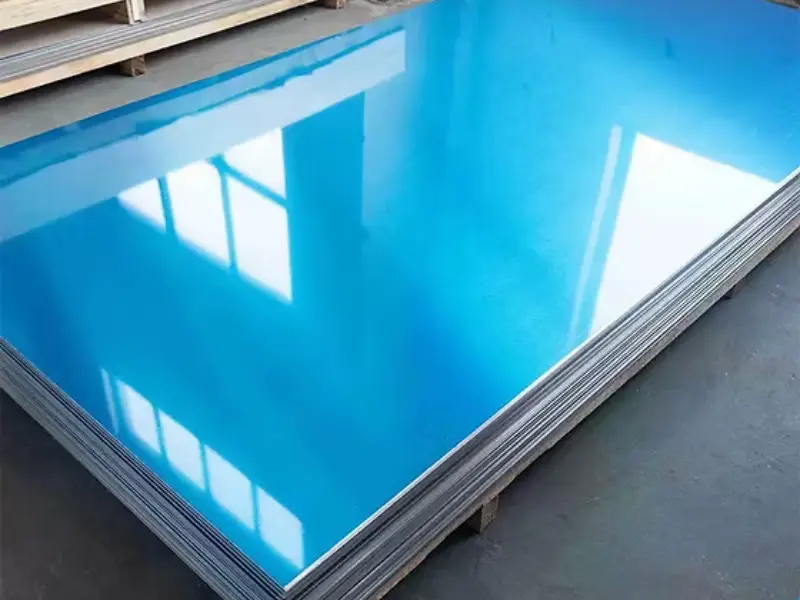
Suppliers may offer cutting services such as:
- Straight cutting
- Strip cutting
- CNC cutting
- Hole drilling
- Notching
- Bending
- Custom shapes
For large orders, pre-cut material can reduce work at the customer’s facility.
It can also help control scrap when the dimensions are planned before production.
Surface Protection During Processing
Aluminum surfaces can be scratched during transportation and fabrication.
For visible panels, protective film can be useful.
The film can help protect the surface during:
Cutting → Bending → Transport → Installation
However, the type of protective film should match the finish and coating. Some films are intended for short-term protection, while others are designed for longer storage.
How to Order 4×10 Aluminum Sheet
A complete inquiry should include the main material details.
| Item | Example |
|---|---|
| Product | 4×10 aluminum sheet |
| Alloy | 5052 |
| Temper | H32 |
| Thickness | 0.063 in |
| Size | 48 × 120 in |
| Surface | Mill finish |
| Quantity | 200 sheets |
| Cutting | Full sheet |
| Packaging | Export wooden pallet |
| Destination | Port or country |
If the material is for a specific machine, trailer, wall, or fabrication project, the application can also be included.
This helps the supplier recommend a suitable alloy and temper instead of quoting only a generic aluminum sheet.
What Affects the Price of a 4×10 Aluminum Sheet?
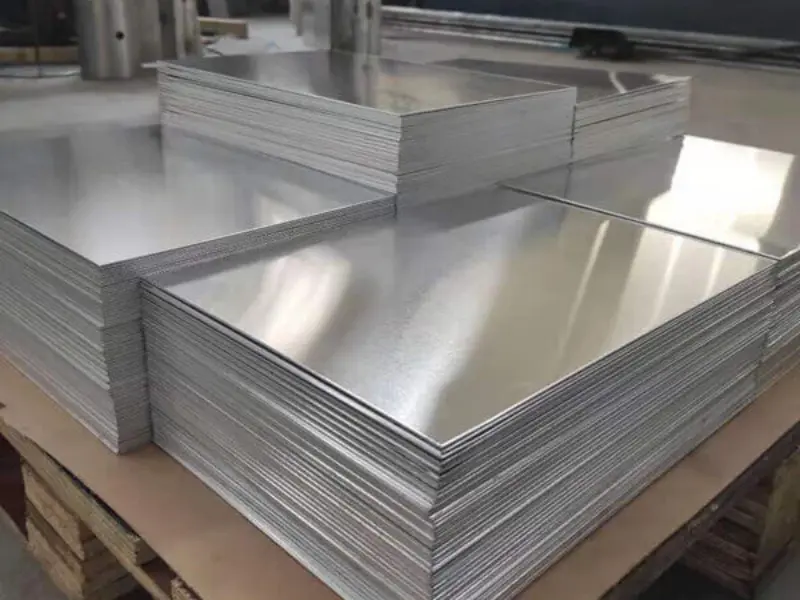
The sheet size is only one part of the final price.
The main factors usually include:
→ Aluminum alloy
→ Thickness
→ Temper
→ Surface finish
→ Coating
→ Sheet quantity
→ Processing
→ Packaging
→ Shipping terms
→ Market aluminum price
A 4×10 sheet will normally contain more material than a 4×8 sheet of the same thickness, so the price per sheet is expected to be higher.
For accurate purchasing, compare the price based on the same alloy, thickness, finish, and quantity.
Small Order or Bulk Order?
The best purchasing method depends on the project.
Small Quantity
For a small project, buyers often prefer:
- Standard sizes
- Stock material
- Fast delivery
- Simple packaging
- Cut-to-size service
Bulk Quantity
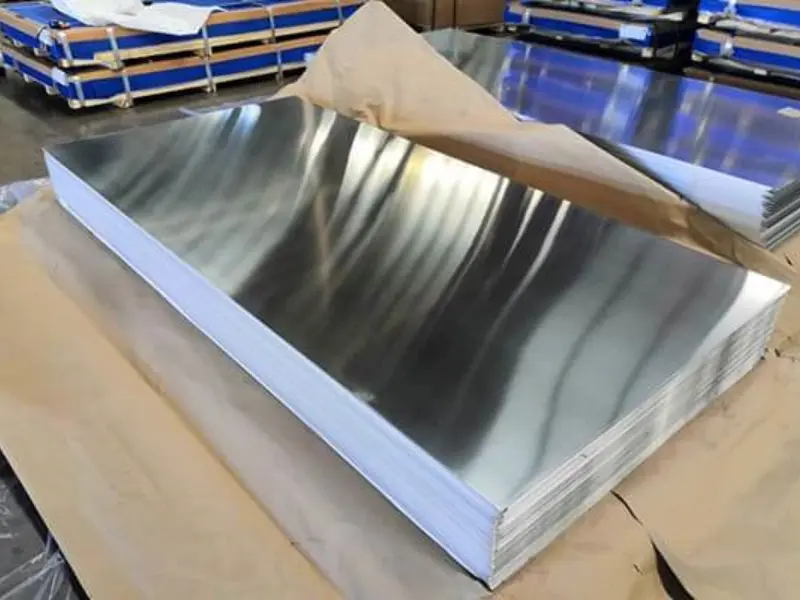
For container or repeated orders, buyers may focus on:
- Stable quality
- Consistent thickness
- Alloy certificates
- Surface quality
- Production capacity
- Packaging
- Container loading
- Long-term supply
For repeat purchases, keeping the same specification can help maintain product consistency.
Quality Points to Check Before Shipment
A simple inspection can cover the most important details.
| Check | Purpose |
|---|---|
| Alloy | Confirm material grade |
| Temper | Confirm mechanical condition |
| Thickness | Check actual material |
| Width | Confirm sheet dimension |
| Length | Confirm 120-inch nominal size |
| Surface | Check scratches and dents |
| Flatness | Check fabrication suitability |
| Pattern | Confirm if using checker plate |
| Quantity | Match purchase order |
| Packaging | Protect during transport |
For large commercial orders, material certificates and inspection reports can also be requested.
A Simple Buying Guide for Different Projects
| Project | Possible Choice |
|---|---|
| Trailer siding | 3003 / 5052 |
| Wall panels | 3003 / 5052 |
| Sign blanks | 3003 / 5052 |
| General fabrication | 3003 |
| Heavy equipment panels | 5052 |
| Structural parts | 6061 |
| Decorative panels | 1050 / 3003 |
| Flooring | Aluminum checker plate |
| Outdoor cladding | Coated aluminum |
| HVAC parts | Formable aluminum sheet |
These are general directions. The final alloy and thickness should be selected from the actual design and service conditions.
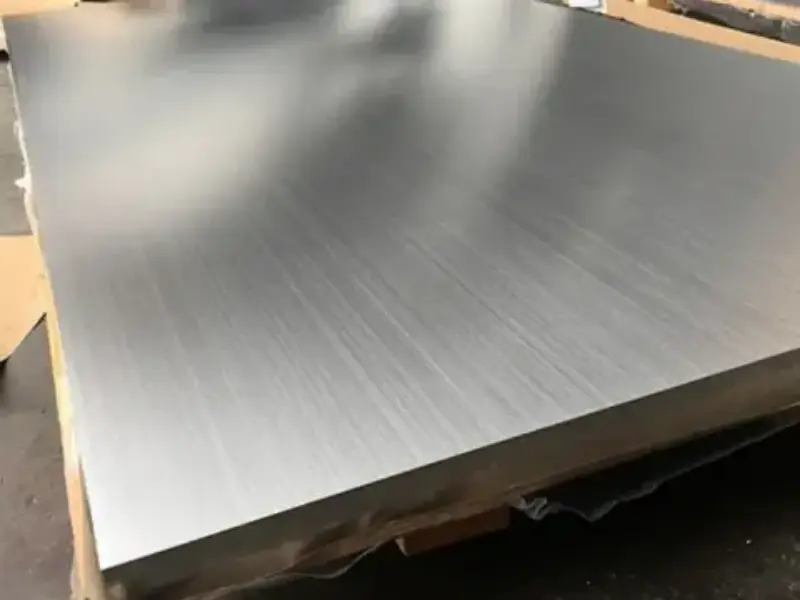
Common 4×10 Aluminum Sheet Combinations
Different projects may require different combinations.
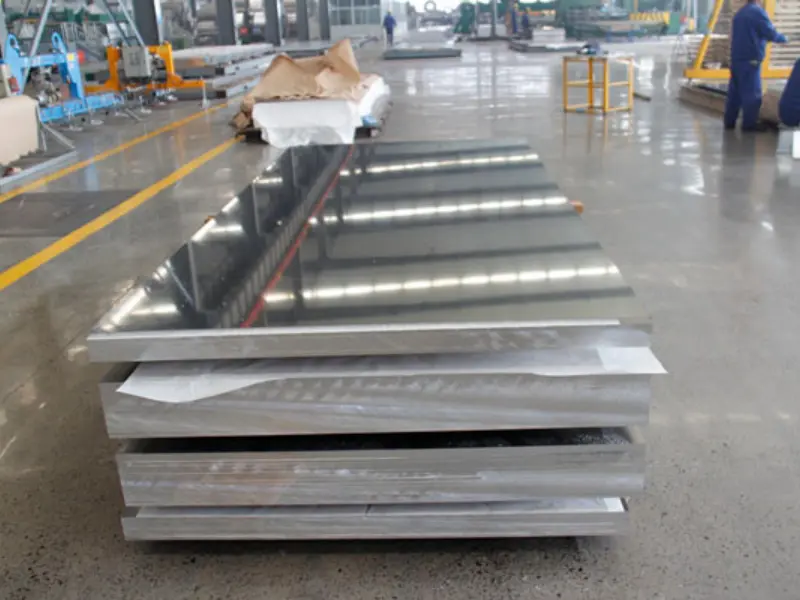
3003 H14 4×10 Aluminum Sheet
A useful option for general fabrication where forming and a moderate strength level are needed.
5052 H32 4×10 Aluminum Sheet
A popular direction for projects that need higher strength and good corrosion resistance.
3003 Aluminum Checker Plate 4×10
Suitable for textured surfaces, platforms, steps, equipment areas, and decorative industrial panels.
5052 Aluminum Checker Plate 4×10
A stronger patterned option for applications where both surface texture and higher strength are important.
Coated 4×10 Aluminum Sheet
Useful for exterior panels, architectural work, signs, and projects where color is required.
Questions Buyers Often Ask
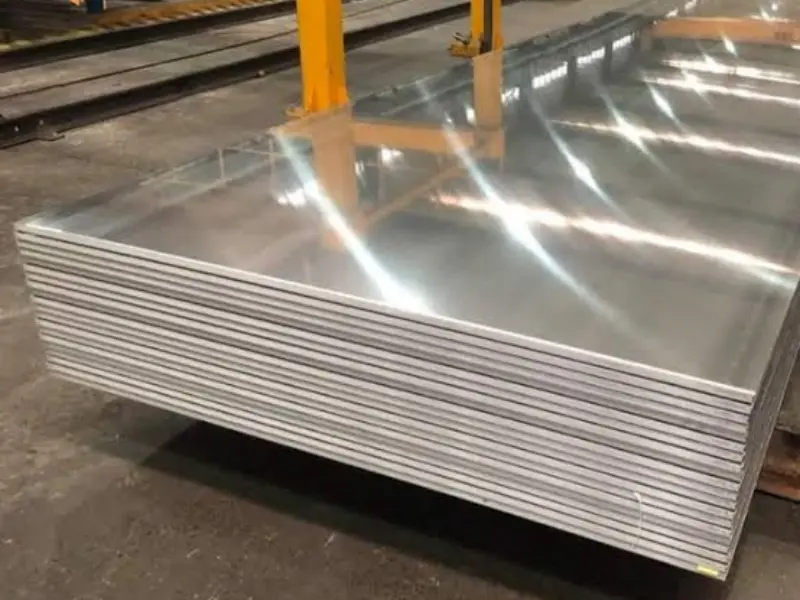
Is 4×10 aluminum sheet the same as 48×120 inches?
Yes, 4×10 feet corresponds to 48 × 120 inches. The actual manufactured dimensions may have specified tolerances.
Is 4×10 better than 4×8?
Neither size is always better. A 4×10 sheet offers 25% more area and a longer working length. A 4×8 sheet may be easier to handle and can be more suitable for smaller parts.
What is the best alloy for a 4×10 aluminum sheet?
There is no single best alloy. 3003 is useful for general fabrication, 5052 offers higher strength and good corrosion resistance, and 6061 is considered when higher strength is required.
Can a 4×10 sheet be cut into smaller pieces?
Yes. Aluminum sheets can usually be cut with shears, saws, CNC equipment, or other suitable cutting methods.
How much does a 4×10 aluminum sheet weigh?
Weight depends on alloy and thickness. A 0.063-inch plain aluminum sheet is approximately 20 kg before considering packaging and thickness tolerance.
Can 4×10 aluminum sheet be used for trailers?
Yes. Aluminum sheet is used for trailer siding, repair panels, interior panels, and other trailer components. The alloy and thickness should match the trailer design.
Can 4×10 aluminum sheet be used outdoors?
Yes, depending on the alloy, finish, environment, and design. For demanding outdoor applications, coated or otherwise finished aluminum may be considered.
Final Selection: Match the Sheet to the Job
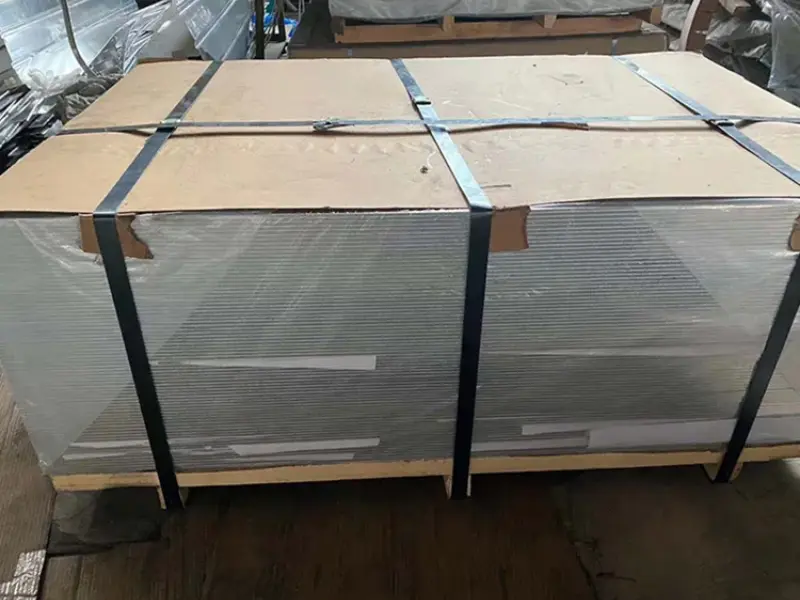
A 4×10 aluminum sheet is useful when a project needs a longer sheet format and more coverage per piece.
The most important specifications are not the dimensions alone.
A practical selection looks like this:
4×10 size → alloy → temper → thickness → surface → finish → processing → quantity
For a simple panel, a thin 3003 sheet may be enough. For transportation equipment, 5052 may be a better choice. For heavy fabricated components, a thicker 5052 or 6061 product may be considered.
Before ordering, provide the exact dimensions, alloy, temper, thickness, finish, quantity, and intended use. This gives suppliers enough information to prepare a more accurate quotation.