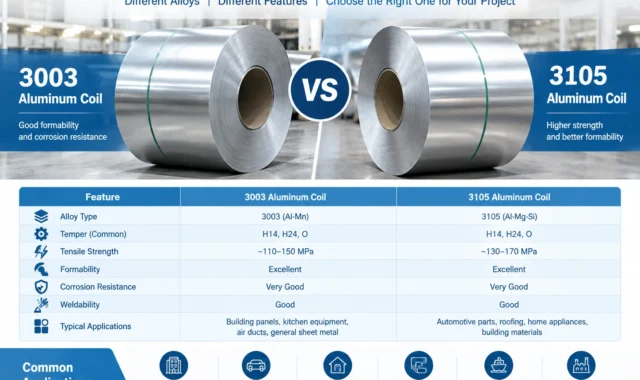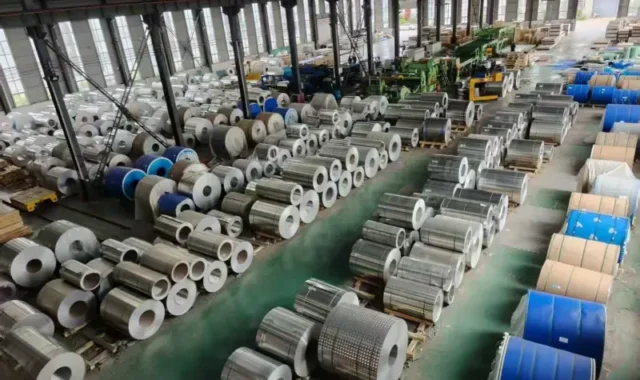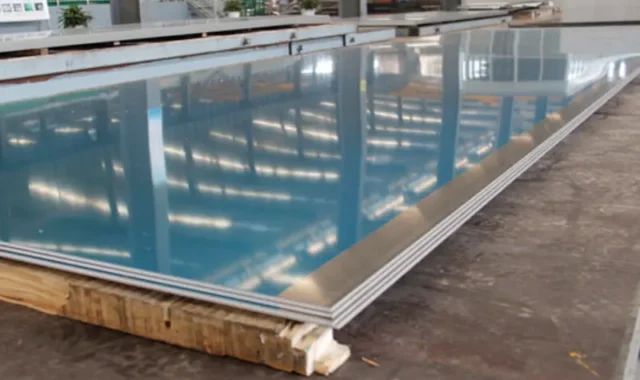
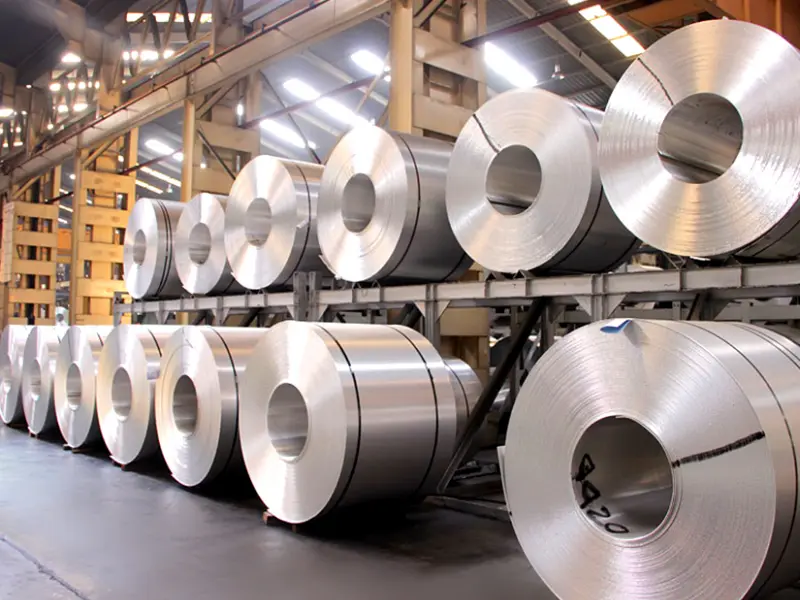
1050 vs. 1060 Aluminum Coil are widely used in industrial production, electrical applications, lighting, insulation, and metal fabrication.
Both alloys belong to the commercially pure aluminum series. They offer good corrosion resistance, high thermal conductivity, and excellent formability.

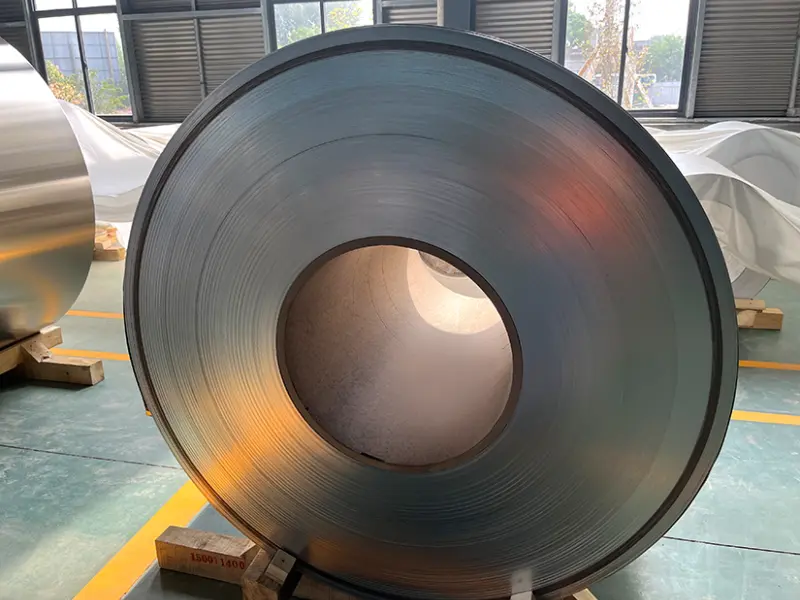
However, 1050 vs. 1060 Aluminum Coil are not exactly the same. Their aluminum content, electrical properties, mechanical performance, and available specifications can affect the final product.
For manufacturers, distributors, and industrial buyers, the right choice depends on the application, thickness, temper, surface finish, and processing method.
What Is 1050 Aluminum Coil?
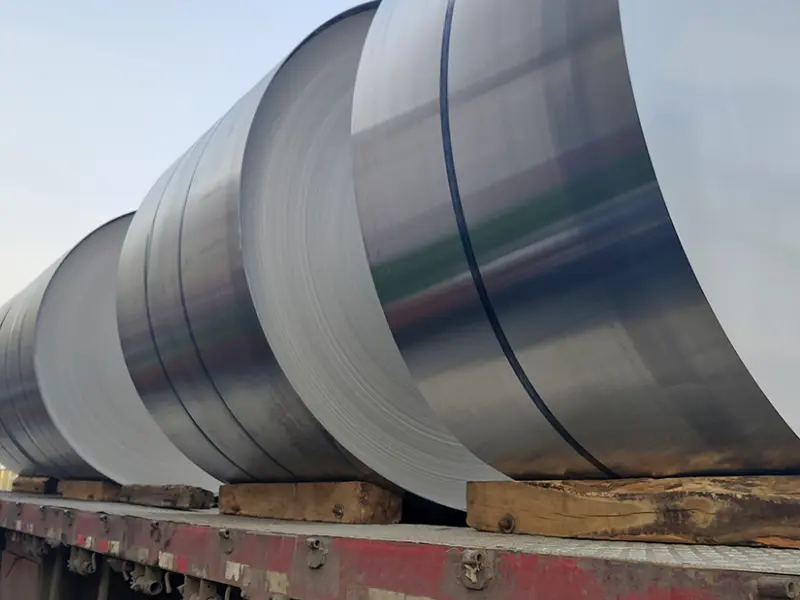

1050 aluminum coil is a commercially pure aluminum product with a minimum aluminum content of approximately 99.5%. It is known for its good formability, corrosion resistance, and thermal conductivity.
It is often selected for products that need easy forming rather than high structural strength. Manufacturers can cut, bend, roll, stamp, and process 1050 aluminum coil into different shapes.
Its relatively high purity makes it useful for electrical, chemical, decorative, and heat-transfer applications.
Common 1050 Aluminum Coil Specifications
| Parameter | Typical Options |
|---|---|
| Alloy | 1050 aluminum |
| Aluminum content | 99.5% minimum |
| Temper | O, H12, H14, H16, H18, H24 |
| Thickness | 0.1–3.0 mm |
| Width | 20–1,600 mm |
| Surface | Mill finish, smooth, coated |
| Processing | Slitting, cutting, stamping, bending |
| Supply form | Coil, strip, cut-to-length sheet |
The actual thickness and width depend on production equipment and order requirements. Other dimensions may also be available for custom projects.
Typical Properties of 1050 Aluminum
1050 aluminum coil offers a useful balance of purity, flexibility, and processability.
- Good corrosion resistance in many normal environments.
- Excellent thermal and electrical conductivity.
- Good performance in bending and forming operations.
- Suitable for thin-gauge products and aluminum strip.
- Easy to cut and process with suitable equipment.
The O temper is generally suitable for applications that require high flexibility. H14 and H24 offer greater strength for products that need better shape retention.
What Is 1060 Aluminum Coil?
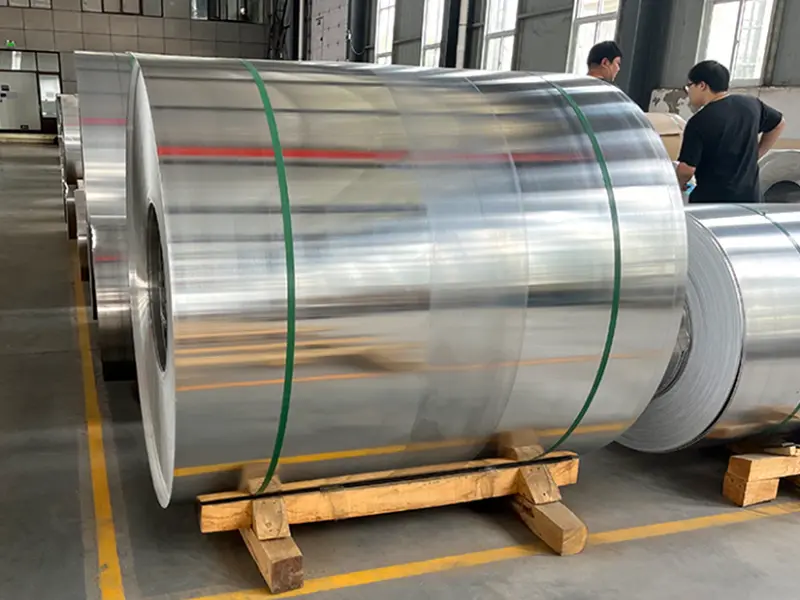
1060 aluminum coil contains at least 99.6% aluminum. Its high purity makes it suitable for electrical conductors, lighting components, chemical equipment, and heat-transfer products.
Compared with 1050 aluminum, 1060 aluminum has slightly higher aluminum content. This difference can influence conductivity and other material properties.
However, the alloy number alone does not determine every performance result. Temper, thickness, manufacturing quality, and product standards must also be considered.
Standard 1060 Aluminum Coil Options
| Parameter | Typical Options |
|---|---|
| Alloy | 1060 aluminum |
| Aluminum content | 99.6% minimum |
| Temper | O, H12, H14, H16, H18, H24 |
| Thickness | 0.1–3.0 mm |
| Width | 20–1,600 mm |
| Surface | Mill finish, smooth, coated |
| Processing | Slitting, stamping, rolling, cutting |
| Supply form | Coil, narrow strip, sheet |
For electrical and industrial orders, buyers should confirm the applicable material standard, mechanical properties, dimensional tolerances, and conductivity requirements.
Key Characteristics of 1060 Aluminum
1060 aluminum coil is a good option when high aluminum purity is an important purchasing factor.
- High electrical conductivity.
- Good heat-transfer performance.
- Good resistance to corrosion in suitable environments.
- Good ductility in soft tempers.
- Suitable for continuous processing and coil-fed production.
It is commonly used in applications where conductivity, purity, and reliable forming performance matter more than high tensile strength.
1050 vs. 1060 Aluminum Coil: Main Differences


Both alloys are suitable for many similar applications. The main difference is their minimum aluminum content, while the final product properties also depend on temper and processing.
Alloy Comparison Table of 1050 vs. 1060 Aluminum Coil
| Comparison Item | 1050 Aluminum Coil | 1060 Aluminum Coil |
|---|---|---|
| Aluminum content | 99.5% minimum | 99.6% minimum |
| Material family | Commercially pure aluminum | Commercially pure aluminum |
| Electrical applications | Suitable | Often preferred when higher purity is required |
| Thermal conductivity | High | High |
| Corrosion resistance | Good | Good |
| Formability | Good to excellent | Good to excellent |
| Structural strength | Relatively low | Relatively low |
| Typical applications | General fabrication, insulation, lighting | Electrical components, lighting, heat transfer |
| Cost | Depends on market and specifications | Depends on market and specifications |
Which Alloy Has Better Electrical Conductivity?
1060 aluminum is often considered for electrical applications because of its higher minimum aluminum content. However, actual conductivity depends on the material condition and product specifications.
If electrical performance is the main requirement, buyers should request a conductivity value or an appropriate technical certificate rather than choosing the alloy based on its name alone.
Which Alloy Is Better for Forming?

Both 1050 and 1060 aluminum coil can be formed into thin sheets, strips, covers, and stamped components.
The O temper is generally suitable for deep drawing and more demanding bending operations. H14 and H24 are useful when a balance between formability and strength is needed.
The correct choice depends on the forming depth, bend radius, tooling, and final shape.
Which Alloy Is More Cost-Effective?
There is no universal price winner between 1050 and 1060 aluminum coil.
The quotation may depend on:
- Aluminum ingot prices.
- Alloy and temper requirements.
- Coil thickness and width.
- Order quantity and minimum order quantity.
- Surface finish and additional processing.
- Packaging, shipping, and delivery terms.
For general industrial fabrication, 1050 may be sufficient. For applications with stricter purity or conductivity requirements, 1060 may be worth considering.
Choosing the Right Aluminum Coil Temper
Temper describes the condition of the aluminum after processing. It affects hardness, strength, ductility, and forming performance.
Both 1050 and 1060 aluminum coils can be supplied in different tempers, subject to the producer’s available specifications.
O Temper Aluminum Coil
O temper means the aluminum has been annealed to provide a soft condition.
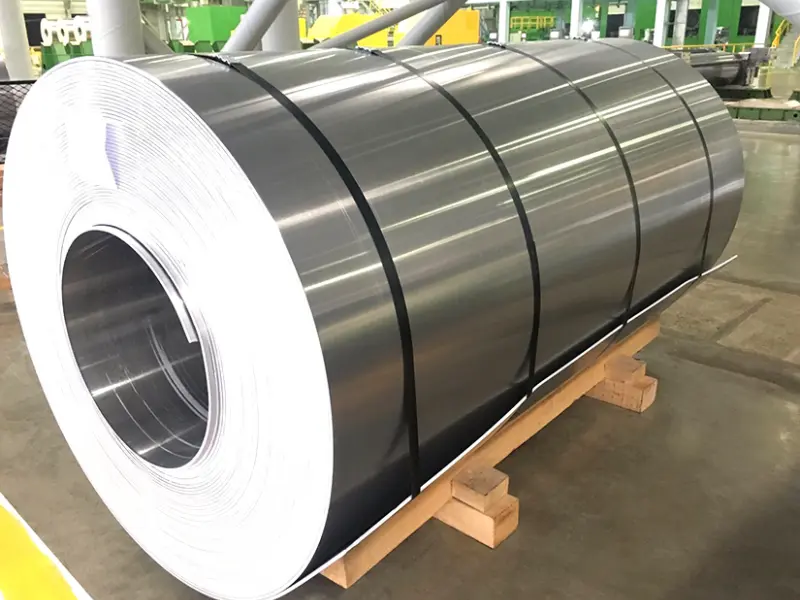
Common applications include:
- Deep-drawn aluminum components.
- Flexible covers and formed parts.
- Thin aluminum containers and shells.
- Decorative components with complex shapes.
- Products that require extensive bending.
O temper is a practical option when easy forming is more important than hardness.
H12 and H14 Aluminum Coil
H12 and H14 are strain-hardened conditions with different strength levels.
They may be used for:
- General industrial panels.
- Lighting reflectors and housings.
- Stamped aluminum components.
- Metal covers and enclosures.
- Lightweight formed parts.
The exact mechanical properties should be checked against the relevant product standard.
H16 and H18 Aluminum Coil
H16 and H18 are harder conditions than many softer tempers. They can provide better resistance to deformation but may require more care during bending.
Typical applications include:
- Small rigid components.
- Decorative metal parts.
- Reflective aluminum products.
- Thin formed parts with limited bending.
- Components requiring better surface shape retention.
H24 Aluminum Coil
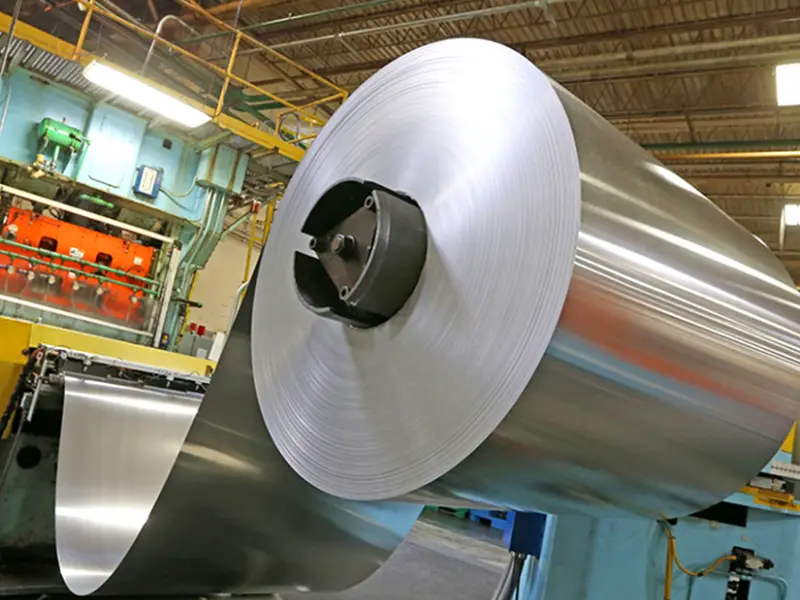
H24 is a strain-hardened and partially annealed condition.
It may be suitable for products that require a balance between formability and mechanical strength. Buyers should confirm whether this temper is available for the selected alloy, thickness, and intended application.
Popular 1050 and 1060 Aluminum Coil Types by Thickness
Thickness selection affects weight, flexibility, rigidity, heat transfer, and production cost. The following ranges are common purchasing examples rather than fixed limits.
Thin Aluminum Coil: 0.1–0.3 mm
Thin aluminum coil is useful for lightweight components and applications that require flexible material.
| Product Type | Typical Uses |
|---|---|
| 0.10 mm 1050 aluminum coil | Thin stamped parts, specialty foil-like components |
| 0.15 mm 1060 aluminum coil | Lightweight formed components |
| 0.20 mm 1050 aluminum strip | Industrial covers and narrow strips |
| 0.25 mm 1060 aluminum coil | Lighting components and thin panels |
| 0.30 mm 1050 aluminum coil | General fabrication and formed parts |
Thin material is sensitive to handling, tension, and surface damage. Proper winding and protective packaging help maintain product quality.
Medium-Gauge Aluminum Coil: 0.4–1.0 mm
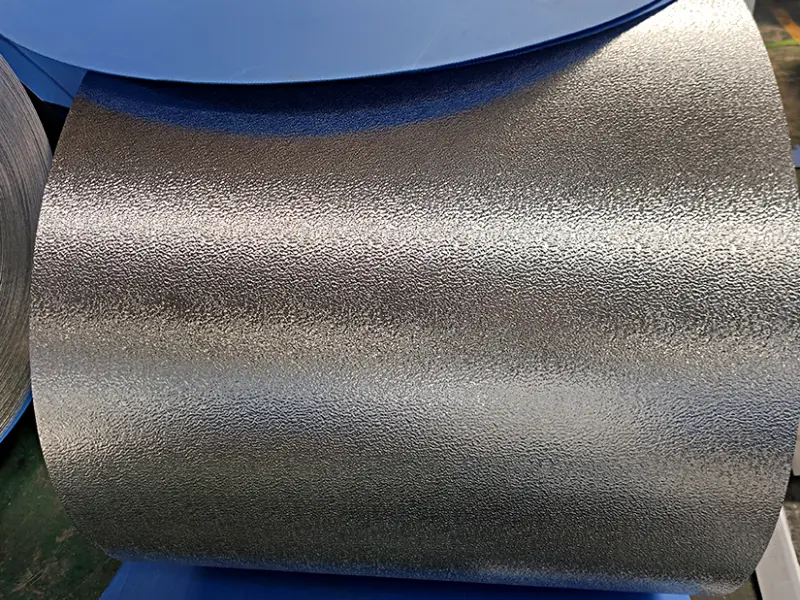
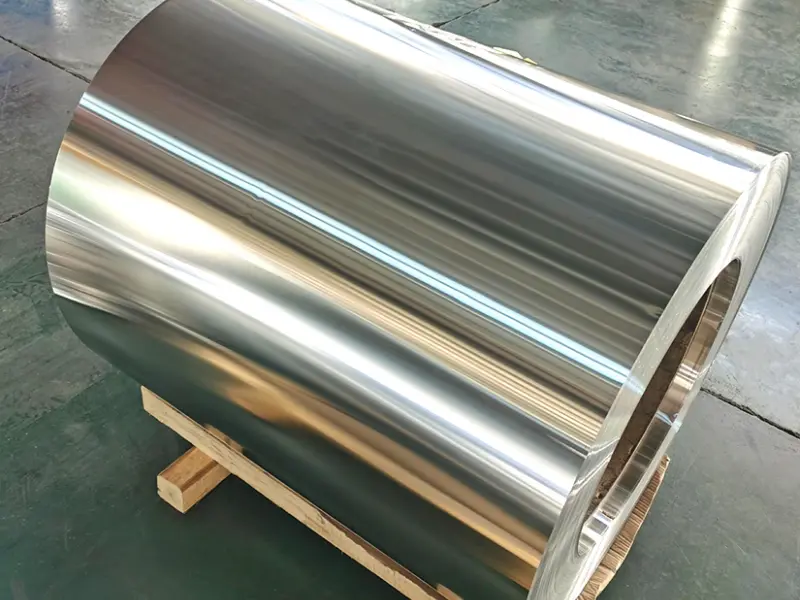
Medium-gauge coils are used in many industrial production lines. They offer more rigidity than very thin material while remaining relatively easy to process.
| Product Type | Possible Applications |
|---|---|
| 0.40 mm 1050 aluminum coil | Lightweight covers and decorative parts |
| 0.50 mm 1060 aluminum coil | Lighting reflectors and industrial components |
| 0.60 mm 1050 aluminum strip | Fabricated metal parts |
| 0.80 mm 1060 aluminum coil | Equipment panels and formed components |
| 1.00 mm 1050 aluminum coil | Covers, panels, and general fabrication |
For these thicknesses, buyers should specify the temper and allowable thickness tolerance. These factors can be just as important as the alloy.
Thick Aluminum Coil: 1.2–3.0 mm
Thicker coils provide greater rigidity and may be selected for applications requiring more stable shapes.
- 1.2 mm 1050 aluminum coil for industrial covers.
- 1.5 mm 1060 aluminum coil for fabricated components.
- 2.0 mm 1050 aluminum coil for formed panels.
- 2.5 mm 1060 aluminum coil for selected industrial parts.
- 3.0 mm 1050 aluminum coil for heavier fabrication requirements.
For structural parts or applications involving significant loads, a stronger alloy may be more appropriate than 1050 or 1060.
Applications of 1050 Aluminum Coil
1050 aluminum coil is used across several industries because it combines high purity with good formability and corrosion resistance.
Electrical and Electronic Components
1050 aluminum can be used in selected electrical components where its conductivity and processing characteristics meet the design requirements.
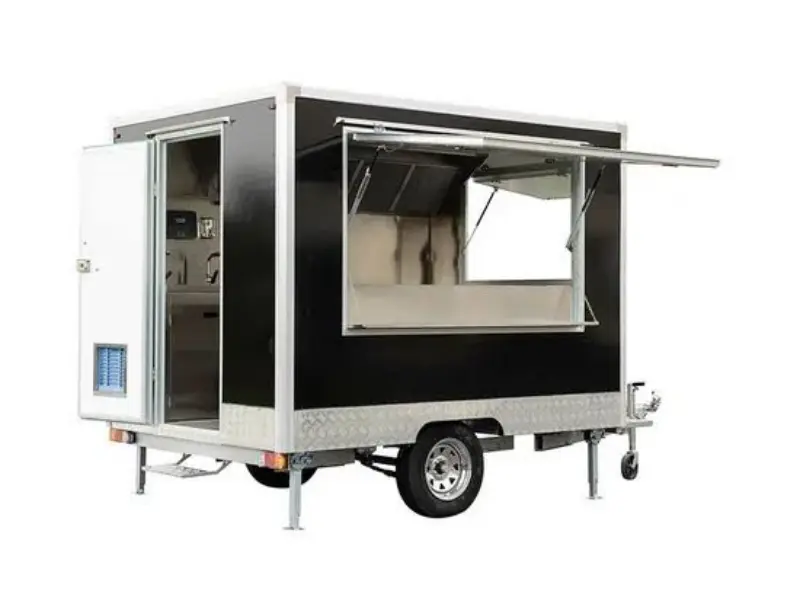
Possible applications include:
- Electrical component covers.
- Conductive parts and strips.
- Aluminum connectors and formed pieces.
- Electrical equipment housings.
- Industrial metal components.
The required conductivity, thickness, and temper should be confirmed before production.
Lighting and Reflector Manufacturing
Aluminum is widely used in lighting products because of its low weight and reflective surface potential.
1050 aluminum coil may be processed into:
- Lamp reflectors.
- LED lighting housings.
- Lighting panels.
- Reflective covers.
- Decorative lighting components.
Surface quality is important for reflective applications. Buyers may need a smooth mill finish, polished surface, or a specially treated finish.
Thermal Insulation and Heat Transfer
Aluminum has good thermal conductivity and can be used in selected heat-transfer and insulation assemblies.
Common product applications include:
- Insulation facings.
- HVAC components.
- Heat shields.
- Equipment covers.
- Heat-transfer parts.
For insulation products, the finished system’s performance also depends on the insulation material, surface treatment, installation, and operating conditions.
Chemical Equipment and Industrial Fabrication

1050 aluminum coil may be used for certain chemical and industrial components where the service environment is suitable.
Typical products include:
- Equipment covers.
- Fabricated containers.
- Lightweight panels.
- Formed metal parts.
- Industrial housings.
Chemical compatibility should be assessed for the actual medium, concentration, temperature, and operating conditions.
Applications of 1060 Aluminum Coil
1060 aluminum coil is often selected for products that require high purity, good conductivity, and consistent processing performance.
Electrical Conductors and Components
1060 aluminum may be used for electrical applications where its conductivity and mechanical properties meet the design specification.
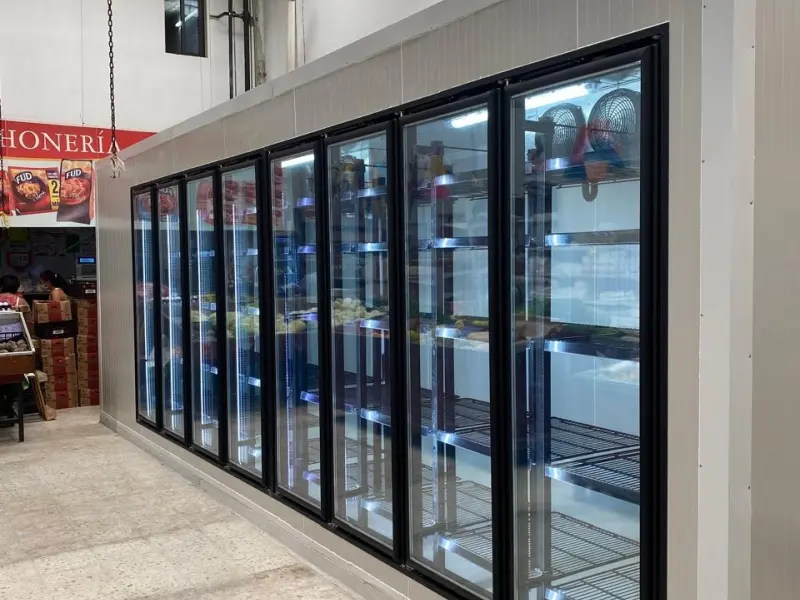
Potential products include:
- Electrical strips.
- Conductive components.
- Equipment parts.
- Selected busbar-related components.
- Electrical enclosures and covers.
For current-carrying applications, conductivity, cross-sectional area, temperature rise, connection design, and applicable electrical standards must all be considered.
Lighting Reflectors and Decorative Products
1060 aluminum coil can be used to manufacture lighting components with smooth surfaces.
Examples include:
- LED reflectors.
- Lamp housings.
- Lighting trim.
- Reflective panels.
- Decorative metal parts.
The finish should be matched to the intended visual and optical performance. A standard mill finish may not provide the same result as a polished or specially coated surface.
Heat Transfer and HVAC Components
1060 aluminum can be used for selected thermal applications.
- Heat-transfer components.
- HVAC equipment parts.
- Ventilation covers.
- Heat shields.
- Industrial thermal panels.
For demanding heat-transfer designs, engineers should compare conductivity data, thickness, geometry, and operating temperature.
Metal Stamping and Continuous Production
Aluminum coil supports continuous manufacturing because the material can be unwound and fed into production equipment.

Typical products include:
- Stamped metal parts.
- Small equipment covers.
- Lightweight shells.
- Industrial brackets with suitable design.
- Custom-shaped components.
The selected temper should match the stamping depth, forming pressure, and tooling design.
Surface Finishes for 1050 and 1060 Aluminum Coil
Surface finish affects appearance, corrosion protection, coating adhesion, and suitability for downstream processing.
Mill Finish Aluminum Coil
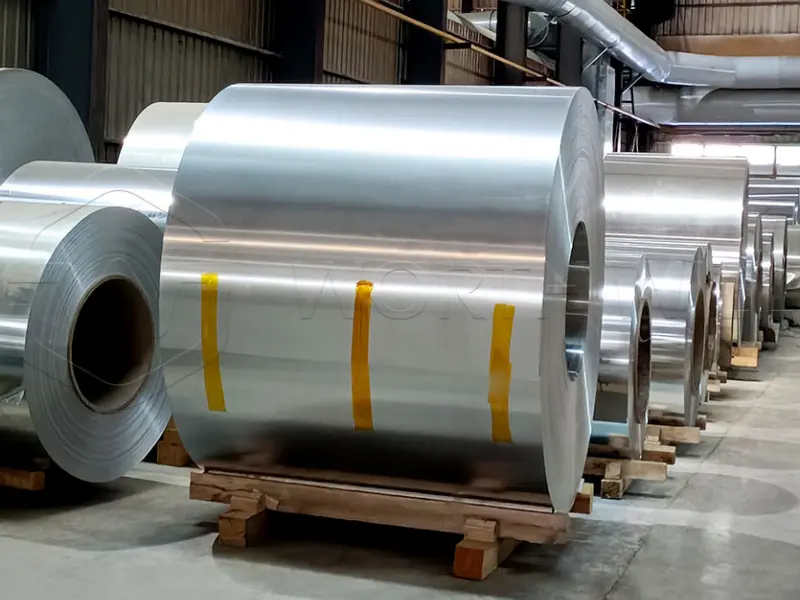
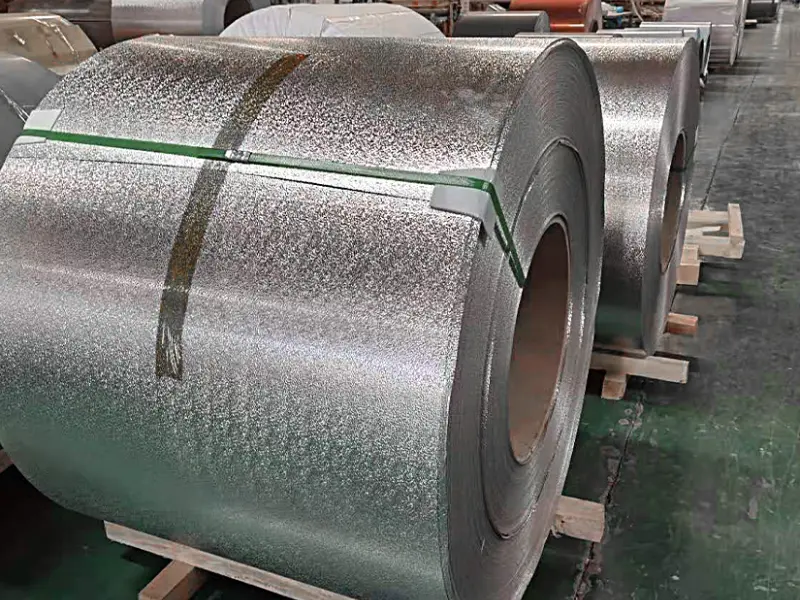
Mill finish is a common choice for industrial use. It is suitable for products that will undergo further fabrication, coating, or finishing.
It may be used for:
- General industrial parts.
- Electrical components.
- Fabricated covers.
- Heat-transfer components.
- Further coating or polishing.
Polished Aluminum Coil
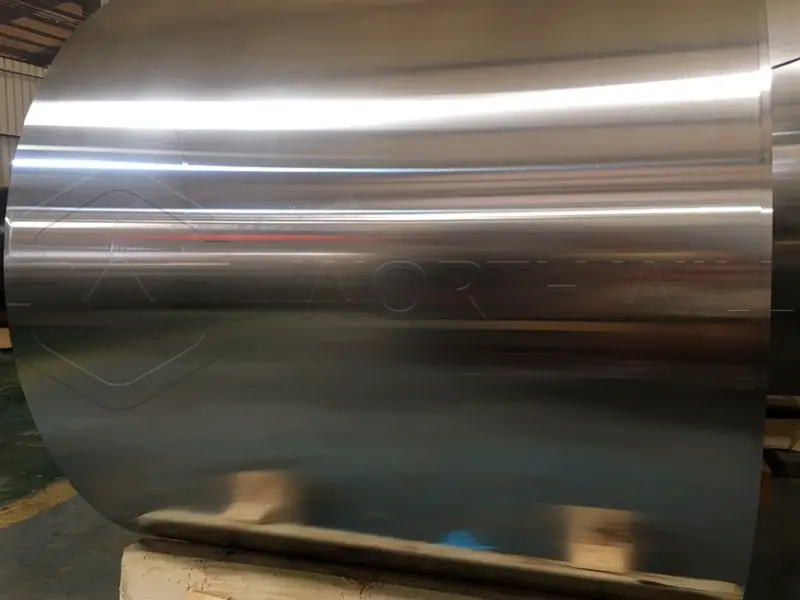
Polished aluminum coil has a smoother and more reflective surface than a standard mill finish.
Possible uses include:
- Lighting reflectors.
- Decorative panels.
- Reflective components.
- Appearance-focused industrial products.
The required reflectivity and surface quality should be specified before ordering.
Coated Aluminum Coil
Coated aluminum coil includes a surface coating applied to meet appearance or environmental requirements.
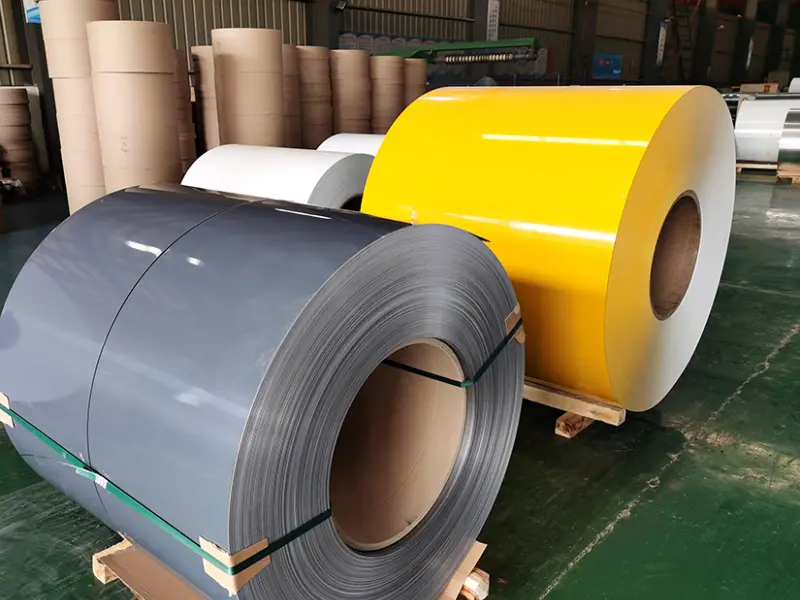
Possible options include:
- Polyester coating.
- PVDF coating.
- Other project-specific coating systems.
Coated products may be used for decorative panels, equipment covers, and selected building components. Coating selection depends on weather exposure, chemical resistance, color requirements, and service life.
1050 vs. 1060 Aluminum Coil Compared with Other Alloys
Sometimes neither 1050 nor 1060 is the best choice. Other aluminum alloys may provide better strength, formability, or environmental performance for a particular application.
| Alloy | Main Characteristic | Common Applications |
|---|---|---|
| 1050 | High purity and good formability | General fabrication, lighting, selected electrical parts |
| 1060 | Higher minimum aluminum content | Electrical components, heat-transfer products |
| 1100 | Commercially pure aluminum with good formability | Chemical equipment, utensils, industrial products |
| 3003 | Better strength than many pure aluminum grades | HVAC, roofing, tanks, general fabrication |
| 5052 | Good corrosion resistance and higher strength | Marine parts, enclosures, transportation |
| 6061 | Heat-treatable alloy with good structural properties | Structural components, machined parts |
When Should You Choose 3003 Aluminum Coil?
3003 aluminum coil is a useful alternative when the application needs more strength than commercially pure aluminum can provide.
Typical uses include HVAC components, certain tanks, roofing products, and fabricated panels.
When Is 5052 Aluminum Coil a Better Choice?
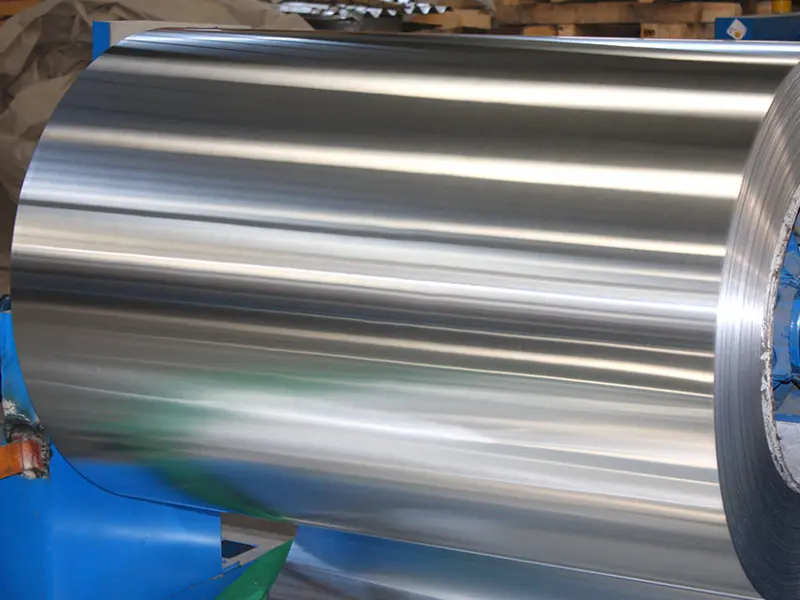
5052 aluminum coil is often selected for applications requiring a stronger material and good corrosion resistance.
It may be suitable for transportation equipment, marine components, and industrial enclosures. The required temper and environmental conditions still need to be evaluated.
When Is 6061 Aluminum More Suitable?
6061 aluminum is often considered for structural and machined components that need higher mechanical strength.
However, its processing route and product form differ from common thin-coil applications. Buyers should compare the required product form as well as the alloy.
How to Select the Right Aluminum Coil for Your Project
A good purchasing decision starts with the finished product rather than the alloy number alone.
Define the Application
First, identify what the aluminum coil will be used to manufacture.
For example:
- Electrical components may require verified conductivity.
- Lighting reflectors may need a controlled surface finish.
- Stamped products may require a soft temper.
- Industrial covers may need better rigidity.
- Coated panels may require good surface preparation and coating compatibility.
Confirm Thickness and Width
Thickness affects material weight, flexibility, and rigidity. Width affects production efficiency and material yield.
Before placing an order, provide the supplier with the required thickness, width, coil inner diameter, outer diameter, and maximum coil weight where applicable.
Select the Temper
The temper should match the forming method and final performance requirements.
O temper is commonly considered for demanding forming operations. H12, H14, H16, H18, and H24 may be considered for products requiring different combinations of strength and formability.
Always confirm the available temper and mechanical property range for the exact alloy and thickness.
Check Surface Quality and Tolerances
For high-volume manufacturing, consistent quality is important.
Ask the supplier to confirm:
- Thickness and width tolerances.
- Surface scratches and stains.
- Edge condition and burr limits.
- Coil flatness and winding quality.
- Surface finish requirements.
- Material inspection documents.
These details help reduce production waste and improve consistency between batches.
Manufacturing and Quality Control
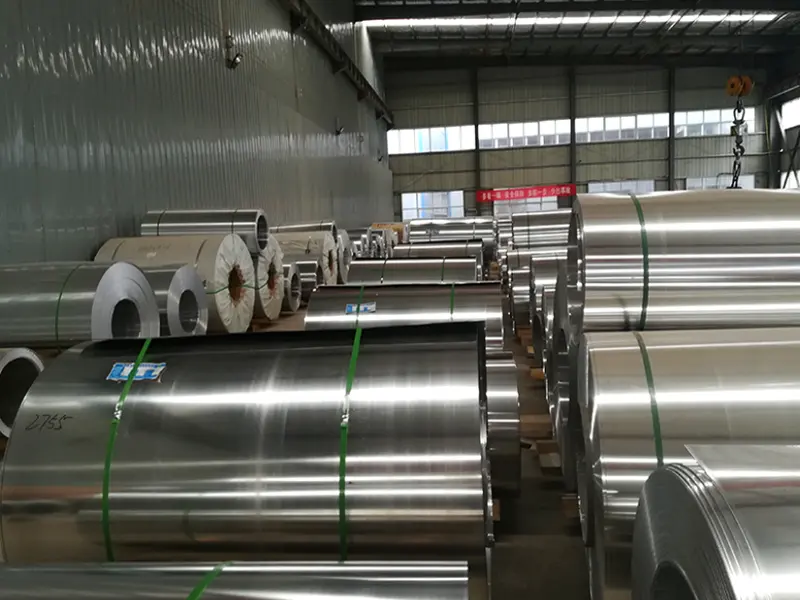
The quality of aluminum coil depends on the raw material, rolling process, annealing, finishing, and inspection.
A typical production process is:
Aluminum ingot → Melting and casting → Homogenization, where required → Hot rolling → Cold rolling → Annealing or temper control → Slitting → Surface inspection → Coil packing.
Why Rolling and Annealing Matter
Rolling reduces the material thickness and controls dimensional accuracy. Annealing changes the material condition and can improve ductility.
The final properties depend on the complete processing route. Therefore, buyers should confirm both the alloy designation and the required temper.
Quality Documents for Export Orders
For industrial purchasing, the following documents may be requested:
- Material test certificate.
- Chemical composition report.
- Mechanical property report.
- Dimensional inspection record.
- Packing list.
- Commercial invoice.
- Certificate of origin, when required.
The actual documents depend on the contract, destination market, and customer’s quality system.
Packaging, Shipping, and Custom Orders
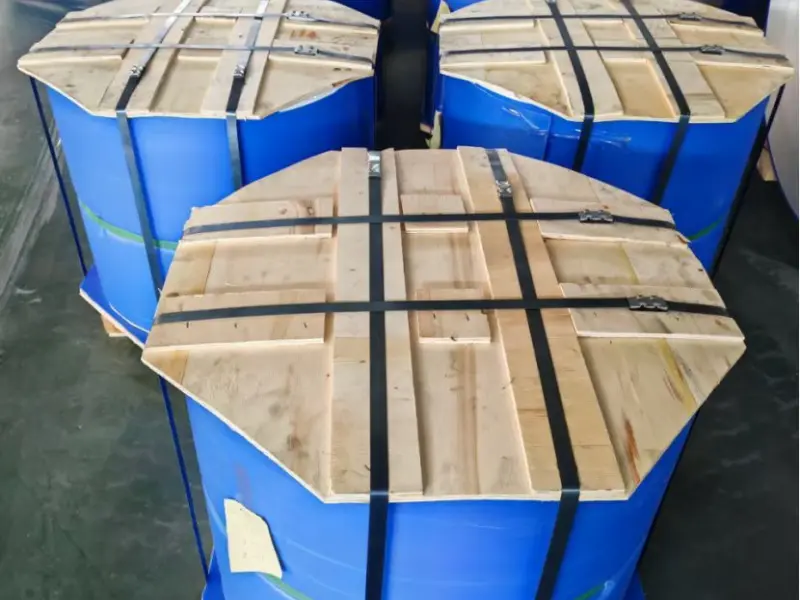
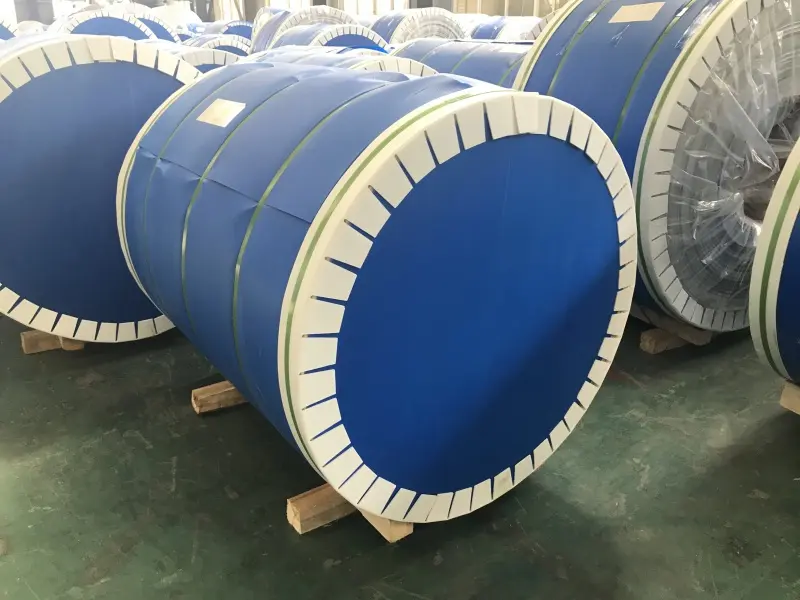
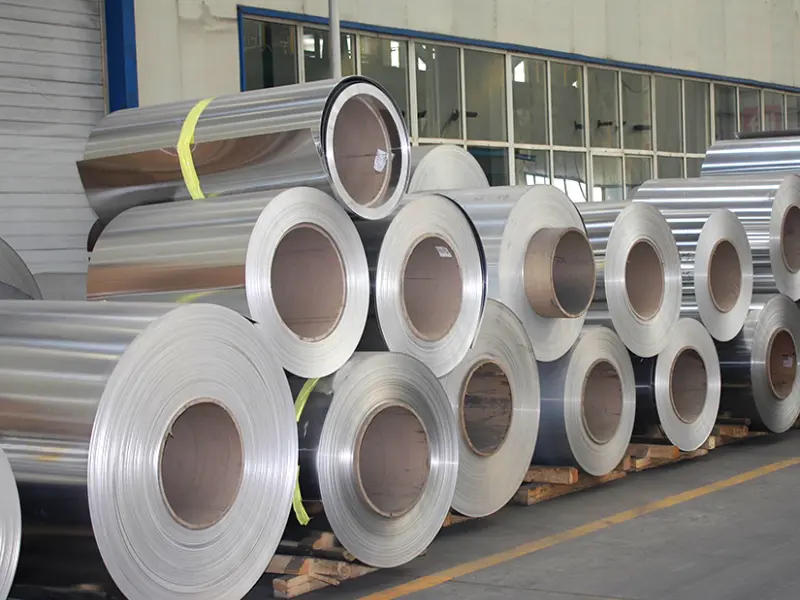
1050 and 1060 aluminum coils should be packed to protect the surface and edges during storage and transportation.
Common packaging options include:
- Moisture-resistant wrapping.
- Protective paper or film, when required.
- Inner and outer protective materials.
- Wooden pallets or export packing.
- Coil eye-to-sky or eye-to-wall packing, according to handling needs.
Information to Include in a Quotation Request
To obtain a useful quotation, provide the following information:
| Item | Example |
|---|---|
| Alloy | 1050 or 1060 |
| Temper | O, H14, H18 |
| Thickness | 0.50 mm |
| Width | 1,000 mm |
| Surface | Mill finish |
| Quantity | 5 metric tons |
| Application | Lighting components |
| Packing | Export seaworthy packing |
| Destination | Port or delivery location |
| Documents | Material certificate, if required |
The examples above are for reference. Actual order specifications should match the customer’s production needs.
What About MOQ and Lead Time?
Minimum order quantity and production lead time depend on the supplier’s stock, rolling schedule, dimensions, and finishing requirements.
Standard specifications may be available more quickly than custom widths, special tempers, or coated products. Buyers should request a confirmed production schedule before arranging shipment.
Frequently Asked Questions About 1050 vs. 1060 Aluminum Coil
Is 1060 Aluminum Better Than 1050 Aluminum?
Not in every application. 1060 has a higher minimum aluminum content, while 1050 is suitable for many general-purpose applications. The better choice depends on conductivity, forming needs, surface requirements, and cost.
What Is the Main Difference Between 1050 and 1060 Aluminum Coil?
The main compositional difference is the minimum aluminum content: 99.5% for 1050 and 99.6% for 1060. Other performance differences should be assessed using actual material specifications and test data.
Which Aluminum Coil Is Better for Electrical Applications?
1060 aluminum is often considered when high purity and conductivity are important. However, the correct selection depends on the required conductivity, design, mechanical properties, and applicable standards.
Can 1050 and 1060 Aluminum Coil Be Bent?
Yes. Both alloys can be bent when the thickness, temper, and bend radius are suitable. Softer tempers are generally more appropriate for demanding bending operations.
Which Temper Is Best for Deep Drawing?
O temper is commonly considered for deep drawing because it provides high ductility. The final selection should be verified through forming trials when the part geometry is complex.
What Thickness Is Available for 1050 Aluminum Coil?
Common thin-coil options include 0.1 mm, 0.2 mm, 0.3 mm, 0.5 mm, 0.8 mm, and 1.0 mm. Thicker material may also be available, depending on the producer and order specifications.
Can 1060 Aluminum Coil Be Used for LED Reflectors?
Yes, it can be used for selected LED reflector products. The required surface finish, reflectivity, forming performance, and coating requirements should be confirmed with the manufacturer.
Is 1050 Aluminum Coil Suitable for Outdoor Use?
It can be suitable for many outdoor applications because of its corrosion resistance. However, the environment, exposure conditions, coating requirements, and product design must be considered.
Is 1050 Aluminum Coil Cheaper Than 1060 Aluminum Coil?
Not always. Pricing depends on raw material costs, dimensions, temper, order quantity, processing, and market conditions. Buyers should compare quotations for the same specifications.
What Is the Difference Between Aluminum Coil and Aluminum Strip?
Aluminum strip is generally a narrower product, often produced by slitting a wider coil. Both 1050 and 1060 alloys can be supplied in coil or strip form, subject to available dimensions.
Can I Order Custom Widths and Thicknesses?
Many aluminum suppliers offer custom widths, thicknesses, and coil weights. Availability depends on the production line, minimum order quantity, and required tolerances.
What Should I Check Before Buying Aluminum Coil?
Confirm the alloy, temper, thickness, width, surface finish, dimensional tolerance, quantity, packing method, and required inspection documents. If the material will be used for electrical or heat-transfer applications, confirm the relevant performance requirements as well.
Find the Right 1050 or 1060 Aluminum Coil for Your Application
Choosing between 1050 and 1060 aluminum coil depends on the final product and its technical requirements.

1050 aluminum coil is a practical choice for many general fabrication, lighting, and formed-component applications. 1060 aluminum coil is worth considering when higher aluminum purity is an important factor, particularly in selected electrical and heat-transfer products.
Before ordering, compare the alloy, temper, thickness, width, surface finish, and quality requirements. Clear specifications help suppliers provide more accurate quotations and reduce problems during production.
For a customized quotation, provide your required alloy, temper, dimensions, quantity, application, and destination. A supplier can then recommend a suitable specification for your project.