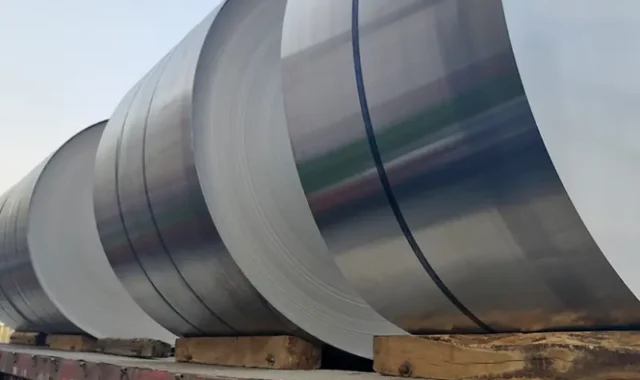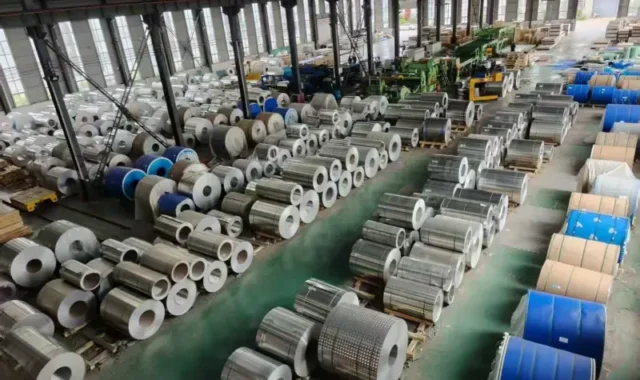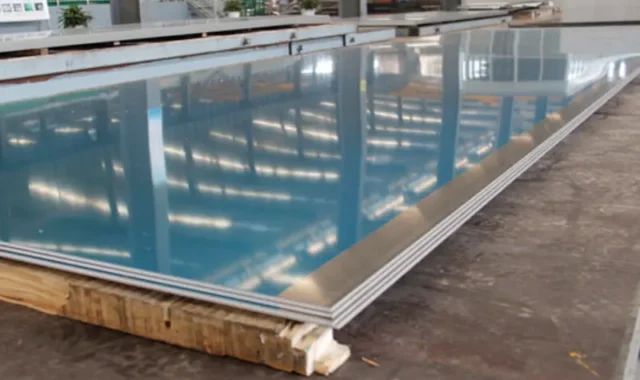
Choosing between 3003 vs. 3105 Aluminum Coil depends on the final application, required strength, forming method, surface finish, and budget. Both alloys belong to the 3xxx aluminum series. They contain manganese and offer good corrosion resistance and formability. However, they are not designed for exactly the same needs.
3003 aluminum coil is widely used for general fabrication, heat exchangers, kitchen equipment, and industrial components. It offers good workability and a useful balance of strength and corrosion resistance.
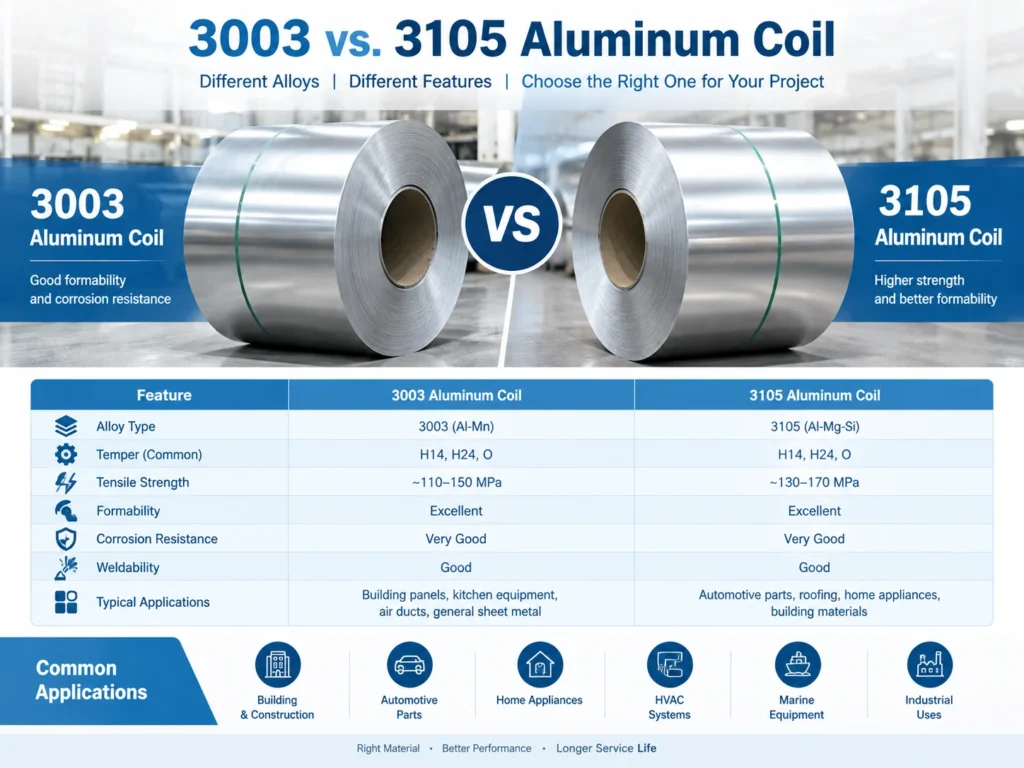
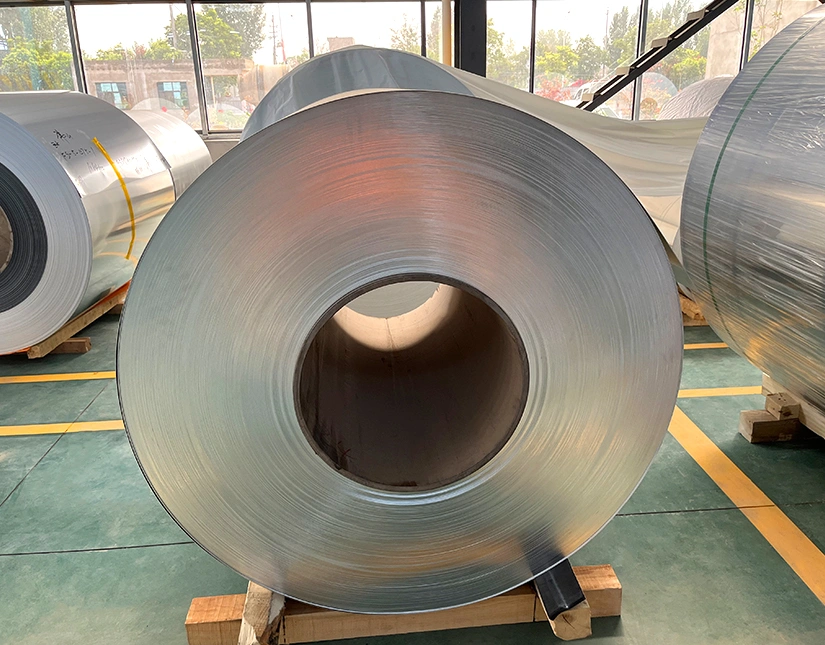
3105 aluminum coil is commonly used for building products, painted aluminum coil, siding, roofing components, and other architectural applications. It is often selected for products that need a balance of strength, formability, and surface finishing.
For manufacturers, distributors, and construction material suppliers, understanding the differences between 3003 and 3105 aluminum coil can help reduce material waste and improve product performance.
3003 vs. 3105 Aluminum Coil: Quick Comparison
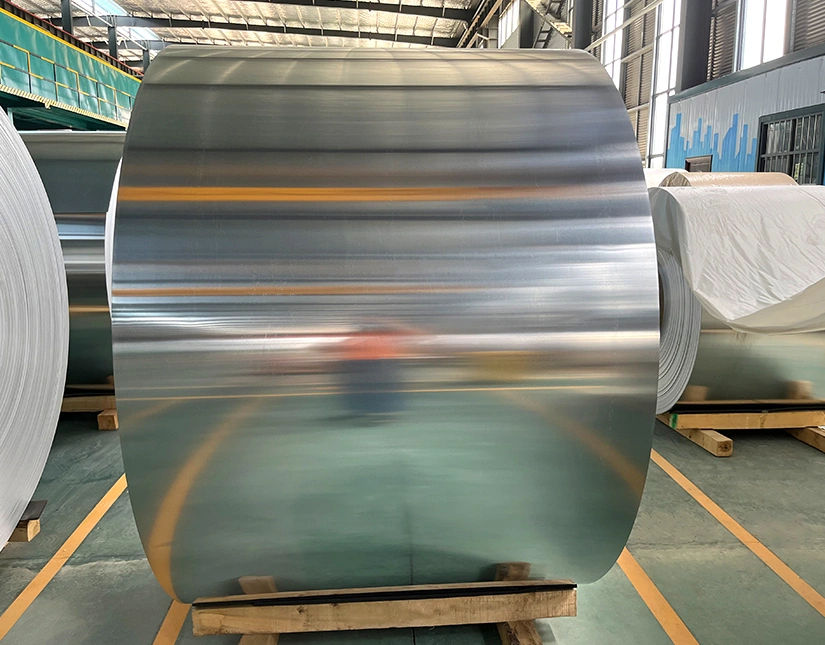
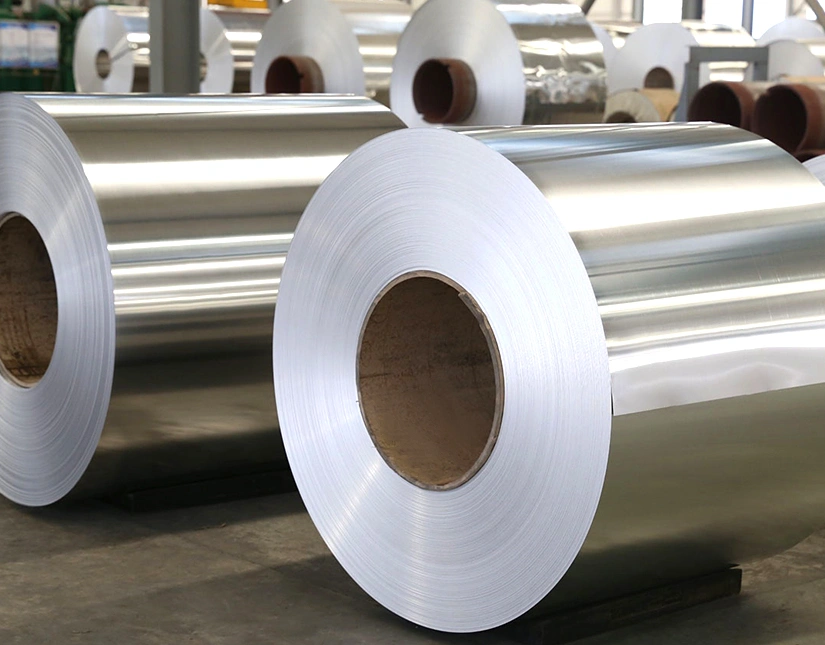
The two alloys have similar basic characteristics, but their typical uses and product options can differ.
| Comparison Item | 3003 Aluminum Coil | 3105 Aluminum Coil |
|---|---|---|
| Aluminum series | 3xxx | 3xxx |
| Main alloying element | Manganese | Manganese |
| Corrosion resistance | Good | Good |
| Formability | Very good | Good to very good, depending on temper |
| Strength | Moderate | Moderate; can be higher in some comparable tempers |
| Common tempers | O, H14, H16, H18, H24 | O, H14, H16, H24 |
| Common applications | Heat exchangers, tanks, kitchen equipment | Building panels, roofing, siding, gutters |
| Painted coil options | Available | Common in architectural applications |
| Embossed coil options | Subject to specification | Subject to specification |
| Custom thickness | Available | Available |
| Main selection factor | Fabrication and general industrial use | Building products and architectural finishing |
Note: Mechanical properties depend on temper, thickness, product standards, and manufacturing conditions. Always compare technical data for the exact products being quoted.
What Is 3003 Aluminum Coil?
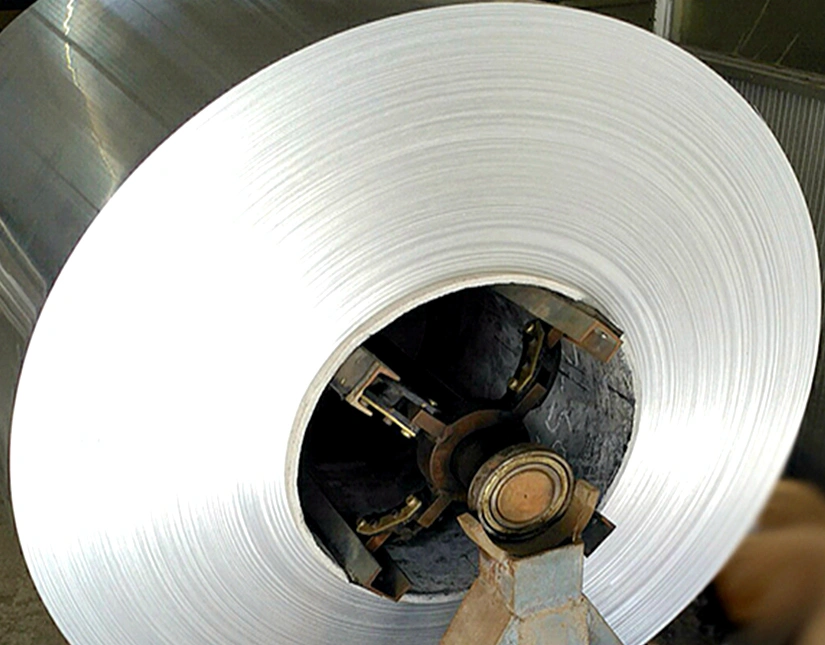
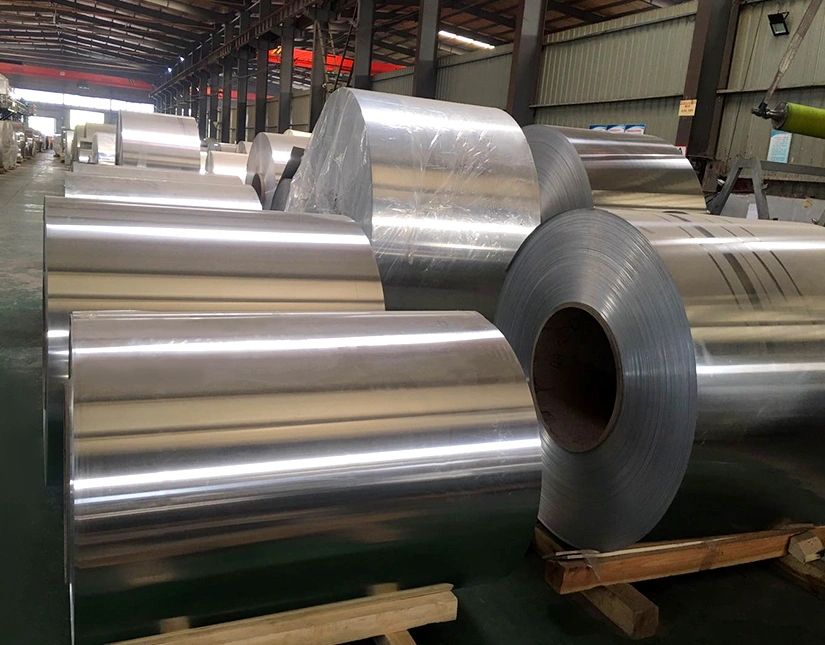
3003 aluminum coil is a manganese-alloyed aluminum product used in many industrial and commercial applications. It combines good corrosion resistance with excellent workability.
The material can be rolled into thin or thick coil products, depending on the production requirements. It can also be cut into sheets, strips, and blanks for further processing.
Main Characteristics of 3003 Aluminum Coil
- Good resistance to corrosion in many common environments.
- Good bending and forming performance.
- Suitable for drawing and other fabrication processes.
- Useful thermal conductivity.
- Available in plain, coated, and selected textured finishes.
- Suitable for a wide range of industrial components.
The alloy is not heat-treatable in the same way as 6xxx series aluminum. Its strength is mainly controlled by composition and work hardening.
Common 3003 Aluminum Coil Specifications
| Parameter | Typical Options |
|---|---|
| Alloy | 3003 |
| Temper | O, H12, H14, H16, H18, H22, H24 |
| Thickness | 0.20–3.00 mm |
| Width | 100–1,600 mm |
| Surface | Mill finish, coated, embossed |
| Processing | Slitting, cutting, bending, stamping |
| Product form | Coil, strip, sheet |
| Standards | ASTM B209 or other agreed standards |
These dimensions are examples of common order ranges, not a guarantee that every combination is available. Wider or thicker products may be possible depending on the mill and production route.
Typical Applications of 3003 Aluminum Coil
3003 is a practical choice when the product needs good forming performance and reliable service in normal industrial environments.
Heat exchangers and thermal equipment
- Heat exchanger fins and components.
- Air-conditioning equipment.
- Radiator-related components.
- Selected refrigeration parts.
Kitchen and household products
Household metal products.
Cookware components.
Kitchen equipment panels.
Food preparation equipment.
Industrial fabrication
- Storage tanks for compatible materials.
- Equipment covers.
- Fabricated housings.
- General-purpose formed components.
Construction and building products
- Interior panels.
- Selected roofing accessories.
- Decorative metal parts.
- Components made from coated or embossed coil.
For applications involving food contact, pressure, or corrosive chemicals, the finished product must meet the relevant requirements. Alloy selection alone does not establish compliance.
What Is 3105 Aluminum Coil?
3105 aluminum coil is another manganese-containing alloy used in building products and general fabrication. It is often associated with painted aluminum coil, siding, roofing components, and architectural panels.
Its balance of strength, corrosion resistance, and forming performance makes it useful for products that need to retain their shape after processing.
Key Features of 3105 Aluminum Coil
- Good corrosion resistance for many building applications.
- Suitable for roll forming and bending when the correct temper is selected.
- Available for painted and other specified surface finishes.
- Suitable for roofing accessories, siding, and wall panels.
- Can be processed into strips and sheets.
- Available in different widths, thicknesses, and coil weights.
The suitability of 3105 for a particular building project depends on the design, installation method, environmental exposure, and required service life.
Common 3105 Aluminum Coil Specifications
| Parameter | Typical Options |
|---|---|
| Alloy | 3105 |
| Temper | O, H12, H14, H16, H24 |
| Thickness | 0.20–2.00 mm |
| Width | 100–1,600 mm |
| Surface | Mill finish, painted, selected embossed finishes |
| Coating | PE, PVDF, or other specified systems |
| Processing | Slitting, roll forming, bending, cutting |
| Product form | Coil, strip, sheet |
Exact availability depends on the coating system, thickness, temper, and intended use. For architectural projects, request the coating specifications and relevant quality documents with the quotation.
Where Is 3105 Aluminum Coil Used?
3105 is commonly considered for building applications where formability and surface appearance are important.

Roofing and rainwater systems
- Roofing accessories.
- Gutter and downspout components.
- Flashing and edge trim.
- Selected roof panels and profiles.
Exterior walls and siding
Trim and fascia products.
Aluminum siding.
Exterior wall panels.
Decorative building components.
Painted aluminum products
- Color-coated architectural coil.
- Prepainted strips for roll forming.
- Decorative metal panels.
- Components that require a consistent color finish.

General fabrication
- Formed covers.
- Lightweight housings.
- Building equipment components.
- Selected sheet metal products.
3105 is not automatically the best choice for every roofing or exterior application. The coating, thickness, profile design, and local building requirements must also be considered.
The Main Differences Between 3003 vs. 3105 Aluminum Coil
Both alloys are useful, but their best applications may differ. The following comparisons help buyers choose a suitable material.
Difference in Chemical Composition of 3003 vs. 3105 Aluminum Coil
Both alloys contain manganese as a major alloying element. Their full compositions are not identical, and other elements also affect their properties.
| Item | 3003 | 3105 |
|---|---|---|
| Main alloying element | Manganese | Manganese |
| Composition design | General-purpose non-heat-treatable alloy | Non-heat-treatable alloy commonly used in building products |
| Strength development | Mainly through work hardening | Mainly through work hardening |
| Selection priority | Formability and general fabrication | Building product requirements and finishing |
The exact chemical limits should be checked against the applicable standard and the supplier’s material certificate.
Difference in Strength of 3003 vs. 3105 Aluminum Coil
Neither alloy has one fixed tensile strength. The temper and thickness can significantly change the mechanical properties.
| Product Condition | Selection Consideration |
|---|---|
| O temper | Soft condition for demanding forming operations |
| H12 | Lower work-hardened condition |
| H14 | Half-hard condition |
| H16 | Higher work-hardened condition |
| H18 | Hard condition, where available |
| H24 | Work-hardened and partially annealed condition |
A 3105 coil may offer a useful strength level for certain building products, but it is not correct to assume that every 3105 product is stronger than every 3003 product. Compare the specified minimum and actual mechanical properties for the exact temper and thickness.
Difference in Formability of 3003 vs. 3105 Aluminum Coil
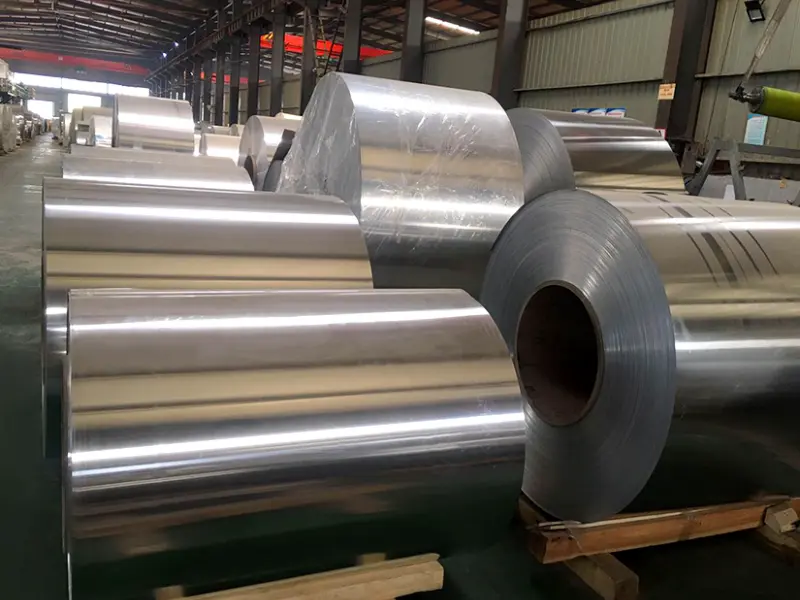

3003 is widely used where good forming performance is important. It is suitable for many bending, stamping, and drawing operations.
3105 is also formable and is often used for roll-formed building products. The appropriate temper depends on the shape, bend radius, and production speed.
Choose 3003 when:
- The component needs extensive forming.
- General fabrication is the main purpose.
- Thermal equipment or household products are being manufactured.
- The design benefits from a well-established general-purpose alloy.
Consider 3105 when:
- The product is intended for roofing or siding.
- A painted architectural finish is required.
- The coil will be processed into building profiles.
- The supplier can meet the required coating and mechanical specifications.
Difference in Corrosion Resistance of 3003 vs. 3105 Aluminum Coil
Both alloys provide good corrosion resistance in many everyday environments. However, the service environment matters more than the alloy number alone.
For coastal buildings, industrial facilities, or areas with aggressive pollutants, consider:
- Humidity and salt exposure.
- Contact with dissimilar metals.
- Drainage and water retention.
- Surface coating quality.
- Maintenance requirements.
- Expected service life.
A suitable coating system can be important for both alloys. For severe environments, request project-specific recommendations rather than relying only on general alloy descriptions.
Difference in Surface Finish of 3003 vs. 3105 Aluminum Coil
Both alloys can be supplied in different finishes, subject to manufacturing capability.
| Finish | 3003 Aluminum Coil | 3105 Aluminum Coil |
|---|---|---|
| Mill finish | Common option | Common option |
| Painted finish | Available for suitable products | Widely used for building products |
| Embossed finish | Available for selected specifications | Available for selected specifications |
| Slit coil | Available | Available |
| Custom color | Subject to coating specification | Subject to coating specification |
For painted aluminum coil, compare the coating type, thickness, adhesion, color tolerance, gloss, and weathering performance. A similar color does not mean two coating systems will perform the same way.
3003 vs. 3105 Aluminum Coil by Thickness
Thickness is one of the most important purchasing decisions. It affects stiffness, weight, forming behavior, and material cost.
| Thickness | Potential 3003 Applications | Potential 3105 Applications |
|---|---|---|
| 0.20–0.30 mm | Thin formed parts and selected thermal components | Lightweight building accessories |
| 0.30–0.50 mm | General fabrication and selected equipment parts | Painted trim and siding components |
| 0.50–0.80 mm | Equipment panels and formed products | Roofing accessories and wall panels |
| 0.80–1.20 mm | Industrial parts and covers | More rigid building components |
| 1.20–2.00 mm | Selected structural or fabricated parts | Selected heavier-gauge building products |
These are application guides rather than universal design limits. The correct thickness depends on load, support spacing, profile shape, forming requirements, and applicable codes.
How Thickness Affects Cost of 3003 vs. 3105 Aluminum Coil
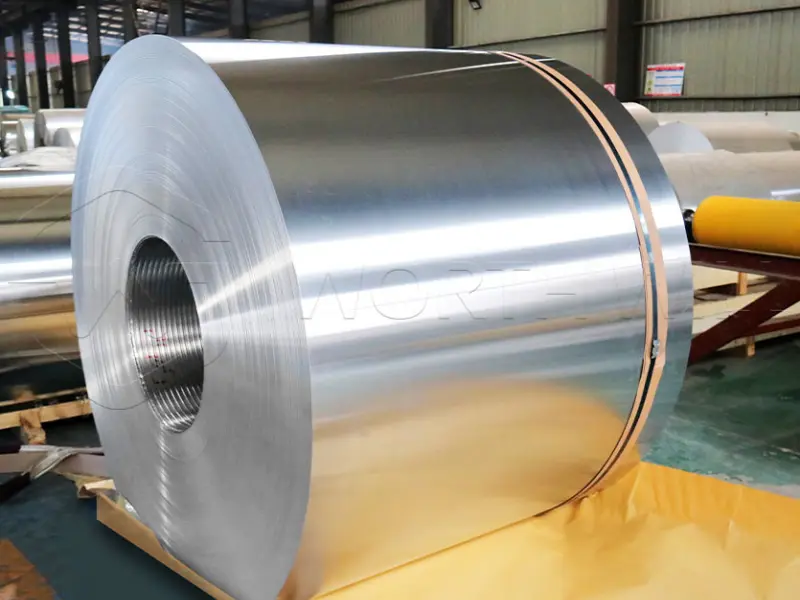
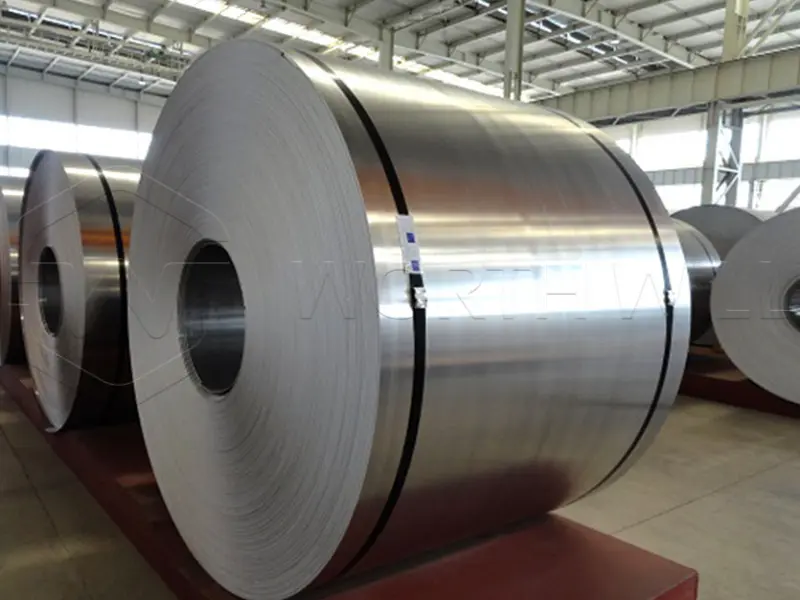
A thicker coil contains more aluminum per square meter. This usually increases the material cost per square meter, although the final price also depends on alloy premiums, coating, order quantity, and market conditions.
When comparing quotations, check whether the quoted price refers to:
- Price per metric ton.
- Price per kilogram.
- Price per square meter.
- Bare aluminum or coated aluminum.
- Delivered material or ex-works material.
Comparing different units without converting them can lead to an incorrect purchasing decision.
Product Types: Choose the Right Coil for Your Project
The terms 3003 and 3105 describe alloy grades. Within each grade, buyers can choose different tempers, finishes, dimensions, and processing options.
3003 Mill Finish Aluminum Coil
Mill finish 3003 coil has a natural aluminum surface without an added decorative paint coating. It is suitable for general fabrication and products where a painted finish is unnecessary.
Common options include:
- 3003-O coil for soft forming.
- 3003-H14 coil for a balance of workability and rigidity.
- 3003-H24 coil for selected formed components.
- Slit 3003 strip for automated production lines.
3003 Embossed Aluminum Coil
Embossed 3003 coil has a patterned surface created by rollers. The texture can improve the visual appearance and help conceal small surface marks.
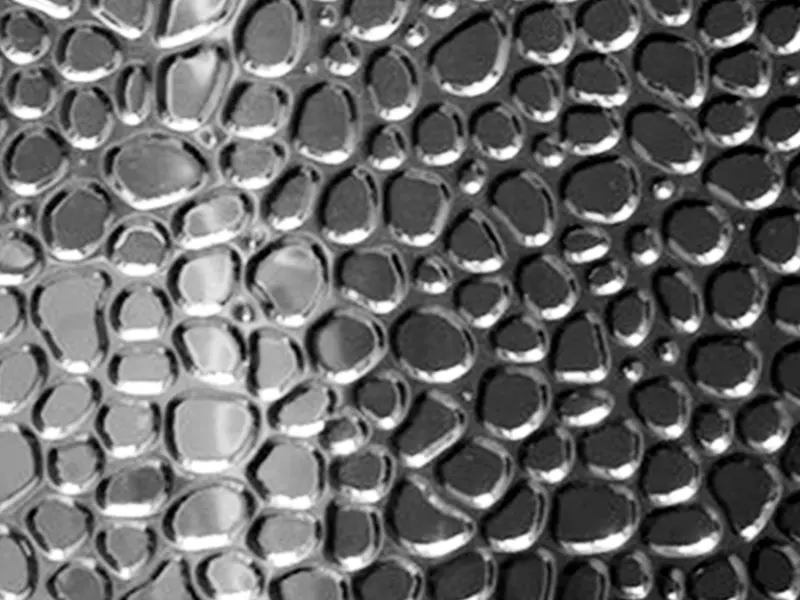
Typical uses include:
- Selected refrigeration components.
- Equipment covers.
- Decorative panels.
- Insulation jacketing, where the specification is suitable.
Stucco and other embossed finishes should be specified separately because their surface patterns and processing requirements can differ.
3105 Prepainted Aluminum Coil
Prepainted 3105 coil is used in many architectural products. The paint system can provide the requested color and additional surface protection.
Possible options include:
- White painted aluminum coil.
- Gray or silver architectural coil.
- Black painted aluminum coil.
- Custom-color coil for building projects.
- PE-coated or PVDF-coated products, where specified and available.
PE and PVDF coatings are not interchangeable. The correct coating depends on the exposure, appearance requirements, budget, and warranty conditions.
3105 Roofing and Siding Coil
For roofing and siding production, 3105 can be considered where the required mechanical properties and coating system are suitable.

Common applications include:
- Roll-formed roof profiles.
- Exterior siding panels.
- Fascia and soffit components.
- Flashing and trim.
- Gutter-related products.
The finished product’s wind resistance, water management, fastening, and structural performance depend on the full system, not just the aluminum alloy.
Custom Slit Aluminum Coil
Both alloys can be supplied as slit coil for manufacturers that need narrow widths.
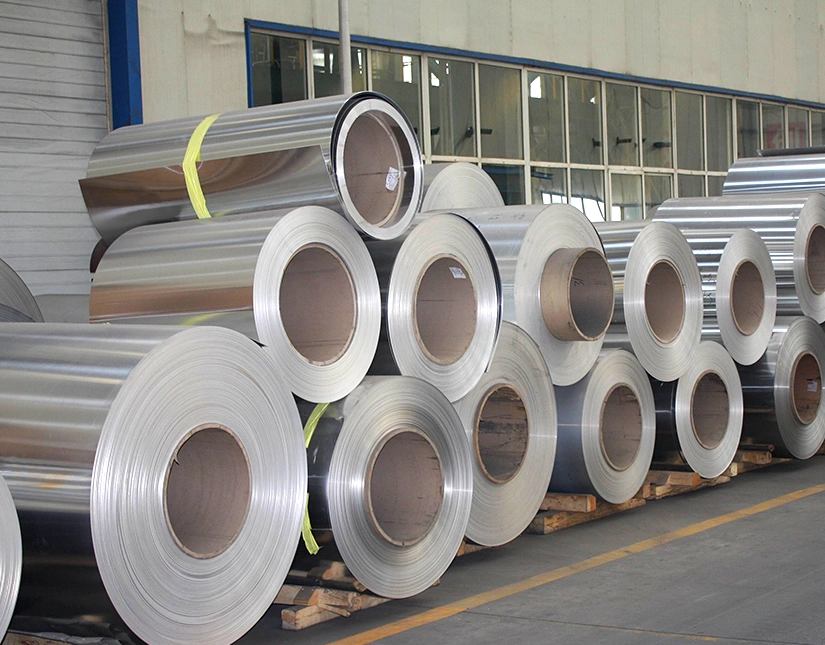
Slit coil can help reduce additional cutting work and support automated production. Buyers should specify the target width, thickness tolerance, coil weight, inside diameter, and edge-quality requirements.
Which Alloy Is Better for Roofing and Construction?
For roofing and building products, 3105 is often worth evaluating first because it is commonly used in architectural coil and painted building components.
However, 3003 may also work for suitable building accessories and formed components. The final choice depends on product design and performance requirements.
3105 for Painted Roofing Components
Consider 3105 when the product needs:
- A specified architectural color.
- Roll forming into a roof or siding profile.
- Consistent appearance across a large order.
- Suitable strength for the designed component.
- A coating system selected for outdoor exposure.
3003 for General Fabricated Components
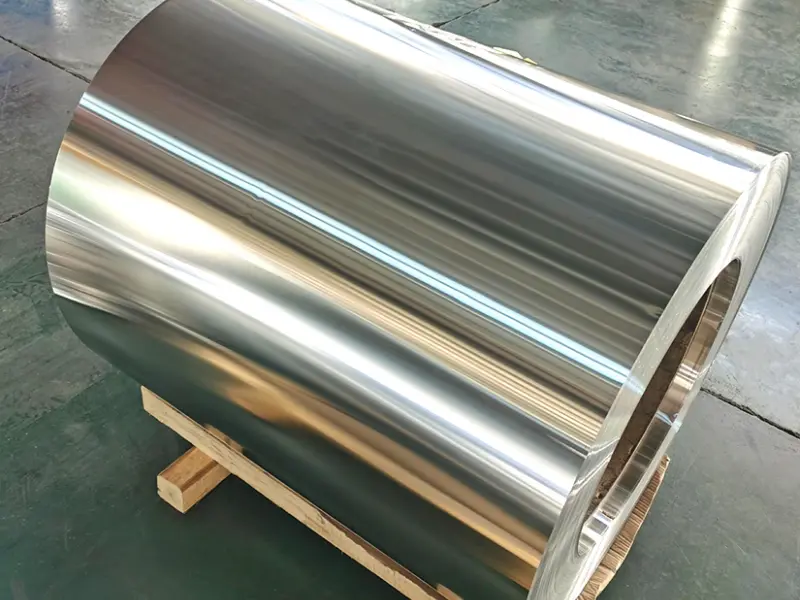
Consider 3003 when the product needs:
- Good formability.
- General sheet metal fabrication.
- Equipment covers and formed panels.
- A natural or specified coated finish.
- A balance of workability and mechanical performance.
For complete roofing panels, the selected thickness, profile, support spacing, fasteners, coating, and installation method must all be checked. The alloy alone cannot determine whether a roof design is suitable.
Which Alloy Is Better for Industrial and Thermal Applications?
3003 is often a practical starting point for heat exchangers, kitchen equipment, and general industrial components.
3105 can be considered for selected formed products, but its suitability depends on the design and technical requirements.
| Application | Alloy to Evaluate First | Important Considerations |
|---|---|---|
| Heat exchanger components | 3003 | Thermal design, forming, and product specifications |
| Kitchen equipment | 3003 | Formability and applicable contact requirements |
| Painted siding | 3105 | Coating system and weather exposure |
| Roofing accessories | 3105 | Profile design and outdoor durability |
| General formed panels | Both | Temper, bend radius, and stiffness |
| Embossed insulation jacketing | Suitable 3003 or other specified alloy | Texture, thickness, and service environment |
For heat exchangers and pressure-related equipment, verify the exact design standard and alloy approval before ordering.
How to Compare 3003 and 3105 Aluminum Coil Prices
The lowest price per ton does not always produce the lowest total project cost. Coating, cutting, yield, processing time, and scrap can all affect the final result.
Factors That Affect the Quotation of 3003 vs. 3105 Aluminum Coil
- Alloy and temper.
- Thickness and width.
- Coil weight and quantity.
- Mill finish or painted finish.
- Coating type and required performance.
- Slitting and packaging.
- Applicable technical standards.
- Delivery terms and destination.
For coated coil, request the coating specification and clarify whether the quoted price includes protective film or special packaging.
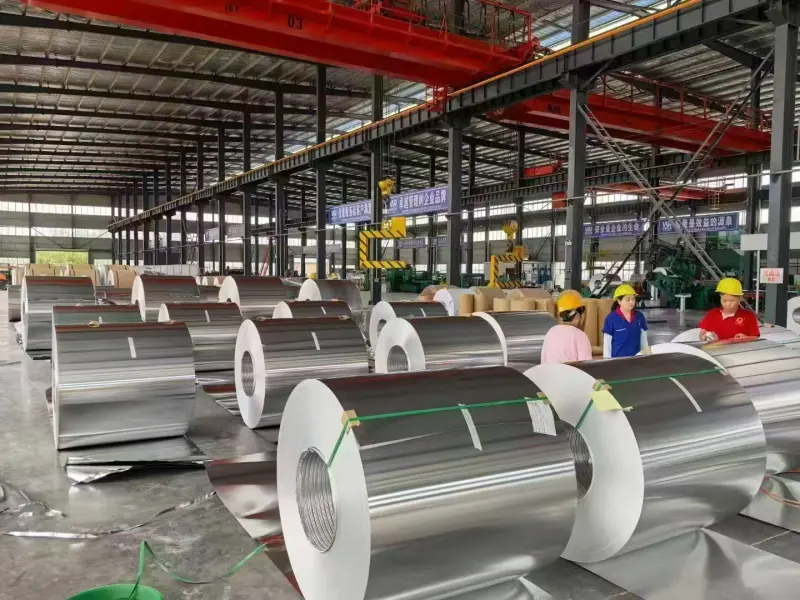
Example of a Clear RFQ Specification of 3003 vs. 3105 Aluminum Coil

| Item | Example Requirement |
|---|---|
| Alloy | 3105 |
| Temper | H14 |
| Thickness | 0.50 mm |
| Width | 1,000 mm |
| Surface | White prepainted |
| Coating | As specified by project |
| Coil inside diameter | 508 mm, subject to availability |
| Quantity | 10 metric tons |
| Application | Exterior building panels |
| Destination | Specify country or port |
This example is for quotation planning only. The final alloy, temper, coating, and dimensions should match the actual product design.
What Should Buyers Check Before Ordering?
A clear specification helps the supplier select the right coil and reduces the risk of receiving unsuitable material.
Before placing an order, confirm:
- Alloy grade and temper.
- Thickness and width tolerances.
- Coil inside diameter and maximum coil weight.
- Surface finish and appearance requirements.
- Mechanical properties and applicable standards.
- Coating system, color, and gloss, if painted.
- Protective film requirements.
- Packaging and moisture protection.
- Inspection documents and material certificates.
- Lead time, delivery terms, and order quantity.
For repeat orders, keep an approved sample or a reference specification. This helps maintain consistency between production batches.
Frequently Asked Questions About 3003 vs. 3105 Aluminum Coil
Is 3003 aluminum coil better than 3105 aluminum coil?
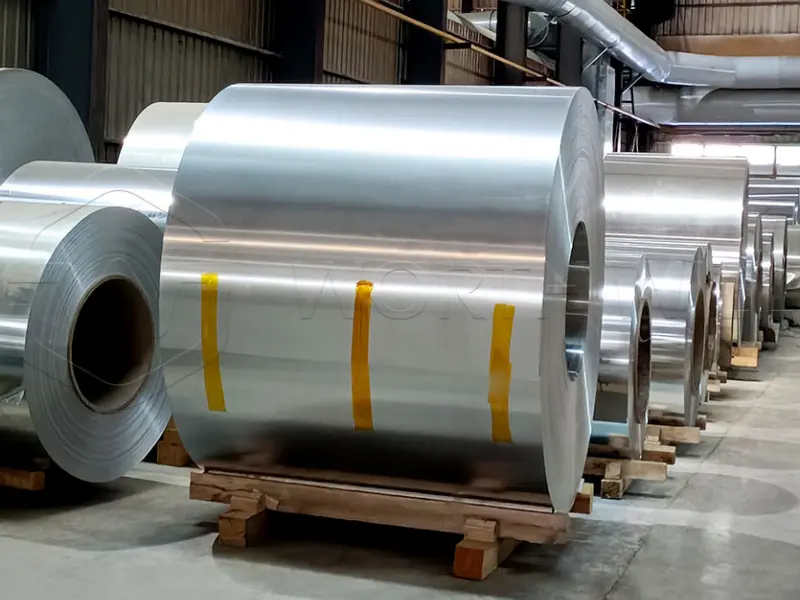
Neither alloy is better for every application. 3003 is widely used for general fabrication and thermal equipment. 3105 is commonly used for building products and painted architectural coil. The correct choice depends on the finished product and its specifications.
Is 3105 aluminum stronger than 3003?
The answer depends on the temper and thickness. Some 3105 products may offer higher strength than comparable 3003 products, but this cannot be assumed for every grade condition. Compare the mechanical property requirements on the technical data sheets.
Can 3003 aluminum coil be used for roofing?
It can be considered for certain roofing accessories and formed components when the material meets the project’s requirements. For a complete roofing system, check the alloy, temper, thickness, coating, profile design, and local building standards.
Why is 3105 commonly used for painted aluminum coil?
3105 is commonly used in architectural and building products because it offers a useful balance of formability, strength, and corrosion resistance. The actual suitability of a painted coil also depends on the pretreatment, coating system, and outdoor exposure.
Which alloy is easier to bend?
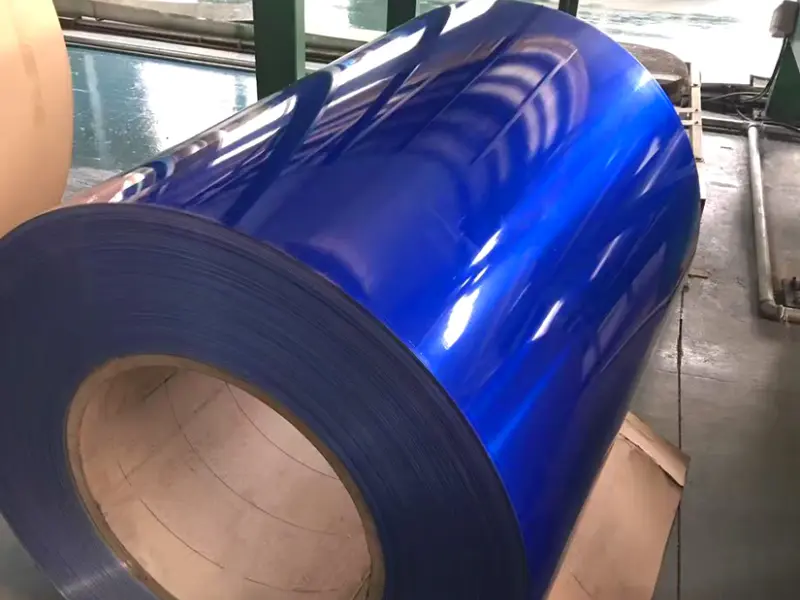
Both alloys can be bent when the correct temper and thickness are selected. Softer tempers generally allow more demanding forming operations. Bend radius, tooling, grain direction, and coating flexibility should also be considered.
Are 3003 and 3105 aluminum coils corrosion-resistant?
Both offer good corrosion resistance in many environments. Their performance depends on exposure conditions, surface treatment, contact with other metals, and maintenance. More aggressive environments may require a suitable coating or a different material specification.
Can 3003 and 3105 aluminum coil be painted?
Yes, both can be supplied with suitable painted finishes when the product and production route support the required coating system. Confirm the coating type, adhesion, color, gloss, and weathering requirements before placing the order.
What is the difference between 3003-H14 and 3105-H14 coil?
Both are work-hardened products, but they have different alloy compositions and may have different mechanical properties. The H14 designation indicates a temper condition; it does not mean the two alloys have identical strength or forming performance.
Which alloy is more economical?
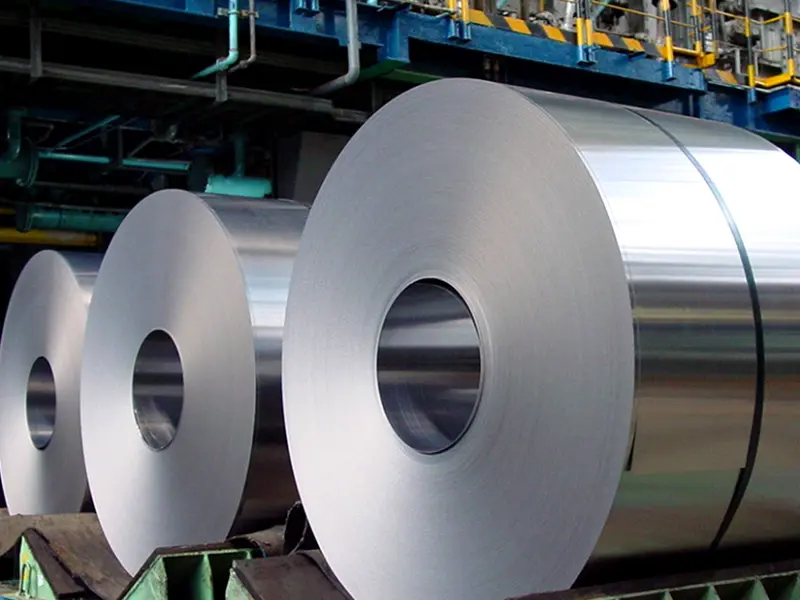
The price depends on market conditions, thickness, temper, surface finish, quantity, and production requirements. The best value is the alloy that meets the design requirements with acceptable material cost and processing performance.
Can I order custom-width 3003 or 3105 coil?
Yes, custom widths and slit coils can be requested, subject to the manufacturer’s capabilities. Provide the target width, thickness, coil weight, inside diameter, and edge requirements for an accurate quotation.
What information is needed to request a price?
Provide the alloy, temper, thickness, width, finish, quantity, and delivery destination. For painted coil, also specify the color and coating requirements. If the material is used for roofing or siding, share the intended profile and application.
Get a Quote for 3003 vs. 3105 Aluminum Coil
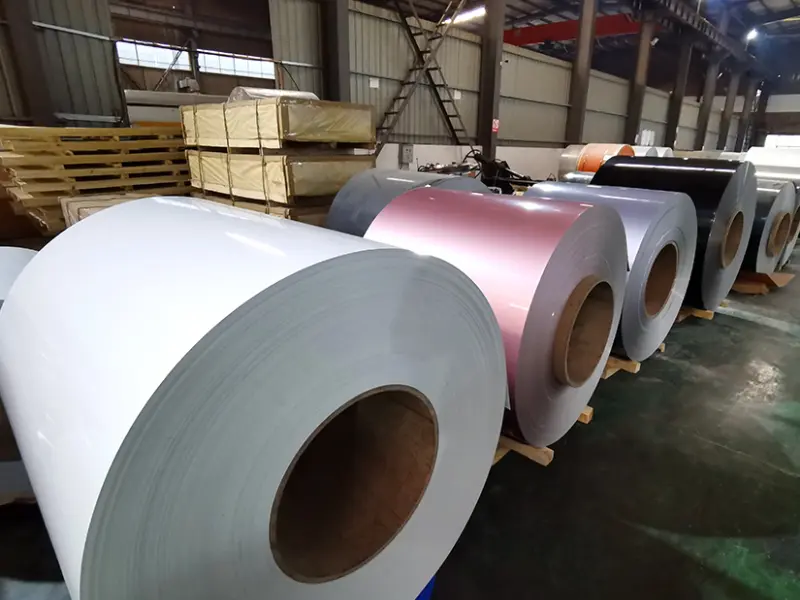
Looking for 3003 aluminum coil for industrial fabrication or 3105 aluminum coil for roofing, siding, and architectural products?
A manufacturer can help you compare suitable specifications and select a product based on the intended use.
When requesting a quotation, include:
- Alloy and temper.
- Thickness and width.
- Surface finish or coating.
- Coil weight and quantity.
- Required technical standards.
- Destination and delivery requirements.
With the right specifications, you can compare material options more accurately, reduce processing problems, and choose an aluminum coil that fits your production needs.