
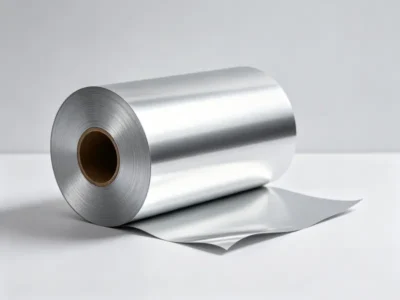
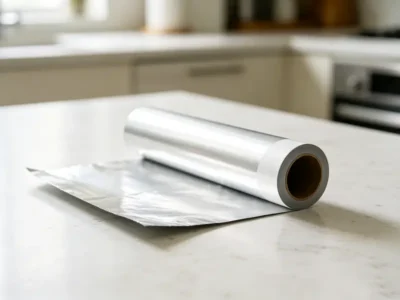
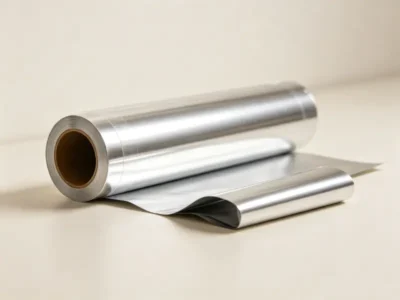
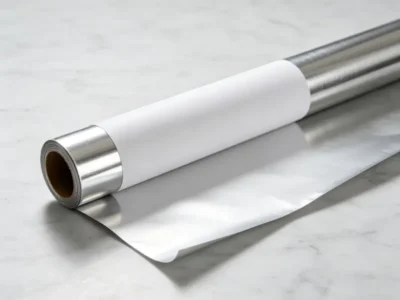
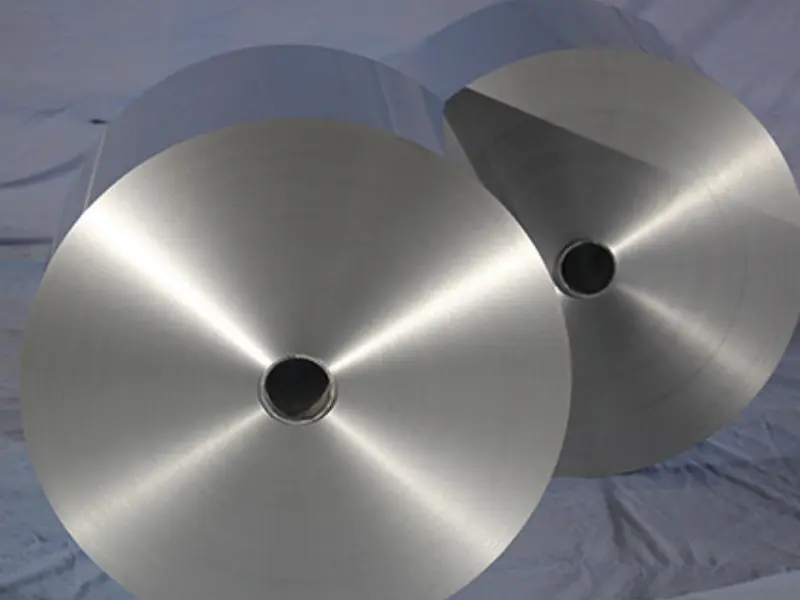
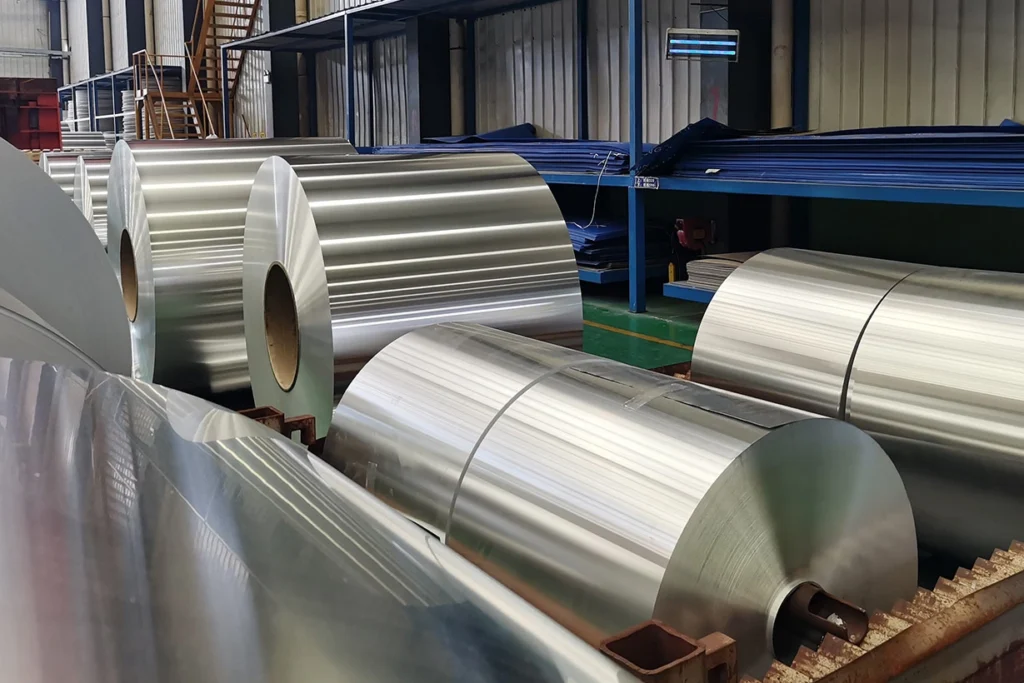
An Aluminum Foil Roll is a continuous roll of aluminum foil supplied in different thicknesses, widths, alloys, tempers, and roll weights. It has uses in packaging, food processing, insulation, HVAC, pharmaceutical products, household applications, decoration, cable wrapping, and industrial production.
Compared with pre-cut aluminum foil sheets, roll material is easier to use in continuous production. It can be cut, laminated, printed, coated, embossed, or rewound according to the final application.

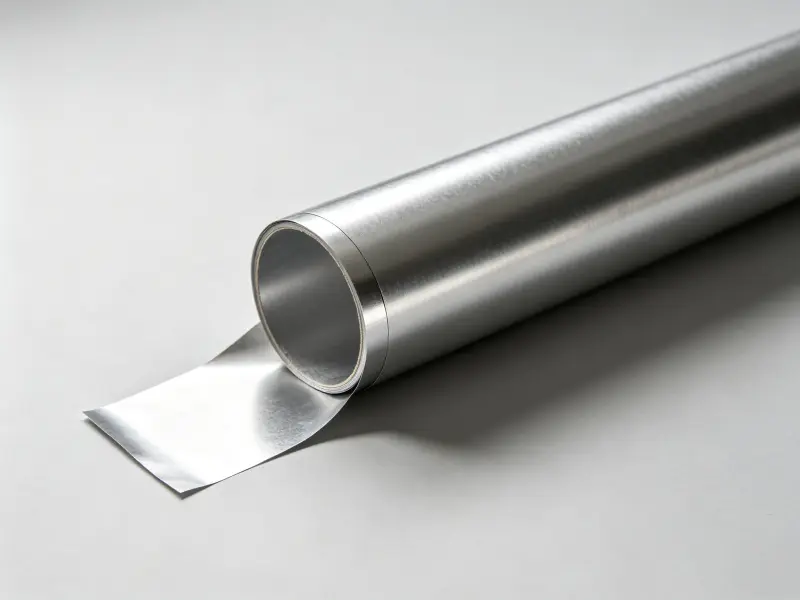
The right foil roll is not selected by thickness alone. Alloy, temper, width, inner core, outer diameter, roll weight, surface condition, and final use should also be considered.
For manufacturers and wholesalers, aluminum foil rolls can be supplied in standard or customized specifications.
Common Aluminum Foil Roll Types
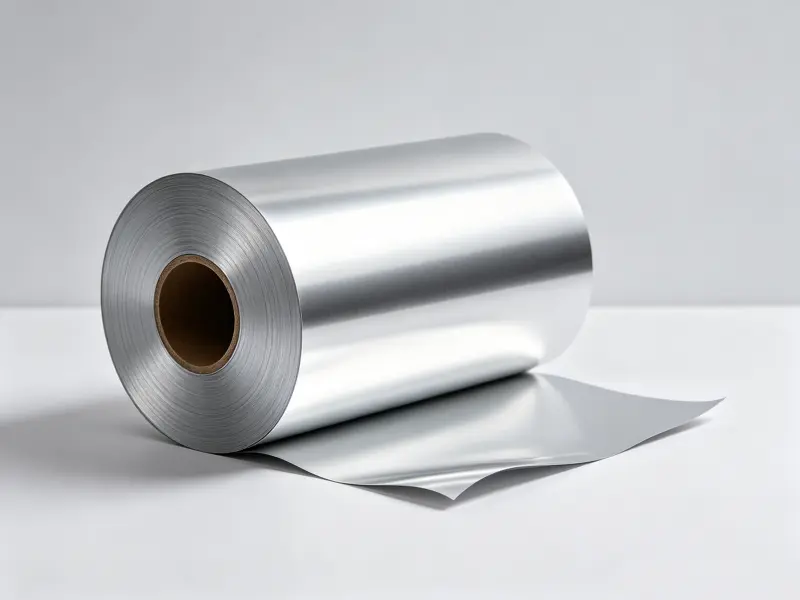
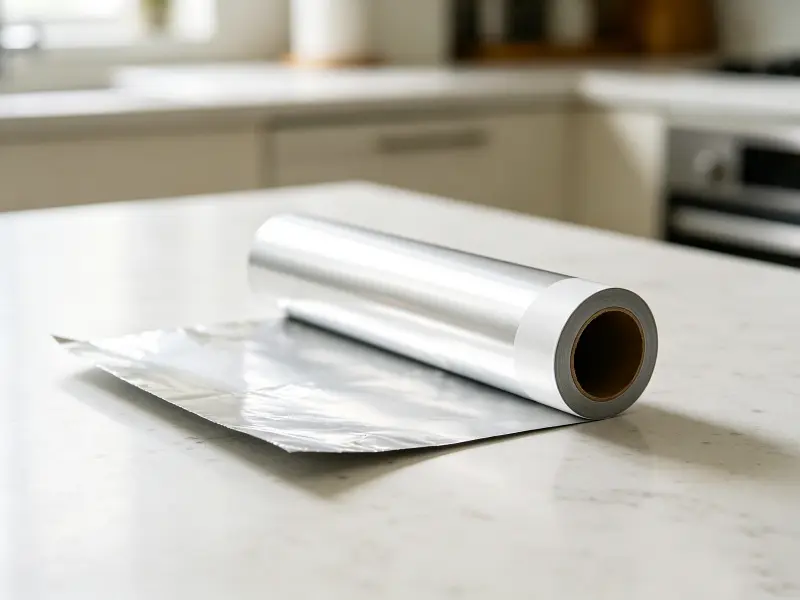
| Type | Common Alloys | Main Uses |
|---|---|---|
| Household Foil Roll | 8011 / 1235 | Cooking, baking and food wrapping |
| Food Packaging Foil | 8011 / 3003 | Food containers and flexible packaging |
| Pharmaceutical Foil | 8011 / 8021 | Blister and pharmaceutical packaging |
| Flexible Packaging Foil | 8011 / 8021 / 8079 | Pouches, snacks and dairy packaging |
| Insulation Foil | 8011 / 1235 | Roof, wall and HVAC insulation |
| Cable Foil | 8011 / 1235 | Cable shielding and protection |
| Embossed Foil Roll | 8011 / 1235 | Insulation and decorative applications |
| Coated Foil Roll | 8011 / 3003 | Packaging and industrial products |
| Laminated Foil Roll | 8011 / 1235 | Flexible packaging and insulation |
Aluminum Foil Roll Applications
Aluminum foil roll is suitable for continuous converting and manufacturing processes.
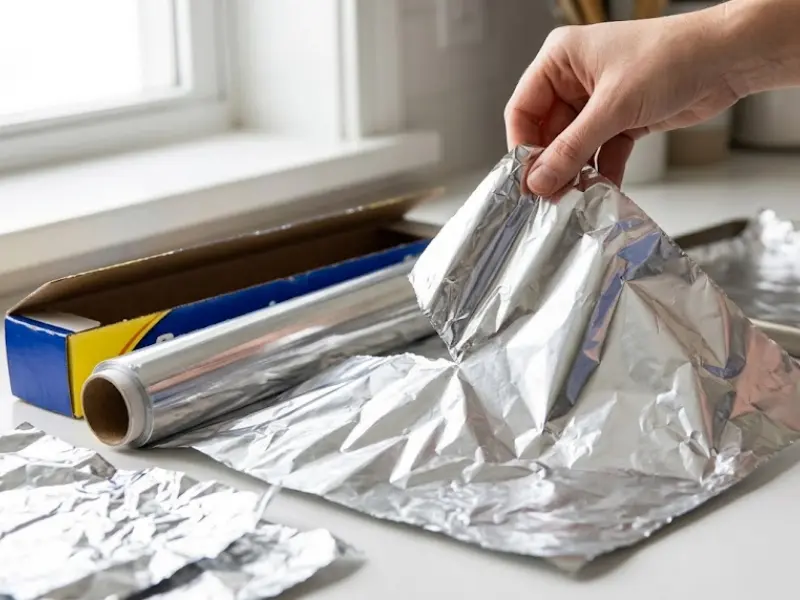
→ Food Packaging
Takeaway food packaging
Food wrapping
Baking and cooking
Food containers
Dairy packaging
Snack packaging
Chocolate and confectionery packaging
→ Pharmaceutical Packaging
- Tablet blister packs
- Capsule packaging
- Medical packaging
- Pharmaceutical pouches
- Healthcare product packaging
→ Household Use
- Kitchen foil
- Food storage
- Freezer wrapping
- Baking applications
- Catering and restaurant use

→ Insulation
Reflective insulation
Roof insulation
Wall insulation
HVAC insulation
Pipe insulation
Thermal insulation systems
→ Electrical & Cable
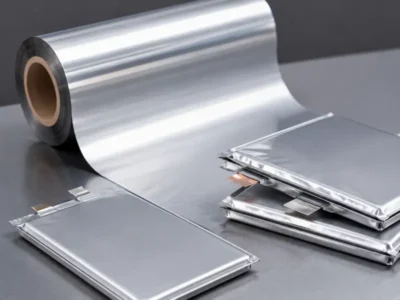
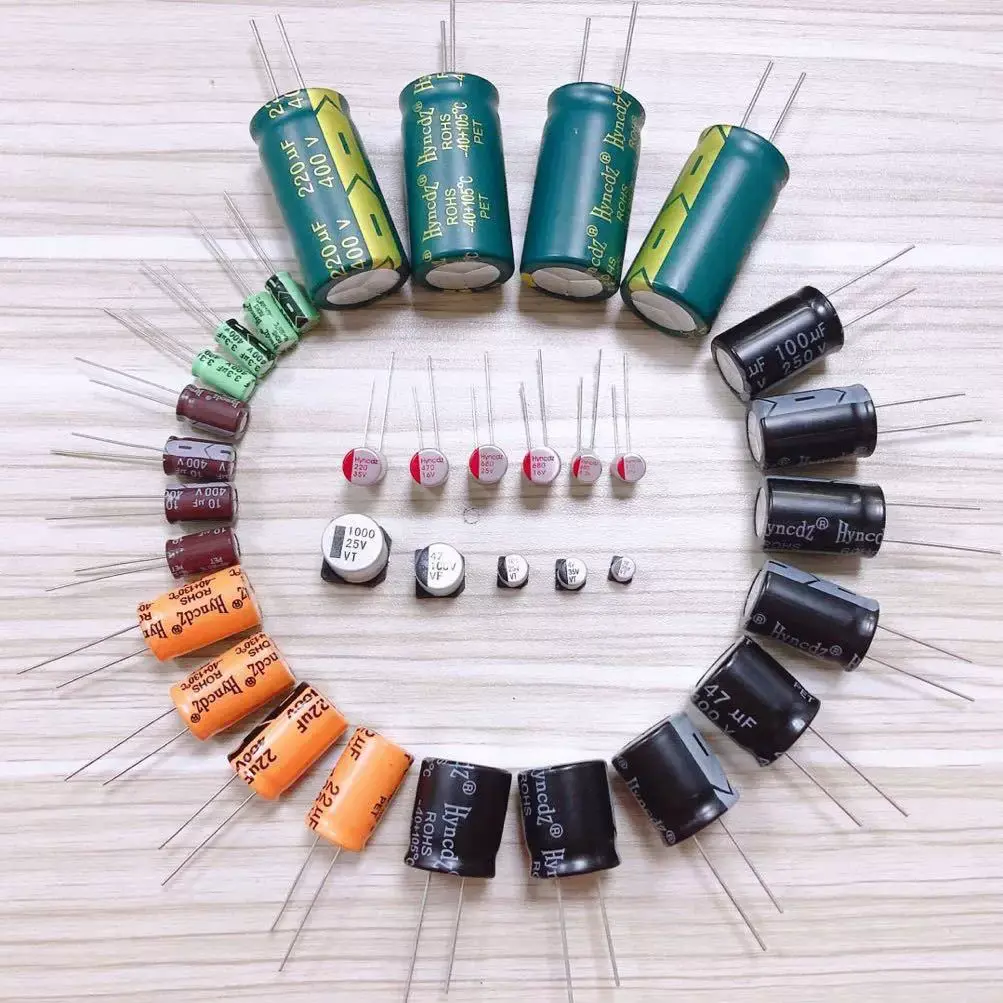
Electronic components
Cable shielding
Wire protection
Electrical insulation systems
Transformer components
→ Industrial Applications
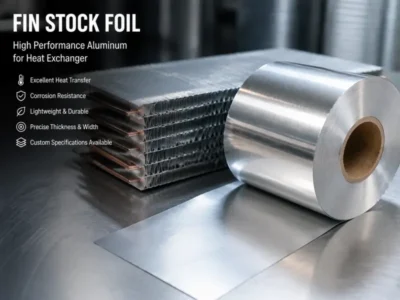
- Heat exchanger components
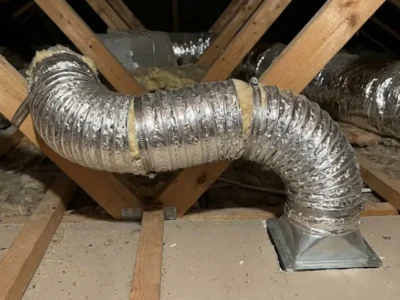
- Flexible ducts
- Automotive components
- Sealing materials
- Laminated materials
- Protective covers
Aluminum Foil Roll Surface Options
Different surface treatments can be selected according to the final product.
Plain Foil → Embossed Foil → Coated Foil → Laminated Foil → Printed Foil
| Surface | Features |
|---|---|
| Plain | Clean surface for general processing |
| One-Side Bright | Bright appearance on one side |
| Both-Side Bright | High brightness on both sides |
| Embossed | Improved surface structure and appearance |
| Lacquered | Suitable for coated packaging products |
| Heat-Seal Coated | Designed for heat-sealing applications |
| Laminated | Combined with paper, PE, PET or other materials |
| Printed | Suitable for branded packaging |
Aluminum Foil Roll Processing
Aluminum foil roll can be supplied for different downstream production processes.
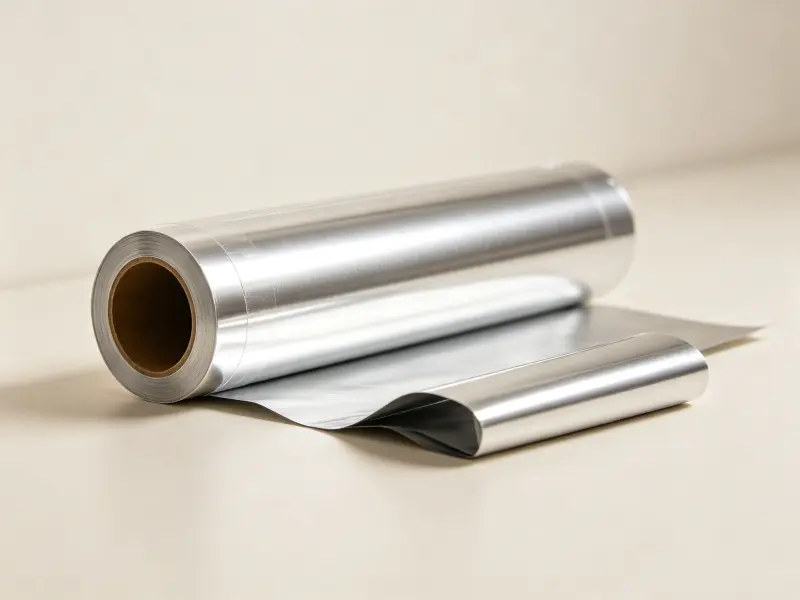
Aluminum Slab → Hot Rolling → Cold Rolling → Annealing → Slitting → Rewinding → Aluminum Foil Roll
Depending on the application, the foil can then be:
Foil Roll → Printing → Coating → Laminating → Cutting → Final Product
This continuous roll format is suitable for automatic packaging machines and high-volume production.
Custom Aluminum Foil Roll
Custom aluminum foil rolls can be produced according to the customer’s machine and application requirements.
- Custom alloy
- Custom temper
- Custom thickness
- Custom width
- Custom roll weight
- Custom core diameter
- Custom surface finish
- Custom coating
- Custom embossing
- Custom printing
- Mill edge or slit edge
- Export packaging
What Is an Aluminum Foil Roll?
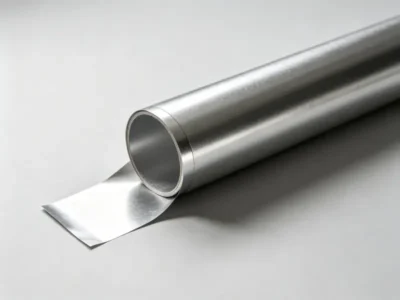
An aluminum foil roll is aluminum foil wound into a continuous coil. The foil can be produced in very thin gauges for flexible packaging or in thicker specifications for insulation and industrial processing.
The basic production route is:
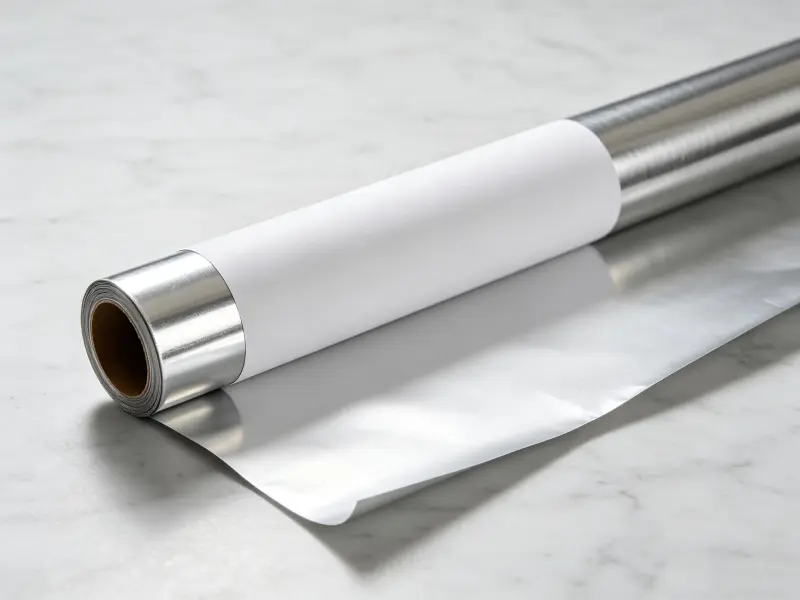
Aluminum Ingot → Casting → Hot Rolling → Cold Rolling → Annealing → Slitting → Inspection → Rewinding → Packing
Different applications require different production conditions.
For example, soft foil is useful for forming and wrapping. Harder foil is better when the material needs to maintain its shape during processing.
Aluminum Foil Roll vs. Aluminum Foil Sheet
| Feature | Aluminum Foil Roll | Aluminum Foil Sheet |
|---|---|---|
| Supply form | Continuous roll | Pre-cut pieces |
| Production efficiency | High | Lower |
| Automatic processing | Excellent | Limited |
| Custom width | Available | Available |
| Rewinding | Easy | Not applicable |
| Packaging production | Very suitable | Suitable for small jobs |
| Storage | Compact | Requires flat storage |
| Large-volume production | Excellent | Less efficient |
For continuous production lines, the roll format is usually more convenient.
Common Aluminum Foil Roll Thicknesses
Thickness is one of the first specifications buyers normally confirm.
Different thicknesses provide different levels of flexibility, strength, and barrier performance.
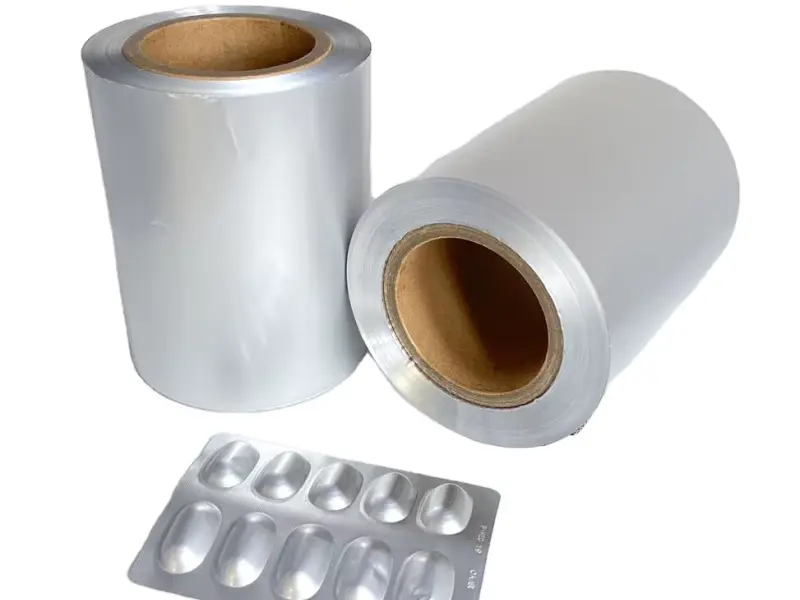
0.012 mm Aluminum Foil Roll
Very thin foil is lightweight and flexible. It can be used in selected packaging and laminated products.
0.02 mm Aluminum Foil Roll
0.02 mm foil offers a good combination of low weight and flexibility. It can be used in flexible packaging, household foil, and some laminated applications.
0.03 mm Aluminum Foil Roll
A 0.03 mm roll has slightly more body. It is easier to handle during certain converting processes.
0.05 mm Aluminum Foil Roll
0.05 mm is a common medium-thin specification. It can be considered for insulation, packaging components, decoration, and industrial processing.
0.08 mm Aluminum Foil Roll
The 0.08 mm option provides more rigidity than thinner foil. It can be used for insulation products, HVAC applications, and some industrial components.
0.10 mm Aluminum Foil Roll
0.10 mm aluminum foil provides more body and better shape retention. It is suitable for applications where ultra-thin foil is not strong enough.
0.15 mm Aluminum Foil Roll
At 0.15 mm, the material is significantly more rigid. Some buyers may compare this product with thin aluminum strip or sheet.
| Thickness | General Character | Typical Application |
|---|---|---|
| 0.012 mm | Ultra thin | Flexible products |
| 0.02 mm | Very flexible | Packaging |
| 0.03 mm | Flexible | Laminated products |
| 0.05 mm | Medium thin | Packaging and insulation |
| 0.08 mm | More body | HVAC and insulation |
| 0.10 mm | Semi-rigid | Industrial use |
| 0.15 mm | Rigid | Fabrication |
| 0.20 mm+ | Very strong compared with foil | Industrial applications |
The available thickness range depends on alloy, temper, width, and production equipment.
Popular Aluminum Foil Roll Alloys
The alloy affects formability, strength, conductivity, and processing performance.
1050 Aluminum Foil Roll
1050 aluminum has high aluminum content and good conductivity.
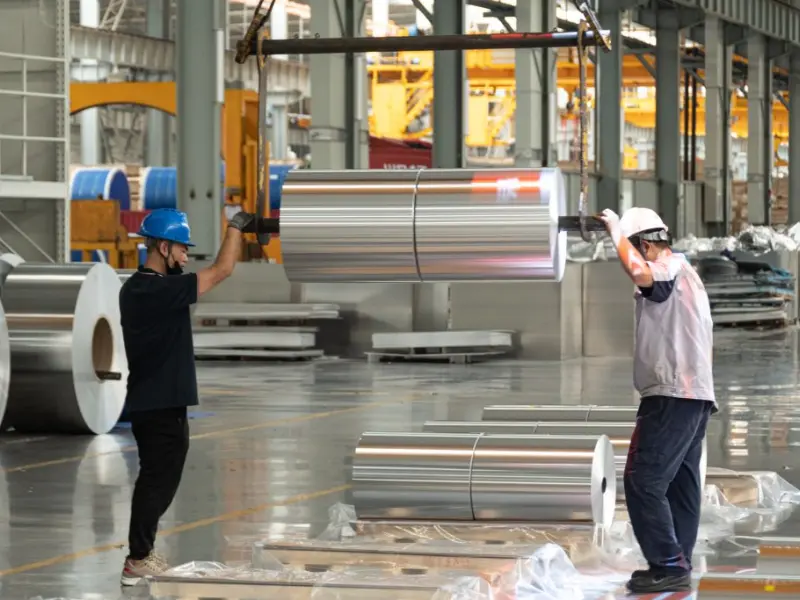
It is often considered for applications where high purity and good formability are important.
Common directions include:
General foil processing
Electrical applications
Insulation
Heat-related products
Decoration
1060 Aluminum Foil Roll
1060 is a popular high-purity aluminum alloy.
It offers good corrosion resistance and formability. It is suitable for many general-purpose foil applications.
It can be supplied in soft or harder tempers depending on the final process.
1070 Aluminum Foil Roll
1070 has a high aluminum content.
It can be selected for applications where electrical and thermal conductivity are important.
1235 Aluminum Foil Roll
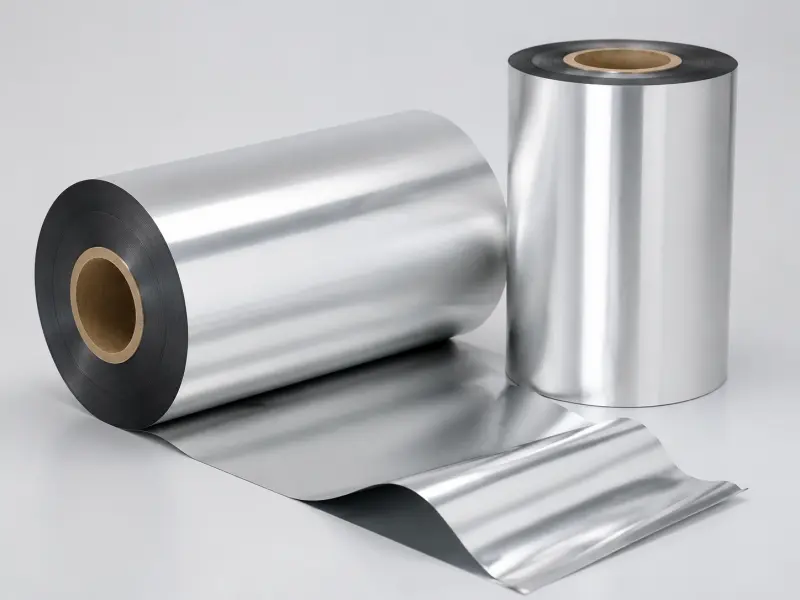
1235 aluminum is commonly used in foil applications because of its good flexibility and processing characteristics.
It can be considered for packaging and laminated foil products.
3003 Aluminum Foil Roll
3003 is an Al-Mn alloy.
It provides higher strength than many 1xxx series alloys while maintaining good formability.
It can be suitable for heat exchanger-related products, containers, and industrial applications.
3004 Aluminum Foil Roll
3004 provides good strength and formability.
It is often considered when the finished product needs more mechanical strength than a high-purity 1xxx series foil.
| Alloy | Main Feature | Application Direction |
|---|---|---|
| 1050 | High purity | Insulation and electrical |
| 1060 | Good formability | General foil |
| 1070 | High conductivity | Electrical applications |
| 1235 | Flexible and easy to process | Packaging |
| 3003 | Better strength | Industrial products |
| 3004 | Strength + formability | Containers and industrial use |
The best alloy depends on the production process and the required properties.
Aluminum Foil Roll Temper
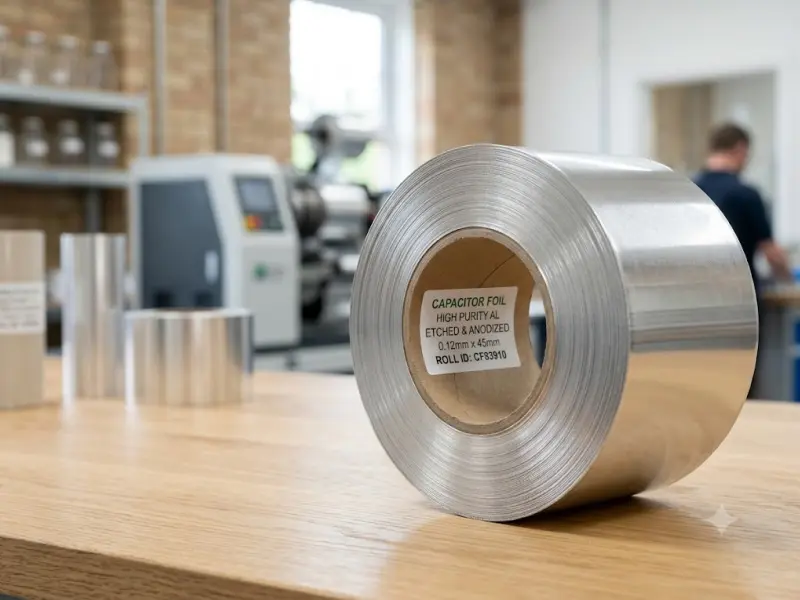
Temper describes the mechanical condition of the foil.
Common conditions include O, H12, H14, H16, and H18.
O Temper Aluminum Foil
O temper is fully annealed and soft.
It is useful for applications that require folding, wrapping, forming, or deep shaping.
H12 Aluminum Foil
H12 provides more strength than O temper while maintaining useful formability.
H14 Aluminum Foil
H14 offers a medium level of hardness and is suitable for applications that need a balance between strength and forming.
H16 Aluminum Foil
H16 is harder and provides better resistance to deformation.
H18 Aluminum Foil
H18 is a harder condition. It is selected when shape retention and strength are more important than maximum flexibility.
| Temper | Hardness | Formability | General Direction |
|---|---|---|---|
| O | Soft | Excellent | Wrapping and forming |
| H12 | Low-medium | Good | General use |
| H14 | Medium | Good | Processing |
| H16 | Medium-high | Moderate | Industrial use |
| H18 | Hard | Lower | Rigid applications |
The exact temper range depends on the alloy and thickness.
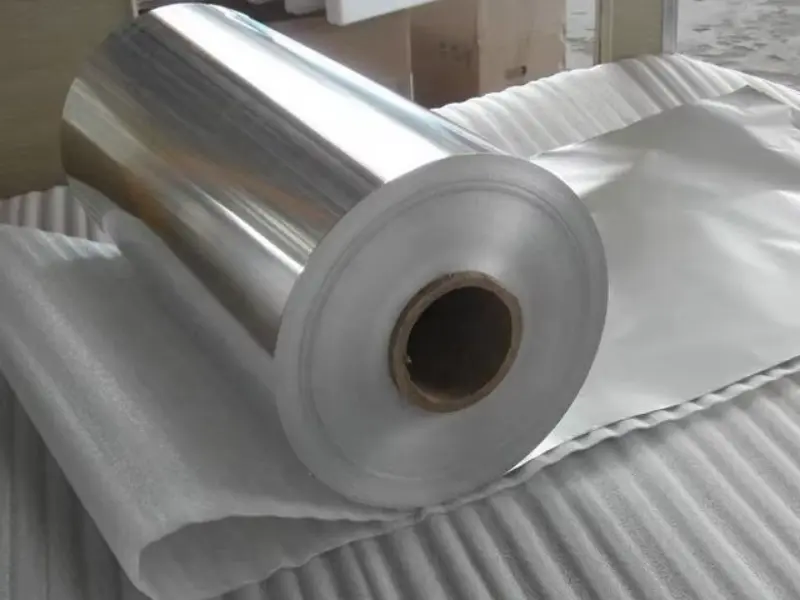
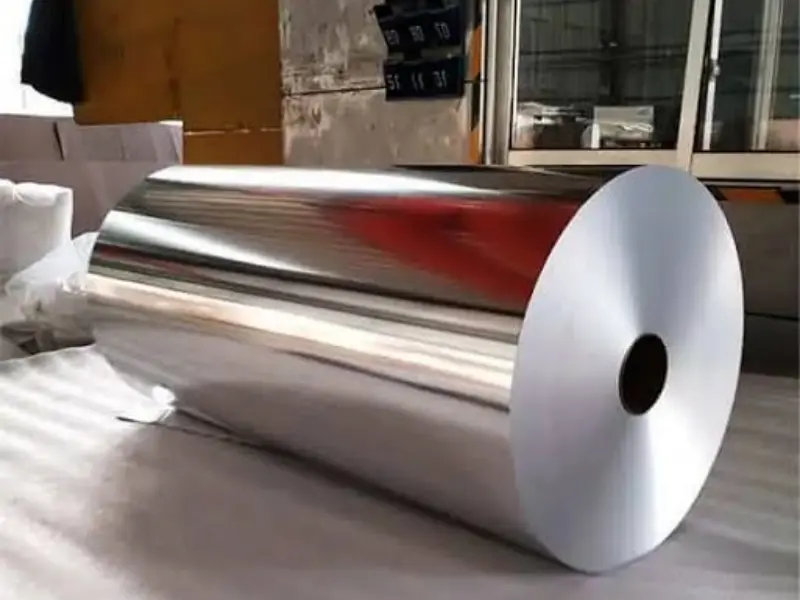
Food Packaging Aluminum Foil Rolls
Packaging is one of the largest application areas for aluminum foil.
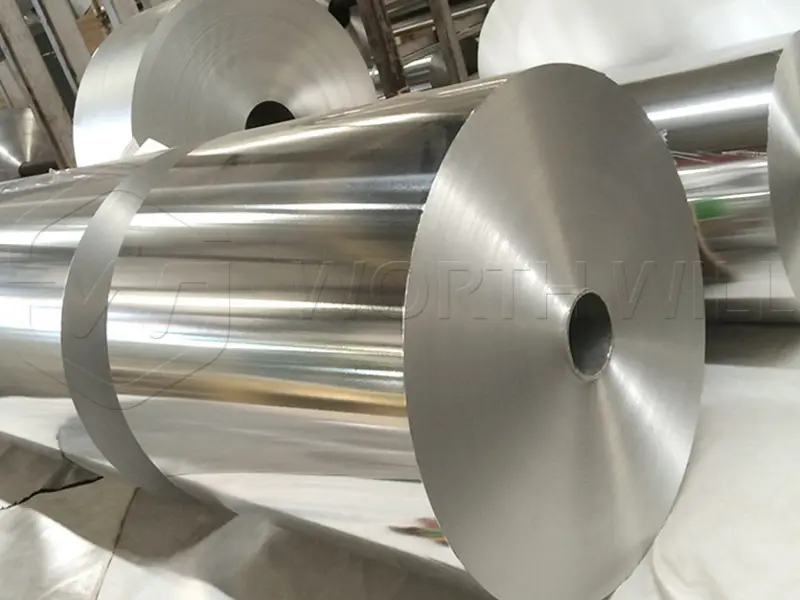
The material provides a strong barrier against light, moisture, and other external factors when used correctly in a packaging structure.
Applications include:
Household food wrapping
Food packaging
Chocolate packaging
Candy wrapping
Dairy packaging
Yogurt lids
Coffee packaging
Beverage packaging
Flexible pouches
Bakery packaging
Household Aluminum Foil Roll
Household foil is normally supplied in rolls for easy cutting.
It can be used for:
- Food preparation
- Baking
- Grilling
- Food storage
- Freezing
- Kitchen wrapping
For food-contact applications, the alloy, lubricant, coating, and applicable compliance requirements should be confirmed for the target market.
Aluminum Foil Rolls for Insulation
Aluminum foil is widely used as a facing or reflective layer in insulation systems.
The foil can help reflect radiant heat and provide a clean protective surface. The actual thermal insulation performance depends on the complete insulation structure.

Common applications include:
Air-conditioning systems
Roof insulation
Wall insulation
Pipe insulation
HVAC insulation
Duct insulation
Building insulation
Industrial insulation
0.05 mm vs. 0.08 mm for Insulation
| Feature | 0.05 mm | 0.08 mm |
|---|---|---|
| Weight | Lower | Higher |
| Flexibility | Higher | Lower |
| Handling | Easy | More stable |
| Strength | Moderate | Higher |
| Typical use | Light insulation facing | Stronger insulation facing |
The correct thickness depends on the insulation structure and installation method.
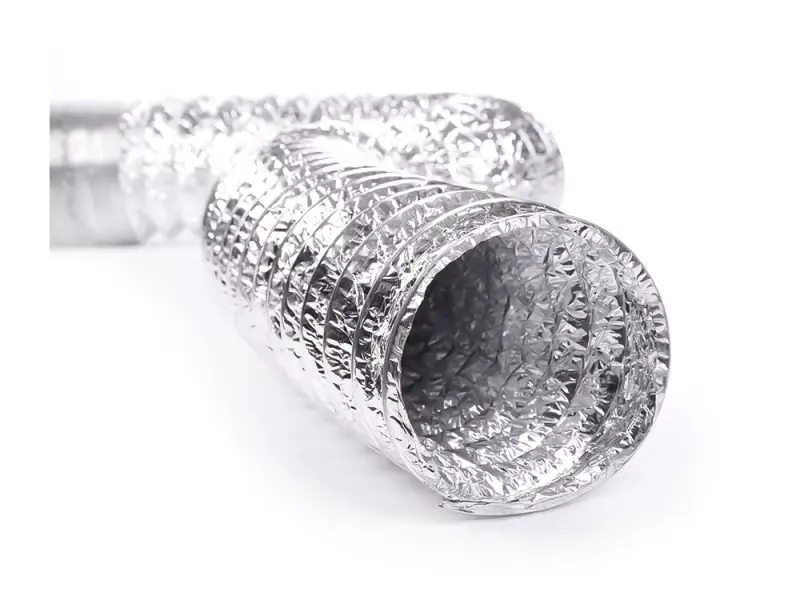
Aluminum Foil Roll for HVAC
HVAC applications often require foil with stable thickness, good surface quality, and suitable formability.
It can be used as a facing material for insulation products and duct systems.
Typical requirements include:
- Stable thickness
- Clean surface
- Good roll quality
- Suitable temper
- Controlled width
- Low surface defects
- Good processing performance
For automatic production, consistent roll tension and clean edges can also be important.
Aluminum Foil Roll for Pharmaceutical Packaging
Aluminum foil is commonly used as part of pharmaceutical packaging structures.
Possible applications include:
- Blister packaging
- Pharmaceutical lids
- Sachets
- Medical packaging
- Sealing materials
- Laminated pharmaceutical packs
The exact specification should be selected according to the packaging design and regulatory requirements of the target market.
A pharmaceutical application may require tighter control of surface cleanliness, pinholes, thickness, and coating or lamination performance.
Aluminum Foil for Cable and Electrical Applications
Aluminum foil can be used in cable-related products and electrical shielding structures.
Depending on the design, the foil may be laminated with other materials.

Important factors can include:
- Electrical conductivity
- Thickness
- Width
- Surface cleanliness
- Flexibility
- Slitting accuracy
- Edge quality
1050, 1060, and other suitable aluminum alloys may be considered depending on the electrical requirements.
Aluminum Foil Roll for Decoration
Foil can also be used as a decorative material.
Color, surface finish, embossing, and lamination can create different visual effects.
Applications include:
- Interior decoration
- Decorative panels
- Furniture components
- Gift packaging
- Crafts
- Display products
- Decorative labels
- Architectural details
Colored aluminum foil can be used when appearance is a key requirement.
Plain Aluminum Foil Roll
Plain foil has the natural aluminum surface.
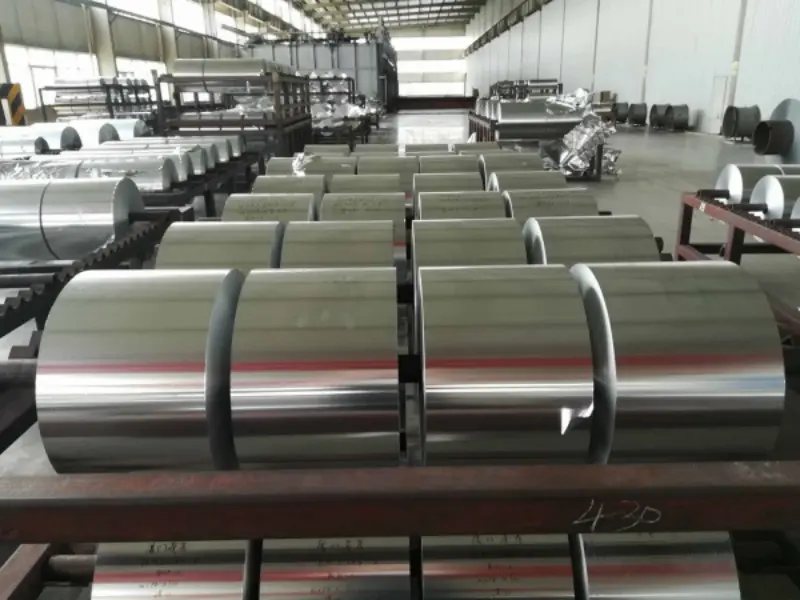
It is one of the most common options and can be supplied in different thicknesses and tempers.
Plain foil can be further processed by:
Printing → Coating → Laminating → Embossing → Slitting → Rewinding
This makes it useful as a base material for many downstream products.
Embossed Aluminum Foil Roll
Embossing creates a textured surface.
The texture can improve appearance and may also provide a different surface structure for specific applications.
Common uses include:
- Insulation
- Decoration
- HVAC products
- Heat-related products
- Packaging
- Industrial components
The embossing pattern and depth should be confirmed according to the final product.
Coated Aluminum Foil Roll
Coated foil has an additional surface layer.
The coating can provide color, printing compatibility, protection, or other functional characteristics.
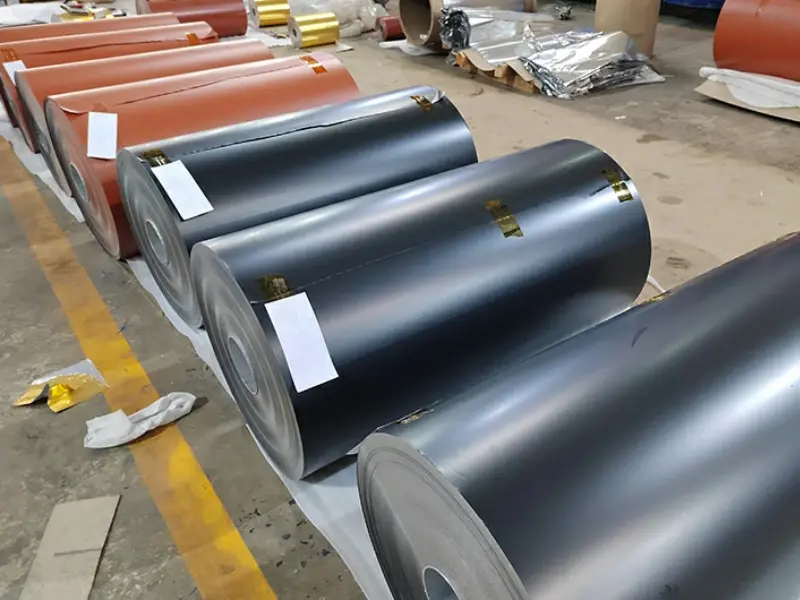
Possible options include:
- Colored coating
- Protective coating
- Printing coating
- Heat-sealable coating
- Custom coating
The coating system should be selected based on the application and processing conditions.
Laminated Aluminum Foil Roll
Aluminum foil is often combined with paper, plastic film, or other materials.
A laminated structure can provide properties that one material alone cannot provide.
Examples include:
Aluminum Foil + PE
Aluminum Foil + PET
Aluminum Foil + Paper
Aluminum Foil + Plastic Film
These structures are common in packaging, insulation, pharmaceutical products, and industrial applications.
Aluminum Foil Roll Width Options
Width is another important purchasing specification.
A wide master roll can be slit into narrower rolls.
| Width Type | General Use |
|---|---|
| 20–100 mm | Narrow industrial strips |
| 100–300 mm | Small components |
| 300–500 mm | Packaging and insulation |
| 500–1000 mm | General industrial use |
| 1000–1600 mm | Large production lines |
| Custom width | Special machinery |
The actual maximum width depends on the production line.
Narrow Aluminum Foil Rolls
Narrow rolls are often produced by slitting a wider master coil.

They are useful when a customer’s machine requires a specific width.
The process is:
Master Coil → Slitting → Edge Inspection → Rewinding → Weight Check → Packing
Good slitting quality is important for high-speed production.
Wide Aluminum Foil Master Rolls
Master rolls are suitable for buyers who have their own slitting equipment.
They can reduce the number of separate rolls needed during shipment.
For large manufacturers, master coils can be a practical choice.
Roll Weight and Core Size
Roll weight is important for transportation and machine loading.
Common purchasing details include:
- Net weight
- Gross weight
- Inner diameter
- Outer diameter
- Core material
- Core width
- Maximum roll weight
| Item | Typical Custom Requirement |
|---|---|
| Inner Core | 76 / 152 / custom mm |
| Roll Weight | Customer requirement |
| Outer Diameter | Machine dependent |
| Roll Width | Customer requirement |
| Core Material | Paper or other suitable material |
The core should match the customer’s unwinding or processing equipment.
Aluminum Foil Roll Surface Quality
Surface quality can be especially important for printing, laminating, and coating.
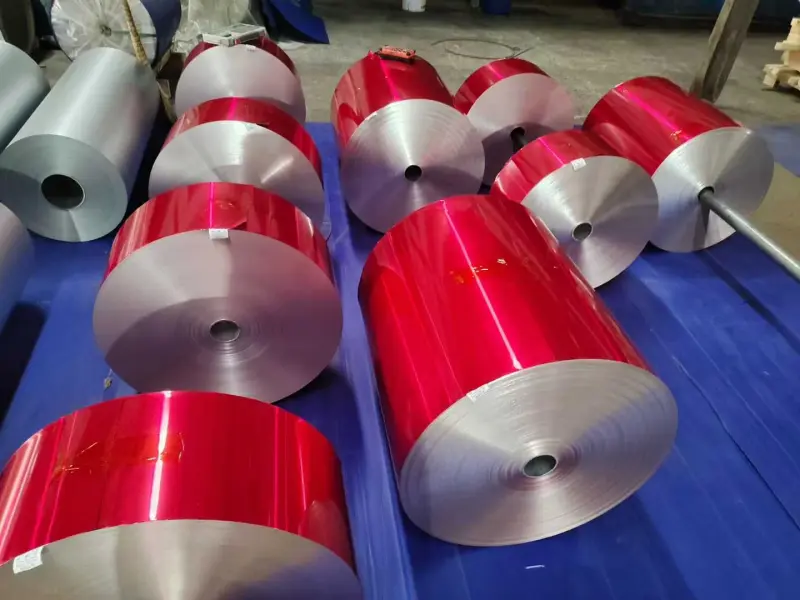
Buyers may check:
- Scratches
- Oil marks
- Stains
- Pinholes
- Wrinkles
- Black spots
- Surface contamination
- Edge damage
A clean and stable surface helps reduce problems during further processing.
Pinholes in Aluminum Foil
Pinholes are small openings in the foil.
Their importance depends on the final application.
For some packaging and barrier applications, pinhole control is critical. The acceptable level should be agreed according to the product standard and customer requirements.
This is one reason why buyers should not compare foil rolls only by price.
Aluminum Foil Roll for Printing
Some foil rolls are used as a printing substrate.
The surface must be suitable for the selected printing process.
Possible processes include:
- Gravure printing
- Flexographic printing
- Offset-related processing
- Digital printing
- Coating and laminating
The exact surface treatment depends on the ink, printing machine, and final product.
Aluminum Foil Roll for Slitting
Slitting converts a wide roll into multiple narrow rolls.
For example:
1000 mm Master Roll → 200 mm × 5 Rolls
or
1200 mm Master Roll → 300 mm × 4 Rolls
The actual cutting plan should consider edge trim and production tolerance.
This can help customers reduce material waste.
Aluminum Foil Roll vs. Aluminum Coil
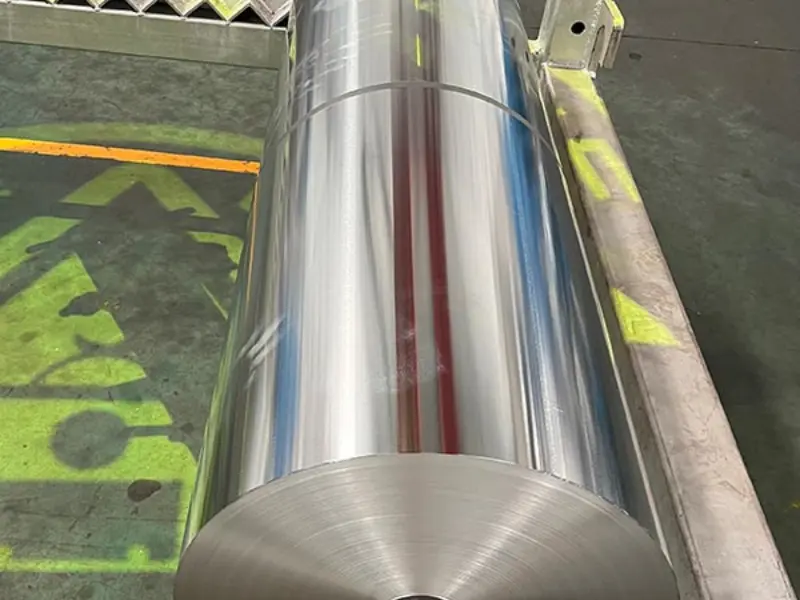
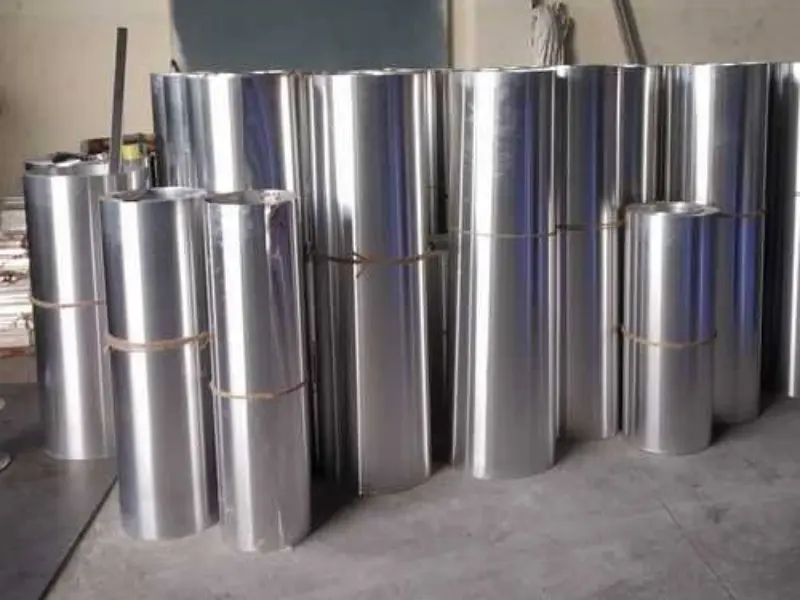
The terms can sometimes be confusing.
| Product | General Meaning |
|---|---|
| Aluminum Foil Roll | Very thin aluminum in roll form |
| Aluminum Coil | Broader term for rolled aluminum |
| Aluminum Strip | Narrow aluminum coil |
| Aluminum Sheet | Flat cut aluminum |
| Aluminum Plate | Thicker flat aluminum |
Foil is normally associated with very thin rolled aluminum. As thickness increases, buyers may refer to the material as strip, sheet, or coil depending on industry practice.
Aluminum Foil Roll Selection by Application
A simple selection method is:
Packaging → Flexible foil + suitable surface
Insulation → Stable foil + suitable thickness
HVAC → Clean surface + consistent width
Electrical → Suitable alloy + conductivity
Printing → Printing-compatible surface
Decoration → Smooth / embossed / colored finish
Industrial → Alloy + temper + thickness based on processing
The final specification should be confirmed before bulk production.
How Thickness Changes the Product

Thickness affects more than weight.
A thicker foil usually provides more body and better resistance to handling. A thinner foil provides greater flexibility and lower material consumption.
| Requirement | Better Direction |
|---|---|
| Lower weight | Thin foil |
| Easy folding | Thin foil |
| Easy wrapping | Thin foil |
| Better handling | Medium thickness |
| Better shape retention | Thick foil |
| Higher mechanical strength | Thicker material |
For many projects, the most economical specification is not necessarily the thinnest one.
Alloy Comparison for Aluminum Foil Rolls
| Alloy | Formability | Strength | Conductivity | Common Direction |
|---|---|---|---|---|
| 1050 | Excellent | Low | High | Electrical and insulation |
| 1060 | Excellent | Low | High | General foil |
| 1070 | Excellent | Low | Very high | Conductive uses |
| 1235 | Excellent | Low | Good | Packaging |
| 3003 | Good | Medium | Lower | Industrial |
| 3004 | Good | Medium-high | Lower | Containers |
These are general comparisons. Actual properties depend on temper and production condition.
What Makes a Good Aluminum Foil Roll?
A suitable roll should match the customer’s machine and final product.

Important points include:
Correct Alloy
→ Correct Temper
→ Correct Thickness
→ Correct Width
→ Stable Surface
→ Good Edge Quality
→ Suitable Roll Weight
→ Correct Core Size
→ Proper Packaging
This approach is more useful than selecting a product only from a price list.
Quality Control Before Shipment
A professional inspection process can include:
- Alloy verification
- Thickness measurement
- Width measurement
- Weight checking
- Surface inspection
- Pinholes inspection
- Edge inspection
- Roll diameter checking
- Core size checking
- Packaging inspection
For customized orders, samples can be checked before full production.
Packaging for Aluminum Foil Rolls
Aluminum foil is relatively soft, so packaging should protect the roll during loading and transportation.

Common packing methods include:
- Wooden cases
- Wooden pallets
- Kraft paper
- Moisture-resistant paper
- PE film
- Edge protection
- End protection
- Steel straps
For overseas shipments, moisture protection is particularly important.
The packing design can be adjusted according to container loading and roll weight.
How to Buy Aluminum Foil Rolls
A clear inquiry helps suppliers respond faster.
Send:
Product → Alloy → Temper → Thickness → Width → Roll Weight → Core Size → Quantity → Application
For example:
Aluminum Foil Roll, 1060 O, 0.05 mm × 500 mm, 1000 kg, paper core, for insulation.
Or:
1235 O aluminum foil, 0.03 × 300 mm, jumbo rolls, for flexible packaging.
The more complete the specification, the easier it is to prepare a suitable quotation.
Wholesale Aluminum Foil Roll
Wholesale buyers often need stable specifications and repeat supply.
For regular orders, it is useful to confirm:
- Monthly consumption
- Standard roll weight
- Standard width
- Packaging method
- Delivery schedule
- Quality standard
- Inspection method
- Tolerance
- Payment terms
Long-term supply is easier when the product specification remains stable.
Aluminum Foil Roll Manufacturer for Custom Orders
A manufacturer may provide more options for customers who need customized products.
Possible customization includes:
- Alloy
- Temper
- Thickness
- Width
- Roll length
- Roll weight
- Core size
- Surface finish
- Embossing
- Coating
- Slitting
- Packaging
For industrial customers, customized roll dimensions can help match existing machines.
FAQ About Aluminum Foil Roll

What is an Aluminum Foil Roll?
It is continuous aluminum foil wound into a roll. It can be supplied in different alloys, tempers, thicknesses, widths, and roll weights.
What thicknesses are available?
Common thicknesses may include 0.012 mm, 0.02 mm, 0.03 mm, 0.05 mm, 0.08 mm, 0.10 mm, 0.15 mm, and thicker specifications. The actual range depends on alloy and equipment.
Which alloy is commonly used for aluminum foil?
1050, 1060, 1070, 1235, 3003, and 3004 are among the alloys that can be considered. The correct choice depends on the application.
What is the difference between 1050 and 1060 aluminum foil?
Both are high-purity aluminum alloys with good formability and conductivity. 1060 has a slightly higher aluminum content. The final choice depends on the required properties and standard.
Is 1235 aluminum foil suitable for packaging?
1235 can be considered for various packaging and laminated foil applications because of its good processing characteristics. The final specification should match the packaging structure.
What temper should I choose?
O temper is soft and highly formable. H12, H14, H16, and H18 provide increasing levels of hardness. The correct temper depends on the forming and processing method.
Can aluminum foil rolls be customized?
Yes. Thickness, width, alloy, temper, roll weight, core size, surface, and packaging can be customized depending on production conditions.
Can wide aluminum foil rolls be slit?
Yes. Wide master rolls can be slit into narrower rolls according to the customer’s required width.
Can aluminum foil be used for insulation?
Yes. Aluminum foil is commonly used as a facing or reflective layer in insulation systems. The overall insulation performance depends on the complete system.
Can aluminum foil rolls be used for food packaging?
Yes, aluminum foil is widely used in food packaging. For direct food contact, the applicable material and compliance requirements should be confirmed for the target market.
What is the difference between foil and aluminum sheet?
Foil is much thinner and is normally supplied in rolls. Aluminum sheet is thicker and is normally supplied as flat pieces or larger sheets.
What is a jumbo aluminum foil roll?
A jumbo roll, also called a master roll in some applications, is a large roll supplied for further slitting, laminating, coating, or converting.
What core sizes are available?
Common core sizes include 76 mm and 152 mm, but other sizes may be possible depending on the customer’s equipment.
How should aluminum foil rolls be stored?
Store them in a dry place and protect them from direct water and excessive humidity. Keeping the original packaging intact can help protect the surface.
What information is needed for a quotation?
Provide the alloy, temper, thickness, width, quantity, roll weight, core size, application, and destination. A sample or drawing can also be useful for customized orders.
Request a Quote for Aluminum Foil Roll

Choosing an aluminum foil roll should start with the final application.
Application → Alloy → Temper → Thickness → Width → Surface → Roll Weight → Core → Quantity
This simple process can help buyers avoid selecting a material that is too soft, too hard, too thin, or too wide for their equipment.
For a quotation, send your required thickness, width, alloy, temper, quantity, and application. If you are not sure about the material specification, describing the final product and processing method can also help determine a suitable option.