Finding the right aluminum foil supplier is about more than finding a low price. Buyers need the right alloy, temper, thickness, width, surface, roll size, and packaging for their application.
Aluminum foil is used in many industries. It can be supplied in very thin gauges for packaging and household use, or in thicker specifications for insulation, HVAC, cable, electrical, and industrial products.
A reliable supplier should be able to provide stable quality, accurate dimensions, suitable alloys, flexible specifications, and consistent delivery.
What Does an Aluminum Foil Supplier Provide?
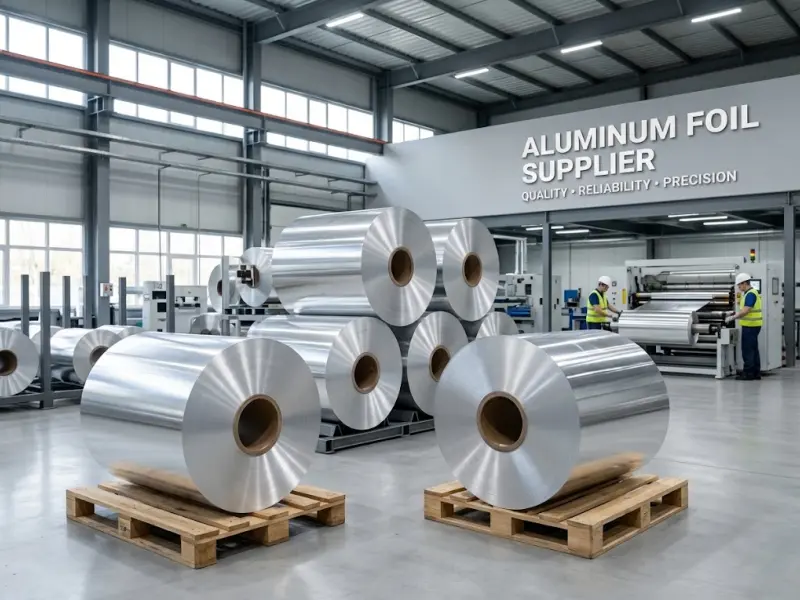
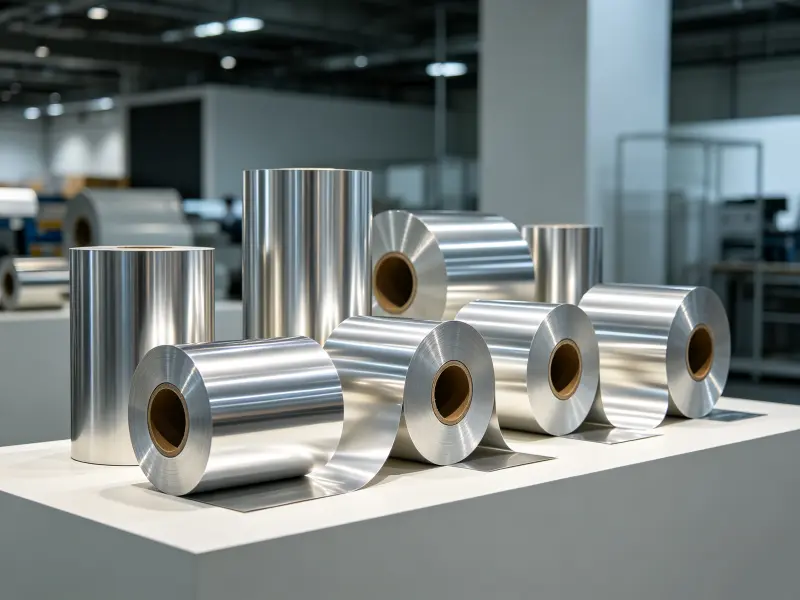
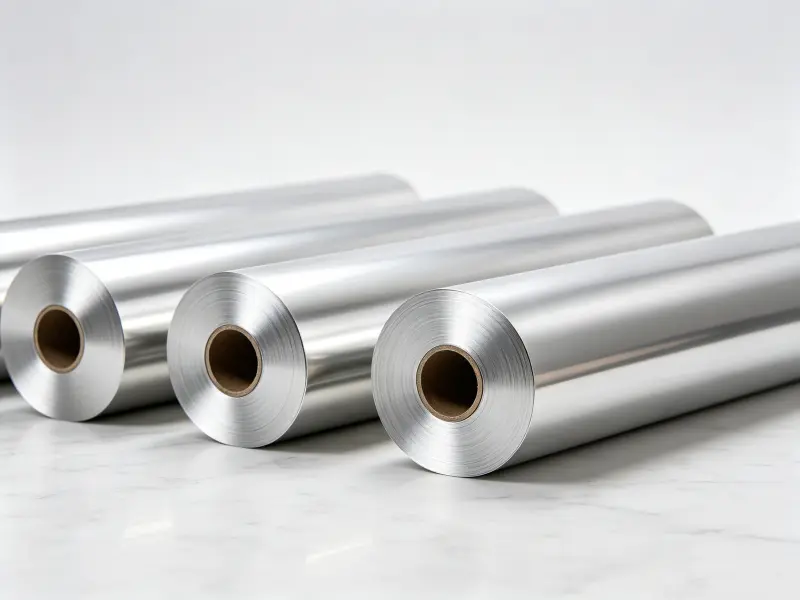
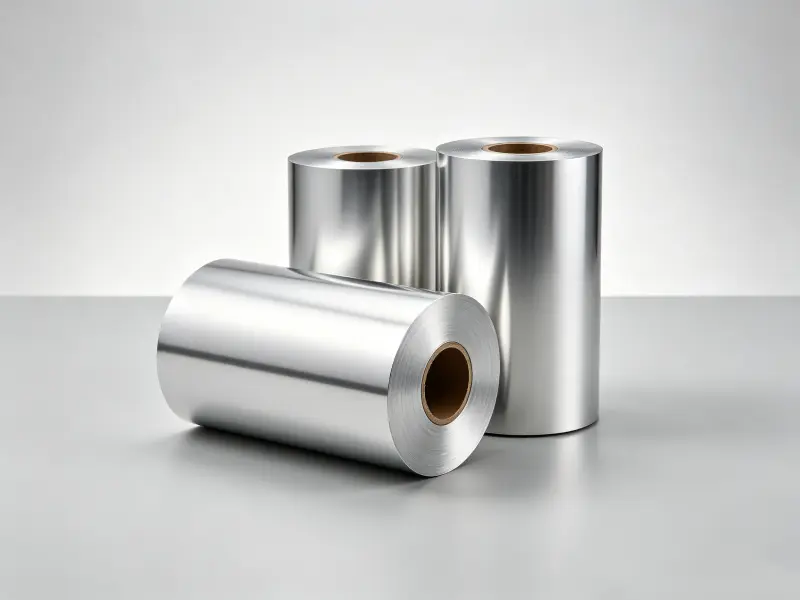
An aluminum foil supplier normally provides foil in rolls, jumbo rolls, narrow strips, or custom-cut formats.
The product can be supplied in different alloys and tempers depending on the end use.
| Item | Common Options |
|---|---|
| Product | Aluminum Foil |
| Form | Roll / Jumbo Roll / Slit Roll |
| Alloy | 1050 / 1060 / 1070 / 1235 / 3003 / 8011 |
| Temper | O / H12 / H14 / H16 / H18 |
| Thickness | 0.006–0.20 mm+ |
| Width | Standard / Narrow / Custom |
| Surface | Mill Finish / Embossed / Coated |
| Core | Paper or according to requirement |
| Packing | Carton / Pallet / Export Packing |
Not every supplier stocks every specification. For regular industrial purchasing, it is useful to work with a supplier that can produce or source the required specification consistently.
Aluminum Foil Supply Starts With the Right Specification
The same aluminum foil thickness can have different performance depending on the alloy and temper.
A simple purchasing formula is:
Application → Alloy → Temper → Thickness → Width → Surface → Roll Weight → Packing
For example:
Household foil → 8011 → O/H temper → 0.02 mm → custom width → plain surface → roll → carton
Another project may require:
Insulation foil → 1060 → suitable temper → 0.05 mm → wide roll → plain or embossed → jumbo roll
This specification-based approach helps buyers avoid ordering material that looks correct but does not fit the production process.
Common Aluminum Foil Alloys
Alloy selection is one of the first points to discuss with a supplier.
| Alloy | General Characteristics | Common Applications |
|---|---|---|
| 1050 | High aluminum content, good formability | General foil and insulation |
| 1060 | High purity, good workability | Electrical and general applications |
| 1070 | High aluminum content | Electrical-related applications |
| 1235 | Good foil processing characteristics | Packaging and household foil |
| 3003 | Aluminum-manganese alloy | Industrial and heat-related uses |
| 8011 | Common foil alloy | Packaging, household, pharmaceutical and other foil products |
The best alloy depends on the final product and applicable standard.
1050 Aluminum Foil Supplier
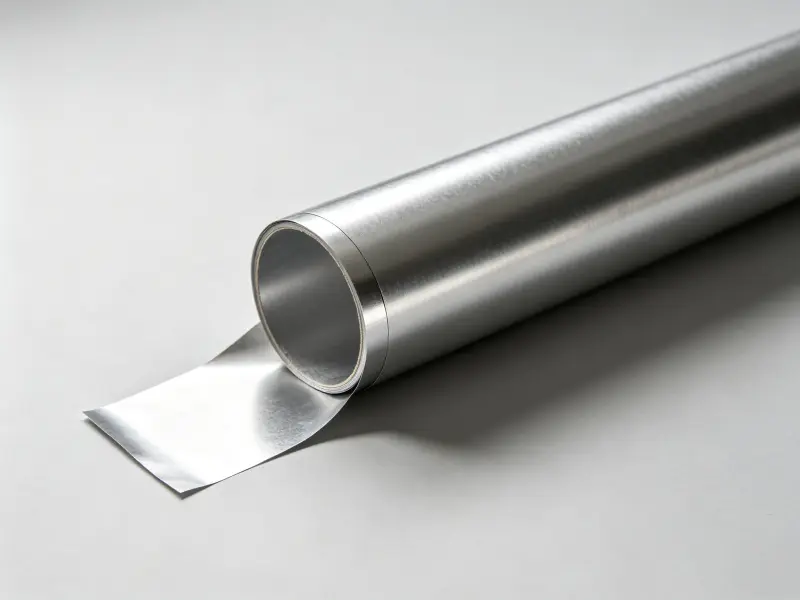
1050 is a high-aluminum-content alloy with good formability.
It can be considered for insulation, general industrial foil, heat-related products, and applications where high aluminum content is important.
1060 Aluminum Foil Supplier
1060 aluminum foil combines high aluminum content with good workability.
It is used in different industrial applications, including insulation and electrical-related products, depending on the required specification.
1070 Aluminum Foil Supplier
1070 contains a high level of aluminum and is often selected when electrical conductivity and material purity are important.
The final temper and thickness should be matched with the customer’s production process.
1235 Aluminum Foil Supplier
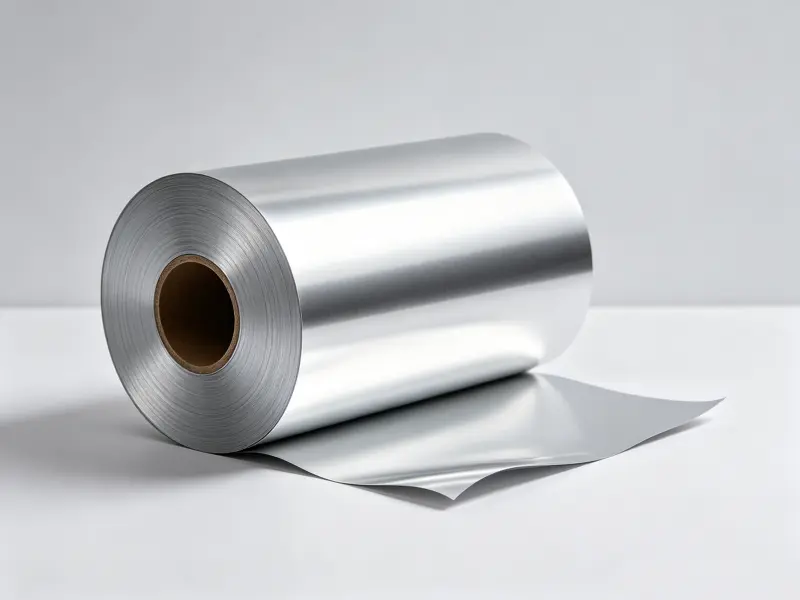
1235 is commonly used for foil applications where good processing characteristics are required.
It can be found in packaging, household foil, and other converting applications.
8011 Aluminum Foil Supplier
8011 is a widely used foil alloy.
It can be supplied for household foil, food packaging, pharmaceutical packaging, insulation, and other applications depending on the temper and surface requirements.
Aluminum Foil Temper Options
Temper changes the mechanical condition of the foil.
Common options include:
| Temper | General Characteristic |
|---|---|
| O | Soft and highly flexible |
| H12 | Partially hardened |
| H14 | Medium hardness |
| H16 | Higher hardness |
| H18 | Hard condition |
The correct temper depends on how the foil will be processed.
Soft foil may be preferred when flexibility and folding are important. Harder foil may be selected when better stiffness and handling are required.
Aluminum Foil Thickness Guide
Thickness is one of the most important purchasing specifications.
Different industries use very different foil gauges.
| Thickness | Approximate Description | Possible Direction |
|---|---|---|
| 0.006 mm | Ultra-thin foil | Specialized applications |
| 0.010 mm | Very thin foil | Specialized packaging and industrial use |
| 0.020 mm | Thin foil | Household and packaging |
| 0.030 mm | Light foil | Packaging and general use |
| 0.050 mm | Medium foil | Insulation and industrial products |
| 0.080 mm | Thicker foil | Industrial and HVAC |
| 0.100 mm | Heavy foil | Industrial applications |
| 0.150 mm | Thick foil | Industrial and fabricated products |
| 0.200 mm+ | Very thick foil | Special industrial requirements |
Actual availability depends on the alloy, temper, width, and production equipment.
Thin Aluminum Foil vs Thick Aluminum Foil
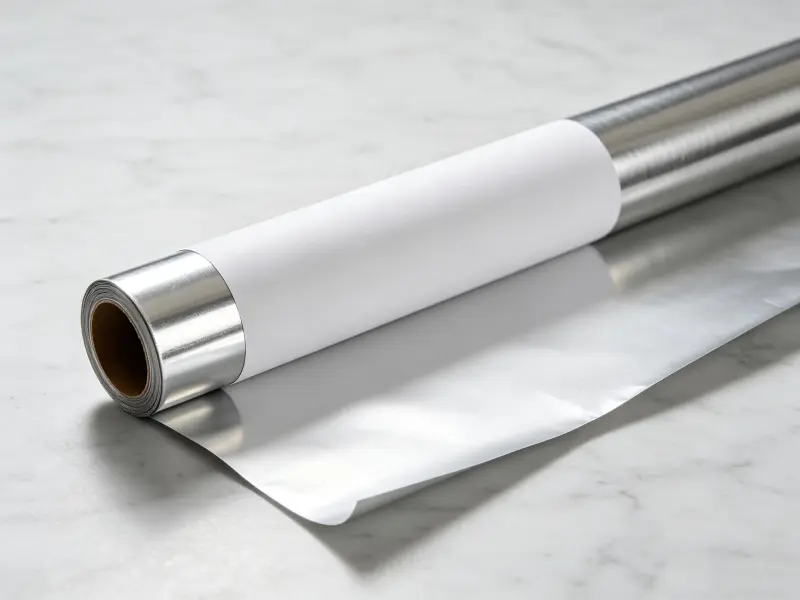
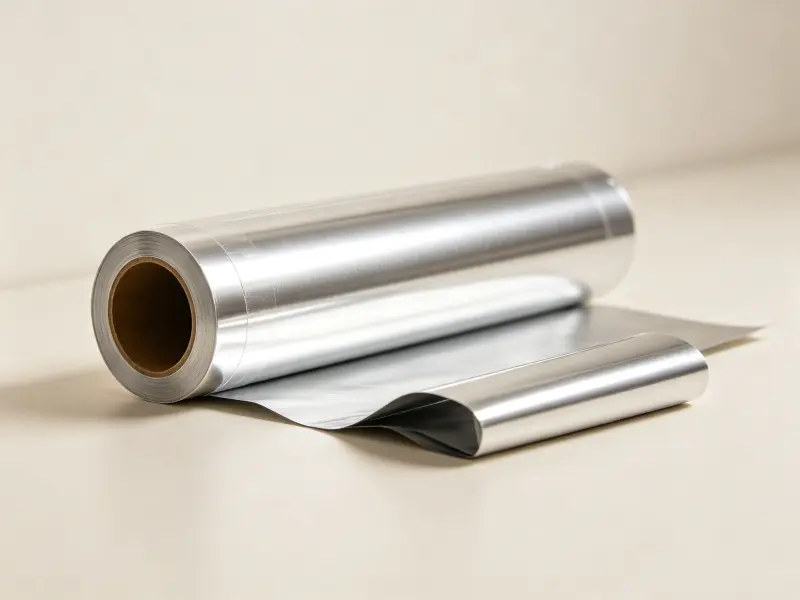
Thickness affects handling, flexibility, weight, and production cost.
| Feature | Thin Foil | Thick Foil |
|---|---|---|
| Flexibility | Higher | Lower |
| Weight | Lower | Higher |
| Handling | More delicate | Easier |
| Rigidity | Lower | Higher |
| Typical Use | Packaging | Industrial products |
| Processing | Requires careful handling | Generally easier |
A buyer should not automatically choose the thinnest available foil. The right thickness is the one that meets the final product requirements.
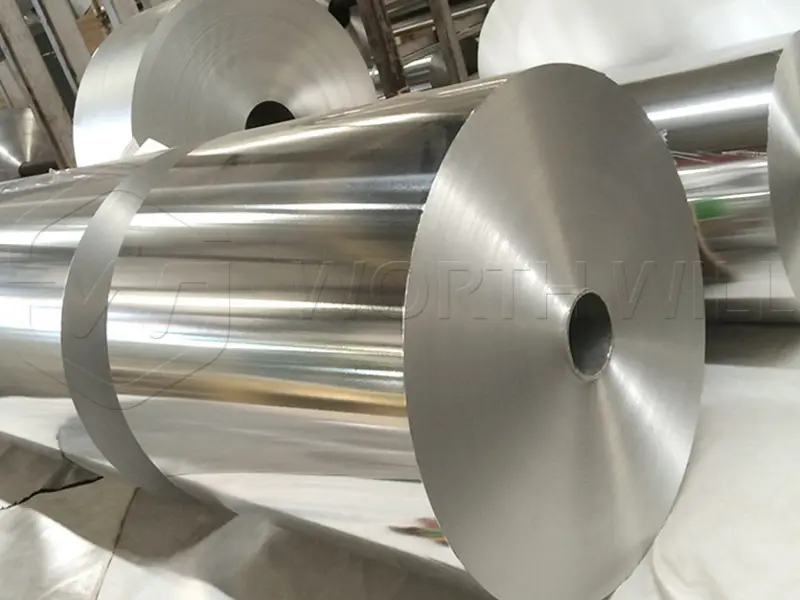
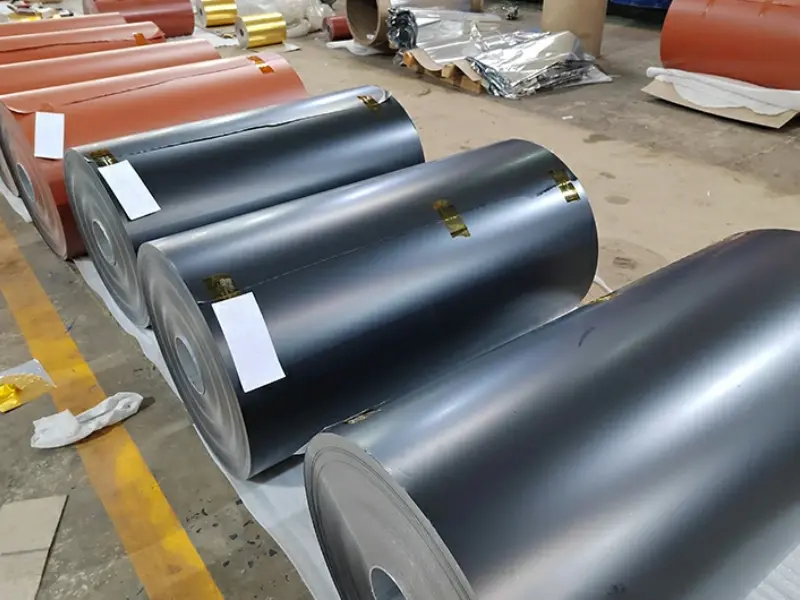
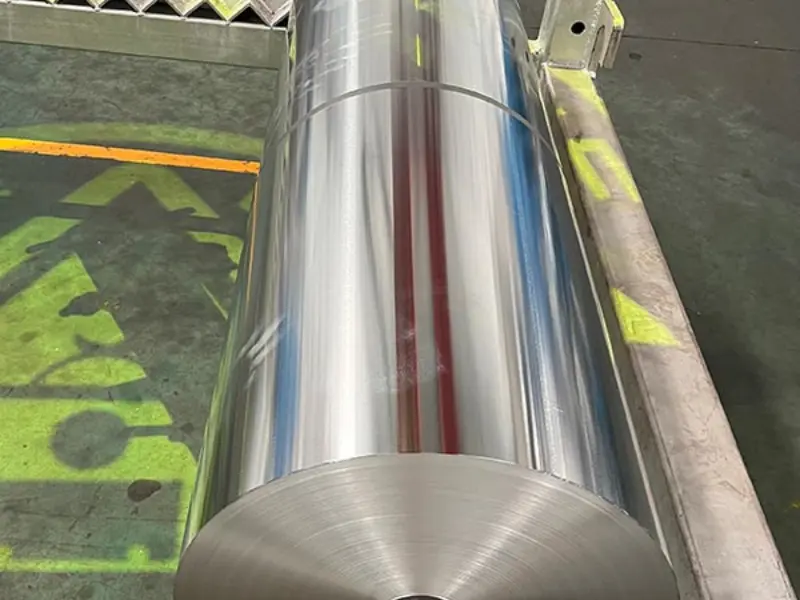
Jumbo Aluminum Foil Rolls
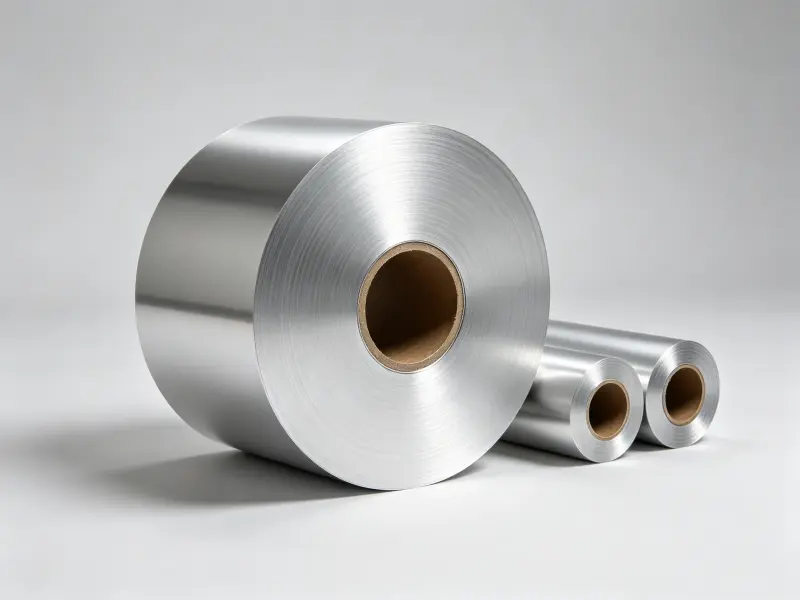
Jumbo rolls are commonly used by converters and manufacturers.
Instead of buying small consumer-size rolls, industrial buyers can purchase master rolls and process them into smaller widths.
Typical workflow:

Jumbo Roll → Slitting → Rewinding → Packaging → Finished Roll
Jumbo rolls can help improve production efficiency for buyers with their own converting equipment.
Important specifications may include:
Packaging
Foil thickness
Alloy
Temper
Jumbo roll width
Roll diameter
Core diameter
Roll weight
Surface condition
Joint requirements
Narrow Aluminum Foil Rolls
Not every customer needs a wide master roll.
Narrow aluminum foil can be supplied for converting, electrical products, cable applications, decorative products, and other uses.
The supplier should confirm:
Required Width → Thickness → Alloy → Temper → Roll Length → Core Size
Slitting accuracy becomes particularly important when the finished foil will be used in automated production.
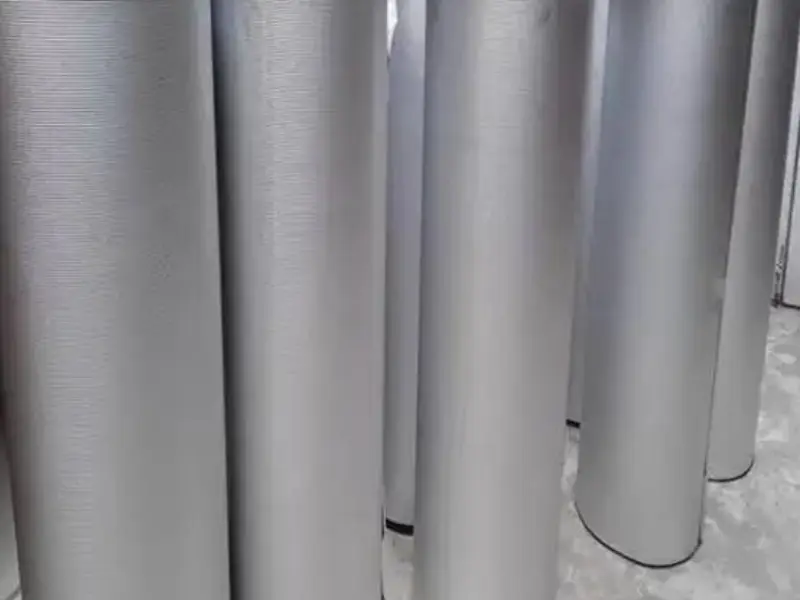
Embossed Aluminum Foil
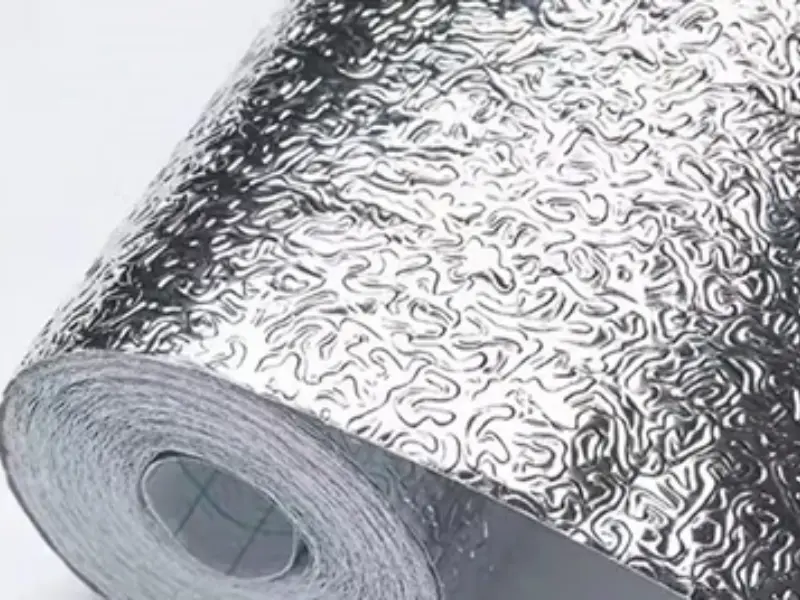
Embossing creates a textured surface on the foil.
It can increase surface area and change the appearance of the material.
Common embossed patterns include different textured or stucco-style surfaces.
| Product | Main Feature |
|---|---|
| Plain Foil | Smooth surface |
| Embossed Foil | Textured surface |
| Deep Embossed Foil | More pronounced pattern |
| Custom Embossed Foil | Project-specific pattern |
Embossed foil is commonly considered for insulation, HVAC, decoration, and industrial applications.
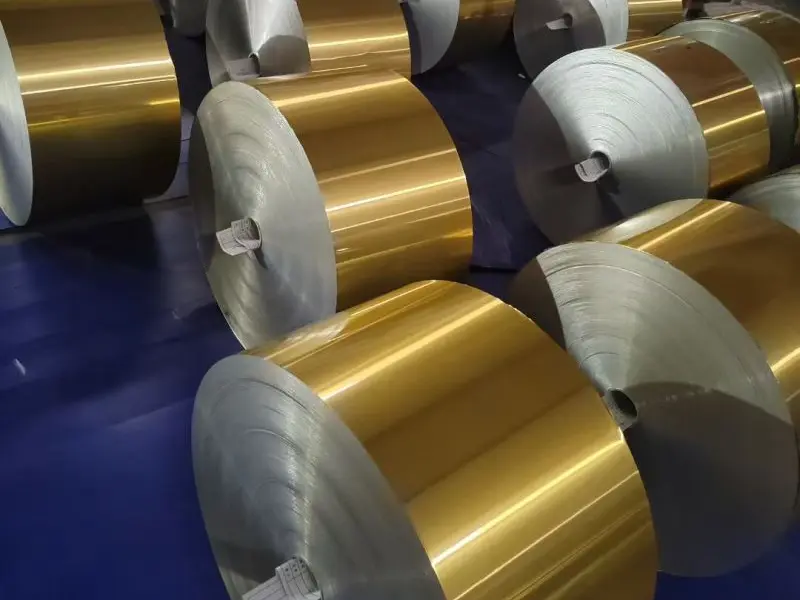
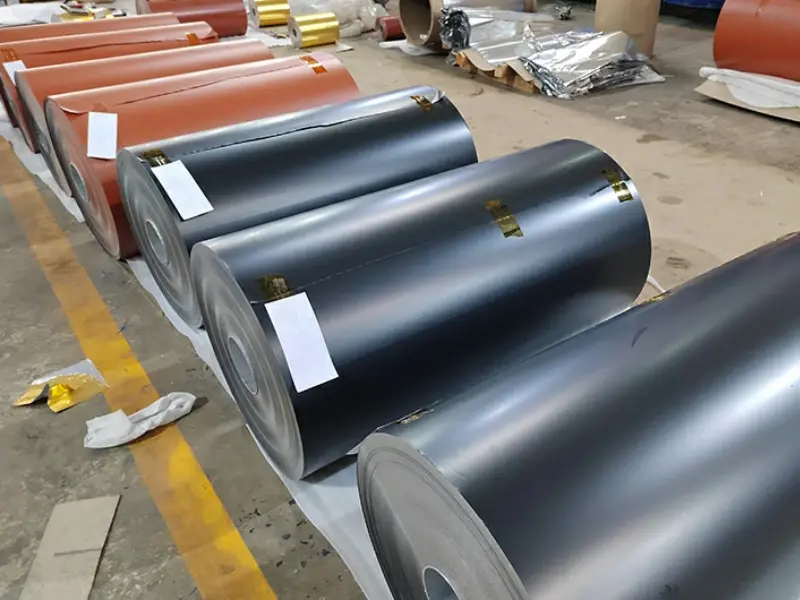
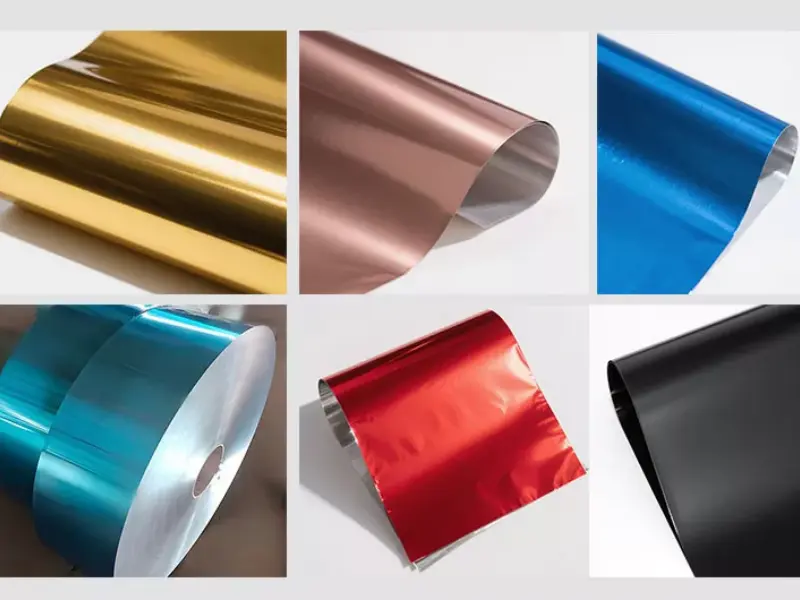
Coated Aluminum Foil
Coated foil has an additional coating layer on one or both sides.
The coating can provide color, protection, printing compatibility, or another functional property.
Possible options include:
- Colored coating
- Lacquer coating
- Polymer coating
- Heat-sealable coating
- Printed coating
- Custom industrial coating
The coating specification should be selected according to the final application.
Aluminum Foil for Packaging
Packaging is one of the largest areas for aluminum foil.
It is used because aluminum foil provides a useful barrier against light, moisture, gases, and other external factors.

Typical applications include:
- Food packaging
- Pharmaceutical packaging
- Flexible packaging
- Foil lids
- Food containers
- Chocolate and confectionery packaging
- Household products
- Industrial packaging
The exact alloy, temper, thickness, and coating should be selected according to the packaging design.
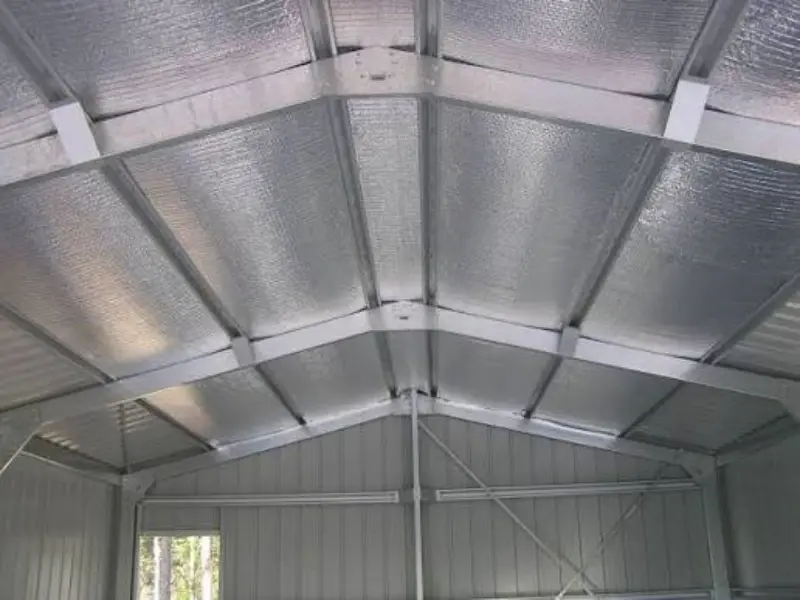
Aluminum Foil for Insulation
Aluminum foil is widely used as a facing or reflective layer in insulation systems.
It can be supplied in plain or embossed form and may also be laminated with other materials.

Common uses include:
- Roof insulation
- Wall insulation
- HVAC insulation
- Pipe insulation
- Duct insulation
- Building insulation
- Industrial insulation
For insulation projects, buyers should consider foil thickness, surface condition, reflectivity requirements, width, and whether the foil will be laminated.
Aluminum Foil for HVAC
HVAC manufacturers may use aluminum foil for duct insulation and related products.
Embossed foil can be used as a facing material in some insulation systems.
The purchasing specification may include:
Alloy → Temper → Thickness → Width → Embossing → Coating → Roll Weight
For large HVAC production lines, stable roll dimensions and consistent surface quality are especially important.
Aluminum Foil for Electrical Applications
Aluminum foil can also be used in electrical-related products.
The required specification can be very different from packaging foil.
Key factors may include:
- Electrical conductivity
- Thickness tolerance
- Width tolerance
- Surface cleanliness
- Edge quality
- Burr control
- Roll consistency
For these products, buyers should provide a detailed technical specification before production.
Aluminum Foil for Cable Applications
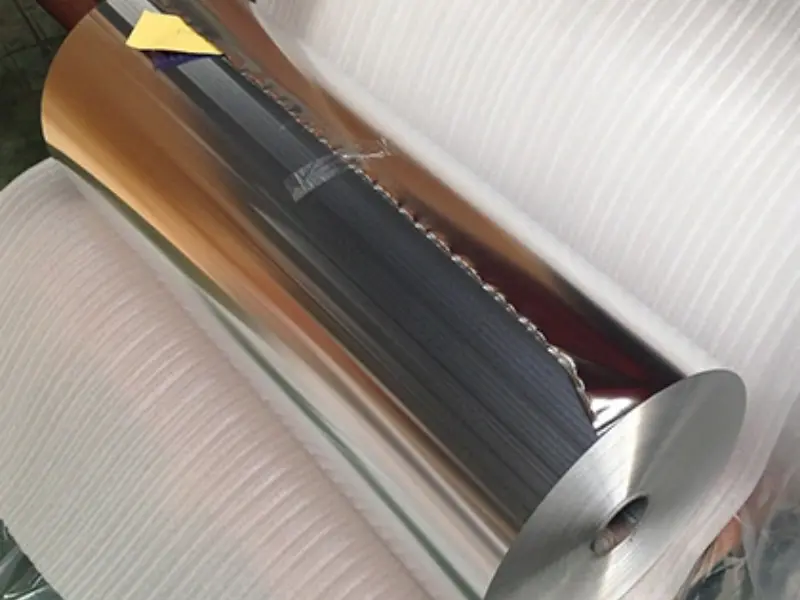
Foil can be used as part of cable and wire constructions.
Depending on the cable design, the foil may be used for shielding or other functional purposes.
For narrow foil products, slitting quality is important.
A typical specification may look like:
| Item | Example |
|---|---|
| Alloy | 1060 |
| Temper | According to application |
| Thickness | 0.05 mm |
| Width | Custom narrow width |
| Edge | Low burr |
| Surface | Clean mill finish |
| Roll | Slit roll |
The actual specification should follow the cable manufacturer’s technical requirements.
Household Aluminum Foil
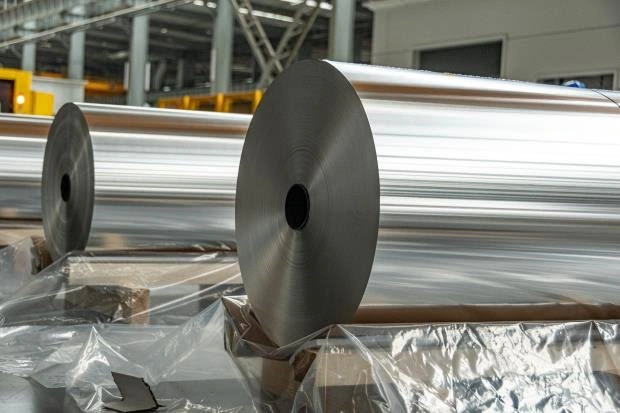
Household foil normally requires good flexibility and clean surface quality.
Common thicknesses are relatively thin compared with industrial aluminum products.
Typical specifications may include:
8011 → O temper → 0.01–0.03 mm → Plain Surface → Roll
The exact thickness depends on the required strength, folding performance, and end product.
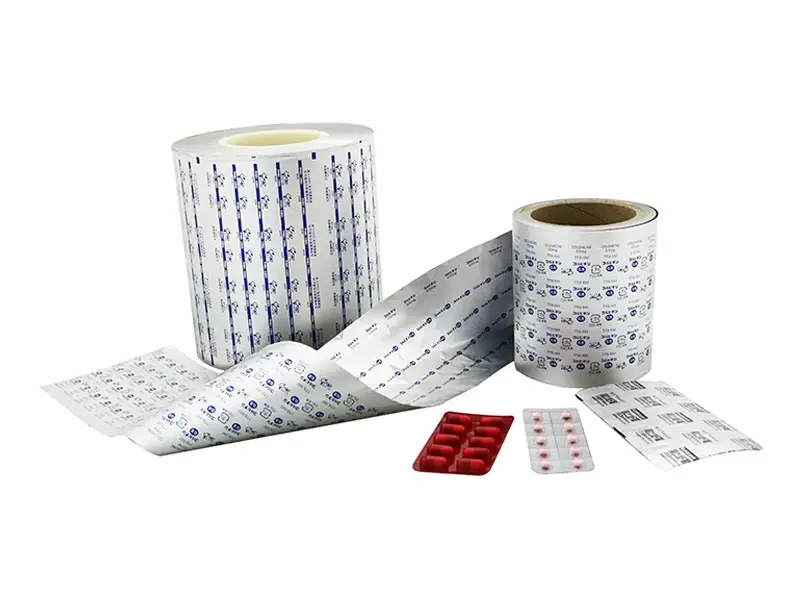
Aluminum Foil for Pharmaceutical Packaging
Pharmaceutical packaging requires tighter quality control than many general applications.

The foil may be coated or laminated before becoming a finished packaging material.
Important factors can include:
- Thickness consistency
- Surface cleanliness
- Pinholes
- Coating quality
- Mechanical properties
- Roll quality
- Packaging hygiene
- Traceability
The buyer should clearly state the applicable packaging standard and technical requirements.
Aluminum Foil Surface Quality
Surface quality is a major concern when purchasing industrial foil.
The supplier should control:
| Quality Point | Why It Matters |
|---|---|
| Pinholes | Important for barrier performance |
| Oil Residue | Affects further processing |
| Scratches | Can affect appearance |
| Wrinkles | Can affect converting |
| Edge Damage | Important for slitting |
| Surface Stains | May affect coating or printing |
| Thickness Variation | Affects production stability |
For sensitive applications, buyers can request inspection requirements before placing the order.

Why Pinholes Matter in Aluminum Foil
Pinholes are tiny openings in the foil.
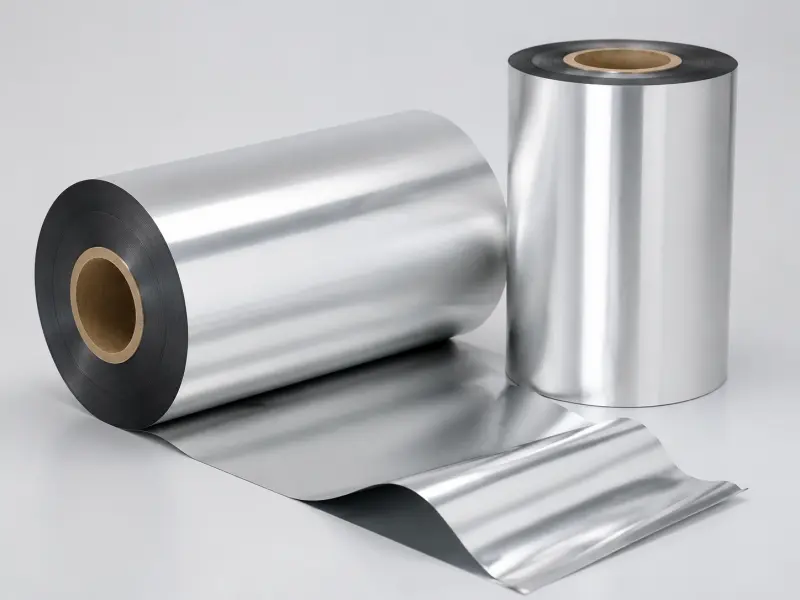
They are particularly important for products that require barrier performance.
The risk of pinholes can increase as foil becomes thinner, so buyers should define the acceptable pinhole requirement for their application.
For packaging and insulation products, pinhole control can be an important part of quality inspection.
Width and Tolerance for Aluminum Foil
Width tolerance becomes more important when foil is used in automated converting equipment.
A buyer may require:
Master Roll Width → Slitting Width → Finished Roll Width
For example:
| Requirement | Example |
|---|---|
| Master Roll | 1200 mm |
| Slit Roll 1 | 300 mm |
| Slit Roll 2 | 400 mm |
| Slit Roll 3 | 500 mm |
The supplier should confirm whether the requested widths can be produced within the required tolerance.
Aluminum Foil Roll Core and Weight
Industrial buyers should also consider the roll structure.
A quotation may need to include:
- Core diameter
- Core material
- Core length
- Outer diameter
- Net weight
- Gross weight
- Maximum roll weight
These details affect machine compatibility and transportation.
A technically correct foil can still cause problems if the roll core does not fit the customer’s equipment.
Aluminum Foil Supplier vs Aluminum Foil Trader
Buyers may purchase from a manufacturer or a trading company.
| Factor | Manufacturer | Trader |
|---|---|---|
| Production Control | Direct | Depends on factory |
| Customization | Usually stronger | Depends on partner |
| Factory Communication | Direct | Indirect |
| MOQ | May be higher | Sometimes flexible |
| Product Range | Production-based | Can be broad |
| Price | Factory-based | Includes trading margin |
Neither option is automatically better.
For large recurring orders or custom specifications, direct factory communication can be valuable.
For small orders or mixed products, a trading supplier may sometimes provide more flexibility.
How to Check an Aluminum Foil Supplier
Before choosing a supplier, buyers can check several points.
Product Capability
Can the supplier provide the required alloy, temper, thickness, and width?
Production Equipment
Does the supplier have suitable rolling, annealing, slitting, coating, embossing, and inspection equipment?
Quality Control
Can the supplier provide inspection data and control thickness, surface, width, and roll quality?
Export Experience
Can the supplier provide suitable export packaging and handle international shipping?
Supply Stability
Can the supplier maintain the same specification for repeat orders?
A supplier that can answer these questions clearly is usually easier to work with.
Aluminum Foil Quality Control Process
A typical quality control process can include:
Raw Material → Rolling → Annealing → Slitting → Surface Inspection → Dimension Inspection → Roll Inspection → Packing
Different products require different inspection points.
For example, a narrow electrical foil may need stronger edge control, while packaging foil may require more attention to surface cleanliness and pinholes.
Aluminum Foil Sample Testing
A sample can be useful when working with a new supplier.
The buyer can test:
- Thickness
- Width
- Alloy
- Temper
- Surface
- Flexibility
- Slitting quality
- Printing or coating compatibility
- Machine performance
After approval, the sample can become a reference for bulk production.
This is especially useful for customized aluminum foil.
Custom Aluminum Foil Supply
Not every project fits a standard specification.
An Aluminum Foil Supplier may be able to provide custom:
| Custom Item | Possible Requirement |
|---|---|
| Thickness | According to drawing |
| Width | Narrow or wide |
| Length | Custom roll length |
| Alloy | Specific grade |
| Temper | Specific condition |
| Surface | Plain / embossed |
| Coating | One or both sides |
| Core | Customer requirement |
| Packing | Customized |
Custom production should be confirmed before quotation because minimum order quantities may apply.
What Affects Aluminum Foil Price?
The price of aluminum foil depends on several factors.
The main factors include:
Aluminum Market Price + Alloy + Thickness + Width + Temper + Surface + Processing + Quantity + Packing + Freight
For example, a thin 8011 household foil and a wider 1060 industrial foil may have very different production costs.
The cheapest quotation is not always the lowest total cost.
Buyers should compare the complete specification before making a decision.
Aluminum Foil Cost for Different Order Sizes
Order quantity can affect the quotation.
| Order Type | Main Consideration |
|---|---|
| Sample | Testing and freight |
| Small Order | Higher unit processing cost |
| Medium Order | Better production efficiency |
| Bulk Order | More competitive production cost |
| Long-Term Supply | Stable specification and planning |
For repeat customers, annual or regular purchasing plans may also help suppliers arrange production more efficiently.
Packaging for International Aluminum Foil Shipping
Aluminum foil needs proper protection during transportation.
A common export process is:
Foil Roll → Protective Material → Carton → Pallet → Container Loading
Packaging may be adjusted according to roll size and shipping method.
Important points include:
- Moisture protection
- Edge protection
- Roll stability
- Pallet strength
- Carton strength
- Container loading
- Labeling
For international buyers, packaging should be discussed before production.
A Simple Specification for an Aluminum Foil Inquiry
Buyers can send the following information when requesting a quotation:
| Item | Example |
|---|---|
| Product | Aluminum Foil |
| Alloy | 8011 |
| Temper | O |
| Thickness | 0.02 mm |
| Width | 1000 mm |
| Roll Type | Jumbo Roll |
| Core | Customer Requirement |
| Surface | Mill Finish |
| Quantity | 10 Tons |
| Application | Packaging |
| Destination | USA |
A complete specification makes supplier communication faster and reduces quotation errors.
Aluminum Foil Supplier Selection Flow
For a new project, the purchasing process can follow this simple flow:
Application → Technical Requirement → Supplier Search → Sample → Testing → Quotation → Specification Approval → Bulk Order → Inspection → Shipment
This process helps buyers compare suppliers based on actual product performance instead of price alone.
Aluminum Foil Supplier Checklist
Before placing a large order, check:
☐ Alloy confirmed
☐ Temper confirmed
☐ Thickness confirmed
☐ Thickness tolerance confirmed
☐ Width confirmed
☐ Width tolerance confirmed
☐ Surface confirmed
☐ Roll weight confirmed
☐ Core size confirmed
☐ Pinholes requirement confirmed
☐ Packing confirmed
☐ Quantity confirmed
☐ Lead time confirmed
☐ Shipping terms confirmed
This checklist is useful for both first-time and repeat aluminum foil buyers.
Aluminum Foil Specification at a Glance
| Category | Typical Options |
|---|---|
| Thickness | 0.006–0.200 mm+ |
| Alloy | 1050 / 1060 / 1070 / 1235 / 3003 / 8011 |
| Temper | O / H12 / H14 / H16 / H18 |
| Form | Jumbo Roll / Slit Roll |
| Surface | Plain / Embossed / Coated |
| Width | Standard / Custom |
| Core | Customized |
| Packing | Export Carton / Pallet |
| Application | Packaging / Insulation / HVAC / Electrical / Industrial |
FAQ

How do I choose the right aluminum foil supplier?
Start with the product specification. Check alloy, temper, thickness, width, surface, roll requirements, quality control, production capacity, and delivery experience.
What is the most common aluminum foil alloy?
8011 Aluminum Foil Supplier is widely used for many general foil products, while 1050, 1060, 1070, 1235, and 3003 are also used for different applications.
What aluminum foil thickness should I choose?
It depends on the application. Thin foil is often used for packaging and household products, while thicker foil is used in insulation, HVAC, electrical, and industrial products.
Can an aluminum foil supplier provide custom widths?
Many suppliers can provide custom widths through slitting or customized production. The available width depends on the production equipment and order quantity.
What is a jumbo aluminum foil roll?
A jumbo roll is a large master roll normally supplied to converters or manufacturers. It can later be slit or rewound into smaller rolls.
Can aluminum foil be supplied in O temper?
Yes. O temper is commonly used when a soft and flexible foil is required. Other tempers are available depending on alloy and application.
What is the difference between 1050 and 8011 aluminum foil?

They are different aluminum alloys. 1050 has a high aluminum content, while 8011 is widely used for many commercial foil products. The better choice depends on the application and required specification.
Can aluminum foil be embossed?
Yes. Embossed aluminum foil has a textured surface and can be supplied for insulation, HVAC, decoration, and other applications.
Can aluminum foil be coated?
Yes. One or both sides can be coated depending on the product. The coating type should be selected according to the final application.
How can I compare aluminum foil suppliers?
Compare the complete specification rather than only the price. Consider alloy, temper, thickness, tolerance, surface quality, roll dimensions, packaging, lead time, and quality consistency.
What information should I send for an aluminum foil quotation?
Send the alloy, temper, thickness, width, roll type, core size, surface, quantity, application, and destination. More information allows the supplier to provide a more accurate quotation.
What causes aluminum foil price differences?
Price can change because of the aluminum market price, alloy, thickness, width, temper, processing, coating, order quantity, packaging, and freight.
Is a manufacturer better than a trading company?
It depends on the order. A manufacturer can be useful for large or customized orders, while a trading company may provide flexibility for smaller or mixed-product purchases.
Can I request an aluminum foil sample?
Yes. A sample can be tested for dimensions, surface quality, flexibility, machine compatibility, and other requirements before a bulk order.
Request an Aluminum Foil Quotation

For a quick quotation, send the basic specification:
Alloy → Temper → Thickness → Width → Surface → Roll Type → Quantity → Application → Destination
For example:
8011 → O → 0.020 mm → 1000 mm → Mill Finish → Jumbo Roll → 10 Tons → Packaging → USA
A clear specification helps the supplier confirm availability, production requirements, packing, lead time, and shipping options.