
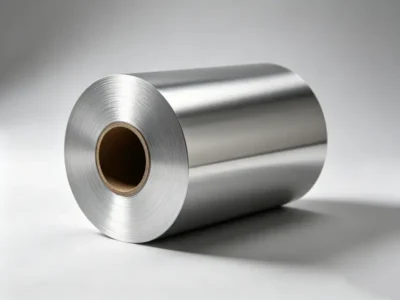
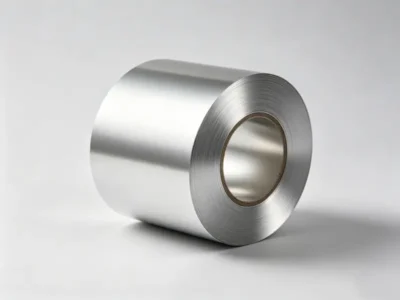
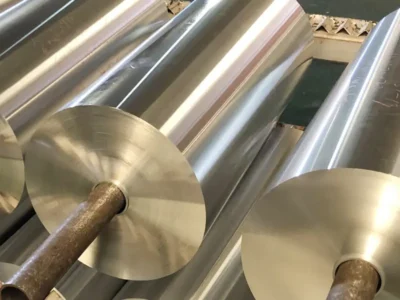
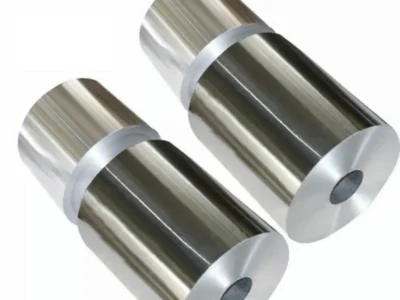
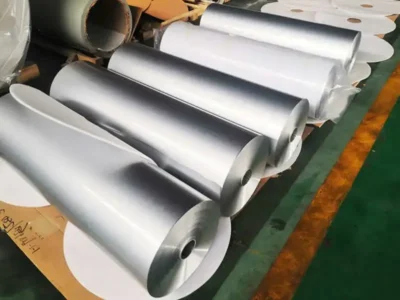
1235 aluminum foil is a high-aluminum-content foil grade widely used in packaging, household foil, cable shielding, and industrial applications.
It is known for its good ductility, clean surface, and easy processing.

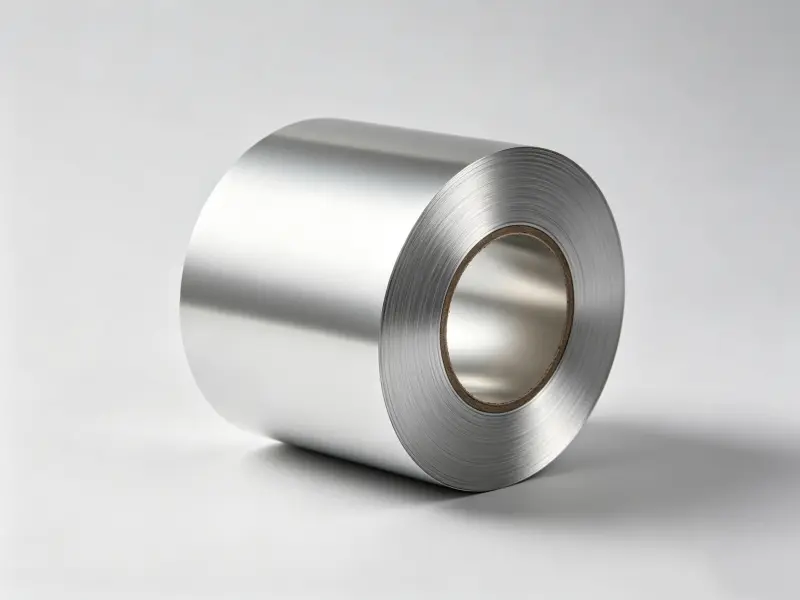
The material can be supplied in different thicknesses, widths, tempers, roll weights, and surface conditions.
Buyers can choose plain foil, embossed foil, coated foil, laminated foil, or slit foil according to the final application.
A practical selection process is:
Application → Alloy → Temper → Thickness → Width → Surface → Roll Weight → Packing → Shipping
1235 Aluminum Foil Applications
1235 aluminum foil is widely used in applications that require high purity, flexibility, conductivity, and barrier performance.
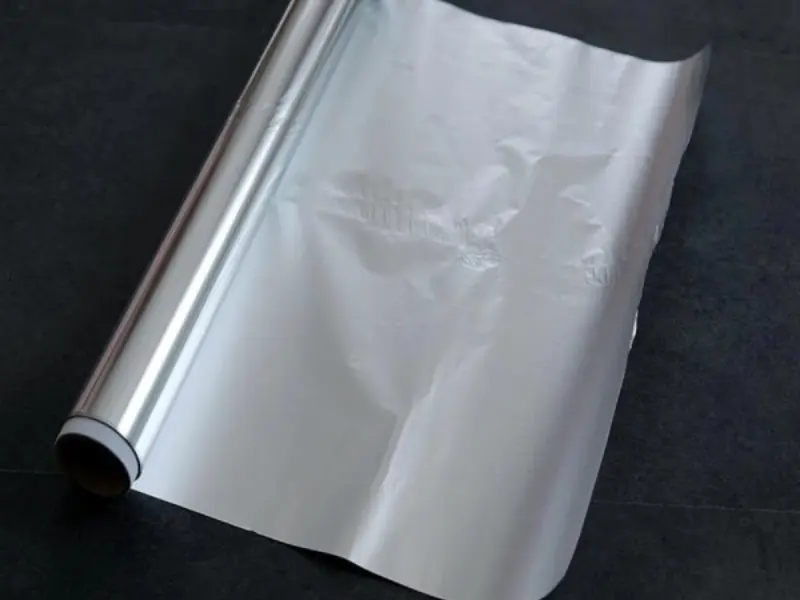
→ Food Packaging
- Food wrapping
- Flexible food packaging
- Snack packaging
- Dairy packaging
- Chocolate packaging
- Bakery packaging
- Food container materials
→ Household Foil
Catering applications
Kitchen foil
Cooking and baking
Food storage
Freezer wrapping
→ Cable & Electrical
- Cable shielding
- Cable wrapping
- Wire protection
- Electrical components
- Conductive materials
→ Insulation
- Roof insulation
- Wall insulation
- Pipe insulation
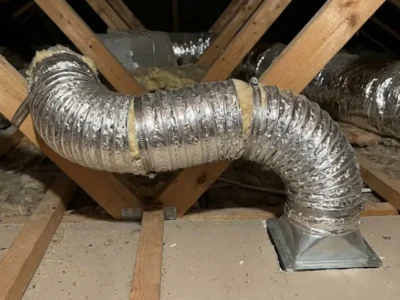
- HVAC insulation
- Reflective insulation
- Thermal insulation systems
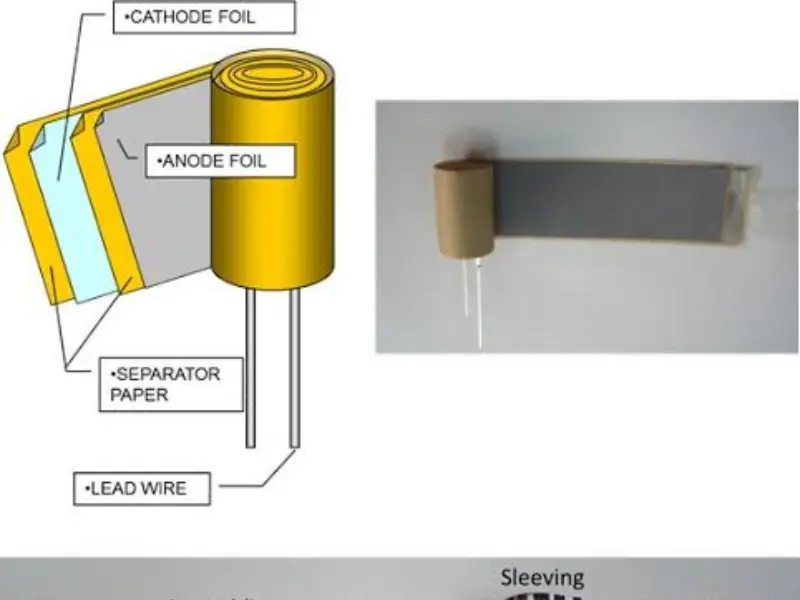
→ Flexible Packaging
- Laminated pouches
- Sachets
- Sealing materials
- Food packaging laminates
- Protective packaging
→ Industrial Applications
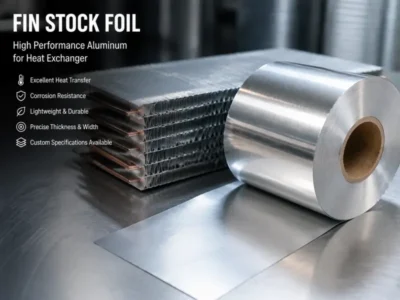
- Heat transfer materials
- Laminated materials
- Industrial insulation
- Protective layers
- Specialized foil products
1235 Aluminum Foil Surface Options
1235 aluminum foil can be supplied with different surface finishes according to the final application.
Plain Foil → Bright Foil → Embossed Foil → Coated Foil → Laminated Foil
| Surface | Description |
|---|---|
| Plain | Clean mill-finish surface for general processing |
| One-Side Bright | Bright surface on one side |
| Both-Side Bright | High-brightness surface on both sides |
| Embossed | Textured surface for insulation and decorative products |
| Coated | Protective or functional coating |
| Laminated | Combined with paper, PE, PET or other materials |
1235 Aluminum Foil Processing
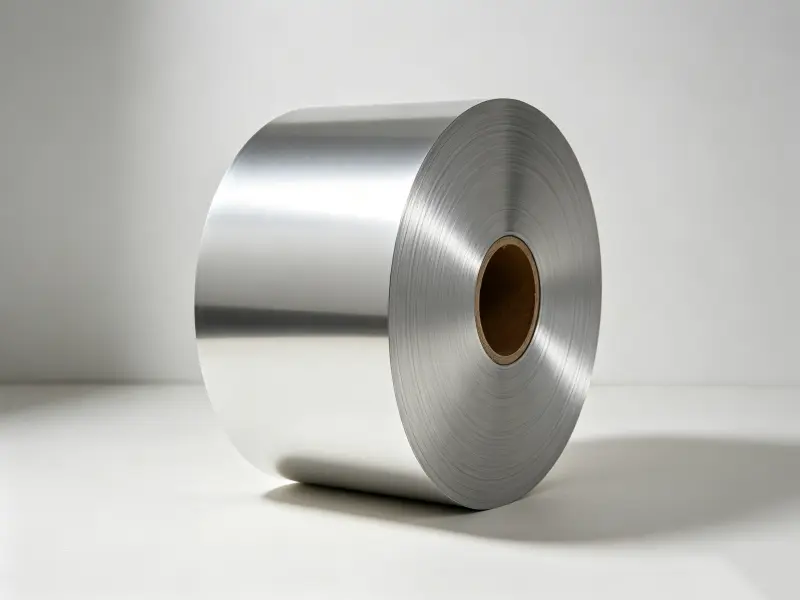
1235 aluminum foil is normally produced through a continuous rolling and finishing process.
Aluminum Ingot → Hot Rolling → Cold Rolling → Annealing → Slitting → Rewinding → Finished Foil Roll
For packaging and insulation products, additional processing can include:
1235 Foil → Coating / Printing → Laminating → Slitting → Final Product
The foil can be supplied in jumbo rolls or narrow rolls for different converting machines.
1235 Aluminum Foil vs Other Aluminum Foils
| Alloy | Aluminum Purity | Main Advantage | Typical Applications |
|---|---|---|---|
| 1235 | ≥99.35% | High purity and flexibility | Packaging, cable, insulation |
| 8011 | ≥98.8% | Good strength and formability | Household and pharmaceutical foil |
| 8021 | ≥98.0% | Good deep drawing performance | Pharmaceutical and flexible packaging |
| 8079 | ≥98.0% | Excellent flexibility | Flexible packaging |
1235 aluminum foil is a good choice when high aluminum purity, conductivity, flexibility, and barrier performance are important.
Custom 1235 Aluminum Foil
1235 aluminum foil can be customized according to the customer’s production requirements.
- Custom thickness
- Custom width
- Custom temper
- Custom roll weight
- Custom inner diameter
- Custom surface finish
- Custom coating
- Custom embossing
- Custom slitting width
- Custom packaging
- Jumbo roll or narrow roll supply
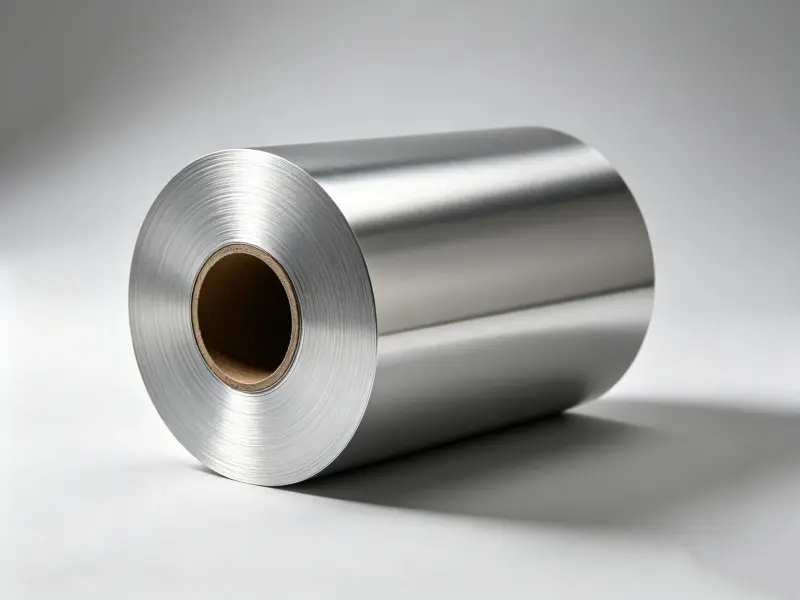
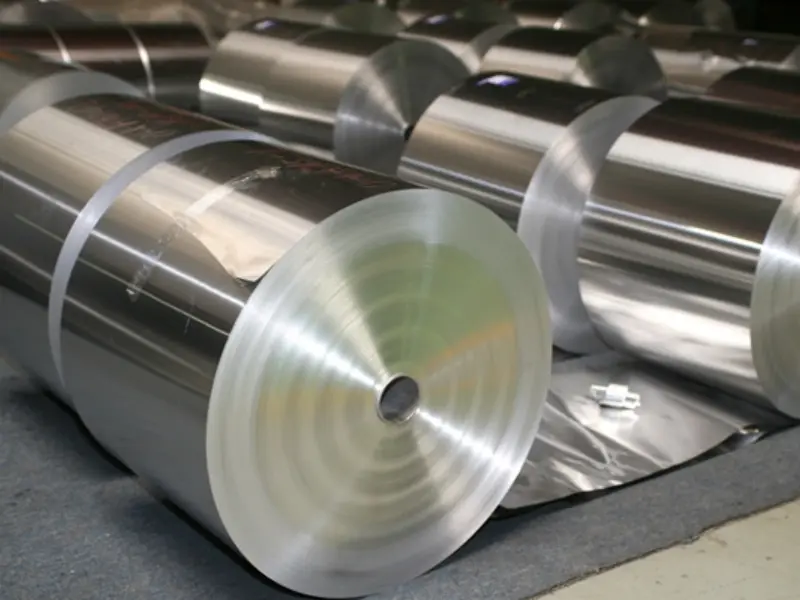
What Is 1235 Aluminum Foil?
1235 is an aluminum alloy commonly used in foil production.
It contains a high percentage of aluminum. This gives the material good ductility and forming performance.
The foil can be rolled to very thin gauges while maintaining a useful combination of flexibility and surface quality.
Typical supply forms include:
| Product Form | Typical Supply |
|---|---|
| Jumbo Roll | Large master roll |
| Slit Roll | Narrow-width roll |
| Sheet Foil | Cut sheets |
| Embossed Foil | Textured surface |
| Coated Foil | One or both sides coated |
| Laminated Foil | Combined with other materials |
The correct form depends on the customer’s processing equipment and end product.
Main Features of 1235 Aluminum Foil
This alloy is often selected because it can be processed into thin foil with good flexibility.
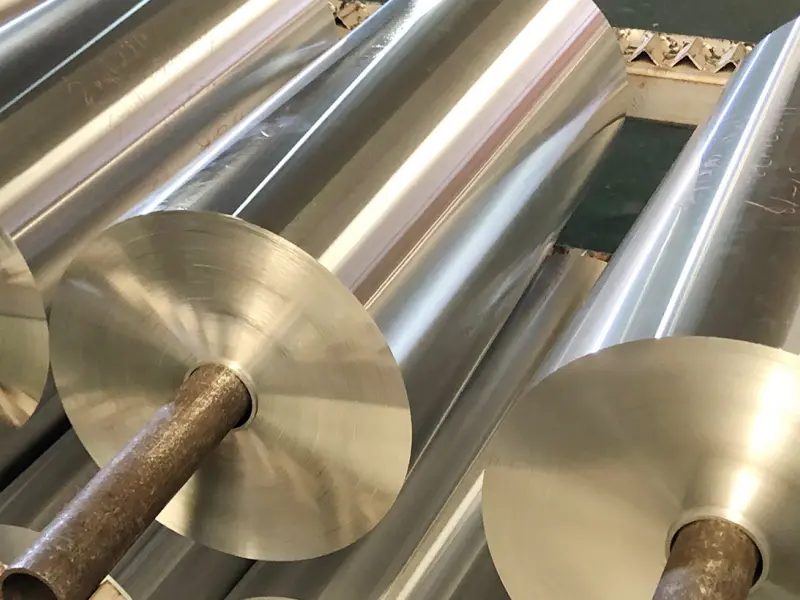
Important features include:
- High aluminum content
- Good ductility
- Good formability
- Smooth surface
- Good rolling performance
- Easy slitting
- Suitable for thin gauges
- Good barrier properties when used as foil packaging
- Available in different tempers
- Suitable for customized widths
The exact performance depends on thickness, temper, surface condition, and production quality.
1235 Aluminum Foil Thickness Options
Thickness is one of the most important specifications.
A thin foil may be suitable for lightweight packaging or electrical applications. A thicker gauge may be better when greater strength or stiffness is required.
0.006 mm 1235 Aluminum Foil
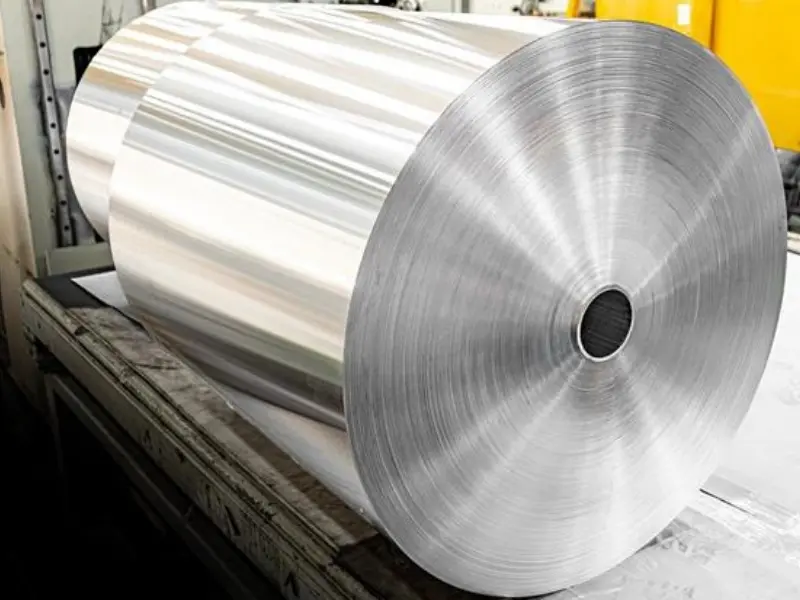
This is an ultra-thin foil option.
It is suitable for applications that require very low material weight.
Because the foil is extremely thin, production control becomes especially important.
0.009 mm Aluminum Foil
0.009 mm foil can be used for lightweight packaging and industrial applications.
It provides a balance between low weight and handling performance.
0.012 mm 1235 Aluminum Foil
0.012 mm is a common thin-foil specification for applications that require flexibility and a continuous foil layer.
0.015 mm Aluminum Foil
This thickness provides slightly more mechanical strength than thinner gauges.
It can be used for packaging, household, and industrial products.
0.020 mm 1235 Aluminum Foil
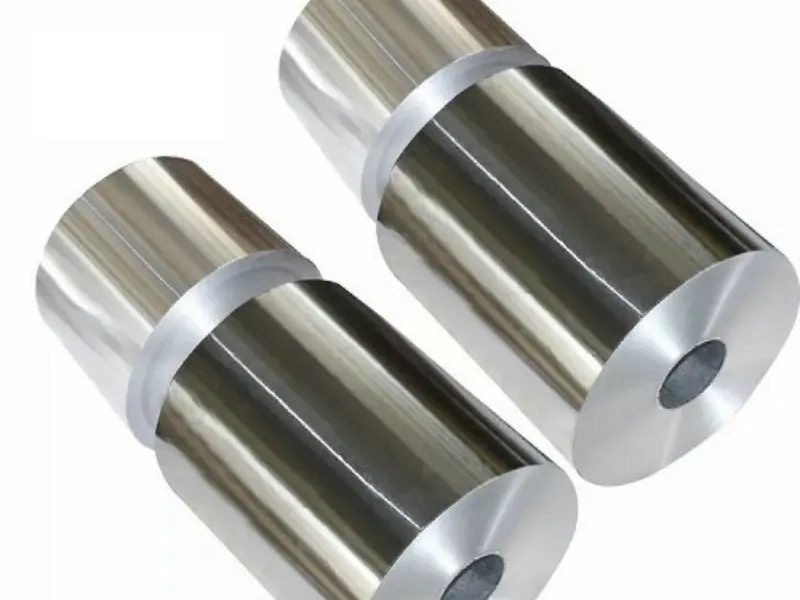
0.020 mm is a practical specification for many general foil applications.
It offers a useful balance between flexibility, weight, and handling.
0.025 mm Aluminum Foil
This gauge is suitable when the customer needs a stronger foil while still maintaining good flexibility.
0.030 mm Aluminum Foil
0.030 mm foil can be considered for applications that need more material thickness and better handling strength.
Thickness Comparison
| Thickness | Approx. Inch | General Position |
|---|---|---|
| 0.006 mm | 0.00024 in | Ultra thin |
| 0.009 mm | 0.00035 in | Very thin |
| 0.012 mm | 0.00047 in | Thin |
| 0.015 mm | 0.00059 in | Thin |
| 0.020 mm | 0.00079 in | General use |
| 0.025 mm | 0.00098 in | Medium |
| 0.030 mm | 0.00118 in | Medium / heavier |
| 0.040 mm | 0.00157 in | Heavy foil |
| 0.050 mm | 0.00197 in | Thicker foil |
| 0.080 mm | 0.00315 in | Heavy-duty foil |
Available thicknesses depend on alloy, temper, width, equipment, and final application.
Thin Foil vs Thick Foil
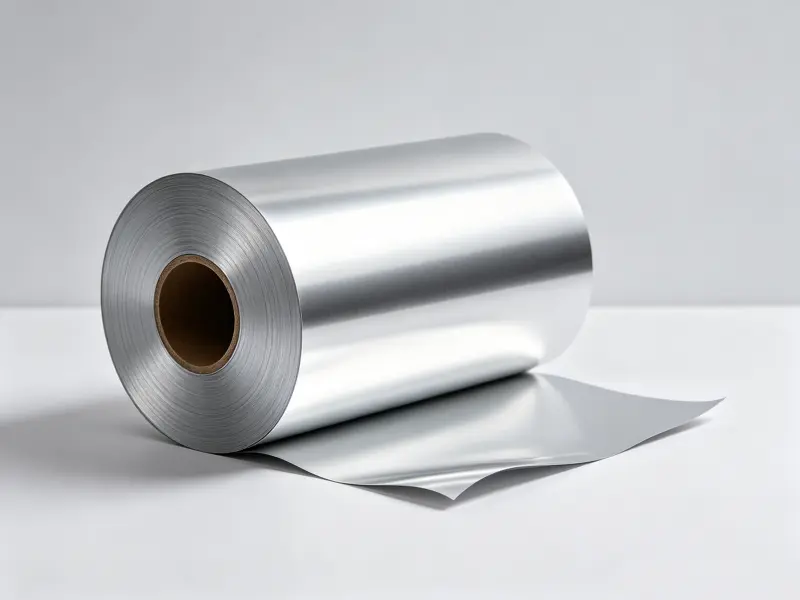
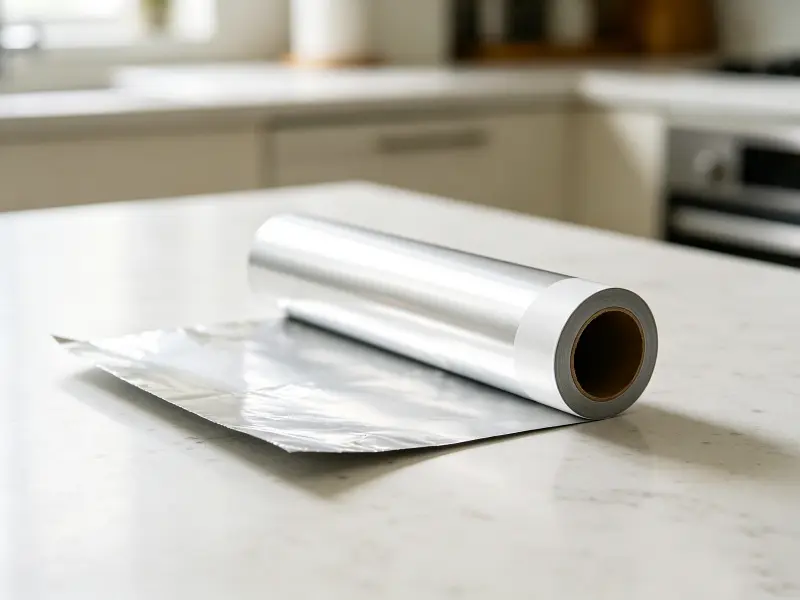
The choice should be based on the final product.
| Factor | Thin Foil | Thick Foil |
|---|---|---|
| Material weight | Lower | Higher |
| Flexibility | Higher | Lower |
| Handling | More difficult | Easier |
| Strength | Lower | Higher |
| Cost per area | Usually lower | Usually higher |
| Suitable for | Lightweight products | Stronger applications |
There is no universal best thickness.
A packaging producer may prefer a very thin gauge, while a cable or industrial buyer may need a thicker specification.
1235 Aluminum Foil Temper
Temper describes the condition of the aluminum after processing.
Common foil conditions include soft and work-hardened tempers.
| Temper | General Description |
|---|---|
| O | Soft / annealed |
| H12 | Partially hardened |
| H14 | Medium hard |
| H16 | Higher hardness |
| H18 | Hard condition |
1235 O Aluminum Foil
O temper is soft and flexible.
It is useful when the foil needs good folding, forming, wrapping, or shaping performance.
1235 H18 Aluminum Foil
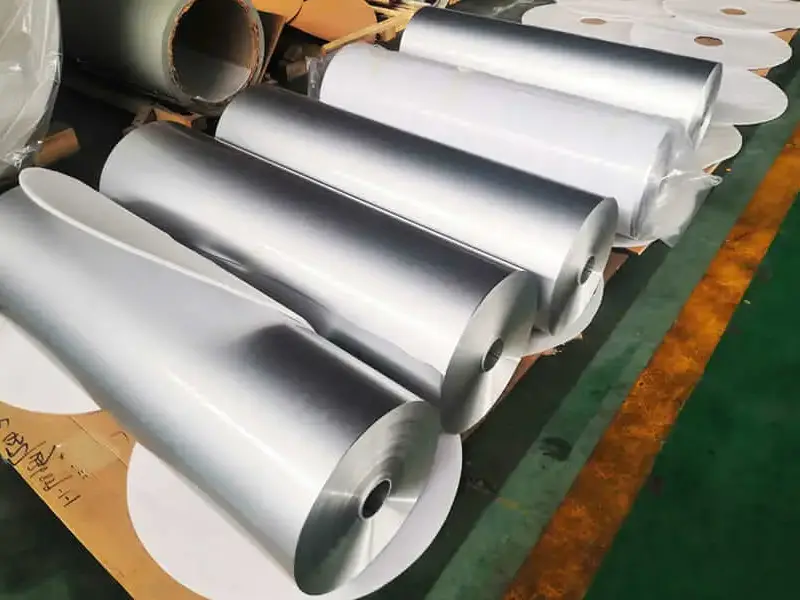
H18 is harder than O temper.
It can provide better stiffness and handling characteristics.
The suitable temper should be selected together with thickness and application.
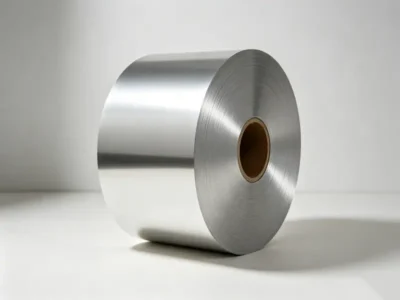
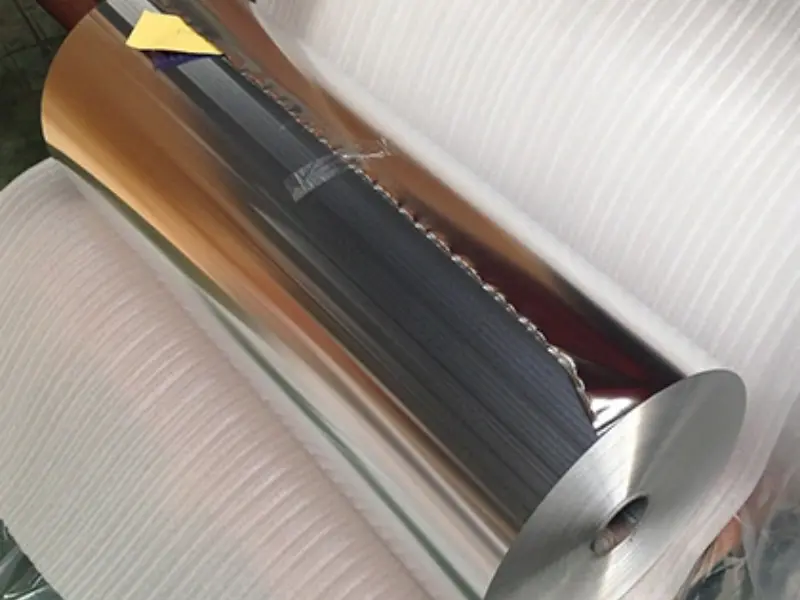
1235 Aluminum Foil Jumbo Roll
Jumbo rolls are widely used by converters and manufacturers.
The master roll can be slit or processed into smaller rolls according to the customer’s requirements.
Common jumbo-roll specifications include:
| Item | Example |
|---|---|
| Alloy | 1235 |
| Temper | O / H18 |
| Thickness | 0.012–0.080 mm |
| Width | Custom |
| Core | Paper or metal core |
| Roll Weight | Custom |
| Surface | Mill finish |
| Packing | Export standard |
For large-volume buyers, jumbo rolls can reduce repeated handling and improve production efficiency.
1235 Aluminum Foil Slit Rolls
Slit foil is produced by cutting a wider master roll into narrower widths.
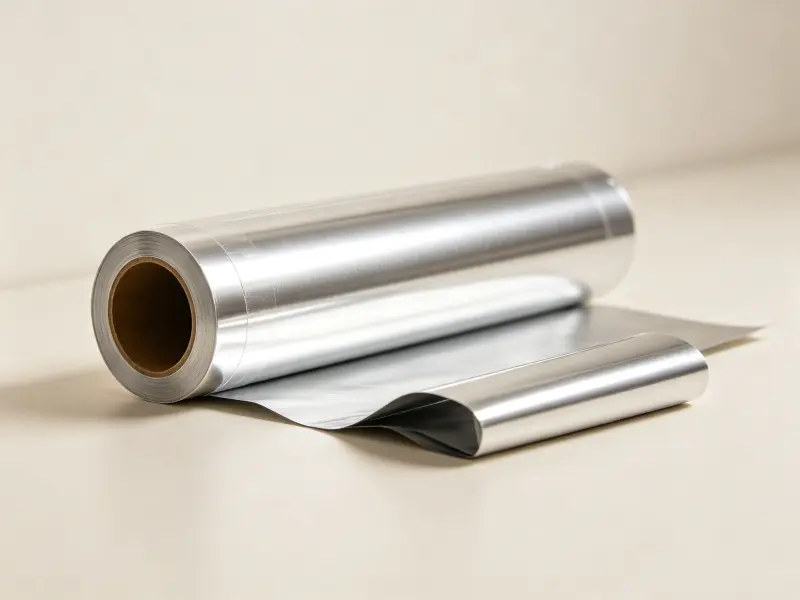
It is useful when the customer already knows the required width.
Examples include:
100 mm → 150 mm → 200 mm → 250 mm → 300 mm → 500 mm
The exact width can be customized.
Edge quality is important for narrow slit rolls. Burrs, uneven edges, and poor winding can affect downstream production.
Plain 1235 Aluminum Foil
Plain foil has a smooth mill-finish surface.
It is one of the basic forms of aluminum foil.
The surface should be clean and free from obvious defects.
Common uses include packaging, electrical shielding, insulation systems, and other converted foil products.
Embossed 1235 Aluminum Foil
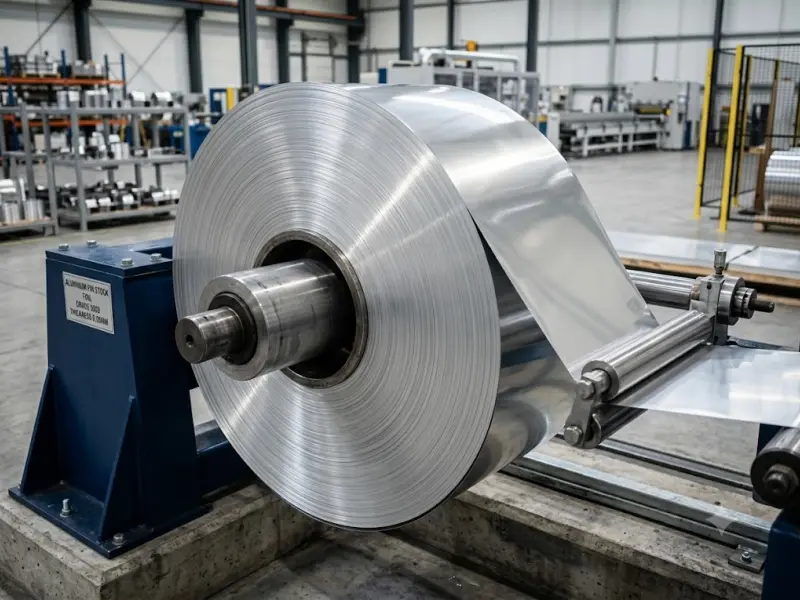
Embossing creates a textured surface.
It can increase the visual texture and may also be used in insulation or industrial products.
Common patterns include different embossed textures depending on the customer’s equipment and product design.
The pattern, depth, and width should be confirmed before production.
Coated 1235 Aluminum Foil
Coated foil has a protective or functional coating on one or both sides.
Possible coating types include:
- Polymer coating
- Colored coating
- Heat-sealable coating
- Lacquer coating
- Printable coating
- Protective coating
The coating should be selected according to the final use.
For example:
Printing Application → Printable Coating
Heat Sealing → Heat-Sealable Coating
Decorative Product → Colored Coating
Laminated 1235 Aluminum Foil
Aluminum foil can be laminated with materials such as paper, plastic film, or other substrates.
The aluminum layer provides a useful barrier layer, while the other material can provide additional strength, printing, sealing, or handling characteristics.
The final laminate structure should be designed around the application.
Packaging Applications
One of the important uses of thin aluminum foil is packaging.
Aluminum foil can provide a barrier against light, moisture, oxygen, and other external factors when properly incorporated into a packaging structure.
Applications include:
- Food packaging
- Chocolate wrapping
- Candy packaging
- Dairy packaging
- Sachets
- Flexible packaging
- Pharmaceutical packaging
- Lidding materials
- Household products
For packaging projects, thickness and temper should be selected according to forming and converting requirements.
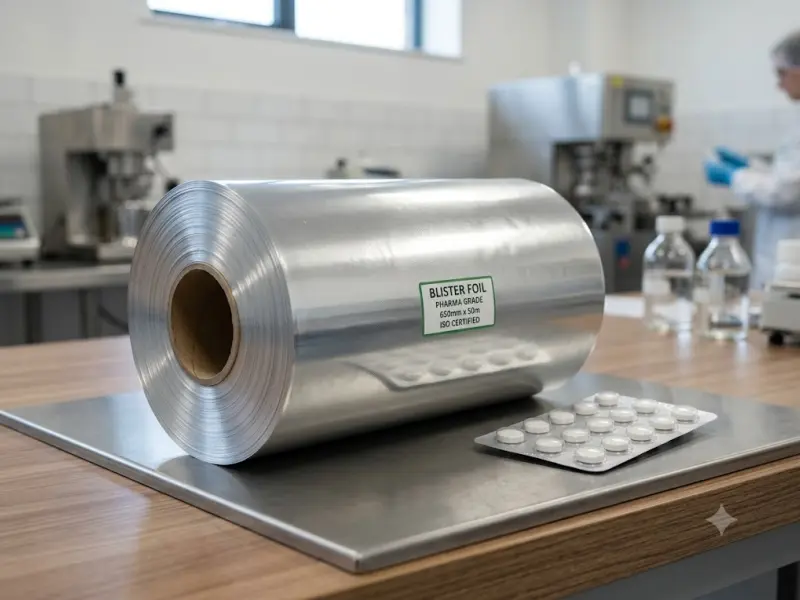
Pharmaceutical Packaging
Aluminum foil is widely used in pharmaceutical packaging structures.
The foil layer can help protect the contents from external environmental factors.
Possible products include:
- Blister packaging
- Sachet packaging
- Strip packaging
- Lidding foil
- Medical packaging laminates
Pharmaceutical applications often require tighter control of surface quality, cleanliness, pinholes, thickness, and coating.
Household Aluminum Foil
Household foil requires good flexibility and easy handling.
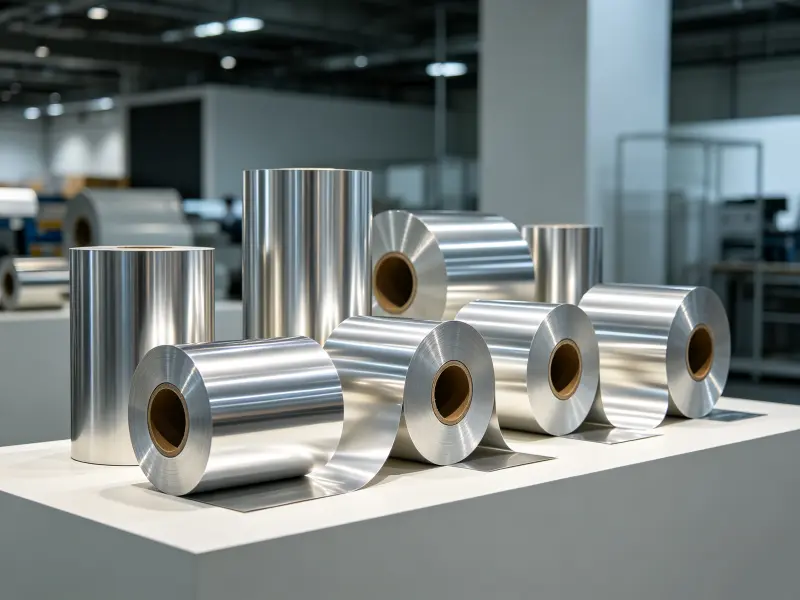
A soft temper is often preferred when the foil needs to fold or wrap easily.
Common uses include:
- Food wrapping
- Baking
- Food storage
- Kitchen preparation
- Household packaging
Different markets use different thickness standards.
Therefore, buyers should confirm the exact gauge before ordering.
Cable and Electrical Applications
Aluminum foil can also be used in cable and electrical shielding structures.
The foil may act as a shielding layer when combined with suitable cable construction.
Important specifications can include:
- Electrical conductivity
- Thickness
- Width
- Surface cleanliness
- Edge quality
- Tensile properties
- Roll consistency
For cable applications, stable slit width is especially important.
Aluminum Foil for Insulation
Foil can be used as a reflective facing or barrier layer in insulation systems.
Plain and embossed foil are both used depending on the product structure.

Typical applications include:
- Building insulation
- HVAC insulation
- Pipe insulation
- Duct insulation
- Roof insulation
- Industrial insulation
The aluminum foil may also be laminated to other insulation materials.
Aluminum Foil for HVAC
HVAC applications often use foil as part of a multilayer insulation system.
The material can be supplied as:
Plain Foil → Embossed Foil → Laminated Foil → Coated Foil
The final structure depends on the insulation product.
Width, thickness, surface, and lamination requirements should be confirmed before production.
Other Industrial Applications
The material can be used in different industrial products.
Potential applications include:
- Electrical shielding
- Cable wrapping
- Thermal insulation
- Flexible packaging
- Industrial laminates
- Decorative products
- Composite materials
- Heat-resistant structures
- Sealing systems
The exact suitability should always be checked against the customer’s technical requirements.


1235 vs 8011 Aluminum Foil
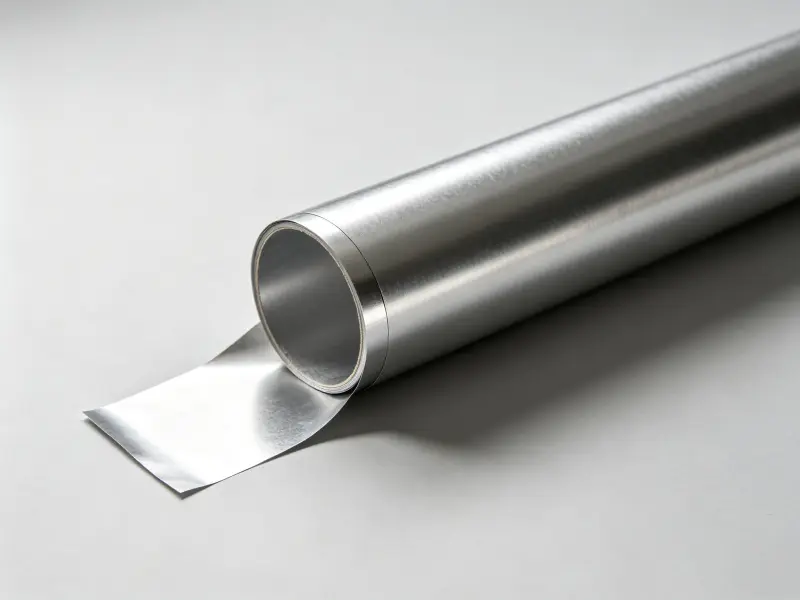
8011 is another widely used foil alloy.
The two grades can serve overlapping applications, but they are not identical.
| Feature | 1235 | 8011 |
|---|---|---|
| Aluminum content | High | Lower than 1235 |
| Ductility | Very good | Good |
| Common foil use | Packaging / electrical / household | Packaging / household / industrial |
| Formability | Very good | Good |
| Strength | Relatively low | Higher |
| Typical selection | Flexible foil | More strength-oriented foil |
The choice depends on the final product rather than alloy name alone.
1235 vs 1050 Aluminum Foil
1050 is also a high-aluminum-content alloy.
Both grades can provide good ductility.
| Feature | 1235 | 1050 |
|---|---|---|
| Main characteristic | Foil-oriented grade | High-purity aluminum |
| Foil processing | Very suitable | Suitable |
| Ductility | Excellent | Excellent |
| Typical use | Foil products | Foil and sheet products |
| Selection | Application-based | Application-based |
For large orders, the manufacturer should confirm whether the selected grade meets the customer’s standard.
1235 vs 1060 Aluminum Foil

1060 is another high-purity aluminum grade.
It is commonly associated with excellent conductivity and good forming performance.
1235 is often selected specifically for foil applications.
| Factor | 1235 | 1060 |
|---|---|---|
| Aluminum content | High | Very high |
| Foil production | Excellent | Excellent |
| Conductivity | Good | Very high |
| Flexibility | Excellent | Excellent |
| Typical selection | Foil-focused products | High-purity applications |
The better grade depends on the technical specification.
What Surface Quality Should Buyers Check?
Surface quality is important for thin foil.
A good production inspection may check:
- Scratches
- Oil marks
- Dirt
- Black spots
- Oxidation
- Surface dents
- Edge damage
- Color variation
- Roll marks
For coated or laminated products, coating uniformity also needs to be checked.
Why Are Pinholes Important?
Pinholes are small holes in aluminum foil.
Their importance depends on the final application.
For barrier packaging and some insulation products, buyers may have strict pinhole requirements.
For other products, the acceptable level can be different.
Therefore, the supplier should follow the agreed technical specification and inspection standard.
Width and Tolerance
Width is another important purchasing specification.
A buyer may need a master roll or a narrow slit roll.
| Supply | Typical Requirement |
|---|---|
| Jumbo roll | Wide master width |
| Medium roll | Converter width |
| Slit roll | Exact narrow width |
| Sheet | Fixed length and width |
For automated production, stable width can improve material utilization.
Core Diameter and Roll Weight
Roll construction affects production and transportation.
Important details include:
Core Diameter → Outer Diameter → Roll Weight → Winding Direction → Width
A customer using a specific unwinding machine should confirm the core size before ordering.
Roll weight should also match the customer’s equipment.
Aluminum Foil Surface: One Side vs Two Side
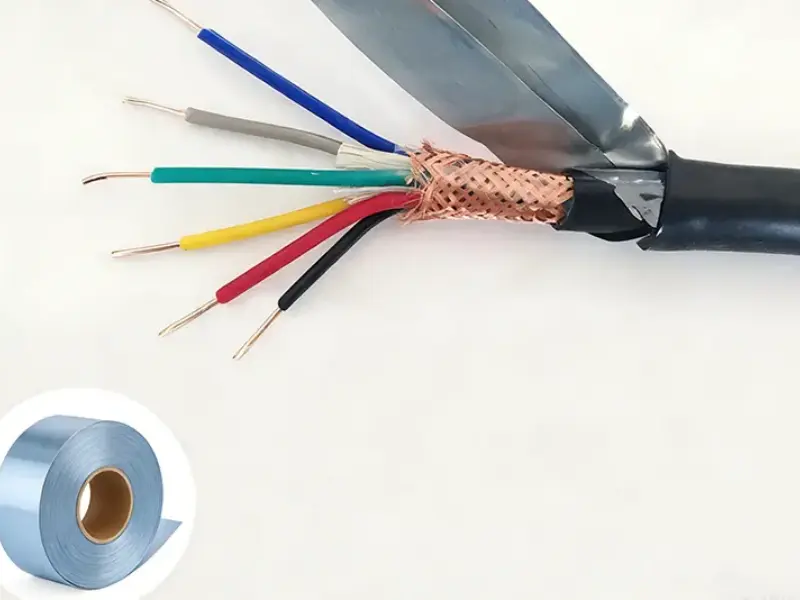
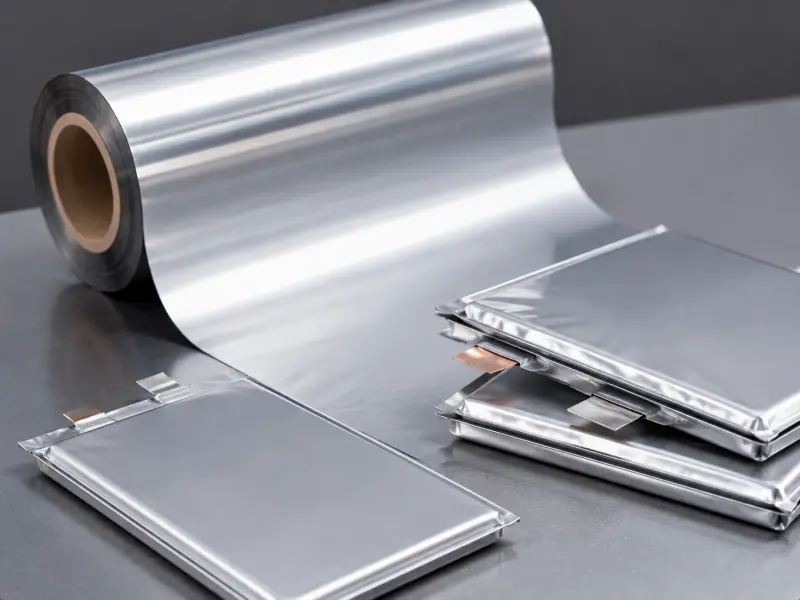
During rolling, aluminum foil may have different surface appearances depending on the rolling process.
Customers should clearly state the required surface condition.
For coated, laminated, or printed foil, the final surface specification should include the coating side and treatment.
1235 Aluminum Foil for Different Buyers
Different buyers have different priorities.
Packaging Manufacturer
Main focus:
Thickness → Pinholes → Surface → Temper → Width → Roll Quality
Cable Manufacturer
Main focus:
Width → Thickness → Edge → Conductivity → Roll Consistency
Insulation Manufacturer
Main focus:
Thickness → Surface → Width → Embossing → Lamination
Foil Converter
Main focus:
Jumbo Roll → Width → Core → Weight → Slitting → Surface
This is why the same alloy can be supplied in many different specifications.
What Affects the Price?
The price of aluminum foil changes with the full specification.
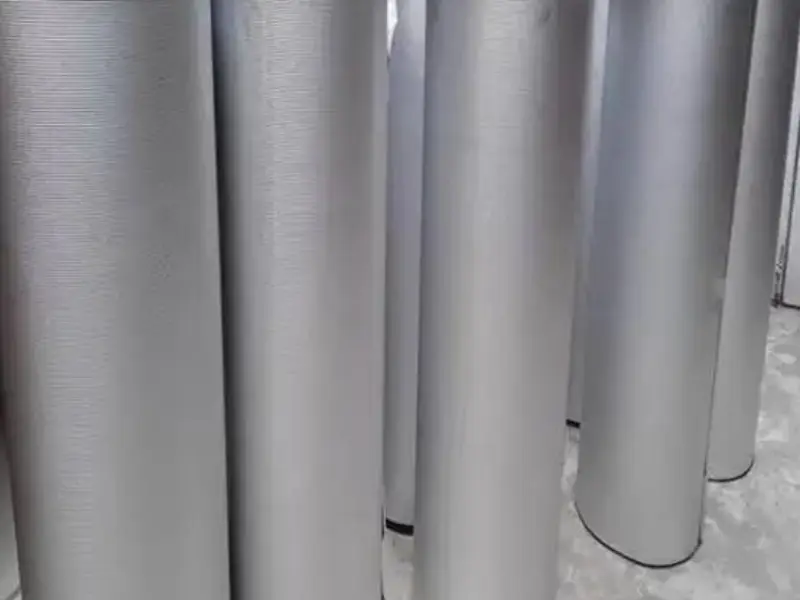
Main factors include:
- Aluminum raw material price
- Alloy
- Thickness
- Width
- Temper
- Roll weight
- Slitting
- Embossing
- Coating
- Lamination
- Packaging
- Order quantity
- Shipping destination
A very thin foil may require more production control.
A customized narrow roll may also have additional processing costs.
Small Order vs Bulk Order
Different order sizes may require different supply methods.
| Order Type | Recommended Supply |
|---|---|
| Small trial | Sample / small roll |
| Medium order | Standard rolls |
| Large order | Jumbo rolls |
| Regular production | Contract supply |
| Custom project | Customized specification |
For long-term customers, stable specifications can make repeat ordering easier.
1235 Aluminum Foil Quality Control
A typical quality control process can include:
Raw Material → Casting → Hot Rolling → Cold Rolling → Annealing → Slitting → Inspection → Packing
The inspection stage can cover both physical and surface properties.
Typical checks include:
| Item | Inspection |
|---|---|
| Thickness | Micrometer measurement |
| Width | Width tolerance |
| Temper | Mechanical condition |
| Surface | Visual inspection |
| Pinholes | Pinhole inspection |
| Edge | Burr / edge quality |
| Roll | Winding quality |
| Packing | Damage protection |
For custom orders, inspection requirements should be agreed before production.
Export Packing for Aluminum Foil
Aluminum foil needs protection against moisture, impact, and contamination during transportation.
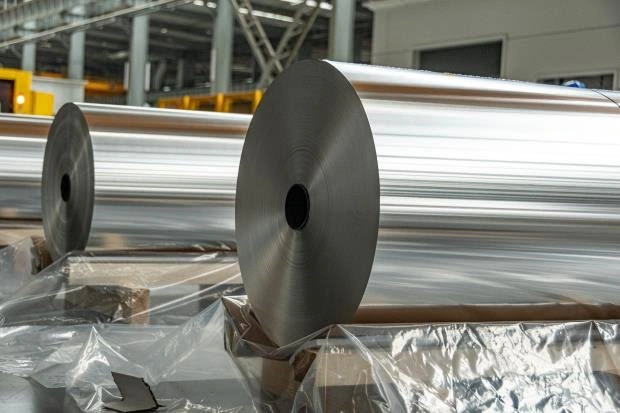
Typical export packing can include:
- Waterproof paper
- Plastic protection
- Strong carton
- Wooden pallet
- Wooden case
- Corner protection
- Customized labels
For long-distance sea transportation, moisture protection is especially important.
How to Choose the Right Specification
A simple selection method is:
Application
↓
Required Thickness
↓
Alloy 1235
↓
Temper
↓
Width
↓
Surface
↓
Roll Weight
↓
Packing
↓
Quantity
↓
Destination
This approach is more useful than selecting a product only by alloy number.
Recommended Specification Examples
Thin Packaging Foil
1235 → O → 0.012–0.020 mm → Jumbo Roll
Designed for flexible and lightweight foil applications.
Household Foil
1235 → O → 0.015–0.030 mm → Roll
Suitable when flexibility and easy handling are important.
Cable Foil
1235 → H18 → 0.020–0.050 mm → Slit Roll
The final thickness and width should be based on cable design.
Insulation Foil
1235 → O → 0.020–0.080 mm → Plain / Embossed
The choice depends on the insulation structure.
Laminated Packaging Foil
1235 → O → Custom Thickness → Laminated
The laminate structure should be confirmed according to the final packaging product.
Why Work With a Manufacturer?
A manufacturer can usually provide more options than a standard distributor.
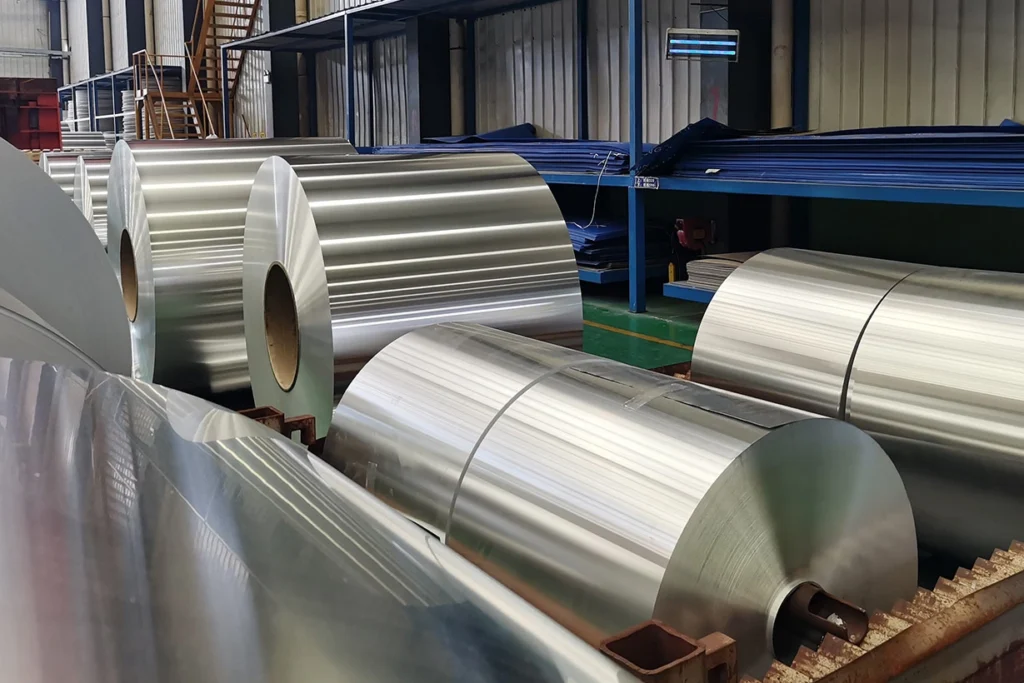
Possible services include:
- Custom thickness
- Custom width
- Custom roll weight
- Custom core
- Slitting
- Embossing
- Coating
- Lamination
- Custom packaging
- Sample production
- Technical support
For regular importers, direct factory supply can also make specification control easier.
Information to Include in Your Inquiry
For a useful quotation, send the following information:
| Specification | Example |
|---|---|
| Alloy | 1235 |
| Temper | O |
| Thickness | 0.020 mm |
| Width | 500 mm |
| Product | Jumbo roll |
| Surface | Plain |
| Core | 76 mm |
| Roll Weight | 500 kg |
| Quantity | 10 tons |
| Packing | Export packing |
| Destination | Customer port |
The more complete the specification, the easier it is for a supplier to provide an accurate offer.
FAQ About 1235 Aluminum Foil
What is 1235 aluminum foil used for?
It is used in packaging, household foil, cable shielding, insulation, laminates, and other industrial products.
Is 1235 aluminum foil soft?
It depends on the temper. O temper is soft and flexible, while H tempers are harder.
What is the common thickness?
Common foil gauges can range from very thin foil around 0.006 mm to thicker industrial foil above 0.050 mm. The suitable thickness depends on the application.
Can 1235 foil be supplied in jumbo rolls?
Yes. Jumbo rolls are suitable for converters and manufacturers that process foil in larger quantities.
Can I order narrow-width slit rolls?
Yes. Master rolls can be slit into customized widths according to production requirements.
Is 1235 suitable for food packaging?
It can be used in food packaging structures when the material and finished packaging meet the applicable requirements.
What is the difference between 1235 and 8011 foil?

1235 offers very good ductility and is widely used for foil products. 8011 generally provides a different balance of strength and formability. The better choice depends on the application.
What is 1235 O aluminum foil?
It is the annealed, soft condition. It offers high flexibility and good forming performance.
Can 1235 foil be embossed?
Yes. Embossed versions can be produced for suitable insulation and industrial applications.
Can the foil be coated?
Yes. One-side or two-side coating can be discussed depending on the final application.
Can I request a custom thickness?
Yes. Thickness can be customized within the manufacturer’s production range.
Can I request a custom width?
Yes. Jumbo rolls can be supplied at wider widths, while slit rolls can be produced at narrower widths.
What should I check before buying?
Check the alloy, temper, thickness, width, surface, pinhole requirements, roll weight, core size, packing, and quantity.
Is 1235 foil suitable for cable applications?
It can be used in suitable cable and shielding structures. The required conductivity, thickness, width, and edge quality should be confirmed with the cable design.
How should aluminum foil be packed for export?
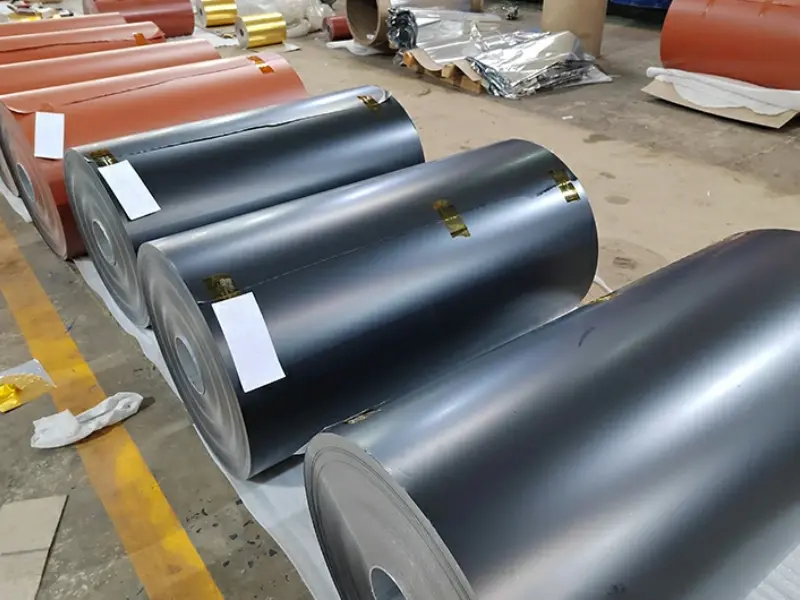
The foil should be protected from moisture, dirt, scratches, and impact. Waterproof materials, cartons, pallets, or wooden cases can be selected according to the shipping method.
Get a 1235 Aluminum Foil Quote
A good quotation starts with a clear specification.
You can send:
1235 → Temper → Thickness → Width → Surface → Roll Type → Core → Roll Weight → Quantity → Destination
For example:
1235 → O → 0.020 mm → 500 mm → Plain → Jumbo Roll → 76 mm Core → 500 kg/Roll → 10 Tons
This information allows the supplier to recommend the most suitable production method and prepare a more accurate quotation.
Whether you need thin packaging foil, household foil, cable foil, insulation foil, slit rolls, or jumbo rolls, the specification should match the final production process.
For long-term B2B supply, consistent thickness, stable width, clean surface, reliable winding, and repeatable quality are just as important as the aluminum alloy itself.