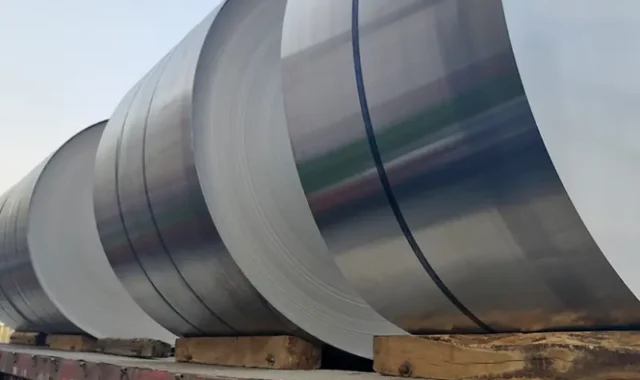
Aluminum Foil for Lithium Battery is an important material in lithium-ion battery production.
It is mainly used as the current collector for the positive electrode. The foil carries electrical current from the active material to the battery tab and external circuit.
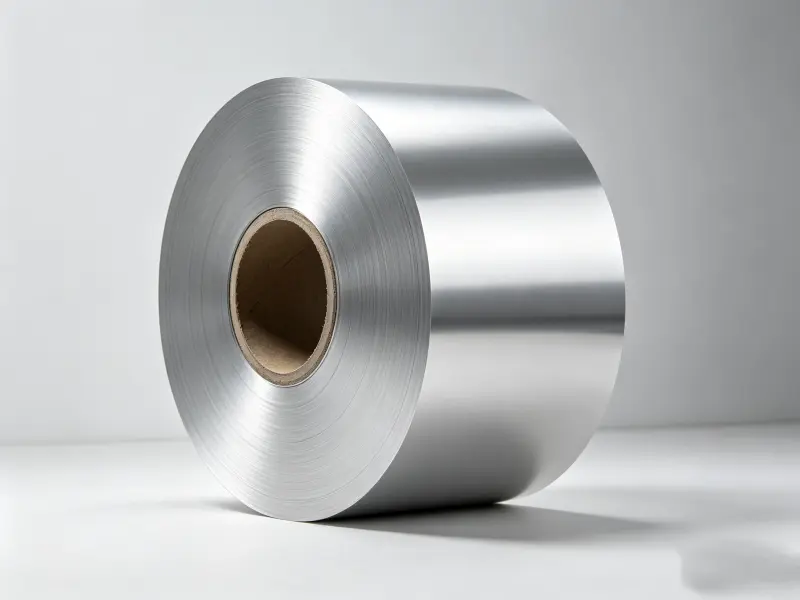
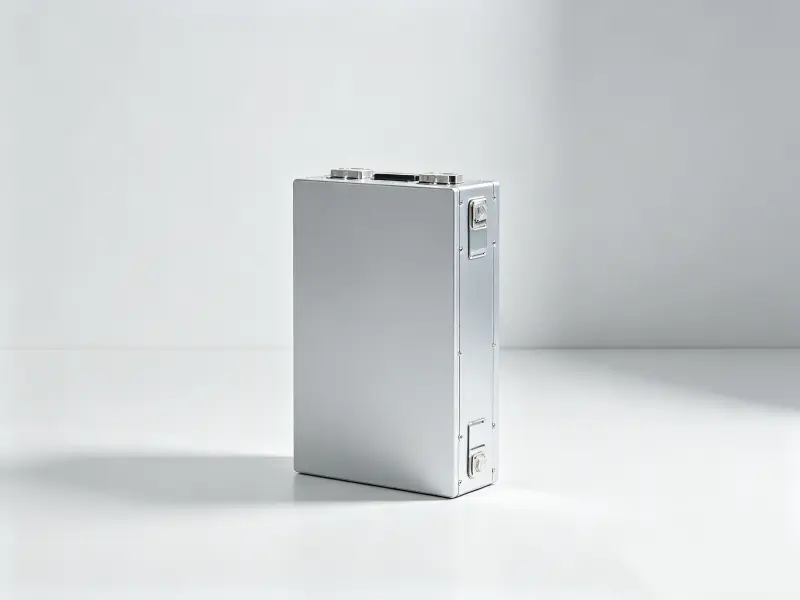
Battery manufacturers need aluminum foil with stable thickness, clean surfaces, good strength, and reliable rolling quality.
The right alloy and temper also matter because the foil must work well during coating, drying, slitting, winding, or stacking.
What Is Aluminum Foil for Lithium Battery?
Lithium battery aluminum foil is a thin aluminum strip designed for use in battery electrodes. In most lithium-ion batteries, it is used on the positive electrode side.
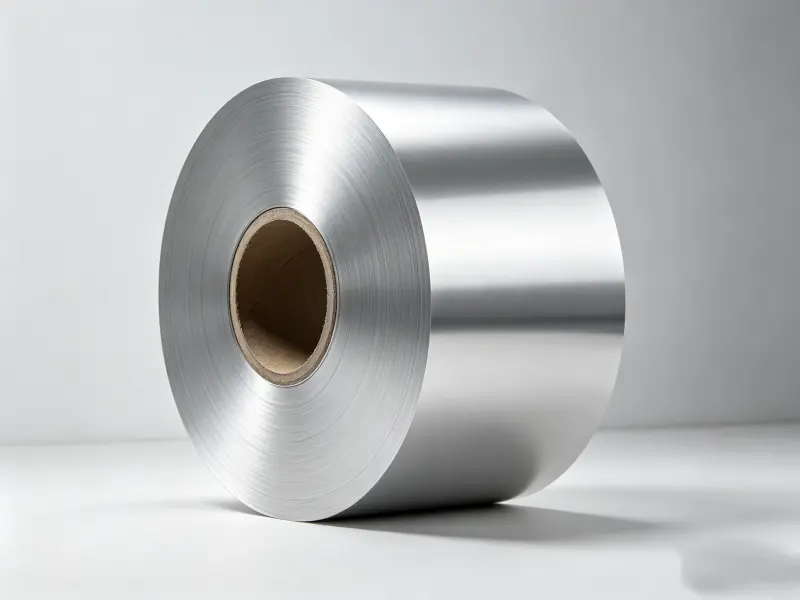
The foil is coated with a positive electrode material. The coating process requires a clean and stable surface. The foil also needs enough mechanical strength to pass through production equipment without tearing.
A typical production process is:
Aluminum coil → rolling → annealing → surface cleaning → slitting → inspection → packaging → battery electrode coating
Different battery designs may require different foil thicknesses, widths, tempers, and surface conditions.
Why Aluminum Foil Is Used in Lithium Batteries
Aluminum has several properties that make it suitable for positive electrode current collectors.
- Low density
- Good electrical conductivity
- Good corrosion resistance
- Good heat resistance
- Easy to roll into thin foil
- Good dimensional stability
- Suitable for high-speed coating lines
- Good compatibility with many positive electrode materials
- Easy to slit into narrow rolls
The foil must also maintain a consistent surface during production. Small defects can affect coating quality and later battery performance.
Main Types of Lithium Battery Aluminum Foil
Battery foil is not limited to one specification. Manufacturers can choose different products according to cell design and production process.
Standard Battery Aluminum Foil
This is the common option for lithium-ion battery electrode production. It is normally supplied in large coils and then slit to the required width.
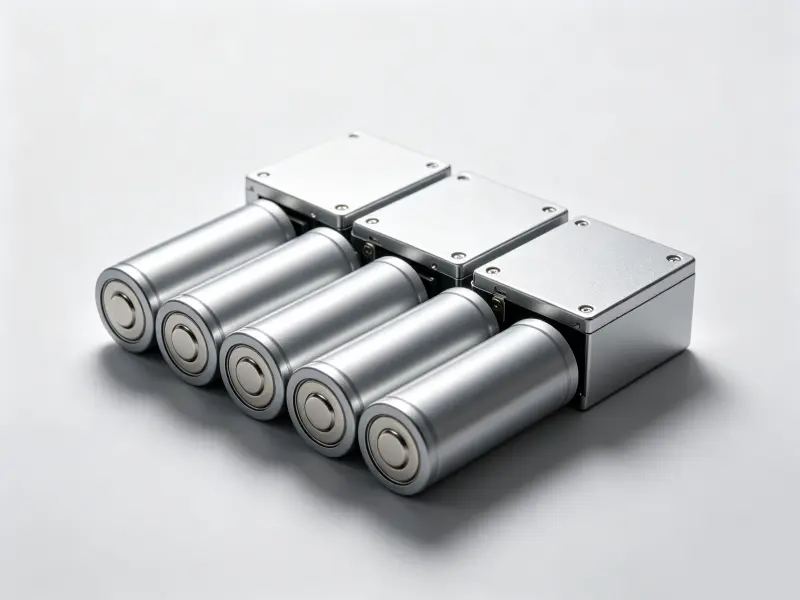
Typical features include:
- High surface cleanliness
- Controlled thickness
- Good flatness
- Low burr formation
- Stable mechanical properties
- Good coating adhesion
It can be used for cylindrical, prismatic, and pouch battery production.
High-Strength Aluminum Foil for Lithium Battery
High-strength foil is useful when the production line needs better mechanical performance.
It can help reduce:
- Foil tearing
- Edge damage
- Wrinkles
- Breaks during coating
- Problems during high-speed slitting
The exact alloy and temper should be selected according to the electrode process.
Soft Aluminum Foil
Soft foil has good flexibility and formability. It is useful for battery processes where the foil passes through multiple rollers or needs to handle bending stress.
Soft material can also be easier to process during some coating and forming operations.
Thin Lithium Aluminum Foil for Lithium Battery
Thin foil is selected when reducing inactive material and improving energy density is important.
Typical thickness options may include:
| Type | Thickness | Typical Use |
|---|---|---|
| Thin foil | 8–10 μm | High energy-density cells |
| Standard thin foil | 10–12 μm | Common lithium-ion batteries |
| Medium foil | 12–15 μm | General electrode production |
| Heavy foil | 15–20 μm | Special battery designs |
Actual thickness depends on the battery chemistry, coating weight, production line, and customer specification.
Wide Aluminum Foil for Lithium Battery
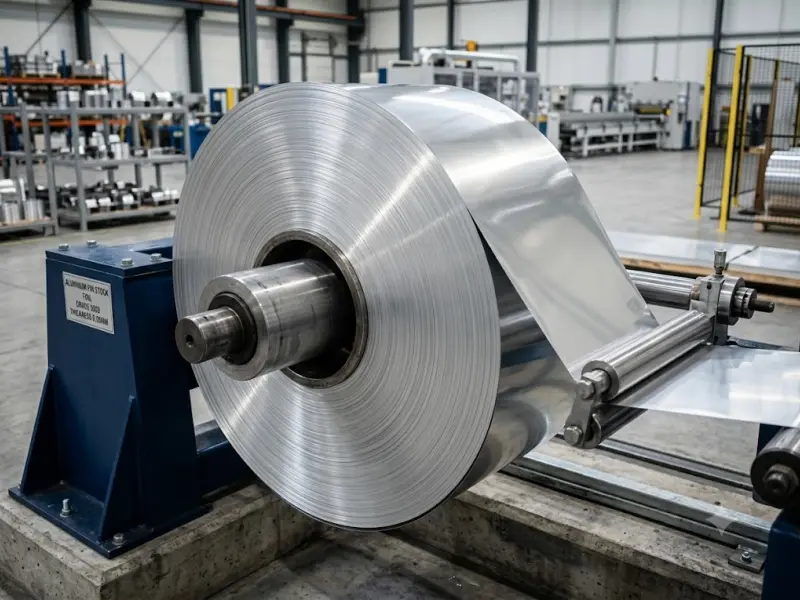
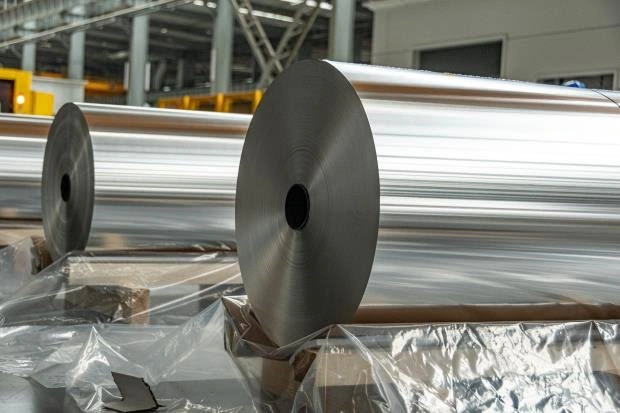
Wide jumbo rolls are used by large electrode manufacturers. The master coil can later be slit into smaller rolls.
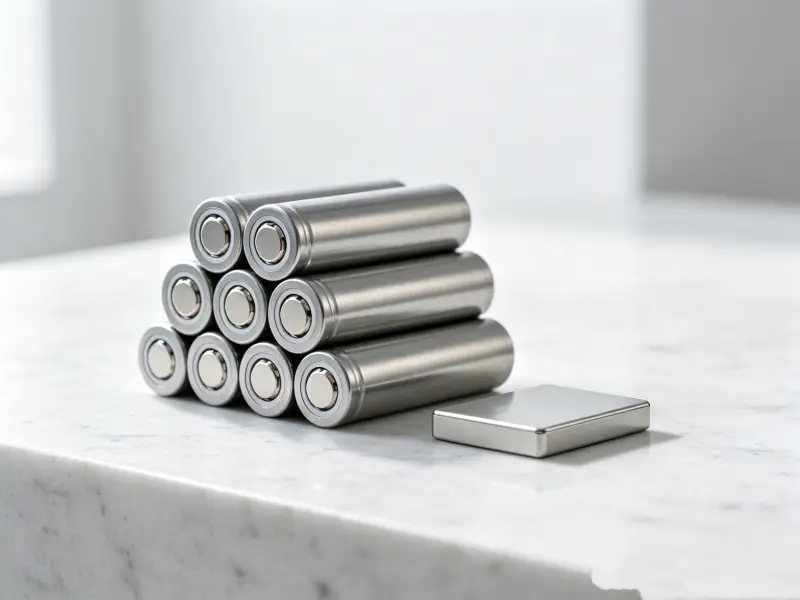
Common width ranges can include:
500 mm → 800 mm → 1000 mm → 1200 mm → 1400 mm → 1600 mm
Custom widths are also possible.
Slit Aluminum Foil
Slit foil is supplied in narrower rolls for direct use on electrode coating or other battery production equipment.
The slit edge should be clean and stable.
Typical requirements include:
- Controlled slit width
- Low edge burr
- Straight edges
- Stable winding
- No telescoping
- No loose layers
Common Aluminum Alloys for Battery Foil
Alloy selection depends on strength, conductivity, processing, and battery design.
1060 Aluminum Foil for Lithium Battery
1060 Aluminum Foil for Lithium Battery is a high-purity aluminum alloy with good electrical conductivity.
It offers:
- Good conductivity
- Good corrosion resistance
- Good rolling performance
- Good flexibility
- Good surface quality
It can be considered when conductivity and easy processing are priorities.
1070 Aluminum Foil for Lithium Battery
1070 Aluminum Foil for Lithium Battery contains a high percentage of aluminum and provides very good conductivity.
It is suitable for applications where high purity and electrical performance are important.
1235 Aluminum Foil for Lithium Battery
1235 Aluminum Foil for Lithium Battery is widely used in various foil applications because of its good rolling performance and flexibility.
For battery-related applications, the exact specification should be confirmed according to the electrode process and battery design.
1100 Aluminum Foil for Lithium Battery
1100 Aluminum Foil for Lithium Battery provides good formability and corrosion resistance.
It can be used for applications where a balance of conductivity, processing, and cost is needed.
3003 Aluminum Foil for Lithium Battery
3003 Aluminum Foil for Lithium Battery contains manganese and provides higher strength than many 1xxx-series alloys.
It may be considered when mechanical strength is more important than maximum conductivity.
For lithium battery current collectors, however, the final alloy should be selected according to the customer’s technical requirements.
Aluminum Alloy Comparison for Battery Applications
| Alloy | Conductivity | Strength | Formability | Typical Consideration |
|---|---|---|---|---|
| 1060 | Very high | Low | Excellent | Conductivity-focused |
| 1070 | Very high | Low | Excellent | High-purity applications |
| 1100 | High | Low-medium | Excellent | General use |
| 1235 | High | Low | Excellent | Thin foil production |
| 3003 | Medium-high | Medium | Good | Higher strength needs |
There is no single alloy that is best for every lithium battery.
High conductivity → 1060 / 1070 Aluminum Foil for Lithium Battery
Balanced performance → 1100 / 1235 Aluminum Foil for Lithium Battery
Higher mechanical strength → 3003 Aluminum Foil for Lithium Battery
The final choice should match the battery manufacturer’s process.
Aluminum Foil Temper for Lithium Batteries
Temper controls the mechanical condition of the foil.
Common conditions include:
| Temper | General Property | Suitable Consideration |
|---|---|---|
| O | Soft | High flexibility |
| H12 | 1/4 hard | Moderate strength |
| H14 | 1/2 hard | Balanced strength |
| H18 | Full hard | Higher strength |
| H22 | Annealed after rolling | Controlled mechanical properties |
| H24 | Partially annealed | Balance of strength and flexibility |
For thin battery foil, the correct temper can affect coating-line performance.
A foil that is too soft may wrinkle easily. A foil that is too hard may have different forming or handling behavior.
Thickness Options for Battery Aluminum Foil
Thickness of Aluminum Foil for Lithium Battery is one of the most important purchasing specifications.
| Thickness | Product Type | Possible Application |
|---|---|---|
| 8 μm | Ultra-thin foil | High energy-density cells |
| 9 μm | Thin foil | Advanced electrode designs |
| 10 μm | Thin foil | Lithium-ion batteries |
| 12 μm | Standard foil | General battery production |
| 15 μm | Medium foil | Special cell designs |
| 18 μm | Heavy foil | Higher mechanical requirements |
| 20 μm | Heavy foil | Special applications |
The thinner the foil, the more important thickness tolerance, pinholes, edge quality, and handling strength become.
Thin Foil vs Thick Foil
| Feature | Thin Foil | Thick Foil |
|---|---|---|
| Weight | Lower | Higher |
| Energy density potential | Higher | Lower |
| Mechanical strength | Lower | Higher |
| Handling | More sensitive | Easier |
| Production difficulty | Higher | Lower |
| Material efficiency | Better | Lower |
For high-volume battery production, manufacturers often look for a balance between low thickness and reliable production performance.
Surface Quality Matters
The surface of battery foil needs careful control.
The Aluminum Foil for Lithium Batterymay be supplied with a clean, bright, or controlled surface depending on the production process.
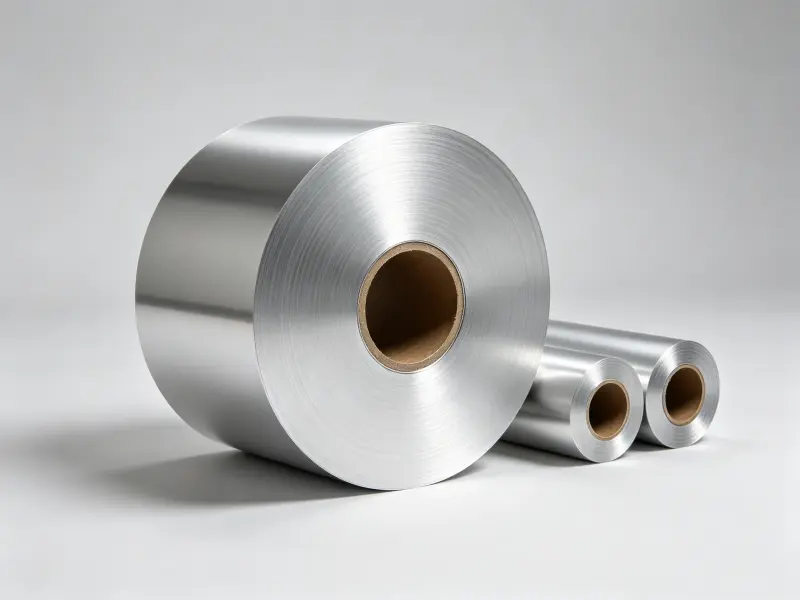
Important factors include:
- Surface cleanliness
- Oil residue
- Dust
- Oxide condition
- Scratches
- Black spots
- Pinholes
- Stains
- Roll marks
- Wrinkles
- Edge damage
The coating must spread evenly across the foil. Poor surface quality can cause coating defects or reduce production stability.
Battery Foil for Different Battery Cell Types
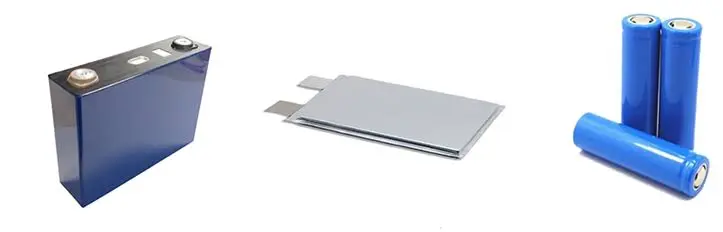
Aluminum foil can be processed for several lithium battery formats.
Cylindrical Batteries
Cylindrical cells use long electrode strips that are wound into a compact structure.
The foil needs:
- Stable thickness
- Good flexibility
- Smooth edges
- Good tensile strength
- Stable winding
Prismatic Batteries
Prismatic cells use a larger rectangular cell structure.
Wide aluminum foil can be processed into electrode rolls or sheets according to the production system.
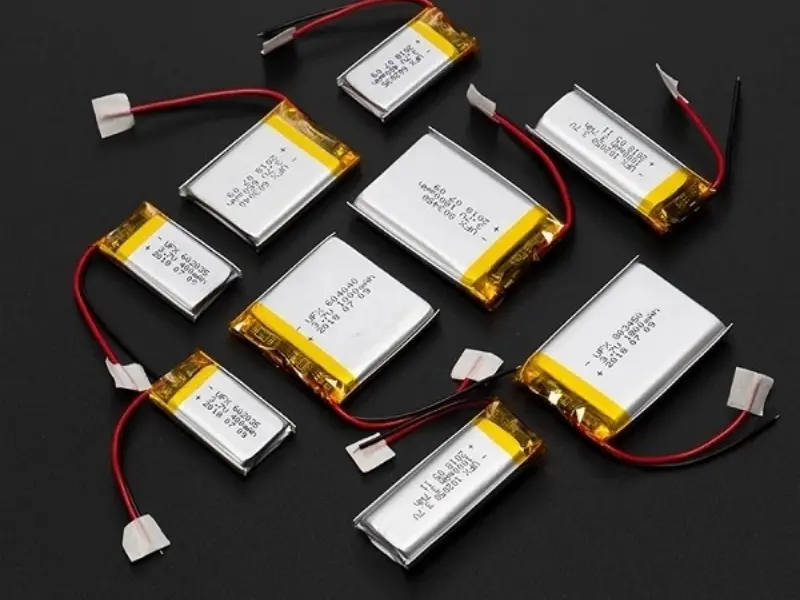
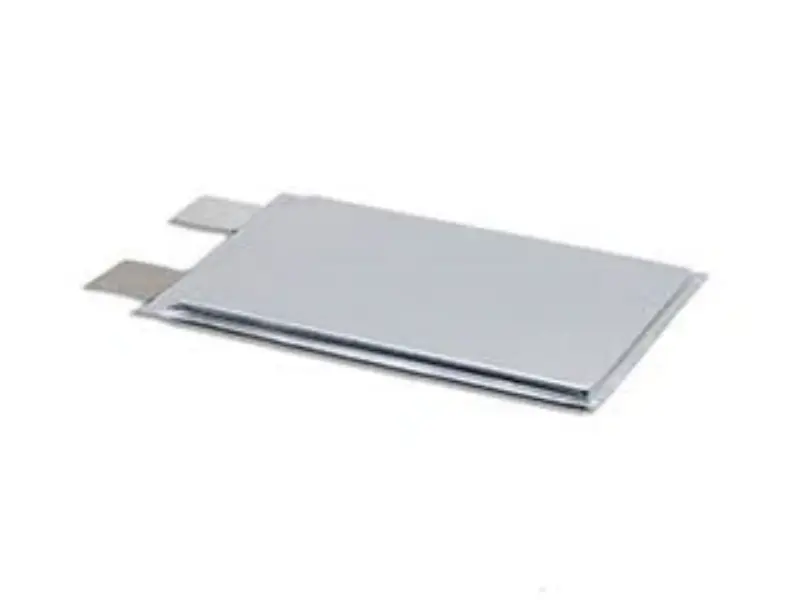
Pouch Batteries
Pouch cells use flexible packaging and stacked or wound electrodes.
The current collector needs good surface quality and dimensional stability.
Aluminum Foil for Different Lithium Battery Chemistries
The positive electrode material can vary.
Common lithium battery chemistries include:
| Battery Chemistry | Common Name | Typical Market |
|---|---|---|
| LFP | Lithium Iron Phosphate | EVs, energy storage |
| NMC | Nickel Manganese Cobalt | EVs, electronics |
| NCA | Nickel Cobalt Aluminum | EVs, high energy density |
| LCO | Lithium Cobalt Oxide | Consumer electronics |
| LMO | Lithium Manganese Oxide | Power applications |
The Aluminum Foil for Lithium Battery specification may change according to coating material, electrode design, and production conditions.
Aluminum Foil for LFP Batteries
LFP batteries are widely used in electric vehicles and energy storage systems.
Their production requires stable electrode materials and reliable current collectors.
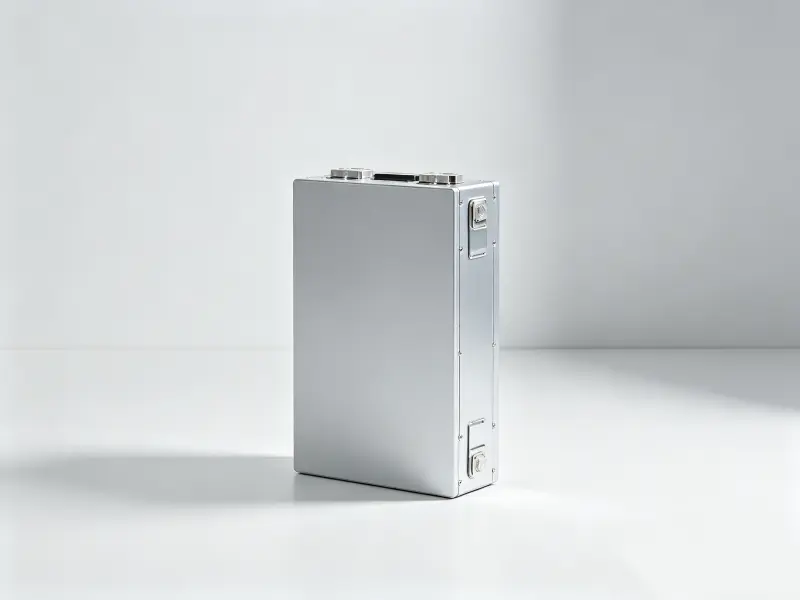
Suitable foil should provide:
- Consistent thickness
- Good coating adhesion
- Low defect rate
- Good tensile performance
- Clean surface
- Stable roll quality
For large LFP production lines, consistency between batches is especially important.
Aluminum Foil for NMC Batteries
NMC batteries are used in electric vehicles, power tools, and other applications.
NMC electrode production may use thin aluminum current collector foil to reduce inactive weight.
Important purchasing points include:
- Thickness tolerance
- Tensile strength
- Elongation
- Surface cleanliness
- Edge quality
- Pinholes
- Coil winding
Aluminum Foil for Energy Storage Batteries
Energy storage batteries are often produced in large quantities.
Stable material supply becomes very important.
Buyers may prefer jumbo coils because they can reduce:
- Roll changes
- Material handling
- Production downtime
- Packaging waste
For large projects, consistent batch quality is often more important than simply choosing the lowest price.
Battery Aluminum Foil vs Ordinary Aluminum Foil
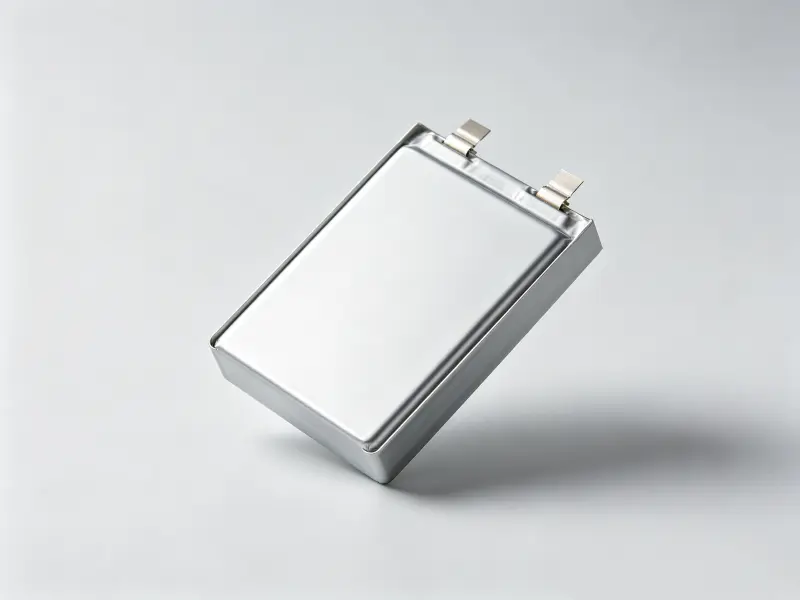
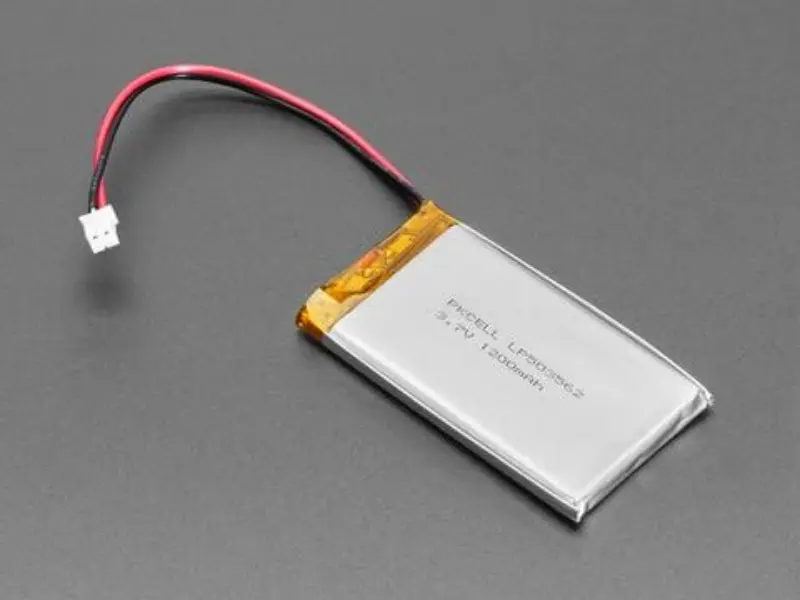
Battery foil should not be treated as ordinary commercial foil.
| Feature | Battery Foil | Ordinary Aluminum Foil |
|---|---|---|
| Thickness control | Very strict | General |
| Surface requirements | High | Standard |
| Pinholes | Strictly controlled | Depends on application |
| Edge quality | Important | General |
| Cleanliness | High | Standard |
| Coating compatibility | Important | Not always required |
| Production consistency | Very high | Normal |
For battery production, small defects can create large downstream problems.
Battery Foil vs Packaging Foil
Packaging foil and battery foil may look similar, but their requirements are different.
| Item | Battery Foil | Packaging Foil |
|---|---|---|
| Main purpose | Current collector | Barrier/packaging |
| Surface | Highly controlled | Application dependent |
| Mechanical requirements | Process-specific | Packaging-specific |
| Thickness | Often very thin | Wide range |
| Cleanliness | Very important | Important |
| Coating | Electrode coating | Printing, lacquer, lamination |
A battery manufacturer should use material produced according to battery-related requirements rather than selecting foil only by alloy and thickness.
What Specifications Should You Ask an Aluminum Foil Supplier For?
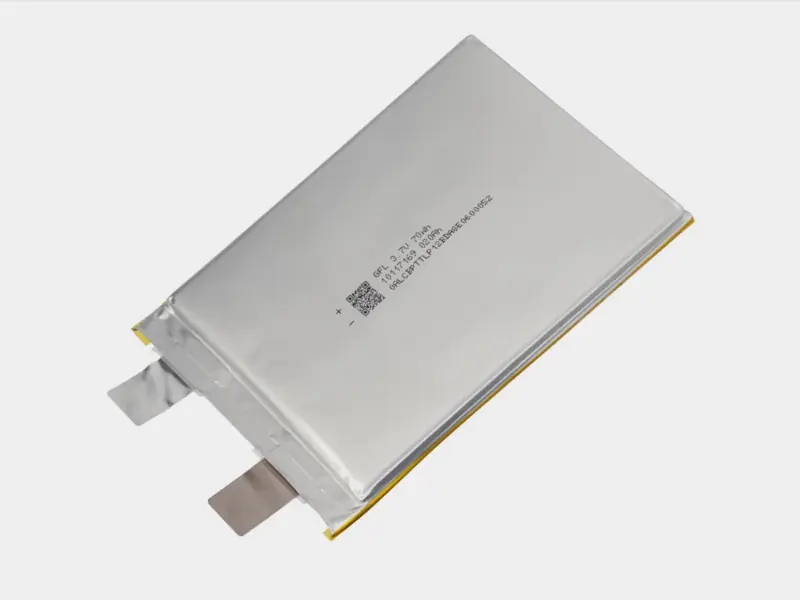
When requesting a quotation, provide as much information as possible.
A simple RFQ can include:
Alloy → Temper → Thickness → Width → Coil ID → Coil OD → Surface → Tensile strength → Elongation → Quantity → Packaging
For example of Aluminum Foil for Lithium Battery:
| Specification | Example |
|---|---|
| Alloy | 1060 |
| Temper | O |
| Thickness | 10 μm |
| Width | 1000 mm |
| Coil ID | 76 mm |
| Surface | Clean mill finish |
| Application | Lithium battery electrode |
| Quantity | 20 MT |
This makes it easier for the supplier to quote accurately.
Quality Control for Lithium Battery Foil
A reliable production process should include several inspection steps.
Thickness Inspection of Aluminum Foil for Lithium Battery
Thickness should be checked across the width and along the coil.
Large thickness variation can affect coating weight and electrode performance.
Tensile and Elongation Testing
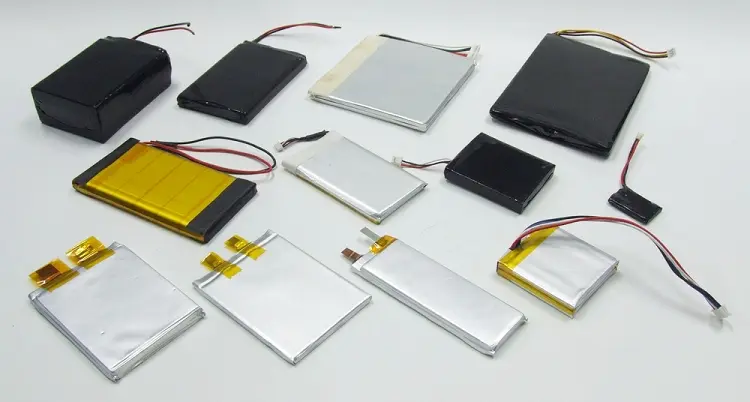
Mechanical properties help confirm that the foil can run through production equipment.
Typical test items include:
Elongation
Tensile strength
Yield strength
Surface Inspection
The surface should be checked for visible defects.
Typical inspection items include:
- Scratches
- Oil
- Stains
- Pinholes
- Black spots
- Foreign particles
- Wrinkles
Edge Inspection
Edge quality is important for slitting and coating.
Sharp or damaged edges may increase the risk of foil breaks.
How to Choose Aluminum Foil for Lithium Battery Production
A simple selection process can help buyers avoid unnecessary specifications.
Battery type
↓
Electrode chemistry
↓
Coating process
↓
Required thickness
↓
Alloy and temper
↓
Width and coil size
↓
Surface requirements
↓
Slitting requirements
↓
Quality inspection
↓
Packaging and delivery
This approach is more reliable than choosing a foil only by price.
What Affects the Price of Battery Aluminum Foil?
The price depends on more than the aluminum market.
Important factors include:
- Aluminum alloy
- Foil thickness
- Width
- Temper
- Production quantity
- Slitting requirements
- Surface requirements
- Thickness tolerance
- Mechanical property requirements
- Packaging
- Coil weight
- Delivery location
Ultra-thin foil usually requires more precise rolling and quality control. Therefore, a 10 μm product should not be compared with a standard foil only on price per ton.
Jumbo Roll or Small Roll?
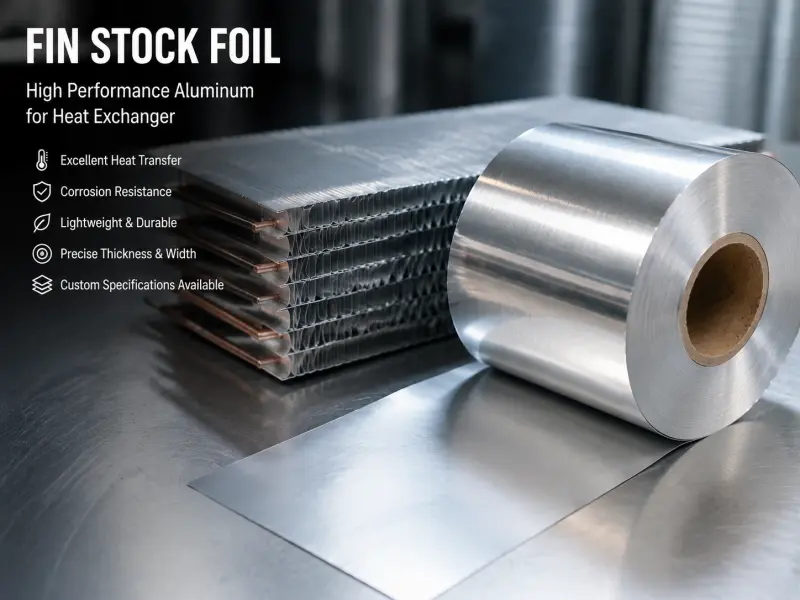
Large battery manufacturers often prefer jumbo rolls.
Jumbo Roll of Aluminum Foil for Lithium Battery Advantages
- Lower packaging cost
- Fewer roll changes
- Better production efficiency
- Suitable for large coating lines
- Lower handling frequency
Small Roll Advantages
Easier to handle
Easier to test
Suitable for samples
Flexible for smaller production
For a new supplier, buyers can first order samples or a small trial batch before moving to large-volume orders.
Custom Aluminum Foil for Lithium Battery
Different battery factories can have different equipment and process conditions.
Custom specifications may include:
- Alloy
- Temper
- Thickness
- Width
- Coil weight
- Core diameter
- Slitting width
- Surface condition
- Mechanical properties
- Packaging
- Roll direction
Custom production is especially useful when the customer’s coating machine has fixed width or tension requirements.
Common Problems When Buying Battery Foil
Choosing Only by Price
Low price does not always mean low total cost.
Poor foil can lead to production breaks, waste, coating problems, and extra inspection.
Ignoring Thickness Tolerance
The nominal thickness alone is not enough.
A buyer should also confirm the allowed tolerance and measurement method.
Not Checking Edge Quality
Poor slitting can create burrs.
This can affect electrode processing and handling.
Using General Foil for Battery Production
Commercial foil may not meet the surface and consistency requirements of a battery factory.
Buying Without a Trial
For a new supplier, testing a sample or trial coil is a safer approach.
How to Compare Two Battery Foil Suppliers
| Factor | Supplier A | Supplier B |
|---|---|---|
| Alloy | Confirm | Confirm |
| Thickness tolerance | Compare | Compare |
| Tensile strength | Compare | Compare |
| Elongation | Compare | Compare |
| Surface quality | Check sample | Check sample |
| Edge quality | Check sample | Check sample |
| Coil weight | Confirm | Confirm |
| Packaging | Compare | Compare |
| Lead time | Compare | Compare |
| Production capacity | Confirm | Confirm |
| Price | Compare last | Compare last |
For battery materials, quality + consistency + delivery + price should be considered together.
Applications of Aluminum Foil for Lithium Battery
Lithium battery aluminum foil is mainly used as a positive electrode current collector.
Typical applications include:
- Electric vehicle batteries
- Hybrid vehicle batteries
- Energy storage systems
- Solar energy storage
- Home battery systems
- Industrial energy storage
- Portable power stations
- Power tools
- E-bikes
- E-scooters
- Consumer electronics
- Mobile devices
- Laptops
- Tablets
- Digital equipment
- Backup power systems
The required specification can be different for each application.
Why Work With a Professional Aluminum Foil Manufacturer?
Battery production needs stable material quality. A professional supplier should be able to provide clear specifications and inspection information.
A good supplier should support:
- Multiple aluminum alloys
- Different tempers
- Thin-gauge production
- Custom widths
- Jumbo rolls
- Slitting
- Sample orders
- Quality inspection
- Export packaging
- Technical communication
- Stable repeat orders
For long-term battery projects, stable batch-to-batch quality is especially valuable.
Battery Aluminum Foil Buying Checklist
Before placing an order, check the following:
- Battery application confirmed
- Alloy confirmed
- Temper confirmed
- Thickness confirmed
- Thickness tolerance confirmed
- Width confirmed
- Coil ID confirmed
- Coil weight confirmed
- Tensile strength confirmed
- Elongation confirmed
- Surface quality confirmed
- Pinholes requirement confirmed
- Slitting requirement confirmed
- Packaging confirmed
- Sample tested
- Production schedule confirmed
A detailed specification can reduce communication problems and production risk.
Frequently Asked Questions
What is aluminum foil for lithium battery?
It is a thin aluminum foil used mainly as the positive electrode current collector in lithium-ion batteries. The foil is coated with active electrode material and carries electrical current during battery operation.
Which aluminum alloy is commonly used for battery foil?
Common options can include 1060, 1070, 1100, 1235, and other alloys depending on the battery design and production process. The correct alloy should be selected according to conductivity, strength, coating, and processing requirements.
What thickness is used for lithium battery aluminum foil?
Common thin-gauge options include about 8–20 μm. 10 μm and 12 μm are examples often considered for thin current collector applications, but the final specification depends on the cell design.
Is 1060 aluminum foil suitable for lithium batteries?
1060 has high aluminum purity, good conductivity, and good rolling performance. It can be considered for applications where these properties are important. The battery manufacturer’s technical specification should determine the final choice.
What is the difference between battery foil and packaging foil?
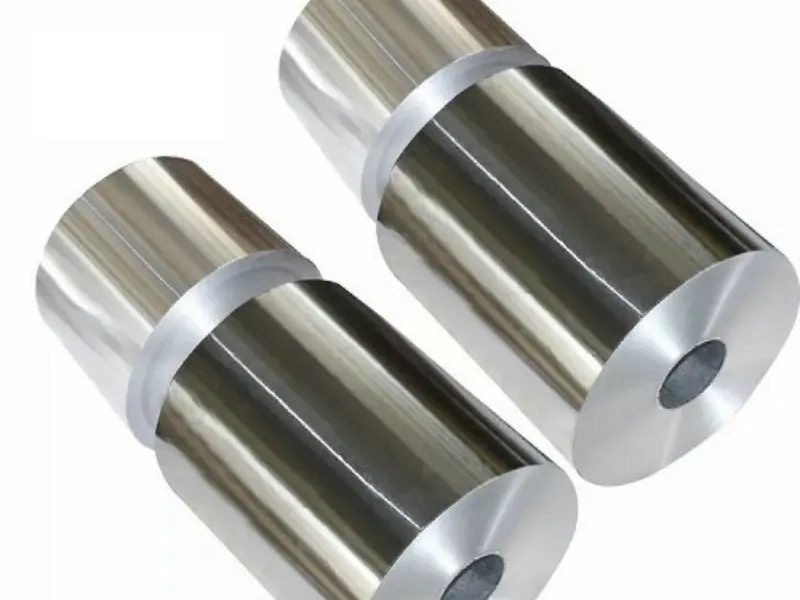
Battery foil is designed to work as a current collector and therefore needs strong control of thickness, surface quality, edge quality, and cleanliness. Packaging foil has different performance requirements related to barrier and packaging functions.
Can battery aluminum foil be customized?
Yes. Specifications such as alloy, temper, thickness, width, coil weight, core size, and slitting width can be customized depending on production capability and order quantity.
Can you supply narrow slit aluminum foil?
Yes. Jumbo aluminum foil can be slit into narrower rolls according to the customer’s electrode production requirements. Slit width and edge quality should be confirmed before production.
Why is surface cleanliness important?
The positive electrode material needs to be coated evenly onto the aluminum current collector. Contamination, oil, dust, or other surface defects can affect coating quality and production stability.
Is thinner aluminum foil always better?
No. Thin foil can reduce inactive material and may support higher energy density, but it is also more difficult to roll, handle, coat, and slit. The best thickness is a balance between weight reduction and production reliability.
What information should I send when asking for a quotation?
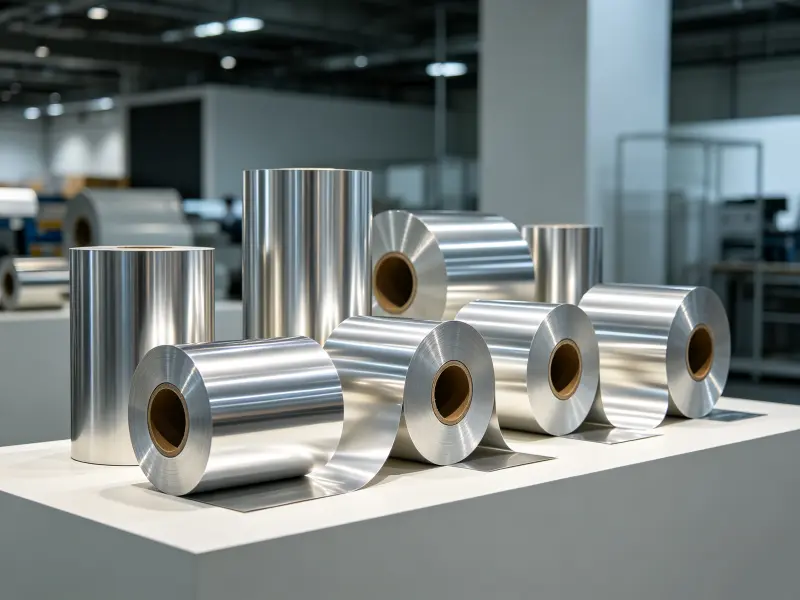
At minimum, provide alloy, temper, thickness, width, quantity, application, and preferred coil size. If you have special requirements for surface, tensile strength, elongation, slitting, or packaging, include them in the RFQ.
Quick Selection Guide of Aluminum Foil for Lithium Battery
| Your Priority | Suggested Direction |
|---|---|
| High conductivity | 1060 / 1070 |
| General foil processing | 1100 / 1235 |
| Higher mechanical strength | Consider 3003 |
| High energy density | Consider thinner gauge |
| Easier handling | Consider thicker gauge |
| Large production | Jumbo coil |
| Small production | Smaller rolls |
| Direct coating | Strict surface control |
| Narrow electrode rolls | Slit foil |
| New supplier | Sample + trial order |
The best specification is not simply the thinnest or cheapest foil. It should match the complete battery manufacturing process.
Final Thoughts of Aluminum Foil for Lithium Battery
Aluminum foil for lithium battery production is a precision material. Alloy, temper, thickness, width, surface condition, edge quality, and coil design can all affect production performance.
For buyers, the most useful approach is to define the battery application first and then select the material specification.
Battery chemistry → electrode process → foil thickness → alloy → temper → width → surface → slitting → quality control
This helps battery manufacturers find a more suitable material and avoid unnecessary specification changes after production starts.
For large battery projects, consistent quality and reliable supply are just as important as the initial aluminum foil price.