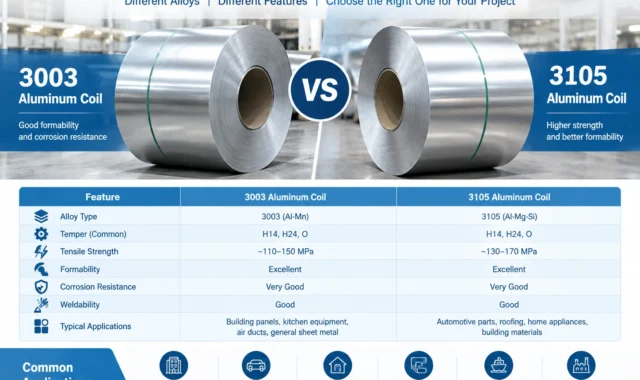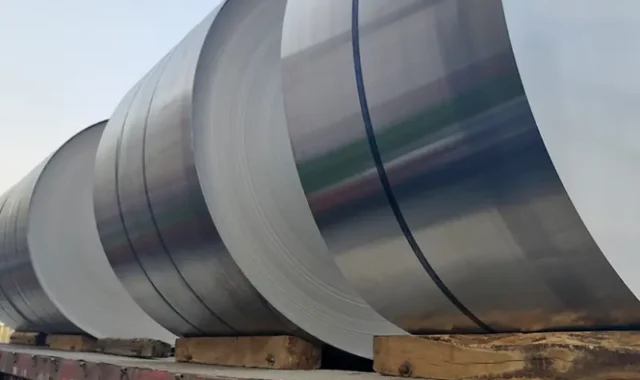
Aluminum foil is widely used in food packaging because it is light, flexible, and easy to process. It can help protect food from light, moisture, air, and outside contamination when used as part of a suitable package.
Food packaging foil can be supplied in different thicknesses, widths, alloys, tempers, and roll sizes. The right specification depends on the food product, packaging machine, sealing method, and final package design.
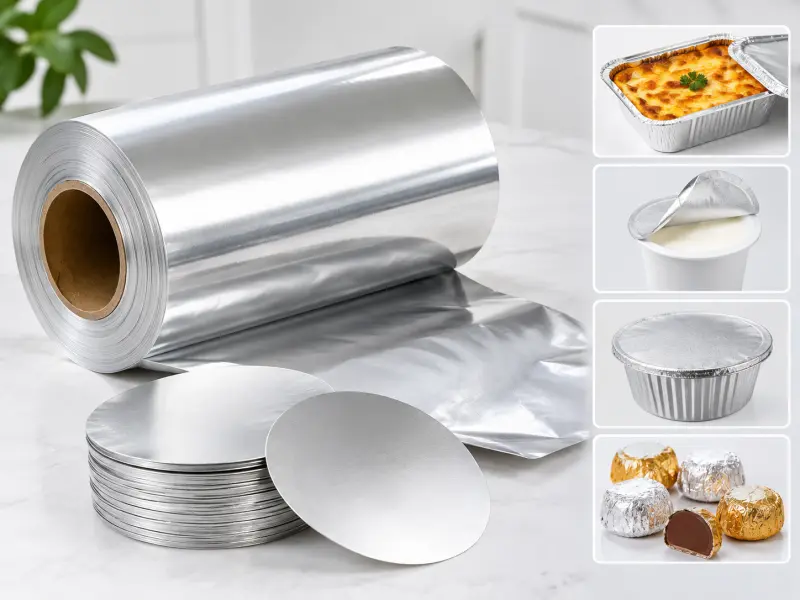
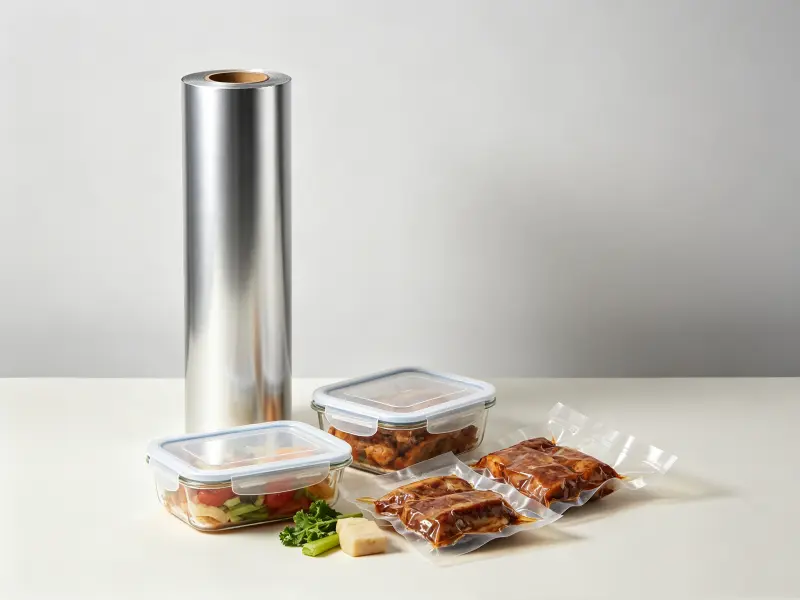
Thin foil is often used for lids, wrappers, and household applications. Thicker material can be used for trays, containers, and products that need more rigidity.
For buyers, a simple specification flow is:
Food Type → Packaging Method → Alloy → Temper → Thickness → Width → Roll Type → Surface → Quantity → Packing
What Is Aluminum Foil for Food Packaging?
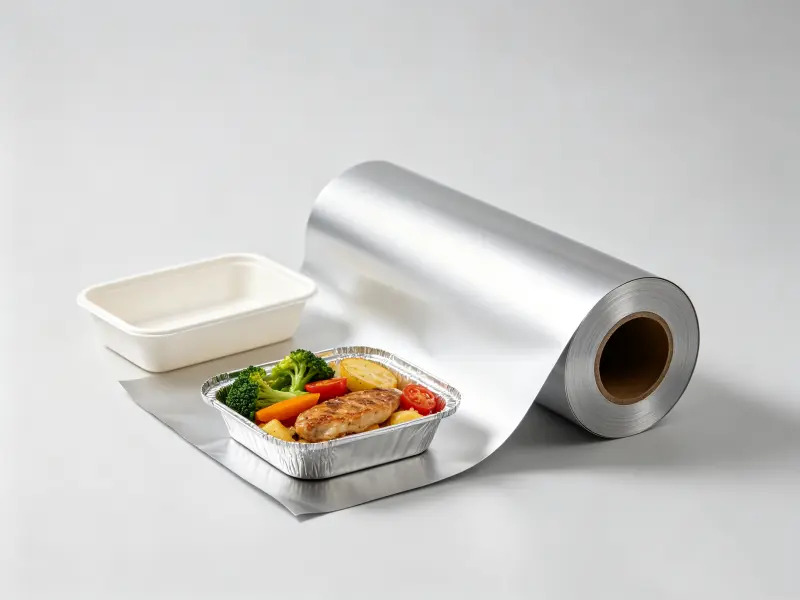
Food packaging aluminum foil is a thin aluminum material designed for use in food packaging applications.
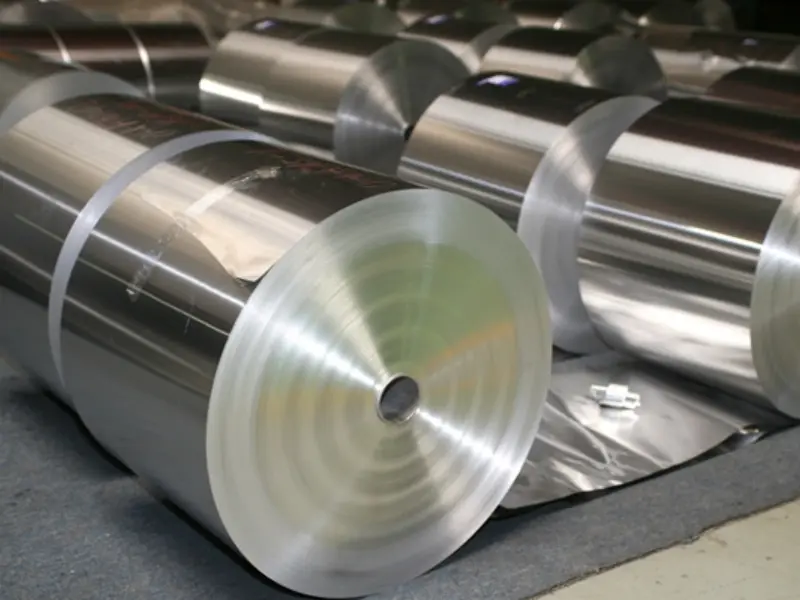
It can be supplied as a jumbo roll, slit roll, sheet, or pre-cut piece. The surface may be plain, embossed, coated, laminated, or printed depending on the package.
Aluminum foil does not usually work alone in every food package. It can be combined with paper, plastic, coatings, or other materials to create a finished packaging structure.
Main Features
- Lightweight
- Flexible
- Easy to fold
- Good barrier properties
- Protects against light
- Helps limit moisture transfer
- Helps limit gas transfer
- Suitable for heat sealing when properly coated or laminated
- Can be printed or coated
- Available in different thicknesses
- Available in rolls and sheets
- Suitable for high-speed packaging lines
Common Food Packaging Foil Thicknesses
Thickness is one of the most important specifications.
A small difference in thickness can change flexibility, strength, barrier performance, and material cost.
| Thickness | Typical Characteristics | Possible Application |
|---|---|---|
| 0.006 mm | Very thin | Flexible packaging |
| 0.009 mm | Thin | Wrappers, laminated packs |
| 0.012 mm | Light | Food packaging |
| 0.015 mm | Medium-light | Sachets, lids |
| 0.020 mm | More stable | Packaging rolls |
| 0.030 mm | Stronger | Containers, lids |
| 0.040 mm | Rigid | Food trays |
| 0.050 mm | Heavy | Containers and industrial food packaging |
| 0.080 mm | High rigidity | Heavy-duty trays |
| 0.100 mm | Very rigid | Special packaging |
Actual available thickness depends on alloy, temper, width, production equipment, and the final application.
0.006 mm Aluminum Foil for Food Packaging
0.006 mm is an ultra-thin specification.
It is mainly considered for applications where low material weight and high flexibility are important.
It is often used as part of a laminated packaging structure rather than as a standalone material.
0.009 mm Aluminum Foil for Food Packaging
0.009 mm foil is a thin option for flexible packaging.
It can be considered for laminated food packaging, wrappers, and certain small package structures.
0.012 mm Aluminum Foil for Food Packaging
0.012 mm provides slightly more material thickness while remaining flexible.
It can be used in food packaging structures where a thin metal barrier layer is required.
0.015 mm Aluminum Foil for Food Packaging
0.015 mm is a common thin-foil specification for packaging applications.
It can be used for lids, wrappers, sachets, and laminated packaging.
0.020 mm Aluminum Foil for Food Packaging
0.020 mm offers better handling strength than very thin foil.
It can be used for food packaging rolls, lids, flexible packs, and other applications.
0.030 mm Aluminum Foil for Food Packaging
0.030 mm provides higher rigidity.
It can be considered for thicker lids, semi-rigid packaging, and food containers.
0.040 mm Aluminum Foil for Food Packaging
0.040 mm is suitable for applications where the foil needs more strength and shape retention.
It is often considered for food trays and containers.
0.050 mm Aluminum Foil for Food Packaging
0.050 mm provides a stronger structure.
It can be used for thicker food containers, trays, and special packaging products.
Aluminum Foil Thickness Comparison
| Thickness | Flexibility | Rigidity | Typical Use |
|---|---|---|---|
| 0.006–0.009 mm | Very high | Low | Laminated packaging |
| 0.012–0.015 mm | High | Low-medium | Wrappers, lids |
| 0.020 mm | Medium-high | Medium | Food packaging |
| 0.030 mm | Medium | Medium-high | Lids, containers |
| 0.040–0.050 mm | Medium-low | High | Trays, containers |
| 0.080–0.100 mm | Low | Very high | Heavy-duty packaging |
The best thickness is not always the thickest one. Buyers should select the minimum suitable thickness that meets the package requirements.
Aluminum Alloys Used for Food Packaging Foil
Different alloys are available for different packaging requirements.
The alloy affects strength, flexibility, rolling performance, surface quality, and forming behavior.
8011 Aluminum Foil

8011 is widely used for different foil products.
It can be considered for food packaging, household foil, lids, containers, and laminated structures.
It offers a practical balance of strength and processing performance.
1235 Aluminum Foil
1235 is commonly used for thin foil products.
It has high aluminum content and good flexibility.
It can be suitable for flexible packaging and laminated food packaging.
1050 Aluminum Foil
1050 provides high aluminum content and good ductility.
It can be considered for packaging applications where high purity and good forming performance are important.
1060 Aluminum Foil
1060 also offers high aluminum content and good formability.
It may be used for selected packaging and foil applications.
3003 Aluminum Foil
3003 contains manganese and generally provides higher strength than many high-purity foil grades.
It can be considered for food containers, trays, and applications where better rigidity is needed.
Food Packaging Foil Alloy Comparison
| Alloy | Main Feature | Possible Application |
|---|---|---|
| 1050 | High aluminum content, good ductility | Thin foil |
| 1060 | High purity, good formability | Packaging foil |
| 1235 | Flexible and suitable for thin foil | Flexible packaging |
| 3003 | Higher strength | Containers, trays |
| 8011 | Good balance of strength and processing | Food and household foil |
The final alloy should be selected according to the forming process, package structure, and customer requirements.
Food Packaging Aluminum Foil Tempers
Temper describes the condition of the aluminum.
It affects flexibility, strength, and forming behavior.
Common foil tempers include O, H12, H14, H16, and H18.
O Temper Aluminum Foil for Food Packaging
O temper is soft and highly formable.
It is suitable for applications where the foil needs to fold, wrap, or form easily.
H12 Temper Aluminum Foil for Food Packaging
H12 provides more strength than O temper while maintaining useful flexibility.
It can be considered for selected packaging applications.
H14 Temper Aluminum Foil for Food Packaging
H14 offers a harder condition.
It can be used where the packaging material needs better handling strength.
H16 Temper Aluminum Foil for Food Packaging
H16 is harder than H14.
It may be selected when additional rigidity is needed.
H18 Temper Aluminum Foil for Food Packaging
H18 is a hard temper.
It provides higher strength but less flexibility than soft temper foil.
Temper Comparison
| Temper | Relative Condition | Main Characteristic |
|---|---|---|
| O | Soft | High flexibility |
| H12 | Quarter hard | Flexible with more strength |
| H14 | Half hard | Balanced strength |
| H16 | Three-quarter hard | Higher rigidity |
| H18 | Full hard | High strength |
The correct temper depends on whether the foil needs to be folded, formed, stamped, or kept flat.
Household Aluminum Foil
Household foil is one of the most familiar food foil products.
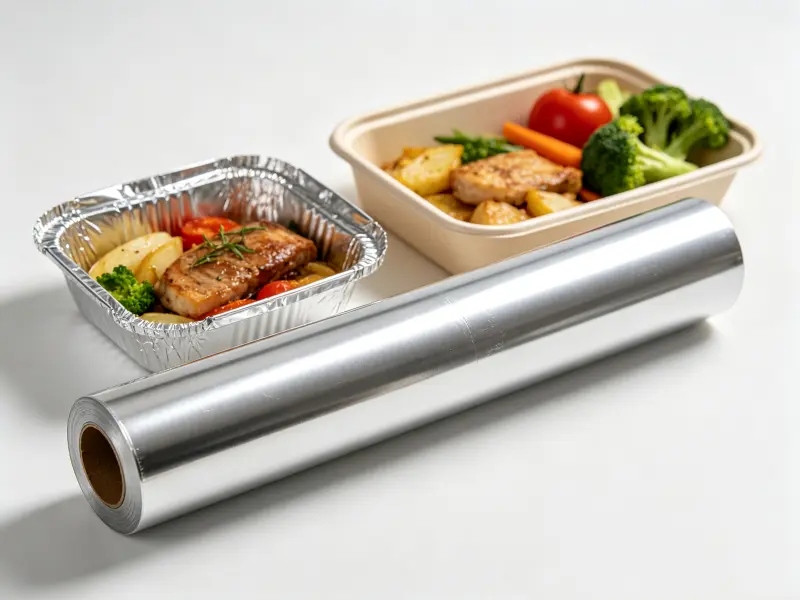
It can be supplied in rolls with different widths and lengths.
Common features include:
- Easy tearing
- Flexible material
- Smooth surface
- Roll format
- Recyclable aluminum material
- Suitable for wrapping and covering food
The exact thickness can vary according to the target market and product design.
Aluminum Foil for Food Trays
Thicker aluminum foil is used to make food trays and containers.
The material needs enough strength for forming and handling.
Common thicknesses can include:
0.040 mm → 0.050 mm → 0.060 mm → 0.080 mm → 0.100 mm
The required thickness depends on the tray size, shape, forming process, and intended use.
Aluminum Foil for Food Containers
Food containers can be made from aluminum sheet or thicker foil.
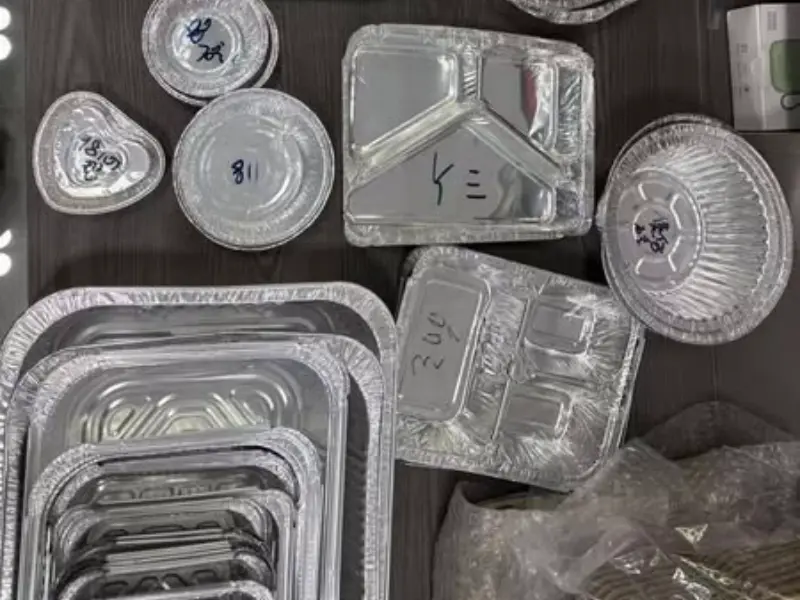
The material can be pressed or formed into different shapes.
Typical applications include:
- Ready meals
- Takeaway food
- Baking products
- Frozen food
- Catering products
- Meal preparation
- Food service
The alloy and temper should be selected according to the forming process.
Aluminum Foil for Food Lids
Aluminum foil is widely used for lids and sealing structures.
The foil can be coated or laminated to improve compatibility with a sealing system.
Lid specifications may include:
| Item | Example |
|---|---|
| Alloy | 8011 |
| Temper | O / H14 |
| Thickness | 0.020–0.050 mm |
| Surface | Mill finish |
| Coating | Optional |
| Width | Custom |
| Roll | Slit roll |
Aluminum Foil for Yogurt Lids
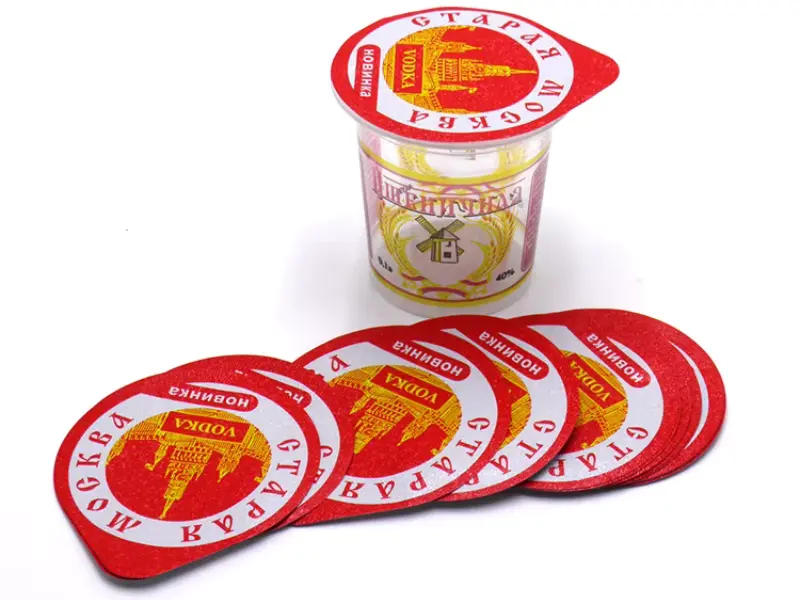
Yogurt and similar food products may use aluminum foil lids.
The foil can be coated with a suitable sealing layer.
Important specifications include:
Thickness → Coating → Width → Sealing Compatibility → Roll Diameter
The final coating should be selected according to the cup material and sealing process.
Aluminum Foil for Dairy Packaging
Dairy packaging can include lids, laminated structures, wrappers, and containers.
Different dairy products can require different packaging designs.
For example:
- Yogurt
- Butter
- Cheese
- Cream
- Milk-based products
The final foil specification should match the package structure and sealing method.
Aluminum Foil for Butter Packaging
Butter packaging often uses thin aluminum foil as part of the wrapping structure.
The foil should have good flexibility and surface quality.
A laminated or coated structure may be used depending on the packaging design.
Aluminum Foil for Chocolate Packaging

Chocolate packaging can use aluminum foil because it provides a metallic barrier layer and can create an attractive appearance.
The foil may be:
- Plain
- Colored
- Printed
- Laminated
- Embossed
Thin foil is often selected when flexibility and easy wrapping are important.
Aluminum Foil for Candy Packaging
Candy and confectionery packaging can use thin foil for individual wrapping or laminated packaging.
Common requirements include:
- Good flexibility
- Clean surface
- Suitable thickness
- Good printability when coated
- Easy folding
- Stable roll quality
Aluminum Foil for Coffee Packaging
Aluminum foil can be used as part of laminated coffee packaging.
The foil layer can help provide a barrier against light, moisture, and gases.
The finished package may combine:
Plastic Film + Aluminum Foil + Paper
or another multilayer structure.
The foil thickness depends on the package design.
Aluminum Foil for Pet Food Packaging
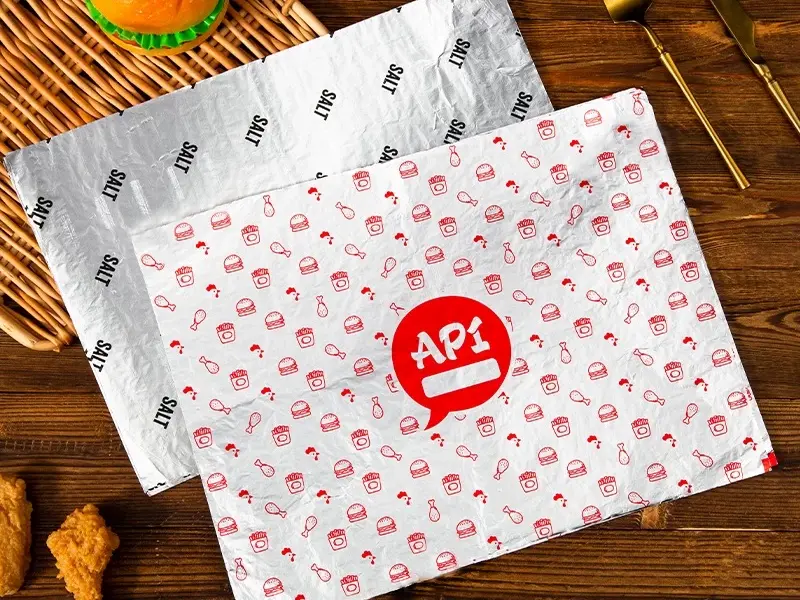
Pet food packaging can also use aluminum foil as part of a multilayer barrier package.
Applications may include:
- Pet food pouches
- Wet food packs
- Sachets
- Lids
- Flexible packages
The complete package structure should be designed for the product and filling process.
Aluminum Foil for Bakery Products
Aluminum foil can be used for bakery products and food service.
Possible applications include:
- Baking trays
- Food containers
- Wrappers
- Cake packaging
- Pastry packaging
- Takeaway containers
Thicker foil is generally more suitable for rigid formed containers.
Aluminum Foil for Frozen Food
Frozen food packaging needs protection from the surrounding environment.
Aluminum foil can be used as part of a multilayer package or as a container material.
Applications include:
- Frozen meals
- Frozen seafood
- Frozen vegetables
- Ice cream packaging
- Frozen bakery products
The complete packaging design should be selected according to storage and transportation conditions.
Aluminum Foil for Takeaway Food
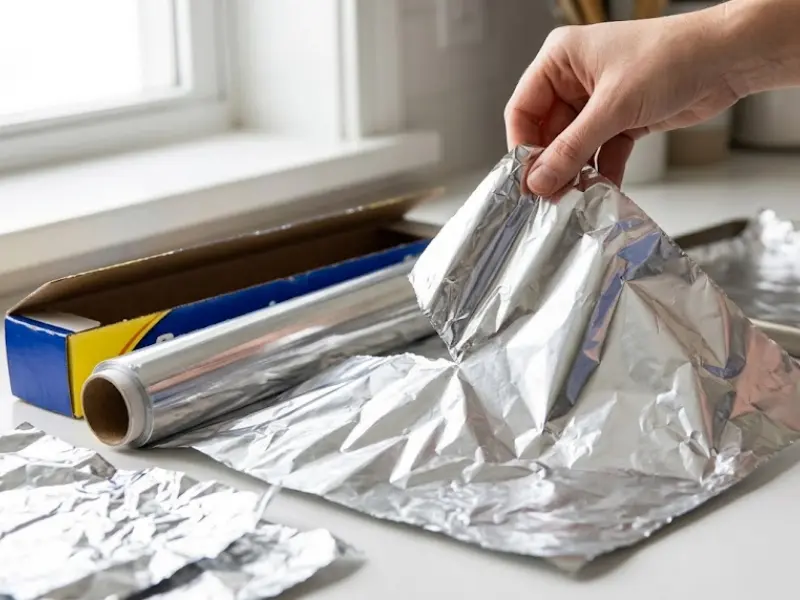
Takeaway containers often use formed aluminum foil.
The material can be shaped into trays and containers.
Common specifications include:
0.040 mm → 0.050 mm → 0.060 mm → 0.080 mm
The thickness depends on the container size and required rigidity.
Plain Aluminum Foil vs Coated Aluminum Foil
Plain foil and coated foil have different purposes.
| Feature | Plain Foil | Coated Foil |
|---|---|---|
| Surface | Natural aluminum | Coated surface |
| Appearance | Metallic | Custom appearance |
| Printing | Usually needs suitable coating | Can be designed for printing |
| Sealing | Depends on package | Can support sealing systems |
| Typical use | Wrapping, containers | Lids, laminated packaging |
Coating should be selected based on the final package structure.
Embossed vs Smooth Food Packaging Foil


Embossed foil has a textured surface.
Smooth foil has a flat surface.
| Feature | Smooth Foil | Embossed Foil |
|---|---|---|
| Surface | Flat | Textured |
| Appearance | Clean | Decorative |
| Processing | Easy | Depends on pattern |
| Typical Use | General packaging | Decorative or special packaging |
The choice depends on the package design and production process.
Jumbo Roll vs Slit Roll
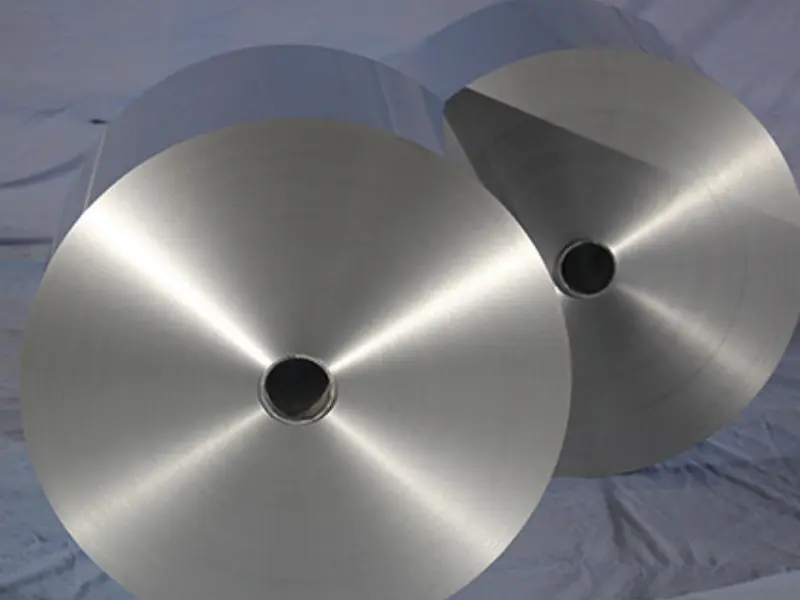
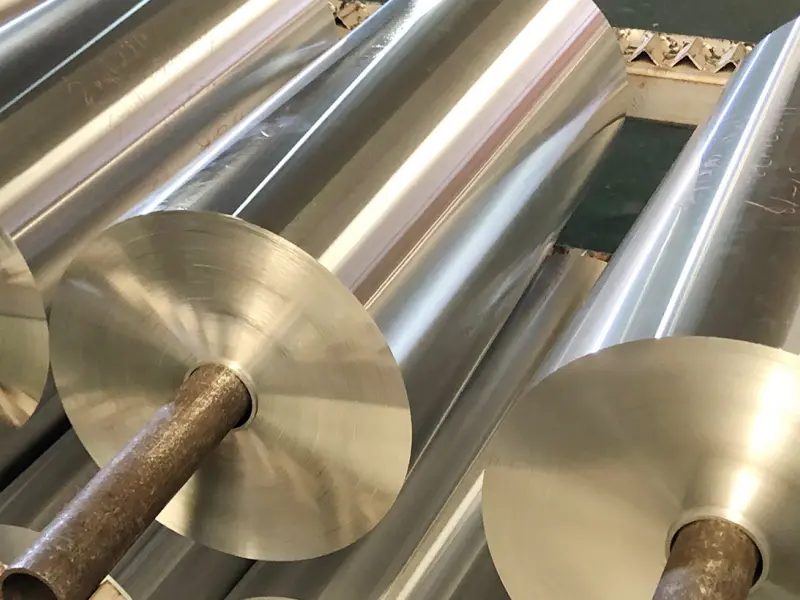
Food packaging foil can be supplied in large master rolls or smaller slit rolls.
Jumbo Roll
A jumbo roll is suitable for converters and large packaging factories.
The buyer can process the material using their own equipment.
Slit Roll
A slit roll is already cut to the required width.
It can reduce preparation work before entering the packaging machine.
| Product | Suitable Buyer |
|---|---|
| Jumbo roll | Large converter |
| Slit roll | Packaging manufacturer |
| Small roll | Retail / household |
| Sheet | Container / fabrication |
Aluminum Foil Roll Widths
Width is another important purchasing specification.
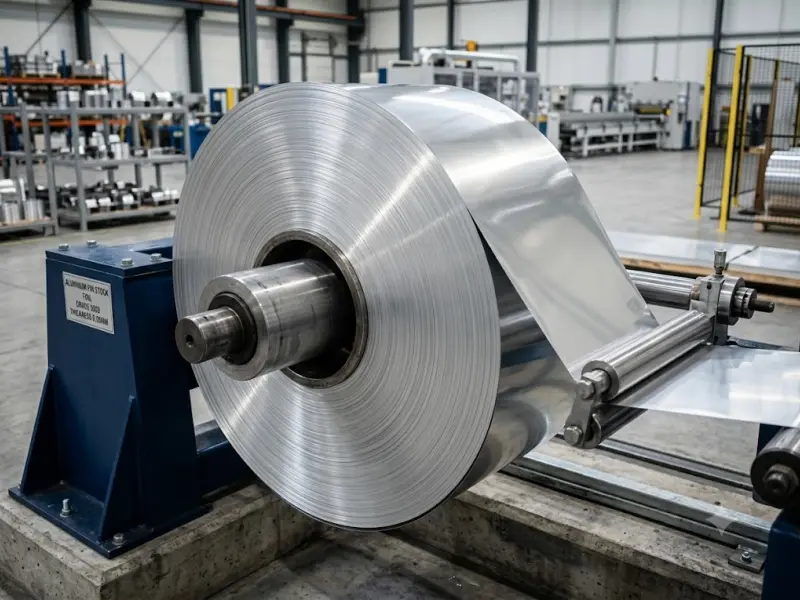
Possible widths may include:
100 mm → 150 mm → 200 mm → 250 mm → 300 mm → 400 mm → 500 mm → 600 mm → 800 mm → 1000 mm
The available width depends on the production line and final packaging machine.
Custom widths can be discussed for large orders.
Food Packaging Foil Roll Weight
Roll weight affects transportation, storage, and machine loading.
A buyer may specify:
- Net roll weight
- Gross roll weight
- Core diameter
- Core material
- Outer diameter
- Roll width
- Maximum roll weight
For automatic packaging lines, these details are important.
Core Options
The core can affect compatibility with the customer’s equipment.
Common information includes:
| Item | Example |
|---|---|
| Core type | Paper core |
| Core ID | 76 mm |
| Core ID | 152 mm |
| Roll width | Custom |
| Outer diameter | Custom |
| Roll weight | Custom |
The core specification should be confirmed before production.
Surface Quality for Food Packaging Foil
Surface quality is important for packaging foil.
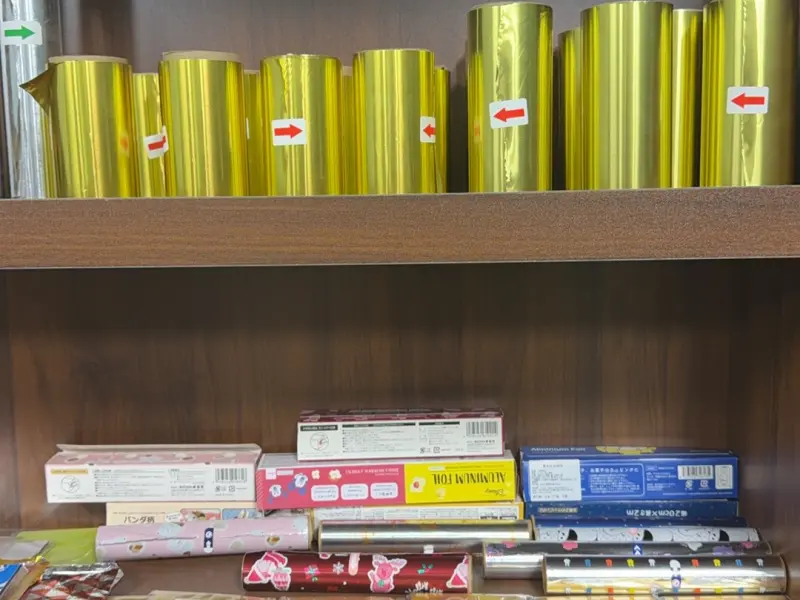
Buyers may check:
- Oil stains
- Scratches
- Black spots
- Surface marks
- Pinholes
- Edge condition
- Wrinkles
- Roll telescoping
- Thickness consistency
The exact quality standard should be agreed before production.
Pinholes in Aluminum Foil
Pinholes are small openings in the foil.
Their number and size can be important in packaging applications.
Very thin foil generally requires careful rolling and inspection.
For applications requiring a strong barrier layer, the buyer should confirm the pinhole requirements with the supplier.
Food Packaging Foil Edge Quality
Edge quality is important for high-speed processing.
Poor edges can create problems during slitting or feeding.
Important points include:
- Clean edges
- Limited burrs
- Stable width
- No severe edge cracks
- Proper roll winding
For automatic packaging equipment, the width and edge requirements should be confirmed in advance.
Printing and Coating
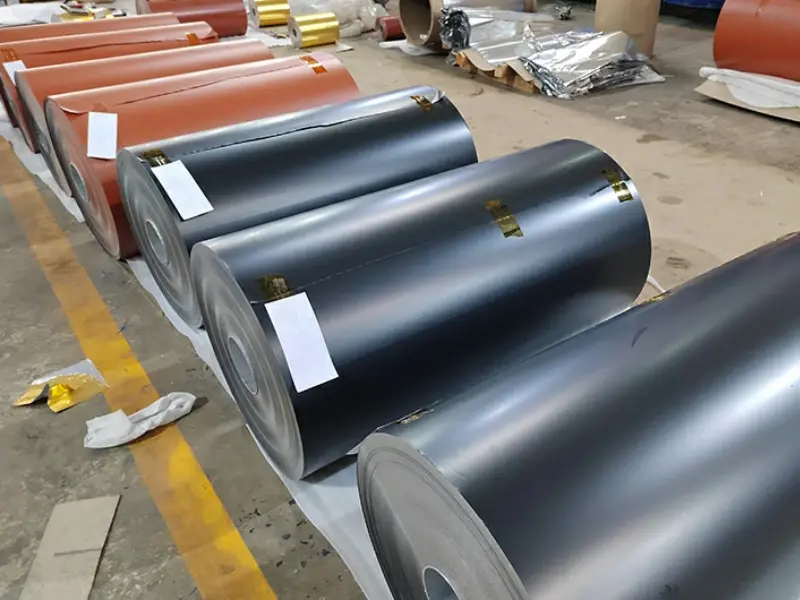
Some food packaging foil products need printing.
The surface may receive a suitable coating before printing.
Possible products include:
- Printed foil
- Colored foil
- Lacquered foil
- Heat-sealable foil
- Laminated foil
- Embossed foil
The coating should be selected according to the packaging structure and intended use.
Aluminum Foil and Heat Sealing
Some food packages use aluminum foil as part of a heat-sealable structure.
Plain aluminum does not automatically provide the same sealing function as a purpose-designed coated or laminated foil.
A suitable sealing layer may be applied according to the package design.
The buyer should provide the cup, film, or substrate material when requesting a sealing foil quotation.
Food Grade Requirements
Food packaging materials need to meet the requirements of the intended market and application.
The buyer should confirm:
- Material specification
- Surface cleanliness
- Applicable food-contact requirements
- Coating specification
- Printing ink requirements
- Supplier documentation
- Test reports when required
Food-contact compliance depends on the complete packaging structure, not only the aluminum foil itself.
Aluminum Foil Packaging vs Plastic Film
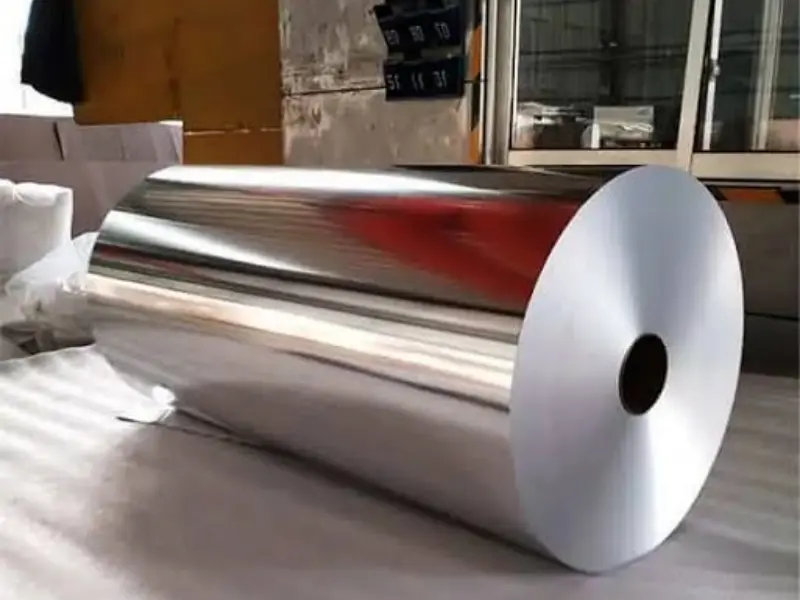
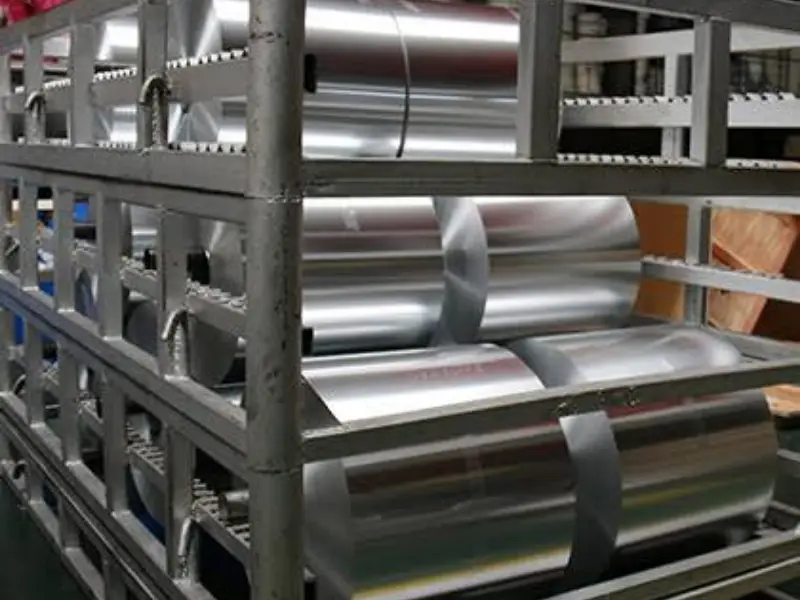
Both materials can be used in food packaging, but their properties are different.
| Feature | Aluminum Foil | Plastic Film |
|---|---|---|
| Light barrier | Excellent | Depends on film |
| Flexibility | Good | Very good |
| Metal barrier | Yes | No |
| Weight | Low | Very low |
| Heat resistance | Generally high | Depends on polymer |
| Laminating | Common | Common |
Many modern food packages combine aluminum foil with plastic film instead of using only one material.
Aluminum Foil vs Paper
Paper is widely used in food packaging.
Aluminum foil offers a different barrier function and can be laminated with paper.
| Feature | Aluminum Foil | Paper |
|---|---|---|
| Light barrier | Strong | Limited |
| Moisture barrier | Strong when properly used | Depends on coating |
| Flexibility | High | Medium |
| Printing | Possible with suitable surface | Good |
| Lamination | Common | Common |
The final packaging structure may combine both materials.
How to Select Food Packaging Foil
A practical selection process is:
Product → Packaging Machine → Foil Structure → Alloy → Temper → Thickness → Width → Coating → Roll → Quantity
First, identify the food product.
Then confirm whether the foil is used as a wrapper, lid, tray, container, or laminated layer.
After that, select the thickness and alloy according to the forming and packaging process.
What Information Should Buyers Provide?
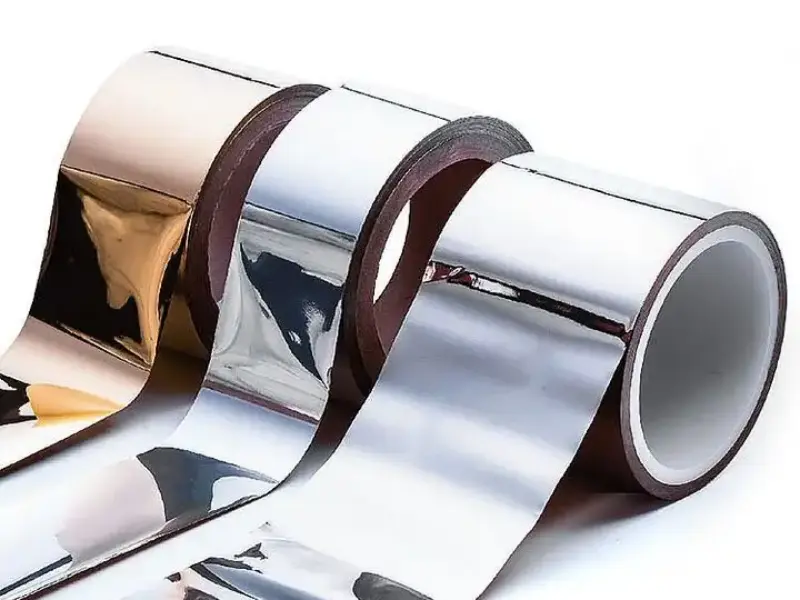
A complete inquiry can include:
- Product type
- Food application
- Alloy
- Temper
- Thickness
- Width
- Roll length
- Roll weight
- Core diameter
- Surface
- Coating
- Printing
- Quantity
- Packaging
- Destination
For example:
8011 O + 0.020 mm + 300 mm width + plain surface + slit roll + 76 mm core + 5,000 kg
This specification is much easier for a supplier to quote.
Example Food Packaging Foil Specification
| Item | Example |
|---|---|
| Product | Food Packaging Aluminum Foil |
| Alloy | 8011 |
| Temper | O |
| Thickness | 0.020 mm |
| Width | 300 mm |
| Surface | Mill Finish |
| Roll Type | Slit Roll |
| Core | 76 mm |
| Outer Diameter | Custom |
| Roll Weight | Custom |
| Quantity | 5,000 kg |
| Application | Food Packaging |
| Packing | Export Packing |
Quality Control Process
A typical production and inspection process can include:
Raw Material → Casting → Hot Rolling → Cold Rolling → Annealing → Slitting → Surface Inspection → Dimension Inspection → Roll Inspection → Packing
The exact process depends on the product specification.
Quality inspection can include thickness, width, surface, edge, pinholes, roll winding, and packaging.
Food Packaging Foil Packing
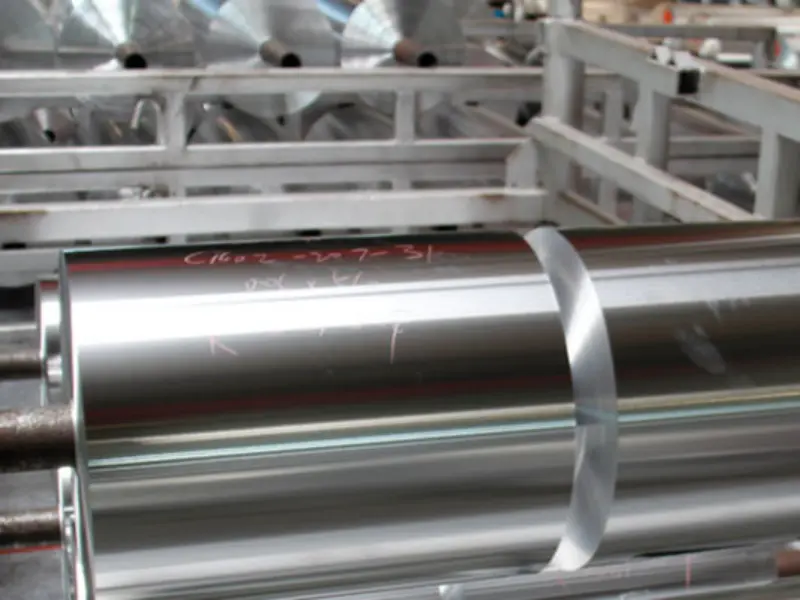
Packaging should protect the rolls during storage and transportation.
Common packing options include:
- Kraft paper
- Moisture-resistant paper
- Carton
- Wooden pallet
- Wooden case
- Horizontal packing
- Vertical packing
The packing method should match the transportation method and customer requirements.
Small Quantity vs Bulk Orders
Small quantities can be used for testing or sample production.
Bulk orders are more suitable for packaging factories and distributors.
| Order | Typical Purpose |
|---|---|
| Sample | Material testing |
| 100–500 kg | Small production |
| 1–5 tons | Regular order |
| 5–20 tons | Bulk production |
| 20+ tons | Large project / regular supply |
These are example order levels. Actual MOQ depends on the manufacturer.
What Affects the Price of Food Packaging Foil?
The material price changes with the specification.
Important factors include:
- Aluminum market price
- Alloy
- Temper
- Thickness
- Width
- Roll weight
- Coating
- Printing
- Slitting
- Packaging
- Quantity
- Shipping
For a clear price comparison, all suppliers should quote the same specification.
How to Reduce Packaging Foil Cost
Cost control does not always mean selecting the thinnest foil.
Buyers can review the complete packaging design.
Match Thickness to the Application
Do not use a thicker material if the package does not require it.
Use Standard Widths When Possible
Standard widths can simplify production.
Order Larger Quantities
Higher volumes may reduce some processing costs per kilogram.
Reduce Unnecessary Processing
Extra coating, printing, slitting, or special packing can increase the total cost.
Confirm the Roll Specification
The correct core, width, and roll weight can reduce problems on the packaging line.
Why Buy Food Packaging Foil Directly From a Manufacturer?
A direct manufacturer may provide different production and processing services.
Possible services include:
- Alloy selection
- Custom thickness
- Custom width
- Jumbo rolls
- Slit rolls
- Custom roll weight
- Coating
- Laminating
- Embossing
- Printing
- Protective packing
- Quality inspection
- Export service
For regular buyers, stable specifications and consistent production are important.
Food Packaging Aluminum Foil Buying Flow
The complete purchasing process can be simple:
Application → Sample → Specification → Quotation → Testing → Order → Production → Inspection → Packing → Shipment
For a new packaging product, sample testing is useful before a large order.
The sample can be tested on the actual packaging machine.
Frequently Asked Questions

What is aluminum foil used for in food packaging?
It can be used for wrappers, lids, trays, containers, laminated packaging, sachets, and other food packaging structures.
What thickness of aluminum foil is used for food packaging?
Common thicknesses can range from very thin foil such as 0.006 mm to thicker material around 0.100 mm or more. The correct thickness depends on the application.
Which alloy is commonly used for food packaging foil?
8011 and 1235 are common foil grades for different packaging applications. 1050, 1060, and 3003 can also be used for selected products.
What is 8011 aluminum foil used for?
8011 can be used for food packaging, household foil, lids, containers, and other foil products.
Is 1235 aluminum foil suitable for food packaging?
1235 can be used for thin foil and flexible packaging applications when the material meets the requirements of the intended packaging system.
What is the difference between O and H18 foil?
O temper is softer and more flexible. H18 is a harder condition with higher strength and less flexibility.
Can aluminum foil be used for food lids?
Yes. It can be used as a lid material or as part of a coated and laminated sealing structure.
Can aluminum foil be heat sealed?
Aluminum foil itself does not provide the same sealing function as a purpose-designed heat-sealing layer. Coatings or laminates can be used when heat sealing is required.
What is the difference between jumbo roll and slit roll?
A jumbo roll is a large master roll used by converters. A slit roll is processed to a specific width for direct use in packaging equipment.
Can food packaging foil be customized?
Yes. Thickness, width, alloy, temper, roll weight, core, coating, printing, and packing can be customized according to the project.
Can aluminum foil be used for frozen food?
Yes. It can be used in frozen food containers and as part of multilayer flexible packaging.
Can aluminum foil be used for yogurt lids?
Yes. Aluminum foil can be used for yogurt lids when it has a suitable coating and sealing structure for the cup material.
Is aluminum foil recyclable?
Aluminum is a recyclable material. Actual recycling depends on local collection and recycling systems, and laminated or contaminated packaging may require different processing.
How do I get a quotation for food packaging foil?
Send the alloy, temper, thickness, width, roll type, core diameter, coating, quantity, application, and destination. A packaging sample or drawing can also help.
Request a Food Packaging Foil Quote
If you are buying aluminum foil for food packaging, provide the full specification before requesting a price.
A clear inquiry can follow this format:
Alloy → Temper → Thickness → Width → Surface → Coating → Roll Type → Core → Roll Weight → Quantity → Application
For example:
8011 O + 0.020 mm + 300 mm + Plain + Slit Roll + 76 mm Core + 5,000 kg + Food Packaging
The supplier can then check the material, processing method, production schedule, packing, and shipping requirements.