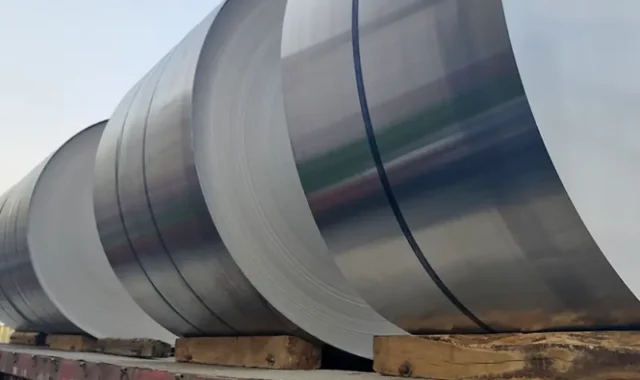
By 5052 Aluminum Sheet for Marine & Industrial Applications. 5052 aluminum sheet is a non-heat-treatable alloy in the 5000 series. It contains magnesium as the main alloying element. The magnesium content is 2.2% to 2.8%. This gives the sheet excellent corrosion resistance and good strength. It is one of the most widely used aluminum alloys for marine and industrial work.
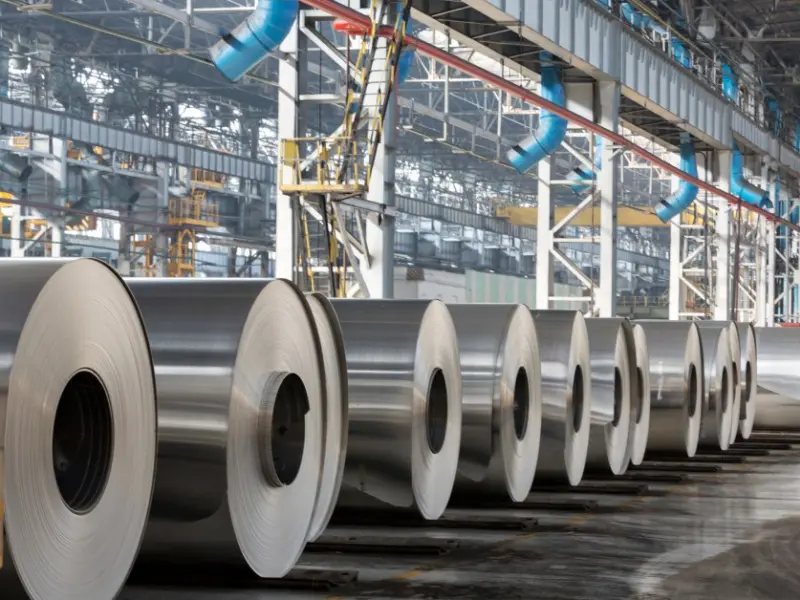
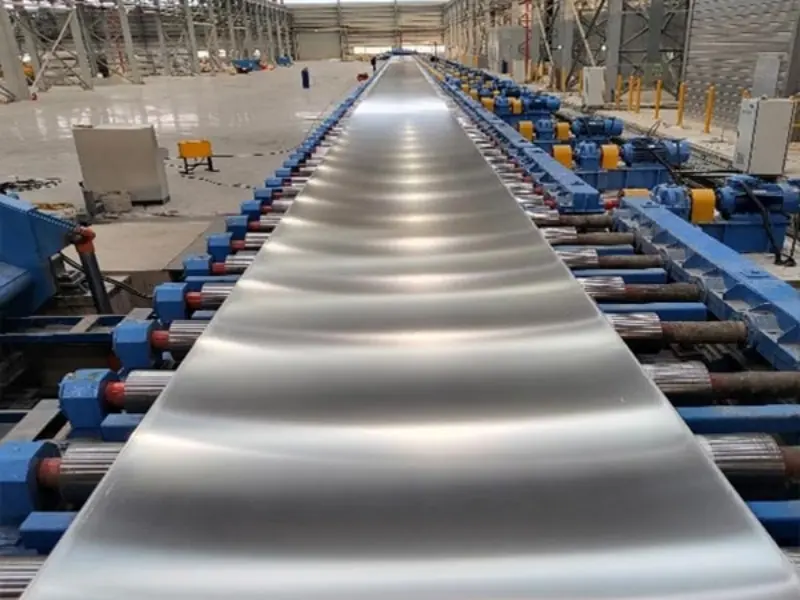
The sheet is easy to form, weld, and machine. It does not rust like steel. It is light but strong. These properties make it a top choice for boat hulls, fuel tanks, industrial enclosures, and many other jobs.
Why 5052 for Marine and Industrial Work?
- No rust in salt water: The magnesium forms a tough oxide layer that protects the metal.
- High fatigue strength: Handles repeated stress without cracking.
- Excellent formability: Bends and shapes without breaking.
- Good weldability: Joins with standard aluminum filler wire.
- Light weight: About one-third the weight of steel.
- Cost effective: Lower price than 5083 or 6061 for many jobs.
5052 Aluminum Sheet Temper Options
Temper shows how the sheet was treated after rolling. It affects hardness and workability.
| Temper | Description | Hardness | Best For |
|---|---|---|---|
| O | Fully annealed, soft | Very soft | Deep drawing, complex shapes |
| H12 | Quarter hard | Soft | Light forming, decorative |
| H14 | Half hard | Medium | General fabrication, panels |
| H16 | Three-quarter hard | Medium-Hard | Stiffer panels, less forming |
| H18 | Full hard | Hard | Maximum stiffness, flat panels |
| H22 | Quarter hard, stabilized | Soft | Better than H12 |
| H24 | Half hard, stabilized | Medium | Most popular, balanced |
| H26 | Three-quarter hard, stabilized | Medium-Hard | Machine forming, tight tolerances |
| H32 | Quarter hard, stabilized | Medium | Marine standard, stable shape |
| H34 | Half hard, strain hardened | Medium-Hard | Good balance, automated machines |
| H36 | Three-quarter hard, strain hardened | Hard | High stiffness, limited forming |
| H38 | Full hard, strain hardened | Very hard | Maximum stiffness |
| H112 | As-rolled, stress relieved | Medium | Thick plates, industrial use |
5052-H32 Aluminum Sheet
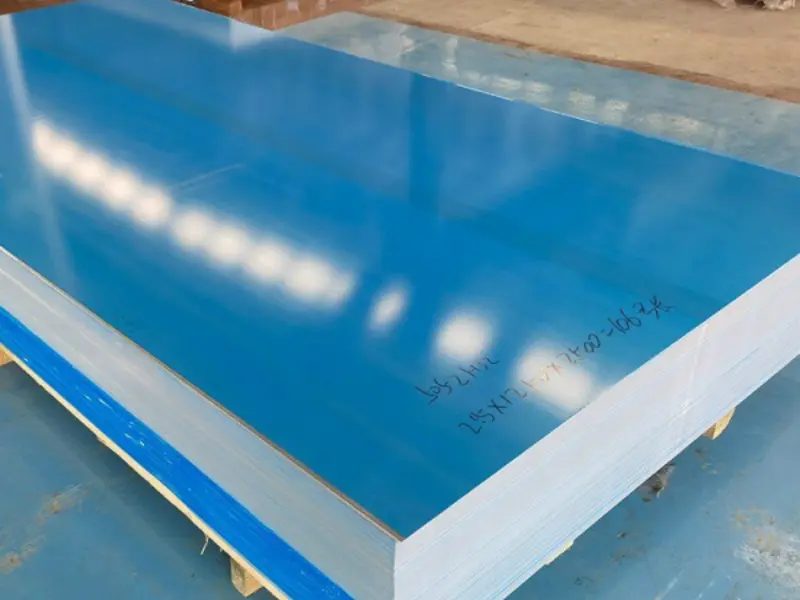
5052-H32 is the most common temper for marine work. It is half hard and stabilized. This means it has good strength but still bends well. It resists warping after forming. It is the go-to choice for boat hulls, decks, and superstructures.
5052-H34 Aluminum Sheet
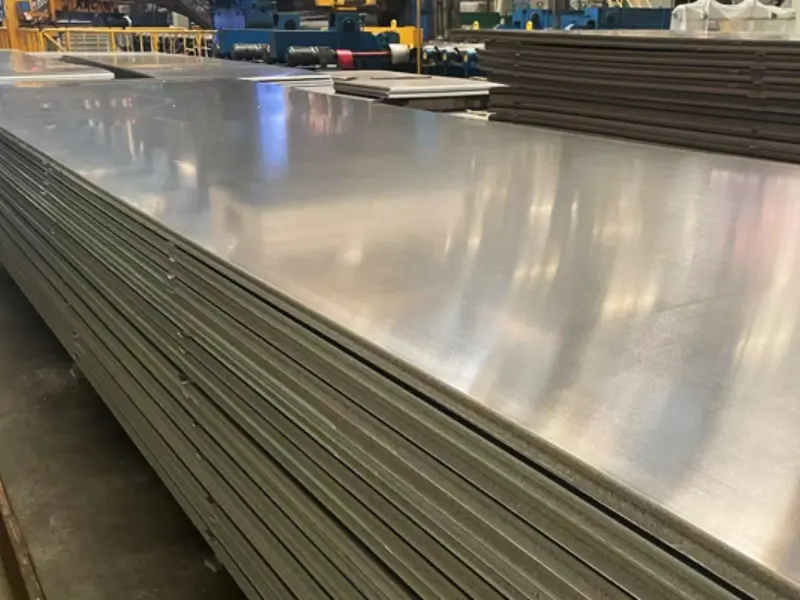
5052-H34 is harder than H32. It is used when you need more stiffness. It is common for industrial panels, enclosures, and structural parts. It has less formability than H32 but holds shape better under load. with 5052 Aluminum Sheet for Marine & Industrial Applications
5052-O Aluminum Sheet
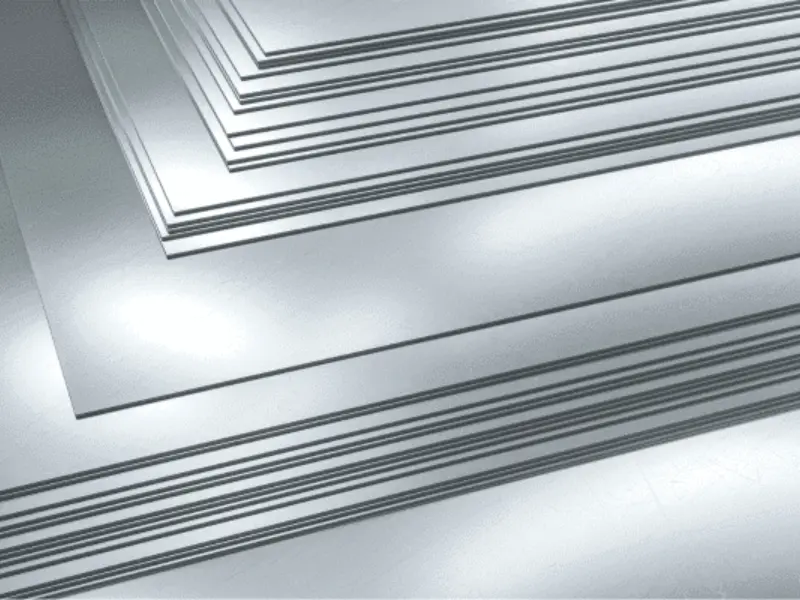
5052-O is fully annealed. It is very soft. It is used for deep drawing and complex shapes. Fuel tank baffles, kitchen sinks, and intricate parts use this temper. It is not as stiff as H32 but forms the easiest.
Thickness Guide for Marine and Industrial Use
Thickness affects strength, weight, and cost.
| Thickness | Weight (kg/m²) | Marine Use | Industrial Use |
|---|---|---|---|
| 0.5 mm | 1.35 | Small boat parts, trim | Light enclosures, signs |
| 0.8 mm | 2.16 | Small boat hulls, dinghies | Panels, covers |
| 1.0 mm | 2.70 | Boat hulls, superstructures | Enclosures, tanks |
| 1.5 mm | 4.05 | Boat hulls, decks | Pressure vessels, tanks |
| 2.0 mm | 5.40 | Hull plating, bulkheads | Structural panels, guards |
| 3.0 mm | 8.10 | Hull plating, keels | Heavy structural, platforms |
| 4.0 mm | 10.80 | Large hulls, impact zones | Heavy-duty frames, bases |
| 5.0 mm | 13.50 | Fishing vessels, workboats | Machine bases, supports |
| 6.0 mm | 16.20 | Ship hulls, structural | Heavy machinery, molds |
| 8.0-12.0 mm | 21.60-32.40 | Large ships, offshore | Industrial molds, tooling |
| 12.0-600 mm | 32.40+ | Special marine structures | Heavy industrial, forgings |
5052 Aluminum Sheet 2mm
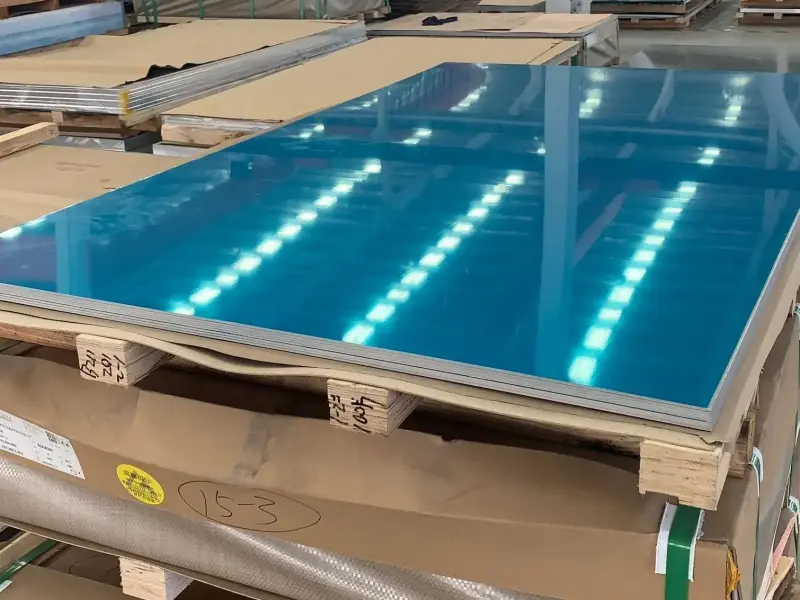
A 2mm 5052 aluminum sheet is a popular choice. It balances weight and strength. It works for boat hulls, industrial panels, and structural guards. It bends with standard press brake tooling. It welds cleanly with 5356 filler wire.
5052 Aluminum Sheet 3mm
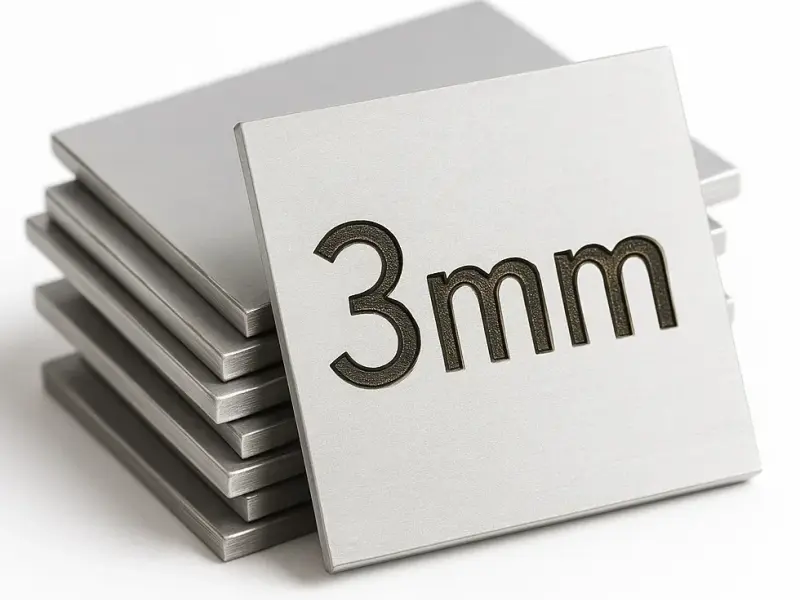
A 3mm 5052 aluminum sheet handles heavier loads. It is used for hull plating, keels, and heavy structural work. It resists denting and impact. It needs more force to bend than 2mm with 5052 Aluminum Sheet for Marine & Industrial Applications.
5052 Aluminum Sheet 5mm
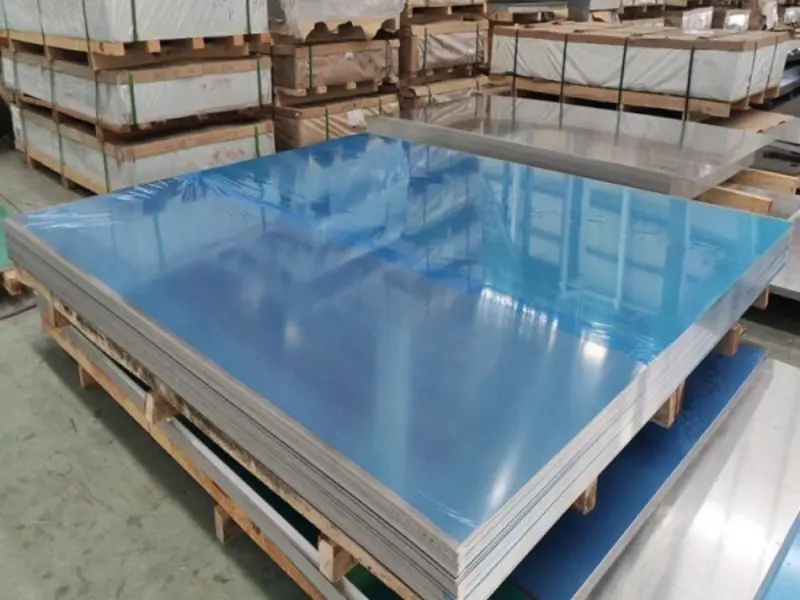
A 5mm 5052 aluminum sheet is for heavy-duty marine and industrial work. It is used for fishing vessels, workboat hulls, machine bases, and structural supports. It requires powerful cutting and bending equipment.
Standard Sizes and Dimensions
| Dimension | Standard Range | Notes |
|---|---|---|
| Thickness | 0.1 mm to 600 mm | Custom sizes available |
| Width | 20 mm to 2650 mm | Common: 1000, 1200, 1500, 2000 mm |
| Length | 500 mm to 16000 mm | Common: 2000, 3000, 6000 mm |
| Sheet size | 1220 x 2440 mm | Most common stock size |
| Sheet size | 1500 x 3000 mm | Large format stock |
| Plate size | Up to 1200 x 2400 mm | Cut from thick plate |
Surface Finishes 5052 Aluminum Sheet for Marine & Industrial Applications
| Finish | Description | Best For |
|---|---|---|
| Mill finish | Natural rolled surface | Industrial, welding, painting |
| Anodized | Electrolytic oxide layer | Marine, decorative, extra protection |
| Brushed | Fine lines on surface | Decorative, modern look |
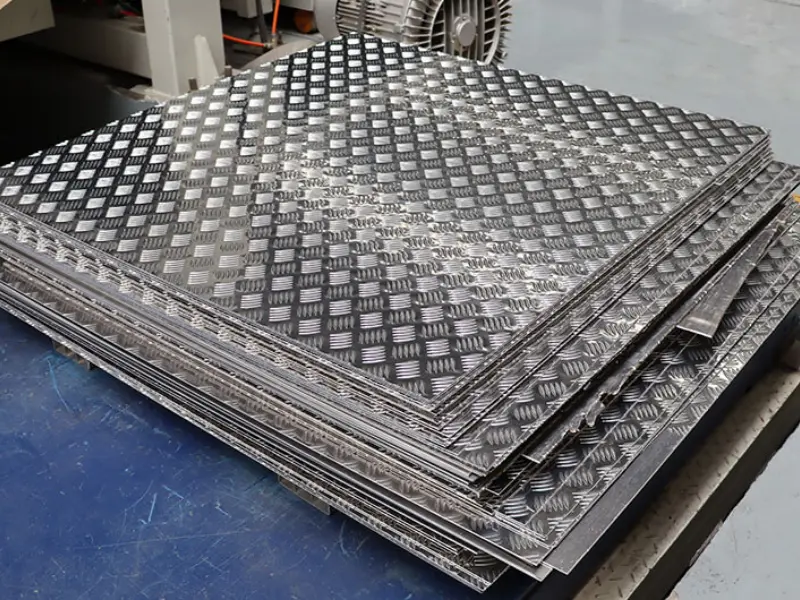
| Embossed | Textured pattern | Anti-slip, flooring, decorative |
| Painted | Coated in color | Color coding, branding, marine |
| Mirror | Highly polished | Decorative, special effects |
| Checkered | Diamond pattern | Anti-slip decking, walkways |
Comparison: 5052 vs Other Marine Aluminum Alloys
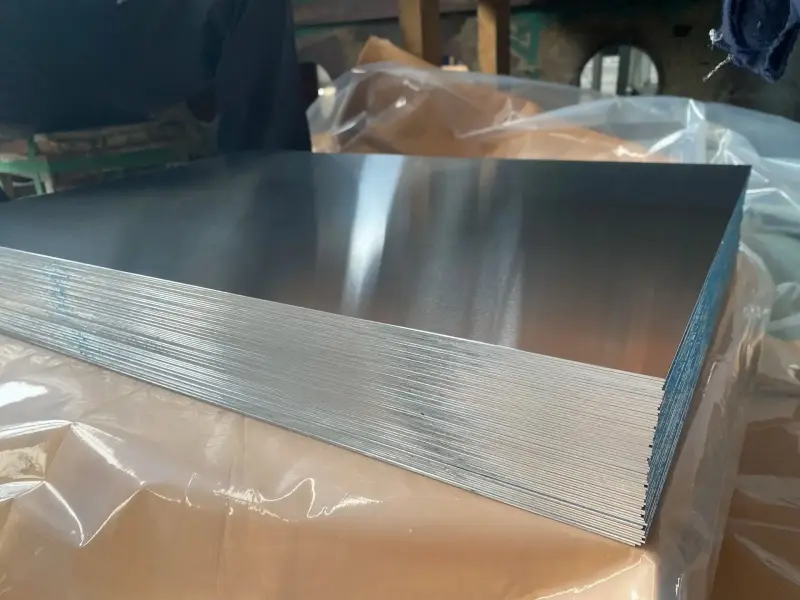
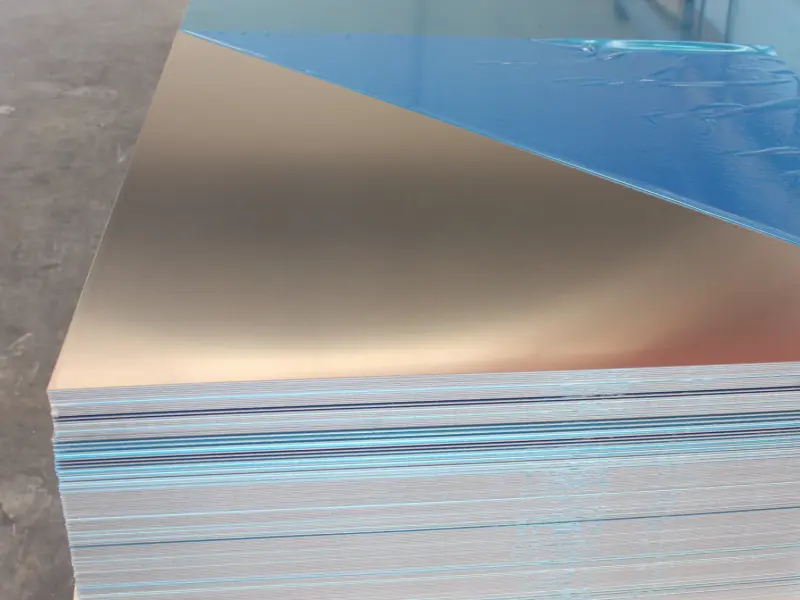
Not sure which alloy to pick? This table helps you decide. with 5052 Aluminum Sheet for Marine & Industrial Applications.
| Feature | 5052-H32 | 5083-H116 | 5083-H321 | 6061-T6 |
|---|---|---|---|---|
| Tensile strength | 230 MPa | 310-420 MPa | 310-420 MPa | 276 MPa |
| Yield strength | 193 MPa | 270+ MPa | 270+ MPa | 240 MPa |
| Corrosion resistance | Excellent | Exceptional | Exceptional | Good |
| Saltwater life | 15-20 years | 30-40 years | 30-40 years | 10-15 years |
| Formability | Excellent | Moderate | Moderate | Moderate |
| Weldability | Good | Excellent | Excellent | Good |
| Machinability | Fast, smooth | Slower, harder | Slower, harder | Excellent |
| Price level | Lower | Higher (+18%) | Higher (+18%) | Medium |
| Best for | General marine, tanks | Hull plating, offshore | Hull plating, LNG | Structural, bolted |
5052 vs 5083 5052 Aluminum Sheet for Marine & Industrial Applications
5052 is easier to form and costs less. It bends into tighter radii. It is ideal for small boats, fuel tanks, and general marine parts. 5083 is stronger and resists saltwater better. It is the choice for large ships, offshore platforms, and LNG tanks. 5083 costs about 18% more than 5052.
5052 vs 6061 5052 Aluminum Sheet for Marine & Industrial Applications
5052 has better corrosion resistance in saltwater. It welds better for marine structures. 6061-T6 is stronger but loses strength in the weld zone. 6061 needs post-weld heat treatment to regain full strength. This is hard to do on large marine structures. Choose 5052 for welded marine work. Choose 6061 for bolted or riveted structural parts. With 5052 Aluminum Sheet for Marine & Industrial Applications.
Marine Applications of 5052 Aluminum Sheet
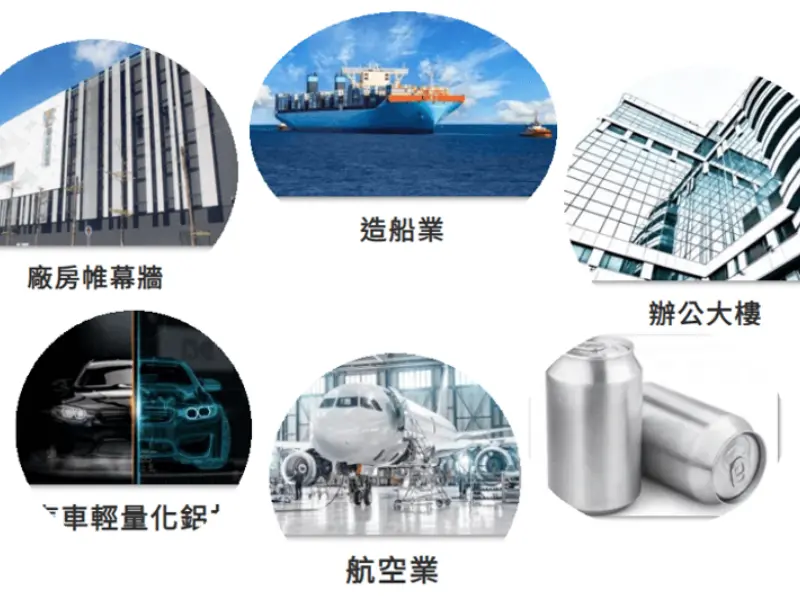
Small Boats and Yachts
- Hull plating for small to medium boats
- Decks and superstructures
- Bulkheads and partitions
- Fuel and water tanks
- Engine mounts and brackets
Fishing Vessels
- Hull plating (3-6 mm typical)
- Deck flooring
- Fish holds and storage bins
- Equipment bases
- Railings and handrails
Workboats and Patrol Craft
Access hatches
Hull and deck plating
Cabin structures
Console and dashboard panels
Storage lockers
Boat Trailers
- Frame components
- Fender supports
- Winch mounts
- Lighting brackets
- Step plates
Industrial Applications of 5052 Aluminum Sheet
Transportation
- Truck and trailer body panels
- Bus interior panels
- Railcar components
- Aircraft interior parts
- Fuel tanks for vehicles
Pressure Vessels and Tanks
- Chemical storage tanks
- Fuel tanks
- Cryogenic vessels (moderate temp)
- Air receiver tanks
- Process vessels
Enclosures and Cabinets
- Electrical enclosures
- Control panels
- Server racks
- Instrument housings
- Junction boxes
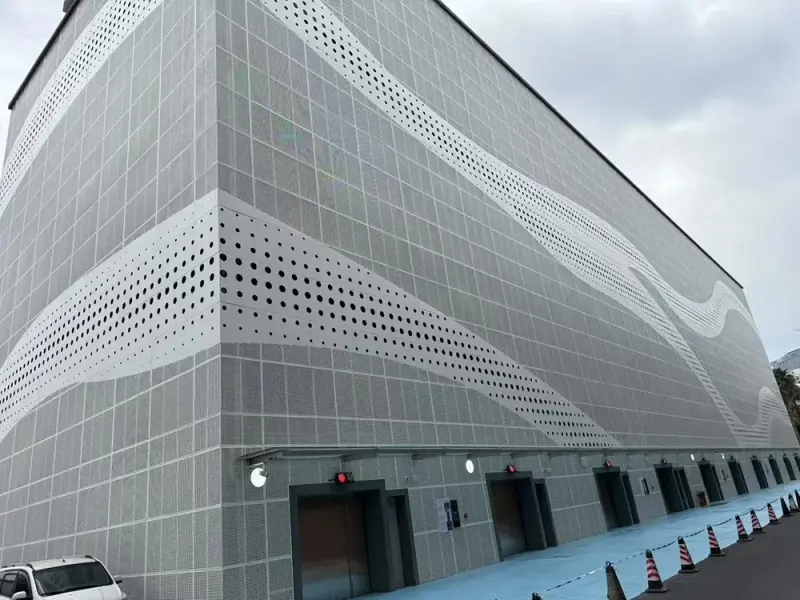
Architectural and Building
Column covers
Curtain wall panels
Roofing and cladding
Decorative facades
Signage and displays
Machinery and Equipment
- Machine guards
- Conveyor components
- Tooling plates
- Fixture bases
- Robot arm covers
Food and Pharmaceutical
- Processing equipment
- Mixing tanks
- Conveyor belts
- Packaging machinery parts
- Clean room panels
Welding 5052 Aluminum Sheet
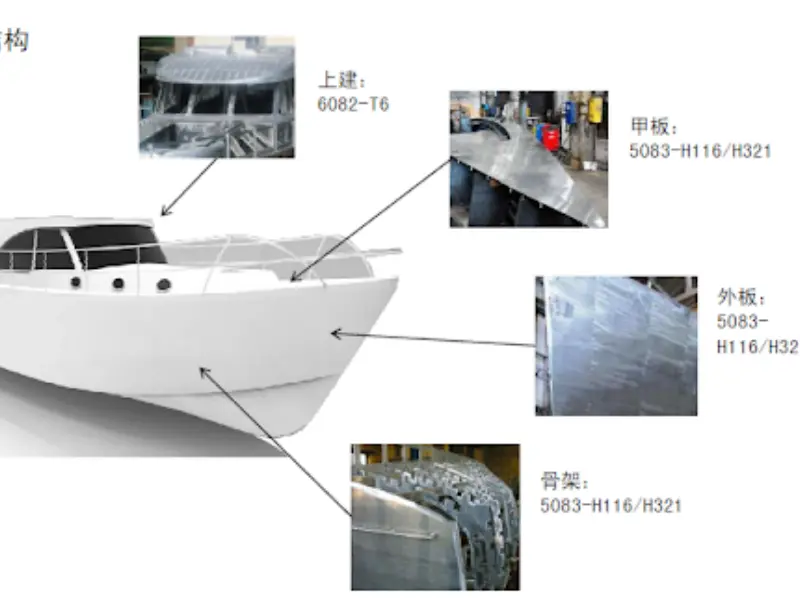
5052 welds well with standard aluminum filler wires. With 5052 Aluminum Sheet for Marine & Industrial Applications
| Filler Wire | Use | Notes |
|---|---|---|
| 5356 | General welding | Most common, good strength |
| 5183 | Marine welding | Better corrosion resistance |
| 4043 | Some applications | Lower strength, better flow |
Use TIG (GTAW) for thin sheets under 3 mm. Use MIG (GMAW) for thicker sheets and production work. Clean the joint with stainless steel brush before welding. Use argon shielding gas. Preheat is not needed for 5052.
Cutting and Machining 5052
5052 machines faster than 5083. It gives a smoother surface finish for 5052 Aluminum Sheet for Marine & Industrial Applications.
| Method | Best For | Notes |
|---|---|---|
| Shear | Straight cuts, thin sheets | Fast, clean edges |
| Band saw | Thick plate | Use fine-tooth blade |
| Plasma cut | Thick sections | Fast, some cleanup needed |
| Water jet | Precision, no heat | Best for complex shapes |
| Laser cut | Precision, thin to medium | Clean edges, fast |
| CNC mill | Machined parts | Good chip formation |
| Router | Sheet work, signs | Carbide bits work well |
How to Buy 5052 Aluminum Sheet
Step 1: Define Your Specs
Write down the temper, thickness, width, length, and finish you need. Check if you need mill test certificates or marine classification.
Step 2: Check Certifications
For marine work, ask for ABS, DNV, or Lloyd’s certification if required. For general industrial, ASTM B209 or EN 485 is standard.
Step 3: Compare Suppliers
Get quotes from at least three mills or distributors. Compare total landed cost including freight and duties.
Step 4: Request Samples
Test bend, weld, and machine a sample before placing a large order. This confirms the alloy and temper match your needs.
Step 5: Verify Packaging
Marine sheets need moisture-proof packaging. VCI paper or film prevents corrosion during shipping. Wooden crates protect edges from damage. By 5052 Aluminum Sheet for Marine & Industrial Applications
5052 Aluminum Sheet for Marine & Industrial Applications Quality Checks
- Mill test certificate shows alloy and temper
- Chemical composition within spec
- Mechanical test shows strength and elongation
- Flatness within tolerance
- Surface free of scratches and stains
- Edges clean cut, no burrs
- Packaging intact, no moisture
5052 Aluminum Sheet for Marine & Industrial Applications FAQ
What makes 5052 marine grade?
The high magnesium content (2.2-2.8%) gives 5052 excellent resistance to saltwater corrosion. The H32 temper offers stable strength and good formability. These properties make it ideal for marine fabrication.
Will 5052 rust in saltwater?
No. 5052 does not rust like steel. It forms a tough, self-repairing oxide layer that protects it from corrosion. This makes it highly durable in saltwater without significant degradation.
Is 5052 suitable for welding boat hulls?
Yes. 5052 has excellent weldability. It is very suitable for welding boat hulls and superstructures. Use filler wire 5356 or 5183 to maintain weld strength and corrosion resistance.
How does 5052 compare to 5083 for marine use?
5083 is stronger and resists more aggressive corrosion. It is preferred for larger vessels and extreme environments. 5052 provides excellent performance for general marine construction, smaller boats, and lighter structures at a lower cost.
What thickness should I use for a boat hull?
Small boats under 6 meters: 1.5-2.0 mm. Medium boats 6-12 meters: 2.0-3.0 mm. Large boats 12-20 meters: 3.0-5.0 mm. Fishing vessels and workboats: 5.0-10.0 mm.
Can I use 5052 for pressure vessels?
Yes, for medium and low pressure vessels below 10 bar. For high-pressure vessels above 20 bar, use 5083-H321 or consult a pressure vessel engineer.
What is the difference between H32 and H34 temper?
H32 is half hard and stabilized. It is the most common for marine work. H34 is harder and stiffer. It has less formability but holds shape better. Choose H32 for forming. Choose H34 for stiffness.
How do I prevent corrosion on 5052 in marine use?
5052 resists corrosion naturally. For extra protection, anodize the surface or apply marine-grade paint. Use sacrificial zinc anodes on boats. Rinse with fresh water after saltwater exposure.
What is the price of 5052 aluminum sheet?
Prices vary by thickness, temper, and order size. Standard H32 sheet costs about $2,500 to $3,500 per ton from mills. Thicker plate costs more. Bulk orders over 5 tons get better rates.
Can I cut 5052 sheet with standard tools?
Yes, for thin sheets up to 3 mm. Use tin snips, jigsaw with metal blade, or shear. For thicker plate, use band saw, plasma cutter, or water jet. Wear safety gear.
5052 aluminum sheet for marine and industrial work
With 5052 Aluminum Sheet for Marine & Industrial Applications. 5052 aluminum sheet is a proven material for marine and industrial work. It resists saltwater corrosion. It forms into complex shapes. It welds cleanly. It costs less than 5083 for many jobs.
Use 5052-H32 for general marine construction. Use 5052-H34 for stiffer industrial panels. Match the thickness to your load and span. Buy from certified suppliers. Test samples before bulk orders.
With the right specs, 5052 aluminum sheet will serve your marine or industrial project for decades with minimal maintenance.