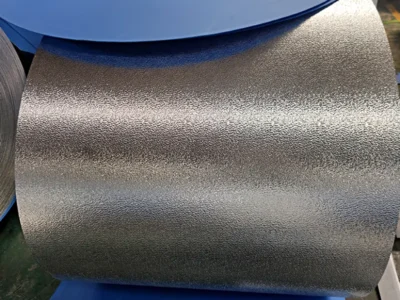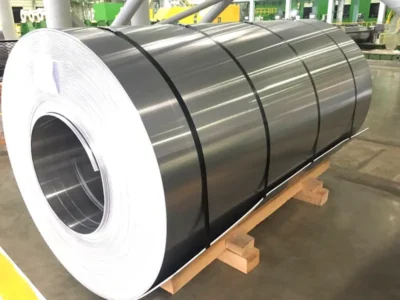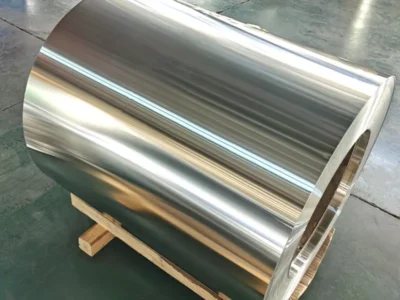
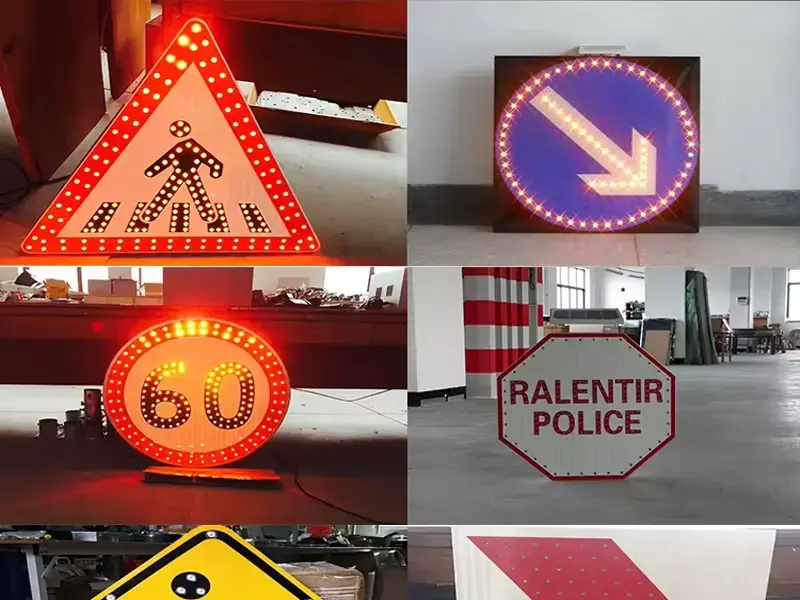
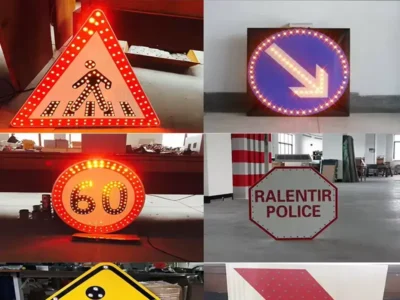
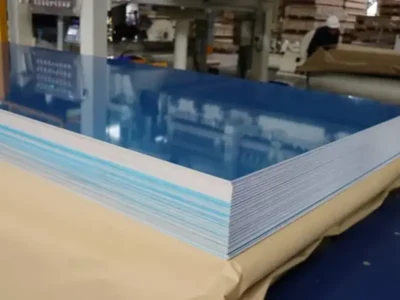
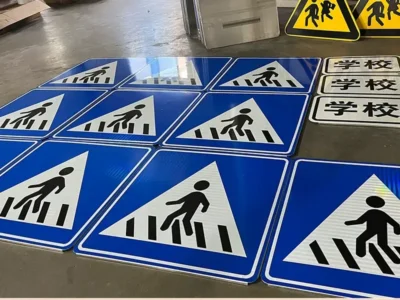
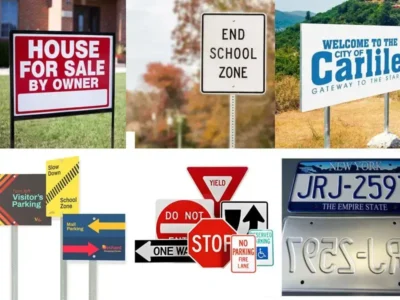
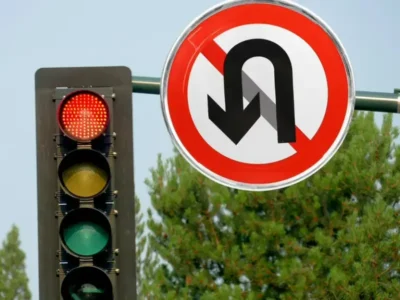
Aluminum Sheet for Signage is one of the most widely used materials in the sign industry. It is light, corrosion-resistant, and easy to cut, bend, or print on. Whether you need a simple parking sign or a large-format display board, aluminum gives you a clean, flat surface that holds up outdoors.
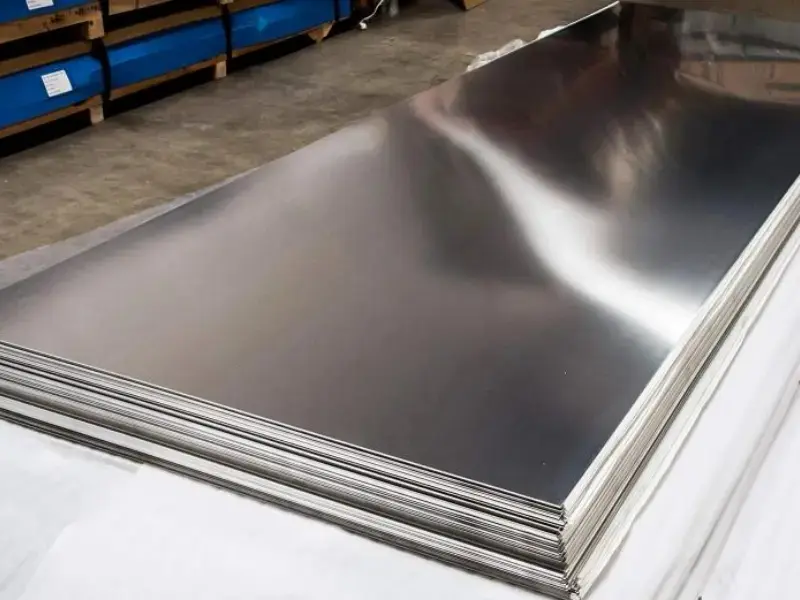
The sheet covers the main alloy grades, common thickness ranges, processing options, and typical sign applications — all in one place.
Thickness 0.5 – 6 mm
Width up to 2000 mm
Alloys 1100 · 3003 · 5052
Temper H14 · H24 · O
Surface Mill / Brushed / Anodized
Flatness ≤ 3 mm/m
Aluminum Sheet for Signage Alloy Comparison
Three alloys cover almost every sign use case. The table below shows how they differ at a glance.
| Alloy | Series | Strength | Corrosion Resistance | Formability | Typical Sign Use |
|---|---|---|---|---|---|
| 1100 | 1xxx | Low | Excellent | Excellent | Indoor decorative panels, nameplates |
| 3003 | 3xxx | Medium | Very Good | Good | General outdoor signs, traffic boards |
| 5052 | 5xxx | High | Excellent | Moderate | Marine signs, highway panels, structural frames |
| 6061-T6 | 6xxx | High | Good | Low | Structural sign frames, extruded channels |
1100 Aluminum Sheet
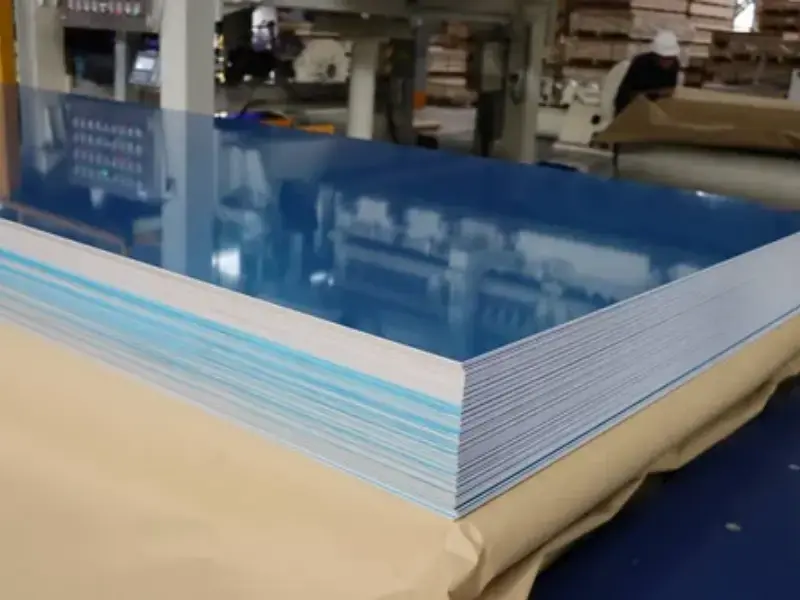
This is commercially pure aluminum (≥99% Al). It is the softest and most workable grade. Printers and fabricators prefer it for intricate cuts and detailed lettering. It is not the best choice for coastal or industrial outdoor environments where salt or chemicals are present.
3003 Aluminum Sheet
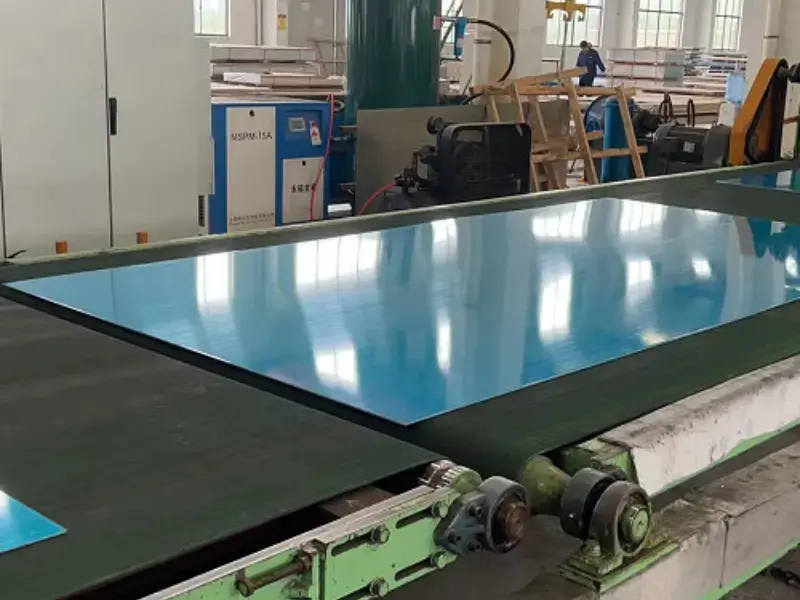
The most popular grade for general signage. Manganese adds about 20% more strength than 1100 without affecting workability. It resists rust well and takes paint or vinyl print easily. Most standard aluminum sign blanks on the market use 3003-H14.
5052 Aluminum Sheet
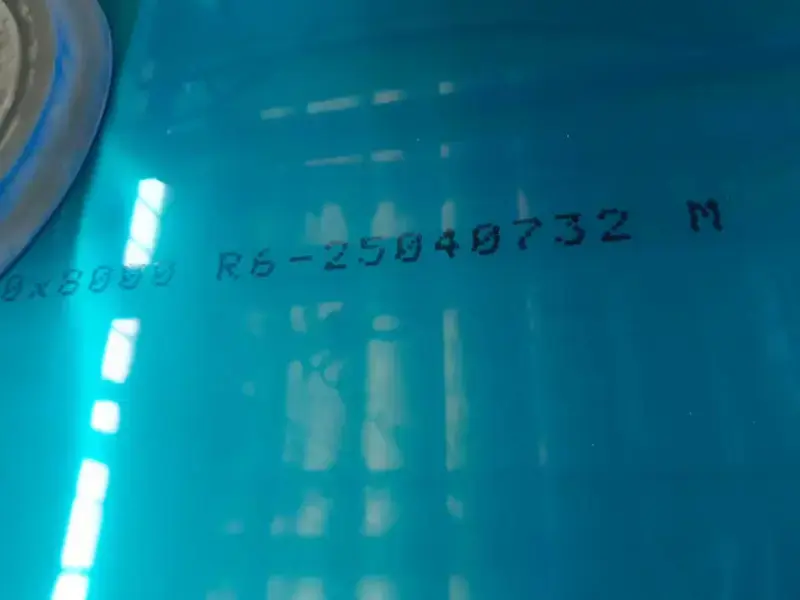
The go-to grade for marine, coastal, or heavy-duty outdoor signs. Magnesium gives it the highest corrosion resistance in this group. It costs a bit more but performs well in salt spray tests. Highway sign panels and marine direction boards often use 5052-H32 or H34.
Temper & State — What the Code Means
The letter-number after the alloy number tells you the hardness and processing state. For signage, the most useful tempers are below.
| Temper | Meaning | Hardness | Best For |
|---|---|---|---|
| O (Soft) | Annealed, fully soft | Lowest | Deep-drawn sign housings, bent letter blanks |
| H14 | Strain-hardened, half-hard | Medium | Flat sign panels, CNC-routed boards |
| H24 | Strain-hardened + partially annealed | Medium | Roll-formed channel letters, curved panels |
| H32 | Strain-hardened, quarter-hard | Medium-High | Marine signs, outdoor panels |
| T6 | Solution heat-treated + aged | High | Structural frames, extrusion profiles |
Tip: For most flat outdoor sign panels, 3003-H14 or 5052-H32 gives the best balance of flatness, strength, and workability.
Aluminum Sheet for Signage Thickness Selection Guide
Choosing the right thickness keeps your sign flat, light, and within budget. Thinner sheets save weight; thicker sheets resist wind load and physical impact.
| Thickness | Weight (kg/m²) | Stiffness | Typical Application | Notes |
|---|---|---|---|---|
| 0.5 mm | 1.35 | Low | Short-term promotional signs, display boards | Must be mounted on a backer |
| 0.8 mm | 2.16 | Low–Med | Indoor wall signs, A-frame inserts | Common for vinyl-print blanks |
| 1.0 mm | 2.70 | Medium | General outdoor signage, estate agent boards | Good stiffness for most uses |
| 1.5 mm | 4.05 | Medium | Traffic signs, parking signs, property signs | MUTCD-compliant thickness option |
| 2.0 mm | 5.40 | Good | Roadway signs, large-format outdoor displays | Most common for highway boards |
| 3.0 mm | 8.10 | High | Fascia panels, shop-front cladding, pylon boards | Rigid enough for free-standing use |
| 4.0 – 6.0 mm | 10.8 – 16.2 | Very High | Structural sign frames, heavy industrial markers | Usually 5052 or 6061 alloy |
Aluminum Sheet for Signage Product Types at a Glance
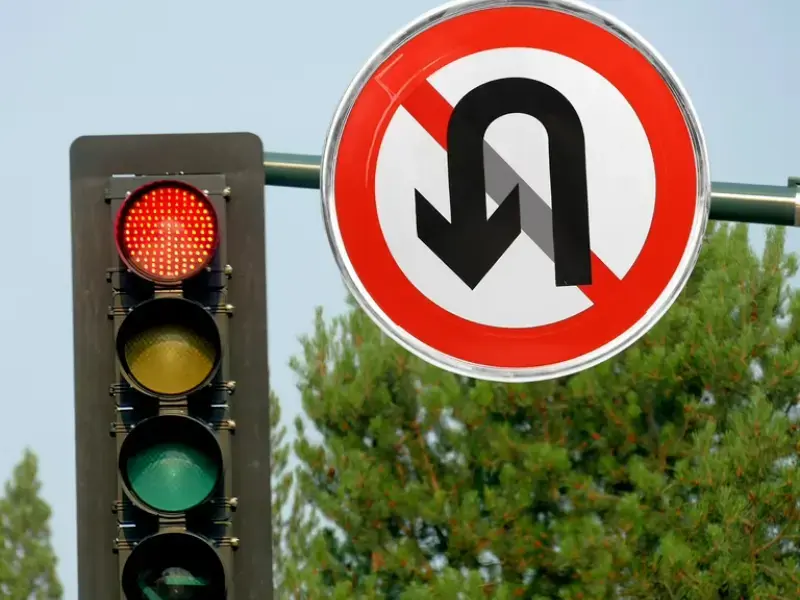
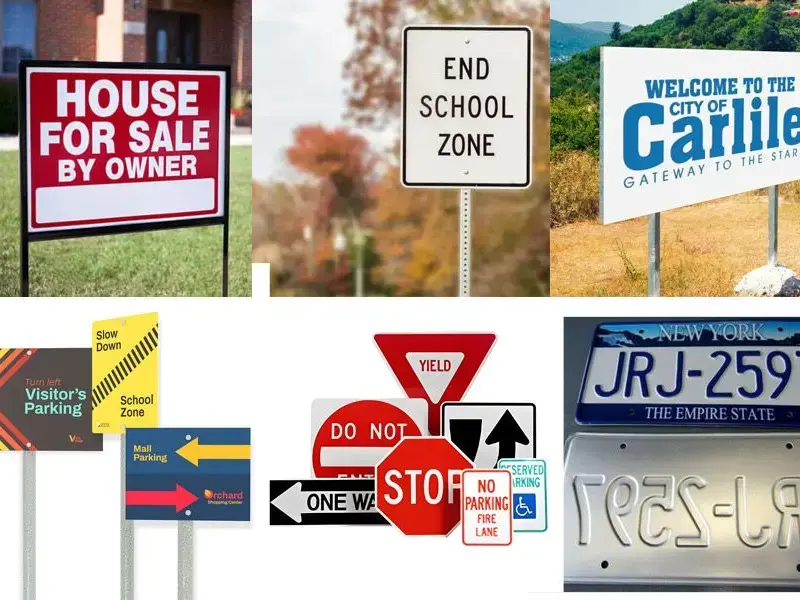
Aluminum sign sheet is not one product — it comes in several forms, each suited to different workflows and end uses.
Mill-Finish Sheet
Standard surface from the rolling mill. Slightly dull with visible rolling lines. Ready for painting or vinyl print.
Most Economical
Brushed Aluminum Sheet
Mechanically abraded for a satin linear texture. Popular for interior nameplates, elevator panels, and directional signs.
Premium Aesthetic
Anodized Aluminum Sheet
Electrochemically oxidized surface. Harder, more scratch-resistant, and available in silver, black, gold, and bronze tones.
Best Durability
Pre-painted Sheet (PVDF)
Factory-coated with PVDF or polyester paint. Consistent color, UV-stable, and ready to cut and install without further painting.
Color-Ready
Reflective Aluminum Sheet
Bright-rolled or mirror-polished surface. Used for traffic signs, emergency markers, and outdoor direction boards needing night visibility.
High Visibility
Composite Panel (ACM)
Two thin aluminum sheets bonded to a PE or FR core. Lightweight, rigid, and very flat — ideal for large fascia and billboard-style sign faces.
Aluminum Sheet for Signage Ultra-Flat
Aluminum Sheet for Signage Surface Finish Comparison
| Finish | Appearance | Scratch Resistance | UV Resistance | Printable? | Cost Level |
|---|---|---|---|---|---|
| Mill Finish | Dull silver | Low | Moderate | Yes | $ |
| Brushed | Satin linear | Medium | Good | Yes | $$ |
| Anodized (clear) | Bright silver | High | Excellent | With treatment | $$ |
| Anodized (color) | Black / Gold / Bronze | High | Excellent | With treatment | $$$ |
| PVDF Paint | Any RAL color | Medium–High | Excellent | Yes | $$$ |
| Mirror Polish | Reflective chrome-like | Low | Moderate | Limited | $$$ |
How Aluminum Sign Sheet Is Processed
Aluminum Sheet for Signage Raw aluminum coil or sheet goes through several steps before it becomes a finished sign panel. Understanding these helps you order the right spec the first time.
Cutting
Shearing is the fastest method for straight-edged blanks. CNC laser cutting suits complex shapes and tight tolerances. Waterjet cutting handles thicker plates without heat distortion. For most standard sign sizes, shearing is cost-effective and accurate to ±0.5 mm.
Bending & Forming
Press brake bending creates box signs, channel letter backs, and frame profiles. Softer tempers (O or H24) bend more cleanly than H14. A minimum bend radius of 1× thickness is a safe starting point for 3003; 5052 needs slightly more radius to avoid cracking on sharp bends.
Aluminum Sheet for Signage CNC Routing
Used to cut letters, logos, and decorative shapes directly from aluminum sheet. Composite panels (ACM) route especially well because the core absorbs vibration. Solid aluminum sheet from 1 mm to 3 mm also routes cleanly with a carbide bit.
Surface Treatment After Fabrication
- Anodizing — creates a hard oxide layer; available in clear, black, gold, and champagne
- Powder coating — thick, durable color coat; wide RAL color range
- Liquid paint (PVDF) — thinner film than powder coat; preferred for architectural sign cladding
- Vinyl lamination — adhesive-backed vinyl applied over mill or brushed surface
- Digital UV printing — ink printed directly onto the sheet surface; fast turnaround for full-color graphics
Drilling & Mounting Holes
Pre-drilled holes save installation time. Standard mounting hole diameter is 6 mm or 8 mm. Corner holes are the most common pattern for flat panel signs. Countersunk holes allow flush screw heads for a cleaner look on architectural signage.
Where Aluminum Sign Sheet Is Used
The material shows up in almost every type of sign project. Here are the main application areas:
- 🚦 Traffic & road signs
- 🅿️ Parking & no-entry boards
- 🏢 Building directories
- 🏪 Shop fascia panels
- 🛣️ Highway information boards
- ⚓ Marine & dock markers
- 🏗️ Construction site safety signs
- ✈️ Airport wayfinding panels
- 🏨 Hotel room number plates
- 🌿 Trail & park markers
- 📢 Advertising billboards
- 🏭 Industrial equipment labels
Aluminum Sheet for Signage Outdoor vs. Indoor Considerations
| Factor | Outdoor Signs | Indoor Signs |
|---|---|---|
| Preferred alloy | 5052, 3003 | 1100, 3003 |
| Min. thickness | 1.5 mm | 0.8 mm |
| Surface finish | Anodized or PVDF-coated | Brushed or anodized |
| Key requirement | UV & moisture resistance | Aesthetics & flatness |
| Fastening | Stainless screws + sealant | Standoffs or adhesive |
Common Aluminum Sheet for Signage & Specifications
| Alloy + Temper | Thickness (mm) | Width (mm) | Length (mm) | Use Case |
|---|---|---|---|---|
| 1100-H14 | 0.8 | 1000 / 1220 | 2000 / 2440 | Indoor nameplates, vinyl sign blanks |
| 3003-H14 | 1.0 | 1220 | 2440 | Standard outdoor sign panels |
| 3003-H14 | 1.5 | 1220 / 1500 | 2440 / 3000 | Traffic signs, regulatory boards |
| 3003-H14 | 2.0 | 1500 | 3000 | Large outdoor display panels |
| 5052-H32 | 2.0 | 1500 | 3000 | Highway signs, marine markers |
| 5052-H32 | 3.0 | 1500 / 2000 | 3000 | Structural panels, pylon sign faces |
| 6061-T6 | 4.0 – 6.0 | 1500 / 2000 | 3000 / 6000 | Sign frames, heavy structural parts |
Custom widths and lengths are available from most mills. Coil supply is an option for high-volume fabricators who cut sheets in-house.
Frequently Asked Questions
What alloy is best for outdoor signs?
For General Outdoor Use
3003-H14 is the most common choice. It balances cost, workability, and weather resistance for the majority of outdoor sign projects.
For Coastal or Industrial Environments
Choose 5052-H32 or H34. The higher magnesium content resists salt air and chemical exposure far better than 1100 or 3003.
How thick should an aluminum sign panel be?
Small Signs (under 600 × 900 mm)
1.0 mm to 1.5 mm is usually sufficient when the sign is mounted flat against a wall or post.
Large Panels or Free-Standing Signs
Use 2.0 mm or thicker to prevent flexing in the wind. For pylon sign faces over 2 m wide, 3.0 mm or an ACM panel is a better choice.
Can you print directly on aluminum sheet?
UV Flatbed Printing
Yes. UV flatbed printers print directly onto aluminum sheet up to about 3 mm thick. The surface should be cleaned and may need a primer coat for best ink adhesion on mill-finish material.
Vinyl Over Aluminum
The most common shop workflow is to print onto adhesive vinyl and then apply it to the aluminum blank. This is faster and lets you reprint graphics without remaking the substrate.
What is the difference between anodized and painted aluminum?
Anodized Finish
The surface layer is part of the metal itself — it cannot peel. It is harder and thinner than paint. Color options are more limited (silver, black, gold, bronze, champagne).
Painted or Powder-Coated Finish
Available in virtually any RAL color. Thicker than anodizing. Can chip if the surface is damaged. PVDF paint systems offer 20+ year outdoor durability for architectural sign cladding.
What does H14 mean on aluminum sheet?
Breaking Down the Code
“H” means the sheet has been strain-hardened (cold-worked). The first digit “1” means strain-hardened only, with no subsequent annealing. The second digit “4” means half-hard — roughly halfway between fully soft (O) and fully hard (H18). H14 is the standard delivery condition for most flat sign sheet because it is stiff enough to stay flat but still cuts and bends well.
Is aluminum composite panel (ACM) better than solid aluminum sheet for signs?
When ACM Wins
ACM is lighter and flatter for large-format sign faces. It routes very cleanly and is the industry standard for shop-front fascia and pylon sign skins over 1.5 m wide.
When Solid Sheet Wins
Solid aluminum sheet is more impact-resistant and better for high-traffic areas where the sign may be hit. It is also required where fire ratings apply, as standard ACM cores are not fire-rated (FR-core ACM is available but more expensive).