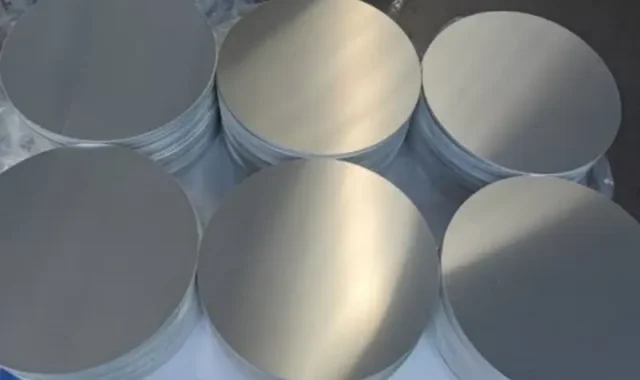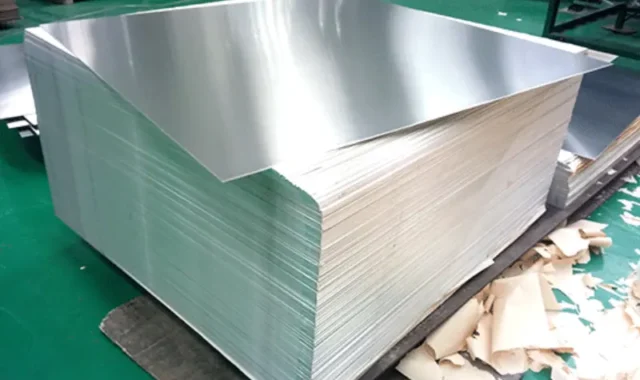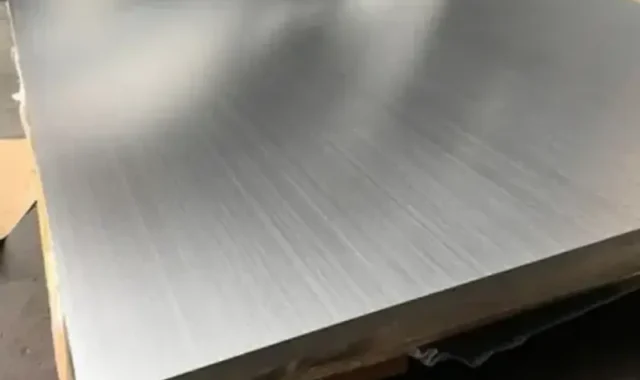
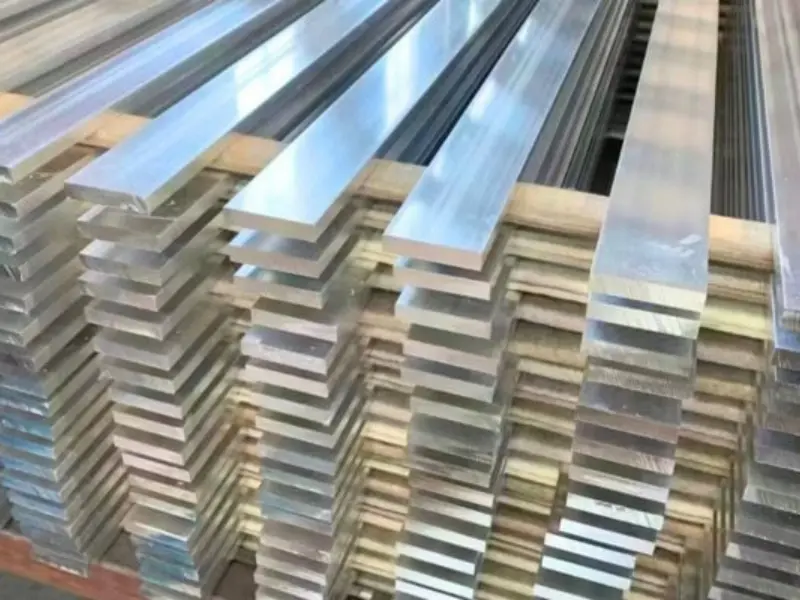
1/4 aluminum plate is flat aluminum stock that measures exactly a quarter inch thick, or 0.25 inches. Plate is thicker than sheet, and the plate category starts right at 1/4 inch thickness. Anything thinner falls into the sheet category instead. This makes 1/4 inch the entry point for true structural aluminum plate work.
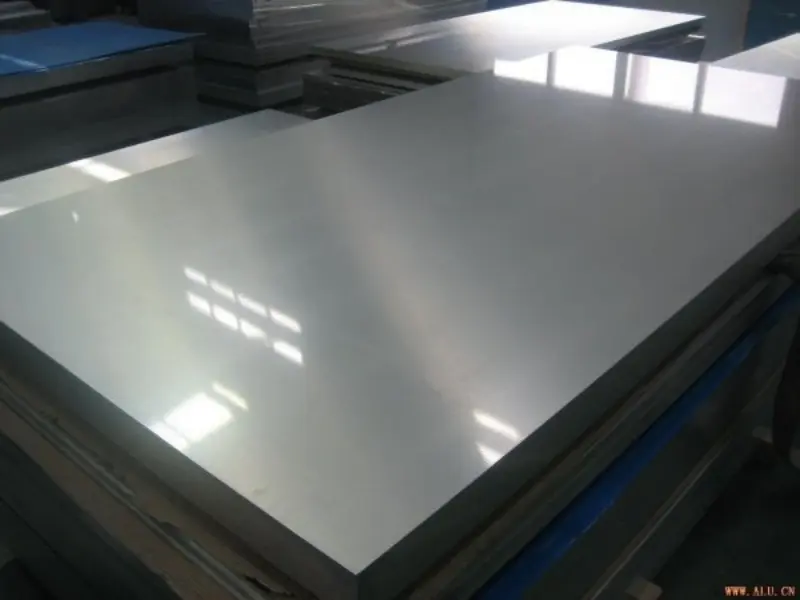
This thickness is one of the most requested sizes in the aluminum industry. It’s thick enough for real structural strength, but still light enough to cut, drill, and handle without heavy equipment. That’s why it shows up constantly in machine shops, garages, marine builds, and DIY projects.
1/4 Aluminum Plate Weight: The Numbers You Need
Weight Per Square Foot
The industry formula for 1/4 inch aluminum plate works out to about 3.51 pounds per square foot. Multiply that number by the square footage of your piece, and you get the total weight.
| Plate Size | Square Footage | Approximate Weight |
|---|---|---|
| 6 x 6 inches | 0.25 sq ft | ~0.88 lbs |
| 12 x 12 inches | 1 sq ft | ~3.51 lbs |
| 12 x 24 inches | 2 sq ft | ~7.02 lbs |
| 16 x 16 inches | 1.78 sq ft | ~6.25 lbs |
| 18 x 18 inches | 2.25 sq ft | ~7.90 lbs |
| 24 x 24 inches | 4 sq ft | ~14.04 lbs |
| 4 x 4 feet | 16 sq ft | ~56.16 lbs |
| 4 x 8 feet | 32 sq ft | ~112.32 lbs |
A standard 4×8 sheet of 1/4 inch aluminum plate weighs approximately 112 pounds, based on this same per-square-foot formula. These numbers assume standard 6061 alloy at average density, so actual weight may shift slightly depending on the exact alloy and any tolerance variation in the cut.
Why Weight Matters Before You Order
Alloy Options for 1/4 Aluminum Plate
| Alloy | Best Trait | Common Temper | Best Use |
|---|---|---|---|
| 6061 | Strong, machinable, weldable | T6 / T651 | Structural, machined parts, general fabrication |
| 5052 | Excellent corrosion resistance, bends well | H32 | Marine parts, bent brackets |
| 3003 | Softer, very formable, low cost | H14 | Light-duty fabrication, residential use |
| 7075 | Maximum strength | T6 | High-stress, aerospace-style parts |
6061 Aluminum Plate
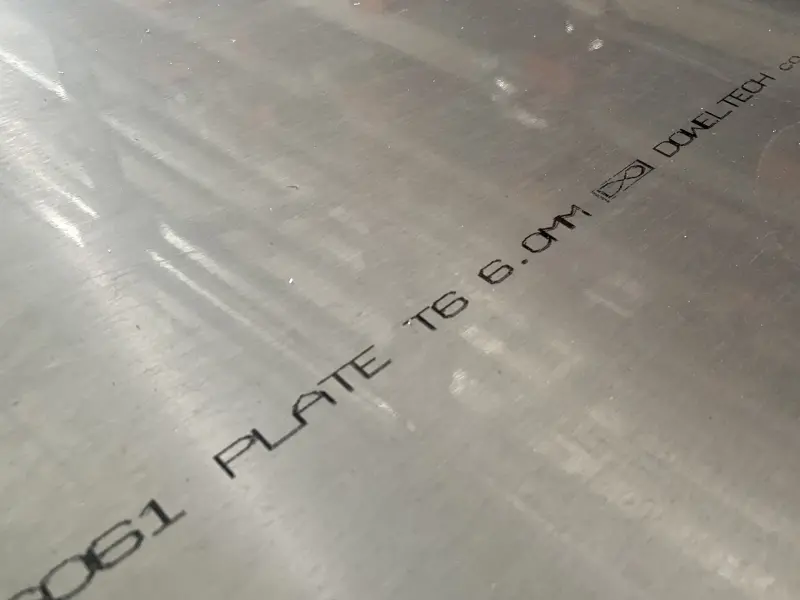
This is the default choice for most projects. 6061 is a heat-treatable alloy known for excellent strength and corrosion resistance, and it’s often used in structural and fabrication applications. The T651 temper has been heat-treated with an added stress-relieving process that prevents warping during machining.
5052 Aluminum Plate
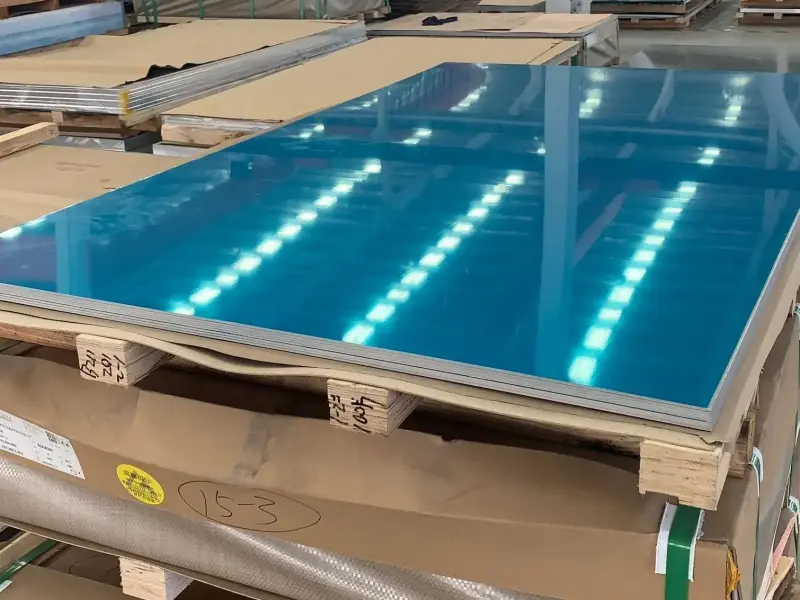
5052 is the alloy of choice when the plate needs to bend without cracking, or face saltwater and humidity. It doesn’t machine quite as cleanly as 6061, but its forming and corrosion performance make up for that in marine and outdoor applications.
3003 Aluminum Plate
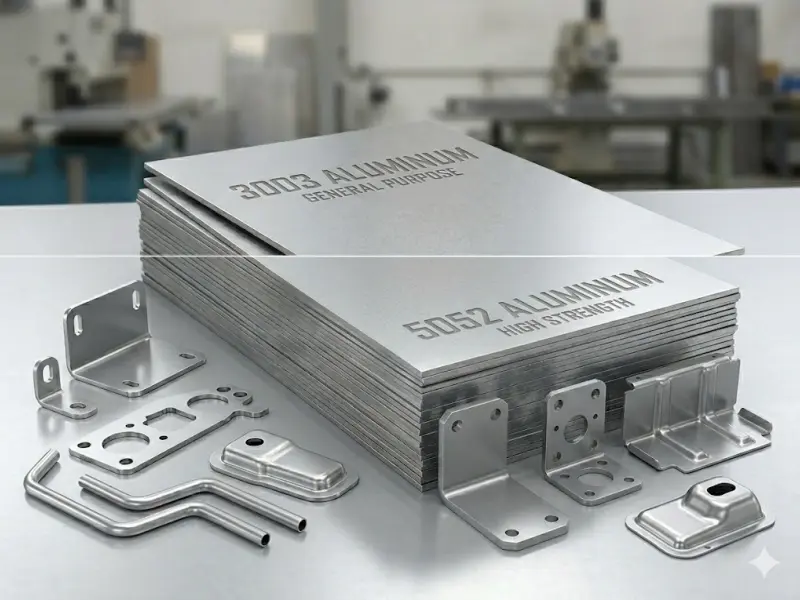
3003 aluminum plate is softer and more formable than 6061, while still offering good weldability, corrosion resistance, and a lower price point. It’s a solid pick for lighter-duty residential and hobby projects where maximum strength isn’t the priority.
Standard Sizes Available
| Size | Common Use |
|---|---|
| 6 x 6 in | Small mounting plates, washers, spacers |
| 12 x 12 in | Bases, jig plates, small fixtures |
| 12 x 24 in | Brackets, panel sections |
| 16 x 16 in | Equipment bases, medium fixtures |
| 18 x 18 in | Mounting plates, enclosure panels |
| 24 x 24 in | Machine bases, larger fixtures |
| 4 x 4 ft | Larger fabrication blanks |
| 4 x 8 ft | Full sheet, standard mill size |
How Strong Is 1/4 Aluminum Plate?
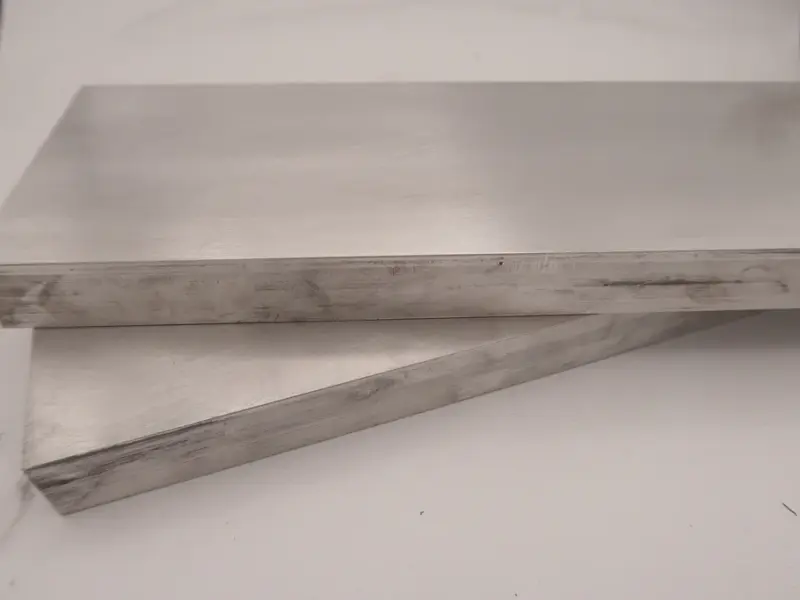
Strength depends heavily on alloy and temper, not just thickness. For 6061-T651, ultimate tensile strength runs around 46 KSI, with a yield tensile strength of about 39 KSI. This temper also offers a Brinell hardness of 93 and a shear strength of about 30 KSI.
| Property | 6061-T651 Value |
|---|---|
| Ultimate Tensile Strength | ~46 KSI |
| Yield Tensile Strength | ~39 KSI |
| Shear Strength | ~30 KSI |
| Brinell Hardness | 93 |
| Elongation | 11% (in 2 in) |
Plain 6061 alloy, alloyed with about 1.0% magnesium and 0.6% silicon, offers a tensile strength range of 20,000 to 42,000 psi, along with good corrosion resistance and weldability. This range shows how much temper alone changes the final strength of the same base alloy.
For most everyday structural needs — brackets, fixtures, machine bases — quarter-inch 6061 plate offers plenty of rigidity without flexing under normal loads.
Cutting 1/4 Aluminum Plate: Methods Compared
| Method | Best For | Edge Quality | Speed |
|---|---|---|---|
| Band saw | Straight cuts | Good | Moderate |
| Cold saw | Straight cuts, clean finish | Very good | Moderate |
| Waterjet | Complex shapes, tight tolerance | Excellent | Slower |
| CNC router | Detailed cuts, repeat parts | Excellent | Moderate-Fast |
| Plasma cutter | Fast rough cuts | Fair, needs cleanup | Fast |
| Fiber laser | Fast, precise cuts | Good, may need finishing | Fast |
Waterjet and CNC router methods are preferred for clean, precise cuts, since they offer minimal burrs and tight tolerances. Band saws and cold saws work well for straight cuts, while plasma and fiber lasers cut faster but may need additional edge finishing afterward.
Best Way to Cut 1/4 Aluminum Plate for Most Projects
For shops without waterjet access, a cold saw gives the cleanest straight cut with minimal setup. For curved or detailed shapes, a CNC router is the practical middle ground between speed and precision. After cutting, deburring, edge breaking, and surface brushing help create a safe, attractive finish.
Bending 1/4 Aluminum Plate
Bending plate this thick requires real tonnage and the right tooling setup.
Choose a V-die opening about eight times the plate thickness — roughly 2 inches for 0.25 inch plate. Match the punch tip radius to your minimum inside bend radius.
| Setup Element | Recommendation |
|---|---|
| V-die opening | ~2 inches (8x thickness) |
| Tonnage (6061, 2 in V-die) | 12–18 tons per foot |
| Tooling condition | Clean, aligned to avoid scratches |
| Support | Use backgauges on wide or long pieces |
For 6061 plate, plan on roughly 12 to 18 tons per foot of bend length when using a 2 inch V-die. Keep all tooling aligned and clean to prevent surface scratches on the finished bend. Springback is the tendency of the plate to unbend slightly after the press releases it, so test bends on scrap material before committing to a final part, especially for tight-tolerance projects.
5052 alloy bends more easily than 6061 and is generally the better pick when a project calls for multiple bends or tight forming radii.
Diamond Plate: A Different Type of 1/4 Aluminum Plate
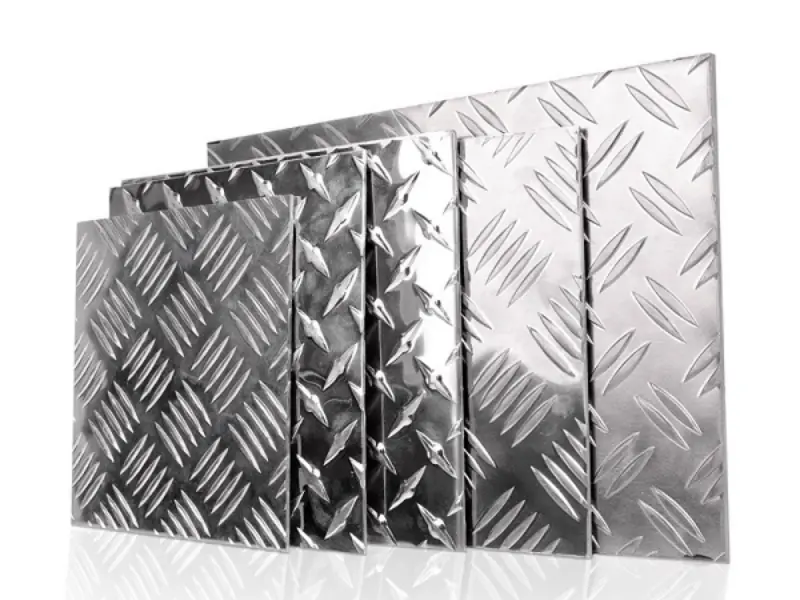
1/4 inch aluminum diamond plate is a specialty version with a raised diamond pattern rolled into one face. This isn’t the same product as flat plate — the tread pattern changes both its use case and its weight slightly.
| Feature | Flat 1/4″ Plate | 1/4″ Diamond Plate |
|---|---|---|
| Surface | Smooth, flat | Raised diamond texture |
| Common alloy | 6061, 5052 | 3003, 6061 |
| Typical use | Structural, machined parts | Flooring, truck beds, ramps, trailer decking |
| Slip resistance | Standard | High |
| Weight | Standard per chart above | Slightly higher due to raised pattern |
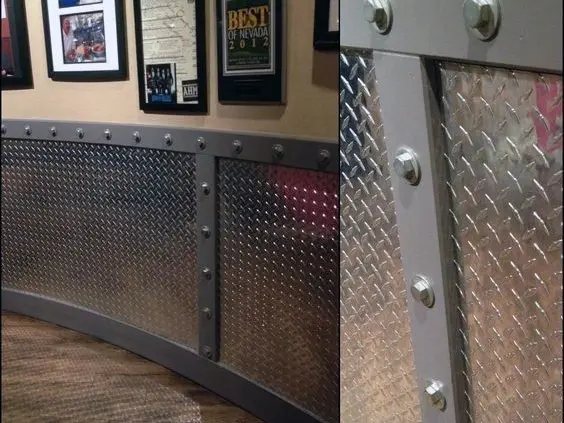
Diamond plate is the standard choice anywhere foot or wheel traffic needs grip — trailer ramps, work truck floors, and walkway surfaces. The raised pattern adds a small amount of extra material, so actual weight runs slightly above the flat-plate weight chart for the same nominal thickness.
Where to Buy 1/4 Aluminum Plate
| Source | Best For |
|---|---|
| Online metal suppliers | Custom sizes, cut-to-order, alloy choice |
| Hardware stores (e.g. Home Depot) | Small standard pieces, fast in-store pickup |
| Local metal distributors | Same-day pickup, custom cuts |
| Specialty metal shops | Tight tolerance, certified mill材料 (MTR) |
Online suppliers often provide a Material Test Report (MTR) for traceability, which matters for engineering or certified structural work. Heat lots ensure consistent metal properties, full traceability, and quality control, which are critical for precision and reliability on serious projects.
For quick, small purchases, hardware stores carry limited standard sizes. For anything custom — a specific 12×24 size, a particular alloy, or a certified mill report — an online metal supplier or local distributor is the better source.
Buying in Canada
Most major metal distributors in Canada carry the same standard alloys — 6061, 5052, and 3003 — in 1/4 inch thickness. Pricing and availability shift slightly due to import costs and regional supply, so comparing a couple of local distributors before ordering is worth the time on larger orders.

Application Areas
Structural & Machine Building
- Machine base plates
- Mounting brackets
- Jig and fixture plates
- Equipment frames
Marine & Outdoor
- Boat brackets and hardware
- Dock components
- Outdoor enclosure panels
- Trailer parts
Automotive & Transportation
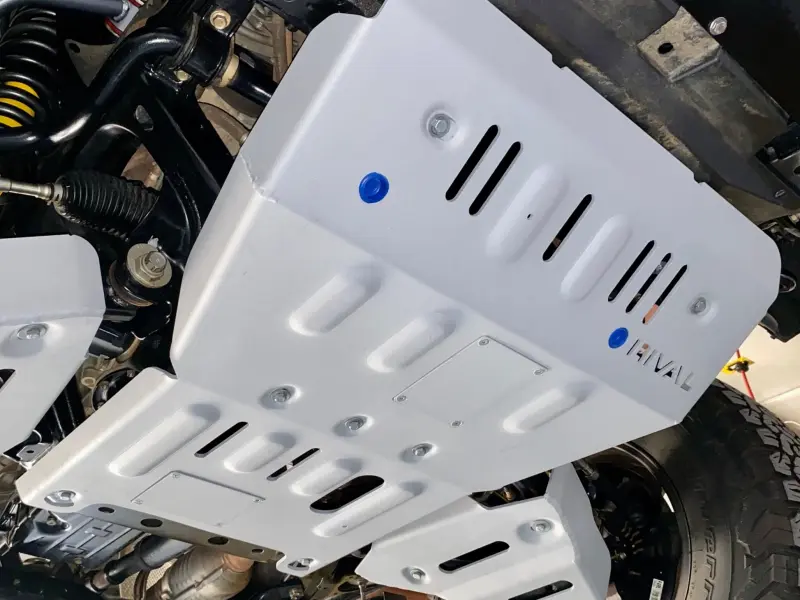
- Skid plates
- Chassis brackets
- Trailer decking (diamond plate)
- Truck bed flooring
DIY & Hobby Projects
- Custom enclosures
- Workbench surfaces
- Tool organizers
- Craft and fabrication projects
Frequently Asked Questions
How Much Does 1/4 Aluminum Plate Weigh?
1/4 inch aluminum plate weighs about 3.51 pounds per square foot, so a 12×12 inch piece weighs roughly 3.5 pounds, and a full 4×8 foot sheet weighs around 112 pounds. Multiply the square footage of your specific piece by 3.51 to get an estimate for any size.
What Is the Best Alloy for 1/4 Aluminum Plate?
It depends on the application. 6061-T6 works well for structural and machined parts due to its strength and machinability. 5052-H32 is the better choice for parts that need bending or marine exposure, since it offers strong corrosion resistance and good formability. 7075-T6 is reserved for situations where maximum strength is required, despite being harder to weld.
How Strong Is 1/4 Aluminum Plate?
In 6061-T651 temper, the plate has an ultimate tensile strength of about 46 KSI and a yield strength around 39 KSI. This gives it enough rigidity for most structural brackets, machine bases, and fixture plates without flexing under normal working loads.
What Is the Best Way to Cut 1/4 Aluminum Plate?
Waterjet and CNC router cutting give the cleanest results with minimal burrs and tight tolerances. For straight cuts without specialty equipment, a cold saw or band saw works well. Plasma and fiber laser cutting are faster options but usually need some edge cleanup afterward.
Can You Bend 1/4 Aluminum Plate?
Yes, with the right press brake setup. Use a V-die opening about eight times the plate thickness, roughly 2 inches for quarter-inch plate, and plan for 12 to 18 tons of force per foot when bending 6061. 5052 alloy bends more easily than 6061 if your project needs tighter or repeated bends.
What Size Sheet Does 1/4 Aluminum Plate Usually Come In?
The 4×8 foot sheet is the most common standard size for quarter inch plate, though smaller cut-to-size blanks like 12×12, 12×24, 18×18, and 24×24 inches are widely available for project-specific needs without ordering a full sheet.
Where Can I Buy 1/4 Aluminum Plate Near Me?
Hardware stores carry small standard pieces for quick in-store purchase. For custom sizes, specific alloys, or certified material with a mill test report, an online metal supplier or local metal distributor typically offers more options and better pricing on larger pieces.
What’s the Difference Between Flat Plate and Diamond Plate at 1/4 Inch?
Flat plate has a smooth surface and suits structural or machined parts. Diamond plate has a raised pattern rolled into the surface, designed for slip resistance on floors, ramps, and trailer decking. Diamond plate weighs slightly more than flat plate of the same nominal thickness due to the raised pattern.
Why Does Plate Start at 1/4 Inch Instead of Thinner Sizes?
Plate is classified as thicker than sheet, with the plate category beginning at 1/4 inch thickness in most industry standards. Compliance with ASTM B209 ensures uniformity in thickness, flatness, and mechanical properties across different suppliers, which is part of why this thickness threshold stays consistent across the industry.
Title: 1/4 Aluminum Plate — Weight, Sizes, Alloys & Cutting Guide
Description: 1/4 aluminum plate weight, standard sizes, and alloy options including 6061, 5052, and 3003. Covers cutting methods, bending tonnage, diamond plate, and where to buy. Weight charts for common sizes like 12×12, 24×24, and 4×8.
Keywords: 1/4 aluminum plate, 1/4 aluminum plate weight, 1/4 aluminum plate price, 1/4 aluminum diamond plate, 1/4 aluminum plate 4×8, 1/4 aluminum plate 24×24, 1/4 aluminum plate strength, how to cut 1/4 aluminum plate, bending 1/4 aluminum plate, 1/4 aluminum sheet weight per square foot