What Aluminum Sheet for Signage Actually Is
Aluminum sheet for signage is a flat metal product cut and finished for making signs. It is not the same as general-purpose aluminum sheet.
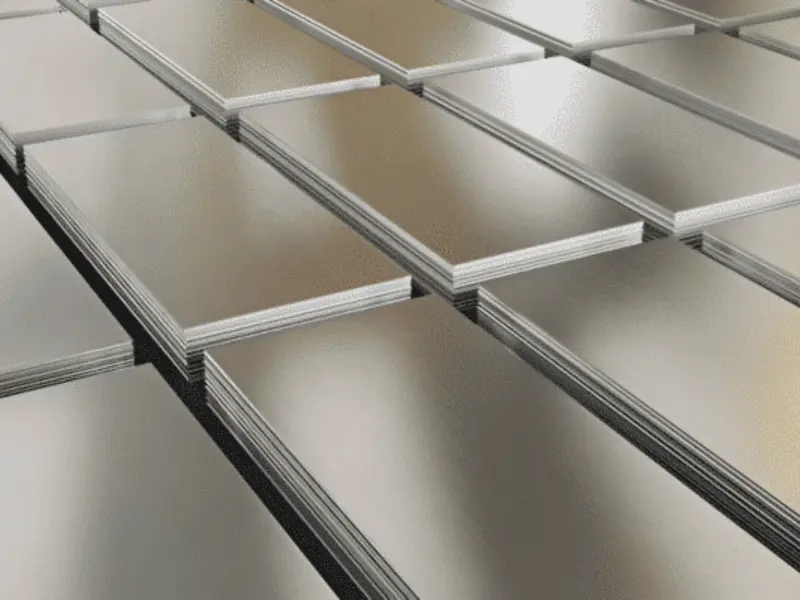
Signage sheet needs a surface that accepts paint, ink, or vinyl. It needs to stay flat outdoors. And it must resist corrosion without rusting like steel.
The base is aluminum alloy. The surface gets treated — mill finish, brushed, anodized, or painted. A protective film covers the finished sheet during shipping. These layers work together to create a durable, printable sign material.
| Layer | Function |
|---|---|
| Aluminum base | Provides strength and durability |
| Surface treatment | Improves appearance and adhesion |
| Coating layer | Protects against weather and UV |
| Protective film | Prevents scratches during handling |
Why Aluminum Dominates Sign Making
- Lightweight — One-third the weight of steel. Easy to install on walls and poles.
- Corrosion resistant — Natural oxide layer prevents rust. No painting needed for bare metal.
- Easy cutting — Shears, saws, routers, and lasers all cut aluminum cleanly.
- Long outdoor life — Mill finish lasts 15–20 years. Coated finishes last 20–30 years.
- Good printing surface — Accepts UV ink, screen print, vinyl, and sublimation coatings.
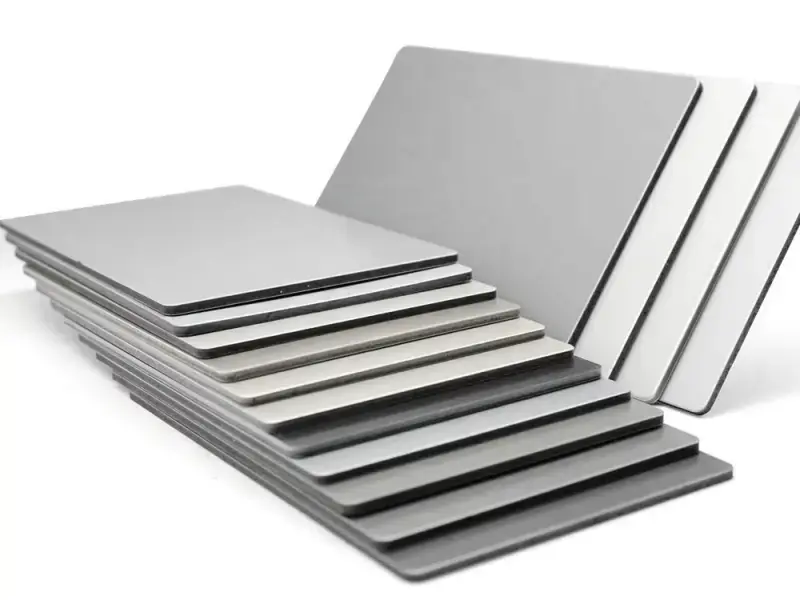
Types of Aluminum Sheet for Signage
Mill Finish Aluminum Sign Sheet
This is the raw, as-rolled surface. It has a natural silver look with slight roller marks. Mill finish is the cheapest option. It works well when the sign will be painted, vinyl-wrapped, or hidden from direct view.
Applications:
- Road signs (painted or reflective film applied)
- Industrial signs
- Traffic boards
- Temporary event signage
Pre-Painted Aluminum Sign Sheet
The factory applies color before the sheet reaches the sign shop. Two coating types dominate:
Table
| Coating Type | Thickness | Durability | Best For |
|---|---|---|---|
| PE (Polyester) | 16–25 microns | 10–15 years outdoors | Indoor, short-term outdoor, budget projects |
| PVDF (Fluorocarbon) | 25–40 microns | 20–25 years outdoors | Building facades, premium signs, harsh environments |
Pre-painted sheet arrives ready to print or cut. No post-painting needed. Colors are uniform and UV-stable. The trade-off is higher cost than mill finish and limited color flexibility compared to on-site painting.
Applications:
Corporate identity panels
Advertising boards
Brand signs
Commercial storefront signs
Reflective Aluminum Sign Sheet
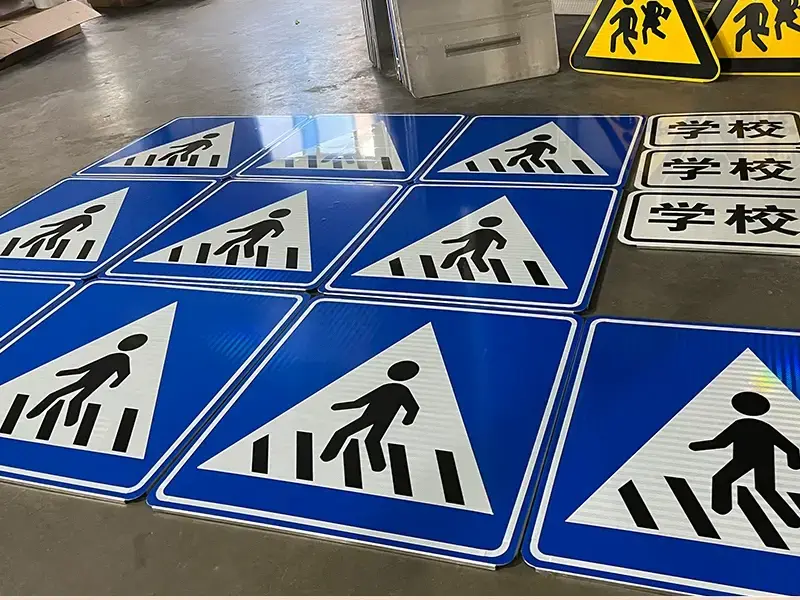
Mill finish or painted sheet laminated with reflective film. The film contains glass beads or prismatic elements that bounce light back to its source. This makes signs visible at night under headlights.
| Reflective Grade | Brightness | Best For |
|---|---|---|
| Engineering grade | Moderate | Parking signs, low-speed areas |
| High intensity | High | Road signs, warning signs |
| Diamond grade | Very high | Critical safety signs, highway use |
Applications:
- Road signs
- Warning signs
- Safety signs
- Traffic control devices
Anodized Aluminum Sign Sheet
An electrochemical process thickens the natural oxide layer into a hard, porous coating. The pores accept dye, creating permanent color that will not chip or peel. The surface is also scratch-resistant and UV-stable.
Table
| Anodizing Type | Coating Thickness | Properties |
|---|---|---|
| Type II (Standard) | 5–25 microns | Decorative, good protection |
| Type III (Hardcoat) | 25–100+ microns | Extreme wear resistance |
Applications:
High-end corporate signage
Building signs
Office directories
Nameplates
Architectural lettering
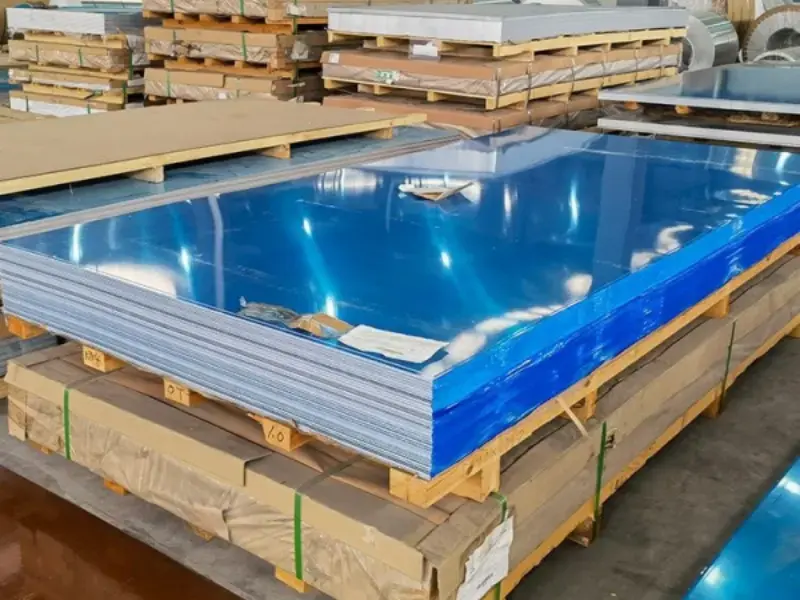
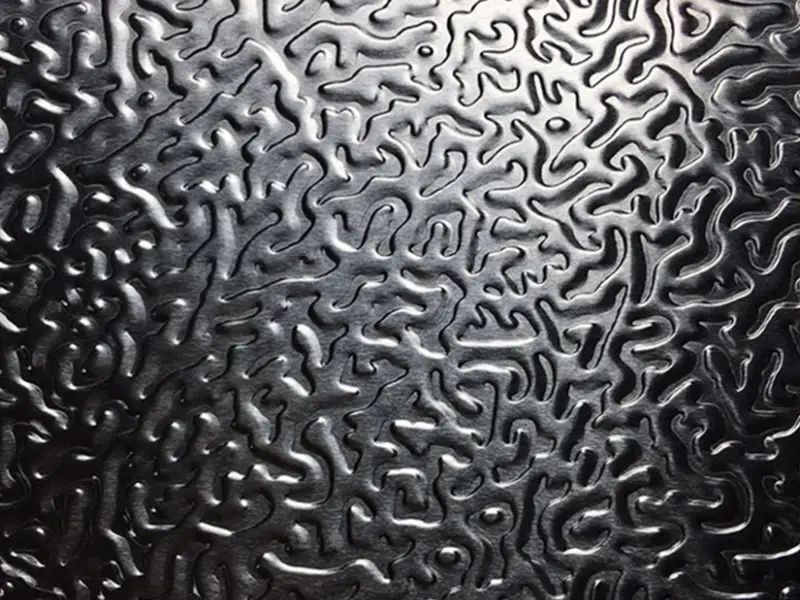
Embossed Aluminum Sign Sheet
The surface gets pressed with a raised pattern — stucco, diamond, or custom design. Embossing adds stiffness without adding weight. It also hides scratches and reduces glare.
Applications:
Texture-accented brand displays
Decorative signage
Interior feature walls
Anti-slip floor signs
Best Aluminum Alloys for Signage
1050 Aluminum Sheet for Signs
1050 is 99.5% pure aluminum. It is soft, highly formable, and offers a smooth surface for printing and coating.
Table
| Property | Value |
|---|---|
| Alloy | 1050 |
| Temper | O / H14 |
| Strength | Medium |
| Formability | Excellent |
| Corrosion resistance | Good |
| Cost | Lowest |
Applications:
- Indoor signs
- Nameplates
- Printing panels
- Decorative trim
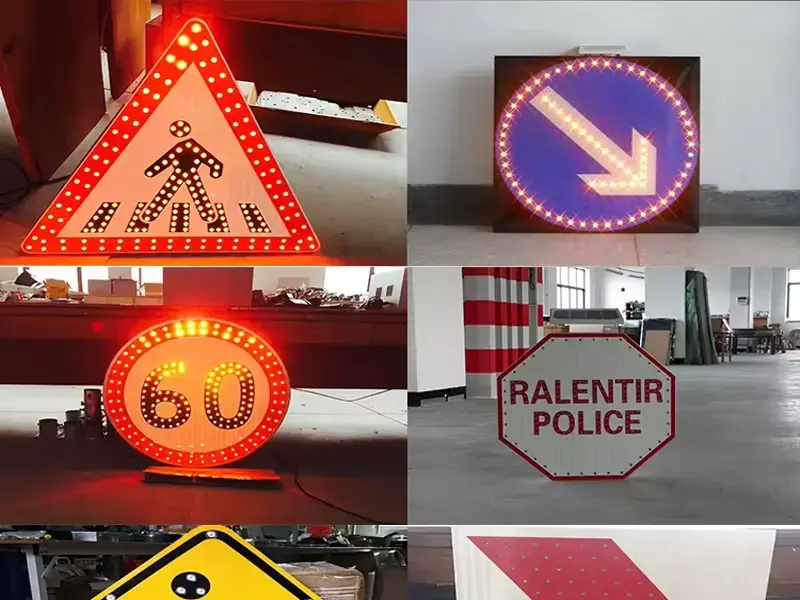
1060 Aluminum Sheet for Signage
1060 reaches 99.6% purity. The extra refinement improves surface smoothness and coating adhesion.
Why it is popular:
- Smooth surface accepts paint and vinyl well
- Good printing performance with UV and screen inks
- Stable quality from batch to batch
Applications:
- Advertising signs
- Digital printing panels
- Decorative displays
1100 Aluminum Sheet for Signs
1100 contains 99% aluminum. It is slightly stronger than 1050 and 1060 due to trace impurities. The surface is good but not as pure as 1050.
Table
| Property | Value |
|---|---|
| Strength | Slightly better than 1050 |
| Corrosion resistance | Good |
| Formability | Excellent |
| Cost | Low |
Applications:
- Commercial signs
- Decorative panels
- Light-duty outdoor signs
3003 Aluminum Sheet for Signage
3003 adds 1.0–1.5% manganese. This boosts strength by 20% over pure aluminum without hurting formability. It is the most popular alloy for outdoor signage.
| Property | Value |
|---|---|
| Strength | Medium |
| Corrosion resistance | Good |
| Formability | Good |
| Weldability | Good |
| Cost | Mid-range |
Applications:
- Outdoor signs
- Industrial signs
- Traffic signs
- Building facades
- General fabrication
5052 Aluminum Sheet for Heavy Duty Signs
5052 contains magnesium for high strength and superior corrosion resistance. It is the strongest non-heat-treatable alloy in common use.
| Property | Value |
|---|---|
| Strength | High |
| Corrosion resistance | Excellent (marine grade) |
| Fatigue resistance | High |
| Formability | Good |
| Cost | Premium |
Applications:
- Marine signs
- Highway signs
- Long-term outdoor signs
- Coastal building signage
- Heavy industrial identification
Alloy Comparison for Sign Boards
| Alloy | Strength | Formability | Outdoor Use | Cost Level |
|---|---|---|---|---|
| 1050 | Low | Excellent | Normal | $ |
| 1060 | Low | Excellent | Normal | $ |
| 3003 | Medium | Good | Good | $$ |
| 5052 | High | Good | Excellent | $$$ |
Aluminum Sheet Thickness for Signage
Thin Sheet for Indoor Signs
| Thickness | Application |
|---|---|
| 0.3 mm | Small signs, labels, tags |
| 0.5 mm | Indoor advertising, retail displays |
| 0.8 mm | Display boards, menu boards, directories |
Thin sheet is light and easy to handle. It cuts with hand tools. But it bends easily and needs backing or framing for support.
Medium Thickness for General Signs
| Thickness | Application |
|---|---|
| 1.0 mm | Commercial signs, storefront lettering |
| 1.5 mm | Outdoor boards, medium traffic signs |
| 2.0 mm | Industrial signs, equipment labels |
This is the most common range. It balances rigidity, weight, and cost. Most pre-painted and reflective signs use 1.0–2.0 mm thickness.
Heavy Duty Plate for Structural Signs
| Thickness | Application |
|---|---|
| 3.0 mm | Heavy signs, large wall panels |
| 4.0 mm | Large outdoor structures, monument signs |
| 5.0 mm+ | Special projects, impact zones |
Thick plate is rigid enough to stand alone without framing. It handles wind loads and physical impact. The trade-off is weight and higher material cost.
Common Sizes of Aluminum Sign Sheet
Standard Sizes
| Size | Dimensions | Typical Application |
|---|---|---|
| 4×8 ft | 1,219 × 2,438 mm | Standard sign panels, CNC cutting |
| 5×10 ft | 1,524 × 3,048 mm | Large signs, reduced seams |
| 1220×2440 mm | 1,220 × 2,440 mm | Export standard, metric markets |
| 1500×3000 mm | 1,500 × 3,000 mm | Industrial signs, building facades |
Custom Sizes
Most suppliers can cut to any dimension. Custom options include:
- Width: 100 mm to 2,650 mm
- Length: 200 mm to 12,000 mm
- Thickness: 0.2 mm to 6.0 mm
- Surface finish: Mill, brushed, anodized, painted, embossed
- Alloy: 1050, 1060, 1100, 3003, 5052
Applications by Sign Type
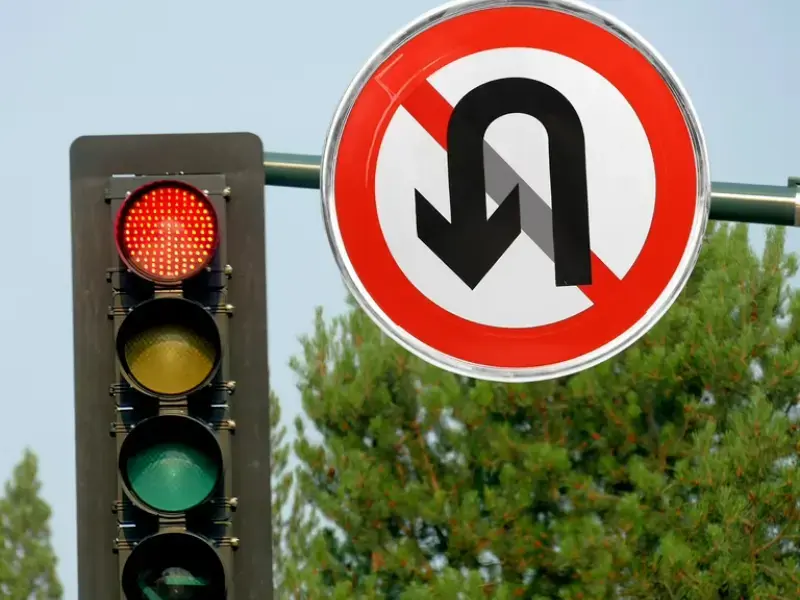
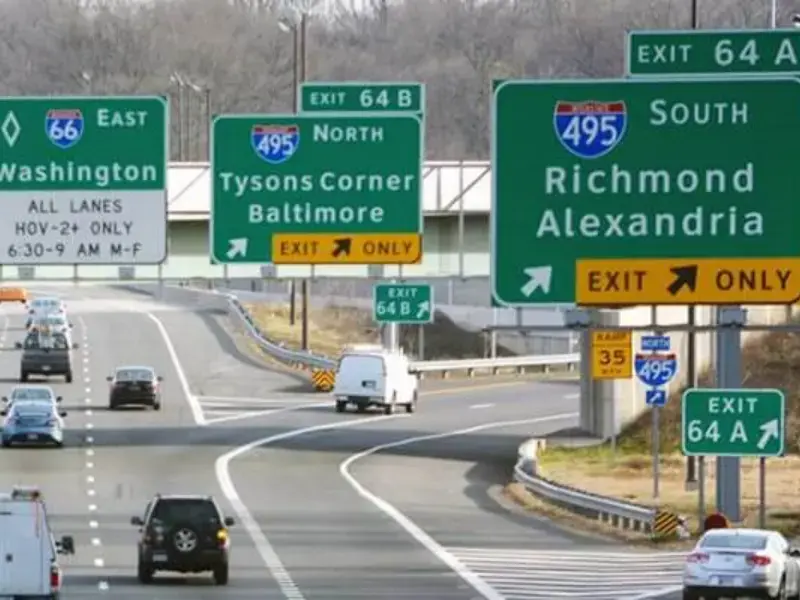
Traffic Signs
- Road signs
- Warning signs
- Direction signs
- Parking signs
Recommended alloy: 3003 or 5052 Recommended thickness: 1.5–3.0 mm Recommended finish: Reflective film on mill or painted base
Commercial Advertising Signs
- Store signs
- Brand boards
- Shopping mall signs
- Billboard panels
Recommended alloy: 1050, 1060, or 3003 Recommended thickness: 0.8–2.0 mm Recommended finish: Pre-painted PE or PVDF, or anodized
Building and Architectural Signage
- Office building directories
- Hotel signs
- Real estate signs
- Monument signs
Recommended alloy: Anodized 3003 or 5052 Recommended thickness: 1.5–4.0 mm Recommended finish: Anodized or PVDF painted for color matching
Industrial Signs
- Equipment labels
- Factory safety signs
- Hazard warnings
- Pipe markers
Recommended alloy: 5052 or 3003 Recommended thickness: 1.0–3.0 mm Recommended finish: Mill finish with painted or vinyl lettering
Digital Printing Signs
- UV flatbed printed signs
- Sublimation photo panels
- Screen printed displays
Recommended alloy: 1050 or 1060 Recommended thickness: 0.5–1.5 mm Recommended finish: White painted or coated for ink adhesion
Aluminum vs. Alternative Sign Materials
Aluminum vs. Steel Sign Sheet
| Feature | Aluminum | Steel |
|---|---|---|
| Weight | Lightweight | Heavy |
| Corrosion resistance | Excellent | Needs coating or galvanizing |
| Installation | Easy, one worker | Harder, needs two workers or equipment |
| Maintenance | Low | Higher (repainting, rust repair) |
| Cost per kg | Higher | Lower |
| Cost per installed sign | Lower | Higher (labor, hardware) |
Steel costs less per pound but needs painting, weighs more, and rusts. Aluminum costs more upfront but saves on installation, maintenance, and replacement over the sign’s life.
Aluminum vs. PVC Sign Board
| Feature | Aluminum | PVC |
|---|---|---|
| Strength | High | Medium |
| Outdoor use | Excellent | Limited (UV degrades, warps in heat) |
| Service life | 20+ years | 5–10 years |
| Fire resistance | Non-combustible | Burns, releases toxic smoke |
| Cost | Higher | Lower |
PVC is cheap and easy to cut. But it cannot handle outdoor heat, UV, or fire codes. Aluminum is the safer and longer-lasting choice for commercial and public signage.
Aluminum vs. Acrylic Sign Material
| Feature | Aluminum | Acrylic |
|---|---|---|
| Appearance | Metallic, modern | Transparent, glossy |
| Durability | Excellent | Scratches easily, cracks on impact |
| Cost | Lower | Higher |
| Outdoor performance | Excellent | Yellows in UV, cracks in cold |
| Weight | Light | Heavier |
Acrylic looks premium for indoor displays. For outdoor signs that face weather and physical contact, aluminum outlasts acrylic by a wide margin.
Surface Finishes Compared
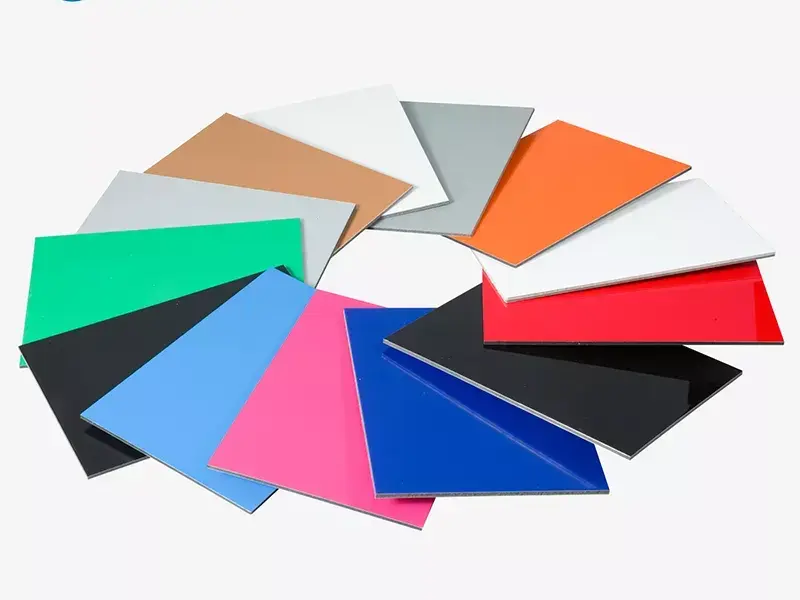
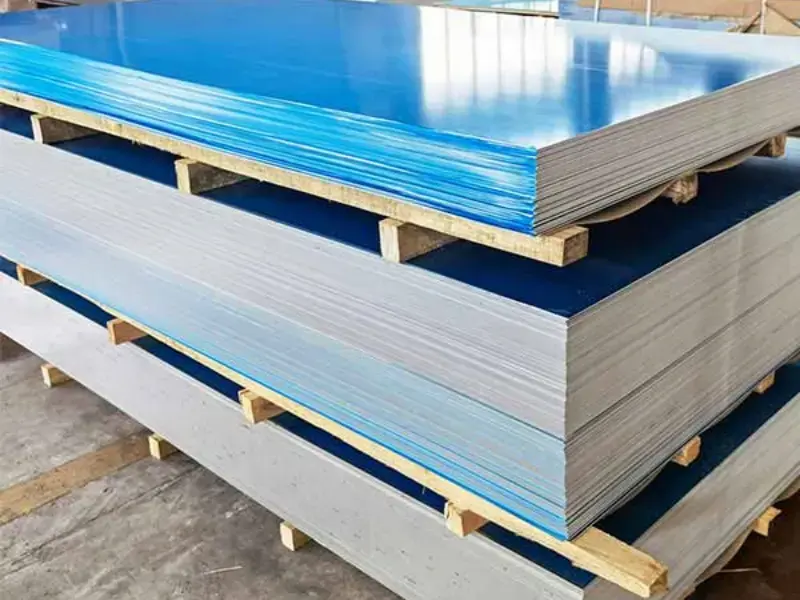
Mill Finish
- Natural aluminum color
- Most economical
- Accepts paint, vinyl, and reflective film
- Best for hidden or painted signs
Brushed Aluminum Finish
- Satin directional lines
- Premium appearance
- Hides minor scratches
- Best for office signs, brand logos, modern décor
Anodized Finish
- Hard, wear-resistant surface
- Permanent color (no chipping or peeling)
- Long-lasting outdoor performance
- Best for architectural signs, high-end corporate identity
Painted Finish
- Unlimited color options
- Factory-applied for consistency
- PE for economy, PVDF for durability
- Best for brand-matched signs, colorful displays
Manufacturing Process
Aluminum Coil Selection
The process starts with choosing the right alloy and temper. The coil gets unrolled and flattened to remove curvature.
Flow: Coil → Flattening → Cutting → Inspection
Surface Treatment
- Cleaning — Removes oils and oxides
- Coating — Applies PE, PVDF, or sublimation coating
- Anodizing — Electrochemical hardening and coloring
Quality Inspection
| Test | Checks |
|---|---|
| Thickness tolerance | ±0.02 mm for thin sheet |
| Surface quality | No scratches, bubbles, or color variation |
| Flatness | No waves or edge curl |
| Coating adhesion | Tape test, no peeling |
How to Choose Aluminum Sheet for Signage
Choose by Application
| Application | Recommended Alloy | Recommended Thickness |
|---|---|---|
| Indoor signs | 1050 / 1060 | 0.3–0.8 mm |
| Commercial signs | 1060 / 3003 | 0.8–2.0 mm |
| Outdoor signs | 3003 / 5052 | 1.5–3.0 mm |
| Traffic signs | 5052 | 2.0–4.0 mm |
| Digital printing | 1050 / 1060 | 0.5–1.5 mm |
Choose by Environment
- Indoor — 1050, 1060, or 1100 with mill or painted finish
- Outdoor urban — 3003 with PE or PVDF coating
- Coastal / marine — 5052 with anodized or PVDF finish
- Industrial / chemical — 5052 with protective coating
Choose by Processing Method
Table
| Method | Best Alloy | Best Temper | Notes |
|---|---|---|---|
| Cutting | Any | Any | Shear, saw, laser, waterjet all work |
| Bending | 3003, 5052 | H14, H24, H32 | Tighter radii with 3003 |
| Printing | 1050, 1060 | H14, H24 | Smoothest surface |
| Welding | 3003, 5052 | H14, H24, H32 | 5052 retains strength after weld |
| Anodizing | 1050, 5052 | H14, H32 | 5052 anodizes brighter |
Buying Aluminum Sign Sheet from China
Advantages of Chinese Manufacturers
- Competitive price — Factory-direct pricing, no distributor markup
- Large production capacity — Mills produce 100,000+ tons annually
- OEM service — Custom sizes, colors, and finishes
- Export experience — Established shipping to US, Europe, Middle East, Australia
Specifications to Confirm Before Ordering
| Item | Options |
|---|---|
| Alloy | 1050 / 1060 / 1100 / 3003 / 5052 |
| Temper | O / H14 / H24 / H32 |
| Thickness | 0.3–5.0 mm |
| Size | Standard or custom |
| Surface | Mill / brushed / anodized / painted |
Packaging and Shipping
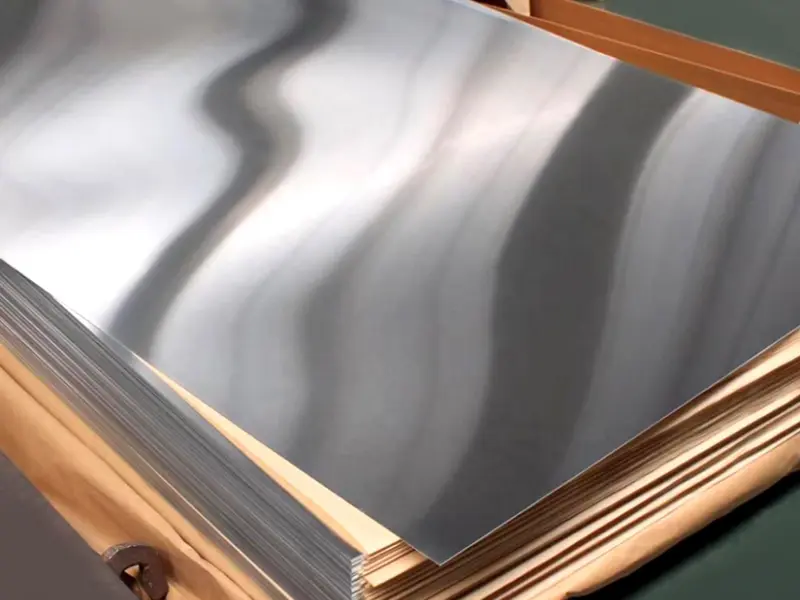
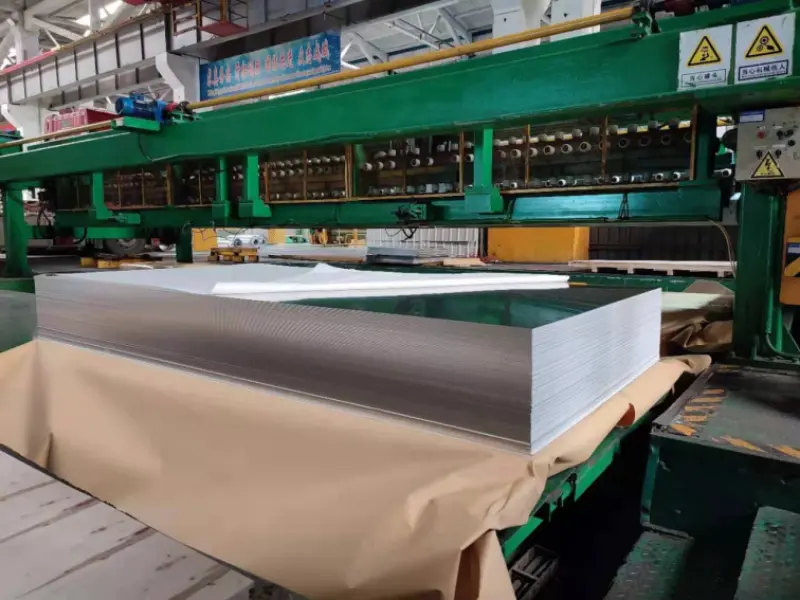
- Protective PE film on both sides
- Paper interleaving between sheets
- Wooden pallet with steel strapping
- Moisture barrier for sea freight
- Container loading: 20–26 tons per 20-foot container
FAQ About Aluminum Sheet for Signage
1. What is aluminum sheet for signage?
Aluminum sheet for signage is a lightweight and durable metal material specially used for manufacturing indoor and outdoor signs. It offers excellent corrosion resistance, weather resistance, and a smooth surface that is suitable for painting, printing, coating, and vinyl application.
Common applications include:
- Traffic signs
- Advertising boards
- Directional signs
- Commercial signs
- Road name plates
- Safety signs
2. Why is aluminum sheet a good material for signs?
Aluminum is one of the most popular materials for signage because it combines lightweight properties with high durability.
Main advantages include:
- Excellent corrosion resistance
- Lightweight and easy installation
- Long outdoor service life
- Good strength-to-weight ratio
- Easy cutting and fabrication
- Suitable for printing and coating
Compared with steel signs, aluminum signs do not rust easily and require less maintenance.
3. What aluminum alloy is commonly used for signage?
The most common aluminum alloys for signage are:
| Alloy | Features | Applications |
|---|---|---|
| 1050 Aluminum | High purity, excellent formability | Indoor signs, decorative signs |
| 1060 Aluminum | Good corrosion resistance | General signage |
| 3003 Aluminum | Better strength and easy forming | Outdoor signs |
| 5052 Aluminum | High strength and corrosion resistance | Marine and outdoor signage |
For most outdoor signage applications, 3003 and 5052 aluminum sheets are commonly selected.
4. What thickness of aluminum sheet is used for signs?
The thickness depends on the sign size, installation method, and application environment.
| Thickness | Common Application |
|---|---|
| 0.5mm – 1.0mm | Small indoor signs |
| 1.0mm – 2.0mm | Standard outdoor signs |
| 2.0mm – 3.0mm | Large advertising panels |
| 3.0mm+ | Heavy-duty industrial signs |
A thicker aluminum sheet provides better rigidity and wind resistance.
5. What surface finishes are available for aluminum sign sheets?
Aluminum sheets for signage can be supplied with different surface treatments:
| Surface Finish | Features |
|---|---|
| Mill Finish | Original aluminum surface, economical |
| Anodized Finish | Improved corrosion resistance and appearance |
| Brushed Finish | Modern decorative look |
| Painted Finish | Custom colors available |
| Powder Coated | Durable protective coating |
The right finish depends on whether the sign is used indoors or outdoors.
6. Can aluminum sheets be used for outdoor signs?
Yes. Aluminum sheets are widely used for outdoor signage because they resist:
- Rain
- Humidity
- UV exposure
- Temperature changes
- Corrosion
With proper coating or surface treatment, aluminum signs can maintain good appearance for many years.
7. Can aluminum sign sheets be printed?
Yes. Aluminum sheets are suitable for different printing methods, including:
- UV printing
- Screen printing
- Sublimation printing
- Vinyl lettering
- Digital printing
The smooth aluminum surface provides excellent print quality and color performance.
8. What size aluminum sheets are available for signage?
Common aluminum sign sheet sizes include:
| Size | Application |
|---|---|
| 12″ x 18″ | Small signs |
| 18″ x 24″ | Directional signs |
| 24″ x 36″ | Commercial signs |
| 36″ x 48″ | Advertising signs |
| 4′ x 8′ | Large signage projects |
Custom sizes can also be produced according to customer requirements.
9. What is the difference between aluminum sheet and aluminum composite panel for signs?
| Feature | Aluminum Sheet | Aluminum Composite Panel |
|---|---|---|
| Material | Solid aluminum | Aluminum + plastic core |
| Strength | Higher | Medium |
| Weight | Heavier | Lighter |
| Outdoor Durability | Excellent | Good |
| Fabrication | Easy | Very easy |
Solid aluminum sheets are preferred for applications requiring higher strength and longer outdoor service life.
10. How do I choose the right aluminum sheet for signage?
Selection depends on:
Application
      ↓
Indoor or Outdoor Use
      ↓
Required Thickness
      ↓
Aluminum Alloy
      ↓
Surface Finish
      ↓
Final Purchase
For example:
- Indoor decorative signs → 1050/1060 aluminum
- Outdoor advertising signs → 3003 aluminum
- Marine signs → 5052 aluminum
11. Can aluminum sheets be customized for signage?
Yes. Aluminum signage sheets can be customized in:
- Thickness
- Width and length
- Alloy grade
- Surface finish
- Color coating
- Pre-cut sizes
- Packaging
Manufacturers can provide OEM solutions for large projects.
12. How long do aluminum signs last outdoors?
The service life depends on alloy, coating, and environmental conditions.
Generally:
- Mill finish aluminum signs: 5-10+ years
- Painted aluminum signs: 10-15+ years
- Anodized aluminum signs: 15-20+ years
Proper surface treatment can significantly extend outdoor durability.
13. Where can I buy aluminum sheets for signage?
Aluminum sheets for signage can be purchased from:
- Local metal distributors
- Sign material suppliers
- Aluminum sheet manufacturers
For bulk orders, buying directly from an aluminum sheet manufacturer usually provides:
✓ Better pricing
✓ Custom sizes
✓ Stable quality
✓ Technical support
14. What information should I provide when requesting an aluminum signage sheet quotation?
To get an accurate quotation, provide:
| Requirement | Example |
|---|---|
| Product | Aluminum Sheet for Signage |
| Alloy | 3003 / 5052 |
| Thickness | 1.5mm |
| Size | 1220 x 2440mm |
| Surface | Mill Finish / Painted |
| Quantity | 500 Sheets |