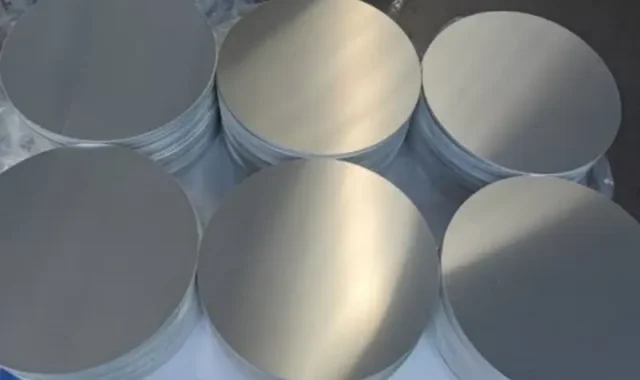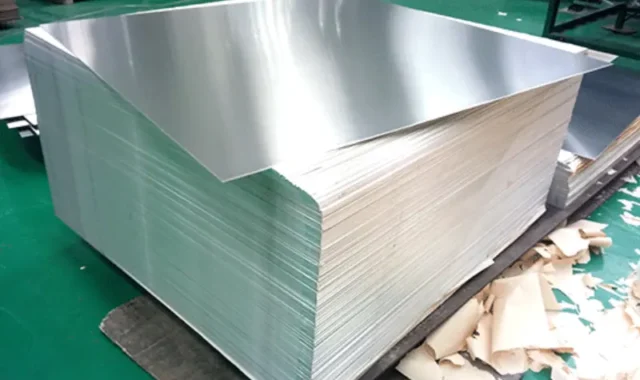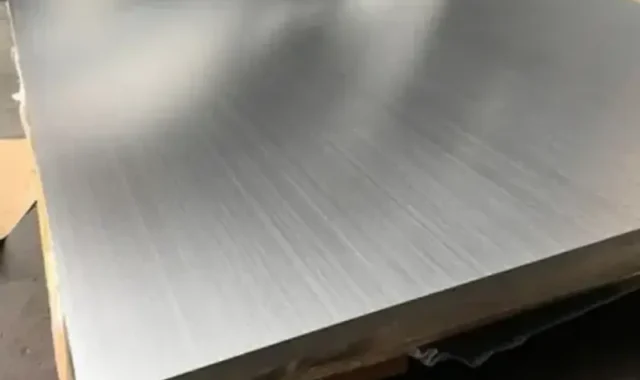
Why Fleet Owners and Builders Switch to Aluminum
Steel has ruled the trucking world for decades. But aluminum sheet for truck builds is gaining ground fast.
The reason is simple math.
Aluminum weighs about one-third of steel. When a Class 8 truck sheds hundreds of pounds, it carries more payload. More payload means more revenue per mile.

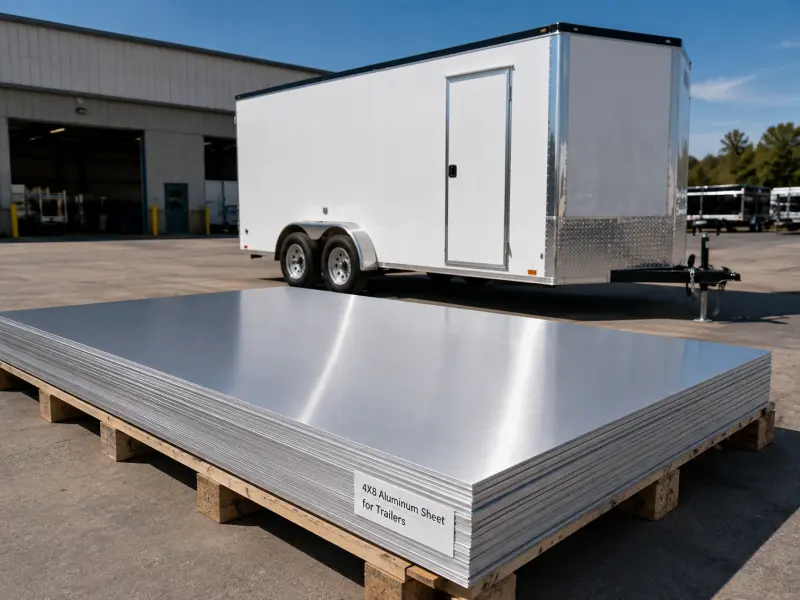
Aluminum also fights corrosion. Road salt, magnesium chloride, and rain eat steel alive.
Aluminum forms a natural oxide shield. That shield stops rust before it starts. For trucks running coastal routes or northern winters, this matters.
Repair work gets easier too. Aluminum sheets bend, cut, and weld with standard shop tools. Body shops can patch a damaged side panel without cutting torches or heavy grinders.
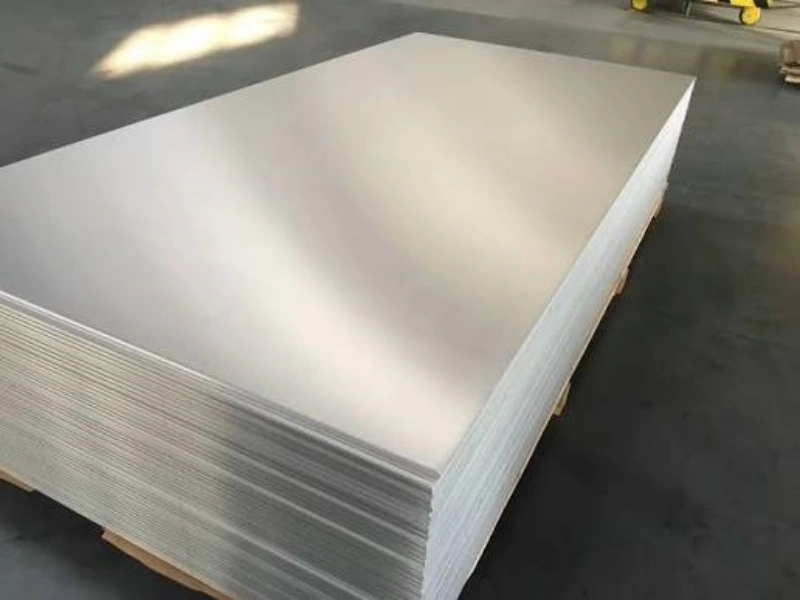
Core Grades: Which Alloy Fits Your Truck Part?
Not every aluminum sheet works for every truck job. The alloy changes the strength, the weld quality, and the price tag.
1000 Series Aluminum Sheet for Truck: Pure Aluminum
These grades contain 99% aluminum or more. They are soft. They form into complex curves with ease. They resist corrosion better than any other series.
| Grade | Purity | Strength | Typical Truck Use |
|---|---|---|---|
| 1050 | 99.5% | Low | Decorative trim, interior liners |
| 1100 | 99.0% | Low | Light-duty tool boxes, trim pieces |
| 1200 | 99.0% | Low | Non-structural panels, covers |
Pure aluminum dents easily. It is not the best choice for floors or impact zones. But for areas that need complex bending without cracking, it works.
3000 Series Aluminum Sheet for Truck: Aluminum-Manganese
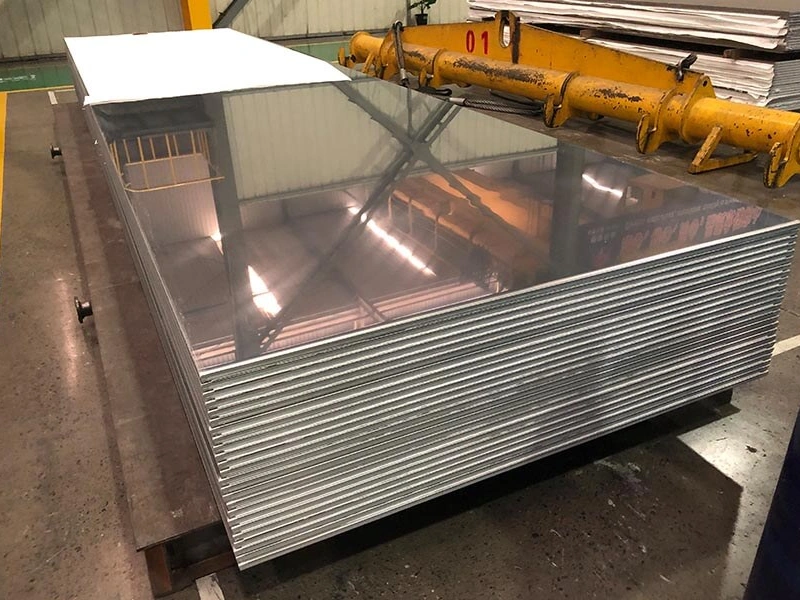
This family carries manganese. That element adds strength without ruining formability. It is the most common choice for truck bodies and trailer skins.
| Grade | Key Element | Strength | Typical Truck Use |
|---|---|---|---|
| 3003 | Manganese | Medium | Side panels, roof sheets, fenders |
| 3004 | Manganese | Medium-High | Reinforced corners, structural trim |
| 3105 | Manganese | Medium | Pre-painted body panels, signage |
Alloy 3003 sits at the sweet spot. It welds well. It resists road salt. It costs less than 5000 or 6000 series. For a dry van or box truck body, 3003 is the default choice.
5000 Series Aluminum Sheet for Truck: Aluminum-Magnesium
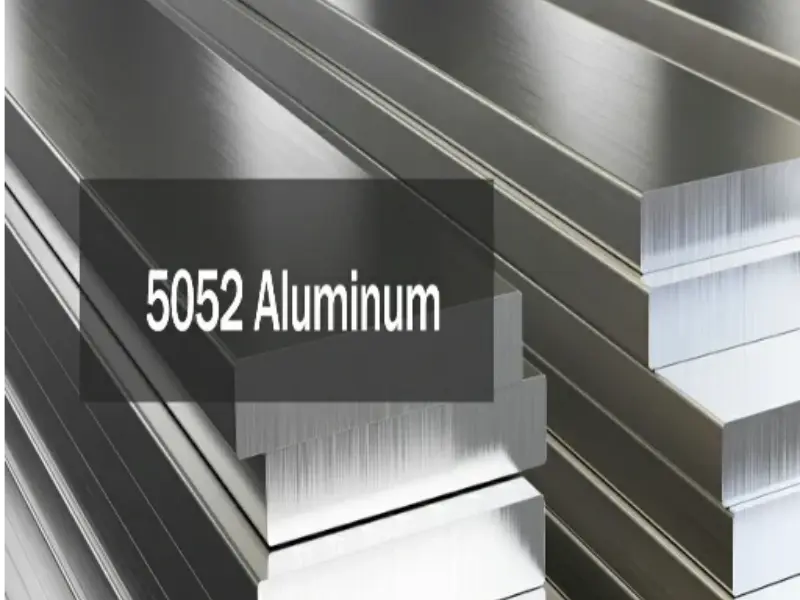
Magnesium makes these alloys stronger and tougher. They handle vibration, impact, and salt spray better than 3000 series. They are the go-to for severe duty.
| Grade | Key Element | Strength | Typical Truck Use |
|---|---|---|---|
| 5005 | Magnesium | Medium | Exterior trim, bright finishes |
| 5052 | Magnesium | High | Floors, ramps, fuel tanks, dump beds |
| 5083 | Magnesium | Very high | Heavy haul trailers, military trucks |
| 5086 | Magnesium | High | Marine-grade truck bodies, tankers |
If your truck sees gravel pits, scrap yards, or coastal ports, 5000 series pays for itself. The higher upfront cost returns in longer panel life.
6000 Series Aluminum Sheet for Truck: Heat-Treatable Aluminum
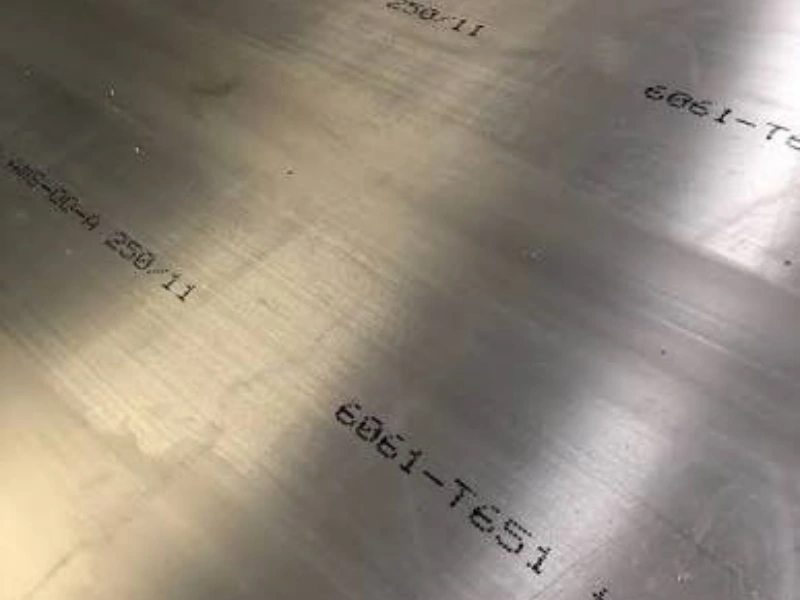
These alloys contain magnesium and silicon. Heat treatment pushes their strength close to mild steel. They machine well and hold tight tolerances.
| Grade | Key Elements | Strength | Typical Truck Use |
|---|---|---|---|
| 6061 | Mg, Si | Very high | Cross members, structural brackets, frames |
| 6063 | Mg, Si | High | Roof rails, ladder racks, trim extrusions |
You will find 6061 in structural areas. It is not common for thin body skins. It is common for frame components that need rigidity without steel weight.
Aluminum Sheet for Truck Temper States: From Soft to Hard
Temper tells you how the metal was treated after rolling. It controls bendability and strength.
| Temper | Name | Bendability | Strength | Best Truck Use |
|---|---|---|---|---|
| O | Annealed | Excellent | Very low | Deep-drawn tanks, complex curves |
| H12 | Quarter hard | Good | Low | Light trim, easy bends |
| H14 | Half hard | Moderate | Medium | Standard body panels |
| H16 | Three-quarter hard | Limited | Higher | Flat sections, less forming |
| H18 | Full hard | Very limited | Highest | Rigid plates, wear strips |
| H22 | Partially annealed | Good | Medium | Formed corners, rolled edges |
| H24 | Half hard, stabilized | Moderate | Medium-High | Most popular for truck skins |
| H26 | Three-quarter hard, stabilized | Limited | High | Reinforced floors |
| T4 | Solution treated | Good | Medium | Structural parts to be formed |
| T6 | Solution treated and aged | Very limited | Very high | Frame rails, brackets |
For truck side panels, H24 is the industry workhorse. It bends over roof bows and frame rails without cracking. It still feels stiff when riveted in place.
Thickness Guide for Every Truck Application
Thickness drives weight, strength, and cost. Picking the wrong gauge wastes money or invites dents.
| Thickness (inch) | Thickness (mm) | Approx. Weight (kg/m²) | Best Truck Use |
|---|---|---|---|
| 0.032″ | 0.81 mm | 2.2 | Interior liners, light trim |
| 0.040″ | 1.02 mm | 2.7 | Side skins on dry vans |
| 0.050″ | 1.27 mm | 3.4 | Standard body panels, tool boxes |
| 0.063″ | 1.60 mm | 4.3 | Floors, tailgates, ramp doors |
| 0.080″ | 2.03 mm | 5.4 | Heavy-duty floors, dump beds |
| 0.100″ | 2.54 mm | 6.8 | Structural plates, wear pads |
| 0.125″ | 3.18 mm | 8.5 | Frame reinforcements, heavy brackets |
| 0.190″ | 4.83 mm | 12.9 | Thick structural blocks |
| 0.250″ | 6.35 mm | 17.0 | Frame rails, heavy truck beds |
Most box truck side walls use 0.040″ to 0.063″. Flatbeds and dumps step up to 0.080″ to 0.125″ on the floor.
Sheet Types Beyond Plain Metal
Suppliers offer more than smooth rectangles. Each type solves a specific problem.
Plain Flat Sheet Aluminum Sheet for Truck
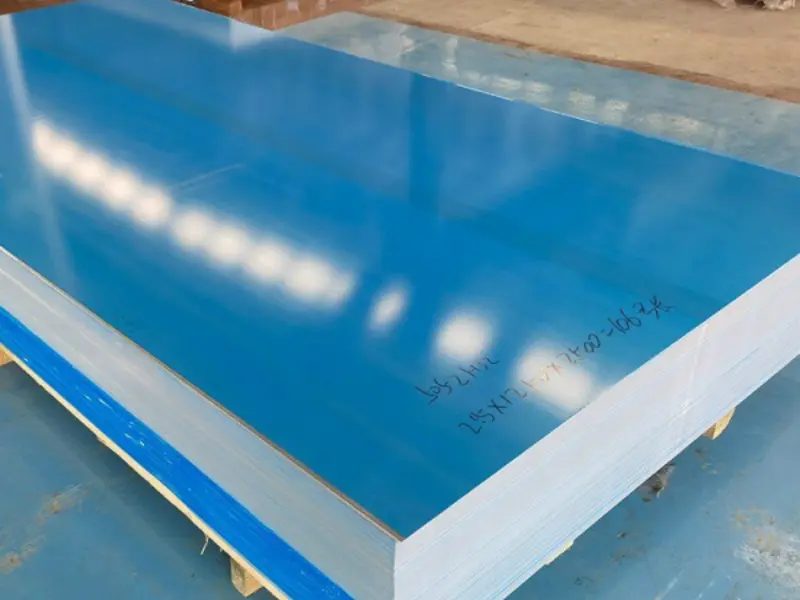
The standard product. Smooth surface. Easy to cut and rivet. Used for walls, roofs, and doors.
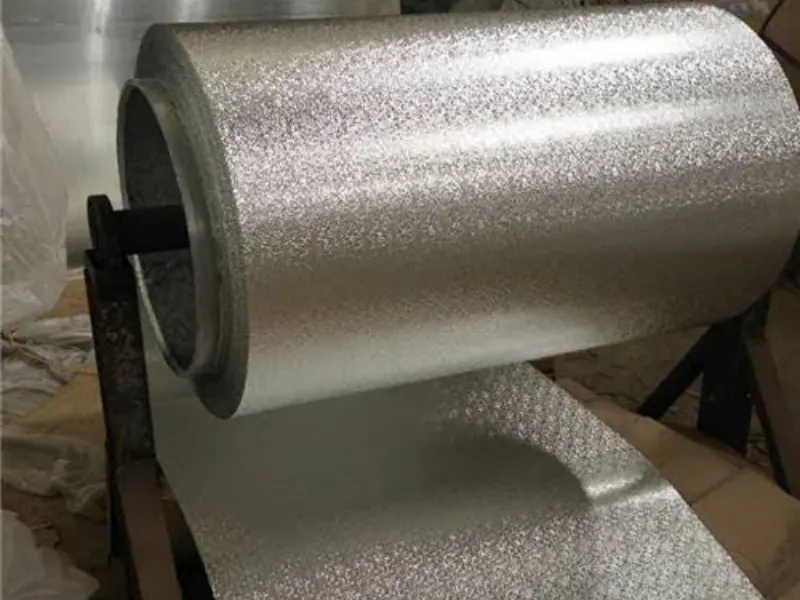
Tread Plate (Diamond Plate) Aluminum Sheet for Truck
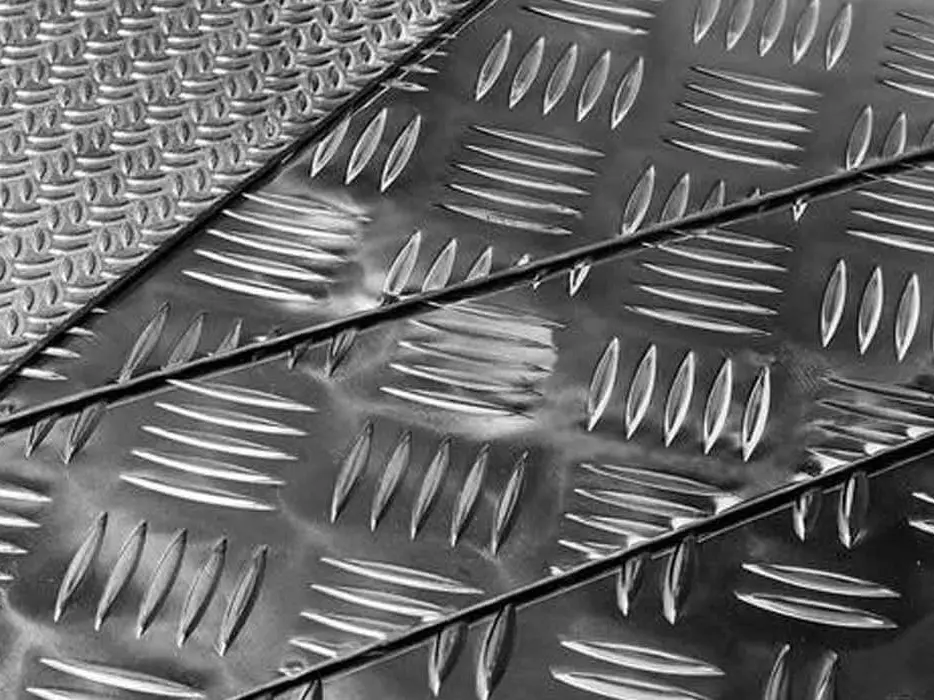
Raised diamond pattern on the surface. Adds grip. Hides scratches. Common on steps and floors.
| Feature | Detail |
|---|---|
| Pattern height | 0.8 mm – 1.5 mm |
| Alloy common | 3003, 5052, 6061 |
| Best use | Steps, floors, tool box tops, fenders |
Five-Bar Plate Aluminum Sheet for Truck
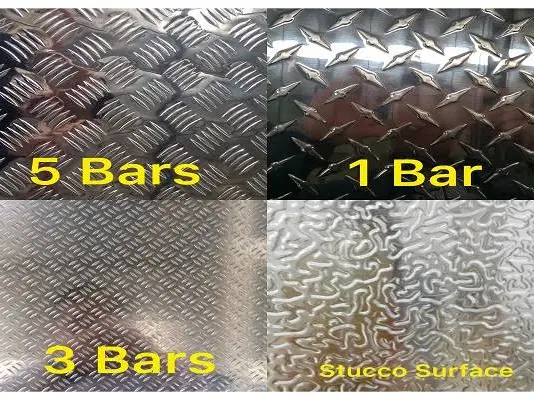
Similar to diamond plate but with five parallel raised bars. Better traction in one direction.
| Feature | Detail |
|---|---|
| Bar direction | Parallel |
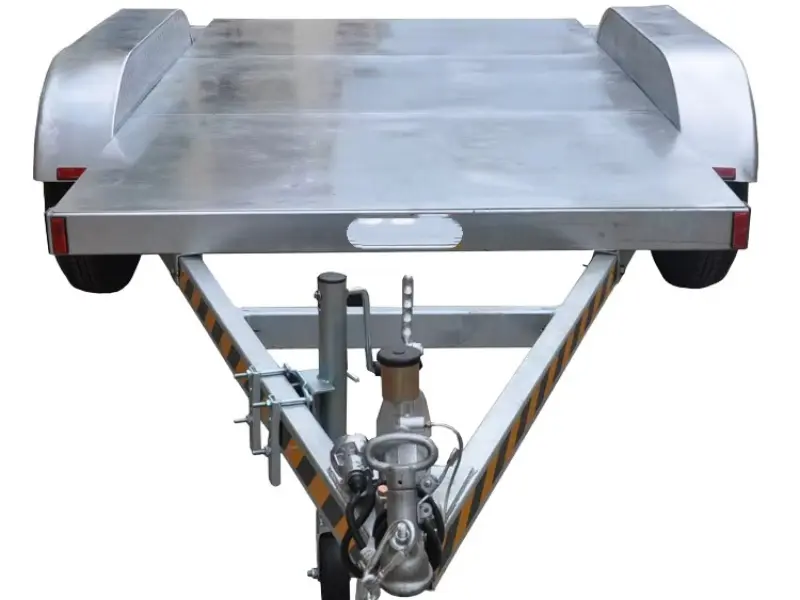
| Best use | Ramps, walkways, trailer floors |
| Alloy common | 5052, 5083 |
Corrugated Sheet Aluminum Sheet for Truck
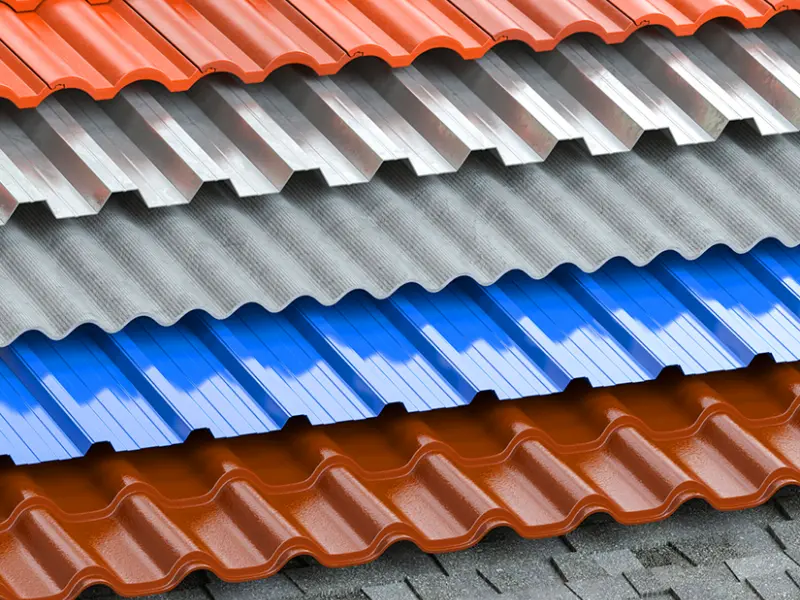
Waves or ribs run the length of the sheet. The profile adds stiffness over long spans.
| Feature | Detail |
|---|---|
| Rib height | 6 mm – 20 mm |
| Best use | Roofing, side walls on livestock trailers |
| Alloy common | 3003, 3004 |
Pre-Painted Coil Stock Aluminum Sheet for Truck
Arrives with a baked color coat. Saves painting time in the shop. Common for branded fleet trucks.
| Feature | Detail |
|---|---|
| Coating types | Polyester, PVDF |
| Color options | Standard RAL, custom match |
| Best use | Fleet graphics, refrigerated bodies |
Anodized Sheet Aluminum Sheet for Truck
Electrochemical finish grows a hard oxide layer. It will not peel like paint. Common for premium trim.
| Feature | Detail |
|---|---|
| Hardness | Very high |
| Best use | Decorative trim, nameplates |
| Limitation | Limited color range |
Aluminum vs. Steel: The Weight and Cost Reality
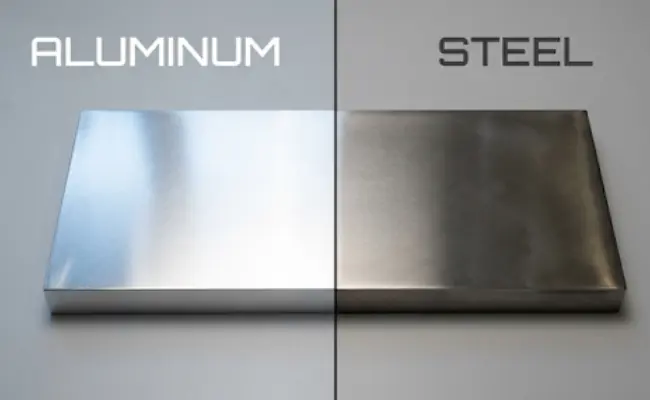
Fleet managers always ask if aluminum is worth the extra purchase price. Here is the honest breakdown.
| Factor | Aluminum Sheet | Steel Sheet |
|---|---|---|
| Weight per sq ft (0.063″) | 0.87 lbs | 2.55 lbs |
| Corrosion resistance | Excellent | Poor without coating |
| Raw strength | Lower | Higher |
| Fatigue life | Better in vibration | Shorter in flex cycles |
| Weld repair | Easy with MIG/TIG | Easy with MIG |
| Cost per lb | Higher | Lower |
| Cost per life cycle | Lower (less rust repair) | Higher (more maintenance) |
| Resale value | Higher | Lower |
| Fuel savings | 5-10% possible | None |
Steel wins on brute strength and initial price. Aluminum wins on weight, rust resistance, and long-term operating cost. For a truck that runs 150,000 miles a year, the fuel and payload gains from aluminum often cover the material premium within the first two years.
Alloy Face-Off: 3003 vs. 5052 vs. 6061
If you are unsure which alloy to order, this table cuts through the noise.
| Property | 3003-H24 | 5052-H32 | 6061-T6 |
|---|---|---|---|
| Strength | Medium | High | Very high |
| Formability | Very good | Good | Poor |
| Weldability | Good | Very good | Good |
| Corrosion resistance | Good | Excellent | Good |
| Cost | Low | Medium | High |
| Best truck part | Side walls, roofs | Floors, tanks | Frames, brackets |
| Impact resistance | Moderate | High | Very high |
| Machining | Fair | Good | Excellent |
For a general freight box, 3003 handles the job. For a gravel dump or fuel tanker, step up to 5052. For the chassis and cross members, 6061 delivers the rigidity.
Aluminum touches nearly every part of a modern commercial truck.
Where Aluminum Sheet Shows Up on a Truck
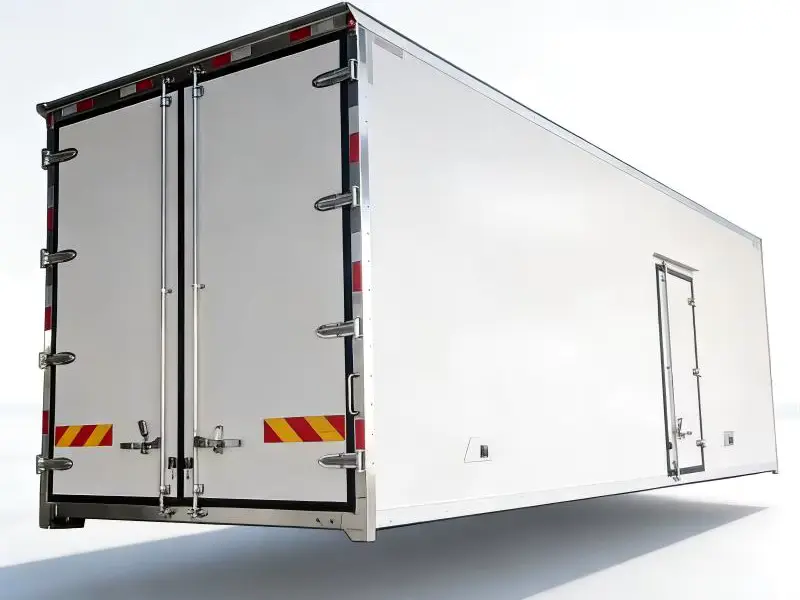
Body and Box
- Side wall panels
- Roof sheets
- Front header boards
- Rear door skins
- Corner posts and caps
Floor and Structure
- Floor plates on dry vans
- Ramp decks on car haulers
- Cross members on lightweight trailers
- Sub frames on beverage trucks
Fuel and Fluid Systems
- Diesel fuel tanks
- DEF (AdBlue) tanks
- Hydraulic oil reservoirs
- Water tanks on vacuum trucks
Cab and Driver Area
- Sleeper cab skins
- Dashboard panels
- Door inner panels
- Steps and running boards
Utility and Tool Storage
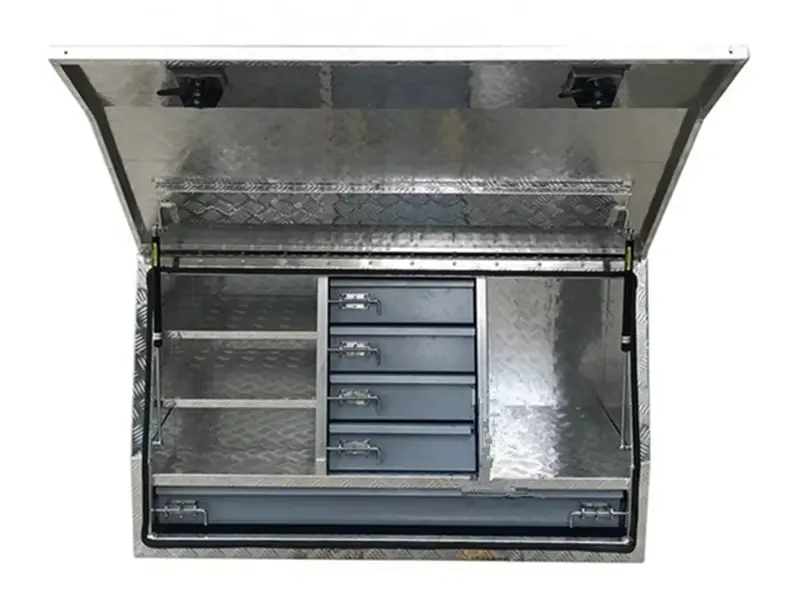
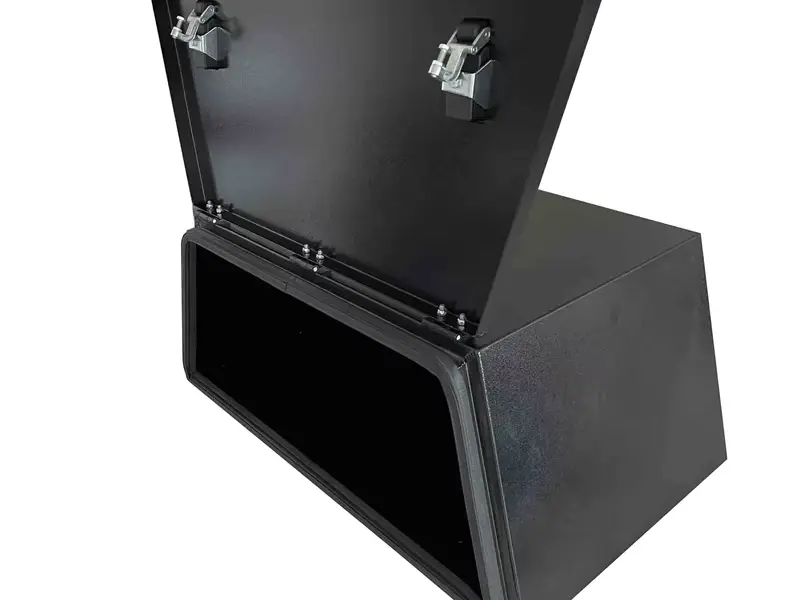
- Side mount tool boxes
- Underbody boxes
- Drawer systems
- Ladder racks
Specialized Equipment
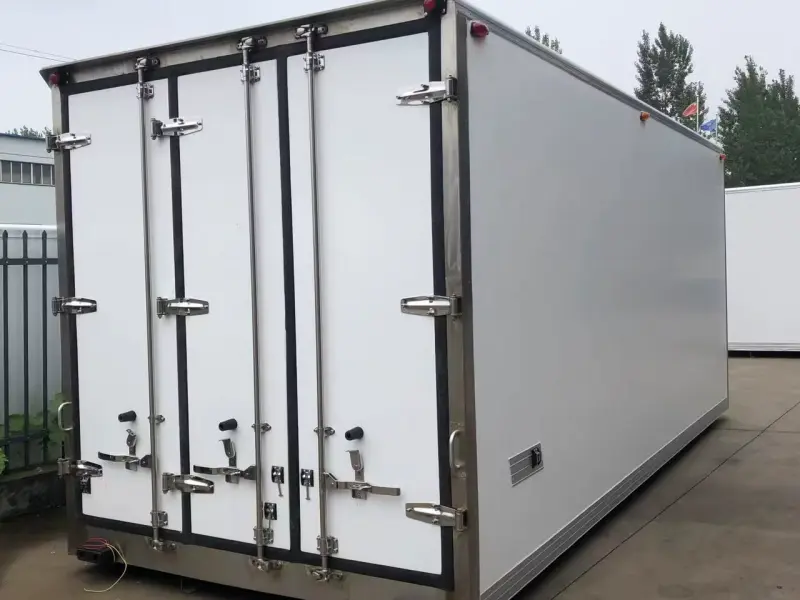
- Refrigerated unit enclosures
- Mixer drum chutes
- Roll-off container sides
- Livestock trailer partitions
- Flatbed stake sides
Selecting the Right Sheet: A Quick Decision Tree
Use this logic to narrow your order.
Step 1: Identify the part function.
- Skin panel → 3003, H24, 0.040″–0.050″
- Floor plate → 5052, H32, 0.080″–0.125″
- Structural bracket → 6061, T6, 0.125″+
Step 2: Check the environment.
- Coastal or salted roads → 5000 series minimum
- Dry desert routes → 3003 is fine
- Chemical exposure → 5052 or anodized 5005
Step 3: Define the finish.
- Painted fleet color → mill finish or pre-painted
- Raw industrial look → mill finish or tread plate
- Premium trim → anodized or bright finished 5005
Step 4: Set your budget.
Premium build → 6061-T6 structure + 5052 floors
Tight budget → 3003-H24, plain sheet
Mid-range → 5052-H32, tread plate where needed
Common Mistakes When Ordering Truck Sheet
Even experienced buyers slip up. Avoid these errors.
Ordering steel-think thickness. A 0.063″ aluminum floor is not as stiff as 0.063″ steel. If you are replacing steel one-for-one, go one gauge thicker on aluminum or add support ribs.
Mixing alloys on welded joints. 3003 and 6061 weld together, but the filler rod must match the weaker alloy. Better yet, design joints so dissimilar alloys bolt instead of weld.
Ignoring the temper. Ordering 3003-O for a floor plate is a mistake. It is too soft. It will dent under boot traffic. Match the temper to the stress level.
Forgetting expansion. A 20-foot aluminum side panel grows over 1/4 inch on a hot summer day. Leave gaps at the frame. Use slotted holes for rivets.
Storing sheets wet. Water trapped between stacked sheets leaves stains that show through paint. Store indoors on a dry rack.
Choosing Aluminum Sheet for Different Truck Parts
Not every truck part needs the same aluminum sheet. The right material depends on the location, load, impact, and forming method.
| Truck part | Recommended focus | Common material direction |
|---|---|---|
| Truck body | Lightweight and easy forming | 3003 / 5052 |
| Side panels | Flatness and appearance | 3003 / 5052 |
| Floor | Strength and wear resistance | 5052 / 6061 |
| Trailer walls | Weight and corrosion resistance | 3003 / 5052 |
| Roof panels | Light weight | 3003 |
| Tool boxes | Strength and appearance | 5052 |
| Mudguards | Formability | 3003 / 5052 |
| Ramp panels | Higher strength | 5052 / 6061 |
The final alloy should be selected according to the truck design and working conditions.
Aluminum Sheet for Truck Body: What Matters Most?
A truck body needs to be strong, but reducing unnecessary weight is also important.
Aluminum offers a useful balance between weight and durability. It can also be cut, bent, drilled, and formed for different truck body designs.
When choosing aluminum sheet for truck body panels, buyers should check:
→ Alloy and temper
→ Sheet thickness
→ Panel size
→ Surface finish
→ Forming requirements
→ Corrosion resistance
→ Welding method
→ Expected service conditions
For large truck bodies, consistent thickness and flatness are also important.
Why Aluminum Can Help Reduce Truck Weight
Vehicle weight affects fuel use, payload, and handling.
Aluminum has a lower density than steel. This makes it attractive for truck and trailer components where weight reduction is important.
A simple comparison:
| Material | Density | Weight direction |
|---|---|---|
| Aluminum | About 2.7 g/cm³ | Lower |
| Steel | About 7.85 g/cm³ | Higher |
The actual weight of a truck component depends on its dimensions and thickness. A thinner aluminum sheet can sometimes provide a useful weight advantage while maintaining the required performance.
For this reason, truck manufacturers often compare material weight and required strength together, rather than selecting material based only on price per kilogram.
Cutting and Forming on the Shop Floor
Aluminum is friendly to work with. But it behaves differently than steel.
Shearing
A hydraulic shear makes clean straight cuts on sheets up to 0.125″. Thicker sheets need a band saw or plasma cutter.
Bending
A standard press brake handles aluminum well. Use a larger bend radius than steel to avoid cracking. For 3003-H24, a radius of 1.5× thickness is safe.
Welding
- MIG with ER4043 or ER5356 wire. Fast and good for long seams.
- TIG with 4043 rod. Cleaner look, better for visible joints.
- Friction stir welding for thick structural plates. Common in OEM truck frame production.
Drilling and Riveting
Use sharp bits. Lubricate with cutting fluid. For fastening, aluminum rivets or stainless steel screws prevent galvanic corrosion. Never use plain steel fasteners in aluminum sheet.
3003 vs 5052 Aluminum Sheet for Trucks
Two common choices for truck fabrication are 3003 and 5052 aluminum.
| Property | 3003 | 5052 |
|---|---|---|
| Formability | Excellent | Good |
| Corrosion resistance | Good | Very good |
| Strength | Medium | Higher |
| Welding | Good | Good |
| Bending | Excellent | Good |
| General fabrication | Excellent | Excellent |
| Demanding outdoor use | Good | Very good |
When to Consider 3003
3003 aluminum is useful when easy forming and fabrication are important. It can be suitable for truck body panels, covers, and other formed components.
When to Consider 5052
5052 aluminum offers higher strength and very good corrosion resistance. It can be considered for truck floors, tool boxes, side panels, and other components exposed to more demanding conditions.
Does Aluminum Sheet Thickness Affect Truck Performance?
Yes. Thickness affects weight, rigidity, forming, and impact resistance.
| Thickness | General characteristic | Possible use |
|---|---|---|
| 0.8–1.0 mm | Lightweight | Decorative or light panels |
| 1.0–1.5 mm | Balanced | Truck side panels |
| 1.5–2.0 mm | Higher rigidity | Body and trailer panels |
| 2.0–3.0 mm | Stronger | Floors and heavy-duty parts |
| 3.0 mm+ | High rigidity | Structural or special components |
These ranges are for general reference. The actual thickness should be selected according to panel dimensions, support spacing, load, and design requirements.
Aluminum Sheet for Truck Floor vs Side Panel
The same aluminum sheet is not always suitable for every truck component.
A truck floor usually faces more mechanical stress than a side panel. It may also need better wear resistance.
| Factor | Truck Floor | Truck Side Panel |
|---|---|---|
| Strength requirement | Higher | Medium |
| Wear resistance | High | Medium |
| Weight control | Important | Very important |
| Surface | Smooth or tread | Smooth or coated |
| Typical alloy direction | 5052 / 6061 | 3003 / 5052 |
| Thickness | Usually thicker | Usually thinner |
This is why truck floor material should be selected separately from body panel material.
Smooth Aluminum Sheet or Tread Plate for Trucks?
Both smooth sheet and aluminum tread plate can be useful.
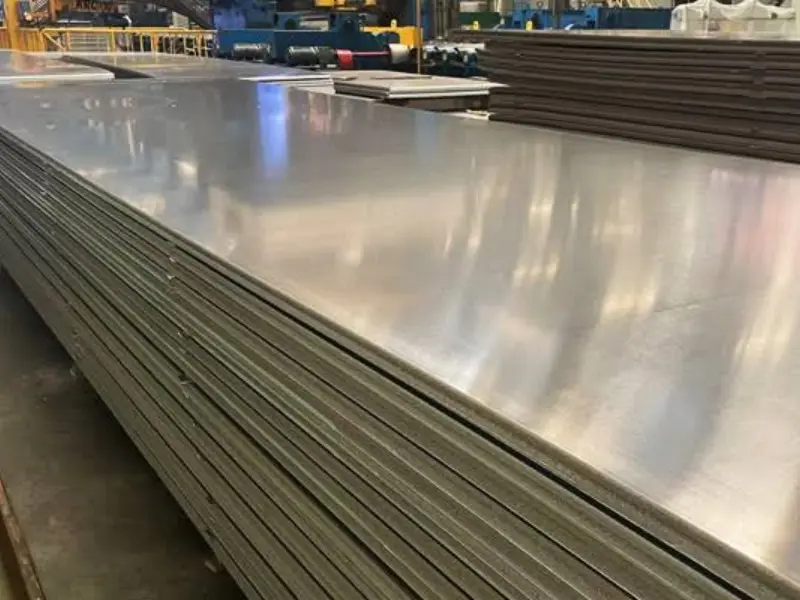
Smooth aluminum sheet provides a clean surface and is easy to paint, coat, cut, and fabricate.
Tread aluminum plate has a raised pattern that can improve surface grip. It is often considered for truck floors, steps, ramps, platforms, and tool areas.
| Feature | Smooth Sheet | Tread Plate |
|---|---|---|
| Surface | Flat | Raised pattern |
| Appearance | Clean | Industrial |
| Anti-slip effect | Limited | Better |
| Cleaning | Easy | Moderate |
| Typical use | Body panels | Floors and steps |
The choice depends on the function of the truck component.
Aluminum Sheet for Truck Repair and Replacement
Aluminum sheet is not only used for new truck production. It can also be supplied for repair work.
Replacement panels may require specific dimensions that are different from standard sheet sizes.
For repair projects, customers can provide:
Cutting requirements
Original panel dimensions
Required thickness
Alloy
Temper
Quantity
Surface finish
Custom cutting can make the replacement process easier and reduce material waste.
Custom Cut Aluminum Sheet for Truck Manufacturers
Truck manufacturers often have different body designs. Standard sheets may not always provide the most efficient solution.
Custom aluminum sheet can be supplied according to project requirements.
Standard Sheet
↓
Custom Width
↓
Custom Length
↓
Cut-to-Size Panels
↓
Further Fabrication
Custom dimensions can help reduce cutting work at the customer’s factory.
For larger orders, optimized cutting can also help reduce unused material.
Aluminum Sheet for Truck and Trailer Manufacturing
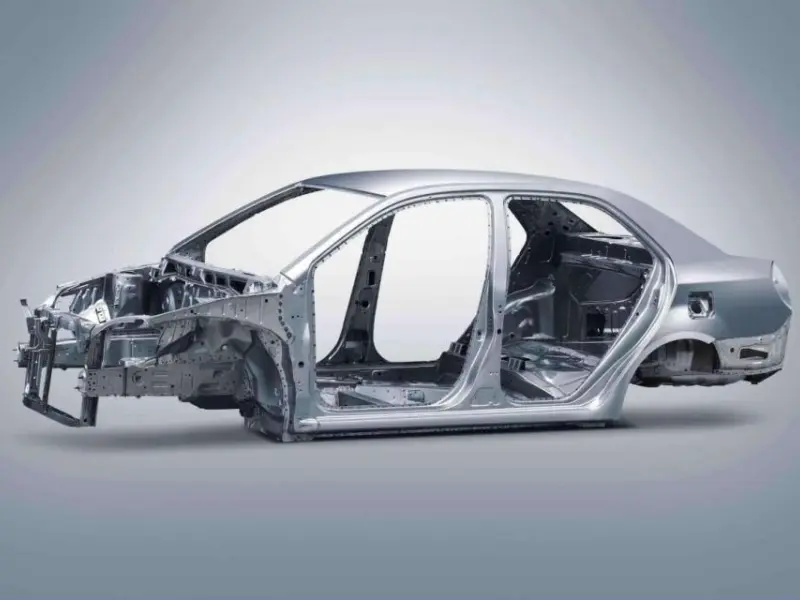
Truck and trailer manufacturers often need materials that balance strength, weight, corrosion resistance, and processing cost.
Aluminum sheet can be used in different areas of a trailer:
→ Exterior walls
→ Interior walls
→ Roof panels
→ Floors
→ Doors
→ Ramps
→ Tool compartments
→ Mudguards
→ Protective panels
Different areas may require different alloys and thicknesses.
Surface Finish Options for Truck Aluminum Sheet
The surface finish can be selected according to the final use.
| Finish | Main feature | Suitable direction |
|---|---|---|
| Mill finish | Standard aluminum surface | General fabrication |
| Painted | Color and added surface protection | Truck bodies |
| Anodized | Durable metallic appearance | Decorative components |
| Brushed | Decorative linear texture | Interior areas |
| Protective film | Protects during processing | Fabrication and transport |
For painted truck panels, the coating system should be selected according to outdoor exposure and the required service life.
Aluminum Sheet Processing for Truck Fabrication
Truck manufacturers may need more than standard aluminum sheets.
The material can be processed through:
Cutting → Bending → Drilling → Punching → Forming → Welding → Assembly
Factory processing can help customers receive material that is closer to the final panel size.
For repeated truck models, consistent dimensions can also make production easier.
How to Reduce Material Waste in Truck Production
Material waste can affect the final cost of truck manufacturing.
A good nesting and cutting plan can improve material utilization.
For example:
Truck body dimensions
↓
Panel layout
↓
Sheet size selection
↓
Cutting plan
↓
Production
↓
Assembly
Using the correct sheet width and length can reduce unnecessary off-cuts.
This can be especially useful for large truck bodies and trailer projects.
Aluminum Sheet Cost for Truck Projects
The price of aluminum sheet is only one part of the total material cost.
The final cost can depend on:
| Cost factor | Effect |
|---|---|
| Aluminum alloy | Different alloys have different prices |
| Thickness | Thicker material uses more aluminum |
| Sheet size | Custom sizes may affect production |
| Surface finish | Coating adds processing cost |
| Cutting | Custom cutting may add cost |
| Quantity | Larger orders may improve production efficiency |
| Packaging | Export packaging affects total cost |
| Shipping | Weight and volume affect freight |
For this reason, comparing only the price per kilogram may not show the real project cost.
What Makes a Good Truck Aluminum Sheet Supplier?
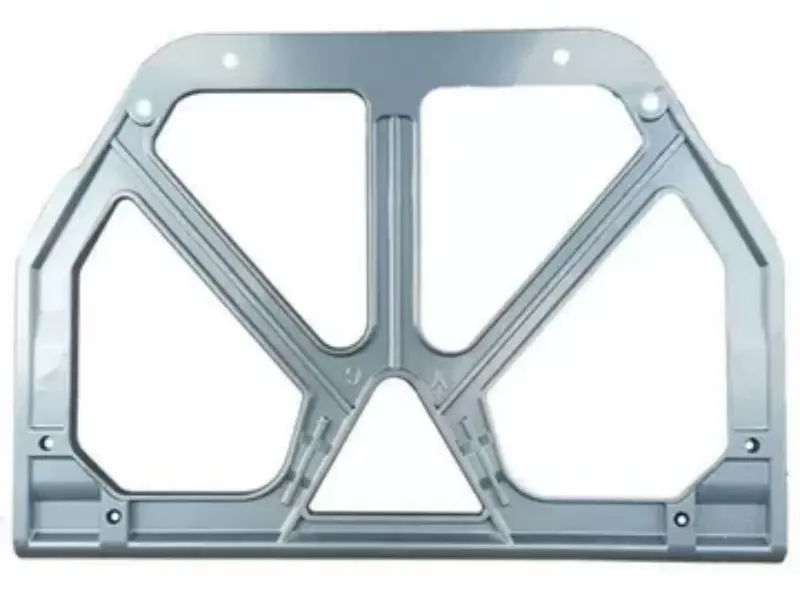
For truck manufacturers, material consistency is often more important than a low initial price.
A reliable supplier should be able to discuss:
→ Stable alloy composition
→ Thickness tolerance
→ Width and length tolerance
→ Surface quality
→ Flatness
→ Packaging
→ Production capacity
→ Custom dimensions
→ Inspection documents
→ Delivery schedule
For repeat orders, consistent material can help maintain stable fabrication and product quality.
Factory Supply for Truck Aluminum Sheet
We can supply aluminum sheets for different truck and trailer requirements.
Available options can include:
- 3003 aluminum sheet
- 5052 aluminum sheet
- 6061 aluminum sheet
- Different tempers
- Smooth sheet
- Tread plate
- Painted aluminum
- Custom-cut sheets
- Standard sheets
- Protective-film options
Customers can discuss alloy, temper, thickness, width, length, surface finish, quantity, and packaging before production.
For truck manufacturers, trailer factories, repair companies, and distributors, customized specifications can be prepared according to the actual project.
A Simple Way to Select Aluminum Sheet for Your Truck
Need easy forming?
→ Consider 3003.
Need higher strength?
→ Consider 5052.
Need a lightweight body panel?
→ Compare 0.8–1.5 mm options according to the design.
Need a stronger floor?
→ Consider thicker 5052 or 6061 material.
Need better grip?
→ Consider aluminum tread plate.
Need a specific truck color?
→ Consider painted aluminum.
Need less cutting work?
→ Ask for custom-cut sheets.
Need large quantities?
→ Discuss optimized sheet sizes and production planning with the factory.
Aluminum Sheet for Truck Body
Choosing the right aluminum sheet for truck builds comes down to matching the alloy, temper, and thickness to the job. A side panel needs formability and corrosion resistance. A floor plate needs impact strength. A frame bracket needs rigidity. No single grade does it all.
For most commercial truck bodies, 3003-H24 in 0.040″ to 0.063″ handles the skin. Step up to 5052-H32 for floors and tanks. Reserve 6061-T6 for the bones of the chassis. Understand these differences, and you will build lighter, stronger trucks that last longer on the road.
Frequently Asked Questions
What is the best aluminum alloy for a truck body?
Alloy 3003 in H24 temper is the standard for box truck and van bodies. It offers enough strength for highway use. It forms easily around corners. It resists road salt better than pure aluminum. If your truck works in harsh conditions, upgrade to 5052-H32.
How thick should a truck floor be?
For light-duty delivery vans, 0.063″ (1.6 mm) is common. For medium-duty freight, 0.080″ (2.0 mm) adds dent resistance. For heavy haul, gravel dumps, or pallet jack traffic, use 0.100″ to 0.125″ (2.5 to 3.2 mm). Match the thickness to the heaviest load the floor will see.
Is diamond plate stronger than flat sheet?
Yes, for the same base thickness. The raised pattern adds stiffness. A 0.080″ tread plate resists flex better than a 0.080″ flat sheet. It also hides scratches from boots and cargo. The trade-off is weight and cost. Tread plate costs more per square foot.
Can I weld aluminum truck panels myself?
Yes, with the right equipment. You need a MIG or TIG welder set for aluminum. You need argon shielding gas. You need ER4043 or ER5356 filler wire. Clean the joint with a stainless brush first. If you only have a steel MIG setup, do not attempt it. You will burn through the sheet.
Will an aluminum truck body rust?
No. Aluminum does not rust like iron or steel. It forms a thin oxide layer that protects the metal underneath. That layer can dull the shine, but it stops deep corrosion. In very salty or acidic environments, pitting can occur over many years. Regular washing slows this down.
How much weight can I save with aluminum sheet?
Replacing steel body panels with aluminum typically saves 40% to 50% of the body weight. On a 26-foot box truck, that can mean 800 to 1,200 pounds saved. That extra capacity lets you haul more freight per trip. Over a year, the fuel savings and extra revenue add up.
What is the difference between H24 and T6 temper?
H24 is strain-hardened and partially annealed. It is formable and common for sheet metal work. T6 is solution heat-treated and artificially aged. It is much harder and stronger. T6 is for structural parts like brackets and frames. H24 is for body skins and panels.
Can I use 6061 for truck side panels?
You can, but you should not. 6061-T6 is too stiff for large body panels. It will not bend around roof bows without cracking. It also costs more than 3003. Save 6061 for frame rails, cross members, and mounting plates. Use 3003 or 5052 for the skin.
How do I stop galvanic corrosion between aluminum and steel?
Never bolt aluminum directly to bare steel. Use nylon or rubber washers to separate the metals. Use stainless steel or zinc-coated fasteners. If the metals must touch, apply a barrier coat of zinc-rich primer or epoxy between them.
Is pre-painted aluminum worth the extra cost?
For fleet trucks with branded colors, yes. The factory coating is baked on at high temperature. It is more durable than most shop-applied paint. It also saves labor hours in your build shop. For one-off custom trucks, mill finish plus shop paint may be cheaper.