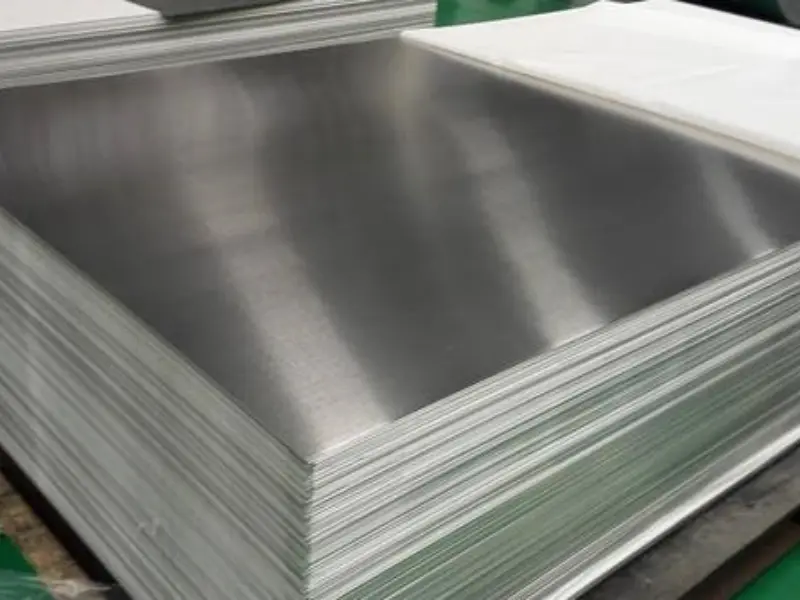
0.063 aluminum sheet is one of the most requested thicknesses in the metal fabrication world. It sits in a sweet spot: thick enough to hold its shape under normal handling, but thin enough to cut, bend, and rivet without heavy equipment.
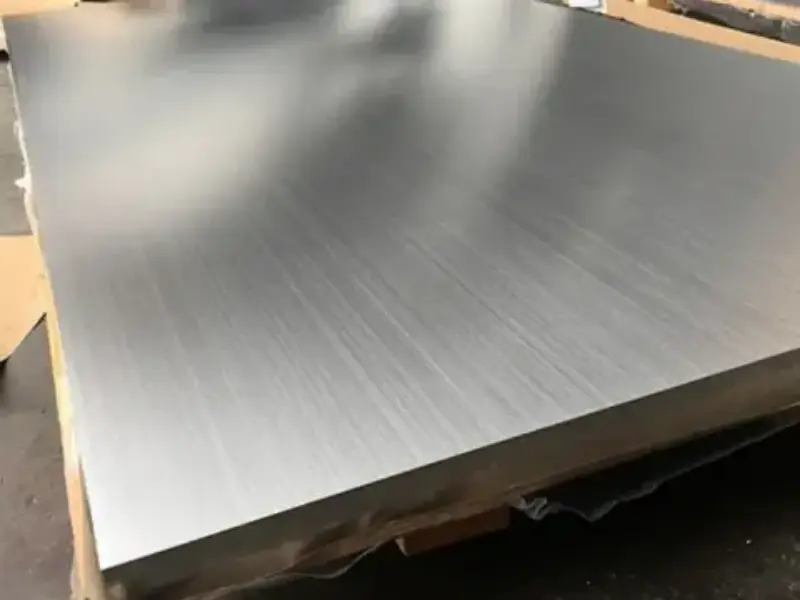
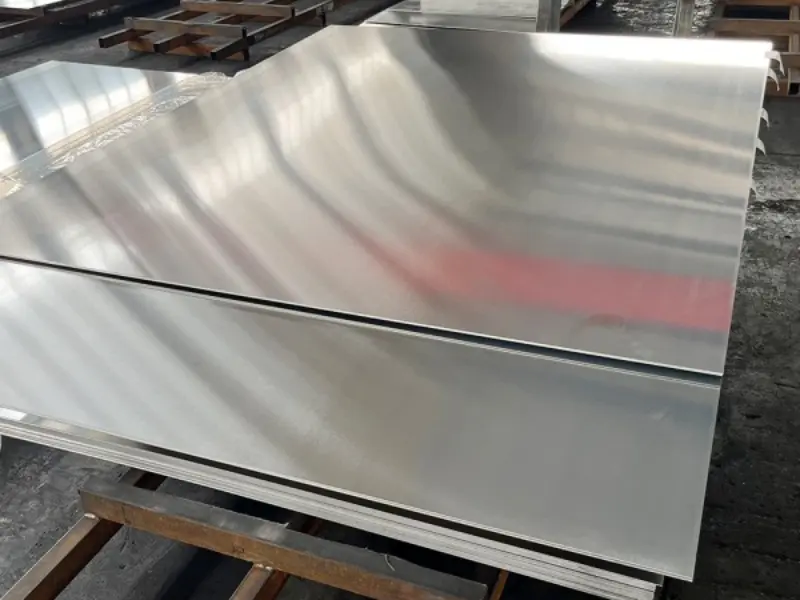
What Is 0.063 Aluminum Sheet
0.063 inch equals 1.6mm, making it a mid-range gauge between light-duty foil-style sheet and heavier structural plate.
Fabricators reach for this thickness when a part needs real rigidity but still has to stay light enough for easy handling and installation.
This thickness is common stock at most metal suppliers, which keeps lead times short and pricing competitive compared to less common gauges.
Why .063 Is a Popular Choice
Strong enough for light structural and panel work
Light enough to cut and drill with standard shop tools
Common stock size, so availability stays high
Good balance between material cost and part strength
Works well for both flat panels and formed parts
0.063 Aluminum Sheet in Different Units
Buyers sometimes need this thickness converted for international orders or spec sheets.
| Unit | Value |
|---|---|
| Inches | 0.063 |
| Millimeters | 1.6 |
| Gauge (approx.) | 14 gauge |
| Micrometers | 1600 |
Note that gauge numbers can shift slightly depending on the standard used, so millimeter or decimal inch measurements are the safest way to confirm an exact match.
Alloy Options at 0.063 Thickness
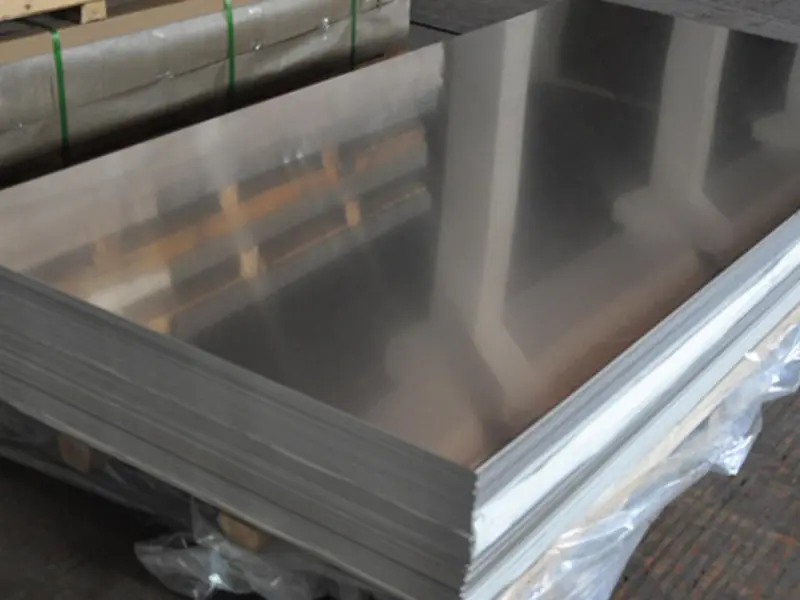
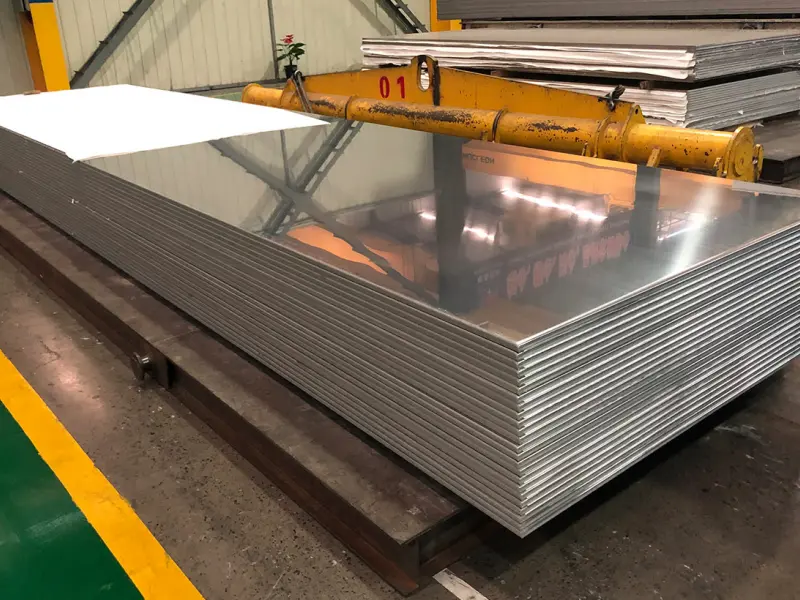
Alloy choice changes strength, corrosion resistance, and cost, even when the thickness stays the same.
| Alloy | Temper | Best For |
|---|---|---|
| 3003 | H14 | General fabrication, trim, tanks |
| 5052 | H32 | Marine parts, fuel tanks, higher strength panels |
| 6061 | T6 | Structural brackets, machined parts |
| 1100 | H14 | Budget fabrication, reflective panels |
| 5083 | H32 | Heavy-duty marine and structural use |
3003 in H14 temper is the most commonly stocked option at .063 thickness, since it balances cost and formability for general shop work.
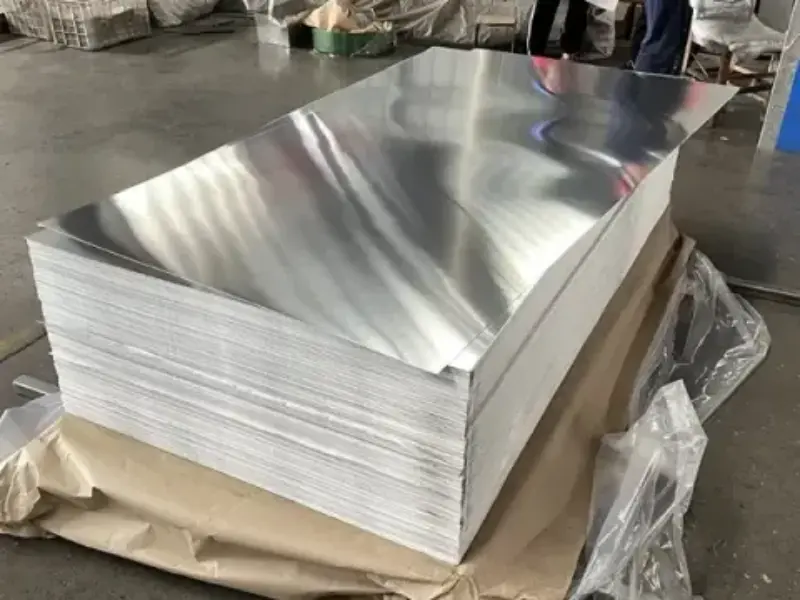
Quick Alloy Guide
5083: reserved for heavy marine or structural applications
3003: the default choice for most general fabrication jobs
5052: chosen when the part faces saltwater or needs more strength
6061: picked for structural brackets or parts needing machining
1100: used when purity and low cost matter more than strength
Weight of 0.063 Aluminum Sheet
Weight helps with shipping estimates and structural load calculations.
| Alloy | Weight (lb/sq ft) | Weight (kg/m²) |
|---|---|---|
| 3003 | 0.90 | 4.39 |
| 5052 | 0.91 | 4.44 |
| 6061 | 0.90 | 4.39 |
| 1100 | 0.90 | 4.39 |
Weight stays fairly close across alloys at the same thickness, since aluminum density does not change much between common grades.
Standard Sheet Sizes
.063 aluminum sheet ships in several standard sizes, with custom cuts available on request.
| Width (in) | Length (in) |
|---|---|
| 24 | 48 |
| 36 | 96 |
| 48 | 96 |
| 48 | 120 |
Coil Option
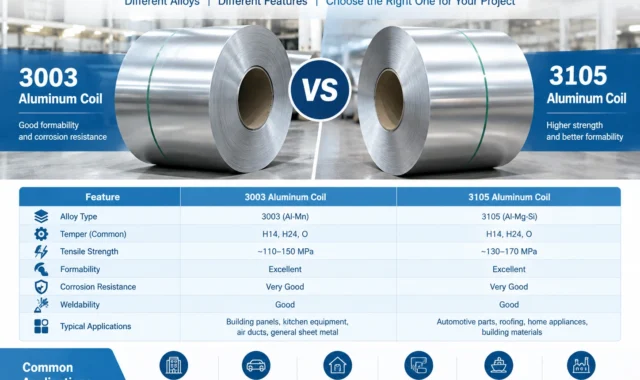
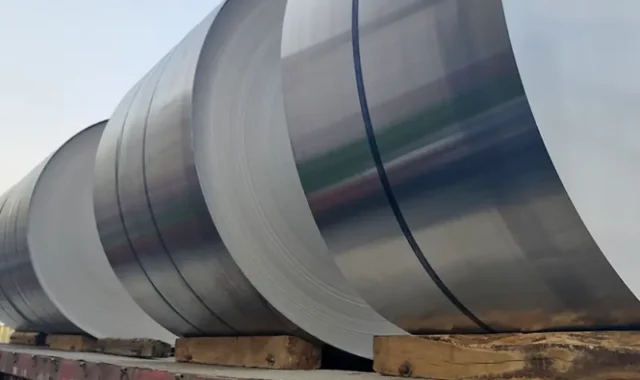
Coil form is also available at .063 thickness for buyers running slitting or roll-forming lines, sold by coil weight rather than sheet count.
Product Types
.063 aluminum sheet comes in several finish and form variations, suited to different jobs.
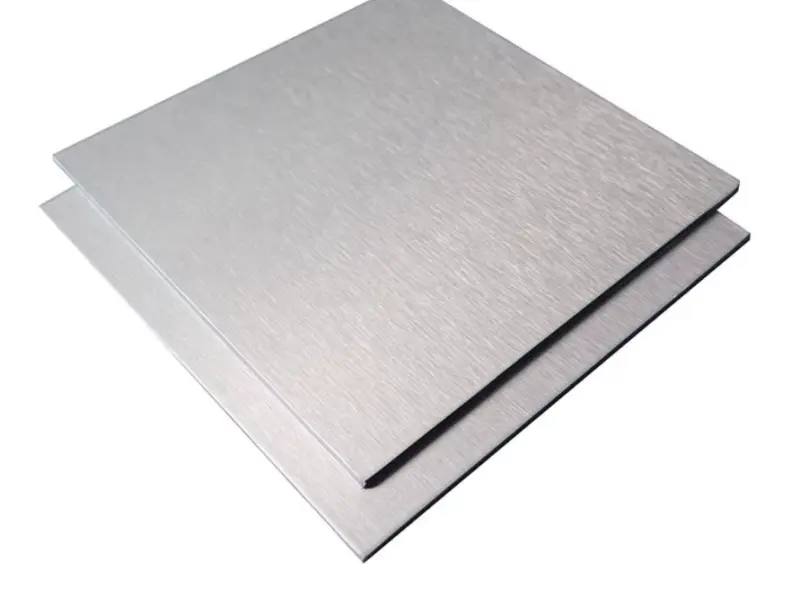
Mill Finish 0.063 Sheet
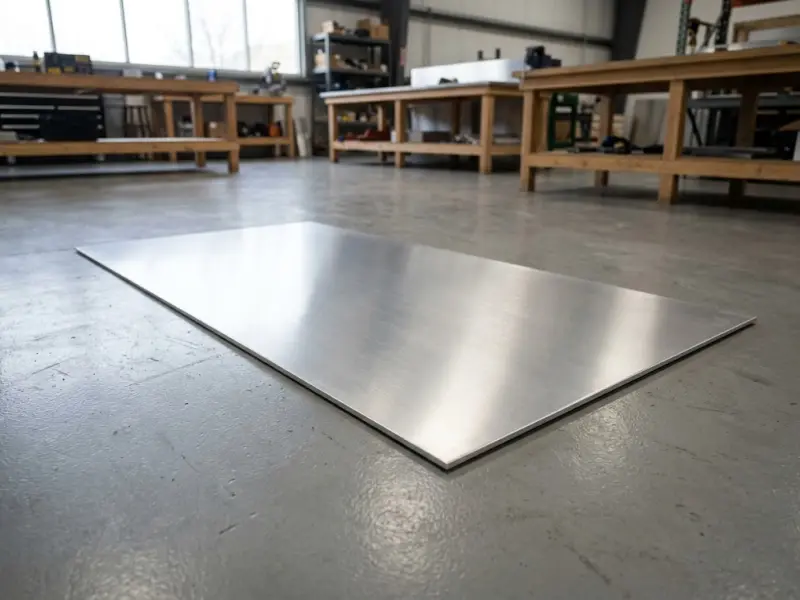
Plain 0.063 Aluminum Sheet, unpolished aluminum straight from the mill.
Standard pick for structural and fabrication work
Lowest-cost option at this thickness
Common base for painting or further coating
Painted 0.063 Aluminum Sheet
Coated with a baked-on paint finish, often PE or polyester-based.
- Wide color range for trim, panels, and signage
- Added UV protection over bare mill finish
- Slightly higher cost than mill finish
Diamond Plate 0.063 Sheet
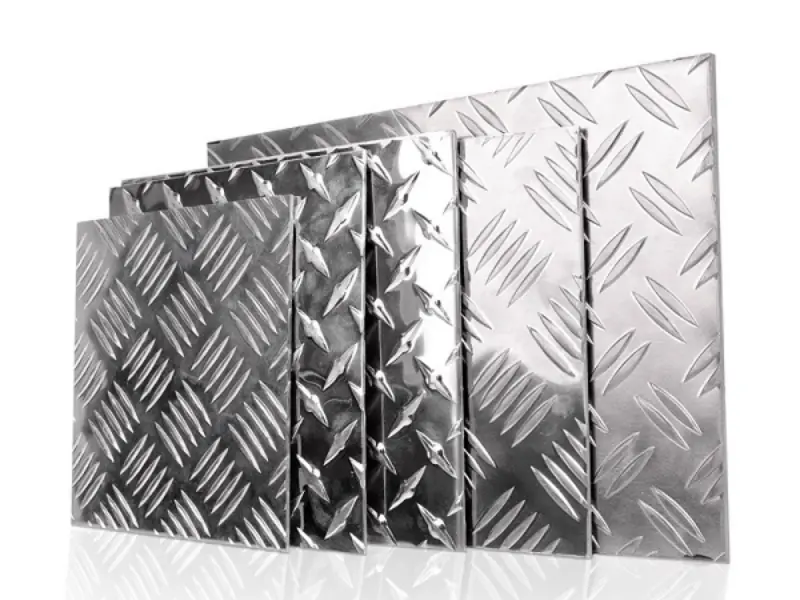
Textured tread pattern rolled into the surface.
Adds a small amount of extra rigidity over flat sheet
Non-slip surface for light-duty flooring and steps
Common in trailer and toolbox applications
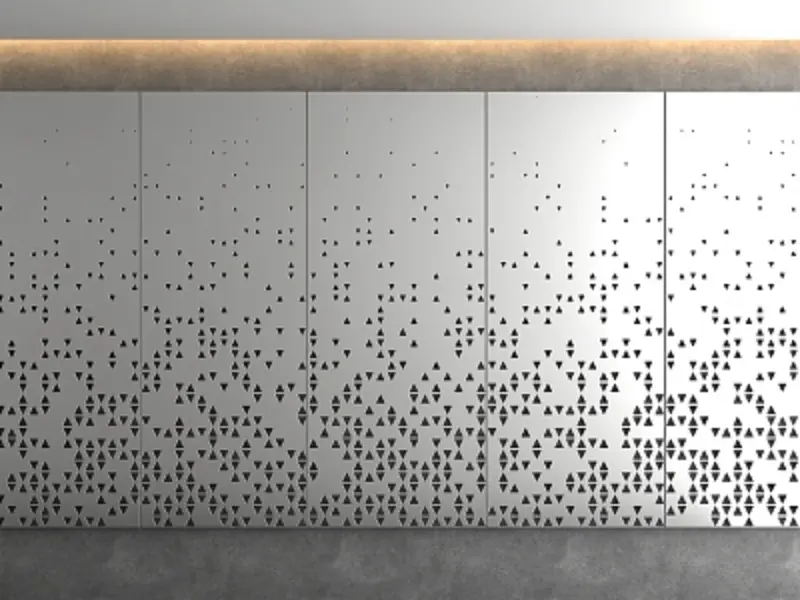
Perforated 0.063 Sheet
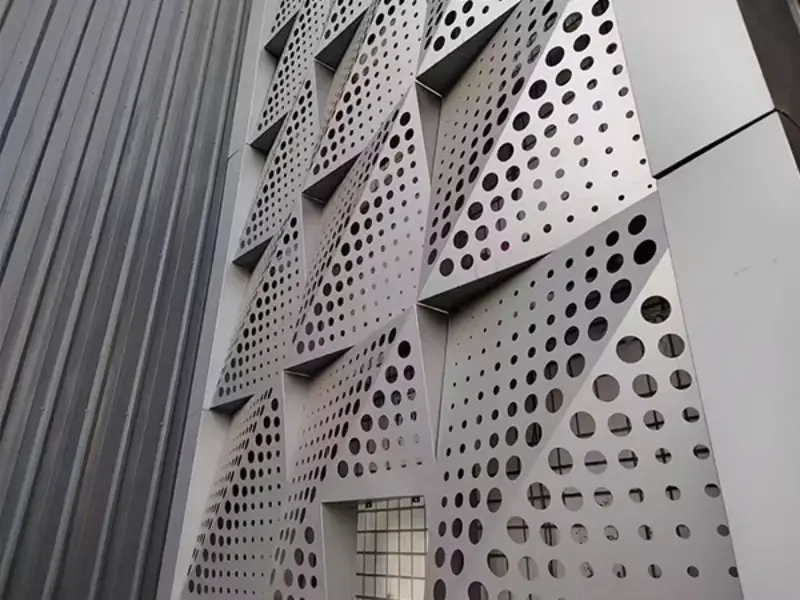
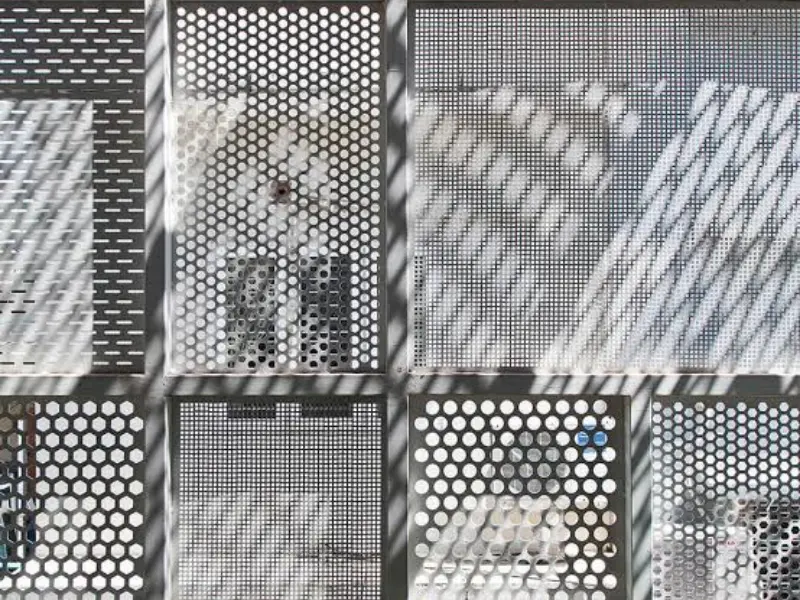
Sheet with punched hole patterns for airflow or light pass-through.
Common in filter housings and decorative screens
Custom hole size and spacing available
0.063 Aluminum Coil
Continuous roll form for roll-forming and slitting operations.
- Sold by coil weight, not sheet count
- Common alloy and temper range matches flat sheet
- Suited to high-volume fabrication lines
.063 vs .050 vs .080 Aluminum Sheet
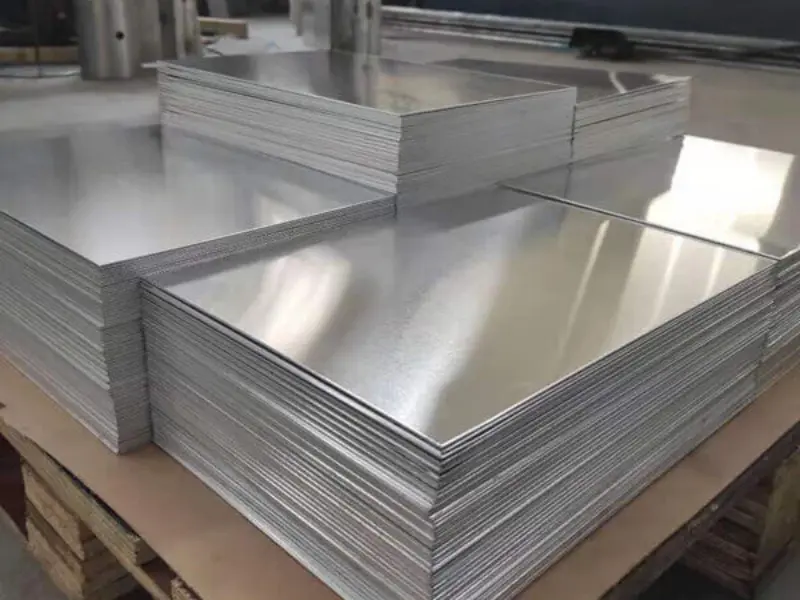
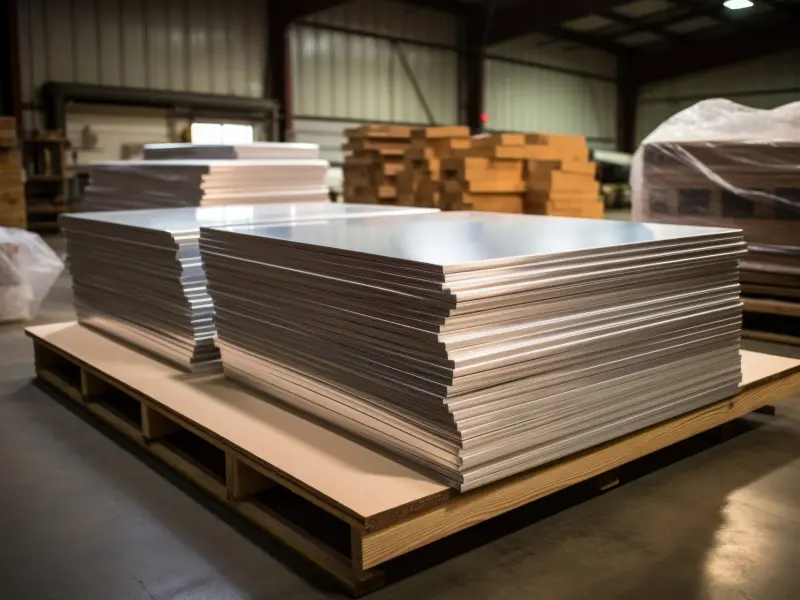
Thickness comparisons help buyers pick the right gauge for their project.
| Thickness (in) | Rigidity | Common Use |
|---|---|---|
| .050 | Lower | Light panels, covers |
| .063 | Moderate | General fabrication, brackets, panels |
| .080 | Higher | Structural parts, heavier equipment panels |
.063 sits between these two options, giving more strength than .050 without the added weight and cost of .080. It is often the default choice when a part needs to hold its shape under moderate stress.
Choosing the Right Thickness
→ Building a lightweight cover or panel? .050 keeps weight and cost down. → Making a general-purpose bracket or panel? .063 offers the best balance of strength and weight. → Need extra rigidity for structural parts? Step up to .080 or thicker. → Working with saltwater or marine exposure? Choose 5052 alloy regardless of thickness.
3003 vs 5052 at 0.063 Thickness 0.063 Aluminum Sheet
These two alloys are the most common comparison at this gauge.
| Factor | 3003 (.063) | 5052 (.063) |
|---|---|---|
| Strength | Moderate | Higher |
| Corrosion resistance | Good | Excellent, including saltwater |
| Formability | Very good | Good |
| Typical cost | Lower | Slightly higher |
| Common use | General fabrication | Marine parts, fuel tanks |
5052 wins where higher strength or saltwater exposure matters. 3003 remains the more cost-effective pick for general shop fabrication at this thickness.
Applications
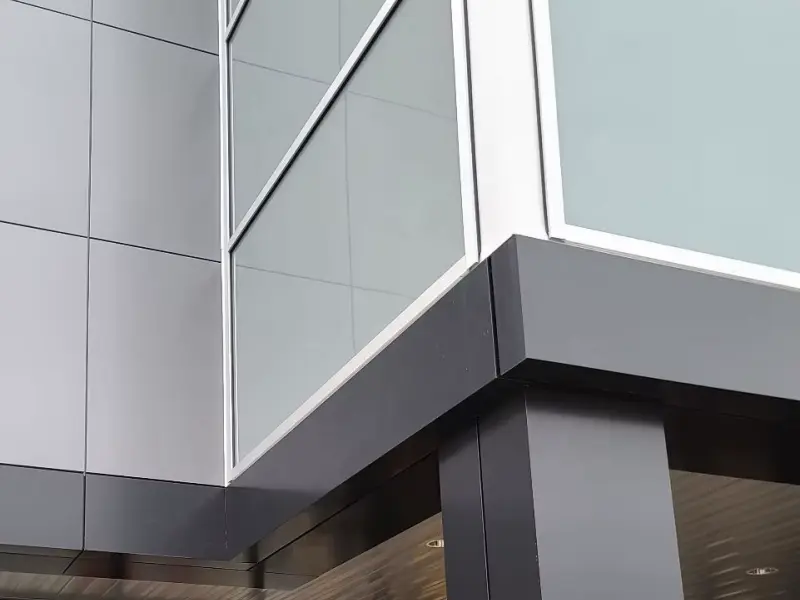
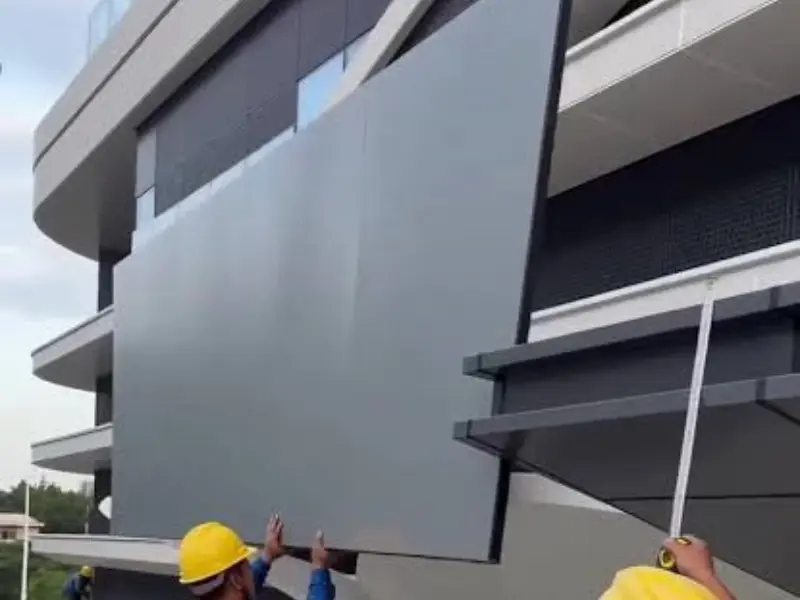
.063 aluminum sheet metal is used across many industries where a light but rigid material is needed.
General sheet metal fabrication
Truck and trailer panels
Electrical enclosures and boxes
HVAC ductwork and covers
Signage and nameplates
Light structural brackets
Toolboxes and storage cases
Boat trim and light marine parts
Why Fabricators Choose 0.063 Sheet
Easy to Work With Standard Tools
Shears, brakes, and drills handle .063 sheet without needing heavy-duty equipment.
Balanced Strength-to-Weight Ratio
Thick enough to resist denting and flexing in light-duty use, without adding unnecessary weight.
Wide Alloy Availability
Most alloys, from 3003 to 6061, are stocked at this thickness, giving fabricators flexibility to match material to the job.
Common Stock Size
Because .063 is a standard gauge, lead times stay short and pricing stays competitive compared to less common thicknesses.
Packaging and Delivery
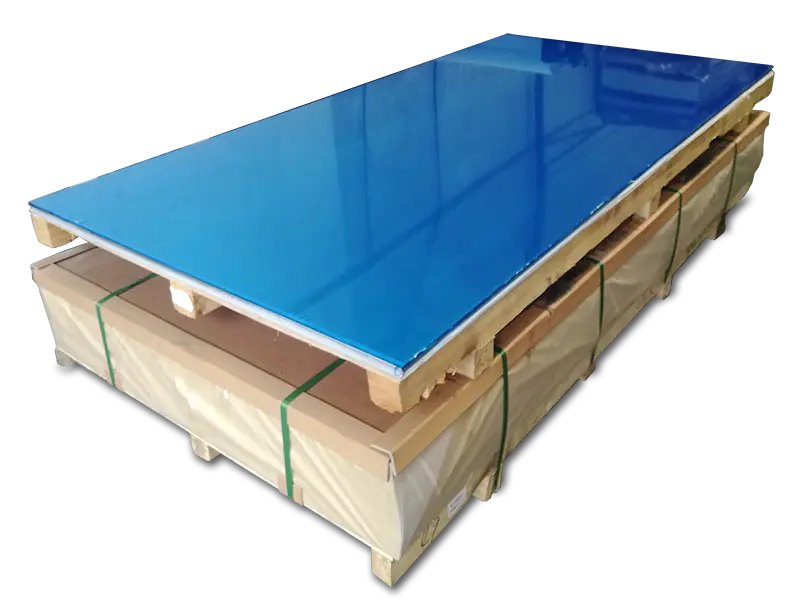
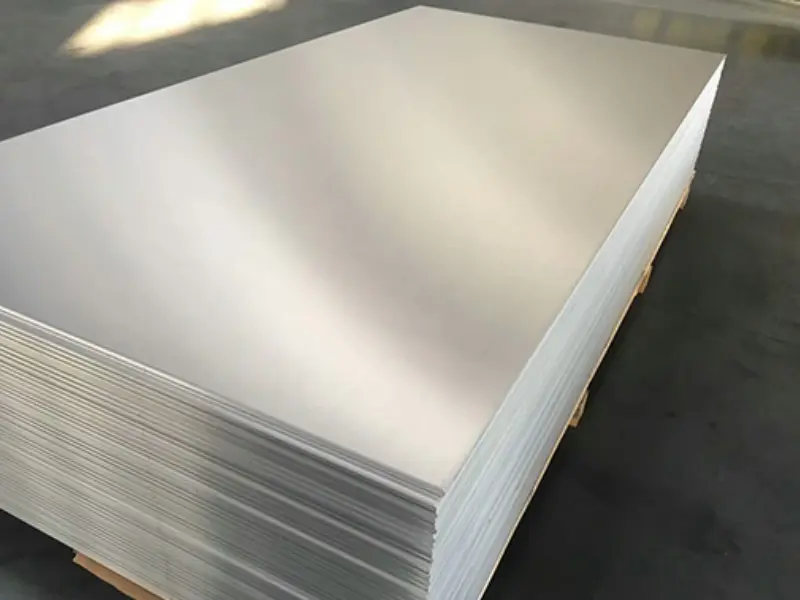
Sheet and coil 0.063 Aluminum Sheet are packed to prevent surface damage during transit.
MOQ and lead time depend on alloy, temper, and finish
Interleaved paper or PE film between sheets
Wood pallet or crate packing for export shipments
Coil wrapped with moisture-proof film and edge protection
Technical Conversion & Decimal Equivalencies
Understanding 0.063 inch thickness in standard measurement units helps buyers match blueprint callouts with global mill standards:
| Imperial (Decimal) | Fractional (Approx.) | Metric (mm) | Gauge Standard (Brown & Sharpe / AWG) | Approximate Unit Weight |
|---|---|---|---|---|
| 0.0630′′ | 1/16′′ | 1.60 mm (Nominal) | 14 Gauge | ≈0.887 lbs/ft2 (4.33 kg/m2) |
Forming, Bending & Minimum Bend Radius Parameters
At 0.063′′ thickness, bend performance depends directly on alloy choice and temper condition. Using an incorrect inside bend radius (R) causes orange peel or cracking along the bend line.
                  Force (V-Die / Punch)
                          ↓
        _______          ___          _______
               \        /   \        /
                \______/  R  \______/
                       \_____/
                 Inside Bend Radius (R)
Cold Bending Recommendations (90∘ Bend at 0.063′′ / 1.60 mm)
| Alloy & Temper | Minimum Inside Radius (R) | Bendability Rating | Critical Fabrication Tip |
|---|---|---|---|
| 3003-H14 | 0.5t−1.0t (0.031′′−0.063′′) | Excellent | Low risk of surface micro-cracking; great for tight bends. |
| 5052-H32 | 1.0t−1.5t (0.063′′−0.095′′) | Very Good | Preferred structural grade; align bend perpendicular to rolling grain. |
| 6061-T6 | 2.5t−3.5t (0.156′′−0.220′′) | Fair / Moderate | Requires larger bend radii; anneal or warm up if tight bend is needed. |
Where t=Sheet Thickness (0.063′′).
CNC Machining, Laser Cutting & Punching Guidelines
Fabricating 0.063′′ aluminum requires fine-tuned parameters to avoid burr formation and thermal warping.
- Fiber Laser Cutting:
→ Gas Selection: High-purity Nitrogen (N2) at 12−16 bar for clean, burr-free edges ready for welding.
→ Feed Rate: High cutting speeds minimize heat build-up and prevent edge dross. - CNC Turret Punching:
→ Die Clearance: Recommended total clearance is 15%−20% of material thickness (0.009′′−0.012′′ clearance).
→ Tooling: Use polished, coated punch tooling with shear angles to reduce tonnage and sheet distortion. - CNC Routing / Milling:
→ Tooling: Single-flute carbide end mills designed for non-ferrous metals.
→ Cooling: Mist lubrication or air-blast system to prevent chip re-welding on thin 1.60 mm sheet stock.
Surface Treatment & Coating Compatibility Matrix
0.063′′ aluminum sheets support various post-processing finishes for aesthetic or anti-corrosion requirements:
| Finishing Method | Best Matching Alloy | Layer Thickness | Key Performance Benefit |
|---|---|---|---|
| Clear / Color Anodizing | 5052, 6061 | 10−25μm (0.4−1.0 mil) | Superior abrasion resistance; uniform metallic appearance. |
| Powder Coating | 3003, 5052, 6061 | 60−100μm (2.4−4.0 mil) | High chip resistance; wide selection of RAL color palettes. |
| Chemical Conversion (Alodine / Chem Film) | All structural grades | Sub-micron | Preserves electrical conductivity while preventing base oxidation. |
| Mechanical Brushing / Grain Finish | 3003, 5052 | N/A (Substrate texture) | Hides everyday scratches and fingerprints on instrument panels. |
Supply Chain & Packaging Specifications for Bulk Orders
Industrial buyers need clean, scratch-free sheets ready for automated feeding lines.
Standard Warehouse Stock Sizes
- 36′′×96′′ (914 mm×2438 mm)
- 48′′×96′′ (1219 mm×2438 mm) — Most Common Industry Standard
- 48′′×120′′ (1219 mm×3048 mm)
- 60′′×120′′ (1524 mm×3048 mm)
Protective Film & Interleaving Options
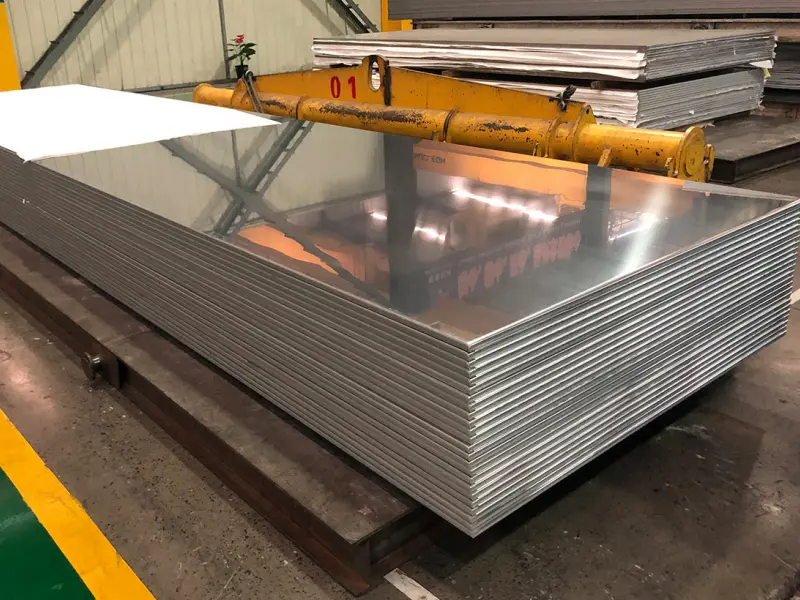
Bare Mill Finish (Oiled): Cost-effective option for immediate stamping and mechanical post-processing.
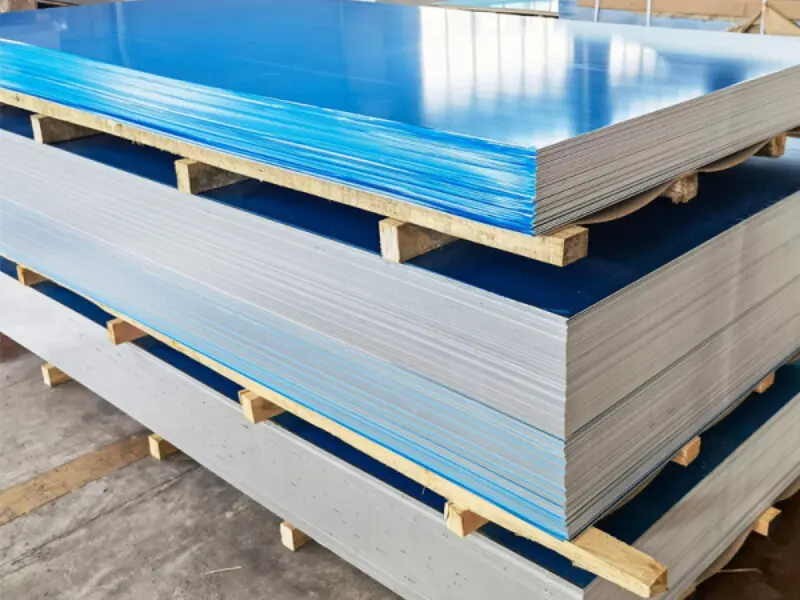
Blue Laser Protective Film (PE): Clean-peel adhesive film suitable for fiber laser cutting without edge lifting.
Paper Interleaved (PI): Kraft paper separators between sheets to eliminate friction scratches during shipping.
Frequently Asked Questions
What is 0.063 aluminum sheet used for?
It is used for truck panels, enclosures, brackets, signage, and general sheet metal fabrication, mainly where a light but rigid material is needed.

How much does 0.063 aluminum sheet weigh?
It weighs approximately 0.90 lb per square foot for most common alloys, or about 4.4 kg per square meter.
What alloy is best for 0.063 aluminum sheet?
3003 is the most common choice for general fabrication. 5052 is better suited for marine use or higher-strength needs.
Is 0.063 the same as 14 gauge aluminum?
0.063 inches is close to 14 gauge, though gauge numbers can vary slightly by standard, so decimal or millimeter measurements are more precise.
What is the difference between .063 and .080 aluminum sheet?
.080 is thicker and more rigid, suited to structural parts, while .063 offers a lighter option for general fabrication and panels.
Does 0.063 aluminum sheet come in coil form?
Yes. Coil form is available at this thickness for buyers running roll-forming or slitting operations, in the same alloy range as flat sheet.