Aluminum Discs for Cookware
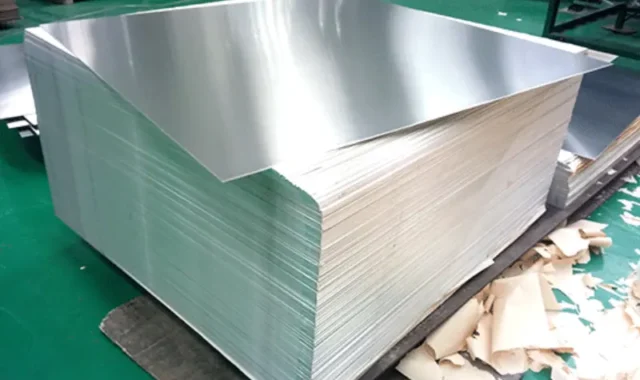
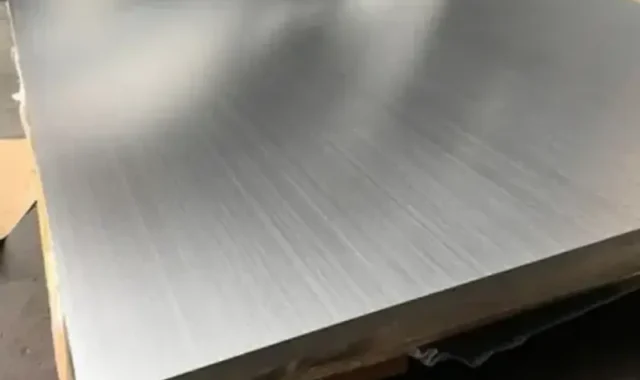
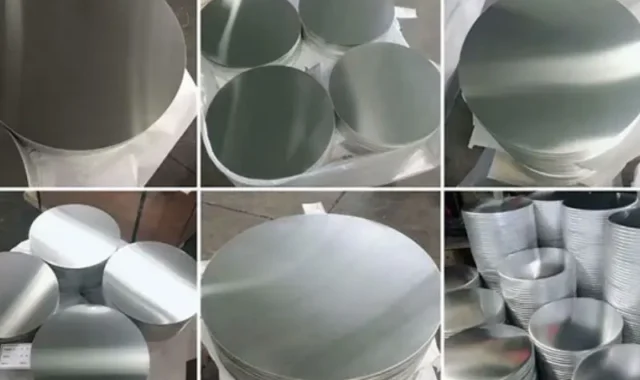
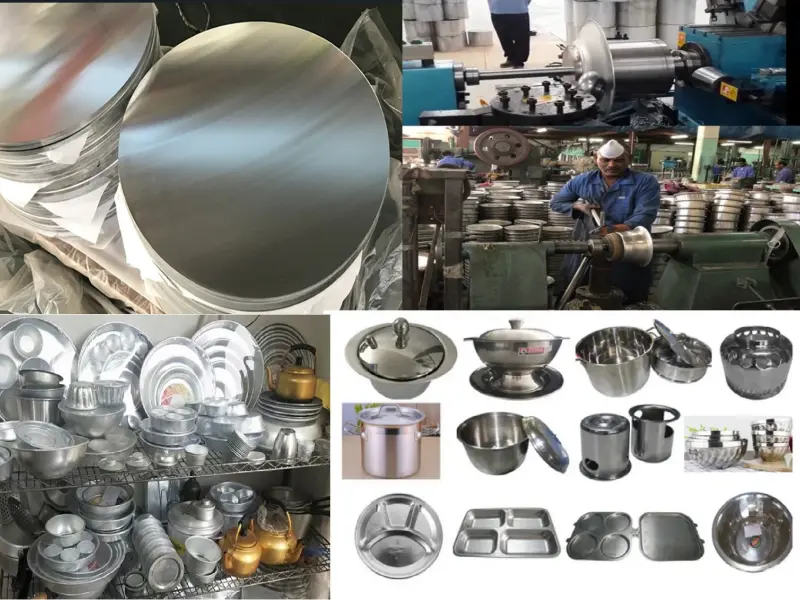
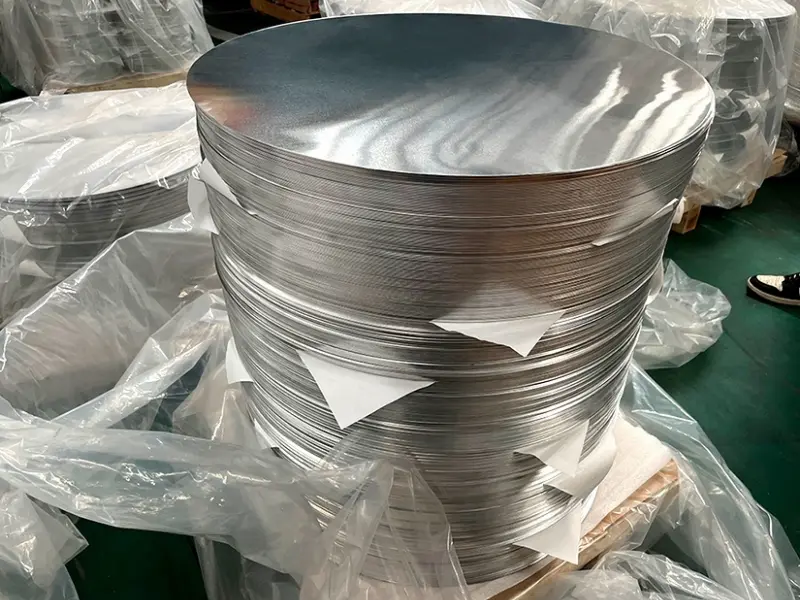
Aluminum disc for frying pan production plays a key role in cookware manufacturing. These circular metal blanks form the base of pots, pans, and other kitchen items. Factories cut discs from aluminum coils or sheets, then stamp or press them into final shapes.
The material offers excellent heat conductivity. Heat spreads evenly across the disc surface. This means food cooks uniformly without hot spots. Cooks appreciate this quality when preparing delicate dishes.
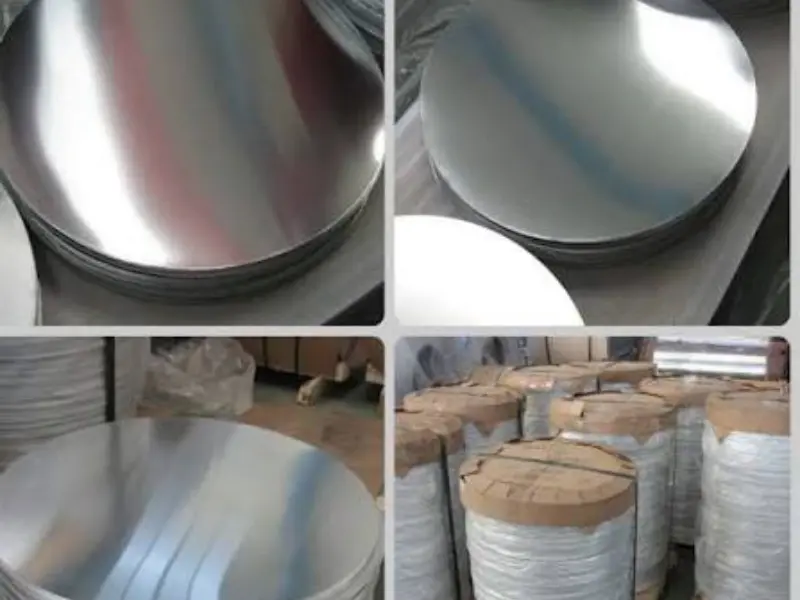
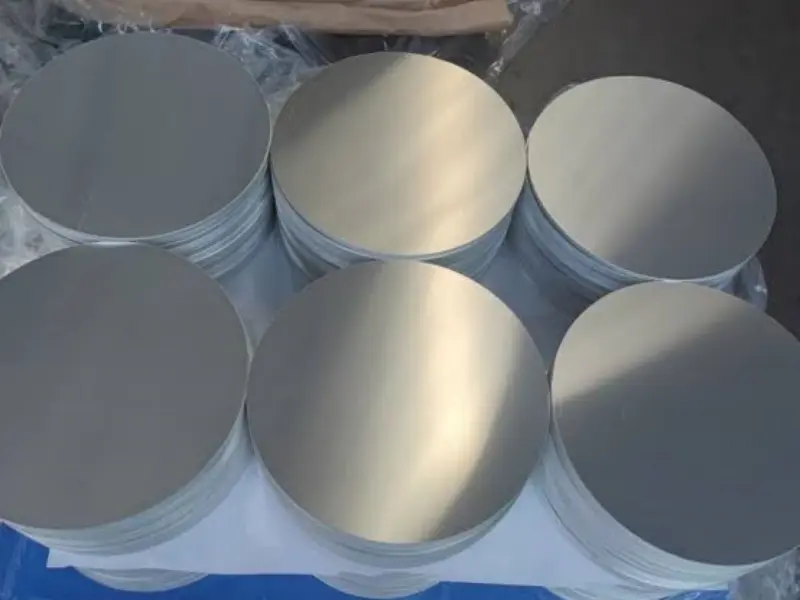
Aluminum discs work well because the metal is lightweight yet durable. Manufacturers can shape it easily into various pan designs. The material also resists corrosion, extending product life significantly.
Cookware companies purchase these discs in bulk from specialized suppliers. Quality discs directly affect the final pan’s performance and durability. Choosing the right disc type matters for both function and cost.
Alloy Types Used in Frying Pan Discs
Pure Aluminum Grades
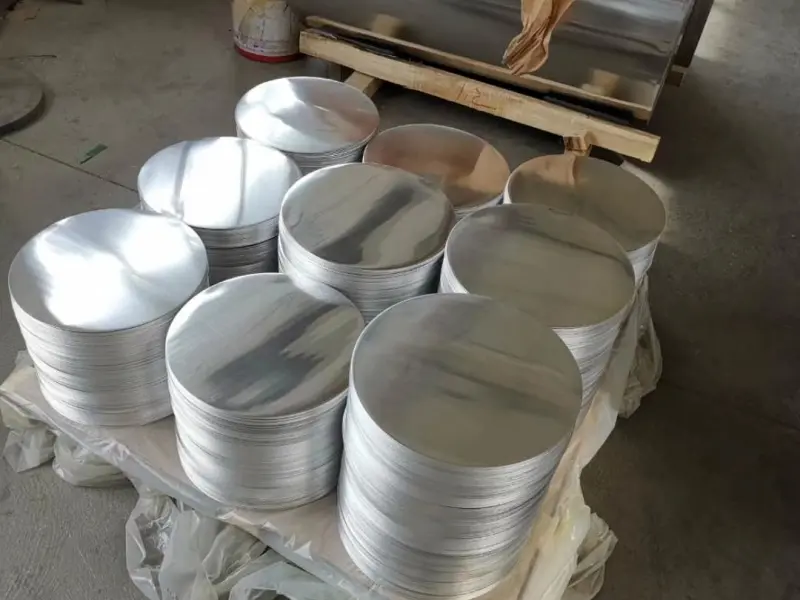
Pure aluminum alloys of Aluminum Disc for Frying Pan like 1050 and 1060 offer excellent thermal conductivity. These grades contain minimal alloying elements, keeping the metal soft and highly conductive. Manufacturers often choose these grades for basic frying pan production.
Benefits of pure aluminum discs:
Lightweight finished product
Superior heat distribution
Easy to press and shape
Lower production cost
Good corrosion resistance
3003 Alloy for Added Strength
The 3003 alloy contains manganese, giving it more strength than pure grades. This alloy holds its shape better under repeated heating and cooling cycles. Many premium frying pan brands select 3003 discs for longer-lasting cookware.
| Alloy | Thermal Conductivity | Strength | Formability | Cost |
|---|---|---|---|---|
| 1050 | Excellent | Low | Excellent | Low |
| 1060 | Excellent | Low | Excellent | Low |
| 3003 | Very Good | Moderate | Very Good | Medium |
| 3004 | Good | Moderate-High | Good | Medium |
Choosing Between Alloy Options
Selecting an alloy depends on the pan’s intended use. Simple frying pans for light home use often work fine with 1050 or 1060 discs. Heavy-duty commercial cookware benefits from 3003 or similar reinforced alloys.
Temper Conditions for Cookware Discs
Soft Temper Aluminum Disc for Frying Pan(O Condition)
Soft temper aluminum discs offer maximum flexibility during stamping. Manufacturers prefer this condition when deep drawing is required. The soft state allows the metal to stretch into pan shapes without cracking.
Semi-Hard Temper Options
Some frying pan manufacturers select semi-hard discs. This temper balances formability with slightly better structural integrity. It suits designs requiring moderate depth without extreme forming stress.
| Temper | Hardness Level | Best Use | Forming Difficulty |
|---|---|---|---|
| O (Soft) | Lowest | Deep drawn pans | Easy |
| H12 | Light | Shallow pans | Easy-Moderate |
| H14 | Medium | General cookware | Moderate |
| H18 | Hard | Flat-bottom pans | Difficult |
The soft O temper remains the most common choice for frying pan discs. Its excellent ductility handles the deep drawing process used in most pan manufacturing lines.
Thickness Specifications and Their Impact
Standard Thickness Ranges
Aluminum disc thickness directly affects cooking performance and pan durability. Thicker discs distribute heat more evenly but add weight and cost. Thinner discs reduce weight but may develop hot spots.
| Thickness (mm) | Weight Level | Heat Distribution | Typical Use |
|---|---|---|---|
| 1.0mm | Light | Basic | Economy frying pans |
| 1.5mm | Light-Medium | Good | Standard household pans |
| 2.0mm | Medium | Very Good | Mid-range cookware |
| 3.0mm | Heavy | Excellent | Premium frying pans |
| 4.0mm | Very Heavy | Superior | Commercial cookware |
| 5.0mm+ | Extra Heavy | Best | Professional kitchen use |
Why Thickness Matters for Cooking
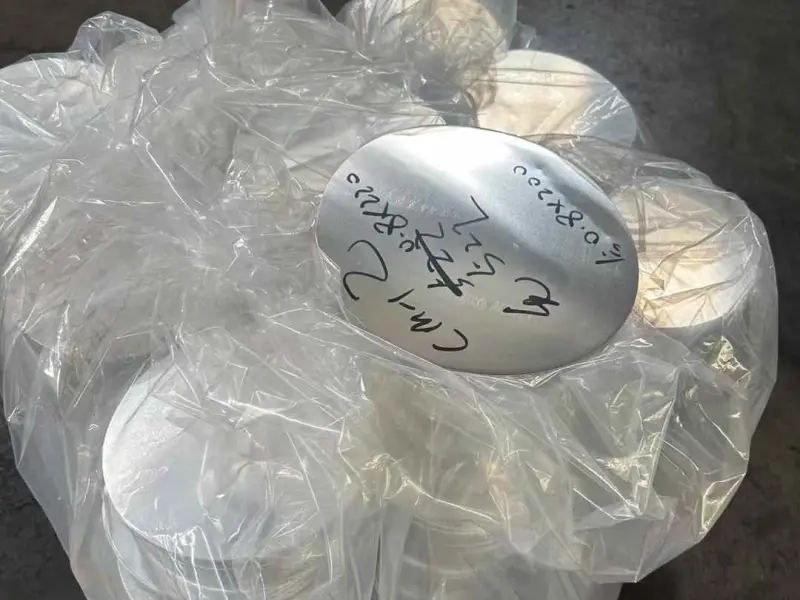
A thicker aluminum disc for frying pan bottoms prevents warping under high heat. It also stores heat longer, keeping food warm after removal from the stove. Restaurants and professional kitchens typically demand thicker discs for reliability under constant use.
Thin Discs for Budget Cookware
Manufacturers producing economy-priced pans often choose thinner discs. This reduces material costs significantly. While these pans heat up faster, they may cool down quickly too and risk warping over time.
Disc Diameter and Sizing Options
Frying pan discs come in numerous diameters to match different pan sizes. Suppliers typically stock common sizes but can cut custom diameters for special orders.
| Diameter (mm) | Common Pan Size | Typical Application |
|---|---|---|
| 100mm | Mini pan | Egg pans, small skillets |
| 160mm | Small pan | Personal frying pans |
| 200mm | Medium pan | Standard household use |
| 240mm | Large pan | Family-size cooking |
| 280mm | Extra-large pan | Commercial kitchens |
| 320mm+ | Jumbo pan | Restaurant equipment |
Custom diameter cutting services help cookware brands create unique product lines. Suppliers use precision cutting equipment to maintain consistent edge quality across large orders.
Surface Finish Options for Discs
Mill Finish Discs
Basic mill finish discs come straight from the rolling process. This raw finish works well when the pan will receive additional coating or polishing later in production.
Pre-Polished Surface
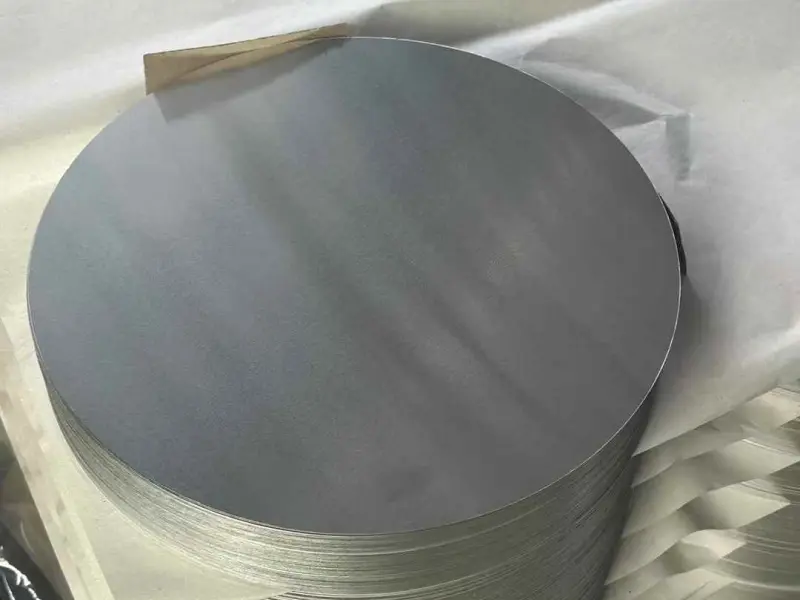
Some suppliers offer pre-polished aluminum discs. This finish reduces processing steps for cookware manufacturers. The smooth surface also improves coating adhesion for non-stick applications.
Textured or Embossed Discs
Certain specialty pans use textured disc surfaces. This texture can improve heat distribution slightly and creates a distinctive appearance for branded cookware lines.
| Finish Type | Surface Quality | Coating Ready | Processing Needed |
|---|---|---|---|
| Mill Finish | Rough | No | Additional polishing |
| Polished | Smooth | Yes | Minimal |
| Brushed | Fine lines | Yes | Minimal |
| Embossed | Textured | Depends | Varies |
Applications Beyond Frying Pans
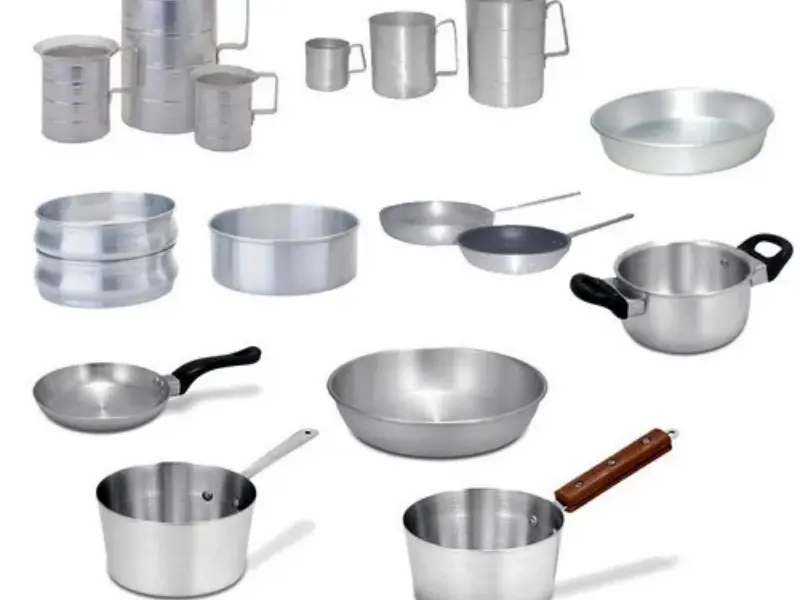
While frying pans remain the primary use, aluminum discs serve other cookware and industrial purposes too.
Cookware applications:
- Frying pans and skillets
- Sauce pans and pots
- Pressure cooker bases
- Wok bottoms
- Griddles and flat pans
- Steamer bases
Beyond cookware, discs also serve:
- Signage and nameplates
- Road sign blanks
- Reflector bases
- Industrial component blanks
- Decorative plaques
Despite these additional uses, cookware manufacturing remains the dominant market for aluminum disc products worldwide.
Non-Stick Coating Compatibility
Preparing Discs for Non-Stick Application
Manufacturers often apply non-stick coatings to aluminum discs before final pan assembly. The disc surface needs proper preparation for coating adhesion. This includes cleaning, etching, or sandblasting the surface.
Popular Coating Types
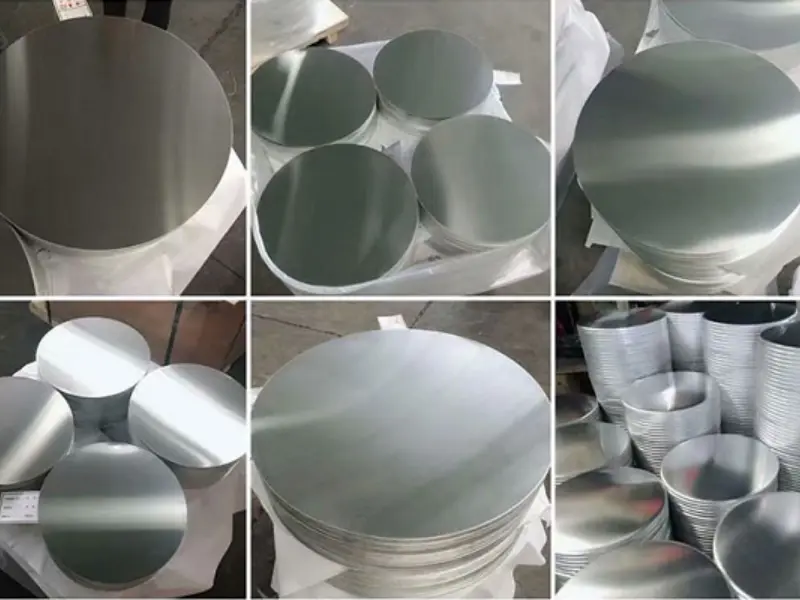
Common non-stick coatings used with aluminum discs:
Granite-style composite coatings
PTFE (Teflon) coating
Ceramic coating
Hard anodized coating
ILAG coating systems
Anodized Discs for Enhanced Durability
Hard anodizing treats the aluminum surface electrochemically. This process creates a harder, more scratch-resistant surface layer. Anodized discs work well for premium cookware lines seeking extended durability claims.
| Coating Method | Scratch Resistance | Heat Tolerance | Cost Impact |
|---|---|---|---|
| Standard PTFE | Fair | Good | Low |
| Ceramic | Good | Very Good | Medium |
| Hard Anodized | Excellent | Excellent | Medium-High |
| Multi-layer PTFE | Good | Very Good | Medium |
Comparing Aluminum Discs to Other Materials
Aluminum vs Stainless Steel Discs
Cookware manufacturers sometimes debate between aluminum and stainless steel bases. Each material offers distinct advantages for different product lines.
| Property | Aluminum Disc | Stainless Steel Disc |
|---|---|---|
| Heat Conductivity | Excellent | Poor |
| Weight | Light | Heavy |
| Cost | Lower | Higher |
| Durability | Good | Excellent |
| Corrosion Resistance | Good | Excellent |
| Induction Compatible | No (needs bonding) | Yes |
Aluminum vs Copper Discs
Copper offers superior heat conductivity compared to aluminum. However, copper costs significantly more and requires more maintenance. Most mainstream cookware brands choose aluminum for its practical balance of performance and affordability.
| Factor | Aluminum | Copper |
|---|---|---|
| Heat Conductivity | Very Good | Excellent |
| Price | Affordable | Expensive |
| Weight | Light | Heavy |
| Maintenance | Low | High |
| Reactivity with Food | Low (with coating) | Higher |
Multi-Layer Disc Construction
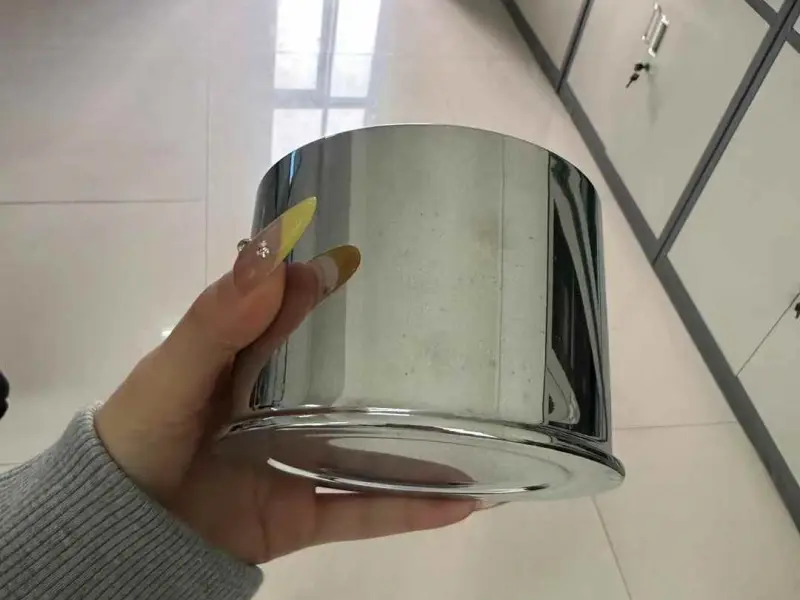
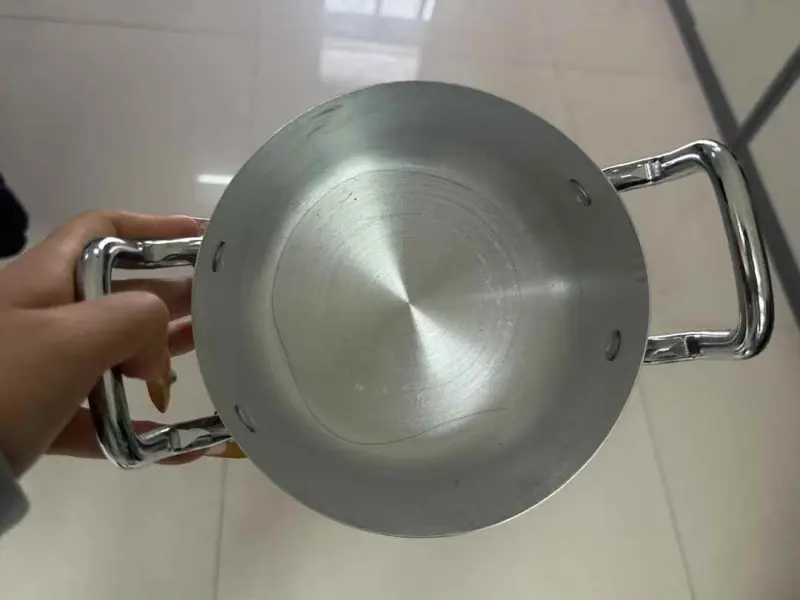
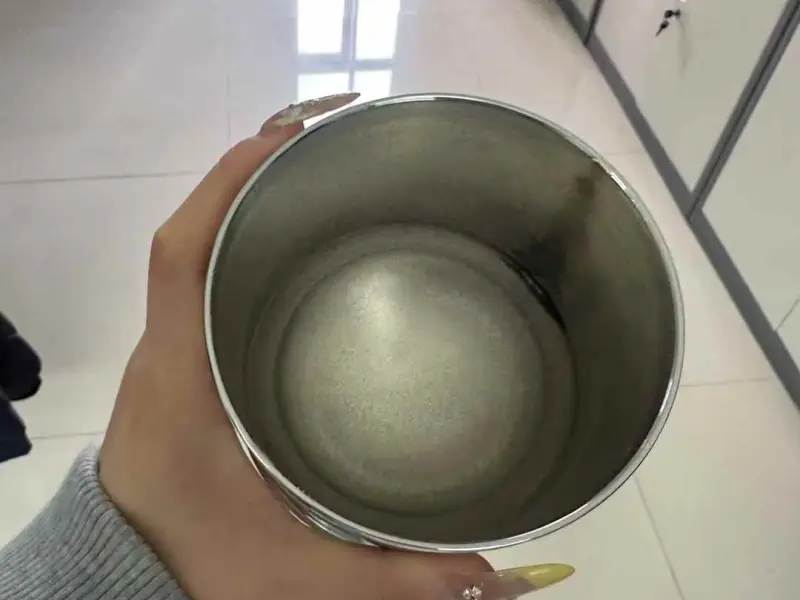
Some premium pans combine aluminum discs with other metals. A common design places an aluminum core disc between stainless steel layers. This creates induction compatibility while keeping the excellent heat spread of aluminum.
Multi-layer disc benefits:
- Combines conductivity with induction compatibility
- Adds structural strength
- Improves durability
- Enhances resale value for premium brands
Production Process for Cookware Discs
From Coil to Finished Disc
Aluminum coil arrives at processing facilities in large rolls. Cutting machines punch or shear circular blanks from the flat material. This process minimizes waste through careful nesting patterns.
Basic production steps:
Packaging for shipment
Uncoiling aluminum sheet material
Cutting discs to specified diameter
Trimming edges for smoothness
Quality inspection for defects
Deep Drawing Process of Aluminum Disc for Frying Pan
After disc production, cookware manufacturers use deep drawing presses. This process shapes the flat disc into a pan form. The aluminum stretches under pressure while maintaining structural integrity.
Quality Control Checkpoints
Reliable suppliers test discs at multiple stages. This ensures consistent thickness, proper temper, and defect-free surfaces reach cookware factories.
Quality checks typically include:
- Thickness measurement across the disc
- Surface inspection for scratches or pits
- Flatness verification
- Chemical composition testing
- Temper confirmation
Choosing a Reliable Aluminum Disc Supplier
Key Factors to Evaluate
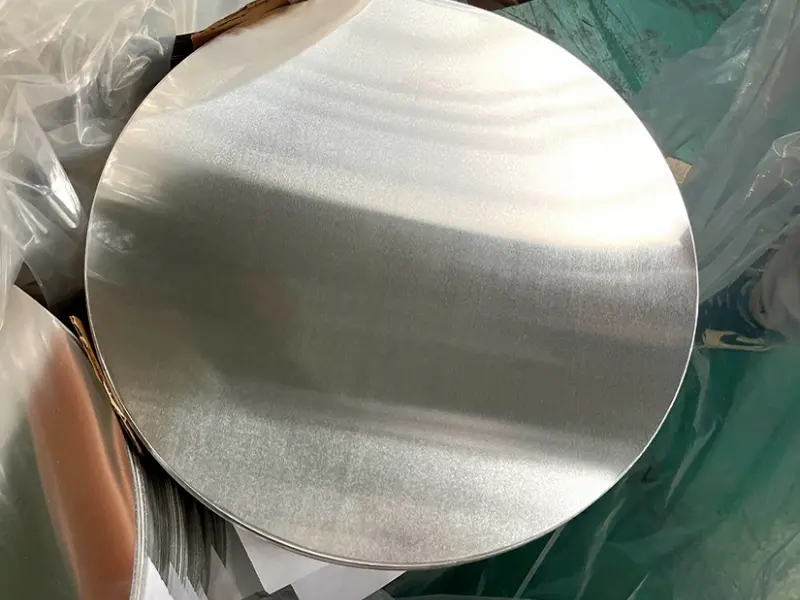
Selecting the right supplier affects your final product quality significantly. Consider these factors before placing orders.
Supplier evaluation checklist:
Technical support availability
Consistent alloy composition
Accurate thickness tolerances
Reliable delivery schedules
Competitive pricing structure
Quality certification documents
Certifications to Request
Ask suppliers for material certificates confirming alloy grade and temper condition. Request test reports verifying chemical composition matches specifications. These documents protect your production process from material inconsistencies.
Minimum Order Quantities
Most aluminum disc suppliers set minimum order requirements. Smaller cookware brands should discuss flexible options with suppliers. Established manufacturers with high volume needs can often negotiate better pricing terms.
| Order Size | Typical Pricing | Lead Time |
|---|---|---|
| Small trial orders | Higher per unit | Shorter |
| Medium bulk orders | Standard pricing | Moderate |
| Large volume orders | Discounted pricing | Longer planning needed |
Packaging and Shipping Considerations
Protecting Discs During Transport
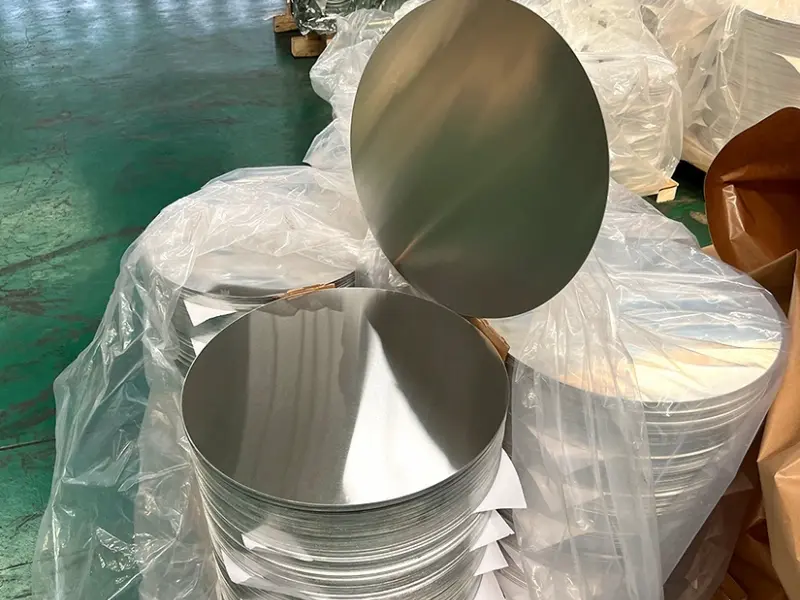
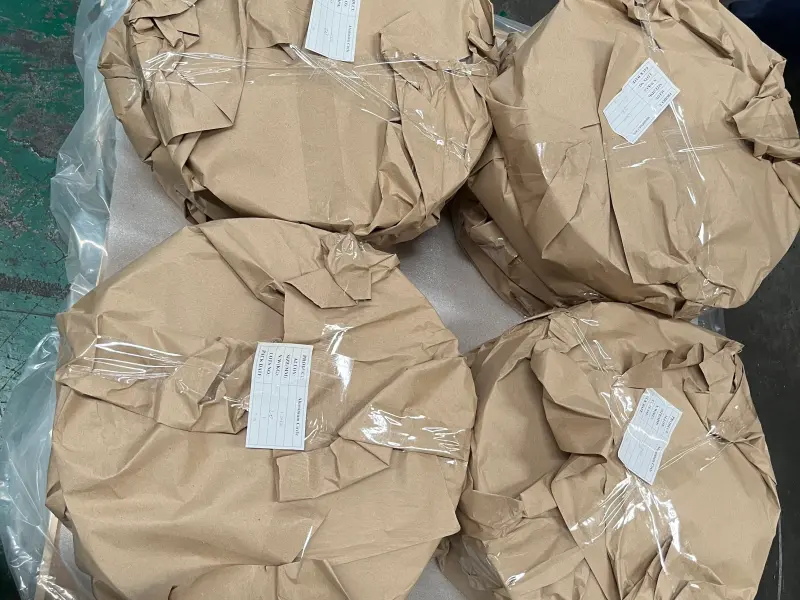
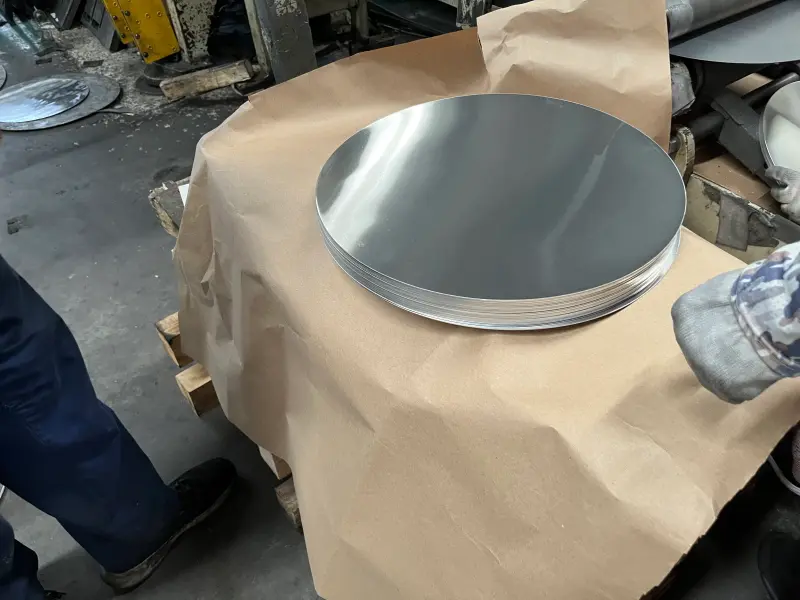
Aluminum discs need careful packaging to avoid scratches during shipping. Suppliers typically use interleaving paper between stacked discs. Wooden crates or pallets provide structural protection for bulk shipments.
Storage Recommendations
Store aluminum discs in dry environments to prevent oxidation. Avoid stacking excessive weight on disc piles, which can cause deformation. Proper storage maintains disc quality until production use.
Cost Factors Affecting Disc Pricing
Material and Market Influences
Aluminum commodity prices fluctuate based on global markets. This directly affects the base cost of discs. Suppliers adjust pricing according to current market conditions.
Additional Cost Considerations
| Factor | Effect on Price |
|---|---|
| Larger diameter | Increases material cost |
| Thicker gauge | Increases material cost |
| Custom sizing | May add processing fees |
| Surface finishing | Adds moderate cost |
| Bulk quantity | Reduces per-unit cost |
| Rush delivery | Increases overall cost |
Balancing Quality and Budget

Cookware manufacturers must balance material quality with target retail pricing. Premium brands invest in thicker, higher-grade discs. Budget brands often choose thinner, standard-grade options to maintain competitive pricing.
Frequently Asked Questions
What alloy works best for frying pan discs?
The 3003 alloy suits most frying pan applications well. It offers a good balance between heat conductivity and structural strength. Pure aluminum grades like 1050 work fine for basic, economical cookware where maximum thermal performance matters more than long-term durability under heavy use.
How thick should an aluminum disc be for good heat distribution?
A thickness between 2.0mm and 3.0mm typically provides excellent heat distribution for standard frying pans. Thinner discs around 1.0-1.5mm work for budget cookware but may create uneven heating. Professional and commercial cookware often uses discs 3.0mm or thicker for consistent performance.
Can aluminum discs work with induction cooktops?
Pure aluminum discs don’t work directly with induction cooktops since induction requires magnetic materials. Manufacturers solve this by bonding a magnetic stainless steel layer to the aluminum disc base. This combination allows induction compatibility while retaining aluminum’s excellent heat spreading properties.
What temper is best for deep drawn pans?
The O temper, also called soft or fully annealed, works best for deep drawing processes. This soft condition allows the aluminum to stretch significantly during pan forming without cracking or tearing. Harder tempers resist the deep drawing process and often fail during production.
How do I know if a supplier’s discs meet quality standards?
Request material test certificates with each order. These documents should confirm the alloy composition, temper condition, and thickness tolerance. Reputable suppliers also provide surface quality guarantees and accept returns for defective batches. Building a relationship with consistent quality checks reduces future risks.
Are anodized aluminum discs safe for cooking?
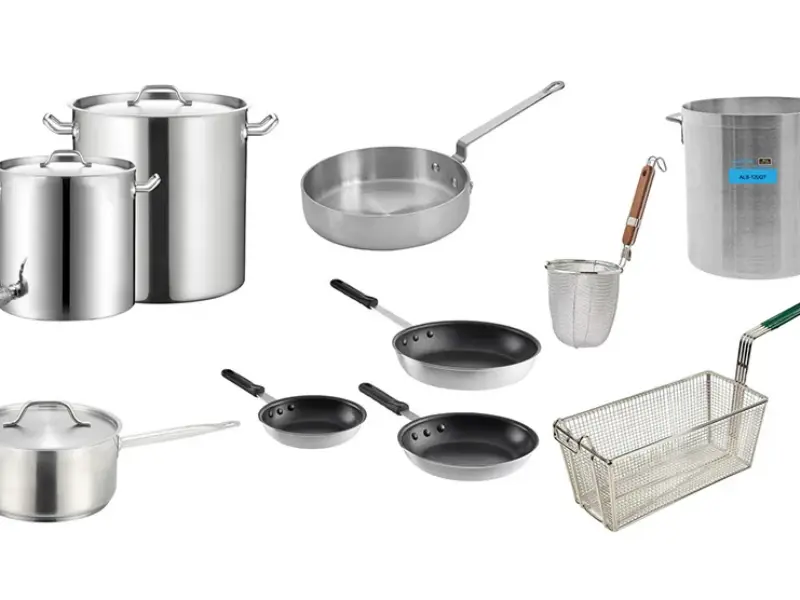
Yes, anodized aluminum discs are considered safe for cookware use. The anodizing process creates a hard oxide layer that prevents direct food contact with raw aluminum. This layer also improves scratch resistance and extends the cookware’s lifespan significantly compared to untreated discs.
What’s the difference between mill finish and polished discs?
Mill finish discs come straight from rolling with a slightly rough surface texture. Polished discs undergo additional processing to create a smooth, reflective surface. Polished discs work better for direct coating applications, while mill finish discs often need extra preparation before coating.
Can I get custom disc sizes for specialty cookware?
Yes, most suppliers offer custom cutting services for specific diameter requirements. This works well for specialty cookware lines or unique pan designs. Custom sizing may involve minimum order quantities and slightly longer lead times compared to standard stock sizes.
How does disc thickness affect pan weight?
Thicker discs directly increase the finished pan’s overall weight. A 3mm disc will produce a noticeably heavier pan than a 1.5mm disc of the same diameter. Consider your target market’s weight preferences when selecting disc thickness for new product lines.
What causes warping in aluminum frying pan discs?
Warping typically results from insufficient thickness, poor temper selection, or manufacturing defects. Rapid temperature changes during cooking can also stress thin discs. Choosing appropriate thickness and quality-controlled temper conditions significantly reduces warping risks in finished cookware.
Building Better Cookware Starts with Quality Discs
Selecting the right aluminum disc for frying pan production shapes your final product’s success. The alloy, temper, thickness, and finish all contribute to cooking performance and durability. Understanding these variables helps cookware manufacturers make informed purchasing decisions.
Whether producing budget-friendly pans or premium cookware lines, matching disc specifications to your product goals matters. Thicker, well-tempered discs suit professional-grade cookware. Thinner, economical options work for value-priced product lines.
Partnering with reliable suppliers ensures consistent quality across production runs. Request proper certifications and maintain open communication about your specific requirements. This approach minimizes production issues and supports long-term business relationships.
The aluminum disc industry continues serving cookware manufacturers worldwide with reliable, efficient material solutions. Quality discs translate directly into quality pans that perform well in kitchens everywhere. Take time evaluating your options, and your cookware line will benefit from smart material choices.