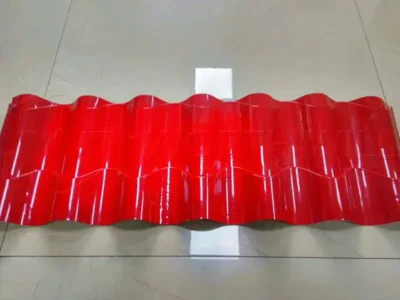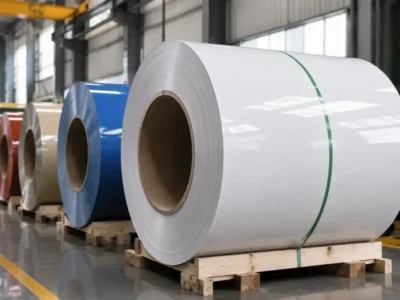
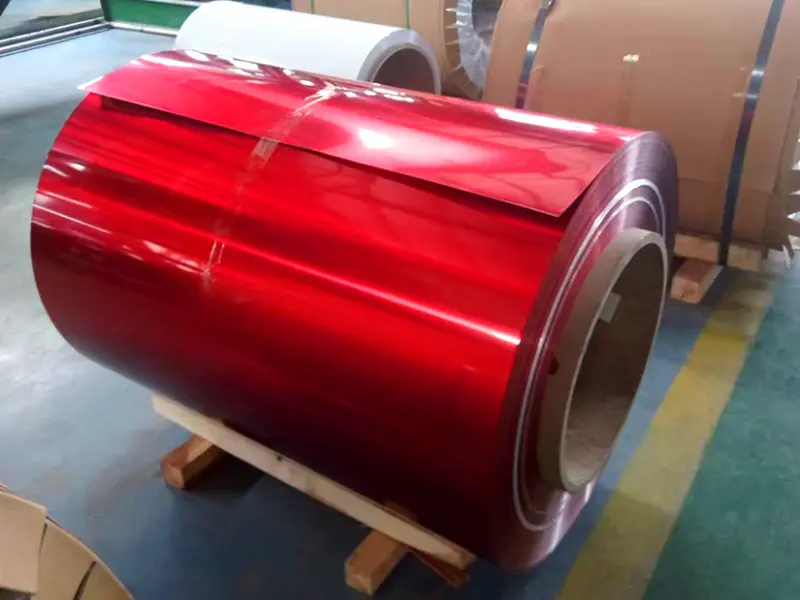
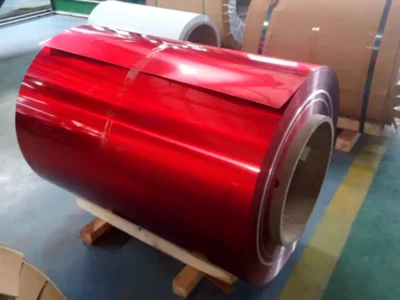
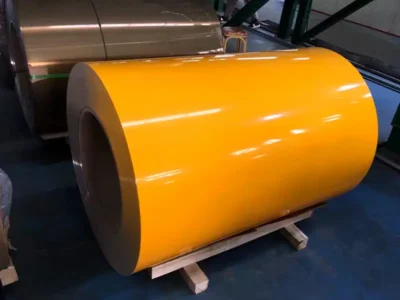
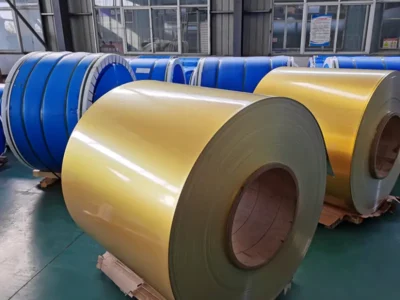
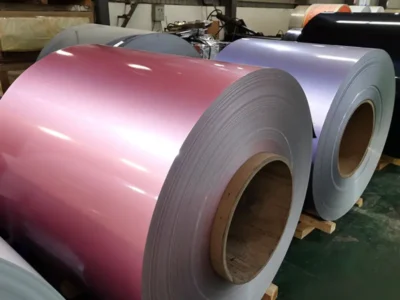
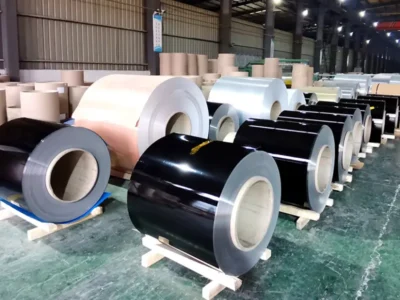
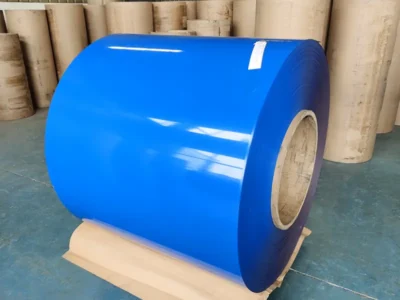
Roller color coated aluminum is a modern building material. It combines aluminum’s lightweight properties with protective coatings. The coating process uses industrial rollers to apply color evenly. This creates a durable, attractive finish.
The product comes in many varieties. Manufacturers produce different alloy types and coating systems. Each type serves specific purposes in construction and manufacturing. The coating protects the metal from weather and extends service life.
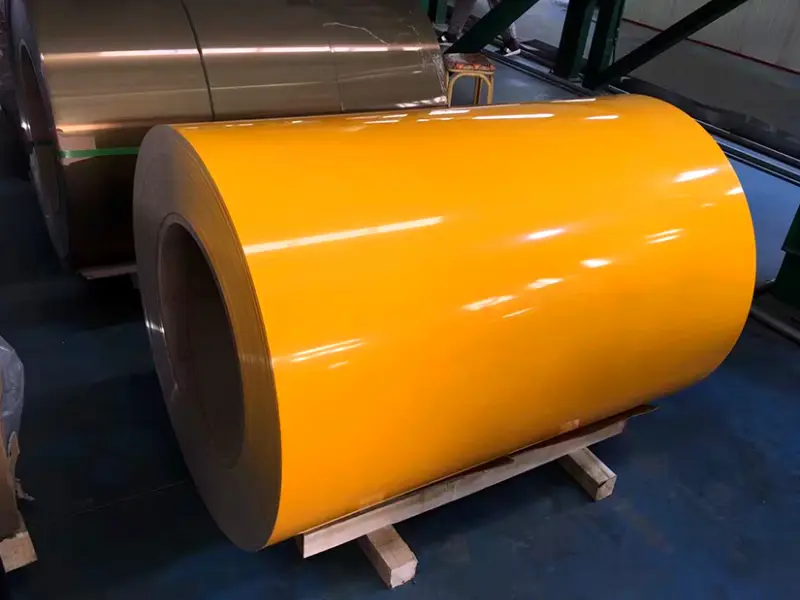
What is Roller Color Coated Aluminum?
Roller color coated aluminum undergoes a special manufacturing process. The raw aluminum sheet passes through coating machines. Industrial rollers apply liquid coating uniformly. Heat then cures the coating permanently.
The process differs from spray painting. Roller application ensures consistent thickness. The coating bonds chemically to the aluminum surface. This creates a long-lasting protective layer.
The Coating Process
The coating process involves several steps:
Process Steps:
- Surface cleaning and preparation
- Chemical treatment for adhesion
- Primer application by rollers
- Topcoat color application
- Heat curing in ovens
- Quality inspection
- Cooling and finishing
This industrial method produces superior results compared to manual coating. The uniform application guarantees consistent protection across the entire sheet.
Alloy Types Used in Roller Color Coated Aluminum
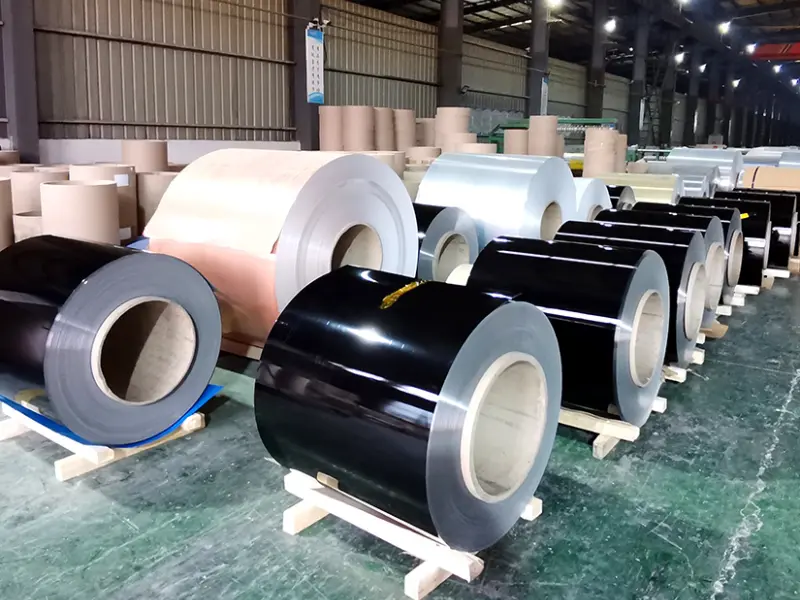
Different aluminum alloys serve different purposes. The choice of alloy affects performance and cost.
3003 Aluminum Base Material
The 3003 alloy is commonly used for color coating. It offers good corrosion resistance and formability.
3003 Characteristics:
- Contains 1.2% manganese
- Excellent formability
- Good corrosion resistance
- Lower cost than premium alloys
- Easy to fabricate and shape
- Good for standard applications
3003 aluminum works well for roofing and wall panels. Its moderate strength suits most building applications.
5052 Aluminum Alloy
The 5052 alloy provides enhanced strength. It resists corrosion better than 3003.
5052 Properties:
- Contains 2.5% magnesium
- Excellent corrosion resistance
- Higher strength than 3003
- Superior for marine environments
- Better for high-stress applications
- More expensive than 3003
5052 aluminum coating performs well in harsh climates. Coastal areas benefit from its enhanced protection.
5754 Aluminum Option
The 5754 alloy offers excellent marine performance. It’s specifically designed for saltwater exposure.
5754 Features:
- Magnesium-based composition
- Superior corrosion resistance
- Lightweight construction
- Excellent weldability
- Better than 5052 in marine settings
- Premium pricing
Shipyards and marine facilities prefer 5754 roller color coated aluminum for its exceptional durability.
| Alloy | Corrosion Resistance | Strength | Cost | Best Use |
|---|---|---|---|---|
| 3003 | Good | Moderate | Low | General building |
| 5052 | Excellent | High | Medium | Industrial |
| 5754 | Superior | High | High | Marine |
| 1100 | Good | Low | Low | Decorative |
Color Coating Systems and Types
The coating system determines durability and appearance. Different systems offer various protection levels.
Polyester Coating System
Polyester is the most common coating choice. It offers good value and protection.
Polyester Characteristics:
- Budget-friendly option
- 15-20 year durability
- Good color retention
- Moderate UV resistance
- Easy maintenance
- Standard colors available
- Good adhesion to aluminum
Polyester coating suits most residential applications. Homeowners choose this option for cost-effectiveness.
Polyvinylidene Fluoride (PVDF) Coating
PVDF provides superior performance. It lasts significantly longer than polyester.
PVDF Benefits:
- Excellent color retention
- Superior UV resistance
- 30+ year lifespan
- Better gloss retention
- Excellent corrosion protection
- Higher cost than polyester
- Premium appearance
Commercial buildings often use PVDF roller color coated aluminum. The investment pays off through longevity.
Polyurethane Coating
Polyurethane offers excellent chemical resistance. It works in industrial environments.
Polyurethane Features:
- Chemical resistant
- Abrasion resistant
- Excellent flexibility
- Superior adhesion
- Industrial applications
- Medium-high cost
- Good for harsh environments
Factories and chemical plants specify polyurethane coating for its durability in aggressive conditions.
Polyamide Coating
Polyamide provides good protection with economy. It balances cost and performance.
Polyamide Properties:
- Good corrosion resistance
- Medium durability
- Economical choice
- Suitable for mild environments
- Good formability
- Standard colors available
- Moderate gloss retention
Rural and mild-climate applications use polyamide coating effectively.
| Coating Type | Lifespan | Cost | UV Resistance | Chemical Resistance |
|---|---|---|---|---|
| Polyester | 15-20 years | Low | Good | Fair |
| PVDF | 30+ years | High | Excellent | Excellent |
| Polyurethane | 20-25 years | Medium | Good | Superior |
| Polyamide | 15-18 years | Low | Fair | Fair |
Color Options Available
Roller color coated aluminum comes in numerous colors. The variety allows matching architectural designs.
Standard Color Palette
Manufacturers offer classic color choices. These colors work with most building designs.
Common colors include:
- White
- Beige
- Tan
- Brown
- Gray
- Black
- Red
- Green
- Navy blue
- Burgundy
Standard colors cost less than custom options. Rapid availability is another advantage.
Metallic and Premium Colors
Premium colors offer distinctive appearances. These options cost more but create unique designs.
Premium color options:
- Gold metallic
- Silver metallic
- Copper finishes
- Bronze tones
- Pearl finishes
- Custom mixing available
- Specialty effects
Architects select metallic finishes for modern buildings. The colors add visual interest and sophistication.
Special Effect Coatings
Some roller color coated aluminum features special finishes. These create distinctive textures and appearances.
Special effects include:
- Wood grain patterns
- Stone textures
- Matte finishes
- Glossy finishes
- Embossed surfaces
- Textured effects
- Custom designs
These specialty finishes command premium pricing. They’re popular in high-end construction projects.
Specifications and Dimensions
Roller color coated aluminum comes in standardized sizes. Various thicknesses meet different application needs.
Common Thickness Options
| Thickness (mm) | Thickness (inches) | Typical Application | Weight per sq meter (kg) |
|---|---|---|---|
| 0.4 | 0.016 | Decorative trim | 1.1 |
| 0.5 | 0.020 | Lightweight panels | 1.4 |
| 0.6 | 0.024 | General panels | 1.6 |
| 0.7 | 0.028 | Roofing | 1.9 |
| 0.8 | 0.031 | Structural panels | 2.2 |
| 1.0 | 0.039 | Heavy-duty applications | 2.7 |
| 1.2 | 0.047 | Industrial use | 3.2 |
Thinner materials reduce costs and weight. Thicker options provide better strength and durability.
Standard Sheet Dimensions
Width Options:
- 600mm (23.6 inches)
- 750mm (29.5 inches)
- 1000mm (39.4 inches)
- 1200mm (47.2 inches)
- 1500mm (59 inches)
Length Options:
- Standard coils up to 2000mm width
- Cut lengths available
- Custom dimensions possible
- Jumbo coils for large projects
Manufacturers produce both sheet and coil formats. Coil products suit high-volume manufacturing. Sheet products work better for specific applications.
Weight Calculations
The weight varies by alloy and thickness. Understanding weight helps with handling and shipping.
Sample Weight per Sheet (1000mm x 2000mm):
| Alloy | 0.5mm | 0.7mm | 1.0mm |
|---|---|---|---|
| 3003 | 2.7 kg | 3.8 kg | 5.4 kg |
| 5052 | 3.0 kg | 4.2 kg | 6.0 kg |
| 5754 | 3.1 kg | 4.3 kg | 6.1 kg |
Lightweight properties make handling easier than steel alternatives.
Applications of Roller Color Coated Aluminum
This versatile material appears in numerous industries. Its combination of durability and aesthetics makes it popular.
Building and Construction Applications
Construction is the largest market for roller color coated aluminum.
Construction uses include:
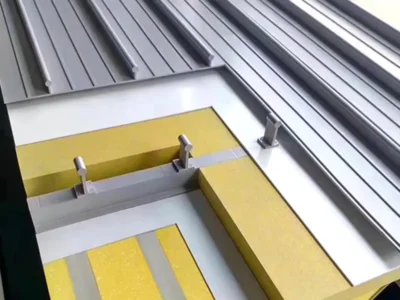
- Roof panels and gutters
- Wall cladding systems
- Fascia and soffit boards
- Flashing materials
- Downspouts and trim
- Architectural panels
- Decorative elements
- Interior wall systems
Builders choose this material for its durability and appearance. The protective coating eliminates painting maintenance. Buildings maintain their appearance for decades without repainting.
Industrial Applications
Industries use roller color coated aluminum for equipment and structures.
Industrial applications:
- Equipment enclosures
- Machine guards
- Industrial ducting
- Container manufacturing
- Storage systems
- Shelving components
- Industrial signage
- Protective barriers
The coating resists industrial environments. Factories benefit from reduced maintenance requirements.
Automotive and Transportation
The automotive sector uses this material in specific applications.
Automotive uses:
- Truck bodies and panels
- Trailer construction
- RV manufacturing
- Bus components
- Cargo containers
- Interior trim pieces
- Exterior decorative panels
Transportation manufacturers appreciate the lightweight properties. Reduced weight improves fuel efficiency.
HVAC and Refrigeration
HVAC systems use roller color coated aluminum for various components.
HVAC applications:
- Air conditioning units
- Ductwork components
- Return air grilles
- Equipment housings
- Heat exchanger covers
- Protective shields
- Aesthetic covers
The coating protects against refrigerant corrosion. HVAC systems operate reliably for years.
Agricultural Equipment
Farms and agricultural facilities use this material extensively.
Agricultural uses:
- Barn roofing
- Equipment sheds
- Storage structures
- Grain storage bins
- Livestock housing
- Equipment protection
- Weather protection
The corrosion resistance suits harsh farm environments. UV-resistant coatings protect against sun damage.
Marine and Coastal Applications
Marine environments demand superior corrosion resistance. This material performs excellently in such conditions.
Marine applications:
- Boat components
- Dock equipment
- Marine structures
- Coastal building materials
- Seawater exposure areas
- Salt spray environments
- Harbor installations
Special marine-grade coatings protect against saltwater. Boats and coastal structures remain corrosion-free.
Solar and Renewable Energy
The renewable energy sector increasingly uses this material.
Energy applications:
- Solar panel frames
- Mounting systems
- Weather protection covers
- Equipment housings
- Support structures
- Installation frameworks
The lightweight construction simplifies installation. Durability ensures long-term performance.
Sign and Display Manufacturing
Signage manufacturers rely on roller color coated aluminum.
Signage uses:
- Storefront signs
- Directional signage
- Outdoor displays
- Advertising panels
- Information boards
- Decorative signage
- Brand displays
The attractive finish and color options create professional appearances. Signs remain vibrant for years.
Comparison with Other Materials
Understanding how roller color coated aluminum compares helps with material selection.
Roller Color Coated Aluminum vs Steel
Steel and aluminum each have advantages and disadvantages.
| Property | Aluminum | Steel |
|---|---|---|
| Weight | Very light | Heavy |
| Corrosion resistance | Excellent with coating | Requires paint |
| Cost | Medium | Lower initially |
| Maintenance | Low | High |
| Lifespan | 20-40 years | 10-20 years |
| Installation | Easy | Difficult |
| Recyclability | Excellent | Good |
| Appearance | Modern | Industrial |
Aluminum offers lower lifetime costs despite higher initial expense. The reduced maintenance saves money over time.
Roller Color Coated Aluminum vs Galvanized Steel
Galvanized steel offers corrosion protection similar to aluminum coating.
| Aspect | Aluminum | Galvanized Steel |
|---|---|---|
| Initial cost | Medium | Low |
| Maintenance | Minimal | Moderate |
| Color options | Many | Limited |
| Aesthetics | Modern | Industrial |
| Weight | Light | Heavy |
| Durability | 30+ years | 20-30 years |
| Customization | Excellent | Limited |
| Environmental impact | Low | Moderate |
Aluminum wins on weight and aesthetics. Steel offers initial cost savings.
Roller Color Coated Aluminum vs Vinyl Siding
Vinyl siding is another common building material. Each has distinct advantages.
| Factor | Aluminum | Vinyl |
|---|---|---|
| Durability | 30-40 years | 20-30 years |
| Maintenance | Minimal | Low |
| Color fade | Excellent resistance | Fair resistance |
| Installation speed | Fast | Medium |
| Cost | Medium | Low |
| Recyclability | Excellent | Poor |
| Weather resistance | Superior | Good |
| Aesthetic appeal | Professional | Standard |
Aluminum provides superior durability and aesthetics. Vinyl offers lower initial cost.
Quality Standards and Certifications
Roller color coated aluminum must meet specific standards. These ensure quality and performance.
International Standards
Common standards include:
- ISO 12944: Corrosion protection levels
- ASTM B244: Coating thickness measurement
- EN 485: Aluminum sheet specifications
- JIS H4000: Japanese standards
- GB/T standards: Chinese regulations
- AAMA standards: American building standards
Manufacturers adhere to these standards for consistency and reliability.
Coating Thickness Specifications
Proper coating thickness ensures durability.
| Coating System | Minimum Thickness (microns) | Recommended Thickness |
|---|---|---|
| Polyester | 20 | 25-30 |
| PVDF | 25 | 30-35 |
| Polyurethane | 25 | 30-40 |
| Polyamide | 20 | 25-30 |
Thicker coatings provide better protection and longer lifespan.
Testing and Quality Assurance
Manufacturers test coatings for quality.
Common tests include:
- Salt spray testing (ASTM B117)
- Color and gloss measurement
- Adhesion testing
- Impact resistance testing
- Flexibility testing
- Humidity chamber testing
- UV aging testing
These tests verify that products meet specifications. Quality assurance protects customers and manufacturers.
Pricing and Cost Factors
Roller color color coated aluminum pricing depends on several variables.
Factors Affecting Pricing
Price determinants:
- Base aluminum alloy choice
- Coating system type
- Color selection
- Thickness specifications
- Order quantity
- Current market rates
- Surface finish quality
- Delivery requirements
Thicker materials and premium coatings cost more. Large orders typically offer better per-unit pricing.
Cost Comparison by Coating Type
| Coating Type | Relative Cost | Value Proposition |
|---|---|---|
| Polyester | 100% (baseline) | Good for budget projects |
| Polyamide | 110% | Better protection |
| Polyurethane | 130% | Industrial environments |
| PVDF | 150-200% | Premium durability |
PVDF costs more but lasts significantly longer. The total cost of ownership favors PVDF for long-term applications.
Volume Pricing
Typical volume discounts:
- 1-10 coils: Standard pricing
- 10-50 coils: 5-10% discount
- 50-100 coils: 10-15% discount
- 100+ coils: 15-25% discount
- Custom orders: Negotiable
Bulk purchasing dramatically reduces costs per unit.
Installation and Fabrication
Roller color coated aluminum fabricates easily. Its properties allow various installation methods.
Fabrication Processes
Common fabrication methods:
- Cutting and shearing
- Bending and forming
- Punching and drilling
- Notching and trimming
- Joining and fastening
- Riveting and bolting
- Welding (with special procedures)
The material accepts standard fabrication techniques. Fabricators can work with common equipment.
Installation Considerations
Installation factors:
- Use compatible fasteners
- Avoid galvanic corrosion
- Seal cut edges properly
- Allow for expansion and contraction
- Use proper sealants
- Support properly for wind loads
- Follow manufacturer guidelines
Proper installation ensures long-term performance. Following procedures prevents premature failure.
Maintenance Requirements
Roller color coated aluminum requires minimal maintenance.
Maintenance tasks:
- Regular cleaning with mild soap
- Inspection for damage
- Sealant inspection annually
- Minor repairs as needed
- No painting required
- No rust treatment necessary
- Occasional protective washing
Low maintenance costs make this material economical over time.
Environmental and Sustainability Benefits
Roller color coated aluminum offers environmental advantages.
Recyclability
Aluminum is infinitely recyclable. No quality loss occurs during recycling.
Recycling benefits:
- Can be recycled indefinitely
- 95% less energy than virgin production
- Reduces landfill waste
- Recoverable scrap value
- Environmental responsibility
- Cost savings through recycling
The circular economy supports aluminum material well.
Energy Efficiency
Buildings using this material save energy.
Energy benefits:
- Reflective properties reduce cooling loads
- Better insulation with proper installation
- Reduced heating and cooling costs
- Lower carbon footprint
- Sustainable building design
- LEED certification eligible
Energy savings accumulate significantly over building lifespan.
Durability and Longevity
Long-lasting materials reduce replacement needs.
Sustainability advantages:
- 30-40 year lifespan reduces waste
- Fewer replacements needed
- Lower production impact
- Reduced material consumption
- Sustainable building practices
- Lifecycle environmental benefit
Durable products support environmental goals.
Roller color coated aluminum Factory
Roller color coated aluminum combines functionality with aesthetic appeal. It serves diverse applications across many industries. The coating systems provide protection for decades.
Choosing the right alloy and coating system ensures optimal performance. 3003 aluminum suits standard applications. 5052 provides enhanced strength and corrosion resistance. 5754 excels in marine environments.
The color options and finishes allow creative design freedom. Modern buildings benefit from the attractive appearance. Architectural designs incorporate this material as a signature element.
Installation remains straightforward. Maintenance requirements stay minimal. Long-term costs prove economical compared to alternatives. The environmental benefits support sustainable building practices.
Whether you’re planning a construction project, manufacturing equipment, or creating signage, roller color coated aluminum delivers reliability and beauty. The investment in quality material pays dividends through years of trouble-free service.