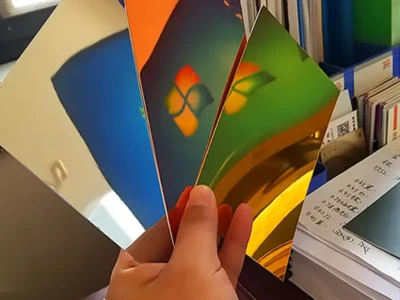
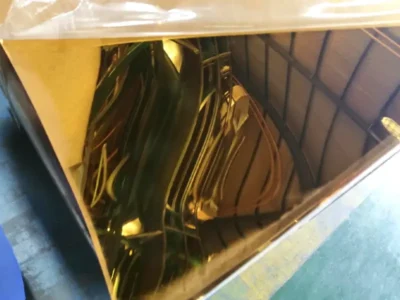
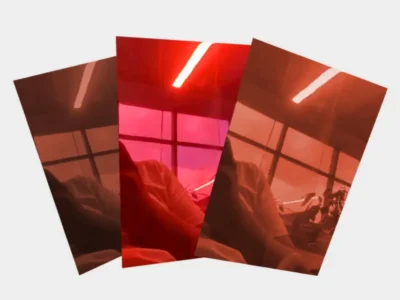
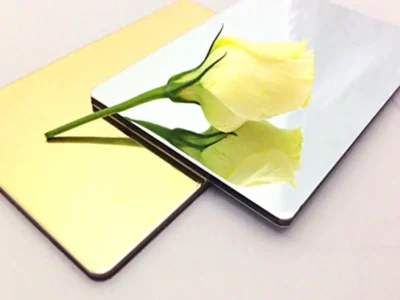
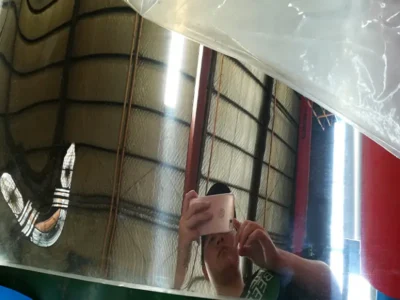
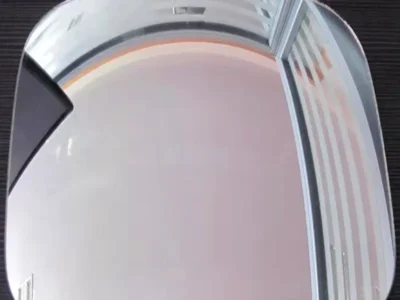
Mirror aluminum sheet is aluminum that has been polished to a high-gloss, reflective finish. The surface acts like a mirror, reflecting light and images almost as clearly as glass. Unlike glass mirrors, this sheet is lightweight, shatterproof, and easy to cut into custom shapes.
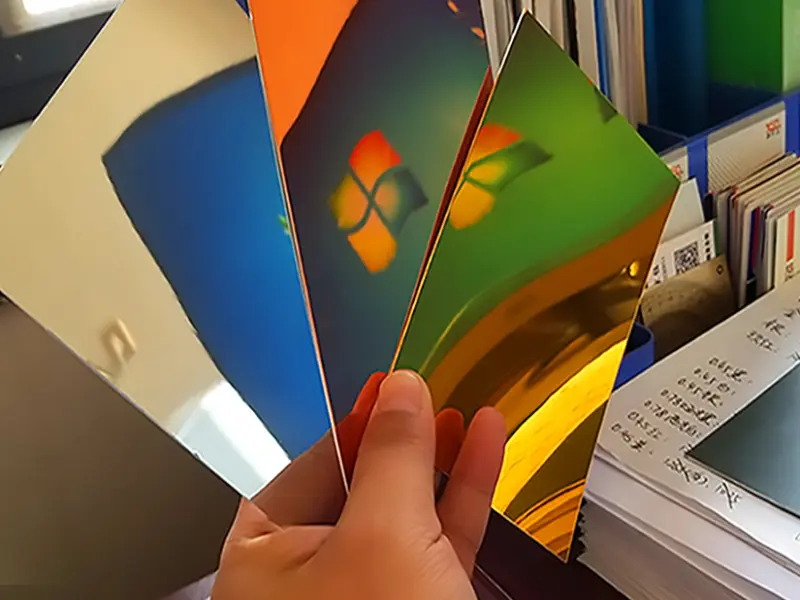
The reflective effect comes from mechanical or chemical polishing. This process smooths the surface down to a microscopic level, removing all roughness so light bounces back evenly. The result is a bright, decorative metal surface used across signage, design, and architecture.
Alloy Types: 1100 vs 3003
Mirror finish aluminum sheet is mainly produced in two alloys. Each one offers a different balance of shine, strength, and price.
| Alloy | Reflectivity | Strength | Cost | Best For |
|---|---|---|---|---|
| 1100 | Highest | Lower | Lower | Decorative panels, light-duty signage |
| 3003 | High | Higher | Slightly higher | Structural signage, outdoor panels |
1100 Mirror Aluminum Sheet
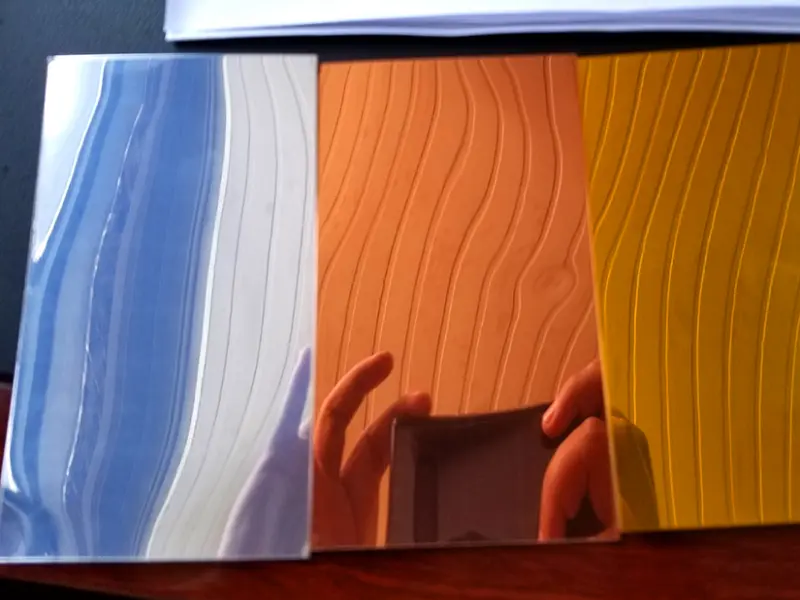
1100 is nearly pure aluminum, around 99% purity. This high purity gives it the brightest possible mirror shine. It is soft, so it bends and cuts easily, but it is not the strongest choice for heavy-duty panels. It works well for indoor decoration, small reflective signs, and craft projects.
3003 Mirror Aluminum Sheet
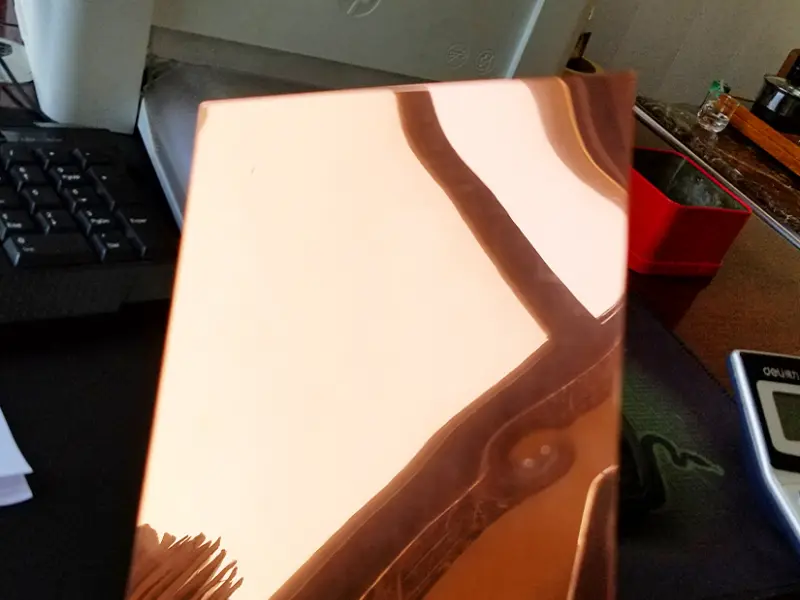
3003 has added manganese, which improves strength and rigidity. The mirror finish is still bright, just slightly less reflective than 1100. This alloy holds up better outdoors and under stress, making it the common pick for signage that needs both shine and durability.
Polishing Types: How the Mirror Finish Is Made
| Polishing Method | Process | Finish Quality | Cost Level |
|---|---|---|---|
| Mechanical polishing | Buffing wheels with abrasive compounds | Very high gloss | Medium |
| Chemical polishing | Acid bath smooths surface | High gloss, uniform | Medium-High |
| Electro-polishing | Electric current + chemical bath | Highest gloss, smoothest | High |
| Anodized mirror finish | Polish + anodic oxide layer | High gloss + added protection | High |
Mirror Aluminum Sheet
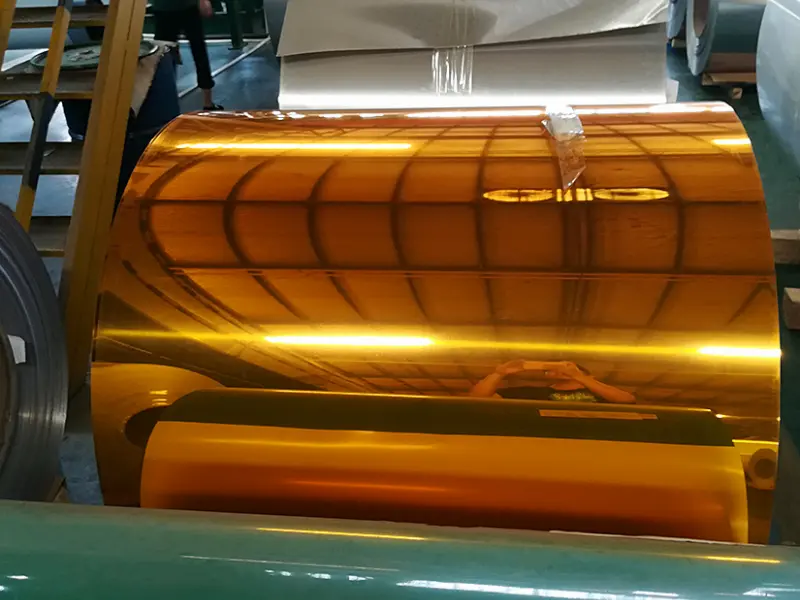
Mechanical Polishing
This is the traditional method. Spinning buffing wheels with polishing compound smooth the aluminum surface in stages, from coarse to fine. It produces a strong shine at a reasonable cost, and it’s the most common method for general signage sheet.
Chemical Polishing
The sheet is dipped into an acid solution that dissolves microscopic high points on the surface. This levels the surface chemically rather than mechanically. The finish is very even, which helps with large sheets where mechanical polishing might leave faint lines.
Electro-Polishing
This combines an electric current with a chemical bath. It produces the smoothest, brightest finish of all methods. It is often used for premium architectural panels and high-end retail displays where reflection quality matters most.
Anodized Mirror Finish
After polishing, a clear anodic oxide layer is added. This layer protects the shine from scratching and oxidation. It is a good option for outdoor signage that needs to keep its brightness for years.
Thickness Options and Their Use
| Thickness (mm) | Common Use |
|---|---|
| 0.3–0.5 | Small decorative panels, craft signs |
| 0.6–1.0 | Indoor signage, nameplates |
| 1.0–1.5 | General outdoor signs, display panels |
| 2.0–3.0 | Large architectural panels, structural signage |
| 3.0+ | Heavy-duty panels, reinforced display structures |
Thin sheet is easy to bend and shape but can show waviness in the reflection. Thicker sheet stays flatter, which improves the mirror clarity on large panels.
Full Technical Specifications
| Parameter | Value |
|---|---|
| Alloy | 1100 / 3003 |
| Temper | H14, H16, H18, H24 |
| Thickness | 0.3–4.0 mm |
| Width | 600–1,600 mm |
| Length | 1,000–4,000 mm (or coil) |
| Surface | Mirror polished, optional anodized |
| Standards | ISO, ASTM, SGS |
Product Types: Different Mirror Finish Styles
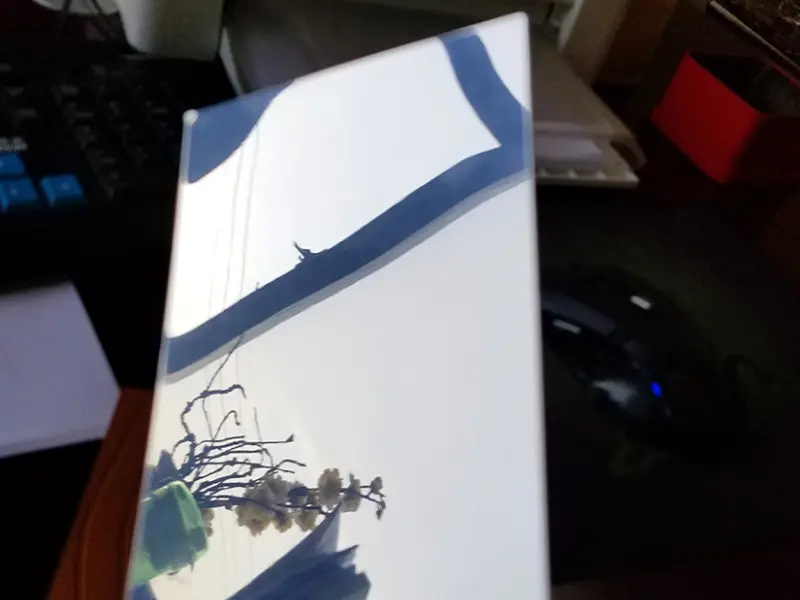

Standard Mirror Aluminum Sheet
This is the basic bright, fully reflective finish. It looks similar to a polished metal mirror and gives a clean, modern look. Common in signage, interior panels, and elevator interiors.
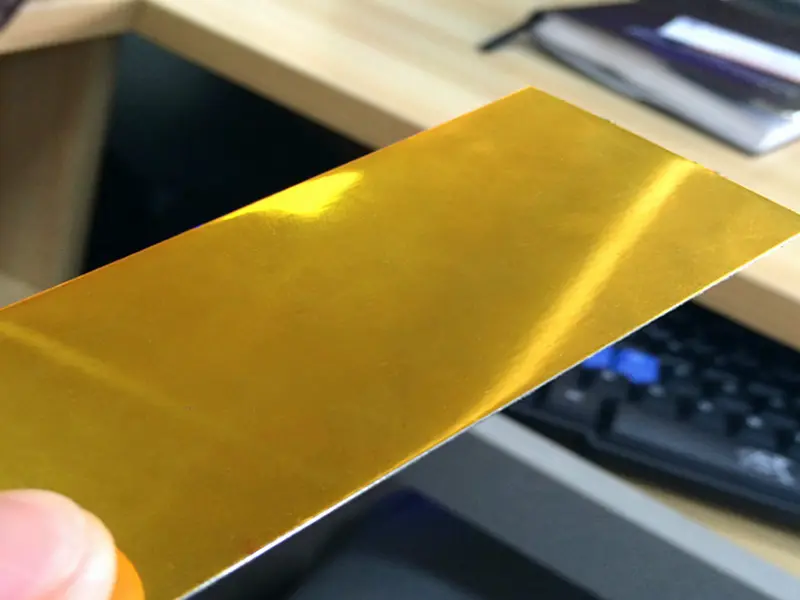
Gold Mirror Aluminum Sheet
A colored anodic or coated layer is added on top of the mirror polish. This creates a warm, gold-toned reflective surface. It’s popular in retail branding, luxury signage, and decorative ceiling panels.
Color Mirror Aluminum Sheet
Beyond gold, mirror sheet can be tinted in blue, rose gold, black, or bronze tones using color-coating or color-anodizing techniques. This is common for architectural accents and branded storefronts.
Brushed-Mirror Hybrid Sheet
This combines a brushed texture in some areas with mirror polish in others, often used to create patterns or logos that catch light differently across the panel.
Anti-Fingerprint Mirror Sheet
A thin protective coating is added to reduce fingerprint marks and smudges. This is useful for high-touch areas like elevator panels, handrails, and retail display cases.
Safety-Backed Mirror Sheet
For signage near walkways or public areas, a film backing can be added. If the panel is scratched or impacted, the film helps hold fragments together and reduces sharp edges.
Alloy Comparison for Signage Use
| Feature | 1100 | 3003 |
|---|---|---|
| Reflectivity | Highest | High |
| Strength | Lower | Higher |
| Outdoor durability | Fair | Good |
| Workability (bending/cutting) | Easiest | Good |
| Cost | Lower | Slightly higher |
| Best application | Indoor decoration | Outdoor signage, structural panels |
For pure decorative shine indoors, 1100 gives the brightest result. For outdoor signs that face wind, rain, or impact, 3003 holds up better over time.
Key Properties
- High reflectivity: mirrors light almost like glass
- Lightweight: much easier to handle than glass mirrors
- Shatterproof: will not crack or break like glass
- Corrosion resistant: aluminum naturally resists rust
- Cuttable and bendable: fits custom shapes and panel sizes
- Available in colors: gold, bronze, blue, and more
Can Mirror Aluminum Sheet Be Used for Signage?
Yes, mirror aluminum sheet is a popular signage material. It stands out visually because it reflects surrounding light and color, drawing attention faster than flat or matte surfaces. Here’s why it works well for this purpose:
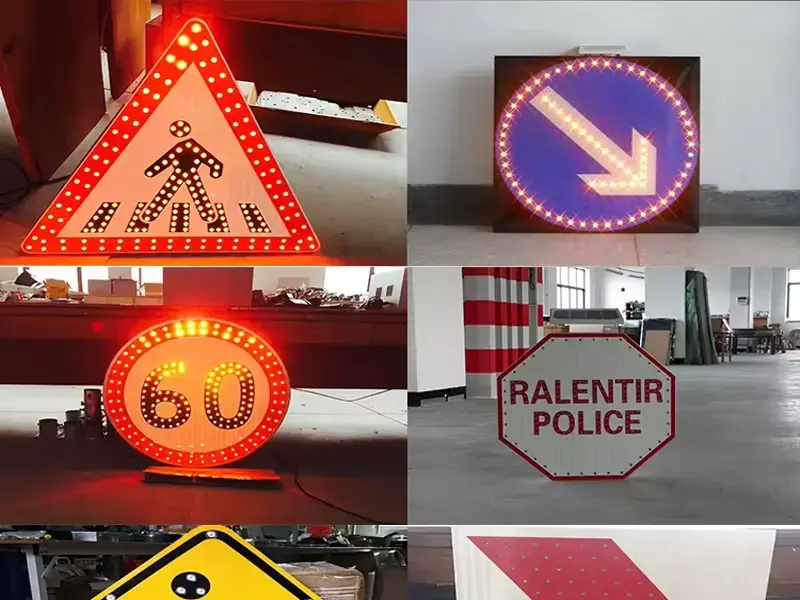
- High visual impact: reflective surfaces catch the eye in retail and advertising settings
- Durable outdoors: with the right alloy and anodized layer, it holds up in sun and rain
- Easy to print or cut: can be laser cut into logos, letters, or custom shapes
- Lightweight installation: easier to mount than glass alternatives, with less risk during handling
For outdoor signage, 3003 alloy with an anodized mirror finish is the most common choice. It balances brightness with long-term weather resistance. For indoor branding and retail displays, 1100 alloy offers the brightest shine where weather is not a factor.
How to Clean Mirror Aluminum Sheet
Daily Cleaning
- Wipe with a soft microfiber cloth
- Use plain water or a mild soap solution
- Always wipe in one direction, not circular motions
- Dry immediately with a clean, dry cloth to avoid water spots
Removing Fingerprints and Smudges
- Use a small amount of glass cleaner on a soft cloth
- Avoid spraying cleaner directly on the panel
- Wipe gently, then buff dry with a separate cloth
What to Avoid
- Abrasive sponges or scrub pads
- Powdered cleaners or anything with grit
- Ammonia-based or acidic cleaners on anodized finishes
- Paper towels, which can leave fine scratches over time
For Outdoor Panels
Rinse with clean water first to remove dust and grit before wiping. This prevents loose particles from scratching the surface during cleaning.
Thickness vs. Application Quick Reference
| Application | Recommended Thickness | Recommended Alloy |
|---|---|---|
| Craft signs, small panels | 0.3–0.5 mm | 1100 |
| Indoor nameplates, decor | 0.6–1.0 mm | 1100 / 3003 |
| Outdoor storefront signs | 1.0–2.0 mm | 3003 |
| Large architectural panels | 2.0–3.0 mm | 3003 |
| Structural display panels | 3.0 mm+ | 3003 |
Frequently Asked Questions
What Is the Difference Between Mirror Aluminum Sheet and a Glass Mirror?
Mirror aluminum sheet is lightweight and shatterproof, unlike glass. It can be cut into custom shapes more easily and installed without the risk of breaking. The reflection is slightly less perfect than glass, but for signage and decorative use, the difference is barely noticeable.
Does Mirror Aluminum Sheet Scratch Easily?
The polished surface can scratch if cleaned with abrasive materials or harsh tools. An anodized mirror finish adds a protective layer that resists scratching better than a plain polished surface. Careful handling and proper cleaning extend the panel’s shine over time.
Can Mirror Aluminum Sheet Be Used Outdoors?
Yes, especially with the 3003 alloy and an anodized protective layer. This combination resists weather, UV exposure, and minor impacts. Without anodizing, the mirror finish may dull faster when exposed to rain and sun over long periods.
How Do You Cut Mirror Aluminum Sheet Without Damaging the Finish?
Laser cutting and waterjet cutting are the safest methods because they don’t touch the polished surface directly. Mechanical shearing can work too, but the sheet should be protected with a film layer during the cutting process to avoid scratches.
Which Alloy Gives the Brightest Mirror Finish?
1100 alloy gives the brightest, clearest reflection because of its high aluminum purity. 3003 is slightly less reflective but stronger, making it a better choice when durability matters more than maximum shine.
Can the Mirror Finish Be Colored?
Yes. Color-anodizing or color-coating can be applied over the polished surface to create gold, bronze, blue, black, or rose gold mirror finishes. These are popular in branding and architectural design.
How Long Does the Mirror Shine Last?
With proper care and an anodized protective layer, the shine can last many years, even outdoors. Without anodizing or with poor maintenance, the finish may dull within a shorter time, especially in harsh weather conditions.
What Thickness Should I Choose for a Large Wall Panel?
For large wall panels, 2.0 to 3.0 mm thickness is recommended. Thicker sheet stays flatter, which keeps the reflection clear and avoids waviness that can appear in thinner panels.
Title: Mirror Aluminum Sheet — Alloy 1100/3003 | Polished Reflective Aluminum for Signage
Description: Mirror aluminum sheet in alloy 1100 and 3003. Mechanical, chemical, and electro-polished finishes available. Thickness from 0.3 to 4.0 mm. Ideal for signage, architectural panels, and decorative use. Easy to clean and maintain.
Keywords: mirror aluminum sheet, polished aluminum sheet, mirror finish aluminum, 1100 mirror aluminum, 3003 mirror aluminum, reflective aluminum panel, gold mirror aluminum sheet, anodized mirror aluminum, aluminum mirror signage, how to clean mirror aluminum