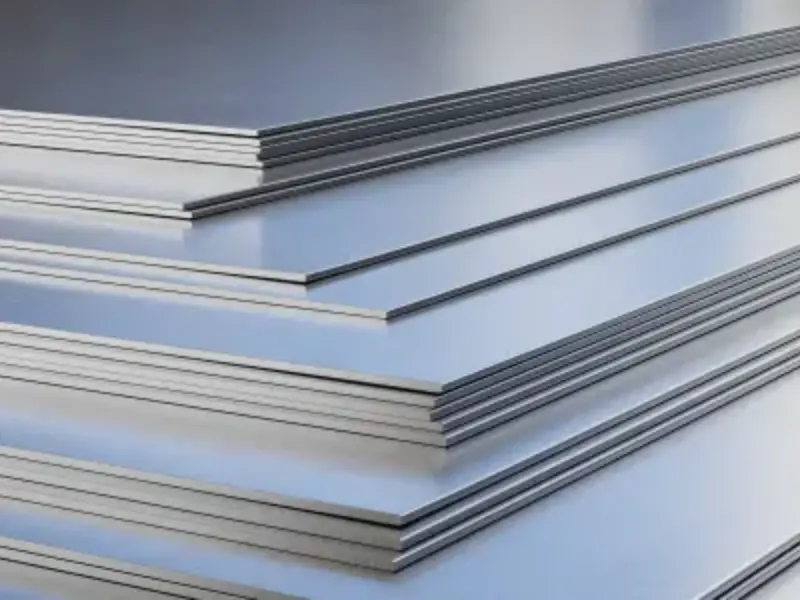
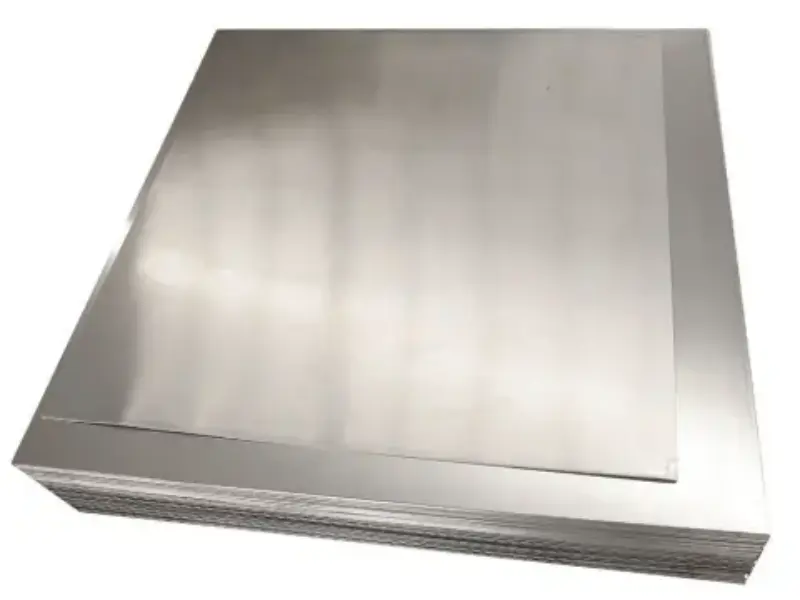
If you are looking for a 4×8 sheet of 1/8 inch aluminum price, you are looking for one of the most common sizes in the metal industry. A 4×8 sheet is exactly 48 inches by 96 inches. In metric terms, this is about 1219mm×2438mm. The thickness, 1/8 inch, is equal to 0.125 inches or approximately 3.175mm.
This specific size and thickness is popular because it is strong enough for structural work but light enough to handle.
What is the Current 4×8 Sheet of 1/8 Inch Aluminum Price?
The price of aluminum is not fixed. It changes every day based on the global market (LME). However, for a single 4×8 sheet of 1/8 inch aluminum price, you can expect a range based on the alloy and finish.
Estimated Price Table


| Product Type | Alloy | Estimated Price (USD) |
|---|---|---|
| Standard Mill Finish | 3003 | 140$$ – 180$$ |
| Marine Grade Sheet | 5052 | 170$$ – 220$$ |
| Structural Grade | 6061−T6 | 200$$ – 260$$ |
| Diamond Tread Plate | 3003/6061 | 190$$ – 250$$ |
| Black Painted Sheet | 3003 | 180$$ – 230$$ |
Note: Prices are estimates. Bulk orders from a manufacturer will significantly lower the price per sheet.
Factors That Influence the Price
When you ask for a quote, the supplier will look at several factors.
1. The Aluminum Alloy
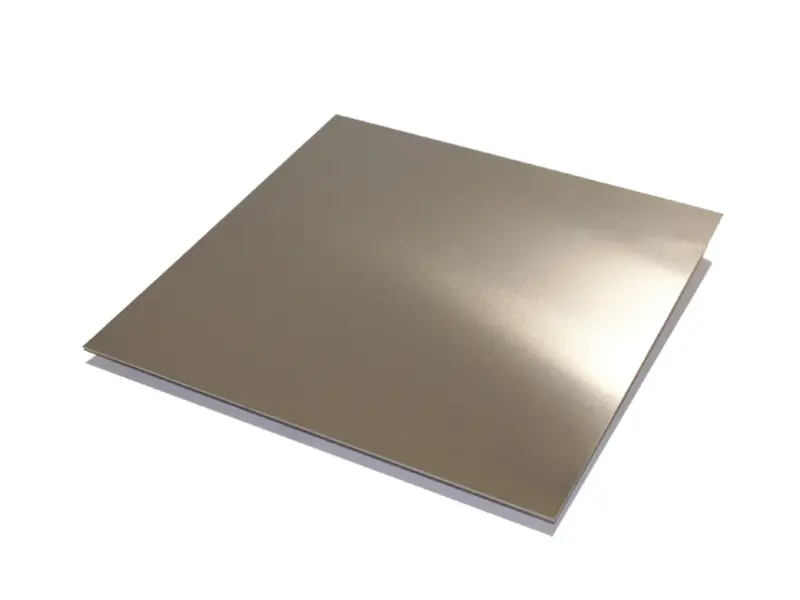
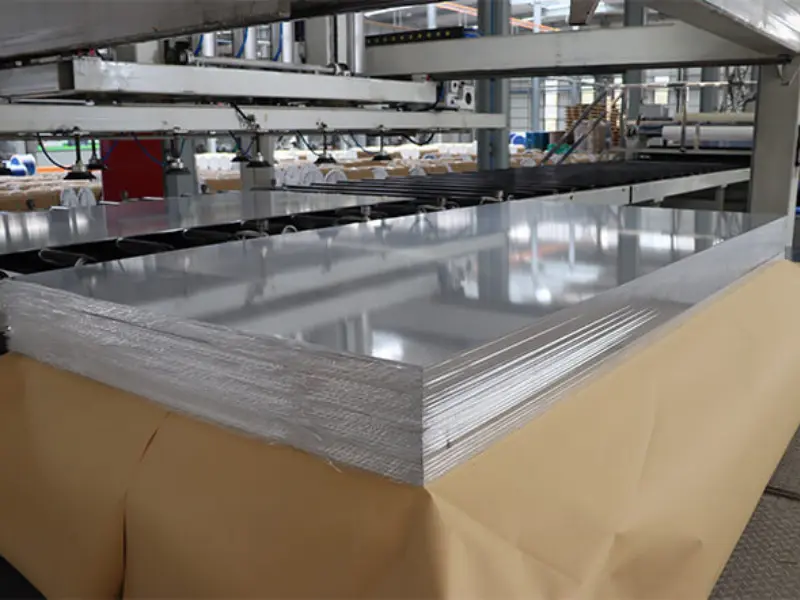
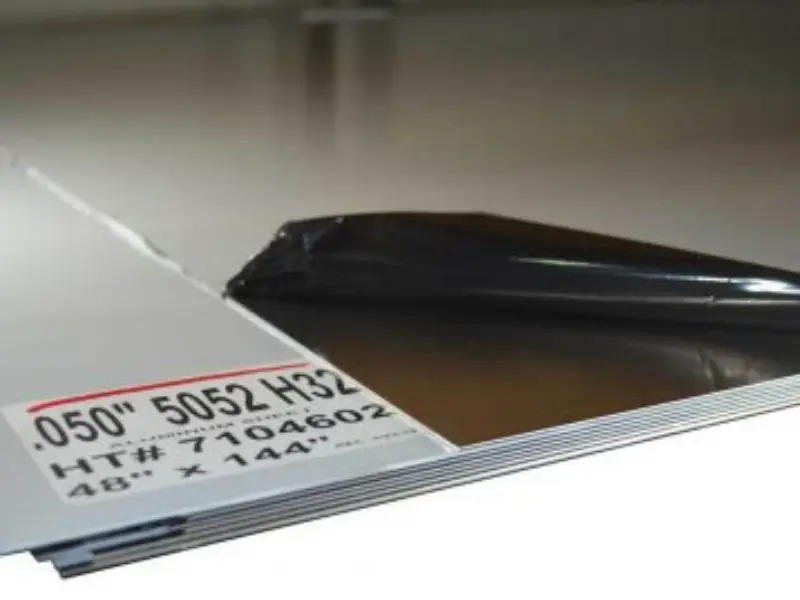
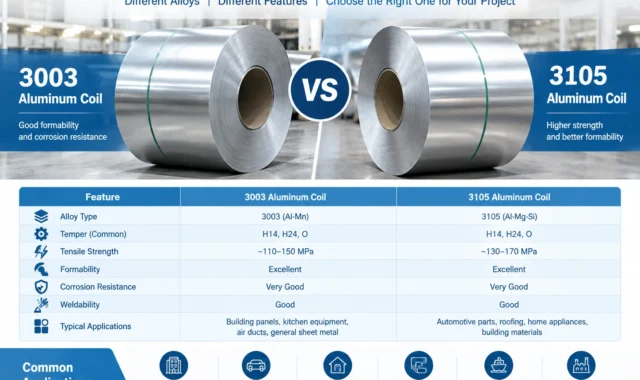
The “recipe” of the metal changes the cost. 3003 aluminum is the most affordable. 5052 aluminum costs more because it contains magnesium. 6061 aluminum is usually the most expensive because it is heat-treated for extreme strength.
2. Market Fluctuations
Aluminum is a commodity. If the cost of raw aluminum goes up globally, your 4×8 sheet of 1/8 inch aluminum price will also go up. Buying during market dips can save you money.
3. Surface Treatment
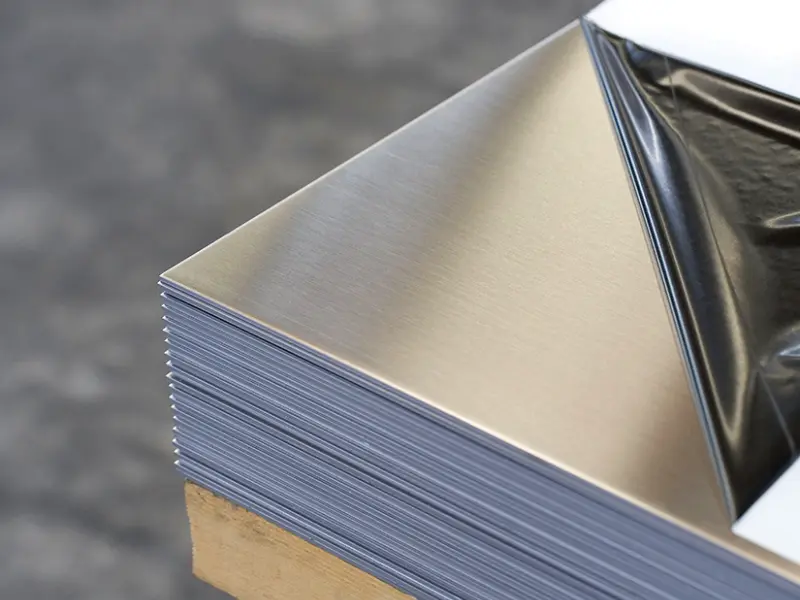
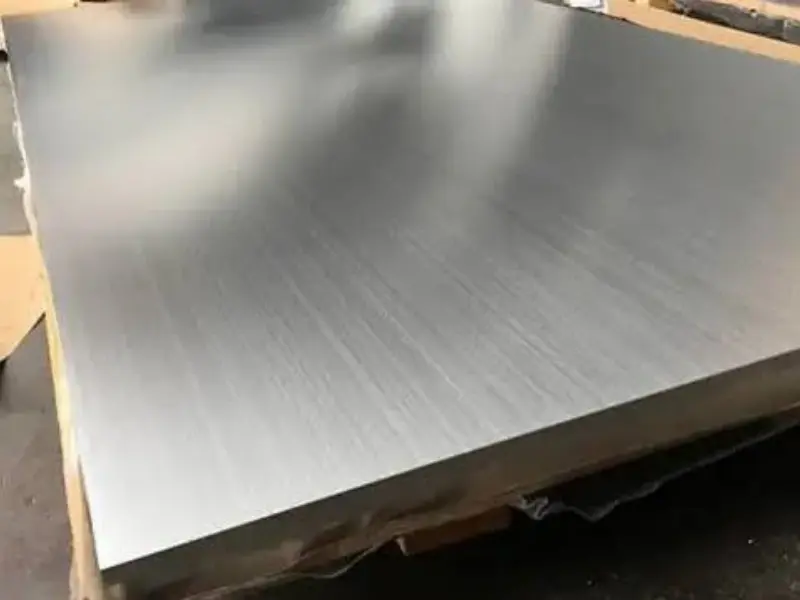
A raw “mill finish” sheet is the cheapest. If you want a brushed look, a polished mirror look, or a painted surface, you will pay extra for the labor and materials used in the finishing process.
Weight and Dimensions
Knowing the weight is important for shipping costs. Aluminum is about one-third the weight of steel.
| Specification | Measurement |
|---|---|
| Length | 96 inches (2438mm) |
| Width | 48 inches (1219mm) |
| Thickness | 0.125 inches (3.175mm) |
| Weight per Square Foot | Approx 1.76 lbs |
| Total Weight per Sheet | Approx 56.4 lbs (25.6 kg) |
Common Alloy Types for 4×8 Sheets
In the 1/8 inch thickness, three alloys dominate the market. Each has a specific “job.”
3003 Aluminum: The All-Rounder
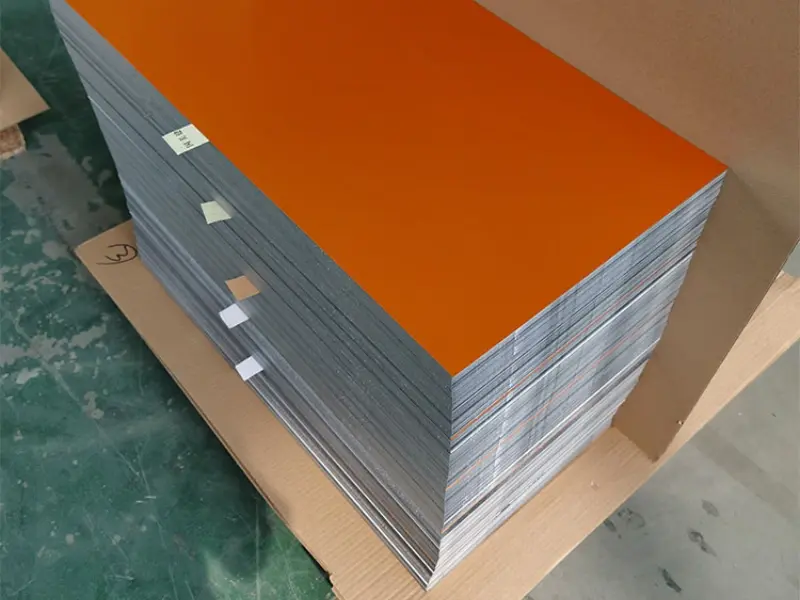
This is the most common alloy for general use. It is very easy to bend and weld. If your project is indoors or doesn’t need to hold a massive amount of weight, this is the best value.
5052 Aluminum: The Marine Choice
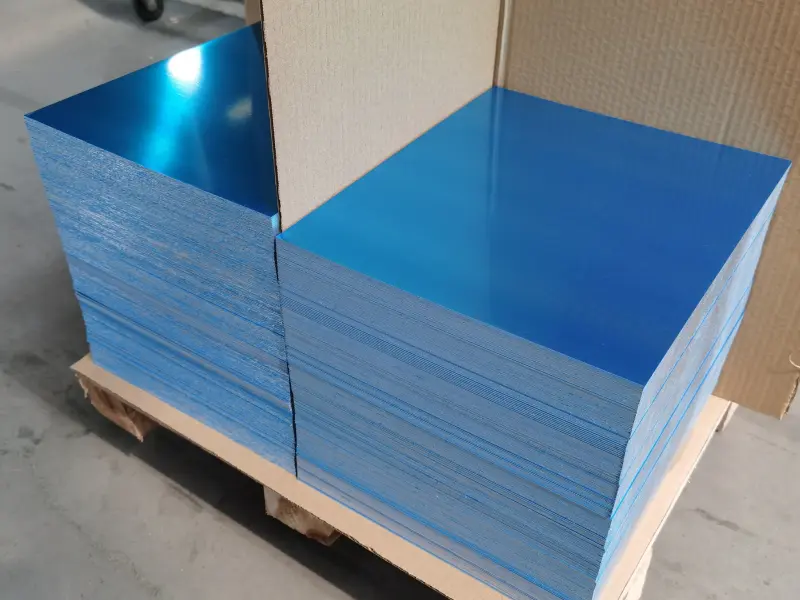
If your project will be outside or near the ocean, you need 5052. It is very resistant to salt-water corrosion. It is also stronger than 3003 and very good for fuel tanks and boat parts.
6061-T6 Aluminum: The Structural King
This is the “hard” aluminum. It is used for frames and heavy machinery. It does not bend easily—it is meant to stay stiff. If you need a 4×8 sheet of 1/8 inch aluminum price for a truck bed or a bridge part, this is the one.
Different Product Types and Finishes
You can buy a 4×8 sheet of 1/8 inch aluminum in many different styles. Choosing the right “type” can save you from having to paint or treat the metal later.
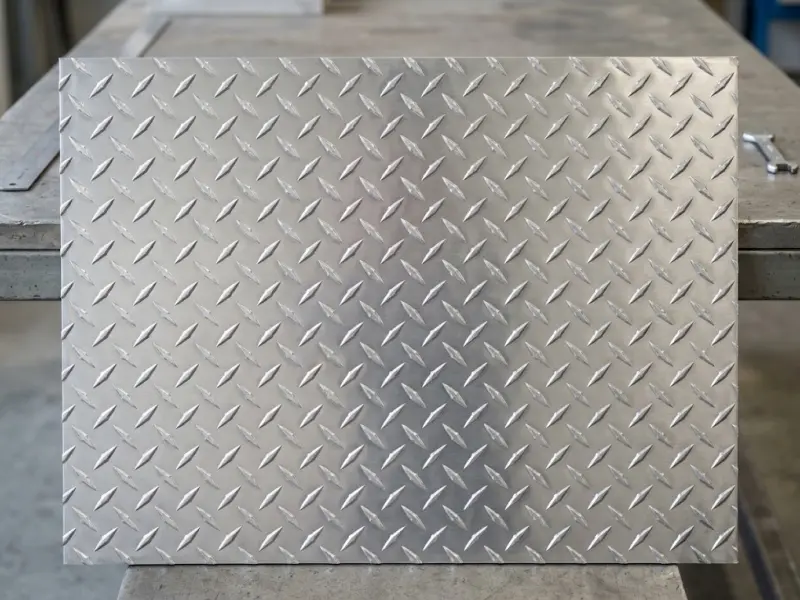
Aluminum Diamond Plate (Tread Plate)
This sheet has a raised “diamond” pattern on one side.
- Use: Toolboxes, trailer floors, and emergency vehicle steps.
- Benefit: It provides excellent grip so people don’t slip.
Painted Aluminum Sheet
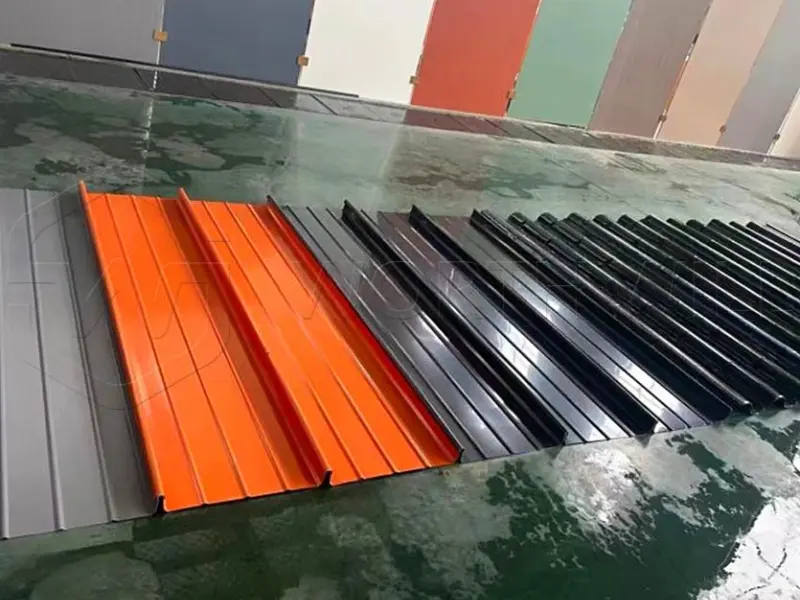
These sheets come with a factory-baked coating (PE or PVDF).
Benefit: You don’t need to paint it yourself. It comes in black, white, red, and many other colors.
Use: Signage, trailer skins, and building facades.
Perforated Aluminum Sheet
This is a sheet with a pattern of holes punched into it.
- Use: Decorative screens, vents, and filters.
- Benefit: It allows air or light to pass through while remaining strong.
Anodized Aluminum Sheet
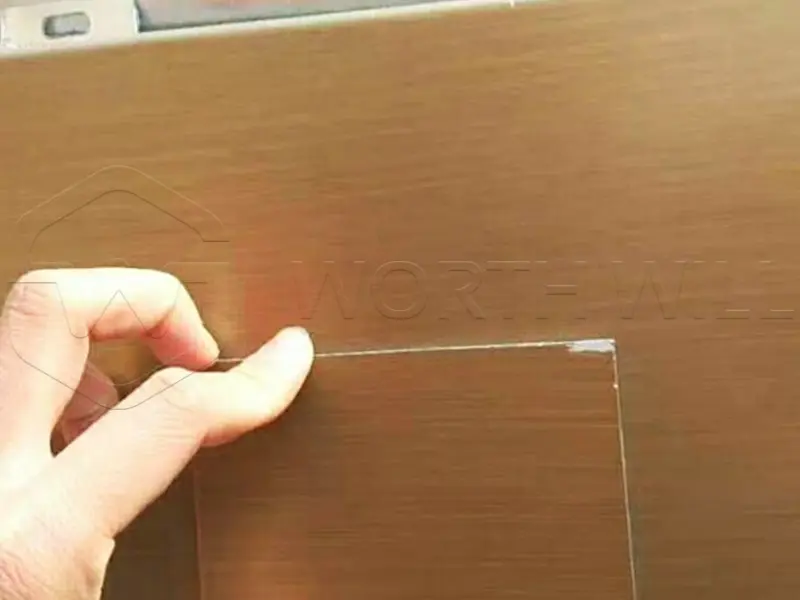
Anodizing is an electrochemical process that makes the surface very hard and scratch-resistant.
Benefit: It looks very professional and will never rust or peel.
Use: High-end electronic cases and architectural trim.
Top Applications for 1/8 Inch Aluminum Sheets
Where exactly do people use a 4×8 sheet of this thickness? Here are the most common applications:
- Trailer Manufacturing: Many utility trailers use 1/8 inch sheets for side walls and flooring.
- Custom Fabrication: Small shops use these sheets to make brackets, boxes, and guards.
- Automotive: Floor pans and heat shields in race cars.
- Boats: Small boat hulls, decks, and internal storage compartments.
- Signage: Large outdoor signs that need to be stiffer than thin gauge aluminum.
- Industrial Walkways: Used in factories for light-duty ramps and walkways.
Comparing 1/8 Inch Aluminum to Other Thicknesses
Is 1/8 inch right for you? Sometimes people buy a sheet that is too thick and spend too much money.
| Gauge/Thickness | Inch Decimal | Strength Level | Best For |
|---|---|---|---|
| 14 Gauge | 0.063″ | Light | Car body panels, signs |
| 11 Gauge | 0.090″ | Medium | Fuel tanks, heavy signs |
| 1/8 Inch | 0.125″ | High | Trailers, boat hulls |
| 3/16 Inch | 0.187″ | Very High | Heavy equipment, docks |
As you can see, the 4×8 sheet of 1/8 inch aluminum price sits in the “sweet spot” of high strength without the extreme cost of thicker plates.
Tips to Get the Best Price

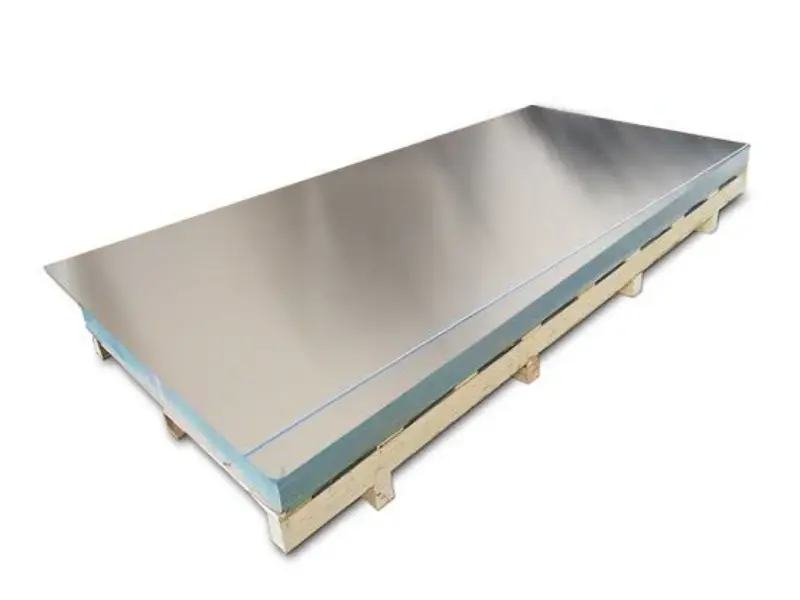
If you are looking to save money on your project, follow these simple tips:
- Buy Standard Sizes: A 4×8 sheet is a standard factory size. If you ask for a 3×7 sheet, you might pay more for the labor of cutting it.
- Ask for Mill Finish: Unless you need it to be pretty, stick with the mill finish. You can always sand or paint it later if needed.
- Check the Alloy: Don’t buy 6061 if 3003 will work. You could save $$$50$$ or more per sheet.
- Bulk is Better: Shipping a single sheet is expensive because it requires a large pallet. Buying 5 or 10 sheets at once usually lowers the “per sheet” shipping cost.
Quality Checklist Before You Buy
When your sheet arrives, check these three things:
- Surface Condition: There should be no deep scratches or “water stains” (white corrosion).
- Flatness: Lay the sheet on a flat floor. A high-quality 4×8 sheet of 1/8 inch aluminum should not have big waves or “oil canning.”
- Corner Quality: Ensure the corners aren’t bent or damaged from shipping.
4×8 Sheet of 1/8 Inch Aluminum Price
The 4×8 sheet of 1/8 inch aluminum price is a great investment for many construction and DIY projects. It offers a perfect balance. It is light enough for one or two people to move, but strong enough to build a boat or a trailer.

By choosing the right alloy (like 3003 for general use or 5052 for wet environments) and buying in standard sizes, you can get the best value for your money. Whether you need a diamond plate for a toolbox or a smooth sheet for a sign, this material will last for decades without rusting.
If you need a specific quote for your region or a bulk order, contact your local aluminum supplier today. Always ask for a “Mill Test Certificate” to be sure you are getting the exact alloy and thickness you ordered.
4×8 Sheet of 1/8 Inch Aluminum Price
A 4×8 sheet of 1/8 inch aluminum sits in a common but often confusing price bracket, since cost swings noticeably based on alloy, finish, and where you buy it.
Why This Size and Thickness Combination Is So Common
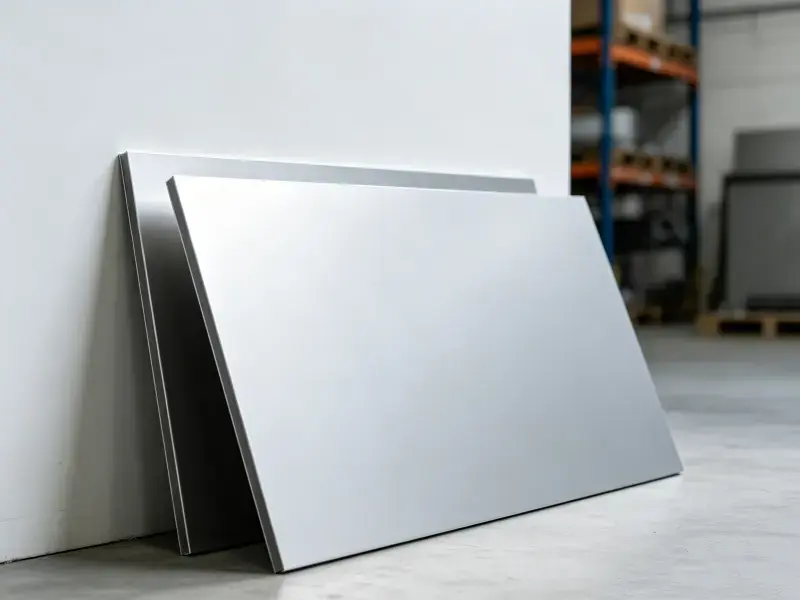
48 inches by 96 inches remains the most widely stocked sheet size in the industry, and 1/8 inch (.125 inch) sits right at the point where sheet metal starts behaving like light structural plate. Together, this combination covers a huge range of fabrication, flooring, and structural projects.
Because both the size and thickness are so standard, pricing tends to be more transparent and competitive than custom dimensions, which makes this a good reference point for comparing supplier quotes.
Why Buyers Search for This Exact Combination
- It is a common cut size for trailer panels, brackets, and flooring
- 1/8 inch offers real rigidity without full plate weight
- Standard sizing means better stock availability and pricing
- Easy to compare pricing across multiple suppliers using the same reference size
What Determines the Price at This Size
| Price Factor | Effect on Cost |
|---|---|
| Alloy type | Structural alloys like 6061 cost more than 3003 |
| Surface finish | Mill finish costs less than polished or painted |
| Order quantity | Price per sheet drops at higher volumes |
| Supplier type | Mills often price lower than distributors |
| Market aluminum price | Raw material index shifts pricing over time |
Two suppliers quoting the same 4×8 sheet at 1/8 inch can land on very different prices once alloy grade and finish are factored in, so it helps to confirm exact specifications before comparing numbers side by side.
Weight as a Pricing Reference Point
Since aluminum is often priced by weight, knowing the sheet’s weight helps sanity-check any quote you receive.
| Alloy | Approx. Weight per 4×8 Sheet (lb) |
|---|---|
| 3003 | 169 |
| 5052 | 171 |
| 6061 | 169 |
| 5083 | 172 |
At roughly 169 to 172 pounds per sheet, weight stays fairly consistent across common alloys at this thickness, since aluminum density does not vary much between structural grades.
Alloy Options and Relative Price Level
| Alloy | Temper | Relative Price | Best For |
|---|---|---|---|
| 3003 | H14 | Lowest | General fabrication, tanks, panels |
| 5052 | H32 | Moderate | Marine parts, higher strength panels |
| 6061 | T6 | Moderate to higher | Structural brackets, machined parts |
| 5083 | H32 | Higher | Heavy-duty marine and structural use |
3003 remains the most budget-friendly choice at this size and thickness, while 6061 and 5083 carry a price premium tied to their added strength and processing requirements.
Why Alloy Choice Shifts Price So Much
- 3003 uses simpler processing and lower-cost alloying elements
- 6061 requires heat treatment to reach T6 temper, adding production cost
- 5083 often requires additional testing and certification for structural or marine use
Finish Options and Price Impact
| Finish | Relative Price | Notes |
|---|---|---|
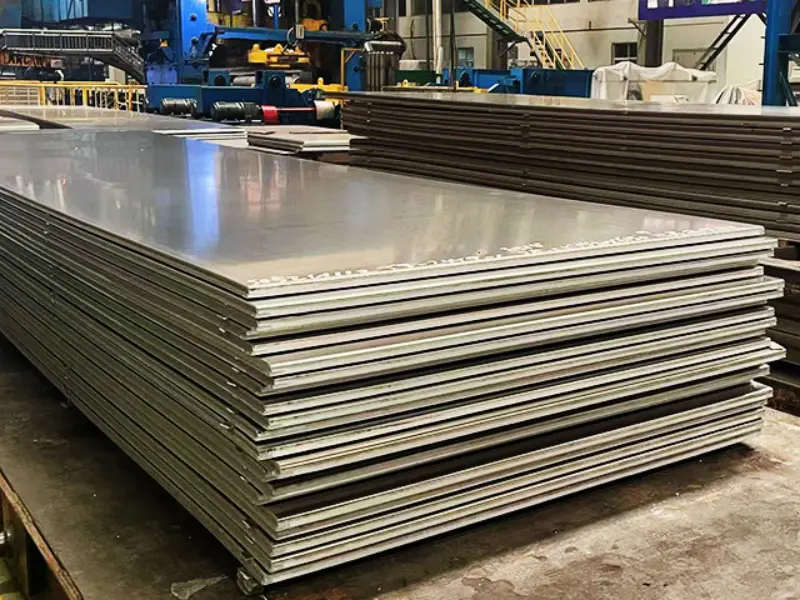
| Mill Finish | Lowest | Standard structural and fabrication use |
| Diamond Plate | Slightly higher | Added tooling cost for tread pattern |
| Painted | Higher | Added coating and curing process |
| Anodized | Highest | Additional surface treatment process |
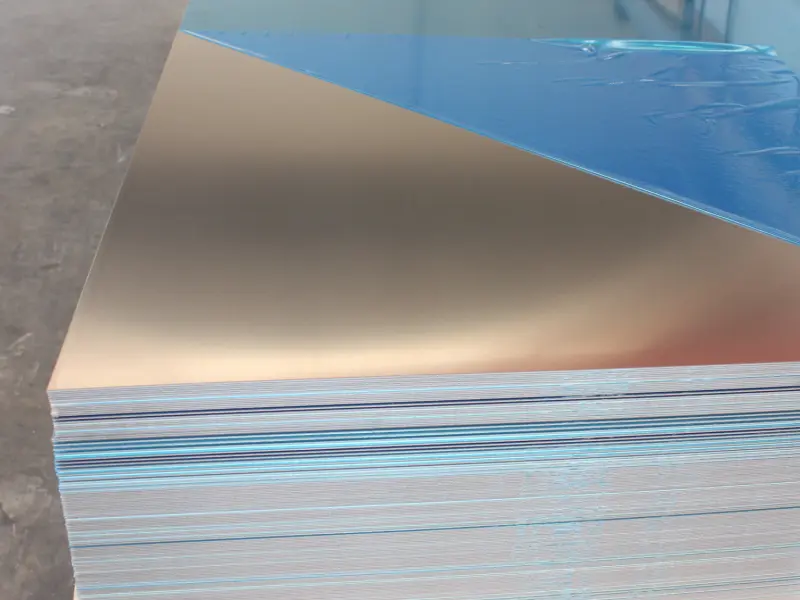
Mill finish remains the most cost-effective option for a 4×8 sheet at this thickness, since it skips any additional processing beyond rolling and cutting to size.
Standard vs. Custom Cut Pricing
| Cut Type | Price Impact | Best For |
|---|---|---|
| Standard 4×8 Stock Sheet | Lowest cost per sheet | Projects using the full standard size |
| Trimmed to Slightly Smaller Size | Small upcharge possible | Projects needing near-standard dimensions |
| Custom Non-Standard Size | Higher cost per square foot | Specialty parts requiring exact dimensions |
Sticking to the standard 4×8 size keeps pricing at its most competitive point, since custom cutting adds labor and can increase material waste for the supplier.
Product Types at This Size and Thickness
A 4×8 sheet at 1/8 inch thickness comes in several product forms, each with its own price positioning.
Standard Mill Finish Sheet
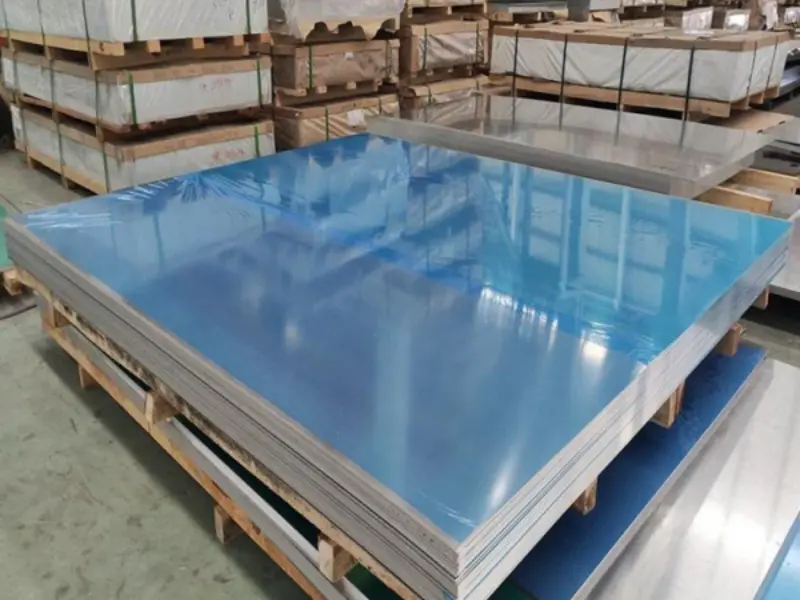
The baseline product at this size and thickness.
Widely available across most metal suppliers
Lowest price point among available options
Common for structural brackets and general fabrication
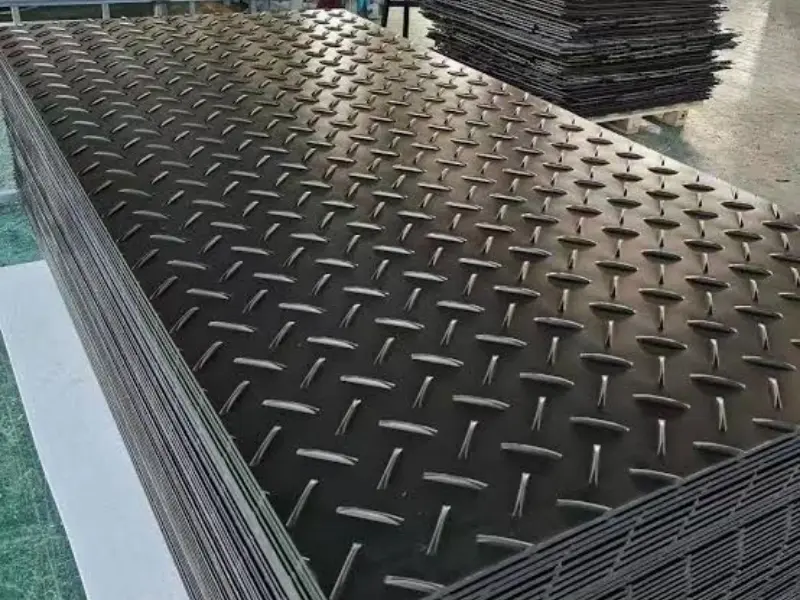
Tread Plate (Diamond Plate)
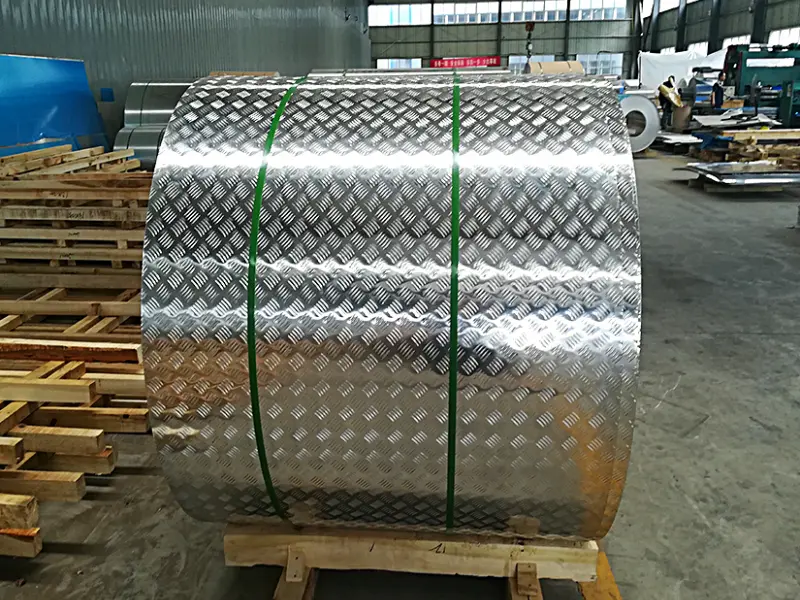
Textured surface pattern rolled into the sheet.
Adds slight rigidity along with the textured grip
Modest price increase over flat mill finish
Common for trailer flooring and step surfaces
Tooling Plate Grade
Flatter, more dimensionally stable version, typically in 6061-T6.
- Higher price due to tighter flatness tolerance
- Common in machine shop jigs and fixtures
- Reduces machining time by starting closer to final dimensions
Painted or Coated Sheet
Factory-applied color finish over the base alloy.
- Adds a noticeable price premium over mill finish
- Common for visible structural trim or equipment panels
- Less frequently ordered at this thickness compared to lighter gauges
Cut-to-Size Bundles
Pre-cut into smaller parts from a full 4×8 sheet, sold as a batch.
- Pricing depends on cutting complexity and part count
- Saves the buyer in-house cutting labor
- Common for repeat production runs with fixed part dimensions
3003 vs 6061 Pricing at This Size
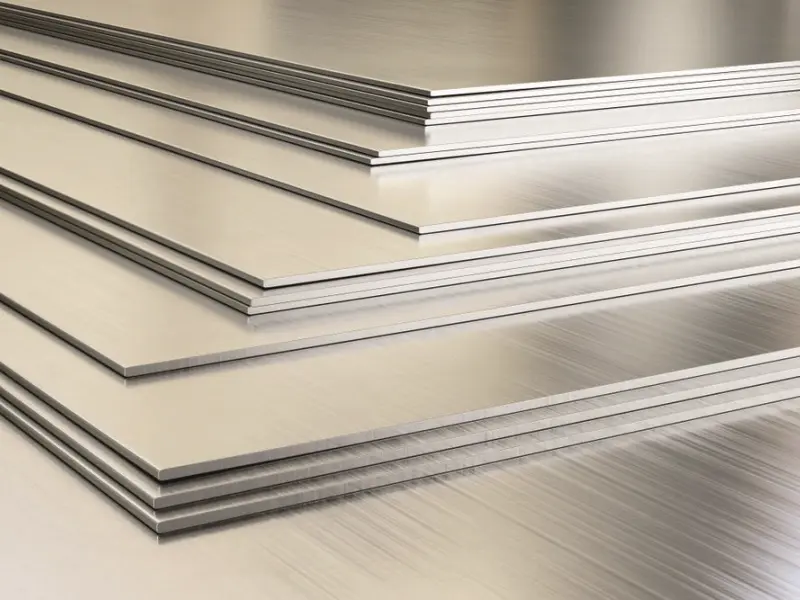
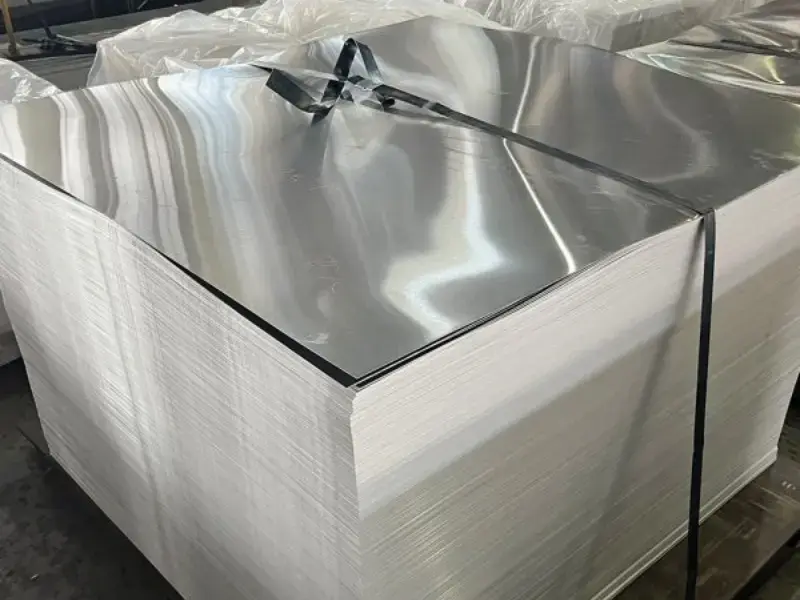
This comparison comes up constantly, since both alloys are common choices at 1/8 inch thickness.
| Factor | 3003 (4×8, 1/8″) | 6061 (4×8, 1/8″) |
|---|---|---|
| Relative price | Lower | Higher |
| Strength | Moderate | Significantly higher |
| Machinability | Fair | Excellent |
| Best value for | General fabrication, tanks | Structural brackets, machined parts |
3003 offers the better price for projects that do not need maximum strength, while 6061 justifies its higher cost when the part faces real structural or machining demands.
Choosing Based on Budget and Need
→ Building a simple panel or tank? 3003 keeps costs down without sacrificing enough strength to matter. → Making a load-bearing bracket? 6061-T6 costs more but performs significantly better under stress. → Working on a trailer floor? Diamond plate adds a small premium for grip and durability. → Need a flat, stable surface for tooling? Tooling plate grade costs more but reduces machining time later.
Price Per Square Foot vs. Price Per Sheet
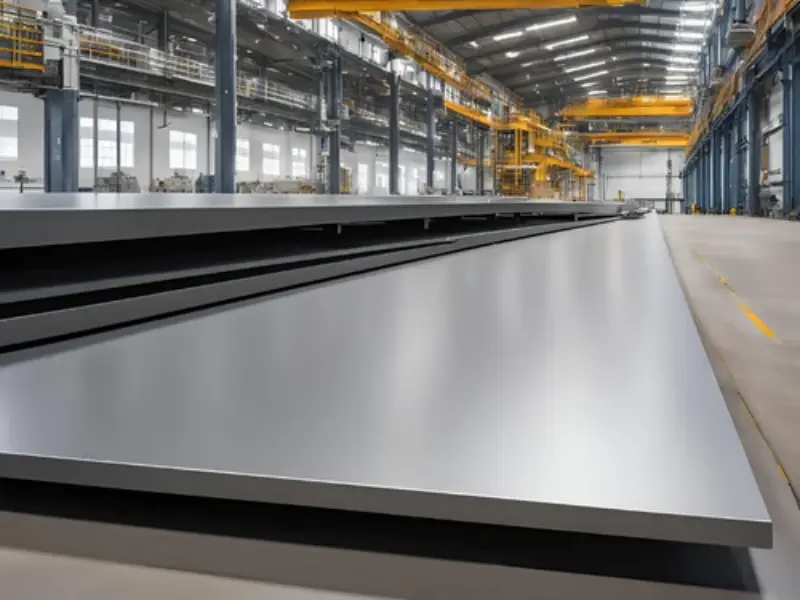
| Pricing Method | Best Used For |
|---|---|
| Price per square foot | Comparing across different sheet sizes fairly |
| Price per sheet | Simple comparison when both quotes use 4×8 size |
| Price per pound | Useful when comparing across different alloys |
Since 4×8 is such a common reference size, comparing price per sheet works reasonably well here, though converting to price per pound helps catch situations where one supplier quotes a slightly different actual thickness or alloy.
Buying in Volume vs. Single Sheet Pricing
| Order Size | Typical Price Behavior |
|---|---|
| Single sheet | Highest price per unit |
| Small pallet quantity | Moderate discount |
| Full truckload or container | Best available pricing |
Buyers needing just one or two sheets should expect to pay noticeably more per unit than a fabrication shop ordering by the pallet or container load.
Where Pricing Tends to Be Most Competitive
- Direct mill or manufacturer pricing, when order volume qualifies
- Metal service centers with standing stock, for smaller quick-turn orders
- Regional distributors, often a middle ground on both price and lead time
- Online metal suppliers, useful for quick single-sheet comparisons
Applications
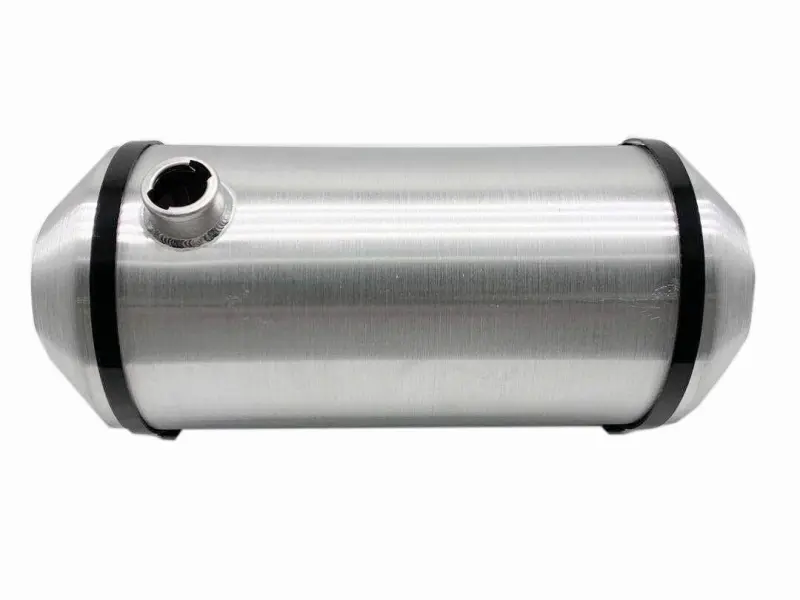

A 4×8 sheet of 1/8 inch aluminum covers a wide range of structural and fabrication needs.
- Trailer and truck flooring
- Structural brackets and mounting plates
- Machine guards and safety panels
- Tooling and fixture plates
- Boat deck panels and marine trim
- Electrical enclosure panels
- Light structural framing
- General fabrication shop stock
Why This Size and Thickness Offers Good Value
Standard Sizing Keeps Costs Down
Because 4×8 is one of the most common stock sizes, pricing stays competitive compared to custom dimensions.
Enough Thickness for Real Structural Use
1/8 inch offers meaningfully more rigidity than lighter gauges, without jumping to the cost and weight of true plate stock.
Wide Alloy Availability
Most suppliers stock several alloys at this size and thickness, giving buyers flexibility to match material to budget and performance needs.
Easy Price Comparison Across Suppliers
The popularity of this size and thickness makes it simple to request and compare quotes from multiple sources.
Frequently Asked Questions

What is the average price for a 4×8 sheet of 1/8 inch aluminum?
Price varies by alloy and finish, but 3003 mill finish typically sits at the lower end, while 6061-T6 and specialty finishes cost more.
Why do prices vary so much between suppliers for the same size?
Differences usually come down to alloy grade, finish, order volume, and whether you are buying from a mill, distributor, or online supplier.
How much does a 4×8 sheet of 1/8 inch aluminum weigh?
It weighs approximately 169 to 172 pounds depending on the alloy, which is a useful figure for sanity-checking price-per-pound quotes.
Is 3003 or 6061 cheaper at this size and thickness?
3003 is generally the more affordable option, while 6061 costs more due to its heat treatment process and higher structural performance.
Does buying in bulk lower the price per sheet?
Yes. Larger orders, especially pallet or truckload quantities, typically bring a lower price per sheet than single-unit purchases.
Is it cheaper to buy standard 4×8 size or a custom cut size?
Standard 4×8 sheets are usually the most cost-effective option, since custom cutting adds labor and can increase material waste.