Alloy for Sublimation Aluminum Sheet
What Makes a Good Sublimation Aluminum Alloy
Sublimation aluminum sheet needs three things from its base metal.
First, the surface must be flat. Any waviness or roller marks show through the coating and ruin the print. Second, the metal must handle heat.
A heat press runs at 190–200°C. Some alloys warp or soften at these temperatures. Third, the alloy must accept the polyester coating.
Impurities in the metal can cause coating bubbles or poor adhesion.
The most common alloys for sublimation blanks are 1100, 1050, 1060, and 3003. Each has strengths and weaknesses. The right choice depends on your product type, budget, and quality standards.
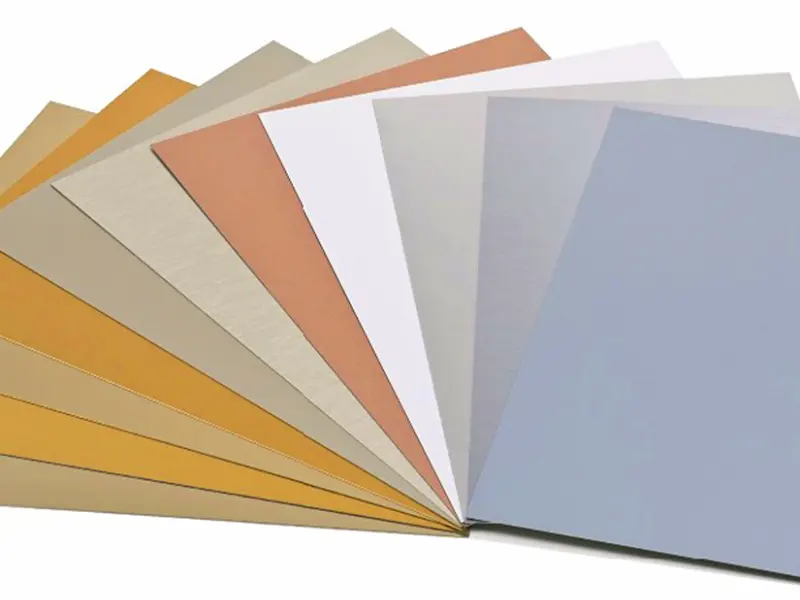
Alloy Comparison: Head-to-Head
1100 Alloy — The Budget Workhorse
1100 is commercially pure aluminum with 99% minimum aluminum content. It is soft, cheap, and widely available.
| Property | Value |
|---|---|
| Aluminum content | 99.0% min |
| Tensile strength | 90–150 MPa |
| Hardness | Very soft |
| Heat resistance | Moderate |
| Surface quality | Good, some roller marks visible |
| Cost per kg | $2.70–$3.10 |
| Coating adhesion | Adequate |
Pros: Lowest cost, easy to source, acceptable for basic products.
Cons: Softest of the common alloys. Thin sheets (under 0.4 mm) bend easily during handling. Surface may show minor imperfections. Heat resistance is marginal — long press cycles can cause slight warping.
Best for: Budget keychains, promotional items, low-cost photo panels, indoor signage.
1050 Alloy Best Alloy for Sublimation Aluminum Sheet— The Sweet Spot
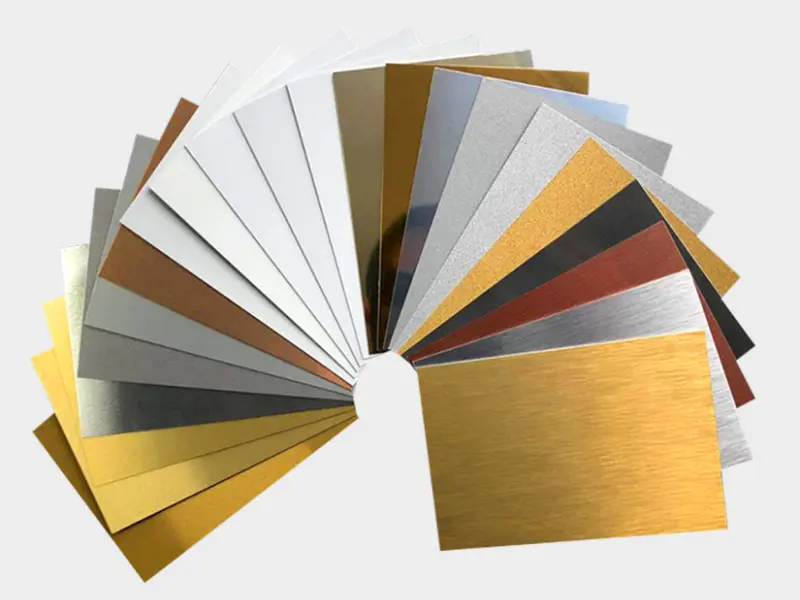
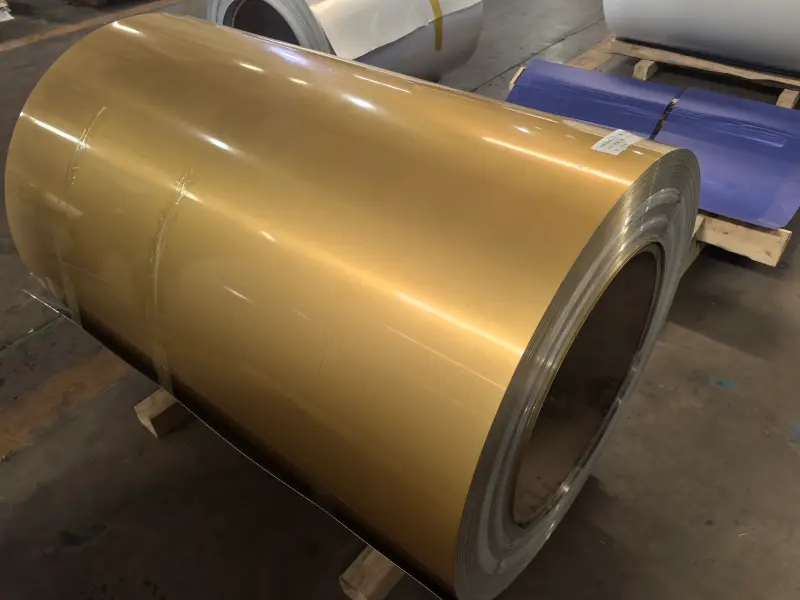
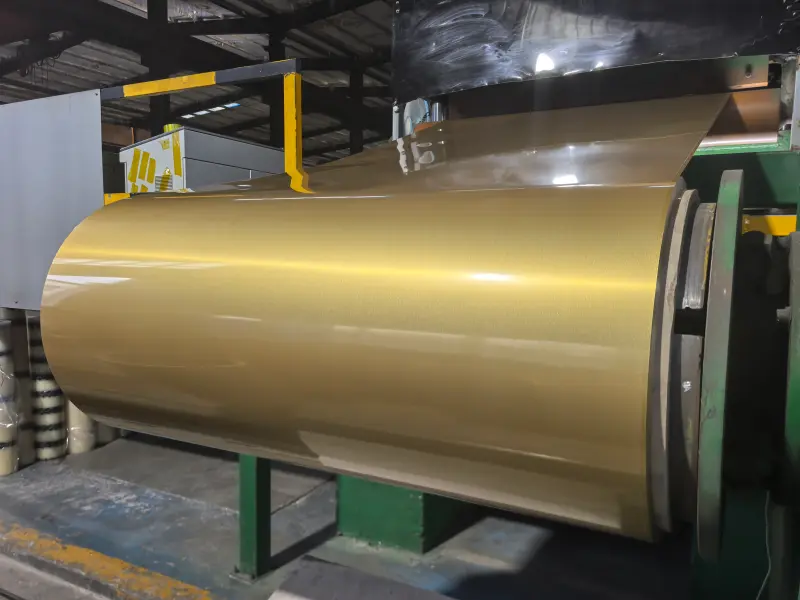
1050 bumps purity to 99.5%. The extra refinement improves surface flatness and reduces impurities that cause coating defects.
| Property | Value |
|---|---|
| Aluminum content | 99.5% min |
| Tensile strength | 100–145 MPa |
| Hardness | Soft |
| Heat resistance | Good |
| Surface quality | Very good, minimal roller marks |
| Cost per kg | $2.80–$3.20 |
| Coating adhesion | Good |
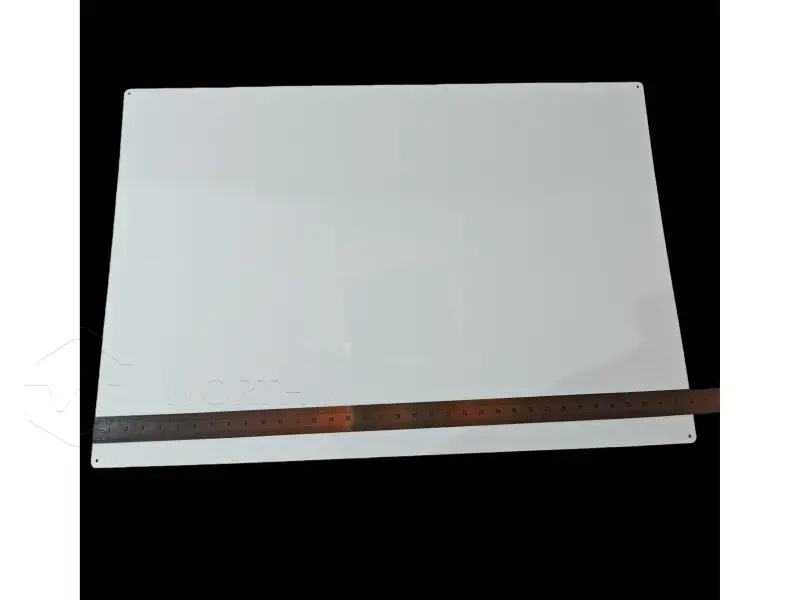
Pros: Better surface than 1100. Fewer coating bubbles. Good balance of cost and quality. Most Chinese sublimation blank manufacturers use 1050 as their standard alloy.
Cons: Still relatively soft. Not ideal for large panels that need rigidity.
Best for: Standard photo panels, awards, nameplates, general signage. The most popular choice for mid-range sublimation products.
1060 Alloy Best Alloy for Sublimation Aluminum Sheet— The Step Up
1060 reaches 99.6% purity. The surface is smoother and more consistent than 1050.
| Property | Value |
|---|---|
| Aluminum content | 99.6% min |
| Tensile strength | 95–140 MPa |
| Hardness | Soft |
| Heat resistance | Good |
| Surface quality | Excellent, very smooth |
| Cost per kg | $2.90–$3.30 |
| Coating adhesion | Very good |
Pros: Smoothest surface of the pure aluminum grades. Excellent coating adhesion. Uniform color reproduction across the sheet.
Cons: Slightly higher cost than 1050. Still limited strength for large formats.
Best for: Premium photo panels, high-end awards, products where surface perfection matters. Many suppliers specify 1060 H24 for their top-tier blanks.
3003 Alloy — The Strong Alternative Alloy for Sublimation Aluminum Sheet
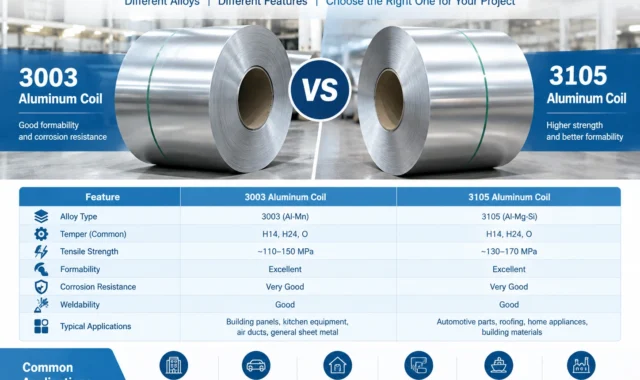
3003 is not pure aluminum. It adds 1.0–1.5% manganese. This boosts strength by 20% over 1100 while keeping good workability.
| Property | Value |
|---|---|
| Aluminum content | 96.75% min |
| Manganese content | 1.0–1.5% |
| Tensile strength | 140–180 MPa |
| Hardness | Moderate |
| Heat resistance | Very good |
| Surface quality | Good, slightly less pure than 1000 series |
| Cost per kg | $3.00–$3.50 |
| Coating adhesion | Good |
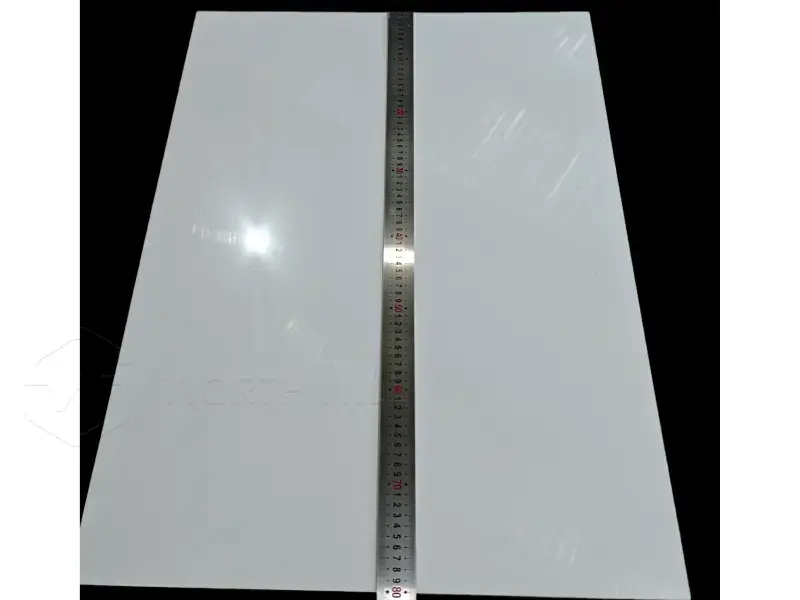
Pros: Much stronger than 1000 series. Resists warping during heat press. Better for large panels and outdoor signs. Handles repeated pressing without fatigue.
Cons: Higher cost. The manganese content can cause slight color variation in the coating if not properly controlled. Not as widely stocked for sublimation as 1050.
Best for: Large photo panels, outdoor signage, architectural displays, products that need extra rigidity or face temperature extremes.
5052 Alloy — The Premium Choice Alloy for Sublimation Aluminum Sheet
5052 adds magnesium for high strength and corrosion resistance. It is the strongest alloy commonly used for sublimation blanks.
| Property | Value |
|---|---|
| Aluminum content | Balance |
| Magnesium content | 2.2–2.8% |
| Tensile strength | 210–260 MPa |
| Hardness | Higher |
| Heat resistance | Excellent |
| Surface quality | Good, requires quality coating |
| Cost per kg | $3.50–$4.50 |
| Coating adhesion | Good with proper prep |
Pros: Maximum strength and heat resistance. No warping even on long press cycles. Excellent for outdoor products and heavy-use items. Corrosion resistance extends product life.
Cons: Highest cost. Harder surface needs more aggressive surface prep before coating. Less common in standard sublimation blank inventories.
Best for: Outdoor signs, license plates, industrial nameplates, products exposed to weather or physical stress.
Quick Selection Guide
| Your Product | Best Alloy | Why |
|---|---|---|
| Budget keychains, giveaways | 1100 | Lowest cost, adequate quality |
| Standard photo panels, awards | 1050 | Best value, good surface |
| Premium photo gifts, portraits | 1060 | Smoothest surface, best color |
| Large panels, outdoor signs | 3003 | Strength, no warping |
| License plates, outdoor displays | 5052 | Maximum durability, weatherproof |
| High-heat press operations | 3003 or 5052 | Resist softening at 200°C |
Alloy for Sublimation Aluminum Sheet Temper Matters Too
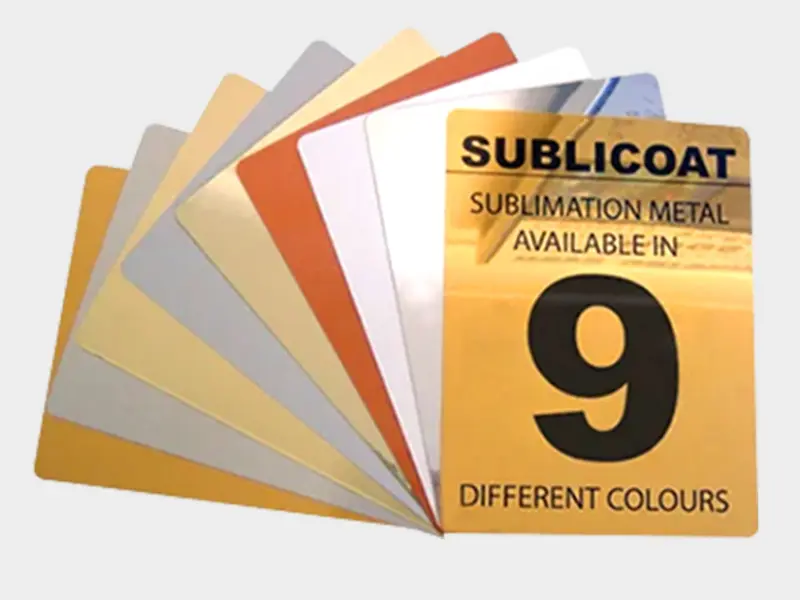
Alloy is only half the story. Temper — how the metal was hardened after rolling — affects flatness, strength, and heat resistance.
| Temper | Hardness | Best For | Heat Press Behavior |
|---|---|---|---|
| O (Annealed) | Very soft | Deep drawing, spinning | May warp under heat, avoid for sublimation |
| H12 | Quarter-hard | Light forming | Marginal for sublimation |
| H14 | Half-hard | General use | Acceptable, some suppliers use this |
| H22 | Quarter-hard, stabilized | Better flatness | Good for sublimation |
| H24 | Half-hard, stabilized | Standard sublimation blanks | Best balance, most common |
| H26 | Three-quarter-hard | Higher strength | Good for rigid panels |
| H32 | Quarter-hard, 5000 series | 5052 sublimation blanks | Good strength and stability |
H24 is the standard temper for sublimation blanks in 1000 and 3000 series alloys. The stabilization process (the “2” in H24) reduces internal stresses that cause warping during heat press. For 5052, H32 is the equivalent stabilized temper.
Thickness and Alloy Interaction
Thinner sheets need stronger alloys to avoid warping. Thicker sheets can use softer alloys since rigidity comes from mass.
| Thickness | Recommended Alloy | Reason |
|---|---|---|
| 0.2–0.35 mm | 3003 or 5052 | Needs alloy strength to stay flat |
| 0.4–0.5 mm | 1050 or 1060 | Standard, good balance |
| 0.55–0.75 mm | 1050, 1060, or 3003 | All work well at this thickness |
| 1.0 mm+ | Any alloy | Thickness provides rigidity |
A 0.3 mm sheet of 1100 will warp under a heat press. The same thickness in 3003 stays flat. For very thin products like bookmarks or tags, use 3003 or accept that 1100/1050 will need careful handling.
How Alloy Affects Print Quality
Color Reproduction of Alloy for Sublimation Aluminum Sheet
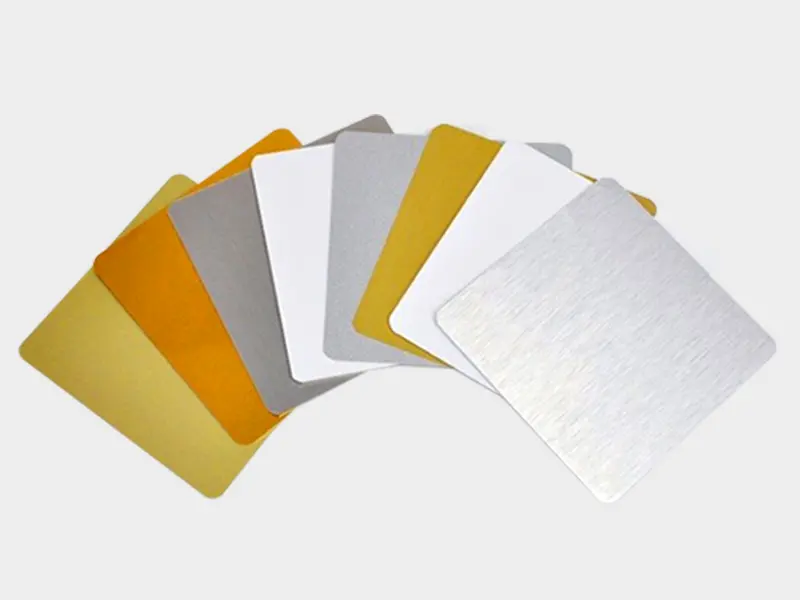
Pure aluminum alloys (1050, 1060) have the most consistent surface chemistry. This means the coating cures uniformly. Colors print true to the digital file. 3003 and 5052 can show slight variation if the coating supplier does not adjust for the different base metal.
Coating Durability of Alloy for Sublimation Aluminum Sheet
All four alloys accept polyester coating well. But 5052’s harder surface can cause coating adhesion issues if surface prep is inadequate. Premium suppliers etch or anodize 5052 before coating to ensure a mechanical bond. 1000 series alloys need less aggressive prep.
Heat Resistance During Pressing
| Alloy | Max Recommended Temp | Warping Risk at 200°C/60s |
|---|---|---|
| 1100 | 195°C | Moderate |
| 1050 | 200°C | Low |
| 1060 | 200°C | Low |
| 3003 | 205°C | Very low |
| 5052 | 210°C | Very low |
For presses running at the high end (200°C+) or with long cycles (70+ seconds), 3003 or 5052 reduce rejection rates from warped blanks.
Alloy for Sublimation Aluminum Sheet Price Comparison by Alloy
| Alloy | Price per kg (USD) | Price per A4 Sheet (0.45 mm) | Price Premium vs. 1050 |
|---|---|---|---|
| 1100 | $2.70–$3.10 | ~$1.10 | -5% |
| 1050 | $2.80–$3.20 | ~$1.15 | Baseline |
| 1060 | $2.90–$3.30 | ~$1.20 | +5% |
| 3003 | $3.00–$3.50 | ~$1.30 | +15% |
| 5052 | $3.50–$4.50 | ~$1.60 | +40% |
Volume discounts apply across all alloys. Orders above 5,000 sheets typically reduce per-unit cost by 15–25%.
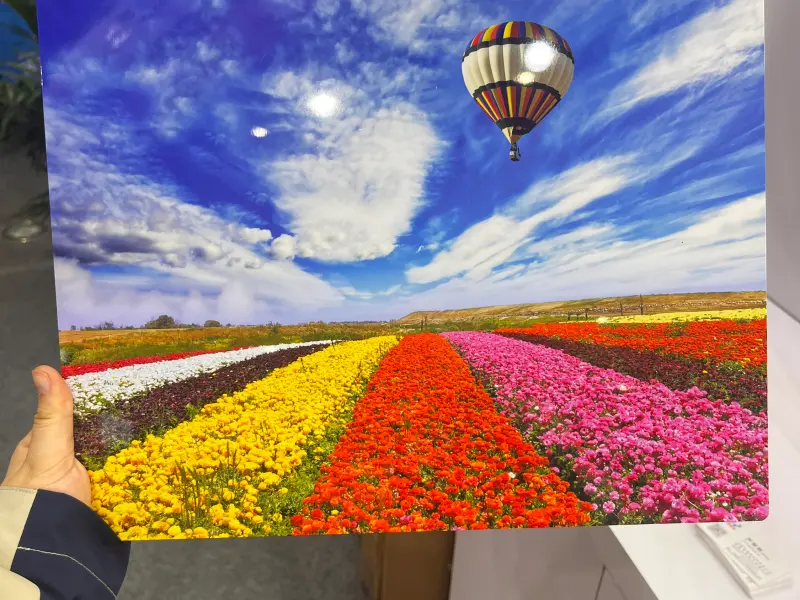

Testing Alloy Quality Before You Buy
Visual Inspection
Hold the blank at an angle under bright light. Look for:
- Roller marks (parallel lines from manufacturing)
- Oil stains or discoloration
- Edge burrs or damage
- Coating bubbles or pinholes
Flatness Test
Place the blank on a flat surface. Press one corner. A quality blank should sit flat with minimal rocking. 1100 blanks rock more than 3003 blanks at the same thickness.
Heat Press Test
Print a solid black image. Press at 200°C for 60 seconds. Check for:
- Warping after cooling
- Color uniformity across the sheet
- Coating adhesion (tape test)
- Edge curling
Tape Adhesion Test
After printing and cooling, apply masking tape and pull quickly. The coating and image should not lift. Poor adhesion often signals wrong alloy surface prep or low-quality coating.
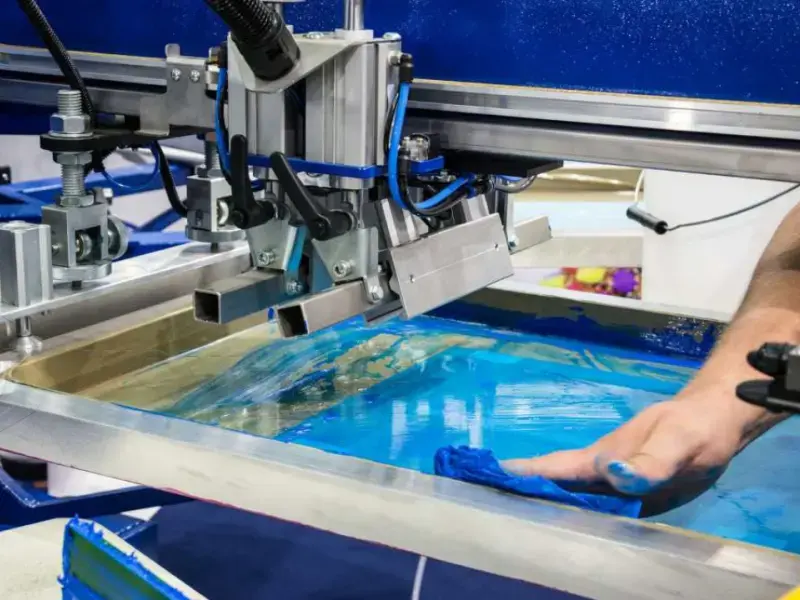
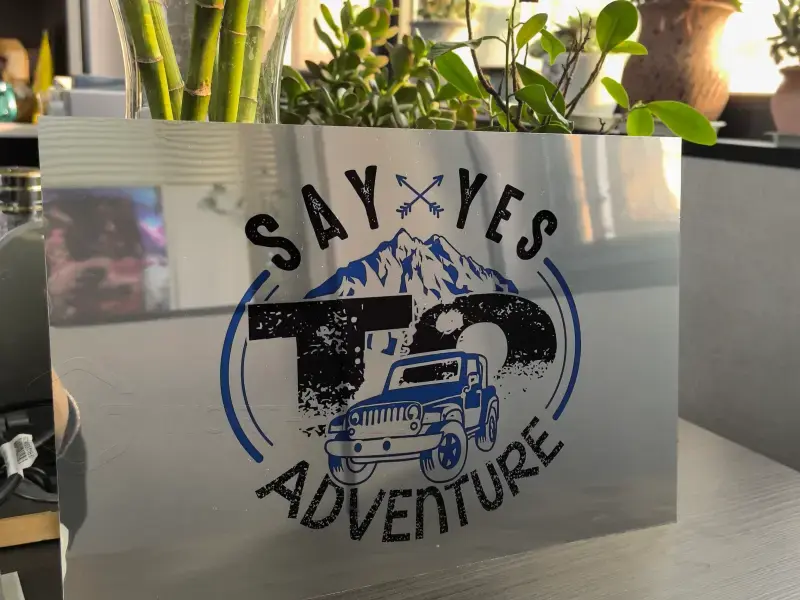
Red flags when vetting suppliers:
Price far below market — usually means 1100 sold as 1050, or thin coating
Cannot specify alloy grade — they may use scrap or mixed metal
No temper designation — O temper will warp
Coating claims “universal” for all metals — different alloys need different prep
Alloy for Sublimation Aluminum Sheet
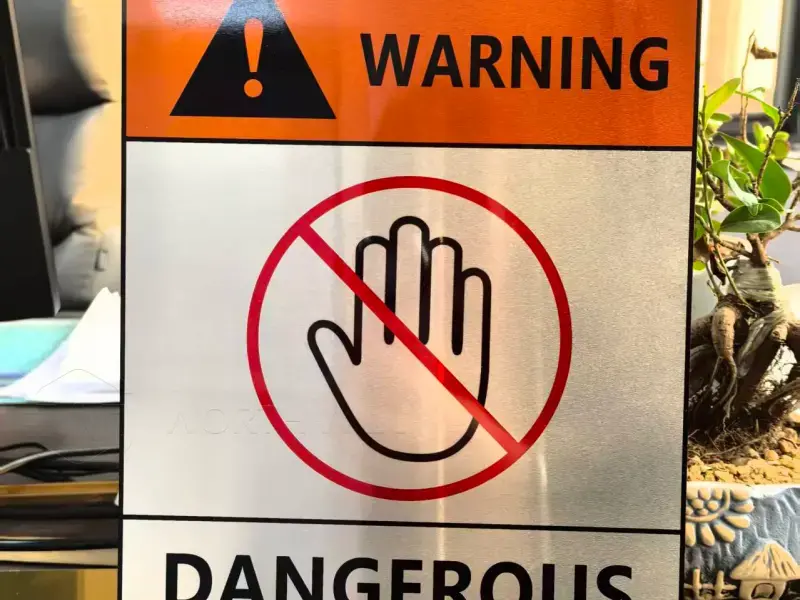
Buying Tips: What to Specify in Your Order
| Item | Specification | Why It Matters |
|---|---|---|
| Alloy | 1050, 1060, 3003, or 5052 | Determines strength, heat resistance, cost |
| Temper | H24 (1000/3000 series) or H32 (5000 series) | Stabilized, resists warping |
| Thickness | 0.45 mm standard, 0.65 mm for rigidity | Affects feel, weight, press behavior |
| Coating type | Polyester (PE) sublimation coating | Must be formulated for 200°C transfer |
| Surface finish | Glossy, matte, brushed, etc. | Affects final appearance |
| Protective film | PE film both sides | Prevents scratches in transit |
Why Alloy Matters More Than Most Buyers Think
Most buyers look at size and finish first. But the alloy sits under the coating. It decides how flat the sheet stays, how fast heat moves, and how well the coating holds on.
A wrong alloy can show up as a warped panel, a weak edge, or a dull print. A right alloy makes every press run easier.
→ Flat sheet after heating
→ Even color across the panel
→ Strong coating bond
Alloy Composition at a Glance
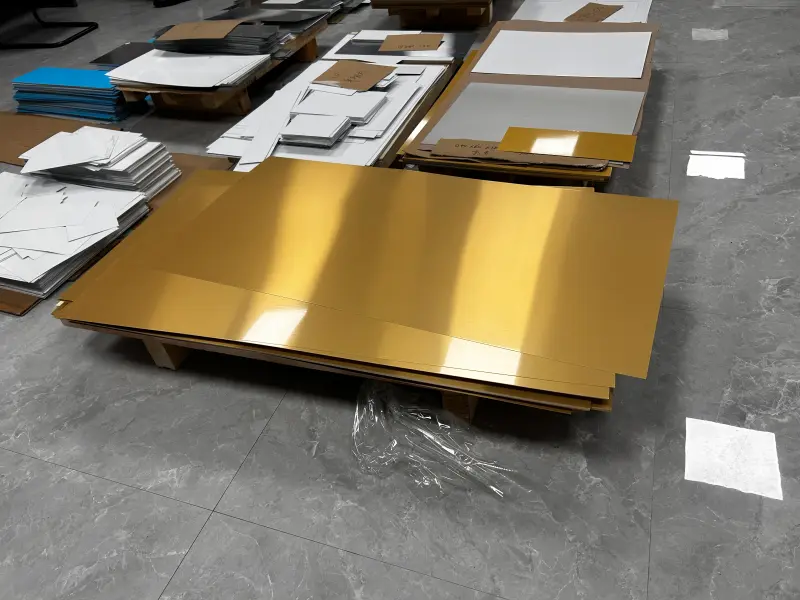
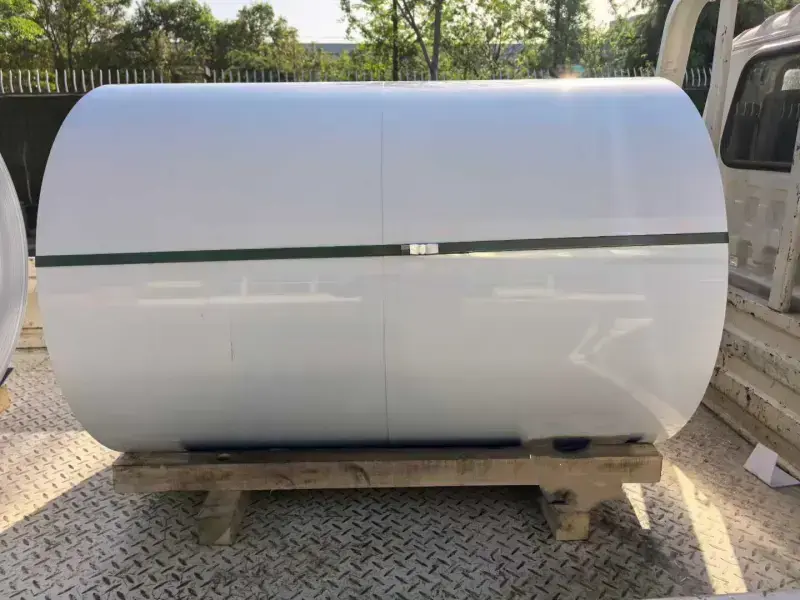
Alloys are named by number. The number tells you the main element added to the aluminum.
| Alloy | Series | Main Added Element | Typical Aluminum Content or Key Element |
|---|---|---|---|
| 1050 | 1000 | None (nearly pure) | Al 99.5% min |
| 1060 | 1000 | None (nearly pure) | Al 99.6% min |
| 3003 | 3000 | Manganese | Mn about 1.0–1.5% |
| 5005 | 5000 | Magnesium (low) | Mg about 0.5–1.1% |
| 5052 | 5000 | Magnesium | Mg about 2.2–2.8% |
Values are typical. Ask for the mill test certificate for exact numbers.
What the Numbers Mean for You
- More pure aluminum means softer metal and better heat flow.
- More manganese or magnesium means higher strength.
- Higher strength usually means a higher price.
Heat Flow: Why Pure Alloys Press So Evenly
Sublimation needs steady heat across the whole sheet. Metal that moves heat quickly gives a more even result.
| Alloy | Approx. Thermal Conductivity (W/m·K) | Heat Behavior |
|---|---|---|
| 1060 | about 230 | Very fast, very even |
| 1050 | about 230 | Very fast, very even |
| 3003 | about 160–190 | Good, slightly slower |
| 5005 | about 200 | Good |
| 5052 | about 140 | Moderate |
Figures are approximate and change with temper. The point is simple: purer alloys heat more evenly, which helps color match from edge to edge.
Does This Change Press Time?
For most small panels, the difference is small. For thick or large sheets, a stronger alloy may need a few extra seconds.
Alloy and Temper Together: The Real Choice
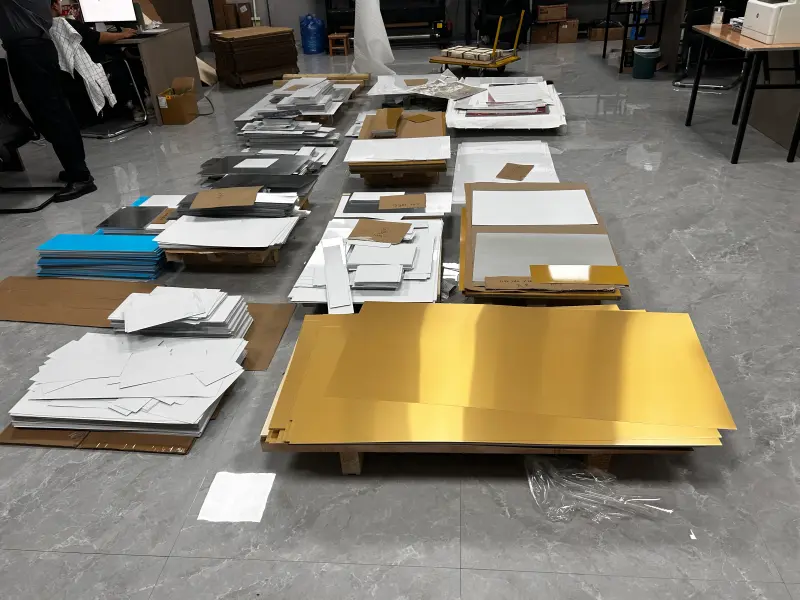
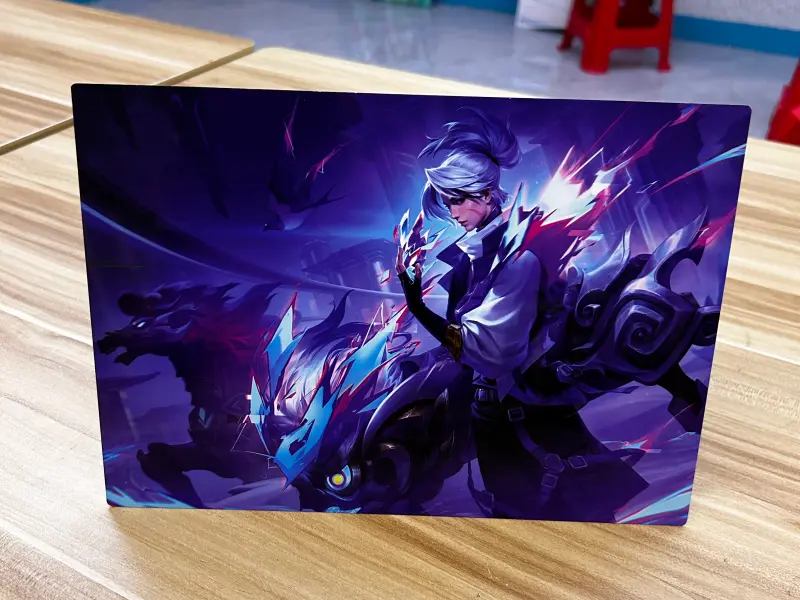
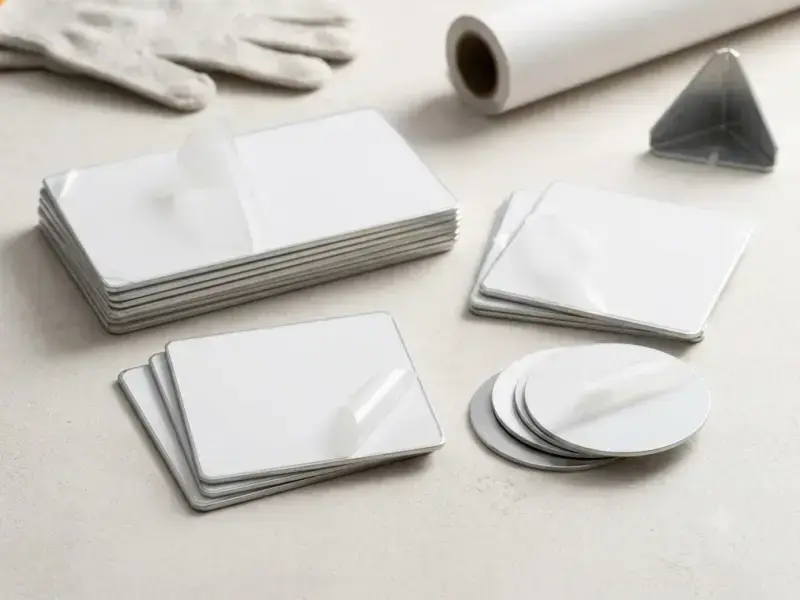
Alloy and temper work as a pair. The same alloy can behave very differently.
| Alloy and Temper | Hardness | Flatness | Best Use |
|---|---|---|---|
| 1060 O | Very soft | Can wave if thin | Rarely used for sheets |
| 1060 H14 | Half hard | Good | Standard photo panels |
| 1060 H24 | Half hard, stable | Very good | Most popular choice |
| 1050 H24 | Half hard, stable | Very good | Premium flat panels |
| 3003 H14 | Half hard, stronger | Good | Signs and plaques |
| 3003 H24 | Half hard, stable | Very good | Larger signs |
| 5052 H32 | Medium hard | Good | Outdoor boards |
| 5052 H34 | Harder | Good | Rigid, heavy panels |
Why H24 Is So Common of Alloy for Sublimation Aluminum Sheet
H24 means the metal is strain hardened, then partly annealed. This gives a good balance. The sheet is firm but not springy. It stays flat after the press cycle.
Will the Alloy Soften at Press Temperature?
Sublimation runs at about 190–200°C for 60–90 seconds. That is a short, moderate heat. Most sublimation sheet alloys handle it well.
| Alloy and Temper | Effect of One Press Cycle |
|---|---|
| 1060 H24 | Stable, very small change |
| 1050 H24 | Stable, very small change |
| 3003 H24 | Stable |
| 5052 H32 | Stable |
What About Repeated Pressing?
Pressing the same sheet many times can soften cold worked tempers a little. For one print job, this is not a concern. For reuse, pick a stable temper like H24.
Alloy and Coating Bond: The Hidden Link
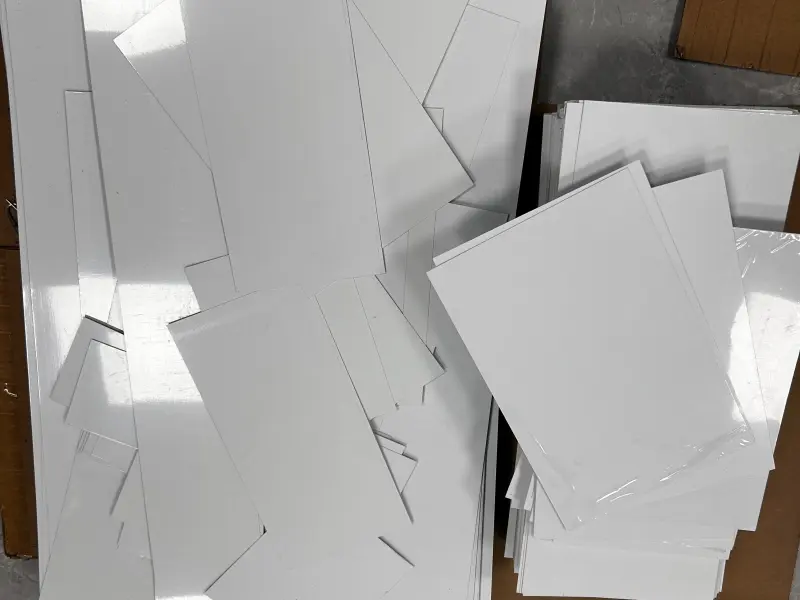
Alloy for Sublimation Aluminum Sheet
The coating must grip the metal. The alloy surface affects how well it grips.
Steps That Help the Bond
→ Clean the coil to remove rolling oil.
→ Apply a conversion pre-treatment.
→ Coat with polyester primer and top coat.
→ Cure in an oven at controlled heat.
| Alloy Group | Surface Behavior | Bond Note |
|---|---|---|
| 1000 series | Clean, uniform | Very good, easy to treat |
| 3000 series | Slightly more variable | Good with proper cleaning |
| 5000 series | Magnesium rich | Needs careful pre-treatment |
Signs of Weak Bond
- Coating lifts at cut edges.
- Small bubbles appear after pressing.
- The surface peels with tape tests.
A simple tape test on a sample can reveal a lot.
Strength Comparison: How Much Bend Can It Take?
Strength matters when you cut, drill, or hang the panel.
| Alloy and Temper | Approx. Tensile Strength (MPa) | Handling |
|---|---|---|
| 1060 H24 | 85–120 | Easy to cut, bends by hand |
| 1050 H24 | 85–120 | Easy to cut, bends by hand |
| 3003 H24 | 140–200 | Firmer, resists dents |
| 5005 H34 | 140–190 | Firm, good finish |
| 5052 H32 | 210–260 | Strong, resists bending |
Values are typical ranges. The exact figure depends on thickness and the mill.
Simple Rule of Alloy for Sublimation Aluminum Sheet
- Hand cutting and small items: 1050 or 1060.
- Signs and wall panels: 3003.
- Rigid or outdoor boards: 5052.
Alloy by Thickness: A Matching Grid
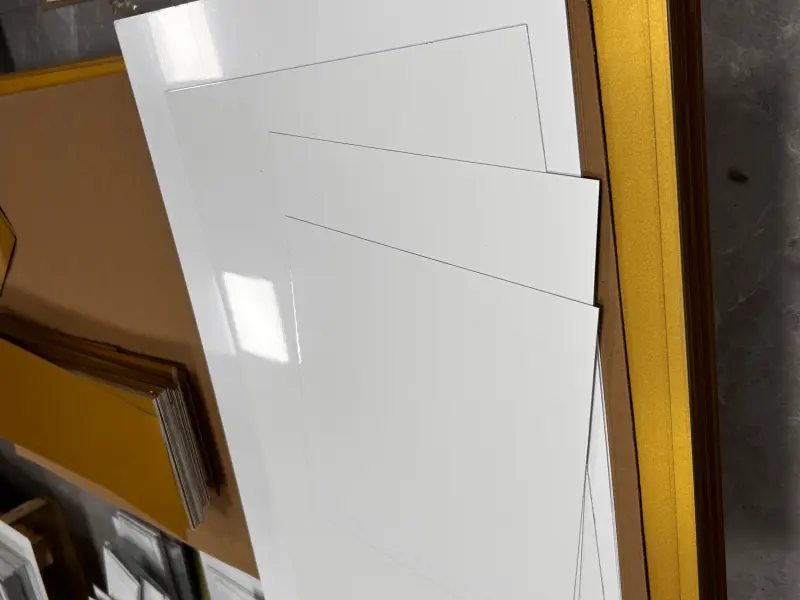
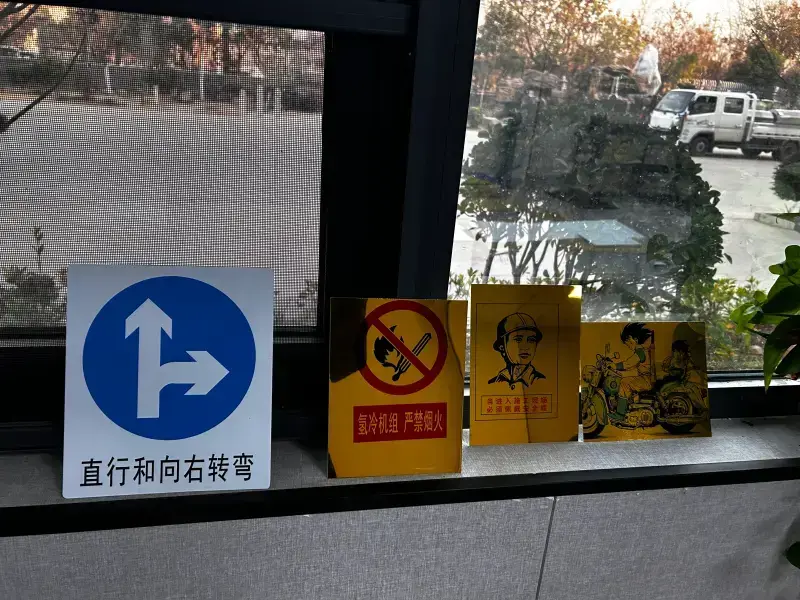
| Thickness | 1050 / 1060 | 3003 | 5052 |
|---|---|---|---|
| 0.2–0.45 mm | ✔ Cards, tags | ✔ Tags | Rare |
| 0.5 mm | ✔ Photo panels | ✔ Plaques | Rare |
| 0.6–0.8 mm | ✔ Panels | ✔ Signs | ✔ Strong panels |
| 1.0 mm | ✔ Display boards | ✔ Large signs | ✔ Outdoor boards |
| 1.2–2.0 mm | Less common | ✔ Heavy panels | ✔ Heavy boards |
A ✔ shows a common match. Rare means it can be made, but few buyers ask for it.
Outdoor Use: Which Alloy Lasts?
Outdoor signs face sun, rain, and temperature changes. The alloy and the coating both matter.
| Alloy | Corrosion Resistance | Outdoor Notes |
|---|---|---|
| 1060 | Good | Fine for short outdoor use |
| 3003 | Very good | Good for light outdoor use |
| 5005 | Very good | Good surface after processing |
| 5052 | Excellent | Best for marine air and wet weather |
Remember the Coating of Alloy for Sublimation Aluminum Sheet
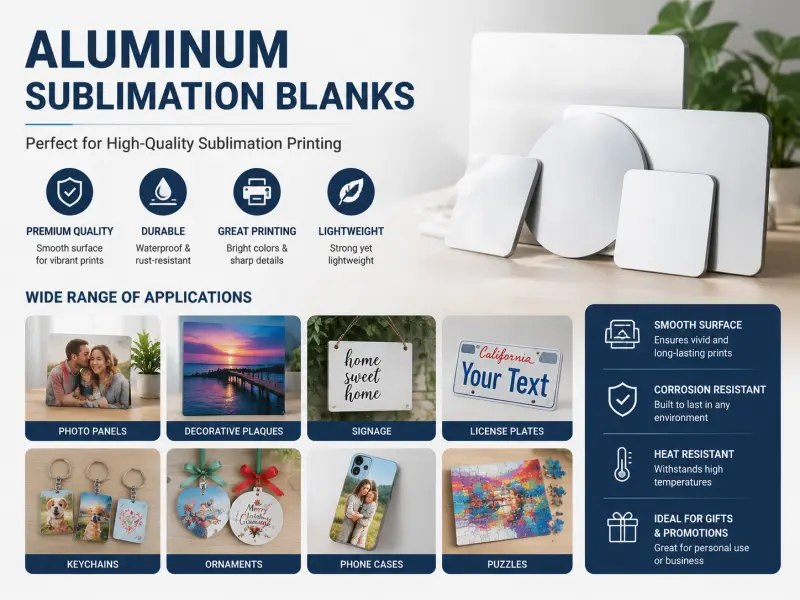
Even with the best alloy, UV light can fade any printed image over time. For long outdoor life, use a UV-protective coating or a clear laminate over the print.
Cost Ladder: What You Pay For
| Alloy | Relative Cost | Reason |
|---|---|---|
| 1060 | Lowest | Simple, pure, widely made |
| 1050 | Low | Slightly higher purity |
| 3003 | Medium | Added manganese, more processing |
| 5005 | Medium to high | Magnesium alloy, fine surface |
| 5052 | Highest | Higher strength, harder rolling |
Don’t Over-Specify
A 5052 sheet costs more. If the panel is a small indoor photo, 1060 H24 gives the same print result at a lower price. Match the alloy to the real need.
Five Alloy Mistakes to Avoid
- Choosing O temper for sheets. The sheet may wave or dent too easily.
- Using 5052 for tiny crafts. The cost goes up with no gain.
- Ignoring the mill certificate. You cannot confirm the real alloy without it.
- Buying by price only. A cheap sheet may use mixed scrap or have uneven thickness.
- Skipping a press test. A sample shows heat behavior and coating bond in minutes.
Quick Alloy Chooser
→ Is it a small indoor item? Pick 1060 H24 or 1050 H24.
→ Is it a sign or plaque that needs firmness? Pick 3003 H24.
→ Will it go outdoors or near the sea? Pick 5052 H32.
→ Is the size large and the weight a concern? Choose thicker 3003 or 5052.
→ Is the budget tight? Use 1060 H24, and check flatness on a sample.
How to Check the Alloy You Received
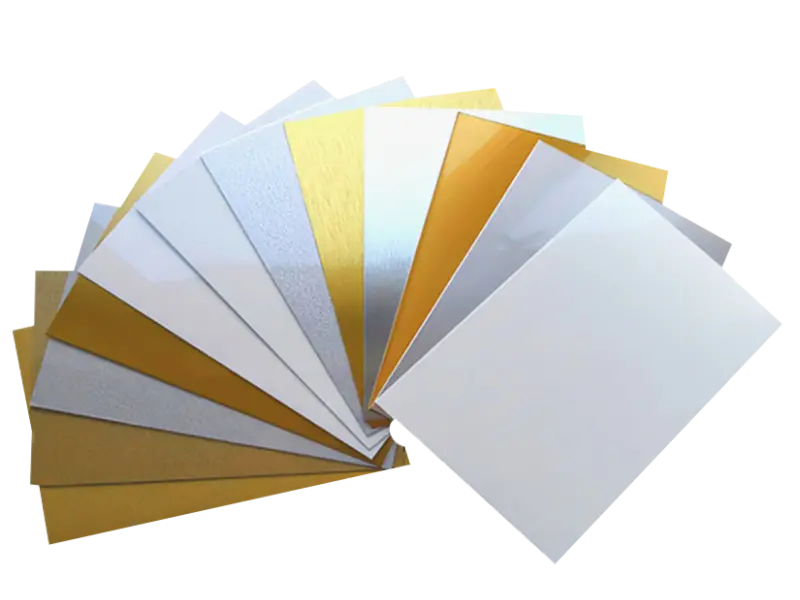
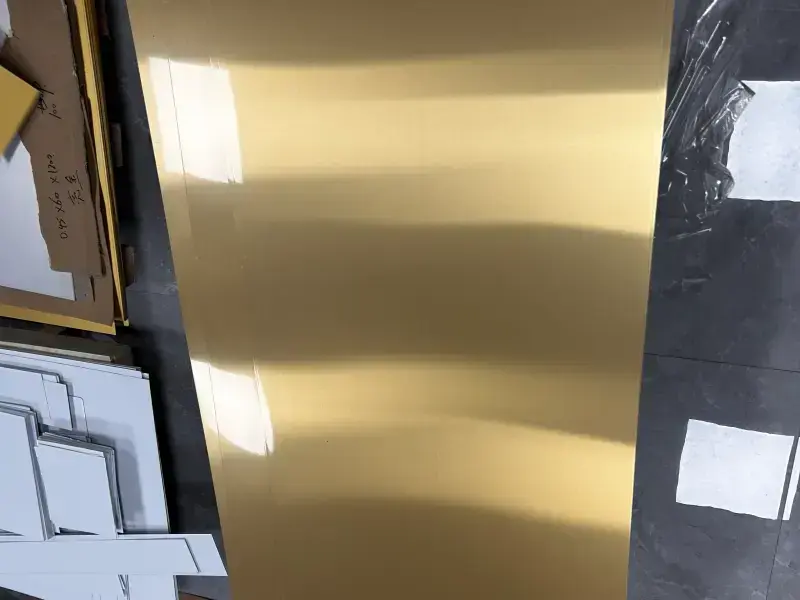
| Check | How to Do It | What It Shows |
|---|---|---|
| Mill test certificate | Ask the supplier for it | Alloy and temper on paper |
| Thickness | Measure with a micrometer | Meets the order |
| Flatness | Place the sheet on a flat table | Warp or wave |
| Bend test | Bend a small cut piece | Hardness feel |
| Tape test | Press tape on the coating, then peel | Coating bond |
| Press test | Run a sample at your settings | Color and heat behavior |
If any check looks wrong, contact your supplier with photos and the batch number.
Closing Block: Let Us Help You Pick
The best alloy is the one that fits your product, your press, and your budget. If you are not sure, send us your panel size, thickness, use, and target quantity. We will suggest the alloy and temper and can send samples to test.
Henan Worthwill Industry Co., Ltd is a professional aluminum manufacturer and supplier in China. We supply sublimation sheets, coils, discs, and custom cut panels for global buyers.
Frequently Asked Questions
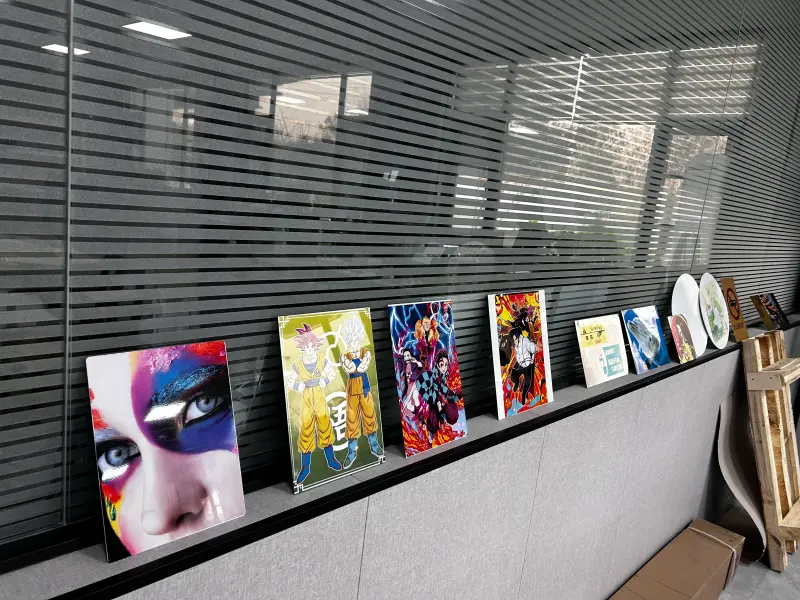
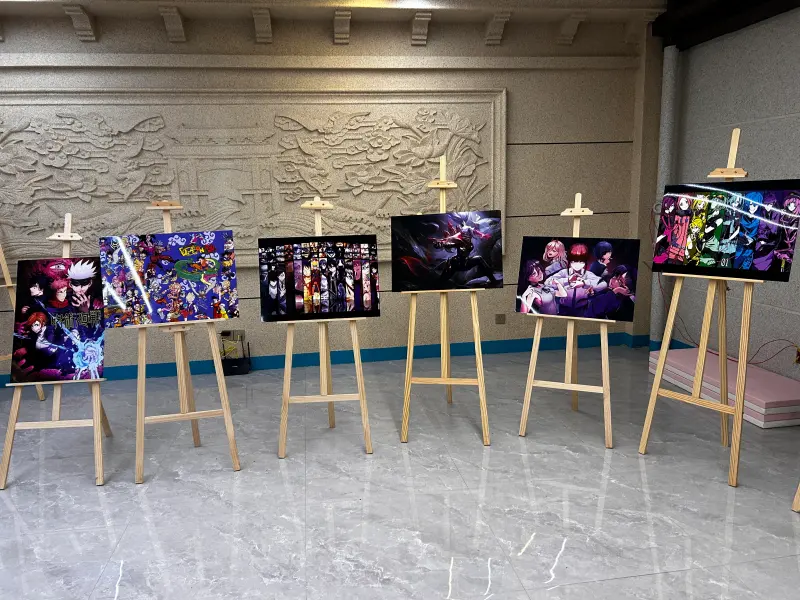
What is the best alloy for sublimation aluminum sheet?
For most applications, 1050-H24 offers the best balance of cost, surface quality, and heat resistance. For premium products, 1060-H24 gives a smoother surface. For large or outdoor products, 3003-H24 prevents warping. For extreme durability, 5052-H32 is the top choice.
Can I use 1100 aluminum for sublimation?
Yes, but with limits. 1100 works for thin, small products like keychains and ornaments. It warps more easily under heat and shows more surface imperfections. Upgrade to 1050 or 1060 for photo panels and awards.
Is 3003 better than 1050 for sublimation?
3003 is stronger and more heat-resistant. It is better for large panels, outdoor signs, and high-temperature press operations. 1050 has a purer surface that may yield slightly better color consistency. For standard indoor photo panels, 1050 is adequate and cheaper.
What temper should I specify for sublimation blanks?
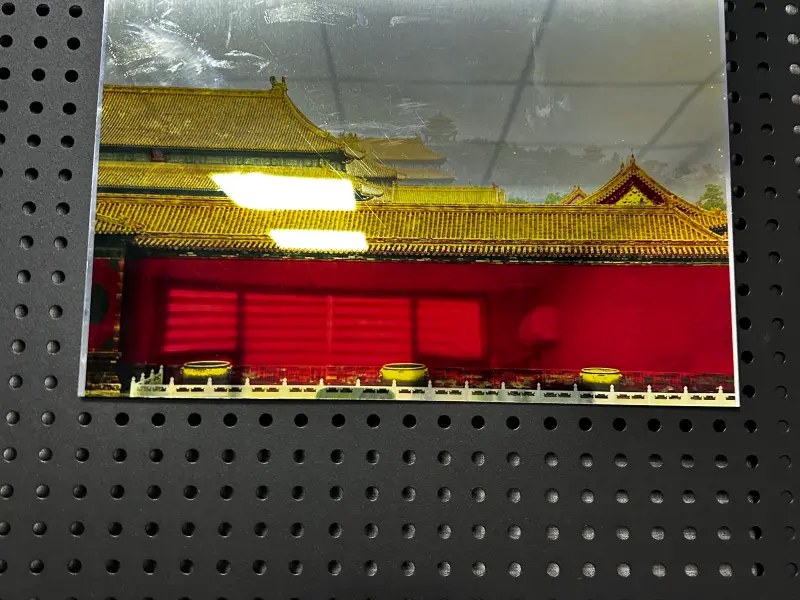
H24 for 1000 and 3000 series. H32 for 5000 series. Avoid O temper — it is too soft and will warp. Avoid H18 — it is too hard and may crack during forming or cutting.
Does alloy affect the final print color?
Indirectly. The alloy affects how evenly the coating adheres and cures. Pure alloys (1050, 1060) give the most consistent results. 3003 and 5052 can produce excellent prints but need a coating supplier who understands the base metal.
Why is 5052 so much more expensive for sublimation?
5052 contains magnesium, which costs more than pure aluminum. It also needs more surface preparation before coating. The result is a blank that handles outdoor exposure and physical stress far better than 1000 series. For license plates and outdoor signs, the premium is worth it.
Can I weld sublimation aluminum blanks?
Not after coating. The polyester coating burns and releases fumes. If you need welded frames, weld first, then coat. 5052 welds best. 1000 series also welds well but with lower strength.
How do I verify my supplier is using the right alloy?
Request a mill test certificate (MTC) with chemical composition. A 1050 blank should show 99.5% aluminum. A 3003 blank should show 1.0–1.5% manganese. If the supplier cannot provide this, the alloy claim is unverified.
What alloy does Chromaluxe use?
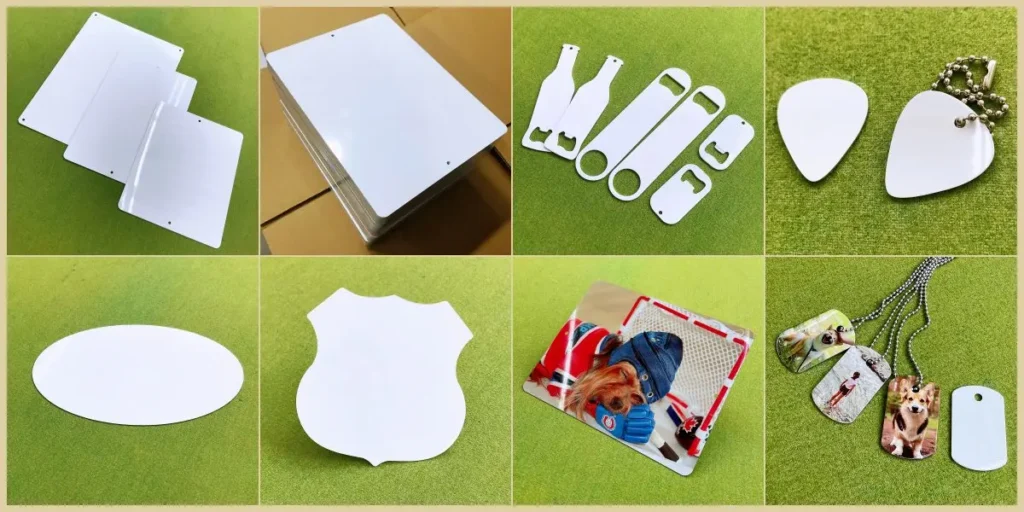
Chromaluxe does not disclose exact alloy specifications. Their proprietary coating system works with a specially prepared base metal. Generic 1050 or 1060 with quality coating can approach Chromaluxe results at lower cost. For museum-grade archival work, Chromaluxe remains the standard.
Where can I buy quality sublimation aluminum blanks?
China produces the majority of sublimation aluminum blanks globally. Look for suppliers with in-house coating lines, alloy certification, and sample programs. Henan and Shandong provinces host the largest clusters of specialized manufacturers.
Alloy for Sublimation Aluminum Sheet | 1050 vs 1060 vs 3003 vs 5052
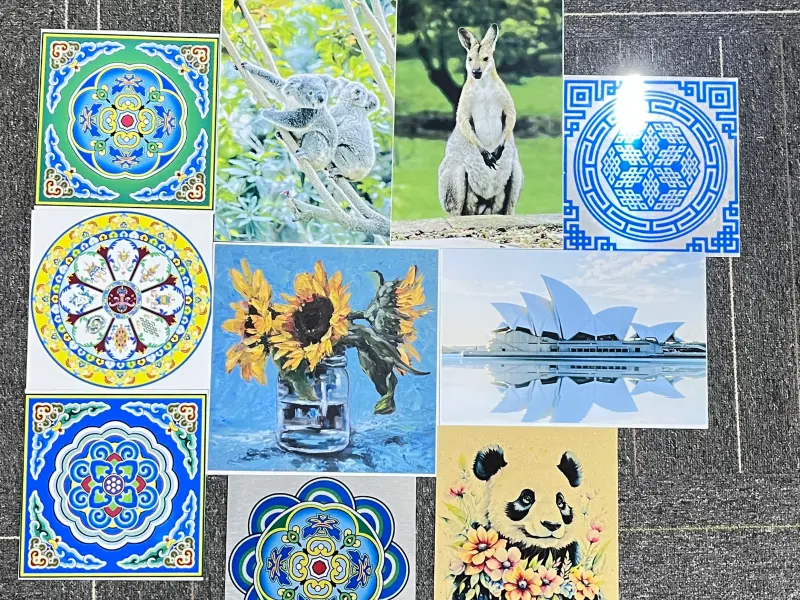
The best alloy for sublimation aluminum sheet depends on your product and budget.
1050-H24 is the safe default for most photo panels and awards.
1060-H24 steps up for premium products where surface perfection matters. 3003-H24 handles large formats and outdoor use without warping. 5052-H32 is the choice when maximum durability and weather resistance are required.
Do not ignore temper. H24 and H32 stabilization is essential for heat press performance. O temper will fail. H18 is too brittle.
Test before you commit to large orders. Print samples, check flatness, and verify coating adhesion. The alloy is the foundation. A quality coating on the wrong alloy still produces rejects. Match the metal to the application, and your sublimation products will deliver vibrant, lasting results.