5052 vs 6061 Aluminum: Which One Should You Choose? 5052 aluminum and 6061 aluminum are two popular aluminum alloys used in many industries.
Both materials offer good corrosion resistance, lightweight performance, and easy fabrication. However, they are designed for different applications.
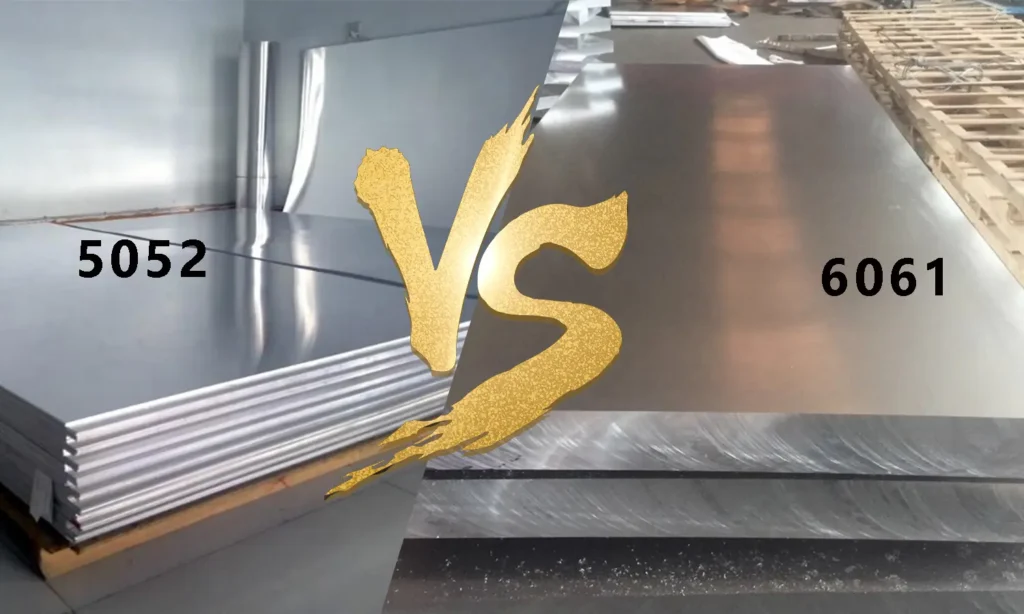
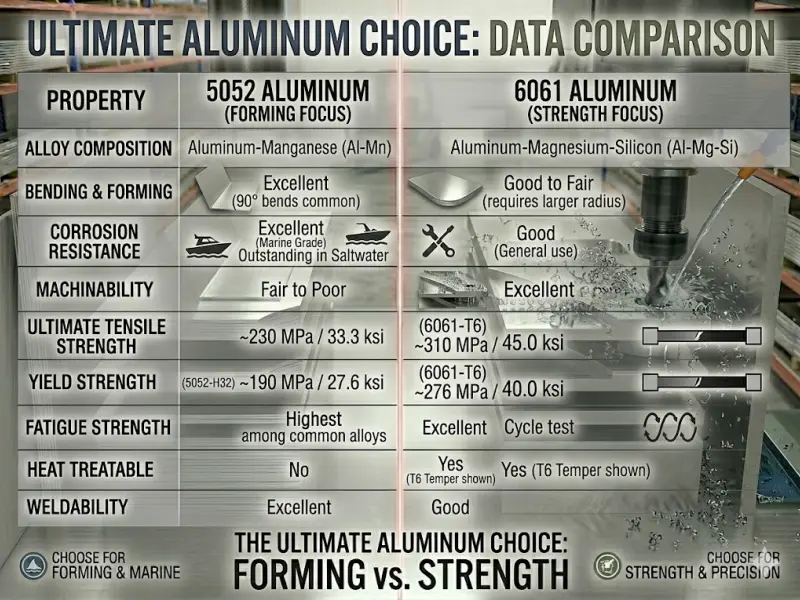
Choosing the correct alloy depends on your project, environment, strength requirements, and processing method.
Quick Comparison Between 5052 and 6061 Aluminum
| Property | 5052 Aluminum | 6061 Aluminum |
|---|---|---|
| Main Alloy Element | Magnesium | Magnesium & Silicon |
| Common Temper | H32 | T6 |
| Corrosion Resistance | Excellent | Good |
| Strength | Medium | High |
| Weldability | Excellent | Good |
| Machinability | Medium | Excellent |
| Formability | Excellent | Good |
| Heat Treatable | No | Yes |
| Marine Use | Very Common | Limited |
| Cost | Slightly Higher | Common Market Price |
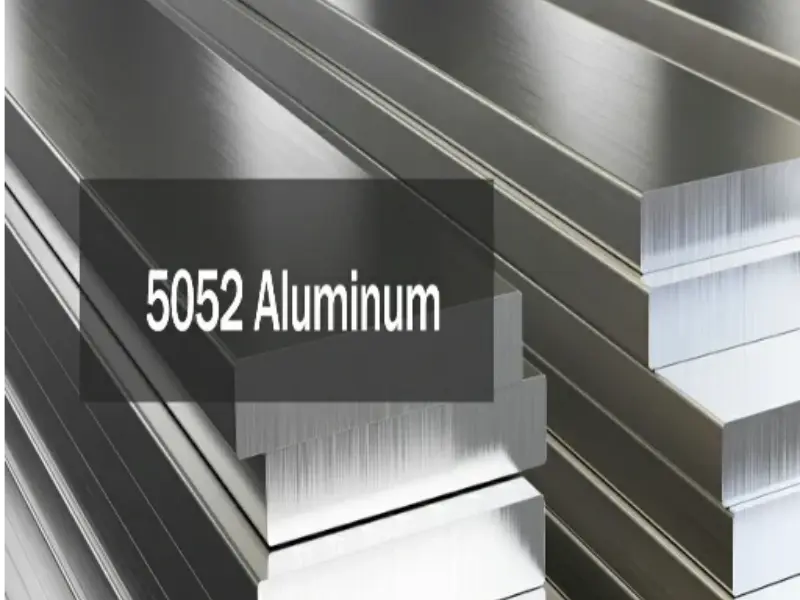
What Is 5052 Aluminum?
Main Features of 5052 Aluminum
- Excellent corrosion resistance
- Good welding performance
- Lightweight material
- Smooth surface finish
- Easy bending and forming
- Good fatigue strength
Common 5052 Tempers
| Temper | Description |
|---|---|
| O | Soft annealed |
| H32 | Strain hardened and stabilized |
| H34 | Higher hardness |
| H38 | Full hard temper |
What Is 6061 Aluminum?
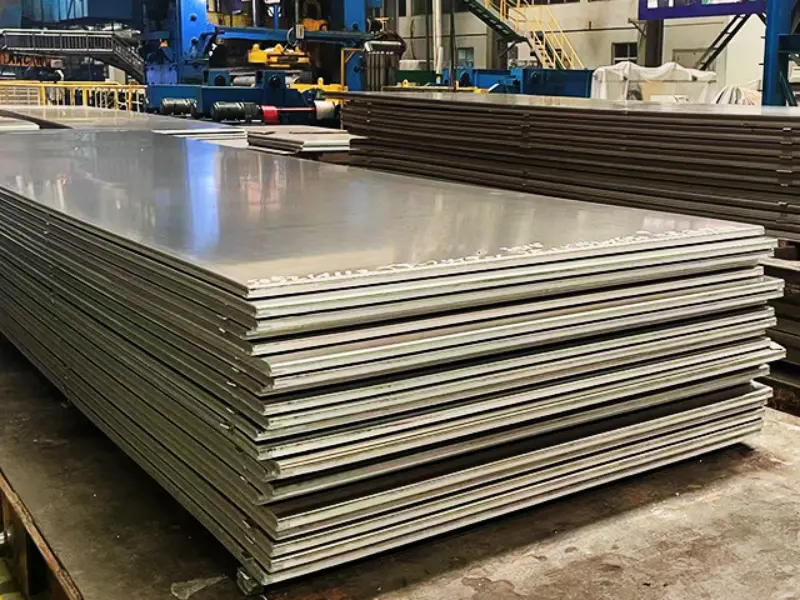
6061 aluminum belongs to the 6xxx series aluminum alloys. It contains magnesium and silicon. This alloy is heat treatable and offers higher mechanical strength.
6061 aluminum is widely used in structural and machining applications.
Main Features of 6061 Aluminum
- High strength
- Good machining performance
- Heat treatable alloy
- Good corrosion resistance
- Suitable for structural parts
- Excellent anodizing performance
Common 6061 Tempers
| Temper | Description |
|---|---|
| T4 | Naturally aged |
| T5 | Artificially aged after cooling |
| T6 | Solution heat-treated and artificially aged |
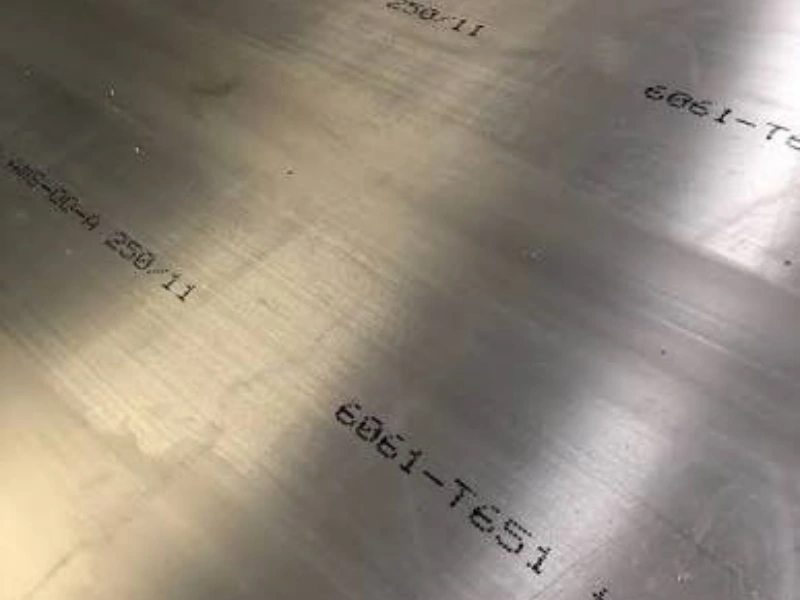
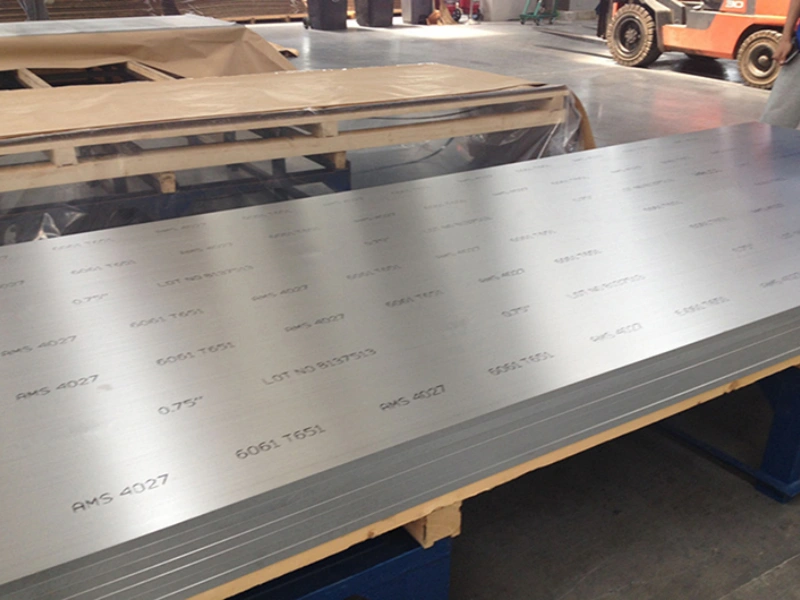
| T651 | Stress-relieved version of T6 |
Chemical Composition Comparison
5052 Aluminum Composition
| Element | Percentage |
|---|---|
| Magnesium | 2.2% – 2.8% |
| Chromium | 0.15% – 0.35% |
| Aluminum | Balance |
6061 Aluminum Composition
| Element | Percentage |
|---|---|
| Magnesium | 0.8% – 1.2% |
| Silicon | 0.4% – 0.8% |
| Copper | 0.15% – 0.4% |
| Aluminum | Balance |
Strength Comparison: 5052 vs 6061 Aluminum
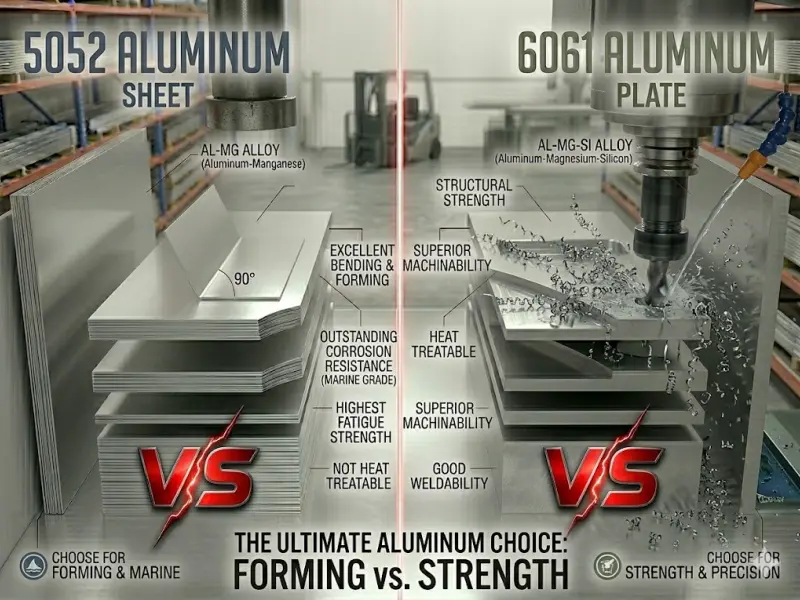
6061 aluminum has higher tensile strength than 5052 aluminum. This makes it better for structural applications and mechanical parts.
Mechanical Property Comparison
| Property | 5052-H32 | 6061-T6 |
|---|---|---|
| Tensile Strength | 228 MPa | 310 MPa |
| Yield Strength | 193 MPa | 276 MPa |
| Elongation | 12% | 10% |
| Hardness | Medium | Higher |
If strength is the main requirement, 6061-T6 is usually the better choice.
Corrosion Resistance Comparison
5052 aluminum performs better in corrosive environments, especially saltwater conditions.
Best Environments for 5052 5052 vs 6061 Aluminum: Which One Should You Choose?
- Marine applications
- Coastal buildings
- Fuel tanks
- Chemical equipment
- Outdoor sheet metal
Best Environments for 6061 5052 vs 6061 Aluminum: Which One Should You Choose?
- Structural components
- Industrial machinery
- Dry outdoor environments
- Automotive parts
Weldability Comparison
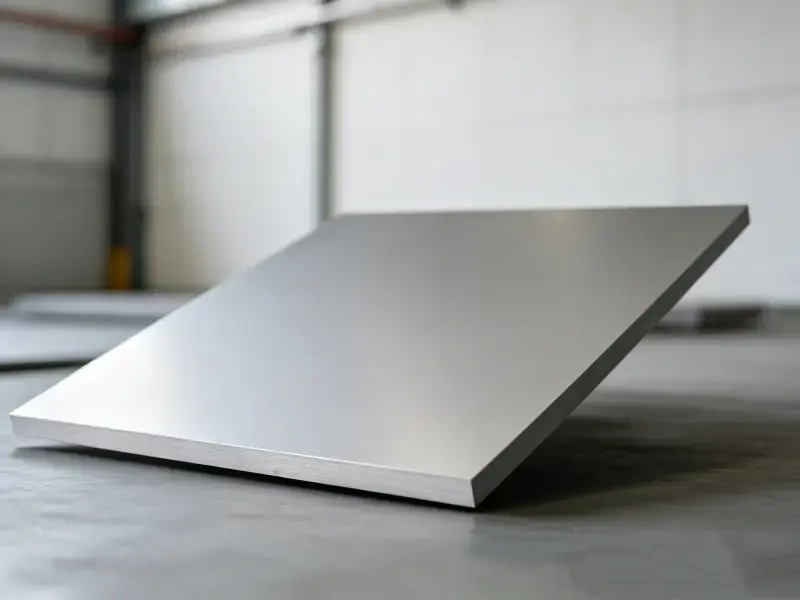
5052 aluminum has better weldability than 6061 aluminum.
5052 Welding Advantages
- Lower crack risk
- Stable welded joints
- Good for thin sheet fabrication
6061 Welding Considerations
- Heat-affected zone loses strength
- May require heat treatment after welding
For heavy welding projects, 5052 is often preferred.
Machining Performance Comparison
6061 aluminum is easier to machine.
Why 6061 Is Better for CNC Machining
- Better chip formation
- Cleaner cutting surface
- Faster machining speed
- Better dimensional stability
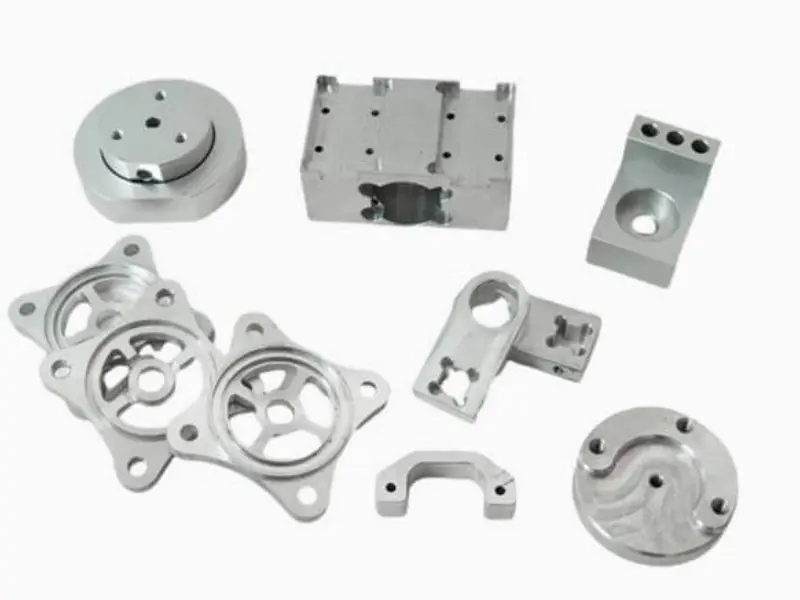
6061 aluminum is widely used for CNC parts and precision machining.
Formability and Bending Performance
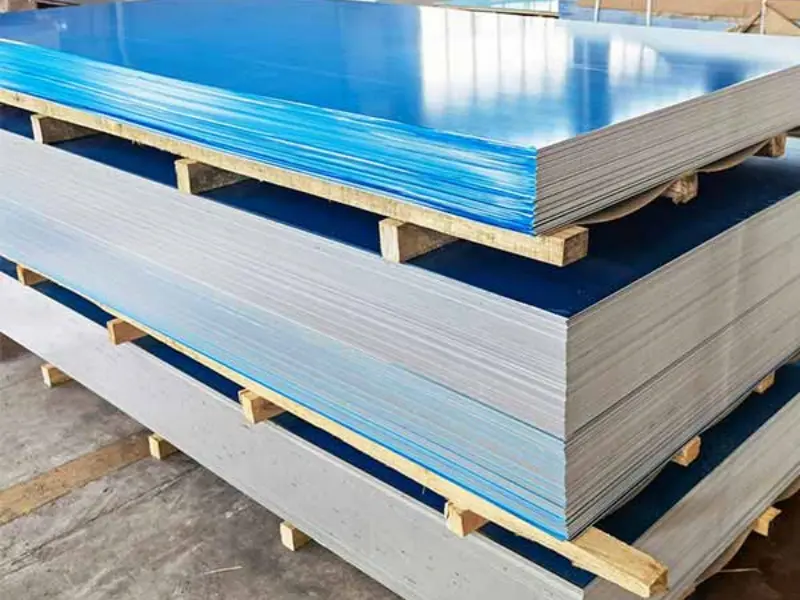
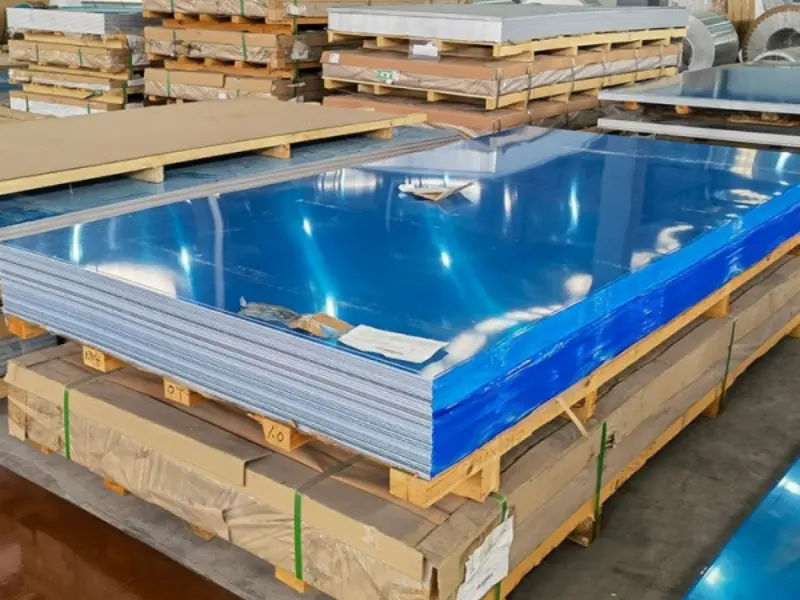
5052 aluminum has better forming performance than 6061.
5052 Advantages in Forming
- Easier deep drawing
- Better bending radius
- Lower cracking risk
Common Formed Products
- Aluminum enclosures
- Fuel tanks
- Kitchen equipment
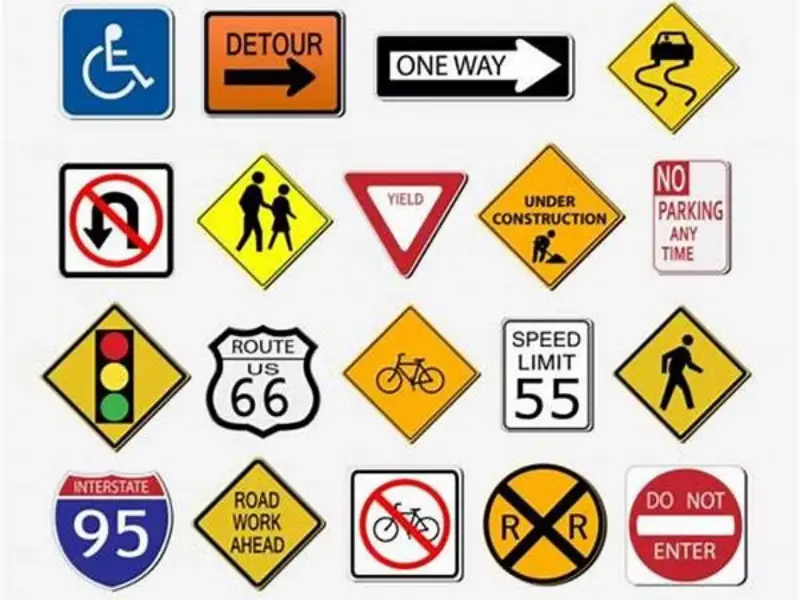
- Traffic signs
Heat Treatment Difference
| Alloy | Heat Treatable |
|---|---|
| 5052 | No |
| 6061 | Yes |
6061 aluminum can be heat treated to improve strength. 5052 gains strength mainly through cold working.
Weight Comparison
Both alloys have similar density and lightweight properties.
| Alloy | Density |
|---|---|
| 5052 | 2.68 g/cm³ |
| 6061 | 2.70 g/cm³ |
The weight difference is very small.
Surface Finish and Anodizing
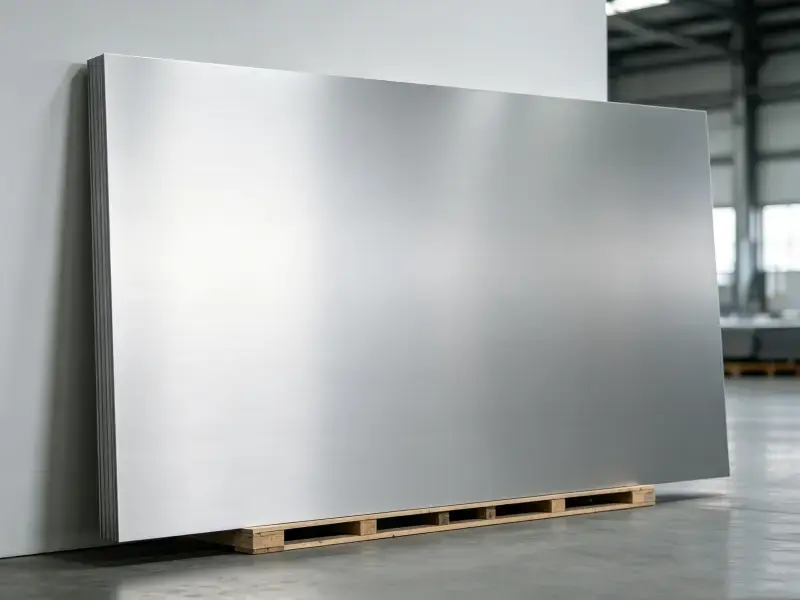
5052 Surface Features
- Smooth finish
- Good for brushed surfaces
- Common in decorative sheet applications
6061 Surface Features
Popular in industrial profiles
Excellent anodizing effect
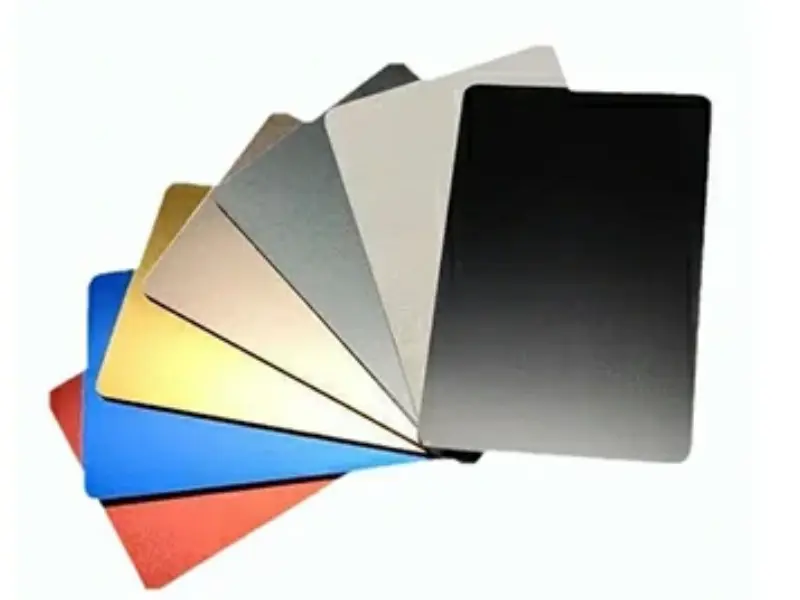
Better for colored anodized products
Common Product Types of 5052 Aluminum
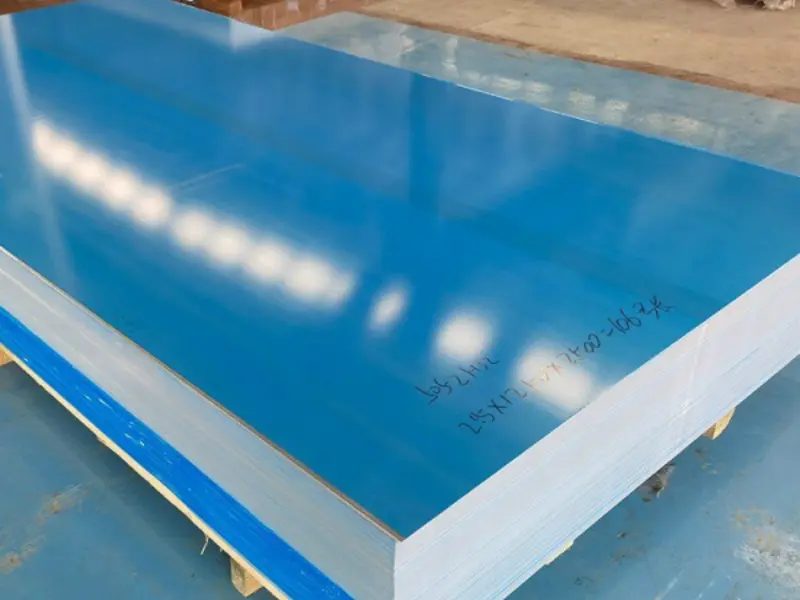
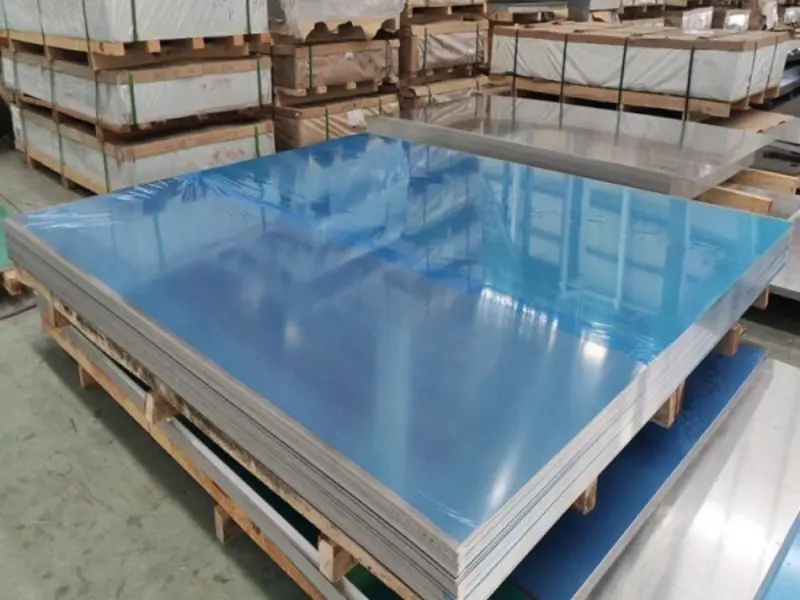
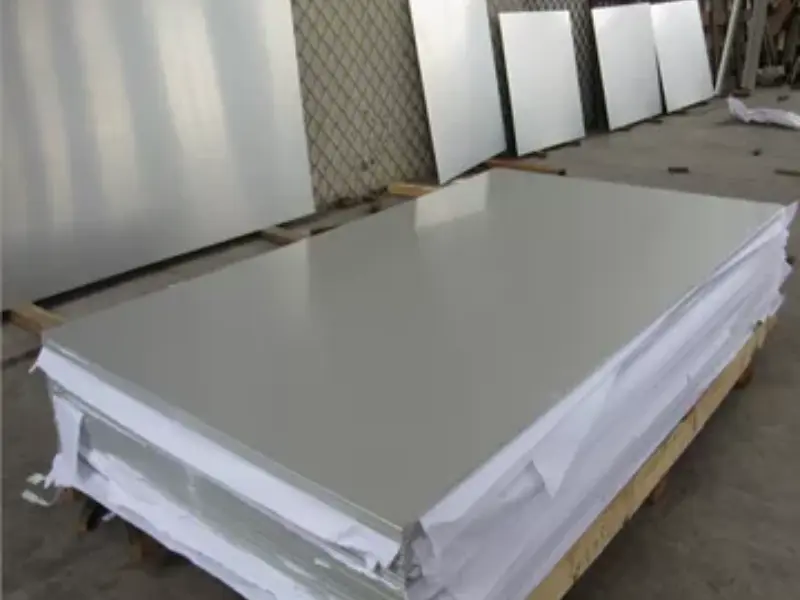
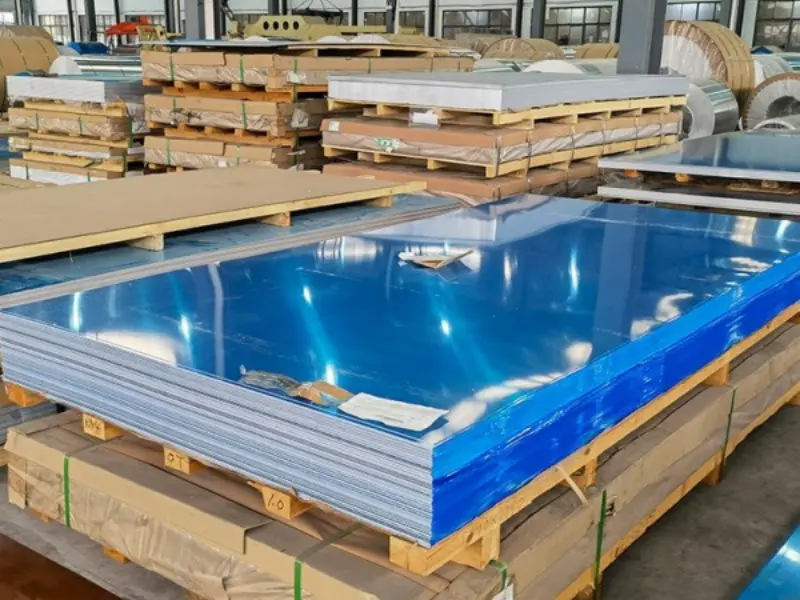
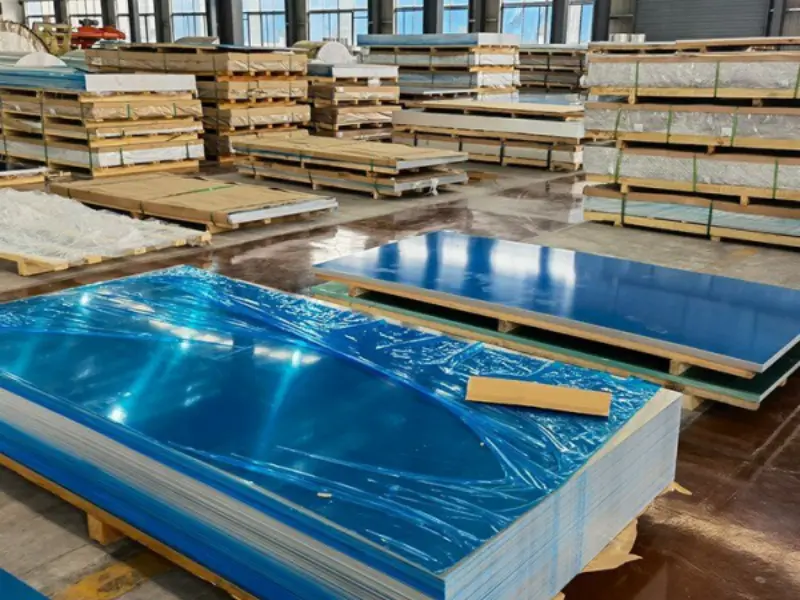
5052 Aluminum Sheet
Used in marine, transportation, and tank fabrication.
5052 Aluminum Coil
Suitable for roofing, insulation, and decorative applications.
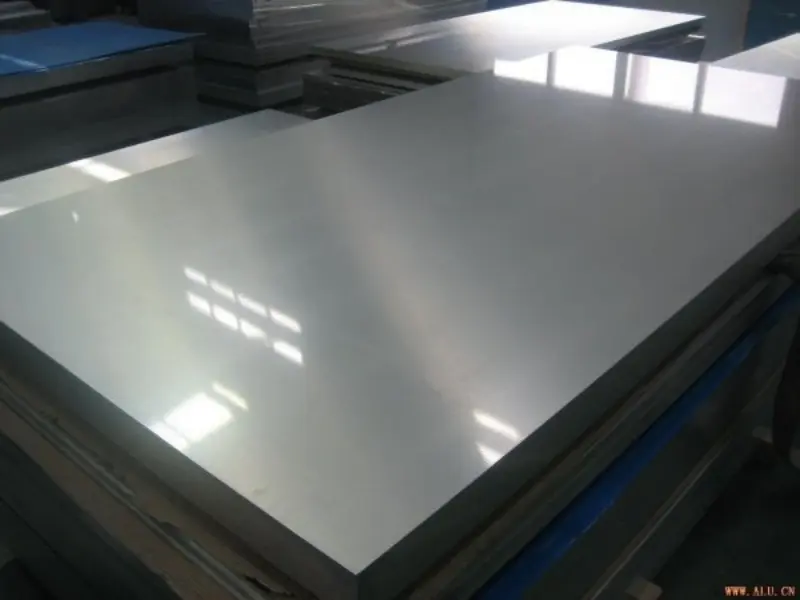
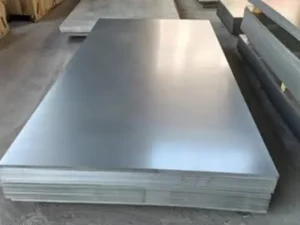
5052 Aluminum Plate
Used in industrial equipment and pressure vessels.
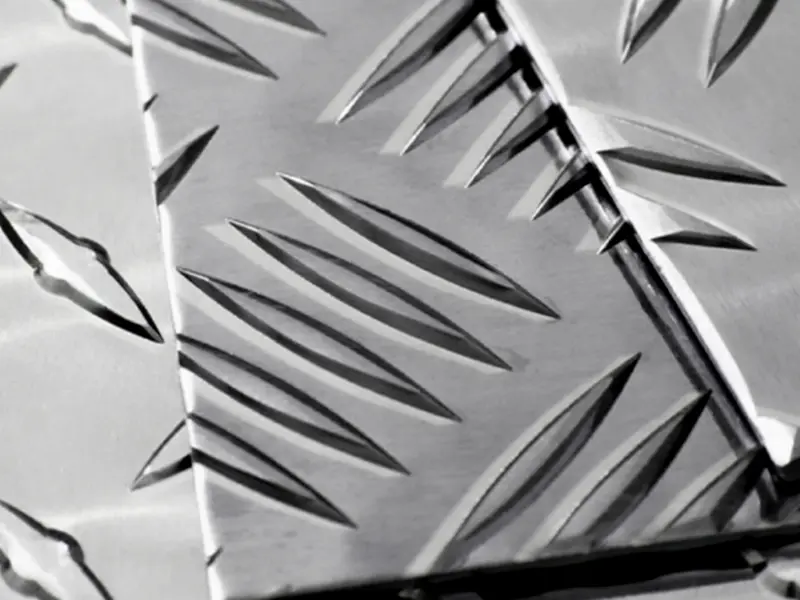
5052 Tread Plate
Common in anti-slip flooring applications.

Common Product Types of 6061 Aluminum
6061 Aluminum Plate
Used for molds, machinery, and structural projects.
6061 Aluminum Bar
Popular in machining and engineering parts.
6061 Aluminum Tube
Used in bicycle frames, automotive systems, and industrial structures.
6061 Aluminum Extrusion
Widely used for frames, rails, and support systems.
Thickness Range Comparison
5052 Aluminum Thickness
| Product Type | Thickness Range |
|---|---|
| Sheet | 0.2mm – 6mm |
| Plate | 6mm – 200mm |
| Coil | 0.2mm – 3mm |
6061 Aluminum Thickness
| Product Type | Thickness Range |
|---|---|
| Sheet | 0.5mm – 6mm |
| Plate | 6mm – 300mm |
| Bar | 5mm – 500mm |
Typical Applications of 5052 Aluminum
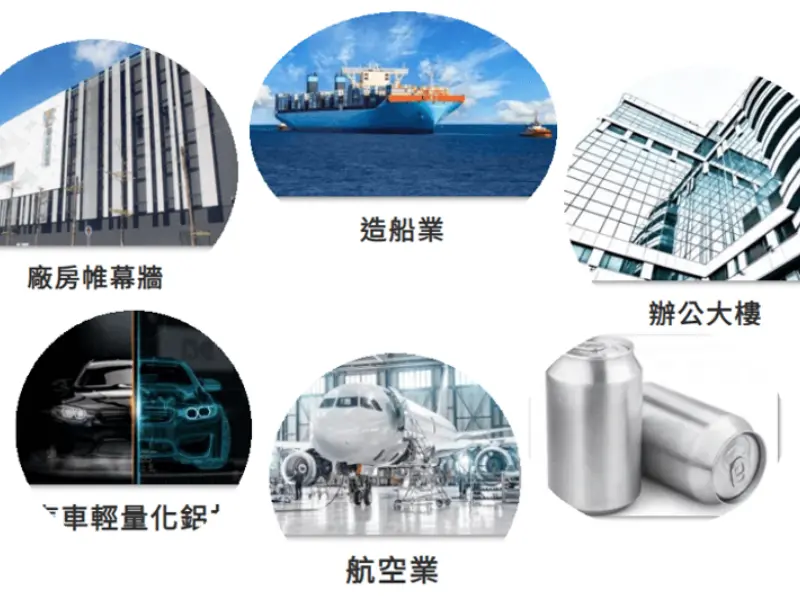
Marine Industry
5052 aluminum is widely used in boat hulls, ship panels, and marine accessories.
Tank Manufacturing
The alloy is suitable for fuel tanks and storage tanks.
Building Decoration
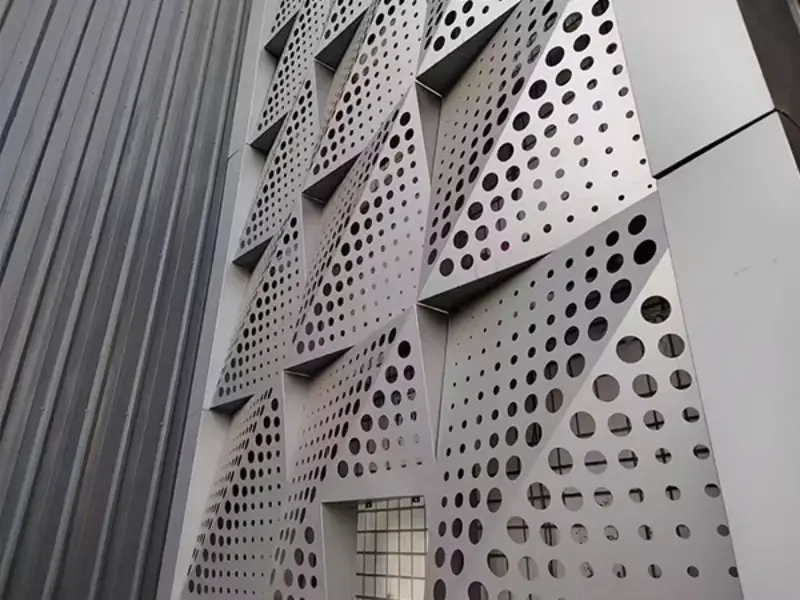
Used in curtain walls, roofing panels, and ceiling systems.
Electronics
Common in electronic housings and cabinets.
Traffic Sign Industry
Used for road signs and reflective aluminum sheets.
Typical Applications of 6061 Aluminum

Aerospace Industry
6061 is used in lightweight structural parts.
Automotive Components
Suitable for wheels, frames, and brackets.
Industrial Machinery
Used for machine parts and tooling systems.
Bicycle Frames
High strength and lightweight performance make it popular for bicycles.
CNC Machining Parts
6061-T6 is one of the most common machining alloys.
5052 vs 6061 for Marine Use
| Feature | 5052 | 6061 |
|---|---|---|
| Saltwater Resistance | Excellent | Medium |
| Welding | Better | Good |
| Structural Strength | Medium | Higher |
| Common Marine Use | Boat Panels | Structural Frames |
5052 aluminum is normally preferred for direct seawater exposure.
5052 vs 6061 for CNC Machining
| Feature | 5052 | 6061 |
|---|---|---|
| Cutting Performance | Medium | Excellent |
| Surface Finish | Good | Better |
| Machining Speed | Lower | Higher |
| Tool Wear | Medium | Lower |
6061 aluminum is usually the first choice for CNC machining.
Price Comparison Between 5052 and 6061
Prices change depending on thickness, temper, and market conditions.
| Alloy | Market Level |
|---|---|
| 5052 | Slightly Higher |
| 6061 | Common Market Price |
5052 may cost more because of higher magnesium content and marine demand.
Chemical Composition Comparison
The chemical makeup of each alloy dictates its physical behavior during cutting, welding, and bending.
| Element | 5052 Aluminum (% Weight) | 6061 Aluminum (% Weight) |
|---|---|---|
| Aluminum (Al) | 95.7 to 97.7% | 95.8 to 98.6% |
| Magnesium (Mg) | 2.2 to 2.8% | 0.8 to 1.2% |
| Silicon (Si) | Max 0.25% | 0.4 to 0.8% |
| Chromium (Cr) | 0.15 to 0.35% | 0.04 to 0.35% |
| Copper (Cu) | Max 0.1% | 0.15 to 0.4% |
| Iron (Fe) | Max 0.4% | Max 0.7% |
| Manganese (Mn) | Max 0.1% | Max 0.15% |
| Zinc (Zn) | Max 0.1% | Max 0.25% |
| Titanium (Ti) | Max 0.15% | Max 0.15% |
Mechanical Properties and Temper Differences
The internal structure of these metals changes based on their temper state. Below is a comparison of their mechanical limits.
Mechanical Strengths Table
| Mechanical Property | 5052-H32 Aluminum | 6061-T6 Aluminum |
|---|---|---|
| Ultimate Tensile Strength | 228 MPa (33,000 psi) | 310 MPa (45,000 psi) |
| Yield Strength | 193 MPa (28,000 psi) | 276 MPa (40,000 psi) |
| Shear Strength | 138 MPa (20,000 psi) | 207 MPa (30,000 psi) |
| Elastic Modulus | 70.3 GPa | 68.9 GPa |
| Hardness (Brinell) | 60 | 95 |
| Elongation at Break | 12% | 12% (can vary by thickness) |
Diverse Product Types and Forms
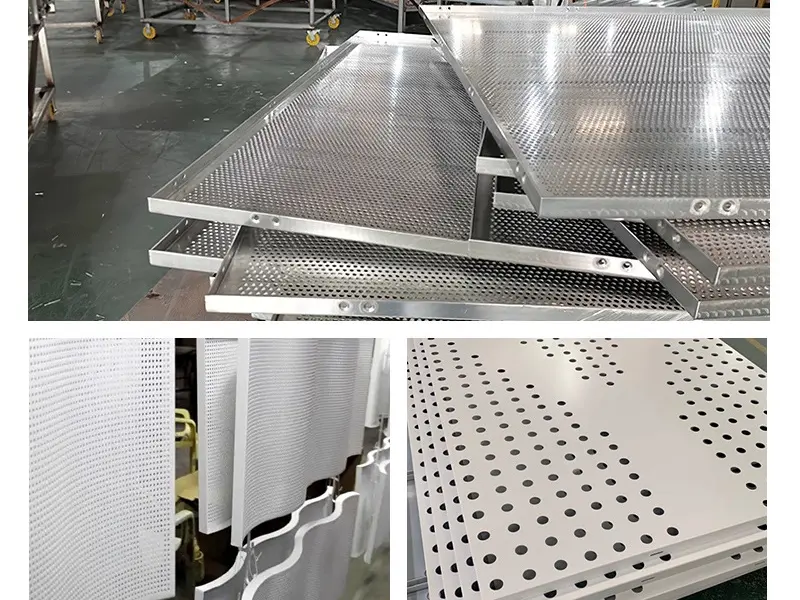
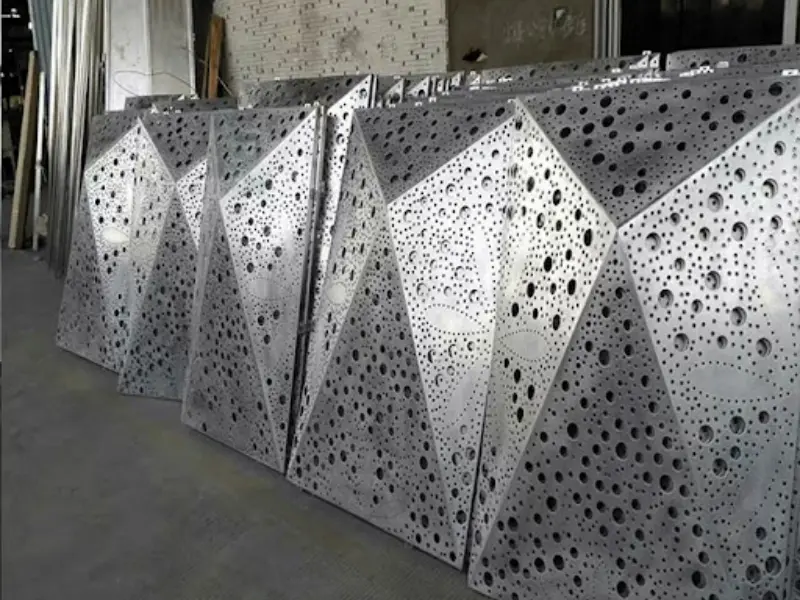
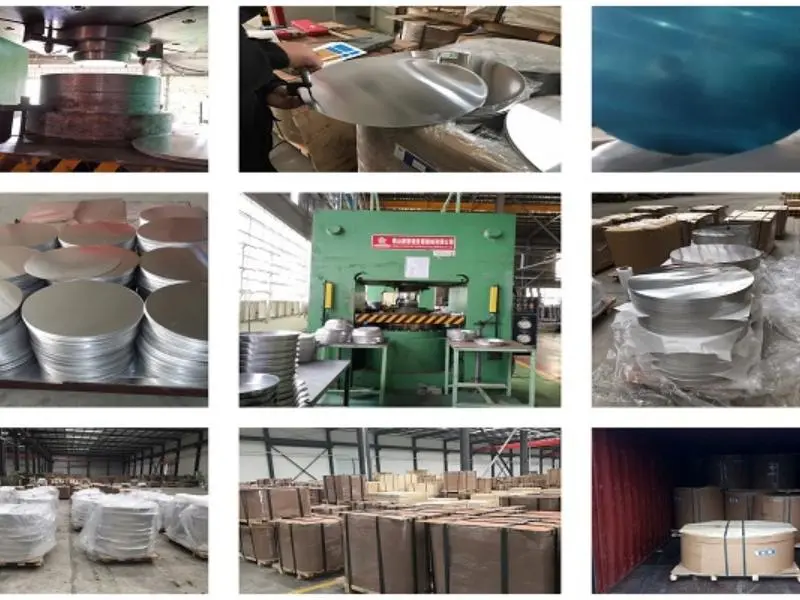
Manufacturers process both alloys into many physical formats to fit different production environments.
Aluminum Sheets and Coils
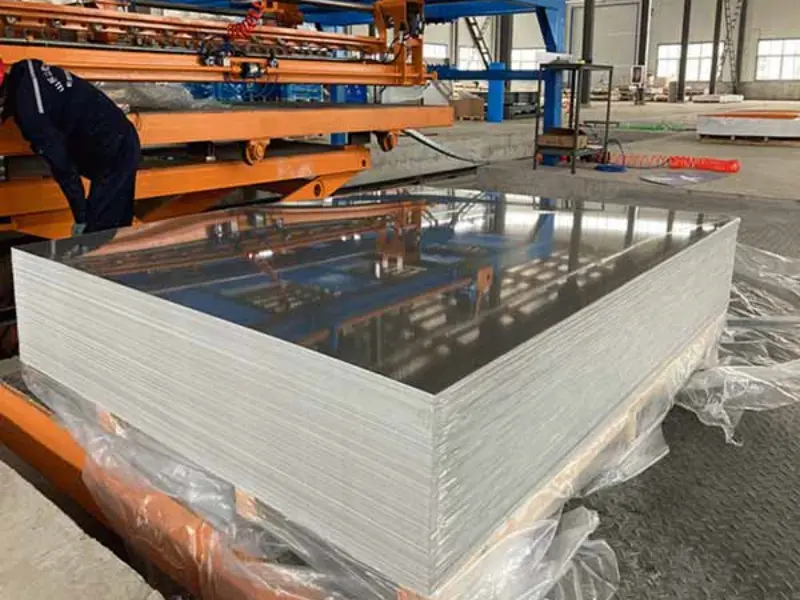
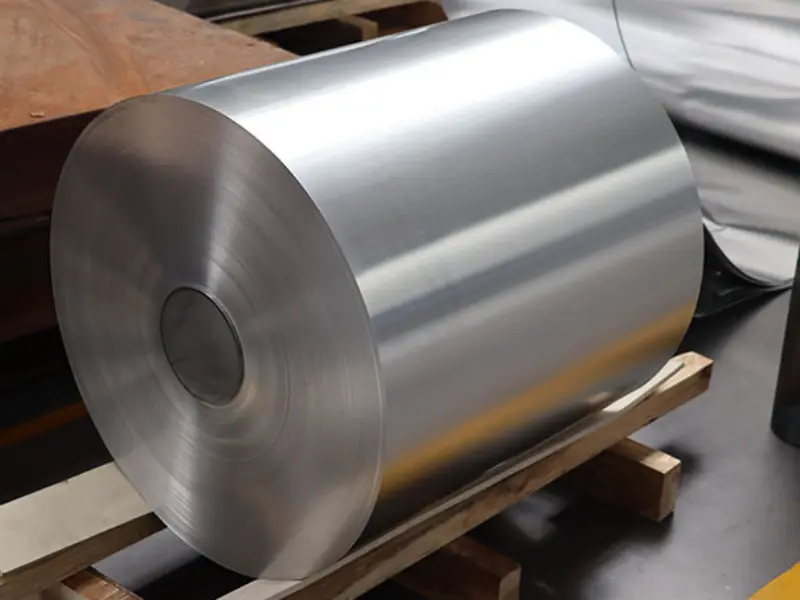
Sheets are thin flat products, usually thinner than 6.0 mm (0.25 inches).
- 5052 Sheets: These sheets are highly popular. They are easy to roll, punch, and shear. They dominate the sheet metal fabrication market due to their smooth surface finish.
- 6061 Sheets: Less common for deep drawing or intricate bending, but used when flat surfaces must withstand heavy abrasion or physical wear.
Thick Structural Plates
Plates are flat materials with thicknesses greater than 6.0 mm.
- 5052 Plates: Often used for storage tanks, marine hulls, and large, low-pressure containers.
- 6061 Plates: This is the standard choice for machinery bases, structural frames, and heavy tool building. Precision plates are often stretched (T651 temper) to relieve internal stresses before machining.
Extruded Profiles and Shapes
Extrusions are created by pushing hot metal through a shaped die.
- Angle Iron and Channels: Primarily made of 6061−T6 to ensure structural safety in buildings and trailers.
- Custom Enclosures: 5052 is preferred when the shape requires cold-forming or stamping after extrusion.
Rods, Bars, and Tubing
- Round Bars: 6061−T6 round bars are the standard raw material for CNC lathe machining.
- Seamless Tubes: 5052 tubing works best for hydraulic lines because it bends easily without pinching shut. 6061 tubes are preferred for bicycle frames, driveshafts, and support columns.
Direct Performance Comparison Across Key Metrics
Understanding how each alloy behaves under different manufacturing processes will prevent material failures.
Machining and Cutting
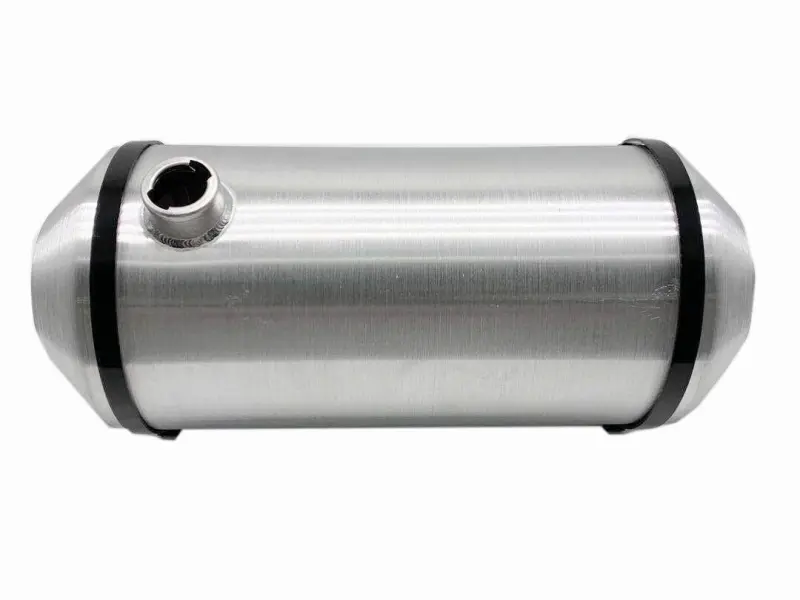
Machinability refers to how easily a tool can cut the metal.
The 5052 Challenge: It is gummy when machined. It tends to stick to cutting edges, creating long, continuous stringy chips. This can clog drill bits and endmills.
The 6061-T6 Advantage: It is highly machinable. It chips away cleanly, which leaves a smooth surface finish. It does not stick to your cutting tools.
Bending and Plastic Deformation
Formability determines how far you can bend the metal without cracking.
- The 5052 Advantage: This alloy is highly ductile. You can bend it to tight radii without fracturing the outer bend. It is the best choice for complex brackets.
- The 6061 Challenge: It is brittle compared to 5052. If you bend a 6061−T6 sheet without a large radius, it will crack or split along the bend line.
Welding and Joining
Both alloys are weldable, but they behave differently under heat.
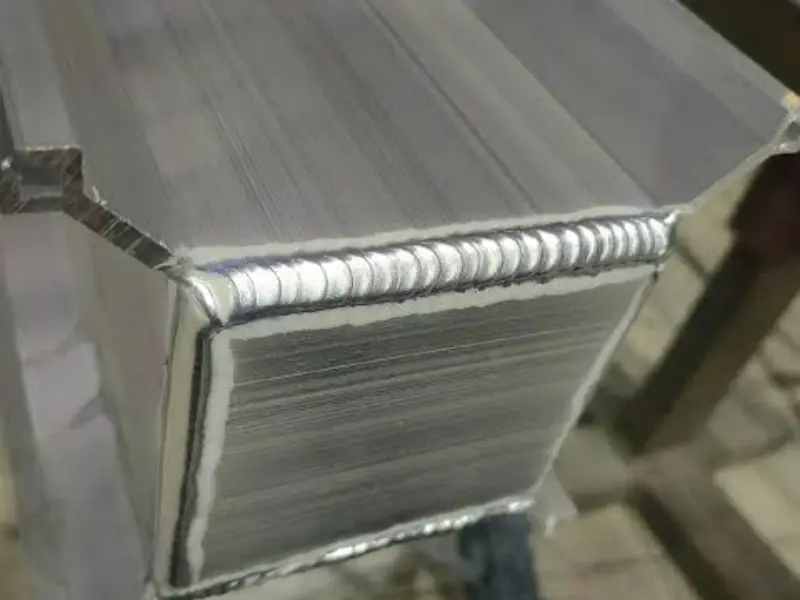
- Welding 5052: It welds beautifully using common methods like TIG or MIG. It maintains most of its strength near the weld zone.
- Welding 6061: While highly weldable, the extreme heat of the welding arc alters the heat-treated microstructure. This reduces the strength near the weld joint by up to 30% to 40% unless the part is heat-treated again after welding.
Corrosion Resistance in Harsh Environments
Metals must withstand moisture, chemical exposure, and atmospheric salts.
- The 5052 Defense: It has exceptional resistance to salt-water corrosion. It does not suffer from rapid pitting when exposed to marine environments.
- The 6061 Defense: It is highly resistant to general atmospheric rust. However, it contains trace amounts of copper (Cu), which makes it slightly more vulnerable to saltwater corrosion over long periods than 5052.
Industry Deployment of 5052 Alloy
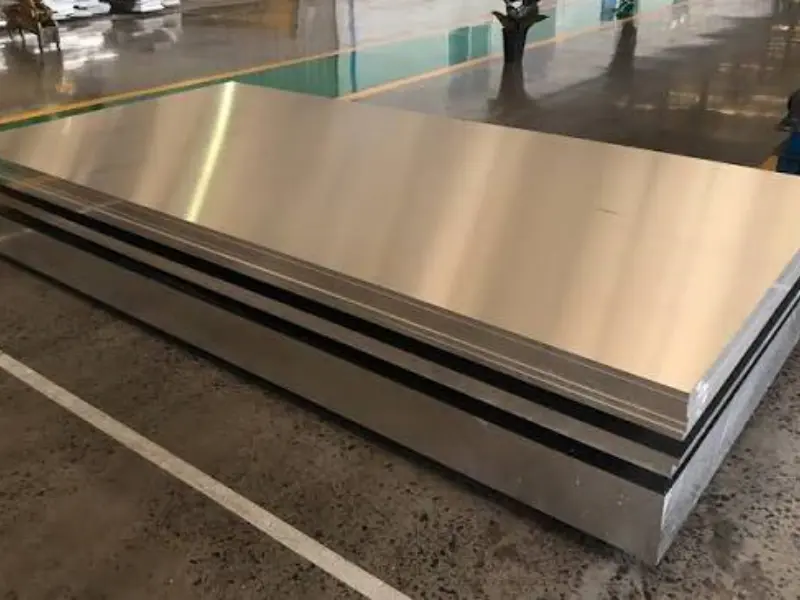
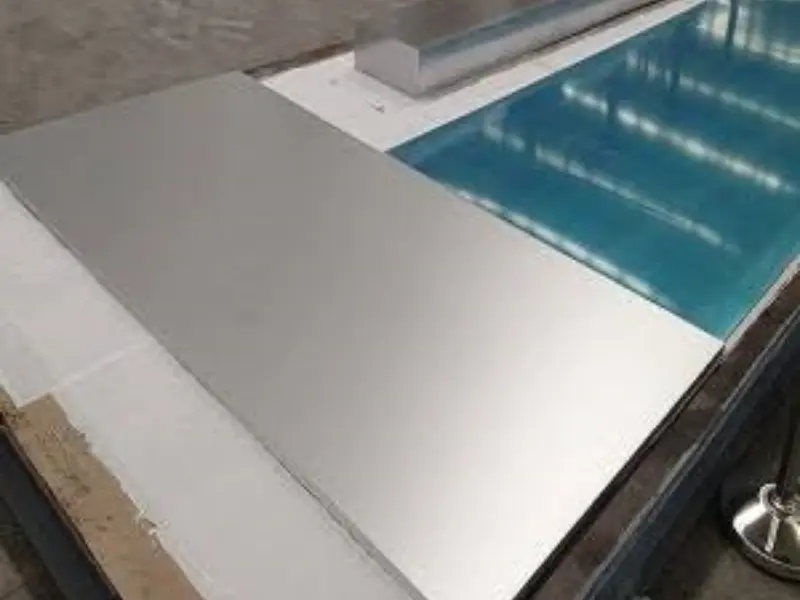
Because of its unique ductility and resistance to chemicals, 5052 is the standard choice for sheet metal applications.
- Marine and Saltwater Hardware: Boat hulls, pontoons, marine fuel tanks, and dock accessories utilize this alloy to stop saltwater oxidation.
- Kitchenware and Food Storage: Commercial food preparation tables, mixing bowls, and refrigeration liners use it because it is easy to clean and sanitize.
- Electronic Enclosures: Computer chassis, server racks, and control boxes rely on this metal for its easy stamping and bending capabilities.
- Transportation Fuel Systems: Aircraft fuel lines, automotive gas tanks, and hydraulic tubing are made from this alloy due to its bendability and fatigue resistance.
- Architectural Trim and Panels: Rain gutters, roofing panels, and decorative trim pieces are formed from this alloy because it handles outdoor weather with ease.
Comparison Summary Table
This summary helps you quickly compare the critical factors of each aluminum grade.
| Selection Factor | 5052 Aluminum | 6061 Aluminum |
|---|---|---|
| Strength Requirement | Low to Medium | Medium to High |
| Forming & Bending | Excellent | Poor to Moderate |
| Machining Rating | Moderate (50%) | Excellent (80%) |
| Welding Ability | Excellent (No loss of strength) | Good (Loses some strength near weld) |
| Saltwater Durability | Exceptional | Moderate to High |
| Anodizing Finish | Great cosmetic appearance | Good protection, slightly darker shade |
| Heat Treatment | Not possible | Possible (Requires quenching and aging) |
How to Choose Between 5052 and 6061 Aluminum
Choose 5052 If You Need
- Better corrosion resistance
- Better bending performance
- Marine environment use
- Heavy welding applications
- Decorative sheet metal
Choose 6061 If You Need
- Higher strength
- Better machining
- Structural support
- Heat treatment capability
- Precision engineering parts
WORTHWILL ALUMINUM Supply Options
WORTHWILL ALUMINUM supplies different aluminum alloy products for industrial and commercial applications.
Available products include:
- 5052 aluminum sheet
- 5052 aluminum coil
- 5052 aluminum tread plate
- 6061 aluminum plate
- 6061 aluminum bar
- 6061 aluminum tube
- 6061 aluminum extrusion
Custom thickness, temper, width, and surface finish are available.
Structural Roles for 6061 Aluminum
When high mechanical loads, structural weight limits, or heavy machining are required, 6061 is the default engineering choice.
- Heavy-Duty Transportation: Truck beds, semi-trailer frames, cargo container structures, and railway car bodies use this alloy to carry heavy loads.
- Structural Aerospace Components: Aircraft wings, fuselage frames, and structural brackets utilize this material for its exceptional strength-to-weight ratio.
- Automotive Chassis Parts: Brake calipers, engine mounts, suspension control arms, and driveshafts are machined from this metal for durability.
- Recreational Equipment: Bicycle frames, scuba tanks, high-end camping gear, and camera tripods rely on its combination of light weight and high rigidity.
- Machinery and Tooling Fixtures: CNC machining fixtures, assembly jigs, robot arms, and pneumatic cylinders are built from this alloy to ensure structural stability.
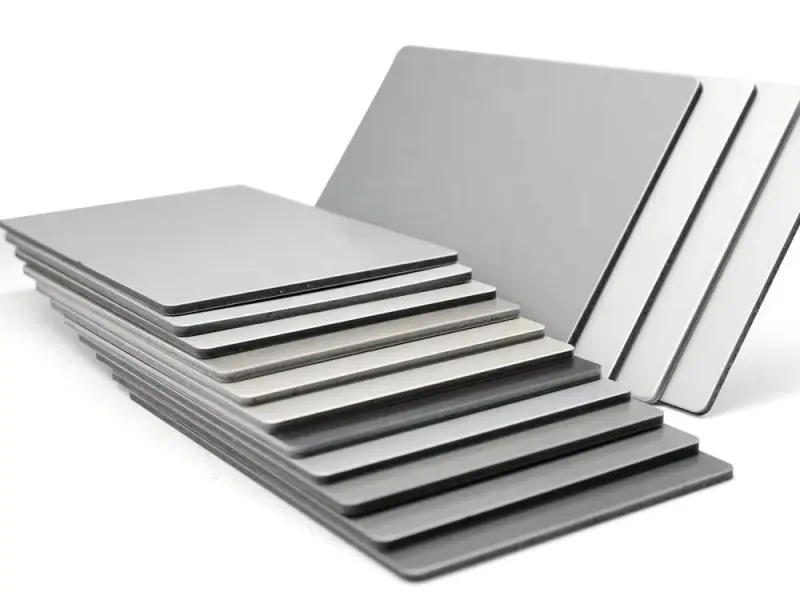
Dimensional Specs and Availability Ranges
Both materials are sold in standard dimensional ranges. Manufacturers keep these common sizes in stock for rapid shipping.
Standard Thickness Options for Sheets and Plates
| Product Category | Thickness Range (Metric) | Thickness Range (Imperial) | Common Alloys Stocked |
|---|---|---|---|
| Ultra-Thin Foil | 0.2 to 0.8 mm | 0.008 to 0.031 inches | 5052−O |
| Standard Sheets | 0.9 to 5.0 mm | 0.035 to 0.197 inches | 5052−H32, 6061−T6 |
| Medium Plates | 6.0 to 25.0 mm | 0.236 to 0.984 inches | 5052−H32, 6061−T651 |
| Heavy Tooling Plates | 30.0 to 150.0 mm | 1.181 to 5.905 inches | 6061−T651 |
Precision Tolerances for Rods and Bars
| Shape Profile | Diameter/Width Range | Standard Tolerance (Class) | Typical Temper |
|---|---|---|---|
| Round Rods | 3.1 to 100.0 mm | +/−0.05 mm | 6061−T6 |
| Square Bars | 6.3 to 75.0 mm | +/−0.08 mm | 6061−T6 |
| Hexagonal Bars | 4.7 to 50.0 mm | +/−0.06 mm | 6061−T6 |
FAQ
Is 5052 aluminum stronger than 6061?
6061 Has Higher Strength
6061-T6 aluminum is stronger than 5052-H32 aluminum.
Which aluminum alloy is better for marine use?
5052 Is Better for Saltwater
5052 aluminum offers better corrosion resistance in marine environments.
Can 6061 aluminum be welded?
Yes, but Strength May Reduce
6061 aluminum can be welded, but the welded area may lose some strength.
Which alloy is easier to bend?
5052 Has Better Formability
5052 aluminum bends more easily and has lower cracking risk.
Is 6061 aluminum good for CNC machining?
Very Popular for Machining
6061-T6 aluminum is one of the most common CNC machining materials.
Which alloy is more cost-effective?
Depends on the Application
6061 is often more economical for structural machining parts. 5052 is more suitable for corrosion-resistant sheet applications.
5052 aluminum and 6061 aluminum
5052 aluminum and 6061 aluminum are both excellent materials, but they serve different purposes.
5052 aluminum performs better in corrosion resistance, bending, and marine applications. 6061 aluminum offers higher strength and excellent machining performance.
Understanding the project environment and processing requirements will help you choose the correct alloy.
Making the Final Decision: Simple Questions to Ask
If you are still unsure which aluminum alloy to purchase, answer these three simple questions about your production workflow:
Does your part require bending, stamping, or drawing?
If yes, choose 5052. It bends easily without cracking. It will save you from scrap material and damaged tooling.
Does your manufacturing involve extensive CNC milling or turning?
If yes, choose 6061−T6. Your machine shop will thank you. The chips will break away easily, and the tool life will be much longer.
Will the finished product be exposed to coastal air or marine water?
If yes, choose 5052. Its high magnesium content blocks saltwater corrosion. This ensures your parts will last for years without rusting.