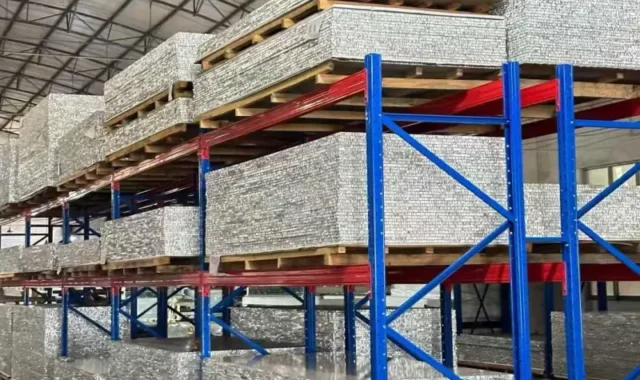
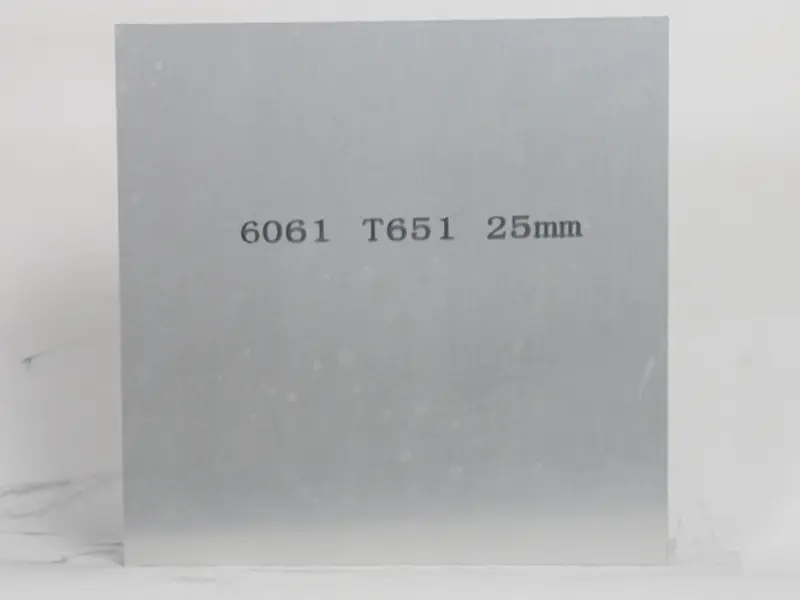
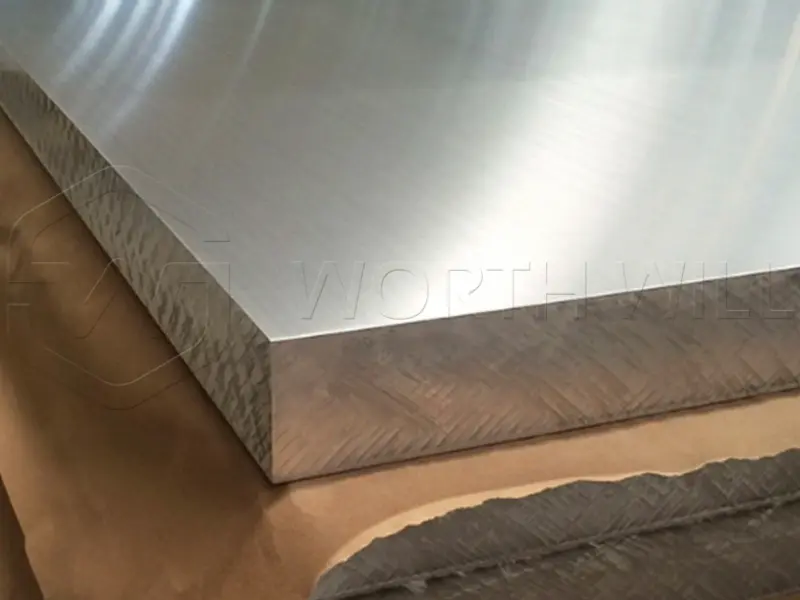
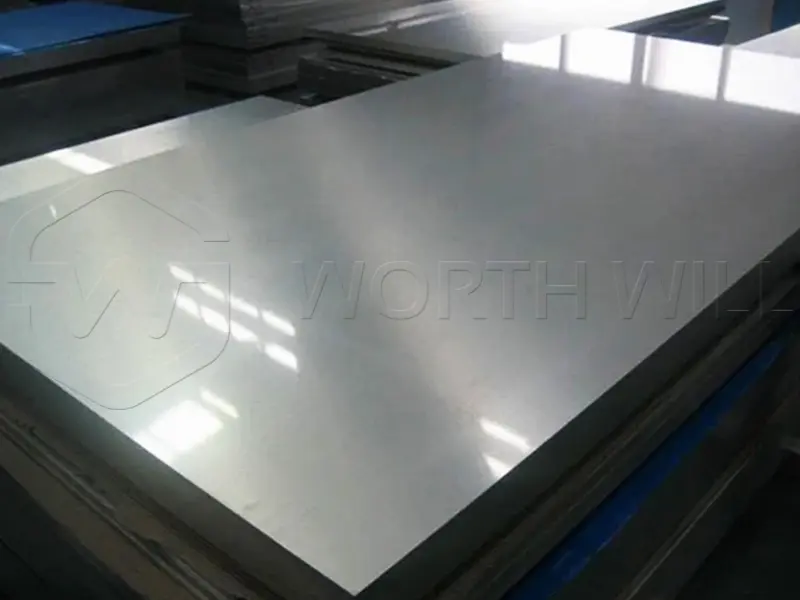
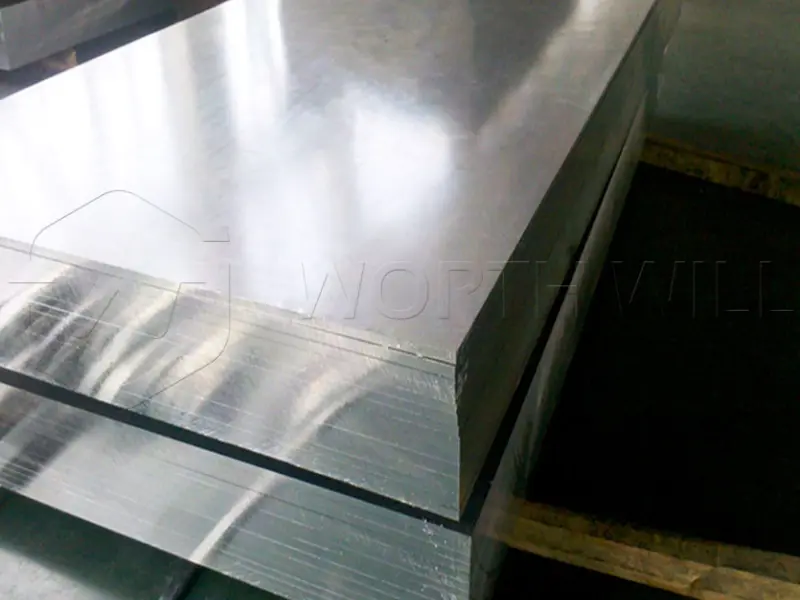
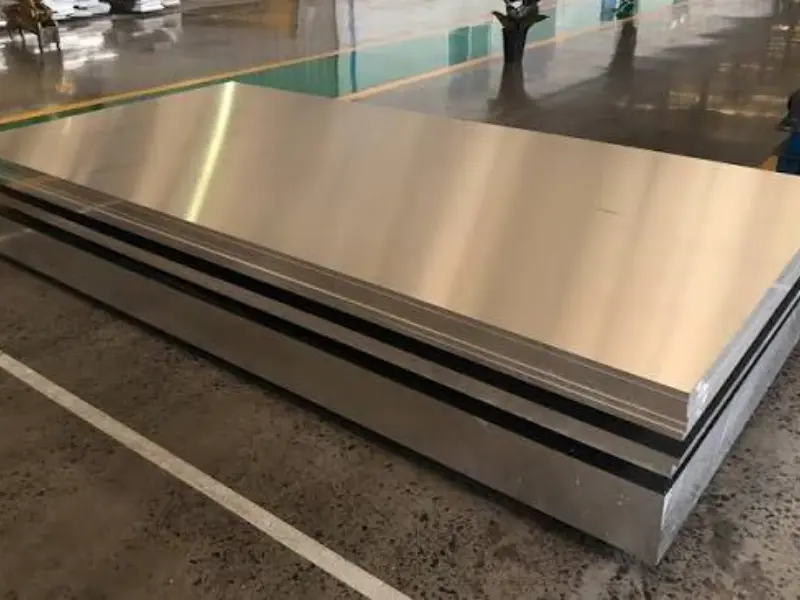
6061-T651 aluminum plate is widely used in machining, industrial equipment, transportation, aerospace components, and structural projects. It offers a good balance of strength, corrosion resistance, machinability, and dimensional stability.
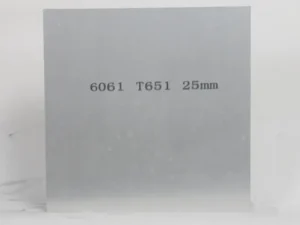
For buyers, the 6061-T651 aluminum plate price is an important part of the purchasing decision. However, the price is not fixed.
It depends on plate thickness, width, length, order quantity, surface quality, cutting requirements, and delivery terms.
A thin plate and a thick precision plate may have very different prices. A standard stock size may also cost less than a custom-cut plate that requires additional processing.
What Is 6061-T651 Aluminum Plate?
6061 is a heat-treatable aluminum alloy from the 6000 series. Its main alloying elements are magnesium and silicon. These elements help provide good strength, corrosion resistance, and machinability.
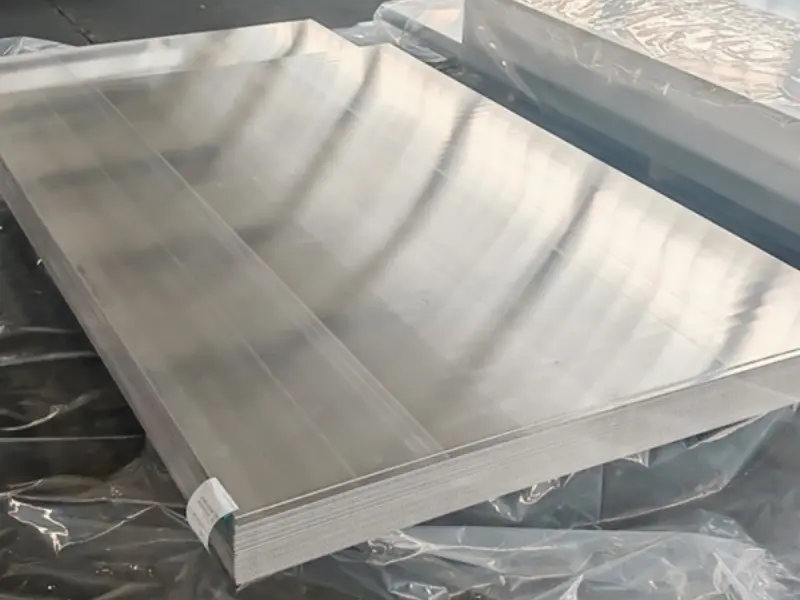
T651 is a specific temper of 6061 aluminum. It is solution heat-treated, artificially aged, and stress-relieved by controlled stretching. This process helps reduce internal stress in the plate.
The result is a material that is suitable for machining and applications where dimensional stability is important.
Main Features of 6061-T651
| Property | Description |
|---|---|
| Alloy | 6061 |
| Temper | T651 |
| Main alloying elements | Magnesium and silicon |
| Heat treatment | Solution heat-treated and artificially aged |
| Stress relief | Controlled stretching |
| Strength | Medium to high |
| Machinability | Good |
| Corrosion resistance | Good |
| Weldability | Good, with suitable procedures |
| Common supply form | Plate and cut-to-size plate |
| Main applications | CNC machining, equipment, structures |
Why Is T651 Used for Aluminum Plate?
Internal stress can be released during machining. This may cause a plate to move or become distorted after material is removed.
The stretching process used for T651 helps reduce this problem.
For this reason, 6061-T651 is often selected for:
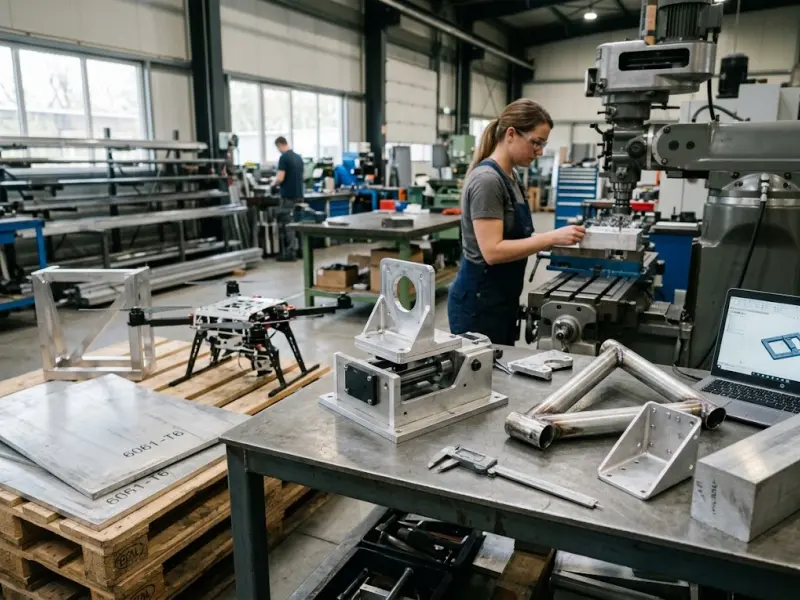
- CNC-machined components.
- Precision machine bases.
- Industrial equipment plates.
- Fixture plates.
- Mold components.
- Structural parts.
- Large machined aluminum blocks.
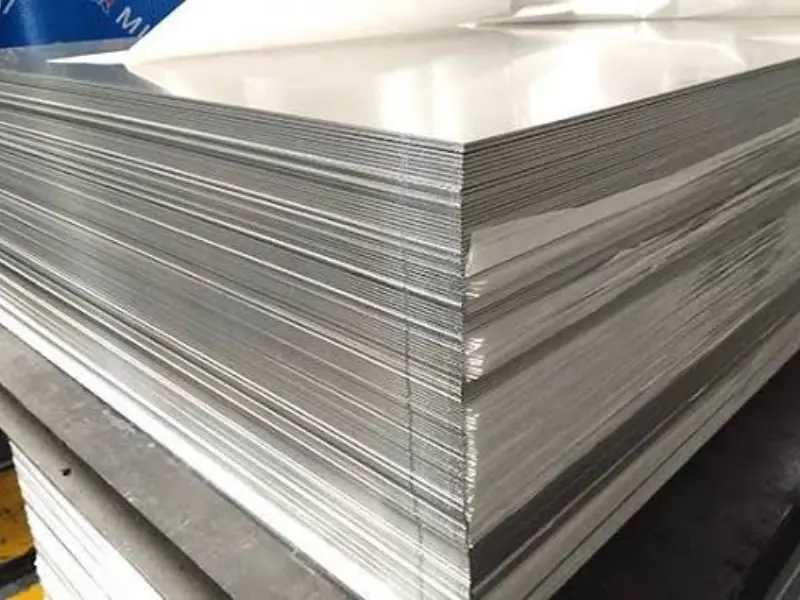
For buyers who need to remove a large amount of material during machining, stress relief can be an important factor.
How Much Does 6061-T651 Aluminum Plate Cost?
There is no single price for every 6061-T651 aluminum plate. Suppliers normally calculate the quotation according to the material specification and order requirements.
A small cut piece, a standard plate, and a large precision-machined plate have different production and processing costs.
Main Factors That Affect the Price
| Price Factor | How It Affects Cost |
|---|---|
| Aluminum market price | Changes the basic material cost |
| Plate thickness | Affects weight and material consumption |
| Plate dimensions | Determines the total material volume |
| Alloy and temper | Affects production and heat-treatment requirements |
| Flatness tolerance | Tighter requirements may increase processing costs |
| Surface quality | Special surface requirements may add cost |
| Cutting service | Adds cutting and handling costs |
| Order quantity | Larger orders may reduce unit processing costs |
| Packaging | Export or special protection adds cost |
| Shipping | Depends on destination, weight, and transport method |
Material Price and Processing Price
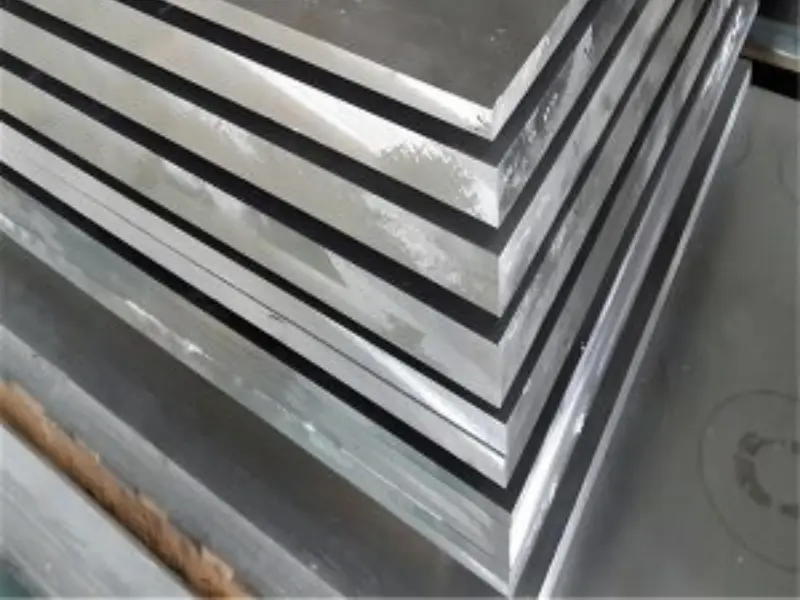
The final 6061-T651 aluminum plate price usually includes several parts:
Raw aluminum material → Alloy production → Rolling → Heat treatment → Stretching → Cutting → Inspection → Packaging → Delivery
Not every order requires the same production steps. Standard plates may need less additional processing than precision-cut products.
For this reason, buyers should compare quotations based on the same specifications.
Why Can Two Suppliers Offer Different Prices?
Price differences do not always mean that one supplier is cheaper or more expensive without reason.
The quotations may use different:
- Thickness tolerances.
- Flatness requirements.
- Plate dimensions.
- Surface conditions.
- Inspection standards.
- Packaging methods.
- Cutting allowances.
- Delivery terms.
A low quotation should be checked carefully. Buyers should confirm the alloy, temper, dimensions, and quality requirements before placing an order.
6061-T651 Aluminum Plate Sizes and Thicknesses
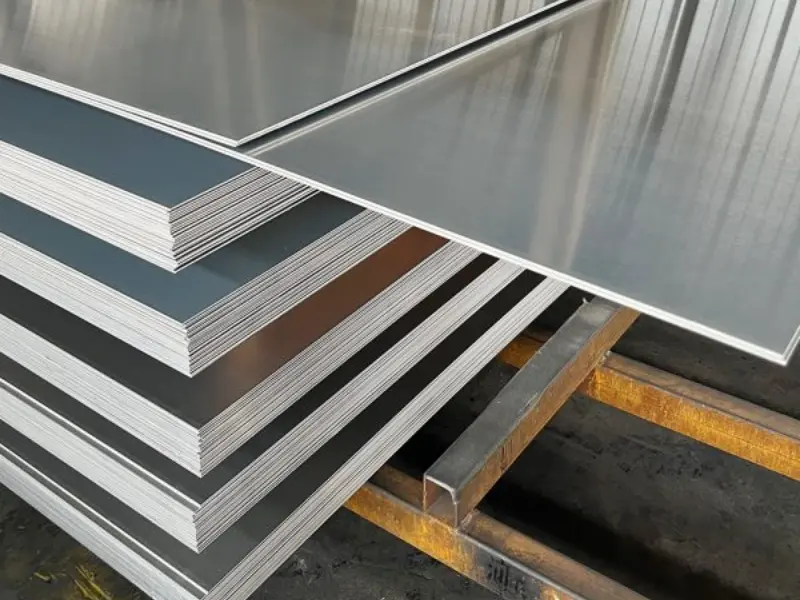
6061-T651 aluminum plate is available in many thicknesses and dimensions. Standard sizes are commonly used for industrial production, while custom sizes are available for special projects.
Common Thickness Options
| Thickness (mm) | Thickness (inch) | Typical Applications |
|---|---|---|
| 6.35 | 1/4″ | Light machinery and fixtures |
| 9.53 | 3/8″ | Machine components |
| 12.7 | 1/2″ | CNC parts and structural plates |
| 15.88 | 5/8″ | Industrial equipment |
| 19.05 | 3/4″ | Precision machining |
| 25.4 | 1″ | Machine bases and tooling |
| 31.75 | 1-1/4″ | Heavy-duty components |
| 38.1 | 1-1/2″ | Industrial plates |
| 50.8 | 2″ | Large machined parts |
| 63.5 | 2-1/2″ | Heavy equipment |
| 76.2 | 3″ | Thick machining plates |
| 101.6 | 4″ | Large blocks and special components |
These are common size examples, not a guarantee of stock availability. Actual thickness ranges and tolerances depend on the manufacturer and applicable product standards.
Common Plate Dimensions
| Size | Metric Size | Supply Type |
|---|---|---|
| 12″ × 12″ | 304.8 × 304.8 mm | Small plate |
| 12″ × 24″ | 304.8 × 609.6 mm | Cut plate |
| 24″ × 24″ | 609.6 × 609.6 mm | Square plate |
| 24″ × 48″ | 609.6 × 1219.2 mm | Cut plate |
| 48″ × 96″ | 1219.2 × 2438.4 mm | Standard-size plate |
| 48″ × 120″ | 1219.2 × 3048 mm | Long plate |
| Custom | According to drawing | Project supply |
Custom dimensions can help reduce waste and shorten the cutting process. However, the available plate size should be confirmed before ordering.
Plate or Aluminum Block: Which Should You Buy?
6061-T651 is available in plate and thicker block forms. The right choice depends on the finished part.
| Comparison | Aluminum Plate | Aluminum Block |
|---|---|---|
| Thickness | Usually thinner | Usually thicker |
| Main use | Flat parts and panels | Large machined components |
| Material removal | Low to medium | Often higher |
| Typical processing | Cutting and drilling | CNC milling and machining |
| Purchasing focus | Thickness and dimensions | Block size and machining allowance |
If the final part requires deep pockets or a large amount of material removal, a thicker block may be more suitable.
6061-T651 Aluminum Plate Weight and Cost Calculation
Weight is an important factor when calculating the total purchase cost. Aluminum plates are often sold by weight, although some suppliers quote cut pieces by size or quantity.
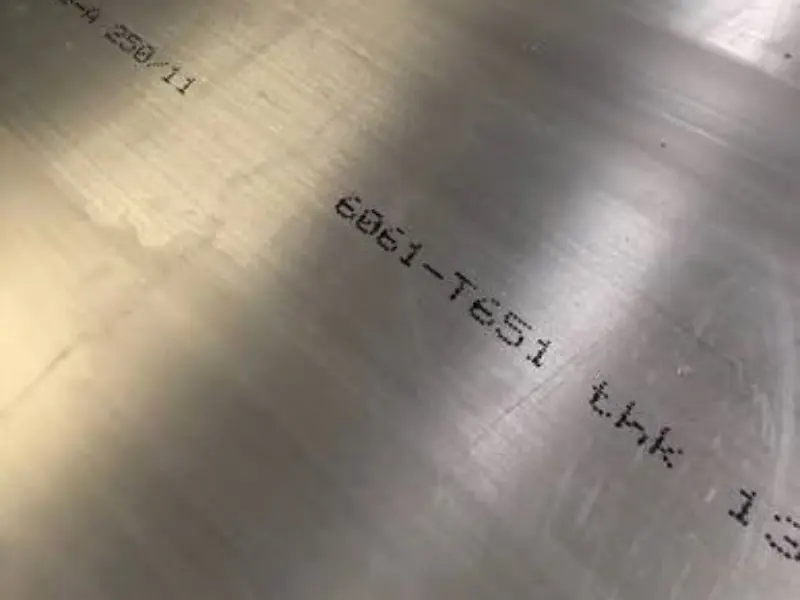
For a basic estimate, the theoretical density of 6061 aluminum is approximately 2.70 g/cm³. Actual weight may vary slightly because of dimensions and material tolerances.
Weight Formula
For dimensions in millimeters:
Weight (kg) = Length × Width × Thickness × 2.70 ÷ 1,000,000
This formula provides an estimated weight for a rectangular plate.
Estimated Weight for a 4 × 8 ft Plate
The following table uses a nominal size of 1219.2 × 2438.4 mm.
| Thickness | Approx. Weight |
|---|---|
| 6.35 mm | 50.8 kg |
| 9.53 mm | 76.2 kg |
| 12.7 mm | 101.6 kg |
| 15.88 mm | 127.0 kg |
| 19.05 mm | 152.4 kg |
| 25.4 mm | 203.2 kg |
| 31.75 mm | 254.0 kg |
| 38.1 mm | 304.8 kg |
| 50.8 mm | 406.4 kg |
These values are theoretical estimates. The actual weight depends on the supplied dimensions and tolerances.
How to Estimate the Plate Cost
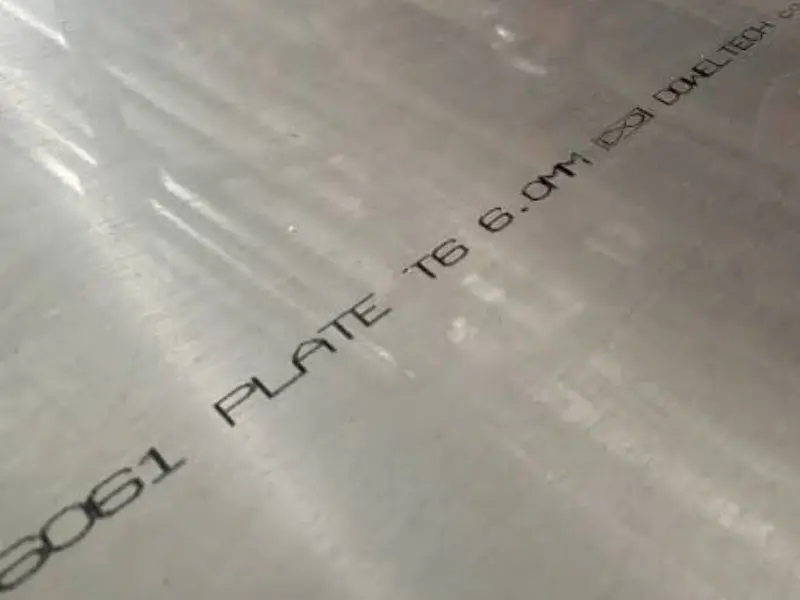
If a supplier quotes by kilogram, the basic material cost can be estimated as:
Estimated Material Cost = Plate Weight × Quoted Price per kg
For example, a plate weighing 100 kg will have a basic material cost based on the supplier’s current price per kilogram.
Additional costs may include:
- Saw cutting.
- Precision milling.
- Surface finishing.
- Inspection.
- Export packaging.
- Freight and insurance.
Always confirm whether the quotation is based on net weight, theoretical weight, or another commercial measurement method.
Different Types of 6061 Aluminum Plate Products

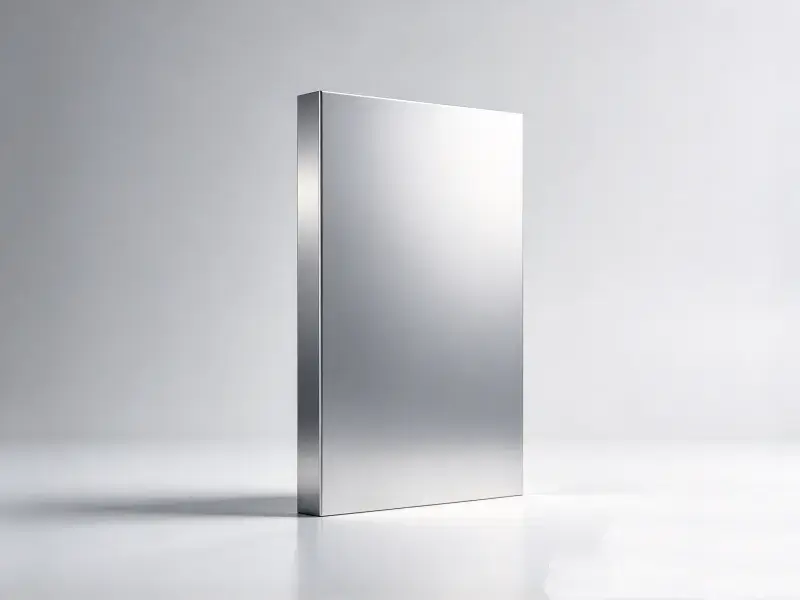
Not every buyer needs the same type of plate. Different surface conditions, dimensions, and processing methods can serve different industrial requirements.
Standard 6061-T651 Aluminum Plate
Standard plate is used for general industrial machining and fabrication. It is suitable for buyers who need a stable aluminum material for cutting, drilling, milling, and other operations.
Precision 6061-T651 Plate
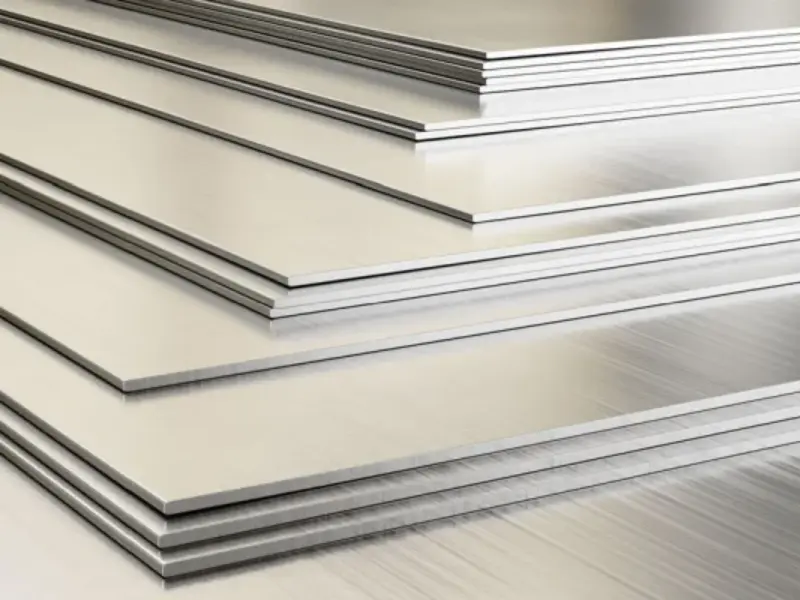
Precision plate is supplied with controlled thickness, flatness, and dimensional tolerances. It is often used for CNC machining, fixtures, machine bases, and tooling.
The exact tolerance should be confirmed in the purchase specification.
Thick 6061-T651 Aluminum Plate
Thick plate is used for large components and heavy-duty industrial equipment.
Common thickness examples include:
- 1 inch aluminum plate.
- 1.5 inch aluminum plate.
- 2 inch aluminum plate.
- 3 inch aluminum plate.
- 4 inch aluminum plate.
Thicker products may require special handling, cutting equipment, and transport arrangements.
Cut-to-Size 6061 Plate
Some projects do not need a full-size aluminum plate. A supplier can cut the material into smaller dimensions according to the customer’s drawing.
This can reduce material waste and simplify production planning.
CNC-Ready Aluminum Plate
CNC-ready plate is prepared for machining applications. Buyers may request specific thickness tolerances, flatness, dimensions, and surface conditions.
The supplier should confirm whether the product is supplied as a standard plate or with additional precision processing.
Aluminum Tooling Plate
Tooling applications often require stable dimensions and a controlled surface. Some tooling plates use 6061-based materials, while others use specially developed aluminum tooling alloys.
Buyers should not assume that every tooling plate has the same properties as standard 6061-T651. The alloy and temper should be stated clearly.
6061-T651 Mechanical Properties

Mechanical properties are important when selecting aluminum plate for industrial applications.
The actual values depend on product thickness, manufacturing standard, and test requirements. Buyers should request a mill test certificate or material test report for the supplied batch.
Typical Property Reference
| Property | General Description |
|---|---|
| Tensile strength | Medium to high |
| Yield strength | Suitable for many structural and machining applications |
| Elongation | Depends on thickness and product standard |
| Hardness | Higher than soft O-temper material |
| Elastic modulus | Approximately 69 GPa |
| Density | Approximately 2.70 g/cm³ |
| Thermal conductivity | Good |
| Electrical conductivity | Good for many industrial uses |
For engineering design, do not rely only on general reference values. Use the applicable standard and certified material data for the exact thickness and product form.
Why Flatness Matters for CNC Machining
Flatness can affect machining accuracy. A plate that moves during cutting may create problems when producing precision components.
6061-T651 is stress-relieved by stretching, which helps reduce residual stress. However, it does not guarantee that every plate will remain perfectly flat under all machining conditions.
For demanding applications, buyers should discuss:
- Flatness tolerance.
- Thickness tolerance.
- Cutting sequence.
- Material removal.
- Clamping method.
- Stress-relief requirements.
6061-T651 vs. 6061-T6 Aluminum Plate
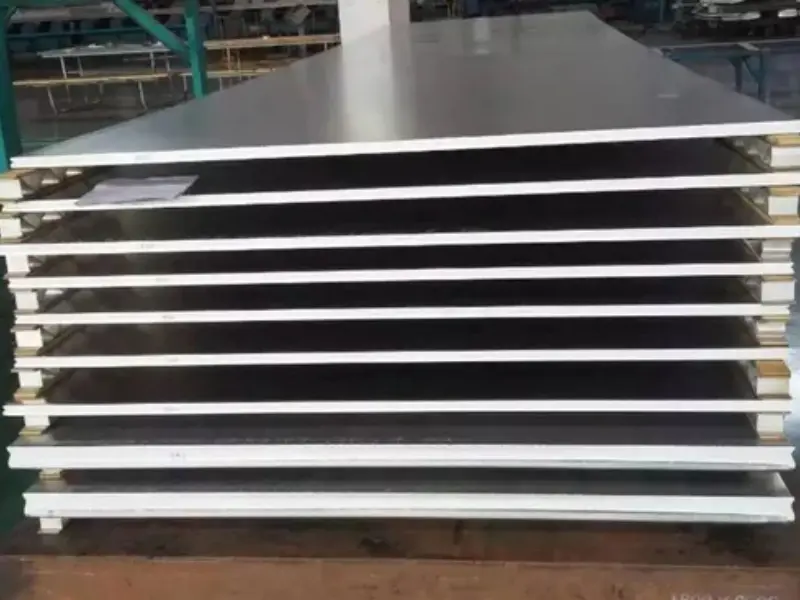
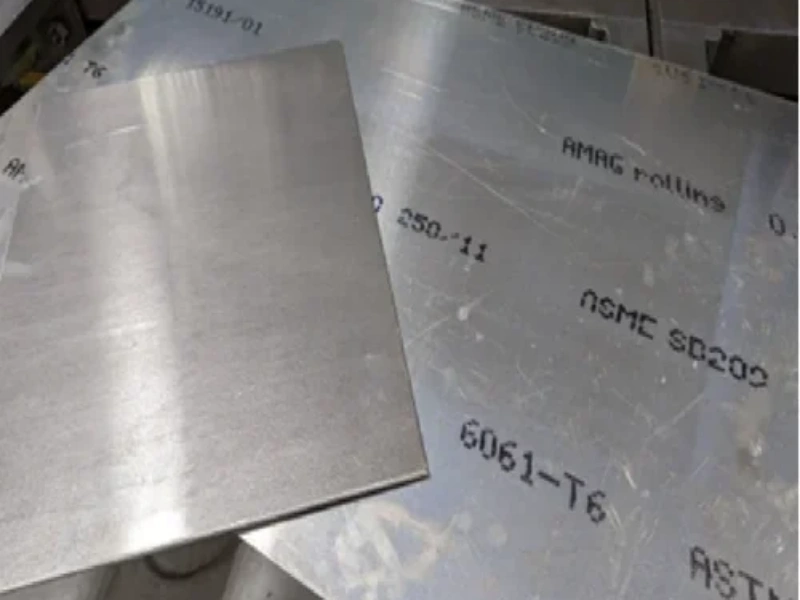
6061-T6 and 6061-T651 are both heat-treated tempers. They share many basic material characteristics, but their stress-relief conditions are different.
| Feature | 6061-T6 | 6061-T651 |
|---|---|---|
| Heat treatment | Solution heat-treated and artificially aged | Solution heat-treated, stretched and artificially aged |
| Stress relief | No T651 stretching requirement | Stress-relieved by controlled stretching |
| Machining stability | Depends on product and machining process | Often preferred for plate machining |
| Dimensional stability | Suitable for many applications | Better suited to applications needing reduced residual stress |
| Common products | Extrusions, bars and plates | Plates and machining stock |
| Main selection factor | General strength and performance | Strength plus stress-relief requirements |
When Should You Choose 6061-T6?
6061-T6 may be suitable for general structural parts, extrusions, bars, and applications where the product form and machining requirements do not call for T651 stress relief.
When Is 6061-T651 a Better Choice?
Choose T651 when the plate will undergo significant machining or when reduced residual stress is important.
It is commonly selected for:
- CNC-machined plates.
- Precision fixtures.
- Machine components.
- Large flat parts.
- Industrial tooling.
The final choice should follow the engineering drawing and required material specification.
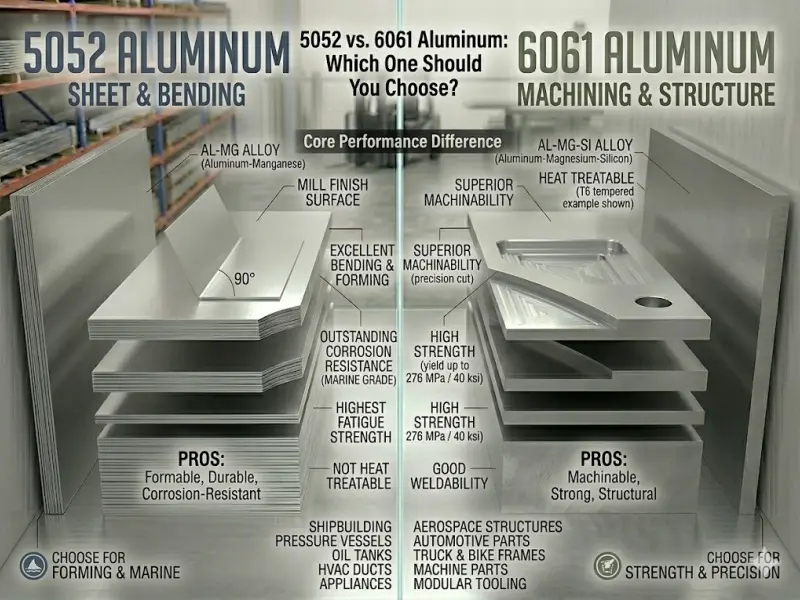
6061-T651 vs. 7075-T651 vs. 5083 Aluminum Plate
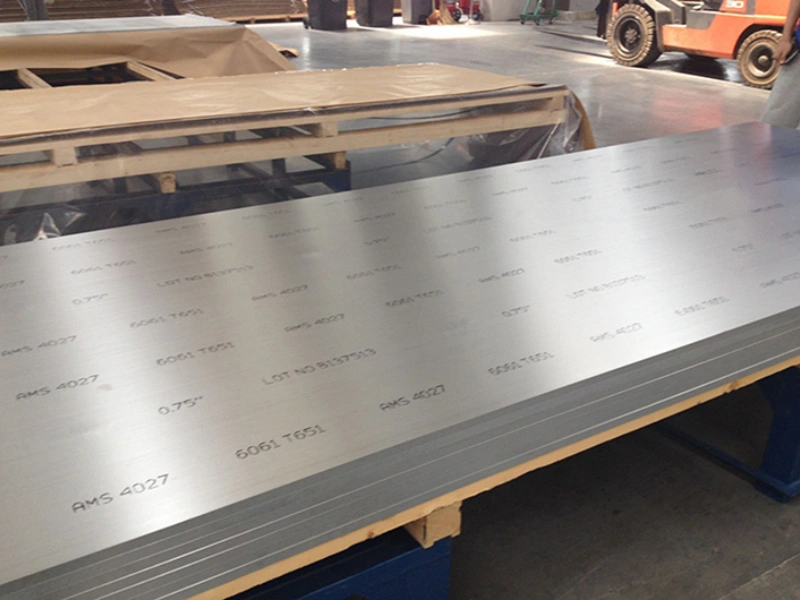
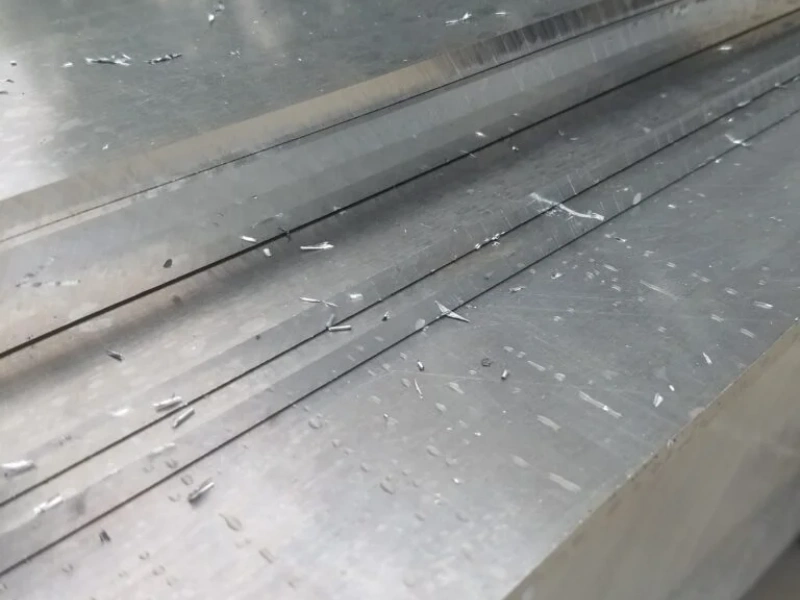
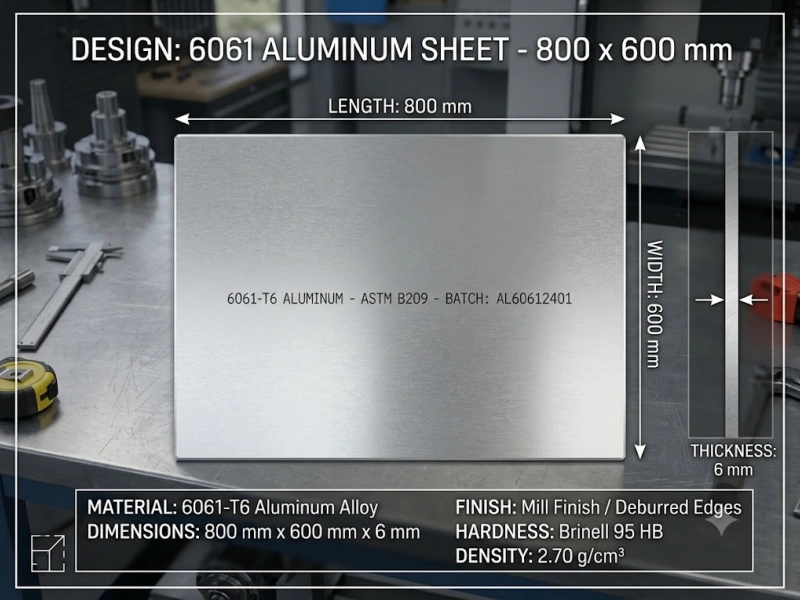
Different aluminum alloys offer different performance and cost characteristics. The best choice depends on strength, corrosion resistance, welding, machining, and working conditions.
| Feature | 6061-T651 | 7075-T651 | 5083 |
|---|---|---|---|
| Alloy series | 6xxx | 7xxx | 5xxx |
| Main alloying elements | Mg and Si | Zn, Mg and Cu | Mg |
| Strength | Medium to high | Very high | Medium to high |
| Corrosion resistance | Good | More limited in some environments | Very good in marine environments |
| Machinability | Good | Good | Generally more difficult than 6061 |
| Weldability | Good with suitable procedures | Generally not preferred for fusion welding | Good with suitable procedures |
| Common applications | CNC parts and structures | High-strength machined parts | Marine and welded structures |
6061-T651 vs. 7075-T651
7075-T651 is selected when very high strength is a major requirement. It is often used in aerospace and high-performance mechanical components.
6061-T651 offers a more balanced combination of machinability, corrosion resistance, weldability, and cost.
6061-T651 vs. 5083
5083 is commonly used in marine structures and welded equipment. It offers strong corrosion resistance in seawater environments.
6061-T651 is often preferred for precision machining and general industrial components.
The alloys should be selected according to the working environment, design loads, and manufacturing process.
Main Applications of 6061-T651 Aluminum Plate
The combination of strength, machinability, and stress relief makes this material useful in many industries.
CNC Machining and Precision Components
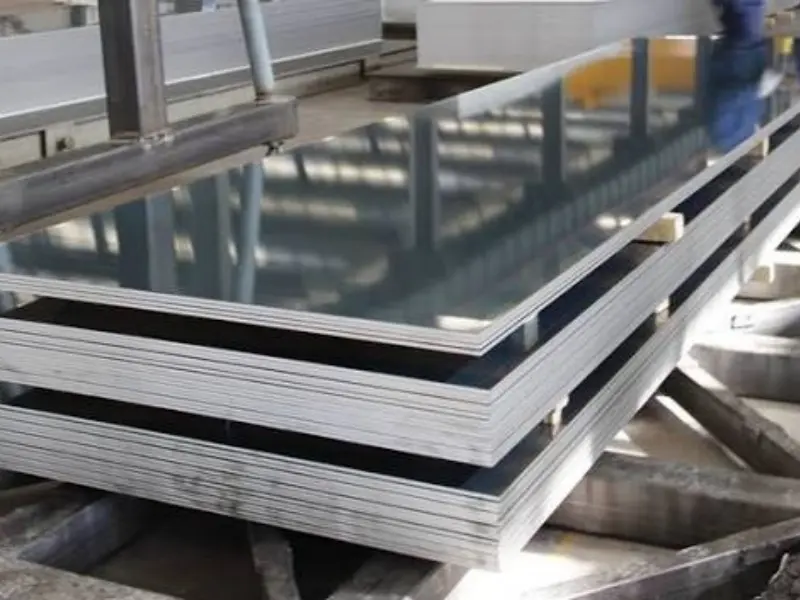
CNC machining is one of the main applications.
Products include:
- Machine bases.
- Fixture plates.
- Mounting plates.
- Precision brackets.
- Tooling components.
- Aluminum housings.
- Mechanical frames.
- Custom-machined parts.
Industrial Equipment
6061-T651 plate is used in different types of industrial machinery.
Common examples include:
- Equipment support plates.
- Machine covers.
- Structural brackets.
- Automation equipment.
- Assembly platforms.
- Mechanical supports.
- Processing equipment components.
Mold and Tooling Industry
Aluminum is often used in tooling and mold-related applications where machinability and weight reduction are important.
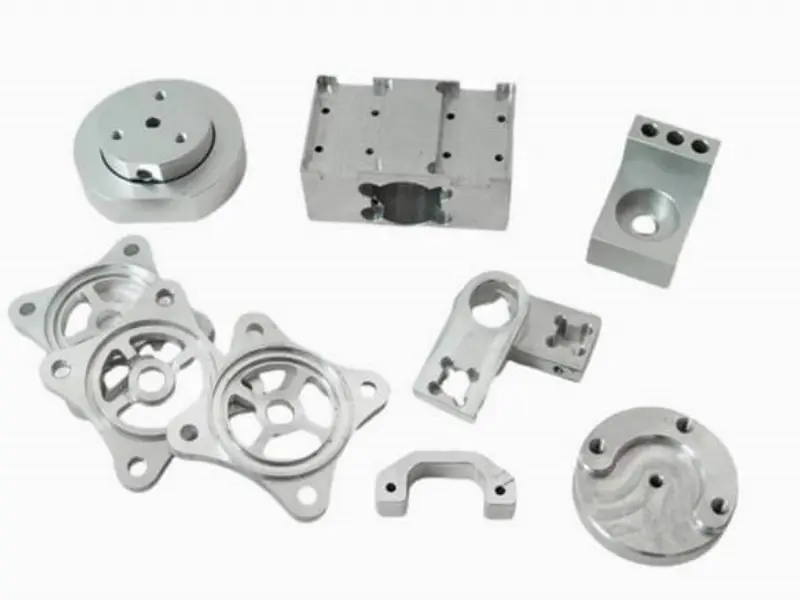
Typical parts include:
- Mold bases.
- Fixture blocks.
- Tooling plates.
- Prototype molds.
- Inspection fixtures.
- Production jigs.
The material should be selected according to the required hardness, wear resistance, and surface finish.
Transportation and Automotive
6061-T651 can be used in selected transportation components.
Applications include:
- Vehicle support structures.
- Equipment mounting plates.
- Automotive fixtures.
- Rail equipment components.
- Truck body components.
- Lightweight mechanical parts.
For parts exposed to vibration, impact, or fatigue loads, the design must be checked against the required engineering standards.
Aerospace and Aviation Components
6061 aluminum is used in selected aerospace-related components where its material properties meet the design requirements.
Examples may include:
- Interior structural components.
- Equipment support parts.
- Machined brackets.
- Instrument panels.
- Non-critical structural components.
For safety-critical aerospace parts, the exact alloy, temper, certification, and approved material specification must be confirmed.
Marine and General Structural Applications
6061-T651 can be used for selected marine equipment and structural components. However, 5083 and 5086 are often preferred for structures directly exposed to seawater.
Applications may include:
- Equipment mounting plates.
- Marine machinery components.
- Support brackets.
- Structural frames.
- General industrial structures.
The correct alloy depends on the environment and fabrication requirements.
Surface Finish and Additional Processing Options
The surface condition can affect the appearance, machining process, and final product quality.
Common Surface Conditions
| Surface Type | Description | Typical Use |
|---|---|---|
| Mill finish | Standard rolled surface | General machining |
| Milled surface | Surface processed by milling | Precision components |
| Saw-cut surface | Cut edges and faces | Custom-sized plates |
| Brushed surface | Directional surface texture | Appearance-related parts |
| Anodized surface | Protective oxide layer | Selected finished components |
| Polished surface | Smooth appearance | Decorative and special applications |
Not every finish is available directly on every plate thickness. Some finishes are applied after machining.
Available Processing Services
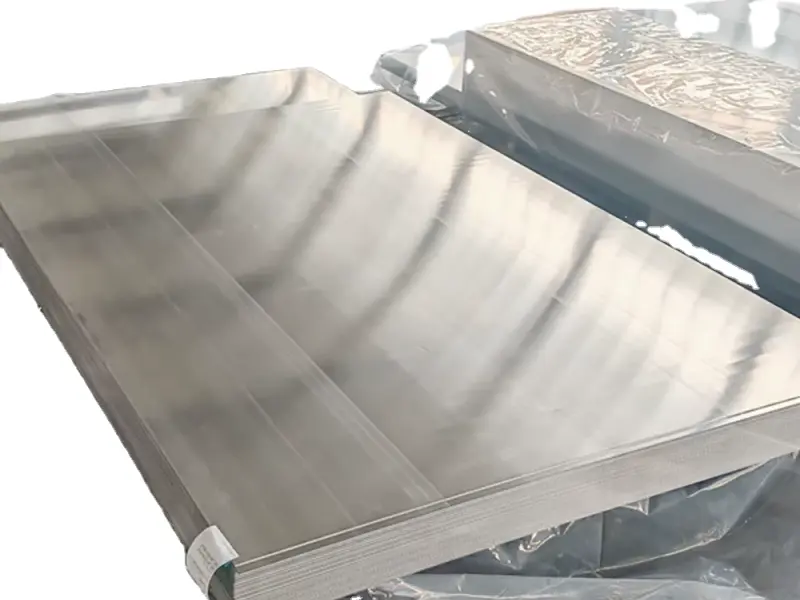
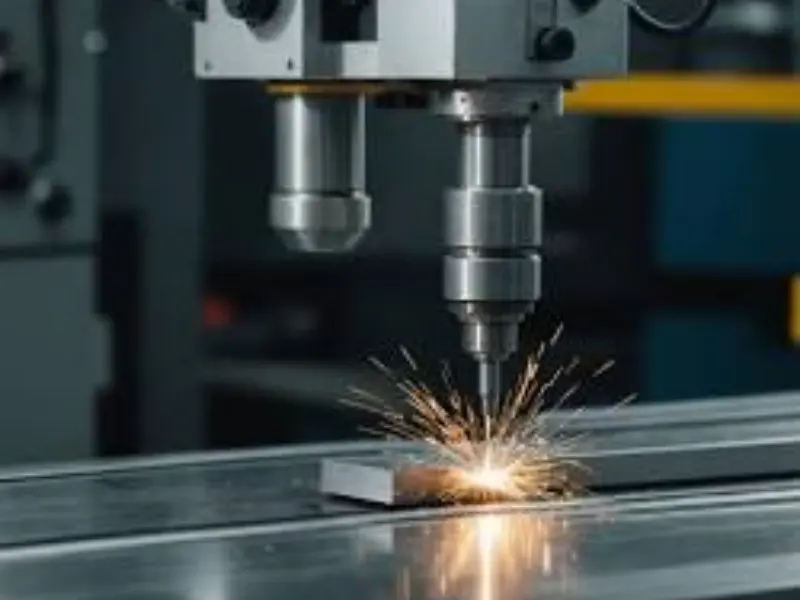
Depending on supplier capability, buyers may request:
- Saw cutting.
- CNC milling.
- Drilling.
- Surface grinding.
- Edge trimming.
- Protective film.
- Custom packaging.
For precision work, provide a technical drawing and specify the required tolerances.
How to Choose the Right 6061-T651 Aluminum Plate
A suitable plate should match the final part, machining process, and working environment.
Select the Correct Thickness
The thickness should be based on the design drawing and machining allowance.
A plate that is too thin may not provide enough material for machining. A plate that is too thick may increase material cost and waste.
Confirm the Plate Dimensions
Check the required length and width before ordering.
If the project needs multiple small components, compare the cost of a full plate with the cost of cut-to-size material.
Check Flatness and Tolerance
For CNC machining, flatness and thickness tolerance can be important.
Ask the supplier to state the actual tolerance in the quotation rather than using unclear descriptions such as “high precision.”
Confirm the Material Certificate
For industrial and engineering projects, request the relevant material documentation.
The certificate should identify the alloy, temper, chemical composition, and mechanical test results where required.
Compare Suppliers on the Same Basis
When comparing quotations, make sure all suppliers are quoting the same:
- Alloy and temper.
- Thickness and dimensions.
- Flatness and tolerance.
- Surface condition.
- Inspection requirements.
- Packaging.
- Delivery terms.
This helps prevent misunderstandings and unexpected costs.
How to Get an Accurate 6061-T651 Aluminum Plate Quote
To receive a useful quotation, buyers should provide complete product information.
| Required Information | Example |
|---|---|
| Alloy | 6061 |
| Temper | T651 |
| Thickness | 25.4 mm |
| Width | 1219 mm |
| Length | 2438 mm |
| Quantity | 10 plates |
| Surface | Mill finish |
| Processing | Saw cutting |
| Certificate | Mill test certificate |
| Destination | Country or port |
The more complete the information, the easier it is for a supplier to calculate the material cost, processing charges, and shipping expenses.
What Should You Ask the Supplier?
Before placing a bulk order, consider asking:
- Is the material supplied as 6061-T651?
- What product standard is followed?
- What are the thickness and flatness tolerances?
- Is the plate available in the requested dimensions?
- Can the supplier provide test certificates?
- Are custom cutting services available?
- What is the minimum order quantity?
- What is the production lead time?
- How will the plates be packed for export?
These questions help buyers evaluate product quality and supplier capability.
Packaging and Shipping for Export Orders
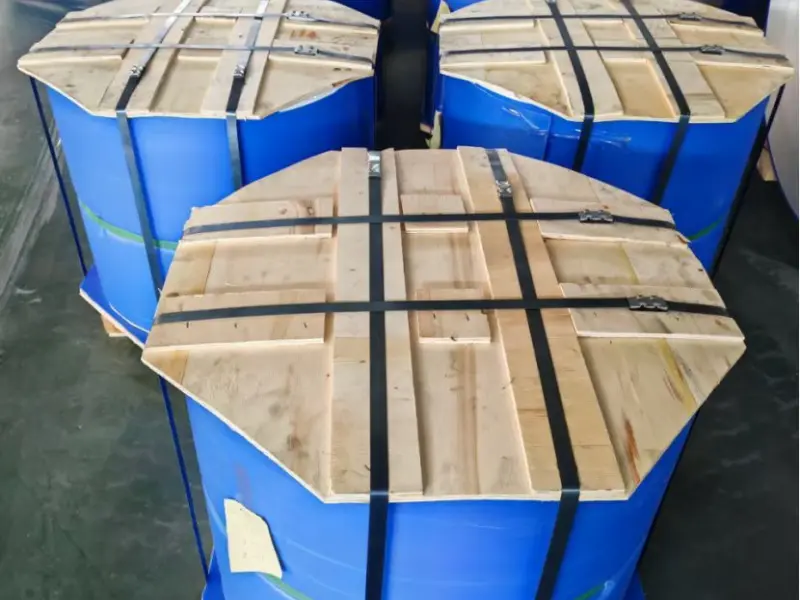
6061-T651 aluminum plates are heavy products. Proper packaging helps prevent damage during handling and transportation.
Common Export Packaging
| Packaging Method | Purpose |
|---|---|
| Protective paper | Reduces surface scratches |
| Plastic wrapping | Protects against moisture and dust |
| Edge protection | Helps prevent edge damage |
| Wooden pallet | Supports handling |
| Wooden case | Provides additional protection |
| Product labels | Identifies size, alloy and temper |
The packaging method should match the plate size, weight, shipping method, and destination requirements.
For large plates, buyers should also confirm loading equipment and container weight limits.
Frequently Asked Questions About 6061-T651 Aluminum Plate Price
How much does 6061-T651 aluminum plate cost?
The price depends on thickness, dimensions, quantity, material market conditions, processing, and shipping. Buyers should provide complete specifications to receive an accurate quotation.
Is 6061-T651 more expensive than 6061-T6?
The price may differ because T651 requires a controlled stretching step for stress relief. The actual price difference depends on the product form, thickness, supplier, and production conditions.
What is the difference between 6061-T651 and 6061-T6511?
T651 is commonly used for plate products and includes stress relief by stretching. T6511 is generally associated with certain extruded products and has additional straightening requirements. The product form and applicable specification should always be checked.
Is 6061-T651 good for CNC machining?
Yes. It is widely used for CNC machining because it offers good machinability and reduced residual stress compared with material conditions without the same stress-relief process.
What thicknesses are available for 6061-T651 plate?
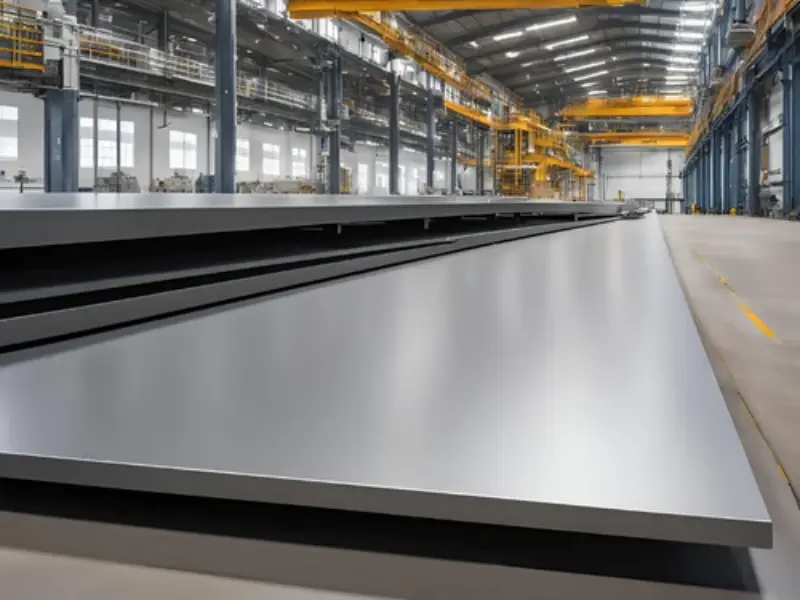
Common thickness examples range from around 6.35 mm to more than 100 mm. Actual availability depends on the supplier and product specification.
Can I buy 6061-T651 aluminum plate in custom sizes?
Yes. Many suppliers offer cut-to-size plates. Buyers should provide the required length, width, thickness, quantity, and tolerance.
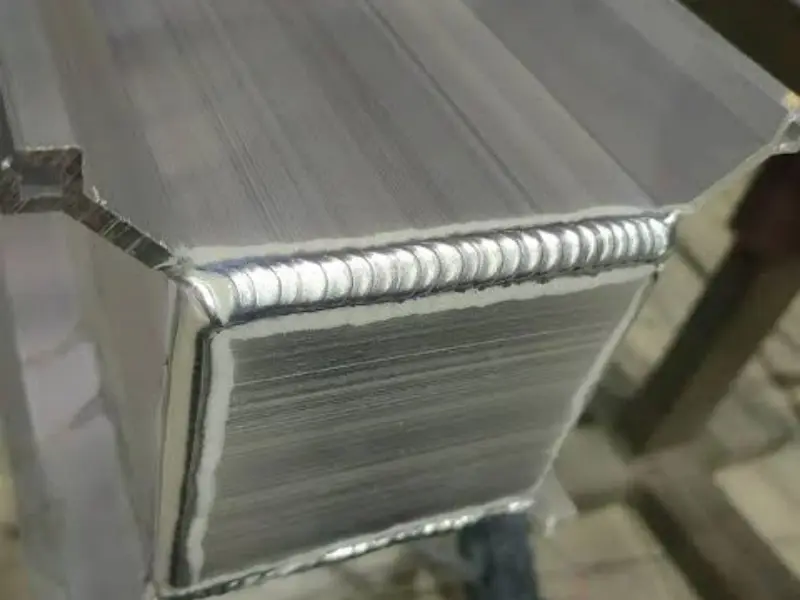
Is 6061-T651 suitable for welding?
6061 can be welded using suitable procedures. However, welding can affect the heat-treated properties in the heat-affected zone. The design and post-weld requirements should be reviewed before use.
Is 6061-T651 suitable for marine applications?
It can be used for selected marine equipment and components. For structures exposed directly to seawater, 5083 or 5086 may be more suitable depending on the design.
Does 6061-T651 aluminum plate resist corrosion?
Yes. It offers good corrosion resistance in many environments. Surface protection may still be needed in aggressive or special service conditions.
Can 6061-T651 aluminum plate be anodized?
Yes, 6061 can be anodized. The final appearance and coating performance depend on the surface condition, alloy composition, and anodizing process.
What is the density of 6061-T651 aluminum?
A commonly used theoretical density value is approximately 2.70 g/cm³. This value can be used for preliminary weight calculations.
Can suppliers provide a material test certificate?
Many industrial suppliers can provide a material test certificate or inspection document. Buyers should state the required certificate type and standard before ordering.
What information is needed for a bulk quotation?
Provide the alloy, temper, thickness, width, length, quantity, surface condition, processing requirements, certificate needs, and destination.
Get a Competitive Quote for 6061-T651 Aluminum Plate
6061-T651 aluminum plate is a practical choice for CNC machining, industrial equipment, tooling, and many structural components. Its strength, machinability, corrosion resistance, and stress-relieved condition make it suitable for a wide range of manufacturing projects.
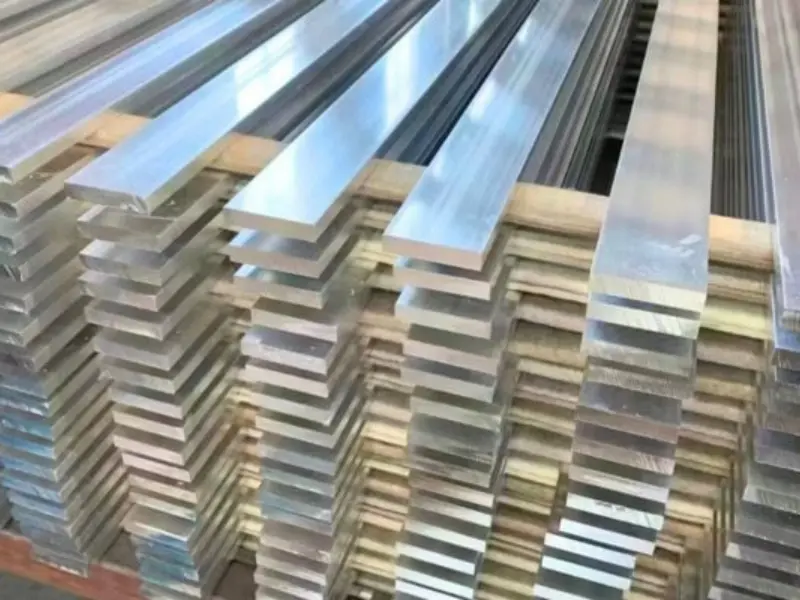
The final purchase cost depends on more than the basic aluminum price. Thickness, dimensions, flatness, tolerance, cutting, inspection, packaging, and shipping all need to be considered.
If you are looking for 6061-T651 aluminum plate for your project, prepare your required dimensions and quantity before requesting a quotation.
Send your specifications to a qualified supplier to compare material options, confirm availability, and obtain a quotation based on your actual requirements.