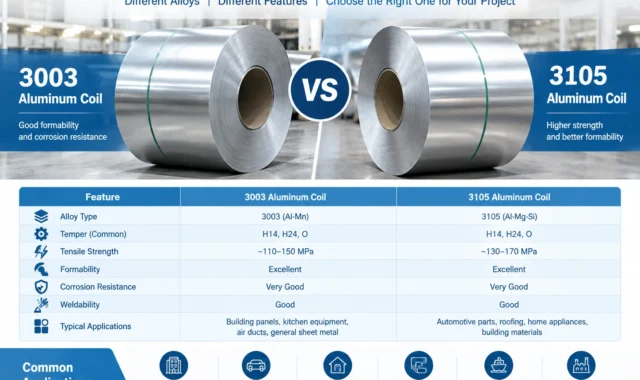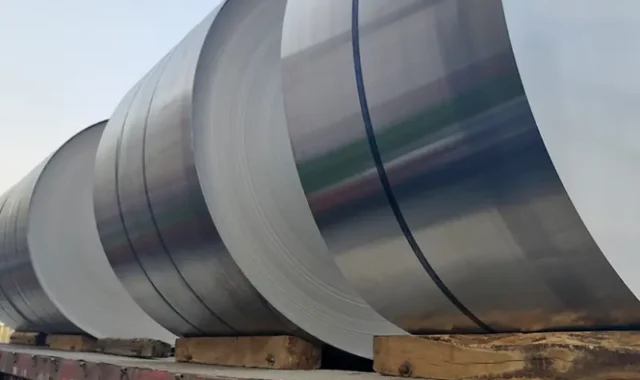
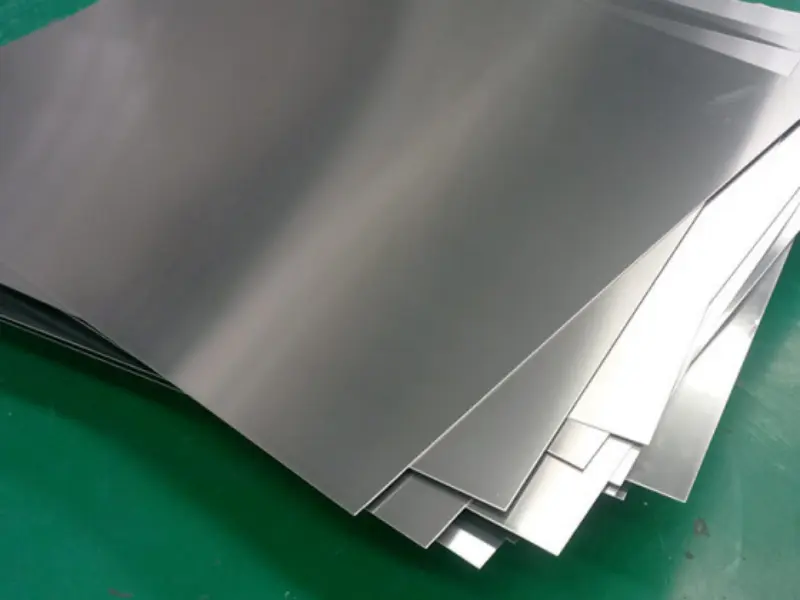
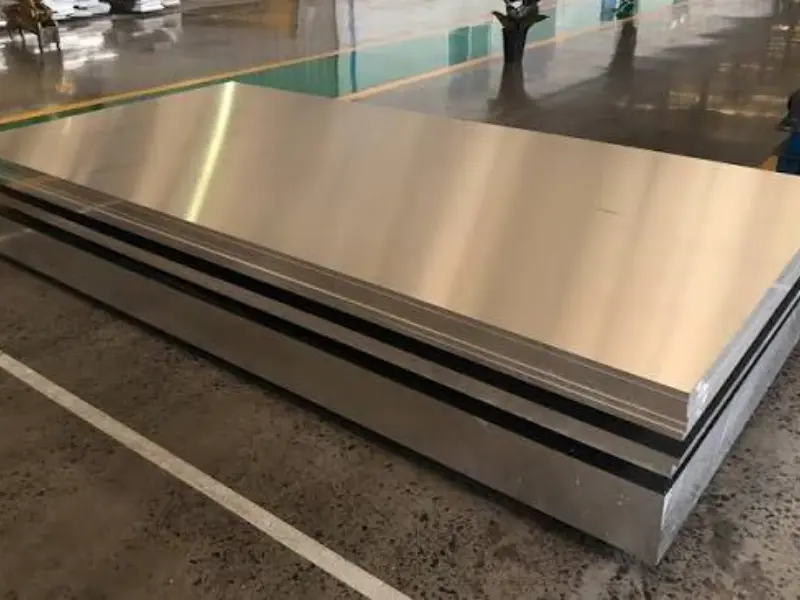
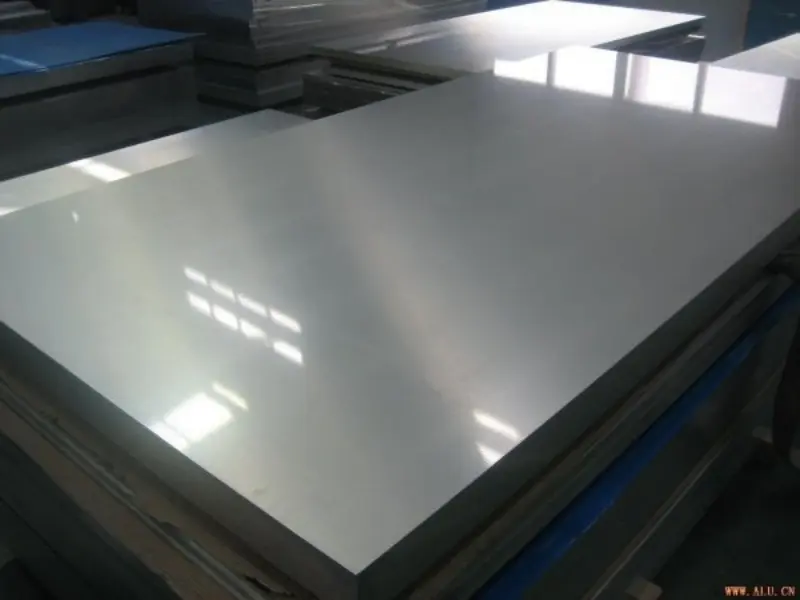
1/4 inch aluminum plate is a common thickness for aluminum fabrication, industrial equipment, transportation, construction, marine parts, and heavy-duty applications.
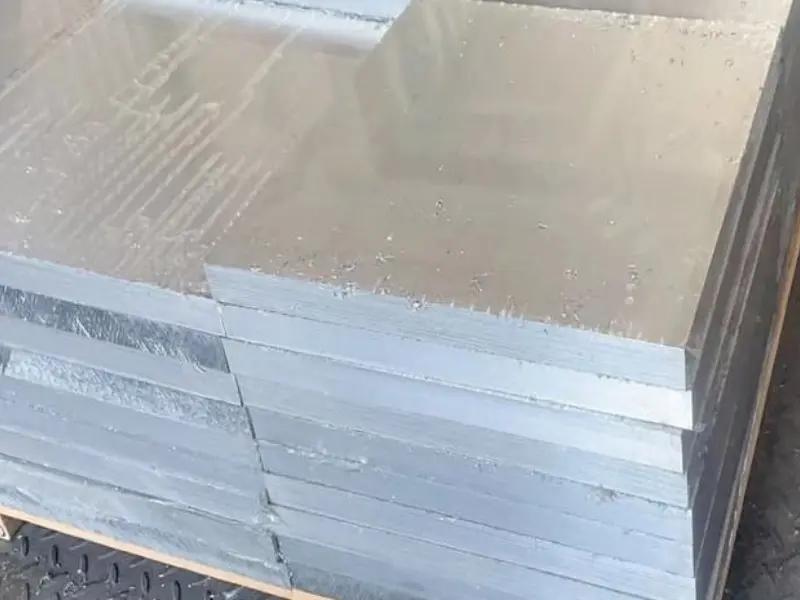
A 1/4 inch plate is approximately 6.35 mm thick. It is thicker and more rigid than common aluminum sheet products. This makes it useful when a project needs more strength, better impact resistance, or a stable flat surface.

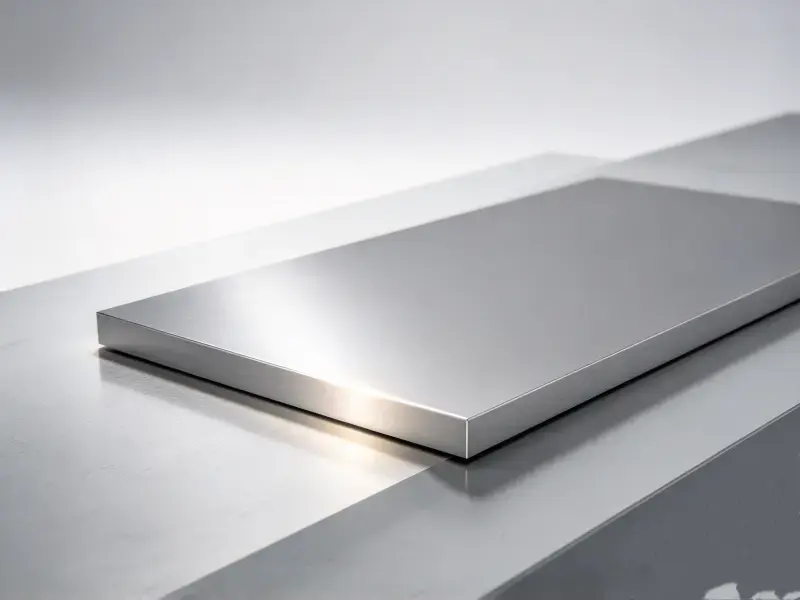
Different aluminum alloys can be supplied in 1/4 inch thickness. The right alloy depends on the application. 3003 is often used for general fabrication and forming.
5052 is known for good corrosion resistance and marine applications. 6061 is widely used when higher strength and machinability are needed. 5083 can be considered for demanding marine and structural applications.
The plate can also be supplied in different tempers, surface finishes, widths, lengths, and cut sizes.
What Is 1/4 Inch Aluminum Plate?
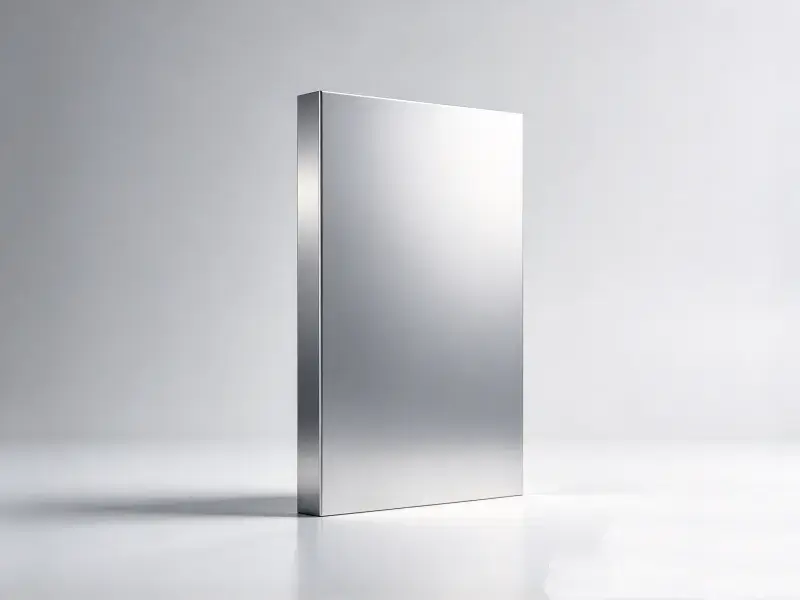
1/4 inch aluminum plate refers to aluminum plate with a nominal thickness of one quarter of an inch.
The inch measurement is commonly used in the United States and some other markets.
1/4 inch = 0.25 inch = approximately 6.35 mm
Because aluminum plate thickness can be specified in both imperial and metric systems, buyers should confirm the exact tolerance before placing an order.
Basic Specification
| Item | Typical Option |
|---|---|
| Thickness | 1/4 inch / 6.35 mm |
| Metric Thickness | Approx. 6.35 mm |
| Alloy | 3003, 5052, 5083, 6061 and others |
| Temper | O, H12, H14, H22, H32, H34, T6, T651 |
| Surface | Mill finish, brushed, anodized, painted |
| Width | 500–2500 mm |
| Length | 1000–6000 mm or custom |
| Form | Flat plate |
| Processing | Cutting, CNC, drilling, bending, machining |
Exact availability depends on alloy, temper, size, and production requirements.
Why Choose a 1/4 Inch Aluminum Plate?
The 1/4 inch thickness offers a useful balance between weight and rigidity.
It is not as thin as standard aluminum sheet. It is also lighter than a steel plate of similar size.
Good Strength-to-Weight Ratio
Aluminum provides useful mechanical strength without adding as much weight as steel.
This can be important for transportation equipment, machinery, platforms, and structural components.
Better Rigidity
A 6.35 mm thick plate is suitable when a thinner sheet may flex too much.
This makes it useful for:
- Equipment panels
- Machine bases
- Truck components
- Marine structures
- Platforms
- Frames
- Heavy-duty covers
Good Corrosion Resistance

Many aluminum alloys provide good resistance to atmospheric corrosion.
5052 and 5083 are often considered for applications exposed to moisture, salt water, and outdoor conditions.
Easy Fabrication
Depending on the alloy and temper, 1/4 inch aluminum plate can be:
- Cut
- Drilled
- CNC machined
- Bent
- Punched
- Welded
- Routed
The specific fabrication method should match the selected alloy.
1/4 Inch Aluminum Plate in Metric Size
Many international buyers use metric specifications.
The closest standard metric description is usually around 6.35 mm.
| Imperial | Metric Approximation |
|---|---|
| 1/8 inch | 3.18 mm |
| 3/16 inch | 4.76 mm |
| 1/4 inch | 6.35 mm |
| 5/16 inch | 7.94 mm |
| 3/8 inch | 9.53 mm |
| 1/2 inch | 12.70 mm |
When ordering, it is better to specify both measurements when the project uses mixed inch and metric standards.
For example:
1/4 inch aluminum plate, nominal thickness 6.35 mm
This reduces confusion during quotation and production.
Common Aluminum Alloys for 1/4 Inch Plate
Different alloys provide different performance.
The alloy should be selected according to the finished product rather than thickness alone.
3003 Aluminum Plate
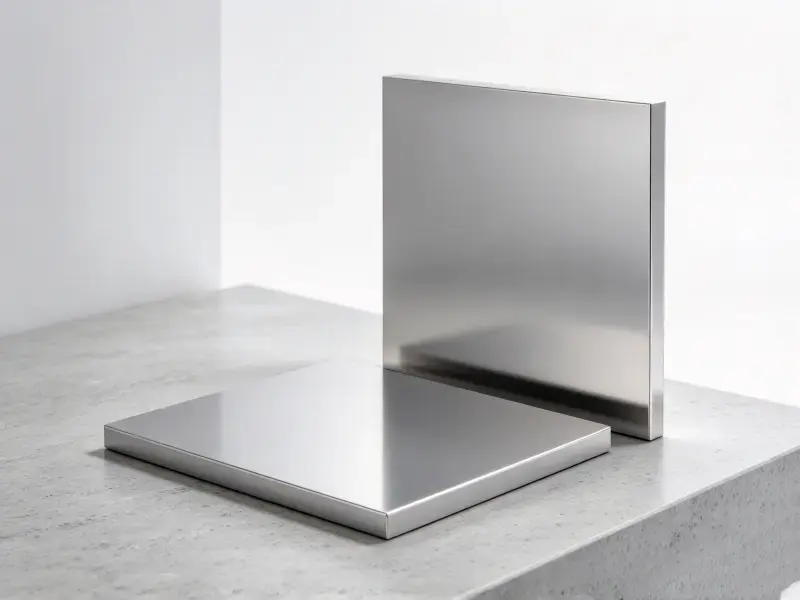
3003 is a widely used aluminum-manganese alloy.
It offers good formability and corrosion resistance.
It can be considered for general fabrication, tanks, panels, equipment parts, and architectural products.
5052 Aluminum Plate
5052 contains magnesium.
It provides higher strength than many common 1xxx and 3xxx series alloys.
It also has good corrosion resistance.
Typical uses include marine equipment, fuel tanks, truck components, enclosures, and industrial products.
5083 Aluminum Plate
5083 is known for high strength and good resistance to seawater.
It is widely associated with marine and heavy-duty applications.
Typical uses include:
- Boat structures
- Ship components
- Marine tanks
- Pressure-related equipment
- Heavy fabrication
6061 Aluminum Plate
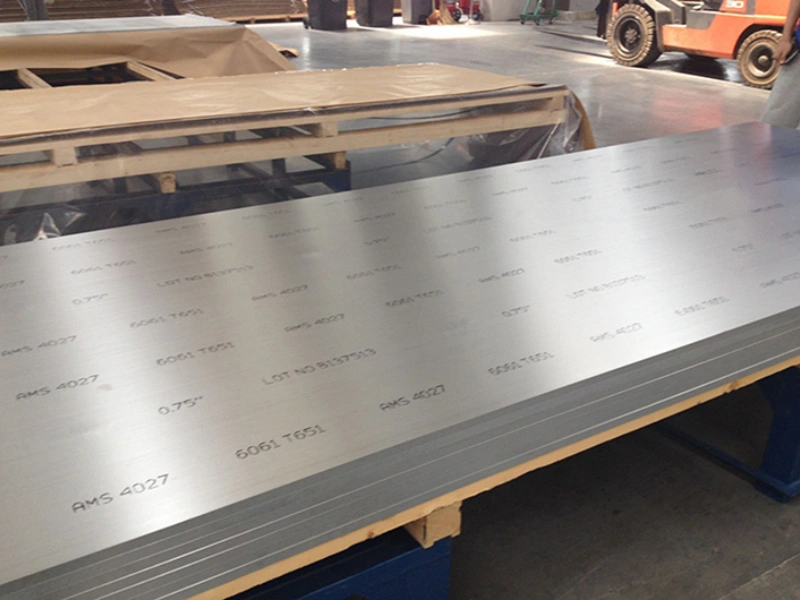
6061 is one of the most widely used structural aluminum alloys.
It offers good strength, machinability, and general fabrication performance.
Typical applications include machine parts, frames, transportation components, platforms, and structural assemblies.
6061-T6 Aluminum Plate
6061-T6 is a common high-strength temper.
It is often selected for machined and structural parts.
The T6 condition provides higher strength than annealed material.
7075 Aluminum Plate
7075 provides very high strength.
It is often used in aerospace, tooling, and high-performance components.
However, it is not normally the first choice for general-purpose aluminum plate because of its higher cost and different corrosion and welding characteristics.
Alloy Comparison for 1/4 Inch Plate
| Alloy | Strength | Formability | Corrosion Resistance | Common Applications |
|---|---|---|---|---|
| 3003 | Medium-low | Excellent | Good | General fabrication |
| 5052 | Medium-high | Very good | Excellent | Marine, tanks, panels |
| 5083 | High | Good | Excellent | Marine, heavy equipment |
| 6061 | High | Good | Good | Structural and machined parts |
| 7075 | Very high | Lower | Moderate | Aerospace, high-strength parts |
This table is a general guide. Actual properties depend on temper and product specification.
Common Tempers for 1/4 Inch Aluminum Plate
Temper changes the strength and forming behavior of the material.
O Temper
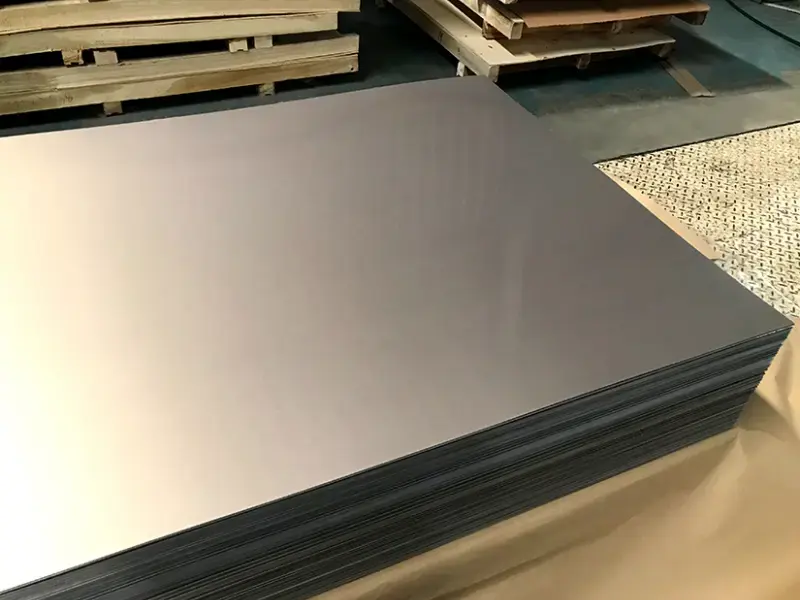
O temper is annealed aluminum.
It is soft and offers high formability.
It can be considered when bending or forming is important.
H12 and H14
These are strain-hardened conditions.
They provide more strength than O temper while maintaining useful formability.
They can be used for general fabrication and formed components.
H22 and H24
These tempers combine work hardening and partial annealing.
They are available for selected alloys and products.
H32 and H34
These tempers are commonly associated with 5xxx series aluminum.
They provide a balance between strength and formability.
T6 Temper
T6 is a heat-treated condition.
It is commonly associated with 6061 aluminum.
It provides high strength for structural and machined components.
T651 Temper
T651 is a stress-relieved version of a heat-treated alloy.
It can be useful for machined parts where dimensional stability is important.
1/4 Inch Aluminum Plate by Product Type
The same thickness can be supplied in many product styles.
Plain 1/4 Inch Aluminum Plate

Plain mill-finish plate is the standard option.
It is widely used for fabrication and machining.
1/4 Inch 5052 Aluminum Plate
This type is often selected for corrosion-resistant applications.
It can be used for tanks, marine parts, truck components, and outdoor equipment.
1/4 Inch 6061-T6 Aluminum Plate
This is a common option for structural and machined parts.
It is suitable when strength and machinability are important.
1/4 Inch 5083 Aluminum Plate
This type is suitable for demanding marine and heavy-duty applications.
1/4 Inch Aluminum Diamond Plate
Diamond plate has a raised pattern on one side.
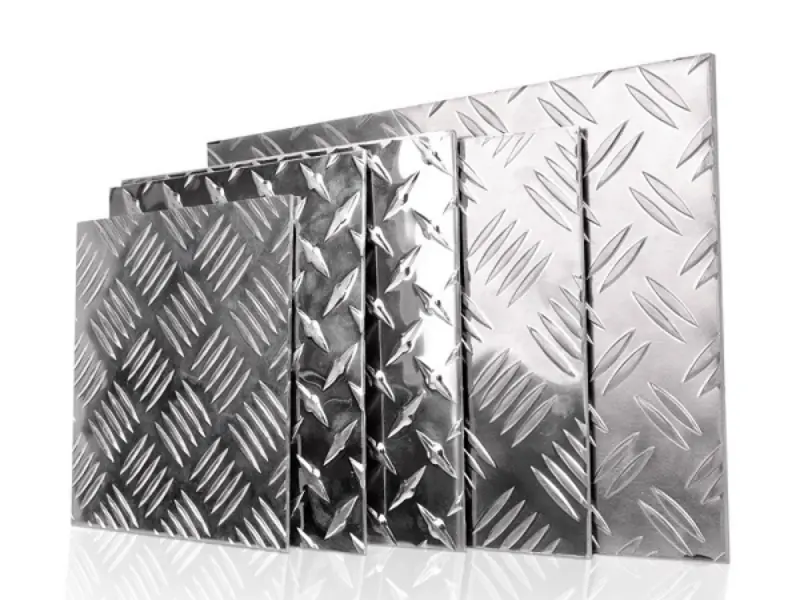
The pattern provides a textured surface and can improve slip resistance.
Typical uses include:
Toolboxes
Truck floors
Trailer floors
Steps
Platforms
Ramps
Walkways
1/4 Inch Aluminum Checker Plate
Checker plate uses a raised pattern to provide a functional surface.
Depending on the market, “checker plate” and “diamond plate” may refer to different pattern designs.
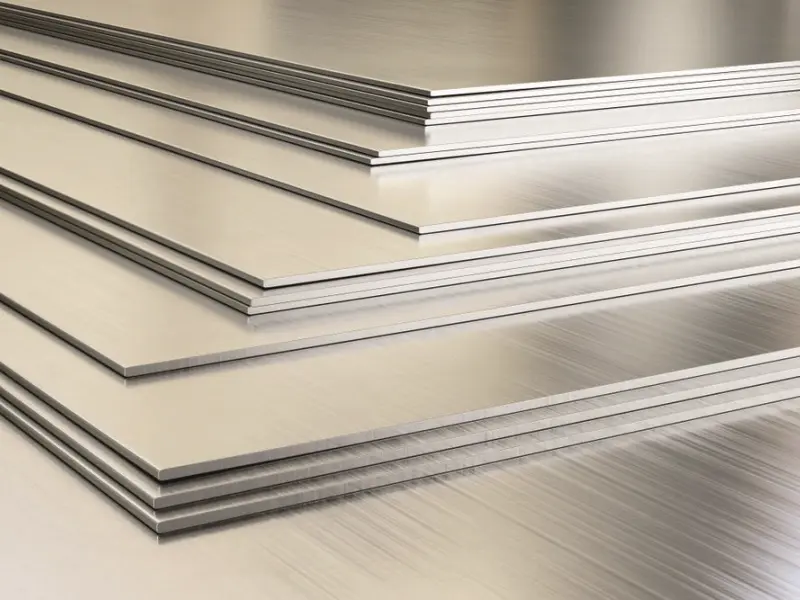
1/4 Inch Brushed Aluminum Plate
Brushed aluminum has a directional surface texture.
It is often used for decorative panels, equipment covers, interior products, and displays.
1/4 Inch Anodized Aluminum Plate
Anodizing creates a controlled oxide layer.
It can improve surface appearance and surface protection.
1/4 Inch Painted Aluminum Plate
Painted plate can be supplied in different colors.
It can be useful for architectural, signage, and decorative applications.
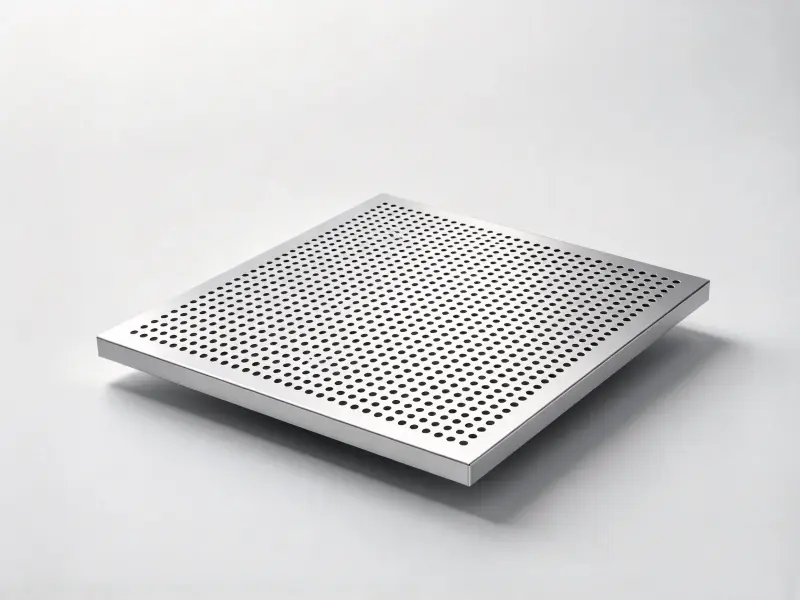
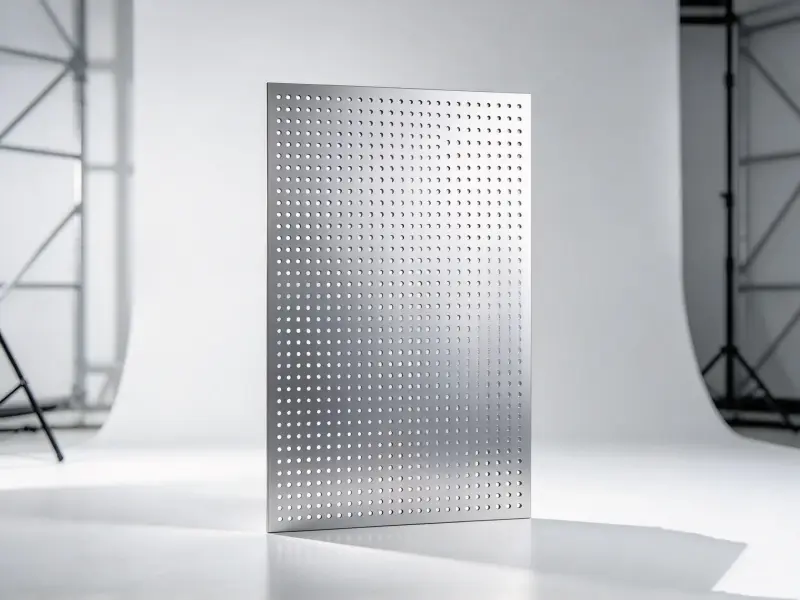
1/4 Inch Perforated Aluminum Plate
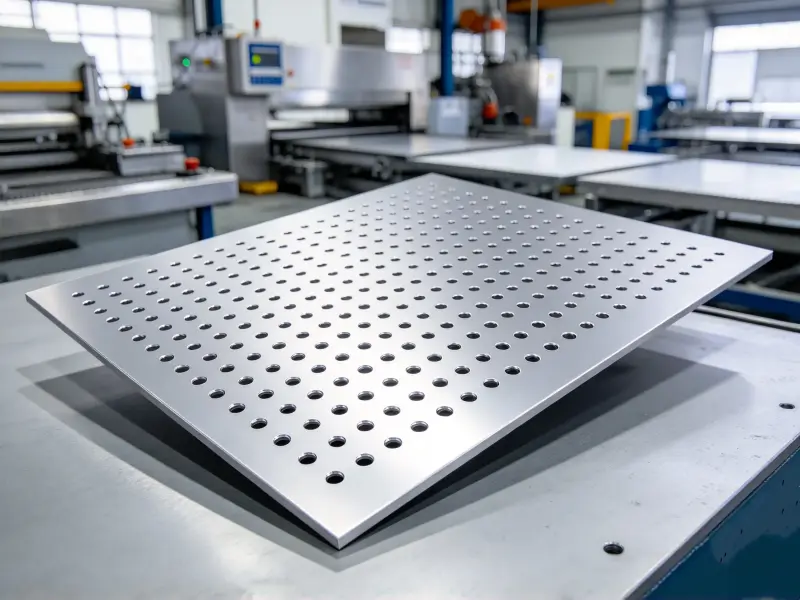
Perforated plate contains regular holes.
The hole pattern can be customized for ventilation, screening, acoustic applications, and decorative designs.
1/4 Inch CNC Aluminum Plate
6061-T6 is commonly used for CNC machining.
The plate can be cut into brackets, machine bases, fixtures, frames, and other precision components.
Applications of 1/4 Inch Aluminum Plate
The 6.35 mm thickness can be used in many industries.

Construction
- Structural panels
- Platforms
- Equipment covers
- Wall components
- Architectural parts
- Stairs
- Walkways
- Ramps
Transportation
Vehicle brackets
Truck bodies
Trailer floors
Vehicle platforms
Transport equipment
Storage compartments
Marine
- Boat structures
- Marine decks
- Fuel tanks
- Storage tanks
- Ship components
- Marine equipment
Industrial Equipment
- Machine bases
- Equipment frames
- Covers
- Brackets
- Industrial platforms
- Fabricated components
Manufacturing
- CNC parts
- Machine fixtures
- Tooling
- Industrial panels
- Custom brackets
- Equipment components
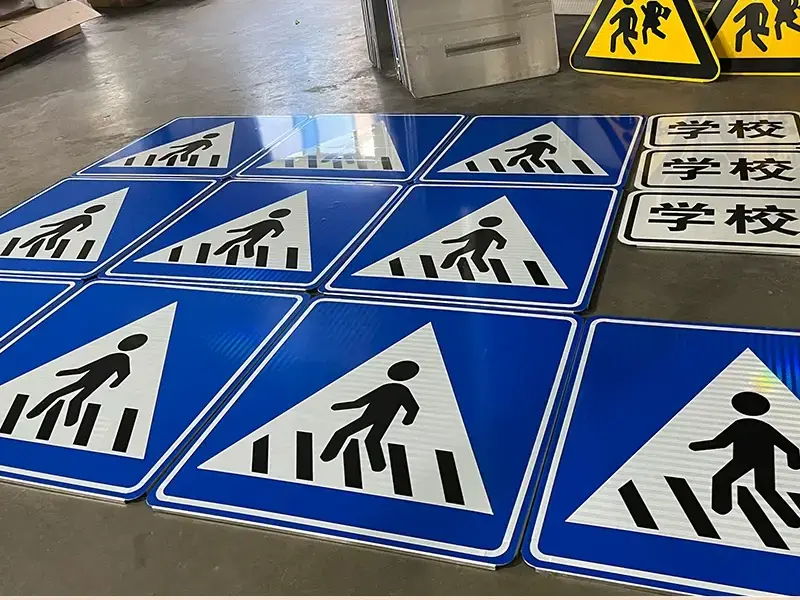
Signage
- Sign backing plates
- Large signs
- Directional signs
- Industrial signs
- Outdoor sign structures
Architectural Applications
Custom metal designs
Decorative panels
Cladding components
Interior panels
Screens
Feature walls
1/4 Inch Aluminum Plate for Marine Use
Marine applications often require good corrosion resistance.
5052 and 5083 are commonly considered for marine fabrication.
5083 is particularly associated with demanding seawater environments.
Marine Products
- Boat decks
- Hull components
- Marine tanks
- Walkways
- Storage structures
- Ship fittings
- Marine equipment
For marine projects, alloy, temper, welding method, and design requirements should be confirmed before ordering.
1/4 Inch Aluminum Plate for Truck and Trailer Floors
A textured plate can provide a practical walking surface.
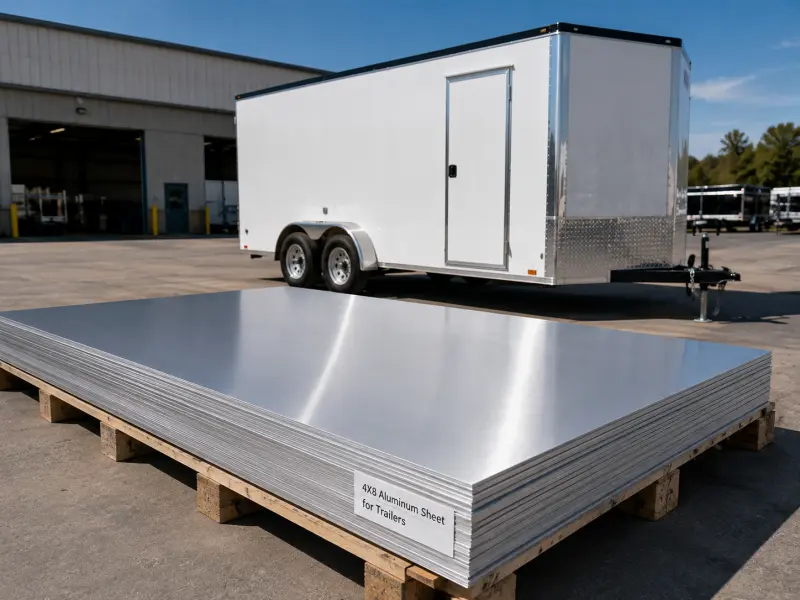
Diamond or checker patterns can improve traction.
The plate can also provide a durable surface for truck beds, trailers, ramps, and platforms.
For floor applications, buyers should consider:
Load → Plate Thickness → Alloy → Pattern → Support Spacing
The plate thickness alone does not determine the load capacity. Structural support and span are also important.
1/4 Inch Aluminum Plate for CNC Machining
6061-T6 is frequently used for machined aluminum components.
It can be cut with CNC milling, drilling, routing, and other machining methods.
Typical products include:
- Machine bases
- Mounting plates
- Brackets
- Fixtures
- Frames
- Robotic components
- Equipment parts
For precision machining, flatness and internal stress can be important.
1/4 Inch Aluminum Plate for Fabrication
Fabricators often select aluminum plate because it is relatively easy to cut and work.
Common processes include:
Cutting
Plate can be cut using saws, waterjet, plasma, laser equipment, or other suitable methods.
Drilling
Drilling is commonly used for mounting holes and assembly points.
CNC Routing
CNC equipment can create accurate shapes and holes.
Bending
Some alloys and tempers can be bent.
The bend radius should be selected according to the alloy, temper, thickness, and tooling.
Welding
Many aluminum alloys can be welded.
However, welding can change the properties around the weld zone.
The welding method should be selected according to the alloy.
1/4 Inch vs 3/16 Inch Aluminum Plate
3/16 inch is approximately 4.76 mm.
1/4 inch is approximately 6.35 mm.
| Feature | 3/16 Inch | 1/4 Inch |
|---|---|---|
| Thickness | 4.76 mm | 6.35 mm |
| Weight | Lower | Higher |
| Rigidity | Good | Higher |
| Material Cost | Lower | Higher |
| Heavy-duty use | Moderate | Better suited |
| Machining | Easier | More material to remove |
Choose 3/16 inch when weight and material cost are important.
Choose 1/4 inch when more rigidity or material thickness is required.


1/4 Inch vs 5/16 Inch Aluminum Plate

5/16 inch is approximately 7.94 mm.
| Feature | 1/4 Inch | 5/16 Inch |
|---|---|---|
| Thickness | 6.35 mm | 7.94 mm |
| Weight | Lower | Higher |
| Rigidity | High | Higher |
| Material Use | Moderate | Higher |
| Fabrication | Easier | More demanding |
| Heavy-duty applications | Good | Very good |
The thicker plate may be useful when additional stiffness is required.
1/4 Inch Aluminum vs Steel Plate
Aluminum and steel have different characteristics.
| Feature | Aluminum | Steel |
|---|---|---|
| Weight | Lower | Higher |
| Corrosion Resistance | Generally good | Often needs coating |
| Thermal Conductivity | High | Lower |
| Electrical Conductivity | High | Lower |
| Machining | Good | Good |
| Strength | Alloy dependent | Generally high |
| Surface Appearance | Good | Depends on finish |
Aluminum is often selected when weight reduction and corrosion resistance are important.
Steel may be selected when very high strength, low material cost, or specific structural requirements are more important.
5052 vs 6061 for 1/4 Inch Plate
These two alloys are frequently compared.
| Feature | 5052 | 6061 |
|---|---|---|
| Corrosion Resistance | Excellent | Good |
| Strength | Good | High |
| Formability | Very good | Moderate |
| Machinability | Good | Excellent |
| Welding | Good | Good |
| Marine Use | Very common | Suitable for selected uses |
| CNC Parts | Good | Very common |
Marine and formed parts → 5052
CNC and structural parts → 6061-T6
This is a simple starting point. The final selection should match the project specification.
3003 vs 5052 Aluminum Plate
3003 is easier to form.
5052 generally provides higher strength and better corrosion performance in many environments.
| Feature | 3003 | 5052 |
|---|---|---|
| Formability | Excellent | Very good |
| Strength | Medium-low | Medium-high |
| Corrosion Resistance | Good | Excellent |
| General Fabrication | Excellent | Excellent |
| Marine | Limited | Strong option |
| Tanks | Good | Very good |
Choosing the Right Surface
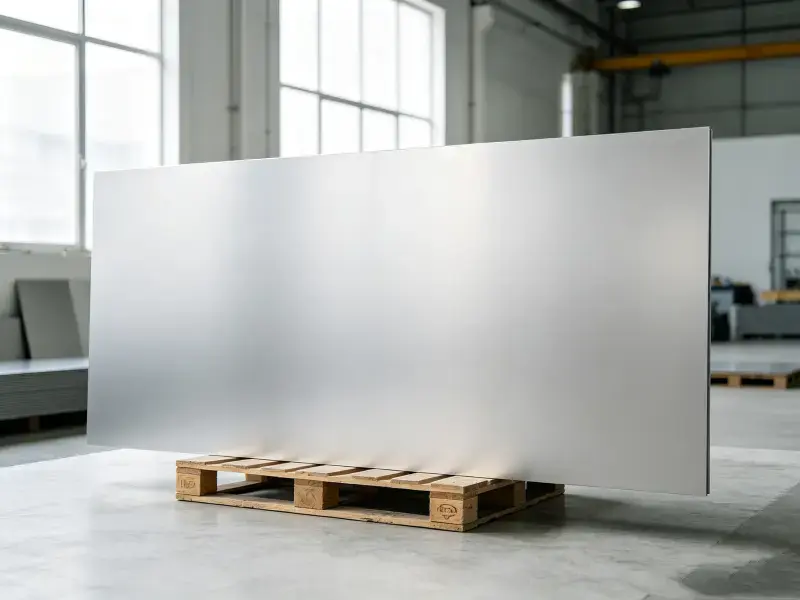
Surface selection depends on the final product.
Industrial fabrication → Mill finish
Decorative panel → Brushed / anodized
Outdoor colored product → Painted
Floor or ramp → Diamond / checker
CNC component → Mill finish
Architectural product → Anodized / painted / brushed
This simple selection path can make the purchasing process easier.
Standard and Custom Sizes
Common aluminum plate sizes vary by market.
| Width | Length | Typical Use |
|---|---|---|
| 1000 mm | 2000 mm | General fabrication |
| 1220 mm | 2440 mm | Construction and fabrication |
| 1250 mm | 2500 mm | Industrial use |
| 1500 mm | 3000 mm | Large components |
| 1500 mm | 4000 mm | Large fabrication |
| 2000 mm | 4000 mm | Large industrial parts |
Custom cutting is also available for many projects.
Quality Control for 1/4 Inch Aluminum Plate
Good plate quality starts with stable raw material and controlled production.
Important inspection points include:
- Alloy verification
- Temper verification
- Thickness
- Width
- Length
- Flatness
- Surface quality
- Edge quality
- Cutting accuracy
- Mechanical properties
- Packaging
For CNC applications, flatness and thickness tolerance can be particularly important.
For decorative applications, surface appearance is more important.
How to Buy 1/4 Inch Aluminum Plate
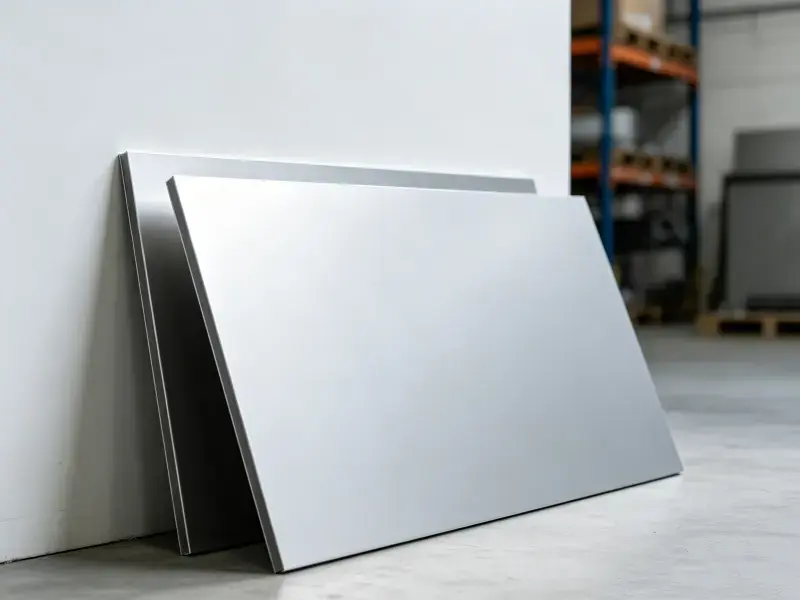
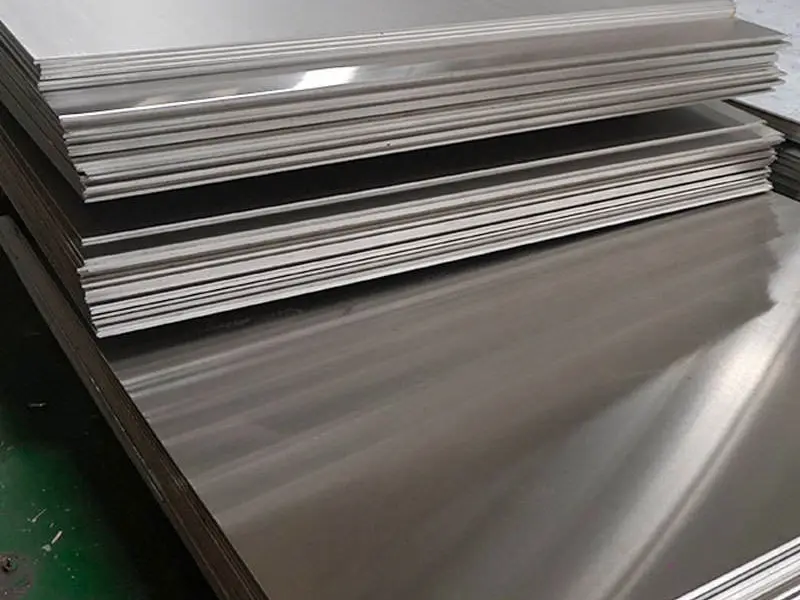
Before requesting a quotation, prepare the basic specifications.
Recommended Buying Information
| Requirement | Example |
|---|---|
| Product | 1/4 inch aluminum plate |
| Thickness | 6.35 mm |
| Alloy | 6061 |
| Temper | T6 |
| Width | 1220 mm |
| Length | 2440 mm |
| Surface | Mill finish |
| Quantity | 5 MT |
| Processing | Cut to size |
| Application | CNC machining |
A complete specification makes quotation and production easier.
Factors That Affect the Price
The price is affected by several factors.
The main ones include:
- Aluminum market price
- Alloy
- Temper
- Thickness
- Width
- Length
- Quantity
- Surface treatment
- Cutting
- CNC processing
- Packaging
- Shipping destination
A standard mill-finish plate usually has a simpler production process than a plate with multiple surface treatments and custom machining.
Custom 1/4 Inch Aluminum Plate
Custom service can be useful for industrial and fabrication projects.
Available options may include:
- Custom width
- Custom length
- Cut-to-size pieces
- CNC cutting
- Hole drilling
- Special surface
- Protective film
- Custom packaging
- Special tolerances
For large projects, a technical drawing can help the supplier understand the exact requirements.
How to Reduce Aluminum Plate Waste
Material utilization can have a major effect on project cost.
Use Suitable Plate Sizes
Select a sheet size that fits the cutting layout.
Consider Cut-to-Size Service
Pre-cut pieces can reduce work at the customer’s factory.
Optimize CNC Layout
For CNC parts, nesting multiple components on one plate can improve material utilization.
Confirm the Thickness
Do not automatically select a thicker plate.
Choose the thickness according to the actual load and design.
Storage and Packaging
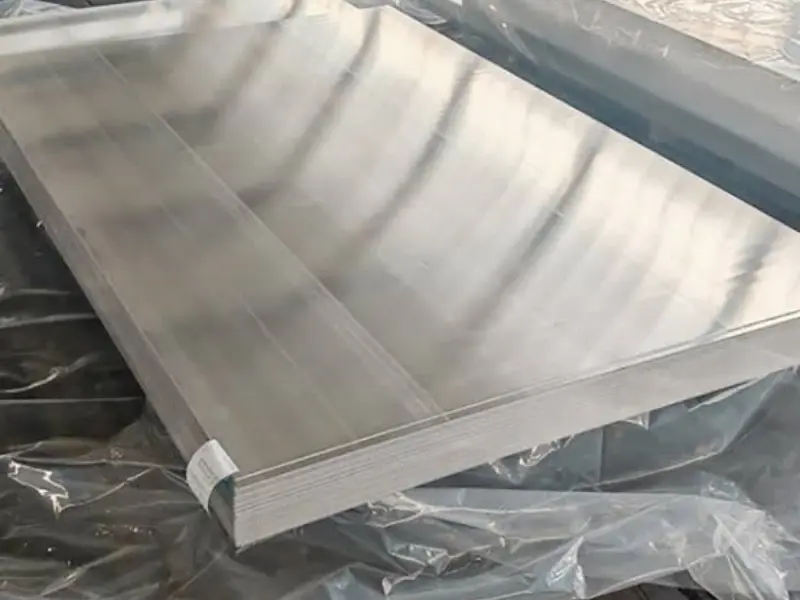
Aluminum plate should be protected during transportation and storage.
Important practices include:
- Keep the material dry
- Avoid direct contact with water
- Use suitable pallets
- Protect the surface
- Avoid heavy impact
- Keep plates properly supported
- Prevent contamination
- Use export packaging for international shipping
Moisture can cause surface staining during storage, especially when aluminum is tightly packed in humid conditions.
Quick Selection Guide
Need general fabrication?
→ 3003
→ 1/4 inch
→ O / H14
→ Mill finish
Need corrosion resistance?
→ 5052
→ 1/4 inch
→ H32 / H34
→ Mill finish
Need marine fabrication?
→ 5083
→ 1/4 inch
→ Suitable marine temper
→ Mill finish
Need CNC machining?
→ 6061-T6 / T651
→ 1/4 inch
→ Mill finish
Need a walking surface?
→ 5052 / 3003
→ 1/4 inch
→ Diamond or checker pattern
Need decorative panels?
→ 5052 / 6061
→ 1/4 inch
→ Brushed / anodized / painted
FAQ About 1/4 Inch Aluminum Plate
How thick is 1/4 inch aluminum plate?
1/4 inch is approximately 6.35 mm thick.
Is 1/4 inch aluminum plate strong?
Yes. It provides more rigidity than thinner aluminum sheet, but the actual strength depends on the alloy and temper.
What is the best alloy for 1/4 inch aluminum plate?
There is no single alloy for every application. 5052, 5083, 6061, and 3003 are commonly considered for different uses.
Is 6061-T6 available in 1/4 inch thickness?
Yes. 6061-T6 is commonly available in 1/4 inch aluminum plate, subject to size and supplier availability.
Is 5052 aluminum plate good for marine use?
5052 offers good corrosion resistance and is widely used in marine-related fabrication. For demanding marine structures, 5083 is also commonly considered.
Can 1/4 inch aluminum plate be welded?
Many aluminum alloys can be welded. The correct welding process depends on the alloy, temper, joint design, and project requirements.
Can 1/4 inch aluminum plate be bent?
Some alloys and tempers can be bent. Softer conditions generally provide better formability than high-strength tempers.
What is the difference between 1/4 inch aluminum sheet and plate?
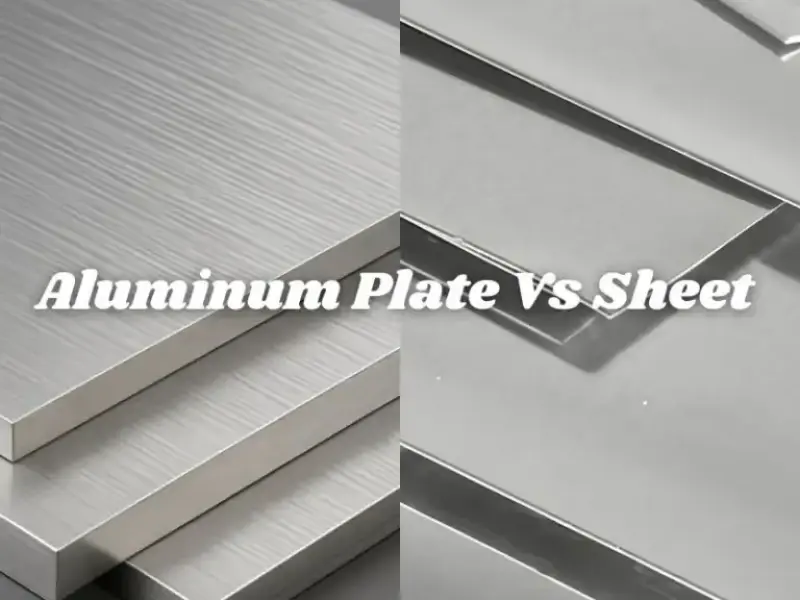
The terms can vary by market and supplier. In common industrial usage, 1/4 inch or 6.35 mm aluminum is generally treated as plate because of its thickness.
Can I order 1/4 inch aluminum plate cut to size?
Yes. Cut-to-size service can be provided for many projects.
Can 1/4 inch aluminum plate be CNC machined?
Yes. 6061-T6 and T651 are commonly used for CNC machining applications.
Is diamond plate available in 1/4 inch?
Yes. 1/4 inch aluminum diamond or checker plate is available for suitable floor, ramp, platform, and transportation applications.
What sizes are available?
Common sizes include 1000×2000 mm, 1220×2440 mm, 1250×2500 mm, 1500×3000 mm, and larger custom sizes.
What information should I provide when requesting a quotation?
Provide the thickness, alloy, temper, width, length, surface finish, quantity, processing requirements, and application.
1/4 Inch Aluminum Plate Specification Table
| Product Type | Alloy | Temper | Thickness | Surface | Main Application |
|---|---|---|---|---|---|
| General Plate | 3003 | O/H14 | 6.35 mm | Mill | Fabrication |
| Marine Plate | 5052 | H32/H34 | 6.35 mm | Mill | Marine |
| Heavy Marine Plate | 5083 | H116/H321 | 6.35 mm | Mill | Marine structures |
| Structural Plate | 6061 | T6/T651 | 6.35 mm | Mill | Machinery |
| CNC Plate | 6061 | T6/T651 | 6.35 mm | Mill | Machining |
| Diamond Plate | 3003/5052 | H22/H32 | 6.35 mm | Embossed | Floors and ramps |
| Brushed Plate | 5052/6061 | Various | 6.35 mm | Brushed | Decoration |
| Anodized Plate | 5052/6061 | Various | 6.35 mm | Anodized | Architecture |
| Painted Plate | 3003/5052 | Various | 6.35 mm | Painted | Exterior panels |
| Perforated Plate | 3003/5052 | Various | 6.35 mm | Perforated | Screens and panels |