What Is a Gutter Coil?
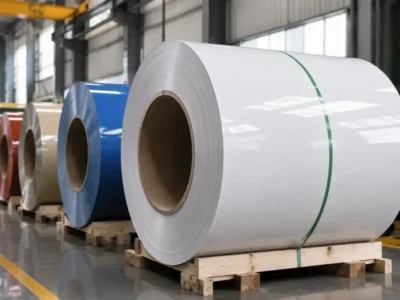
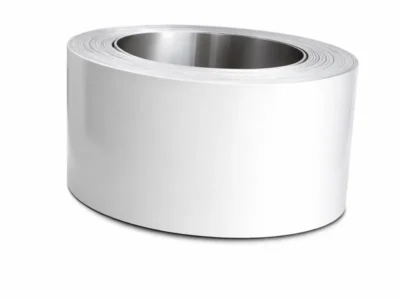
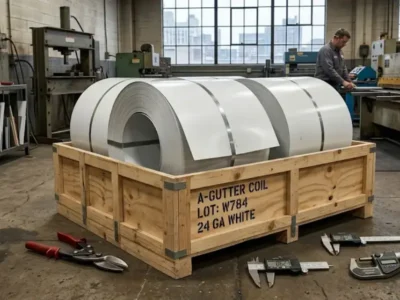
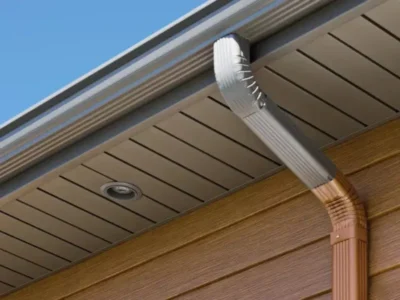
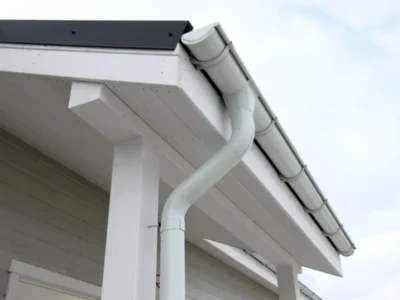
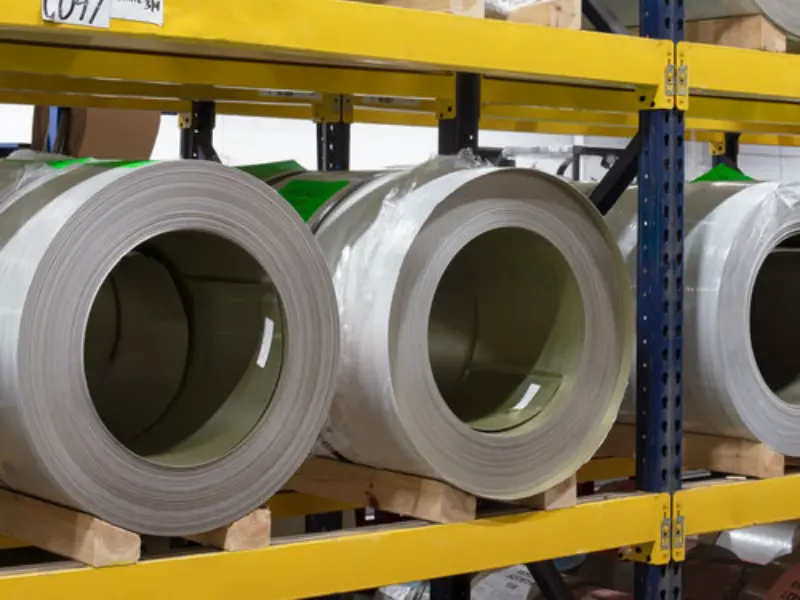
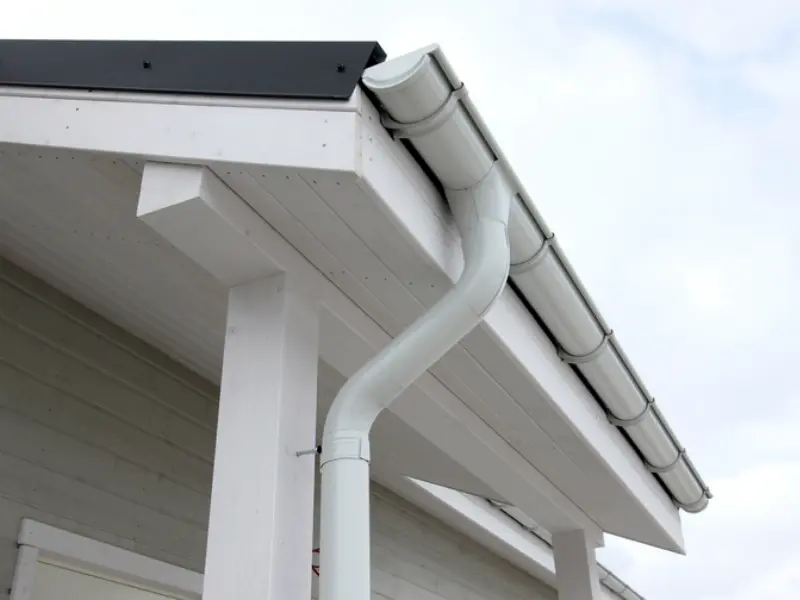
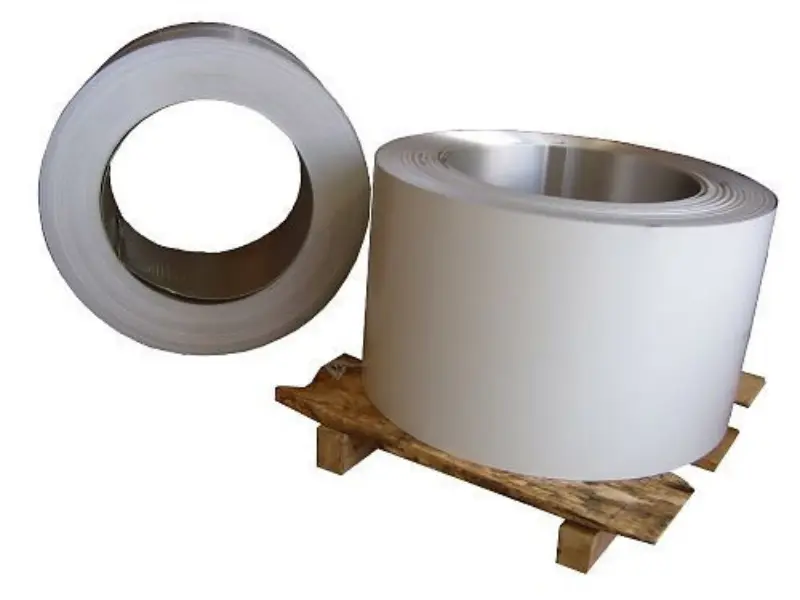
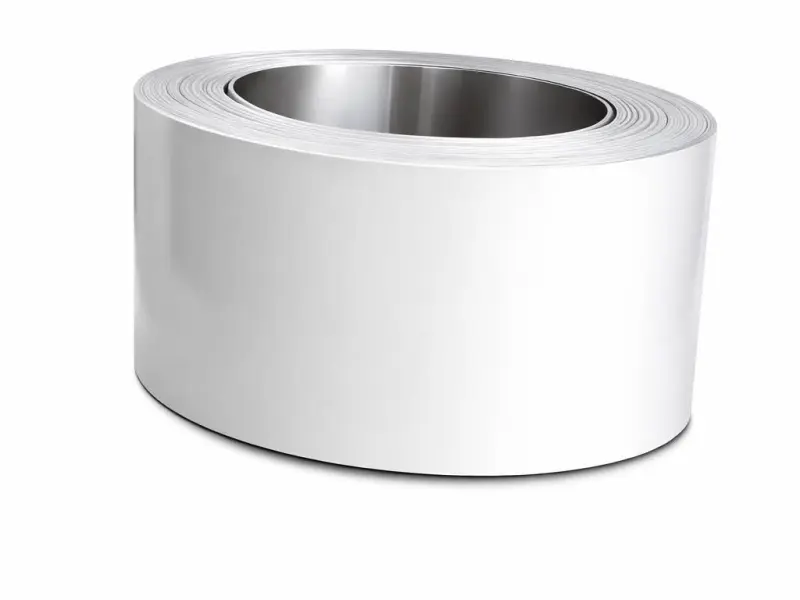
A gutter coil is a rolled metal sheet used to fabricate rain gutters on-site. A gutter machine takes the roll and bends the metal into the desired gutter profile — K-style, half-round, or another shape — directly at the job site.
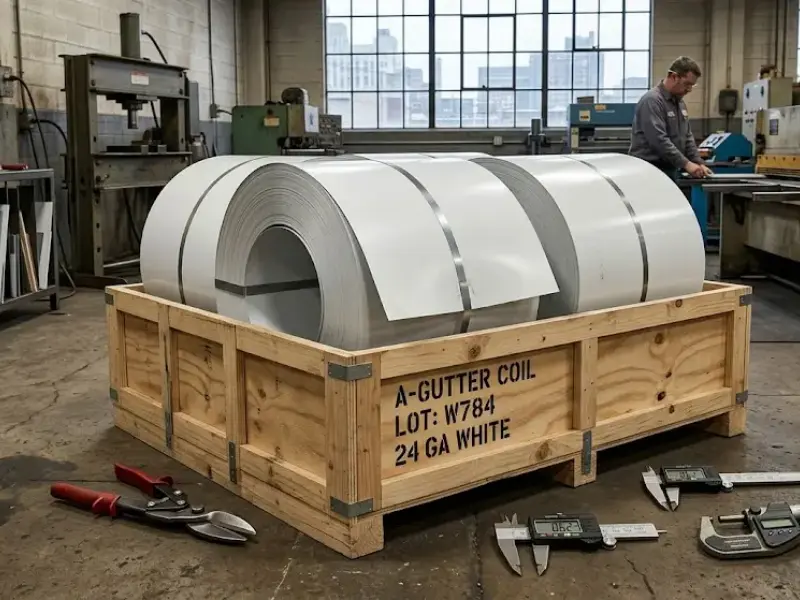
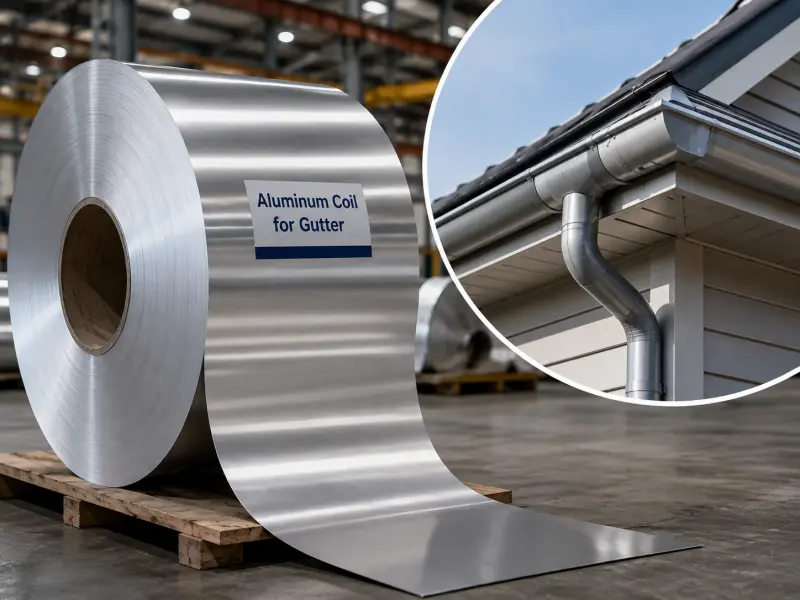
It is the base material for every seamless aluminum gutter. Without the coil, there is no gutter. That is why contractors, distributors, and roofers keep gutter coil stock on hand so they have material ready when each project starts.
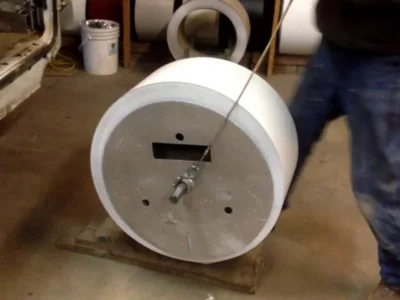
The coil sits on a rotating support called a gutter coil cradle. That cradle holds the roll and lets it spin in a controlled way while the gutter machine pulls the material through.
Aluminum vs. Copper vs. Steel: Which Material Is Right?
Not all gutter coils are the same. The material defines the cost, durability, and final appearance of the finished gutter.
| Feature | Aluminum | Copper | Galvanized Steel |
|---|---|---|---|
| Weight | Light | Moderate | Heavy |
| Corrosion resistance | High | Very high | Medium (depends on coating) |
| Relative cost | Low | Very high | Medium |
| Estimated lifespan | 20 – 30 years | 50 – 100 years | 15 – 25 years |
| Color options | Wide range | Natural copper / patina only | Limited |
| Ease of forming | Very easy | Moderate | More difficult |
| Main market | Residential and commercial | Premium architecture | Industrial and commercial |
| Maintenance | Very low | Almost none | Periodic inspection needed |
Aluminum gutter coil is the most widely used option in residential projects across the United States and Canada. It is easy to work with, does not rust, and accepts baked enamel or powder coat paint in many colors. Copper gutter coil is a premium choice for classic architecture and historic buildings. Gutter steel coil is used in industrial construction where greater rigidity is required.
Gauge and Thickness: What Gauge Is Gutter Coil?
One of the most common questions is what gauge is gutter coil. The gauge defines the stiffness, weight, and durability of the finished gutter.
| Gauge | Thickness (inches) | Thickness (mm) | Recommended Use |
|---|---|---|---|
| 0.019″ (thinnest) | 0.019″ | 0.48 mm | Budget gutters, short runs |
| 0.027″ (standard) | 0.027″ | 0.69 mm | Standard residential — best seller |
| 0.032″ (heavy) | 0.032″ | 0.81 mm | Premium residential, high-rainfall areas |
| 0.040″ (commercial) | 0.040″ | 1.02 mm | Commercial, long spans, large roofs |
| 0.050″ (extra heavy) | 0.050″ | 1.27 mm | Industrial, snow load, special projects |
The 0.027″ gauge is standard for most residential projects in North America. The 0.032″ gauge produces a stiffer gutter that lasts longer in climates with heavy rainfall or leaf buildup.
Aluminum Types: Alloy & Temper
Most aluminum gutter coils use 3000-series alloys. These alloys combine good strength, excellent corrosion resistance, and easy forming.
| Alloy | Temper | Tensile Strength | Key Property | Typical Use |
|---|---|---|---|---|
| 3003 | H14 | ~152 MPa | Good formability, corrosion resistant | Standard residential gutters |
| 3003 | H16 | ~180 MPa | Stiffer, less flexible | Commercial gutters, long runs |
| 3105 | H14 | ~160 MPa | Scratch resistant, holds paint well | Pre-painted color coils |
| 3105 | H16 | ~185 MPa | Excellent color retention | Premium colors, special finishes |
| 5052 | H32 | ~228 MPa | Higher strength, coastal environments | High salt-exposure projects |
Alloy 3105-H14 is the most common base for pre-painted gutter coils. It accepts baked enamel coatings better and holds color longer than 3003 in outdoor conditions.
Available Widths: 5-Inch and 6-Inch Gutter Coil
The coil width determines what size gutter can be formed. The two most common formats are the 5-inch and 6-inch gutter.
| Coil Width | Gutter Size | Typical Application |
|---|---|---|
| 11.75″ | 5″ K-style gutter | Standard residential — normal roofs |
| 15.0″ | 6″ K-style gutter | Premium residential — large roofs |
| 16.75″ | 6″ half-round | Residential / commercial, classic look |
| 11.25″ | 4″ K-style gutter | Small structures, garages, sheds |
| Custom | Special profile | Commercial and industrial projects |
5-Inch Gutter Coil
The standard width for single-family homes. Handles normal rainfall well. Lighter and easier to install. Most residential gutter contractors work with this format daily.
6-Inch Gutter Coil
Recommended for steep-pitch roofs, large roof surfaces, or areas with heavy rainfall. Moves a significantly higher volume of water. Increasingly used in premium residential and commercial projects.
Gutter Coil Colors
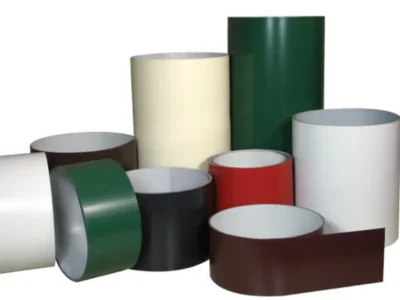
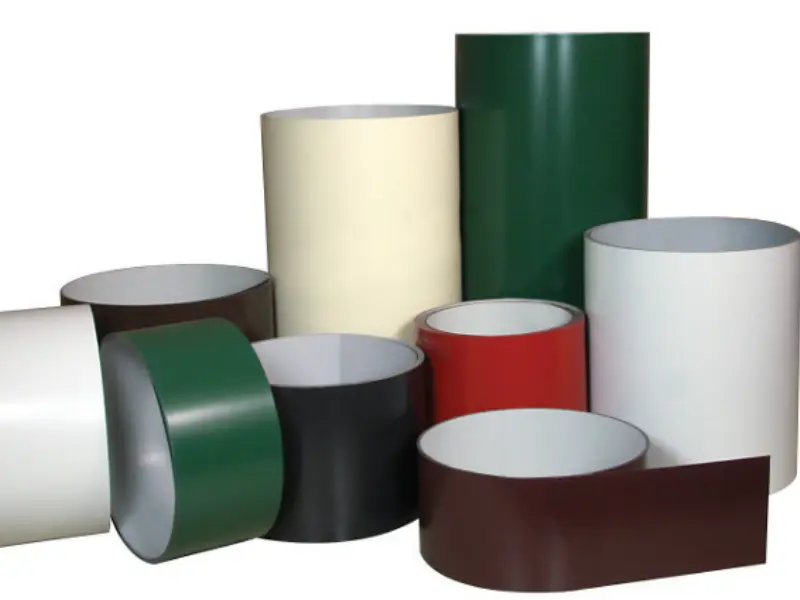
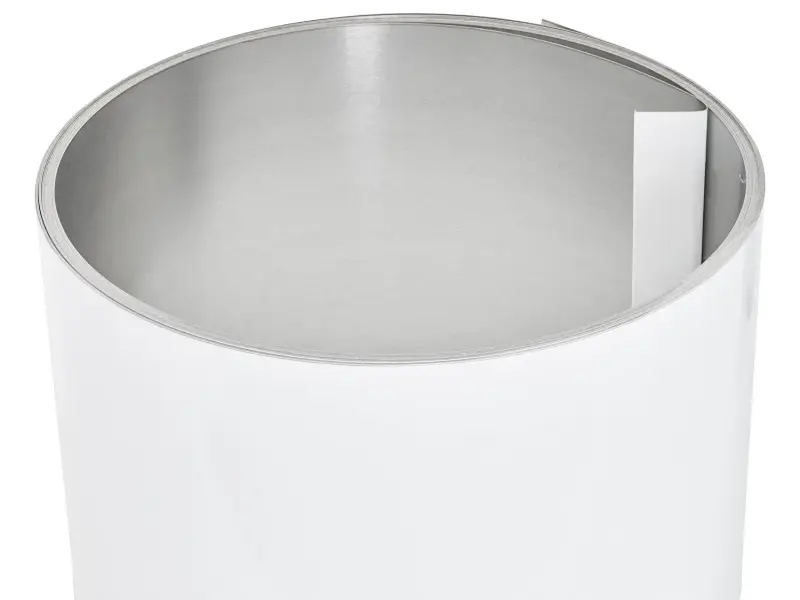
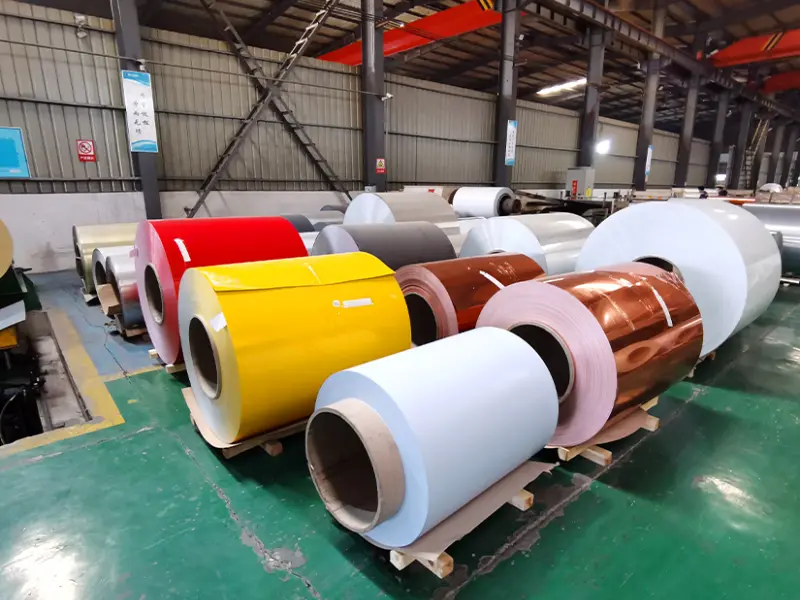
One of the main advantages of pre-painted aluminum is the wide range of colors. Colors are applied using baked enamel or powder coat before the sheet is rolled into a coil.
Most Common Standard Colors
| Color Name | Description |
|---|---|
| White | Best seller — matches most exterior trim |
| Musket Brown | Dark earthy brown — popular with wood and brick homes |
| Almond / Ivory | Light beige — classic style, light-colored facades |
| Hartford Green | Dark green — colonial and Victorian-style homes |
| Black | Deep black — very popular in modern architecture trends |
| Gray / Charcoal | Medium to dark gray — contemporary architecture |
| Clay / Adobe | Earthy clay tone — stucco and Mediterranean-style homes |
| Bronze | Dark bronze — premium look, pairs with dark window frames |
Mastic and Spectra Colors
Mastic gutter coil refers to a specific neutral color — a medium beige — very popular in the North American market. The mastic tone blends well with brick, concrete, and stucco facades common on residential homes.
Spectra gutter coil refers to an extended color range offered by certain manufacturers, including a wider variety of metallic tones and custom colors. Some distributors carry up to 30–50 colors in this line.
Black gutter coil has grown significantly in demand in recent years, driven by the trend toward dark facades and black window frames in modern and contemporary residential design.
Product Types
Pre-Painted Aluminum Coil
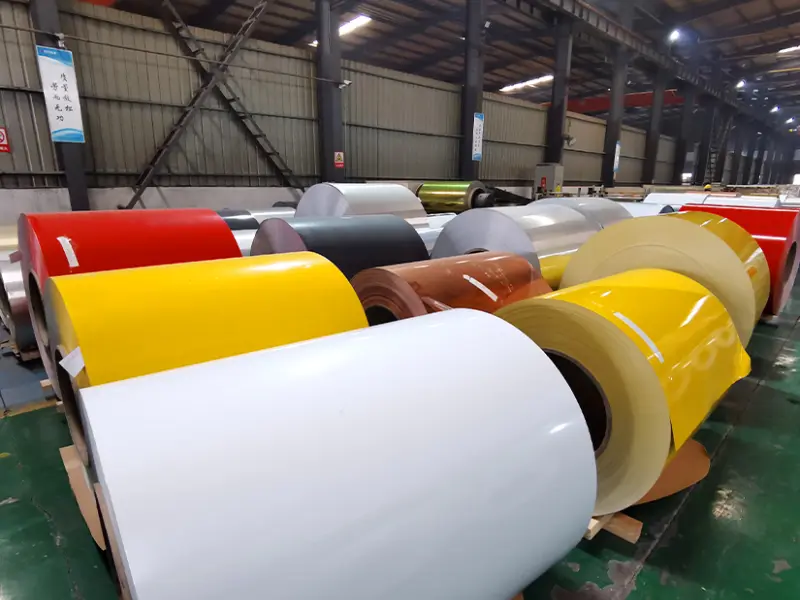
The standard product. The aluminum arrives from the factory with a baked enamel coating already applied. It runs directly through the gutter machine with no additional painting. The most sold format in the residential market.
Mill Finish Aluminum Coil
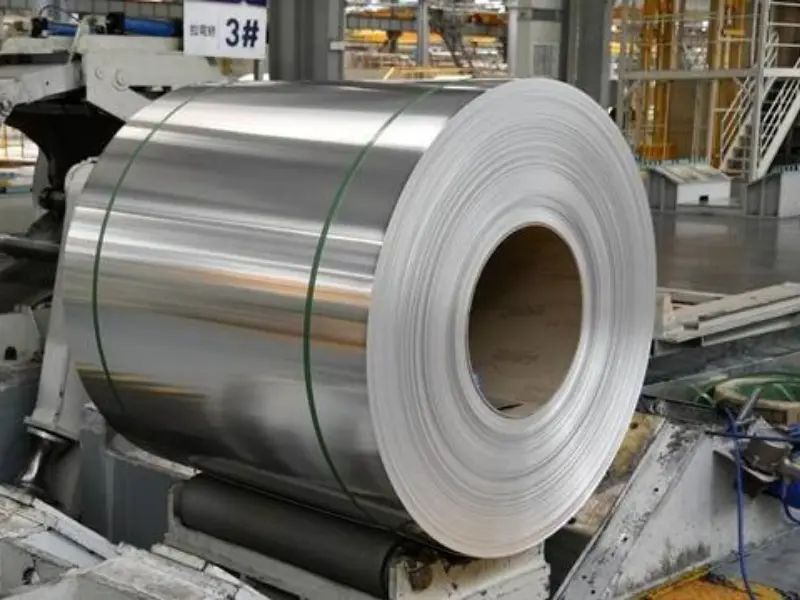
No paint. Natural aluminum color. Used when the contractor plans to paint or coat the gutter after installation. Lower cost than pre-painted. Rarely used in residential work — more common in industrial applications.
Copper Coil
Premium material. No paint required. Over time it develops a natural green patina. Widely used in historic homes, luxury buildings, and restoration projects. Significantly more expensive than aluminum.
Galvanized Steel Gutter Coil
Stiffer than aluminum. Used on commercial and industrial structures where the gutter needs to handle more mechanical load. Requires periodic inspection to prevent corrosion at cut edges.
Anodized Coil
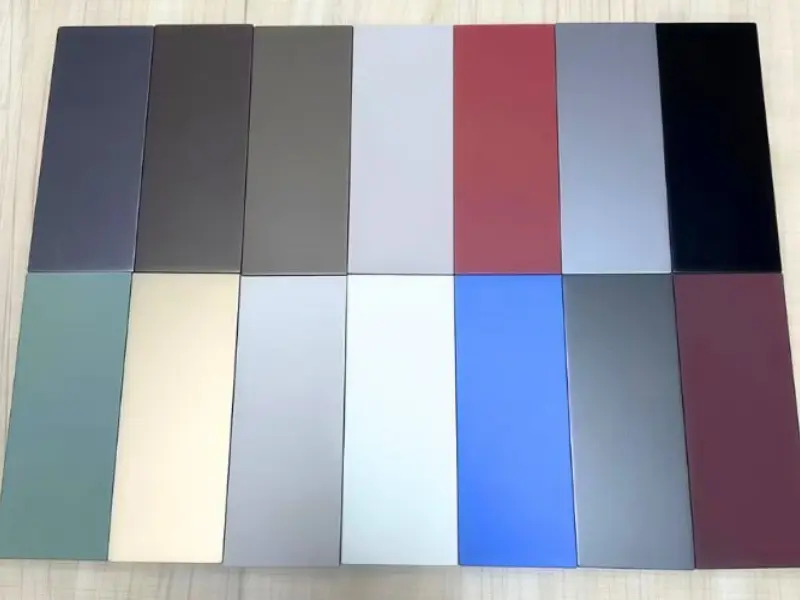
Anodized finish instead of paint. Higher resistance to scratching and abrasion. Used in high-end architectural projects where a clean, durable metallic appearance is required.
Gutter Coil Type Comparison
| Type | Material | Finish | Durability | Relative Price | Best Use |
|---|---|---|---|---|---|
| Pre-painted aluminum | Alloy 3105 | Baked enamel | 20 – 30 years | Standard | Residential and commercial |
| Mill finish aluminum | Alloy 3003 | Mill finish | 15 – 20 years | Lower | Industrial, post-paint |
| Copper | Pure copper | Natural / patina | 50 – 100 years | Very high | Premium architecture |
| Galvanized steel | G-90 steel | Galvanized | 15 – 25 years | Medium | Commercial / industrial |
| Anodized aluminum | Alloy 6063 | Anodized | 30 – 40 years | High | Architecture, premium |
Coil Length: How Many Feet Is a Full Roll of Gutter Coil?
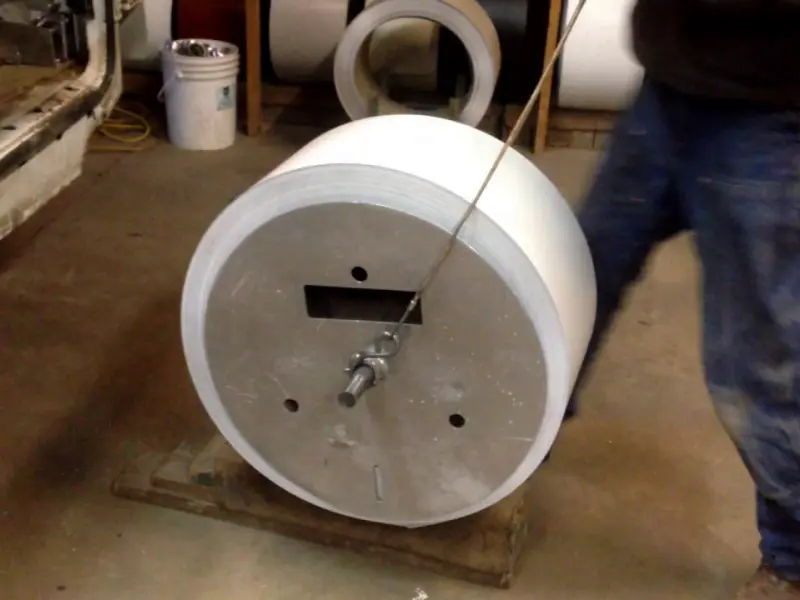
This is a frequent question among contractors: how many feet is a full roll of gutter coil.
| Gauge | Coil Width | Approximate Roll Length | Approx. Weight |
|---|---|---|---|
| 0.019″ | 11.75″ | 450 – 500 ft | ~104 lbs |
| 0.027″ | 11.75″ | 325 – 350 ft | ~104 lbs |
| 0.027″ | 15.0″ | 250 – 275 ft | ~104 lbs |
| 0.032″ | 11.75″ | 275 – 300 ft | ~104 lbs |
| 0.032″ | 15.0″ | 215 – 235 ft | ~104 lbs |
| 0.040″ | 11.75″ | 225 – 250 ft | ~104 lbs |
Standard rolls weigh between 95 and 110 lbs approximately. Length varies by gauge and width. The thicker and wider the coil, the fewer feet per roll at the same weight.
Gutter Coil Price
Prices vary by material, gauge, color, and supplier. The figures below are general market references for North America.
Gutter Coil Price per Roll
| Type | Gauge | Approximate Price per Roll |
|---|---|---|
| Pre-painted aluminum white | 0.027″ | USD 200 – 280 per roll |
| Pre-painted aluminum premium color | 0.027″ | USD 230 – 320 per roll |
| Pre-painted aluminum | 0.032″ | USD 280 – 380 per roll |
| Mill finish aluminum | 0.027″ | USD 160 – 220 per roll |
| Copper | 0.020″ | USD 900 – 1,500 per roll |
| Galvanized steel | 0.028″ | USD 180 – 260 per roll |
Gutter Coil Price per Foot
| Type and Gauge | Approximate Price per Foot |
|---|---|
| Aluminum 0.027″ pre-painted | USD 0.55 – 0.85 / ft |
| Aluminum 0.032″ pre-painted | USD 0.80 – 1.15 / ft |
| Copper 0.020″ | USD 2.80 – 4.50 / ft |
| Galvanized steel 0.028″ | USD 0.60 – 0.90 / ft |
Prices fluctuate with aluminum market rates and freight costs. Request a current quote from your local supplier.
Where to Buy Gutter Coil
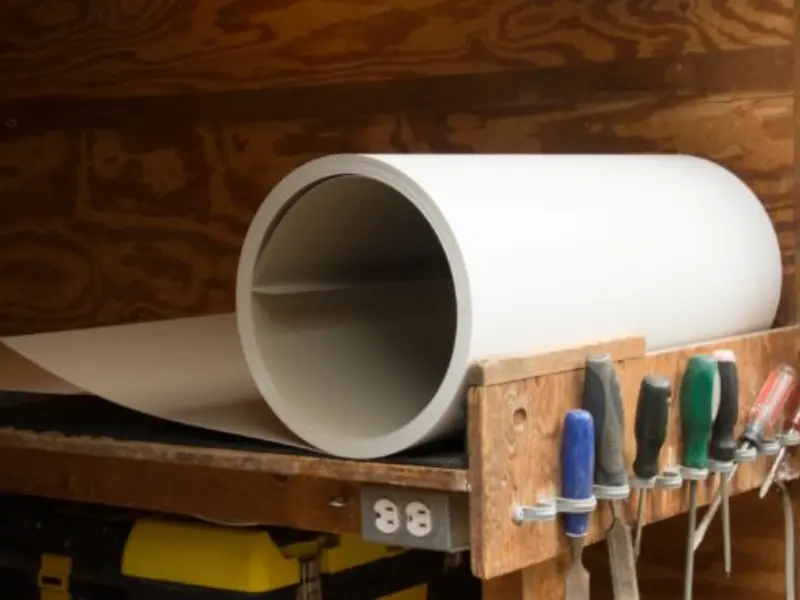
If you are searching for gutter coil near me or gutter coil suppliers near me, here are the most common sourcing options:
- Roofing and gutter supply houses
- Specialty metal building material distributors
- Major distributors such as ABC Supply, Beacon Roofing Supply, and Menards
- Direct purchase from manufacturers for contractor accounts
- Online ordering platforms with job-site delivery
For large projects, buying directly from a manufacturer or importer saves money. Price per roll drops significantly on orders of 10 rolls or more.
Gutter Coil Stock: What to Keep on Hand
Contractors running continuous projects keep a coil inventory on hand to avoid waiting on deliveries between jobs.
Recommended minimum stock for an active gutter contractor:
- 3 – 5 rolls in the best-selling color (white or almond)
- 1 – 2 rolls in black and musket brown
- 1 roll in 0.032″ gauge for premium jobs
- 1 backup roll in standard 0.027″ gauge
Keeping stock loaded on the gutter coil cradle mounted on the truck or trailer allows uninterrupted work at every job site.
Gutter Coil Cradle: The Coil Support
The cradle is the metal stand on which the coil rests. Without it, the roll cannot spin in a controlled way while the machine pulls material through.
| Cradle Type | Capacity | Use |
|---|---|---|
| Fixed floor cradle | Up to 150 lbs | Shop or warehouse |
| Truck / trailer cradle | Up to 150 lbs | Job-site work — most common |
| Double cradle | Two rolls at once | Higher output, fast changeover |
| Braked cradle | Tension control | Prevents free-spinning of the roll |
A braked cradle is recommended when working on sloped ground or when the gutter machine runs at high speed. It prevents the coil from spinning freely and produces a more consistent forming result.
Gutter Coil Calculator
Many buyers need to estimate how many feet of coil they need before ordering. A basic gutter coil calculator uses this formula:
Feet of coil needed = total linear feet of gutter + 10% waste allowance
Example:
With a 0.027″ coil at 11.75″ wide (approx. 340 ft/roll): one roll is enough
Home with 3 gutter runs: 45 ft + 32 ft + 28 ft = 105 ft
Plus 10% waste: 105 × 1.10 = 115.5 ft, rounded to 120 ft
For contractors running multiple properties or continuous work, ordering 2–3 rolls keeps the job moving without stops.
Application Areas
Residential Construction
- Gutters on new single-family homes
- Gutter replacement during exterior renovation
- Townhouses and attached homes
- Garages, carports, and covered porches
- Cabins and rural homes
Commercial Construction
- Low-rise office building gutters
- Industrial warehouses and distribution centers
- Shopping centers and retail stores
- Restaurants and hotels
- Schools and healthcare facilities
Restoration Projects
- Gutter replacement on historic buildings
- Copper gutter coil projects to match original architectural style
- Facade rehabilitation preserving original architectural detail
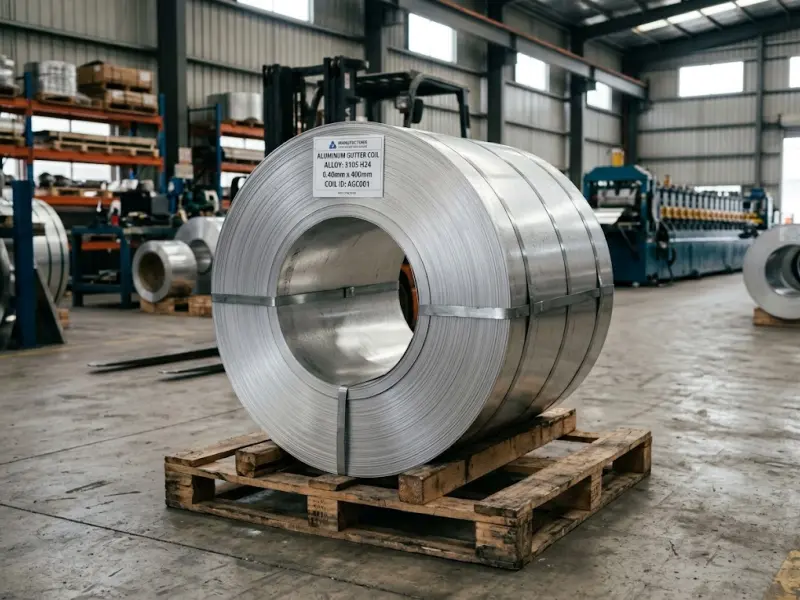
Special Projects
Greenhouse and agricultural building gutters
Curved gutters for complex roof shapes
Rainwater harvesting collection systems
Decorative channels in patios and garden structures
Side-by-Side Comparison: 5-Inch vs. 6-Inch Gutter
| Feature | 5″ Gutter | 6″ Gutter |
|---|---|---|
| Coil width needed | ~11.75″ | ~15″ |
| Water flow capacity | Standard | ~40% more than 5″ |
| Weight per linear foot | Lower | Higher |
| Installation | Easier | Slightly more complex |
| Material cost | Lower | Higher (~15–20% more) |
| Recommended for | Roofs up to 1,500 sq ft | Roofs over 1,500 sq ft |
| Most common use | Standard residential | Premium residential and commercial |
Frequently Asked Questions (FAQ)
What exactly is a gutter coil?
It is a roll of metal sheet — typically aluminum — coiled into a roll. It feeds into a gutter forming machine that bends the metal into a finished rain gutter profile on-site. It is the raw material for every seamless gutter formed in the field.
How many feet is a full roll of gutter coil?
It depends on gauge and width. A standard aluminum roll at 0.027″ gauge and 11.75″ wide holds approximately 330–350 feet. Thicker or wider coils have fewer feet per roll at the same weight.
How much does gutter coil cost?
A roll of pre-painted aluminum at 0.027″ gauge costs between USD 200 and USD 280 per roll depending on color and supplier. Price per foot ranges from USD 0.55 to USD 0.85. Copper is significantly more expensive — between USD 2.80 and USD 4.50 per foot.
What gauge is standard gutter coil?
The most common gauge for residential projects is 0.027″. For premium projects or high-rainfall regions, 0.032″ is preferred. The 0.019″ gauge exists but is the thinnest option and the least recommended for exterior use.
What is a gutter ferrule?
A ferrule is a small cylindrical metal sleeve placed inside the gutter before driving a spike through it. It holds the gutter’s shape when the spike is driven in and prevents the gutter from collapsing over time. It is used alongside spikes in traditional gutter hanging systems. Modern systems use hidden hangers instead of spike-and-ferrule installations.
Can I run any color of gutter coil through my machine?
Yes. The surface color does not affect the forming process. The machine works the metal, not the paint. Just make sure the forming rolls are clean to avoid scratching the finish as the coil feeds through.
How long does an aluminum gutter last?
With proper installation and basic maintenance, an aluminum gutter formed from 0.027″ or heavier coil lasts 20–30 years. Copper gutters can last 50–100 years.
What is the difference between mastic and other standard colors?
Mastic is a specific color — a neutral medium beige — very popular because it blends with brick, stucco, and common residential facade finishes in North America. It is not a brand or a material type. It is simply a color name that varies slightly between manufacturers.