What Makes Aluminum Sheet Ideal for Marine Environments?
Best Aluminum Sheet for Marine Use. Saltwater is tough on most metals. Aluminum handles it well.
It forms a natural oxide layer that protects against corrosion. It is also light, strong, and easy to work with. That is why aluminum sheet is one of the most popular choices in the marine industry.
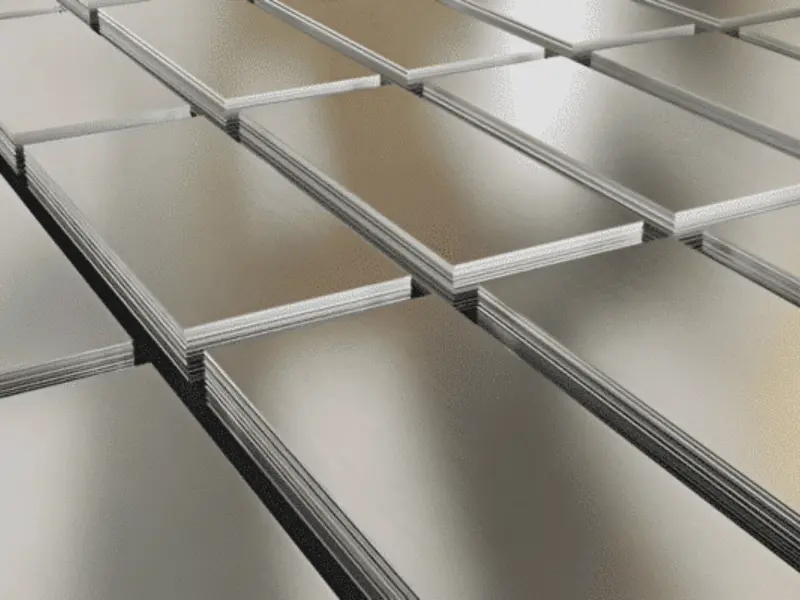
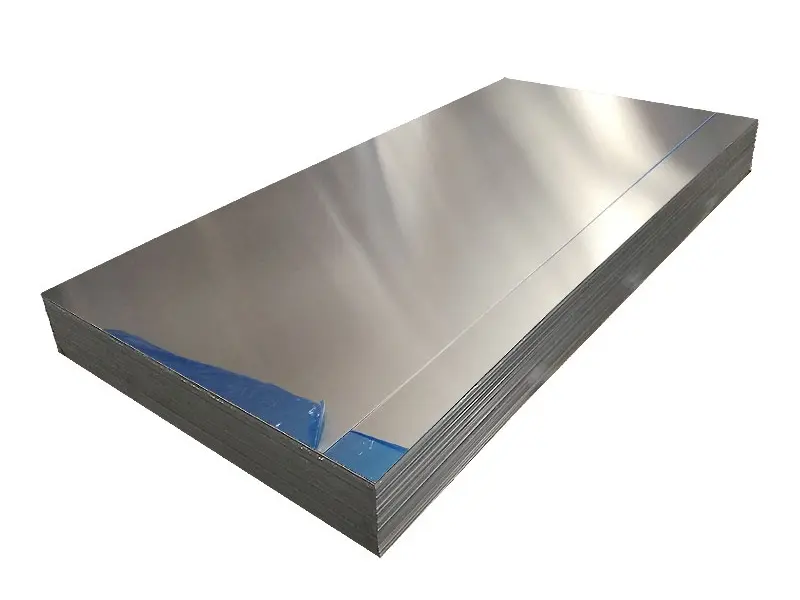
Whether you are building a boat hull, a dock platform, or an offshore structure, the right aluminum sheet makes a difference. Choosing the wrong alloy can lead to pitting, cracking, or early failure.
This guide covers the best options available — grades, specs, comparisons, and common applications.
Marine Grade Aluminum Sheet: Alloy Overview
Not all aluminum is made for saltwater. Marine grade aluminum sheets belong mostly to the 5xxx series and 6xxx series. These alloys contain magnesium, which improves corrosion resistance.
5xxx Series vs. 6xxx Series
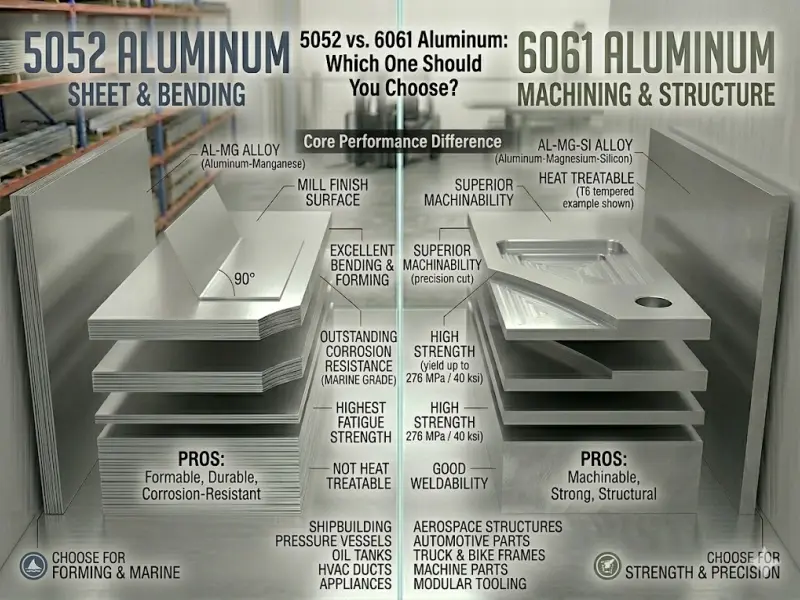
| Feature | 5xxx Series | 6xxx Series |
|---|---|---|
| Main Alloying Element | Magnesium (Mg) | Magnesium + Silicon |
| Corrosion Resistance | Excellent | Good |
| Weldability | Excellent | Good |
| Strength | Medium to High | Medium to High |
| Typical Use | Hull, deck, tank | Frame, trim, structure |
| Seawater Resistance | Outstanding | Moderate |
The 5xxx series is the go-to choice for direct saltwater contact. The 6xxx series works better for structural parts that are not always exposed to water.
Top Marine Aluminum Sheet Grades Compared
5052 vs. 5083 vs. 5086 vs. 5454
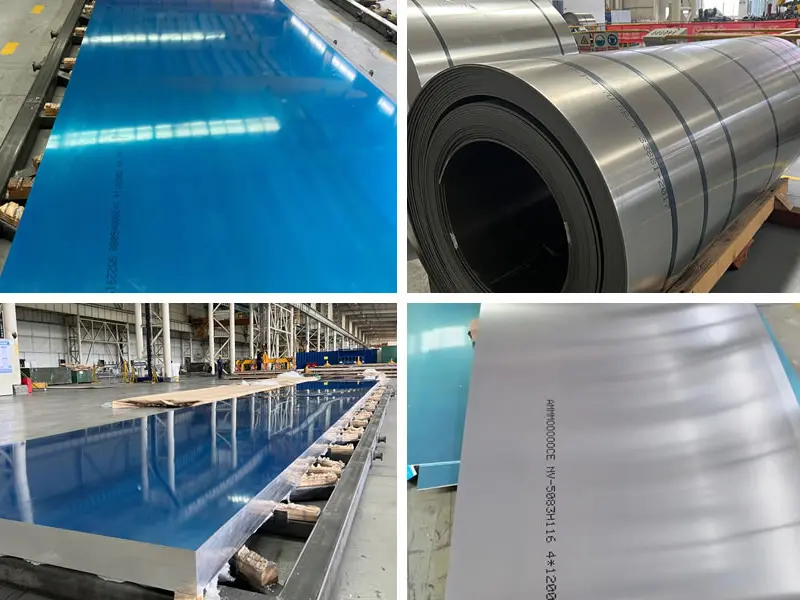
These four alloys are the most used in marine applications. Here is how they stack up:
| Property | 5052 | 5083 | 5086 | 5454 |
|---|---|---|---|---|
| Mg Content | 2.2–2.8% | 4.0–4.9% | 3.5–4.5% | 2.4–3.0% |
| Tensile Strength | 228 MPa | 290 MPa | 260 MPa | 250 MPa |
| Yield Strength | 193 MPa | 145 MPa | 195 MPa | 180 MPa |
| Corrosion Resistance | Good | Excellent | Excellent | Very Good |
| Weldability | Good | Excellent | Excellent | Excellent |
| Common Temper | H32, H34 | H111, H116 | H32, H116 | H32, H34 |
| Price Level | Low | Higher | Medium | Medium |
| Best For | Light boats, decks | Ship hulls, tanks | Hulls, structures | High-temp marine parts |
5052 Aluminum Sheet
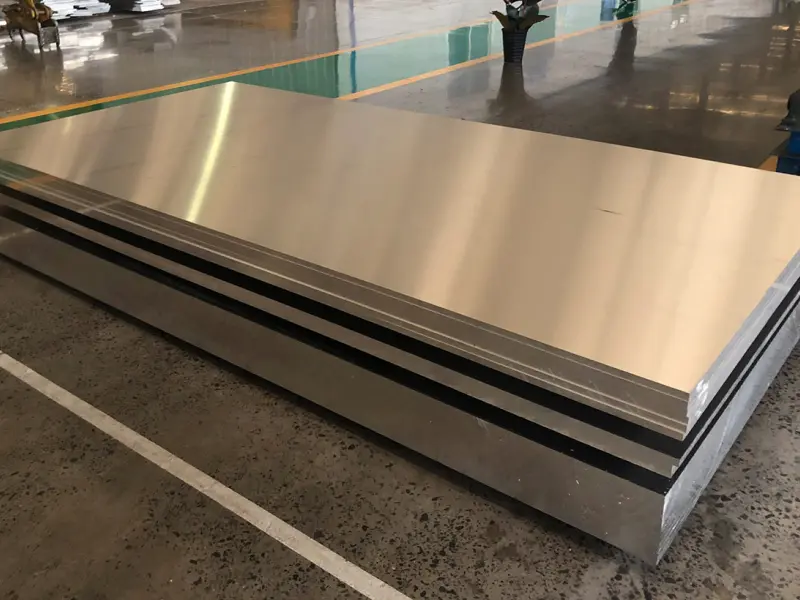
5052 is a budget-friendly option. It is good for smaller boats and interior panels. It bends easily and is easy to form. It does not handle heavy structural loads as well as 5083.
5083 Aluminum Sheet
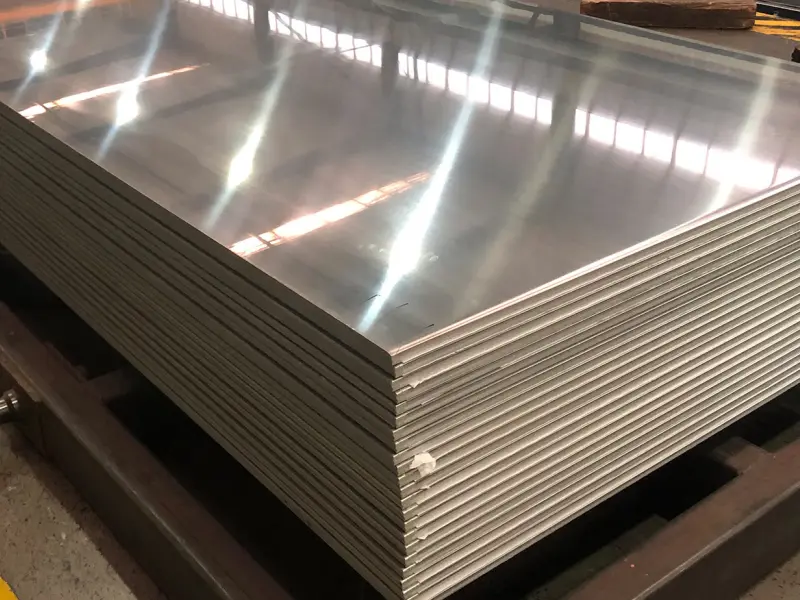
5083 is the strongest in this group. It is used in ship hulls, pressure vessels, and LNG tanks. This alloy performs well in cryogenic environments too. If you need high strength and top corrosion resistance, 5083 is the best marine aluminum sheet.
5086 Aluminum Sheet
5086 sits between 5052 and 5083. It is strong, weldable, and very resistant to seawater. It is common in boat hulls, fuel tanks, and offshore platforms. Many boatbuilders prefer it for medium-sized vessels.
5454 Aluminum Sheet
5454 is often used in high-temperature environments. It resists stress corrosion well. It is a good pick for marine exhaust systems and transport tanks exposed to elevated heat.
Product Specifications at a Glance
Common Thickness Range for Marine Use
| Application | Recommended Thickness |
|---|---|
| Boat hull (small) | 3mm – 5mm |
| Boat hull (large vessel) | 6mm – 12mm |
| Deck plate | 4mm – 6mm |
| Bulkhead / partition | 3mm – 5mm |
| Fuel tank | 3mm – 4mm |
| Offshore platform floor | 6mm – 10mm |
| Ship superstructure | 4mm – 8mm |
Width and Length Options
| Format | Standard Size |
|---|---|
| Sheet Width | 1000mm / 1250mm / 1500mm / 2000mm |
| Sheet Length | 2000mm / 2500mm / 3000mm / 6000mm |
| Custom Cut | Available on request |
Surface Finish Types
| Finish | Description | Use Case |
|---|---|---|
| Mill Finish | No coating, raw surface | General fabrication |
| Anodized | Oxide layer added | Decorative & extra protection |
| Brushed | Smooth linear texture | Interior fittings |
| Checkered / Tread | Anti-slip pattern | Deck, walkways |
| Painted / Coated | Color coating applied | Exterior panels |
Temper Designations Explained
Temper affects strength, hardness, and formability. Marine applications often use specific tempers for performance and safety.
| Temper | Meaning | Common Alloys | Best For |
|---|---|---|---|
| H111 | Annealed + slight work | 5083 | Hulls, heavy forming |
| H116 | Special corrosion test pass | 5083, 5086 | Saltwater exposure |
| H32 | Strain hardened + stabilized | 5052, 5086 | Panels, decks |
| H34 | Higher strain hardening | 5052, 5454 | Structural parts |
| O (Annealed) | Fully soft | All alloys | Deep forming |
H116 is particularly important for marine use. It passes special seawater corrosion tests. Always confirm H116 certification when ordering for hull construction.
Marine Aluminum Sheet vs. Other Materials
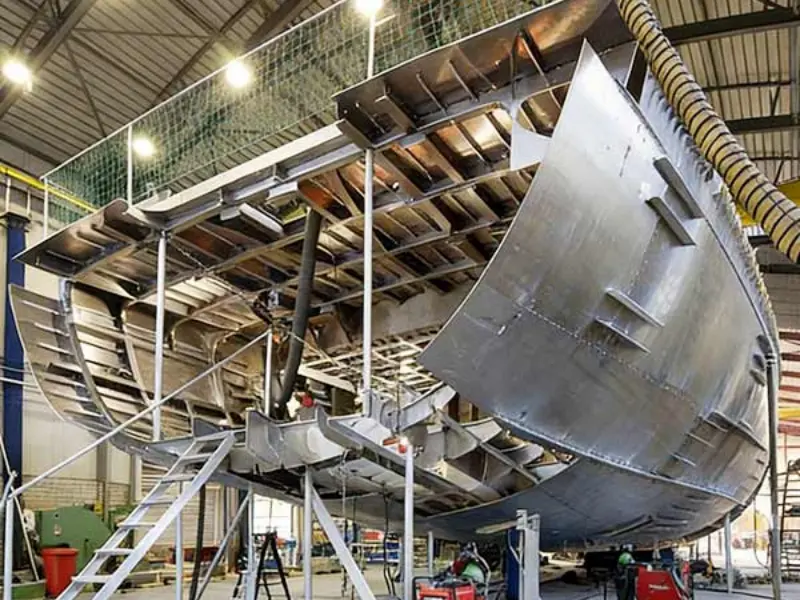
Why Not Steel or Fiberglass?
| Factor | Marine Aluminum | Steel | Fiberglass |
|---|---|---|---|
| Weight | Light | Heavy | Light |
| Corrosion Resistance | High | Low (rusts) | Medium |
| Repairability | Easy to weld | Moderate | Difficult |
| Lifespan | 30–50+ years | 10–20 years | 20–30 years |
| Recyclability | 100% | Yes | No |
| Cost | Medium | Low | Medium |
| Strength-to-Weight | Excellent | Good | Moderate |
Aluminum sheet outperforms steel in weight and corrosion resistance. It beats fiberglass in repairability and recyclability. For serious marine work, aluminum is the practical choice.
Where Marine Aluminum Sheet Is Used
Marine aluminum sheet serves a wide range of industries and applications:
Boat Building
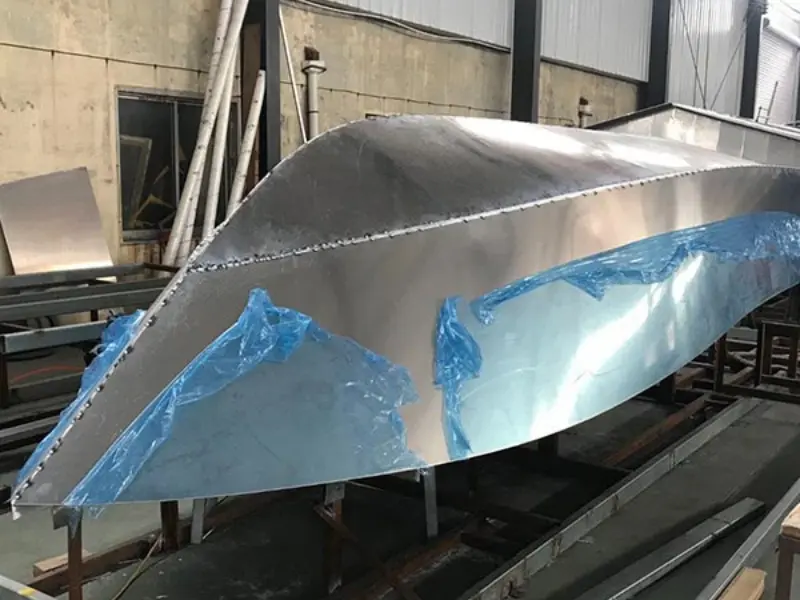
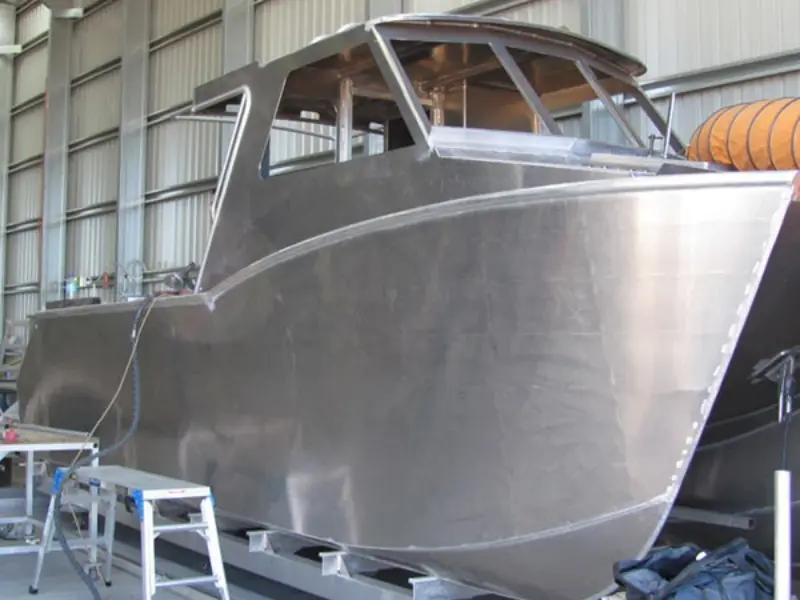
- Hull plating for aluminum boats
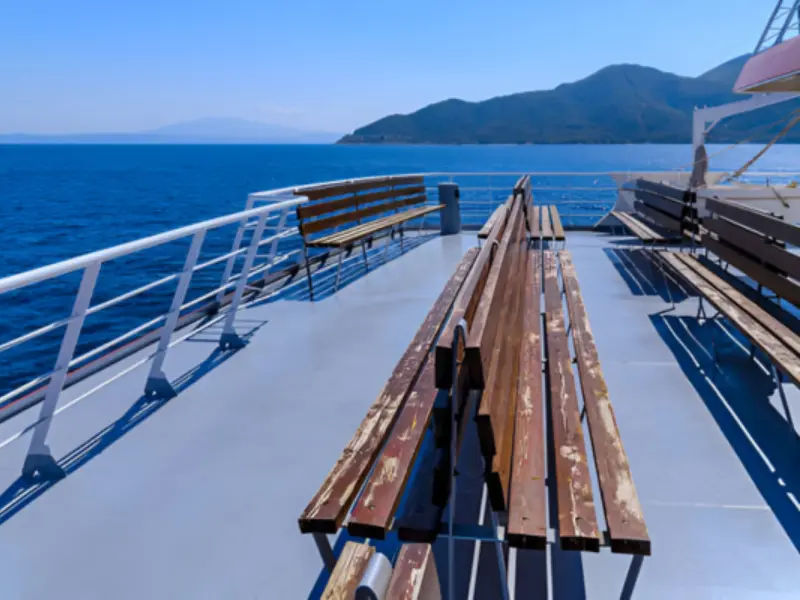
- Decks and flooring
- Bow and stern sections
- Fuel and water tanks
Commercial Shipping
- Ship superstructures
- Bulkheads and partitions
- Cargo hold liners
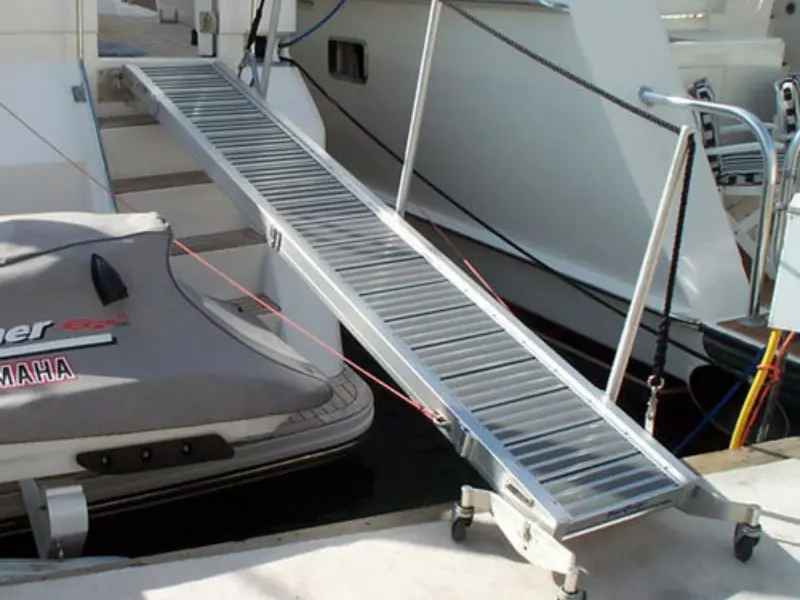
- Gangways and ladders
Offshore & Industrial
- Offshore platform walkways
- Marine pipework flanges
- Subsea enclosures
- Dock and harbor structures
Recreational & Specialty
- Yacht hulls and topsides
- Kayak and canoe frames
- Jet ski and motorboat bodies
- Naval vessels and patrol boats
How to Choose the Right Marine Aluminum Sheet
Step One: Know Your Environment
Is the part fully submerged? Often splashed? Indoors? Direct saltwater contact needs 5083 H116 or 5086 H116. Less exposed parts can use 5052 or 6061.
Step Two: Match Alloy to Function
| Function | Recommended Alloy | Temper |
|---|---|---|
| Hull plating | 5083 | H116 |
| Deck surface | 5086 | H32 |
| Fuel tank | 5083 / 5086 | H111 |
| Interior panel | 5052 | H32 |
| Structural frame | 6061 | T6 |
| Walkway / tread plate | 5052 / 5086 | H32 |
Step Three: Check Certifications
Good marine aluminum should come with:
- Mill Test Certificate (MTC)
- ABS / DNV / Lloyd’s Register Approval (for shipbuilding)
- EN 485 or ASTM B209 compliance
- H116 corrosion test report (for 5083/5086)
Product Types Available
We supply a full range of marine aluminum sheet products:
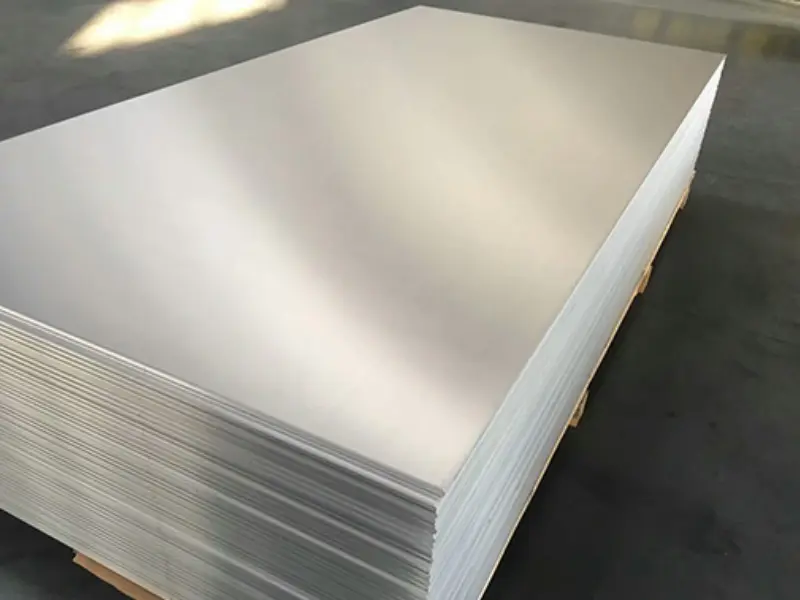
Flat Sheet
Standard rectangular sheet. Available in all marine alloys. Cut to size available. Ideal for hull panels, decks, and tank walls.
Tread Plate (Checkered Sheet)
Anti-slip surface. Popular on boat decks and gangways. Common in 5052 and 5086. Pattern types include one-bar, two-bar, and five-bar.
Anodized Sheet
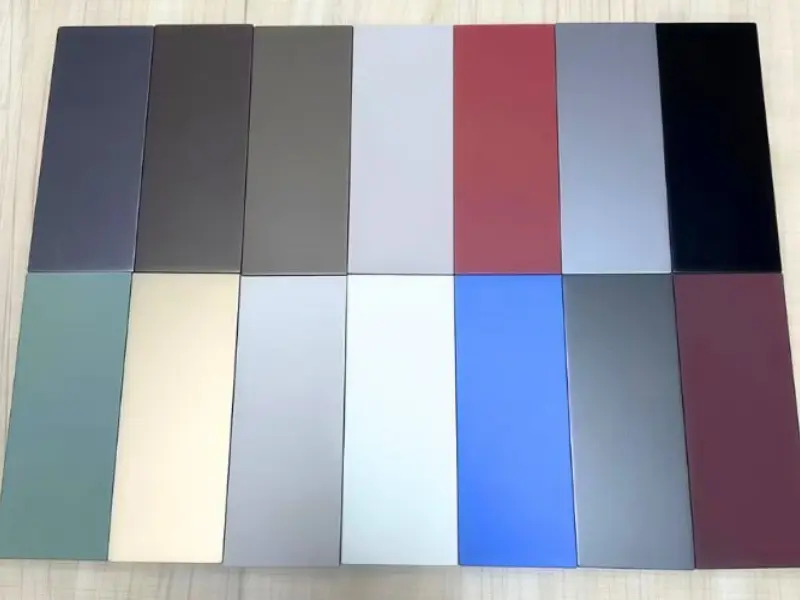
Extra surface protection through anodization. Used in interior fittings and exposed trim. Looks clean and professional.
Wide-Format Sheet
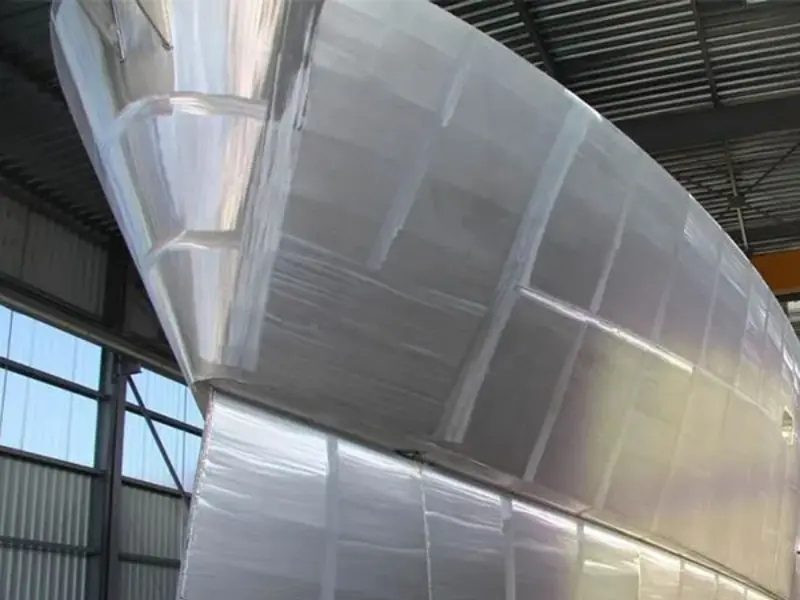
Widths up to 2500mm available. Reduces weld joints in large hull sections. Common in 5083 H116 for commercial vessels.
Coil-to-Sheet
Cut from continuous coil stock. Tight thickness tolerance. Suitable for automated fabrication and high-volume orders.
Why Source From Us
- Wide stock of 5052, 5083, 5086, and 5454 marine aluminum sheet
- Mill certifications provided with every order
- Custom cutting, slitting, and shearing available
- Fast lead times and global shipping
- ABS and DNV approved materials in stock
- Small orders and full-container loads both welcome
Marine applications demand reliable materials. Our aluminum sheet stock is tested, certified, and ready for your project. Get in touch today.
What Makes an Aluminum Sheet Suitable for Marine Use?
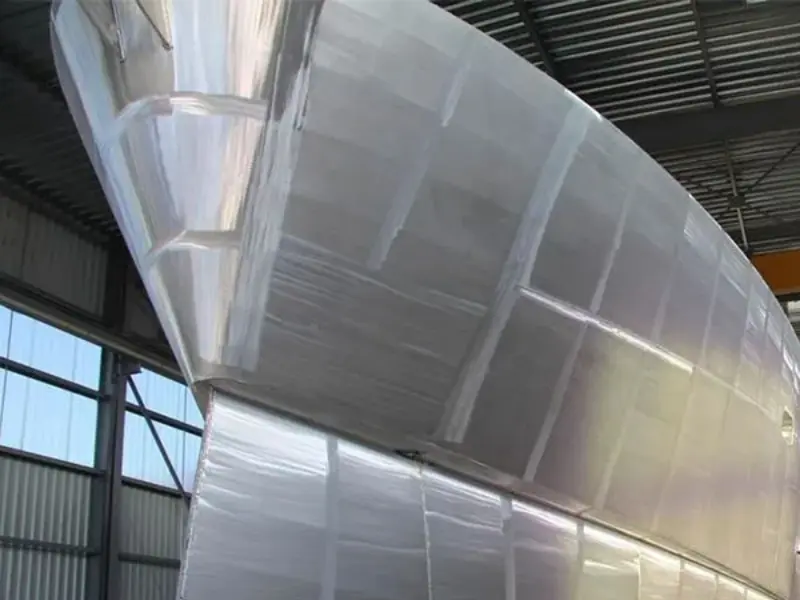
Marine aluminum is exposed to conditions that are different from normal construction.
Salt water, moisture, sunlight, temperature changes, and repeated mechanical loads can all affect the material.
For this reason, choosing an aluminum sheet for marine use is not only about strength.
A good material should offer a balance of:
Corrosion resistance → Strength → Weldability → Formability → Weight → Service life
This is why marine projects often use specific aluminum alloys instead of standard commercial sheet.
5083 vs 5052 vs 6061 for Marine Projects
Three alloys are often considered when selecting aluminum for marine fabrication.
| Alloy | Corrosion Resistance | Strength | Weldability | Formability | Marine Direction |
|---|---|---|---|---|---|
| 5052 | ★★★★★ | ★★★★ | ★★★★★ | ★★★★★ | Very Good |
| 5083 | ★★★★★ | ★★★★★ | ★★★★★ | ★★★★ | Excellent |
| 6061 | ★★★ | ★★★★★ | ★★★ | ★★★ | Selected structural parts |
5083 aluminum sheet is often preferred where high strength and excellent seawater resistance are important.
5052 aluminum sheet is useful when forming and corrosion resistance are important.
6061 aluminum offers high strength, but its suitability should be evaluated carefully for continuously immersed or highly corrosive marine environments.
The right alloy depends on the location and function of the part.
Which Alloy Should You Choose?
A simple selection method can help.
Need strong seawater resistance?
→ Consider 5083.
Need easier forming?
→ Consider 5052.
Need a balance of strength and fabrication?
→ Consider 5083 or 5052 based on the design.
Need high strength for a specific structural component?
→ 6061 may be considered where the service environment and design allow it.
This makes alloy selection more practical than choosing a material only by tensile strength.
Salt Water Changes the Material Choice
Freshwater and seawater are not the same environment.
| Environment | Corrosion Concern | Material Consideration |
|---|---|---|
| Freshwater | Lower | General marine alloys |
| Coastal air | Moderate | Good corrosion resistance |
| Saltwater splash zone | High | Marine-grade alloy |
| Direct seawater exposure | Very High | Carefully selected marine alloy |
| Offshore environment | Very High | Material and protection both matter |
For marine projects, corrosion resistance should be considered together with coating, design, drainage, fasteners, and welding.
Marine Aluminum Sheet by Location
Hull Areas
Hull material needs good corrosion resistance and adequate strength.
5083 is widely considered for demanding marine structures because of its combination of strength, weldability, and corrosion resistance.
Decks
Deck panels may need a different surface or thickness.
Checker plate or tread plate can be selected when additional slip resistance is required.
Interior Components
Interior parts may place more focus on appearance, weight, and ease of fabrication.
5052 can be useful for formed interior components.
The same alloy does not have to be used for every part of a boat.
Tanks
Marine tanks need careful material selection.
The aluminum alloy should match the liquid being stored and the service conditions.
Thickness Should Be Selected by the Job
There is no single thickness that works for every marine project.
| Thickness | General Direction |
|---|---|
| 1.0–1.5 mm | Lightweight interior parts |
| 2.0–3.0 mm | General panels |
| 4.0–6.0 mm | Heavy-duty fabricated parts |
| 8.0–12 mm | Structural or high-load components |
| 15 mm+ | Special heavy-duty requirements |
The actual thickness should be based on engineering calculations.
Hull size, span, loads, support spacing, and design requirements all affect the final choice.
Why Lightweight Aluminum Is Useful on Boats
Weight has a direct effect on marine equipment.
A lighter structure can help improve:
→ Fuel efficiency
→ Payload capacity
→ Handling
→ Acceleration
→ Transport cost
→ Installation efficiency
Aluminum can provide a useful combination of low density and mechanical performance.
This is one reason aluminum remains popular for many marine structures.
Weldability Is a Key Buying Point
Marine aluminum sheets are often welded during fabrication.
A material may have good mechanical properties but still be difficult to fabricate.
Before purchasing, check:
✓ Alloy
✓ Temper
✓ Welding process
✓ Filler metal
✓ Heat input
✓ Joint design
✓ Post-welding requirements
For welded marine structures, the strength of the heat-affected zone should also be considered during design.
H116 and H321 Marine Aluminum
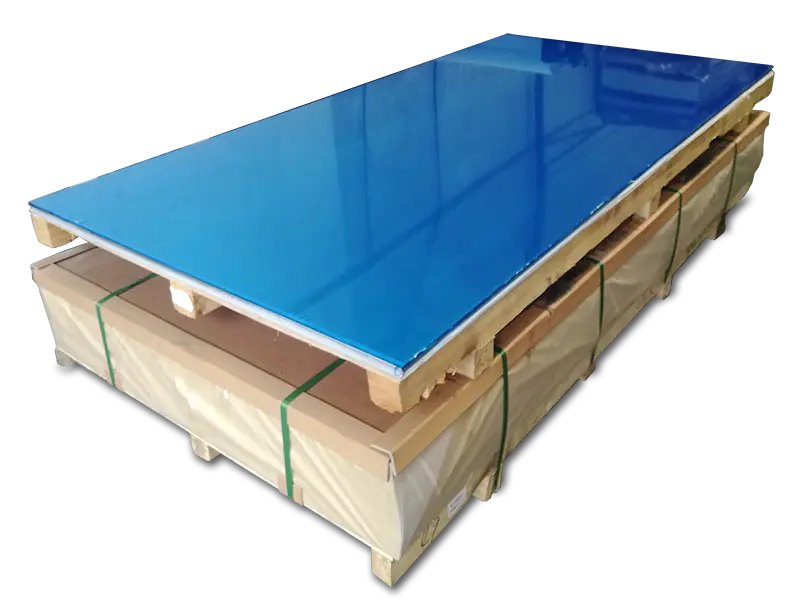
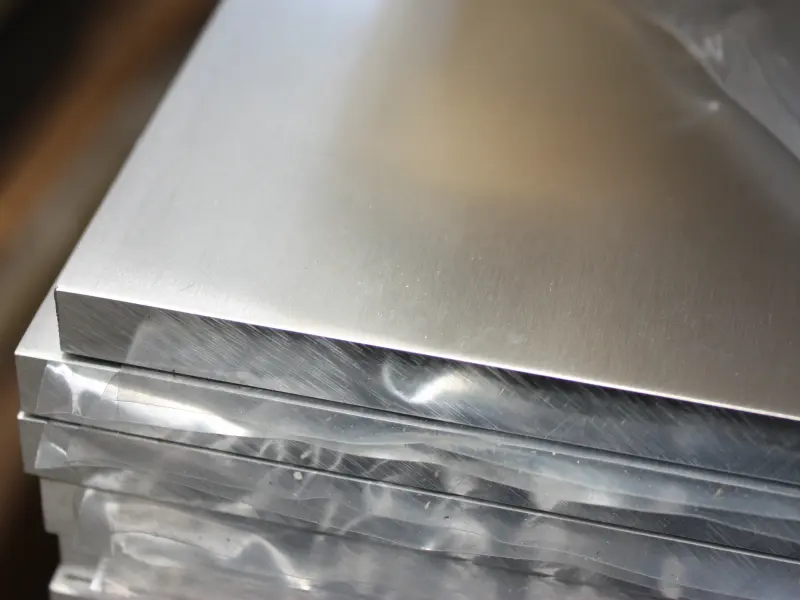
For some marine applications, buyers may specifically ask for tempers such as H116 or H321.
These tempers are associated with aluminum products intended for marine and structural applications.
| Temper | General Direction |
|---|---|
| O | Soft and highly formable |
| H14 | Moderate strength and good forming |
| H116 | Marine-oriented plate condition |
| H321 | Marine/structural applications |
| T6 | High strength, but application-dependent |
Temper selection should be based on the alloy, thickness, forming process, and final service environment.
Smooth Sheet or Tread Plate?
The surface design can also be selected according to the marine application.
| Surface | Main Feature | Typical Direction |
|---|---|---|
| Smooth | Clean and easy to fabricate | Hulls and panels |
| Brushed | Decorative appearance | Interior areas |
| Anodized | Surface protection and appearance | Selected components |
| Tread | Improved foot grip | Decks and walkways |
| Stucco embossed | Textured appearance | Special panels |
For areas where people walk, tread aluminum can offer a practical advantage.
Marine Aluminum Sheet vs Steel
Aluminum and steel have different characteristics.
| Factor | Aluminum | Steel |
|---|---|---|
| Weight | Lower | Higher |
| Corrosion behavior | Good with suitable alloy | Requires protection |
| Fabrication | Good | Good |
| Strength | Good | Very high |
| Maintenance | Often easier | Depends on coating system |
| Marine use | Widely used | Also widely used |
The best choice depends on the vessel design, required strength, budget, and operating environment.
Marine Aluminum Sheet vs Stainless Steel
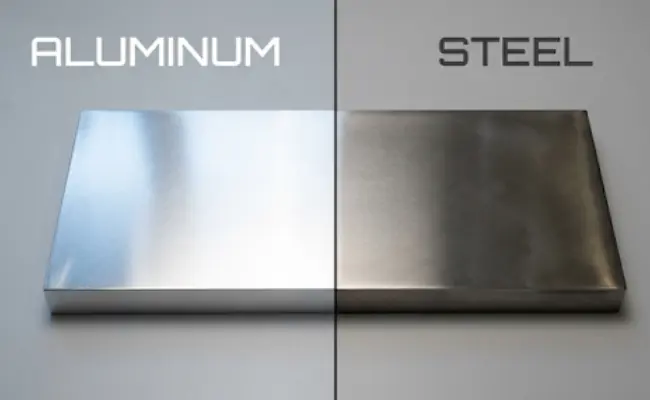
Stainless steel is highly corrosion resistant in many environments, but it is much heavier than aluminum.
| Feature | Aluminum | Stainless Steel |
|---|---|---|
| Density | Low | High |
| Weight saving | Excellent | Limited |
| Corrosion resistance | Very Good with suitable alloy | Excellent |
| Welding | Requires suitable process | Good |
| Cost | Often competitive | Usually higher material cost |
| Large structures | Weight advantage | Higher weight |
For weight-sensitive marine structures, aluminum can provide an important advantage.
Surface Protection Is Still Important
Good marine aluminum does not mean that surface protection can be ignored.
A complete system should consider:
Aluminum alloy
↓
Surface preparation
↓
Coating or anodizing
↓
Drainage
↓
Fastener selection
↓
Electrical isolation
↓
Regular inspection
This is especially important when aluminum is connected to other metals.
Avoiding Galvanic Corrosion
One important issue in marine fabrication is contact between dissimilar metals.
For example, aluminum may be connected with:
- Stainless steel
- Carbon steel
- Copper
- Brass
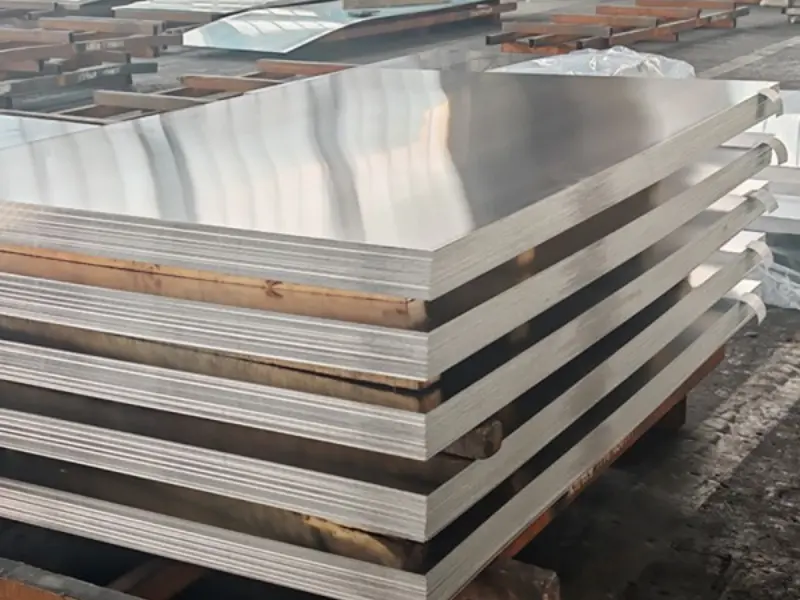
In a wet or salty environment, this contact can create galvanic corrosion.
Suitable isolation methods may include:
→ Insulating washers
→ Protective coatings
→ Non-conductive barriers
→ Suitable sealants
→ Correct fastener selection
The exact solution should follow the project design and marine engineering requirements.
A Simple Marine Material Selection Flow
You can also add this visual-style section to the page:
Marine Environment
↓
Freshwater / Coastal / Seawater / Offshore
↓
Required Strength
↓
Required Formability
↓
Welding Method
↓
Alloy Selection
↓
Temper Selection
↓
Thickness Selection
↓
Surface Protection
↓
Final Aluminum Sheet
This type of content is useful because it answers the buyer’s real question: “Which aluminum sheet should I buy?”
Common Marine Aluminum Combinations
Different components may use different materials.
| Marine Component | Possible Aluminum Choice |
|---|---|
| Boat hull | 5083 |
| Hull plate | 5083 |
| Formed panels | 5052 |
| Deck plate | 5052 / 5083 |
| Tread deck | 5052 / 5083 |
| Marine tank | Alloy selected by contents |
| Interior panels | 5052 |
| Structural components | 5083 / application-specific alloy |
| Machined parts | 6061 for suitable locations |
These are general material directions. Engineering requirements should always control the final selection.
How to Buy Aluminum Sheet for Marine Fabrication
Price should not be the only factor.
A lower-priced sheet may not provide the right alloy, temper, tolerance, or surface quality.
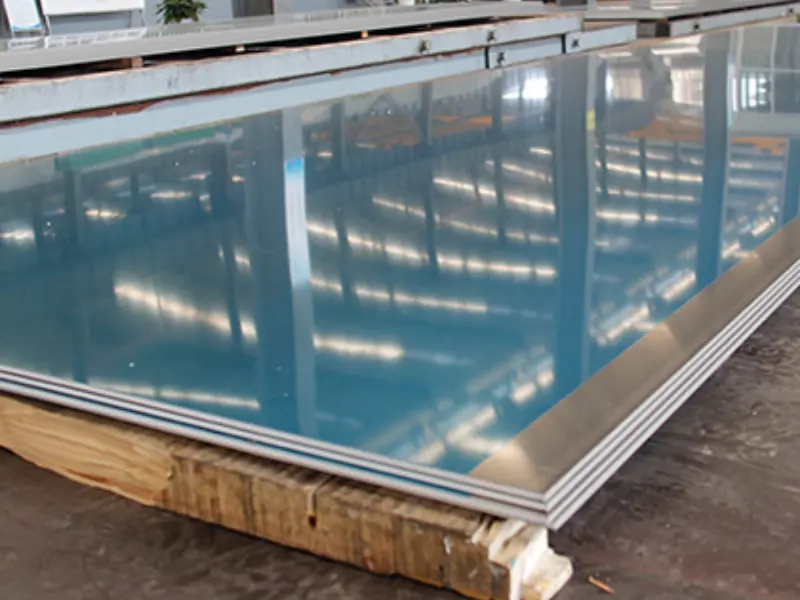
Before ordering, compare:
→ Alloy
→ Temper
→ Thickness
→ Width
→ Length
→ Flatness
→ Surface quality
→ Mechanical properties
→ Certification
→ Packaging
→ Delivery time
This gives buyers a better basis for comparing suppliers.
What Should Be Included in a Marine Aluminum RFQ?
A clear inquiry can save time during quotation.
| Item | Example |
|---|---|
| Product | Marine Aluminum Sheet |
| Alloy | 5083 |
| Temper | H116 |
| Thickness | 6 mm |
| Width | 1500 mm |
| Length | 3000 mm |
| Surface | Mill finish |
| Quantity | 20 MT |
| Standard | Customer requirement |
| Application | Boat hull |
| Certificate | Required |
For special projects, drawings and technical specifications can be attached to the inquiry.
Small Details That Can Improve Project Results
Many purchasing problems come from small details rather than the alloy itself.
Before production, confirm:
✓ Thickness tolerance
✓ Width tolerance
✓ Length tolerance
✓ Flatness
✓ Edge condition
✓ Surface scratches
✓ Packaging method
✓ Material certificate
✓ Batch consistency
For large marine projects, consistent material quality is especially important.
Custom Marine Aluminum Sheet Supply
Our factory can supply aluminum sheets and plates for different marine fabrication needs.
Available options can include:
| Item | Options |
|---|---|
| Alloy | 5052 / 5083 / 6061 and others |
| Temper | O / H14 / H116 / H321 / T6 and others |
| Thickness | Customized |
| Width | Customized |
| Length | Customized |
| Surface | Mill / anodized / coated / tread |
| Shape | Sheet / plate / cut-to-size |
| Edge | Mill / cut edge |
| Packaging | Export seaworthy packaging |
| Certification | Available according to order |
For large orders, the material can be produced according to customer drawings and project requirements.
A Better Way to Compare Marine Aluminum Suppliers
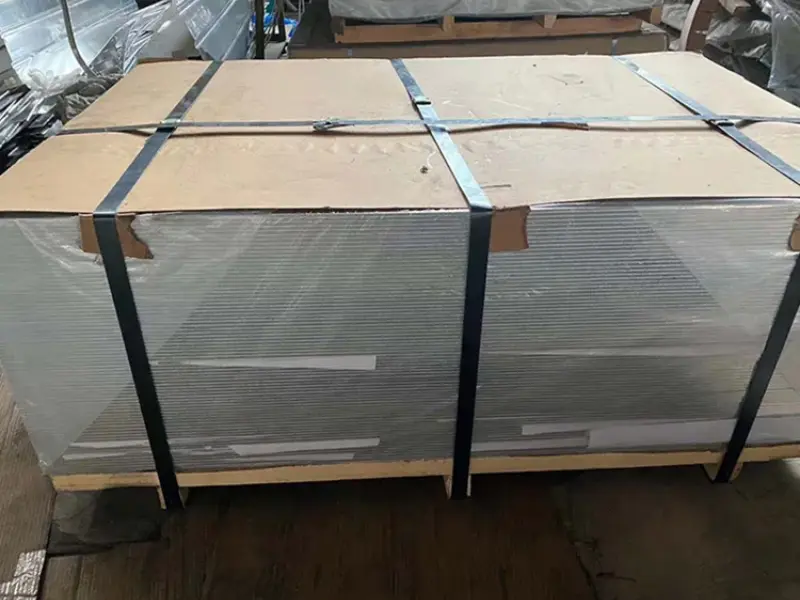
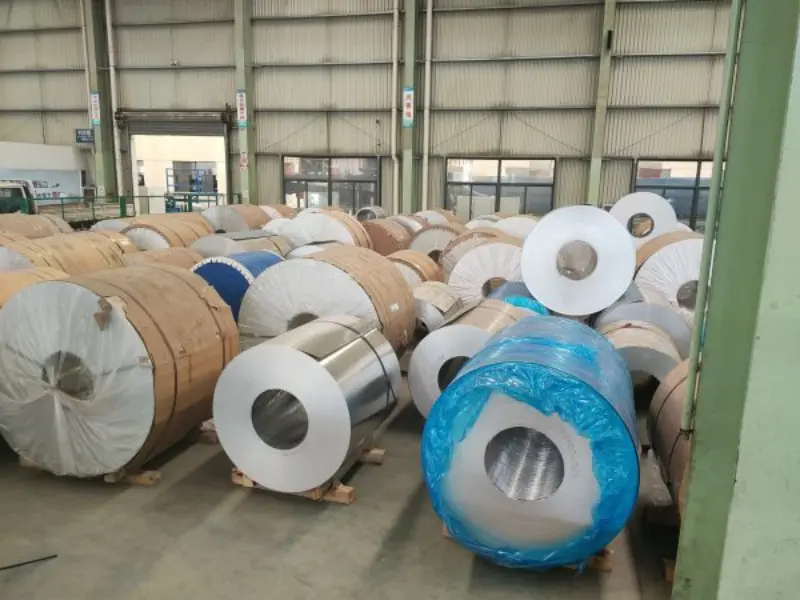
Instead of comparing suppliers only by price per ton, use a wider comparison.
| Comparison Point | Supplier A | Supplier B | Supplier C |
|---|---|---|---|
| Alloy consistency | ✓ | ✓ | ✓ |
| Temper options | ✓ | — | ✓ |
| Custom size | ✓ | ✓ | — |
| Marine-grade options | ✓ | ✓ | ✓ |
| Inspection | ✓ | — | ✓ |
| Export packaging | ✓ | ✓ | ✓ |
| Custom cutting | ✓ | — | ✓ |
| Technical support | ✓ | — | ✓ |
This gives buyers a clearer picture of the actual supply value.
FAQ
What is the best aluminum alloy for boat hulls?
5083 H116 is widely regarded as the best choice. It has the highest strength in the 5xxx series, excellent weldability, and passes marine corrosion tests. It is used in commercial ships, naval vessels, and large aluminum boats.
Is 5052 aluminum good for marine use?
Yes, for lighter applications. 5052 handles moderate saltwater exposure well. It is more affordable and easier to form. However, for structural hulls, 5083 or 5086 is a better choice.
What does H116 temper mean?
H116 is a special temper for 5083 and 5086 alloys. It means the sheet has been tested for resistance to exfoliation and intergranular corrosion in saltwater. It is the standard temper required for marine hull certification.
Can 6061 aluminum be used in marine environments?
6061 can be used in marine settings, but it is less resistant to saltwater than 5xxx series alloys. It is best for above-waterline structures, frames, and fittings — not for direct hull plating or submerged parts.
How do I get a quote for marine aluminum sheet?
Contact us with your alloy grade, temper, thickness, width, length, and quantity. We will provide a fast quote with full material documentation.
How thick should aluminum sheet be for a boat hull?
It depends on the vessel size:
- Small dinghies or tenders: 3–4mm
- Mid-size fishing boats: 4–6mm
- Large motorboats or yachts: 6–8mm
- Commercial vessels: 8–12mm or more
What certifications should marine aluminum have?
Look for ASTM B209, EN 485-2, and classification society approvals such as ABS, DNV GL, BV, or Lloyd’s Register. These confirm the material meets safety and quality standards for marine use.