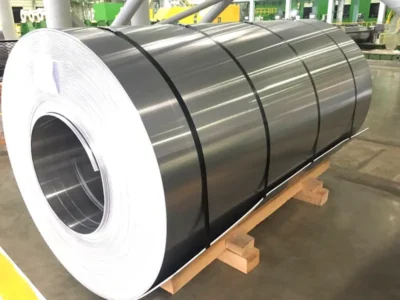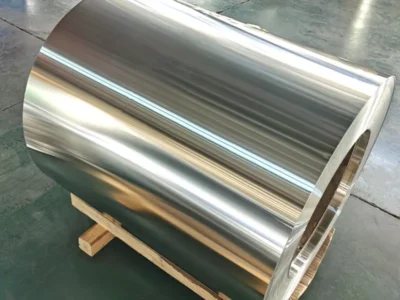
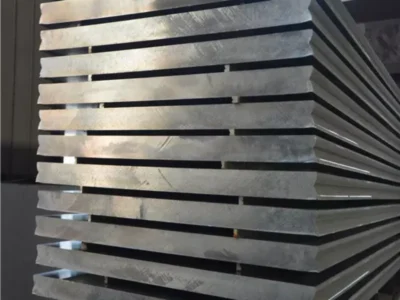
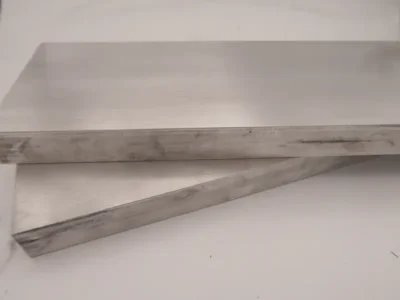
Aluminum plates cover a wide range of flat aluminum products used in industrial, automotive, and identification applications. The term “plate” can mean a thick structural sheet, a thin engraved tag, or a specialized component like a skid plate or heat transfer plate. Each type serves a different job, but all share the same base material benefits: light weight, corrosion resistance, and easy fabrication.
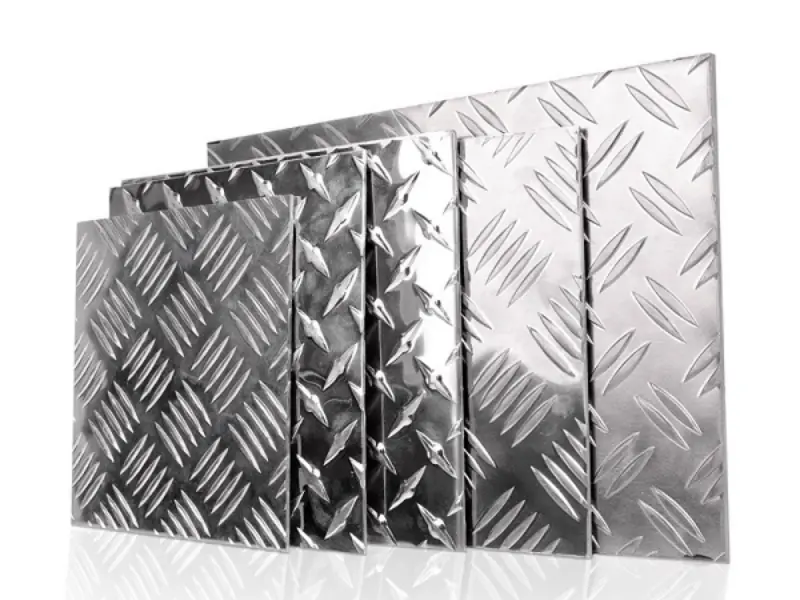
Alloy Types Used Across Aluminum Plate Products
| Alloy | Strength Level | Key Trait | Common Plate Use |
|---|---|---|---|
| 1100 | Low | Soft, easy to engrave | Name plates, small tags |
| 3003 | Medium | Good corrosion resistance | General fabrication, dock plates |
| 5052 | Medium-High | Strong, marine grade | Heat transfer plates, marine plates |
| 5083 | High | Excellent toughness | Skid plates, structural plates |
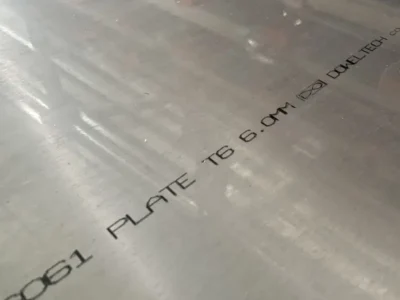
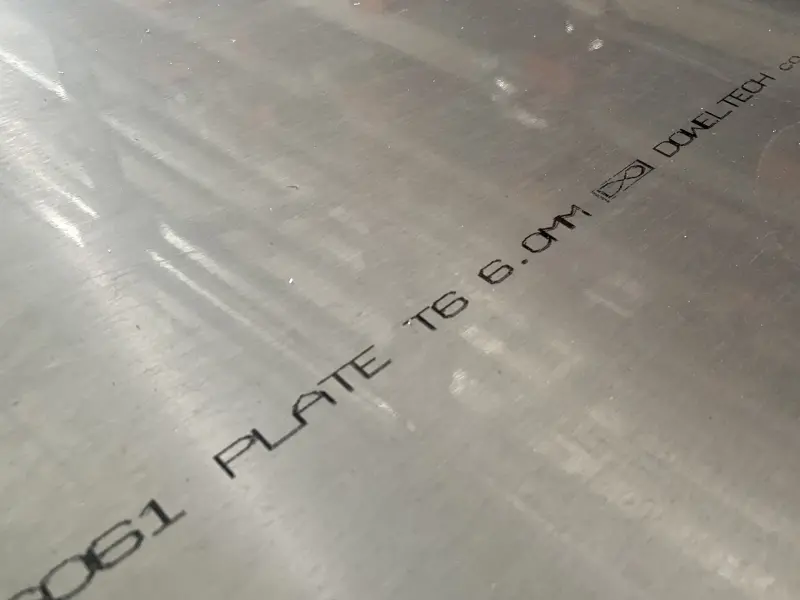
| 6061 | Medium-High | Versatile, weldable | Skid plates, mounting plates |
| 7075 | Highest | Premium strength | Heavy-duty skid plates, off-road parts |
Aluminum Skid Plates
What Is an Aluminum Skid Plate?
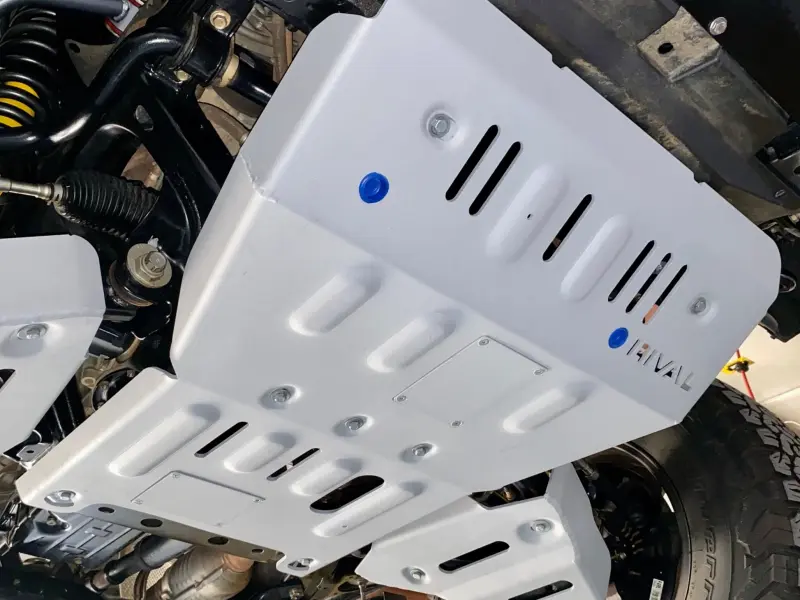
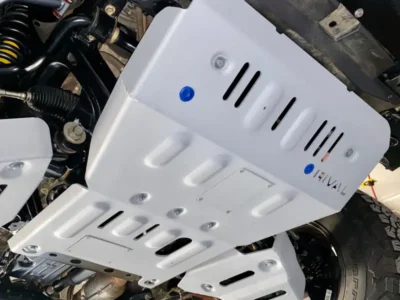
A skid plate protects the underside of a vehicle from rocks, debris, and impact damage. It bolts onto the frame near the engine, transmission, or fuel tank. Off-road trucks, Jeeps, and ATVs commonly use this part.
Aluminum vs Steel Skid Plates
| Feature | Aluminum Skid Plate | Steel Skid Plate |
|---|---|---|
| Weight | Lighter | Heavier |
| Strength | Good, dents on hard impact | Excellent, very durable |
| Corrosion resistance | Excellent | Needs coating |
| Cost | Higher | Lower |
| Best for | Weight-conscious builds | Heavy off-roading |
Aluminum skid plates suit drivers who want to save weight without sacrificing protection. Steel still wins for the most extreme rock-crawling conditions, since it resists deep punctures better. Many builders choose 6061 or 5083 aluminum plate for a good balance of strength and weight.
Common Skid Plate Thickness
| Thickness | Application |
|---|---|
| 3 mm | Light-duty cars, daily drivers |
| 5 mm | Mid-size trucks, moderate off-road |
| 6–8 mm | Heavy off-road, rock crawling |
Aluminum Name Plates
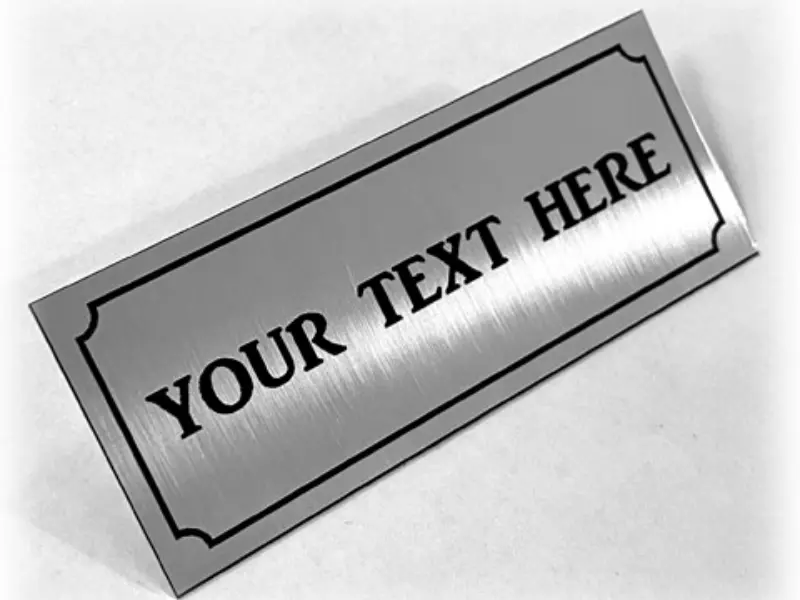
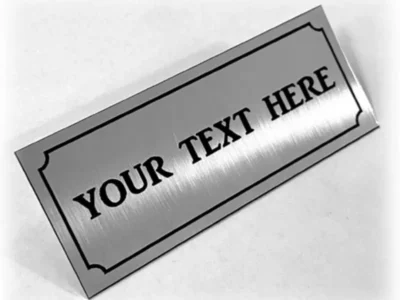
Name plates identify equipment, products, or people. They are usually small, flat, and engraved or printed with text and logos.
Engraving on Aluminum Plates
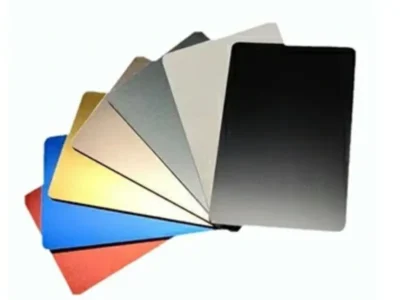
Aluminum plates for engraving come in anodized colors so the engraved text shows a contrasting color underneath. A black anodized plate, for example, reveals a silver line wherever the engraving tool cuts. This makes text easy to read without paint or ink.
| Anodized Color | Reveal Color | Common Use |
|---|---|---|
| Black | Silver | Equipment tags, machine labels |
| Blue | Silver | Industrial signage |
| Red | Silver | Safety warning tags |
| Gold | Silver | Decorative nameplates |
Custom aluminum plates for name tags typically use 1100 or 5052 alloy at 0.5–1.5 mm thickness. The soft surface engraves cleanly without cracking.
Anodized Aluminum Plates
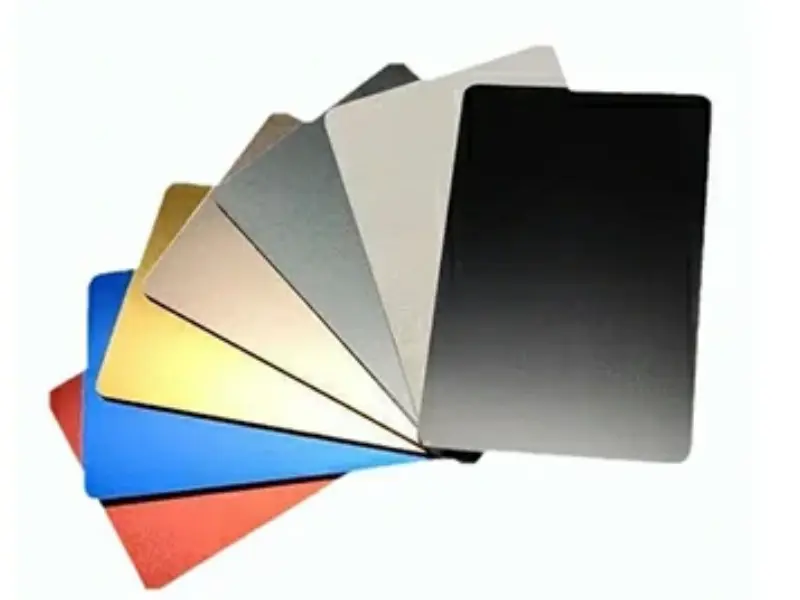
Anodizing adds a protective oxide layer to the surface. This layer resists corrosion, adds color options, and improves surface hardness.
Why Choose Anodized Plate?
- Resists scratching better than bare aluminum
- Available in many colors for branding or coding
- Holds up outdoors without fading quickly
- Works well for engraved name plates and equipment labels
Anodized aluminum plates are common in name plates, control panel labels, and architectural trim. The anodizing process does not change the plate’s strength much, but it does add years to its outdoor lifespan.
Aluminum Heat Transfer Plates
What Do Heat Transfer Plates Do?
Heat transfer plates spread warmth evenly across radiant floor heating systems. They sit between the subfloor and the finished floor, channeling heat from PEX tubing outward across a wider area.
Aluminum Plates for Radiant Floor Heat
Aluminum is the standard material for this job because it conducts heat far better than steel or plastic. A well-fitted aluminum heat transfer plate can reduce the number of tubing runs needed and heat up a room faster.
| Plate Type | Tubing Size | Coverage Width | Material |
|---|---|---|---|
| Standard transfer plate | 1/2 inch PEX | 4–5 inches | 1100 / 3003 aluminum |
| Wide transfer plate | 5/8 inch PEX | 6–8 inches | 3003 aluminum |
| Extruded transfer plate | 1/2 inch PEX | 8+ inches | 6063 aluminum extrusion |
Thicker plates (1.0–1.5 mm) spread heat over a wider area but cost more per linear foot. Thinner plates are common in budget installations where tubing spacing is tighter.
Aluminum Dock Plates
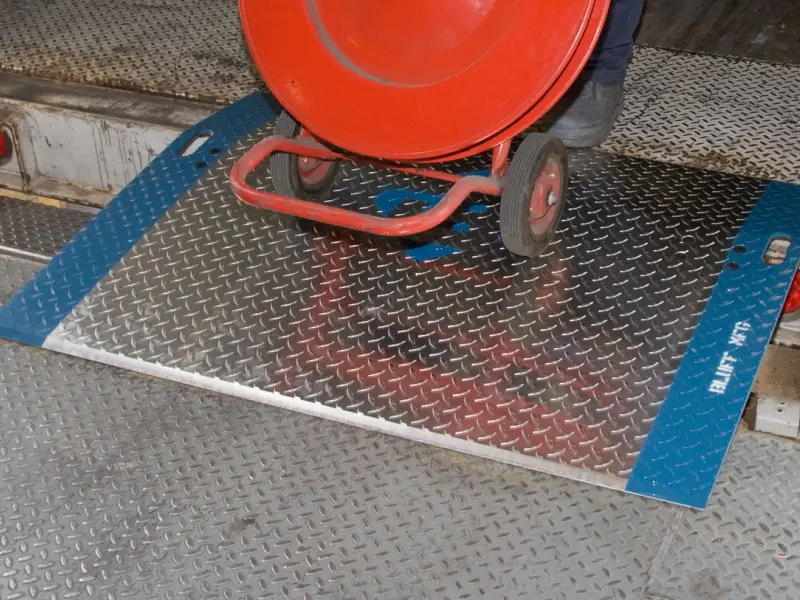
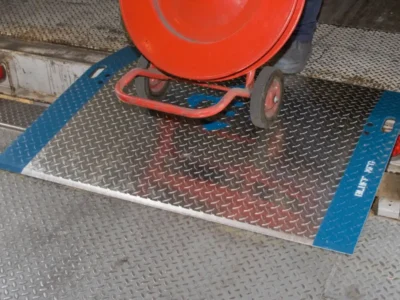
Dock plates bridge the gap between a loading dock and a truck bed, or between uneven floor levels in a warehouse. They need to hold heavy rolling loads like forklifts and pallet jacks without bending.
Key Specs for Dock Plates
| Spec | Typical Range |
|---|---|
| Thickness | 6–12 mm |
| Load capacity | 5,000–20,000 lbs |
| Alloy | 6061 or 5083 |
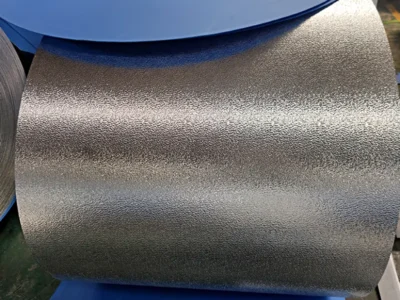
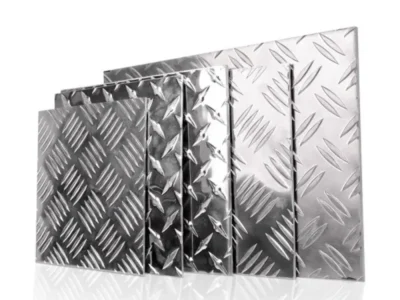
| Surface | Tread pattern (diamond or bar) for grip |
A tread or diamond pattern is almost always rolled into the surface. This prevents slipping when wheels or foot traffic cross the plate in wet or oily conditions.
Aluminum Quench Plates
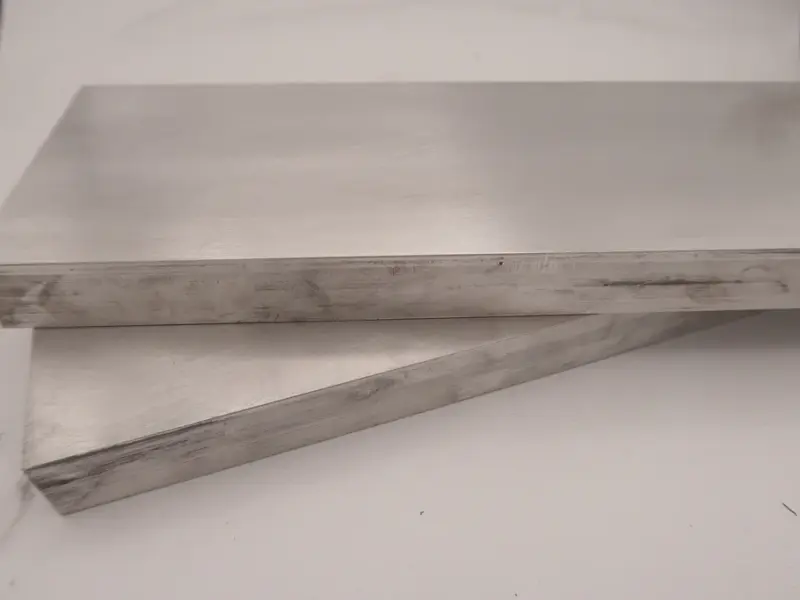
Quench plates are used in heat treatment processes. They hold metal parts flat and provide even contact during the cooling stage after heating, helping prevent warping. Aluminum is chosen for its high thermal conductivity, which pulls heat away from the part quickly and evenly.
These plates are usually thick, flat-ground, and made from 6061 or similar wrought alloys for dimensional stability under repeated heat cycles.
Aluminum Printing Plates
Printing plates are thin aluminum sheets coated with a light-sensitive layer, used in offset lithography. The image is etched or exposed onto the plate surface, then ink adheres only to the image areas during the printing press run.
| Plate Type | Thickness | Use |
|---|---|---|
| Positive plate | 0.15–0.3 mm | Standard offset printing |
| Negative plate | 0.15–0.3 mm | High-volume commercial printing |
| Thermal CTP plate | 0.15–0.3 mm | Computer-to-plate digital workflow |
This is a specialized product within the broader aluminum plate category, mostly used by commercial print shops and newspaper publishers.
Sublimation Aluminum Plates
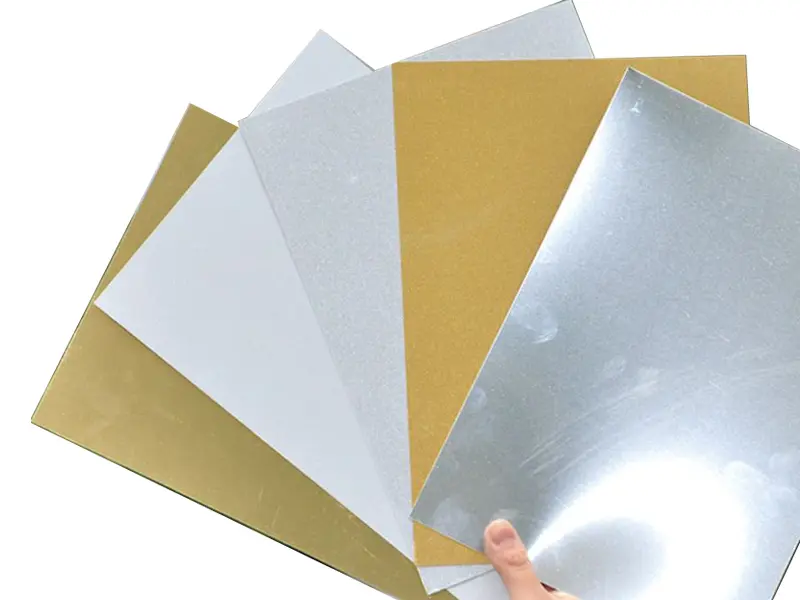
Sublimation aluminum plates carry a white polymer coating that bonds with dye-sublimation ink under heat press. Unlike printing plates used in offset presses, these are decorative — used for personalized photo gifts, awards, and signage.
- Common thickness: 0.45–1.0 mm
- Common alloy: 1100 or 3003
- Finish: gloss, matte, or satin white coating
Custom Aluminum Plates
Many suppliers offer custom aluminum plates cut to specific shapes, sizes, and finishes. This covers a broad range of needs:
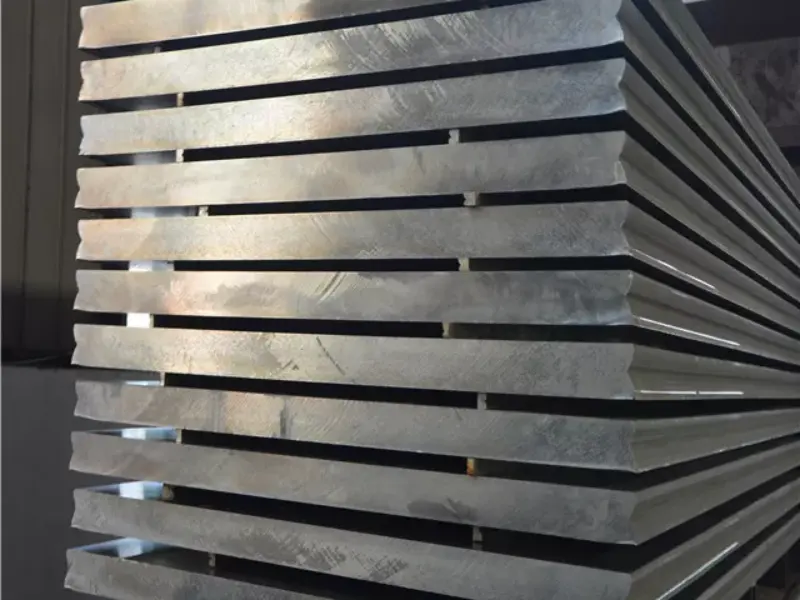
- Custom cut shapes — laser, waterjet, or CNC router cut to a drawing or template
- Custom thickness — anything from thin engraving stock to thick structural plate
- Custom finish — anodized, painted, brushed, or mill finish
- Custom drilling — pre-drilled mounting holes to a specified pattern
Custom orders are common for replacement skid plates, branded name plates, and specialty industrial parts that don’t match an off-the-shelf size.
Small Aluminum Plates and Where to Find Them
Small aluminum plates are used for tags, washers, spacers, and craft projects. These are typically sold in pre-cut sizes ranging from a few centimeters up to small sheet sizes.
Where to Buy Aluminum Plates
| Source | Best For |
|---|---|
| Hardware stores (e.g. Home Depot) | Small quantities, standard sizes, fast pickup |
| Online metal suppliers | Custom sizes, bulk orders, wider alloy choice |
| Specialty fabricators | Engraved, anodized, or precision-cut plates |
| Local metal shops | Custom cuts, same-day service in some areas |
Searching for aluminum plates for sale near me or checking a hardware store’s metal aisle works well for small, standard-size needs. For custom thickness, alloy, or bulk orders, a metal supplier or fabricator is usually the better source.
Aluminum Plates in Sports and Equipment
Roller Skates with Aluminum Plates
Roller skate plates connect the boot to the wheels and trucks. Aluminum plates are popular in performance and derby skates because they are lighter than nylon or composite plates, which improves responsiveness and reduces fatigue during long sessions.
| Plate Material | Weight | Stiffness | Best For |
|---|---|---|---|
| Aluminum | Light | High | Speed skating, derby |
| Nylon | Lighter | Low-Medium | Recreational skating |
| Composite | Medium | Medium-High | All-around performance |
Frequently Asked Questions
What Thickness of Aluminum Plate Is Best for a Skid Plate?
Most off-road builds use 5–8 mm aluminum plate for skid plates. Lighter daily-driven vehicles can use 3 mm plate for basic protection, while serious rock crawling calls for 6–8 mm in a tougher alloy like 5083 or 6061.
Can Aluminum Plates Go in the Microwave?
No. Aluminum plates should never go in a microwave. Metal reflects microwaves instead of absorbing them, which can cause sparking, damage the appliance, and create a fire risk. This applies to anodized, mill-finish, and disposable foil-style aluminum plates alike.
Are Aluminum Plates Microwave Safe in Any Form?
No form of solid aluminum plate is microwave safe. Even thin aluminum foil plates can spark and ignite inside a microwave. Aluminum plates are fine for oven use, grilling, or food service at room temperature, but never for microwave heating.
What Is the Difference Between Anodized and Mill Finish Aluminum Plate?
Mill finish is the raw, untreated surface straight from rolling. Anodized plate has an added oxide layer that improves corrosion resistance and allows for color options. Anodized plate costs more but lasts longer outdoors and resists scratching better.
How Do You Engrave Aluminum Plates?
Engraving is typically done with a rotary engraving tool or laser engraver. Anodized plates work best because the engraving cuts through the colored top layer, revealing the silver aluminum underneath for sharp contrast. Mill-finish plates can also be engraved, though the result has less visual contrast.
What Alloy Is Best for Heat Transfer Plates in Radiant Floor Heating?
1100 and 3003 aluminum are the standard choices. Both conduct heat efficiently and are easy to stamp into the channel shapes needed to hold PEX tubing. Thicker, wider plates spread heat over a larger floor area but increase material cost.
Where Can I Buy Aluminum Plates Near Me?
Hardware stores carry small standard sizes for quick pickup. For custom sizes, specific alloys, or bulk orders, a metal distributor or online supplier offers a wider range of thickness, alloy, and finish options than a typical retail store.
What Is a Dock Plate Used For?
A dock plate bridges the gap between a loading dock and a trailer bed, or between two uneven floor surfaces. It allows forklifts and pallet jacks to roll safely between the two levels without a drop-off or gap.
Can Aluminum Plates Be Welded?
Yes, most structural aluminum plate alloys like 5083 and 6061 weld well with proper TIG or MIG technique and matching filler rod. Some alloys, like 7075, are harder to weld and are better suited to bolted or riveted assembly instead.