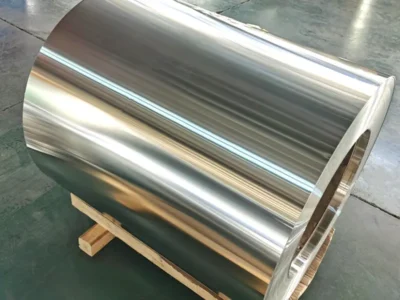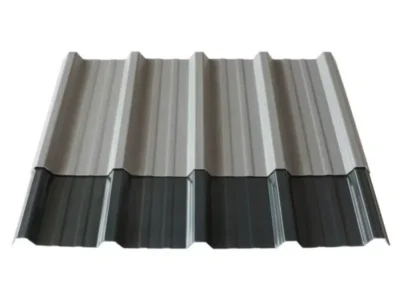
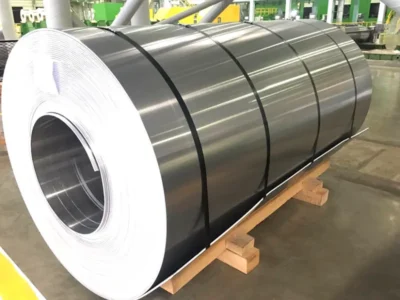
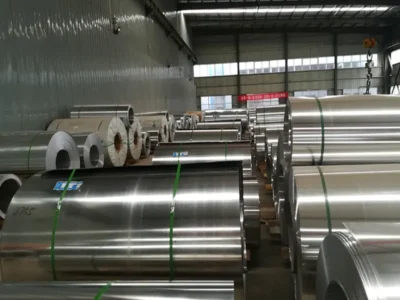

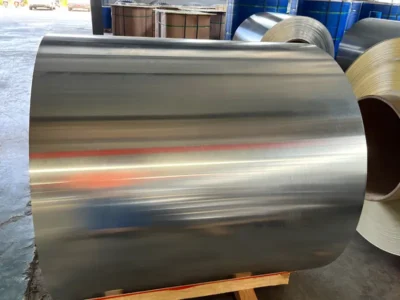
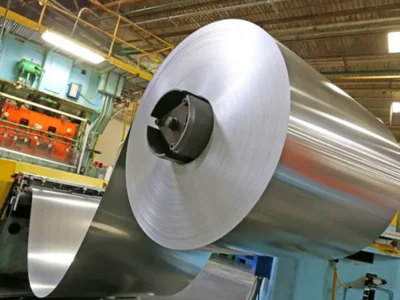

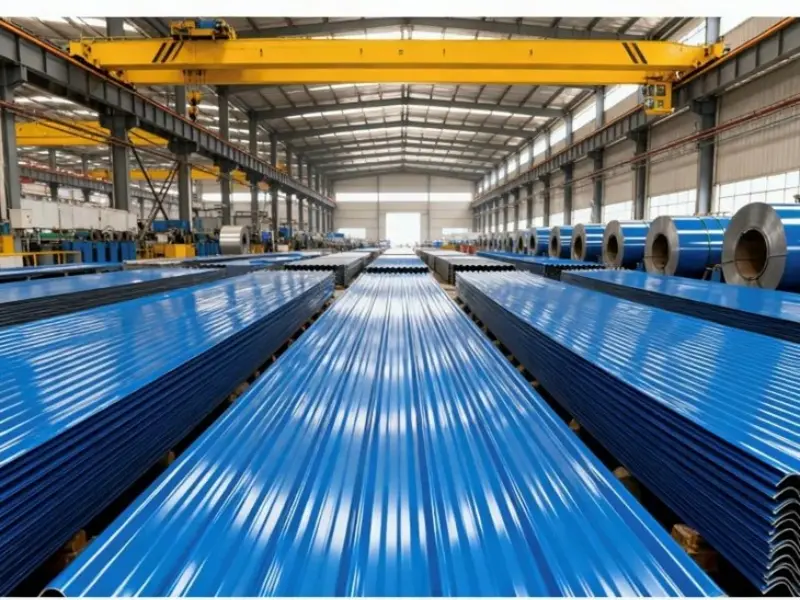
Aluminum roofing coil is widely used in modern roofing and building projects. It is lightweight, easy to form, and suitable for many outdoor applications.
Manufacturers use it to produce roofing sheets, corrugated panels, standing seam roofs, roof flashing, gutters, and other building components.
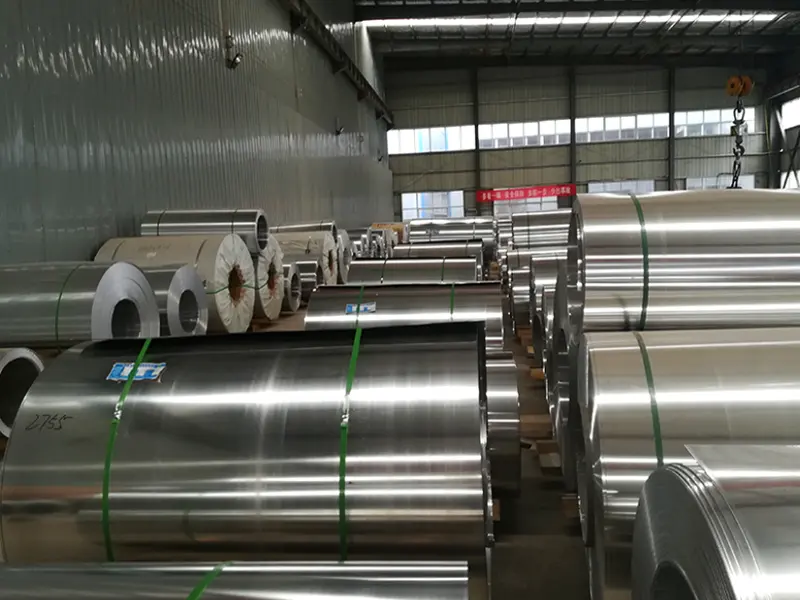
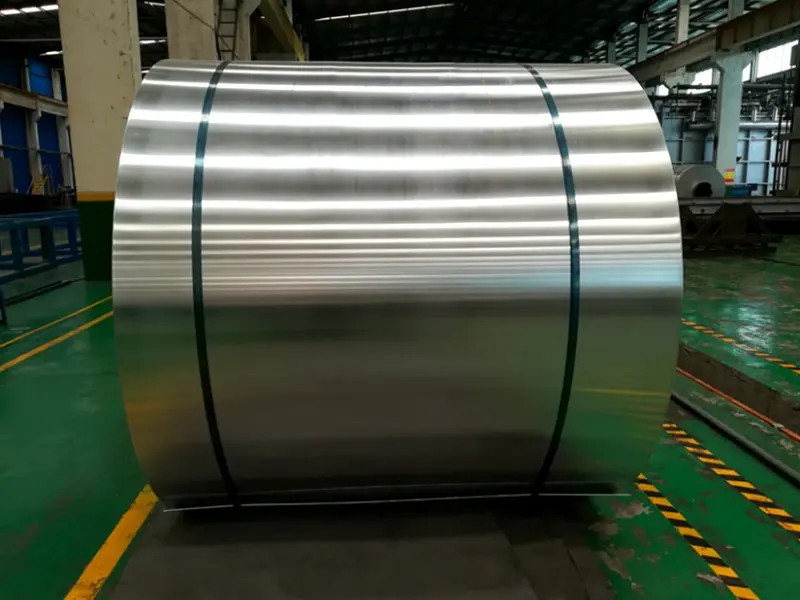
Choosing the right aluminum roofing coil depends on several factors. These include alloy, temper, thickness, coil width, surface finish, and the local weather conditions.
A suitable material can improve forming performance, reduce waste, and help extend the service life of a roofing system.
What Is Aluminum Roofing Coil?
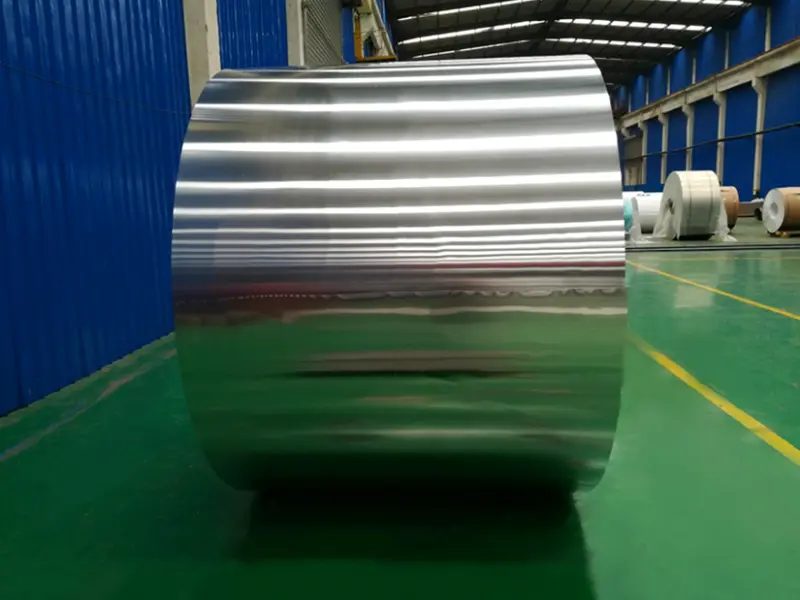
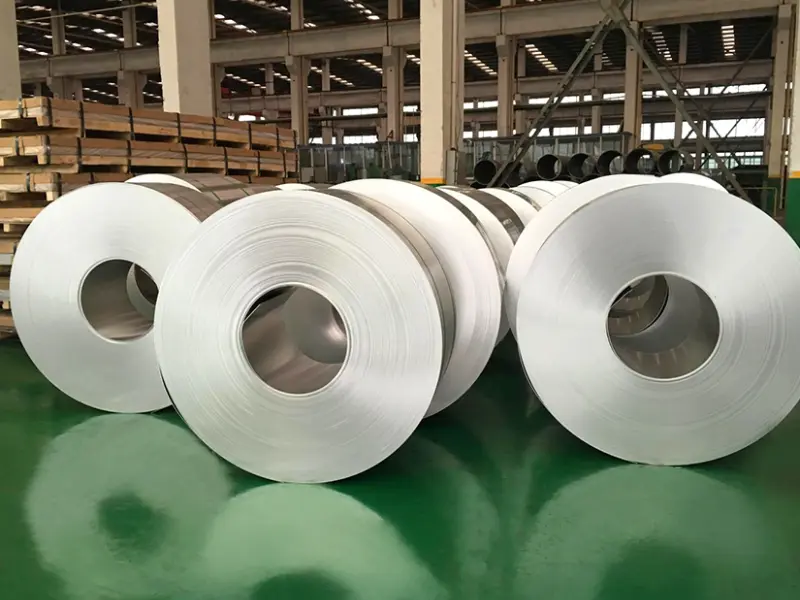
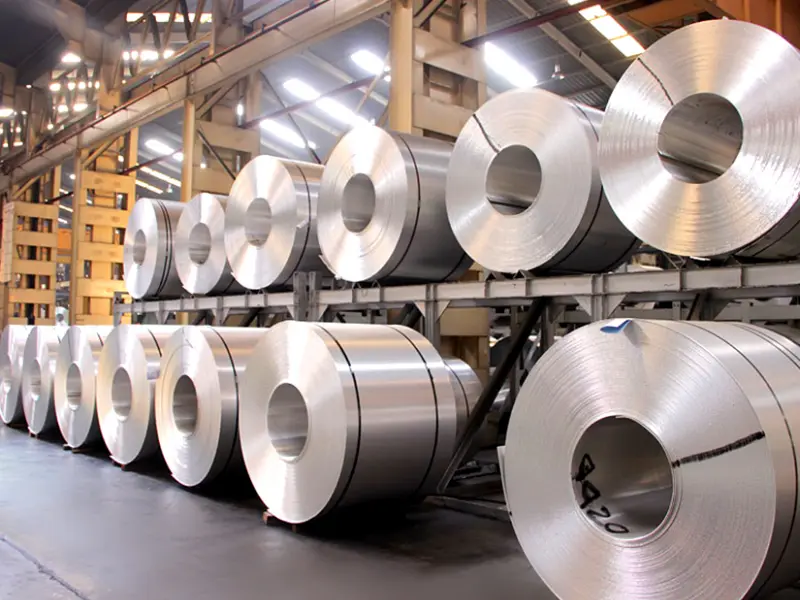
Aluminum roofing coil is aluminum rolled into a continuous coil for roofing and building applications. It can be supplied with a mill finish, a painted surface, or other protective finishes. Roofing manufacturers process the coil into different profiles according to project requirements.
The coil format is convenient for continuous production. It can be fed into roll-forming equipment to produce long roofing panels with consistent dimensions. This helps reduce material waste and makes large roofing projects easier to manage.
Common finished products include:
- Corrugated aluminum roofing sheets
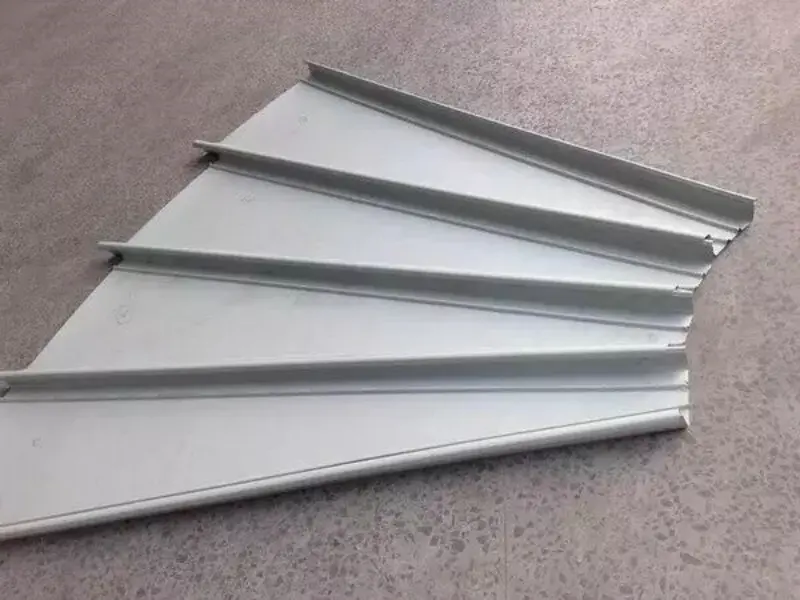
- Standing seam roofing panels
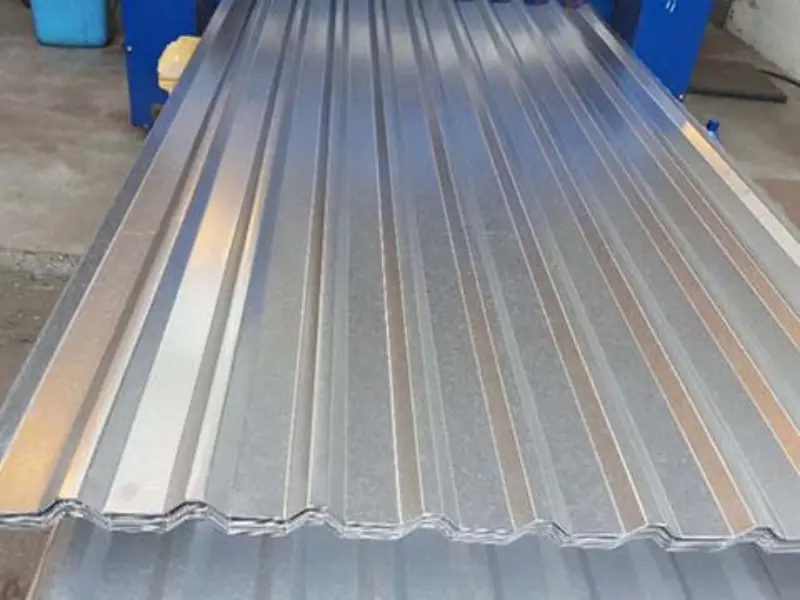
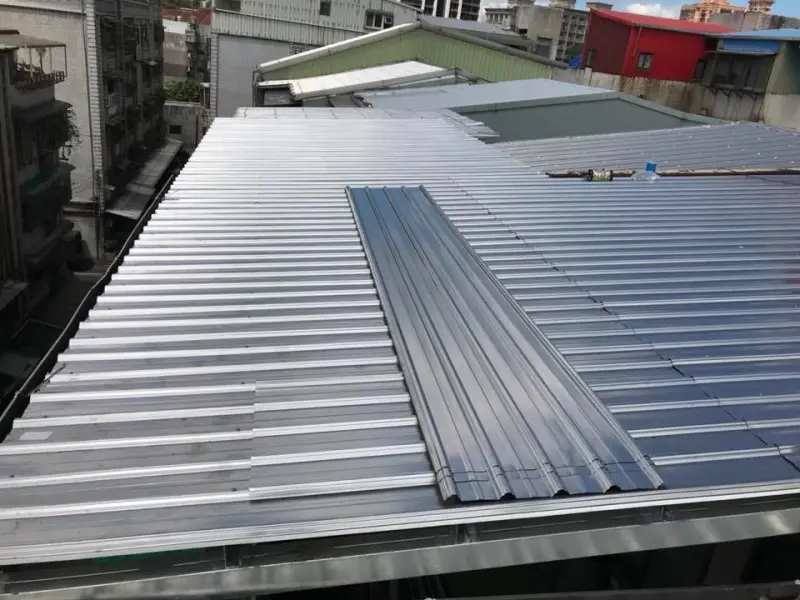
- Trapezoidal roofing sheets
- Aluminum roof flashing
- Fascia and soffit panels
- Aluminum gutters and downspouts
- Roof edge trims and ridge caps
- Insulated roofing panel facings
Aluminum roofing coil is used in residential, commercial, industrial, agricultural, and infrastructure projects. The exact grade and coating should match the intended use.
Aluminum Roofing Coil Specifications

Specifications vary by manufacturer and application. The following tables provide typical purchasing ranges for reference. Actual availability depends on the production line, alloy, temper, and required finish.
Common Thickness and Width Options
| Specification | Typical Range | Common Use |
|---|---|---|
| Thickness | 0.20–0.30 mm | Light roofing panels and trim |
| Thickness | 0.30–0.50 mm | Residential and commercial roofing |
| Thickness | 0.50–0.80 mm | Industrial roofing and formed panels |
| Thickness | 0.80–1.20 mm | Heavy-duty roofing components and flashing |
| Coil width | 600–1,250 mm | Roofing sheets and roll-formed profiles |
| Coil width | 1,250–1,500 mm | Wider panels and customized processing |
| Inner diameter | 405 mm or 508 mm | Depends on equipment and coil weight |
| Surface | Mill finish or coated | Depends on appearance and weather requirements |
These ranges are examples, not universal standards. For example, a roofing profile with deep ribs may require a different thickness from a flat roof flashing product.
How Thickness Affects Roofing Performance

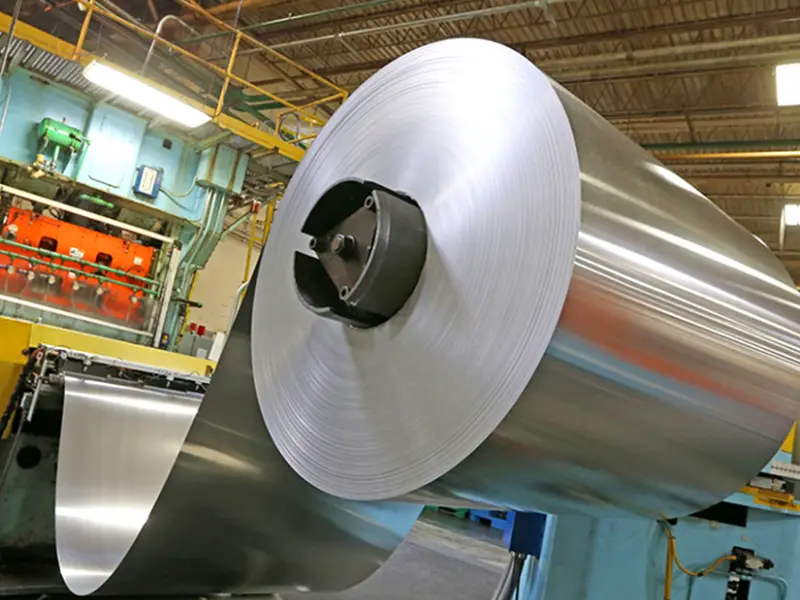
0.20–0.30 mm aluminum coil
This range is suitable for selected lightweight roofing products, decorative panels, and accessories. It is easy to handle and can help reduce material weight. The profile design and support spacing must be checked carefully.
0.30–0.50 mm aluminum coil
This range is commonly considered for general roofing and wall cladding. It offers a practical balance between weight, forming performance, and material use. It may be suitable for corrugated panels, trapezoidal profiles, and coated roofing sheets.
0.50–0.80 mm aluminum coil
Thicker coil can provide greater stiffness for suitable panel designs. It is often considered for commercial buildings, industrial roofing, and projects that need stronger formed sections.
0.80–1.20 mm aluminum coil
This range may be used for heavier flashing, roof edge components, custom profiles, and other formed building parts. It is not necessary for every roofing project because greater thickness also increases material weight and cost.
The correct thickness should be selected according to structural design, wind loads, panel geometry, support spacing, and applicable building codes. Thickness alone does not determine the strength of a complete roofing system.
Popular Aluminum Roofing Coil Types
Aluminum roofing coil is available in several product forms. Each type has a different surface, processing method, and target application.
Mill Finish Aluminum Roofing Coil
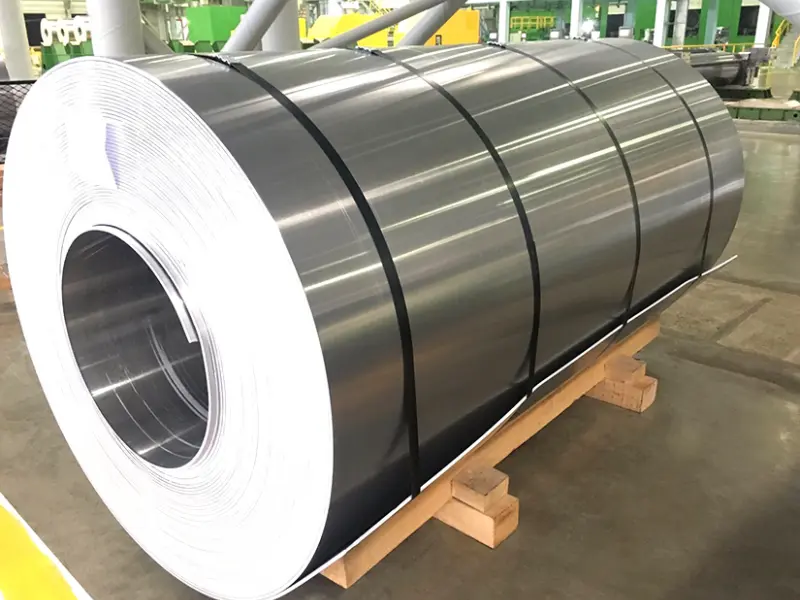
Mill finish aluminum coil has a natural surface from the rolling process. It does not have an additional decorative paint coating. Its appearance is usually metallic, with the exact surface texture depending on production and handling.
This type is suitable for roofing components that will receive further processing or do not require a colored finish. It can also be used where the natural appearance of aluminum is preferred.
Typical applications include roof flashing, gutters, fascia components, and custom-formed profiles. Buyers should specify surface quality requirements when the material will remain visible after installation.
Prepainted Aluminum Roofing Coil
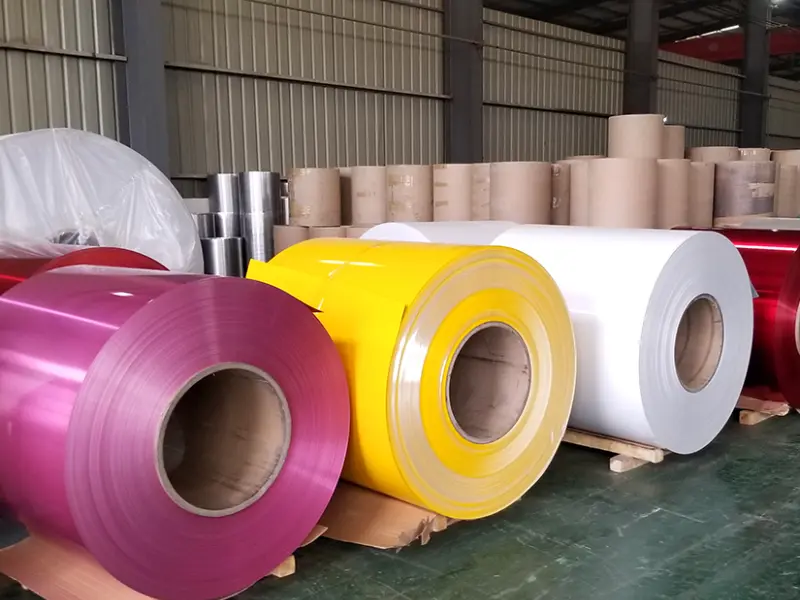
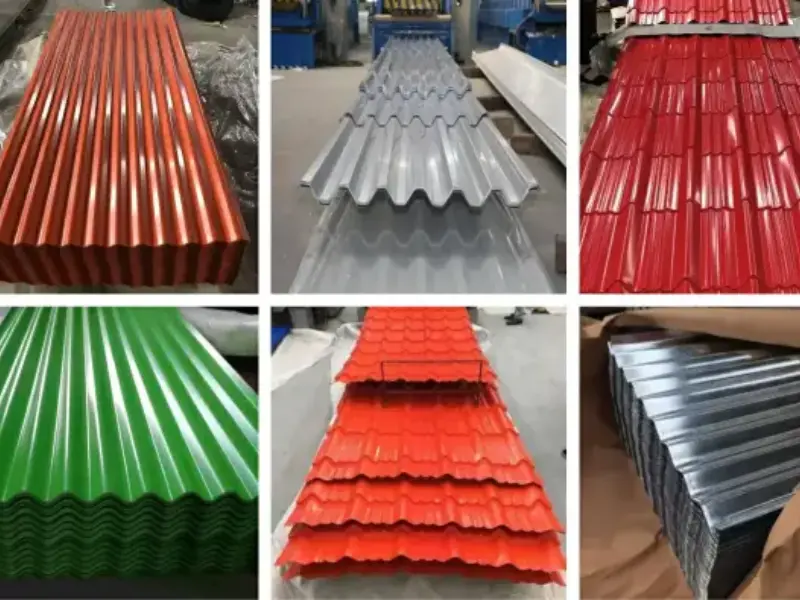
Prepainted aluminum roofing coil has a factory-applied coating. It is available in different colors and coating systems. The coating can provide a consistent appearance and reduce the need for painting after forming.
Common colors include white, gray, black, red, blue, green, and metallic shades. Custom colors may be available according to order quantity and coating requirements.
Typical applications include:
- Residential roofing panels
- Commercial building roofs
- Industrial roof cladding
- Architectural fascia and soffits
- Agricultural building panels
- Decorative roof trims
For outdoor use, buyers should compare coating chemistry, coating thickness, color retention, corrosion resistance, and forming performance. A coating designed for indoor use may not provide the same outdoor durability.
PVDF-Coated Aluminum Roofing Coil
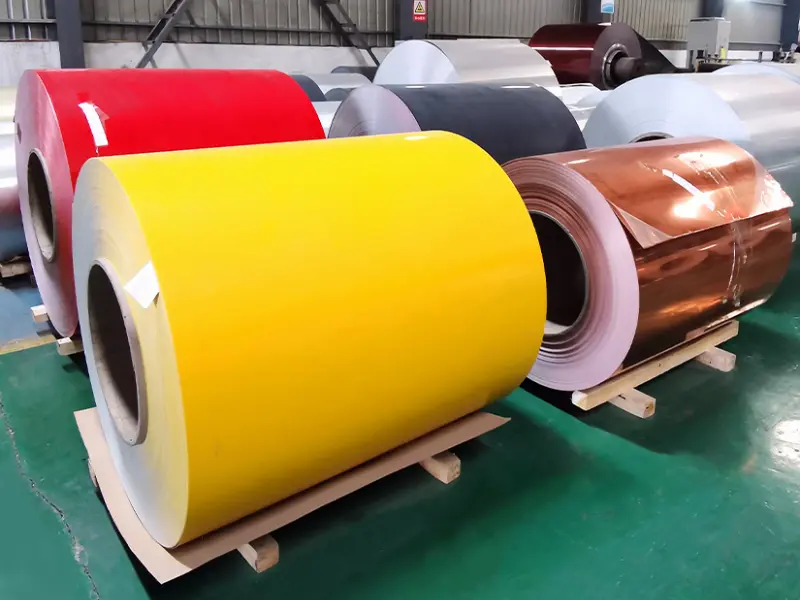
PVDF-coated coil is used for architectural projects that require long-term exterior color performance. PVDF is a fluoropolymer coating system commonly selected for building envelopes exposed to sunlight and weather.
It may be suitable for commercial buildings, public facilities, and architectural roofing. The final performance depends on the complete coating system, pretreatment, film thickness, substrate, and installation conditions.
PVDF-coated coil often costs more than basic polyester-coated coil. It can be a useful choice when exterior appearance and weather resistance are important over the expected service period.
Polyester-Coated Aluminum Roofing Coil
Polyester-coated aluminum coil is commonly used for general building products. It is available in many colors and can provide a practical balance between cost and appearance.
Potential applications include warehouses, workshops, agricultural buildings, residential roof accessories, and general cladding. The appropriate coating grade depends on exposure conditions and the required service life.
Buyers should not assume that all polyester coatings have the same performance. Ask for the coating specification and relevant test information before placing an order.
Stucco Embossed Aluminum Roofing Coil
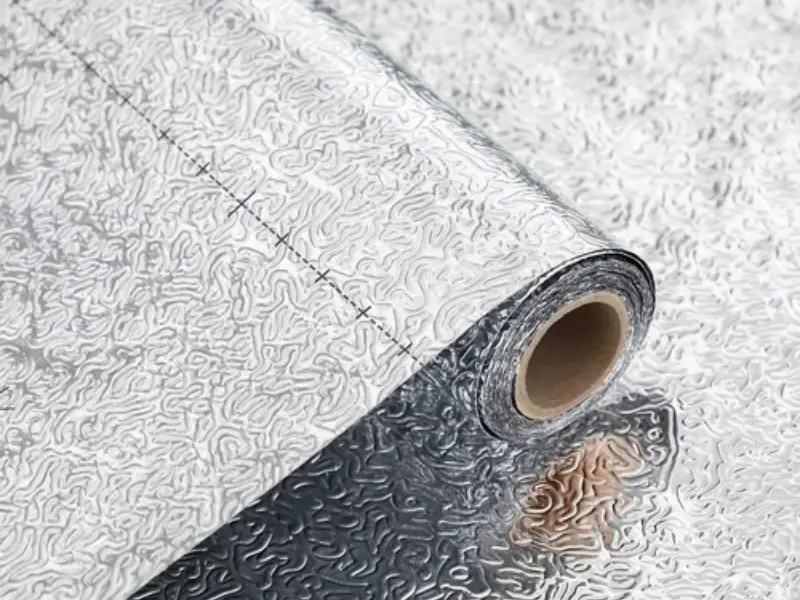
Stucco embossed aluminum coil has a textured surface. The embossing creates a patterned finish that can change the appearance of the metal and may help reduce the visibility of minor surface marks.
It can be used in selected roofing accessories, insulation facings, equipment enclosures, and building components. The embossed texture is not a substitute for a suitable protective coating when the product needs additional weather protection.
Reflective Aluminum Roofing Coil
Reflective aluminum roofing coil is selected for applications where surface reflectivity is important. Depending on the product, it may use a bright metallic finish or a specially designed coating.
Potential uses include roof systems, reflective building components, and selected insulation assemblies. Reflectivity alone does not determine energy performance. The complete roof design, ventilation, insulation, climate, and surface condition also matter.
Anodized Aluminum Roofing Coil
Anodized aluminum has an electrochemically formed oxide layer. This surface treatment can improve surface hardness and corrosion resistance under suitable conditions.
Anodized coil may be considered for architectural details and decorative building components. However, coil anodizing, bending, and forming requirements should be checked together. Not every anodized product is suitable for every roll-forming process.
Perforated Aluminum Roofing Coil
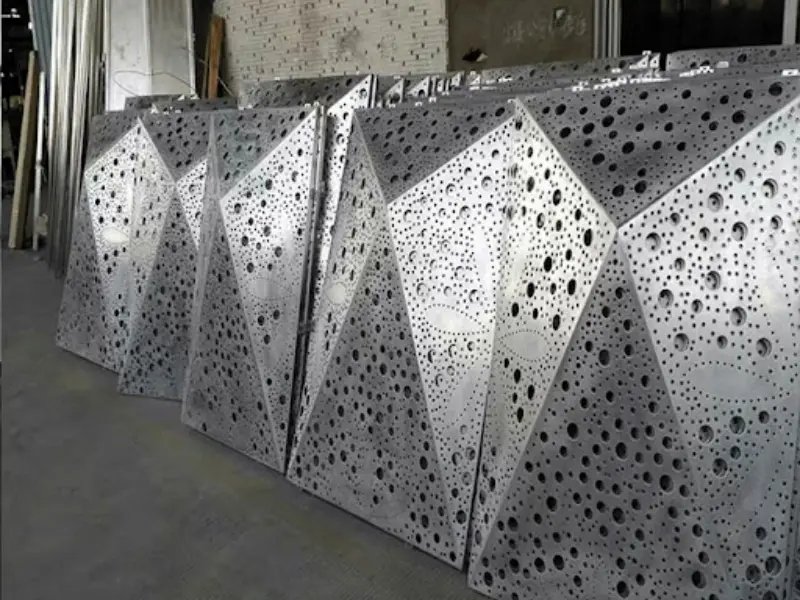
Perforated aluminum coil contains regularly spaced holes. The hole size, spacing, and open area can be customized for specific applications.
It may be used for ventilated roof components, soffits, screening, and decorative panels. For structural or weatherproof roofing, the design must account for water entry, strength, fastening, and the intended ventilation function.
Aluminum Alloys for Roofing Coil
Alloy selection affects formability, strength, corrosion resistance, and suitability for different roofing profiles. The best grade depends on the forming process and the finished product.
| Alloy | General Characteristics | Possible Roofing Applications |
|---|---|---|
| 1050 | High aluminum content and good formability | Simple formed parts and selected accessories |
| 1060 | High aluminum content and good corrosion resistance | Flashing and non-structural components |
| 1100 | Good workability and corrosion resistance | General roofing accessories |
| 3003 | Good formability with higher strength than many pure aluminum grades | Corrugated sheets, gutters, and formed panels |
| 3105 | Commonly used in building and coated sheet products | Roofing, siding, and architectural components |
| 5005 | Suitable for architectural applications and some surface treatments | Decorative building panels |
| 5052 | Higher strength and good corrosion resistance | Selected heavy-duty components and formed parts |
These are general material characteristics. Not every alloy is offered in every coating, thickness, or temper. Confirm the manufacturer’s available specifications before choosing a grade.
3003 Aluminum Roofing Coil
3003 aluminum contains manganese as its main alloying element. It offers good formability and is widely used in general sheet-metal applications.
It may be suitable for corrugated roofing, gutters, flashing, and formed building parts. For projects that require moderate strength and easy forming, 3003 can be a useful option.
3105 Aluminum Roofing Coil
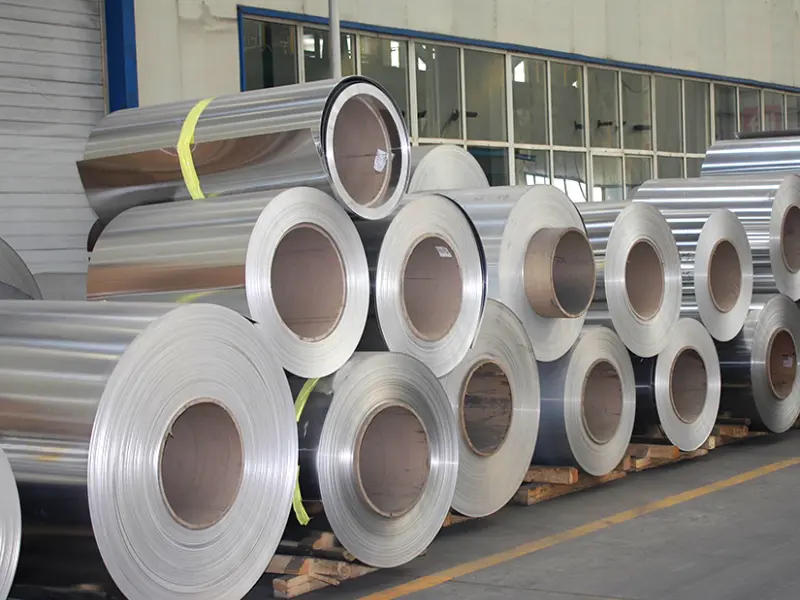
3105 is commonly associated with building products, including coated aluminum sheets and coils. It is often considered for roofing and siding because it offers a useful combination of formability, strength, and corrosion resistance.
It is particularly relevant when a project requires prepainted material for roll forming. The final suitability depends on the exact temper, coating system, and profile design.
5052 Aluminum Roofing Coil
5052 offers higher strength than many common non-heat-treatable aluminum grades used for simple formed products. It also has good corrosion resistance.
It may be considered for selected demanding components, marine-related environments, or parts that require higher strength. However, it can behave differently during forming than 3003 or 3105. Check the bending radius, forming equipment, and final profile before choosing it for roofing.
1050 and 1060 Aluminum Roofing Coil
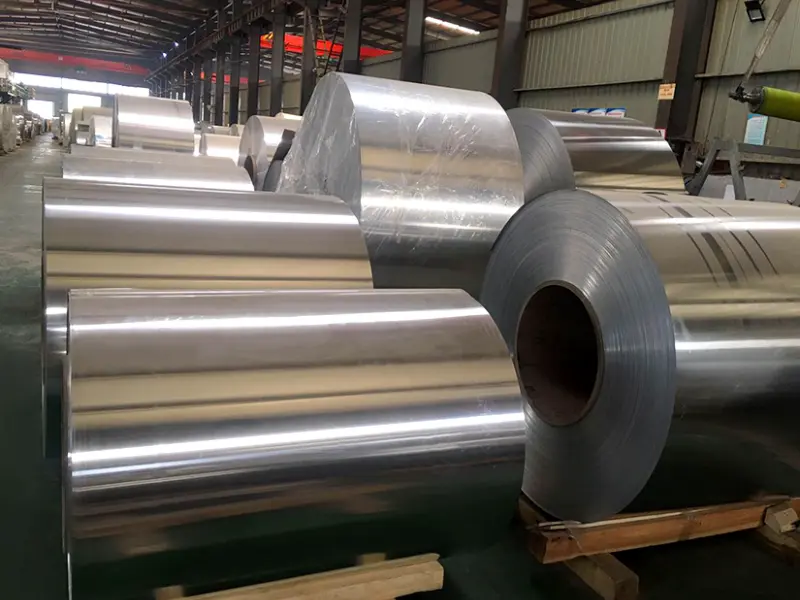
1050 and 1060 are commercially pure aluminum grades with high aluminum content. They offer good workability and corrosion resistance, but their strength is generally lower than that of many alloyed grades.
They may be suitable for simple accessories and selected applications where high structural strength is not the main requirement. For long roofing panels, the profile design and support arrangement remain important.
Aluminum Roofing Coil Tempers
Temper describes the material’s mechanical condition after processing. It can influence strength, elongation, and forming behavior.
| Temper | General Meaning | Typical Consideration |
|---|---|---|
| O | Annealed, relatively soft | Useful for demanding forming operations |
| H12 | Strain-hardened, relatively low strength within the H1x family | May suit certain formed products |
| H14 | Strain-hardened, half-hard condition | Balance of formability and strength |
| H16 | Strain-hardened, harder condition | For applications requiring greater strength |
| H18 | Fully hard condition within the H1x family | Limited forming flexibility compared with softer tempers |
| H24 | Strain-hardened and partially annealed | Commonly considered for selected sheet applications |
Actual mechanical properties depend on the alloy and applicable product standard. These tempers are not interchangeable across all alloys or thicknesses.
For deep corrugations or tight bends, a softer or more formable temper may be needed. For a profile with relatively simple bends, a harder temper may be acceptable. Always test the selected material on the intended forming line.
Roofing Applications by Product Type
Aluminum roofing coil serves more than one purpose. The material can be processed into finished panels or small components used to complete the roofing system.
Corrugated Aluminum Roofing
Corrugated aluminum roofing uses repeated waves or ribs to form the panel. The profile improves stiffness compared with a flat sheet of similar thickness.

Common uses include:
- Residential outbuildings and sheds
- Agricultural structures
- Workshops and storage buildings
- Canopies and covered walkways
- Light commercial structures
- Selected industrial buildings
The required thickness and rib geometry depend on the span, support spacing, wind conditions, and building design.
Standing Seam Roofing Panels
Standing seam panels have raised seams that connect adjacent roof panels. They are often used for contemporary commercial and residential architecture.
Prepainted aluminum coil is frequently considered for this product because the coil can be roll-formed into long panels. The alloy and temper must provide suitable forming performance without unacceptable cracking or coating damage.
Standing seam systems also require compatible clips, fasteners, flashing, and installation details.
Trapezoidal Aluminum Roofing Sheets
Trapezoidal roofing profiles use straight-sided ribs. They are commonly used in industrial and commercial buildings.
Typical applications include:
- Factories and workshops
- Warehouses and logistics centers
- Retail and commercial buildings
- Agricultural storage facilities
- Roof and wall cladding systems
The panel profile, thickness, support spacing, and fastening system should be selected as one complete design.
Aluminum Roof Flashing Coil
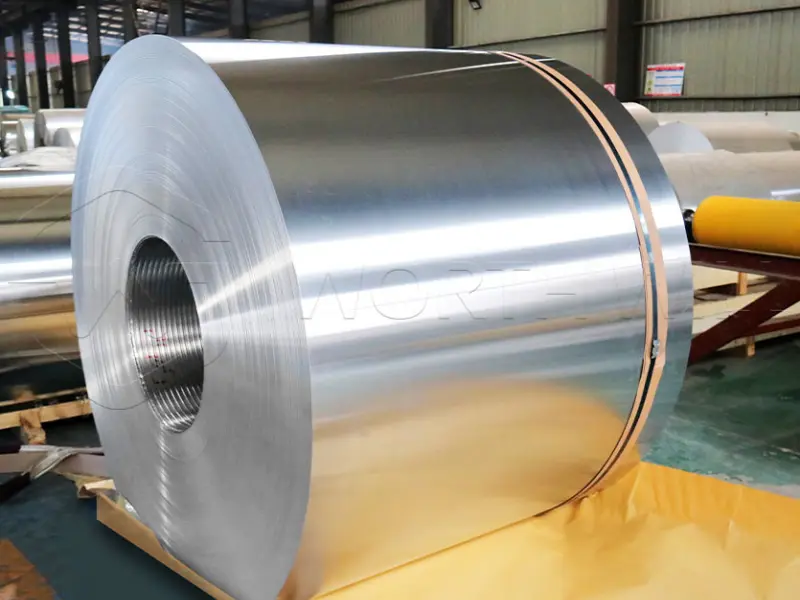
Roof flashing helps direct water away from joints, edges, chimneys, roof penetrations, and wall connections. Aluminum coil can be slit and formed into flashing strips or custom profiles.
Useful purchasing details include thickness, width, alloy, temper, surface finish, and required bend dimensions. For flashing exposed to other metals, check compatibility to reduce the risk of galvanic corrosion.
Aluminum Gutter and Downspout Coil
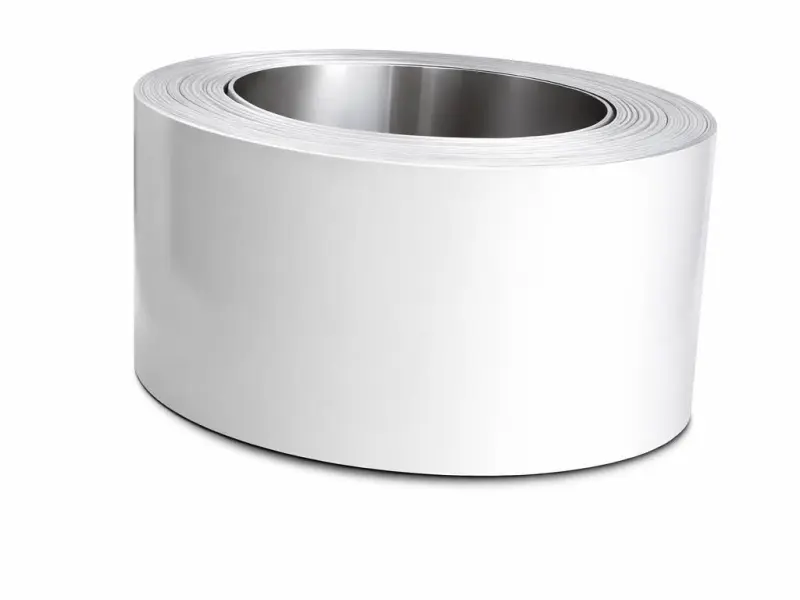
Gutters collect rainwater from the roof and direct it toward drainage points. Aluminum coil can be formed into continuous gutters, downspouts, elbows, and connecting parts.
A coated finish may be preferred when the gutter system needs to match the roof or building exterior. Coil width and thickness should match the gutter-forming equipment and the design requirements.
Fascia, Soffit, and Edge Trim
Fascia covers roof edges, while soffit panels are installed beneath roof overhangs. Edge trims and ridge caps help complete the roofing system.
Prepainted coil is useful for these products because it provides consistent color and can be formed into many profiles. The surface coating should be suitable for the expected outdoor exposure.
Insulated Roofing Panels
Aluminum coil can be used as a facing material in some insulated roof panel systems. It may be combined with insulation cores and other construction layers.
The aluminum facing is only one part of the assembly. Fire performance, moisture control, thermal performance, bonding, and structural requirements must be assessed for the complete panel system.
Aluminum Roofing Coil vs. Other Roofing Materials
The best roofing material depends on project cost, weight, design, exposure, maintenance needs, and expected service life.
Aluminum Coil vs. Galvanized Steel Coil
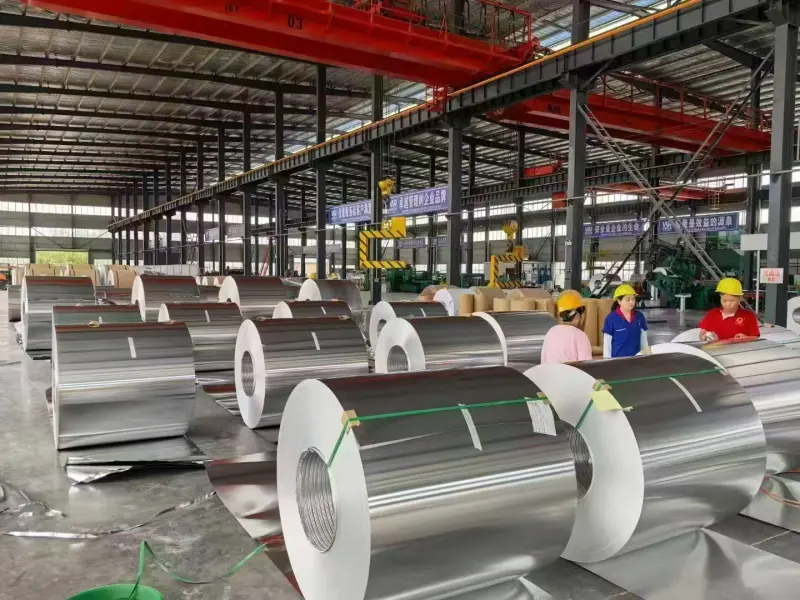
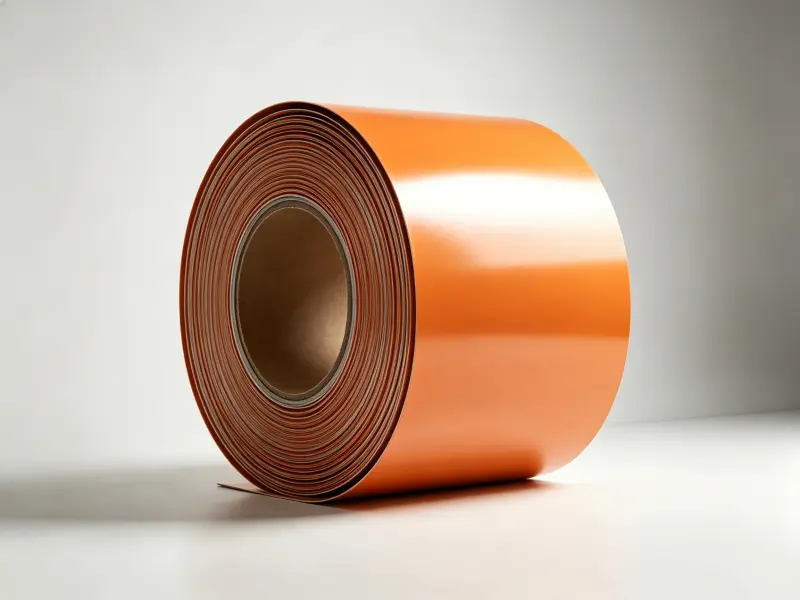
| Comparison | Aluminum Roofing Coil | Galvanized Steel Coil |
|---|---|---|
| Weight | Lower density | Higher density |
| Corrosion protection | Natural oxide layer; coating may add protection | Zinc coating provides protection |
| Forming | Depends on alloy and temper | Depends on steel grade and coating |
| Magnetic properties | Non-magnetic in common roofing grades | Generally magnetic |
| Surface finish | Natural metallic or coated | Metallic zinc finish or coated |
| Material cost | Can be higher or lower depending on market and specification | Depends on steel market and coating |
| Main consideration | Lightweight construction and corrosion behavior | Strength, cost, and coating requirements |
Aluminum is often attractive where lower weight and corrosion resistance are important. Galvanized steel may be preferred where project requirements favor steel strength or a particular cost structure. Compare finished-system performance rather than price per kilogram alone.
Aluminum Roofing Coil vs. Galvalume Steel
Galvalume steel has an aluminum-zinc-based metallic coating. It is different from solid aluminum coil.
| Factor | Aluminum Coil | Galvalume Steel |
|---|---|---|
| Base material | Aluminum alloy | Steel |
| Weight | Generally lighter for similar dimensions | Generally heavier |
| Surface protection | Aluminum oxide and optional paint | Metallic coating and optional paint |
| Strength | Depends on alloy and panel design | Steel substrate provides high strength |
| Typical uses | Lightweight roofing, flashing, architectural panels | Residential, commercial, and industrial roofing |
The selection should consider local weather, cut-edge behavior, installation details, fastening, and warranty conditions.
Mill Finish vs. Prepainted Aluminum Roofing Coil

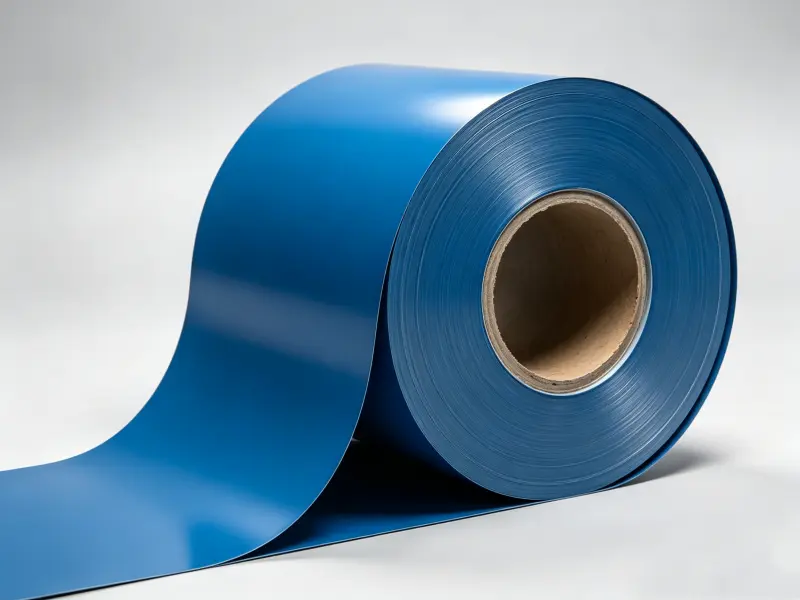
Mill finish coil has no additional factory-applied paint layer. Prepainted coil arrives with a finished color coating.
Mill finish may suit hidden components or projects that require further processing. Prepainted coil is useful when a consistent color and finished appearance are required.
If the product will be bent or roll-formed, confirm that the coating can withstand the planned forming process. Improper coating selection may lead to cracking, peeling, or visible surface damage.
PVDF vs. Polyester Coating
| Feature | PVDF Coating | Polyester Coating |
|---|---|---|
| Typical positioning | Architectural exterior applications | General building applications |
| Weather exposure | Often selected for demanding outdoor exposure | Depends on the coating grade |
| Color retention | Generally strong for suitable systems | Varies by formulation and grade |
| Initial cost | Often higher | Often more economical |
| Suitable projects | High-visibility buildings and long-term exterior use | Warehouses, workshops, and general cladding |
The coating name alone does not guarantee performance. Compare the complete coating specification, pretreatment, film thickness, testing, and warranty terms.
How to Select Aluminum Roofing Coil
A suitable specification should match the finished product, production equipment, and installation environment.
Choose the Right Alloy and Temper
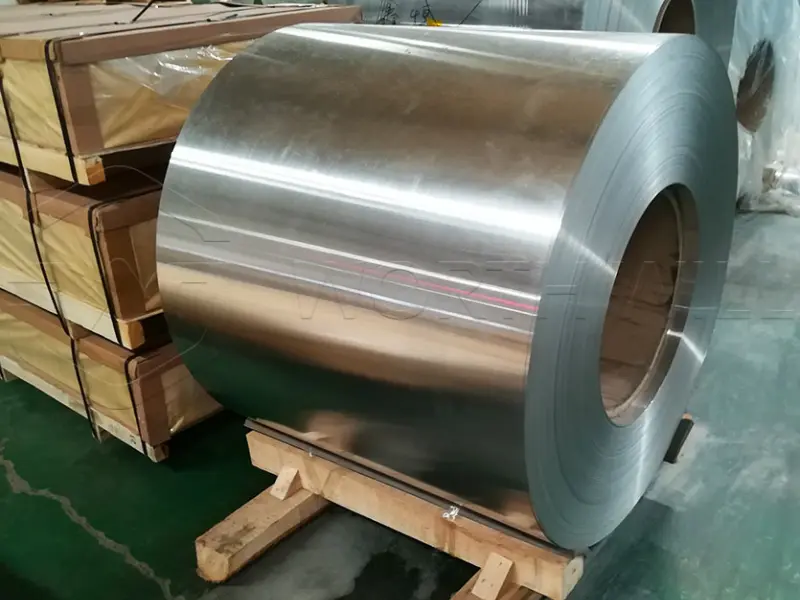
Start with the roofing profile. A deeply corrugated panel may require different forming properties from a simple flashing strip.
For general building profiles, 3003 and 3105 may be worth evaluating. For selected higher-strength components, 5052 may be considered. The final choice should be based on the required mechanical properties and production tests.
Confirm Thickness and Coil Width
Do not select thickness only by comparing supplier prices. A thinner coil may reduce initial material cost but may not meet the panel design requirements.
Confirm the following details:
- Nominal thickness and allowable tolerance
- Coil width and width tolerance
- Coil inner diameter
- Maximum coil weight
- Slitting or cut-edge requirements
- Flatness and surface quality
- Compatibility with the roll-forming line
Select a Suitable Surface Finish
Consider whether the finished product needs a natural metallic surface, a colored coating, or a textured finish.
For exterior roofs, review expected sunlight, rainfall, humidity, industrial pollution, and proximity to the sea. Coastal environments may require additional attention to coating selection, fasteners, cut edges, and contact with dissimilar metals.
Check Forming and Coating Performance
For prepainted roofing coil, ask whether the material is suitable for the planned bending radius and roll-forming process.
Relevant information may include coating adhesion, flexibility, hardness, film thickness, and test results. If the finished panels have visible surfaces, sample forming and appearance checks can help reduce production risk.
What Affects Aluminum Roofing Coil Prices?
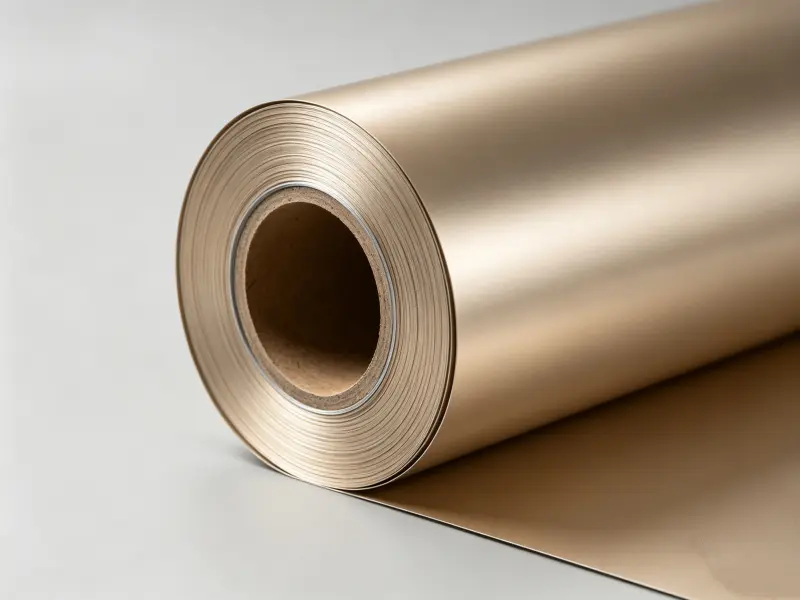
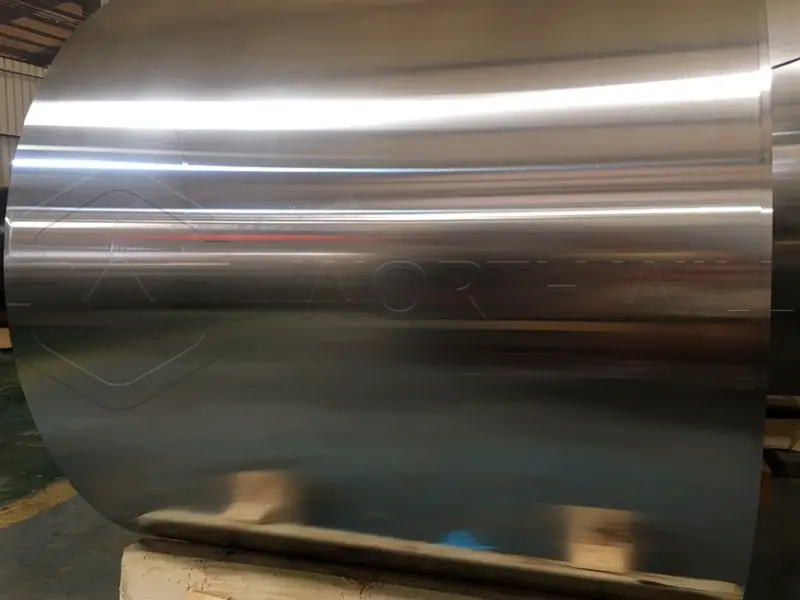
The price of aluminum roofing coil depends on the material and processing requirements. A quotation should be compared using the same specification.
| Price Factor | Why It Matters |
|---|---|
| Aluminum alloy | Different grades may have different material costs |
| Temper | Processing and mechanical requirements can affect price |
| Thickness | Changes material consumption per square meter |
| Coil width | May require specific rolling or slitting arrangements |
| Coating type | PVDF, polyester, and special finishes have different costs |
| Color | Standard and custom colors may have different order requirements |
| Order quantity | Production setup and minimum order quantities affect unit cost |
| Packaging | Export packaging and protective materials add cost |
| Delivery terms | Freight, insurance, and destination affect total landed cost |
For a useful quotation, provide the alloy, temper, thickness, width, coating, color, order quantity, destination, and required delivery schedule. If possible, share a drawing or the target roofing profile.
Aluminum Roofing Coil Quality Checks
Quality checks help ensure that the coil is suitable for forming and installation. The required inspection plan depends on the end use and purchase agreement.
Dimensional Inspection
Check thickness, width, coil weight, and relevant tolerances. If the coil will be processed automatically, dimensional consistency is important for stable production.
Surface Inspection
Look for scratches, dents, stains, oil marks, coating defects, and edge damage. Visible defects can affect the appearance of the finished roof.
Mechanical Property Testing
Mechanical properties may include tensile strength, yield strength, and elongation. These values should match the specified alloy, temper, and applicable standard.
Coating Inspection
For coated products, confirm the specified coating system and film thickness. Depending on the project, checks may include adhesion, color consistency, flexibility, and other agreed test methods.
Packaging and Transport
Aluminum roofing coil should be packed to reduce moisture exposure and physical damage during handling and transport. Export packaging may include protective wrapping, edge protection, and suitable pallets or cradles.
For sea freight, discuss moisture control and packaging arrangements with the supplier. Packaging should be appropriate for the shipping route, storage conditions, and final unloading method.
Common Purchasing Mistakes to Avoid
Choosing thickness without checking the profile
Panel shape affects stiffness. Check the complete roofing design rather than relying on thickness alone.
Selecting a coating only by price
A lower-cost coating may not suit a building exposed to strong sunlight, coastal conditions, or aggressive industrial environments.
Ignoring temper and forming requirements
A coil can meet the nominal thickness requirement but still perform poorly on the forming line if its temper is unsuitable.
Comparing different specifications
Two quotations are not directly comparable if they use different alloys, coating systems, thicknesses, or delivery terms.
Failing to specify the final application
Tell the supplier whether the coil is for corrugated sheets, standing seam panels, gutters, flashing, or another product. This helps narrow down the material options.
Aluminum Roofing Coil Ordering Checklist
Before sending an inquiry, prepare the information below.
| Item | Information to Provide |
|---|---|
| Product | Aluminum roofing coil |
| Alloy | 3003, 3105, 5052, or another required grade |
| Temper | O, H14, H24, or another specified temper |
| Thickness | Nominal thickness in mm |
| Width | Required coil width in mm |
| Surface | Mill finish, prepainted, PVDF, polyester, or other |
| Color | Standard color code or custom sample |
| Coil weight | Required weight per coil, if specified |
| Quantity | Total tons or number of coils |
| Application | Corrugated roofing, standing seam, flashing, gutters, etc. |
| Destination | Country and port or delivery location |
| Documents | Inspection report or other agreed documents |
A clear inquiry helps suppliers check production feasibility and provide a more accurate quotation.
Frequently Asked Questions About Aluminum Roofing Coil
What is the best alloy for aluminum roofing coil?
There is no single best alloy for every roofing project. 3003 and 3105 are commonly considered for formed building products. 5052 may suit selected applications that need higher strength. The final choice depends on the profile, temper, thickness, coating, and environment.
What thickness is used for aluminum roofing coil?
Typical purchasing ranges include approximately 0.30–0.50 mm for many general roofing applications and 0.50–0.80 mm for selected heavier panels. These are examples only. Structural design, panel geometry, support spacing, wind loads, and local codes determine the required thickness.
Is prepainted aluminum coil suitable for outdoor roofing?
Yes, when the coating system is designed for the expected outdoor exposure and the coil is suitable for forming. Buyers should confirm coating specifications, color performance, and warranty terms.
What is the difference between PVDF and polyester aluminum roofing coil?
PVDF is often selected for architectural applications that need strong exterior color performance. Polyester is commonly used for general building products and may offer a lower initial cost. The correct choice depends on the coating grade and project conditions.
Can aluminum roofing coil be used for gutters?
Yes. Aluminum coil can be roll-formed into gutters, downspouts, and related accessories. The coil width, thickness, alloy, temper, and finish should match the equipment and product design.
Is aluminum roofing coil corrosion-resistant?
Aluminum naturally forms a thin oxide layer that helps protect the surface. However, corrosion behavior depends on the environment, alloy, coating, fasteners, and contact with other materials. Coastal and industrial environments require careful material selection.
Can aluminum roofing coil be customized?
Many suppliers can offer customized thicknesses, widths, alloys, tempers, coating colors, and coil weights. Availability depends on production capability, order quantity, and technical requirements.
What information is needed for an aluminum roofing coil quotation?
Provide the alloy, temper, thickness, width, finish, color, quantity, intended application, and destination. A technical drawing or sample specification can help the supplier recommend a suitable product.
Is aluminum roofing coil lighter than steel roofing material?
Aluminum has a lower density than steel. However, the finished panel weight also depends on thickness, profile geometry, and design. Compare the weight and performance of the complete roofing systems before making a decision.
How should aluminum roofing coil be stored?
Store the coil in a dry, protected area. Avoid trapped moisture, direct contact with wet surfaces, and conditions that can cause condensation. Follow the supplier’s storage and handling instructions, especially for coated material.
Get a Quote for Aluminum Roofing Coil
If you are sourcing aluminum roofing coil for a manufacturing or construction project, prepare the main technical details before requesting a quotation.
Please specify:
- Alloy and temper
- Thickness and width
- Mill finish or coating type
- Required color
- Coil weight and total quantity
- Final application
- Destination and delivery requirements
With these details, a supplier can assess the available material options and provide a quotation based on your project needs.