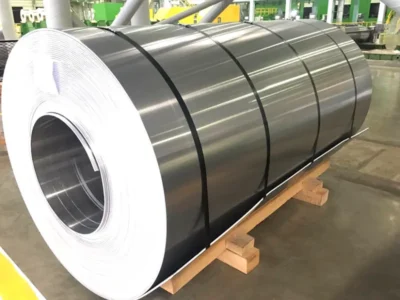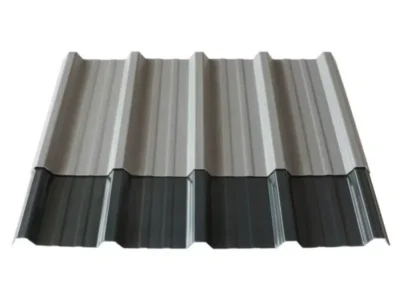
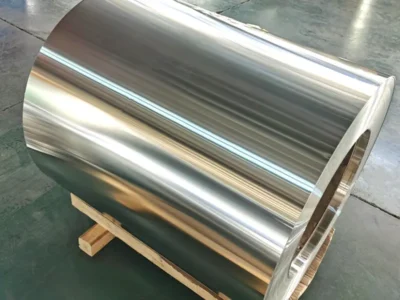
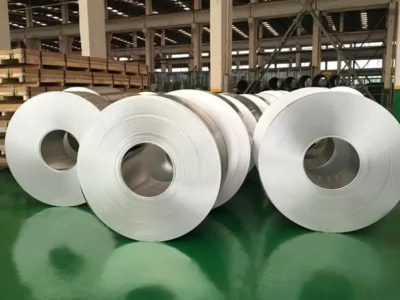
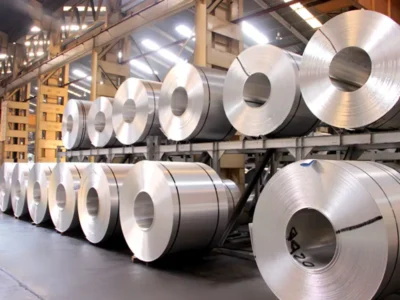
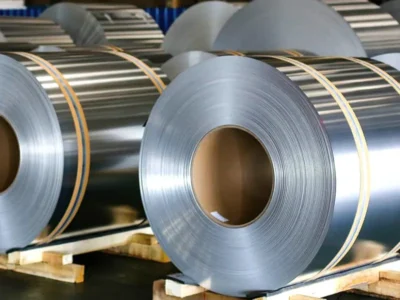
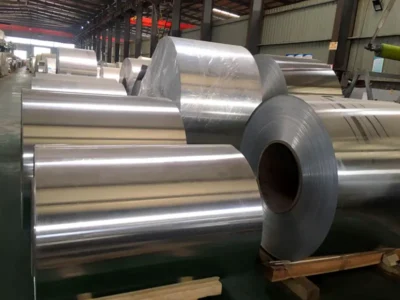
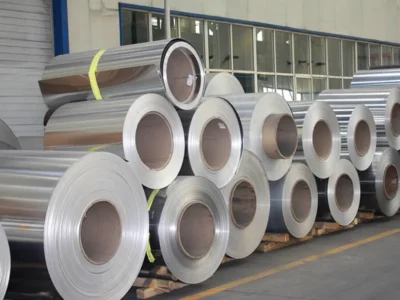
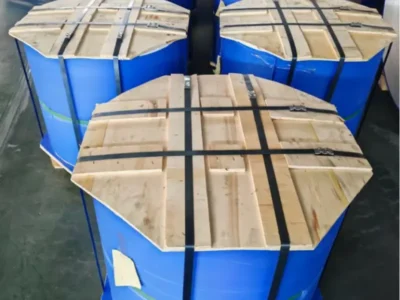
Mill finish aluminum coil is widely used in metal fabrication, construction, insulation, transportation, and industrial manufacturing.
It has a natural aluminum surface without an additional decorative paint coating. T
his makes it a practical choice for buyers who need aluminum for further processing or products where a natural metallic finish is acceptable.
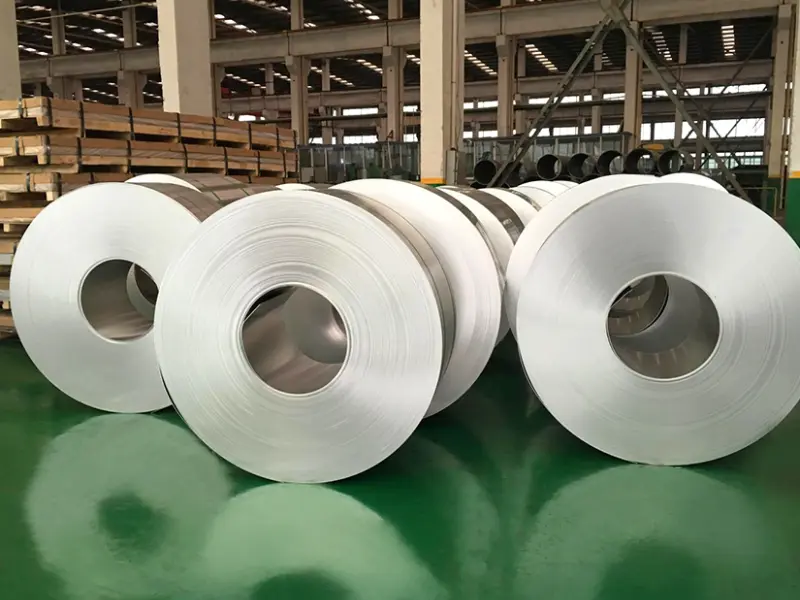
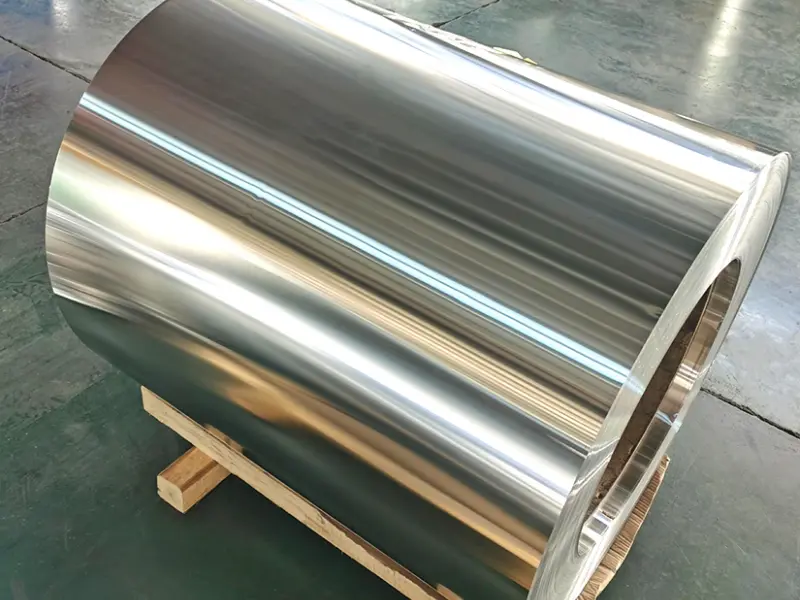
Mill finish aluminum coil is available in different alloys, tempers, thicknesses, and widths. Some grades are suitable for bending and forming. Others are selected for conductivity, corrosion resistance, or higher strength.
For manufacturers and distributors, choosing the right coil means more than comparing prices. The alloy, temper, surface condition, dimensional tolerance, and final application all affect performance.
What Is Mill Finish Aluminum Coil?
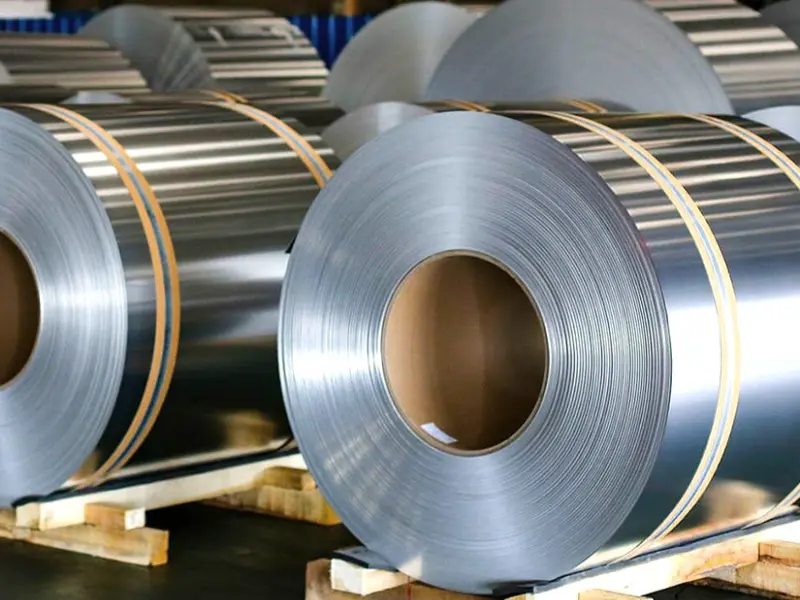
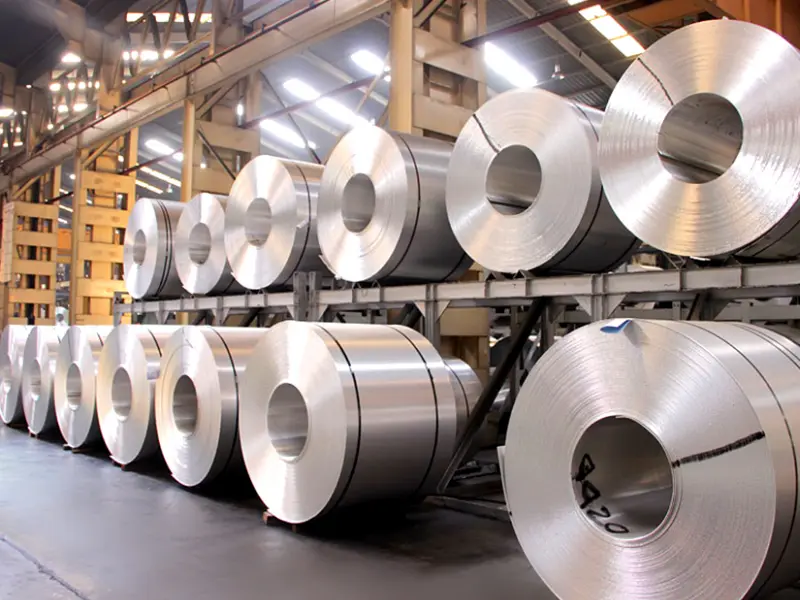
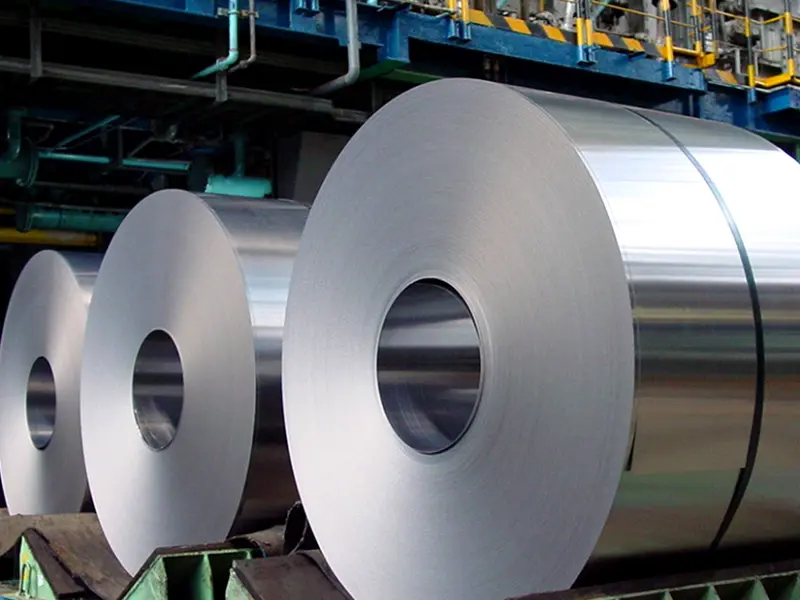
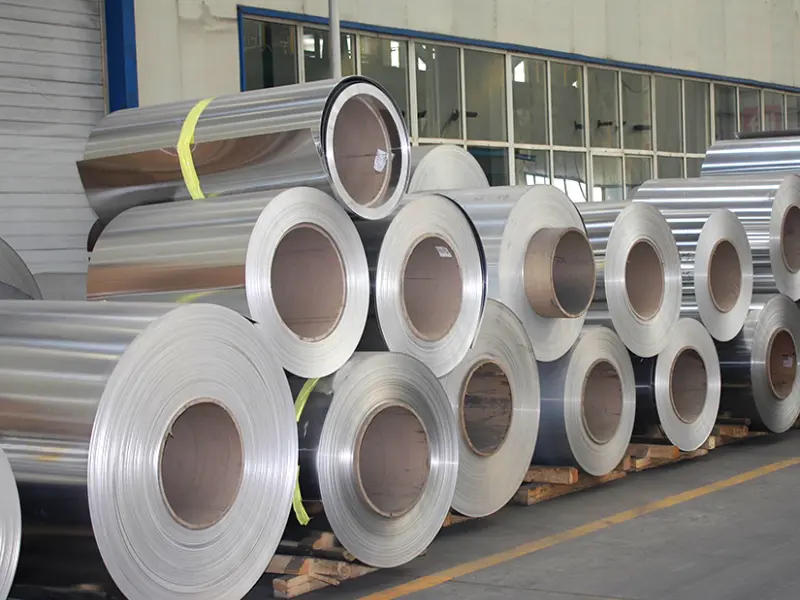
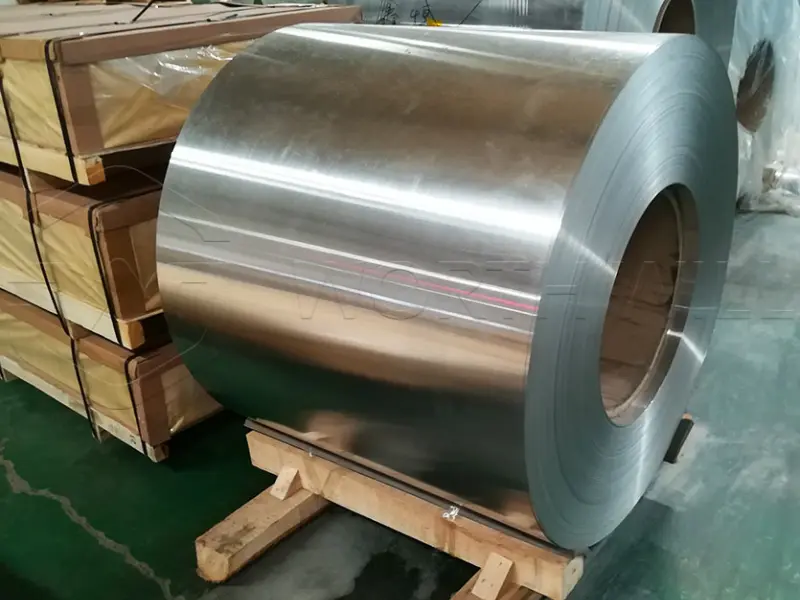
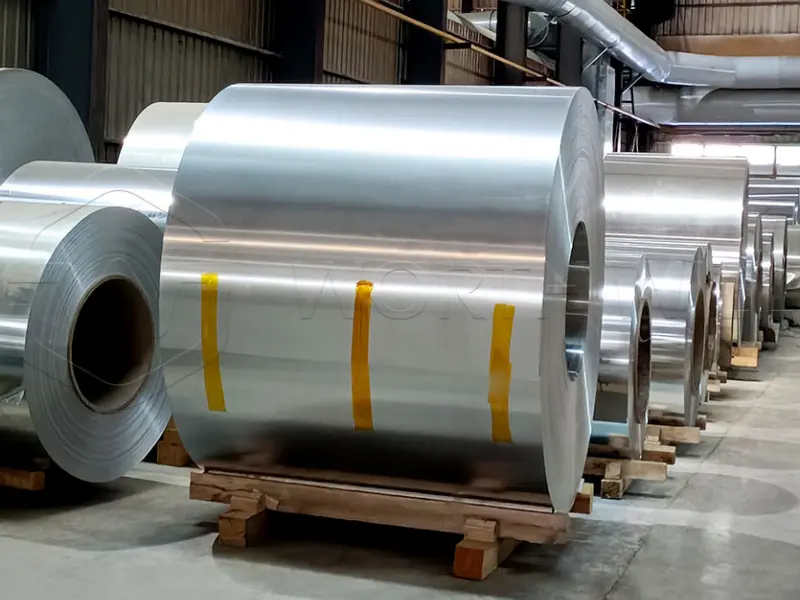
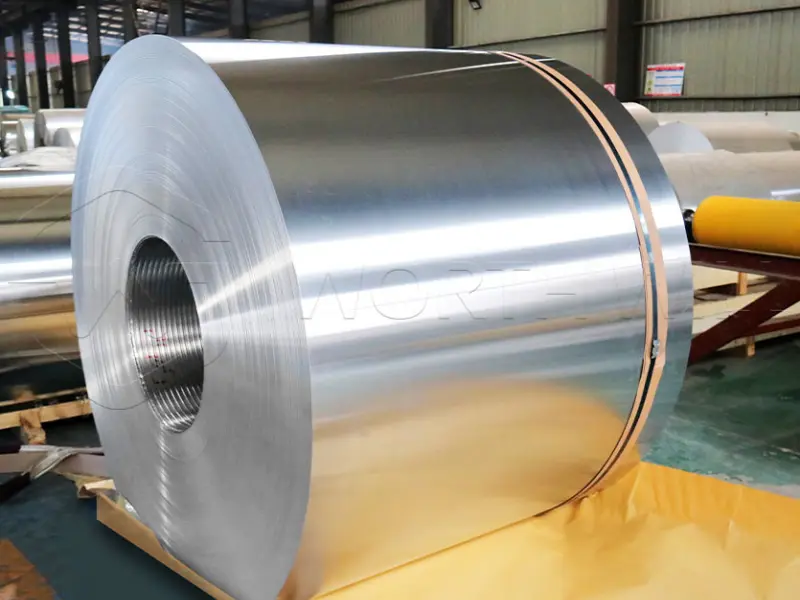
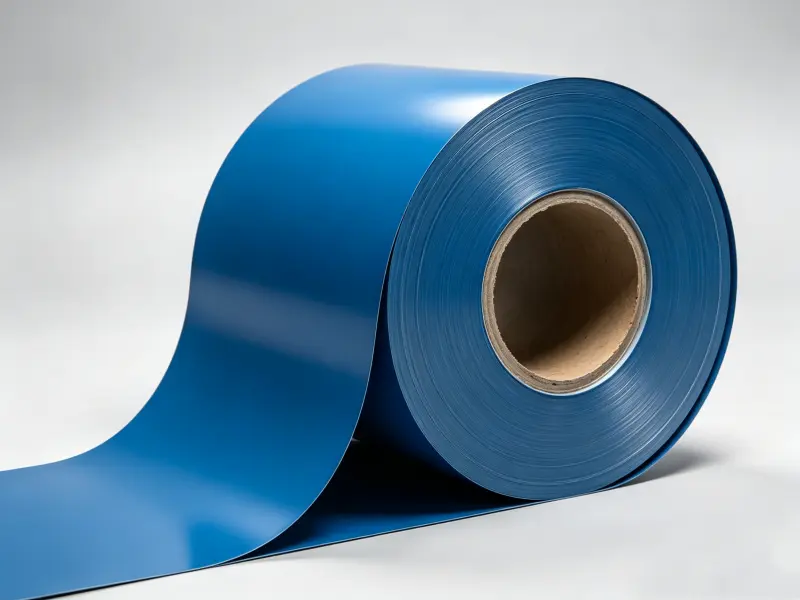
Mill finish aluminum coil is aluminum sheet rolled into a continuous coil with its natural, unpainted surface. The surface comes from the rolling and production process. It does not have an additional decorative paint layer like color-coated aluminum coil.
The appearance is usually metallic silver, although the exact color and texture may vary with the alloy, rolling conditions, and surface quality requirements.
Mill finish material is often used as a base product. It can be slit, cut, stamped, bent, embossed, laminated, or coated during later processing.
Main Characteristics of Mill Finish Aluminum Coil
| Feature | Description |
|---|---|
| Surface | Natural aluminum, without decorative paint |
| Color | Usually natural silver or metallic gray |
| Supply form | Continuous coil or slit coil |
| Processing | Cutting, slitting, bending, stamping, and forming |
| Available alloys | 1050, 1060, 1100, 3003, 3105, 5052, and others |
| Available tempers | O, H12, H14, H18, H22, H24, H32, depending on alloy |
| Thickness | Often around 0.2–3.0 mm for common coil products |
| Main advantages | Versatile processing, low weight, and a natural metallic surface |
These are general product characteristics. Actual availability depends on the manufacturer, production equipment, alloy, and order requirements.
Mill Finish Aluminum Coil Specifications
Before buying mill finish aluminum coil, buyers should define the required dimensions and mechanical properties. Clear specifications help suppliers quote the correct material and reduce the risk of receiving an unsuitable product.
Common Technical Specifications
| Item | Typical options |
|---|---|
| Alloy | 1050, 1060, 1100, 3003, 3105, 5052, 5754 |
| Temper | O, H12, H14, H16, H18, H22, H24, H32 |
| Thickness | 0.2–3.0 mm for many common applications |
| Width | 100–1,600 mm, subject to production capability |
| Surface | Mill finish, with no additional decorative paint |
| Edge | Slit edge or mill edge, depending on processing |
| Inner diameter | Common options include 150, 300, 405, and 505 mm |
| Packaging | Export wooden cases or pallets, with moisture protection |
The ranges above are indicative rather than guaranteed. Special widths, thicker materials, tighter tolerances, and specific coil weights should be confirmed before ordering.
How to Choose the Right Thickness
Thickness affects weight, forming performance, rigidity, and material cost. The best choice depends on the finished product and its operating conditions.
| Thickness | Possible applications |
|---|---|
| 0.2–0.3 mm | Thin formed parts, selected insulation-related products |
| 0.4–0.6 mm | Light covers, HVAC components, selected building products |
| 0.7–1.0 mm | General fabrication, equipment panels, some cladding components |
| 1.1–1.5 mm | Heavier formed parts and industrial covers |
| 1.6–3.0 mm | Selected industrial components and heavier fabrication |
These examples are for initial product selection only. They do not replace engineering calculations or application-specific requirements.
Coil Width and Inner Diameter
Mill finish aluminum coil can be supplied in different widths and coil dimensions. The correct width should match the customer’s production line or cutting plan.
Before placing an order, confirm:
- Required coil width and width tolerance
- Maximum coil weight
- Inner and outer diameter limits
- Slit-edge quality
- Coil orientation for loading and unloading
- Compatibility with slitting or roll-forming equipment
If the coil will be processed by an automatic line, dimensional consistency and coil shape may be especially important.
Common Mill Finish Aluminum Coil Types by Alloy
Different aluminum alloys offer different combinations of strength, formability, conductivity, and corrosion resistance. The right alloy depends on how the material will be processed and where it will be used.
1050 Mill Finish Aluminum Coil
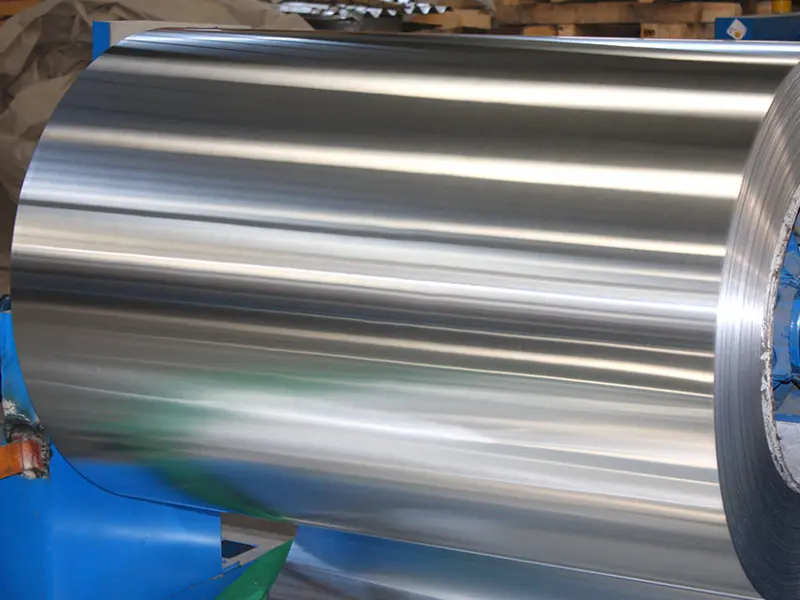
1050 aluminum coil is a commercially pure aluminum product. It offers good formability and electrical and thermal conductivity.
It is often used in general industrial products where high strength is not the main requirement.
Common applications include:
- Electrical components
- Industrial sheet metal
- Reflective components
- Selected insulation products
- General forming and fabrication
- Components requiring good conductivity
The temper should be selected according to the bending, stamping, or forming process.
1060 Mill Finish Aluminum Coil
1060 aluminum coil also belongs to the 1xxx series. It offers high aluminum purity and good corrosion resistance.
It may be used for electrical products, chemical-related equipment, heat transfer components, and general fabrication.
Buyers comparing 1050 and 1060 should review the required chemical composition and mechanical properties. The difference in performance may be less important than the exact production requirements for some applications.
1100 Mill Finish Aluminum Coil
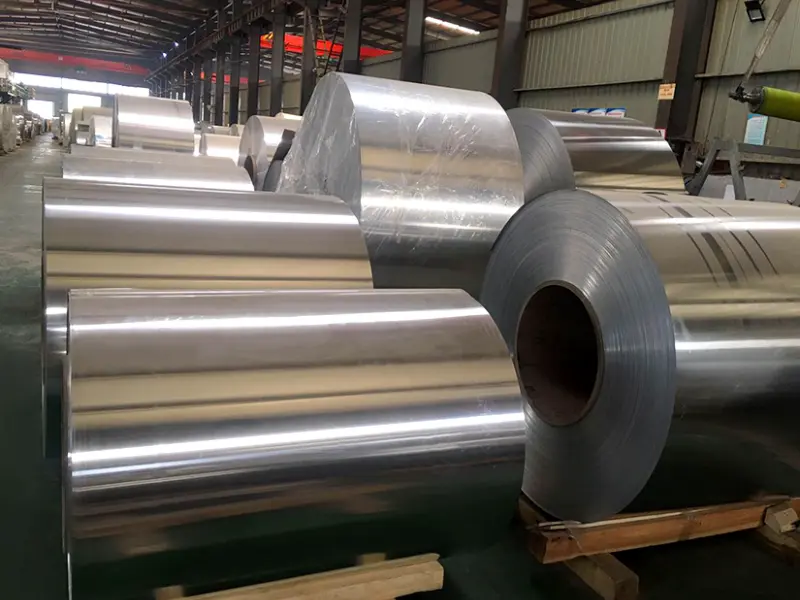
1100 aluminum coil offers good workability and corrosion resistance. It is used in products that require forming rather than high structural strength.
Typical uses include:
- General metal fabrication
- Heat transfer components
- Selected kitchen equipment parts
- Industrial covers
- Decorative components that retain a natural metallic surface
The required thickness and temper depend on the forming depth and finished shape.
3003 Mill Finish Aluminum Coil
3003 aluminum coil contains manganese as its main alloying element. It generally offers better strength than commercially pure 1xxx-series aluminum while retaining good formability.
It is commonly considered for:
- HVAC components
- Tanks and containers
- Roofing and building parts
- Heat exchanger components
- General formed sheet metal products
- Industrial covers and housings
For buyers who need a balance between formability and strength, 3003 may be worth comparing with 1050 or 1100.
3105 Mill Finish Aluminum Coil
3105 aluminum coil is often used for building products and applications that may later receive a coating.
Potential uses include:
- Roofing and siding components
- Gutter and drainage products
- Building trim
- General construction panels
- Formed profiles
- Products that require subsequent painting or coating
If the finished product will be exposed outdoors, buyers should consider the alloy, final coating system, design, and environmental conditions together.
5052 Mill Finish Aluminum Coil
5052 aluminum coil is a magnesium-containing alloy known for good corrosion resistance and higher strength than many 1xxx-series grades.
It is commonly used for more demanding fabrication applications.
Potential applications include:
- Marine-related components
- Transportation equipment
- Industrial enclosures
- Fuel and fluid system components where specifications permit
- Formed machine parts
- Sheet metal products requiring a stronger alloy
The temper is important because it affects both strength and formability. Buyers should confirm whether the required operation involves tight bending, deep drawing, welding, or other processing.
5754 Mill Finish Aluminum Coil
5754 aluminum coil is used in transportation, industrial fabrication, and other applications requiring a suitable combination of corrosion resistance and mechanical properties.
Potential applications include:
- Vehicle components
- Industrial panels
- Formed structural-related parts
- Equipment covers
- General transportation fabrication
The correct grade should be chosen according to the design requirements and applicable standards. Alloy names alone do not guarantee suitability for a particular structural application.
Mill Finish Aluminum Coil Tempers Explained
Temper describes the condition of aluminum after processing. It affects hardness, strength, and how easily the material can be formed.
| Temper | General characteristics | Common selection considerations |
|---|---|---|
| O | Annealed and relatively soft | High formability |
| H12 | Strain hardened to a relatively soft condition | Light forming and bending |
| H14 | Strain hardened, commonly described as half-hard | General fabrication |
| H16 | Harder than H14 in common non-heat-treatable grades | Applications needing greater strength |
| H18 | Fully hard condition in many non-heat-treatable grades | Higher hardness with reduced formability |
| H22 | Strain hardened and partially annealed | Balance of forming and strength |
| H24 | Strain hardened and partially annealed | General formed products |
| H32 | Strain hardened and stabilized | Commonly used with suitable 5xxx-series alloys |
Not every temper is available for every alloy. For example, 5052-H32 is a common combination, while a 1050 coil may be supplied in different conditions suited to its processing needs.
Mill Finish Aluminum Coil O vs. H14
O temper is generally selected when greater softness and formability are required. H14 is harder and may offer more strength for products that do not require extensive deformation.
| Comparison | O temper | H14 temper |
|---|---|---|
| Hardness | Lower | Higher |
| Formability | Generally higher | More limited than O |
| Strength | Generally lower | Generally higher |
| Typical selection | Complex forming and bending | General fabrication and formed panels |
The exact difference depends on the alloy and thickness. Buyers should review the applicable mechanical property limits before making a final selection.
Mill Finish Aluminum Coil vs. Other Surface Finishes
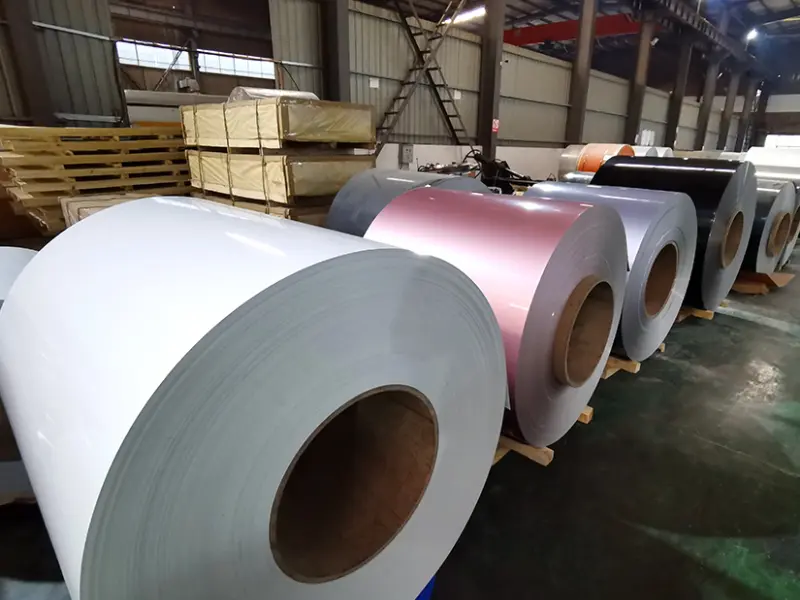
Mill finish aluminum coil is not the only option available. Some applications need a painted color, a textured surface, or a treated finish.
Mill Finish vs. Color-Coated Aluminum Coil
| Feature | Mill finish coil | Color-coated coil |
|---|---|---|
| Surface | Natural aluminum | Aluminum with an applied paint coating |
| Appearance | Metallic silver or gray | Available in many colors |
| Further processing | Suitable for many downstream treatments | Must consider coating during bending and forming |
| Typical applications | Industrial fabrication, insulation, further coating | Roofing, siding, architectural panels |
| Relative cost | Often lower before additional processing | Usually includes coating costs |
Mill finish coil may be a practical choice when the customer plans to apply a coating later or does not need a painted surface. Color-coated coil may be more convenient when a finished color is required directly from the supplier.
Mill Finish vs. Stucco Embossed Aluminum Coil
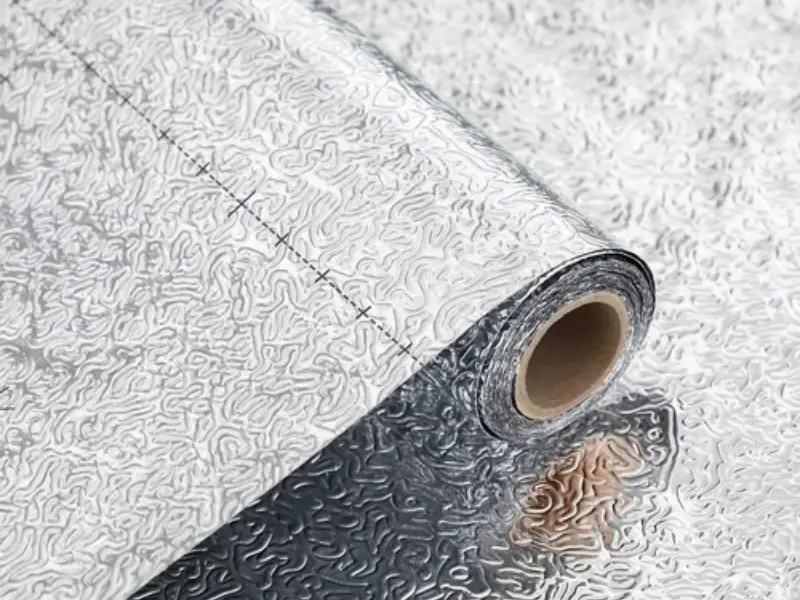
Stucco embossed aluminum coil has a textured pattern on its surface. Mill finish coil generally has a smoother rolled surface, although the exact appearance depends on production conditions.
| Feature | Mill finish | Stucco embossed |
|---|---|---|
| Surface texture | Usually smooth rolled texture | Raised, textured pattern |
| Appearance | Plain metallic | Textured metallic |
| Typical uses | Fabrication, slitting, further finishing | Insulation jacketing, refrigeration, selected panels |
| Processing considerations | Depends on alloy and temper | Texture may affect measurement and appearance |
For insulation jacketing, embossed material can help reduce the visibility of minor surface marks. Smooth mill finish material may be preferred where a flat surface is needed.
Mill Finish vs. Anodized Aluminum Coil
Anodized aluminum has an electrochemically formed oxide layer. Mill finish aluminum has no additional anodizing layer unless it is treated later.
Anodizing can change the appearance and surface performance. However, anodized coil availability depends on the processing method and product requirements.
For a project that requires a specific appearance or surface durability, confirm the finish and testing requirements before ordering.
Applications of Mill Finish Aluminum Coil
Mill finish aluminum coil is suitable for many industries because it can be cut, slit, formed, or used as a base for further treatment.
Building and Construction
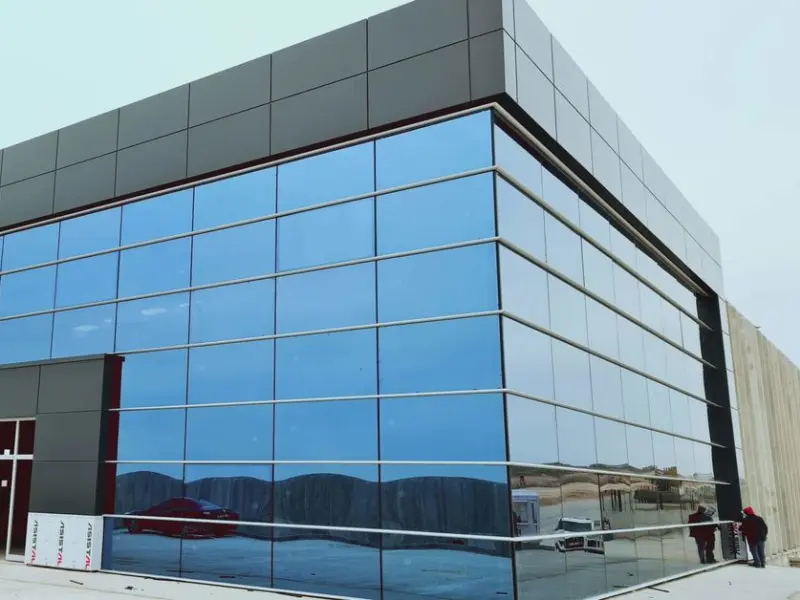
Common applications include:
- Building components and trim
- Roofing and siding parts
- Gutter components
- Flashing and edge profiles
- Ceiling and partition components
- Base material for subsequent coating
For outdoor products, the natural finish should be evaluated against the project’s appearance and durability requirements. Additional surface treatment may be needed for some environments.
HVAC and Insulation
Mill finish aluminum coil is used in selected heating, ventilation, air conditioning, and insulation products.
Applications include:
- Duct and pipe insulation covers
- Equipment enclosures
- Air-conditioning components
- Heat exchanger parts
- Ventilation system components
- Industrial insulation jacketing
The alloy and thickness should match the forming method and operating conditions. Some systems require a specific surface condition or additional protective layer.
Electrical and Heat Transfer Products
Aluminum’s conductivity makes it useful in selected electrical and thermal applications.

Common uses include:
- Electrical components
- Conductive parts
- Heat transfer components
- Reflective elements
- Selected industrial thermal products
The required conductivity, alloy composition, and mechanical properties should be specified according to the end use.
Transportation and Automotive Manufacturing
Potential applications include:
- Vehicle panels and covers
- Trailer components
- Transportation equipment
- Formed enclosures
- Selected interior components
- Industrial vehicle parts
The correct alloy depends on strength, weight, corrosion exposure, and forming requirements. Automotive or safety-related parts may require specific material approvals and traceability.
Industrial Fabrication and Machinery
Mill finish aluminum coil is used as a starting material for many metalworking processes.
Applications include:
- Machine covers
- Metal enclosures
- Stamped components
- Brackets and formed parts
- Equipment panels
- General sheet metal fabrication
Buyers should consider whether the material will be stamped, bent, welded, machined, or coated after delivery.
Packaging and Consumer Products

Depending on the alloy and thickness, mill finish aluminum may be used for:
- Selected container components
- Appliance panels
- Kitchen equipment parts
- Decorative trims
- Laminated products
- General consumer product components
Food-contact applications require appropriate material and regulatory compliance. Buyers should identify any special requirements before production.
How to Select Mill Finish Aluminum Coil for Your Application
A suitable product should meet the needs of the finished part, not just the initial material specification.
Start with the Manufacturing Process
Identify whether the coil will be slit, roll-formed, stamped, bent, welded, or coated. A process involving tight bends may need a different temper from one that requires a harder surface or higher strength.
Match the Alloy to the Required Properties
- Choose 1050 or 1060 when high purity and conductivity are important.
- Consider 1100 for general forming and workability.
- Compare 3003 for applications that need a balance of formability and strength.
- Consider 3105 for suitable building and formed products.
- Evaluate 5052 or 5754 for applications requiring higher strength and corrosion resistance.
These are starting points, not universal rules. The correct grade depends on the design, applicable standards, and operating environment.
Confirm Dimensional Tolerances
Ask the supplier to specify the permitted variations in thickness and width. If the material will run through an automated production line, coil shape, edge condition, and dimensional consistency can be important.
Check Surface Quality
Mill finish aluminum should meet the surface requirements agreed for the intended application. Depending on the specification, buyers may need to discuss scratches, stains, rolling marks, edge damage, or other visible defects.
If the material will be coated or laminated later, confirm whether the surface is suitable for that process.
What Affects the Price of Mill Finish Aluminum Coil?

The price of mill finish aluminum coil depends on raw material costs, technical requirements, processing, order size, and delivery arrangements.
Main Pricing Factors
- Alloy: Different alloy compositions and supply conditions may affect the price.
- Temper: The required mechanical condition can influence processing and availability.
- Thickness and width: Special dimensions may require additional production or slitting.
- Tolerance: Tighter tolerances may increase processing and inspection requirements.
- Surface quality: More demanding surface specifications can affect yield and cost.
- Order quantity: Small orders and large production batches may have different unit costs.
- Packaging: Export packing and special moisture protection may add costs.
- Freight and destination: Transport, insurance, customs, and local handling affect the delivered price.
When comparing offers, make sure each supplier is quoting the same alloy, temper, dimensions, tolerance, surface requirements, packaging, and delivery terms.
How to Evaluate a Mill Finish Aluminum Coil Supplier
The right supplier should be able to explain the product specifications and how they are checked. A low price is not useful if the coil cannot run properly on the customer’s production line.
Technical Capability and Product Range
Ask whether the supplier can provide the required alloy, temper, width, thickness, and coil weight. If you need slit coils or special edge conditions, confirm that the required processing is available.
Quality Inspection and Documentation
Depending on the application, request relevant documents such as:
- Material test certificate, where available
- Chemical composition report
- Mechanical property data
- Thickness and width inspection records
- Surface inspection requirements
- Coil identification and packing records
The documents should correspond to the actual material being supplied.
Packaging and Delivery
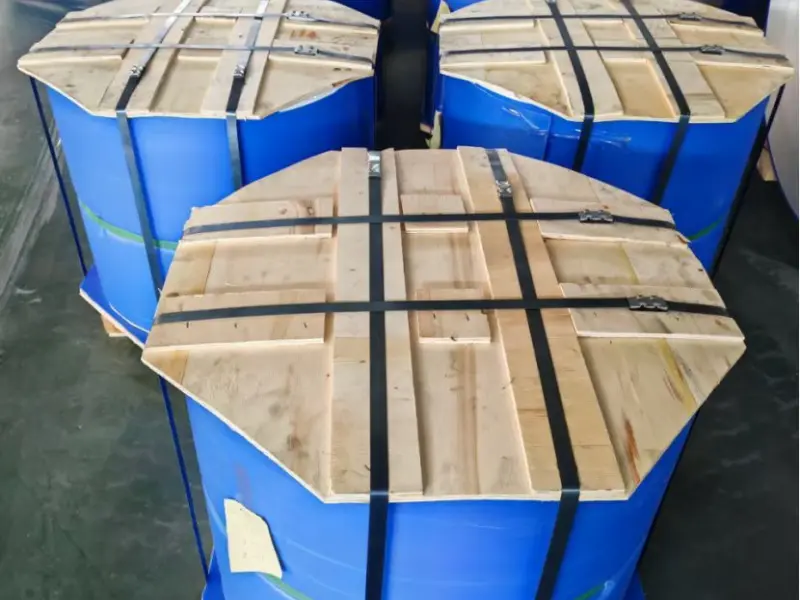
Aluminum coil should be packed to reduce the risk of moisture exposure, scratches, impact, and deformation during transport.
Before placing an order, confirm the packaging method, coil orientation, lifting requirements, shipping marks, and delivery schedule.
Frequently Asked Questions About Mill Finish Aluminum Coil
What does mill finish mean on aluminum coil?
Mill finish means the aluminum retains its natural surface from the rolling and production process without an additional decorative paint coating. Its exact appearance depends on the alloy, production conditions, and surface quality requirements.
Is mill finish aluminum coil suitable for outdoor use?
It may be suitable for some outdoor applications, depending on the alloy, design, environment, and required service life. More demanding environments may require an additional coating or surface treatment.
Which alloy is best for mill finish aluminum coil?
There is no single best alloy for every application. The 1xxx series is often considered for purity and conductivity, 3003 for general formability and strength, 3105 for certain building products, and 5052 or 5754 for applications requiring suitable strength and corrosion resistance.
What is the difference between mill finish and brushed aluminum?
Mill finish aluminum retains the surface produced by rolling. Brushed aluminum has a directional surface texture created by mechanical finishing. Brushed material is generally selected when a specific decorative appearance is needed.
Can mill finish aluminum coil be painted later?
Yes, it can be used as a base material for subsequent coating when the alloy, surface condition, and pretreatment are suitable. The coating process should follow the paint system manufacturer’s preparation requirements.
Can I order mill finish aluminum coil in custom widths?
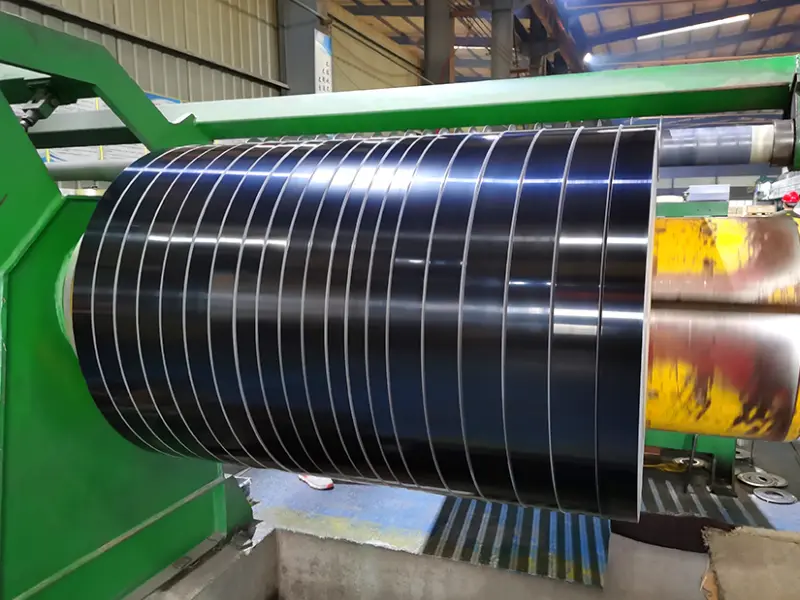
Many suppliers can provide custom widths through slitting. Availability depends on the parent coil size, equipment capability, tolerance requirements, and order quantity.
Which temper is suitable for bending aluminum coil?
The correct temper depends on the alloy, thickness, bend radius, and forming method. Softer conditions such as O are often considered for more demanding forming, while harder tempers may suit simpler bends. Confirm the requirements with the material supplier and fabricator.
How should mill finish aluminum coil be stored?
Store the coil in a clean, dry environment and protect it from condensation and standing water. Use suitable handling equipment and follow the supplier’s instructions to prevent scratches, deformation, and moisture-related surface problems.
What information is needed for a quotation?
Provide the alloy, temper, thickness, width, required tolerances, coil dimensions, quantity, application, packaging requirements, and delivery destination. A drawing or product specification can help the supplier confirm the correct material.
Is mill finish aluminum coil cheaper than color-coated coil?
Mill finish coil often has a lower initial processing cost because it does not include an additional decorative paint coating. However, the total cost depends on whether the buyer needs to coat or treat the material later.
Request a Quote for Mill Finish Aluminum Coil
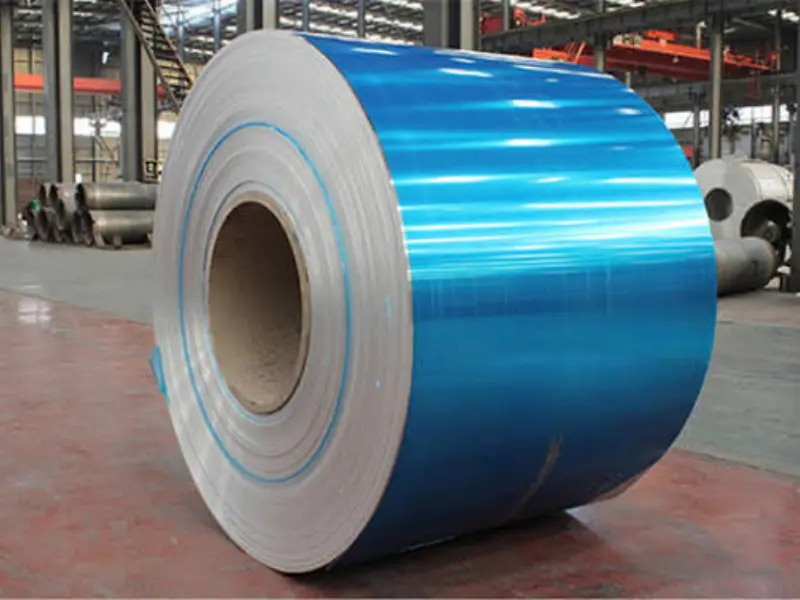
If you are sourcing mill finish aluminum coil for industrial fabrication, construction, HVAC, insulation, or transportation, begin with a clear technical specification.
Provide your required alloy, temper, thickness, width, quantity, and intended application. Also indicate any requirements for surface quality, dimensional tolerance, coil weight, packaging, and delivery.
A complete specification helps the supplier recommend a suitable product and prepare a quotation that can be compared accurately with other offers.