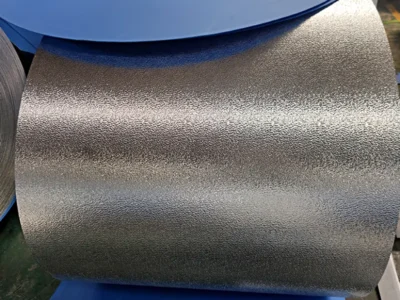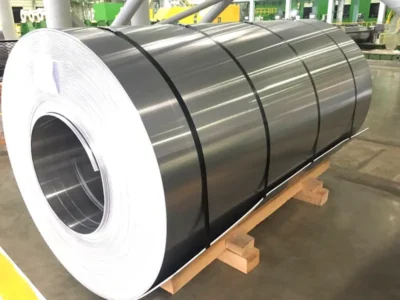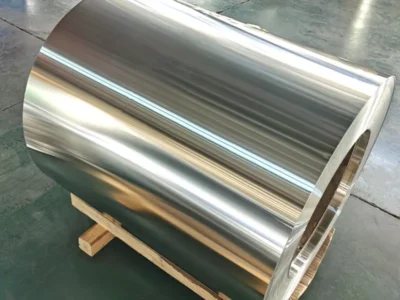
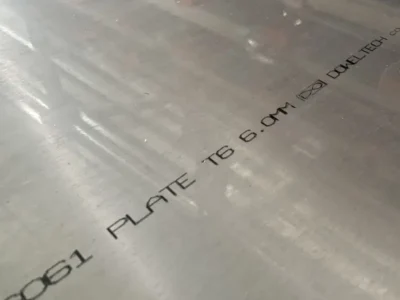
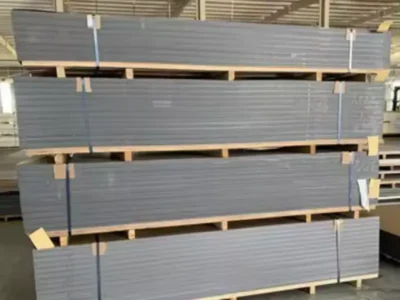
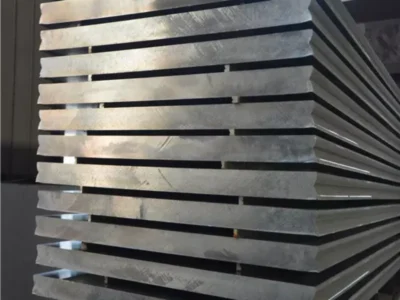
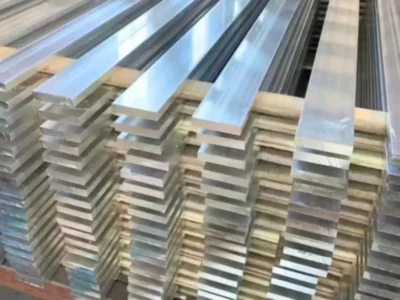
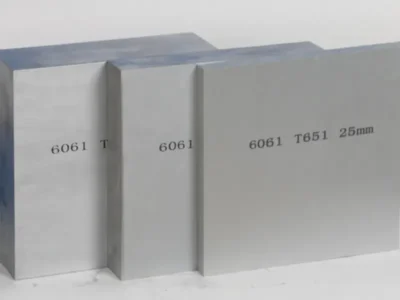
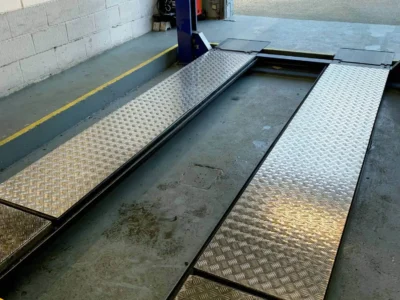
6061 aluminum plate is one of the most versatile structural materials in modern manufacturing. Engineers and buyers choose this alloy for its excellent balance of strength, corrosion resistance, and machinability. Whether you need marine-grade panels, aerospace components, or industrial tooling plates, 6061 delivers reliable performance across demanding environments.
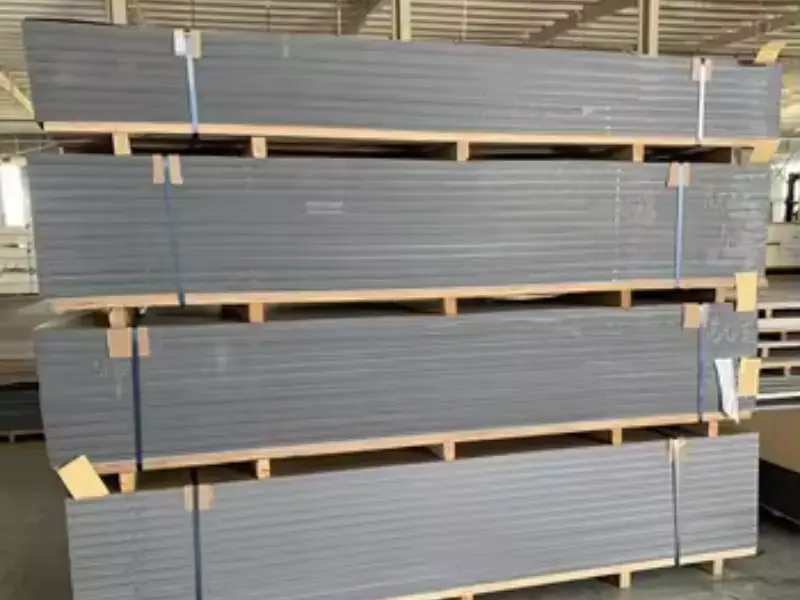
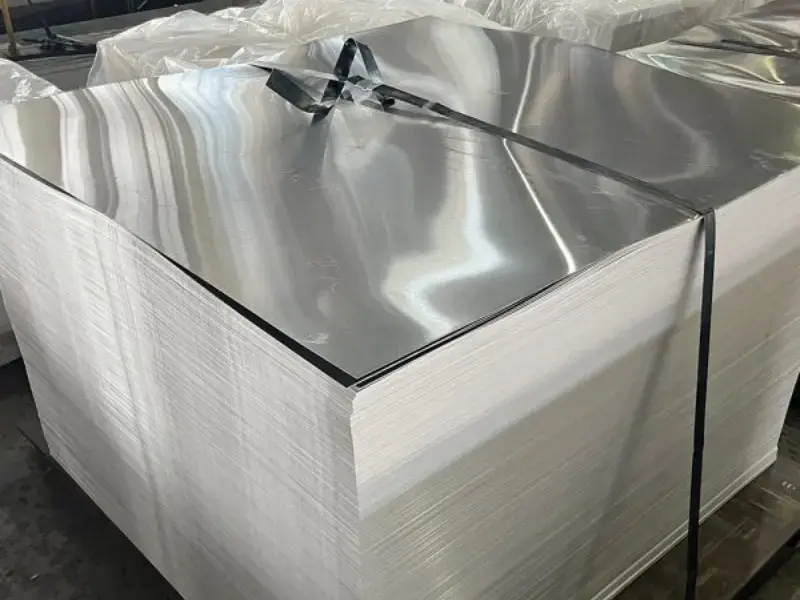
What Makes 6061 Aluminum Plate Special
6061 belongs to the 6xxx series of aluminum alloys. The primary alloying elements are magnesium and silicon, which form Mg₂Si precipitates during heat treatment. This precipitation hardening mechanism gives 6061 its characteristic strength-to-weight ratio.
The alloy responds well to standard heat treatments. Manufacturers can produce it in multiple tempers, each suited to different fabrication methods. From soft annealed plate for deep forming to fully hardened T651 plate for precision machining, 6061 adapts to nearly every structural need.
Key advantages of 6061 aluminum plate include:
- High strength-to-weight ratio for lightweight structures
- Excellent corrosion resistance in marine and industrial atmospheres
- Good weldability with common filler alloys like 4043 and 5356
- Superior machinability compared to high-strength 7xxx series alloys
- Wide availability in plate thicknesses from 0.25 inch to over 8 inches
- Cost-effective pricing relative to specialty aerospace alloys
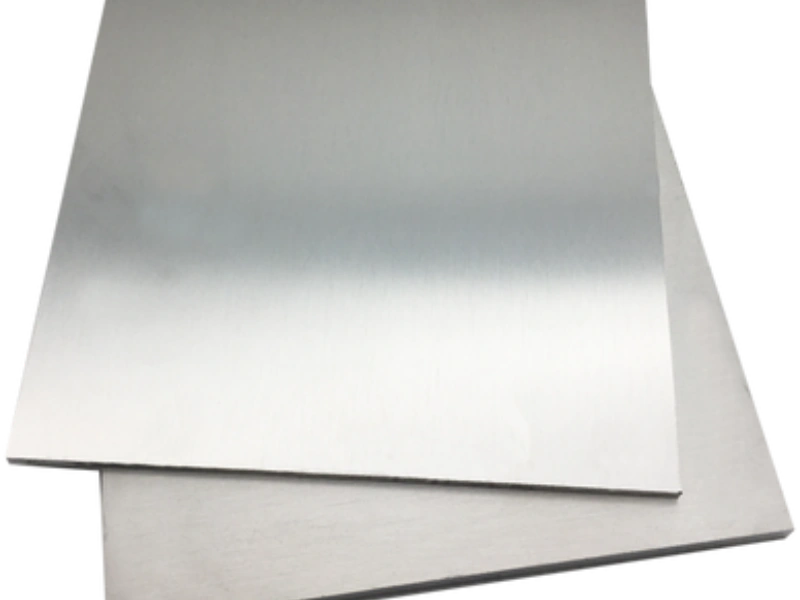
Technical design
| Item | Description |
|---|---|
| Product Name | 6061 Aluminum Plate |
| Material | Aluminum Alloy |
| Alloy | 6061 |
| Main Elements | Magnesium (Mg), Silicon (Si) |
| Temper | T6 / T651 / O |
| Thickness Range | 6mm – 300mm |
| Width Range | 500mm – 2600mm |
| Length Range | 1000mm – 12000mm |
| Surface Options | Mill Finish / Anodized / Brushed / Machined |
| Heat Treatment | Solution Heat Treatment + Artificial Aging |
| Machining Performance | Excellent CNC machining performance |
| Welding Performance | Good weldability |
| Corrosion Resistance | Excellent |
| Mechanical Feature | High strength, good toughness, lightweight |
| Applications | Aerospace, Automotive, Marine, Machinery, Mold and Industrial Manufacturing |
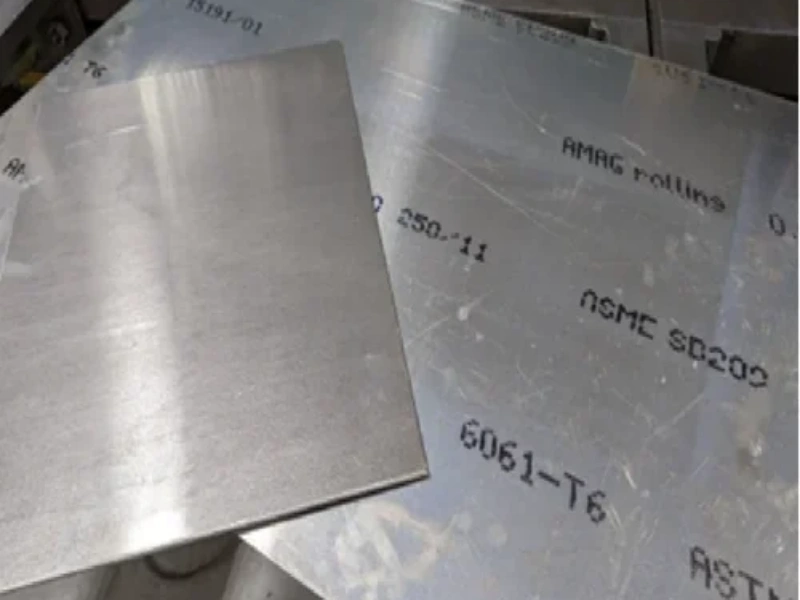
| Quality Standard | ASTM B209 / AMS 4027 / EN 485 |
6061 Aluminum Plate Alloy Composition
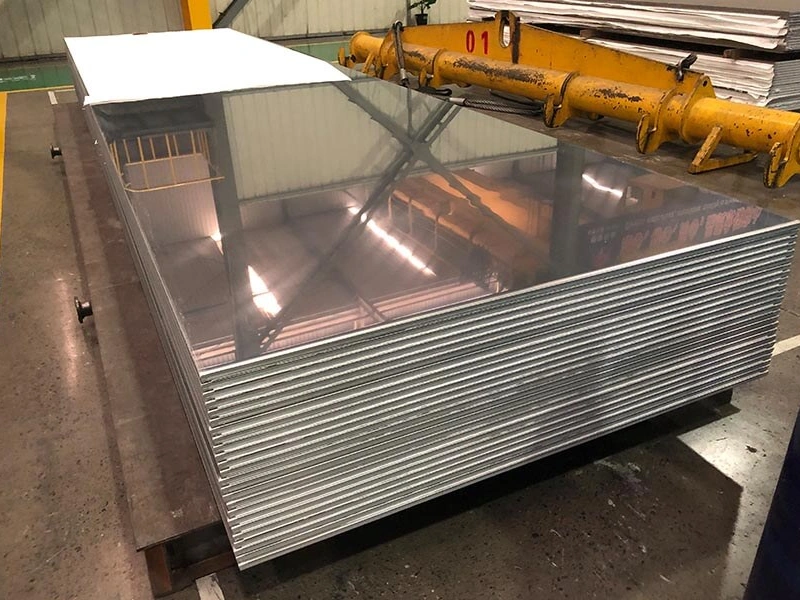
Understanding the chemical makeup helps engineers predict how 6061 will perform in specific environments. The composition is tightly controlled to ensure consistent heat treatment response.
| Element | Specification Range (Wt%) | Role in Alloy |
|---|---|---|
| Silicon (Si) | 0.40 – 0.80 | Forms Mg₂Si precipitates for strength |
| Magnesium (Mg) | 0.80 – 1.20 | Primary strengthening element with silicon |
| Copper (Cu) | 0.15 – 0.40 | Improves strength and machinability |
| Chromium (Cr) | 0.04 – 0.35 | Controls grain structure and corrosion |
| Iron (Fe) | ≤ 0.70 | Trace impurity, controlled for quality |
| Manganese (Mn) | ≤ 0.15 | Grain refinement |
| Zinc (Zn) | ≤ 0.25 | Trace element |
| Titanium (Ti) | ≤ 0.15 | Grain control during casting |
| Aluminum (Al) | Balance | Base metal |
The silicon and magnesium content is critical. When heat-treated, these elements combine to create fine Mg₂Si precipitates throughout the aluminum matrix. These precipitates block dislocation movement, which increases yield strength and hardness without making the material brittle.
6061 Aluminum Plate Temper Designations Explained
The temper designation tells you how the plate was processed after casting. Each temper produces different mechanical properties and fabrication characteristics. Choosing the right temper is essential for project success.
6061-T6 Aluminum Plate
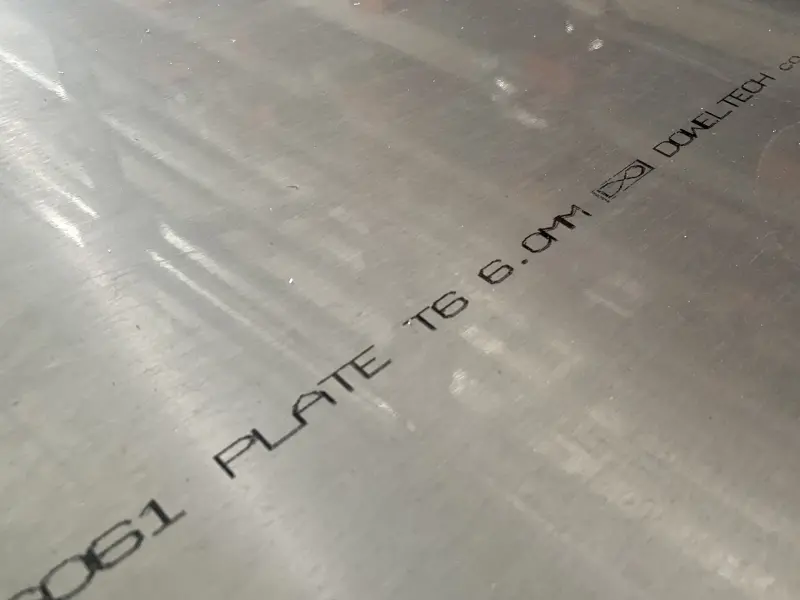
T6 is the most common temper for 6061 aluminum plate. The “T” indicates heat treatment, and “6” means the material was solution heat-treated and artificially aged to peak strength.
The T6 process involves three steps:
- Solution treatment at approximately 533°C (990°F) to dissolve alloying elements
- Rapid quenching to trap elements in solid solution
- Artificial aging at 160-177°C (320-350°F) for 12-24 hours
6061-T6 plate offers high strength and good machinability. It works well for structural frames, brackets, and general fabrication. However, T6 plate retains residual stresses from quenching, which can cause distortion during heavy machining.
Typical properties of 6061-T6 plate:
| Property | Value |
|---|---|
| Tensile Strength | 290 – 310 MPa |
| Yield Strength | 240 – 275 MPa |
| Elongation | 8 – 12% |
| Brinell Hardness | 95 – 105 HB |
| Density | 2.70 g/cm³ |
6061-T651 Aluminum Plate
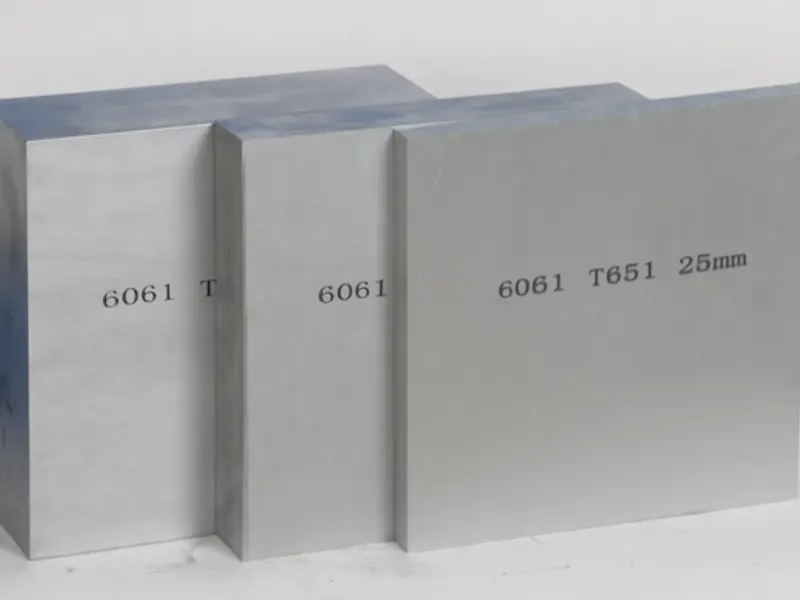
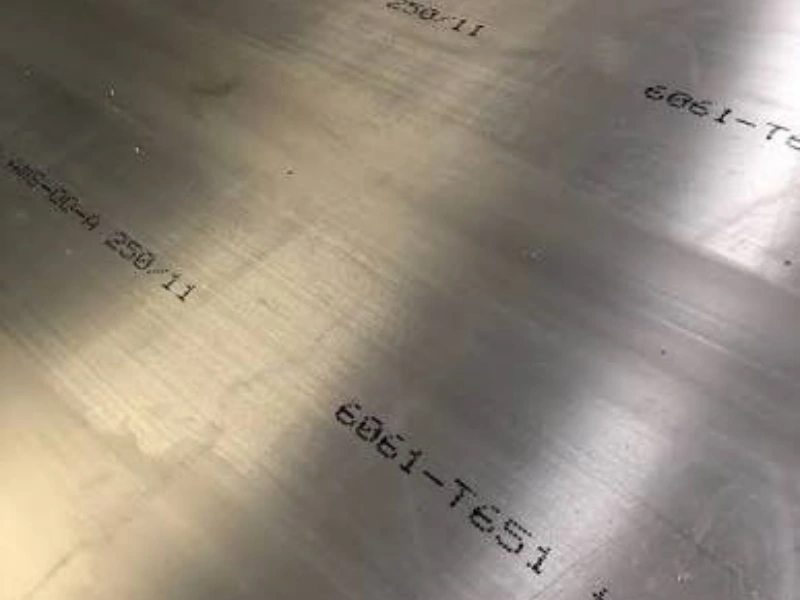
T651 is the stress-relieved version of T6. After the standard T6 heat treatment, the plate undergoes controlled stretching (1.5% to 3% permanent elongation). This stretching relieves internal stresses from quenching.
The result is a plate with excellent dimensional stability. T651 stays flat during machining and resists warping under cutting forces. For this reason, thick plate stock (above 0.25 inch) is almost always supplied in T651 temper.
Key differences between T6 and T651:
| Feature | 6061-T6 | 6061-T651 |
|---|---|---|
| Heat Treatment | Solution treated + aged | Same as T6 |
| Stress Relief | None | Stretched 1.5-3% |
| Dimensional Stability | Moderate | Excellent |
| Machining Distortion | Higher | Reduced by 60-70% |
| Flatness Tolerance | Standard | ±0.1 mm per meter |
| Typical Use | General fabrication | Precision machining |
| Cost | Base price | 3-5% premium |
For CNC machining jobs requiring tight tolerances, T651 is the better choice. The extra cost is usually offset by reduced scrap rates and faster machining cycles.
6061-T4 Aluminum Plate
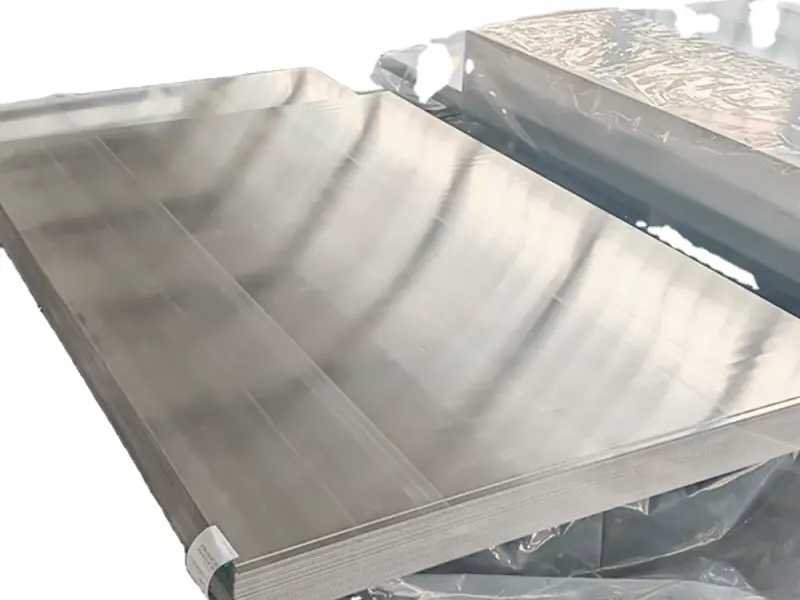
T4 temper means the plate was solution heat-treated and naturally aged at room temperature. Natural aging produces intermediate strength. The material is softer than T6, which makes it easier to form and bend.
T4 plate is ideal for applications requiring significant cold working before final heat treatment. After forming, the part can be artificially aged to T6 strength if needed.
6061-O Annealed Plate
O temper is the fully annealed condition. The plate is soft and ductile, with excellent formability. It bends easily and accepts deep drawing operations. However, strength is much lower than heat-treated tempers.
Use O temper when maximum formability is required. After forming, the part can be heat-treated to T6 if structural strength is needed.
6061-T5 and T52 Plate
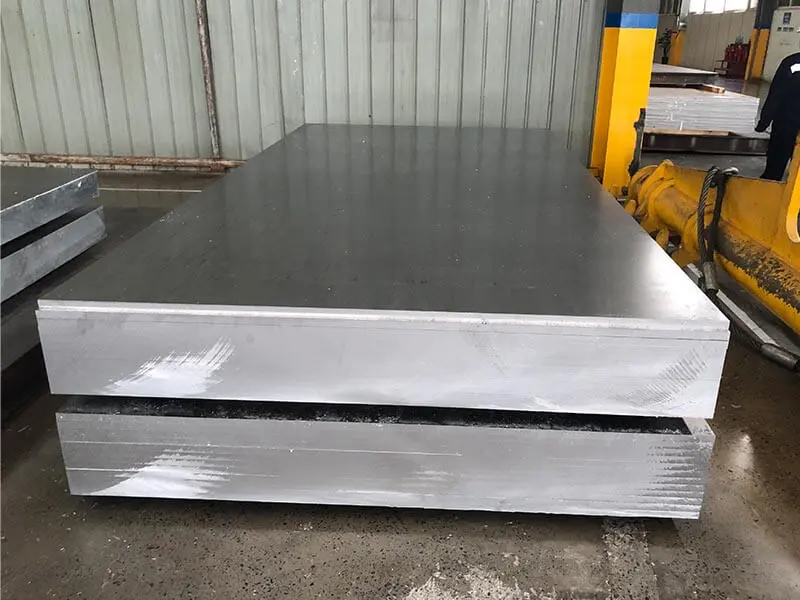
T5 tempers involve cooling from an elevated temperature forming process, followed by artificial aging. T5 is more common in extrusions than plate, but some plate products are available in T5 for specific applications.
6061 Aluminum Plate Thickness and Size Specifications
6061 aluminum plate is available in a wide range of thicknesses. The standard classification distinguishes between sheet (under 6 mm) and plate (6 mm and thicker). For structural applications, plate thickness typically ranges from 6 mm to over 200 mm.
Standard Thickness Chart
| Thickness (mm) | Thickness (inch) | Common Widths (mm) | Common Lengths (mm) | Typical Applications |
|---|---|---|---|---|
| 6.0 | 0.236 | 1220, 1500, 2000 | 2440, 3660, 6000 | Light structural frames, brackets |
| 8.0 | 0.315 | 1220, 1500, 2000 | 2440, 3660, 6000 | Machine bases, platforms |
| 10.0 | 0.394 | 1220, 1500, 2000 | 2440, 3660, 6000 | Building frames, transport brackets |
| 12.0 | 0.472 | 1220, 1500, 2000 | 2440, 3660, 4000 | Industrial covers, deck plates |
| 16.0 | 0.630 | 1220, 1500, 2000 | 2440, 3660, 4000 | Heavy-duty structural parts |
| 20.0 | 0.787 | 1500, 2000 | 2440, 3660, 6000 | Marine decks, chassis members |
| 25.0 | 0.984 | 1500, 2000 | 2440, 3660, 4000 | Offshore platforms, heavy machinery |
| 30.0 | 1.181 | 1500, 2000 | 2440, 3660 | Tooling plates, mold bases |
| 38.1 | 1.500 | 1500, 2000 | 2440, 3660 | Large tooling, press plates |
| 50.8 | 2.000 | 1500, 2000 | 2440, 3660 | Heavy tooling, structural blocks |
| 76.2 | 3.000 | 1500, 2000 | 2440, 3660 | Extra heavy structural applications |
| 101.6 | 4.000 | 1500, 2000 | 2440, 3660 | Specialized industrial tooling |
| 152.4 | 6.000 | 1500, 2000 | 2440, 3660 | Custom heavy-duty applications |
Plate Weight Reference
The density of 6061 aluminum is approximately 2.70 g/cm³. This translates to about 2.70 kg per square meter per millimeter of thickness. For quick calculations:
- 6 mm plate: 16.2 kg/m²
- 10 mm plate: 27.0 kg/m²
- 20 mm plate: 54.0 kg/m²
- 25 mm plate: 67.5 kg/m²
Standard Sizes and Tolerances
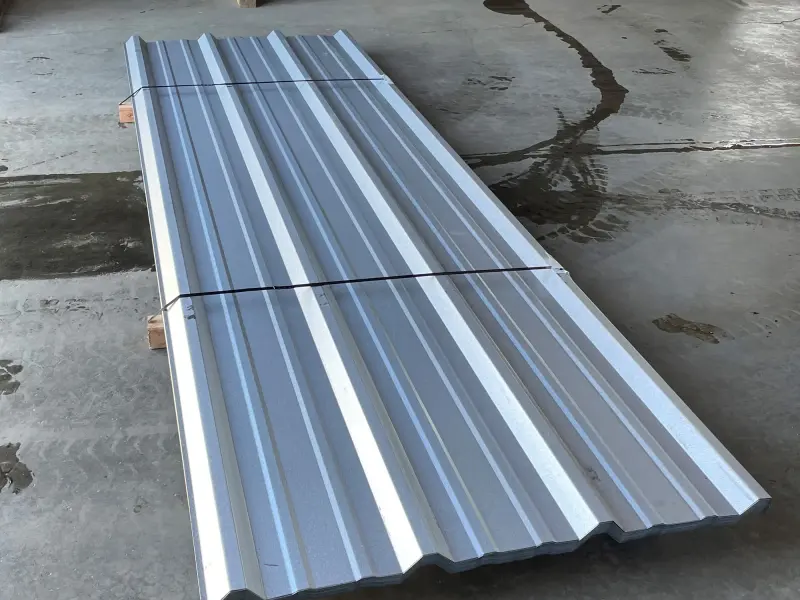
Most suppliers stock 6061 aluminum plate in standard widths of 1220 mm, 1500 mm, and 2000 mm. Lengths commonly range from 2440 mm to 6000 mm. Custom sizes are available through cut-to-size services.
Thickness tolerances follow ASTM B209 or EN 485-2 standards. For plates under 25 mm thick, typical tolerance is ±0.2 mm to ±0.5 mm depending on the specific thickness range.
6061 Aluminum Plate vs Other Alloys: Side-by-Side Comparison
Engineers often compare 6061 with other aluminum alloys when selecting materials. Each alloy has strengths and weaknesses depending on the application requirements.
6061 vs 5052 Aluminum Plate
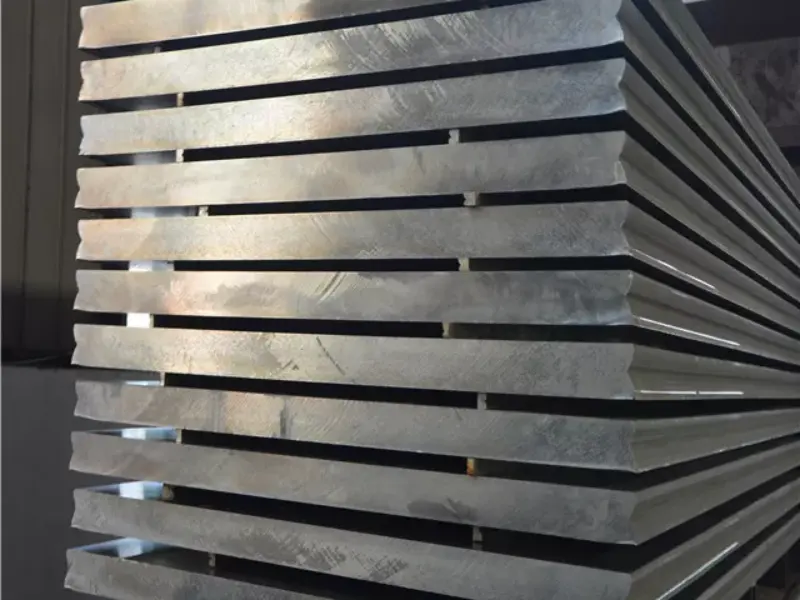
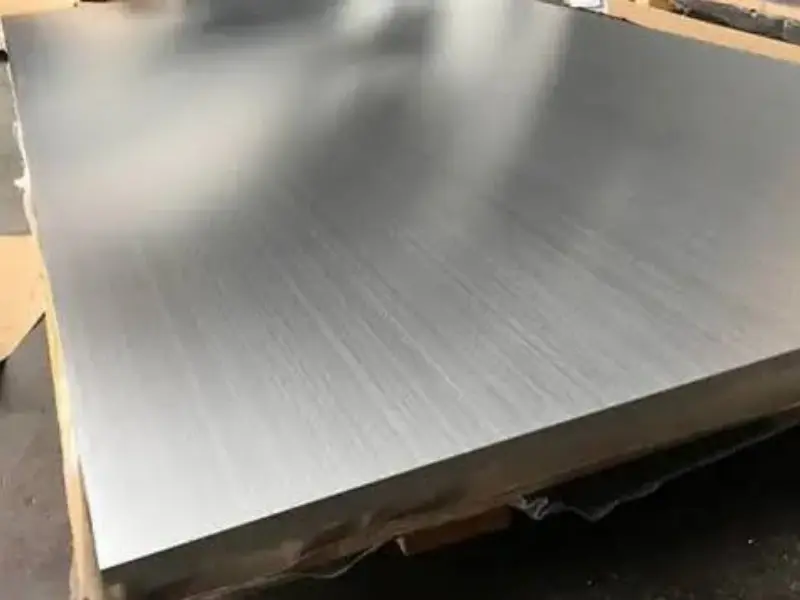
5052 is a non-heat-treatable alloy from the 5xxx series. It offers excellent corrosion resistance but lower strength than 6061.
| Property | 6061-T6 | 5052-H32 | Winner |
|---|---|---|---|
| Tensile Strength | 290-310 MPa | 230-260 MPa | 6061 |
| Yield Strength | 240-275 MPa | 170-215 MPa | 6061 |
| Corrosion Resistance | Good | Excellent | 5052 |
| Weldability | Good | Excellent | 5052 |
| Formability | Moderate | Excellent | 5052 |
| Machinability | Excellent | Good | 6061 |
| Cost | Moderate | Lower | 5052 |
| Heat Treatable | Yes | No | 6061 |
Use 6061 when you need higher strength and good machinability. Choose 5052 for marine hulls, tanks, and applications requiring maximum corrosion resistance and formability.
6061 vs 5083 Aluminum Plate
5083 is the premier marine-grade aluminum alloy. It offers exceptional corrosion resistance in seawater but cannot be heat-treated to high strength.
| Property | 6061-T6 | 5083-H116 | Winner |
|---|---|---|---|
| Tensile Strength | 290-310 MPa | 290-330 MPa | Similar |
| Yield Strength | 240-275 MPa | 220-270 MPa | Similar |
| Corrosion in Seawater | Good | Excellent | 5083 |
| Weldability | Good | Excellent | 5083 |
| Machinability | Excellent | Moderate | 6061 |
| Cost | Moderate | Higher | 6061 |
| Post-Weld Strength | Reduced | Maintained | 5083 |
For ship hulls and offshore structures in constant seawater contact, 5083 is preferred. For internal structural components, fittings, and machined parts, 6061 is more practical.
6061 vs 7075 Aluminum Plate
7075 is a high-strength alloy from the 7xxx series. It offers nearly double the strength of 6061 but with trade-offs in corrosion resistance and weldability.
| Property | 6061-T6 | 7075-T6 | Winner |
|---|---|---|---|
| Tensile Strength | 290-310 MPa | 540-570 MPa | 7075 |
| Yield Strength | 240-275 MPa | 470-500 MPa | 7075 |
| Corrosion Resistance | Good | Fair | 6061 |
| Weldability | Good | Poor | 6061 |
| Machinability | Excellent | Good | 6061 |
| Cost | Base | 2-3x higher | 6061 |
| Anodizing Quality | Good | Fair | 6061 |
Choose 7075 for aerospace structures where maximum strength-to-weight ratio is critical. Use 6061 for general structural applications where corrosion resistance, weldability, and cost matter more than absolute strength.
6061 vs 6082 Aluminum Plate
6082 is a European equivalent to 6061 with slightly different composition. It is widely used in structural applications across Europe and Asia.
| Property | 6061-T6 | 6082-T6 | Winner |
|---|---|---|---|
| Tensile Strength | 290-310 MPa | 290-310 MPa | Tie |
| Yield Strength | 240-275 MPa | 250-290 MPa | 6082 |
| Corrosion Resistance | Good | Good | Tie |
| Weldability | Good | Good | Tie |
| Machinability | Excellent | Good | 6061 |
| Availability | Global | Europe/Asia dominant | 6061 |
Both alloys perform similarly. 6061 is more widely available in North America, while 6082 dominates European markets.
Applications of 6061 Aluminum Plate Across Industries
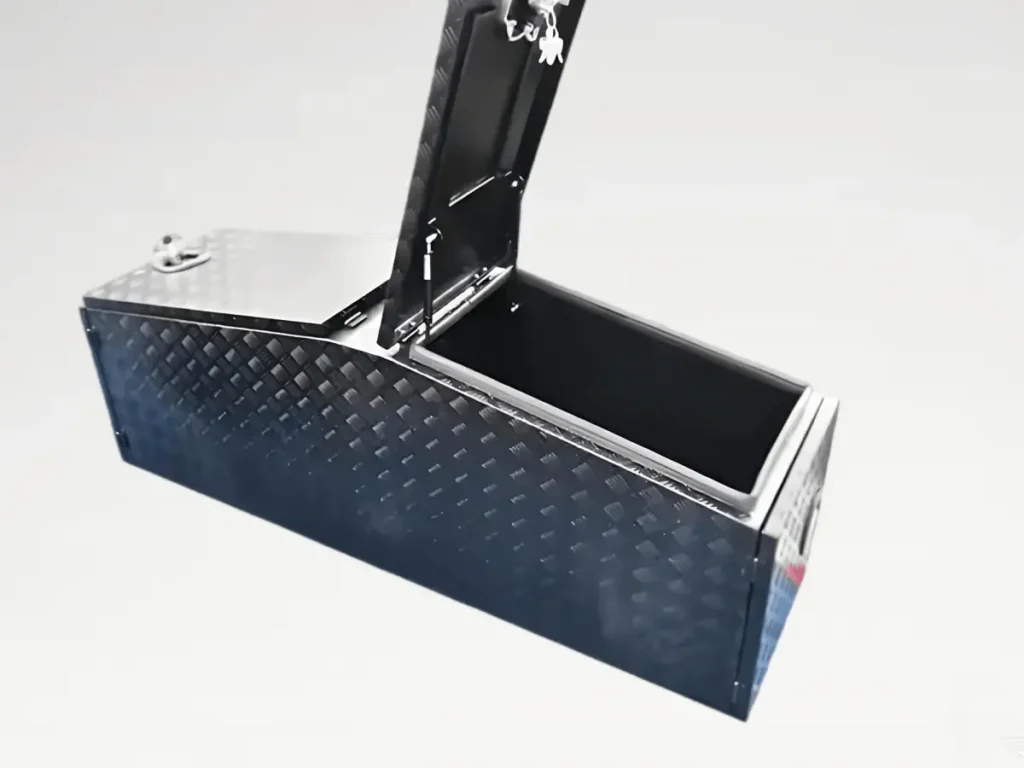

6061 aluminum plate serves diverse industries due to its balanced properties. Below are the major application areas with specific use cases.
Aerospace and Aviation
The aerospace industry values 6061-T6 for its strength-to-weight ratio and machinability. While not as strong as 7075, 6061 offers better corrosion resistance and easier fabrication.
- Aircraft structural frames and wing spars
- Fuselage skin panels and reinforcement brackets
- Landing gear components and hydraulic fittings
- Interior cabin structures including seat frames and luggage racks
- Fuel system components and fluid delivery lines
- Instrument mounting panels and avionics housings
- Spacecraft brackets and satellite structural frames
Marine and Shipbuilding
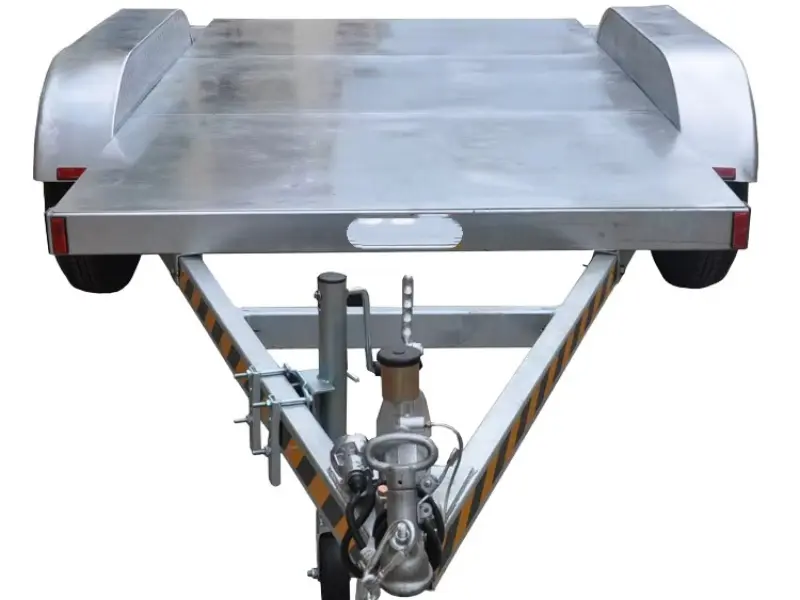
Marine-grade 6061 aluminum plate is widely used in ship construction. It resists saltwater corrosion when properly maintained and offers good weldability for hull assembly.
Offshore platform walkways and dock equipment
Ship superstructures and deckhouses
Interior decks and platform plating
Structural frames, stiffeners, and brackets
Gangways, stairs, and handrails
Equipment mounting bases and machined marine hardware
Mast construction for sailboats
Catamaran hull connectors and structural members
Automotive and Transportation
The automotive industry uses 6061 plate for lightweight structural components. Weight reduction improves fuel efficiency and handling.
- Vehicle chassis frames and subframe components
- Truck bed plates and trailer flooring
- Engine components and heat exchanger mounts
- Bicycle frames and automotive wheels
- Railway car structural members
- Electric vehicle battery enclosures
Industrial Machinery and Tooling
6061-T651 is the preferred material for precision tooling plates. Its stress-relieved condition ensures dimensional stability during machining.
- CNC machine base plates and fixture plates
- Injection mold bases and die sets
- Jigs and fixtures for production lines
- Robotic arm structural components
- Precision measurement equipment bases
- Press brake tooling and forming dies
Construction and Architecture
6061 plate serves structural and decorative roles in building construction.
- Building facade panels and curtain wall frames
- Bridge decking and pedestrian walkways
- Elevator components and escalator structures
- Scaffolding platforms and temporary structures
- Architectural trim and decorative elements
- Signage frames and display structures
Electronics and Electrical
The electronics industry uses 6061 for heat dissipation and structural support.
- Heat sink bases and thermal management plates
- Electronic equipment enclosures and chassis
- Semiconductor manufacturing fixtures
- LED lighting housings and mounting plates
- Electrical panel backplates and busbar supports
Medical Equipment
Medical device manufacturers choose 6061 for its biocompatibility and ease of sterilization.
- Hospital bed frames and patient lift structures
- Surgical instrument trays and sterilization racks
- Medical imaging equipment frames
- Wheelchair components and mobility aids
- Laboratory equipment bases and supports
Marine-Grade 6061 Aluminum Plate: Special Considerations
Marine applications demand careful material selection. While 6061 is not the most corrosion-resistant marine alloy, it serves well in specific roles.
When to Choose 6061 for Marine Projects
6061-T6 plate works best for:
- Components above the waterline or in controlled environments
- Internal structural members not in constant seawater contact
- Machined fittings and hardware requiring high strength
- Applications where weldability and machinability are priorities
- Projects combining with 5xxx series hull alloys
Marine Surface Treatment Recommendations
To maximize service life in marine environments:
- Apply anodizing or protective coatings for exposed surfaces
- Use compatible fasteners to prevent galvanic corrosion
- Ensure proper drainage to avoid standing water
- Isolate from dissimilar metals using insulating washers
- Perform regular inspection and maintenance
Marine Certification Standards
Marine-grade 6061 aluminum plate should meet relevant certification requirements:
- ASTM B209 for general plate specifications
- ABS (American Bureau of Shipping) approval for vessel construction
- Lloyd’s Register certification for international shipping
- DNV GL standards for offshore applications
- CCS (China Classification Society) for Asian markets
Machining and Fabrication Guidelines for 6061 Plate
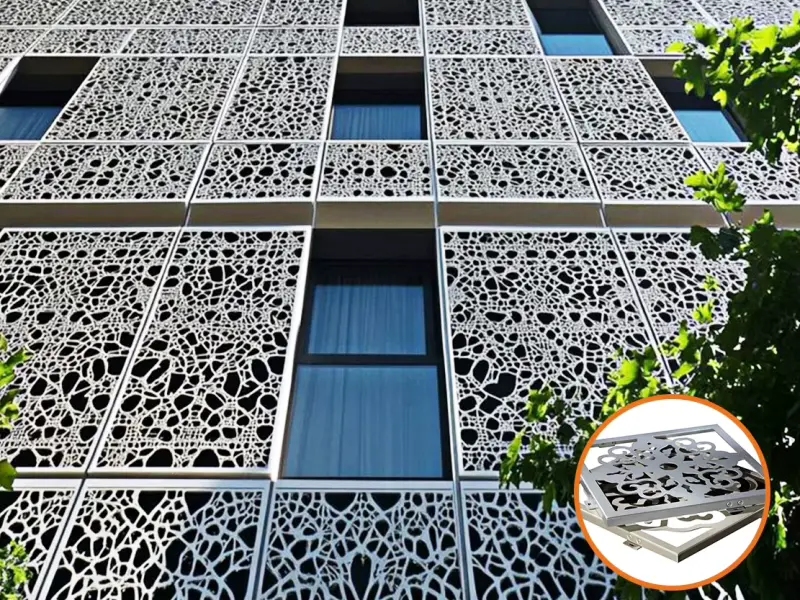
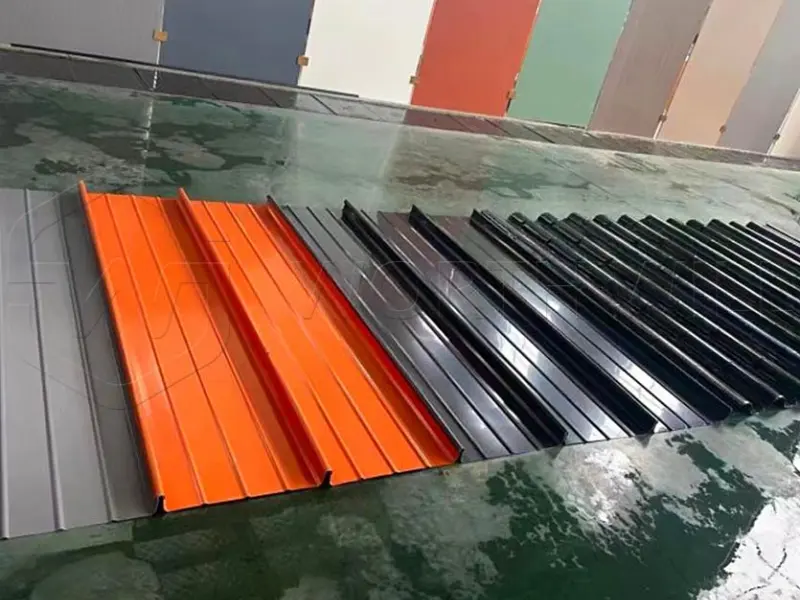
Proper fabrication techniques ensure optimal performance from 6061 aluminum plate.
CNC Machining Tips
- Use carbide cutting tools for best results
- Maintain high spindle speeds with moderate feed rates
- Apply adequate coolant to prevent built-up edge
- For T6 plate, allow for potential distortion in fixture design
- For T651 plate, take advantage of improved dimensional stability
- Consider stress-relief annealing before heavy machining of thick sections
Welding Recommendations
- Use 4043 filler for better crack resistance
- Use 5356 filler for higher weld strength
- Preheat thick sections to 100-150°C if needed
- Control interpass temperature to prevent distortion
- Account for heat-affected zone (HAZ) strength reduction
- Post-weld heat treatment may restore strength if practical
Forming and Bending
- Use O or T4 temper for best formability
- T6 and T651 require larger bend radii
- Minimum bend radius for T6 is approximately 3-4 times thickness
- Hot forming at 200-300°C can improve formability
- Springback is significant in T6 temper; compensate in tooling
Surface Finishing
- 6061 anodizes well, producing durable oxide layers
- Type II anodizing provides decorative finishes
- Type III hardcoat anodizing offers wear resistance
- Painting and powder coating adhere well to properly prepared surfaces
- Mechanical finishing (brushing, polishing) achieves aesthetic results
Buying Guide: How to Select the Right 6061 Aluminum Plate
Choosing the correct plate specification saves money and prevents production issues.
Step 1: Define Your Application Requirements
Consider these factors before ordering:
- Required strength and load-bearing capacity
- Environmental exposure (marine, industrial, outdoor)
- Machining complexity and tolerance requirements
- Welding requirements and post-weld strength needs
- Forming or bending operations needed
- Surface finish and aesthetic requirements
- Budget constraints and volume requirements
Step 2: Select the Appropriate Temper
Use this decision matrix:
| If Your Project Requires… | Choose This Temper |
|---|---|
| Maximum formability before heat treatment | 6061-O or T4 |
| General structural fabrication | 6061-T6 |
| Precision machining with tight tolerances | 6061-T651 |
| Complex CNC milling with minimal distortion | 6061-T651 |
| Welded assemblies without post-weld treatment | 6061-T6 |
| Deep drawing or extensive cold forming | 6061-O |
Step 3: Specify Thickness and Dimensions
- Calculate required thickness based on structural loads
- Consider standard sizes to minimize waste
- Account for machining allowances if ordering oversized stock
- Specify flatness requirements for precision work
- Request cut-to-size services for complex projects
Step 4: Verify Quality Certifications
Request these documents from your supplier:
- Mill test report (MTR) verifying chemical composition
- Mechanical property test certificates
- Heat treatment records
- Dimensional inspection reports
- Third-party inspection certificates if required
- Material traceability documentation
Step 5: Compare Suppliers
Evaluate suppliers based on:
- Stock availability and lead times
- Cut-to-size capabilities
- Certification and quality systems (ISO 9001)
- Industry experience and technical support
- Pricing and minimum order quantities
- Delivery options and packaging quality
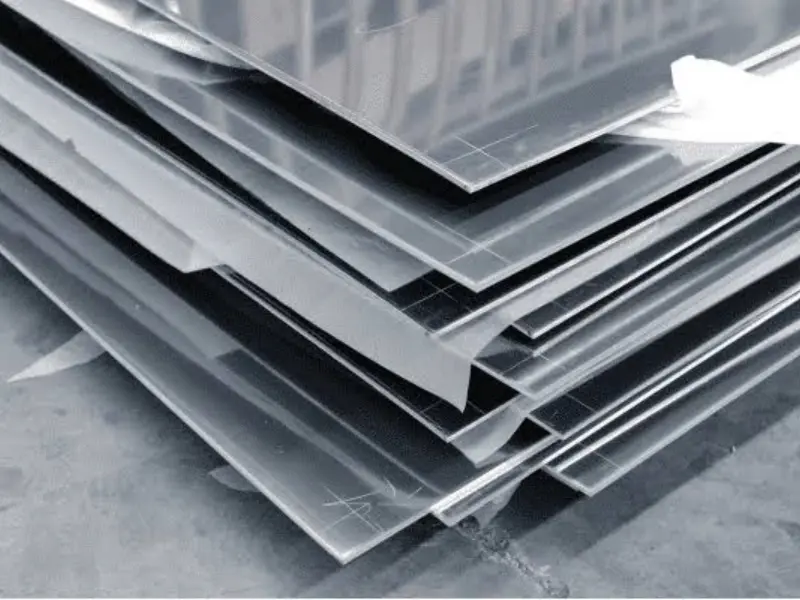
6061 Aluminum Plate Product Types and Variants
Beyond standard flat plate, 6061 is available in specialized forms for specific applications.
6061 Aluminum Tooling Plate
Tooling plate is precision-machined on both faces to achieve tight flatness tolerances. It is typically supplied in T651 temper and used for:
- CNC fixture plates and vacuum tables
- Inspection and measurement tables
- Assembly jigs and welding fixtures
- Precision mold bases
6061 Aluminum Cast Plate
Cast tooling plate offers excellent dimensional stability with low internal stress. It machines easily and maintains flatness. Typical uses:
- Vacuum forming molds
- Thermoforming tools
- Prototype tooling
- Low-volume production fixtures
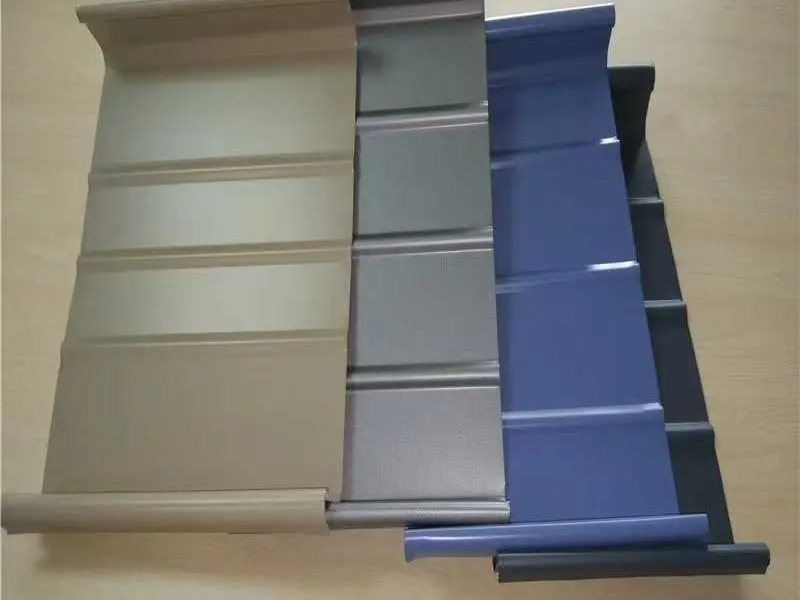
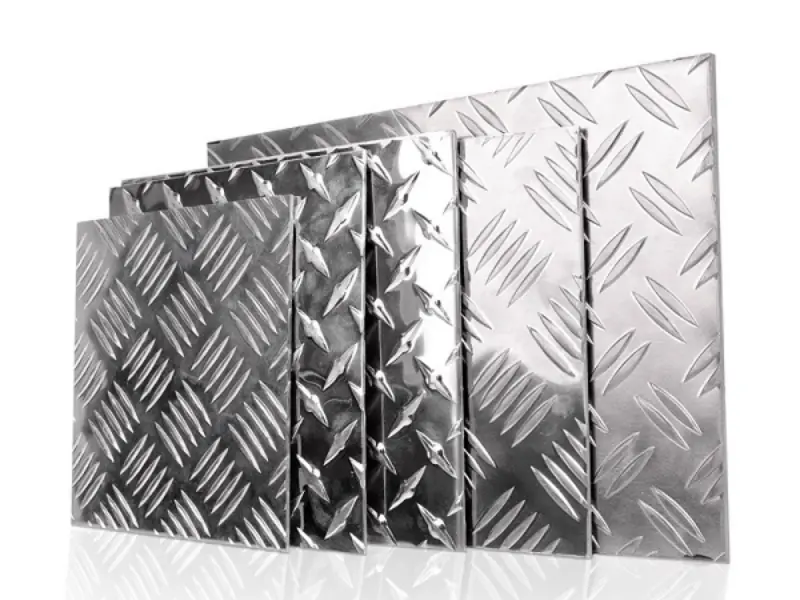
6061 Aluminum Diamond Plate (Tread Plate)
Diamond plate features a raised pattern for slip resistance. Common patterns include:
- One-bar pattern
- Two-bar pattern
- Three-bar pattern
- Five-bar pattern (most common)
- Compass pattern
Applications include:
Decorative wall panels
Ship deck flooring and gangways
Industrial platform treads
Vehicle running boards
Stair treads and ramps
6061 Aluminum Precision Plate
Precision plate is manufactured to tighter tolerances than standard plate. Features include:
- Improved thickness consistency
- Better flatness (often ±0.1 mm/m)
- Reduced residual stress
- Enhanced surface finish
6061 Aluminum Plate with Special Surface Treatments
Perforated plate: Custom hole patterns for ventilation or filtration
Anodized plate: Pre-anodized for corrosion protection and color
Painted plate: Pre-painted for architectural applications
Clad plate: Thin layer of pure aluminum for enhanced corrosion resistance
Frequently Asked Questions About 6061 Aluminum Plate
What is the difference between 6061-T6 and 6061-T651 plate?
The main difference is stress relief. T651 undergoes controlled stretching after heat treatment to relieve internal stresses. This makes T651 more dimensionally stable during machining. Both tempers have similar strength, but T651 resists warping better. For precision work, choose T651. For general fabrication, T6 is sufficient.
Is 6061 aluminum plate suitable for marine environments?
Yes, but with considerations. 6061 offers good corrosion resistance in marine atmospheres. It works well for superstructures, decks, and internal components. For hulls in constant seawater contact, 5083 or 5086 alloys provide better protection. Always use proper surface treatments and maintenance for marine applications.
What thicknesses are available for 6061 aluminum plate?
6061 plate is available from 6 mm (0.25 inch) to over 200 mm (8 inches) thick. Common stock thicknesses include 6, 8, 10, 12, 16, 20, 25, 30, 38, 50, 76, and 100 mm. Custom thicknesses can be produced for large orders.
Can 6061 aluminum plate be welded?
Yes, 6061 has excellent weldability. Use TIG (GTAW) for thin sections and MIG (GMAW) for thicker plate. Common filler alloys are 4043 (better crack resistance) and 5356 (higher strength). Note that welding reduces strength in the heat-affected zone. Design welded joints to account for this strength reduction.
How does 6061 compare to steel plate?
6061 aluminum is about one-third the weight of steel. While steel is stronger per unit volume, 6061 offers a better strength-to-weight ratio. Aluminum does not rust like steel, but it can corrode in certain environments. 6061 is easier to machine and does not require painting for corrosion protection in many applications.
What is the price range for 6061 aluminum plate?
Pricing varies by thickness, temper, quantity, and market conditions. As a general guide:
- Thin plate (6-10 mm): $3.00 – $4.50 per kg
- Medium plate (12-25 mm): $3.50 – $5.00 per kg
- Thick plate (30-50 mm): $4.00 – $6.00 per kg
- Extra thick plate (76+ mm): $5.00 – $8.00 per kg
T651 temper typically costs 3-5% more than T6. Volume discounts apply for large orders.
What is the lead time for 6061 aluminum plate orders?
Lead times vary by supplier and specification:
- Standard stock items: 1-3 days
- Cut-to-size orders: 3-7 days
- Non-standard thicknesses: 2-4 weeks
- Large volume orders: 4-8 weeks
- Specialized tempers or treatments: 6-12 weeks
Always confirm lead times with your supplier before placing orders for time-sensitive projects.
Can 6061-T6 plate be bent or formed?
Bending 6061-T6 is possible but requires care. The material is relatively hard and will spring back significantly. For tight bends, use O or T4 temper instead. If you must bend T6, use a bend radius of at least 3-4 times the material thickness. Hot forming at elevated temperatures can improve formability.
What certifications should I look for when buying 6061 plate?
Important certifications include:
- ASTM B209 (standard specification for aluminum plate)
- AMS 4027 (aerospace material specification for 6061-T6/T651)
- EN 485-2 (European standard for aluminum plate)
- ISO 9001 (quality management system)
- Mill test reports verifying chemistry and mechanical properties
How should 6061 aluminum plate be stored?
Store plate indoors in a dry environment. If outdoor storage is necessary, cover with waterproof material. Store flat to prevent warping. Separate different alloys to prevent cross-contamination. Use wood or plastic separators to prevent surface damage.
Quality Control and Testing for 6061 Aluminum Plate
Reputable suppliers perform rigorous testing to ensure plate quality.
Chemical Analysis
- Spectrometric analysis verifies alloy composition
- Checks all major and trace elements against specifications
- Ensures consistent heat treatment response
Mechanical Testing
- Tensile testing measures strength and elongation
- Hardness testing (Brinell or Rockwell) confirms temper
- Bend tests verify ductility in softer tempers
- Impact tests assess toughness for critical applications
Dimensional Inspection
- Thickness measurement across multiple points
- Flatness checking with precision straightedges or lasers
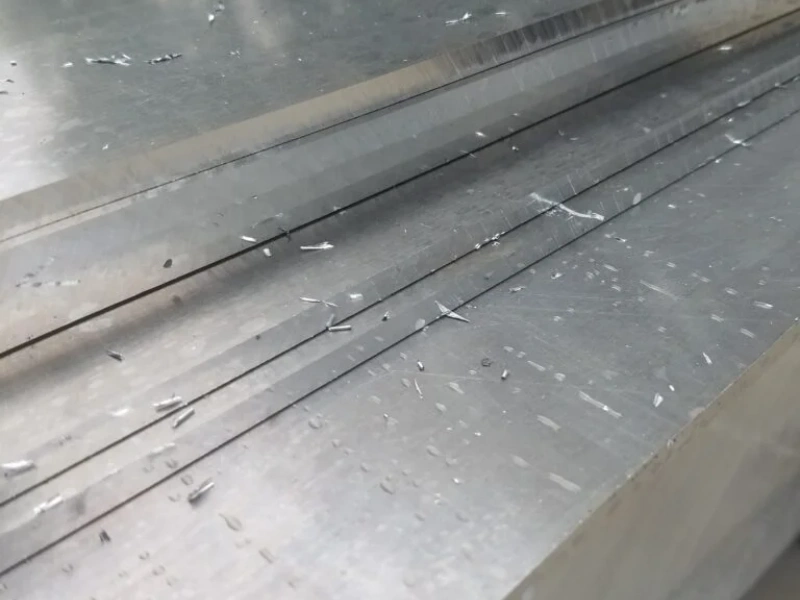
- Surface quality inspection for defects
- Edge condition assessment
Non-Destructive Testing
- Ultrasonic testing detects internal discontinuities
- Eddy current testing finds surface and near-surface flaws
- Dye penetrant inspection reveals surface cracks
- Radiographic testing for thick plate critical applications
Sustainability and Recycling of 6061 Aluminum Plate
Aluminum is one of the most recyclable materials. 6061 plate scrap can be recycled without quality loss.
Environmental Benefits
- 6061 aluminum is 100% recyclable
- Recycling uses only 5% of the energy required for primary production
- Recycled aluminum maintains the same properties as virgin material
- Long service life reduces replacement frequency
Recycling Process
- Scrap plate is collected and sorted by alloy type
- Melting in furnaces at approximately 660°C
- Composition adjustment to meet 6061 specifications
- Casting into new ingots for rolling into plate
Sustainable Sourcing
Look for suppliers with:
- Recycled content certifications
- ISO 14001 environmental management systems
- Energy-efficient production processes
- Responsible sourcing policies
Global Standards and Equivalent Grades for 6061 Aluminum Plate
6061 aluminum plate is produced under various international standards. Understanding equivalents helps with global sourcing.
| Standard System | Grade Designation | Region |
|---|---|---|
| AA (Aluminum Association) | 6061 | USA / International |
| EN (European Norm) | EN AW-6061 | Europe |
| JIS (Japanese Industrial Standard) | A6061 | Japan |
| GB/T (Chinese National Standard) | 6061 | China |
| UNS (Unified Numbering System) | A96061 | USA |
| ISO | AlMg1SiCu | International |
Chemical composition and mechanical properties are harmonized across these standards, though minor differences in impurity limits and testing methods may exist. Always verify the specific standard required for your project.
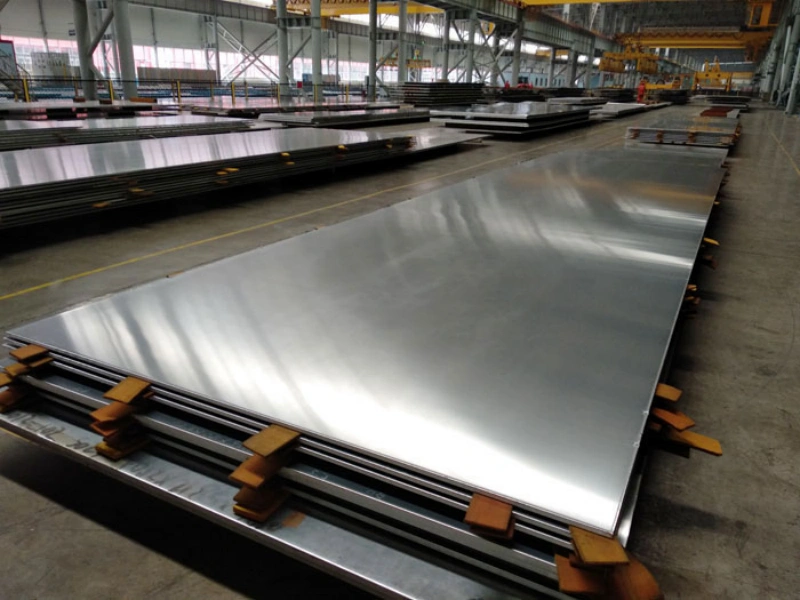
Why 6061 Aluminum Plate Remains the Industry Standard
6061 aluminum plate continues to dominate structural applications because it delivers the right balance of properties at a competitive price. No other aluminum alloy combines strength, corrosion resistance, weldability, and machinability so effectively.
For engineers, 6061 offers predictable performance with extensive documentation and standards support. For fabricators, it machines cleanly and welds reliably. For buyers, it is widely available from multiple suppliers at stable prices.
Whether you need thin sheet for forming operations or thick plate for heavy structural loads, 6061 has a temper and specification to match. The key is selecting the right variant for your specific application.
For precision machining, specify T651. For general fabrication, T6 works well. For forming operations, start with O or T4 temper. Match the material to your process, and 6061 aluminum plate will deliver consistent, reliable results.
Contact a qualified supplier to discuss your specific requirements. Provide details about your application, required dimensions, temper, and quantity to receive accurate pricing and lead times.