Anodized Aluminum vs Brushed Aluminum: What’s the Real Difference?
Anodized vs Brushed Aluminum are two of the most common surface finishes in the aluminum industry. Both change how the metal looks and performs, but they work in very different ways. Anodizing is a chemical process. Brushing is a mechanical process. This single difference shapes everything else — durability, color options, cost, and the best use case for each.
What Is Anodized Aluminum?
Anodizing is an electrochemical process. The aluminum part sits in an acid bath, and an electric current passes through it. This grows a layer of aluminum oxide directly on the surface. The oxide layer is part of the metal itself, not a coating sprayed or painted on top.
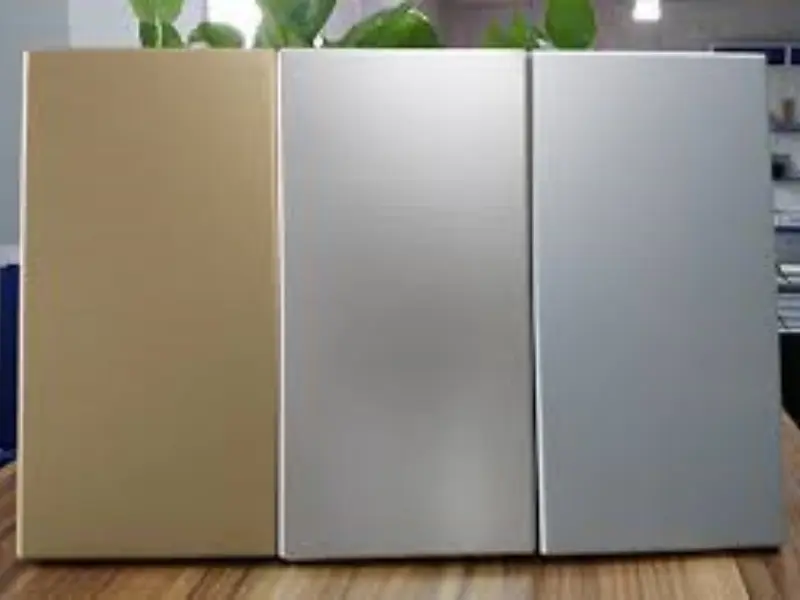
This oxide layer is hard, stable, and resists corrosion well. It can also be dyed in many colors during the process, since the oxide layer is porous before it gets sealed.
Types of Anodizing
| Type | Process | Coating Thickness | Best Use |
|---|---|---|---|
| Type I (Chromic Acid) | Mild acid bath | Thin (0.5–2.5 microns) | Aerospace parts, tight tolerances |
| Type II (Sulfuric Acid) | Standard process | Medium (5–25 microns) | General products, architecture, consumer goods |
| Type III (Hardcoat) | High-voltage sulfuric acid | Thick (25–100 microns) | Heavy wear parts, military equipment |
Type II is the most common form used in everyday products. It offers a good balance of color options, cost, and protection. Type III, also called hardcoat anodizing, creates a much thicker and harder layer. This type suits parts that face heavy friction or repeated impact.
What Is Brushed Aluminum?
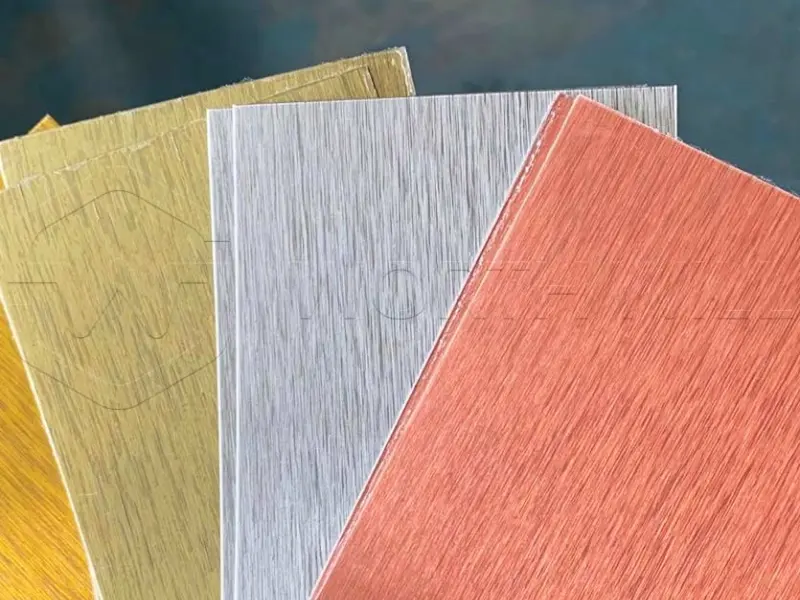
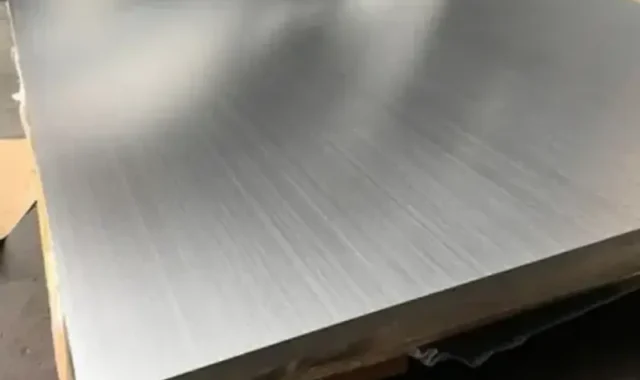
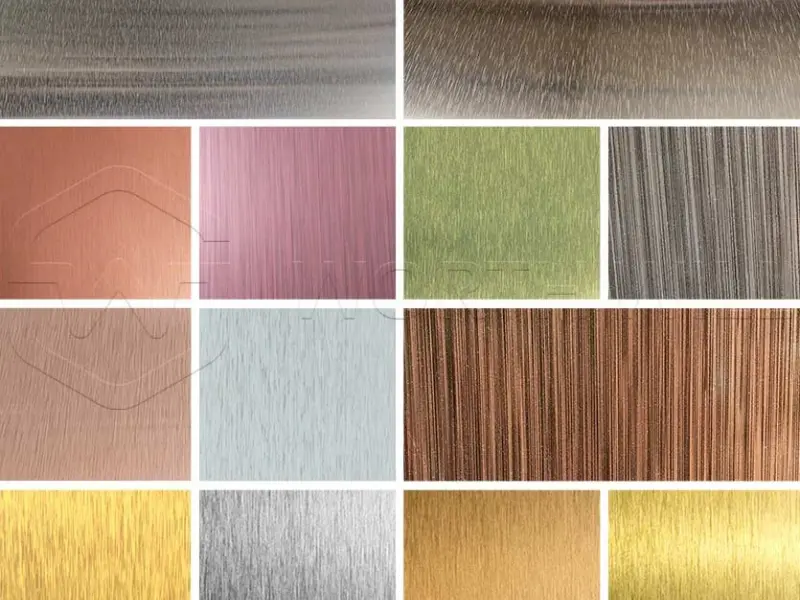
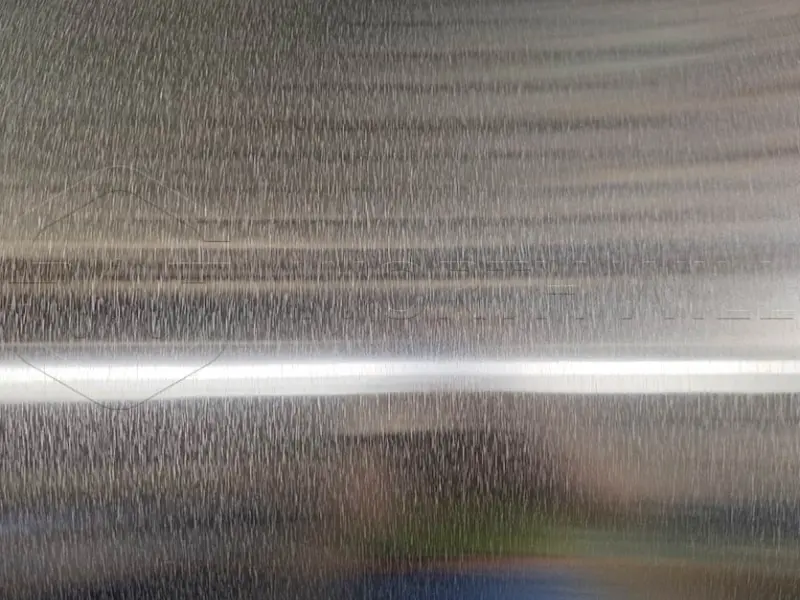
Brushed aluminum gets its look from a mechanical process. A wire brush, abrasive belt, or sanding pad moves across the surface in one direction. This creates fine, parallel lines. The result is a soft, matte sheen rather than a bright or mirror-like shine.
Brushing does not add a protective layer. It only changes the surface texture. The aluminum underneath stays the same as before the process, aside from the new pattern of fine scratches.
Types of Brushed Finishes
| Finish Type | Line Pattern | Visual Effect | Common Use |
|---|---|---|---|
| Fine brushed | Very thin, tight lines | Soft satin look | Appliances, electronics |
| Coarse brushed | Wider, deeper lines | Stronger texture, visible grain | Architectural panels |
| Swirl brushed | Circular, random pattern | Decorative, hides fingerprints well | Decorative trim, signage |
| Directional brushed | Long straight lines, single direction | Clean, linear look | Elevator panels, kitchen equipment |
Alloy Types Used for Each Finish
| Alloy | Anodizing Result | Brushing Result | Notes |
|---|---|---|---|
| 1100 | Bright, clear anodize | Soft, even brushed look | High purity, best color clarity |
| 3003 | Good anodize quality | Good texture, slight graininess | Common general-purpose choice |
| 5052 | Strong, durable anodize | Holds brushed texture well | Popular for outdoor and marine parts |
| 6061 | Good anodize, slightly grayer tone | Good texture retention | Structural and architectural use |
| 7075 | Anodizes well but less common | Rarely brushed, mostly machined | High strength, aerospace use |
1100 and 5052 tend to give the clearest, most even anodized colors because of their high aluminum purity and low alloying content. 6061 anodizes fine but often shows a slightly grayer or duller tone compared to 1100 or 5052.
Durability Comparison
Durability is where these two finishes differ the most. This matters a lot for outdoor use, high-touch areas, or products exposed to weather.
| Property | Anodized Aluminum | Brushed Aluminum |
|---|---|---|
| Corrosion resistance | Excellent | Good (same as bare aluminum) |
| Scratch resistance | High | Low to moderate |
| UV/fade resistance | High (especially Type II/III) | Moderate, can dull over time |
| Fingerprint resistance | Good | Fair (swirl pattern hides prints better) |
| Long-term color stability | Stable for years | No color, so no fading concern |
| Repairability if damaged | Hard to touch up | Can be re-brushed |
One advantage of brushed aluminum: if it gets scratched, a fabricator can re-brush the surface and restore the look. Anodized aluminum, once scratched deep enough to expose bare metal, is much harder to repair without re-anodizing the whole part.
Color and Appearance Options
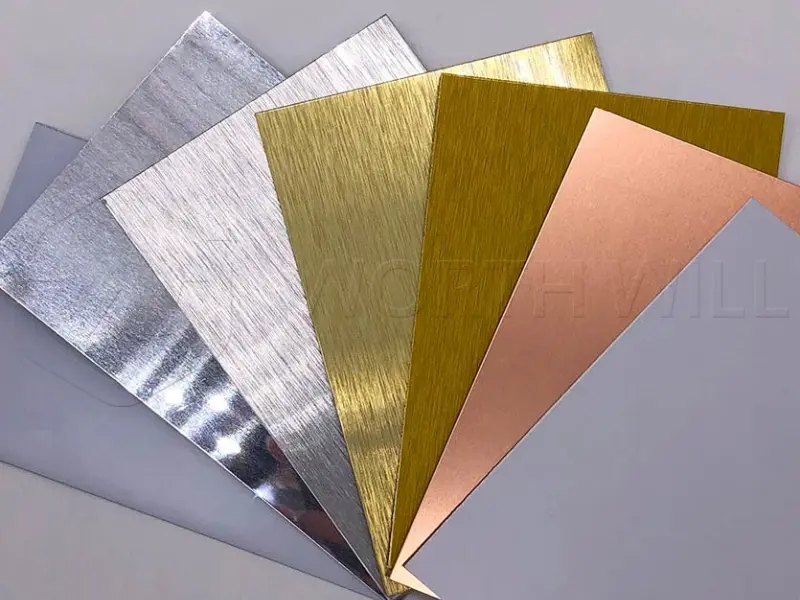
Anodized Color Range
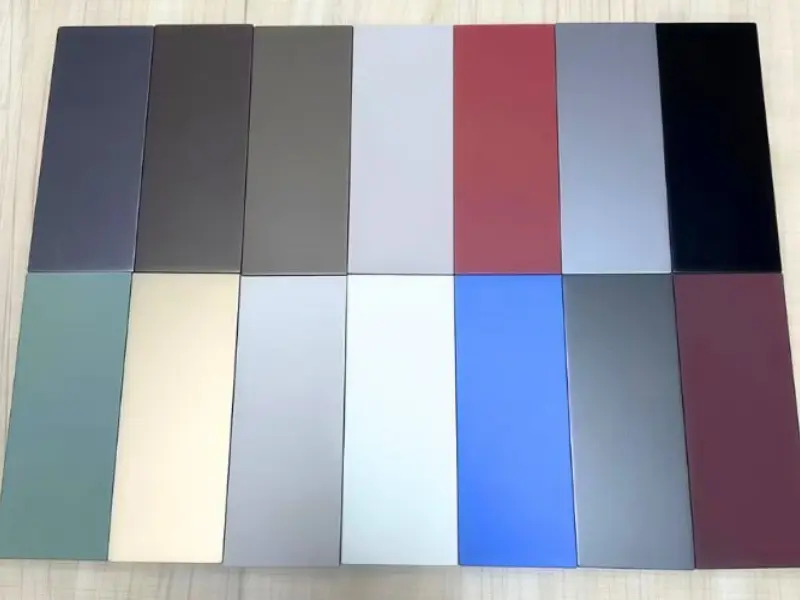
Anodizing opens up a wide color range because the porous oxide layer absorbs dye before sealing. Standard color options include:
- Black
- Clear (natural silver tone)
- Gold
- Blue
- Red
- Bronze
Some specialty processes also create interference colors without dye, using light refraction through the oxide layer itself.
Brushed Appearance Options
Brushed aluminum stays in its natural metal tone — no color dye is involved. The visual variety comes from the texture pattern instead:
- Fine brushed for a subtle, soft sheen
- Coarse brushed for a bold, visible grain
- Swirl brushed for a decorative, fingerprint-hiding pattern
- Two-tone combinations, mixing brushed areas with polished or anodized sections
Thickness and Material Specifications
| Parameter | Anodized Aluminum | Brushed Aluminum |
|---|---|---|
| Common sheet thickness | 0.5–6.0 mm | 0.5–6.0 mm |
| Coating/texture depth | 0.5–100 microns (oxide layer) | Surface only, no added thickness |
| Width range | 600–1,600 mm | 600–1,600 mm |
| Temper | H14, H18, H24, T6 | H14, H18, H24 |
| Standards | ISO, ASTM B580 | ISO, ASTM |
Anodized vs Brushed Aluminum
Product Types: Anodized Aluminum
Decorative Anodized Sheet
Used for architectural panels, signage, and consumer products where color and finish matter. Common in storefront facades and interior design panels.
Hardcoat Anodized Plate
Built for heavy wear environments. Used in machine parts, military equipment, and industrial components that face constant friction or abrasion.
Anodized Extrusions
Window frames, door frames, and structural profiles often use anodized extrusions for both looks and weather resistance.
Color-Dyed Anodized Sheet
This type targets branding and design projects where a specific color, like a company’s signature blue or gold, needs to match exactly across many parts.
Product Types: Brushed Aluminum
Fine Brushed Sheet
The most common type for consumer electronics, kitchen appliances, and elevator interiors. The subtle texture looks clean and modern without being flashy.
Coarse Brushed Panel
Used in architectural cladding and large feature walls where a more visible texture adds depth from a distance.
Brushed and Anodized Combo Sheet
Some products combine both processes — the surface is brushed first for texture, then anodized for color and protection. This gives a textured look with the added durability anodizing provides.
Brushed Aluminum Trim and Accents
Smaller strips and accent pieces used in furniture, vehicle interiors, and retail display fixtures.
Application Areas
Architecture & Construction
- Building facade panels
- Window and door frames
- Curtain wall systems
- Interior wall cladding
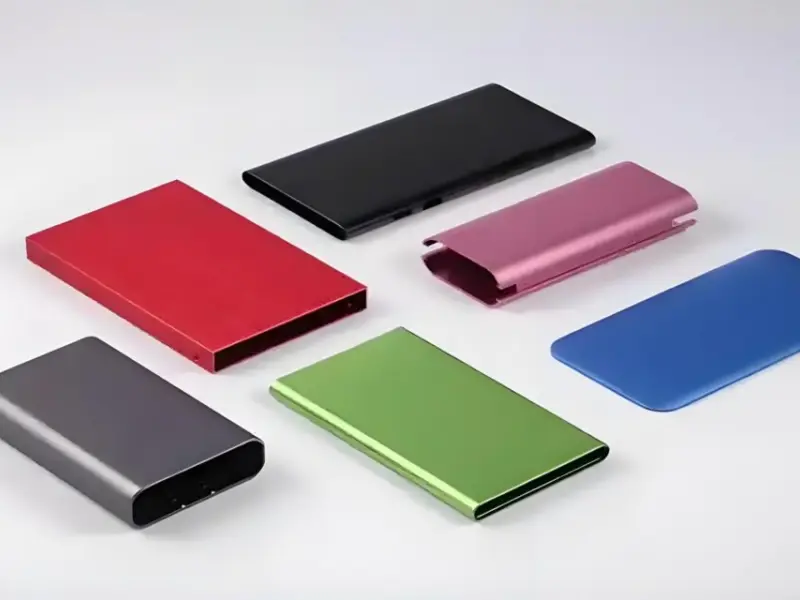
Consumer Electronics
- Laptop and phone casings
- Appliance trim and panels
- Audio equipment housings
- Camera bodies
Automotive & Transportation
- Interior trim panels
- Wheel finishes
- Door handles and accents
- Dashboard components
Signage & Branding
- Storefront signs
- Office branding panels
- Directional signage
- Award plaques
Industrial & Machine Parts
- Wear-resistant components
- Hydraulic cylinder parts
- Tooling and fixtures
- Military and defense hardware
Anodized vs Brushed: Quick Decision Guide
| If You Need… | Choose This Finish |
|---|---|
| Maximum corrosion resistance | Anodized |
| Specific brand color matching | Anodized |
| Outdoor long-term durability | Anodized |
| A soft, modern matte look | Brushed |
| Lower cost finish | Brushed |
| Fingerprint-hiding surface | Brushed (swirl pattern) |
| Heavy wear resistance | Hardcoat anodized |
| Easy on-site repair if scratched | Brushed |
| Premium architectural appearance | Either, often combined |
Cost Comparison
Brushing is generally the cheaper finish because it is a simple mechanical process with lower equipment and chemical costs. Anodizing involves acid baths, electrical current, dyeing tanks, and sealing steps, which adds cost at each stage.
| Finish | Relative Cost | Why |
|---|---|---|
| Brushed | Lower | Mechanical process only, no chemicals |
| Standard anodized (Type II) | Medium | Multi-step chemical process |
| Hardcoat anodized (Type III) | Higher | Longer process time, thicker coating |
| Brushed + anodized combo | Highest | Combines both processes |
Anodized Aluminum vs Brushed Aluminum Appearance Comparison
| Feature | Anodized Aluminum | Brushed Aluminum |
|---|---|---|
| Surface Texture | Smooth | Textured |
| Reflection | Medium | Low |
| Color Options | Many Colors | Natural Metal Look |
| Fingerprint Resistance | Better | Moderate |
| Decorative Effect | Premium | Industrial Style |
Visual Characteristics of Anodized Aluminum
Anodized aluminum has a uniform oxide layer.
It can be produced in:
- Black anodized aluminum
- Silver anodized aluminum
- Gold anodized aluminum
- Bronze anodized aluminum
- Blue anodized aluminum
The finish looks clean and modern.
Visual Characteristics of Brushed Aluminum
Brushed aluminum has fine lines created by mechanical brushing.
The surface provides:
- Metallic texture
- Satin appearance
- Industrial style
- Modern architectural look
Durability Comparison
Durability is often a key factor when choosing aluminum finishes.
| Property | Anodized Aluminum | Brushed Aluminum |
|---|---|---|
| Corrosion Resistance | Excellent | Good |
| UV Resistance | Excellent | Good |
| Wear Resistance | Excellent | Moderate |
| Scratch Visibility | Lower | Higher |
| Outdoor Life | Long | Medium |
Which Finish Lasts Longer?
Anodized aluminum usually lasts longer because the anodic layer becomes part of the metal surface.
Brushed aluminum may require additional coating if used outdoors.
Anodized Aluminum vs Brushed Aluminum for Outdoor Use
Outdoor projects need better weather resistance.
Recommended Outdoor Applications
Anodized Aluminum
- Curtain walls
- Building facades
- Solar structures
- Outdoor signage
- Window systems
Brushed Aluminum
- Decorative panels
- Exterior trims
- Architectural accents
For harsh environments, anodized aluminum is generally preferred.
Cost Comparison
Many buyers search for cost differences before purchasing.
| Factor | Anodized Aluminum | Brushed Aluminum |
|---|---|---|
| Production Process | More Complex | Simpler |
| Processing Cost | Higher | Lower |
| Maintenance Cost | Lower | Moderate |
| Service Life | Longer | Medium |
Which Is More Economical?
Brushed aluminum often has a lower initial cost.
Anodized aluminum may provide better long-term value because of its durability.
Manufacturing Process Comparison
How Anodized Aluminum Is Made
Main steps:
- Surface cleaning
- Electrolytic oxidation
- Coloring (optional)
- Sealing treatment
This process creates a protective oxide layer.
How Brushed Aluminum Is Made
Main steps:
- Mechanical brushing
- Surface polishing
- Optional coating
The process creates visible linear patterns.
Anodized vs Brushed Aluminum
Popular Industries Using Anodized Aluminum
Architecture
- Curtain walls
- Doors and windows
- Facades
Electronics
- Laptop housings
- Smartphones
- Tablets
Transportation
- Automotive trim
- Rail systems
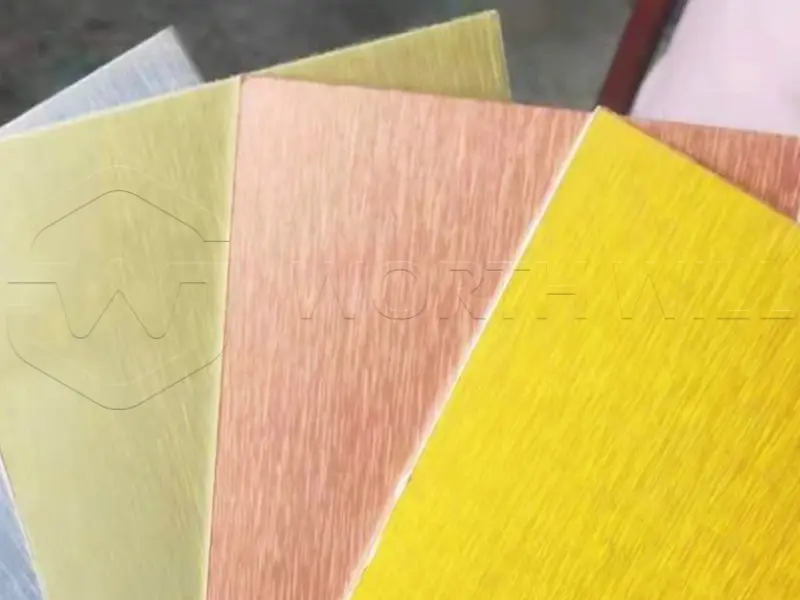
Popular Industries Using Brushed Aluminum
Interior Decoration
- Wall panels
- Furniture
- Elevator interiors
Appliances
- Refrigerators
- Ovens
- Dishwashers
Commercial Design
- Store fixtures
- Display systems
- Retail interiors
Anodized Aluminum vs Brushed Aluminum vs Powder Coated Aluminum
| Property | Anodized | Brushed | Powder Coated |
|---|---|---|---|
| Corrosion Resistance | Excellent | Good | Excellent |
| Color Choices | Moderate | Limited | Extensive |
| Surface Texture | Smooth | Textured | Smooth |
| Durability | Excellent | Good | Excellent |
| Maintenance | Low | Moderate | Low |
Is Anodized Aluminum Better Than Brushed Aluminum?
The answer depends on the application.
Brushed aluminum focuses more on appearance. Its textured surface creates a modern and industrial look that is popular in interior decoration.
| Feature | Anodized Aluminum | Brushed Aluminum |
|---|---|---|
| Corrosion Resistance | Excellent | Good |
| Decorative Texture | Moderate | Excellent |
| Outdoor Performance | Excellent | Good |
| Service Life | Longer | Medium |
| Maintenance | Low | Moderate |
For outdoor projects, anodized aluminum is often the better choice. For decorative indoor applications, brushed aluminum may offer a more attractive finish.
Which Finish Is More Scratch Resistant?
Scratch resistance is an important factor when selecting an aluminum finish.
Brushed aluminum can hide small scratches due to its textured grain pattern. However, deeper scratches may be more visible over time.
Scratch Resistance Comparison
| Property | Anodized Aluminum | Brushed Aluminum |
|---|---|---|
| Surface Hardness | Higher | Moderate |
| Wear Resistance | Excellent | Good |
| Minor Scratch Visibility | Low | Low |
| Deep Scratch Resistance | Better | Moderate |
For high-traffic environments, anodized aluminum usually performs better.
Anodized vs Brushed Aluminum for Architectural Projects
Architects often select aluminum finishes based on appearance and environmental conditions.
Anodized Aluminum Applications
- Curtain walls
- Building facades
- Window systems
- Roofing components
- Sunshade systems
Brushed Aluminum Applications
- Interior wall panels
- Decorative columns
- Elevator panels
- Reception areas
- Luxury commercial interiors
Anodized finishes are commonly used for exterior architectural projects, while brushed finishes are often chosen for interior design.
Anodized vs Brushed Aluminum for Signage
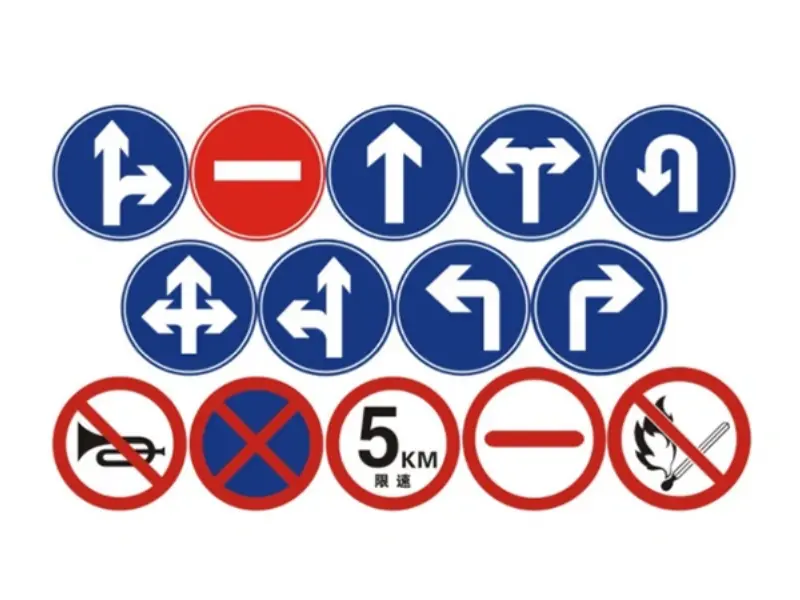
Aluminum is widely used for commercial and industrial signs.
| Sign Type | Recommended Finish |
|---|---|
| Outdoor Signage | Anodized Aluminum |
| Wayfinding Signs | Anodized Aluminum |
| Interior Office Signs | Brushed Aluminum |
| Retail Displays | Brushed Aluminum |
| Building Identification | Anodized Aluminum |
Anodized aluminum provides excellent weather resistance, making it ideal for outdoor signage.
Brushed aluminum creates a premium appearance for indoor branding and decorative signs.
Anodized vs Brushed Aluminum for Kitchen Appliances
Many modern appliances use aluminum finishes.
Anodized Aluminum
Common in:
- Premium coffee machines
- Commercial kitchen equipment
- High-end appliances
Advantages:
- Corrosion resistance
- Easy cleaning
- Durable surface
Brushed Aluminum
Common in:
- Refrigerators
- Ovens
- Dishwashers
- Range hoods
Advantages:
- Modern appearance
- Fingerprint concealment
- Decorative appeal
Black Anodized Aluminum vs Brushed Aluminum
Black anodized aluminum is one of the most popular architectural finishes.
| Property | Black Anodized Aluminum | Brushed Aluminum |
|---|---|---|
| Color Stability | Excellent | Natural Silver |
| UV Resistance | Excellent | Moderate |
| Decorative Style | Modern | Industrial |
| Outdoor Use | Excellent | Good |
Black anodized aluminum is frequently used in luxury buildings, office facades, and premium consumer products.
Outdoor Performance Comparison
Outdoor environments expose aluminum to sunlight, rain, and temperature changes.
Outdoor Durability
| Property | Anodized Aluminum | Brushed Aluminum |
|---|---|---|
| UV Resistance | Excellent | Good |
| Corrosion Resistance | Excellent | Good |
| Weather Resistance | Excellent | Moderate |
| Color Retention | Excellent | Natural Appearance |
Anodized aluminum generally offers superior outdoor performance and longer service life.
Maintenance Requirements of Different Aluminum Finishes
Maintenance costs affect the long-term value of aluminum products.
Anodized Aluminum
Maintenance requirements:
- Periodic cleaning
- Mild detergent washing
- Minimal surface care
Brushed Aluminum
Maintenance requirements:
- Regular cleaning
- Grain direction polishing
- Occasional surface restoration
Anodized aluminum typically requires less maintenance over its lifetime.
How to Choose the Right Aluminum Finish
The best finish depends on project requirements.
Choose Anodized Aluminum If:
- Outdoor exposure is expected
- Corrosion resistance is critical
- Long service life is required
- Low maintenance is preferred
Choose Brushed Aluminum If:
- Decorative texture is important
- Interior use is the primary focus
- Modern industrial aesthetics are desired
- Budget is a consideration
Brushed Aluminum vs Satin Aluminum
These two finishes are sometimes confused.
| Feature | Brushed Aluminum | Satin Aluminum |
|---|---|---|
| Texture | Visible grain lines | Smooth appearance |
| Reflection | Low | Medium |
| Decorative Effect | Industrial | Elegant |
| Surface Pattern | Directional | Uniform |
Brushed aluminum provides a stronger metallic texture, while satin aluminum offers a softer visual appearance.
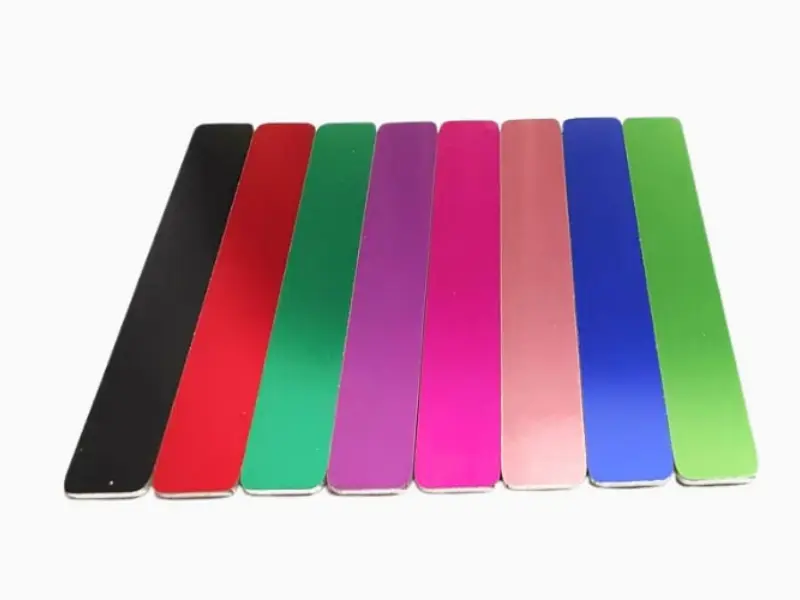
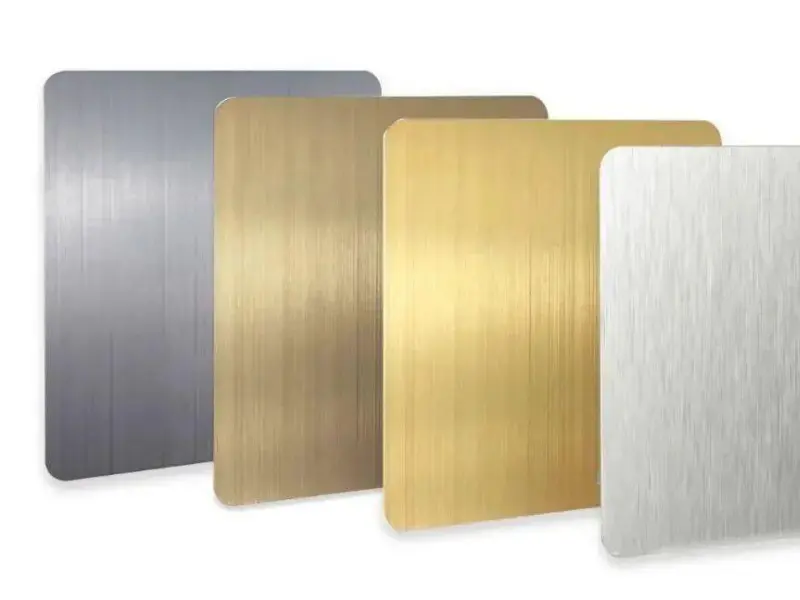
Anodized Aluminum Color Options
One advantage of anodized aluminum is the wide range of available colors.
Popular Anodized Colors
- Silver
- Black
- Gold
- Bronze
- Champagne
- Blue
- Red
- Green
These color options make anodized aluminum suitable for both architectural and decorative applications.
Surface Treatment Methods for Aluminum Products
Aluminum can be finished using different surface treatment methods.
| Treatment Method | Main Benefit |
|---|---|
| Anodizing | Corrosion resistance |
| Brushing | Decorative texture |
| Powder Coating | Color variety |
| PVDF Coating | Weather resistance |
| Polishing | Mirror appearance |
| Sandblasting | Matte texture |
Each method offers unique performance and aesthetic characteristics.
Best Aluminum Finish for Modern Buildings
Modern architecture often combines durability and aesthetics.
Recommended Finishes
Exterior Applications
- Anodized aluminum
- PVDF coated aluminum
Interior Applications
- Brushed aluminum
- Satin aluminum
- Decorative anodized panels
Many commercial buildings use both anodized and brushed aluminum to achieve different design effects.
Decorative Aluminum Finishes Explained
Decorative aluminum finishes help architects and designers create distinctive spaces.
Popular decorative finishes include:
- Brushed aluminum
- Anodized aluminum
- Mirror aluminum
- Satin aluminum
- Embossed aluminum
- Colored anodized aluminum
Each finish creates a different visual style and functional performance.
Aluminum Finish Comparison Guide
Quick Comparison Table
| Feature | Anodized | Brushed | Powder Coated |
|---|---|---|---|
| Corrosion Resistance | Excellent | Good | Excellent |
| Decorative Appearance | Excellent | Excellent | Excellent |
| Color Choices | Moderate | Limited | Extensive |
| Scratch Resistance | High | Medium | High |
| Outdoor Performance | Excellent | Good | Excellent |
| Maintenance | Low | Moderate | Low |
This comparison can help buyers select the most suitable aluminum finish for architectural, decorative, industrial, and commercial projects.
Which Finish Is Better for Different Projects?
Choose Anodized Aluminum When:
- Outdoor exposure is expected
- Corrosion resistance is important
- Long service life is required
- Premium appearance is desired
Choose Brushed Aluminum When:
- Decorative texture is important
- Modern industrial style is preferred
- Indoor applications dominate
- Budget is limited
Frequently Asked Questions
Is Anodized Aluminum Stronger Than Brushed Aluminum?
The base aluminum strength stays the same in both cases, since neither process changes the metal’s core mechanical properties much. What changes is surface hardness. Anodized aluminum has a much harder surface layer, which resists scratching and wear better than the soft, natural surface left behind after brushing.
Can You Anodize Aluminum After It Has Been Brushed?
Yes. This is actually a common combination. The aluminum is brushed first to create the texture, then anodized to add color and protection. The brushed lines remain visible underneath the anodized layer, giving a textured but protected finish.
Does Brushed Aluminum Rust or Corrode?
Brushed aluminum corrodes at the same rate as plain aluminum, since brushing doesn’t add any protective layer. Aluminum naturally resists rust better than steel because of its own thin, natural oxide layer, but it can still develop white corrosion spots over time in harsh environments without added protection like anodizing.
Which Finish Shows Fingerprints Less?
Swirl-brushed aluminum tends to hide fingerprints better than both plain brushed and anodized finishes, since the irregular pattern breaks up light reflection unevenly. Smooth anodized surfaces, especially dark colors like black, tend to show fingerprints and smudges more clearly.
Can Anodized Aluminum Be Welded?
Welding anodized aluminum is possible but not ideal. The anodized layer burns away at the weld point, leaving an unprotected, discolored area that needs re-finishing afterward. Most fabricators weld the bare aluminum first, then anodize the finished part as a final step.
What’s Cheaper: Anodizing or Brushing?
Brushing is almost always cheaper. It’s a single mechanical step with minimal equipment cost. Anodizing requires multiple chemical processing stages, specialized tanks, and quality control checks, which adds labor and material cost to the final price.
Does Anodized Aluminum Fade in Sunlight?
High-quality Type II and Type III anodizing resists UV fading much better than painted or brushed surfaces. Some dye colors hold up better than others over very long outdoor exposure — darker colors like black and bronze tend to last longest, while some bright dyed colors may soften slightly after many years in direct sun.
Can You Repair a Scratch on Anodized Aluminum?
It’s difficult. Once a scratch cuts through the oxide layer down to bare aluminum, that spot loses its corrosion protection and color match. Some touch-up pens exist for small marks, but a true repair usually means stripping and re-anodizing the entire part.
Is Brushed Aluminum the Same as Stainless Steel Brushed Finish?
No. They look similar but are different materials. Brushed aluminum is lighter and naturally resists corrosion through its own oxide layer, while brushed stainless steel is heavier and relies on chromium content for corrosion resistance. Visually, stainless steel brushing often appears slightly brighter and cooler in tone compared to brushed aluminum.