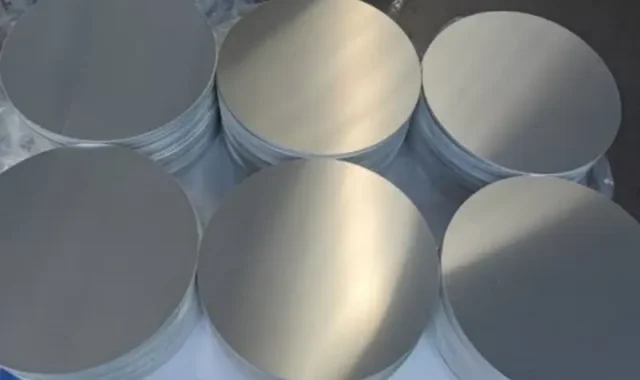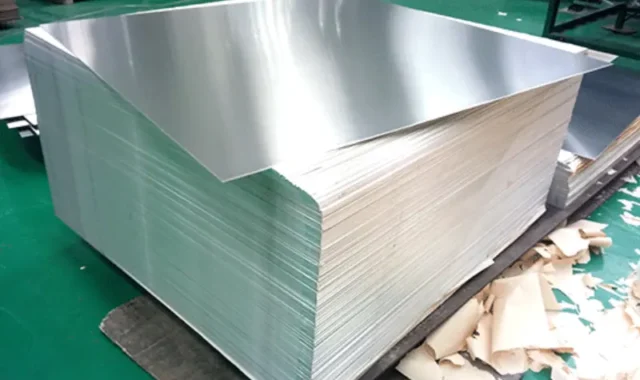
How Much Does 6061 Aluminum Plate Cost? 6061 is a precipitation-hardened aluminum alloy. It uses magnesium and silicon as its main alloying elements. It is the most widely used structural aluminum alloy in the world. The combination of strength, machinability, weldability, and corrosion resistance makes it the default choice for engineering and fabrication work.
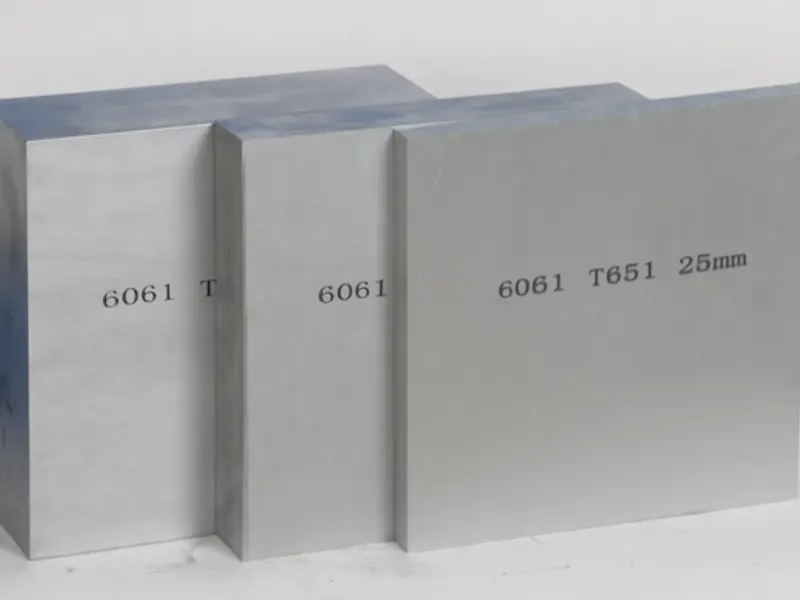
Plate is defined as aluminum flat stock over 0.25 inches (6.35 mm) thick. Below that thickness, the product is classified as sheet. This distinction matters when ordering because plate and sheet are priced differently and processed differently at the mill.
Alloy & Temper Options — and How They Affect Price
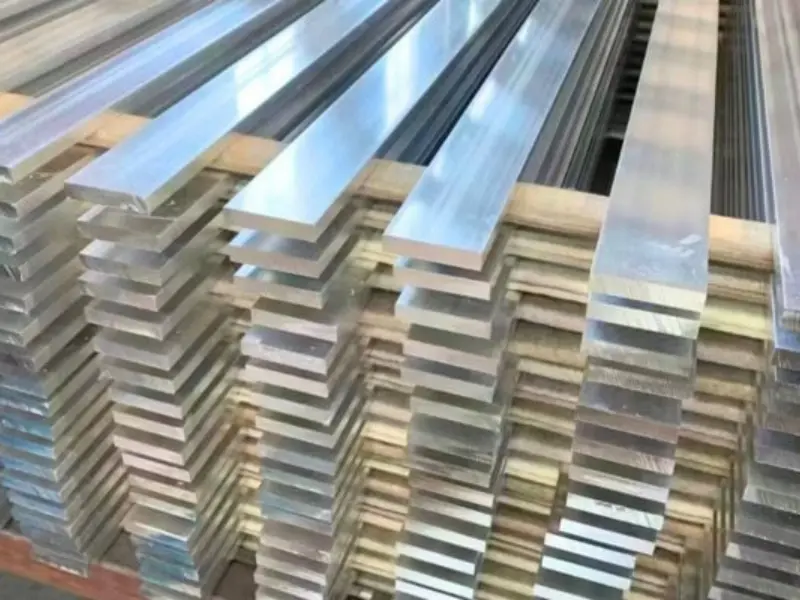
6061 aluminum plate is available in several temper conditions. The temper is the heat treatment state of the material. Each temper has a different strength level and a different price.
| Temper | Condition | Yield Strength | Typical Use | Price vs. T651 |
|---|---|---|---|---|
| O (Annealed) | Fully soft, low strength | ~55 MPa | Forming, bending, deep draw | Lower — 10–20% less |
| T4 | Solution heat treated, naturally aged | ~145 MPa | Moderate forming with some strength | Similar to T651 |
| T6 | Solution heat treated, artificially aged | ~276 MPa | High-strength structural | Similar to T651 |
| T651 | T6 + stress relieved by stretching | ~276 MPa | Precision machining, flat stock | Standard reference price |
| T6511 | T6 + stress relieved, slightly different | ~276 MPa | Extrusions and some plate | Similar to T651 |
T651 is the standard specification for 6061 aluminum plate. The stress-relief stretching process removes internal stresses from the plate. This is what allows the plate to stay flat during machining rather than warping when material is removed.
Annealed (O temper) plate costs less. It is softer and easier to form but not suitable for structural or precision machining applications.
6061 vs. Other Aluminum Alloys — Price Comparison
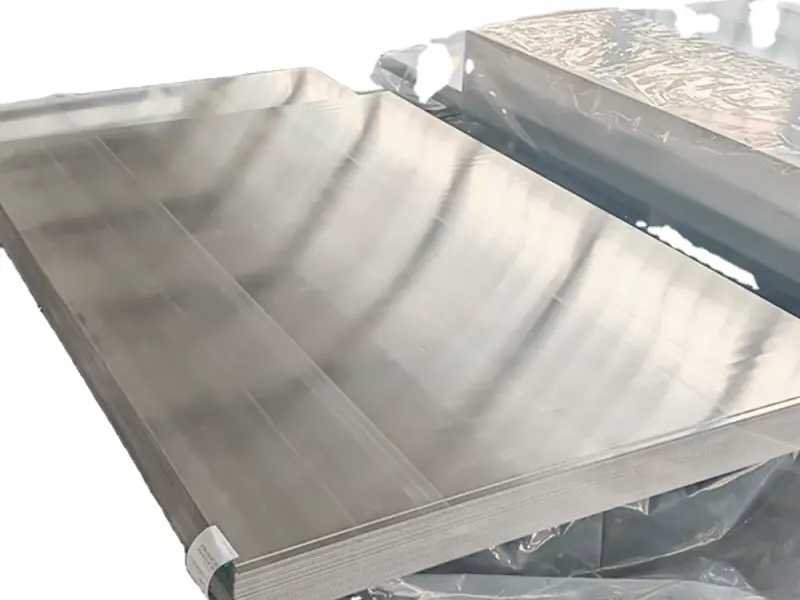
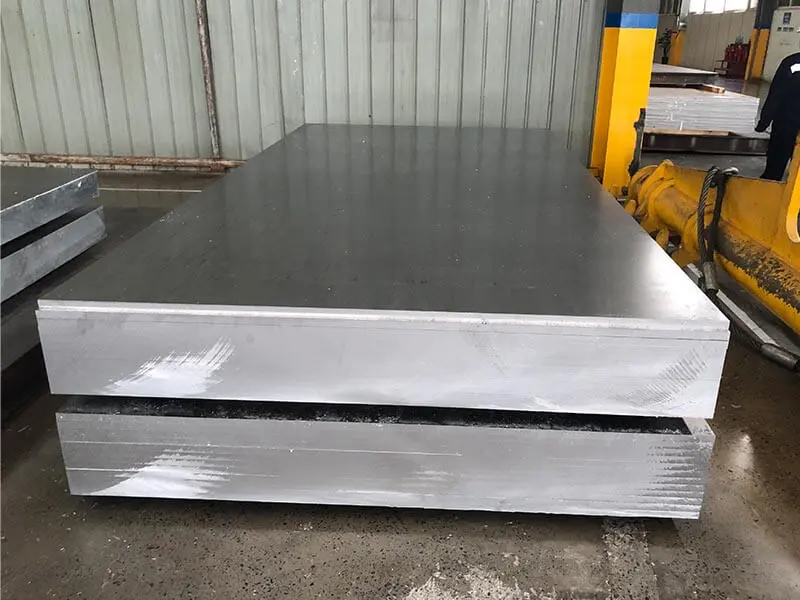
Buyers often compare 6061 against other common alloys. The price difference reflects the alloy composition, production process, and market demand.
| Alloy | Temper | Typical Price (USD/lb) | Strength vs. 6061-T651 | Best Use Case |
|---|---|---|---|---|
| 6061 | T651 | 3.50 – 6.50 | Baseline | General structural, machining |
| 5052 | H32 | 3.00 – 5.50 | Lower | Sheet work, marine, forming |
| 6082 | T651 | 4.00 – 7.00 | Similar | European structural standard |
| 7075 | T651 | 7.00 – 14.00 | Much higher | Aerospace, high-stress parts |
| 2024 | T351 | 6.00 – 11.00 | Higher | Aerospace, fatigue-critical parts |
| 5083 | H116 | 3.50 – 6.00 | Similar to 6061 | Marine, cryogenic |
| 6061 | O (annealed) | 3.00 – 5.50 | Much lower | Forming, bending |
6061 sits in the middle of the aluminum plate price range. It costs more than basic 5052 sheet but significantly less than aerospace alloys like 7075 or 2024. For most structural and machining applications, 6061-T651 gives the best value combination of price and performance.
Price by Thickness
Thicker plate costs more per piece but often costs the same or less per pound than thin plate. Thin plate requires more rolling passes and tighter process control, which adds cost. Very thick plate is closer to a commodity product.
| Thickness | Weight (per sq ft) | Approx. Price per Sheet (4×8 ft) | Approx. Price per lb |
|---|---|---|---|
| 0.25 in (6.35 mm) | ~3.5 lb/sq ft | USD 450 – 700 | 4.00 – 5.50 |
| 0.375 in (9.53 mm) | ~5.2 lb/sq ft | USD 650 – 950 | 3.80 – 5.20 |
| 0.5 in (12.7 mm) | ~7.0 lb/sq ft | USD 850 – 1,300 | 3.70 – 5.00 |
| 0.75 in (19.05 mm) | ~10.5 lb/sq ft | USD 1,200 – 1,900 | 3.60 – 4.80 |
| 1.0 in (25.4 mm) | ~14.0 lb/sq ft | USD 1,600 – 2,600 | 3.50 – 4.80 |
| 1.5 in (38.1 mm) | ~21.0 lb/sq ft | USD 2,300 – 3,800 | 3.50 – 4.70 |
| 2.0 in (50.8 mm) | ~28.0 lb/sq ft | USD 3,000 – 5,000 | 3.50 – 4.60 |
| 3.0 in (76.2 mm) | ~42.0 lb/sq ft | USD 4,500 – 7,500 | 3.50 – 4.50 |
| 4.0 in (101.6 mm) | ~56.0 lb/sq ft | USD 6,000 – 10,000 | 3.50 – 4.50 |
Prices are approximate US service center retail pricing. Mill direct and import pricing will differ.
Standard Sheet Sizes and Their Price Impact
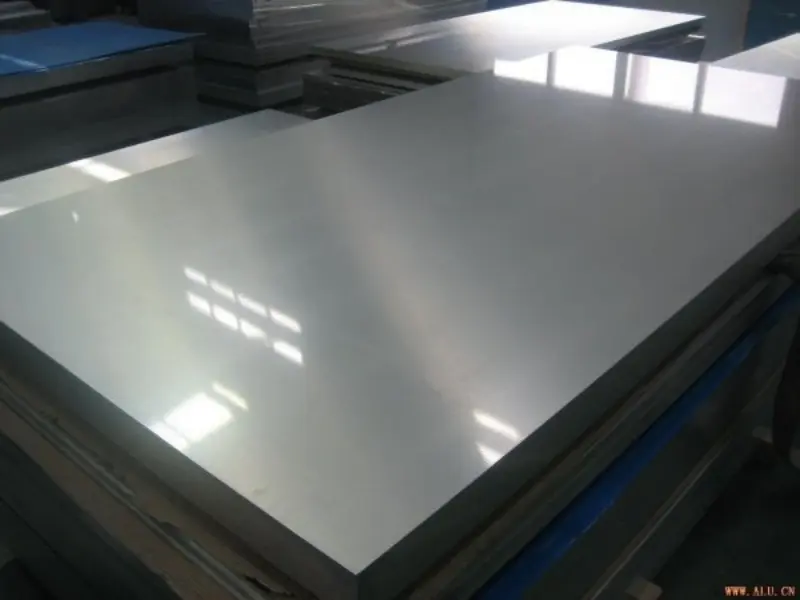
The size of the plate blank affects price. Standard sizes cost less because they come from existing mill inventory. Non-standard sizes require custom cutting, which adds a saw charge and sometimes a minimum order.
| Standard Size | Common Use | Notes |
|---|---|---|
| 4 × 8 ft (1220 × 2440 mm) | General fabrication, shops | Most common, best availability |
| 4 × 10 ft (1220 × 3050 mm) | Longer parts, less waste | Good availability |
| 4 × 12 ft (1220 × 3660 mm) | Long structural parts | Less common, premium applies |
| 5 × 10 ft (1524 × 3050 mm) | Wide parts | Available at larger distributors |
| 6 × 12 ft (1829 × 3660 mm) | Large fabrication, aerospace | Limited stock, premium pricing |
| Custom cut | Any dimension | Saw charge + possible minimum |
Buying full sheets and cutting in-house is cheaper than ordering custom-cut pieces from the supplier when quantities are high enough to justify the in-house cutting setup.
What Drives the Price Up or Down
Many factors change what you actually pay. Understanding them helps you buy at the right time and from the right source.
Factors That Push Price Higher
- Small order quantity — minimum order charges apply below certain weights
- Non-standard thickness or size — requires custom processing
- Tight tolerance on thickness — precision-rolled plate costs more
- Special surface finish — milled surface, jig plate, or precision ground adds cost
- Certified material with full traceability — aerospace and defense certifications
- Short lead time — rush orders carry a premium
- High LME aluminum price — raw material cost is passed through
Factors That Bring Price Down
- Larger order quantity — price breaks typically at 500 lb, 1,000 lb, and 5,000 lb
- Standard size from stock — no saw charge, fastest delivery
- Mill direct purchase — removes distributor margin, requires large minimums
- Import material — Chinese, Korean, or Indian plate is typically 15–30% cheaper than domestic
- Purchasing at LME lows — aluminum price cycles over months and years
- Blanket purchase agreements — committing to a volume over time secures better pricing
Product Types Available in 6061 Plate
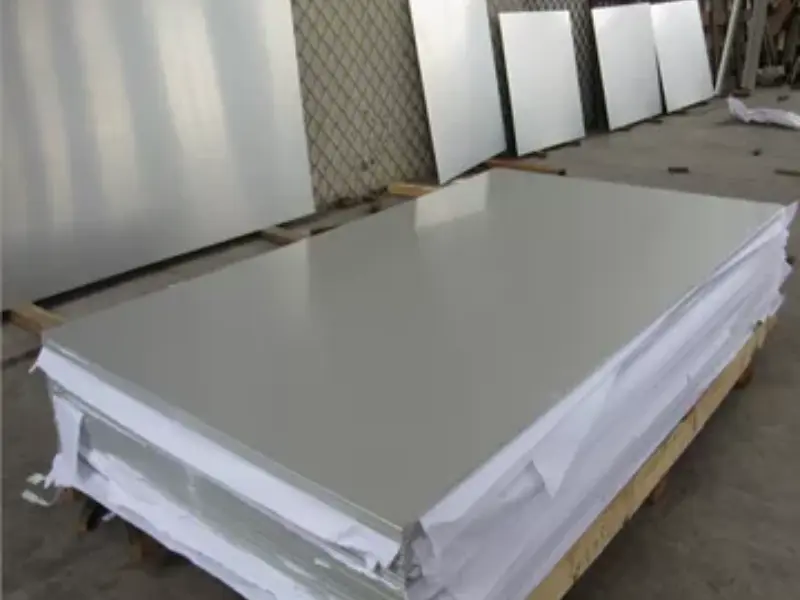
6061 aluminum plate is not a single product. It comes in several processed forms, each with a different price point.
Mill Finish Plate
Standard as-rolled surface. Slight oxidation and rolling marks are normal. The cheapest form. Used when the surface will be machined, painted, or otherwise finished in production. This is the baseline product for fabrication shops.
Precision Machined Plate (Jig Plate)
Also called tooling plate or cast and rolled plate. Flatness tolerance is much tighter than mill plate — typically within 0.005 in over 48 inches. Used directly as a machining base without surface preparation. Price is 30–60% higher than mill finish plate of the same thickness.
Anodized Plate
Mill finish plate that has been anodized after cutting. The anodized surface is harder, more corrosion-resistant, and can be colored. Price includes the anodizing processing cost on top of the base plate price. Typically 20–40% higher than bare plate.
Painted or Powder-Coated Plate
Plate with a pre-applied paint or powder coat finish. Used when the finished product needs a specific color without additional painting. Price varies by coating type and color.
Tread Plate (Diamond Plate)
6061 or 3003 plate with a raised diamond or bar pattern on one face. Used for flooring, ramps, and decorative applications. Priced similarly to plain plate of the same thickness but with a pattern surcharge.
Tooling Plate (ATP-5, MIC-6)
Brand-name precision plate products produced by specific mills to very tight flatness and thickness tolerances. Used in CNC fixtures, mold bases, and precision machining applications. Price is typically 50–100% higher than standard mill plate.
Price by Quantity — Order Size Breaks
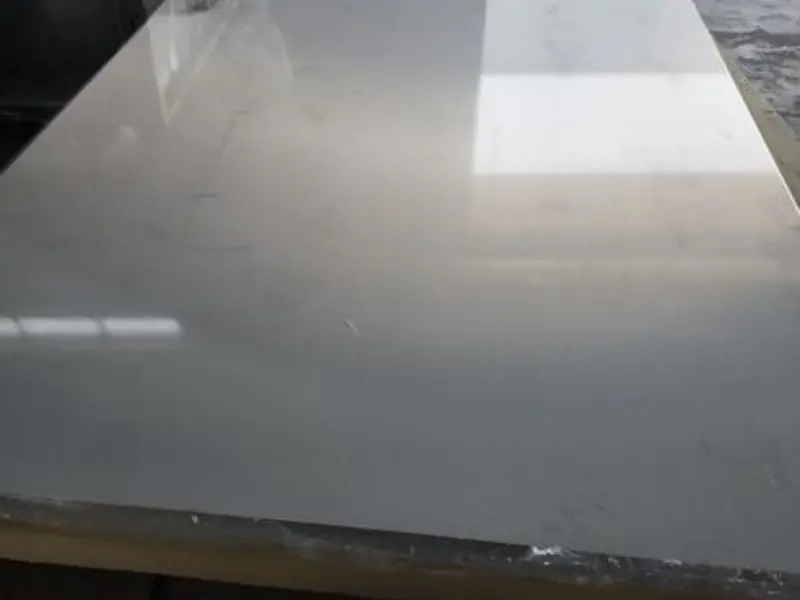
Most metal suppliers price aluminum plate on a per-pound basis with breaks at certain quantity thresholds.
| Quantity Range | Typical Discount vs. List | Notes |
|---|---|---|
| Under 100 lb | List price or higher | Minimum order fee may apply |
| 100 – 499 lb | List price | Standard retail |
| 500 – 999 lb | 3 – 8% below list | Small volume break |
| 1,000 – 4,999 lb | 8 – 15% below list | Medium volume break |
| 5,000 – 19,999 lb | 15 – 25% below list | Large volume, competitive bids |
| 20,000 lb+ | 20 – 35% below list | Mill direct or large distributor pricing |
| Container load (40,000+ lb) | 30 – 45% below retail | Import pricing, FOB origin |
For buyers purchasing regularly, setting up a blanket order with a service center can lock in pricing at the volume break level even when individual releases are smaller.
Where to Buy 6061 Aluminum Plate
The source you buy from has a significant effect on price and lead time.
| Source | Price Level | MOQ | Lead Time | Best For |
|---|---|---|---|---|
| Online metal retailers | Highest | Per piece | 3 – 10 days | One-off, small orders |
| Local metal service center | Mid to high | 100 lb | 1 – 5 days | Regular fabrication shops |
| Regional aluminum distributor | Mid | 500 lb | 3 – 10 days | Mid-volume buyers |
| National distributor (direct) | Mid to low | 1,000 lb | 5 – 15 days | High-volume buyers |
| Mill direct (domestic) | Low | 20,000+ lb | 4 – 10 weeks | Very large volume |
| Import supplier (direct) | Lowest | 5,000 – 40,000 lb | 6 – 14 weeks | Large volume, price sensitive |
Application Areas
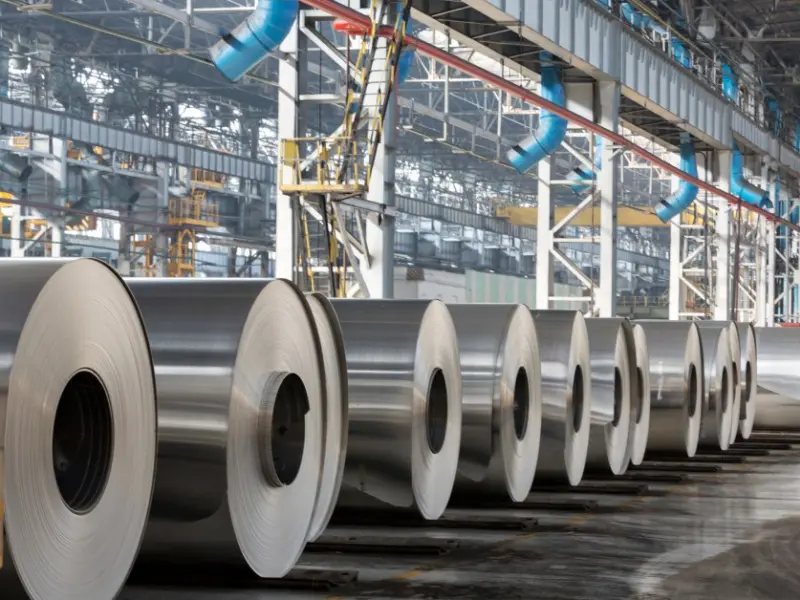

Aerospace & Defense
- Structural frames and bulkheads
- Wing rib and spar components
- Fuselage skin panels and doublers
- Landing gear components
- Tooling and fixture plates for aerospace manufacturing
- Ground support equipment structures
Automotive & Motorsport
- Suspension components and uprights
- Chassis plates and structural members
- Engine mounts and brackets
- Race car monocoque panels
- Aftermarket performance components
- Prototype and concept vehicle structures
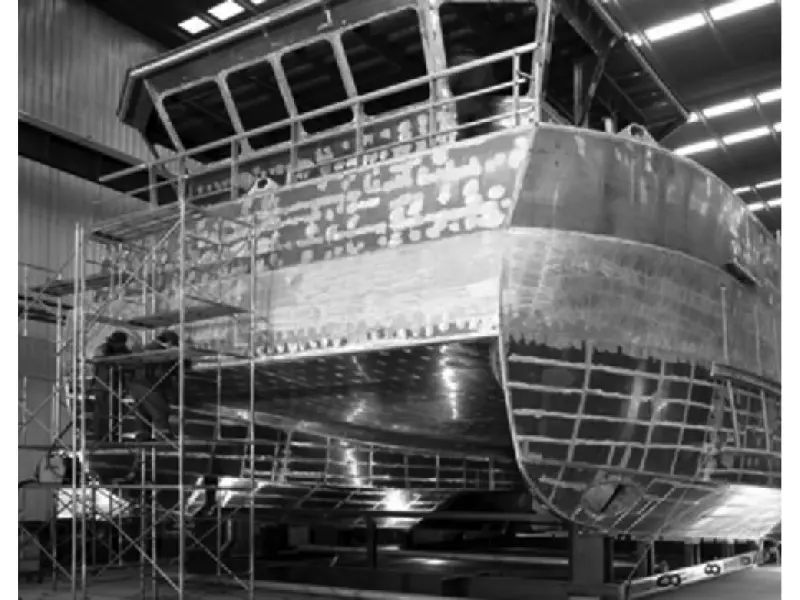
Marine
- Boat hull structural members
- Deck plates and hatches
- Bulkhead and frame components
- Outboard motor brackets
- Dock hardware and cleats
Industrial & General Manufacturing
- Machine frames and bases
- Conveyor system structural components
- Pneumatic and hydraulic manifold blocks
- Heat sink blanks for electronics cooling
- Jig and fixture construction
- Press brake tooling and dies
Construction & Architecture
- Structural architectural members
- Bridge deck panels (pedestrian)
- Curtain wall structural backing
- Modular building structural plates
- Stair treads and platforms
Medical & Scientific Equipment
- MRI machine components (non-magnetic)
- Laboratory equipment frames
- Clean room equipment structures
- Medical device housings and brackets
- Precision optical table components
6061-T651 vs. 7075-T651 — When to Pay More
Some buyers ask whether 7075 is worth the higher cost. Here is a direct comparison.
| Feature | 6061-T651 | 7075-T651 |
|---|---|---|
| Yield strength | 276 MPa | 503 MPa |
| Tensile strength | 310 MPa | 572 MPa |
| Density | 2.70 g/cm³ | 2.81 g/cm³ |
| Machinability | Excellent | Very good |
| Weldability | Excellent | Poor — not recommended |
| Corrosion resistance | Good | Moderate — needs coating |
| Price (USD/lb) | 3.50 – 6.50 | 7.00 – 14.00 |
| Cost premium | Baseline | 80 – 150% higher |
| Best use | General structural, marine, machined parts | High-stress aerospace, firearm components |
If a part will be welded, exposed to moisture, or does not need maximum strength, 6061 is the right choice. If a part needs the highest possible strength-to-weight ratio and will not be welded, 7075 justifies the cost.
On 6061 Aluminum Plate Price
The price of 6061 aluminum plate changes with market conditions. As a general reference, mill-finish 6061-T651 plate costs between USD 3.50 and USD 6.50 per pound at metal service center pricing in the United States. In metric terms, that is roughly USD 7.70 to USD 14.30 per kilogram.
Those numbers shift based on thickness, size, quantity, surface condition, and the supplier you buy from. Thin plate in small quantities costs more per pound than thick plate in full pallet orders. The sections below break down exactly what drives the number you will actually pay.
FAQ
What is the current price of 6061 aluminum plate per pound?
Mill-finish 6061-T651 plate is priced between USD 3.50 and USD 6.50 per pound at most US metal service centers as a general market range. The exact number depends on thickness, size, quantity, and the LME aluminum price at the time of purchase. Prices change monthly. Always get a current quote from your supplier rather than relying on historical figures.
How much does a 4×8 sheet of 6061 aluminum plate cost?
A standard 4 × 8 ft sheet of 6061-T651 plate costs approximately:
- 0.25 in thick: USD 450 – 700
- 0.5 in thick: USD 850 – 1,300
- 1.0 in thick: USD 1,600 – 2,600
These are retail service center prices. Mill direct and import pricing will be lower on larger orders.
Why is 6061 aluminum plate so expensive compared to steel?
Aluminum costs more per pound than carbon steel. However, aluminum weighs about one-third of steel by volume. A part made from aluminum plate is much lighter than the same part in steel. When the comparison is made on a cost-per-volume or cost-per-strength-to-weight basis rather than cost-per-pound, aluminum becomes competitive or favorable for many applications. Aluminum also does not rust, which eliminates coating costs in corrosive environments.
What is the difference between 6061-T6 and 6061-T651?
Both have the same chemical composition and the same artificial aging treatment. The difference is the stress relief step. T651 has been stretched after aging to relieve internal residual stresses from the heat treatment process. This makes T651 plate significantly more stable during machining — it is much less likely to warp or distort when material is removed. T6 plate without the stress relief can bow or twist during machining. For any precision machining application, always specify T651 rather than T6.
Is imported 6061 aluminum plate cheaper and is it worth buying?
Imported plate — primarily from China, Korea, and India — is typically 15–30% cheaper than domestic US or European plate at equivalent specifications. The trade-off is lead time (6–14 weeks by sea freight), larger minimum order quantities (typically one container or 20,000+ lb), and the need to verify mill certifications carefully. For buyers who plan ahead and have consistent volume, import purchasing can significantly reduce material costs. For shorter-run or time-sensitive jobs, domestic service center stock is worth the premium.
Does thickness affect price per pound?
Yes, but in the opposite direction from what many buyers expect. Thinner plate often costs more per pound than thicker plate because it requires more rolling passes and tighter process control at the mill. Very thick plate — above 2 inches — is sometimes slightly cheaper per pound than standard plate thicknesses because it is closer to a simple slab with minimal processing. The cheapest price per pound is usually found in the 0.5 to 2.0 inch thickness range where production efficiency is highest.
What is jig plate and why does it cost more?
Jig plate — also called tooling plate or precision plate — is a cast and rolled 6061 product produced to very tight flatness and thickness tolerances. Standard specifications include MIC-6 and ATP-5. Flatness is typically held to within 0.005 in over any 48-inch span. Regular mill plate has much looser flatness tolerances. Jig plate is used as a direct machining surface for fixtures, molds, and precision components where the plate must be flat without additional surface grinding. It costs 50–100% more than standard mill plate because of the specialized production process.
Can I negotiate the price of 6061 aluminum plate?
Yes. Metal service centers expect negotiation on larger orders. The most effective ways to get a better price are committing to a quantity over a defined period (blanket order), buying full sheets rather than cut pieces, paying on shorter payment terms, picking up material rather than using delivery, and getting quotes from multiple suppliers before committing. On orders above 1,000 lb, it is always worth asking for a lower price than the initial quote.