What Signage Demands from Aluminum
How to Choose Aluminum Sheet for Signage. Signs face wind, rain, sun, and impact. They must stay flat, bright, and readable for years. The wrong aluminum sheet warps, fades, or dents. The right sheet keeps your message clear and your brand strong.
Choosing aluminum sheet for signage means matching alloy, temper, thickness, and finish to the sign’s job. A small indoor plaque needs soft, thin metal. A building facade panel needs thick, rigid alloy.
Aluminum Alloys for Signage: The Core Decision
The alloy is the foundation. It controls strength, corrosion resistance, and how the metal forms.
Alloy 3003 for Signage
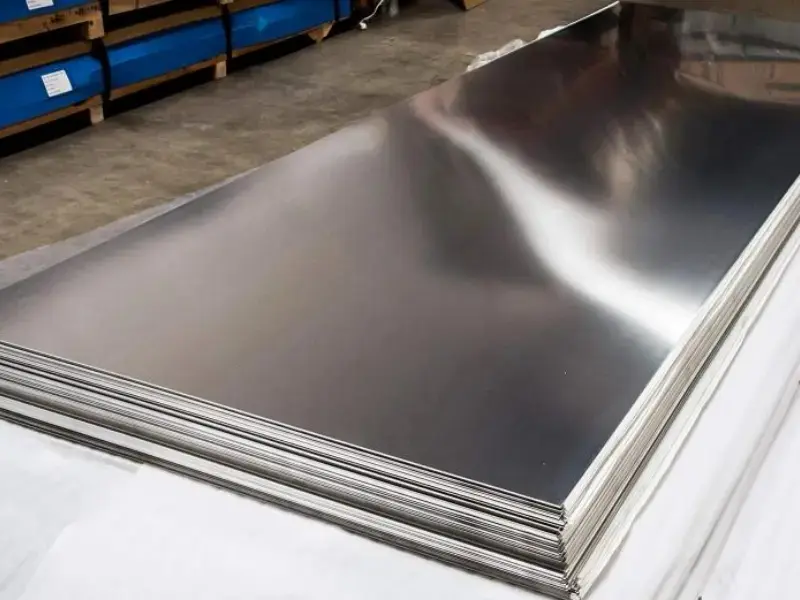
How to Choose Aluminum Sheet for Signage Alloy 3003 is the workhorse of sign making. It contains 1.2% manganese. This gives it good strength and excellent formability.
| Property | Value |
|---|---|
| Tensile strength | 110 – 140 MPa |
| Yield strength | ≥95 MPa |
| Elongation | 20 – 30% |
| Corrosion resistance | Good |
| Cost per kg | $2.50 – $3.20 |
3003 aluminum sheet for signage bends easily into channel letters. It rolls into curved faces. It takes paint and anodizing well. Most indoor signs, menu boards, and light-duty outdoor signs use this alloy.
Alloy 5052 for Signage
How to Choose Aluminum Sheet for Signage Alloy 5052 adds 2.2% to 2.8% magnesium. This boosts strength and corrosion resistance.
| Property | Value |
|---|---|
| Tensile strength | 210 – 260 MPa |
| Yield strength | 130 – 200 MPa |
| Elongation | 12 – 20% |
| Corrosion resistance | Excellent |
| Cost per kg | $3.00 – $3.80 |
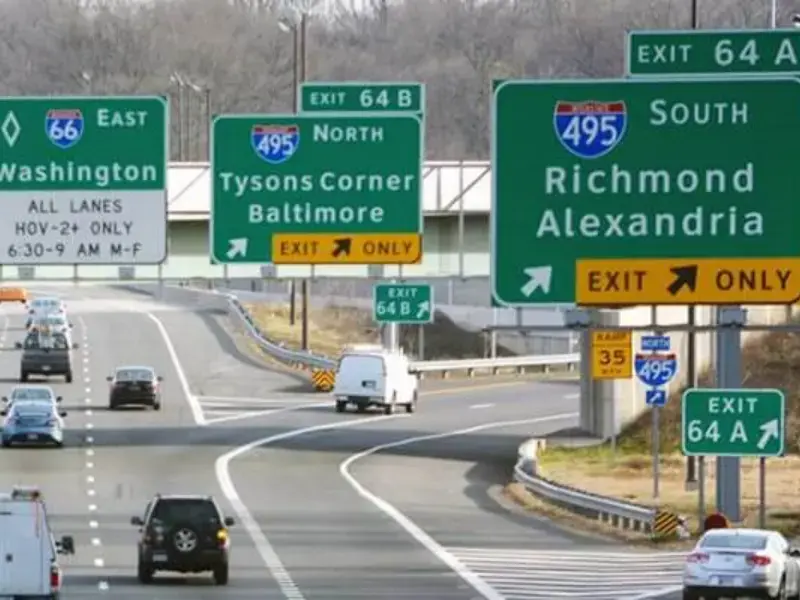
How to Choose Aluminum Sheet for Signage
5052 aluminum sheet for signage resists salt air and industrial pollution. It handles larger panels without sagging. It is the top pick for outdoor signs, marine environments, and high-wind areas.
Alloy 6061 for Signage
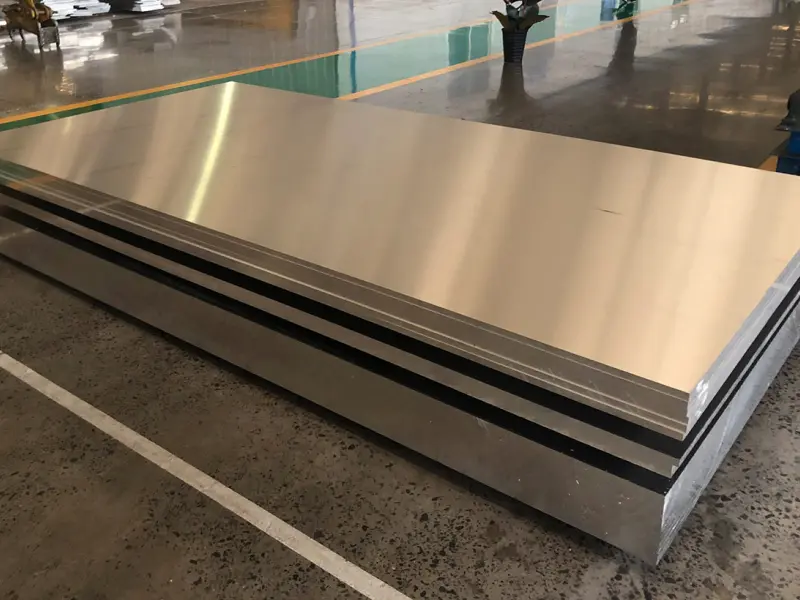
Alloy 6061 contains magnesium and silicon. It is heat-treatable. This gives it the highest strength of the three.
| Property | Value |
|---|---|
| Tensile strength | 290 – 310 MPa |
| Yield strength | 240 – 276 MPa |
| Elongation | 8 – 10% |
| Corrosion resistance | Good |
| Cost per kg | $3.50 – $4.50 |
6061 aluminum sheet for signage suits structural frames, mounting brackets, and large rigid panels. It machines cleanly for precision parts. But it forms poorly. Tight bends crack. It is not ideal for channel letters or curved faces.
Alloy Comparison for Signage
| Alloy | Strength | Corrosion | Formability | Machinability | Cost | Best Sign Type |
|---|---|---|---|---|---|---|
| 3003 | Medium | Good | Excellent | Fair | Low | Channel letters, indoor signs, light outdoor |
| 5052 | High | Excellent | Very good | Fair | Medium | Outdoor signs, coastal, large panels |
| 6061 | Very high | Good | Poor | Excellent | Higher | Structural frames, brackets, rigid panels |
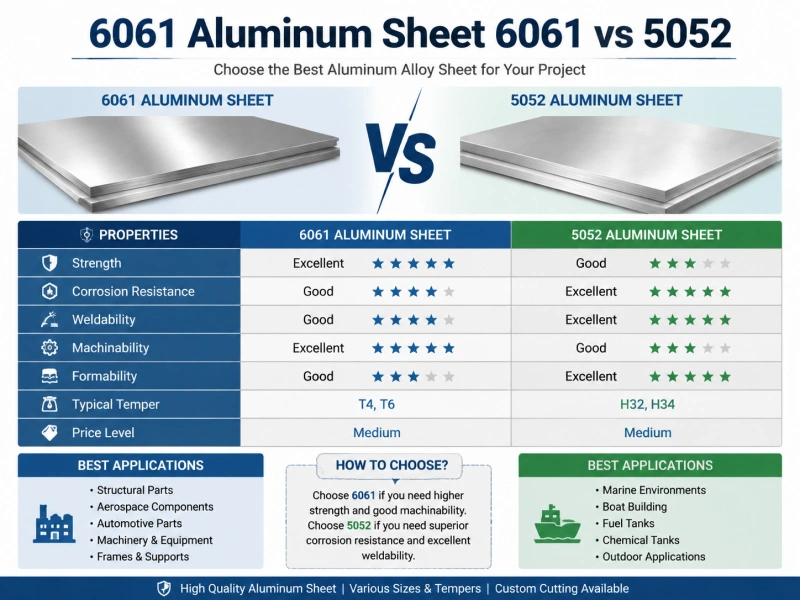
For most signage work, 3003 or 5052 is the right choice. 3003 saves money on indoor and mild outdoor jobs. 5052 adds durability where weather is harsh. 6061 is reserved for structural elements that carry load.
Temper: How Hardness Affects Fabrication
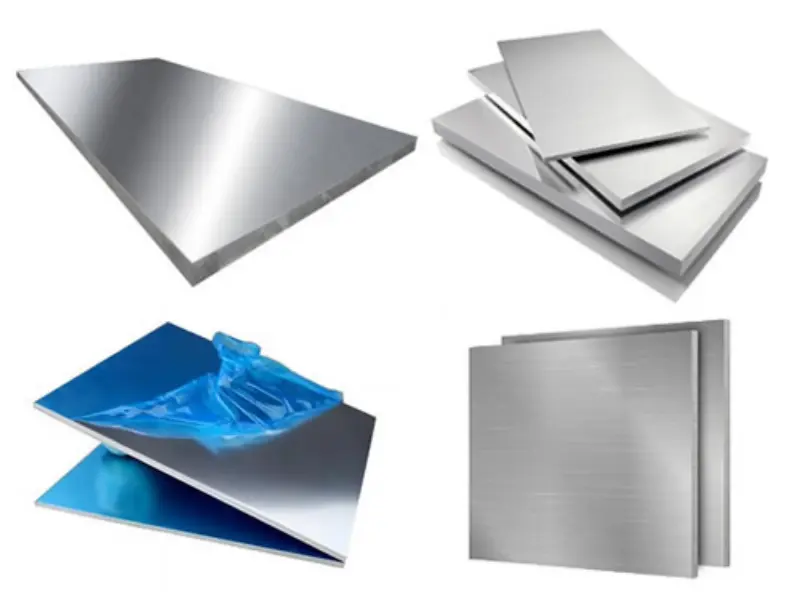
Temper shows how the aluminum is treated after rolling. It changes hardness, strength, and how the metal behaves in your shop.
Temper Options for Signage Aluminum
| Temper | Hardness | Formability | Best For |
|---|---|---|---|
| O | Fully soft | Maximum | Deep drawing, complex curves |
| H12 | Quarter hard | Very good | Light forming, simple bends |
| H14 | Half hard | Good | Standard channel letters, most signs |
| H16 | Three-quarter hard | Fair | Larger flat panels, less forming |
| H18 | Full hard | Poor | Rigid flat signs, no forming |
| H24 | Half hard, stabilized | Good | Best flatness, resists warping |
H14 is the standard temper for 3003 signage sheets. It balances stiffness and workability. You can bend it into letters. It holds shape after forming.
H24 is common for 5052. It offers better flatness over time. Large panels stay true. This matters for building facade signs.
O temper is rarely used for finished signs. It is too soft. But it is useful for deep-drawn shapes or complex curves before final mounting.
Thickness: Matching Gauge to Sign Size and Use
Thickness controls rigidity, weight, and wind resistance. Thicker sheets cost more but perform better.
Thickness by Sign Application
| Thickness | Gauge | Weight per m² | Best For | Relative Cost |
|---|---|---|---|---|
| 0.5 mm | 24 | 1.35 kg | Small channel letters, tags, labels | Lowest |
| 0.8 mm | 22 | 2.16 kg | Medium channel letters, cabinet signs | Low |
| 1.0 mm | 20 | 2.70 kg | Large channel letters, small flat signs | Medium |
| 1.5 mm | 16 | 4.05 kg | Flat wall signs, medium panels | Medium |
| 2.0 mm | 14 | 5.40 kg | Large flat signs, wind-exposed panels | Higher |
| 3.0 mm | 12 | 8.10 kg | Building facades, structural panels | Higher |
| 4.0 mm | 10 | 10.80 kg | Monument signs, heavy-duty structures | Highest |
A 1.0 mm 5052-H14 sheet handles most outdoor channel letters up to 24 inches tall. For flat wall signs over 36 inches wide, use 1.5 mm or thicker. This prevents oil-canning, the wavy distortion that makes signs look cheap.
For monument signs or freestanding pylons, 3.0 mm to 4.0 mm provides the mass and strength to resist wind and vandalism.
Sign Types and the Right Aluminum Sheet
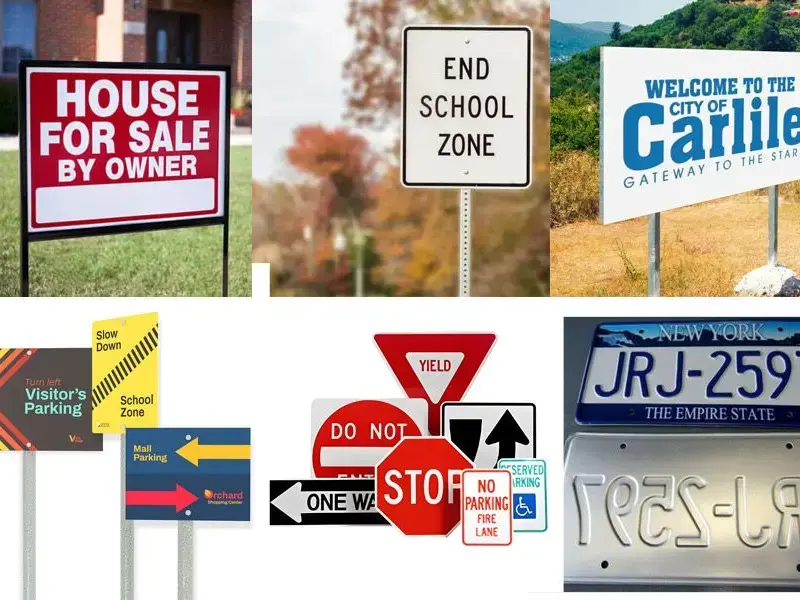
Channel Letters How to Choose Aluminum Sheet for Signage
Channel letters are three-dimensional. The face is acrylic or polycarbonate. The sides are aluminum strips bent into shape.
| Parameter | Recommendation |
|---|---|
| Alloy | 3003 or 5052 |
| Temper | H14 |
| Thickness | 0.8 – 1.0 mm |
| Why | Bends cleanly, holds shape, resists outdoor corrosion |
3003-H14 at 0.8 mm is the industry standard. It bends on a letter bender without cracking. It welds or rivets easily. For coastal locations, upgrade to 5052-H14.
Flat Wall Signs How to Choose Aluminum Sheet for Signage
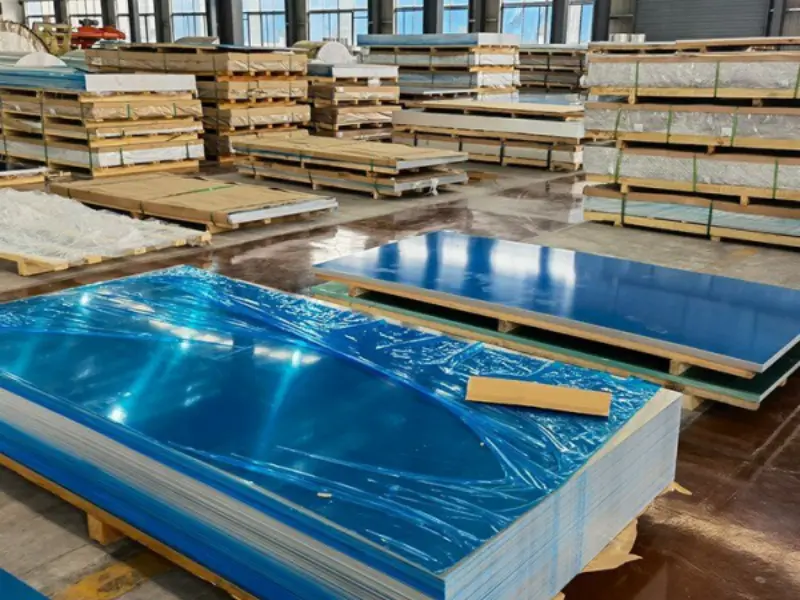
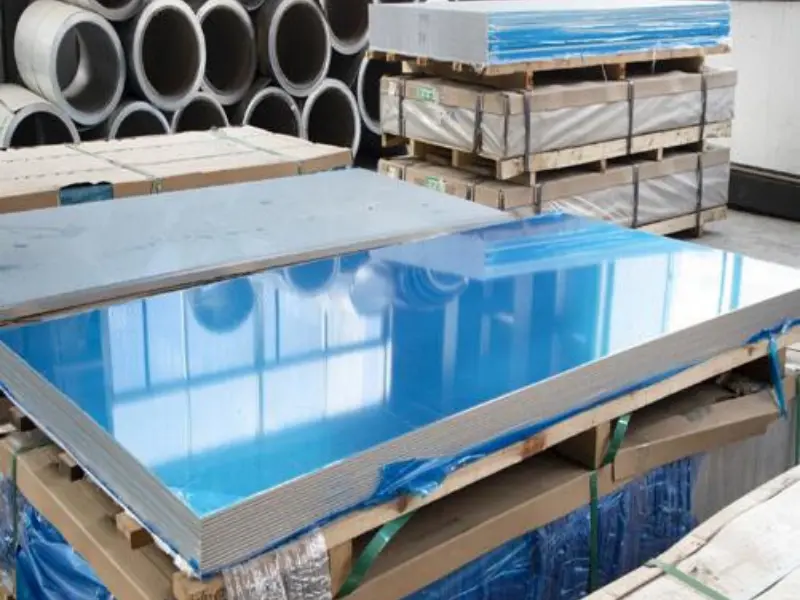
Flat signs mount directly to walls. They need stiffness to stay flat.
| Parameter | Recommendation |
|---|---|
| Alloy | 5052 or 6061 |
| Temper | H24 or T6 |
| Thickness | 1.5 – 3.0 mm |
| Why | Resists warping, handles wind load |
5052-H24 at 2.0 mm is popular for flat signs up to 4 feet wide. For larger panels or high-wind zones, 6061-T6 at 3.0 mm adds structural security.
Post and Panel Signs How to Choose Aluminum Sheet for Signage
These signs stand on poles. They face wind from all sides.
| Parameter | Recommendation |
|---|---|
| Alloy | 5052 or 6061 |
| Temper | H24 or T6 |
| Thickness | 2.0 – 4.0 mm |
| Why | High wind resistance, structural integrity |
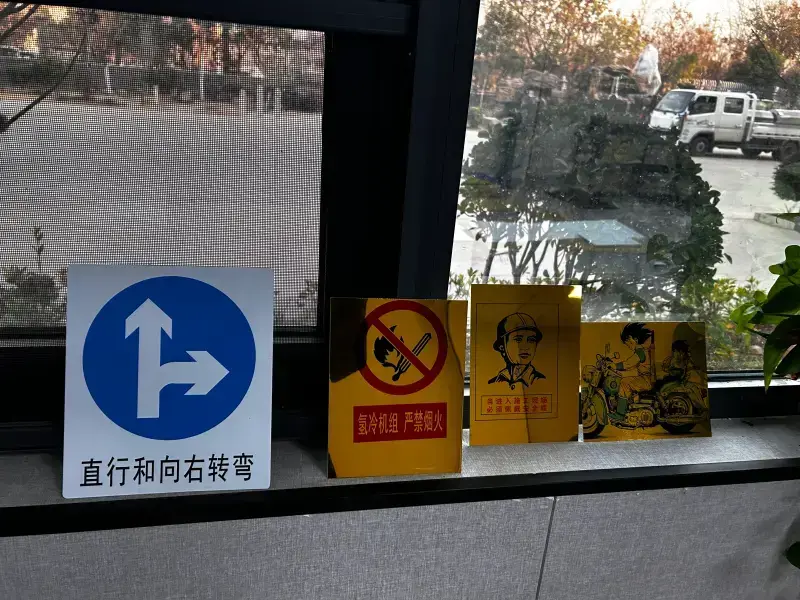
5052-H24 works for most post signs. The panel flexes slightly in wind but returns to shape. For very large panels or hurricane zones, 6061-T6 frames with 5052 faces offer the best mix.
Monument Signs How to Choose Aluminum Sheet for Signage
Monument signs sit at ground level. They are massive and visible.
| Parameter | Recommendation |
|---|---|
| Alloy | 5052 or 6061 |
| Temper | H24 or T6 |
| Thickness | 3.0 – 6.0 mm |
| Why | Weight, impact resistance, long-term stability |
These signs often use aluminum composite material (ACM) faces on 6061-T6 frames. The ACM is lighter. The frame carries the load.
Wayfinding and Directional Signs
Indoor wayfinding needs light, easy-to-mount panels.
| Parameter | Recommendation |
|---|---|
| Alloy | 3003 |
| Temper | H14 |
| Thickness | 0.8 – 1.5 mm |
| Why | Light, easy to print, simple to install |
3003-H14 at 1.0 mm is ideal. It is light enough for adhesive mounting. It is stiff enough to resist damage from carts and bags.
Surface Finishes for Signage Aluminum
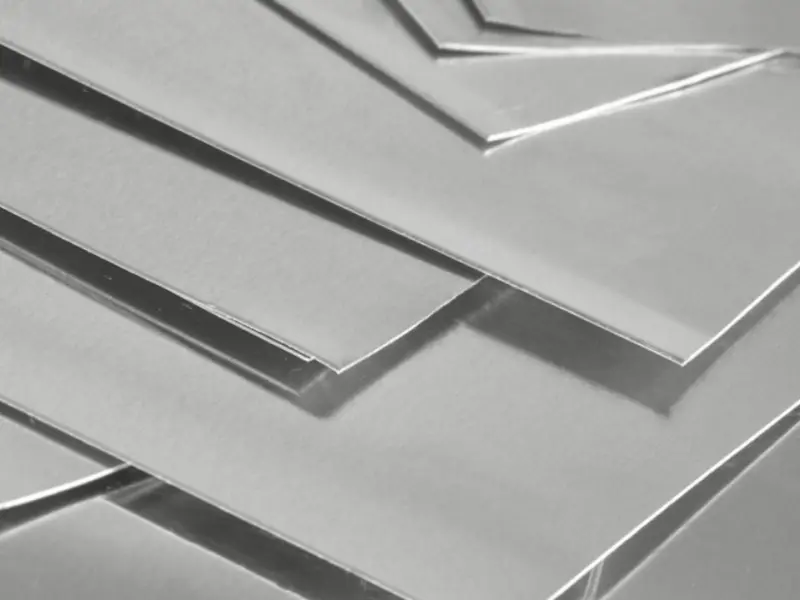
The finish protects the metal and carries color or graphics.
How to Choose Aluminum Sheet for Signage Mill Finish
Mill finish is raw aluminum. It has no coating.
| Feature | Detail |
|---|---|
| Appearance | Natural silver, slightly dull |
| Cost | Base price, no extra |
| Best for | Hidden frames, paint-ready surfaces |
| Outdoor life | Poor, oxidizes quickly |
Mill finish aluminum sheet for signage is rarely used for visible faces. It is common for internal frames and brackets.
Painted Finish How to Choose Aluminum Sheet for Signage
Painted aluminum comes from the factory with color applied.
| Feature | Detail |
|---|---|
| Color options | Full RAL range, custom matches |
| Coating types | Polyester, SMP, PVDF |
| Cost add | +$1.00 – $3.50 per m² |
| Best for | Most outdoor signs, brand-color matching |
PVDF painted aluminum sheet for signage lasts 20 to 30 years outdoors. The color stays true. The coating resists chalking. It is the premium choice for corporate branding.
Anodized Finish How to Choose Aluminum Sheet for Signage
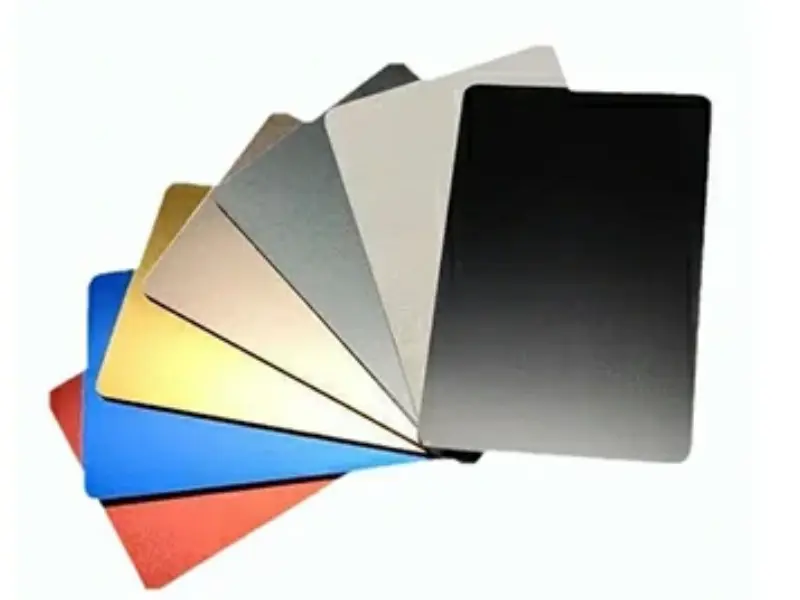
Anodizing grows a hard oxide layer on the surface.
| Feature | Detail |
|---|---|
| Color options | Clear, bronze, black, gold, custom dyes |
| Hardness | Very hard, scratch-resistant |
| Cost add | +$2.00 – $5.00 per m² |
| Best for | High-end architectural signs, interior decor |
Anodized aluminum sheet for signage offers a metallic look that paint cannot match. The finish is part of the metal. It will not chip or peel. But color options are more limited than paint.
Brushed Finish How to Choose Aluminum Sheet for Signage
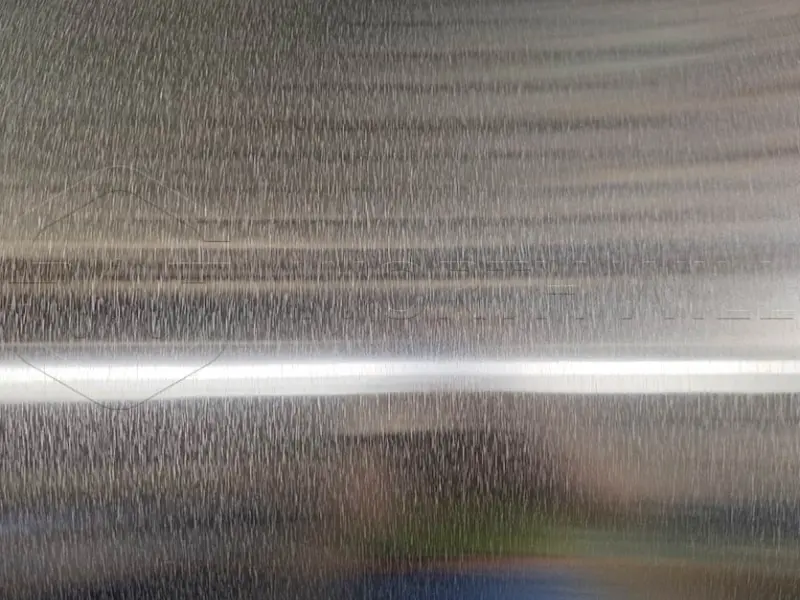
Brushed aluminum has fine lines from abrasive brushing.
| Feature | Detail |
|---|---|
| Appearance | Satin metallic with visible grain |
| Cost add | +$0.50 – $1.00 per m² |
| Best for | Modern, industrial-style signs |
Brushed aluminum sheet for signage is often clear-coated to protect the surface. It is popular for tech companies and contemporary brands.
Fabrication Methods and Alloy Matching
Bending and Forming
Bending puts stress on the metal. Soft alloys bend cleaner.
| Alloy | Minimum Bend Radius | Best Tool | Notes |
|---|---|---|---|
| 3003-O | 0.5 × thickness | Hand brake, letter bender | Deep forms possible |
| 3003-H14 | 1.0 × thickness | CNC letter bender | Standard for channel letters |
| 5052-H14 | 1.5 × thickness | CNC letter bender | Tighter radius may crack |
| 5052-H24 | 2.0 × thickness | Press brake | Larger radius needed |
| 6061-T6 | 3.0 × thickness | Press brake with large die | Cracks easily, not for letters |
3003-H14 is the safest choice for complex bends. 5052-H14 works for moderate curves. 6061-T6 is not suitable for channel letter forming.
Cutting How to Choose Aluminum Sheet for Signage
| Method | Best Alloy | Best Thickness | Notes |
|---|---|---|---|
| Shear | All | 0.5 – 3.0 mm | Fast, clean for straight cuts |
| CNC router | All | 0.5 – 6.0 mm | Complex shapes, smooth edges |
| Laser | All | 0.5 – 10.0 mm | Precision, may leave oxide |
| Water jet | All | 1.0 – 25.0 mm | No heat distortion, slow |
| Punch press | 3003, 5052 | 0.5 – 3.0 mm | High volume, simple shapes |
Welding How to Choose Aluminum Sheet for Signage
| Alloy | Weldability | Best Process | Notes |
|---|---|---|---|
| 3003 | Excellent | TIG, MIG | No special prep needed |
| 5052 | Excellent | TIG, MIG | Use 5356 filler wire |
| 6061 | Good | TIG, MIG | Use 4043 or 5356 filler, may need post-weld heat treat |
5052 welds slightly better than 6061. It resists cracking. For sign frames that need welding, 5052 is the safer pick.
Machining How to Choose Aluminum Sheet for Signage
| Alloy | Machinability | Best For |
|---|---|---|
| 3003 | Fair | Simple drilled holes, not precision |
| 5052 | Fair | Light machining, brackets |
| 6061 | Excellent | Precision parts, threaded holes, complex cuts |
6061 is the clear winner for machined sign hardware. It cuts cleanly. It holds tight tolerances. It taps and threads well.
3003 vs 5052 vs 6061: Full Comparison for Signage
| Factor | 3003 | 5052 | 6061 | Best Choice |
|---|---|---|---|---|
| Channel letters | Excellent | Good | Poor | 3003 |
| Flat panels | Good | Excellent | Good | 5052 |
| Structural frames | Poor | Good | Excellent | 6061 |
| Coastal outdoor | Fair | Excellent | Good | 5052 |
| Indoor signs | Excellent | Good | Overkill | 3003 |
| Large wind-loaded signs | Fair | Good | Excellent | 5052 or 6061 |
| Welded assemblies | Excellent | Excellent | Good | 5052 |
| Machined hardware | Fair | Fair | Excellent | 6061 |
| Cost | Lowest | Medium | Highest | 3003 for budget |
| Weight (same thickness) | Lightest | Light | Light | Tie |
Common Mistakes When Choosing Signage Aluminum
Picking Too Thin
A 0.5 mm sheet for a 4-foot flat sign will oil-can. It will flex in wind. It will look cheap. Always match thickness to panel size.
Using 6061 for Channel Letters
6061-T6 cracks when bent tight. Channel letters need 3003 or 5052. Save 6061 for frames and brackets.
Ignoring Temper
O temper is too soft for finished signs. H18 is too hard to form. H14 hits the sweet spot for most work.
Skipping Corrosion Protection
Mill finish signs near the coast fail in 2 years. Always specify painted, anodized, or 5052 alloy for outdoor coastal use.
Start With the Sign, Not the Aluminum
The best aluminum sheet depends on the type of sign.
A small indoor sign has different requirements from a large outdoor road sign.
Before choosing the material, check:
Sign type → Installation location → Size → Printing method → Forming method → Required strength → Surface finish
This simple order can make material selection easier.
A Quick Signage Material Selection Chart
| Sign Requirement | Suggested Direction |
|---|---|
| Indoor decorative sign | 1050 / 1060 aluminum |
| Outdoor sign | 3003 / 5052 |
| Printed sign | Smooth coated aluminum |
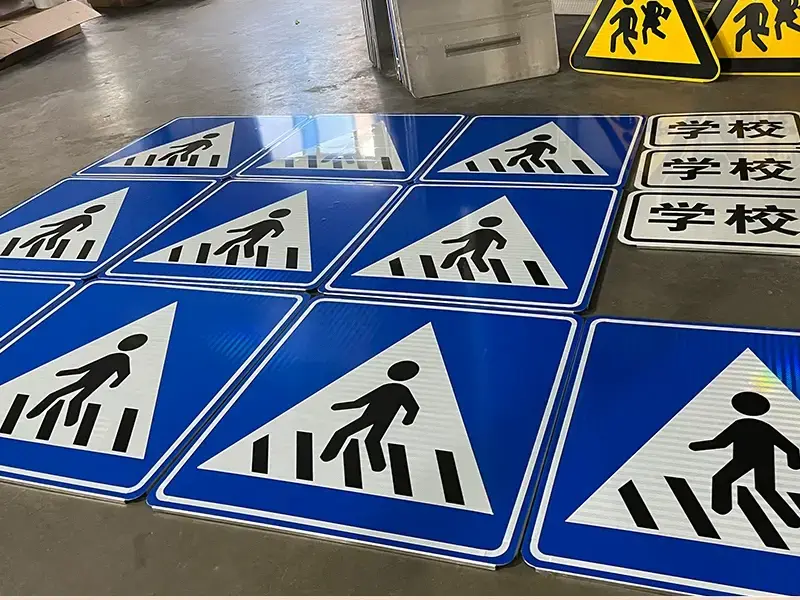
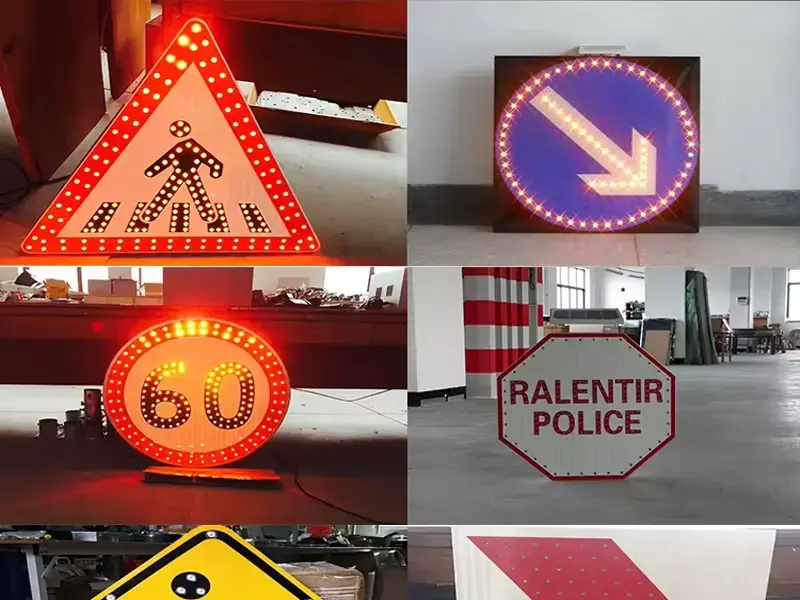
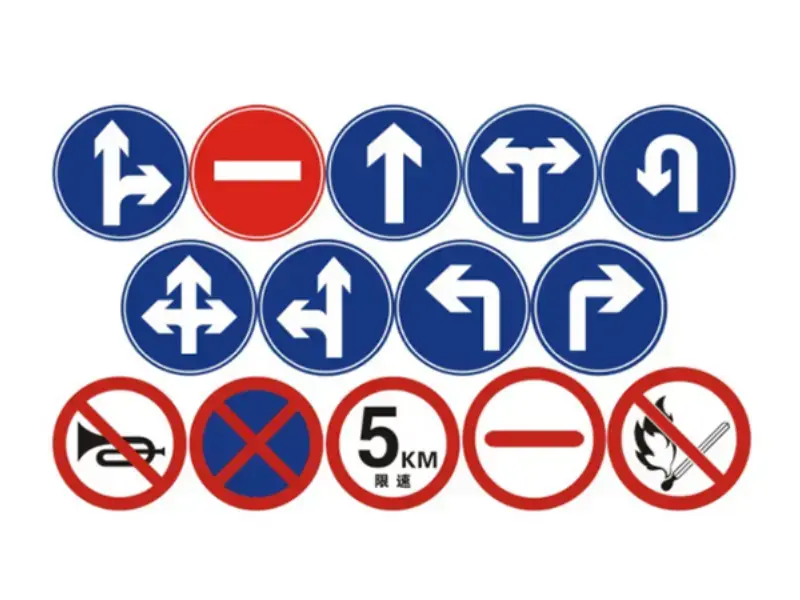
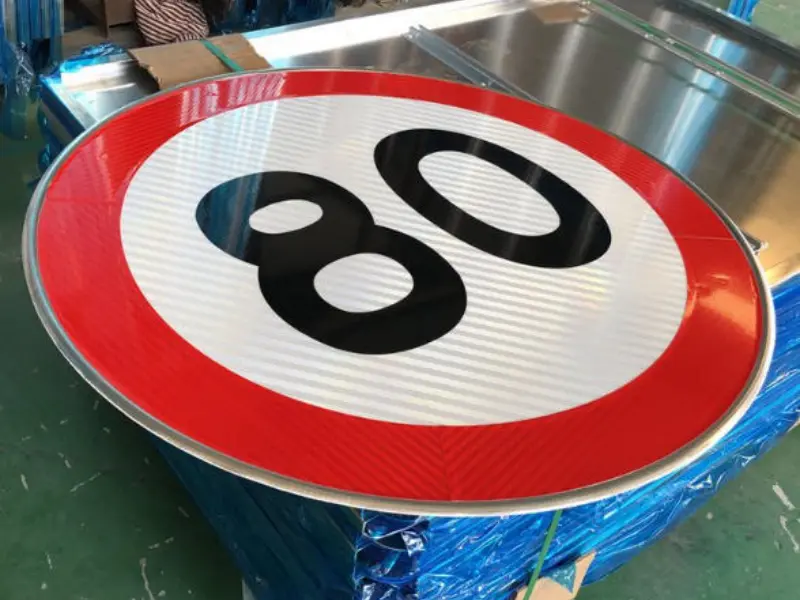
| Traffic sign | Reflective sign-grade material |
| Large panel | Thicker aluminum sheet |
| Bent sign | Formable alloy and temper |
| Perforated sign | 1050 / 1060 / 3003 |
| Premium architectural sign | Anodised aluminum |
| Custom color sign | Pre-painted aluminum |
| Lightweight sign | Thin aluminum sheet |
The final alloy and thickness should always be selected according to the actual sign design.
Small Sign or Large Sign?
Sign size is one of the first things to consider.
| Sign Size | Main Concern |
|---|---|
| Small | Appearance and easy fabrication |
| Medium | Flatness and rigidity |
| Large | Strength and wind load |
| Extra large | Thickness, support and installation |
A thin sheet may work well for a small indoor sign.
A large outdoor panel may need greater thickness or a reinforced frame.
Thickness Should Match the Sign Structure
There is no single aluminum thickness for every sign.
| Thickness | General Use |
|---|---|
| 0.3–0.5 mm | Lightweight signs |
| 0.6–1.0 mm | General signage |
| 1.2–1.5 mm | Outdoor panels |
| 2.0–3.0 mm | Rigid signs |
| 4.0 mm+ | Heavy-duty applications |
The support structure also affects the required thickness.
For example, a thin aluminum sheet mounted on a strong frame can perform differently from the same sheet used as a self-supporting panel.
How to Choose Aluminum Sheet for Signage 1050, 1060, 3003 or 5052?
Alloy selection should follow the job.
| Alloy | Main Character | Signage Direction |
|---|---|---|
| 1050 | Very good formability | Indoor and decorative signs |
| 1060 | High ductility | General signage |
| 1100 | Easy fabrication | Signs and displays |
| 3003 | Higher strength | Outdoor panels |
| 5052 | Strong and corrosion resistant | Demanding outdoor use |
For a simple flat sign, a 1000 series alloy may be enough.
For larger or more demanding outdoor signs, 3003 or 5052 can be considered.
Choosing the Right Temper
Temper affects how the aluminum behaves during fabrication.
| Temper | General Character |
|---|---|
| O | Soft and highly formable |
| H12 | Partially hardened |
| H14 | Medium strength |
| H16 | Higher strength |
| H18 | Harder condition |
If the sign needs bending, punching, or forming, formability becomes important.
If the sign needs greater rigidity, a harder temper may be more suitable.
Flatness Is More Important Than It Looks
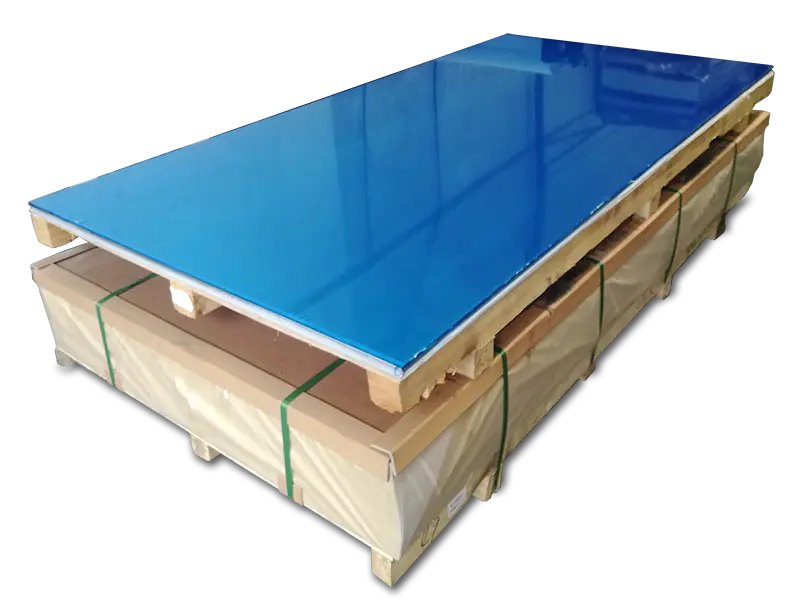
A sign may look simple, but flatness can affect the final appearance.
A wavy sheet can cause:
- Uneven printing
- Reflections
- Poor installation
- Visible distortion
- Difficult mounting
For large printed signs, good flatness is especially useful.
This is one reason buyers should not compare aluminum sheets by price alone.
Smooth Surface vs Embossed Surface
The surface should match the production method.
| Surface | Suitable Direction |
|---|---|
| Smooth mill finish | General fabrication |
| Smooth coated | Printing |
| Anodised | Premium appearance |
| Brushed | Decorative signs |
| Stucco embossed | Special decorative use |
| Reflective surface | Traffic and safety signs |
For digital printing, a smooth and consistent surface is usually preferred.
When Should You Choose Pre-Painted Aluminum?
Pre-painted aluminum can save production time.
The color is applied before the sheet reaches the sign manufacturer.
This can be useful when you need:
→ Consistent color
→ Faster fabrication
→ Less painting work
→ Better batch control
→ Custom colors
Typical coating options can include polyester and PVDF, depending on the project.
Aluminum Sheet for Digital Printing
Digital printing requires a clean and suitable surface.
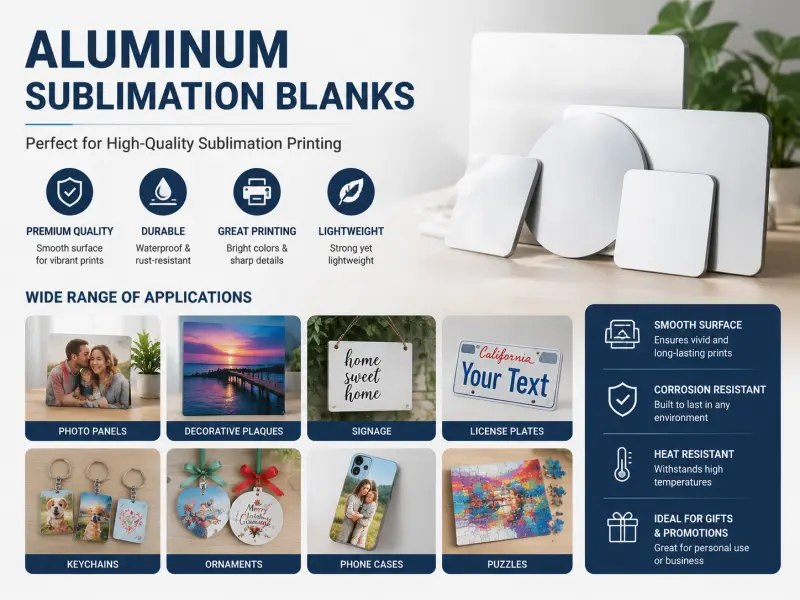
The sheet should have: How to Choose Aluminum Sheet for Signage
✓ Good flatness
✓ Consistent surface
✓ Suitable coating
✓ Good ink adhesion
✓ Low surface defects
For outdoor printed signs, the coating and ink system should also be selected for weather exposure.
Aluminum for Sublimation Signage
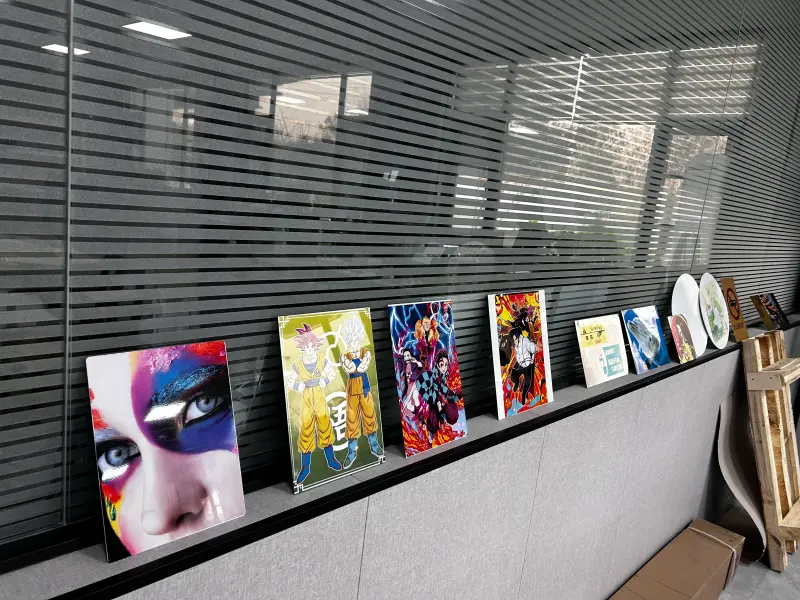
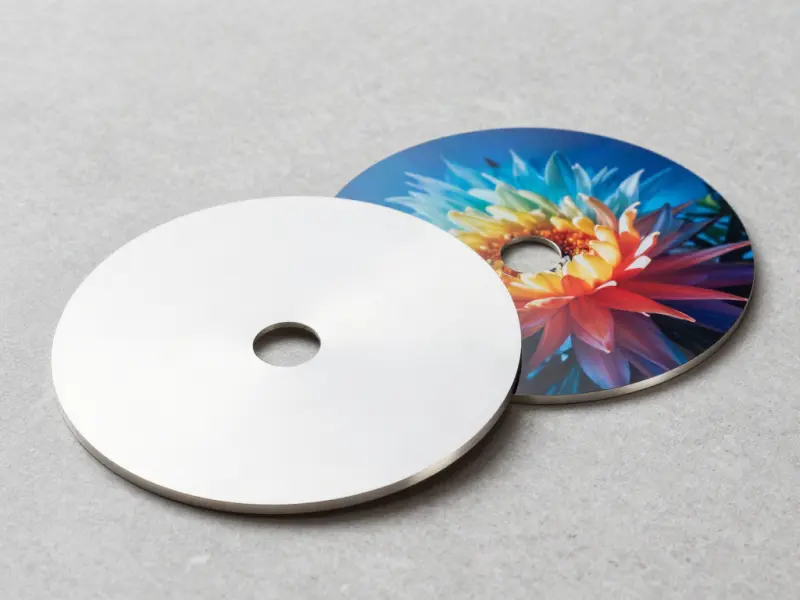
Aluminum is also used for sublimation printing.
A coated surface allows the image to transfer under heat.
| Panel Type | Visual Effect |
|---|---|
| Glossy white | Bright colors |
| Matte white | Soft appearance |
| Silver | Metallic effect |
| Brushed silver | Textured metallic effect |
This makes aluminum suitable for personalized signs, decorative panels, photo signs, and promotional products.
Outdoor Signs Need More Than a Strong Sheet
Outdoor signage is exposed to changing conditions.
The material selection should consider:
Sunlight
Rain
Humidity
Temperature changes
Wind
Pollution
Coastal air
For long-term outdoor use, alloy, surface treatment, coating, thickness, and installation method should be considered together.
Coastal Areas Need Extra Attention
Signs installed near the sea may face a more aggressive environment.
Salt and moisture can accelerate corrosion.
For coastal signage, buyers should pay more attention to:
| Factor | Why It Matters |
|---|---|
| Alloy | Corrosion performance |
| Surface treatment | Extra protection |
| Coating | Weather resistance |
| Fasteners | Avoid incompatible metals |
| Edges | Protect exposed areas |
| Installation | Prevent water retention |
The aluminum sheet should be selected as part of the complete sign system.
Anodised Aluminum for Premium Signs
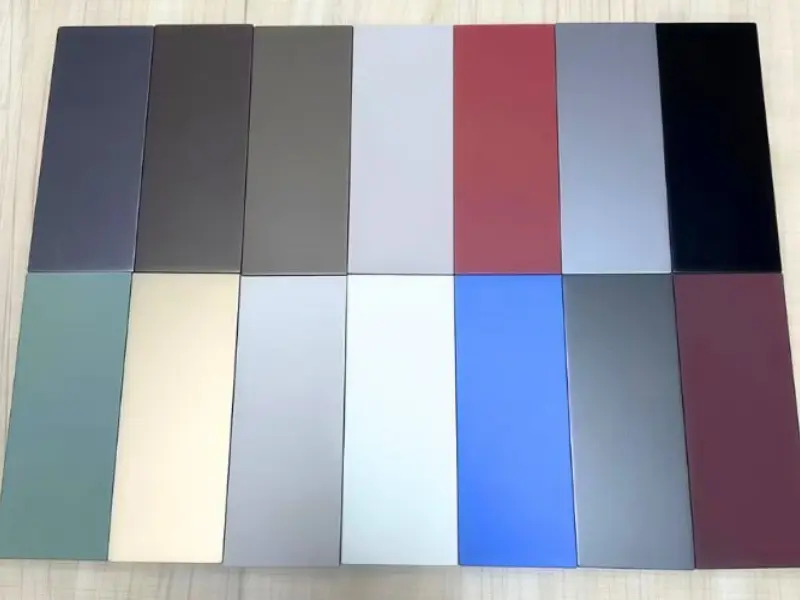
Anodised aluminum is a good option when the metal surface itself is part of the design.
It provides a clean metallic appearance.
Popular finishes include:
Silver → Champagne → Bronze → Black → Brushed
It can be used for architectural signs, company signs, building numbers, retail displays, and interior signage.
Aluminum Signage With Cut-Out Designs
Aluminum sheets can be processed into custom shapes.
Common methods include:
Laser cutting
CNC routing
Punching
Shearing
Waterjet cutting
The choice depends on thickness, design complexity, and production quantity.
For repeated designs, CNC or punching can provide efficient production.
Why Edge Quality Matters
The edge of a sign can affect both appearance and safety.
A clean edge is important for:
- Handling
- Installation
- Framing
- Folding
- Decorative appearance
For signs that will be handled frequently, rounded corners or deburred edges can be considered.
Sign Shape Can Affect Material Choice
The sign does not always have to be rectangular.
| Sign Shape | Typical Material Consideration |
|---|---|
| Rectangle | Standard sheet |
| Square | Standard sheet |
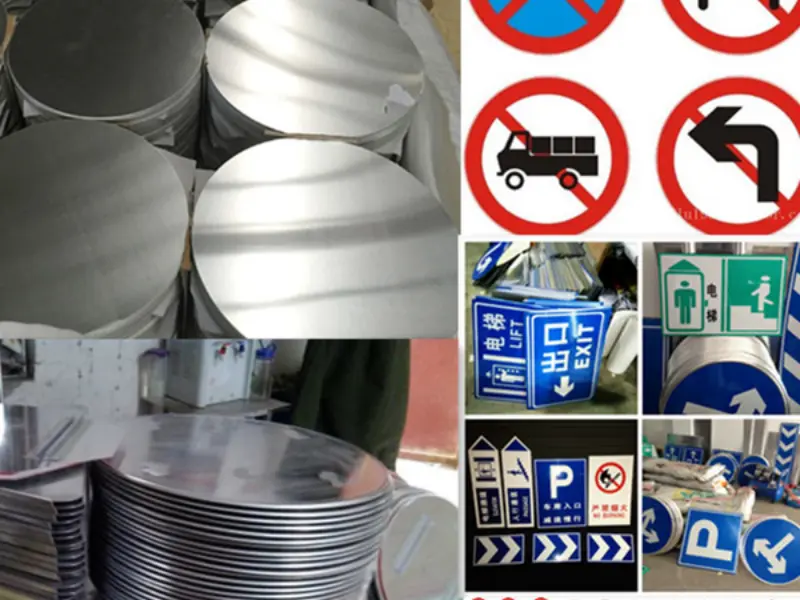
| Circle | Cut aluminum sheet |
| Triangle | Custom cutting |
| Octagon | CNC or laser cutting |
| Shield | Custom shape |
| Letter shape | CNC / laser cutting |
| Irregular shape | Custom fabrication |
For custom shapes, customers can send drawings for production review.
Aluminum Sheet vs Other Sign Materials
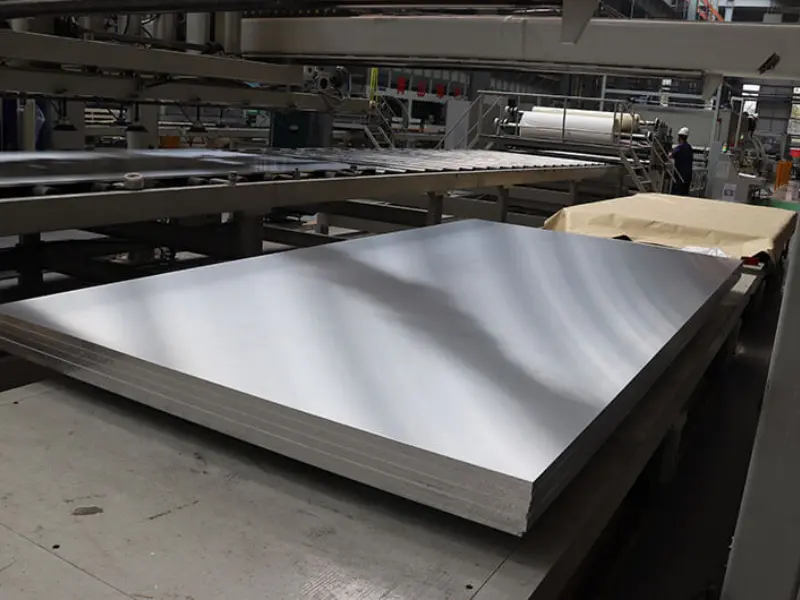
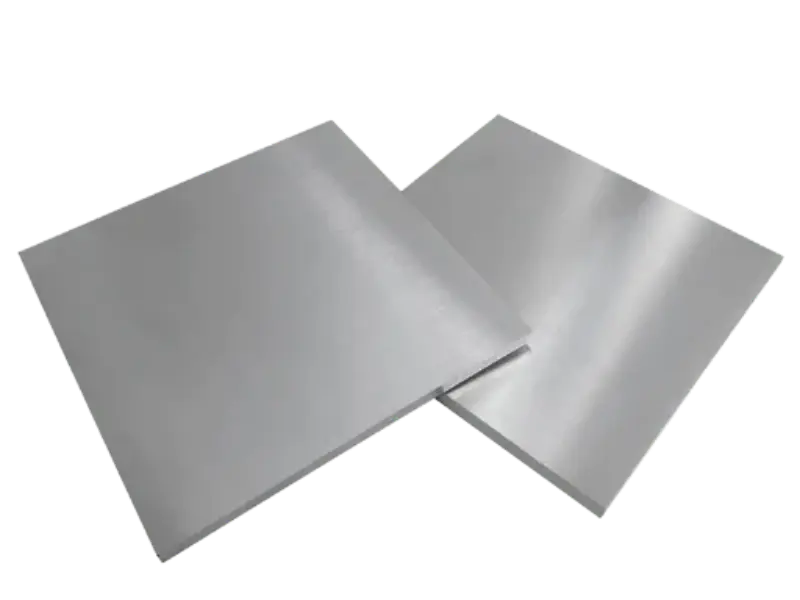
Aluminum is only one option.
| Material | Weight | Weather Use | Fabrication |
|---|---|---|---|
| Aluminum | Low | Excellent | Easy |
| Steel | High | Good with protection | Easy |
| Acrylic | Low | Moderate | Easy |
| PVC | Low | Moderate | Easy |
| Stainless steel | High | Excellent | More difficult |
Aluminum offers a useful balance between weight, durability, appearance, and processing.
When Weight Matters
Weight becomes important when signs are mounted on:
→ Walls
→ Poles
→ Vehicles
→ Storefronts
→ Temporary structures
→ Exhibition systems
Aluminum is lighter than many steel alternatives.
This can simplify handling and installation, especially for larger signs.
A Simple Buying Formula
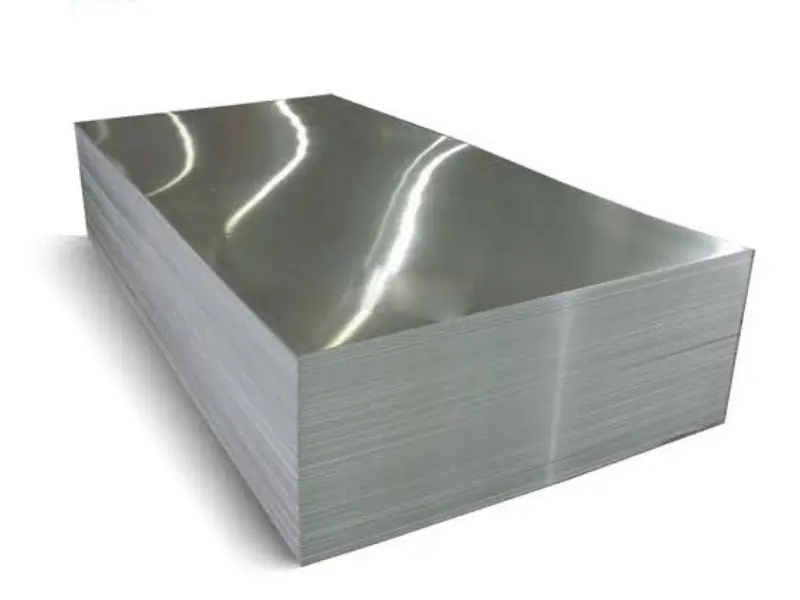
Instead of asking: How to Choose Aluminum Sheet for Signage
“What aluminum sheet should I buy?”
Start with these questions:
Where will the sign be installed?
↓
How large is it?
↓
Will it be printed?
↓
Will it be bent or cut?
↓
Does it need high strength?
↓
What surface should it have?
↓
What service life is expected?
This gives the supplier enough information to recommend a more suitable material.
What Information Should Be Included in a Signage Inquiry?
A complete inquiry can look like this:
| Item | Example |
|---|---|
| Product | Aluminum Sheet for Signage |
| Alloy | 3003 |
| Temper | H14 |
| Thickness | 1.0 mm |
| Width | 1220 mm |
| Length | 2440 mm |
| Surface | Smooth |
| Finish | Mill / Coated |
| Cutting | Custom |
| Application | Outdoor sign |
| Quantity | 3 tons |
Providing these details can make the quotation more accurate.
Factory Customization for Signage Projects
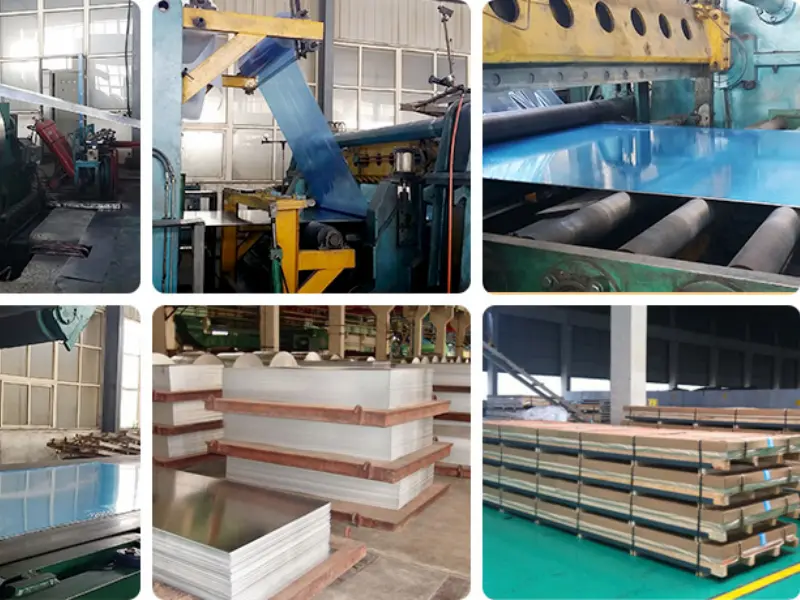
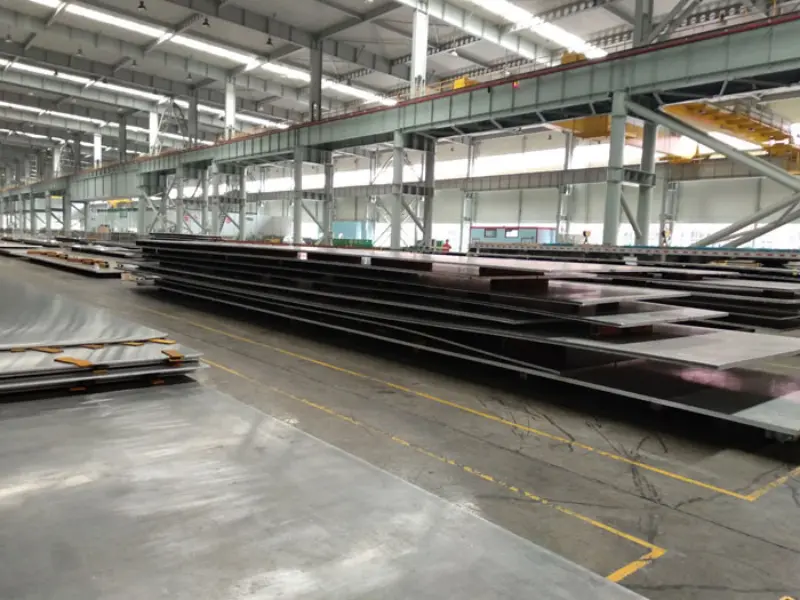
Our factory can supply aluminum sheets for different signage requirements.
| Custom Item | Options |
|---|---|
| Alloy | 1050 / 1060 / 1100 / 3003 / 5052 |
| Temper | O / H12 / H14 / H24 / H32 |
| Thickness | Custom |
| Width | Custom |
| Length | Custom |
| Surface | Mill / Smooth / Brushed / Anodised |
| Coating | Polyester / PVDF / Custom |
| Color | Standard / RAL / Custom |
| Shape | Rectangle / Circle / Custom |
| Cutting | Shearing / CNC / Laser |
| Protection | PE film |
| Packing | Export packing |
Custom production is useful for sign manufacturers that need consistent dimensions across large orders.
A Better Way to Compare Aluminum Sheet Quotes
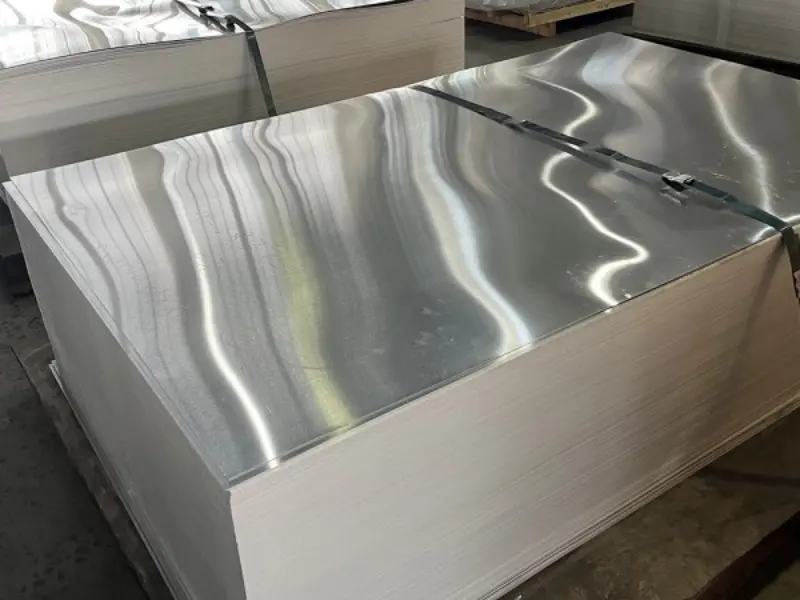
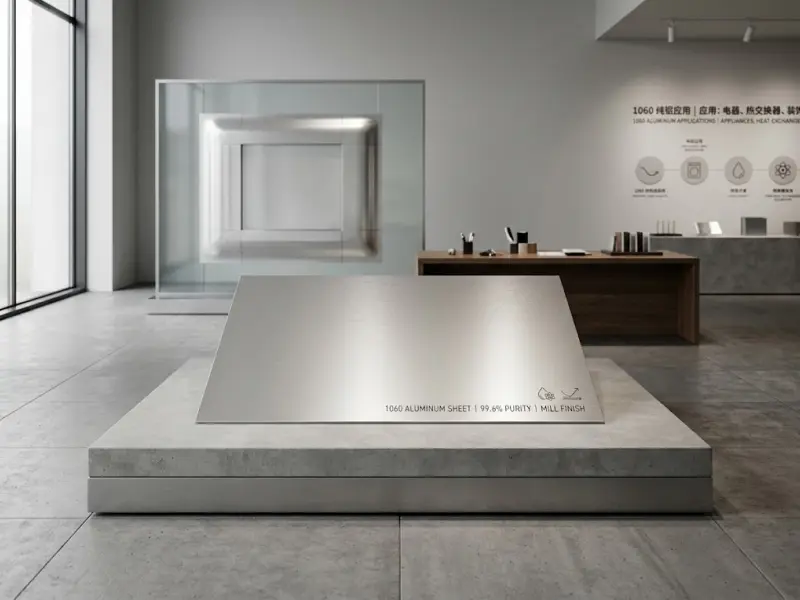
When comparing suppliers, do not look at the price alone.
Use this simple table:
| Compare | Supplier A | Supplier B |
|---|---|---|
| Alloy | ✓ | ✓ |
| Temper | ✓ | ✓ |
| Thickness tolerance | ? | ? |
| Surface quality | ? | ? |
| Flatness | ? | ? |
| Coating | ? | ? |
| Custom size | ✓ | ✓ |
| Packaging | ? | ? |
| MOQ | ? | ? |
| Lead time | ? | ? |
A lower price may not represent a lower total cost if the material creates more waste or fabrication problems.
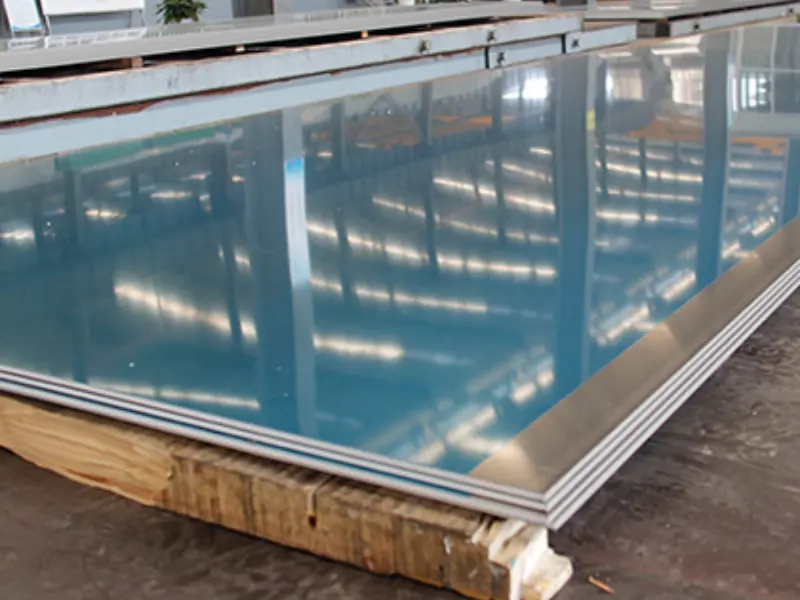
You can also add this visual process to make the page less repetitive:
From Aluminum Sheet to Finished Sign
Aluminum Sheet
→ Cutting
→ Cleaning
→ Printing / Coating
→ CNC / Punching
→ Bending
→ Edge Finishing
→ Quality Check
→ Packaging
→ Finished Sign
This gives visitors a clearer idea of how the material fits into their production process.
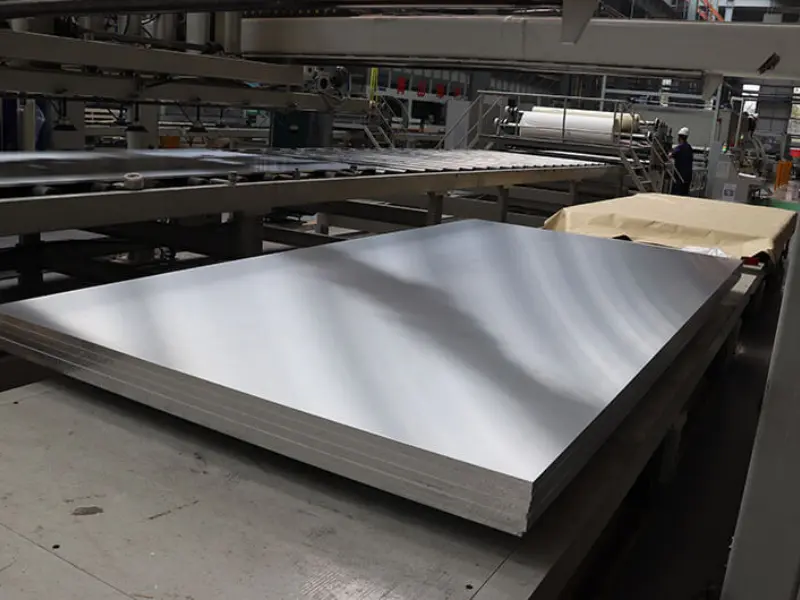
Final Tips for Choosing Signage Aluminum
Start with the sign type. Channel letters need formable 3003 or 5052. Flat panels need stiff 5052 or 6061. Structural frames need strong 6061.
Match the environment. Indoor signs use 3003. Coastal outdoor signs use 5052. Industrial zones use 5052 with heavy paint or anodizing.
Match the fabrication method. Bending needs soft H14 temper. Machining needs 6061-T6. Welding works best with 3003 or 5052.
Get samples. Bend them. Cut them. Paint them. Test how they work in your shop. The alloy that feels right and performs well is the one to stock.
Work with a supplier who offers mill certs, color samples, and cut-to-size service. The right aluminum sheet for signage turns a good design into a great sign that lasts for years.
Quick Selection by Project Type
Indoor company sign
→ 1050 / 1060 + smooth or anodised finish
Outdoor advertising sign
→ 3003 / 5052 + suitable coating
Printed promotional sign
→ Smooth coated aluminum
Premium architectural sign
→ Anodised or brushed aluminum
Traffic-related sign
→ Suitable sign-grade aluminum + reflective system
Lightweight temporary sign
→ Thin aluminum sheet
Large outdoor panel
→ Thicker sheet + proper support
Custom shaped sign
→ Aluminum sheet suitable for CNC or laser cutting
FAQ: How to Choose Aluminum Sheet for Signage
Which Alloy Is Best for Channel Letters
3003-H14 is the standard. It bends easily. It holds shape. It costs less than 5052. For coastal areas, upgrade to 5052-H14.
How Thick Should a Flat Wall Sign Be
Use 1.5 mm for signs up to 3 feet wide. Use 2.0 mm for signs 3 to 5 feet wide. Use 3.0 mm or more for signs over 5 feet or in high-wind areas.
Can I Use 6061 for Outdoor Signs
Yes, but not for formed faces. Use 6061-T6 for frames, brackets, and rigid panels. Pair it with 5052 or ACM for the sign face.
Is Anodizing Better Than Painting for Outdoor Signs
Anodizing lasts longer. It will not chip or peel. But color choices are limited. Paint offers any color. PVDF paint lasts 20 to 30 years. Choose anodizing for metallic looks and extreme durability. Choose paint for brand-color matching.
What Is the Cheapest Signage Aluminum Option
3003-H14 in mill finish. But this only works for indoor, hidden, or paint-ready parts. For visible outdoor signs, the cheapest smart option is 3003-H14 with polyester paint.
How Do I Prevent Warping in Large Panels
Use 5052-H24 or 6061-T6. Add stiffening ribs. Mount with expansion clips that allow thermal movement. Avoid dark colors in hot climates. Dark panels absorb more heat and warp more.
Can I Weld 3003 to 5052
Yes, with 4043 or 5356 filler wire. Both alloys weld well. The joint will be strong. But the dissimilar alloys may show slight color difference after anodizing.
What Gauge Is Best for Small Nameplates
0.5 mm to 0.8 mm is standard. It is thick enough to feel substantial. It is thin enough to cut and form easily. For desk nameplates, 1.0 mm adds a premium feel.