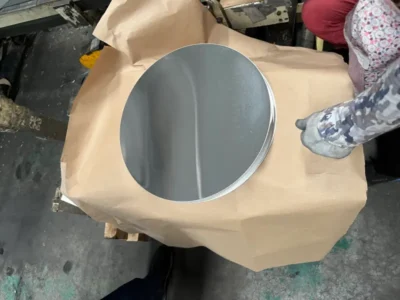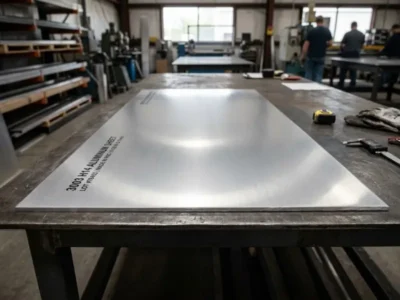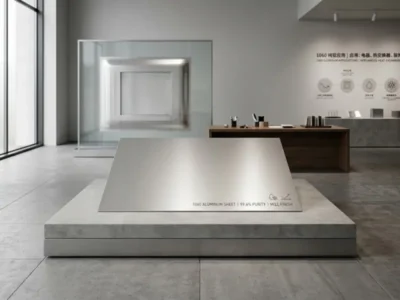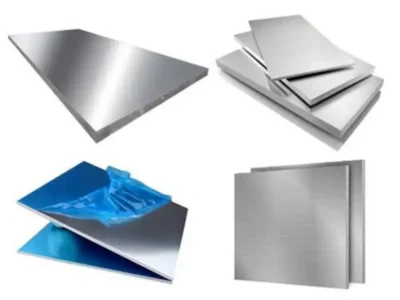
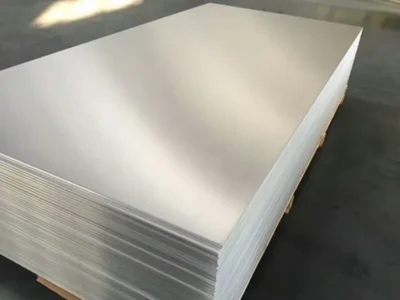
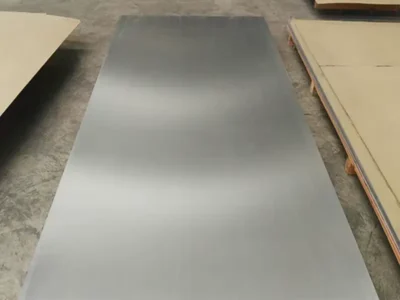
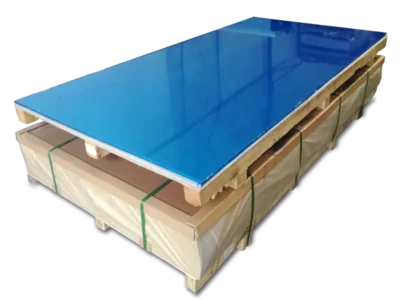
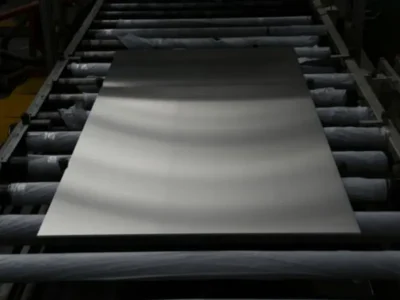
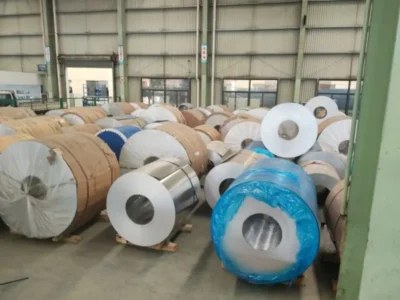
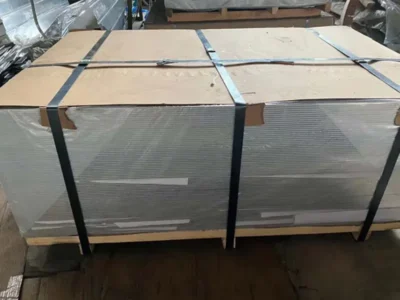
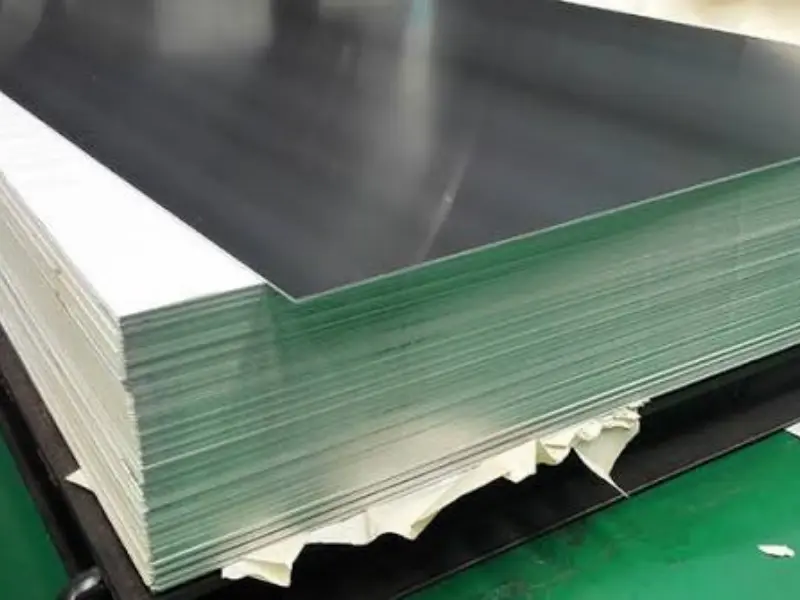
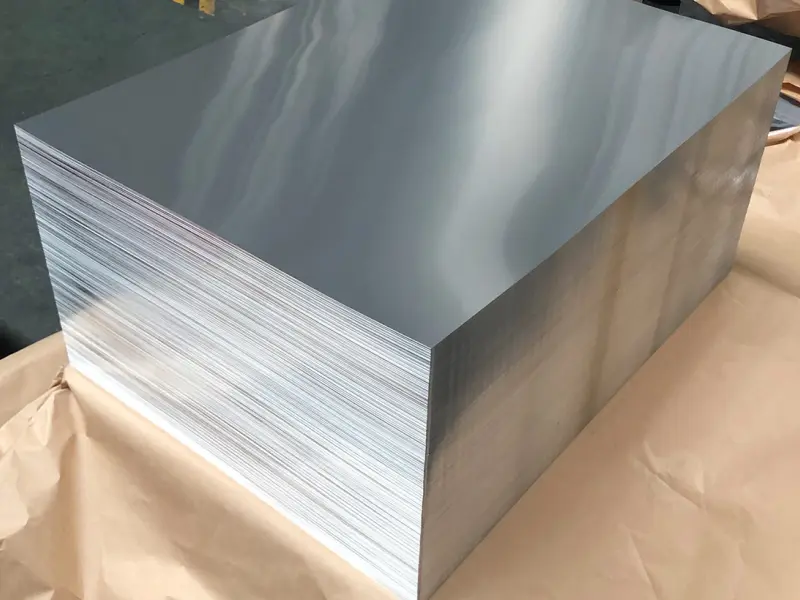
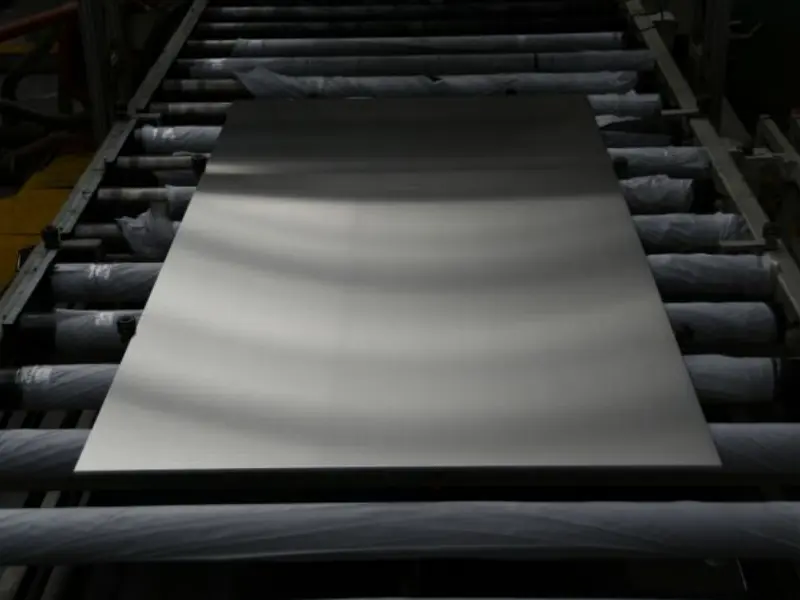
1100 aluminum sheet is a commercially pure aluminum product, valued for its low cost, easy forming, and strong resistance to corrosion.
It is one of the most economical aluminum grades available, often chosen for projects where high strength is not required.
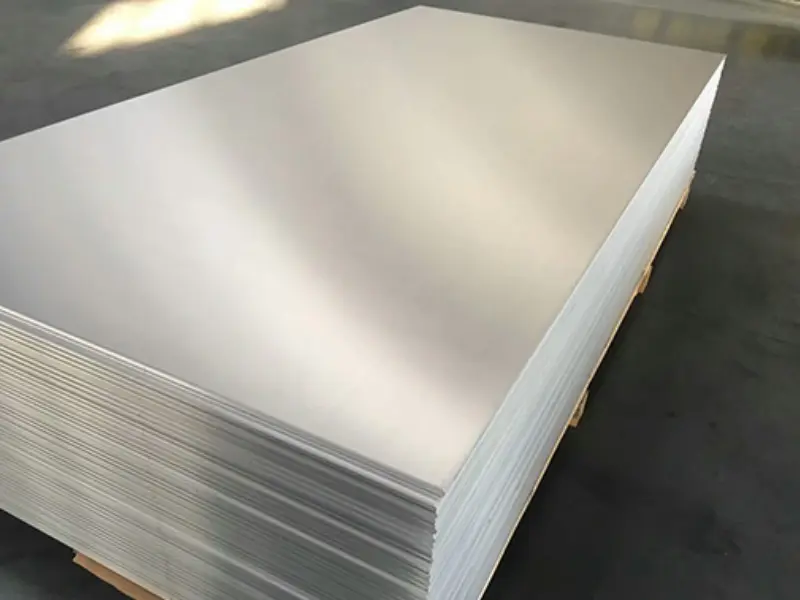
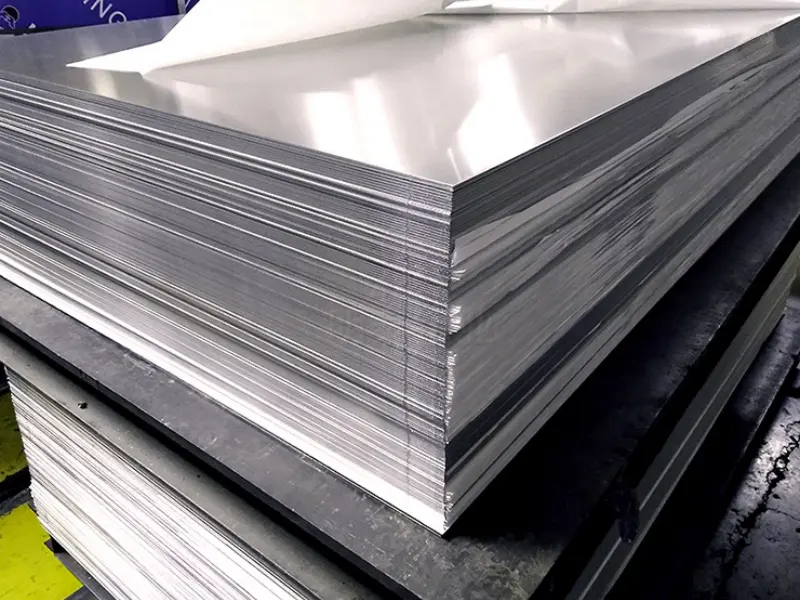
What Is 1100 Aluminum Sheet
1100 aluminum sheet is part of the 1000 series, made from at least 99.0% pure aluminum.
It contains no major alloying elements, which keeps its cost low and its formability high. This makes it one of the softest and most workable aluminum grades on the market.
Because it is not heat-treatable, strength in 1100 sheet comes only from cold rolling. That keeps the material simple and consistent across different tempers.
Common 1100 Aluminum Sheet Types
1100 O Aluminum Sheet
→ Soft and highly formable. Suitable for deep drawing, stamping, bending and cookware manufacturing.
1100 H14 Aluminum Sheet
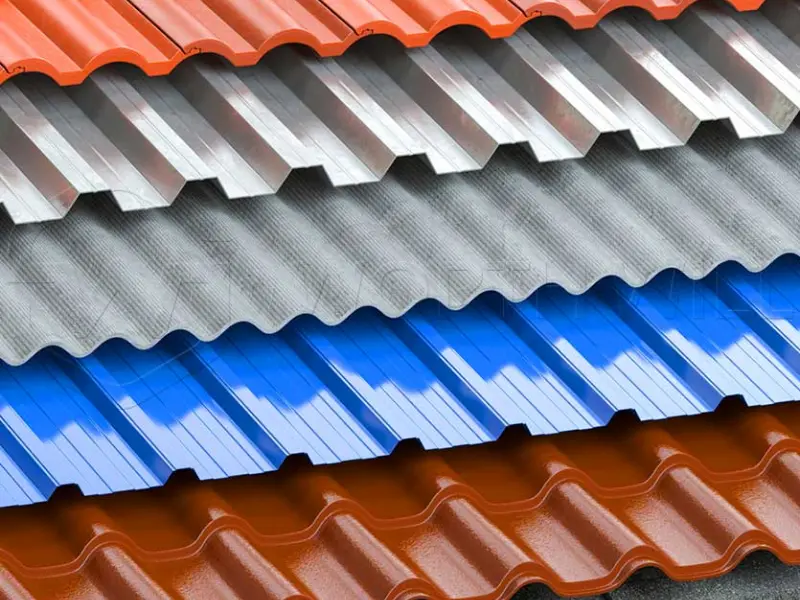
→ Provides higher strength while maintaining good formability. Suitable for roofing, panels, signage and general fabrication.
1100 H24 Aluminum Sheet
→ Offers a good balance between strength and formability for building panels, equipment parts and decorative applications.
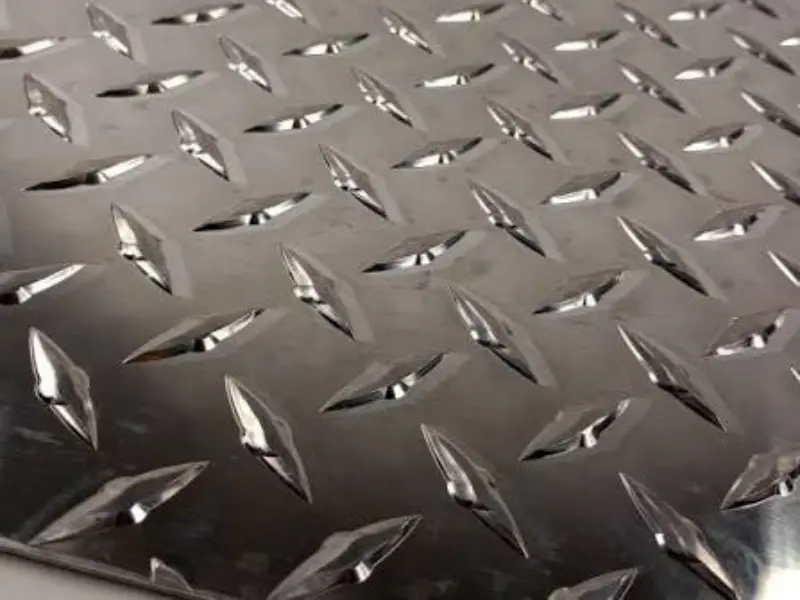
1100 Embossed Aluminum Sheet
→ Available in stucco and other textured patterns. Suitable for insulation jacketing, wall decoration and equipment protection.
1100 Polished Aluminum Sheet
→ Provides a bright metallic appearance for lighting reflectors, decorative panels and other visual applications.
Main Applications of 1100 Aluminum Sheet
Industrial fabrication
Cookware and kitchen utensils
Frying pans and cooking equipment
Heat exchanger components
HVAC equipment
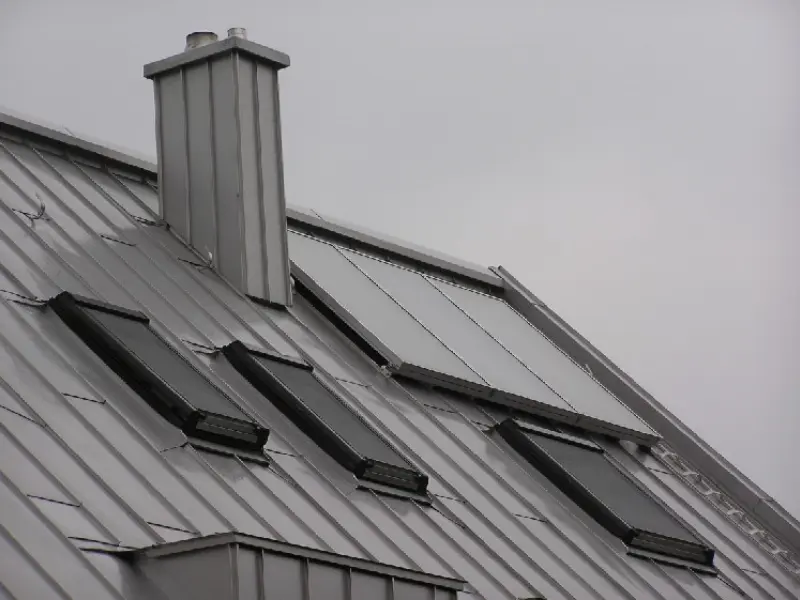
Roofing panels
Building and wall panels
Lighting reflectors
Food processing equipment
Insulation jacketing
Advertising and signage
Nameplates
Decorative panels
Product Advantages
→ High aluminum purity
→ Excellent formability
→ Good corrosion resistance
→ Excellent thermal and electrical conductivity
→ Good deep drawing performance
→ Easy cutting, bending and stamping
→ Suitable for welding and fabrication
→ Multiple surface treatment options
→ Available in different tempers and sizes
→ Custom specifications available
Core Traits of 1100 Aluminum Sheet
Lower cost than most alloyed grades
Excellent corrosion resistance
Very easy to bend, spin, and deep-draw
Good electrical and thermal conductivity
Low mechanical strength
1100 sits close to pure aluminum, with only trace amounts of other elements.
1100 Aluminum Sheet Chemical Composition
| Element | Min % | Max % |
|---|---|---|
| Aluminum (Al) | 99.0 | — |
| Copper (Cu) | 0.05 | 0.20 |
| Iron (Fe) + Silicon (Si) | — | 1.0 |
| Manganese (Mn) | — | 0.05 |
| Zinc (Zn) | — | 0.10 |
This near-pure makeup is why 1100 sheet performs so well in wet or chemical environments, and why it costs less than most other grades.
1100 Aluminum Sheet Thickness and Size Reference
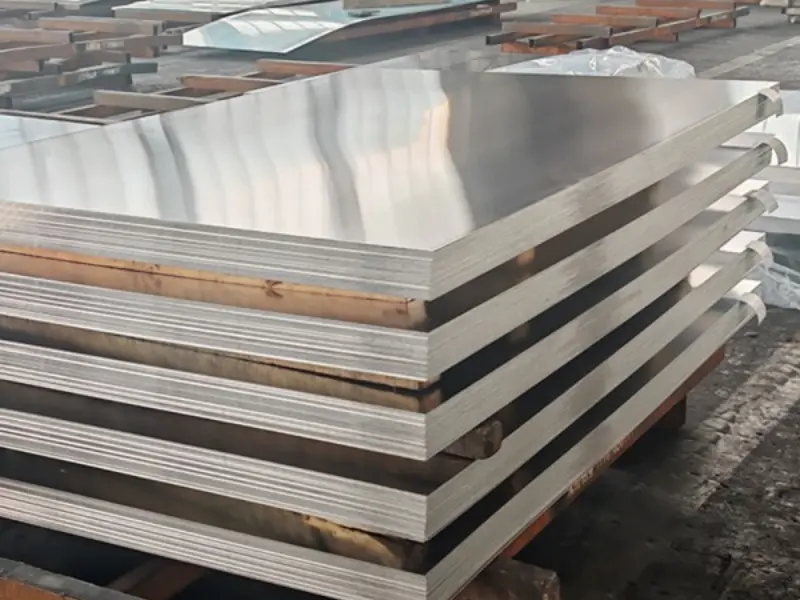
1100 aluminum sheet comes in a broad thickness range, suited to both light and moderate-duty jobs.
| Thickness (mm) | Thickness (in) | Common Use |
|---|---|---|
| 0.3 – 0.5 | 0.012 – 0.020 | Foil-adjacent work, nameplates |
| 0.6 – 1.2 | 0.024 – 0.047 | General fabrication, spinning |
| 1.5 – 3.0 | 0.059 – 0.118 | Tanks, chemical equipment |
| 4.0 – 6.0 | 0.157 – 0.236 | Heavy-duty vessel components |
Standard Sheet Sizes
| Width (mm) | Length (mm) | Form |
|---|---|---|
| 1000 | 2000 | Standard sheet |
| 1219 | 2438 | Standard sheet |
| 1250 | 2500 | Standard sheet |
| 1500 | 3000 | Cut-to-size plate |
Coil form is also available for buyers running slitting or roll-forming lines.
Temper Options
Temper affects hardness, strength, and how easily the sheet forms.
| Temper | Hardness Level | Best For |
|---|---|---|
| O (annealed) | Softest | Spinning, deep drawing, tight bends |
| H12 | Light hard | General light fabrication |
| H14 | Medium hard | Standard stock sheet |
| H16 | Firmer | Parts needing extra stiffness |
| H18 | Hardest | Flat panels, minimal further forming |
Quick Temper Notes
H18 temper holds shape well but resists further bending
O temper offers the most flexibility for shaping
H14 temper is the most common stock choice
Product Types
1100 sheet ships in several finish and form variations, each suited to a different job.
Mill Finish 1100 Sheet
Plain, unpolished aluminum straight from the mill.
- Lowest-cost 1100 sheet option
- Common base material for further coating or painting
- Suited for parts that do not need a decorative finish
Mirror Polished 1100 Sheet

Polishing brings out a bright, reflective surface.
Higher cost than mill finish
Popular for lighting reflectors and decorative trim
Used where a clean, shiny look matters
Embossed 1100 Aluminum Sheet
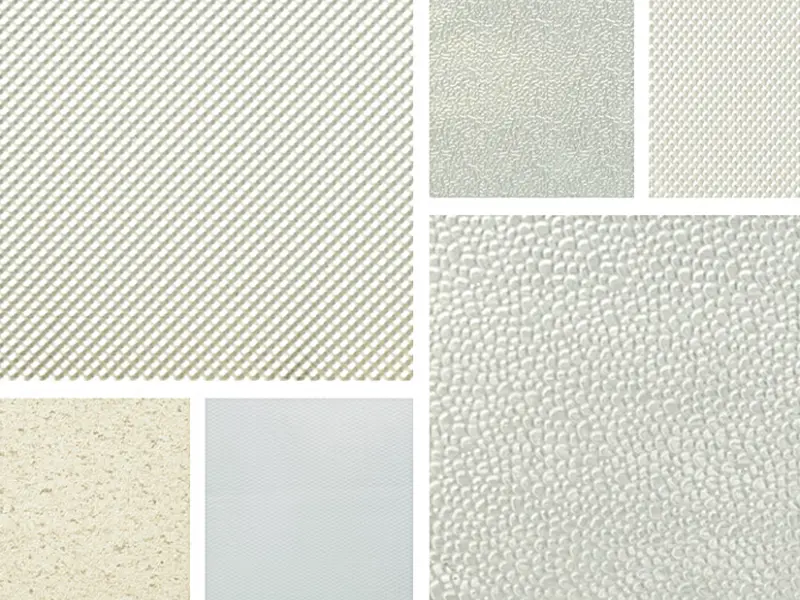
A textured pattern, such as stucco or diamond, pressed into the surface.
Adds slight rigidity to thin sheet
Hides scratches and fingerprints better than flat sheet
Common in insulation jacketing and cladding
1100 Aluminum Coil
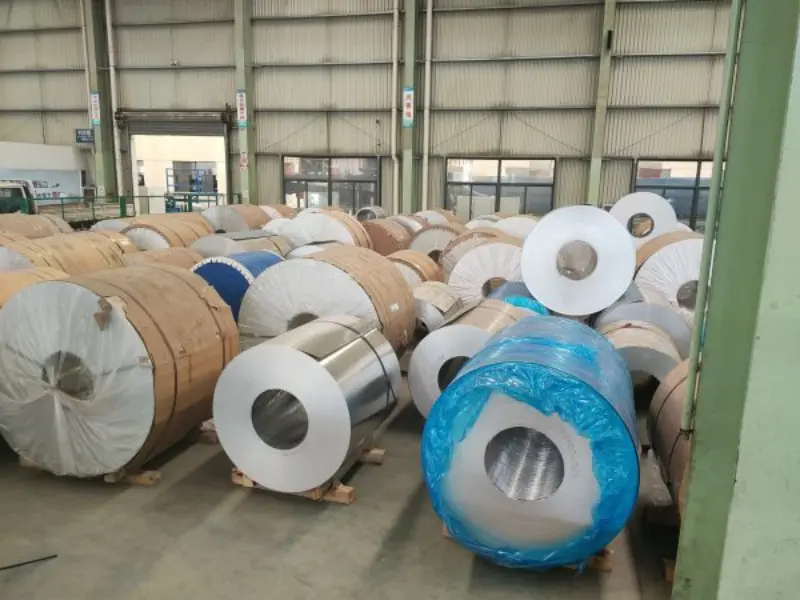
Continuous roll form, suited to roll-forming and slitting operations.
Available across the same temper range as flat sheet
Sold by coil weight, not sheet count
Reduces handling time for large-volume orders
Perforated 1100 Sheet
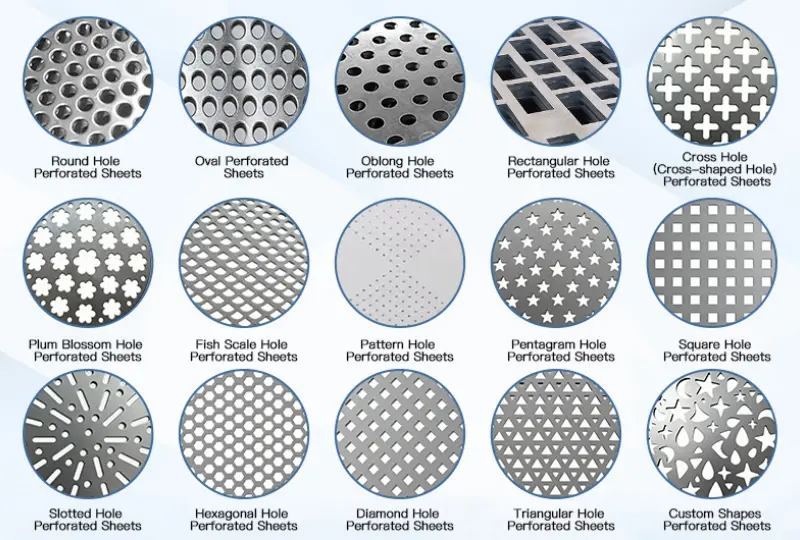
Sheet with punched hole patterns for airflow or light pass-through.
Common in filter screens and decorative panels
Custom hole size and spacing on request
1100 vs. Other 1000-Series Grades
Buyers often weigh 1100 against nearby grades before placing an order.
| Grade | Purity | Strength | Typical Use |
|---|---|---|---|
| 1100 | 99.0% min | Slightly higher | General fabrication, spinning |
| 1050 | 99.5% min | Lower | Reflective panels, chemical tanks |
| 1060 | 99.6% min | Lowest | Capacitor foil, chemical tanks |
| 1200 | 99.0% min | Similar to 1100 | Roofing, general fabrication |
1100 offers a small strength edge over 1050 and 1060, thanks to its slightly higher copper content, while still keeping strong corrosion resistance.
1100 Aluminum Sheet vs. 3003 Aluminum Sheet
Some buyers compare 1100 against alloyed grades like 3003 when a bit more strength is needed.
| Factor | 1100 Sheet | 3003 Sheet |
|---|---|---|
| Purity | Higher | Lower |
| Strength | Lower | Higher |
| Corrosion resistance | Excellent | Good |
| Formability | Excellent | Very good |
| Typical cost | Lower | Slightly higher |
3003 wins on strength and general fabrication use. 1100 wins on cost, purity, and ease of forming.
Applications
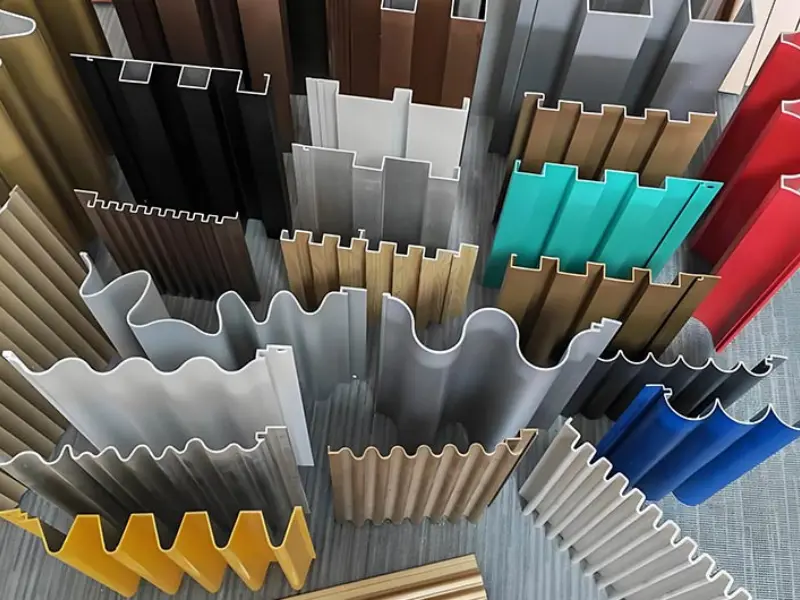
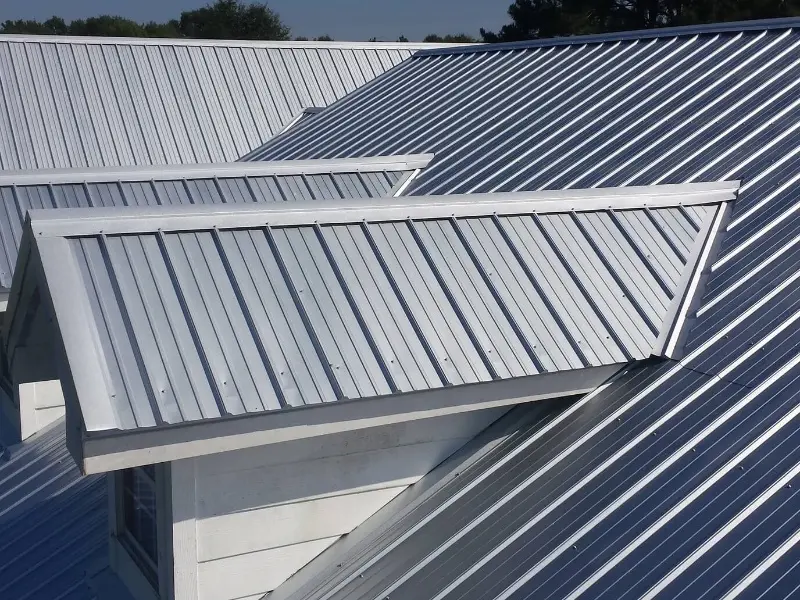
1100 aluminum sheet is used across many industries where purity and low cost matter more than strength.
- Chemical processing tanks and linings
- Reflectors for lighting fixtures
- Nameplates and stamped parts
- Heat exchanger fins
- Spun and drawn cookware
- Decorative and architectural trim
- Electrical and conductor components
- Foil-backing and packaging equipment parts
Why Buyers Choose 1100 Sheet
Low Material Cost
The lack of alloying elements keeps raw material and processing costs down, making 1100 a budget-friendly pick.
Excellent Formability
Soft O and H12 tempers allow deep drawing and spinning with very little cracking risk.
Strong Corrosion Resistance
High aluminum purity resists oxidation well, even in humid or chemical settings.
Reliable Conductivity
1100 conducts heat and electricity efficiently, useful for reflectors and light electrical parts.
Choosing the Right Temper and Thickness
→ Need deep drawing or spinning? Choose O temper for maximum flexibility. → Building a reflective or decorative panel? Mirror polished sheet in H14 temper works well. → Working with chemical tanks? Go with 1.5mm or thicker for better durability. → Running a roll-forming line? Order coil form instead of pre-cut sheet. → Need a scratch-resistant textured surface? Embossed sheet is the better fit. → Need slightly more strength than 1050? 1100 offers a small edge without a big price jump.
Why 1100 Aluminum Is Still Used in Modern Fabrication
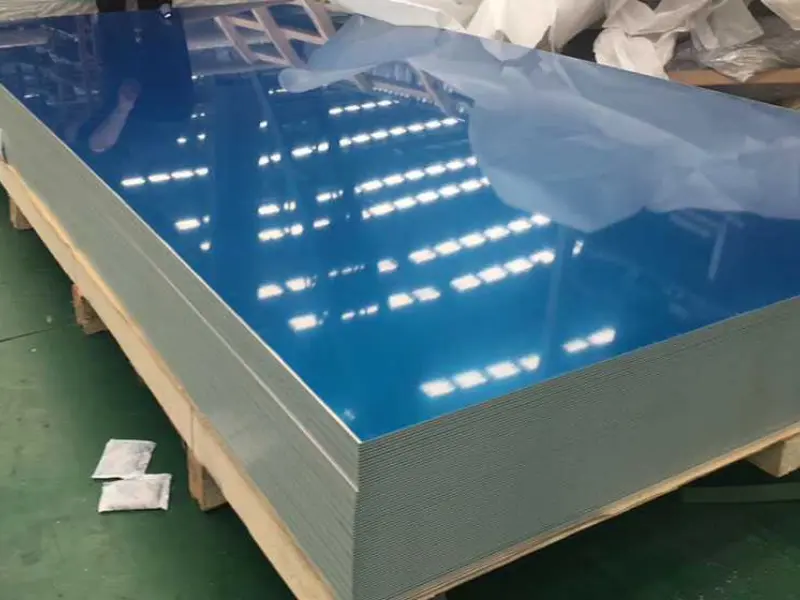
1100 aluminum is a commercially pure aluminum alloy with a high level of aluminum content.
It is not chosen because it has the highest strength. Instead, it is valued for its good formability, corrosion resistance, thermal conductivity, and easy fabrication.
For many projects, a simple material is enough.
Easy forming → Simple fabrication → Good corrosion resistance → Reliable supply
This makes 1100 aluminum sheet a practical choice when extreme strength is not the main requirement.
When Should You Choose 1100 Instead of a Stronger Alloy?
A stronger alloy is not always a better choice.
If a component needs deep forming, light weight, or easy bending, very high strength may not be necessary.
| Project priority | Possible choice |
|---|---|
| Easy forming | 1100 |
| High purity aluminum | 1100 |
| General sheet fabrication | 1100 |
| Higher strength | 3003 / 5052 |
| Structural parts | Consider stronger alloys |
| Decorative forming | 1100 |
| Heat transfer | 1100 |
| Complex bending | 1100 |
The best alloy is the one that matches the actual production process.
Using a stronger alloy when it is not needed can increase material cost or make forming more difficult.
1100 Aluminum Sheet vs 1050 Aluminum Sheet
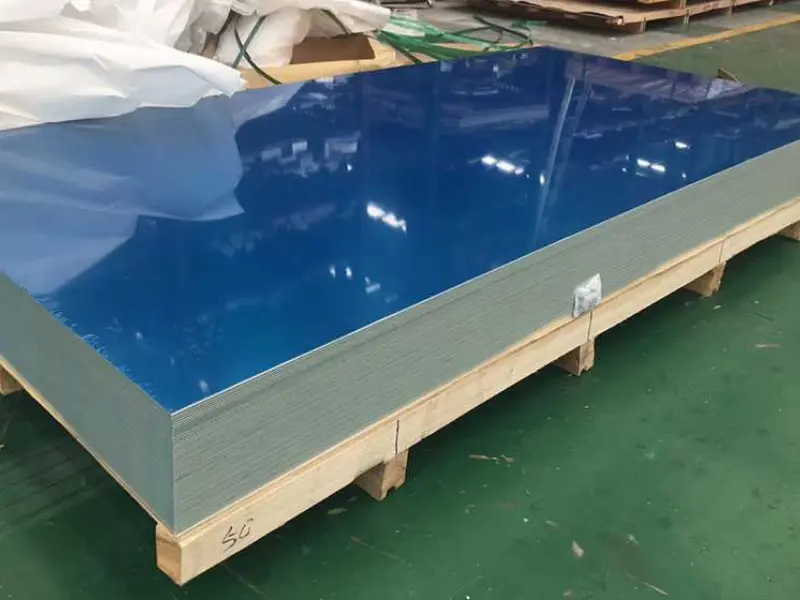
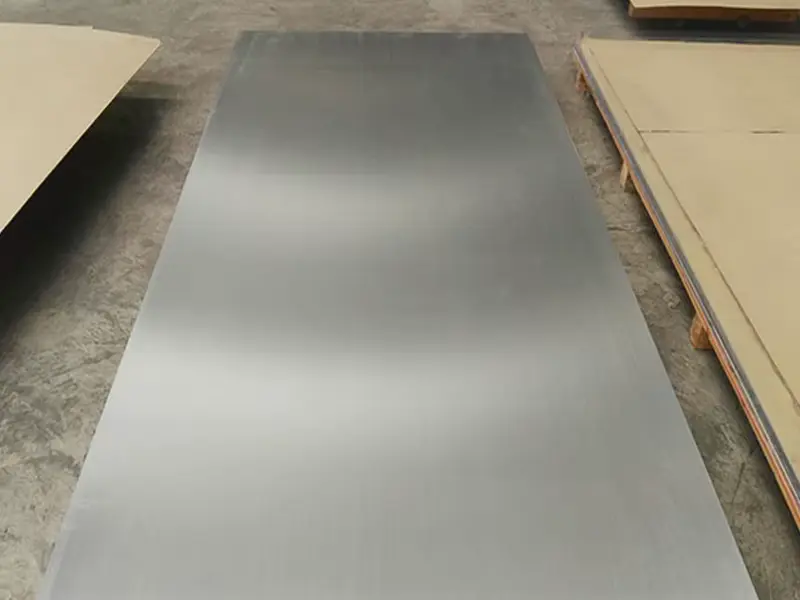
Both alloys belong to the 1xxx aluminum series and are widely used for forming and general fabrication.
| Feature | 1100 | 1050 |
|---|---|---|
| Aluminum content | High | Very high |
| Formability | Excellent | Excellent |
| Corrosion resistance | Good | Good |
| Strength | Low | Low |
| Thermal conductivity | Excellent | Excellent |
| General fabrication | Excellent | Excellent |
| Decorative forming | Very suitable | Very suitable |
The actual selection should be based on the required standard, mechanical properties, thickness, temper, and processing method.
1100 vs 1060 Aluminum Sheet
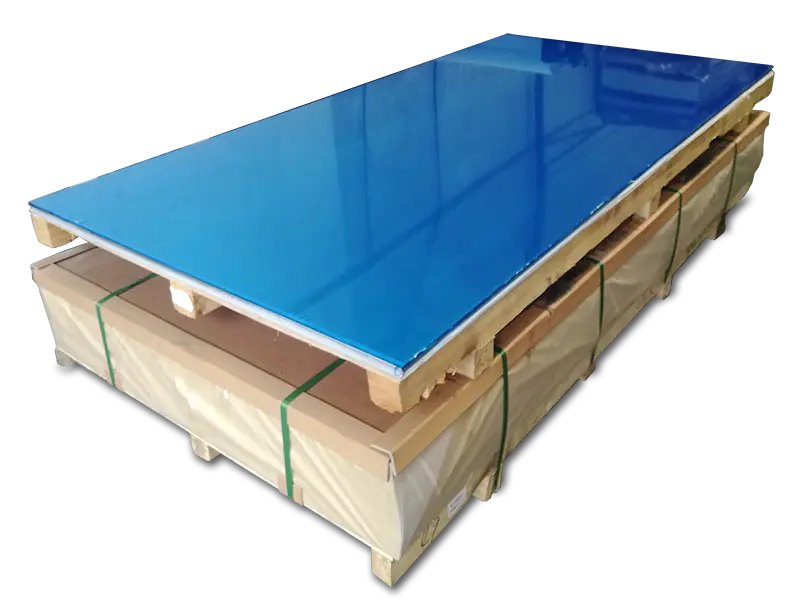
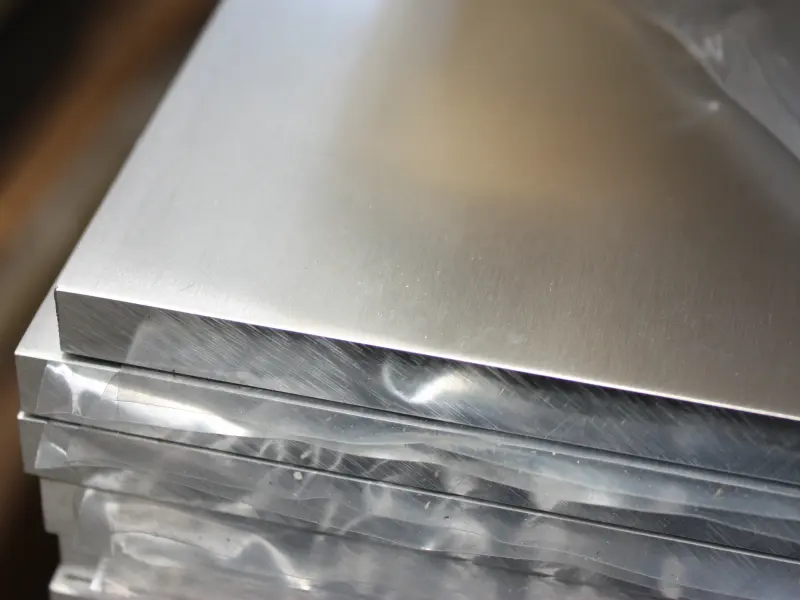
1100 and 1060 are also close in many general applications.
| Point | 1100 | 1060 |
|---|---|---|
| Series | 1xxx | 1xxx |
| Purity | High | Higher |
| Formability | Excellent | Excellent |
| Strength | Low | Low |
| Corrosion resistance | Good | Good |
| Fabrication | Easy | Easy |
| Heat transfer | Very good | Very good |
For many projects, both materials can provide good forming performance.
The final choice should follow the customer’s technical specification rather than alloy number alone.
1100 vs 3003: A Practical Comparison
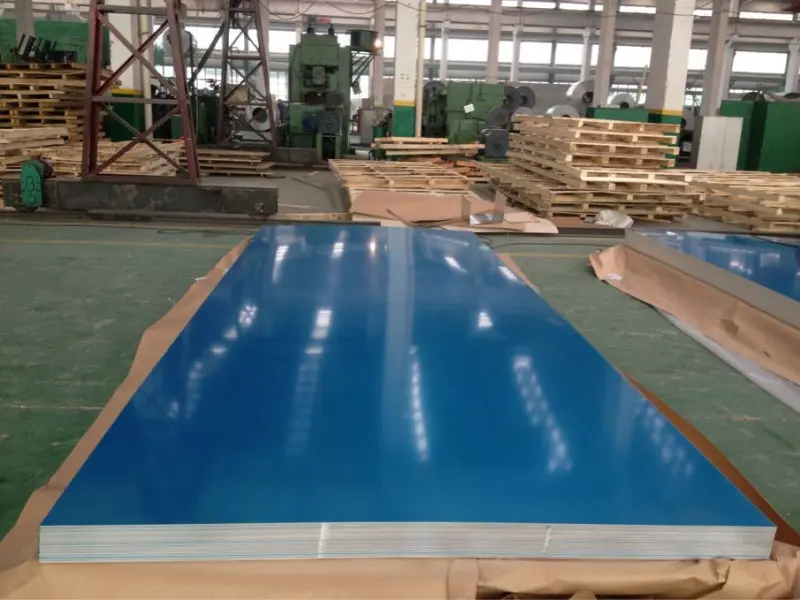
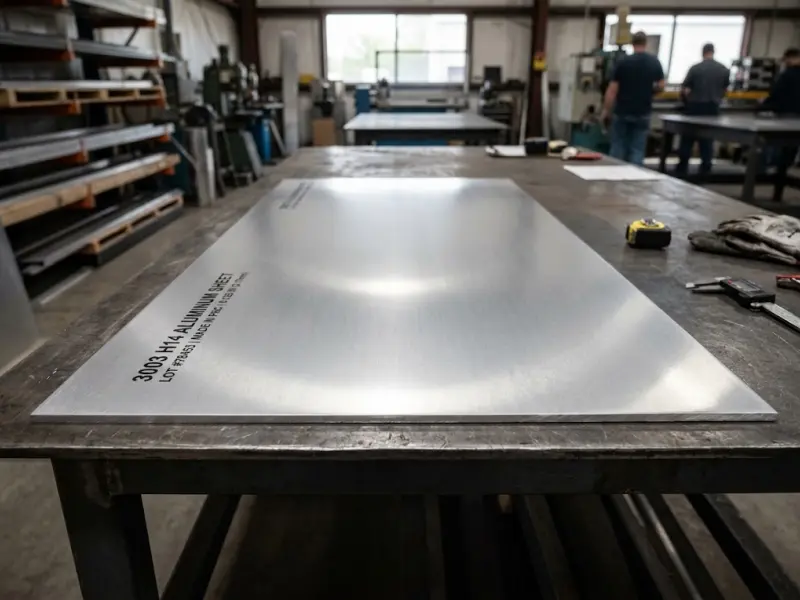
This is a useful comparison when a buyer needs to choose between easy forming and higher strength.
| Property | 1100 | 3003 |
|---|---|---|
| Alloy series | 1xxx | 3xxx |
| Strength | Lower | Higher |
| Formability | Excellent | Excellent |
| Corrosion resistance | Good | Good |
| Welding | Good | Good |
| Deep forming | Excellent | Very good |
| General fabrication | Excellent | Excellent |
| Higher rigidity | Limited | Better |
Maximum formability → 1100
More strength with good formability → 3003
This simple comparison can help buyers narrow down their material choice.
How Temper Changes 1100 Aluminum Sheet
The alloy remains 1100, but the temper can change its working behavior.
| Temper | General condition | Forming direction |
|---|---|---|
| O | Soft | Excellent |
| H12 | Partially hardened | Very good |
| H14 | Half hard | Good |
| H16 | Harder | Moderate |
| H18 | Hard | Lower |
For deep forming and complex shapes, softer material is often preferred.
For flat panels or parts that need more rigidity, a harder temper may be more suitable.
The correct temper should always be confirmed according to the forming process.
Thickness Selection Should Start With the Finished Part
Thickness should not be selected only by looking at standard sizes.
Think about the final product first.
Light decorative part
→ Thin gauge
General fabricated panel
→ Medium gauge
Rigid component
→ Thicker gauge
| General thickness range | Selection direction |
|---|---|
| 0.2–0.5 mm | Lightweight products |
| 0.6–1.0 mm | General fabrication |
| 1.2–2.0 mm | More rigid panels |
| 2.5–4.0 mm | Heavy fabricated parts |
| 5.0 mm+ | Special requirements |
Actual thickness should be selected according to load, size, forming, and installation conditions.
Thin 1100 Aluminum Sheet vs Thick Sheet
A thin sheet is not automatically better because it costs less per piece.
A thicker sheet may reduce deformation and improve rigidity.
| Consideration | Thin Sheet | Thick Sheet |
|---|---|---|
| Weight | Lower | Higher |
| Handling | Easy | More difficult |
| Forming | Usually easier | Requires more force |
| Rigidity | Lower | Higher |
| Material cost | Lower per piece | Higher per piece |
| Large flat panel | May need support | More stable |
For large panels, the final size and support structure should be considered together with the thickness.
Surface Options for 1100 Aluminum Sheet
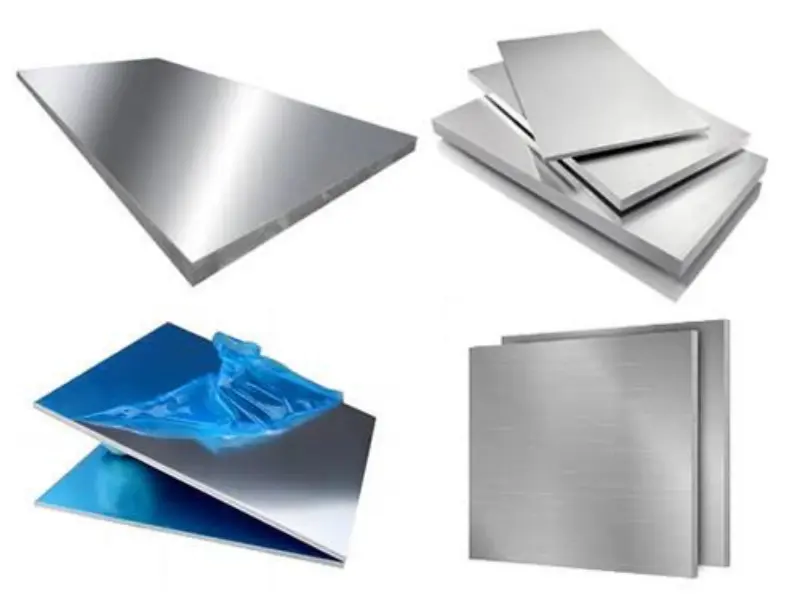
1100 aluminum does not have to be supplied only with a basic mill finish.
Depending on production requirements, different surface treatments may be considered.
| Surface | Main purpose |
|---|---|
| Mill finish | Standard industrial use |
| Brushed | Decorative appearance |
| Polished | Bright reflective surface |
| Embossed | Texture and visual effect |
| Anodized | Surface protection and appearance |
| Painted | Color and added protection |
| Protective film | Prevents surface scratches |
A surface finish can change both the appearance and the final price of the material.
1100 Aluminum Sheet for Bending
Bending is one of the areas where 1100 aluminum can be useful.
Before production, consider:
Alloy
Temper
Thickness
Bend radius
Bending direction
Soft 1100 aluminum generally offers excellent formability.
However, even a highly formable material can crack if the bend radius is too small or the process is not suitable.
For custom parts, a sample test is recommended before large-scale production.
1100 Aluminum for Spinning and Forming
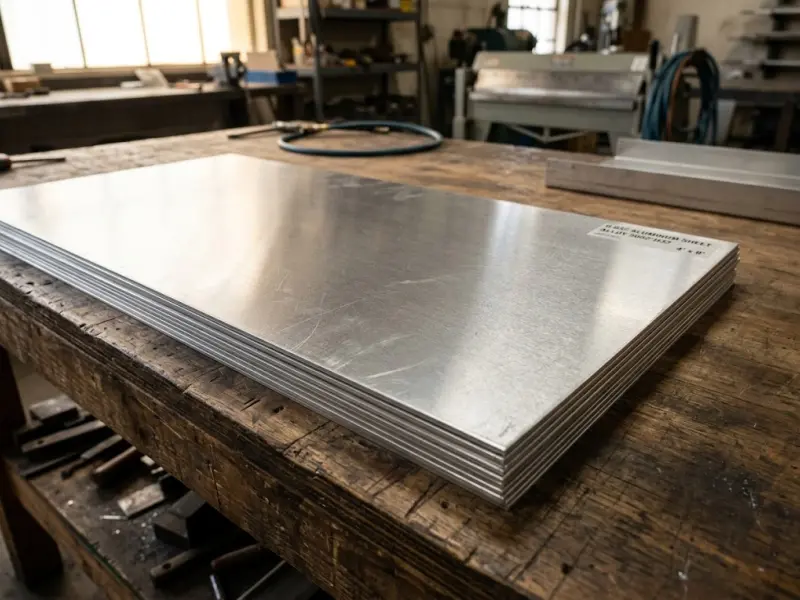
1100 aluminum can be suitable for forming processes that require good ductility.
Depending on the product design, fabrication may include:
- Spinning
- Deep drawing
- Stamping
- Bending
- Roll forming
- Cutting
- Punching
The required temper should be selected according to the forming depth and shape.
For complex shapes, customers can provide a drawing or sample to help the manufacturer recommend a suitable specification.
Flatness Can Matter More Than Buyers Expect
When ordering aluminum sheet, customers often focus on thickness and width.
Flatness can also be important.
A flat sheet can make:
→ Cutting easier
→ Printing more consistent
→ Bending more predictable
→ Assembly easier
→ Packaging more stable
For large-format panels, flatness becomes even more important.
Width and Length: Standard or Custom?
Not every project needs a standard sheet size.
| Supply method | Suitable for |
|---|---|
| Standard sheet | Small and medium orders |
| Cut-to-size sheet | Fabrication projects |
| Custom length | Special components |
| Custom width | Production lines |
| Coil | Continuous processing |
If the finished part has a fixed dimension, custom cutting may reduce material waste.
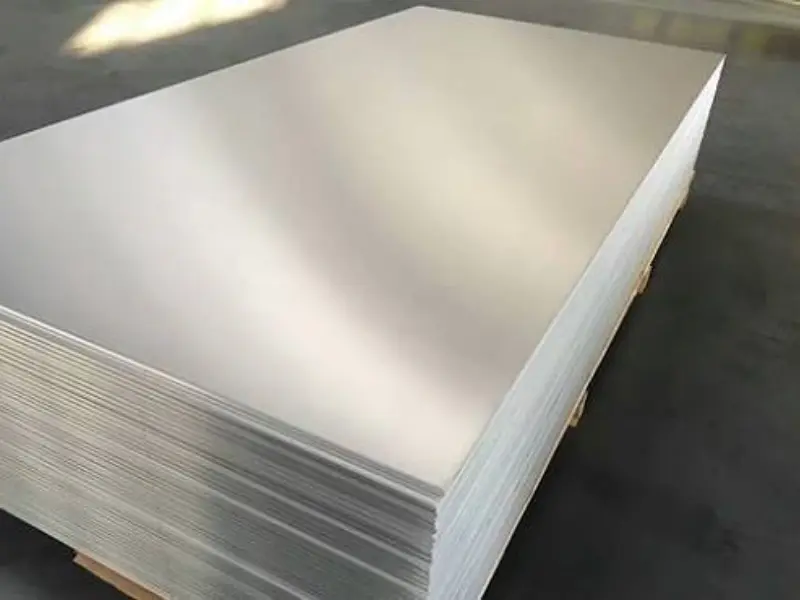
Sheet or Coil? Make the Choice Before Ordering
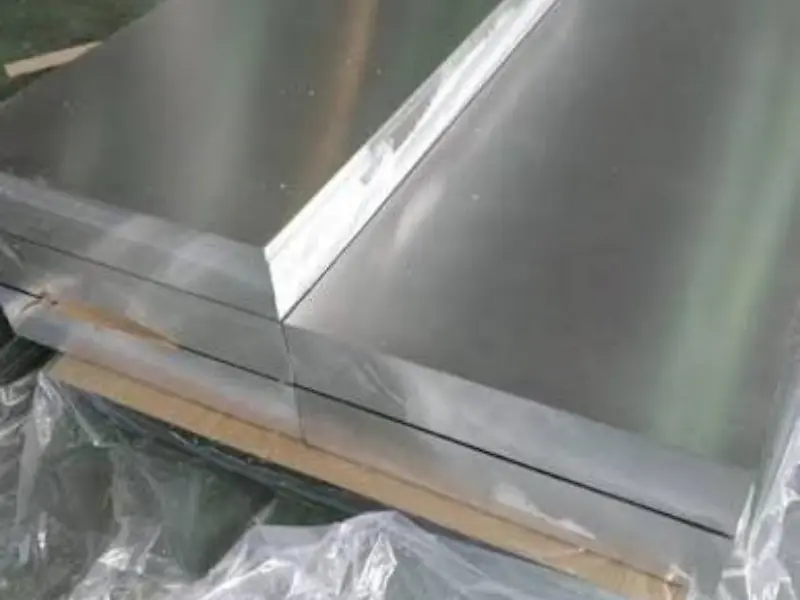
1100 aluminum can be supplied in sheet or coil form depending on the production process.
Choose sheet when:
→ You need fixed panels
→ You have smaller quantities
→ Cutting is limited
→ The finished product uses standard dimensions
Choose coil when:
→ Production is continuous
→ Slitting is required
→ Roll forming is used
→ Long lengths are needed
Selecting the correct supply form can reduce processing time.
A Simple Cost Calculation Mindset
The cheapest quotation is not always the cheapest solution.
A better comparison includes:
| Cost factor | What to check |
|---|---|
| Material price | Price per kg or sheet |
| Thickness | Actual required gauge |
| Width | Usable material |
| Length | Cutting efficiency |
| Surface | Additional finishing |
| Tolerance | Material consistency |
| Packaging | Protection during transport |
| Shipping | Weight and volume |
| Waste | Cutting and processing loss |
A slightly higher material price may still result in a lower total production cost if it reduces waste.
How to Compare Two 1100 Aluminum Suppliers
Always compare equal specifications.
Alloy → 1100
Temper → Same
Thickness → Same
Width → Same
Length → Same
Surface → Same
Quantity → Same
Tolerance → Same
Packaging → Same
Only then can the quotations be compared fairly.
A Better Purchase Specification
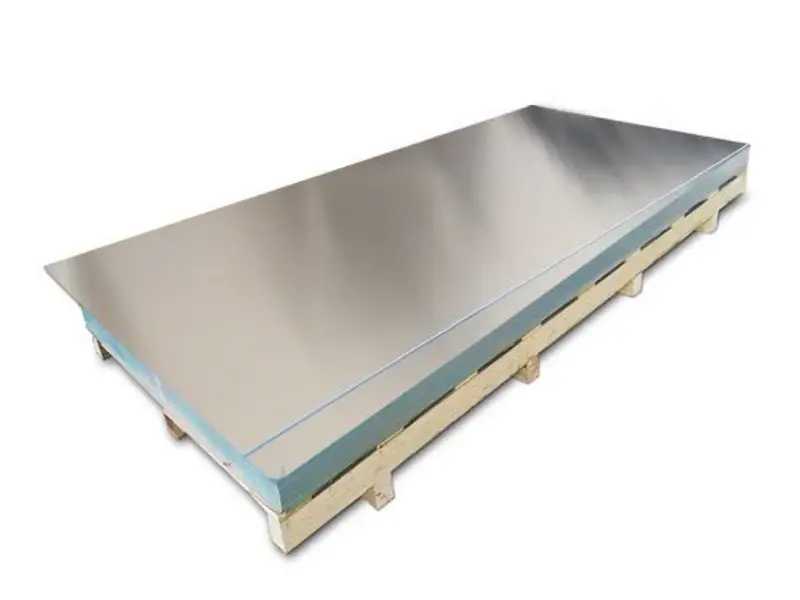
Instead of sending a short message such as:
“I need 1100 aluminum sheet.”
A more useful inquiry would be:
Alloy: 1100
Temper: H14
Thickness: 1.0 mm
Width: 1220 mm
Length: 2440 mm
Surface: Mill Finish
Quantity: 5 MT
Application: Fabrication
Packaging: Export packaging
This gives the manufacturer enough information to provide a more accurate quotation.
What If You Do Not Know the Exact Specification?
Many buyers know the finished product but do not know which alloy or temper to select.
That is normal.
You can provide:
→ Product photos
→ Finished dimensions
→ Drawings
→ Existing material sample
→ Required thickness
→ Production method
→ Estimated quantity
The manufacturer can then help compare possible alloy and temper options.
Material Selection by Production Method
| Production method | Possible 1100 direction |
|---|---|
| Bending | O / H12 |
| Deep drawing | O |
| Spinning | O / soft temper |
| Stamping | O / H12 / H14 |
| Roll forming | H14 / H16 |
| Cutting | Most tempers |
| Decorative forming | O / H12 |
| Flat panels | H14 / H16 / H18 |
The exact selection depends on the shape, tooling, thickness, and required final properties.
Small Project or Regular Production?
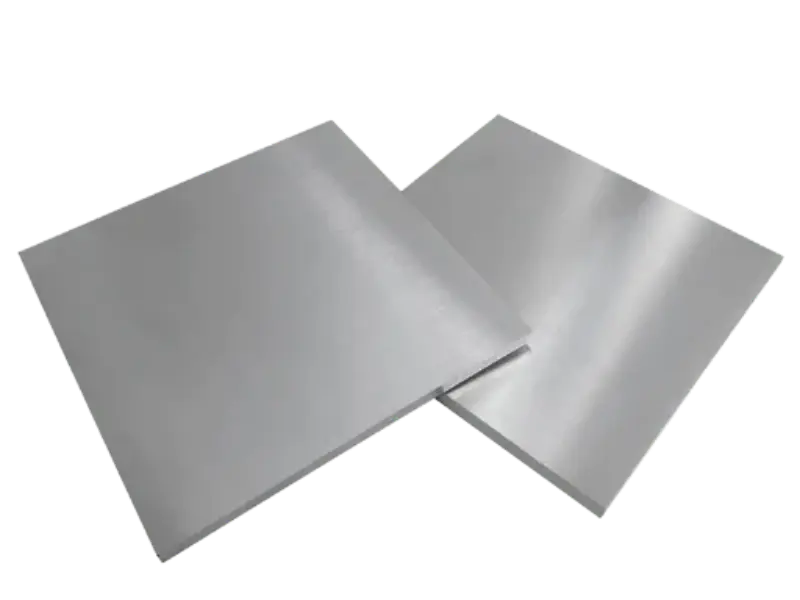
Different customers need different supply methods.
For Small Orders
The priority may be:
→ Standard sizes
→ Quick delivery
→ Easy handling
→ Small minimum quantity
For Regular Production
The priority may change to:
→ Stable specifications
→ Consistent surface
→ Repeat quality
→ Custom sizes
→ Slitting or cutting
→ Long-term supply
A regular supply agreement can help manufacturers maintain consistent production parameters.
Quality Points to Check Before Shipment
A simple inspection can cover several important details.
| Inspection item | What to check |
|---|---|
| Thickness | Actual measured gauge |
| Width | Sheet width |
| Length | Sheet length |
| Surface | Scratches and stains |
| Flatness | Overall sheet condition |
| Alloy | Material identification |
| Temper | Confirmed temper |
| Packing | Moisture and transport protection |
For larger projects, inspection requirements can be agreed before production.
Factory Supply for Customized 1100 Aluminum Sheet
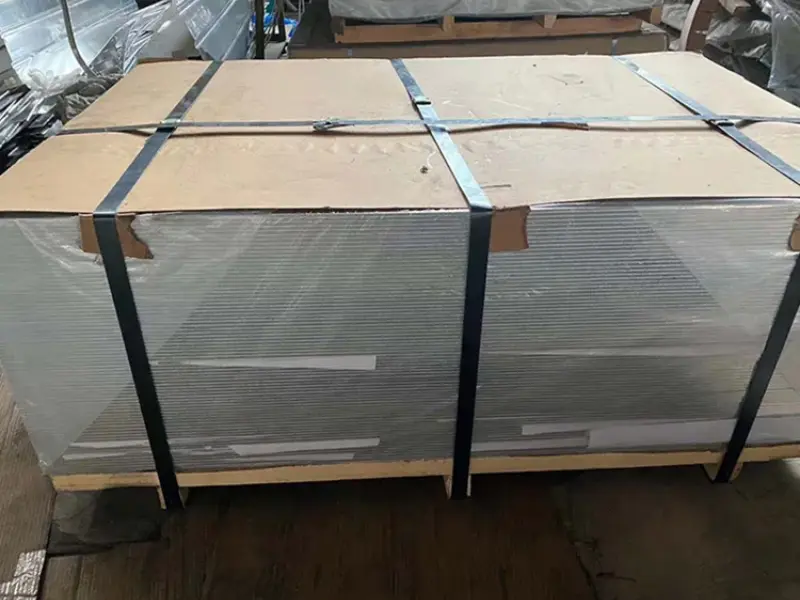
Our factory can supply 1100 aluminum sheet in different sizes, tempers, thicknesses, and surface finishes.
Possible options include:
| Item | Options |
|---|---|
| Alloy | 1100 |
| Temper | O / H12 / H14 / H16 / H18 |
| Thickness | Customized |
| Width | Standard or custom |
| Length | Standard or custom |
| Surface | Mill / brushed / polished / embossed / coated |
| Protective film | Optional |
| Cutting | Available |
| Packaging | Export packaging |
| Supply form | Sheet / coil |
For special projects, customers can send drawings, samples, or detailed dimensions before ordering.
A Simple 1100 Aluminum Selection Path
Instead of starting with the price, use this simple selection process:
What are you making?
↓
How will the material be processed?
↓
How much forming is required?
↓
What thickness is needed?
↓
Which temper fits the process?
↓
What surface finish is required?
↓
Sheet or coil?
↓
Standard or custom size?
This method can make material selection much easier and can prevent unnecessary material costs.
Questions Customers Often Ask Before Ordering
Is 1100 aluminum easy to bend?
Yes. 1100 is known for its excellent formability, especially in softer tempers.
Is 1100 stronger than 3003?
Generally, no. 3003 usually provides higher strength while maintaining good formability.
Can 1100 aluminum be supplied in custom sizes?
Yes. Custom thicknesses, widths, and lengths can be discussed according to production requirements.
Can 1100 aluminum be supplied in coil form?
Yes, depending on the required dimensions, temper, thickness, and production volume.
Which temper is better for deep forming?
A softer temper such as O is generally more suitable for deep forming.
Packaging and Delivery
Sheet and coil are packed carefully to avoid surface damage in transit.
- Interleaved paper or PE film between sheets
- Wood pallet or crate packing for export shipments
- Coil wrapped with moisture-proof film and edge protectors
- MOQ and lead time depend on thickness, temper, and order size
Frequently Asked Questions
What is 1100 aluminum sheet used for?
It is used for chemical tanks, reflectors, nameplates, heat exchanger fins, cookware, and decorative trim, mainly where purity and low cost are priorities.
Is 1100 aluminum stronger than 1050?
Yes, 1100 has a slightly higher strength than 1050, due to its small copper content, though both remain low-strength grades overall.
Can 1100 aluminum sheet be anodized?
Yes. Its high purity gives it a clean, even anodized finish, which is why it is popular for decorative and reflective parts.
What is the difference between 1100 and 3003 aluminum sheet?
1100 offers higher purity and lower cost, while 3003 offers noticeably higher strength for general fabrication work.
What thickness is best for spinning or deep drawing?
Thinner sheet in O temper, typically 0.6mm to 1.2mm, is the easiest range to spin or deep-draw without cracking.
Does 1100 aluminum sheet come in coil form?
Yes. Coil form is available in the same alloy and temper range as flat sheet, suited for roll-forming and slitting operations.