


Aluminum roofing sheets are widely used for residential, commercial, industrial, agricultural, and architectural roofing projects. Aluminum is light, corrosion resistant, easy to process, and suitable for many roof designs.
Compared with steel roofing, aluminum can provide a lower structural load. It also performs well in humid, coastal, and outdoor environments when the correct alloy and surface finish are selected.
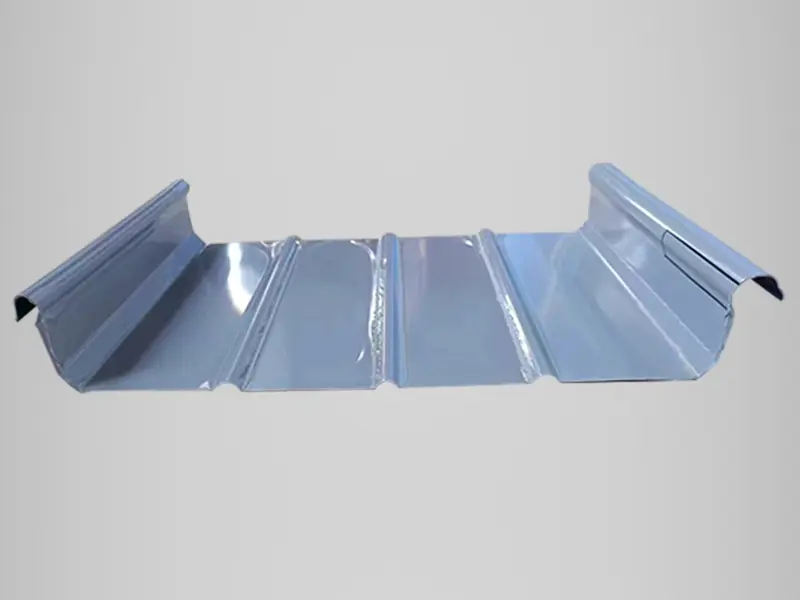
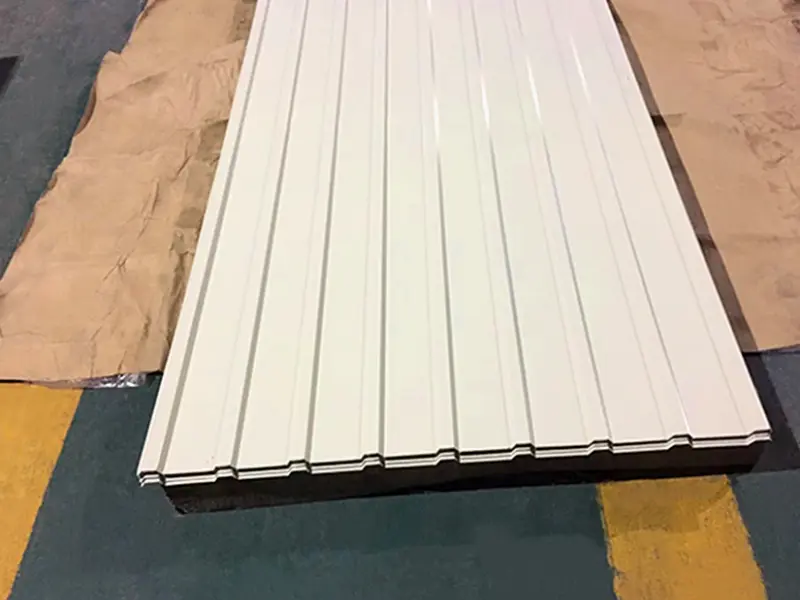
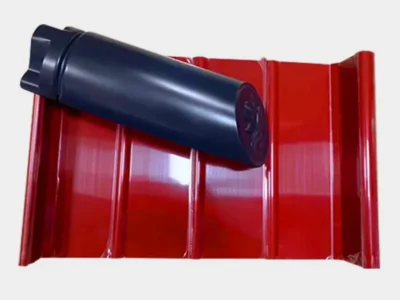
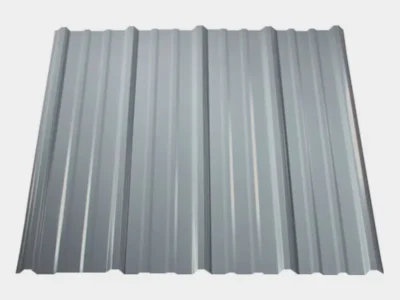
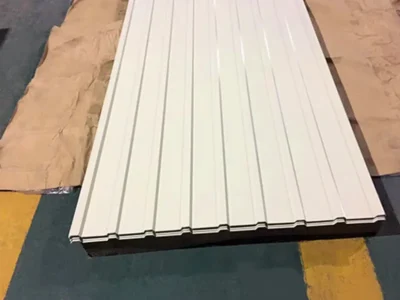
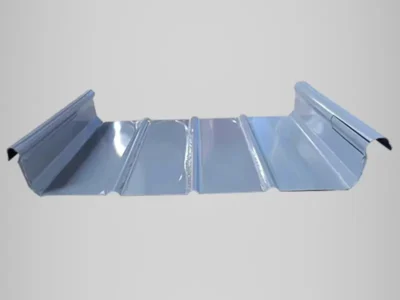
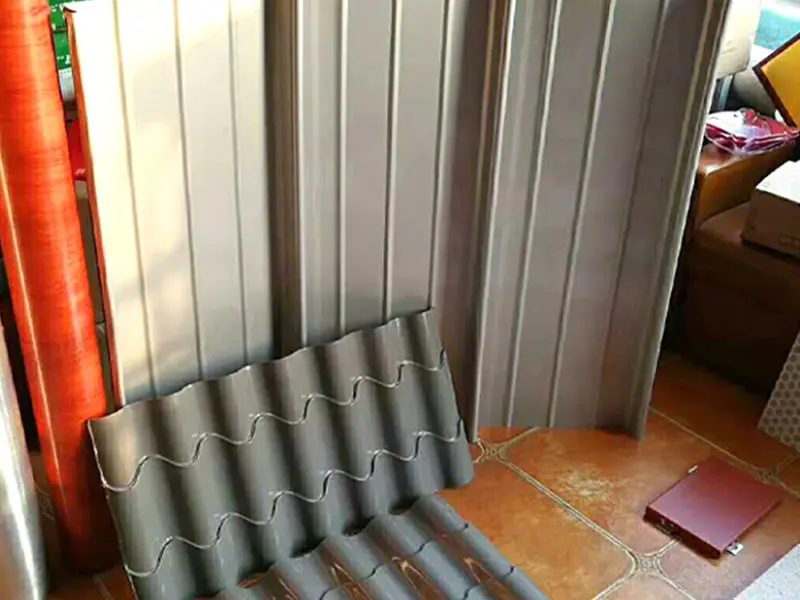
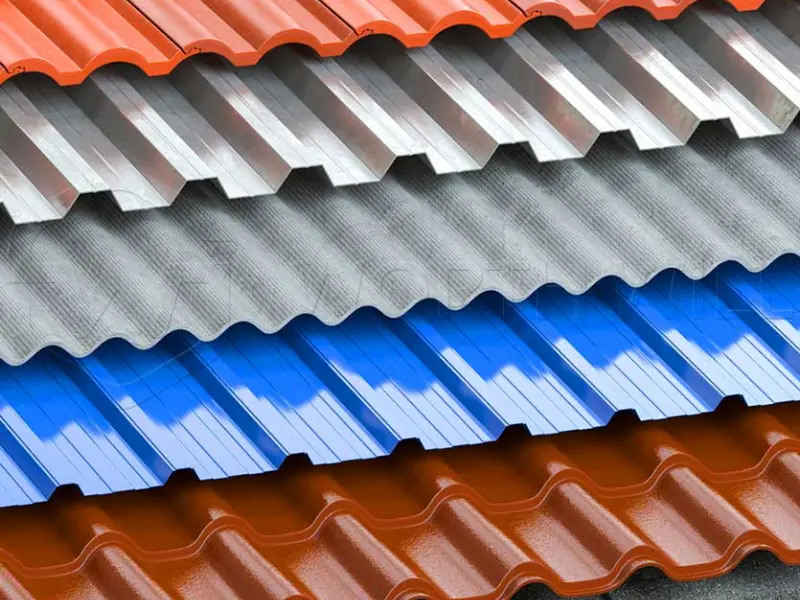
Aluminum roofing sheets can be supplied in flat sheets, corrugated sheets, trapezoidal profiles, standing seam panels, embossed sheets, coated sheets, and custom roofing profiles.
Different alloys, thicknesses, tempers, coatings, widths, and lengths are available. This makes aluminum roofing suitable for both simple roofs and large building projects.
What Are Aluminum Roofing Sheets?
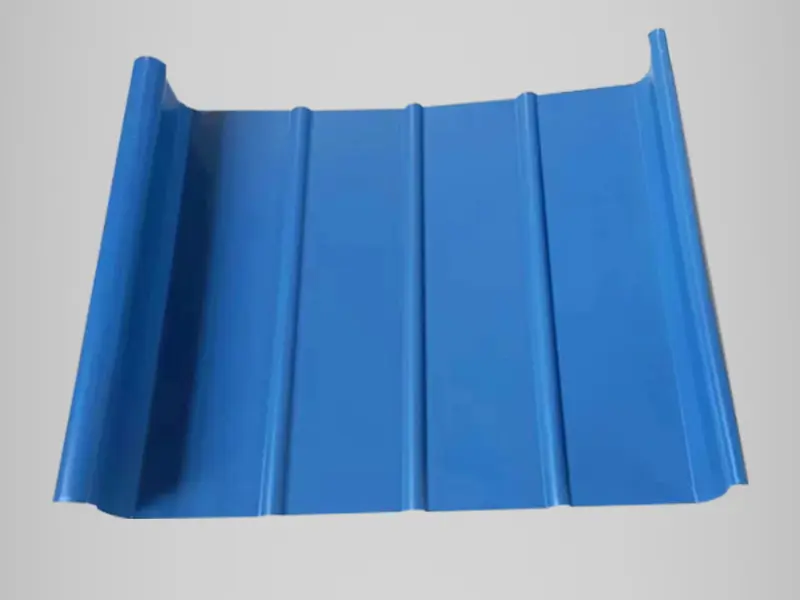
Aluminum roofing sheets are aluminum products designed for use as roof coverings or roofing components.
The sheet can be supplied as a flat material or formed into a specific roofing profile. The profile improves stiffness and helps the sheet span between supporting structures.
Common roofing forms include:
| Roofing Type | Main Feature | Typical Use |
|---|---|---|
| Flat aluminum sheet | Simple and flexible | Custom roofing |
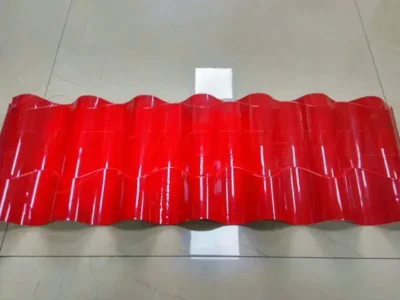
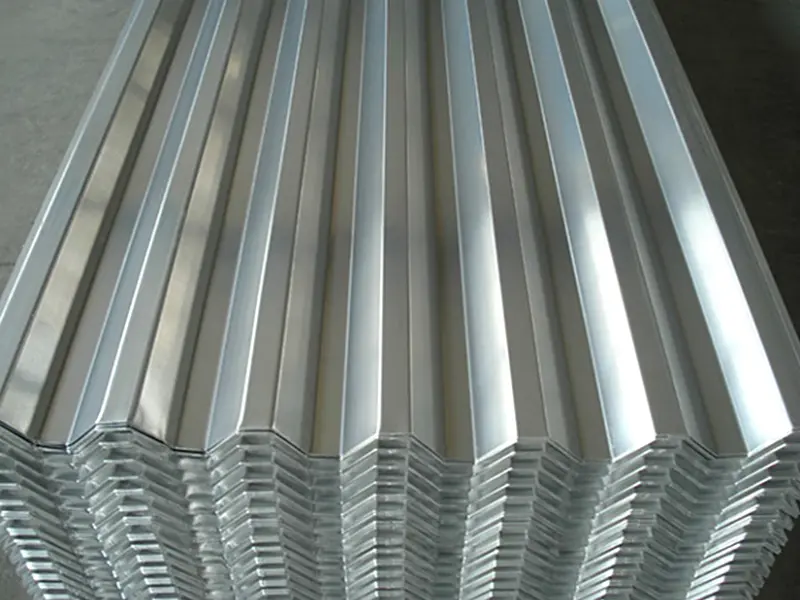
| Corrugated aluminum sheet | Wavy profile | Residential and industrial roofs |
| Trapezoidal sheet | Strong profile | Commercial buildings |
| Standing seam panel | Concealed fixing | Modern architecture |
| Ribbed aluminum sheet | Raised ribs | Industrial buildings |
| Embossed roofing sheet | Textured surface | Decorative and practical roofs |
| Coated aluminum sheet | Color and protection | Exterior buildings |
| Insulated roofing panel | Thermal performance | Energy-efficient buildings |
The best type depends on roof design, weather conditions, building structure, and installation method.
Why Choose Aluminum for Roofing?

Aluminum has several properties that make it suitable for roofing.
It is much lighter than many traditional roofing metals. This can reduce the load on the building structure.
It also forms a natural oxide layer when exposed to air. This helps protect the metal from corrosion.
Main advantages
- Lightweight
- Good corrosion resistance
- Suitable for outdoor use
- Good weather resistance
- Easy to form
- Easy to cut
- Easy to transport
- Low maintenance
- Available in many colors
- Suitable for coastal areas
- Suitable for custom profiles
- Recyclable material
For a roofing project, aluminum can provide a useful balance between service life, appearance, weight, and installation cost.
Common Aluminum Alloys for Roofing
The alloy has a direct effect on strength, forming performance, and corrosion resistance.
Common choices include 3003, 3004, 3105, 5052, and some other aluminum grades depending on the roofing design.
3003 Aluminum Roofing Sheets
3003 is a popular aluminum alloy for general roofing and building applications.
It has good formability and good corrosion resistance. It can be formed into corrugated and other roofing profiles.

Typical applications include:
- Residential roofs
- Agricultural buildings
- Commercial buildings
- Wall cladding
- Roofing panels
- Decorative roofing
3003 is a practical choice when the roof requires good forming performance and general outdoor durability.
3004 Aluminum Roofing Sheets
3004 provides higher strength than many pure aluminum grades while maintaining good formability.
It can be used for:
- Roofing panels
- Building cladding
- Commercial roofs
- Industrial buildings
- Architectural projects
It is useful when the project needs a balance between strength and forming.
3105 Aluminum Roofing Sheets
3105 is another common choice for building products.
It has good corrosion resistance and good formability. It is often used for painted and coated roofing materials.
Typical applications include:
- Residential roofing
- Wall panels
- Rain gutters
- Building components
- Exterior cladding
- Roofing systems
3105 is especially suitable when color coating is required.
5052 Aluminum Roofing Sheets
5052 provides higher strength and excellent corrosion resistance.
It is often selected for demanding outdoor applications.

Potential applications include:
- Coastal roofing
- Industrial roofs
- Marine-related buildings
- Equipment shelters
- Stronger roofing components
- Architectural projects
5052 can be a good choice where the roof is exposed to humid or corrosive environments.
Aluminum Roofing Sheet Alloy Comparison
Different alloys should be selected according to the project.
| Alloy | Strength | Formability | Corrosion Resistance | Common Roofing Use |
|---|---|---|---|---|
| 1050 | Low | Excellent | Good | Light-duty applications |
| 1100 | Low | Excellent | Good | General fabrication |
| 3003 | Medium | Very good | Good | General roofing |
| 3004 | Medium | Good | Good | Building panels |
| 3105 | Medium | Very good | Good | Coated roofing |
| 5052 | Medium-high | Good | Excellent | Coastal and industrial |
For most general roofing projects, 3003, 3004, and 3105 are practical choices.
For stronger outdoor applications, 5052 can be considered.
Aluminum Roofing Sheets Thickness
Thickness is one of the most important specifications.
A thin sheet is lightweight and economical. A thicker sheet provides more rigidity and can be more suitable for demanding applications.
| Thickness | Approx. Inch | Typical Application |
|---|---|---|
| 0.5 mm | 0.020 in | Light roofing |
| 0.7 mm | 0.028 in | Residential roofing |
| 0.8 mm | 0.031 in | General roofing |
| 1.0 mm | 0.039 in | Commercial roofing |
| 1.2 mm | 0.047 in | Stronger roofing |
| 1.5 mm | 0.059 in | Industrial roofing |
| 2.0 mm | 0.079 in | Heavy-duty panels |
| 2.5 mm | 0.098 in | Custom applications |
| 3.0 mm | 0.118 in | Heavy architectural work |
The actual thickness should be selected according to roof span, support spacing, wind load, profile design, and local building requirements.
Thin vs Thick Aluminum Roofing Sheets
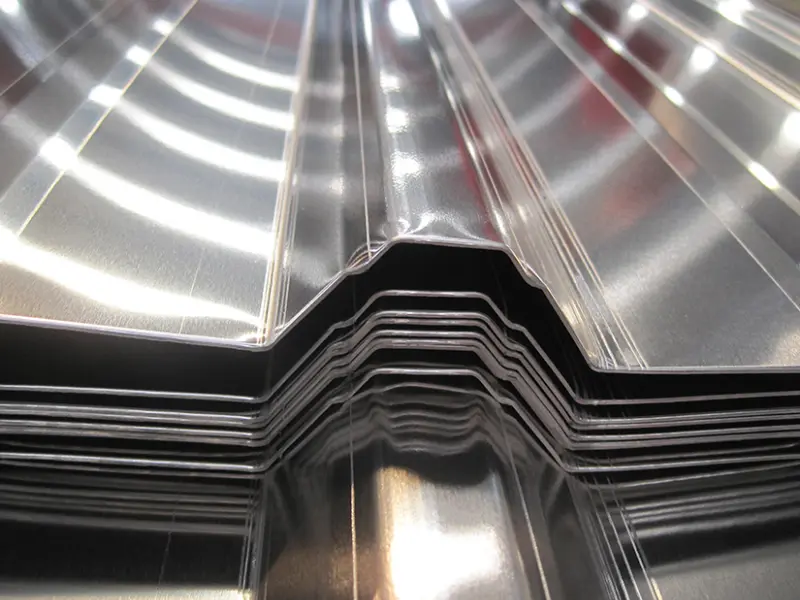
A thicker sheet is not always the best choice.
| Feature | Thin Sheet | Thick Sheet |
|---|---|---|
| Weight | Lower | Higher |
| Material cost | Lower | Higher |
| Forming | Easier | More demanding |
| Rigidity | Lower | Higher |
| Long-span use | Limited | Better |
| Heavy weather conditions | Depends on design | Better potential |
| Transportation | Easier | Heavier |
For residential roofing, a thinner material may be enough when the profile and support structure are properly designed.
Industrial buildings or roofs with demanding conditions may require a thicker specification.
Aluminum Roofing Sheets Tempers
Temper affects the mechanical condition of the aluminum.
Common tempers include:
- O
- H12
- H14
- H16
- H18
- H22
- H24
- H26
- H32
The available temper depends on the alloy.
O Temper
O temper is soft and has excellent formability.
It can be considered when the roofing sheet needs more forming.
H14 and H24
These tempers provide a balance between strength and forming.
They are useful for many general building applications.
H16 and H18
These conditions provide higher hardness and strength.
They can be considered when the roof design requires a more rigid material.
H32
H32 is commonly associated with 5052 aluminum and provides a useful balance of strength and formability.
It can be suitable for stronger roofing and fabricated outdoor components.
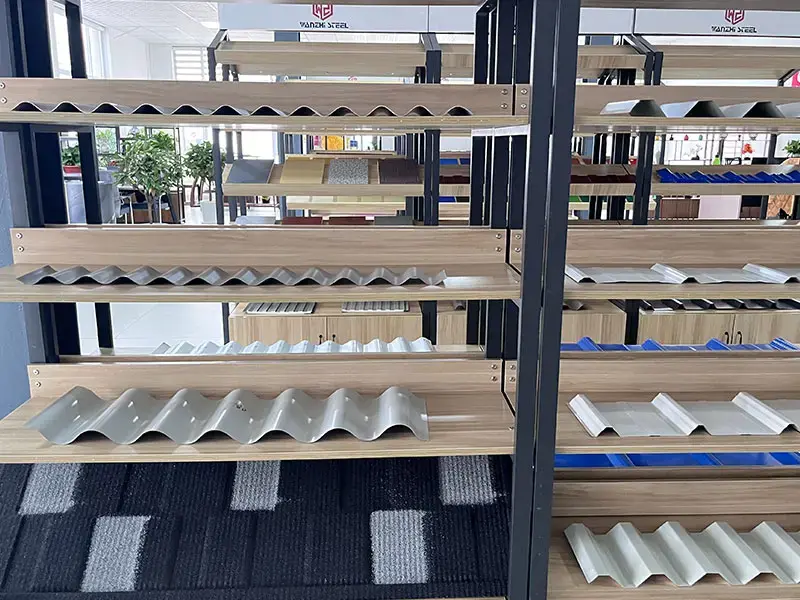
Types of Aluminum Roofing Sheets
The roofing profile has a major effect on strength, appearance, drainage, and installation.
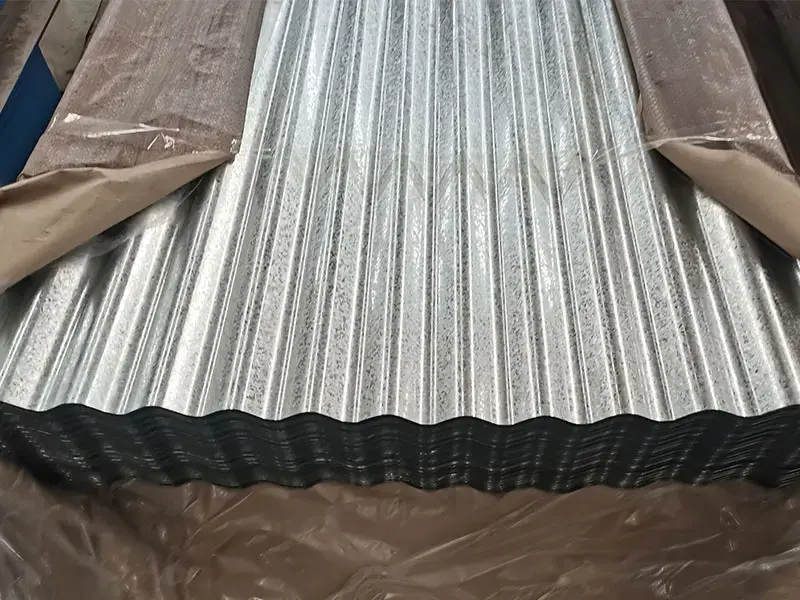
Corrugated Aluminum Roofing Sheets
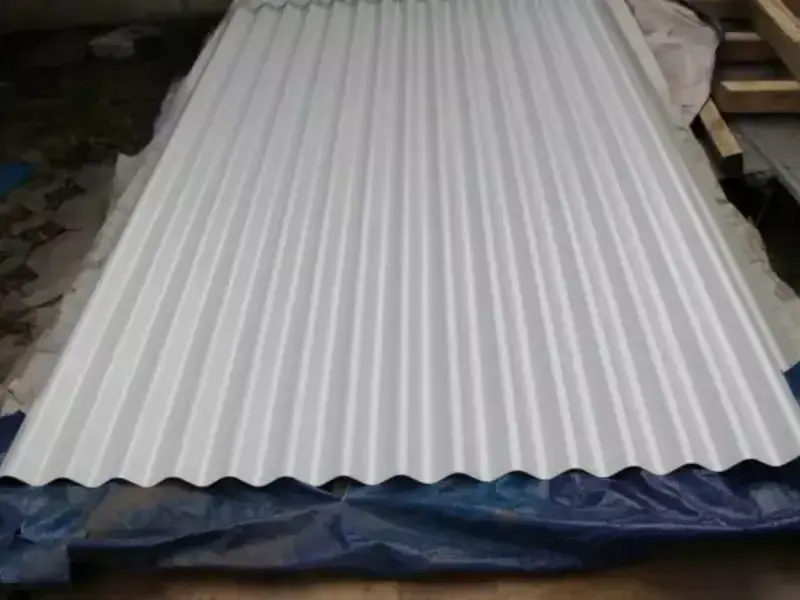
Corrugated sheets have repeated waves across the surface.
The corrugation increases stiffness without requiring a very thick flat sheet.
Common uses include:
- Residential roofs
- Farm buildings
- Garages
- Warehouses
- Workshops
- Temporary structures
- Commercial buildings
Corrugated aluminum is simple and practical for many roofing projects.
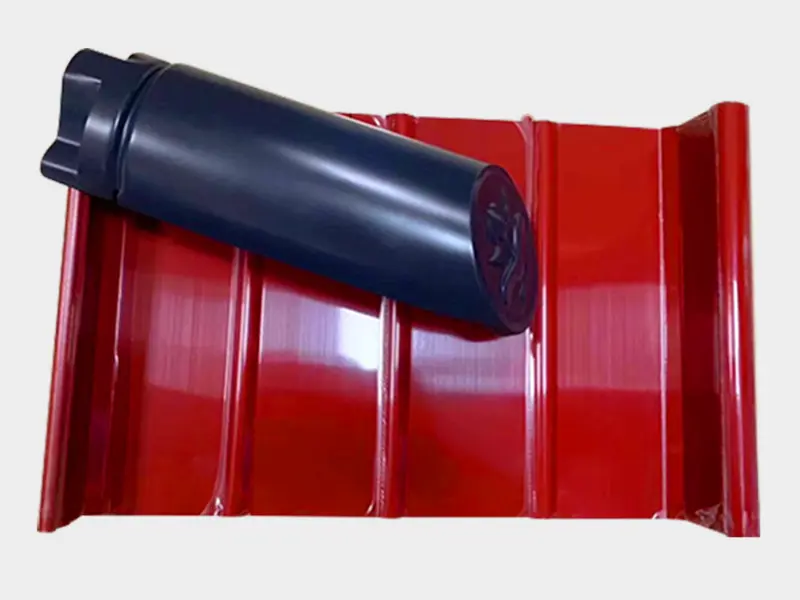
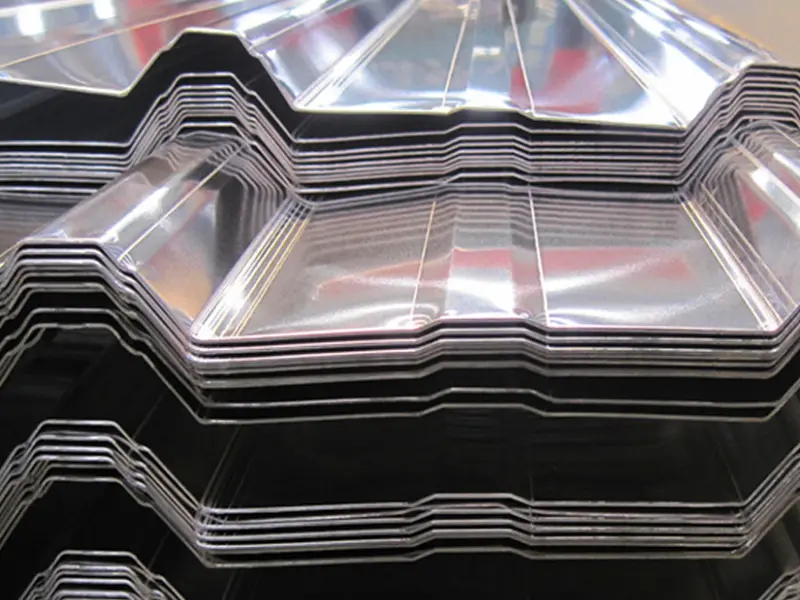
Trapezoidal Aluminum Roofing Sheets
Trapezoidal profiles have raised ribs with a more angular shape.
They can provide good structural stiffness and are often used for larger buildings.
Applications include:
- Factories
- Warehouses
- Commercial buildings
- Agricultural buildings
- Workshops
- Industrial facilities
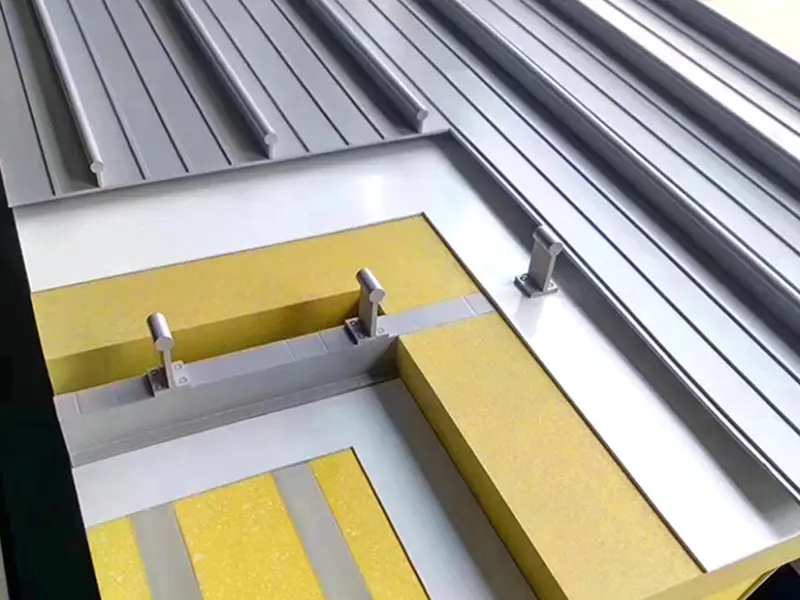
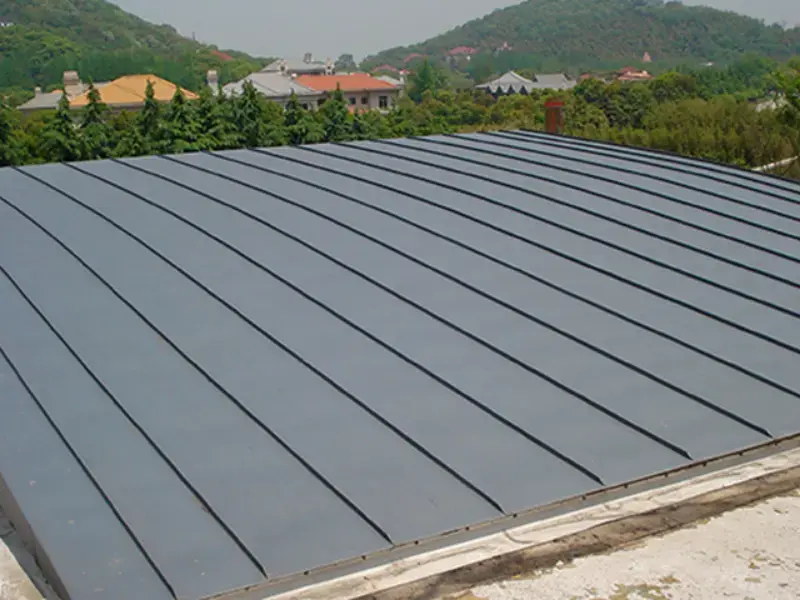
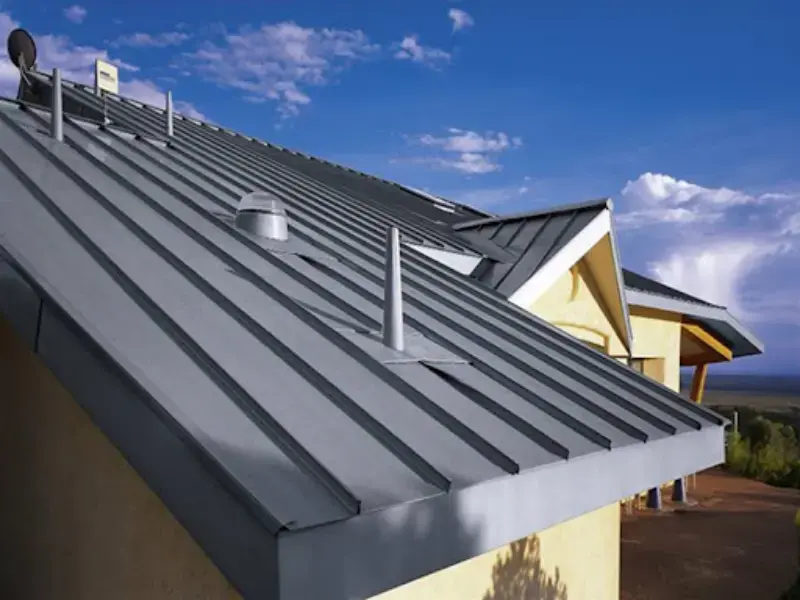
Standing Seam Aluminum Roofing
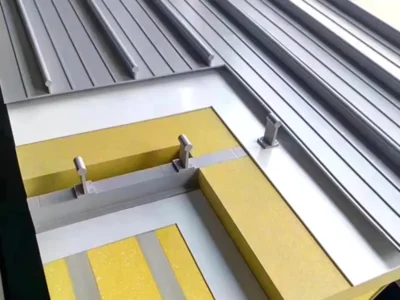
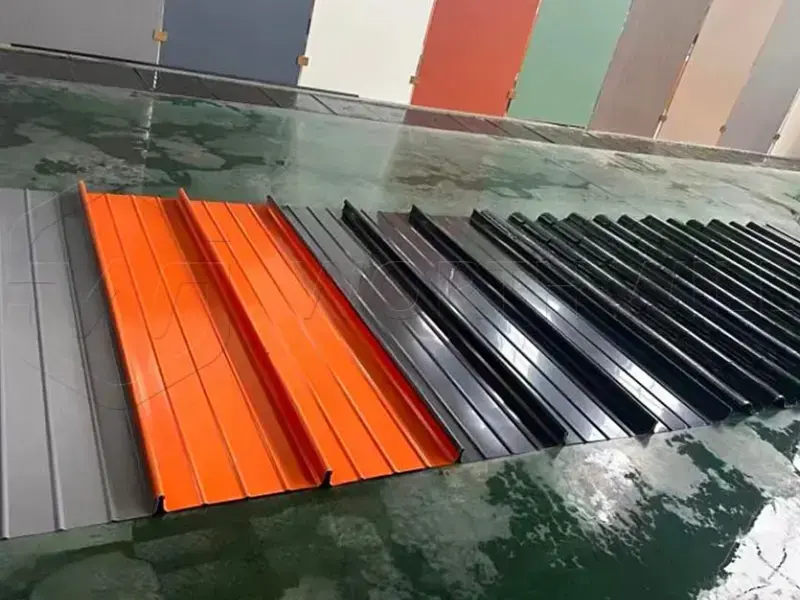
Standing seam systems use raised seams to connect adjacent panels.
Many systems use concealed fasteners.
This creates a clean appearance and reduces the number of exposed fixing points.
Standing seam aluminum roofing is often used for:
- Modern homes
- Commercial buildings
- Office buildings
- Hotels
- Public buildings
- Architectural projects
Ribbed Aluminum Roofing Sheets
Ribbed sheets use raised longitudinal ribs.
The ribs increase rigidity and create a clear architectural pattern.
They are suitable for both roofing and wall cladding.
Embossed Aluminum Roofing Sheets
Embossing creates a raised surface pattern.
The pattern can improve appearance and may also provide a more textured surface.
Common choices include stucco and other custom patterns.
Applications include:
- Decorative roofs
- Building cladding
- Insulation jacketing
- Architectural panels
- Interior and exterior projects
Coated Aluminum Roofing Sheets
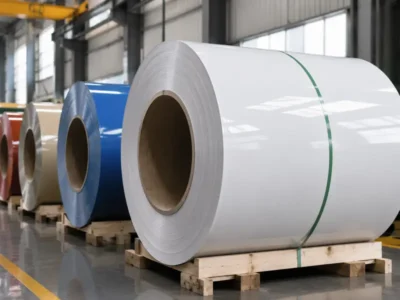
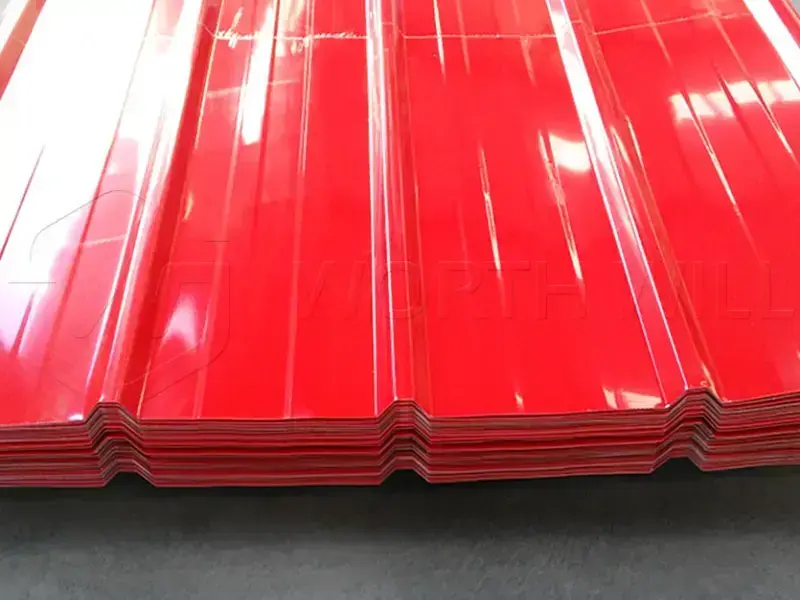
Coated aluminum roofing sheets are popular when color and additional surface protection are needed.
Common coatings include:
| Coating | Main Feature | Typical Use |
|---|---|---|
| PE | Economical color coating | General buildings |
| PVDF | Good weather resistance | Architectural roofs |
| Powder coating | Many colors | Custom projects |
| Anodizing | Durable oxide layer | Architectural applications |
| Mill finish | Natural aluminum | Industrial use |
PE Coated Aluminum Roofing
PE coating is often selected for general building projects.
It provides a wide range of colors and can be a cost-effective solution.
PVDF Aluminum Roofing Sheets
PVDF coating is often selected for higher-end exterior projects.
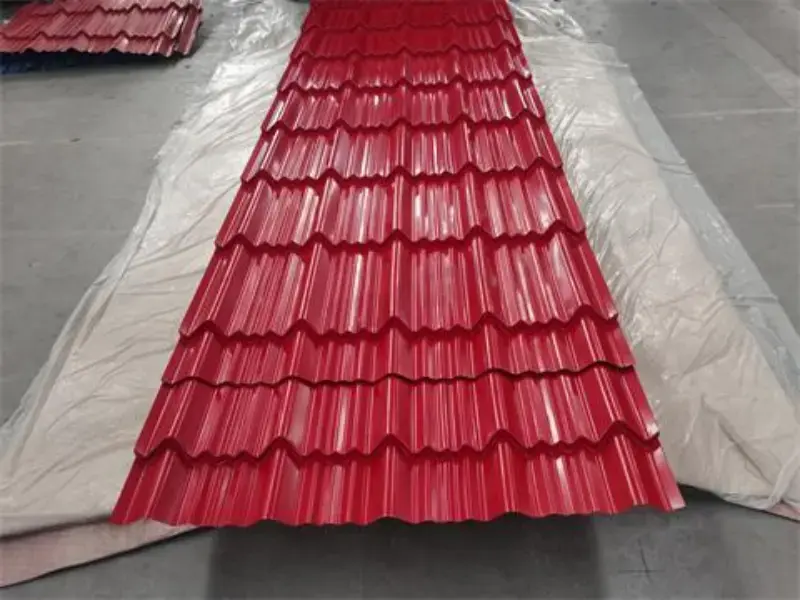
It can provide good resistance to weathering and color fading.
Typical applications include:
Modern architectural roofs
Commercial buildings
Airports
Hotels
Public buildings
Natural Aluminum vs Painted Roofing
The choice depends on appearance, environment, and budget.
| Feature | Natural Aluminum | Painted Aluminum |
|---|---|---|
| Appearance | Metallic | Many colors |
| Maintenance | Low | Low |
| Color choice | Limited | Wide |
| Custom branding | Limited | Possible |
| Weather protection | Good | Depends on coating |
| Architectural use | Good | Excellent |
Natural aluminum creates a clean metallic appearance.
Painted aluminum provides more options for matching the building design.
Aluminum Roofing vs Steel Roofing
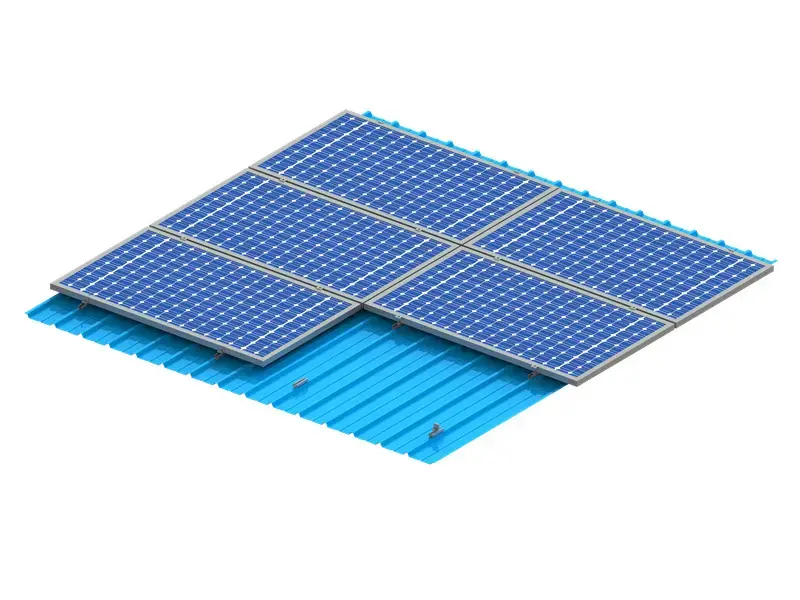

Aluminum and steel are both common roofing metals.
| Feature | Aluminum | Steel |
|---|---|---|
| Weight | Lower | Higher |
| Corrosion resistance | Very good | Depends on coating |
| Formability | Good | Good |
| Coastal use | Very suitable | Requires proper protection |
| Maintenance | Low | Depends on coating |
| Thermal expansion | Higher | Lower |
| Recyclability | Excellent | Excellent |
| Typical appearance | Metallic | Wide color options |
Aluminum can be attractive for buildings where low weight and corrosion resistance are important.
Steel may be preferred when very high strength or lower initial material cost is the main concern.
Aluminum Roofing vs Galvanized Steel Roofing
Galvanized steel uses a zinc coating to protect the steel.
Aluminum does not need a zinc coating to resist normal atmospheric corrosion because it naturally forms a protective oxide layer.
| Feature | Aluminum Roofing | Galvanized Steel |
|---|---|---|
| Base metal | Aluminum | Steel |
| Weight | Lower | Higher |
| Natural corrosion resistance | Excellent | Depends on zinc coating |
| Coastal suitability | Very good | Requires careful selection |
| Structural strength | Moderate | High |
| Handling | Easy | Heavier |
| Maintenance | Low | Depends on coating |
The right choice depends on local weather, roof structure, budget, and design.
Aluminum Roofing for Coastal Areas
Coastal buildings face salt and humidity.
Aluminum is often selected for coastal roofing because of its corrosion resistance.
Suitable options may include:
→ 5052 aluminum
→ Properly coated 3003 or 3105
→ Anodized aluminum
→ High-quality PVDF coating
The exact material should be selected based on the local environment and building design.
Aluminum Roofing for Industrial Buildings
Industrial buildings often need roofing with a good combination of weight, strength, durability, and easy installation.
Typical applications include:
- Factories
- Warehouses
- Workshops
- Storage buildings
- Agricultural facilities
- Equipment shelters
- Manufacturing plants
Trapezoidal, ribbed, and corrugated profiles are commonly considered for these projects.
Aluminum Roofing for Residential Buildings
Aluminum can also be used for residential roofs.
Applications include:
- Detached houses
- Garages
- Garden rooms
- Extensions
- Porches
- Carports
- Villas
- Coastal homes
For residential projects, appearance is often as important as performance.
Standing seam and painted aluminum roofing can provide a modern appearance.
Aluminum Roofing for Agricultural Buildings
Agricultural buildings often require roofing that is easy to transport and install.
Applications include:
- Barns
- Farm sheds
- Storage buildings
- Greenhouses
- Livestock buildings
- Equipment shelters
- Grain storage areas
Aluminum can help reduce the overall weight of the roof structure.

Aluminum Roofing for Commercial Buildings
Commercial roofing often needs a combination of appearance and long-term performance.
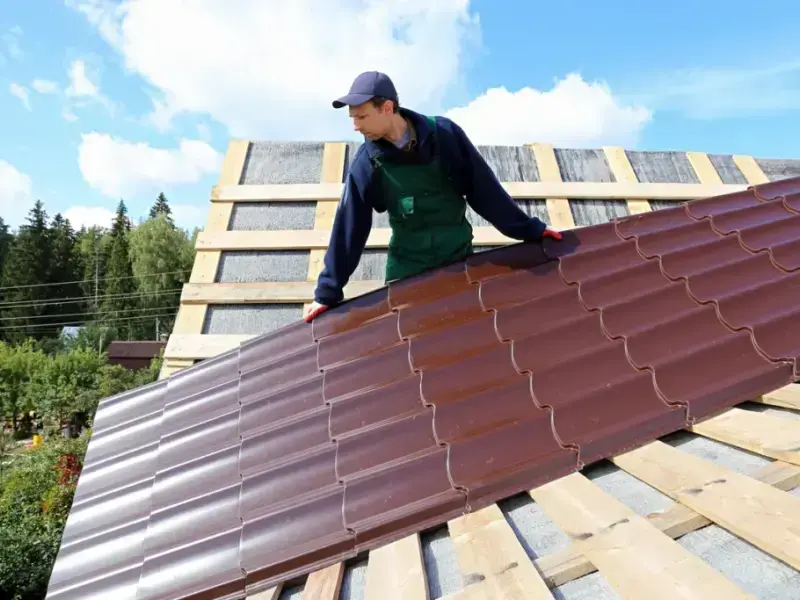
Applications include:
- Shopping centers
- Hotels
- Restaurants
- Office buildings
- Retail stores
- Exhibition halls
- Schools
- Public buildings
Coated and standing seam aluminum can be used when architectural appearance is important.
Aluminum Roofing Applications
Aluminum roofing products can be used in many areas.

Residential
- House roofs
- Garages
- Carports
- Porches
- Garden buildings
- Villas
- Extensions
Commercial
Public buildings
Shopping centers
Hotels
Offices
Restaurants
Retail buildings
Schools
Industrial
- Factories
- Warehouses
- Workshops
- Storage facilities
- Equipment shelters
- Manufacturing buildings
Agricultural
- Barns
- Farm sheds
- Livestock buildings
- Agricultural warehouses
- Equipment storage
- Greenhouses
Special Projects
- Coastal buildings
- Marine facilities
- Temporary structures
- Transport shelters
- Architectural roofs
- Custom building projects
Aluminum Roofing Sheets for Roof Replacement
Aluminum roofing can also be used when an existing roof needs replacement.

Before replacing a roof, buyers should check:
→ Existing support structure
→ Roof pitch
→ Panel dimensions
→ Fastener system
→ Drainage design
→ Wind conditions
→ Local building requirements
→ Insulation requirements
The new aluminum profile should match the building structure and installation system.
Aluminum Roofing and Thermal Performance
Metal roofs can transfer heat quickly.
The roofing material is only one part of the overall thermal performance.
Insulation, ventilation, roof color, air gaps, and reflective coatings can all affect the indoor temperature.
For hot climates, buyers can consider:
- Light-colored coatings
- Reflective surfaces
- Roof insulation
- Ventilated roof systems
- Insulated sandwich panels
- Proper roof ventilation
Aluminum roofing can be combined with insulation systems to improve building performance.
Aluminum Roofing Sheet Sizes
The sheet can be supplied in different widths and lengths.
| Product Form | Common Size Range |
|---|---|
| Flat sheet | 500–2500 mm width |
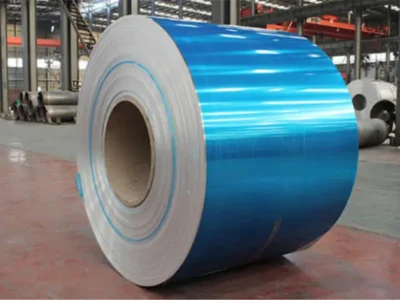
| Coil | 500–1600 mm width |
| Corrugated panel | Project-specific |
| Standing seam panel | Project-specific |
| Trapezoidal panel | Project-specific |
| Cut-to-length sheet | Custom |
| Custom roofing profile | Drawing-based |
Long panels can reduce the number of horizontal joints.
The best panel length depends on transportation, roof dimensions, lifting equipment, and installation requirements.
Aluminum Roofing Sheet Surface Options
The surface can be selected according to the project.
Mill Finish Aluminum Roofing Sheets

A simple and economical option.
It is suitable for industrial and fabricated applications.
Painted Finish Aluminum Roofing Sheets
Painted aluminum provides many color choices.
It is useful when the roof needs to match the building design.
PVDF Finish Aluminum Roofing Sheets
PVDF is often selected for demanding exterior projects.
It can provide good weather and color performance.
Anodized Finish Aluminum Roofing Sheets
Anodizing maintains a metallic aluminum appearance while providing surface protection.
It is often used for architectural projects.
Custom Aluminum Roofing Sheets
A custom roofing order can include many specifications.
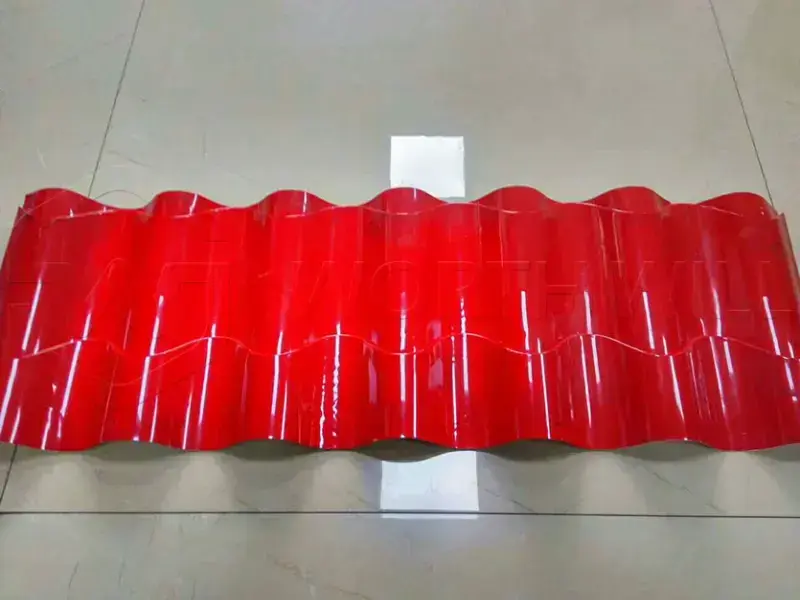
Customers can select:
- Alloy
- Temper
- Thickness
- Width
- Length
- Profile
- Rib height
- Corrugation
- Coating
- Color
- Surface finish
- Hole position
- Fastener design
- Edge shape
- Packaging
For special roofing systems, a technical drawing can help confirm the final profile.
How to Choose the Right Aluminum Roofing Sheet
Start with the building and environment.
For a residential roof
Consider:
→ 3003 or 3105
→ 0.7–1.2 mm
→ Corrugated or standing seam profile
→ Painted or coated finish
For a commercial building
Consider:
→ 3003, 3004, or 3105
→ 0.8–1.5 mm
→ Standing seam or trapezoidal profile
→ PE or PVDF coating
For an industrial building
Consider:
→ 3003, 3105, or 5052
→ 1.0–2.0 mm
→ Ribbed or trapezoidal profile
→ Coated or mill finish
For coastal construction
Consider:
→ 5052 or suitable 3003/3105
→ Appropriate thickness
→ Anodized, painted, or PVDF finish
→ Corrosion-resistant fasteners
What Should Be Included in a Roofing Quotation?
A clear inquiry can include the following:
| Requirement | Example |
|---|---|
| Alloy | 3003 |
| Temper | H14 |
| Thickness | 1.0 mm |
| Width | 1000 mm |
| Length | 3000 mm |
| Profile | Corrugated |
| Coating | PVDF |
| Color | RAL color |
| Quantity | 5,000 m² |
| Application | Commercial roof |
If the roof has a special profile, a drawing should be included.
Aluminum Roofing Sheets for Wholesale Buyers
For wholesale and project orders, consistency is important.

A supplier should be able to provide stable:
- Alloy
- Temper
- Thickness
- Width
- Profile
- Coating
- Color
- Length
- Packaging
For repeated projects, keeping the same specifications can simplify installation and replacement.
Aluminum Roofing Sheet Quality Checks
Before shipment, buyers may check:
Material
Confirm the alloy and temper.
Thickness
Measure the sheet or verify the production certificate.
Profile
Check the rib height, pitch, and overall panel dimensions.
Surface
Check for scratches, coating defects, dents, and other visible problems.
Length and width
Confirm that the dimensions match the purchase order.
Packaging
Check that the panels are protected against damage during transportation.
Frequently Asked Questions
Are aluminum roofing sheets good for roofs?
Yes. Aluminum is lightweight, corrosion resistant, and suitable for many residential, commercial, industrial, and coastal roofing applications.
How thick should aluminum roofing sheets be?
There is no single thickness for every roof. Common roofing materials may range from about 0.5 mm to 2.0 mm or more. The correct thickness depends on profile, support spacing, wind load, roof design, and local requirements.
What is the best aluminum alloy for roofing?
3003, 3004, and 3105 are common choices for general roofing. 5052 can be considered when higher strength and corrosion resistance are needed.
Is 3003 aluminum good for roofing?
Yes. 3003 offers good formability, corrosion resistance, and general strength. It is suitable for many roofing and building applications.
Is 5052 aluminum good for roofing?
Yes. 5052 offers higher strength and excellent corrosion resistance. It can be useful for coastal, industrial, and demanding outdoor applications.
Are aluminum roofing sheets better than steel?
Neither material is best for every project. Aluminum is lighter and naturally corrosion resistant. Steel can provide higher strength and may have a lower initial material cost. The correct choice depends on the building and environment.
Can aluminum roofing be used near the ocean?
Yes. Aluminum is commonly considered for coastal applications because of its corrosion resistance. Suitable alloy, coating, fasteners, and installation methods should be selected for the local environment.
Do aluminum roofing sheets rust?
Aluminum does not develop red iron rust like steel. It forms a protective oxide layer. However, aluminum can still suffer from corrosion under certain environmental and installation conditions.
Can aluminum roofing sheets be painted?
Yes. Aluminum roofing can be supplied with PE, PVDF, powder coating, or other suitable finishes.
What colors are available?
Many colors are available for coated aluminum roofing. Standard colors and custom RAL colors may be possible depending on the coating system and order quantity.
Are aluminum roofs noisy in rain?
Metal roofing can transmit rain noise. The actual sound level depends on the roof structure, insulation, ceiling system, panel profile, and installation.
Can aluminum roofing sheets be recycled?
Yes. Aluminum is highly recyclable. Recycled aluminum can be processed into new aluminum products.
Are aluminum roofing sheets easy to install?

The panels are relatively lightweight and can be easier to handle than heavier roofing materials. Installation still requires the correct profile, fasteners, overlap, support structure, and local roofing practice.
Can aluminum roofing sheets be made to custom sizes?
Yes. Flat sheets, coils, corrugated panels, standing seam panels, and other profiles can be supplied in custom dimensions depending on production equipment.
What is the difference between corrugated and standing seam aluminum roofing?
Corrugated roofing uses repeated waves and usually uses visible or concealed fasteners depending on the system. Standing seam roofing uses raised seams to connect panels and can provide a cleaner architectural appearance.
What coating is best for outdoor aluminum roofing?
The best coating depends on the project. PE can be suitable for general applications. PVDF is often selected for demanding exterior architectural projects where weather and color performance are important.
Final Guide to Buying Aluminum Roofing Sheets

Aluminum roofing sheets are available in many forms, so the right product should be selected according to the building rather than only the price.
For general roofing, 3003, 3004, and 3105 are practical alloy choices.
For stronger and more corrosion-resistant applications, 5052 can be considered.
For lightweight residential roofs, thinner profiles can work when the roof structure and local requirements allow them.
For commercial and industrial buildings, thicker material and stronger profiles may be more suitable.
The roofing profile is also important:
Corrugated → simple and widely used
Trapezoidal → good rigidity for larger buildings
Standing seam → clean appearance and concealed fixing
Ribbed → suitable for roofing and wall cladding
Embossed → decorative and functional surface
Before ordering, confirm:
→ Aluminum alloy
→ Temper
→ Thickness
→ Sheet or coil width
→ Panel length
→ Roofing profile
→ Coating
→ Color
→ Roof application
→ Quantity
→ Packaging
→ Technical requirements
A clear specification helps suppliers provide the right aluminum roofing material and gives buyers a more accurate quotation.