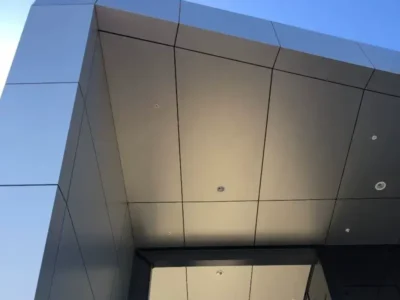
What Makes Coated Aluminum Coil Different from Bare Metal?
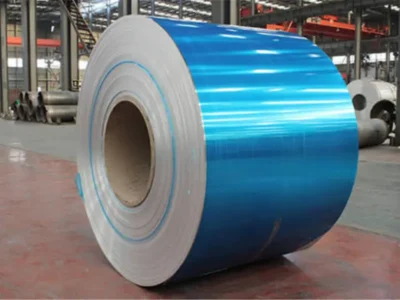
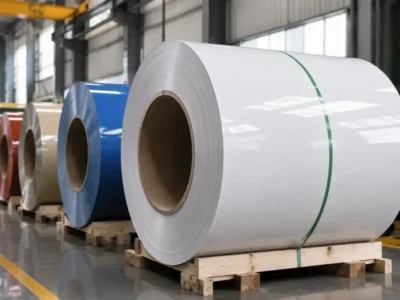
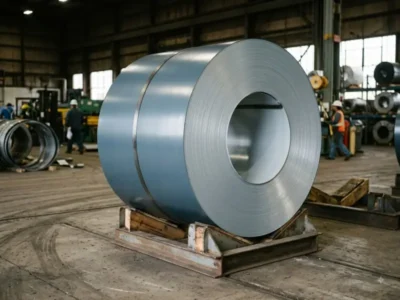
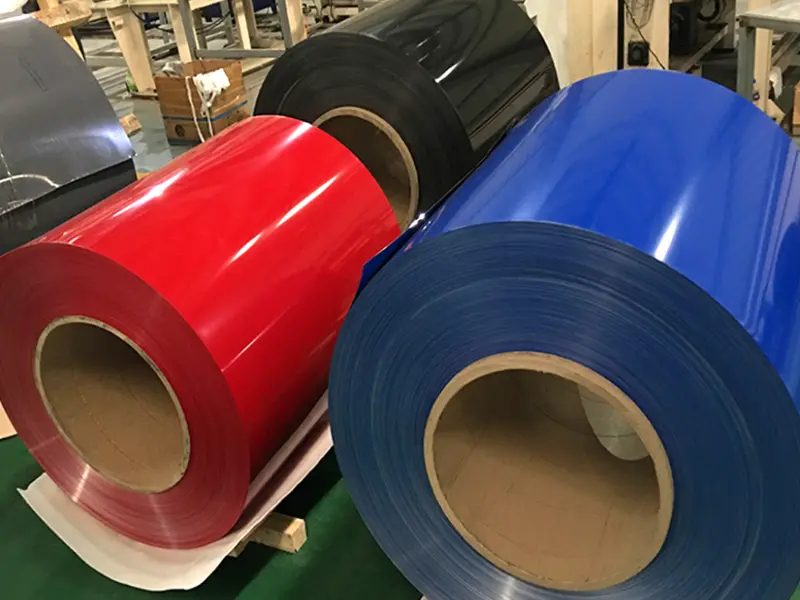
A coated aluminum coil starts its life as a plain metal roll. Then it goes through a coating line.
Degreasing, chemical pretreatment, primer, topcoat, and baking happen in one continuous process. What comes out is aluminum that already wears its final color and protective skin. You do not need to paint it on site.
This factory-applied finish changes everything. Bare aluminum resists corrosion on its own, but it scratches easily and shows every fingerprint.
A coated coil hides minor damage. It locks out moisture. It keeps its color for years under sun and rain. For builders, sign makers, and appliance factories, this product cuts labor time and delivers a consistent look roll after roll.
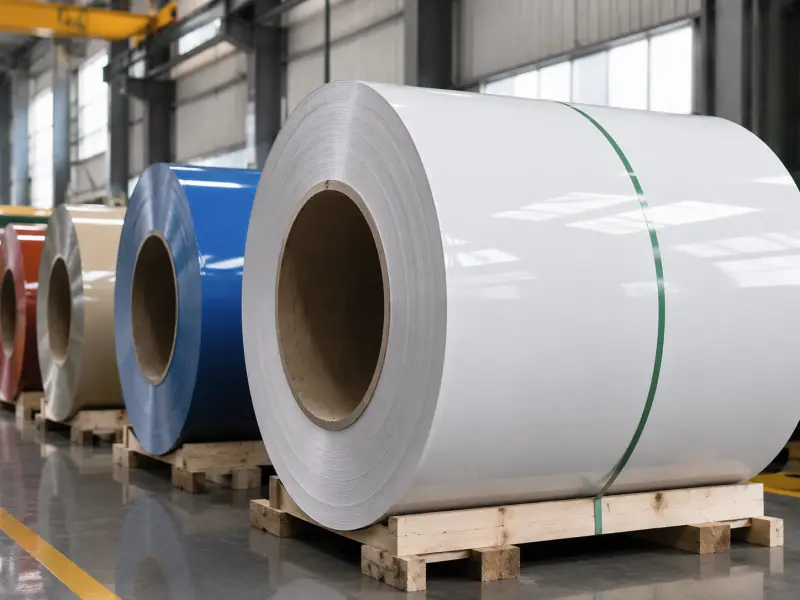
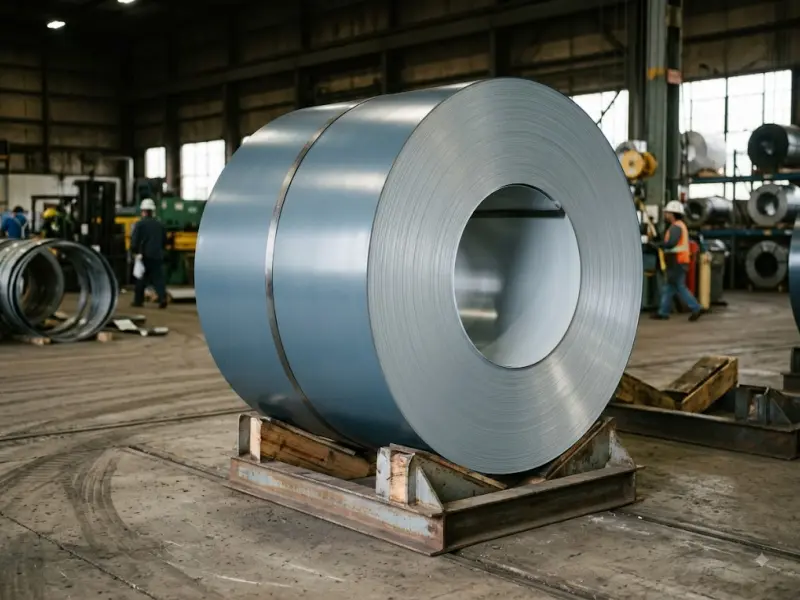
Common Coated Aluminum Coil Types
PE Coated Aluminum Coil
→ A cost-effective option for indoor applications, signage, ceilings and general decorative panels.
PVDF Coated Aluminum Coil
→ Provides stronger weather resistance and is suitable for exterior building facades, curtain walls and long-term outdoor use.
SMP Coated Aluminum Coil
→ Offers a balance between weather resistance, color retention and cost.
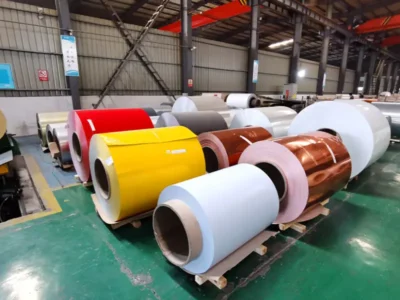
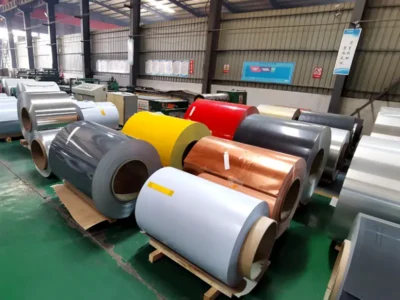
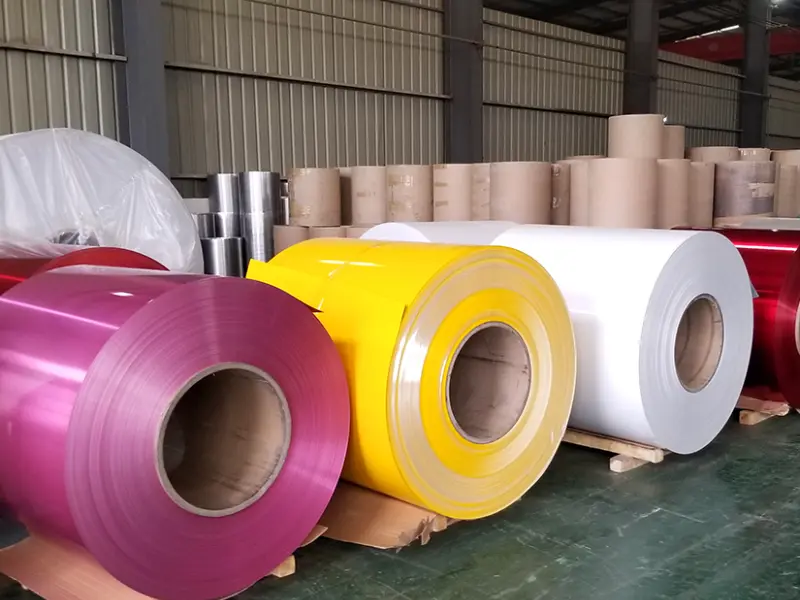
Color Coated Aluminum Coil
→ Available in many RAL colors for roofing, wall panels, signage and decorative applications.
Embossed Coated Aluminum Coil
→ Combines a textured surface with protective coating and is suitable for roofing, decoration and special panel applications.
Main Applications
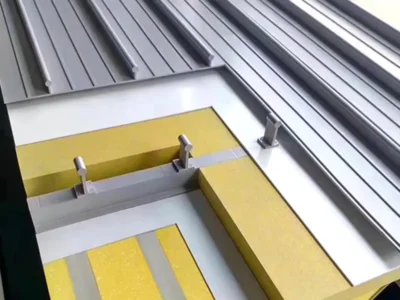
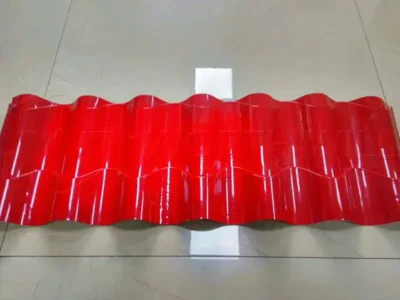
- Aluminum roofing sheets
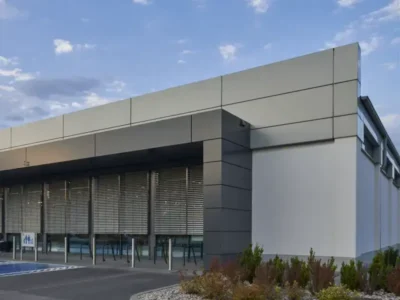
- Building wall cladding
- Aluminum curtain walls
- Composite panel production
- Gutter and downspout systems
- Advertising and signage
- Ceiling panels
- Interior decoration
- Industrial panels
- HVAC components
- Garage and door panels
- Transportation equipment
Product Advantages
→ Long-lasting surface protection
→ Excellent outdoor weather resistance
→ Stable color and attractive appearance
→ Easy roll forming and fabrication
→ Lower maintenance requirements
→ Lightweight compared with coated steel
→ Wide selection of colors and finishes
→ Suitable for continuous production lines
→ Custom specifications available for different projects
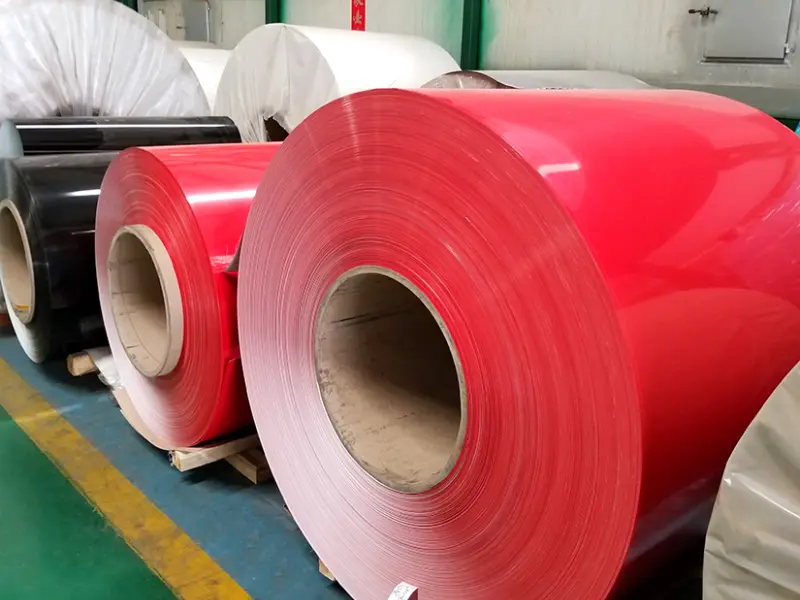
Alloy Breakdown: The Metal Under the Paint
The coating is only as good as the aluminum beneath it. Different alloys give you different strength, formability, and price points.
1000 Series: Pure and Affordable
Alloys 1050, 1060, and 1100 contain 99% or more pure aluminum. They are soft, easy to form, and highly corrosion-resistant. Their downside is low strength. If your project needs deep drawing or simple indoor panels, these alloys keep the budget low.
3000 Series: The Workhorse
without the price jump of 5000 series.
Alloy 3003 and its close cousin 3105 contain manganese. They are about 20% stronger than the 1000 series. They still bend and roll without cracking. This is why 3003 is the most common base metal for coated roofing and wall cladding. It handles outdoor duty
5000 Series: Strength for Tough Jobs
Alloys 5005 and 5052 add magnesium. They offer the highest strength of the three groups. They also resist saltwater corrosion better. You will find 5052 coated coil in marine trims, coastal facades, and heavy-duty industrial panels. It costs more and needs more force to bend.
| Alloy Series | Common Grades | Strength Level | Formability | Best Use for Coated Coil |
|---|---|---|---|---|
| 1000 | 1050, 1060, 1100 | Low | Excellent | Indoor ceilings, simple panels, signage backing |
| 3000 | 3003, 3105, 3004 | Medium | Very good | Roofing, cladding, gutters, ACP facing |
| 5000 | 5005, 5052 | High | Good | Marine, coastal, structural, heavy trim |
For most buyers, 3003 H24 sits in the sweet spot. It forms well, holds paint well, and does not break the bank.
Temper States: How Hard or Soft Should Your Coil Be?
Temper tells you how the metal was treated after rolling. This affects whether you can bend the coil into a gutter or if it needs to stay flat as a panel.
| Temper | Hardness | Bendability | Typical Coated Coil Use |
|---|---|---|---|
| O (Annealed) | Very soft | Excellent | Deep-drawn panels, complex shapes |
| H12 | Quarter hard | Very good | Light forming, trim work |
| H14 | Half hard | Good | General cladding, roofing profiles |
| H16 | Three-quarter hard | Moderate | Rigid panels, standing seams |
| H18 | Full hard | Low | Flat sheets, minimal forming |
| H24 | Half hard, stress-relieved | Good | Most popular for roofing and wall systems |
| H26 | Three-quarter hard, stress-relieved | Moderate | Higher strength panels |
Most coated aluminum coil for construction ships in H14 or H24 temper. H24 is especially popular because it gives you enough stiffness for long roof panels but still allows field adjustments without snapping.
Coating Types: PE vs PVDF vs Everything Else
Not all paint layers are the same. The resin chemistry decides how long the color lasts and how much abuse the surface can take.
PE Polyester Coating
PE is the standard choice for indoor use and mild outdoor conditions. It offers bright color, good flexibility, and low cost. PE coated aluminum coil works well for ceilings, indoor wall panels, and signage that lives under a roof. Outdoor life is typically 5 to 10 years before noticeable fading.
PVDF Fluorocarbon Coating
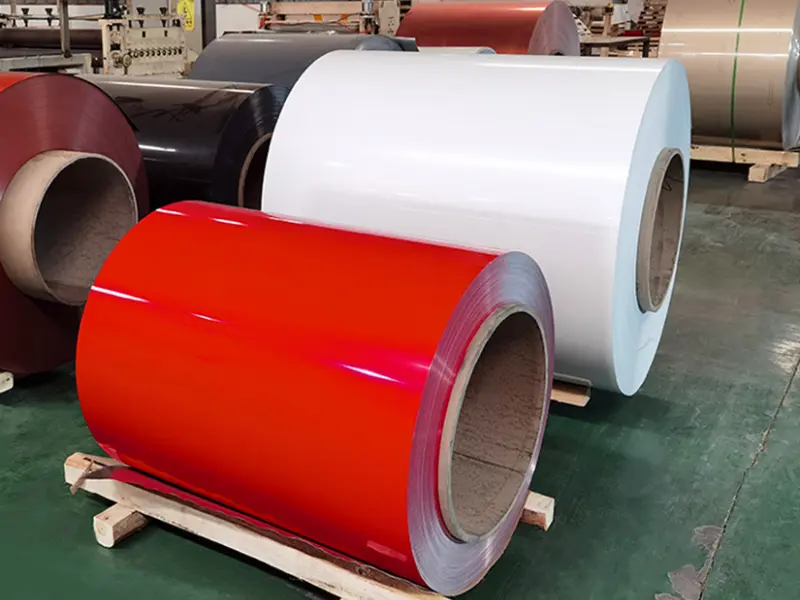
PVDF uses fluoropolymer resin. It resists UV rays, acid rain, and chalking far better than PE. A PVDF coated aluminum coil can hold its color for 15 to 20 years outdoors. It costs more upfront. For high-rise buildings, harsh sun zones, and coastal projects, PVDF is the safer investment.
HDPE, FEVE, and Epoxy Options
HDPE is a tougher version of standard PE. It lasts a bit longer outdoors but still falls short of PVDF. FEVE offers a middle ground with good weather resistance and a glossy finish. Epoxy coatings excel at adhesion and chemical resistance. You see them on appliance panels and industrial equipment where corrosion protection matters more than sun exposure.
| Coating Type | Full Name | Outdoor Life | Cost | Best For |
|---|---|---|---|---|
| PE | Polyester | 5–10 years | Low | Indoor, mild outdoor, budget projects |
| HDPE | High-Density Polyester | 8–12 years | Medium | Gutters, soffits, moderate outdoor |
| PVDF | Polyvinylidene Fluoride | 15–20+ years | High | Curtain walls, roofing, coastal, high-rises |
| FEVE | Fluoroethylene Vinyl Ether | 12–15 years | Medium-high | Glossy facades, special finishes |
| Epoxy | Epoxy Resin | 3–5 years outdoor | Low | Appliances, industrial, interior machinery |
Thickness and Width: Standard Sizes That Move the Market
Coated aluminum coil comes in a wide range. Here is what the market typically stocks.
| Thickness (mm) | Thickness (inch) | Common Application | Typical Coating Used |
|---|---|---|---|
| 0.20 | 0.008 | Foil-based composites, light facing | PE |
| 0.30 | 0.012 | Ceiling tiles, lightweight panels | PE |
| 0.45 | 0.018 | Standard cladding, ACP backing | PE or PVDF |
| 0.50 | 0.020 | Roofing, gutters, fascia | PE or PVDF |
| 0.60 | 0.024 | Wall panels, soffits | PVDF |
| 0.80 | 0.031 | Heavy-duty roofing, structural trim | PVDF |
| 1.00 | 0.039 | Industrial panels, door skins | PVDF or Epoxy |
| 1.20 | 0.047 | Heavy equipment housing | PVDF |
| 1.50 | 0.059 | Special structural orders | PVDF |
| Width (mm) | Width (inch) | Typical Use |
|---|---|---|
| 600 | 23.6 | Slit strips, small trim |
| 1000 | 39.4 | Standard export width |
| 1200 | 47.2 | European market panels |
| 1240 | 48.8 | North American trim coil |
| 1250 | 49.2 | Common mill stock, fits most roll formers |
| 1500 | 59.1 | Wide wall panels, reduces seams |
| 1600 | 63.0 | Maximum common continuous coating width |
The most ordered combo in global trade is 0.5 mm thick, 1250 mm wide, 3003 H24 coated aluminum coil with a PVDF or PE topcoat.
Modern coating lines can apply textures and patterns that mimic expensive materials. This opens up more product types for buyers.
Surface Finishes: More Than Just Solid Colors
Solid Color Finish
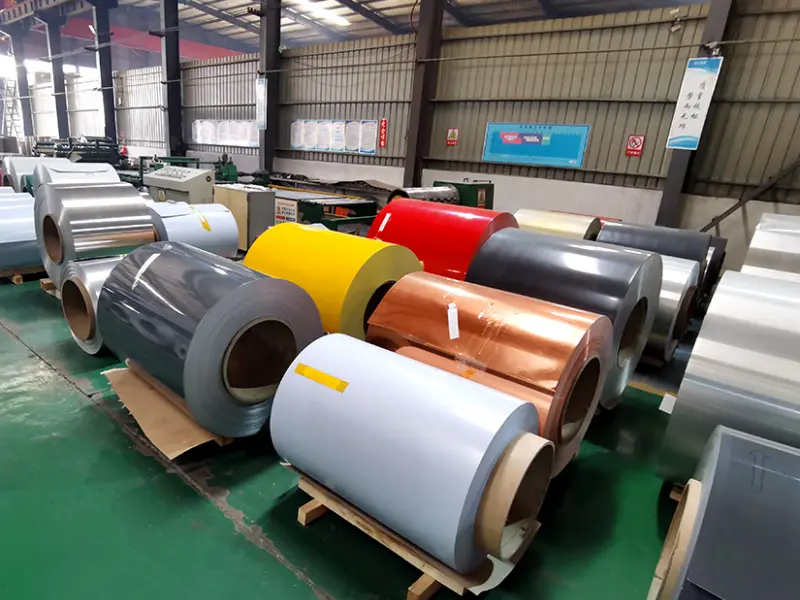
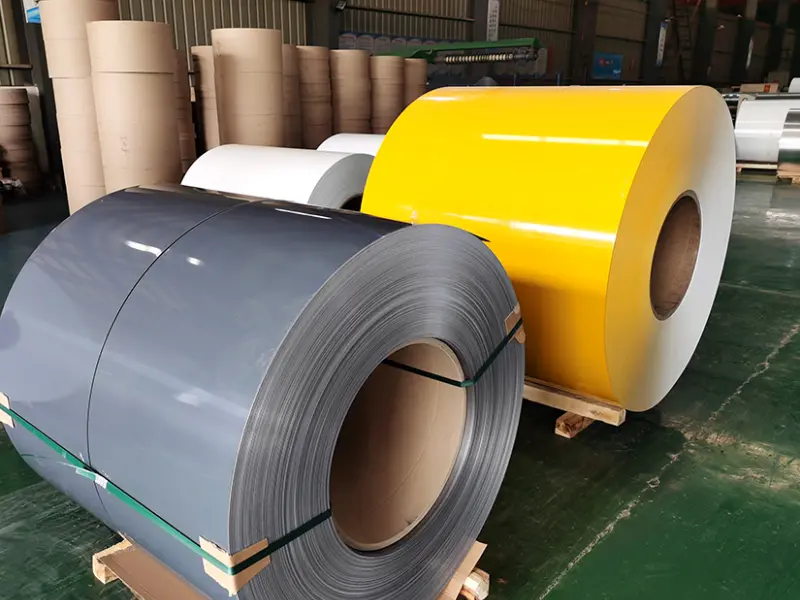
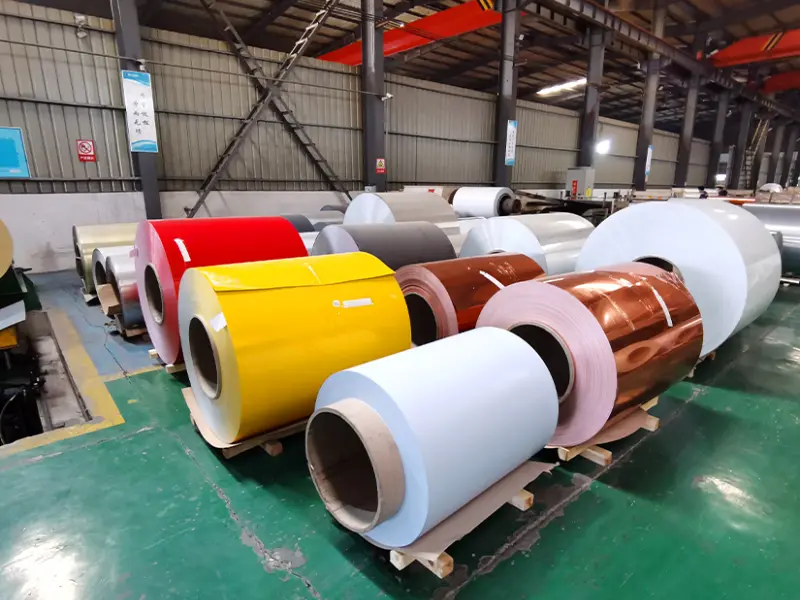
The classic choice. One uniform color from edge to edge. Available in matte, semi-gloss, or high-gloss. RAL and Pantone matching is standard. This finish covers the majority of roofing and cladding jobs.
Metallic Finish
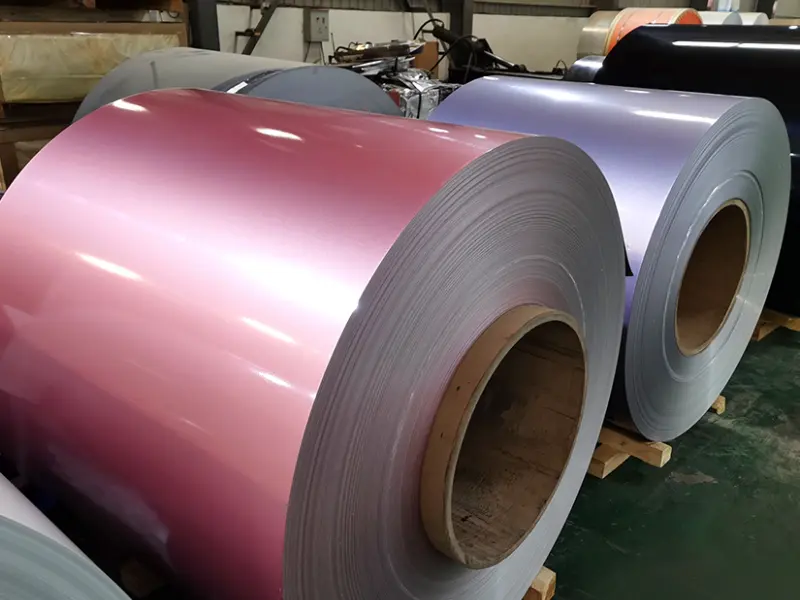
Tiny metal flakes in the paint create a shimmer effect. It looks like anodized aluminum but costs less. Metallic coated coil is popular for modern facades, automotive trim, and high-end signage.
Wood Grain Finish
The coating carries a printed wood pattern and often a light embossed texture. It looks like timber from a distance but gives you the fire resistance and zero-maintenance life of aluminum. You see it on garage doors, exterior soffits, and balcony panels.
Stone and Marble Finish
Similar to wood grain, but the pattern mimics granite or marble. It gives buildings a heavy, premium look without the structural weight of real stone. Lobby walls and feature facades use this finish often.
Brushed Finish
The aluminum base is brushed before coating. A clear or tinted topcoat seals the brushed lines. The result is a directional metal look with protection against fingerprints. Elevator interiors and appliance fronts favor this style.
Mirror Finish
A highly reflective aluminum base gets a clear protective coating. It bounces light and creates visual space. Ceiling panels, solar reflectors, and decorative displays use mirror coated coil.
Embossed Texture
The base metal is embossed with stucco or diamond patterns before painting. The coating follows the hills and valleys. This adds stiffness and hides minor dents. Insulation jacketing and industrial cladding often specify embossed coated coil.
Applications: Where Coated Coil Shows Up Every Day
Coated aluminum coil is everywhere once you start looking. Here are the main places it works:
- Roofing and fascia – residential and commercial metal roofs in every color
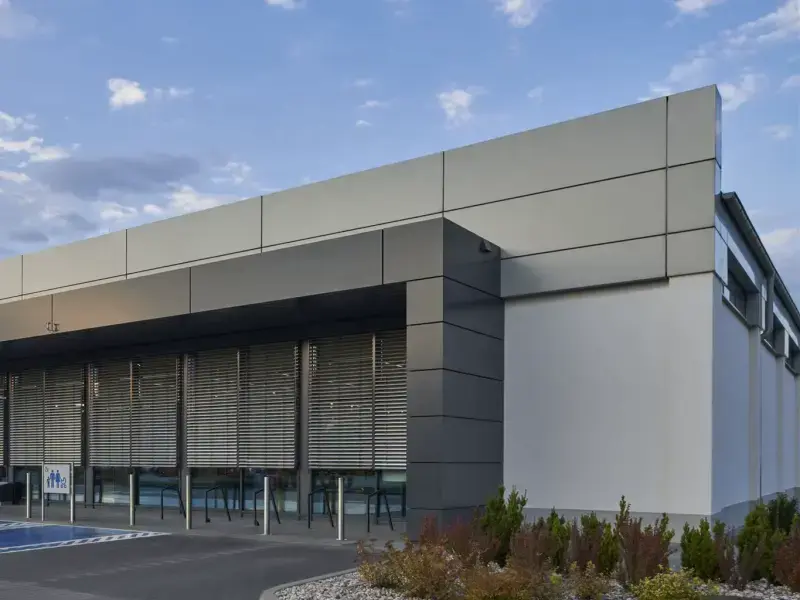
- Wall cladding and curtain walls – the colored skin of modern buildings
- Gutters and downspouts – color-matched to roofing for a clean look
- Aluminum composite panels (ACP) – the facing layer on sandwich panels
- Ceiling systems – lay-in tiles and linear metal ceilings
- Rolling shutters and garage doors – durable color that does not need repainting
- Signage and billboards – bright colors that resist fading
- Appliance panels – refrigerator doors, microwave fronts, washer skins
- Transportation interiors – train and bus ceiling panels, wall liners
- Food and chemical equipment – epoxy-coated coil for hygiene and corrosion resistance
- Furniture and cabinetry – metal doors and drawer fronts with wood grain or solid color
- HVAC duct covers – colored wrapping for exposed ductwork in offices
PE vs PVDF: A Side-by-Side Cost and Performance Guide
This is the most common decision buyers face. Let us break it down clearly.
| Property | PE Coated Aluminum Coil | PVDF Coated Aluminum Coil |
|---|---|---|
| Price per ton | Lower | 20–40% higher |
| Color brightness | Very bright, glossy options | Slightly softer, chalk-resistant |
| Flexibility | Better, easier to form | Good but slightly stiffer |
| UV resistance | Fades in 5–8 years strong sun | Holds color 15–20 years |
| Chalk resistance | Moderate | Excellent |
| Salt spray resistance | 500–1000 hours | 2000–5000+ hours |
| Warranty typical | 5–8 years | 10–20 years |
| Best climate | Temperate, inland, indoor | Coastal, tropical, high UV, industrial |
| Coating thickness | 16–25 µm typical | 25–35 µm typical |
| Top brands | Local and regional | PPG, Becker, Valspar often specified |
Rule of thumb: if the coil will spend its life outdoors on a building taller than three stories, or within five miles of salt water, PVDF is worth the extra cost. For indoor malls, factory ceilings, and backyard sheds, PE does the job.
Coated vs. Uncoated: Where the Extra Layer Pays Off
Some buyers wonder if they can save money with mill-finish coil and paint it later. Here is the reality.
| Factor | Mill Finish Aluminum Coil | Coated Aluminum Coil |
|---|---|---|
| Initial cost | Lower | Higher |
| Labor on site | Needs painting, masking, drying | Ready to install |
| Color consistency | Hard to match batch to batch | Factory uniform |
| Corrosion protection | Relies on natural oxide | Paint + primer barrier |
| UV resistance | None | Built in |
| Warranty | None from a paint job | 5 to 20 years from mill |
| Long-term value | Lower | Higher |
For any project where color matters and labor is expensive, coated aluminum coil wins. You pay more for the material but save on site work and repainting.
One-Side vs Two-Side Coating: Which Setup Saves Money?
Not every job needs paint on both faces.
| Coating Setup | Description | Best For | Cost Impact |
|---|---|---|---|
| One-side coated, mill back | Color on front, bare aluminum on back | Roofing, cladding where back is hidden | Lowest |
| One-side coated, primer back | Color on front, protective primer on back | Panels where back may see moisture | Medium |
| Two-side coated same color | Full wrap in one color | Fencing, visible trim, composite panels | Higher |
| Two-side coated different colors | Different colors front and back | Special architectural effects | Highest |
Most construction coil is one-side coated with a primer or light PE back coat. This stops corrosion on the hidden side without adding much cost.
Quality Marks and Certifications to Look For
Good suppliers test their coated aluminum coil before it leaves the factory. Here are the standards and tests that matter.
| Test or Standard | What It Checks | Good Result |
|---|---|---|
| ASTM B209 | Base aluminum quality | Meets alloy and temper specs |
| ISO 9001 | Factory quality management | Certified production process |
| AAMA 2605 | High-performance organic coatings | Required for premium PVDF architectural work |
| T-bend test | Coating flexibility after bending | 0T to 2T without cracking |
| Pencil hardness | Surface scratch resistance | 2H or higher |
| Impact resistance | Resistance to dents and chips | 50 kg/cm with no peeling |
| Salt spray test | Corrosion resistance | 1000+ hours for PE, 3000+ for PVDF |
| MEK rub test | Cure level of the coating | 100+ double rubs without damage |
Always ask for a coating test report if your project specification demands long life. A cheap coil with poor pretreatment will peel within two years, no matter how thick the paint looks.
Frequently Asked Questions
What alloy is best for roofing with coated coil?
Alloy 3003 in H24 temper is the industry standard. It has enough strength for roof panels and forms cleanly into standing seams or corrugated profiles. For coastal roofs, 5052 H32 adds extra salt resistance.
How long does PE coating last outdoors?
In moderate climates, PE coated aluminum coil lasts 5 to 10 years before fading becomes visible. In harsh sun or near the ocean, expect closer to 5 years. For longer life, upgrade to HDPE or PVDF.
Can coated aluminum coil be bent or roll-formed?
Yes. H14, H24, and H26 tempers are made for this. The coating is flexible enough to follow the bend. Always check the T-bend rating. A 0T or 1T rating means the coating survives a sharp bend without cracking.
What is the difference between prepainted and coated aluminum coil?
They are the same thing. Prepainted aluminum coil is just another name for coated aluminum coil. Both mean the color was applied at the factory before the coil reached your workshop.
How thick should the coating be for coastal areas?
For coastal or industrial zones, specify PVDF with a minimum topcoat thickness of 25 µm. Some projects require 30 µm or more. The primer should add another 5–10 µm. Thicker is better when salt and chemicals are in the air.
Does color affect the price of coated coil?
Dark colors and bright reds sometimes cost slightly more because they need more pigment. Custom colors outside standard RAL charts also carry a small upcharge. Standard whites, grays, and silvers are usually the cheapest.
Can I order custom colors in small quantities?
Most mills require 3 to 5 tons minimum per color for custom matching. Some traders stock popular colors in smaller amounts. If you need less than one ton, buy from a distributor who keeps stock coils.
Is coated aluminum coil recyclable?
Yes. The aluminum base is 100% recyclable. The paint burns off during re-melting. Recycled aluminum retains its properties. This makes coated coil a sustainable choice even at the end of its service life.
What is a T-bend test and why does it matter?
A T-bend test bends the coated metal back on itself until the two sides touch. This creates a zero-radius bend. If the coating does not crack or peel, it passes. This matters for roll-forming and brake metal work where sharp bends are common.
How do I store coated aluminum coil before use?
Keep coils dry and indoors. Condensation between layers can stain the paint or damage the primer. Store them flat on pallets, not directly on concrete floors. Leave the factory protective film on until installation. Do not stack heavy items on top of the coils.