
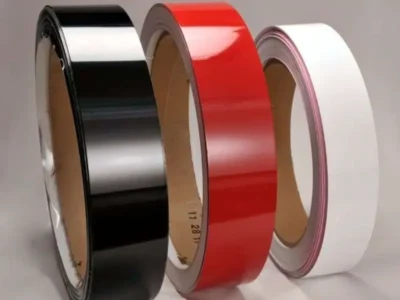


What Are Aluminum Strips?
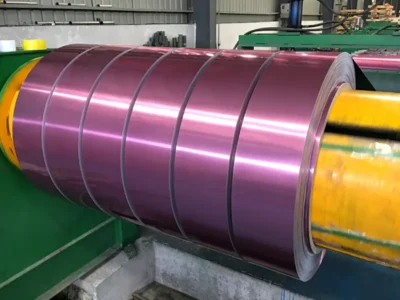
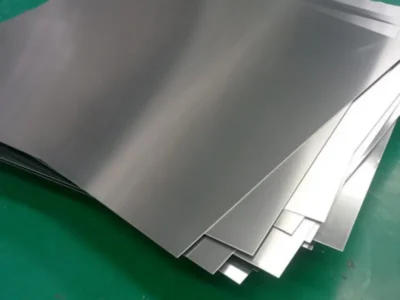
Aluminum strips are long, narrow pieces of aluminum cut to a specific width and sold in straight lengths or coiled rolls. They are lighter than steel, rust-free, and easy to cut, bend, or drill on-site. That combination makes them useful across construction, manufacturing, DIY, and home improvement work.
Width defines the strip. Most products run from 1/4 inch up to 6 inches wide. Thickness ranges from very thin foil-grade material up to 3 mm structural flat bar. The right choice depends on what the strip needs to do — carry load, seal a joint, frame a tile edge, or channel LED light.
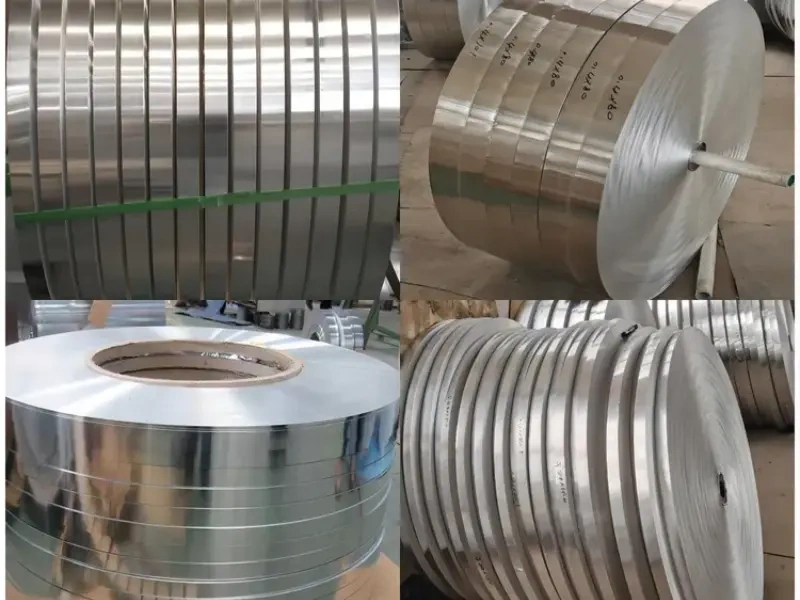
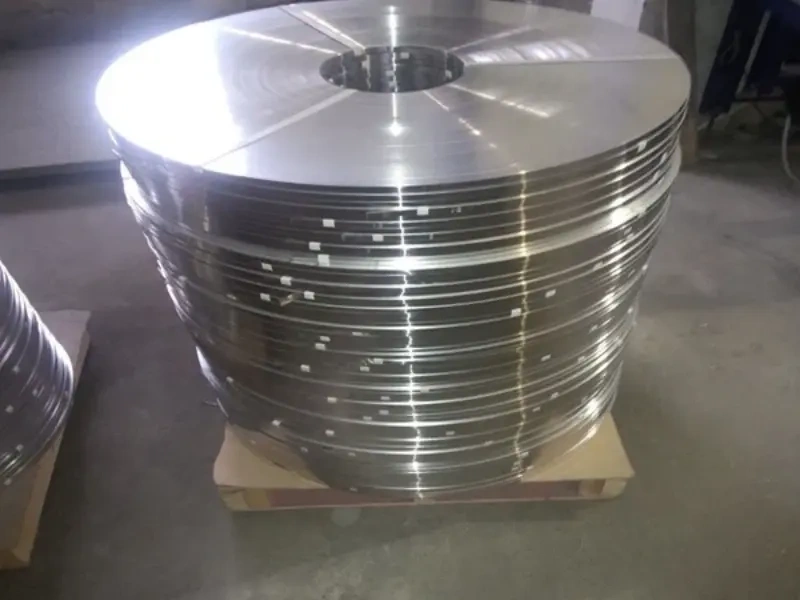
Alloy & Temper Guide
Different alloys suit different jobs. Softer alloys bend easily. Harder alloys hold their shape under load.
| Alloy | Temper | Key Property | Typical Use |
|---|---|---|---|
| 1100 | H14 / H18 | Softest, most formable | Foil strips, bendable trim, craft work |
| 3003 | H14 / H16 | Good corrosion resistance, moderate strength | General purpose flat strips, ceiling strips |
| 3105 | H14 | Excellent paint adhesion | Pre-painted white and black strips |
| 5052 | H32 / H34 | High strength, marine grade | Structural strips, outdoor use |
| 6061 | T6 | Strong, machinable | Load-bearing strips, machined parts |
| 6063 | T5 / T6 | Smooth surface, anodizes well | Anodized strips, LED channels, trim strips |
For general DIY and home improvement work, 3003-H14 is the standard choice. For anodized finish strips and LED channels, 6063-T5 gives the cleanest result. For anything structural, 6061-T6 is the right call.
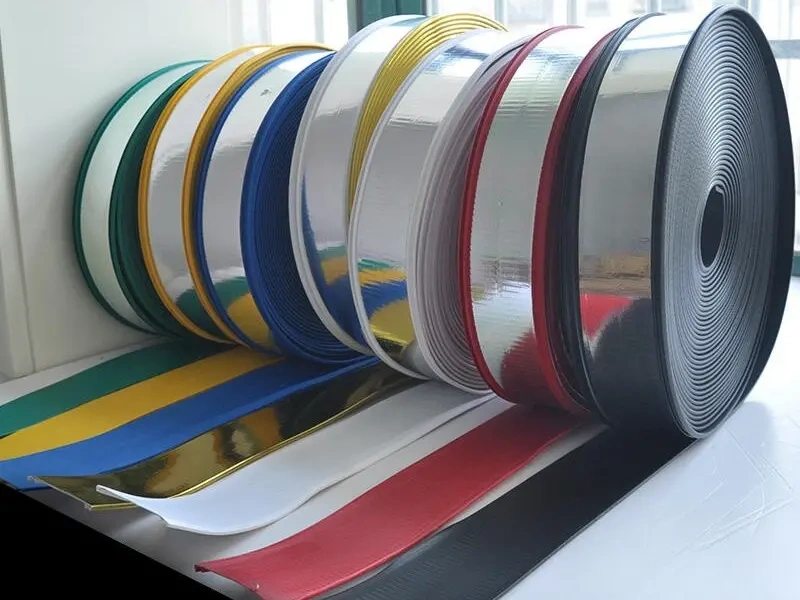
Width & Thickness Options
Aluminum strips are sold by width and thickness. Standard widths are in both imperial and metric. Most suppliers stock these sizes.
| Width | Common Thickness | Typical Application |
|---|---|---|
| 1/4 inch (6 mm) | 0.5 – 1.0 mm | Detail trim, craft work, cookie cutters |
| 1/2 inch (12 mm) | 0.8 – 1.5 mm | Tile edge strips, window glazing strips |
| 1 inch (25 mm) | 1.0 – 2.0 mm | Floor transitions, furring strips, framing |
| 1.5 inch (38 mm) | 1.0 – 2.0 mm | Ceiling strips, trim strips |
| 2 inch (50 mm) | 1.5 – 3.0 mm | Structural flat strips, flashing strips |
| 3 inch (75 mm) | 1.5 – 3.0 mm | Wide trim, ceiling baffles, partition framing |
| 4 – 6 inch (100–150 mm) | 2.0 – 4.0 mm | Structural use, architectural trim |
Surface Finish Comparison
| Finish | Process | Appearance | Best For |
|---|---|---|---|
| Mill finish | No treatment | Raw silver-gray | Hidden structural use, cut-to-size stock |
| Anodized clear | Electrochemical | Bright silver, hard surface | Architectural trim, LED channels, visible installations |
| Anodized black | Electrochemical | Deep matte black | Modern trim, ceiling strips, design features |
| Anodized bronze / gold | Electrochemical | Warm metallic tone | Decorative strips, door frames, interior trim |
| Powder coat white | Electrostatic spray | Flat or gloss white | Interior strips, ceiling tiles, door trim |
| Powder coat black | Electrostatic spray | Flat or gloss black | Modern interiors, feature strips |
| Polished | Mechanical buff | Mirror-like silver | Decorative, display, retail fixture trim |
| Brushed | Mechanical abrasion | Satin linear grain | Premium trim, furniture strips, design panels |
Product Types
Aluminum strips cover a wide range of products. Each type serves a specific job. Here is a breakdown of the main categories.
Flat Aluminum Strips
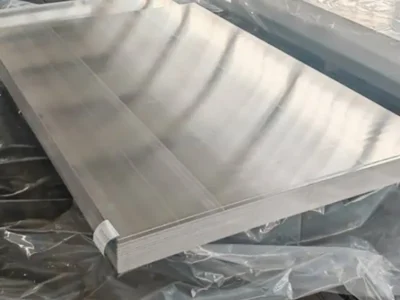
The most basic format. A solid, flat piece of aluminum cut to width and length. No profile, no bend, no channel. Used as structural backing, tile edge trim, reinforcement, and general-purpose flat bar stock.
Available in mill finish, anodized, or powder-coated. Lengths from 1 ft up to 20 ft. Width from 1/4 inch to 6 inches. Thickness from 0.5 mm up to 6 mm. This is the core product most buyers mean when they search for flat aluminum strips or aluminum metal strips.
Bendable & Flexible Aluminum Strips
Thinner strips made from soft alloy — usually 1100-H14 — that bend by hand without cracking. Used for curved tile edges, craft work, custom molding, and any application where the strip needs to follow a curved surface.
Thickness is usually 0.5–1.0 mm. Width ranges from 1/4 inch to 2 inches. The softer the alloy and the thinner the gauge, the tighter the bend radius possible without tools. These are the go-to choice when buyers search for flexible aluminum strips or bendable aluminum strips.
Perforated Aluminum Strips — Strips with Holes
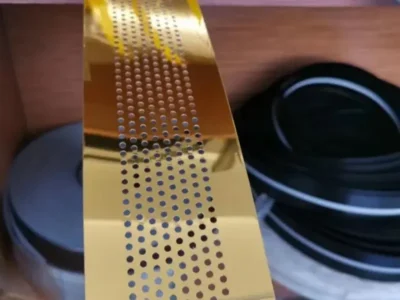
Flat strips with a pattern of punched holes along the length. The holes reduce weight, allow airflow, and provide fixing points without drilling. Common in ventilation grilles, equipment brackets, DIY shelving, and hanging systems.
| Hole Pattern | Open Area | Common Width | Use |
|---|---|---|---|
| Round 3 mm holes | 20 – 30% | 1 – 3 inch | Bracket, ventilation, craft |
| Slotted holes | 25 – 40% | 1 – 2 inch | Adjustable fixing, shelving |
| Square holes | 30 – 50% | 1 – 4 inch | Grilles, decorative screen |
Anodized Aluminum Strips
Hard, durable, and corrosion-resistant. The anodized layer is part of the aluminum surface — it will not chip or peel. Available in clear, black, bronze, gold, and champagne tones.
Anodized aluminum strips are the standard choice for any visible installation — door frames, window trim, LED light channels, and ceiling strip systems — where a clean, long-lasting metallic finish is needed. The surface is also much harder than paint, which matters in high-traffic areas.
Black Aluminum Strips
Available in two finishes: anodized black or powder-coated black. Anodized black is harder and more scratch-resistant. Powder-coated black gives a flatter matte look and is easier to produce in custom profiles.
Black aluminum strips are widely used in modern interior design — black window frames, tile border strips, ceiling feature strips, and LED channel covers. Demand has grown significantly alongside the trend toward dark-framed windows and industrial-style interiors.
White Aluminum Strips
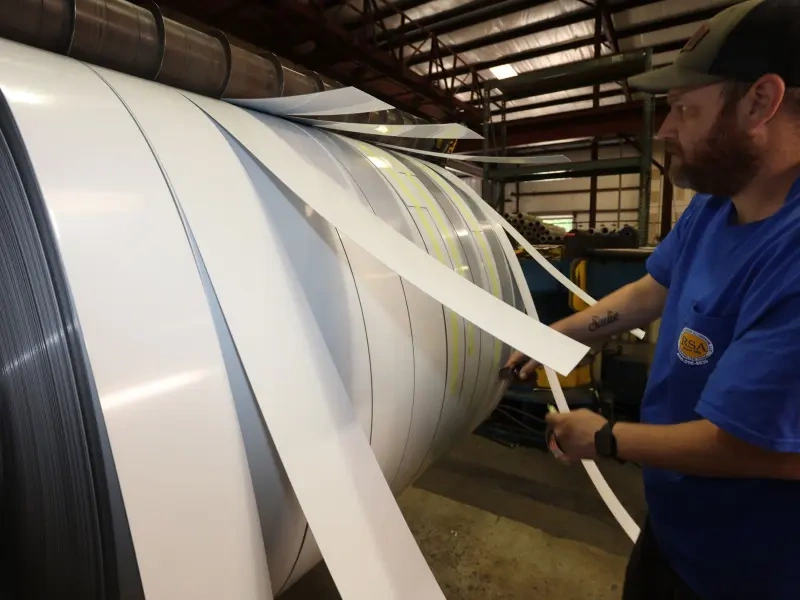
Powder-coated white is the standard. Used in ceiling tile systems, interior door frames, partition wall trim, and any application that needs a clean neutral finish. Matches standard white interior finishes without priming or painting. White aluminum strips are common in commercial office ceilings and residential renovation work.
Aluminum Foil Strips
Very thin — from 0.02 mm to 0.1 mm. Supplied in rolls. Not structural. Used for thermal insulation facing, HVAC duct sealing, vapor barriers, and craft applications. Also used as a heat reflector behind radiators and in window glazing assemblies.
Aluminum Channel for LED Strips
A specific product shape — a U-channel or V-channel profile — designed to house LED strip lights. The channel protects the LED strip, diffuses the light, and provides a neat finished appearance. Usually made from 6063-T5 extruded aluminum.
| Channel Type | Profile | Width | LED Strip Width | Use |
|---|---|---|---|---|
| Surface mount | Flat U-channel | 10 – 18 mm | 8 – 12 mm | Ceiling, wall, furniture |
| Recessed mount | Flush-fit U | 12 – 22 mm | 8 – 16 mm | Recessed ceiling, floor |
| Corner mount | 45° V-channel | 15 – 25 mm | 8 – 12 mm | Corners, stair nosings |
| Wide channel | Flat U-channel | 18 – 30 mm | 16 – 24 mm | High-output LED, display |
Aluminum Strips by Application


Ceiling Strips & Ceiling Systems
Aluminum ceiling strips are narrow panels installed in a grid or linear pattern to form a suspended ceiling. Common widths: 100 mm, 150 mm, 200 mm. Standard lengths: 3 m, 4 m, 6 m. Finish: powder coat white, anodized silver, or custom color.
Used in:
- Commercial office ceilings
- Retail stores and shopping centers
- Airport terminals and transit stations
- Cleanrooms and healthcare facilities
- Industrial facilities needing easy access above ceiling
Floor Transition Strips
Aluminum floor transition strips cover the joint between two different floor surfaces — tile to carpet, wood to tile, or two floors at different heights. They prevent trip hazards and protect flooring edges.
| Transition Type | Profile Shape | Use |
|---|---|---|
| T-bar transition | T-shape | Same-height floor to floor |
| Reducer | Tapered ramp | High floor to low floor |
| End cap | L-shape | Floor to wall or step edge |
| Stair nosing | Extended L | Stair edge protection |
| Threshold | Wide flat | Door threshold, room divider |
Finish options: mill, anodized silver, anodized black, bronze, gold, and powder coat white.
Tile Edge Strips
Aluminum strips for tiles protect exposed tile edges and cover the transition between tile and adjacent surfaces. Profile options include straight edge, round edge (Schluter style), and square edge.
- Width: 8 mm, 10 mm, 12 mm finished face
- Height: 6 mm, 8 mm, 10 mm, 12 mm (matches tile thickness)
- Finish: bright silver, matte black, brushed, gold, bronze
- Length: 2.5 m standard, cut to size on site
Used on shower walls, kitchen backsplashes, floor perimeters, and stair risers.
Flashing Strips
Aluminum flashing strips seal joints where roofing, siding, or windows meet walls. They stop water from entering behind cladding. Made from soft alloy — usually 3003-H14 — so they can be bent to follow roof angles.
- Thickness: 0.5 – 1.0 mm (flashing weight)
- Width: 2 inch, 3 inch, 4 inch, 6 inch
- Finish: mill finish or pre-painted
- Used at: roof valleys, chimney bases, window heads, door frames, parapet walls
Furring Strips
Aluminum furring strips are used to create a level surface over an uneven wall or ceiling before attaching finish material. They replace wood furring in wet areas, fire-rated assemblies, and exterior cladding systems where moisture resistance matters.
- Standard size: 1 × 1.5 inch, 1 × 2 inch, 1 × 3 inch
- Alloy: 3003-H14 or 6063-T5
- Finish: mill finish
- Used in: bathroom walls, basement renovations, exterior rain screen cladding
Window Glazing Strips
Aluminum window glazing strips hold glass panes in place within aluminum window frames. They press against the glass edge and lock it into the frame channel. Usually made from extruded 6063 with a rubber or EPDM gasket.
Cookie Cutter Strips
Aluminum strips for cookie cutters are thin, soft strips — usually 1100-H14 at 0.3–0.5 mm thickness and 3/4 inch wide — that can be bent by hand into any shape. Bakers and pastry chefs use them to make custom cookie cutters, cake molds, and chocolate molds.
Trim Strips
Aluminum trim strips cover raw edges, protect corners, and add a finished look to furniture, cabinetry, countertops, and architectural features. Available in flat, L-shape, T-shape, and round-edge profiles. Used in:
- Kitchen cabinet edge trim
- Furniture panel edges
- Display case framing
- Architectural reveal strips in walls and ceilings
Full Product Type Reference
| Product Type | Width Range | Thickness | Alloy | Finish Options |
|---|---|---|---|---|
| Flat strip | 1/4″ – 6″ | 0.5 – 6 mm | 3003, 5052, 6061 | Mill, anodized, powder coat |
| Bendable strip | 1/4″ – 2″ | 0.5 – 1.0 mm | 1100, 3003 | Mill, anodized |
| Perforated strip | 1″ – 4″ | 0.8 – 2.0 mm | 3003 | Mill, powder coat |
| Anodized strip | 1/4″ – 4″ | 0.8 – 3.0 mm | 6063, 6061 | Clear, black, bronze, gold |
| Black strip | 1/4″ – 4″ | 0.8 – 3.0 mm | 6063, 3105 | Anodized black, powder coat |
| White strip | 1/2″ – 4″ | 0.8 – 3.0 mm | 3105, 3003 | Powder coat white |
| Foil strip | 1/2″ – 24″ | 0.02 – 0.1 mm | 1100, 8011 | Mill finish |
| LED channel | 10 – 30 mm | 1.0 – 1.5 mm wall | 6063-T5 | Anodized, powder coat |
| Ceiling strip | 100 – 200 mm | 0.5 – 0.8 mm | 3003, 3105 | White, silver, custom |
| Floor transition | 25 – 90 mm | 1.5 – 3.0 mm | 6063 | Anodized, powder coat |
| Tile edge strip | 8 – 12 mm face | 0.8 – 1.5 mm | 6063 | Silver, black, gold, bronze |
| Flashing strip | 2″ – 6″ | 0.5 – 1.0 mm | 3003-H14 | Mill, pre-painted |
| Furring strip | 1″ – 3″ | 1.0 – 2.0 mm | 3003, 6063 | Mill |
| Trim strip | 1/4″ – 2″ | 0.8 – 2.0 mm | 6063 | Anodized, powder coat |
| Cookie cutter strip | 3/4″ standard | 0.3 – 0.5 mm | 1100-H14 | Mill finish |
Where to Buy Aluminum Strips
Buyers searching for aluminum strips near me or aluminum strips for sale have several sourcing options depending on quantity and application.
| Source | Best For | Price Level | Minimum Order |
|---|---|---|---|
| Home Depot / Lowe’s | DIY, small quantities | Retail | Per piece |
| Metal service centers | Custom lengths, bulk | Trade | 10 – 50 lbs |
| Online metal suppliers | Mid-volume, variety | Mid | Per piece or coil |
| Aluminum distributors | Large volume, coil stock | Wholesale | 100 lbs+ |
| Direct from manufacturer | Container orders | Lowest | 500 kg+ |
Aluminum strips at Home Depot are typically sold in 48-inch or 96-inch lengths in common widths. The selection covers basic flat bar, angle, and some perforated strips. For specialty products — anodized strips, LED channels, tile trims, or custom widths — a metal supplier or specialty distributor is a better source.
Bendable vs. Rigid: Choosing the Right Strip
| Feature | Bendable / Flexible Strip | Rigid Flat Strip |
|---|---|---|
| Alloy | 1100-H14 | 3003-H16, 5052-H32, 6061-T6 |
| Thickness | 0.3 – 1.0 mm | 1.0 – 6.0 mm |
| Bend by hand | Yes | No (needs tools above 1.5 mm) |
| Structural use | No | Yes |
| Tile edge / curved trim | Yes | Only if pre-bent |
| Cookie cutters | Yes | No |
| Floor transitions | No | Yes |
| Ceiling framing | No | Yes |
FAQ
What is the difference between aluminum strips and aluminum flat bar?
Both are flat pieces of aluminum. The difference is thickness and use. Strips are generally thinner — under 3 mm — and used for trim, facing, sealing, and light structural purposes. Flat bar is usually thicker and used for structural applications. In practice, many suppliers use the terms interchangeably for thinner sizes.
What alloy are most aluminum strips made from?
The most common alloy for general-purpose strips is 3003-H14. It balances corrosion resistance, workability, and cost well. For anodized strips and LED channels, 6063-T5 is standard because it anodizes to a cleaner, brighter finish. For structural strips, 6061-T6 is used. For very soft bendable strips, 1100-H14 is the choice.
Can aluminum strips be bent without cracking?
Yes — if the alloy and thickness are right. Strips in 1100-H14 at 0.5–1.0 mm bend easily by hand around curves without cracking. Thicker strips in harder alloys like 6061-T6 need a bending tool and a larger bend radius. A general rule: thinner gauge and softer alloy = tighter bend possible.
What are aluminum strips with holes used for?
Perforated strips serve several purposes. The holes reduce weight while keeping the strip in shape. They allow airflow through vents and grilles. They provide fixing points along the length without needing to drill individual holes. Common uses include bracket systems, ventilation grilles, plant support strips, and hanging display systems.
What is the standard width for floor transition strips?
Most aluminum floor transition strips come in widths between 1 inch and 3.5 inches depending on the type. A T-bar transition strip covering a same-height joint is typically 1.5–2 inches wide. A reducer for a height difference is usually 2–3 inches wide to create a smooth ramp. A door threshold is often 2.5–3.5 inches wide. Length is usually 36 inches or 72 inches with cut-to-fit options.
How do I choose between anodized and powder-coated aluminum strips?
Anodized strips have a harder surface — the finish is part of the metal, not applied on top. They resist scratching and abrasion better than paint. They are the better choice for high-traffic areas, wet environments, and anywhere a long-lasting metallic look is needed. Powder-coated strips offer a wider color range and a flatter, more even appearance. They are easier to produce in custom colors and finishes. For most interior trim applications, powder coat is fine. For floor strips, LED channels, and exterior use, anodized is more durable.
What gauge aluminum is used for flashing strips?
Aluminum flashing strips are typically made from 0.019 inch (0.48 mm) to 0.040 inch (1.0 mm) thick material. The most common roofing flashing gauge is 0.024 inch to 0.032 inch. Thinner gauges bend more easily around corners. Thicker gauges are used for step flashing and counter flashing where more rigidity is needed.
Are aluminum ceiling strips the same as ceiling tiles?
No. Aluminum ceiling strips are long, narrow linear panels — typically 100–200 mm wide and 3–6 m long — installed in a parallel pattern to create an open linear ceiling. Ceiling tiles are square or rectangular panels that fit into a suspended grid. Strip ceilings look different from tile ceilings. Strip ceilings allow air and light to pass through gaps between strips, which makes them popular in commercial and retail spaces where HVAC and lighting access is needed above the ceiling plane.
Can I use aluminum strips for cookie cutters at home?
Yes. Thin, soft aluminum strips — 1100-H14 alloy at 0.3–0.5 mm thickness and about 3/4 inch (19 mm) wide — are the standard material for homemade cookie cutters. They bend easily by hand into letters, shapes, and outlines. The ends can be crimped together with pliers. Food-safe and easy to clean. Available from craft suppliers and metal specialty shops in short lengths.
What is an aluminum channel for LED strips and why is it needed?
An aluminum channel for LED strips is a U-shaped or V-shaped aluminum profile that the LED strip light fits inside. The channel does three things: it protects the LED strip from physical damage, it acts as a heat sink to draw heat away from the LEDs and extend their life, and it diffuses the light through a frosted cover for a smoother appearance. Without a channel, LED strips often show individual hot spots rather than a continuous line of light.
How long do aluminum strips last outdoors?
Bare mill-finish aluminum can last 15–20 years outdoors before significant surface degradation. Anodized aluminum strips last 25–40 years in most environments. Powder-coated strips last 15–25 years depending on coating quality and UV exposure. In coastal or industrial environments with salt or chemical exposure, marine-grade 5052-H32 strips and high-quality anodizing or PVDF coating are recommended for the longest service life.