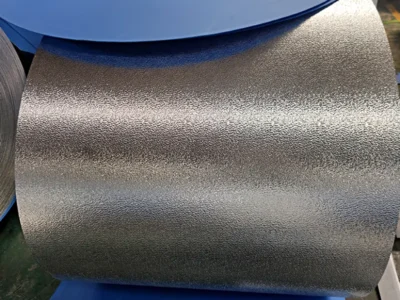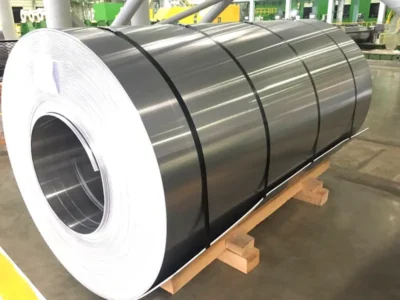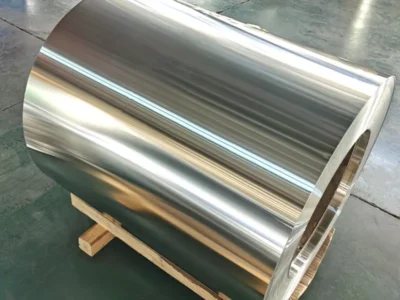
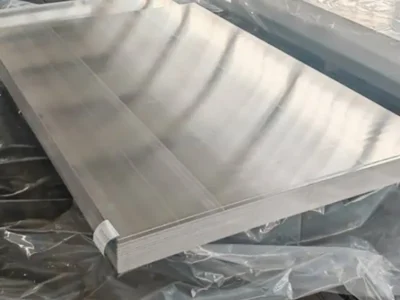
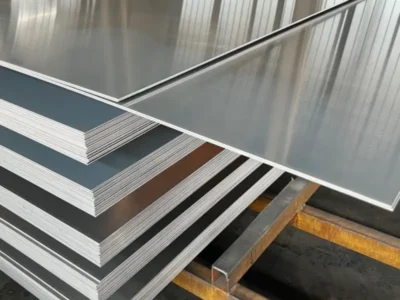
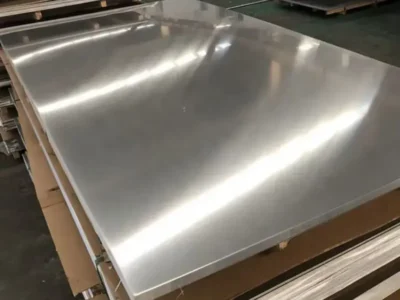
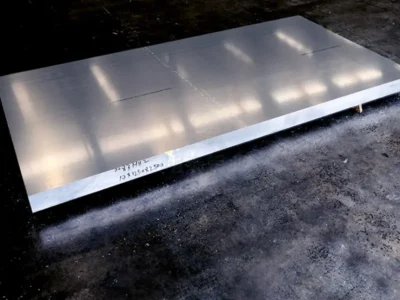
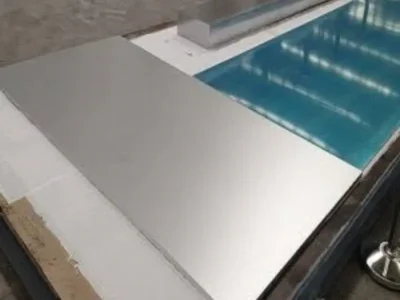
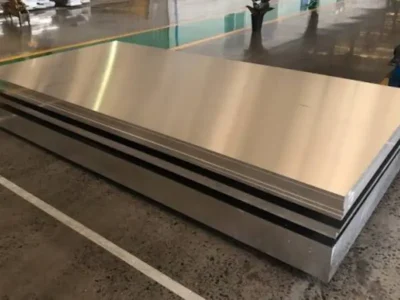
5083 aluminum plate stands out as one of the toughest choices in the aluminum family, built to handle saltwater, cold weather, and heavy structural loads.
Shipyards, tank builders, and defense fabricators rely on it when failure is not an option.
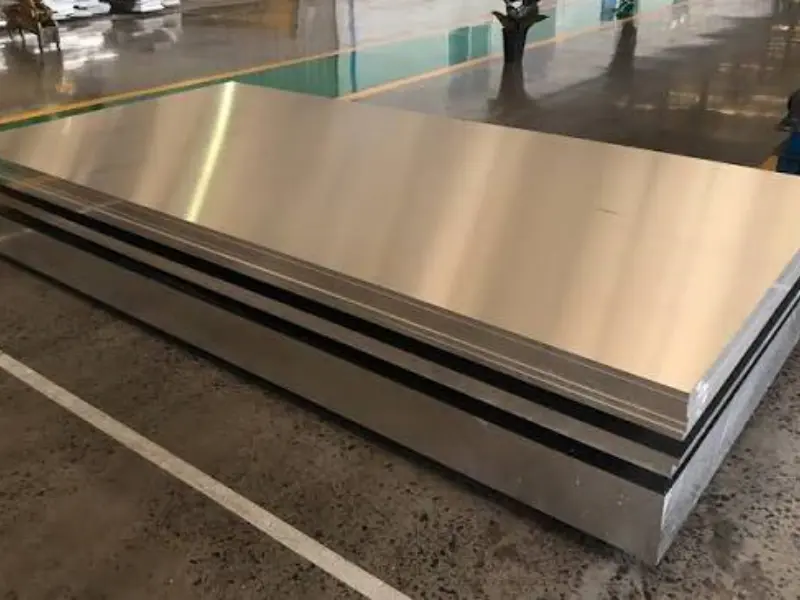
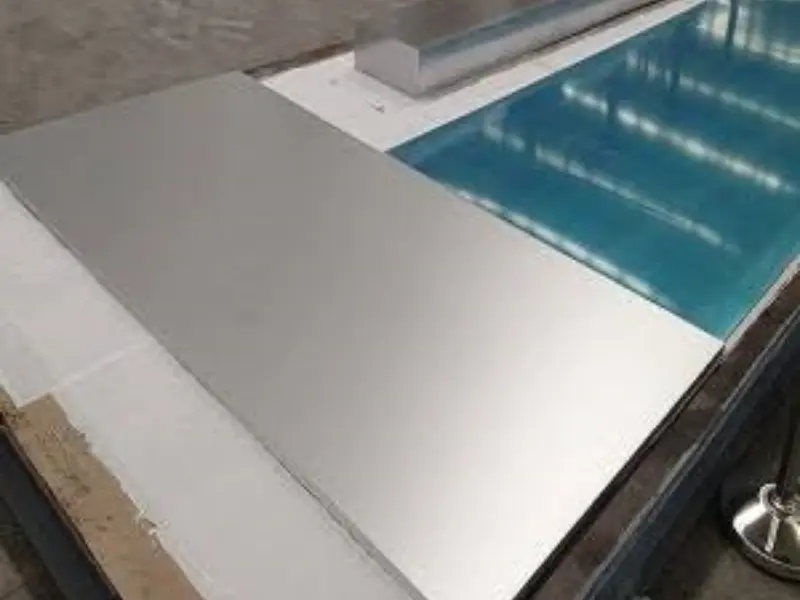
5083 Alloy
5083 sits in the 5000 series of aluminum alloys, a family built around magnesium as the core alloying element. Magnesium is what gives this group its strong resistance to saltwater, and 5083 carries more of it than most other alloys in the series.
This is a work-hardened alloy, not a heat-treated one. That distinction matters for welding: 5083 does not lose much strength near a weld seam, which is a rare trait among aluminum grades and a big reason shipbuilders trust it.
What Sets 5083 Apart
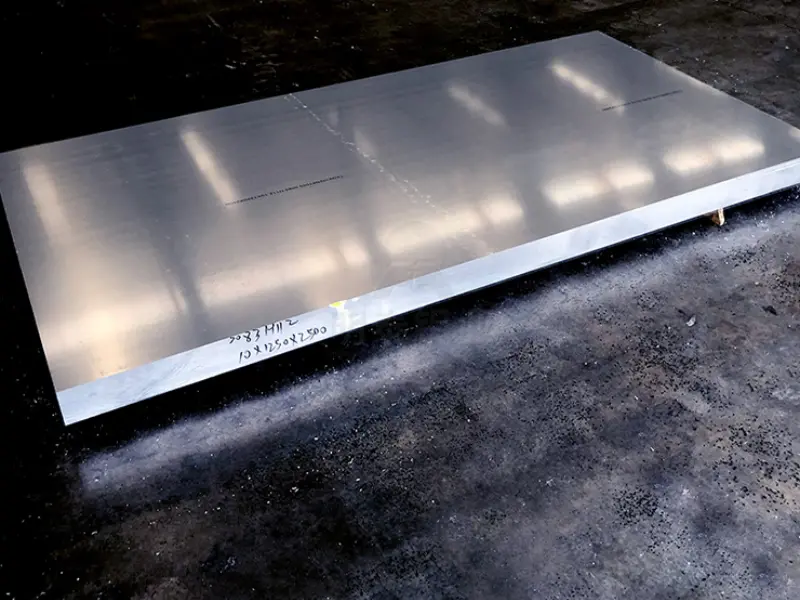
Handles saltwater exposure without significant corrosion
Keeps most of its strength after welding
Performs well in freezing and cryogenic temperatures
Offers higher strength than lighter 5000-series alloys
Suited to thick structural plate, not just thin sheet
Alloy Makeup at a Glance
| Element | Percentage Range |
|---|---|
| Magnesium (Mg) | 4.0% – 4.9% |
| Manganese (Mn) | 0.4% – 1.0% |
| Chromium (Cr) | 0.05% – 0.25% |
| Iron (Fe) | Up to 0.4% |
| Silicon (Si) | Up to 0.4% |
| Aluminum (Al) | Remainder |
The magnesium level is the defining number here. A higher magnesium content than alloys like 5052 or 5086 is exactly why 5083 reaches higher strength while still resisting saltwater corrosion.
Temper Breakdown
| Temper Code | Description | Where It’s Used |
|---|---|---|
| O | Fully annealed, softest state | Heavy forming before welding |
| H111 | Slightly strain-hardened | Light structural components |
| H116 | Marine-grade, corrosion tested | Ship hulls, offshore decking |
| H321 | Marine-grade, stress-relieved | Welded tanks and pressure vessels |
| H32 | General structural hardness | Non-marine structural plate |
Marine Certification, Explained Simply
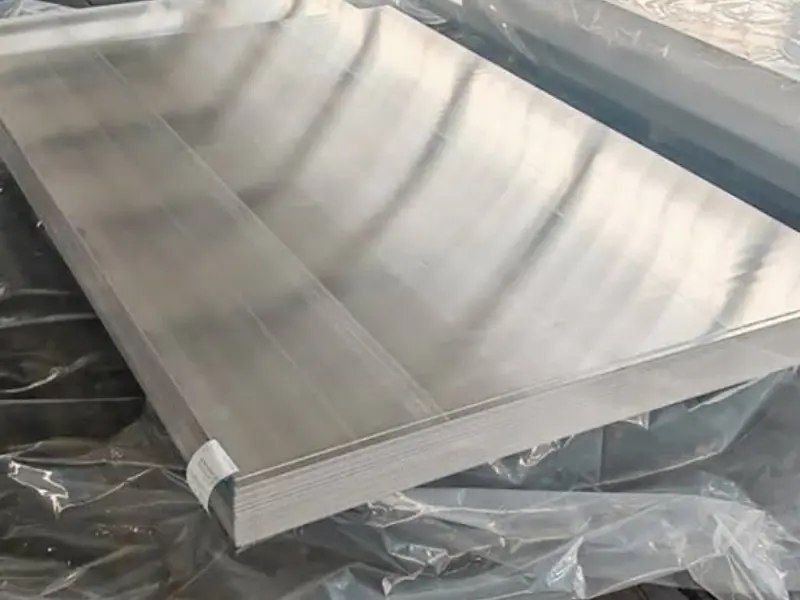
H116 and H321 are not just hardness labels. They come with testing that confirms the plate resists a specific type of corrosion called exfoliation, which matters most in long-term saltwater exposure. Plate without this certification may still perform well, but it will not carry the paperwork classification societies require for hull construction.
Thickness Options by Project Type
Different projects call for very different plate thickness, from moderate panels to heavy defense-grade material.
| Project Type | Typical Thickness Range |
|---|---|
| Boat and small vessel panels | 6mm – 12mm |
| Ship hull plating | 12mm – 25mm |
| Pressure vessels and tanks | 15mm – 40mm |
| Heavy structural and defense parts | 40mm – 100mm+ |
Sourcing Larger Sizes
Standard mill sheets run up to roughly 2.5m by 6m, but shipbuilding and large industrial projects often need bigger custom dimensions. Most suppliers can arrange oversized plate on request, though lead time usually runs longer than stock sizes.
Product Line: Types of 5083 Plate Available
Certified Marine Plate
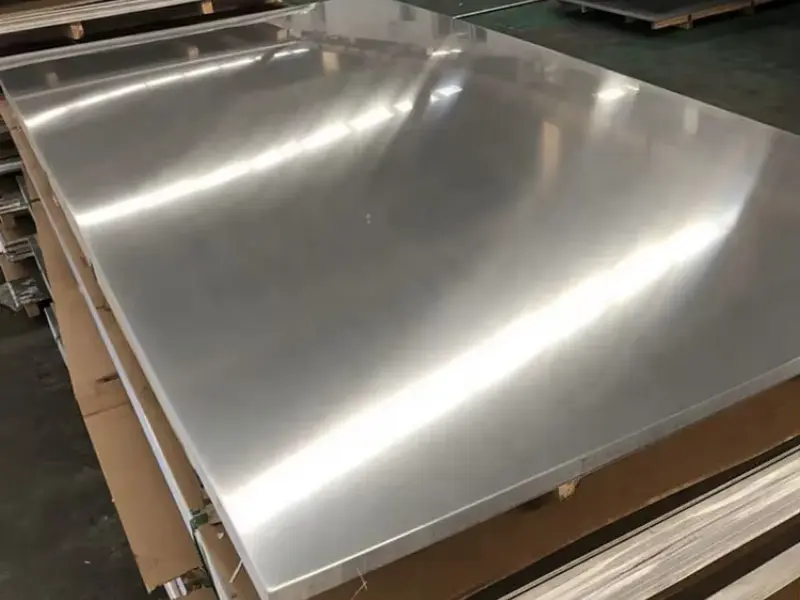
This is the version required for actual vessel construction. It ships with mill test certificates and classification society approval documents attached.
Costs more than uncertified plate due to testing requirements
Needed for hull, deck, and structural marine parts
Comes in H116 or H321 temper as standard
General Industrial Plate
A more affordable option for projects that do not need marine classification paperwork.
- Fits onshore tanks, structural frames, and general fabrication
- Same alloy strength, without the certification premium
- Widely available in standard stock thicknesses
Cryogenic and Low-Temperature Grade
Tested specifically for performance in extreme cold, often for LNG or gas storage applications.
- Maintains ductility at very low temperatures
- Common in H321 temper for weld stability
- Comes with documentation for cryogenic code compliance
Pre-Cut and Fabricated Plate
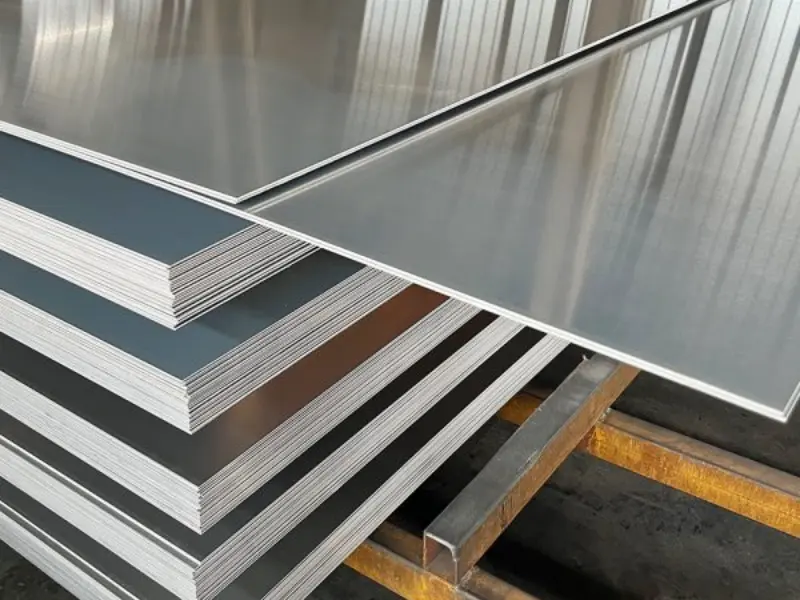
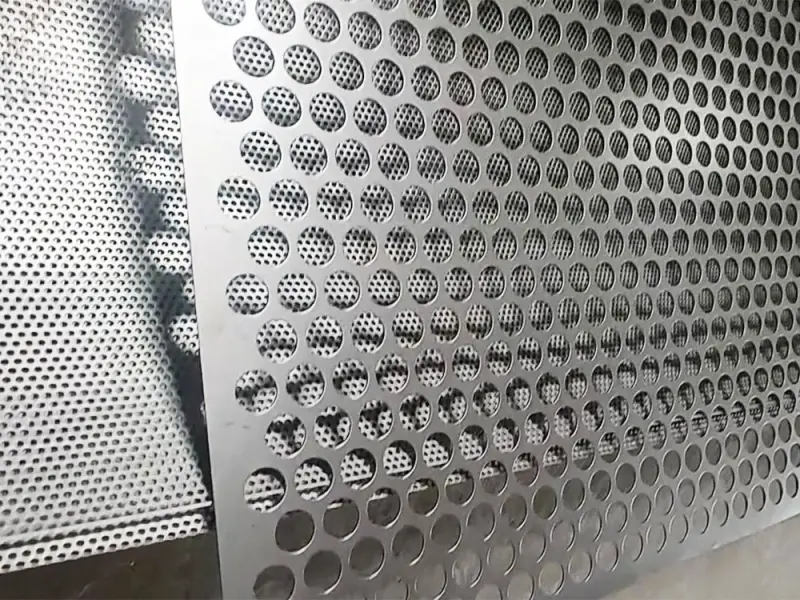
Cut, drilled, or formed to a project’s exact specifications before delivery.
Useful for repeat orders with fixed part dimensions
Saves cutting labor on large fabrication jobs
Available via waterjet, plasma, or saw cutting
How 5083 Compares to Other Marine Alloys
5083 vs 5086 Aluminum Plate
| Factor | 5083 | 5086 |
|---|---|---|
| Magnesium content | Higher | Slightly lower |
| Strength | Higher | Moderate |
| Corrosion resistance | Excellent | Excellent |
| Typical use | High-strength structural marine parts | General marine and structural plate |
5086 is often seen as a slightly lighter-duty cousin of 5083. Both resist saltwater well, but 5083 pulls ahead when a project needs the extra strength margin.
5083 vs 6061 Aluminum Plate
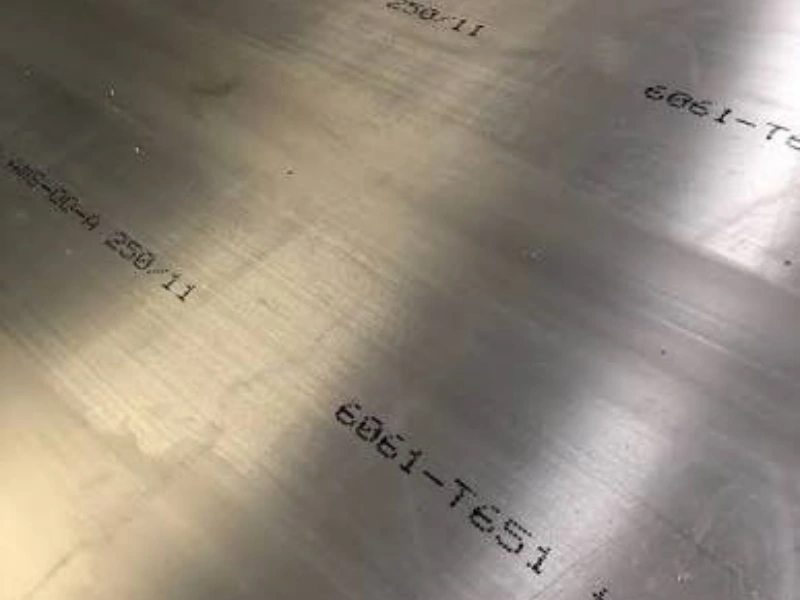
| Factor | 5083 | 6061 |
|---|---|---|
| Treatment type | Work-hardened | Heat-treatable |
| Weld strength retention | Excellent | Reduced near weld zone |
| Machinability | Fair | Very good |
| Best fit | Welded marine structures | Machined structural components |
6061 is the better pick when a part needs heavy machining. 5083 wins when the part will be welded and needs to keep its strength across the whole structure, weld seams included.
Quick Decision Guide
→ Welding a large structural assembly? 5083 holds strength better across the weld zone. → Machining precision parts? 6061 offers easier, cleaner machining. → Need the absolute highest strength in the 5000 series? 5083 outperforms both 5086 and 5052. → Working in freezing or cryogenic conditions? 5083 remains a reliable, well-tested choice.
Comparison Table: 5083 vs. 5052 Aluminum
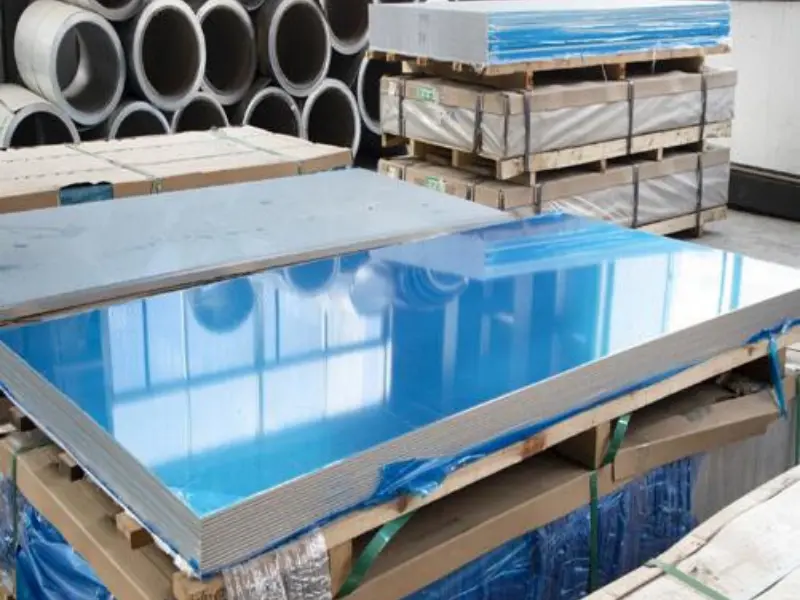
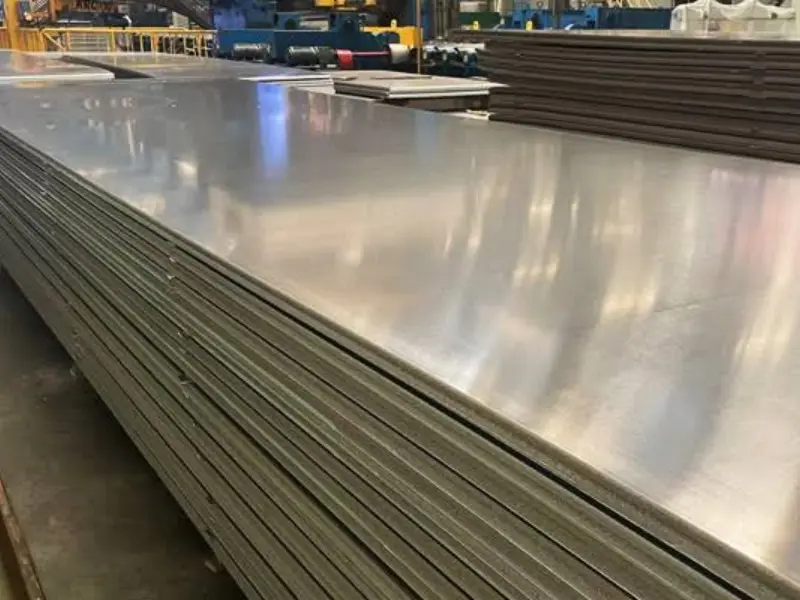
Engineers and buyers constantly search for the differences between these two popular marine-grade alloys. Including this comparison is excellent for SEO.
Which Marine Grade Should You Choose? 5083 vs. 5052
While both are excellent for marine environments, they serve different purposes. 5083 is the heavy-duty option, whereas 5052 is better for intricate forming.
| Feature | 5083 Aluminum Plate | 5052 Aluminum Plate |
|---|---|---|
| Primary Strength | High strength (Highest in non-heat treatable alloys) | Medium to high strength |
| Formability | Poor to Fair (Harder to bend) | Excellent (Great for bending and shaping) |
| Weldability | Excellent | Excellent |
| Corrosion Resistance | Outstanding (Especially in saltwater) | Very Good |
| Typical Use Case | Ship hulls, pressure vessels, armor plate | Small boats, fuel tanks, sheet metal work |
Technical Data: Chemical Composition (Data Table)
B2B buyers and quality inspectors look for exact chemical breakdowns to ensure the material meets their standards (like ASTM B209).
What makes 5083 so strong? (Chemical Composition)
The secret to 5083’s incredible strength and corrosion resistance lies in its high Magnesium (Mg) and Manganese (Mn) content. Here is the standard chemical breakdown:
| Element | Symbol | Percentage (%) |
|---|---|---|
| Magnesium | Mg | 4.0% – 4.9% |
| Manganese | Mn | 0.40% – 1.0% |
| Iron | Fe | 0.40% Max |
| Silicon | Si | 0.40% Max |
| Zinc | Zn | 0.25% Max |
| Aluminum | Al | Remainder |
Practical Tool: How to Calculate the Weight of a 5083 Plate
Adding a calculation guide keeps users on your page longer and provides a useful tool for logistics and cost estimation.
Quick Guide: Calculating 5083 Aluminum Plate Weight
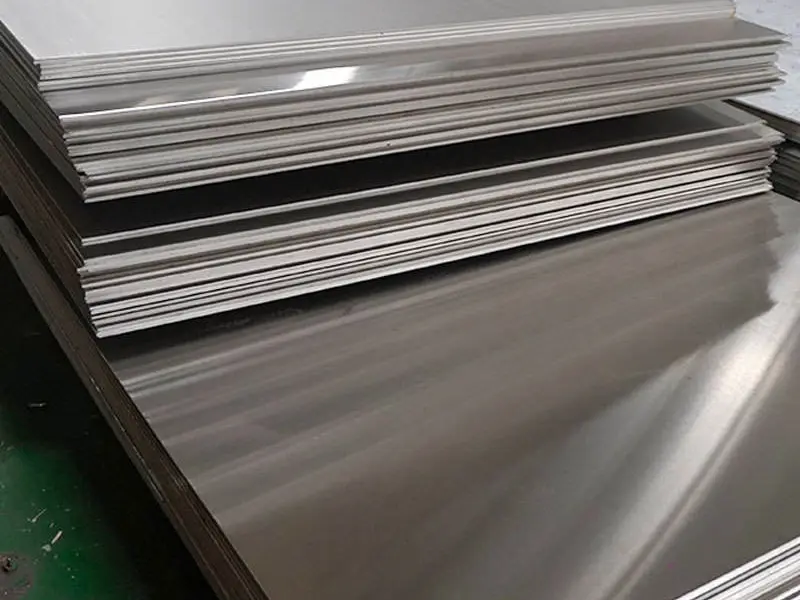
Before shipping or fabricating, you often need to know the weight of your aluminum plate. The density of 5083 aluminum is approximately 2.66 g/cm3 (or 2660 kg/m3).
You can calculate the total weight using this simple formula:
Weight=Length×Width×Thickness×Density
Example Calculation:
If you have a 5083 plate that is 2 meters long, 1 meter wide, and 0.01 meters (10 mm) thick:
- Calculate the Volume: V=2×1×0.01=0.02 m3
- Multiply by Density: Weight=0.02×2660=53.2 kg
Your 10 mm thick plate weighs exactly 53.2 kg.
Buying Guide: Understanding 5083 Tempers (Bullet Points)
When buyers order 5083, they have to choose a “temper” (the state of the metal). Explaining this adds great technical authority to your article.
Decoding 5083 Tempers: H111, H116, and H321
5083 aluminum is not heat-treatable, but it is strengthened through strain hardening. Here are the most common tempers you will encounter in the market:
- 5083-O: Fully annealed. This is the softest state, offering the highest ductility but the lowest strength.
- 5083-H111: Has some strain hardening imparted during forming, but less than required for an H11 temper. Very common in general engineering.
- 5083-H116: Specially designed for marine environments. It offers incredible resistance to exfoliation and stress-corrosion cracking in saltwater.
- 5083-H321: Strain hardened and then stabilized by low-temperature heating. It shares similar marine-grade properties with H116 but has a slightly different manufacturing process.
Fabricator’s Corner: Welding and Machining Tips
Content targeted directly at the workers and engineers who will be handling the plates.
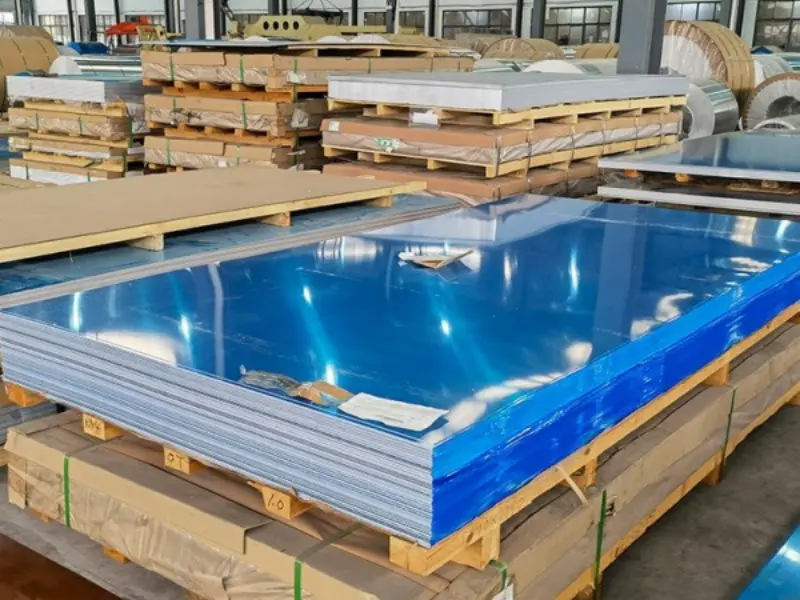
Best Practices for Working with 5083 Aluminum
Machining: Because 5083 is relatively hard for an aluminum alloy, it machines quite well. However, to prevent edge buildup and ensure a smooth finish, always use sharp, high-speed steel (HSS) or carbide tools with generous amounts of cutting fluid.
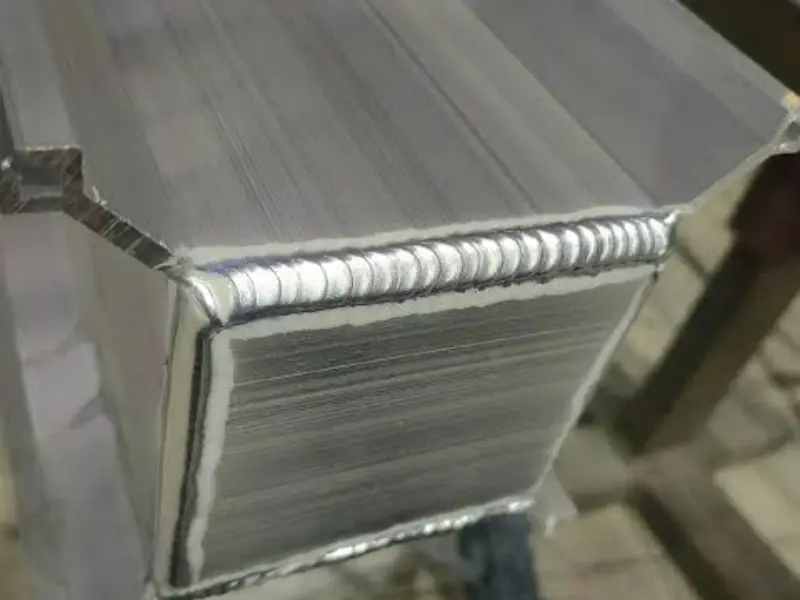
Welding: 5083 has exceptional weldability. For the best results, use 5183 or 5356 filler wire. These filler alloys match the high magnesium content of the base plate, ensuring a strong, crack-free weld.
Where 5083 Plate Gets Used

Commercial and military ship hulls
Offshore oil and gas platform decking
LNG and cryogenic storage tanks
Armored vehicle plating
Rail car and transportation structures
Pressure vessels for chemical processing
Bridge and infrastructure components
Mining truck bodies and heavy equipment panels
Handling and Fabrication Notes
Working with thick 5083 plate takes some planning, since it behaves differently from thinner aluminum sheet.
- Pre-heating is not required before welding, unlike some steel grades
- Use aluminum-specific filler alloys, typically 5183 or 5356, for welding
- Plate over 20mm often needs multi-pass welding for full penetration
- Store plate flat to avoid warping before fabrication begins
Shipping and Order Logistics
Heavy plate shipments come with their own set of logistics considerations.
- Steel banding or wood crating protects edges during transit
- Certified orders include mill test reports and traceability documents
- Freight weight adds up quickly on thick plate, so container planning matters
- Lead times stretch longer for certified marine-grade orders versus general stock
Mechanical Properties by Plate Thickness
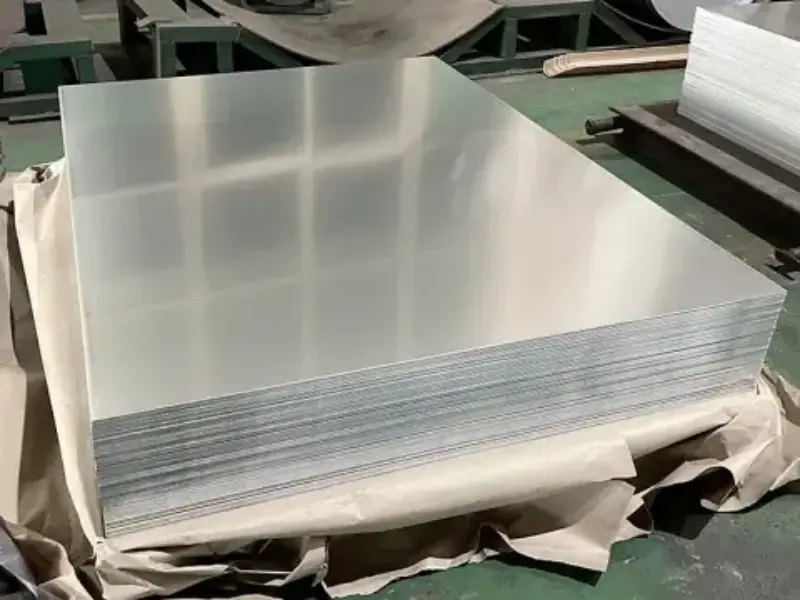
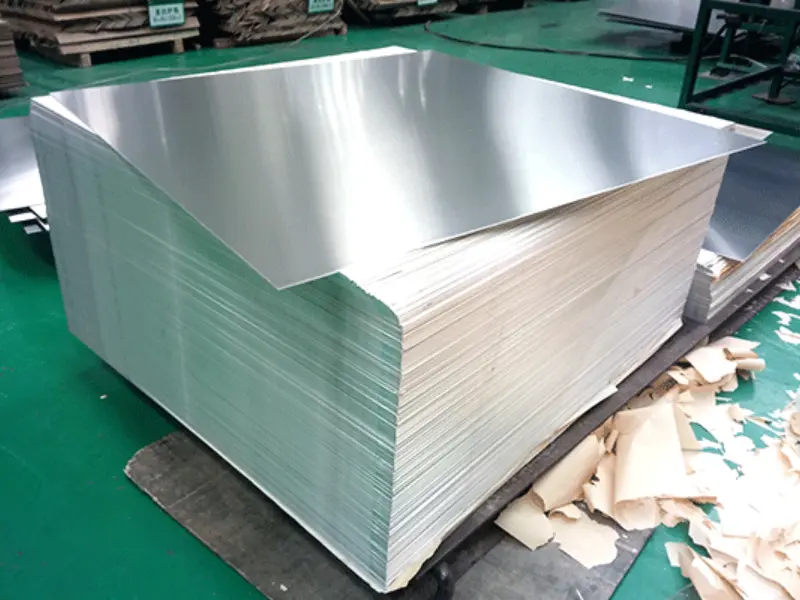
Not every 5083 plate behaves the same. Thin plates and thick plates have different strength numbers because of how they are rolled and heat-treated.
| Thickness Range | Temper | Tensile Strength (MPa) | Yield Strength (MPa) | Elongation % |
|---|---|---|---|---|
| 0.5 – 1.5 mm | O (annealed) | 270 – 350 | 110 – 160 | 16 – 18 |
| 1.5 – 3.0 mm | O | 270 – 350 | 110 – 160 | 16 – 18 |
| 3.0 – 6.0 mm | O | 270 – 350 | 110 – 160 | 16 – 18 |
| 6.0 – 12.5 mm | O | 270 – 350 | 110 – 160 | 16 – 18 |
| 12.5 – 40 mm | O | 260 – 340 | 100 – 150 | 15 – 17 |
| 40 – 80 mm | O | 250 – 330 | 90 – 140 | 14 – 16 |
| Up to 40 mm | H321 / H116 | 305 – 380 | 215 – 285 | 10 – 12 |
| 40 – 80 mm | H321 / H116 | 285 – 360 | 200 – 270 | 10 – 12 |
H116 and H321 are strain-hardened tempers designed specifically for marine service. They offer higher strength than O temper while keeping excellent resistance to saltwater corrosion.
Designers should note that as plates get thicker, elongation drops slightly. This means very thick 5083 plates resist cracking under load, but they do not stretch as much as thin sheets before fracture.
Why 5083 Survives Saltwater: The Science
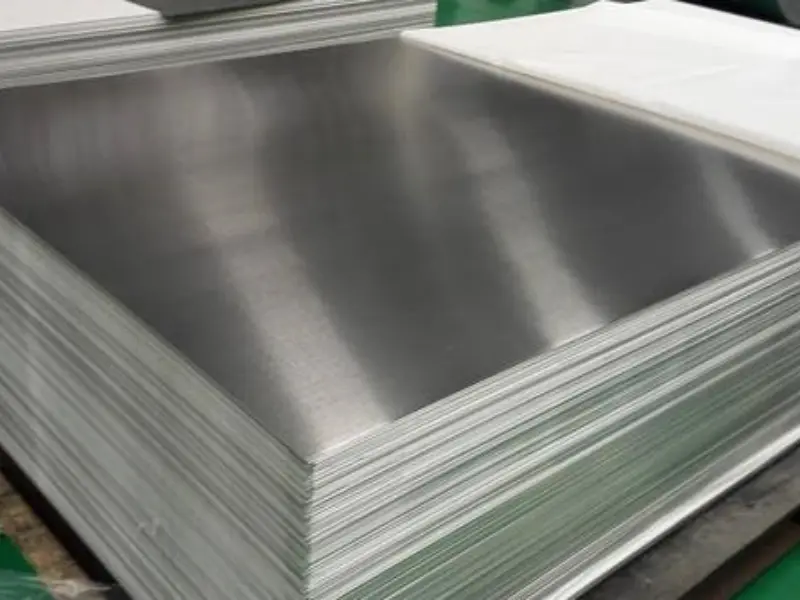
Aluminum naturally forms a thin oxide skin. On 5083, this skin is dense and self-healing. In seawater, the magnesium in the alloy helps this oxide layer stay stable. Chloride ions in salt try to break through, but the chromium and manganese in 5083 slow down the chemical attack.
Key Corrosion Behaviors
| Environment | 5083 Response | Why It Works |
|---|---|---|
| Seawater immersion | Excellent | Oxide layer stabilizes; no pitting in H116/H321 |
| Splash zones | Excellent | Rapid drying prevents chloride buildup |
| Marine atmosphere | Excellent | Salt mist does not penetrate the surface |
| Industrial acid rain | Good | Oxide resists mild acids; heavy pollution may stain |
| Galvanic contact with steel | Risky | Must isolate with rubber or paint to avoid cell corrosion |
The H116 temper receives a special stabilization treatment. This removes internal stresses that could lead to intergranular corrosion. That is why ship classification societies insist on H116 or H321 for hulls and decks.
Welding 5083: Filler Metal and Process Guide
5083 welds beautifully. But you must choose the right filler rod. If you use the wrong one, the weld zone becomes weaker than the base plate.
| Welding Process | Recommended Filler | Result | Notes |
|---|---|---|---|
| MIG (GMAW) | ER5356 | Strong, ductile weld | Most common for plate fabrication |
| MIG (GMAW) | ER5183 | Higher strength match | Use when weld must match base metal strength |
| TIG (GTAW) | ER5356 | Clean, precise welds | Best for thin plate and repair work |
| TIG (GTAW) | ER5183 | Higher strength | Good for structural marine joints |
| Friction Stir Welding | None needed | Excellent strength retention | Common in large panel production |
What to Avoid
- Do not use ER4043 filler. It contains silicon. Silicon makes the weld crack-sensitive in 5xxx alloys.
- Do not weld 5083 to 6061 without engineering review. The heat-affected zones behave differently.
- Preheat is usually not needed for plates under 25 mm. For very thick sections in cold shops, a gentle warm-up to 50°C helps.
After welding, the heat-affected zone loses some strength. A welded 5083 assembly in O temper will have roughly 20% lower tensile strength right next to the weld. Design your structure with this in mind.
Machining and Cutting 5083 Plate
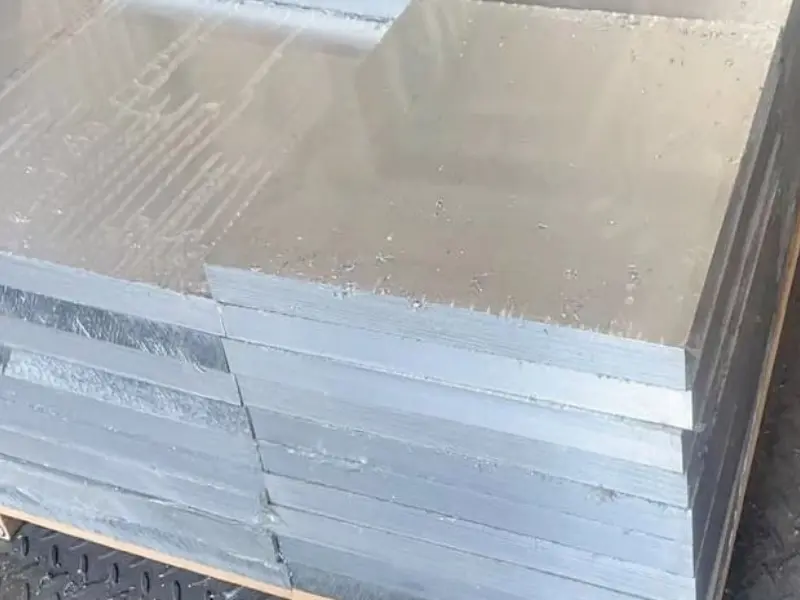
5083 is softer than steel but gummier than 6061. It tends to stick to cutters if you run too fast.
Recommended Cutting Parameters
| Operation | Tool Type | Speed | Feed | Coolant |
|---|---|---|---|---|
| Milling | Carbide end mill | High speed | Moderate | Flood or mist |
| Drilling | HSS or carbide twist drill | Medium | Steady | Required |
| Turning | Carbide insert | High | Moderate | Flood |
| Sawing | Carbide-tipped blade | Medium | Steady | Optional |
| Water jet | Garnet abrasive | N/A | Slow cut | Water only |
| Laser cutting | Fiber laser | N/A | Fast | Nitrogen assist |
Tips for Clean Cuts
- Use sharp tools. Dull bits cause tearing and burrs.
- Apply cutting fluid. It prevents aluminum from welding itself to the tool edge.
- Clear chips often. Packed chips scratch the surface.
- For thick plate, water jet gives the cleanest edge with no heat distortion.
5083 vs. Its Closest Rivals: 5052, 5086, and 5754
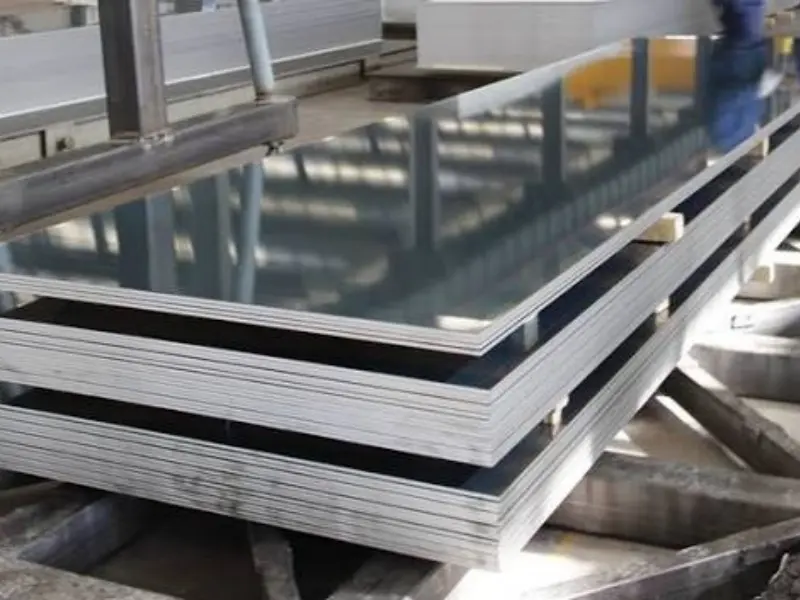
Buyers often wonder if they can substitute another 5xxx alloy. Here is the honest comparison.
| Property | 5083 | 5052 | 5086 | 5754 |
|---|---|---|---|---|
| Magnesium % | 4.0 – 4.9 | 2.2 – 2.8 | 3.5 – 4.5 | 2.6 – 3.6 |
| Tensile strength (O) | 270 – 350 MPa | 170 – 240 MPa | 240 – 320 MPa | 180 – 260 MPa |
| Yield strength (O) | 110 – 160 MPa | 65 – 130 MPa | 90 – 140 MPa | 80 – 120 MPa |
| Marine grade | Yes (H116/H321) | Moderate | Yes | Moderate |
| Weld strength retention | Good | Very good | Good | Very good |
| Formability | Moderate | Excellent | Good | Very good |
| Cost | Higher | Lower | Medium | Lower |
| Best use | Hulls, heavy structures | Sheet metal, tanks | Welded structures, rail cars | Automotive, general fabrication |
When to choose 5083: You need maximum strength in a 5xxx alloy and you accept slightly lower formability.
When to choose 5052 instead: You are making tight-radius bends, tank ends, or decorative panels where extreme strength is not needed.
When to choose 5086 instead: You need good weld strength and marine resistance at a slightly lower price than 5083.
Common 5083 Aluminum Plate Types
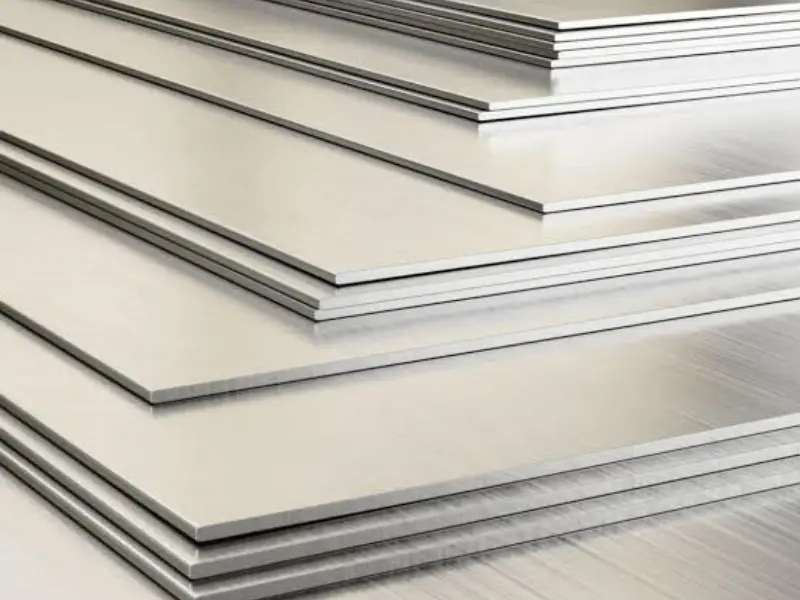
5083 O Aluminum Plate
→ Soft and highly formable. Suitable for bending, fabrication and components that require good forming performance.
5083 H111 Aluminum Plate
→ Provides a good balance of strength and formability. Commonly used in shipbuilding, marine structures and transportation equipment.
5083 H116 Aluminum Plate
→ Designed for demanding marine environments. It offers excellent resistance to seawater corrosion and is widely used for ship and boat components.
5083 H321 Aluminum Plate
→ Provides high strength and good resistance to stress corrosion. Suitable for marine structures, tanks and other demanding applications.
5083 Thick Aluminum Plate
→ Available in heavy thicknesses for structural components, machinery, pressure vessels and large engineering projects.
Main Applications
- Ship hulls and decks
- Boat building
- Marine structures
- Offshore platforms
- Seawater tanks
- Pressure vessels
- Storage tanks
- Transportation equipment
- Railway components
- Truck and trailer bodies
- Industrial machinery
- Heavy-duty structural parts
Product Advantages

→ Excellent seawater corrosion resistance
→ High mechanical strength
→ Excellent weldability
→ Good formability
→ Strong performance in harsh environments
→ Suitable for large structural components
→ Lightweight compared with steel
→ Long service life
→ Easy cutting and fabrication
→ Multiple tempers and thicknesses available
→ Custom sizes and specifications available
Standard Sizes and Tolerance Norms
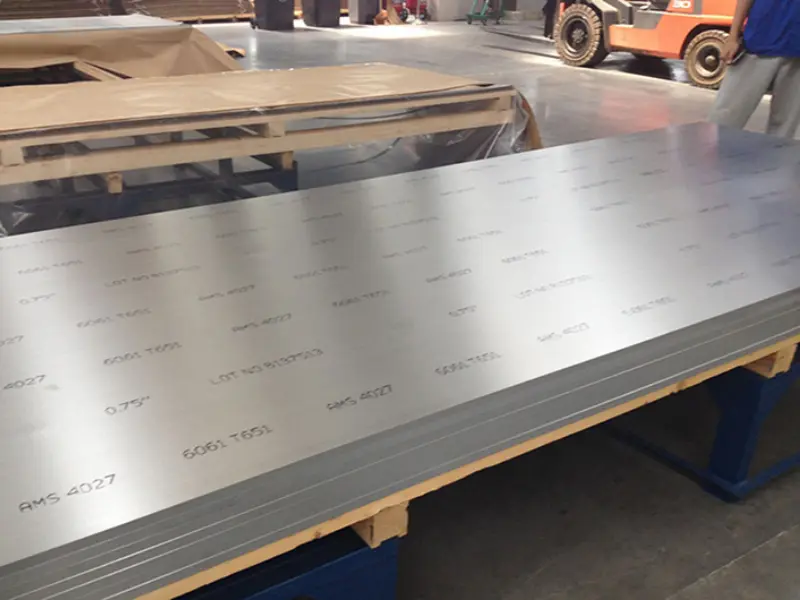
5083 plate is stocked and produced to global standards. Knowing these norms helps you avoid disputes at delivery.
| Standard | Region | Covers |
|---|---|---|
| ASTM B209 | USA | Sheet and plate, alloy and temper |
| EN 485 / EN 573 | Europe | Dimensions, tolerances, chemistry |
| GB/T 3880 | China | Plate and sheet for general engineering |
| JIS H4000 | Japan | Sheet and plate dimensions |
| DNV / ABS / LR Rules | International | Marine-grade certification |
Typical Mill Tolerances (EN 485-4)
| Thickness | Width | Length | Thickness Tolerance | Flatness |
|---|---|---|---|---|
| 6 – 12 mm | 1000 – 1500 mm | 2000 – 4000 mm | ±0.25 mm | ≤8 mm/m |
| 12 – 25 mm | 1500 – 2000 mm | 3000 – 6000 mm | ±0.35 mm | ≤6 mm/m |
| 25 – 50 mm | 1500 – 2500 mm | 3000 – 6000 mm | ±0.50 mm | ≤5 mm/m |
| 50 – 100 mm | 1500 – 3000 mm | 4000 – 12000 mm | ±0.75 mm | ≤4 mm/m |
If your project needs tighter tolerances, specify “special tolerance” at order. The mill can grind or stretch-level the plate for an extra charge.
Quality Inspection Checklist Before Fabrication
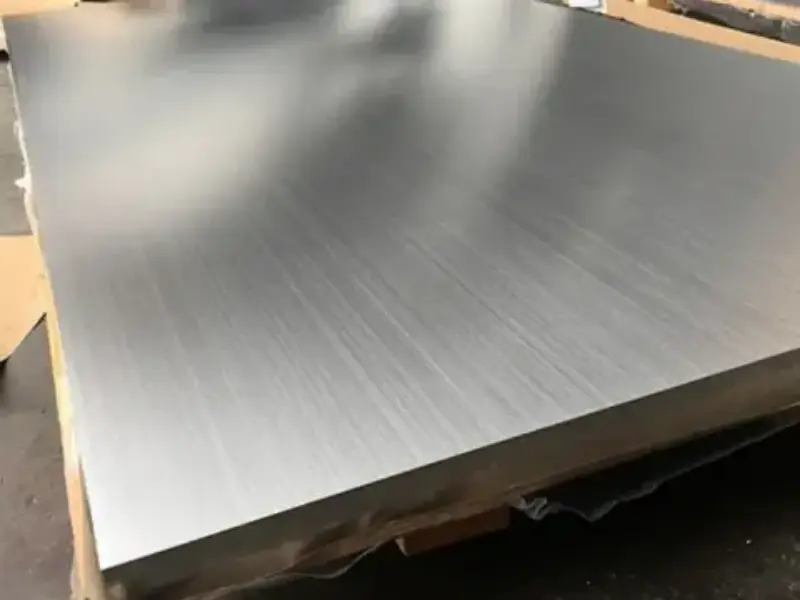
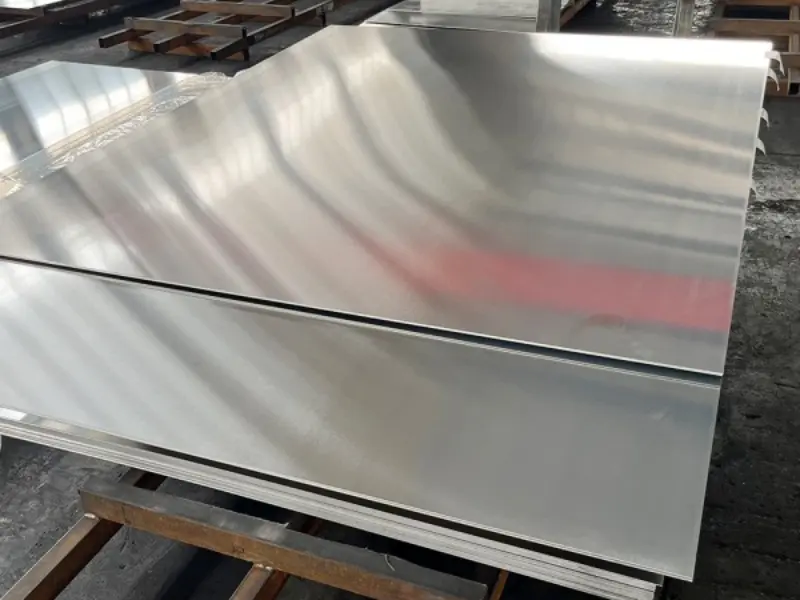
When your 5083 plate arrives, check these items before cutting. Catching a problem early saves scrap.
| Check | Method | Accept / Reject Criteria |
|---|---|---|
| Mill certificate review | Read MTR | Alloy, temper, and mechanical values must match PO |
| Visual surface scan | Eye or borescope | No cracks, deep scratches, or corrosion pits |
| Thickness spot check | Micrometer at 3 points | Within tolerance band on certificate |
| Flatness check | Straight edge + feeler gauge | Within standard or PO specification |
| Hardness check | Portable Webster or Barcol | Within expected range for temper |
| Ultrasonic test (thick plate) | UT probe | No internal voids or laminations |
For marine classification society projects (DNV, ABS, BV), the plate must arrive with official inspection stamps. Random third-party lab testing may also be required.
Storage Rules for 5083 Plate
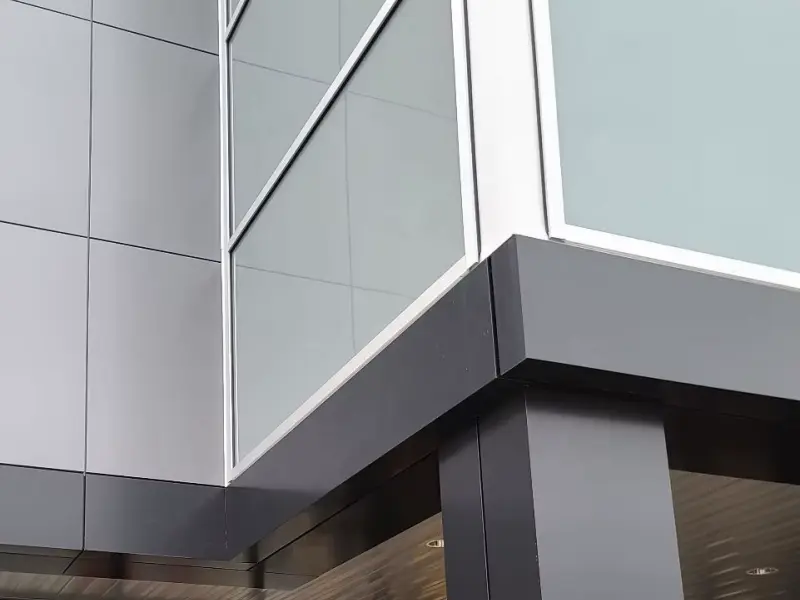
Even marine-grade aluminum suffers if stored badly.
Handle with clean gloves. Grease and sweat from hands can etch the surface over time.
Keep it dry. Rain or standing water leaves water stains. These do not hurt structure but may require extra prep before painting or anodizing.
Store flat. Thick plate will not sag easily, but thin plate will take a set if leaned at an angle.
Separate from steel. Direct contact with carbon steel causes galvanic corrosion. Use wooden separators.
Do not wrap in plastic for long periods. Trapped moisture breeds white corrosion product (aluminum oxide dust).
Market Forms: How 5083 Reaches Your Shop
5083 is not always sold as a flat rectangle. Depending on your industry, you may buy it in these forms.
| Form | Typical Dimensions | Common Buyers |
|---|---|---|
| Flat plate | 6 mm – 200 mm thick | Shipyards, mold makers, heavy fabricators |
| Cut-to-size blanks | Per customer drawing | Machine shops, fabricators |
| Extruded sections | Custom profiles | Rail and bus builders |
| Pre-bent hull plates | Radius-formed | Boat builders |
| Welded prefab panels | Plate + stiffeners | Offshore platform contractors |
| Clad plate | 5083 core + pure Al skin | Chemical tank builders |
Cut-to-size service adds cost but reduces waste. For prototype work, ordering pre-cut blanks is often cheaper than buying a full sheet and paying for scrap disposal.
Frequently Asked Questions
Is 5083 aluminum stronger than 6061?
5083 is generally stronger in its work-hardened state and keeps more of that strength after welding, while 6061 gains extra strength only through heat treatment.
Why is 5083 used for shipbuilding instead of steel?
5083 offers a strong strength-to-weight ratio along with natural corrosion resistance, cutting down on both vessel weight and long-term maintenance compared to steel.
Does 5083 aluminum need special welding equipment?
Standard TIG or MIG welding equipment works fine, though using the correct filler alloy and technique matters for full weld strength.
What is the difference between H116 and H321 temper?
H116 is tested for exfoliation corrosion resistance in its base state, while H321 goes through an additional stress-relief step, making it a common choice for welded assemblies.
Can 5083 aluminum plate be used above the waterline as well?
Yes. While it is best known for hull and underwater applications, 5083 also performs well in deck structures, tanks, and general marine fabrication above the waterline.
How does 5083 handle extreme cold compared to steel?
Unlike some steels that become brittle in freezing conditions, 5083 keeps its ductility at very low temperatures, which is why it is trusted for cryogenic tank construction.