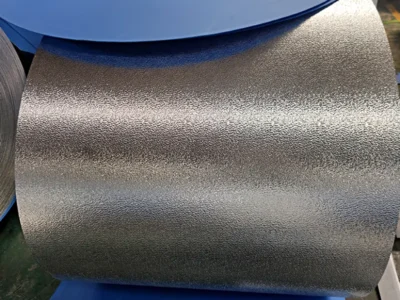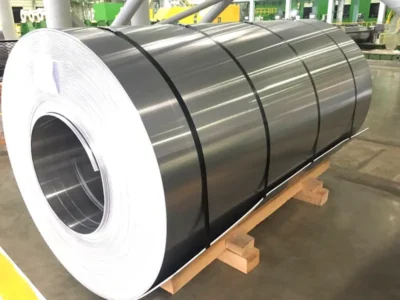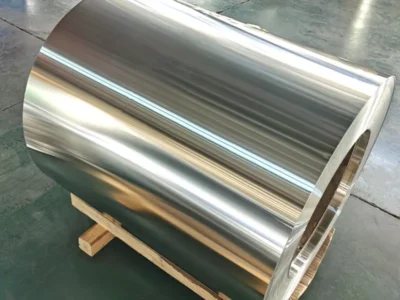
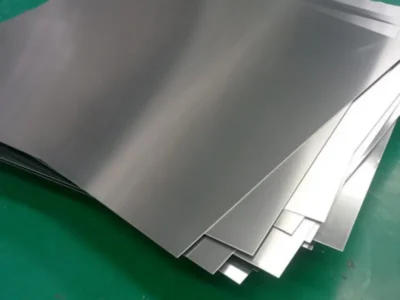
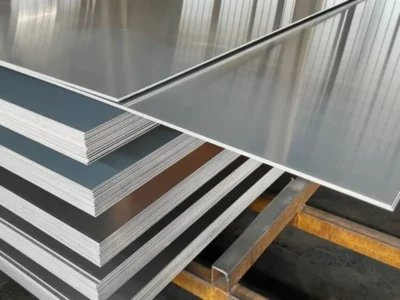
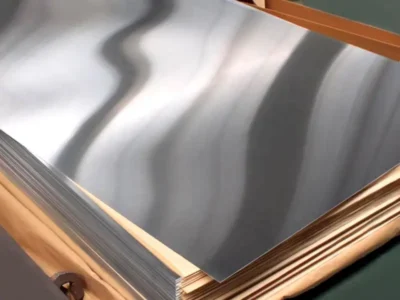
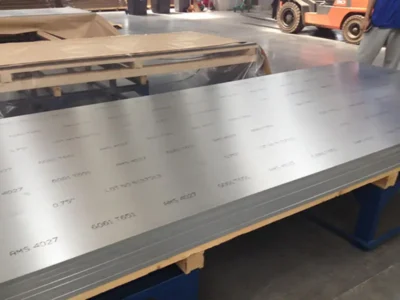
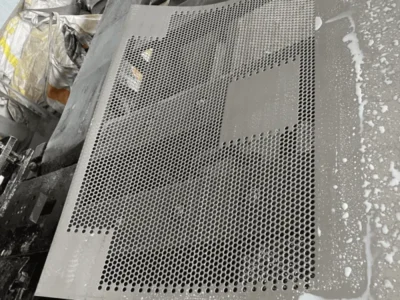
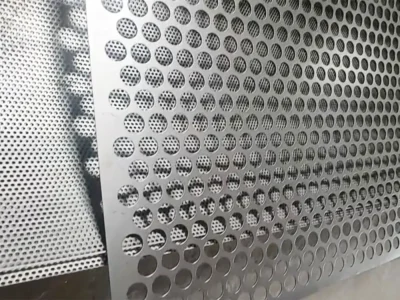


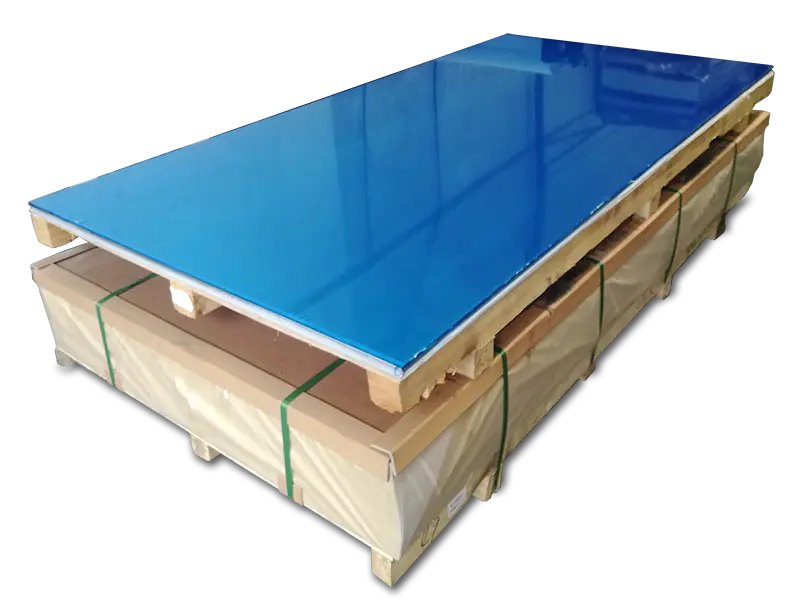
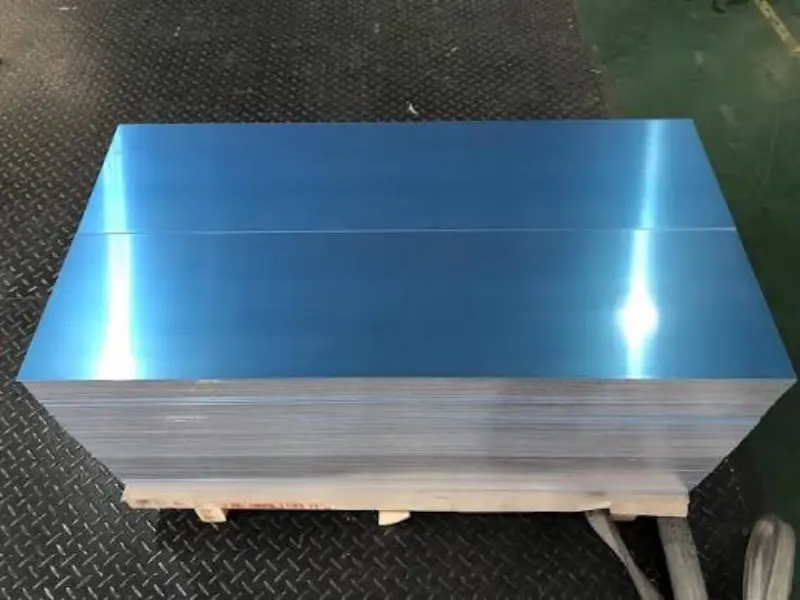
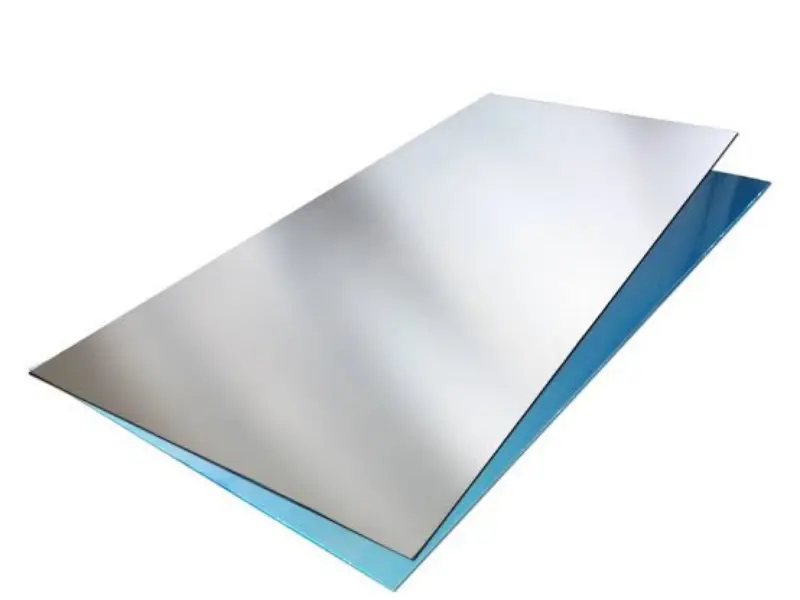
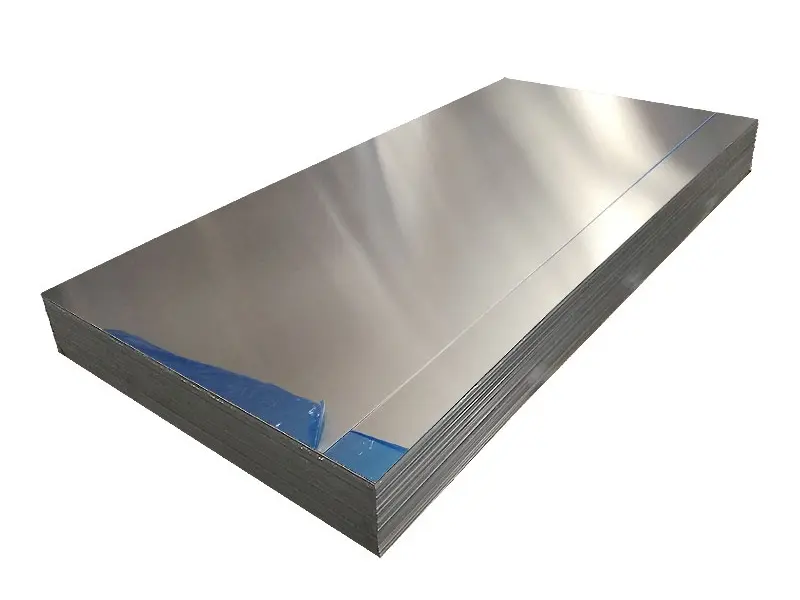
5083 aluminum sheet is a high-strength aluminum alloy used in marine, transportation, pressure equipment, construction, and industrial fabrication. It is known for good corrosion resistance, good weldability, and strong performance in demanding environments.
Aluminum 5083 contains magnesium as its main alloying element. It is a non-heat-treatable alloy. Its strength comes mainly from cold working and the selected temper.
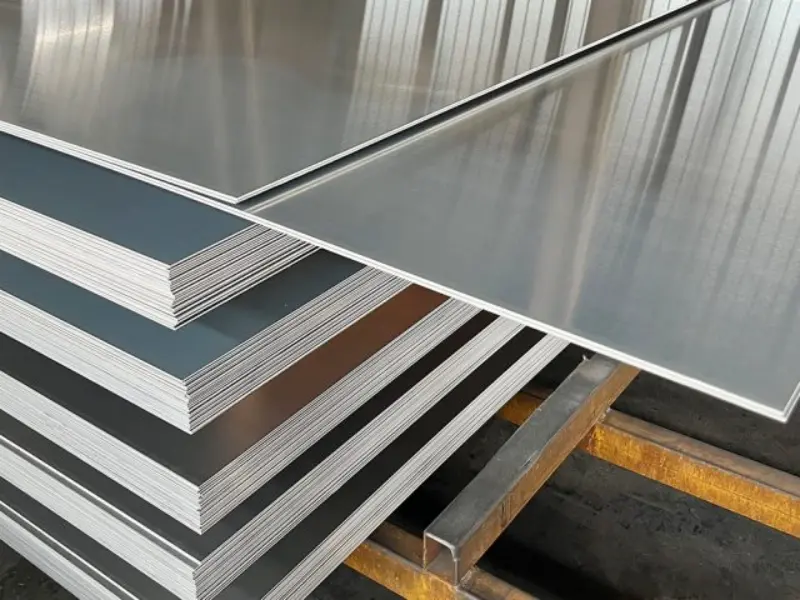
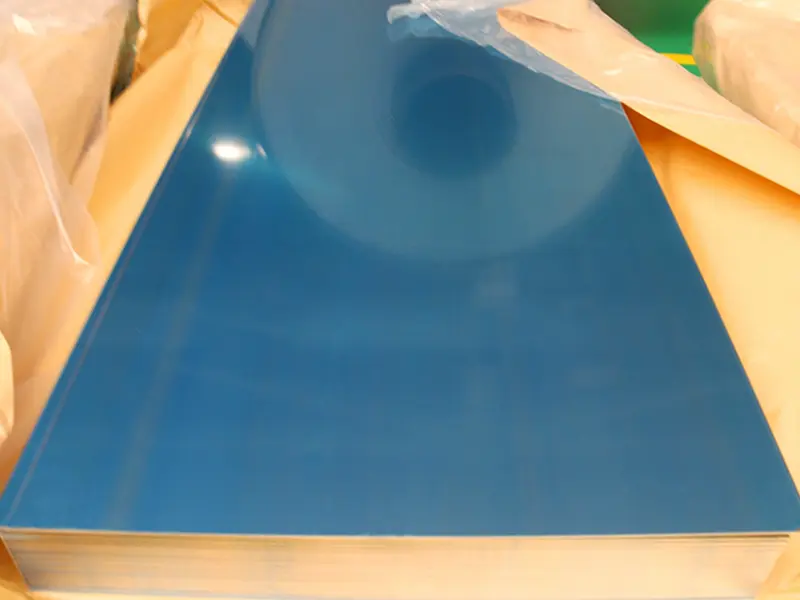
The material is available in many thicknesses, widths, lengths, and surface conditions. Common tempers include H111, H112, H116, and H321.
For buyers, the right specification depends on the final application. A marine tank may need a different condition from a truck body or a structural panel.
What Is 5083 Aluminum Sheet?
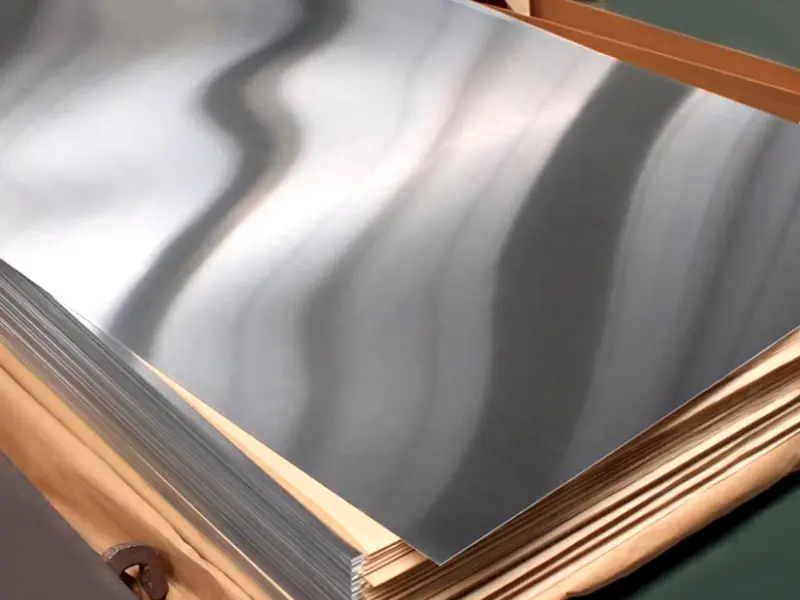
5083 is part of the 5xxx series of aluminum alloys. Magnesium gives the alloy good strength and corrosion resistance.
It is especially useful in environments where aluminum is exposed to moisture, salt water, or industrial conditions.
Unlike 6061 aluminum, 5083 does not rely on heat treatment to achieve its main strength level. Instead, its properties are controlled through alloy chemistry, processing, and temper.
A typical purchasing specification may look like this:
5083-H116 × 6 mm × 1500 mm × 3000 mm
This specification tells the supplier the alloy, temper, thickness, width, and length.
| Item | Typical option |
|---|---|
| Alloy | 5083 |
| Temper | H111, H112, H116, H321 |
| Thickness | 1.0–300 mm or customized |
| Width | Up to around 3000 mm depending on mill |
| Length | 2000–12000 mm or customized |
| Surface | Mill finish |
| Form | Sheet or plate |
| Processing | Cutting, bending, CNC machining |
Actual production ranges depend on the manufacturer and applicable standard.
5083 Aluminum Alloy Composition
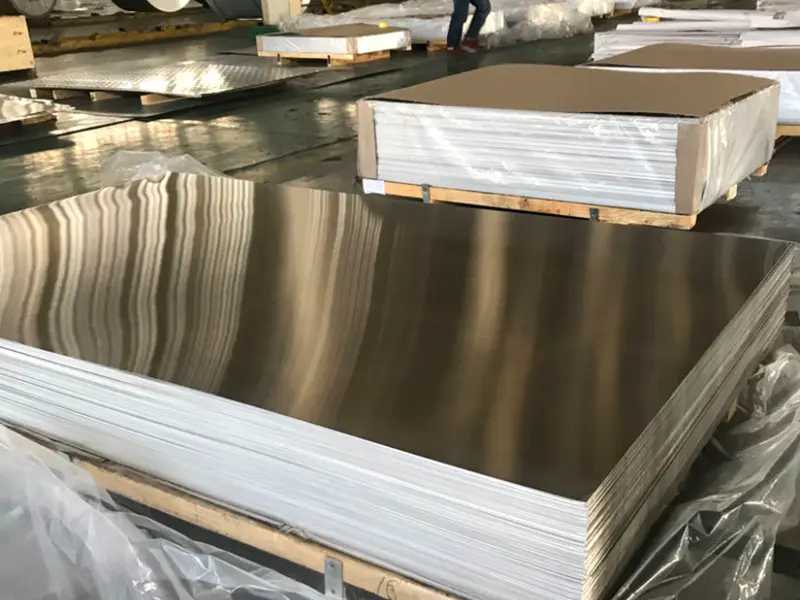
The chemical composition helps explain why this material performs well in demanding applications.
Magnesium is the main alloying element. Manganese is also used to improve strength and other properties.
| Element | Typical role |
|---|---|
| Aluminum | Main base metal |
| Magnesium | Improves strength and corrosion resistance |
| Manganese | Supports strength and stability |
| Chromium | Helps control grain structure |
| Silicon | Kept at a controlled level |
| Copper | Usually kept low |
| Zinc | Usually kept low |
Exact chemical limits depend on the production standard and certification requested by the buyer.
For industrial purchasing, customers may request a mill test certificate, chemical composition report, or third-party inspection.
5083 Aluminum Sheet Tempers
Temper is an important part of a 5083 specification.
The same alloy can have different mechanical properties depending on its temper.
5083-H111
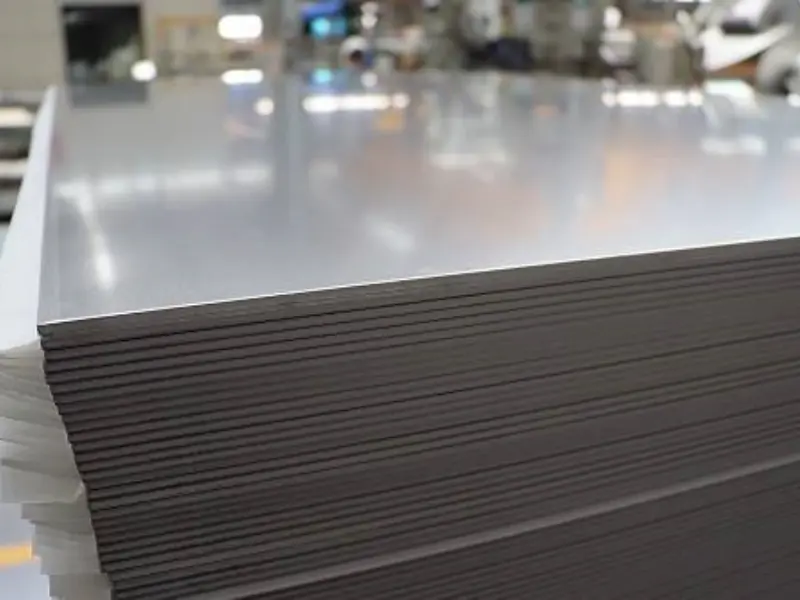
H111 is a lightly strain-hardened condition.
It offers good formability and is useful when fabrication includes bending or forming.
Typical uses include:
General industrial parts
Marine structures
Vehicle components
Tanks
Fabricated panels
5083-H112
H112 is commonly used for products where the material receives controlled processing but is not specified under a typical strain-hardened H temper.
It can be available in thicker plate products.
The exact mechanical properties should be checked against the relevant standard.
5083-H116
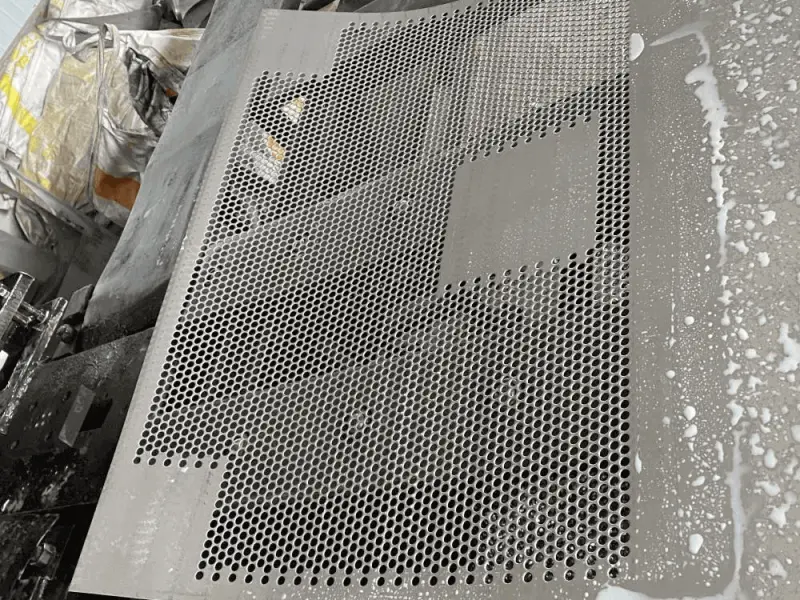
H116 is widely associated with marine applications.
It is designed for good performance in seawater-related environments and is commonly specified for marine plate.
Typical uses include:
Marine fabrication
Boat building
Ship structures
Marine tanks
Decks
Offshore equipment
5083-H321
H321 is another important condition for marine and transportation applications.
It provides a useful combination of strength, corrosion resistance, and fabrication performance.
| Temper | General character | Typical use |
|---|---|---|
| H111 | Good forming performance | Fabrication |
| H112 | Common for thicker products | Industrial plate |
| H116 | Marine-oriented | Ships and boats |
| H321 | Marine and structural | Marine and transport |
The best temper depends on the design, forming method, welding process, and applicable specification.
5083 Aluminum Sheet Thickness Options
Thickness is one of the first details customers usually confirm.
A thin sheet can reduce weight. A thicker plate provides greater rigidity and is suitable for heavier structures.
Common commercial ranges may include:
| Thickness | Common product type |
|---|---|
| 1 mm | Thin sheet |
| 1.5 mm | Light fabrication |
| 2 mm | General sheet |
| 3 mm | Panels and fabrication |
| 4 mm | Structural panels |
| 5 mm | Heavy-duty sheet |
| 6 mm | Marine and industrial plate |
| 8 mm | Structural plate |
| 10 mm | Heavy plate |
| 12 mm | Engineering plate |
| 15 mm | Heavy fabrication |
| 20 mm | Industrial plate |
| 25 mm+ | Heavy plate |
Not every mill produces every thickness in every temper.
For a project with strict tolerances, buyers should confirm the available thickness range before ordering.
Thin 5083 Aluminum Sheet
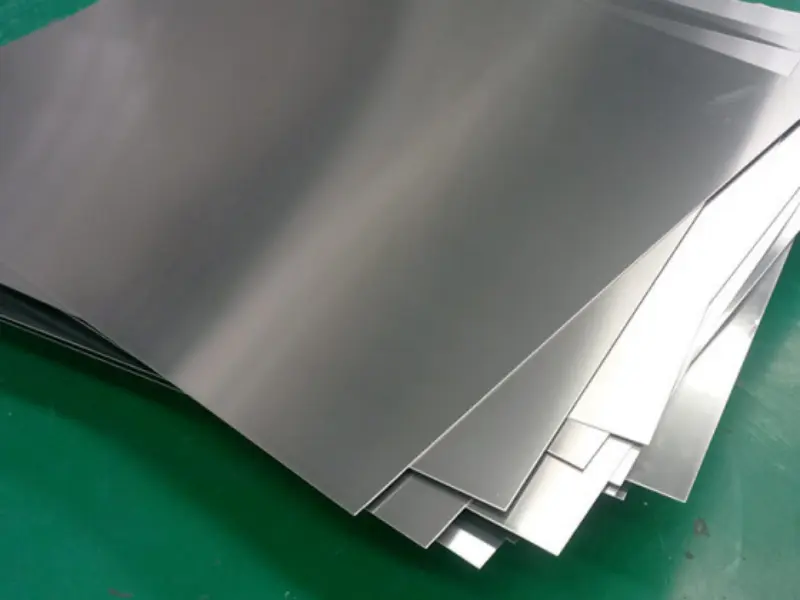
Thin material is useful when weight is an important design factor.
Typical uses include:
- Interior panels
- Vehicle body components
- Covers
- Equipment housings
- Lightweight structures
- Marine interior parts
For thin material, surface quality and flatness can be especially important.
A small surface defect may become more visible after bending, painting, or polishing.
3 mm 5083 Aluminum Sheet
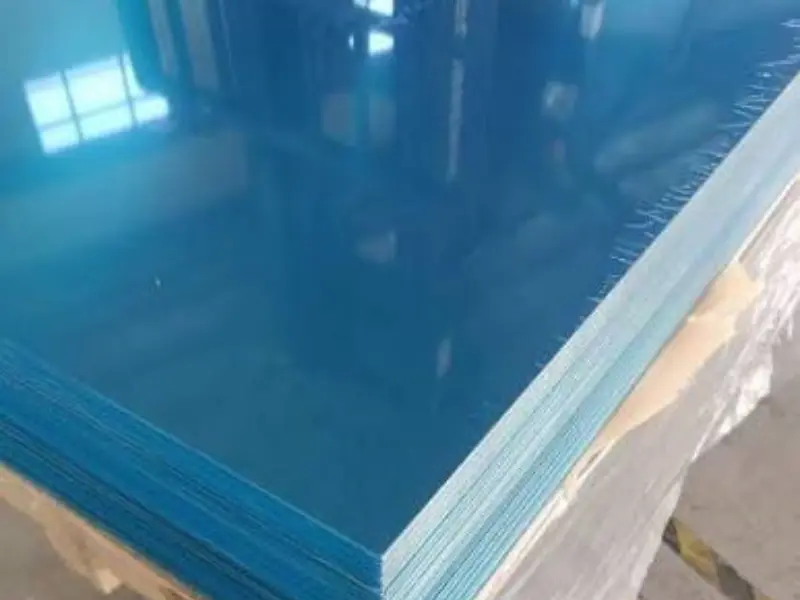
3 mm is a practical thickness for many fabrication projects.
It can provide a balance between weight and rigidity.
Possible uses include:
→ Boat panels
→ Vehicle panels
→ Machine covers
→ Walkway components
→ Storage equipment
→ Industrial enclosures
The correct temper should be selected according to forming and strength requirements.
5 mm 5083 Aluminum Sheet
5 mm material provides more rigidity than a thin sheet.
It is often considered for heavier panels and fabricated structures.
Possible uses include:
- Marine structures
- Truck components
- Platforms
- Industrial equipment
- Tank components
- Structural panels
6 mm 5083 Aluminum Plate
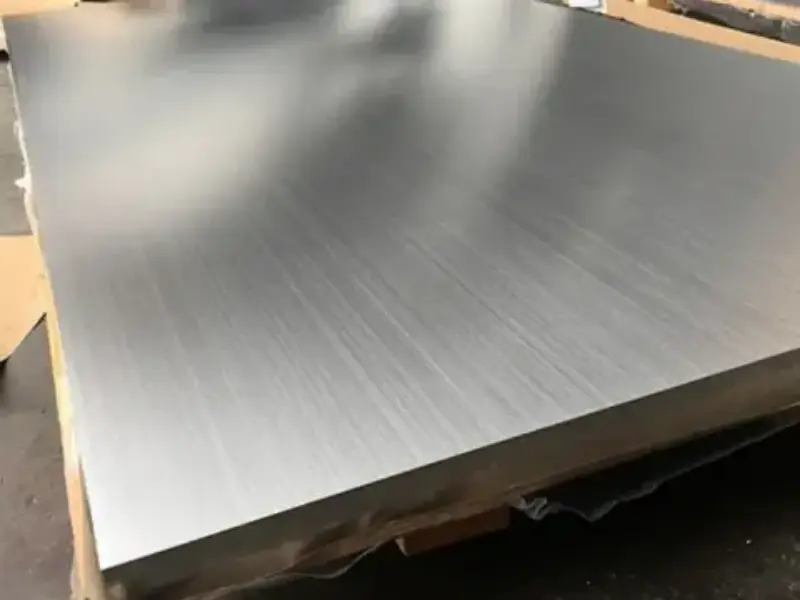
6 mm is a common engineering thickness for projects that need more structural support.
It is often specified in marine and industrial fabrication.
For example:
5083-H116 / 6 mm / 1500 × 3000 mm
is a specification that can be used as a starting point for a marine material inquiry.
The actual dimensions should be confirmed with the supplier.
5083 Aluminum Plate vs Sheet
The terms “sheet” and “plate” can vary by standard and market.
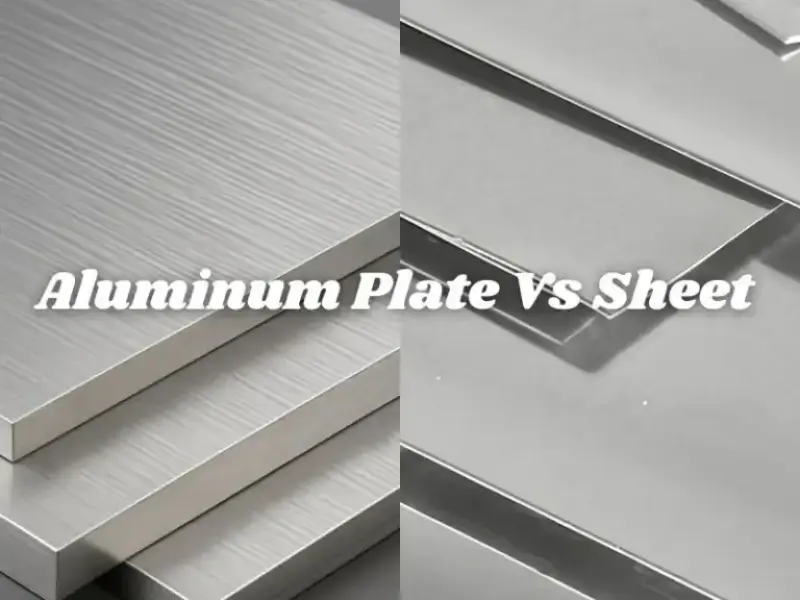
In general, thinner flat products are often called sheet, while thicker products are called plate.
| Feature | Sheet | Plate |
|---|---|---|
| Thickness | Generally thinner | Generally thicker |
| Weight | Lower | Higher |
| Handling | Easier | Requires more handling |
| Application | Panels and covers | Structures and heavy fabrication |
| Processing | Cutting and bending | Cutting, machining, welding |
For international orders, it is better to specify the exact thickness instead of relying only on the words “sheet” or “plate.”
Standard 5083 Aluminum Sheet Sizes
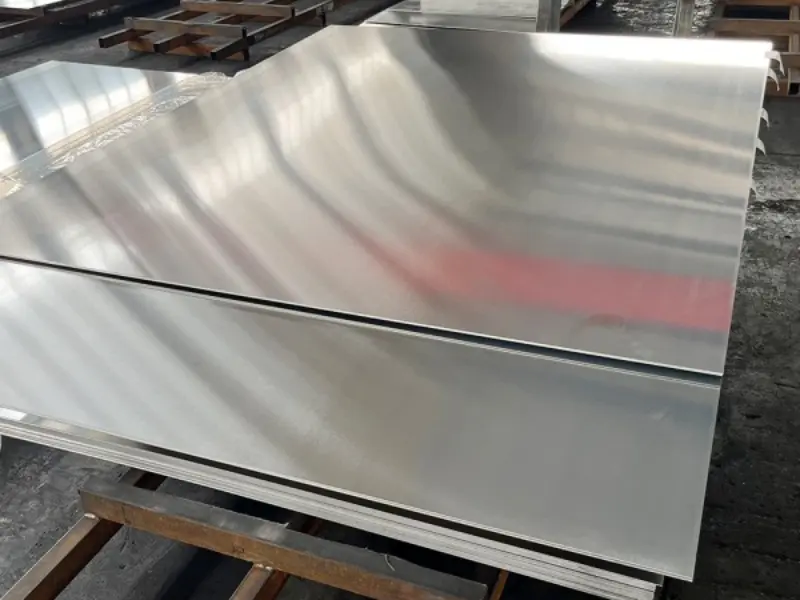
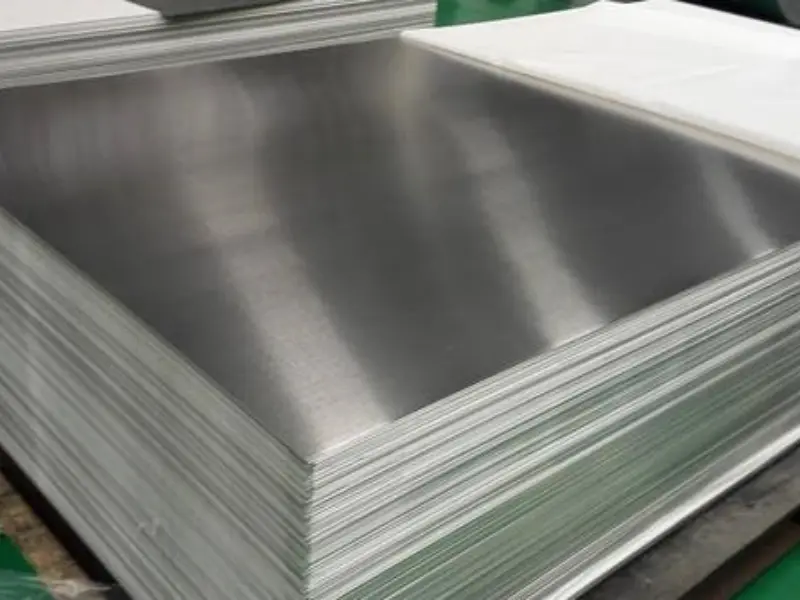
Standard sizes can reduce cutting waste and simplify shipping.
Common sizes include:
| Metric size | Approximate imperial size |
|---|---|
| 1000 × 2000 mm | 39.4 × 78.7 in |
| 1220 × 2440 mm | 48 × 96 in |
| 1250 × 2500 mm | 49.2 × 98.4 in |
| 1500 × 3000 mm | 59.1 × 118.1 in |
| 1500 × 6000 mm | 59.1 × 236.2 in |
| 2000 × 4000 mm | 78.7 × 157.5 in |
Larger formats may be available depending on rolling equipment.
Custom dimensions can also be supplied for specific projects.
4×8 5083 Aluminum Sheet
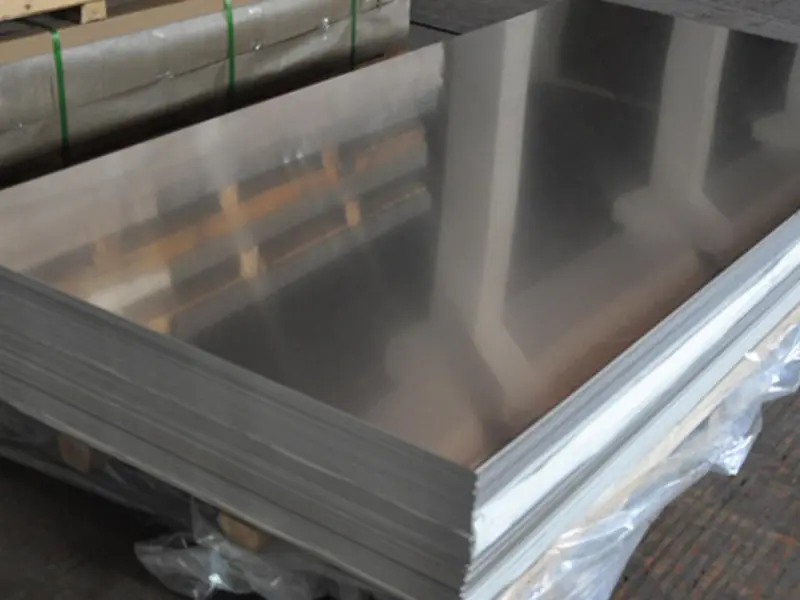
A 4 × 8 aluminum sheet is approximately:
48 × 96 inches
or
1220 × 2440 mm
This format is popular in North America.
It is convenient for:
- Truck bodies
- Vehicle panels
- Fabrication shops
- Signage
- Equipment panels
- General manufacturing
A 4 × 8 sheet is also easy to compare between different suppliers.
When requesting a quotation, specify whether the dimensions are nominal or actual.
Large 5083 Aluminum Plate
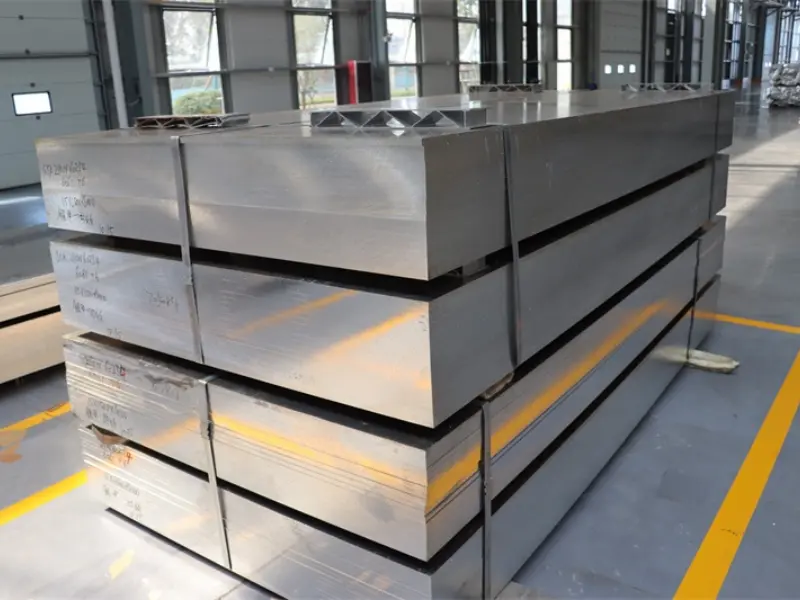
Large-format plate can reduce the number of joints in a fabricated structure.
For large marine or industrial projects, customers may request widths of 1500 mm, 2000 mm, or more.
Larger sizes can provide:
Larger panel → fewer joints → less fabrication → potentially lower assembly time
However, large plate requires suitable handling and transportation equipment.
The maximum available size depends on the rolling mill.
5083 Aluminum Sheet Surface
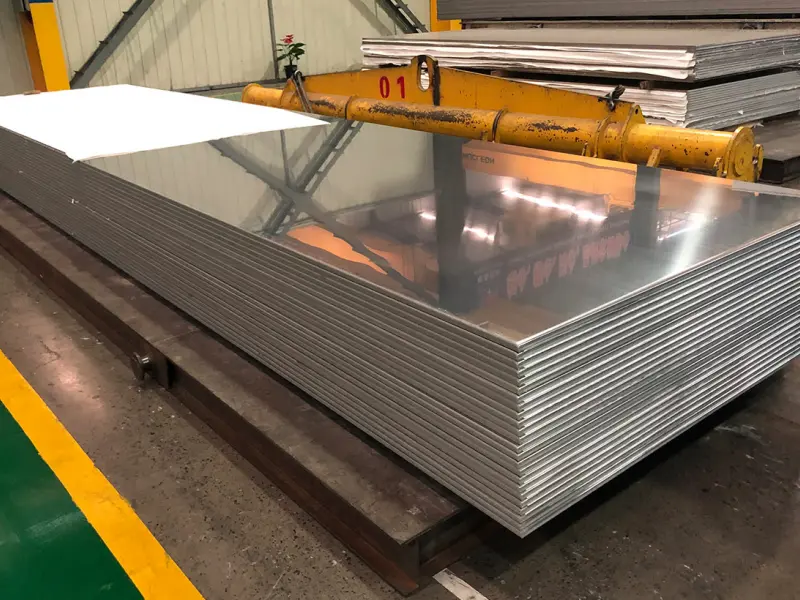
Most industrial material is supplied with a mill finish.
The surface should be reasonably clean and free from major defects.
Depending on the application, customers may request:
- Mill finish
- Brushed finish
- Anodized finish
- Painted surface
- Protective film
- Custom surface treatment
For marine structures, the surface condition is normally selected according to the fabrication and coating system.
5083 Aluminum Sheet for Marine Use
Marine applications are one of the most important markets for this alloy.
Salt water can be highly aggressive toward metals. Aluminum 5083 is widely used because of its strong corrosion resistance and good welding characteristics.
Typical marine uses include:
- Boat hulls
- Deck structures
- Bulkheads
- Marine tanks
- Workboats
- Ferries
- Fishing boats
- Yacht components
- Offshore structures
H116 and H321 are commonly considered for marine-grade applications.
The final material should meet the required marine standard when certification is needed.
5083 Aluminum Sheet for Boat Building

Boat builders often need material that is strong, light, corrosion resistant, and suitable for welding.
5083 can meet many of these requirements.
It can be fabricated into:
→ Hull panels
→ Deck panels
→ Frames
→ Tank components
→ Bulkheads
→ Equipment supports
→ Interior structures
The selected thickness depends on the boat design and structural calculations.
A supplier should not determine the structural thickness without the customer’s engineering requirements.
5083 Aluminum Sheet for Truck Bodies
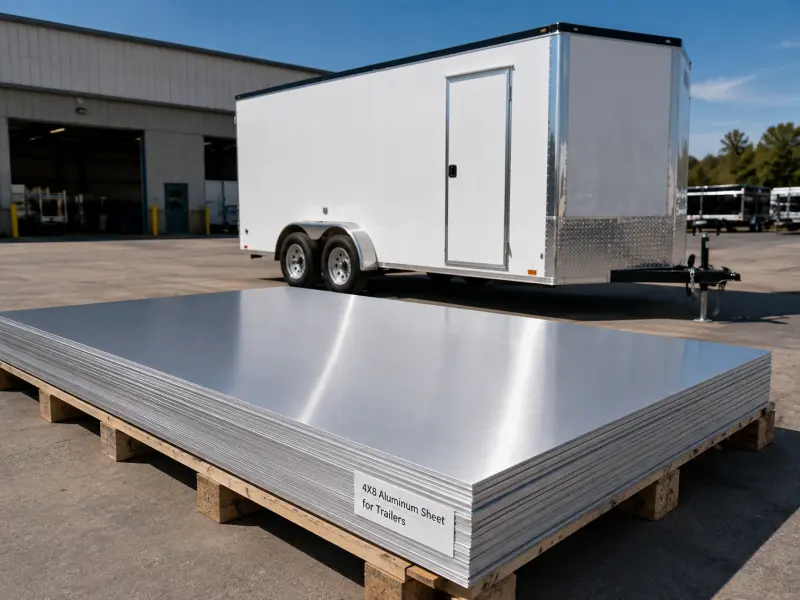
Weight is an important factor in truck and transport design.
Aluminum can reduce vehicle weight compared with many steel alternatives.
5083 may be used for selected truck and transport components, especially where corrosion resistance and strength are important.
Potential applications include:
- Truck body panels
- Tanker components
- Trailer parts
- Transport containers
- Floor structures
- Side panels
- Protective panels
For exterior panels, surface quality can also affect the final appearance.
5083 Aluminum Sheet for Tank Manufacturing
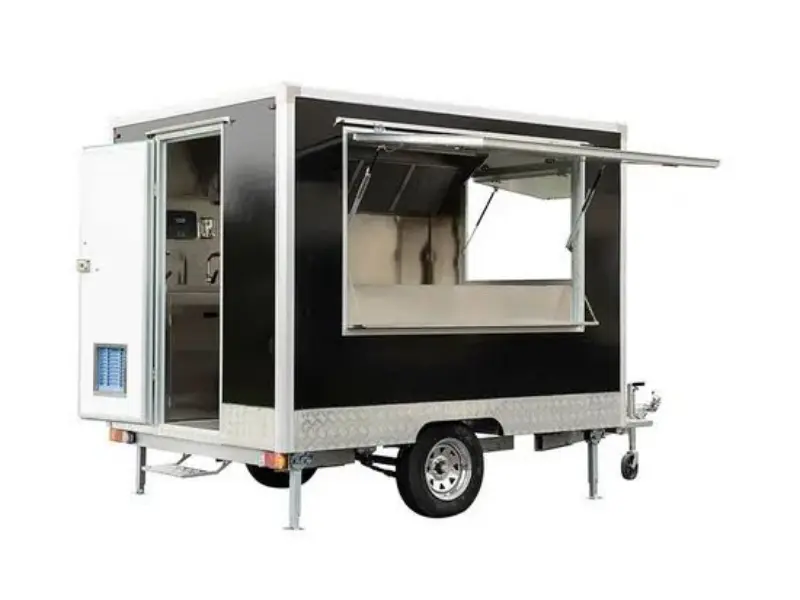
The alloy can be used for certain tank and vessel fabrication applications.
Its corrosion resistance and welding characteristics make it attractive for fabricated aluminum tanks.
Possible uses include:
- Water tanks
- Marine fuel tanks
- Industrial tanks
- Chemical equipment
- Storage vessels
- Process equipment
The suitability of the material depends on the stored medium, temperature, pressure, wall thickness, welding procedure, and applicable code.
5083 Aluminum Sheet for Welding
Weldability is one of the reasons 5xxx series aluminum alloys are widely used in fabrication.
5083 is commonly welded using processes such as MIG and TIG.
The welding procedure matters.
The final result depends on:
Base material + filler metal + joint design + welding parameters + operator skill
For demanding structures, the welding procedure should be qualified according to the applicable standard.
5083 vs 5052 Aluminum Sheet
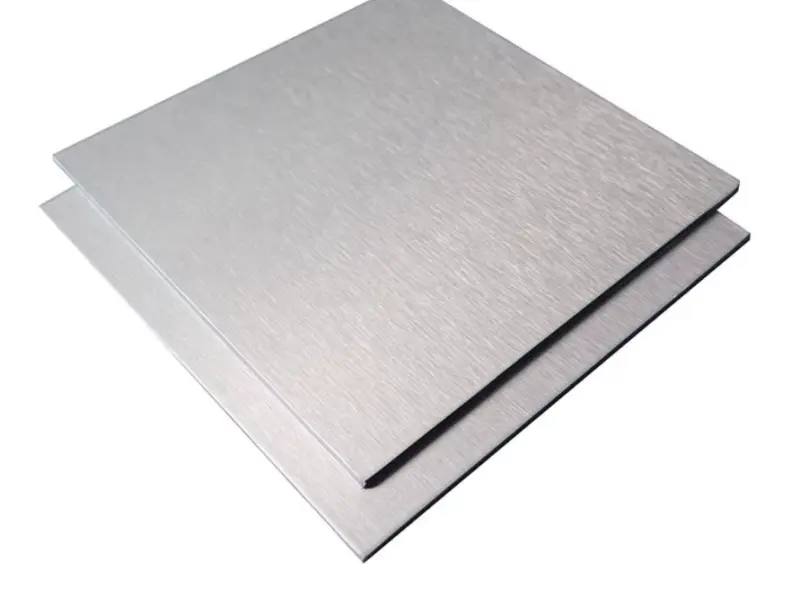
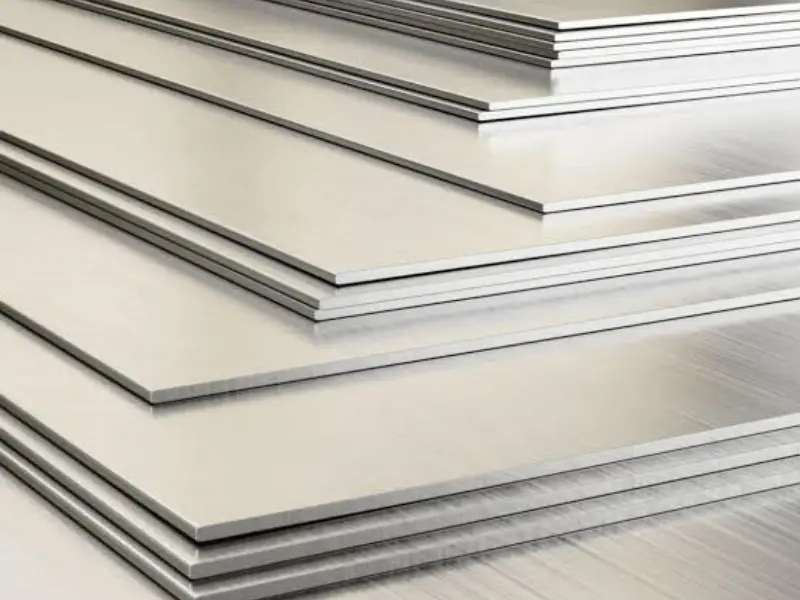
5083 and 5052 are both 5xxx series aluminum alloys.
They share good corrosion resistance and good fabrication characteristics, but they are not identical.
| Feature | 5083 | 5052 |
|---|---|---|
| Strength | Generally higher | Moderate |
| Corrosion resistance | Excellent | Excellent |
| Marine use | Very common | Also used |
| Weldability | Good | Good |
| Formability | Good | Very good |
| Heavy structures | Better suited | Suitable for lighter work |
| Typical market | Marine and heavy fabrication | General fabrication and transport |
If strength is the main concern, 5083 can be attractive.
If forming is the main concern, 5052 may be more suitable for some designs.
5083 vs 6061 Aluminum Sheet
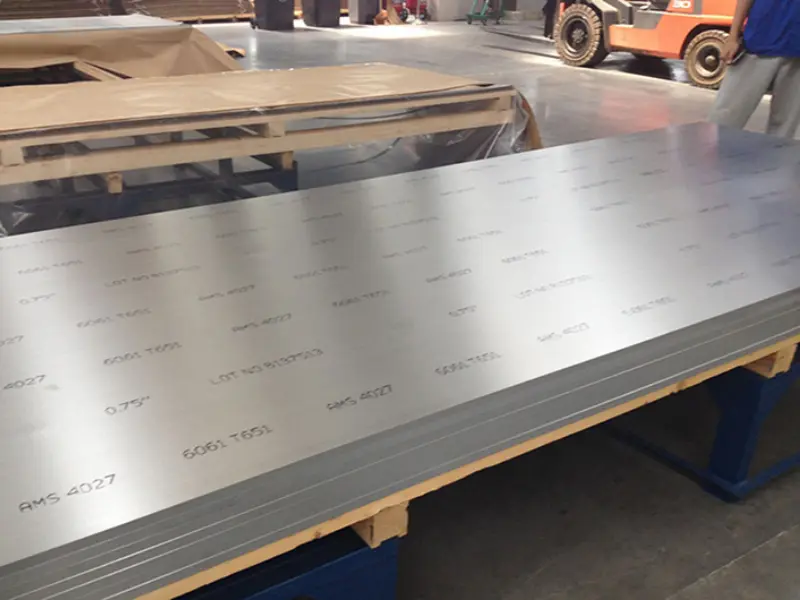
This is another common comparison.
6061 is a heat-treatable alloy. 5083 is not heat treated to obtain its main strength.
| Feature | 5083 | 6061 |
|---|---|---|
| Alloy series | 5xxx | 6xxx |
| Main alloying elements | Magnesium | Magnesium + silicon |
| Heat treatable | No | Yes |
| Corrosion resistance | Excellent | Good |
| Marine suitability | Excellent | More application dependent |
| Weldability | Very good | Good |
| Machinability | Moderate | Good |
| Typical use | Marine structures | Machinery and structural parts |
For marine fabrication, 5083 is often a strong candidate.
For machining and heat-treated structural parts, 6061 may be more appropriate.
5083 vs 5086 Aluminum
5083 and 5086 are both widely used in marine-related fabrication.
| Feature | 5083 | 5086 |
|---|---|---|
| Series | 5xxx | 5xxx |
| Strength | High | High |
| Corrosion resistance | Excellent | Excellent |
| Marine use | Very common | Very common |
| Welding | Good | Good |
| Fabrication | Good | Good |
The better option depends on the required mechanical properties, standard, availability, and project specification.
5083 Aluminum Sheet Weight
Aluminum has a density of roughly 2.66–2.70 g/cm³, depending on alloy and reference value.
A simple estimate can be made with:
Weight = Length × Width × Thickness × Density
For example, using approximately 2.66 g/cm³:
A 1 m × 2 m × 3 mm sheet weighs roughly:
1 × 2 × 0.003 × 2660 ≈ 15.96 kg
Actual weight can differ because of dimensional tolerances.
| Size | Thickness | Approximate weight |
|---|---|---|
| 1000 × 2000 mm | 3 mm | 16.0 kg |
| 1220 × 2440 mm | 3 mm | 23.7 kg |
| 1500 × 3000 mm | 3 mm | 35.9 kg |
| 1220 × 2440 mm | 5 mm | 39.5 kg |
| 1500 × 3000 mm | 6 mm | 71.8 kg |
| 1500 × 6000 mm | 10 mm | 239.4 kg |
These figures are estimates for planning only.
How to Select the Right 5083 Specification
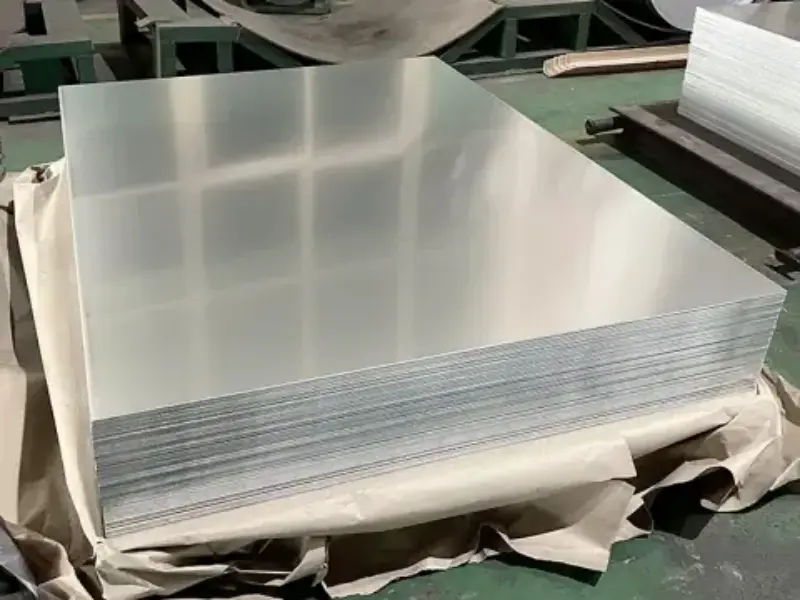
A simple selection process can make purchasing easier.
Final application
↓
Required strength
↓
Required corrosion resistance
↓
Thickness
↓
Alloy condition
↓
Temper
↓
Width and length
↓
Surface requirements
↓
Quantity
↓
Certification
↓
Packaging and delivery
This approach is more useful than choosing a material only by price.
Product Types Available
A supplier may offer several forms of the same alloy.
Standard Flat Sheet
Flat sheet is used for general fabrication.
It is suitable for cutting, bending, welding, and forming.
Heavy Aluminum Plate
Thicker plate is used for structures and heavy equipment.
It may be supplied in large dimensions.
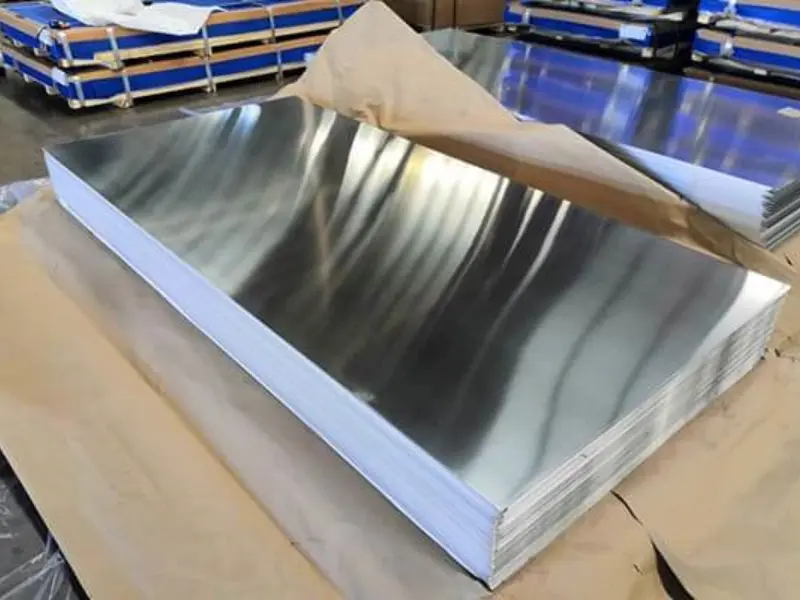
Cut-to-Size Plate
Some buyers need specific dimensions.
Cut-to-size service can reduce waste and save fabrication time.
CNC Cut Aluminum Plate
CNC cutting can produce custom shapes.
This is useful for:
Custom brackets
Machine components
Marine parts
Structural panels
Equipment bases
Aluminum Checker Plate
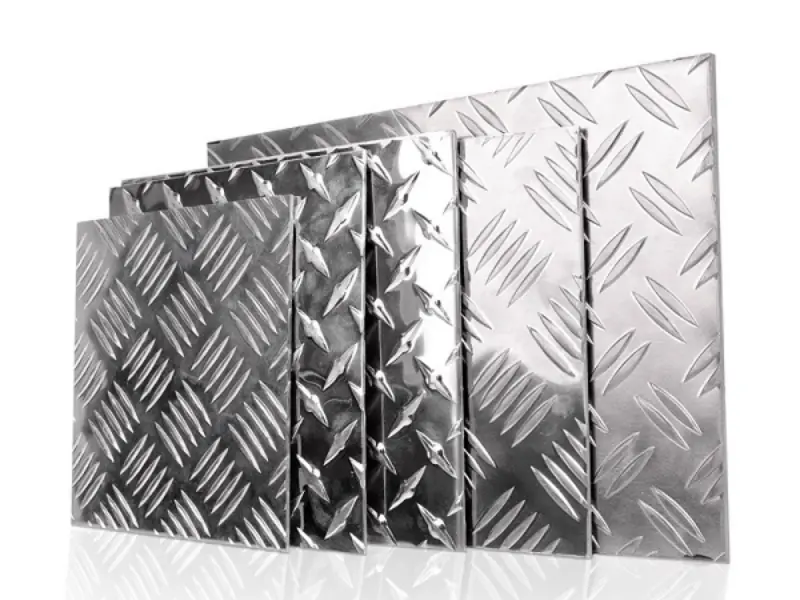
A patterned surface can provide additional grip.
It is commonly used for:
- Platforms
- Steps
- Walkways
- Vehicle floors
- Industrial floors
However, the exact alloy and temper should be confirmed when a customer requires 5083 specifically.
5083 Aluminum Sheet Cutting
The material can be processed using different cutting methods.
Common options include:
- Shearing
- Saw cutting
- Laser cutting
- Waterjet cutting
- CNC cutting
- Plasma cutting
The best process depends on thickness, tolerance, shape, and production volume.
For precision parts, CNC or waterjet cutting may be preferred.
For straight cuts in larger volumes, shearing or saw cutting may be more economical.
Bending and Forming

5083 can be formed, but the result depends on temper and thickness.
A softer temper can usually provide better forming performance than a harder condition.
Before production, customers should confirm:
Thickness + temper + bend radius + bending direction
For complex parts, a trial piece can reduce production risk.
Quality Requirements for Industrial Orders
Large projects may require more than a basic material specification.
Common requirements include:
| Requirement | Purpose |
|---|---|
| Mill Test Certificate | Confirms material information |
| Chemical analysis | Confirms alloy composition |
| Mechanical test | Confirms strength properties |
| Thickness tolerance | Controls material size |
| Flatness | Helps fabrication |
| Surface inspection | Controls appearance |
| Ultrasonic testing | Used for selected plate applications |
| Third-party inspection | Provides independent verification |
Not every order needs every test.
The required documents should be agreed before production.
How to Order 5083 Aluminum Sheet
A clear inquiry helps the supplier provide a faster quotation.
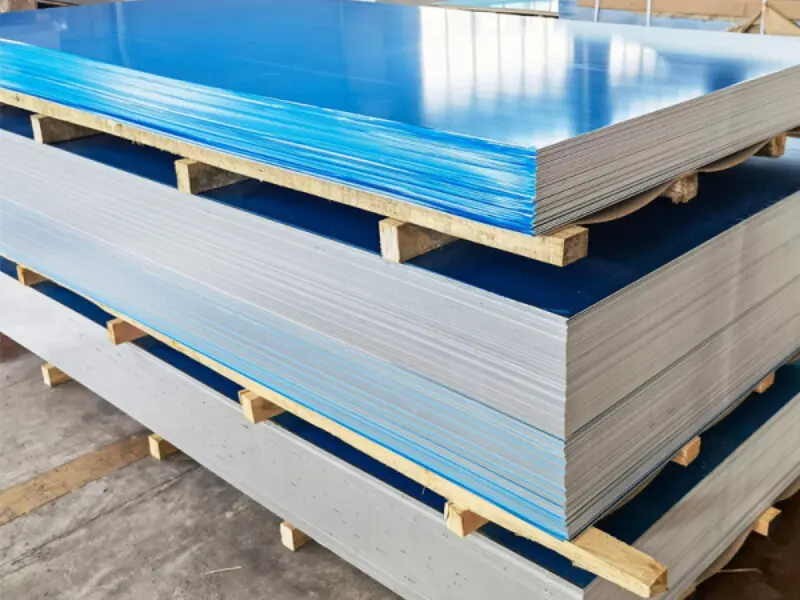
A useful inquiry can include:
Alloy: 5083
Temper: H116
Thickness: 6 mm
Width: 1500 mm
Length: 3000 mm
Quantity: 20 tons
Surface: Mill finish
Certificate: MTC required
Packing: Export seaworthy packing
Destination: Port or city
For example:
5083-H116 aluminum sheet, 6 × 1500 × 3000 mm, mill finish, 20 tons, export packing, MTC required.
This is much clearer than simply asking for the “price of 5083 aluminum.”
What Affects the Price?
The price of 5083 material changes with market conditions and specifications.
Important factors include:
- Aluminum ingot price
- Alloy surcharge
- Temper
- Thickness
- Width
- Length
- Surface finish
- Cutting
- Certification
- Order quantity
- Packaging
- Shipping cost
A large standard-size order may receive a different quotation from a small custom-size order.
For this reason, suppliers normally quote based on a complete specification.
Choosing a 5083 Aluminum Supplier
Price is important, but it should not be the only purchasing factor.
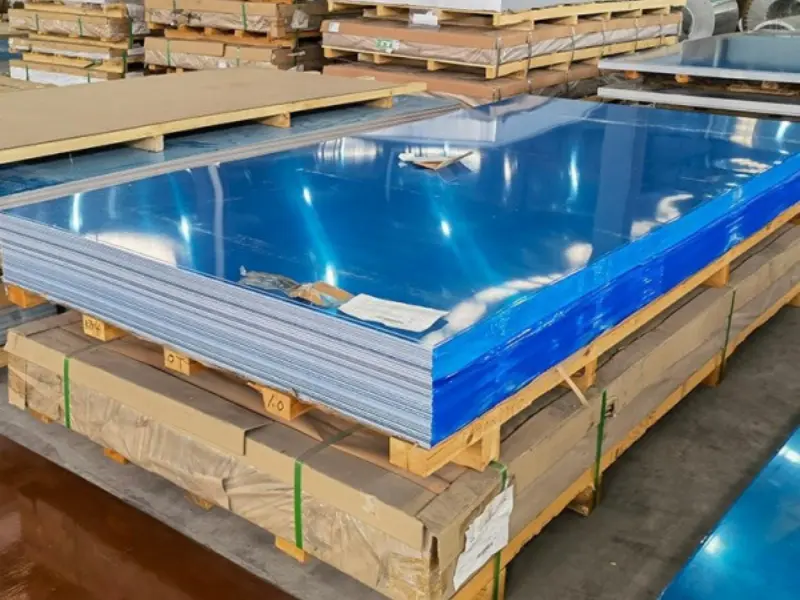
A reliable supplier should be able to provide clear information about:
→ Alloy grade
→ Temper
→ Thickness tolerance
→ Available sizes
→ Surface quality
→ Production capacity
→ Certificates
→ Inspection
→ Packing
→ Delivery time
For marine or structural projects, material traceability can be especially important.
A Practical Specification Guide
For a simple project, the following table can help narrow down the material.
| Project need | Possible specification direction |
|---|---|
| Marine panel | 5083-H116 |
| Marine structure | 5083-H116 or H321 |
| General fabrication | 5083-H111 |
| Heavy industrial plate | 5083-H112 or specified temper |
| Custom formed part | Consider H111 and forming requirements |
| High corrosion exposure | 5083 with suitable marine condition |
| CNC parts | Select thickness and temper based on machining needs |
| Boat building | Commonly 5083 marine-grade condition |
These are general selection directions, not a substitute for engineering specifications.
Why 5083 Is Used in Demanding Projects

The appeal of this alloy comes from a combination of properties rather than one single feature.
High strength
Good corrosion resistance
Good weldability
Low density
Good marine performance
=
A practical material for many fabricated structures
This combination makes it useful in marine, transportation, industrial, and structural applications.
Final Guide to 5083 Aluminum Sheet
5083 aluminum sheet is a practical choice for buyers who need a strong, corrosion-resistant, and weldable aluminum material.
The most important purchasing details are not only the alloy number. Buyers should also confirm:
5083 + Temper + Thickness + Width + Length + Surface + Quantity + Certification
For marine applications, H116 and H321 are common specifications. For general fabrication, H111 may offer useful forming performance. For thicker industrial products, H112 or another specified condition may be available.
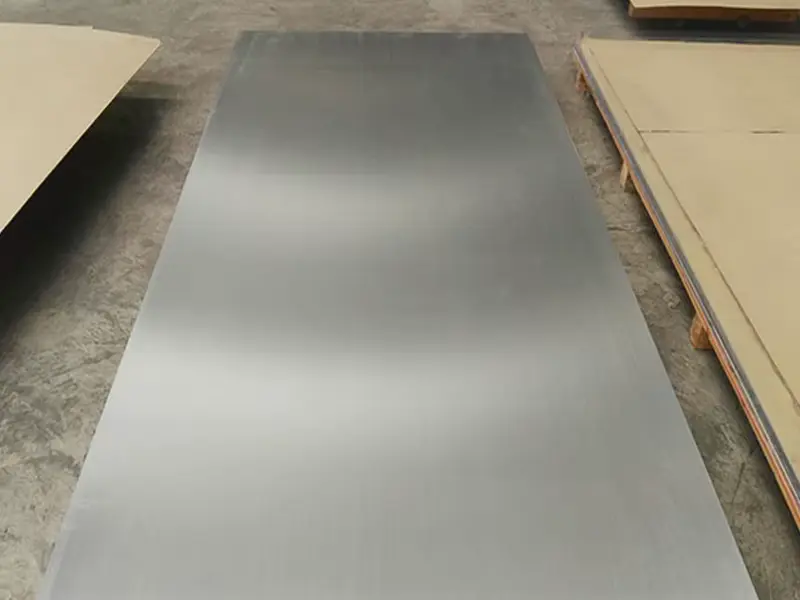
The correct thickness also depends on the final structure. Thin sheet can reduce weight, while thicker plate provides greater rigidity.
Compared with 5052, 5083 is often selected when higher strength is needed. Compared with 6061, it offers advantages for many welded and marine structures.
For international purchasing, the best quotation should include material specification, tolerance, surface condition, inspection documents, packing, and delivery terms.
A complete specification makes it easier to compare suppliers and avoid receiving a material that looks similar but does not meet the project requirements.
Common 5083 Aluminum Sheet Types
5083 O Aluminum Sheet
→ Soft and highly formable. Suitable for bending, deep drawing and fabricated marine components.
5083 H111 Aluminum Sheet
→ Offers a good balance of strength and formability. Commonly used for shipbuilding and marine structures.
5083 H116 Aluminum Sheet
→ Designed for applications requiring strong resistance to seawater corrosion. Suitable for marine panels and ship components.
5083 H321 Aluminum Sheet
→ Provides high strength and good resistance to stress corrosion. Suitable for demanding marine and transportation applications.
5083 Thick Aluminum Plate
→ Available in thicker sizes for structural components, tanks, machinery and heavy-duty engineering projects.
Main Applications
- Ship hulls and decks
- Boat building
- Marine equipment
- Offshore platforms
- Seawater tanks
- Pressure vessels
- Storage tanks
- Transportation equipment
- Railway components
- Truck and trailer bodies
- Industrial machinery
- Heavy-duty structural components
Product Advantages
→ Excellent seawater corrosion resistance
→ High mechanical strength
→ Excellent weldability
→ Good formability
→ Suitable for heavy-duty structures
→ Long service life in harsh environments
→ Lower weight than many steel alternatives
→ Easy cutting and fabrication
→ Available in multiple tempers and thicknesses
→ Custom sizes and specifications available
Common Buyer Questions
Is 5083 aluminum good for marine applications?
Yes. 5083 is widely used for marine fabrication because it combines good strength, corrosion resistance, and weldability.
For marine projects, H116 and H321 are commonly specified conditions. The final specification should follow the applicable marine standard.
Is 5083 aluminum stronger than 5052?
Generally, 5083 can provide higher strength than common 5052 conditions. However, the exact comparison depends on temper and product thickness.
Is 5083 aluminum stronger than 6061?
The answer depends on the temper and property being compared. 6061-T6 can provide high strength, while 5083 offers strong corrosion resistance and excellent suitability for welded marine structures.

Can 5083 aluminum be welded?
Yes. 5083 is widely used in welded aluminum structures. The welding procedure, filler metal, joint design, and heat input should be selected according to the application.
Is 5083 aluminum corrosion resistant?
Yes. It has very good corrosion resistance, which is one reason it is widely used in marine and outdoor environments.
What is the most common 5083 marine temper?
H116 and H321 are commonly used for marine-related applications. The correct condition should be selected according to the project specification and applicable standard.
Can 5083 aluminum be anodized?
Aluminum 5083 can receive surface treatments, but the final appearance and suitability depend on the process and application. If a decorative anodized appearance is required, the supplier should confirm the expected result before production.
What thicknesses are available?
5083 can be supplied in a broad range of thicknesses, from relatively thin sheets to heavy plate. Exact availability depends on the mill, temper, width, and length.
Can 5083 aluminum be cut to size?
Yes. Many suppliers can provide shearing, sawing, CNC cutting, waterjet cutting, or other processing services.
What is the difference between 5083 sheet and 5083 plate?
The main difference is normally related to thickness and the standard used to define the product. For purchasing, the exact thickness should always be stated.