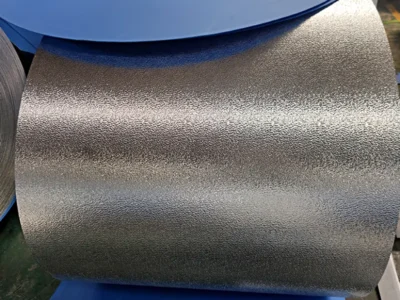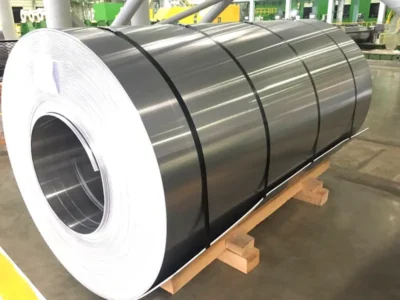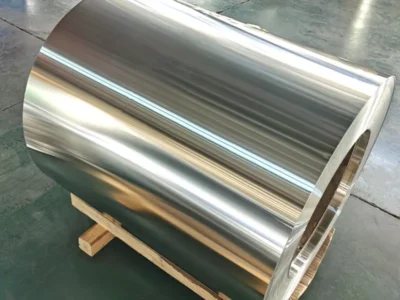
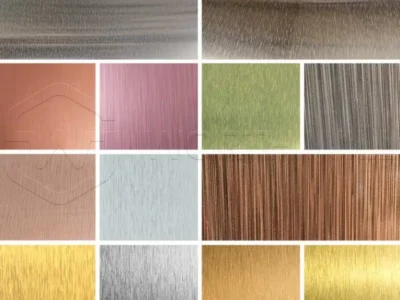
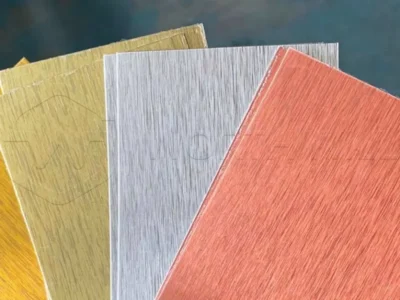
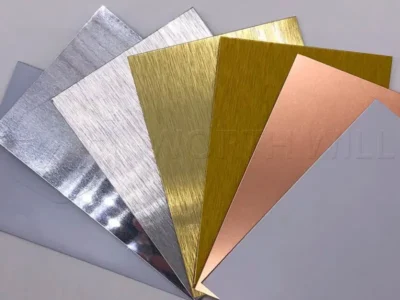
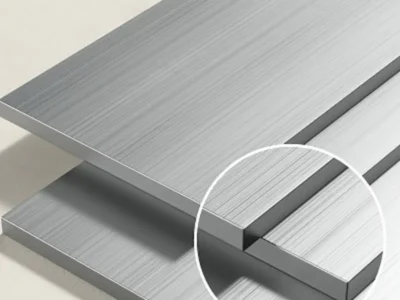
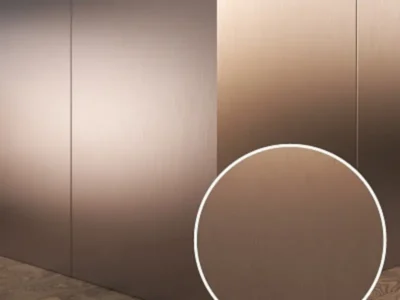
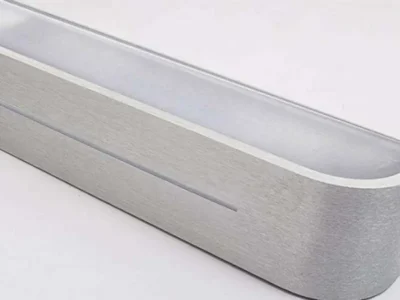
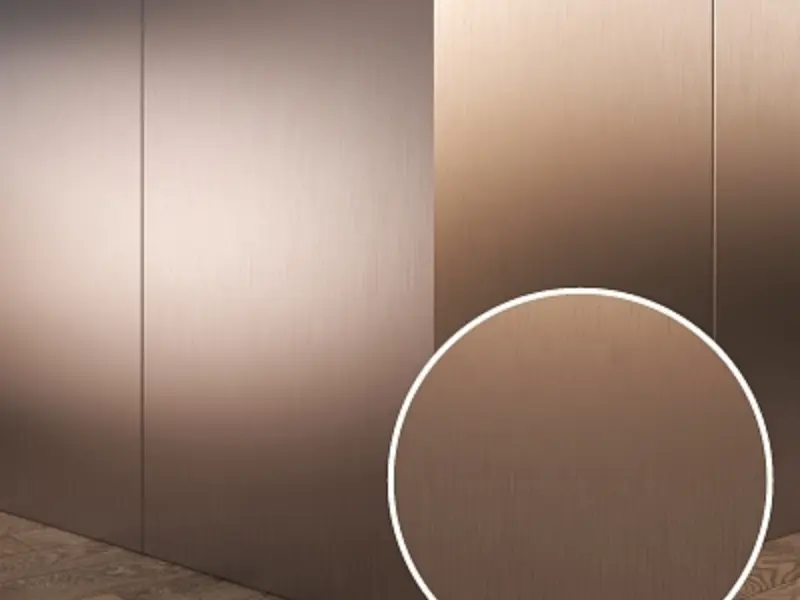
Brushed aluminum sheet is a flat metal panel with a textured surface. The texture comes from fine abrasive lines running in one direction. This gives the metal a soft, satin look. It hides fingerprints. It reduces glare. It adds a modern, industrial feel to any product.
Buyers often ask about alloy types, temper states, and whether brushed aluminum can survive outdoors. This guide answers those questions. We compare 5052 and 6061 alloys. We explain H32 and H34 tempers. We list applications, thickness options, and custom size services.
What Is Brushed Aluminum Sheet?
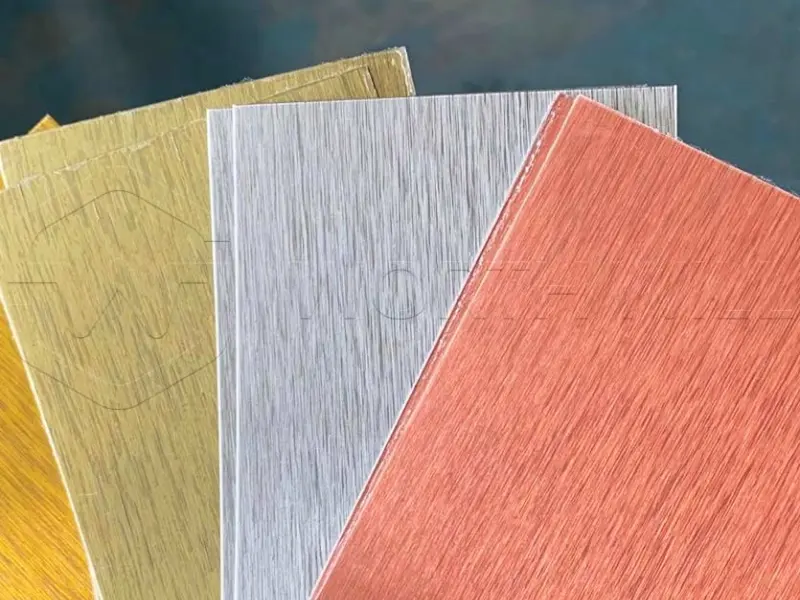
Brushed aluminum sheet starts as a standard aluminum coil or plate. A brushing machine uses abrasive belts or wire brushes to create fine parallel lines on the surface. The process removes minor flaws and gives the metal a uniform, directional texture.
The result is not mirror-bright. It is not matte-flat. It sits in between. The brushed surface catches light in a gentle way. It feels smooth to the touch but looks textured to the eye.
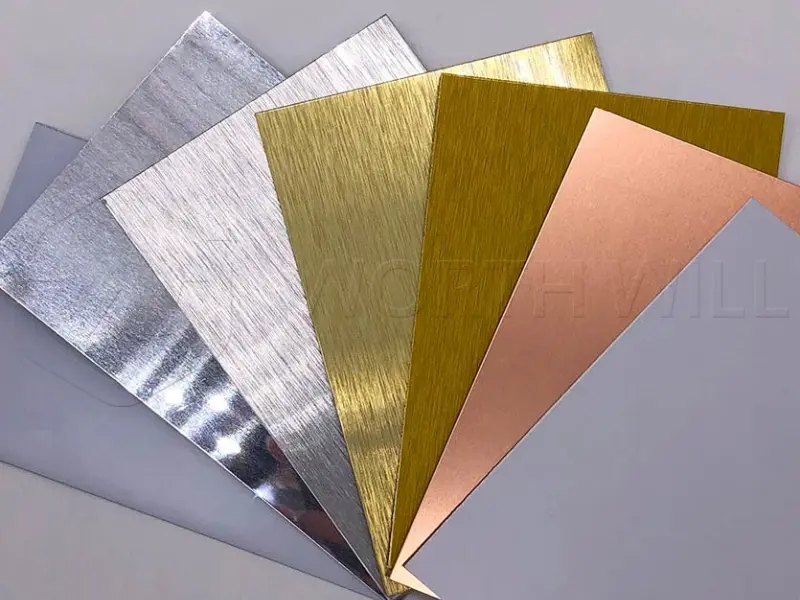
Brushed aluminum sheet can be used as-is. It can also be anodized, painted, or laminated after brushing. The brushing step is often the first stage in a multi-step finishing process.
Why Choose Brushed Aluminum Sheet?
Brushed finish offers unique benefits that other surface treatments do not match.
Fingerprint and Smudge Resistance
The fine lines scatter light. Fingerprints blend into the texture. This makes brushed aluminum ideal for products that people touch often. Appliances, elevator panels, and handrails stay cleaner longer.
Scratch Hiding
Small scratches on a brushed surface are less visible than on a polished or glossy surface. The existing texture masks minor damage. This is why high-traffic areas use brushed metal.
Modern Aesthetic
The linear grain gives a clean, industrial look. It suits contemporary architecture, electronics, and furniture. Designers like the balance between raw metal and refined finish.
Cost Efficiency
Brushing costs less than anodizing or mirror polishing. It adds visual value without a big price jump. For budget-sensitive projects, brushed aluminum sheet is a smart choice.
Alloy 5052 Brushed Aluminum Sheet
5052 is a non-heat-treatable alloy. It contains magnesium as the main alloying element. This gives it excellent corrosion resistance and good formability.
Key Properties of 5052
| Property | Value |
|---|---|
| Main Alloying Element | Magnesium (2.2–2.8%) |
| Tensile Strength | 230–260 MPa |
| Yield Strength | 195 MPa |
| Elongation | 12–20% |
| Density | 2.68 g/cm³ |
| Corrosion Resistance | Excellent |
| Weldability | Very Good |
| Machinability | Good |
5052 brushed aluminum sheet resists saltwater and industrial atmospheres. It forms well. It welds easily. These traits make it a favorite for marine, transportation, and outdoor applications.
Temper Options for 5052 Brushed Sheet
| Temper | Description | Best For |
|---|---|---|
| O | Fully annealed, soft | Deep drawing, complex forming |
| H32 | Strain hardened, quarter hard | General fabrication, moderate forming |
| H34 | Strain hardened, half hard | Better strength, light forming |
| H36 | Strain hardened, three-quarter hard | Higher strength, limited forming |
| H38 | Strain hardened, full hard | Maximum strength, no forming |
| H112 | Strain hardened from rolling | Structural uses, plates |
H32 is the most common temper for brushed aluminum sheet. It offers a good balance of strength and formability. H34 is used when slightly higher strength is needed.
Surface Finishes for 5052 Brushed Sheet
| Finish Type | Description | Typical Use |
|---|---|---|
| Mill finish brushed | Raw brushed texture, no coating | Industrial panels, hidden parts |
| Clear anodized brushed | Brushed texture + clear oxide layer | Outdoor trim, marine parts |
| Color anodized brushed | Brushed texture + dyed oxide | Decorative architecture, branding |
| Painted brushed | Brushed base + paint or powder coat | Appliances, signage |
| PVC laminated brushed | Brushed surface + protective film | Transport, temporary protection |
Alloy 6061 Brushed Aluminum Sheet
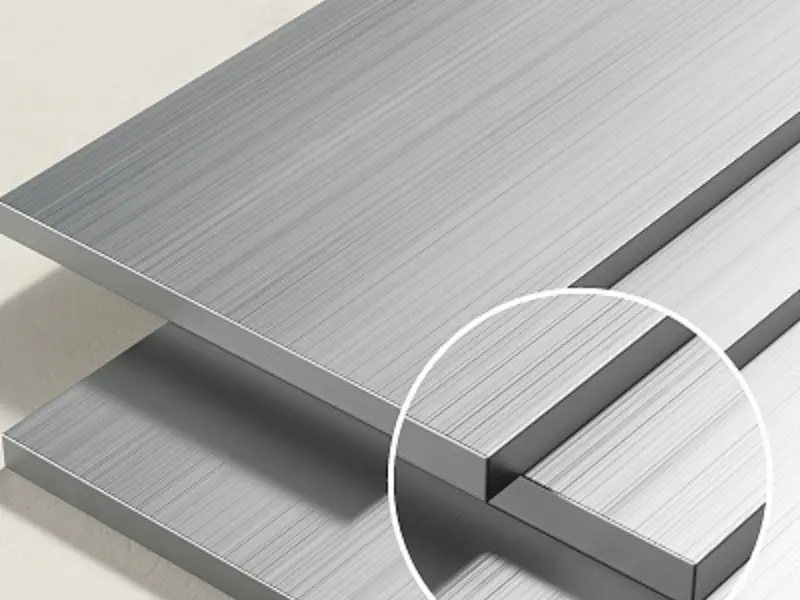
6061 is a heat-treatable alloy. It contains magnesium and silicon. After heat treatment, it reaches high strength. It is one of the most versatile aluminum alloys.
Key Properties of 6061
| Property | Value |
|---|---|
| Main Alloying Elements | Magnesium (0.8–1.2%), Silicon (0.4–0.8%) |
| Tensile Strength (T6) | 290–310 MPa |
| Yield Strength (T6) | 240–276 MPa |
| Elongation | 8–12% |
| Density | 2.70 g/cm³ |
| Corrosion Resistance | Good |
| Weldability | Good |
| Machinability | Excellent |
6061 brushed aluminum sheet is stronger than 5052. It machines cleanly. It holds tight tolerances. These traits make it ideal for structural parts, precision components, and high-stress applications.
Temper Options for 6061 Brushed Sheet
| Temper | Description | Best For |
|---|---|---|
| T4 | Solution treated and naturally aged | Forming before final hardening |
| T6 | Solution treated and artificially aged | Maximum strength, structural parts |
| T651 | T6 with stress relief | Precision machined components |
| O | Annealed | Forming, bending |
T6 is the standard temper for 6061 brushed sheet. It provides the best strength. T651 is used when stress relief is needed after machining.
Surface Finishes for 6061 Brushed Sheet
| Finish Type | Description | Typical Use |
|---|---|---|
| Mill finish brushed | Raw brushed texture | Industrial, structural |
| Clear anodized brushed | Brushed + clear protective layer | Machine parts, hardware |
| Black anodized brushed | Brushed + black oxide | Electronics, automotive trim |
| Hard coat brushed | Brushed + Type III anodizing | Wear-resistant parts |
| Painted brushed | Brushed + color coating | Decorative panels |
5052 vs 6061 Brushed Aluminum Sheet: Side-by-Side Comparison
Choosing between these two alloys depends on your project needs. Here is a detailed comparison.
Strength Comparison
| Property | 5052-H32 | 6061-T6 |
|---|---|---|
| Tensile Strength | 230–260 MPa | 290–310 MPa |
| Yield Strength | 195 MPa | 240–276 MPa |
| Hardness | 65–80 Brinell | 95–105 Brinell |
| Fatigue Strength | 115 MPa | 140 MPa |
6061-T6 is about 25% stronger than 5052-H32. For load-bearing parts, 6061 is the better choice.
Corrosion Resistance Comparison
| Environment | 5052-H32 | 6061-T6 |
|---|---|---|
| Fresh water | Excellent | Good |
| Saltwater | Excellent | Moderate |
| Industrial atmosphere | Very Good | Good |
| Marine splash zone | Excellent | Fair |
| Chemical exposure | Very Good | Good |
Formability Comparison
| Forming Operation | 5052-H32 | 6061-T6 |
|---|---|---|
| Bending | Excellent | Moderate |
| Deep drawing | Very Good | Poor |
| Stretch forming | Good | Fair |
| Roll forming | Very Good | Good |
| Welding | Excellent | Good |
Machinability Comparison
| Machining Trait | 5052-H32 | 6061-T6 |
|---|---|---|
| Chip formation | Long, stringy | Short, broken |
| Surface finish | Fair | Excellent |
| Tool wear | Higher | Lower |
| Cutting speed | Slower | Faster |
| Dimensional accuracy | Good | Excellent |
6061-T6 machines much better than 5052. CNC operators prefer 6061 for precision parts. 5052 tends to gum up tools and leave rough edges.
Cost Comparison
| Cost Factor | 5052-H32 | 6061-T6 |
|---|---|---|
| Raw material cost | Lower | Higher |
| Processing cost | Lower | Higher |
| Machining cost | Higher | Lower |
| Overall project cost | Lower for formed parts | Lower for machined parts |
5052 is cheaper for sheet metal work. 6061 is cost-effective when machining is needed.
Temper H32 vs H34 for 5052 Brushed Sheet
Within the 5052 alloy, temper choice affects performance. H32 and H34 are the most common for brushed sheet.
H32 Temper
H32 is strain-hardened and then stabilized by low-temperature heat treatment. It is about quarter-hard.
| Property | H32 Value |
|---|---|
| Tensile Strength | 230 MPa min |
| Yield Strength | 195 MPa min |
| Elongation | 12% min |
| Formability | Very Good |
H32 is the default choice for brushed aluminum sheet. It bends well. It forms well. It still has enough strength for most applications.
H34 Temper
H34 is strain-hardened to half-hard. It is stronger than H32 but less formable.
| Property | H34 Value |
|---|---|
| Tensile Strength | 260 MPa min |
| Yield Strength | 215 MPa min |
| Elongation | 10% min |
| Formability | Good |
H34 is used when the part needs more rigidity. It is common for panels that must stay flat under load. It is also used when H32 is too soft for the application.
H32 vs H34 Decision Guide
| Need | Choose H32 | Choose H34 |
|---|---|---|
| Bending and forming | Yes | No |
| Maximum strength | No | Yes |
| Flatness under load | No | Yes |
| Welding after forming | Yes | Less ideal |
| General purpose brushed sheet | Yes | Sometimes |
For most buyers, H32 is the right temper. Order H34 only if you know the part needs extra stiffness.
Thickness Options for Brushed Aluminum Sheet
Brushed aluminum sheet comes in many thicknesses. The right thickness depends on the application.
| Thickness | Weight (kg/m²) | Typical Use | Best Alloy |
|---|---|---|---|
| 0.3 mm | 0.81 | Thin decorative panels, labels | 5052, 1100 |
| 0.5 mm | 1.35 | Appliance trim, light covers | 5052, 3003 |
| 0.8 mm | 2.16 | Interior panels, signage | 5052, 6061 |
| 1.0 mm | 2.70 | Structural trim, brackets | 5052, 6061 |
| 1.2 mm | 3.24 | Heavy panels, machine guards | 5052, 6061 |
| 1.5 mm | 4.05 | Industrial panels, frames | 5052, 6061 |
| 2.0 mm | 5.40 | Load-bearing parts, platforms | 5052, 6061 |
| 2.5 mm | 6.75 | Marine panels, truck bodies | 5052, 5083 |
| 3.0 mm | 8.10 | Structural plates, heavy duty | 5052, 6061 |
| 4.0 mm | 10.80 | Thick plates, machined bases | 6061, 5083 |
| 5.0 mm | 13.50 | Extreme load applications | 6061, 5083 |
| 6.0 mm | 16.20 | Heavy structural, bridge parts | 6061, 5083 |
Thin sheets under 1 mm are common for decorative work. Thicknesses from 1 mm to 3 mm suit most industrial and architectural jobs. Plates over 4 mm are for structural and marine use.
Standard and Custom Sizes
Brushed aluminum sheet is available in standard sizes. Custom cutting is also widely offered.
Standard Sheet Sizes
| Width | Length | Common Markets |
|---|---|---|
| 1000 mm | 2000 mm | Asia, Europe |
| 1200 mm | 2400 mm | Australia, Middle East |
| 1219 mm | 2438 mm | North America (4 ft × 8 ft) |
| 1250 mm | 2500 mm | Europe, South America |
| 1500 mm | 3000 mm | Large industrial orders |
| 1524 mm | 3048 mm | North America (5 ft × 10 ft) |
Standard Coil Widths
| Width | Typical Use |
|---|---|
| 600 mm | Small parts, strip forming |
| 1000 mm | General sheet work |
| 1200 mm | Standard panels |
| 1250 mm | European standard |
| 1500 mm | Wide panels, cladding |
Custom Size Services
Most suppliers offer custom cutting. Options include:
- Shearing to exact length and width
- CNC routing for complex shapes
- Laser cutting for precision edges
- Water jet cutting for thick plates
- Slitting coils to narrow widths
- Deburring and edge finishing
Custom sizes reduce waste. They also speed up production because parts arrive ready to use.
Can Brushed Aluminum Sheet Be Used Outdoors?
This is a common question. The answer depends on the alloy, the environment, and any post-brushing treatment.
Bare Brushed Aluminum Outdoors
Bare brushed aluminum can be used outdoors. But it has limits. Aluminum forms a natural oxide layer. This layer protects against mild weather. However, it is thin and uneven. In harsh environments, bare aluminum will:
- Develop white oxidation spots
- Lose its brushed luster over time
- Show water stains and pollution marks
- Pit in coastal or industrial areas
Bare brushed aluminum is fine for short-term outdoor use. It is also acceptable in mild climates. For long-term outdoor exposure, extra protection is needed.
Protected Brushed Aluminum Outdoors
Adding protection extends outdoor life significantly.
| Protection Method | Expected Outdoor Life | Best For |
|---|---|---|
| Clear anodizing | 10–20 years | Trim, facades, signage |
| Color anodizing | 10–15 years | Architectural panels, branding |
| Powder coating | 15–25 years | Heavy structural, marine |
| PVDF coating | 20–30 years | High-end architecture |
| Protective film | 1–3 years temporary | Transport, storage |
Clear anodizing over brushed aluminum is the most popular outdoor treatment. It preserves the metal texture while adding a hard, sealed layer. The oxide pores are closed. Water and salt cannot penetrate.
Outdoor Use by Environment
| Environment | Bare Brushed | Anodized Brushed | Coated Brushed |
|---|---|---|---|
| Indoor only | Good | Excellent | Excellent |
| Mild outdoor, dry climate | Fair | Very Good | Excellent |
| Urban outdoor, rain | Poor | Good | Very Good |
| Coastal, salt spray | Very Poor | Good | Very Good |
| Industrial, chemical | Poor | Fair | Good |
| Marine, submerged | Not recommended | Fair | Good |
For coastal or marine use, 5052 alloy with clear anodizing or powder coating is the minimum. 6061 should be coated or anodized for any outdoor use.
Brushed Pattern Types and Their Uses
The brushing process can create different visual effects. The pattern choice affects both look and function.
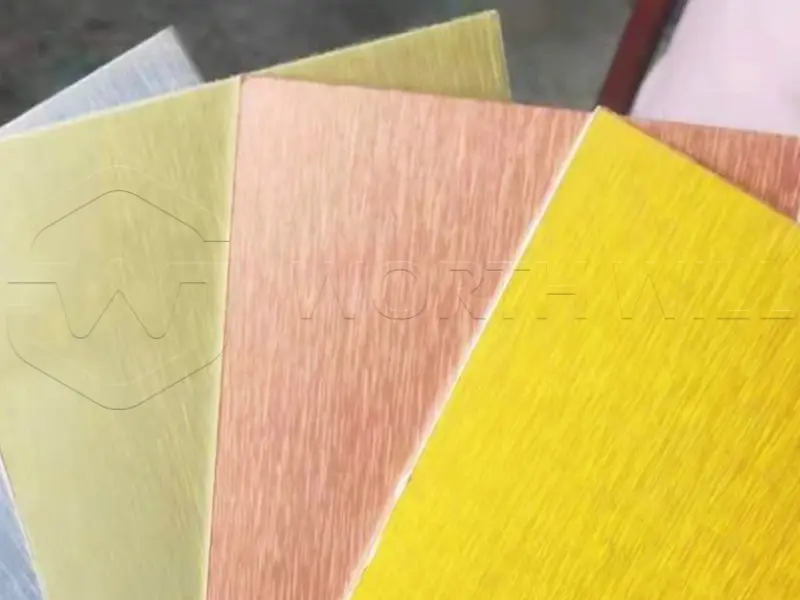
Fine Straight-Line Brush
Fine straight-line brushing uses high-grit abrasive belts. The lines are subtle and close together.
| Property | Value |
|---|---|
| Grit range | 320–600 |
| Line visibility | Low |
| Light reflection | Soft, uniform |
| Fingerprint hiding | Very Good |
Fine brush is used for premium electronics, appliances, and architectural panels. It looks elegant and refined.
Medium Straight-Line Brush
Medium brushing uses mid-range grit. The lines are more visible.
| Property | Value |
|---|---|
| Grit range | 150–320 |
| Line visibility | Moderate |
| Light reflection | Directional |
| Scratch hiding | Good |
Medium brush is the most common type. It balances texture and smoothness. It is used for general industrial panels, trim, and signage.
Coarse Straight-Line Brush
Coarse brushing uses low-grit abrasives. The lines are bold and pronounced.
| Property | Value |
|---|---|
| Grit range | 80–150 |
| Line visibility | High |
| Light reflection | Strong, dramatic |
| Scratch hiding | Excellent |
Coarse brush is used for heavy industrial looks. It hides damage very well. It is common on toolboxes, work surfaces, and rugged equipment.
Random Brush
Random brushing has no set direction. The abrasive moves in many directions.
| Property | Value |
|---|---|
| Pattern | No direction |
| Light reflection | Diffuse |
| Scratch hiding | Excellent |
| Cleanability | Good |
Random brush is ideal for high-traffic areas. Elevator interiors, public handrails, and transit vehicles use this pattern. It hides wear from constant contact.
Circular or Orbital Brush
Circular brushing uses rotary tools. It creates a swirl pattern.
| Property | Value |
|---|---|
| Pattern | Swirl or orbit |
| Light reflection | Radial |
| Decorative effect | High |
| Scratch hiding | Moderate |
Circular brush is decorative. It is used on premium hardware, watch cases, and luxury items. The pattern is eye-catching but shows scratches more than random brush.
Applications of Brushed Aluminum Sheet
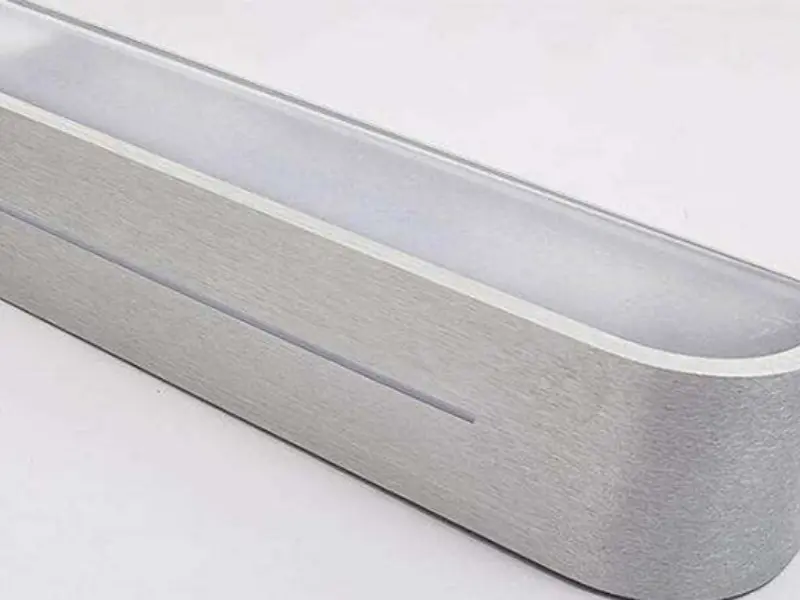
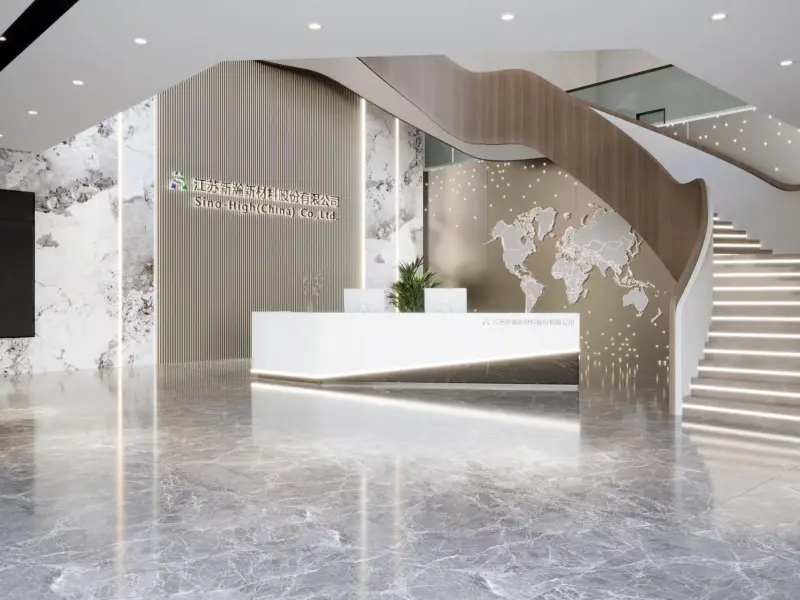
Brushed aluminum sheet appears in many industries. The list below shows the range of use.
Architecture and Construction
- Interior wall panels and column wraps
- Elevator interiors and door skins
- Handrails and balustrades
- Ceiling tiles and light coves
- Window and door trim
- Decorative facades (with anodizing)
- Signage and wayfinding systems
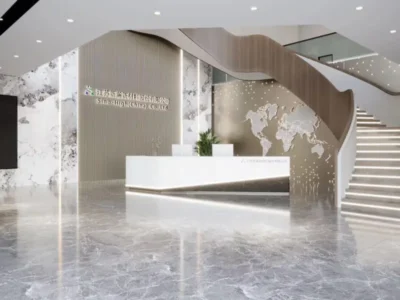
- Reception desks and feature walls
Appliances and Consumer Goods
- Refrigerator door panels
- Oven and range front trims
- Dishwasher front panels
- Microwave and small appliance housings
- Air conditioner covers
- Washer and dryer panels
- Kitchen range hoods
Transportation
- Bus and train interior panels
- Marine cabin trim and bulkheads
- RV and caravan wall panels
- Truck body side panels
- Trailer interior lining
- Aircraft cabin components
- Automotive interior trim
Electronics and Equipment
- Computer case panels
- Server rack fronts
- Audio equipment chassis
- Medical device housings
- Control panel faces
- Instrument bezels
- LED light fixtures and housings
Furniture and Fixtures
- Office desk surfaces
- Cabinet door inserts
- Shelf edging and trim
- Display case frames
- Retail fixture panels
- Hotel room furniture accents
- Bathroom vanity trim
Industrial and Manufacturing
- Machine guard panels
- Workbench surfaces
- Tool chest fronts
- Control enclosure doors
- Conveyor side panels
- Safety barrier panels
- Inspection station surfaces
How to Order Custom Brushed Aluminum Sheet
Custom orders are common. Here is what buyers typically request.
Custom Alloy and Temper
Specify the alloy and temper you need. 5052-H32 is the most common for general use. 6061-T6 is for structural or machined parts. Other options include 3003-H14, 5083-H116, and 1100-H14.
Custom Thickness
Standard thicknesses are listed above. But mills can produce non-standard gauges. Common custom requests include 0.6 mm, 0.9 mm, 1.8 mm, and 3.5 mm.
Custom Dimensions
Provide exact length and width. Tolerance is typically ±1 mm for sheared edges. For tighter tolerances, CNC or laser cutting is needed.
Custom Brush Pattern
Specify the brush direction, grit, and pattern. Straight-line is standard. Random, cross-hatch, and circular are available on request.
Custom Post-Treatment
Request clear anodizing, color anodizing, painting, or lamination. Each adds protection and changes the final look.
Packaging Requirements
Standard packing uses PE film and plywood crates. Custom packing includes:
- Individual sheet wrapping
- Interleaved paper or foam
- Carton labeling with your brand
- Pallet size matching your warehouse racks
Quality Checks for Brushed Aluminum Sheet
Good suppliers test their product before shipping. Here are common checks.
| Test | Purpose | Method |
|---|---|---|
| Thickness measurement | Ensure gauge accuracy | Micrometer or ultrasonic gauge |
| Brush pattern check | Verify texture consistency | Visual, gloss meter, profile gauge |
| Flatness check | Ensure sheet lies flat | Straight edge or table test |
| Alloy verification | Confirm correct material | Spectrometry or spark test |
| Surface cleanliness | Check for oils or residue | Water break test |
| Protective film adhesion | Ensure film stays on during transit | Tape test |
| Edge condition | Check for burrs or cracks | Visual and tactile inspection |
Frequently Asked Questions
Can brushed aluminum sheet be used outdoors without coating?
Bare brushed aluminum can survive outdoors in mild climates. But it will oxidize and lose its look over time. For long-term outdoor use, clear anodizing or powder coating is strongly recommended. In coastal areas, bare aluminum is not suitable.
What is the difference between H32 and H34 temper?
H32 is softer and more formable. H34 is stronger but less formable. H32 is the standard for brushed sheet. H34 is used when extra stiffness is needed. Both are strain-hardened tempers for 5052 alloy.
Is 5052 or 6061 better for brushed sheet?
5052 is better for forming, welding, and marine use. 6061 is better for machining, strength, and structural parts. For decorative panels that need bending, choose 5052. For brackets and machined parts, choose 6061.
Can I get brushed aluminum sheet in custom sizes?
Yes. Most suppliers offer custom cutting. You can order exact lengths, widths, and even complex shapes. Standard coil widths limit the maximum width. But slitting and shearing can produce almost any size within those limits.
Does brushing affect the thickness of the sheet?
Brushing removes a very small amount of material. The thickness change is usually less than 0.02 mm. For most applications, this is negligible. If tight tolerances are needed, specify the final thickness after brushing.
Can brushed aluminum be welded?
Yes. Both 5052 and 6061 weld well. Brushing does not affect weldability. However, the brushed texture may hold contaminants. Clean the weld area before joining. After welding, the heat-affected zone may lose its brushed look. Touch-up brushing may be needed.
How do I clean brushed aluminum sheet?
Use a soft cloth and mild soap. Wipe in the direction of the brush lines. Avoid circular motions. Do not use abrasive cleaners or steel wool. These can create cross-scratches that show clearly on the directional texture.
What is the maximum size for brushed aluminum sheet?
Standard mill coils are up to 1500 mm wide and 3000 mm long. Some mills can produce up to 2000 mm wide. For larger panels, seaming or joining is needed. Check with your supplier for their specific mill limits.
Can brushed aluminum be colored?
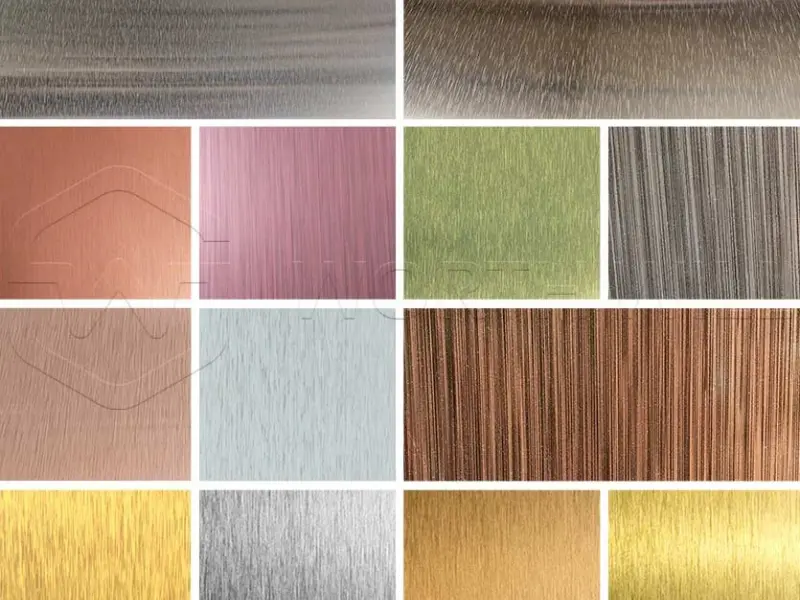
Yes. Brushed aluminum can be anodized and dyed. The brush texture remains visible under the color. Popular colors include black, bronze, champagne, and blue. The color absorbs into the anodized pores and is sealed for durability.
Is brushed aluminum more expensive than mill finish?
Yes, but the difference is small. Brushing adds one processing step. The cost increase is typically 10% to 20% over mill finish. Compared to anodizing or mirror polishing, brushing is very economical.
What alloys can be brushed?
Almost all aluminum alloys can be brushed. 5052, 6061, 3003, 1100, and 1050 are the most common. Harder alloys like 7075 can be brushed but require more aggressive abrasives. Very soft alloys like 1060 brush easily but may show uneven texture.
How long does brushed aluminum last?
Indoors, brushed aluminum lasts decades with minimal care. Outdoors, bare brushed aluminum may show aging in 2 to 5 years. With anodizing or coating, outdoor life extends to 10 to 30 years depending on the environment and protection level.
Brushed Aluminum Sheet Material
Brushed aluminum sheet is a versatile material with a distinctive look. It combines the light weight of aluminum with a texture that hides wear and adds style. Alloy 5052 offers excellent formability and corrosion resistance. Alloy 6061 brings higher strength and machinability. Temper H32 is the go-to choice for general work. Temper H34 adds stiffness when needed.
Custom sizes are widely available. Whether you need thin decorative sheet or thick structural plate, suppliers can cut and finish to your exact specs. The key is to match the alloy, temper, thickness, and finish to your specific application.
If you need brushed aluminum sheet for your next project, start by defining the environment, the forming needs, and the visual goals. Then choose between 5052 and 6061. Pick the right temper. Select the thickness. And decide whether outdoor protection is needed. With these choices clear, you will get a product that performs well and looks great.